
Concrete control joints should typically be inspected regularly and repaired every few years, depending on traffic and wear. In high-traffic industrial environments, facilities may need to repair concrete expansion joints or joint fillers more frequently—sometimes every 2 to 5 years—to prevent edge damage and maintain safe floor conditions.
Concrete joints are designed to allow slabs to expand and contract. Over time, however, the filler material inside those joints can wear down, separate from the concrete, or become damaged by forklifts and heavy equipment.
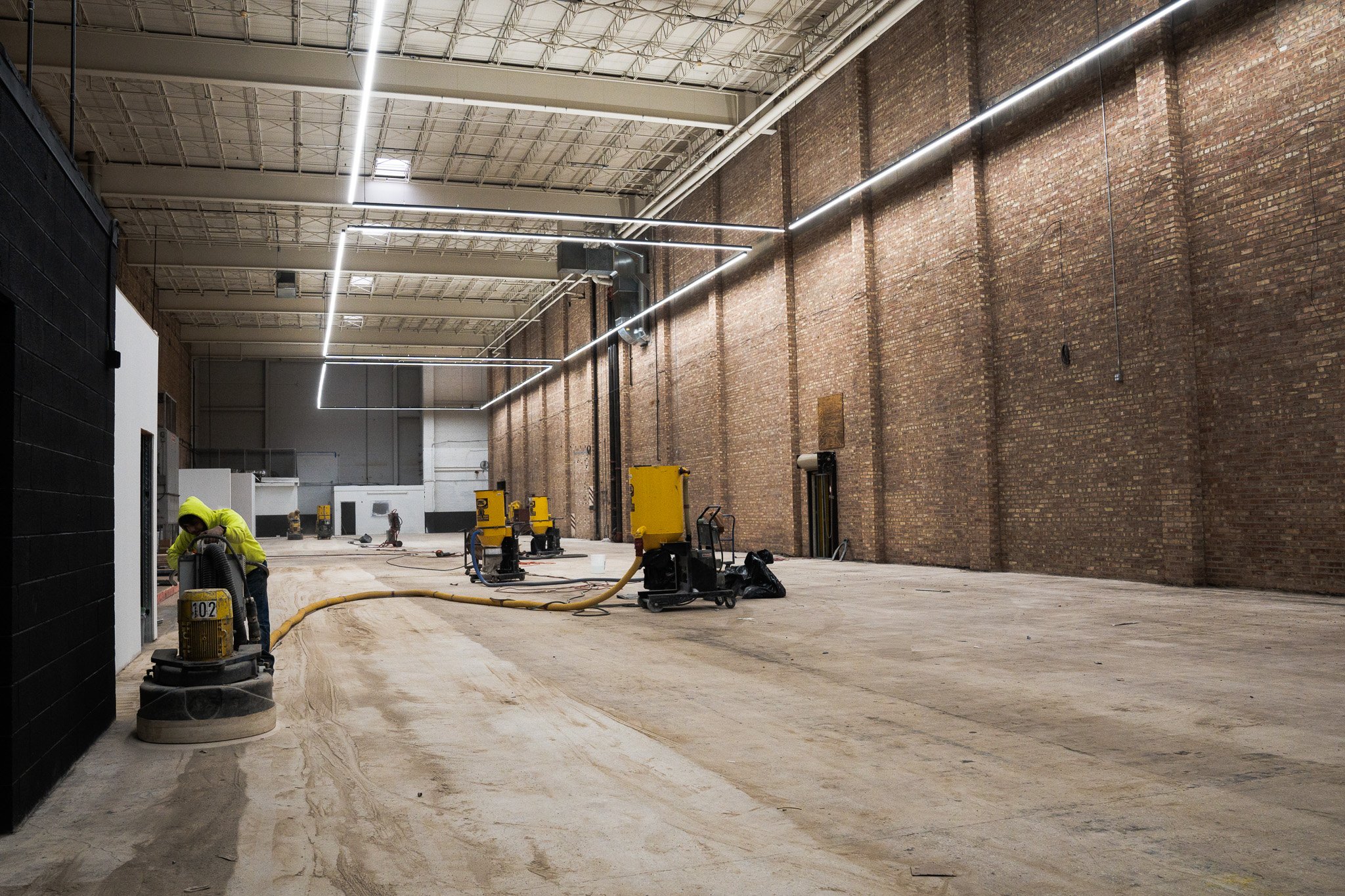
At CustomCrete, control joint repair is one of the most common maintenance needs in warehouses, manufacturing facilities, and distribution centers.
Why Concrete Joint Repair Is Necessary
Concrete slabs move slightly due to temperature changes, load stress, and normal building movement. Control joints and expansion joints help guide that movement so cracks occur where intended.
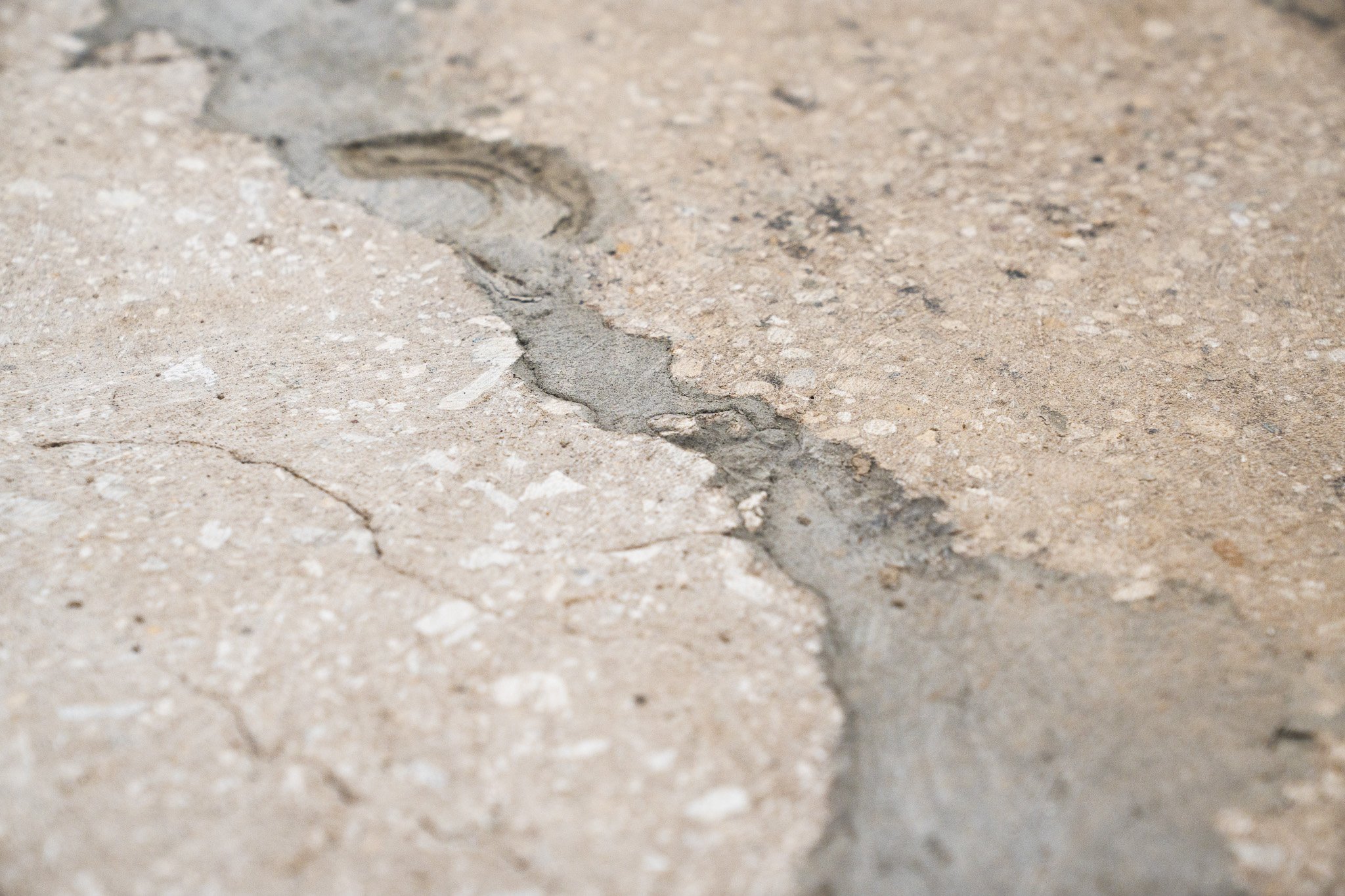
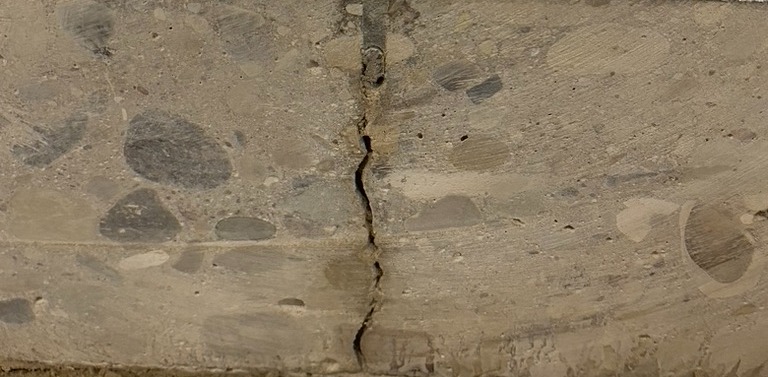
However, if joint filler deteriorates, the edges of the concrete slab become vulnerable. Without proper support, heavy wheels and equipment can begin to chip the edges of the joint—a condition known as edge spalling.
Repairing joints helps protect the slab and maintain a smoother surface for traffic.
Signs It’s Time to Repair Concrete Control Joints
Joint repair is usually recommended when facilities notice:
- Missing or worn joint filler
- Cracked or separated filler material
- Chipping concrete along joint edges
- Increased vibration from forklifts or carts
- Debris collecting inside open joints
Addressing these issues early can prevent more expensive structural repairs later.
How Traffic Affects Joint Repair Frequency
The amount of traffic on the floor plays a major role in how often joints need repair.
- Light commercial traffic: joints may last many years before needing attention
- Moderate industrial traffic: joints may require maintenance every few years
- Heavy forklift traffic: joints may wear faster and require more frequent inspection
Facilities with steel-wheeled carts or high-speed forklift activity typically experience the most joint wear.
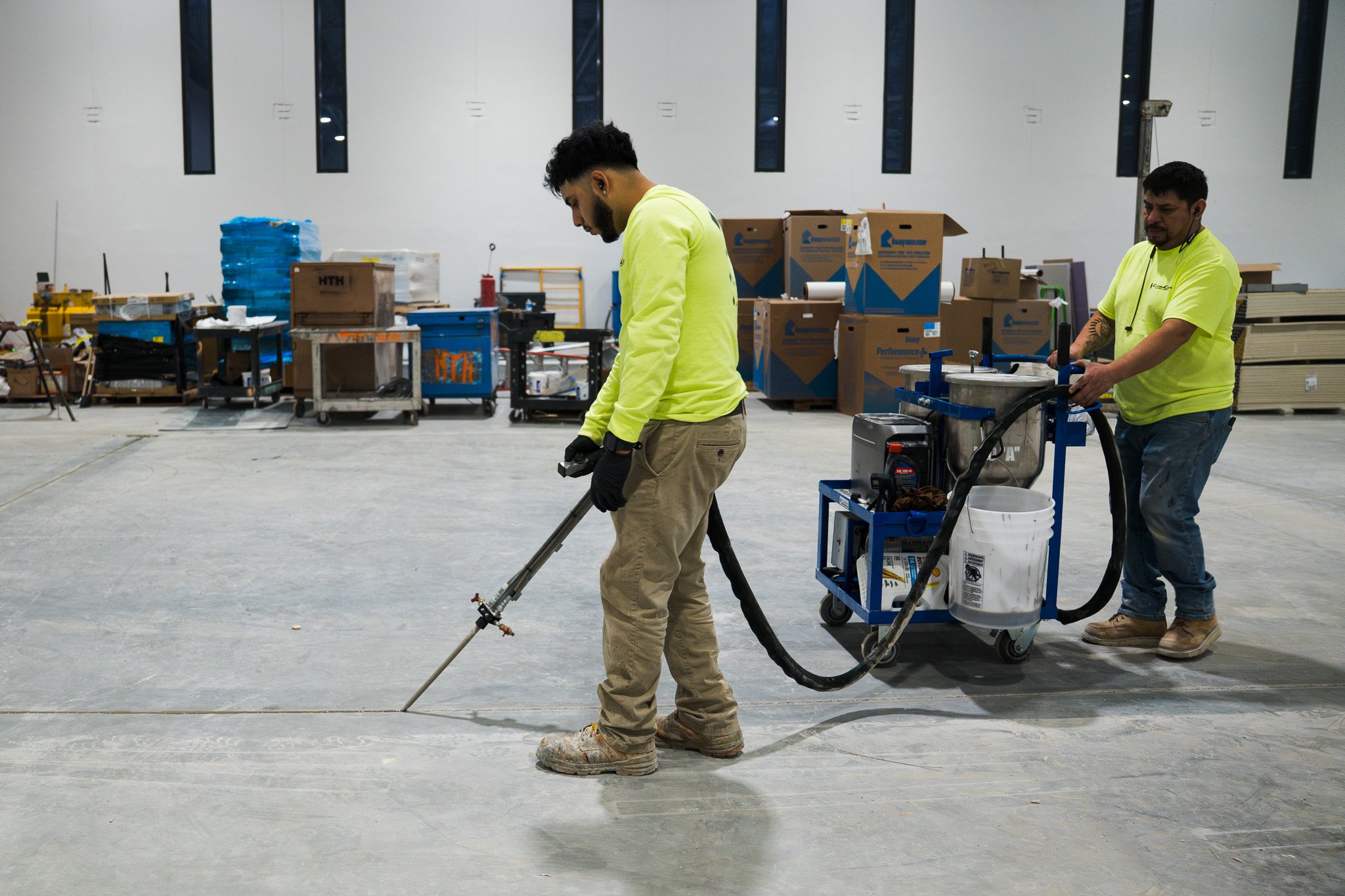
What Happens During Joint Repair
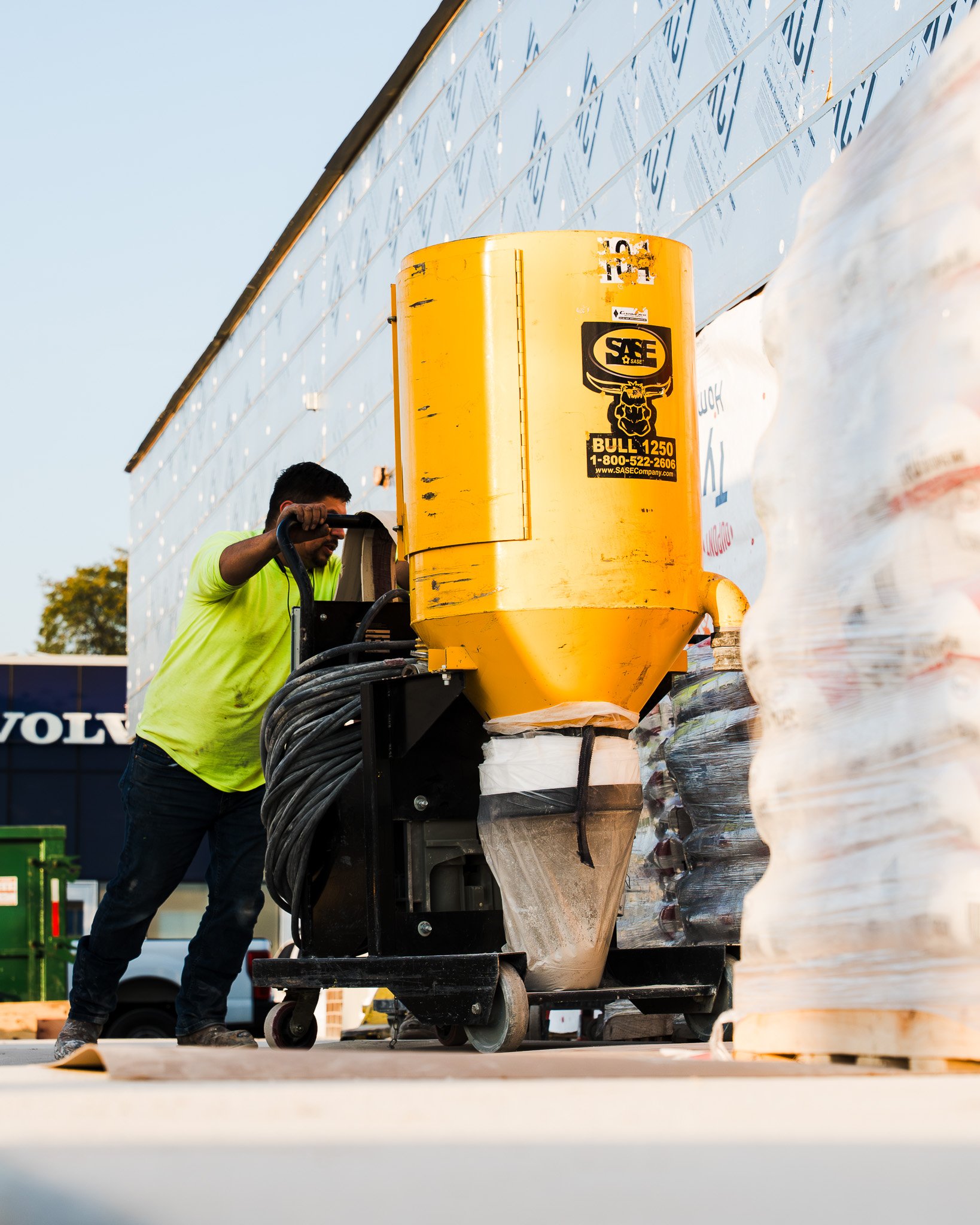
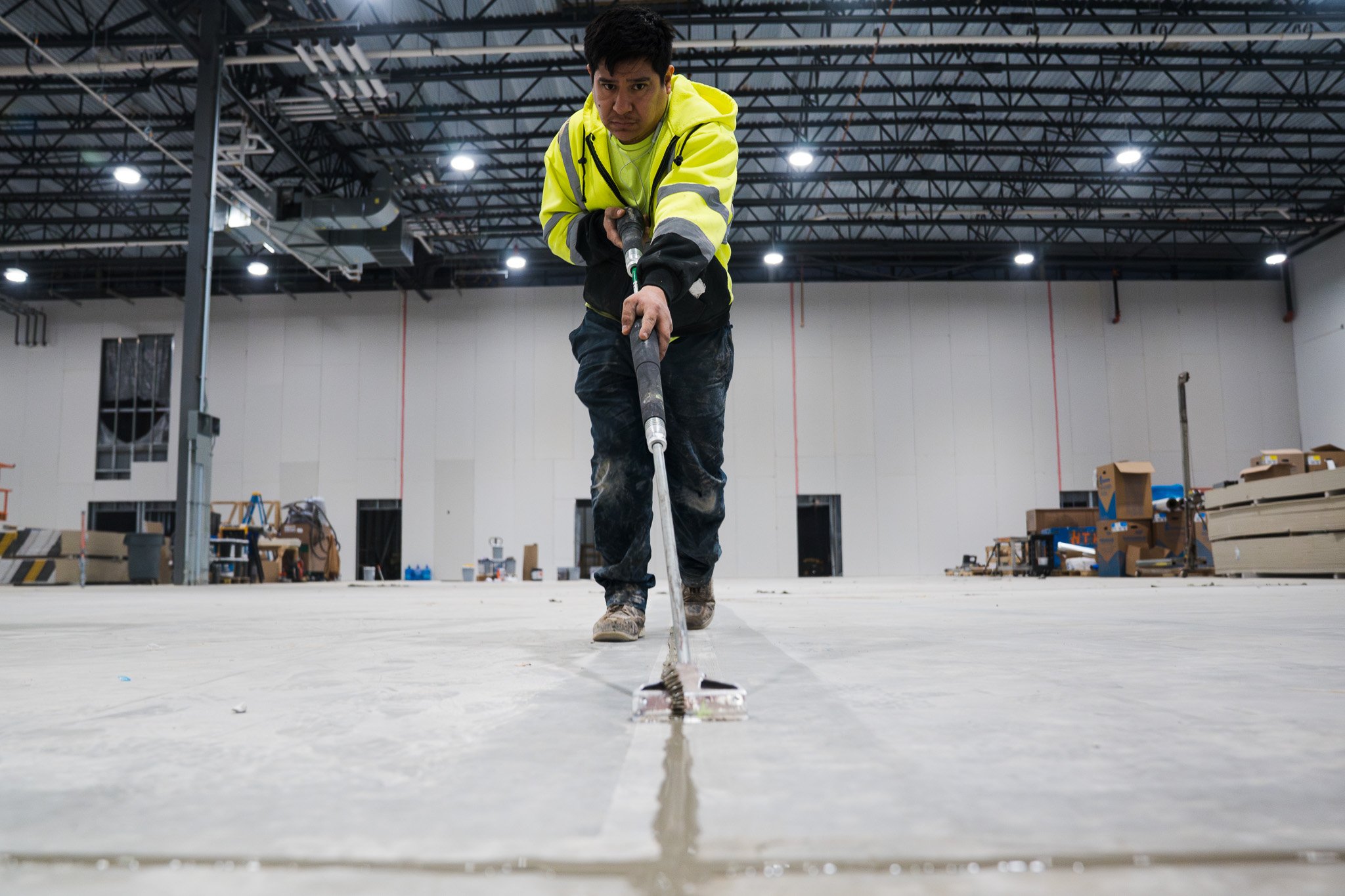
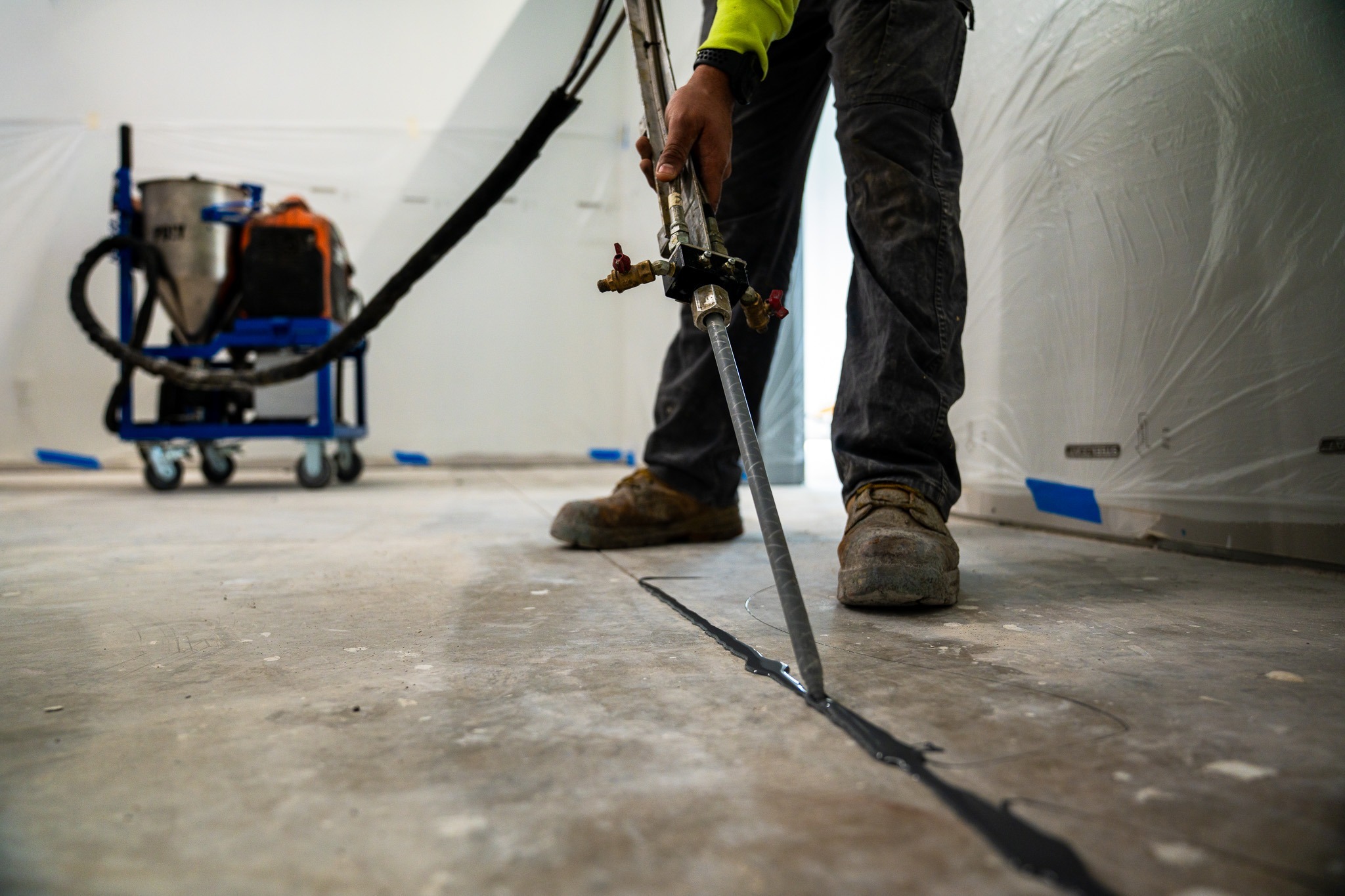
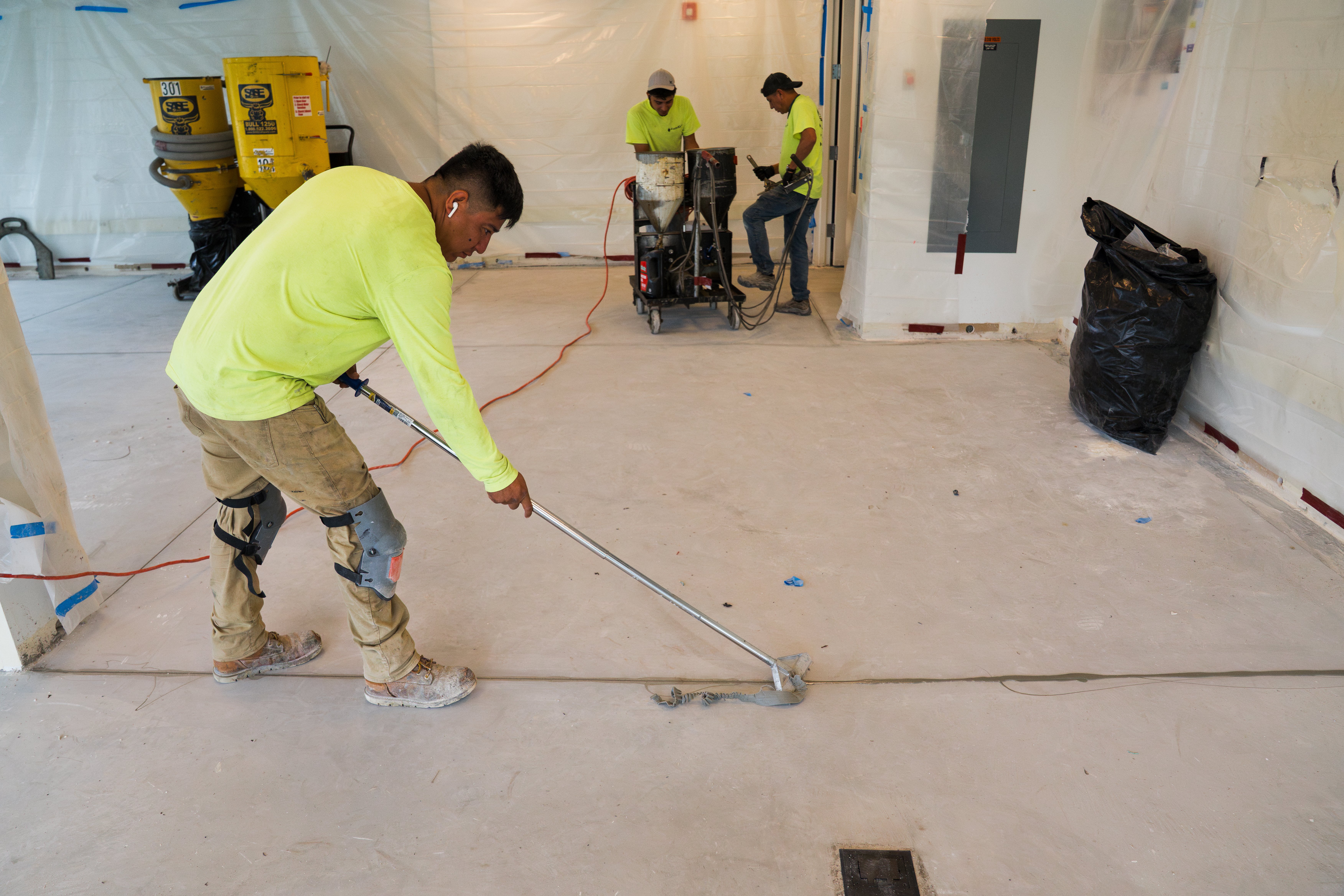
When teams repair concrete control joints, they usually:
- Remove damaged or worn joint filler
- Clean and prepare the joint channel
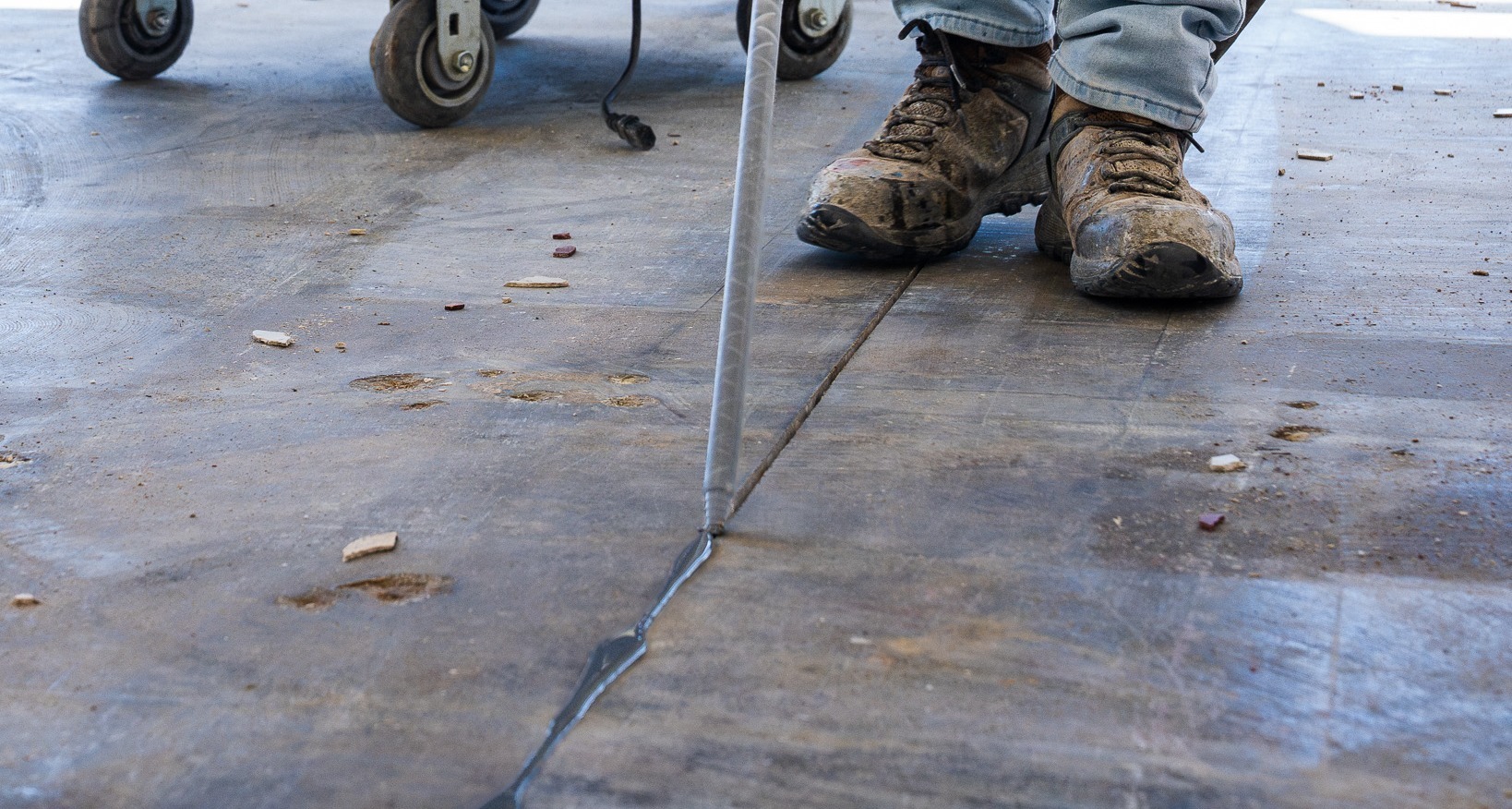
- Install new semi-rigid joint filler material
- Shave the filler flush with the floor surface
This process restores support to the joint edges and helps protect the slab from further damage.
Why Preventative Joint Maintenance Matters
Waiting too long to repair joints can lead to larger problems. When joint edges begin breaking down, repairs may require additional patching or even partial slab restoration.
Regular inspection and timely repair help:
- Extend the life of the concrete floor
- Reduce forklift vibration and wear
- Improve safety for workers and equipment
- Prevent larger structural repairs
Preventative maintenance is often far less expensive than repairing severe joint damage.

Final Thoughts
Concrete joints should be inspected regularly and repaired when joint filler begins to wear, separate, or fail. In high-traffic environments, facilities may need to repair concrete joints every few years to maintain floor safety and protect slab edges.
To learn more about why joint fillers matter and how they protect concrete floors, read the next article: “Benefits of Filling Control Joints.”
Topics:
.jpeg?width=1638&height=1020&name=CC109349%20(1).jpeg)
.jpg?width=6139&height=4093&name=CC100396%20(1).jpg)