
Cold storage and freezer facilities create some of the toughest environments for industrial flooring. Extremely low temperatures, frequent washdowns, heavy equipment traffic, and constant moisture exposure all place stress on concrete surfaces. Choosing the wrong flooring system in these environments can quickly lead to cracking, peeling, or dangerous slip hazards.
For facility managers, selecting the right freezer floor is critical for maintaining safety, protecting the concrete slab, and ensuring long-term performance. Not all flooring systems can withstand the unique conditions inside refrigerated and frozen environments. Understanding the challenges and available solutions helps decision-makers select the best flooring system for their operation.
This guide explores the most effective flooring options for freezer and cold storage facilities and explains why these environments require specialized systems.
Why Freezer Environments Are Hard on Concrete Floors
Concrete floors in freezer facilities experience conditions that are very different from those in standard warehouses or production areas.
Several factors contribute to the difficulty of maintaining a durable freezer floor, including:
- Extreme temperature fluctuations
- Moisture from condensation and cleaning processes
- Ice formation on surfaces
- Heavy forklift traffic
- Frequent loading and unloading operations
These conditions create stress on both the concrete slab and any coatings applied to the surface. Without the right flooring system, damage can develop quickly.
Thermal Shock and Temperature Fluctuations
One of the most challenging aspects of freezer environments is thermal shock. Thermal shock occurs when flooring materials rapidly expand and contract due to sudden temperature changes.
For example, when hot water cleaning occurs in a cold environment, the surface temperature of the floor can change rapidly. This expansion and contraction can cause coatings to crack or delaminate.
A properly designed freezer floor must be able to withstand these temperature swings without losing adhesion or structural integrity.
Moisture and Condensation Risks
Cold environments naturally produce condensation as warm air meets cold surfaces. This moisture can seep into small cracks or imperfections in the floor.
Over time, trapped moisture can freeze and expand, causing additional damage to the concrete surface. In addition, water accumulation increases the risk of slips and falls.
Because of this, the best freezer floor systems include moisture-resistant materials and slip-resistant textures to improve safety and durability.
Heavy Equipment and Forklift Traffic
Cold storage facilities often operate around the clock, with forklifts moving pallets of frozen goods through narrow aisles. These rolling loads place constant pressure on the floor.
A weak flooring system may crack or wear down quickly under this type of traffic. For this reason, freezer floors must be designed with strong mechanical properties that can support continuous equipment movement.
Durability under heavy loads is one of the most important factors when selecting a freezer floor system.
Urethane Cement Flooring
One of the most widely recommended options for freezer environments is urethane cement flooring.
Urethane cement systems are designed specifically for industrial settings where temperature swings, moisture, and heavy traffic are common.
Benefits of urethane cement for freezer floors include:
- Excellent resistance to thermal shock
- Strong adhesion to concrete
- High durability under forklift traffic
- Chemical and moisture resistance
- Slip-resistant surface options
Because urethane cement systems expand and contract at rates similar to concrete, they are less likely to crack or delaminate when exposed to extreme temperatures. This makes them a popular choice for facilities that require a highly durable freezer floor.
Epoxy Flooring Systems
Epoxy flooring systems are another common option in cold storage facilities, particularly in areas where temperatures remain consistent.
Epoxy systems provide:
- Strong chemical resistance
- Seamless surfaces that are easy to clean
- High durability in controlled environments
However, epoxy systems can be more sensitive to thermal shock compared to urethane cement. In areas where frequent temperature changes occur, specialized formulations may be required to maintain the performance of the freezer floor.
Slip-Resistant Flooring Systems
Safety is a major concern in freezer environments. Moisture, condensation, and ice buildup can create slippery conditions that increase the risk of workplace accidents.
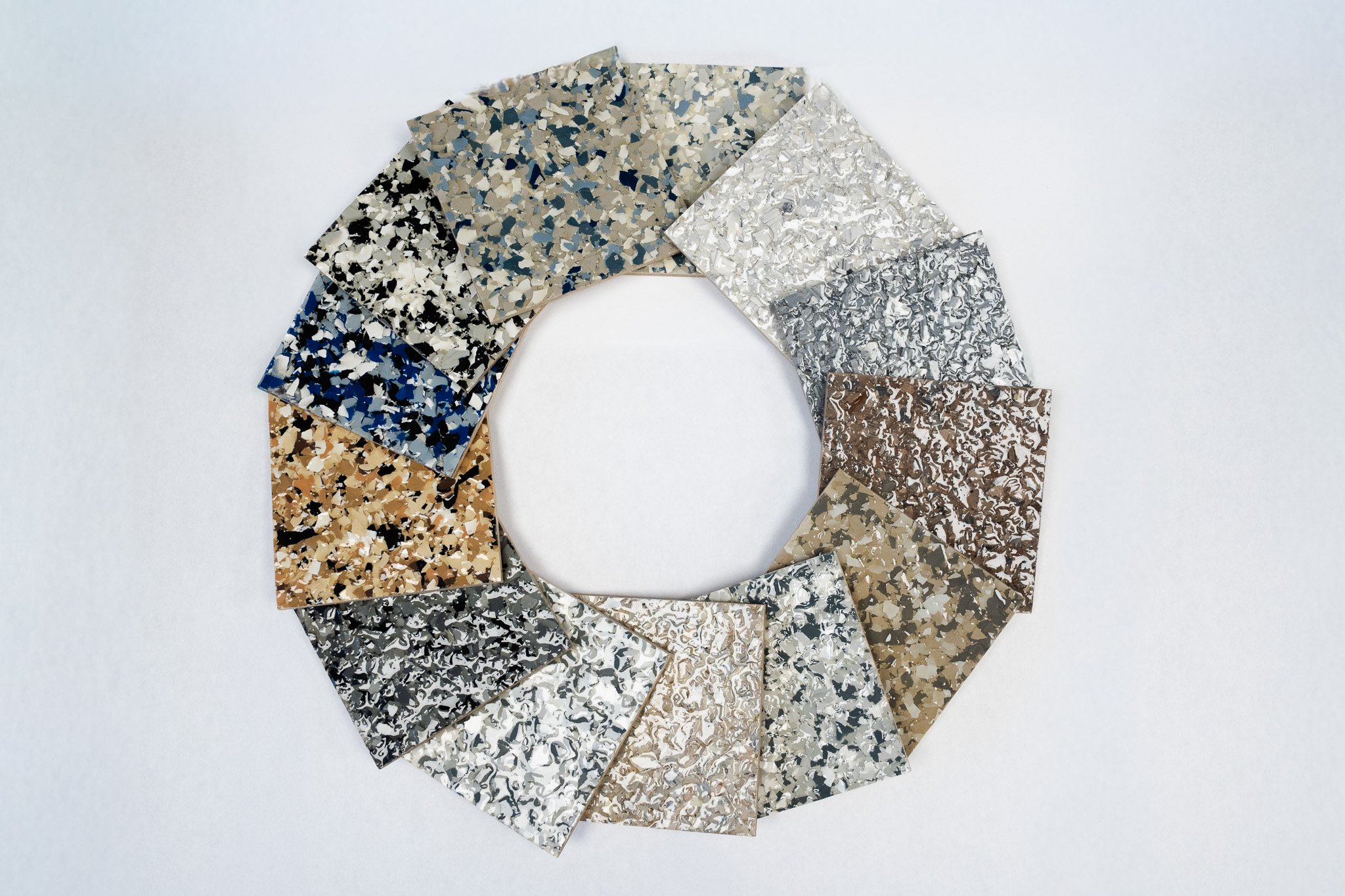
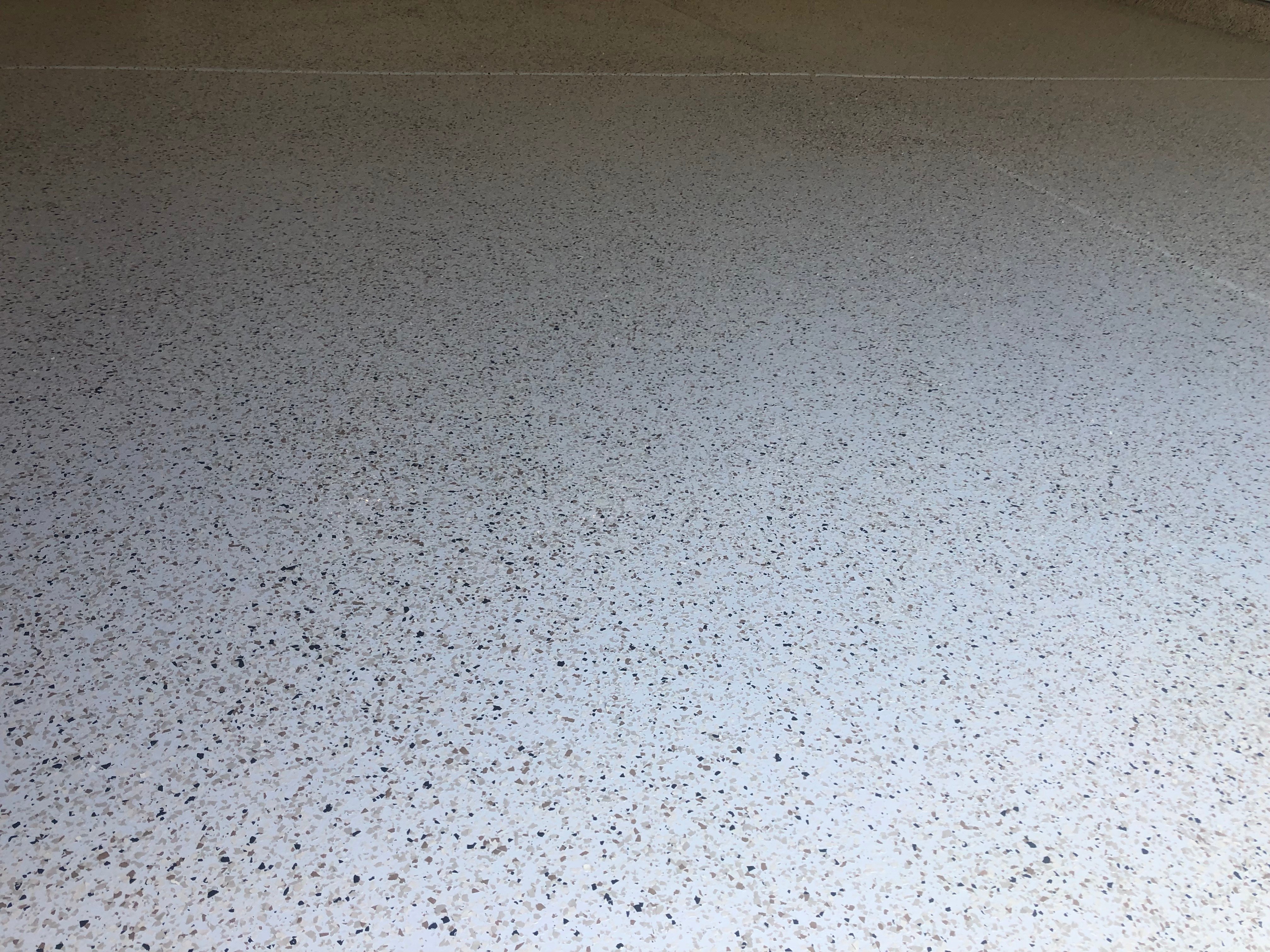
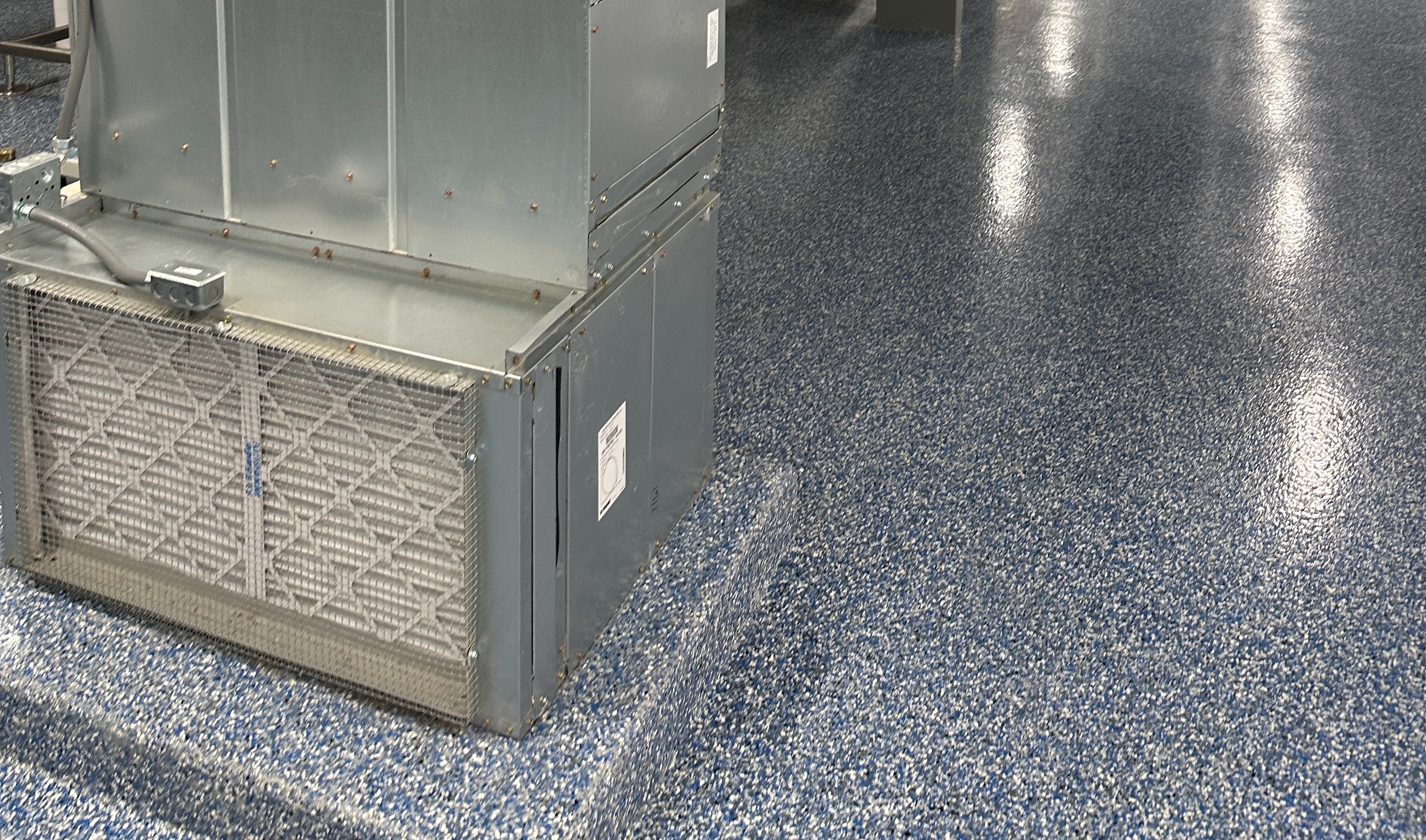
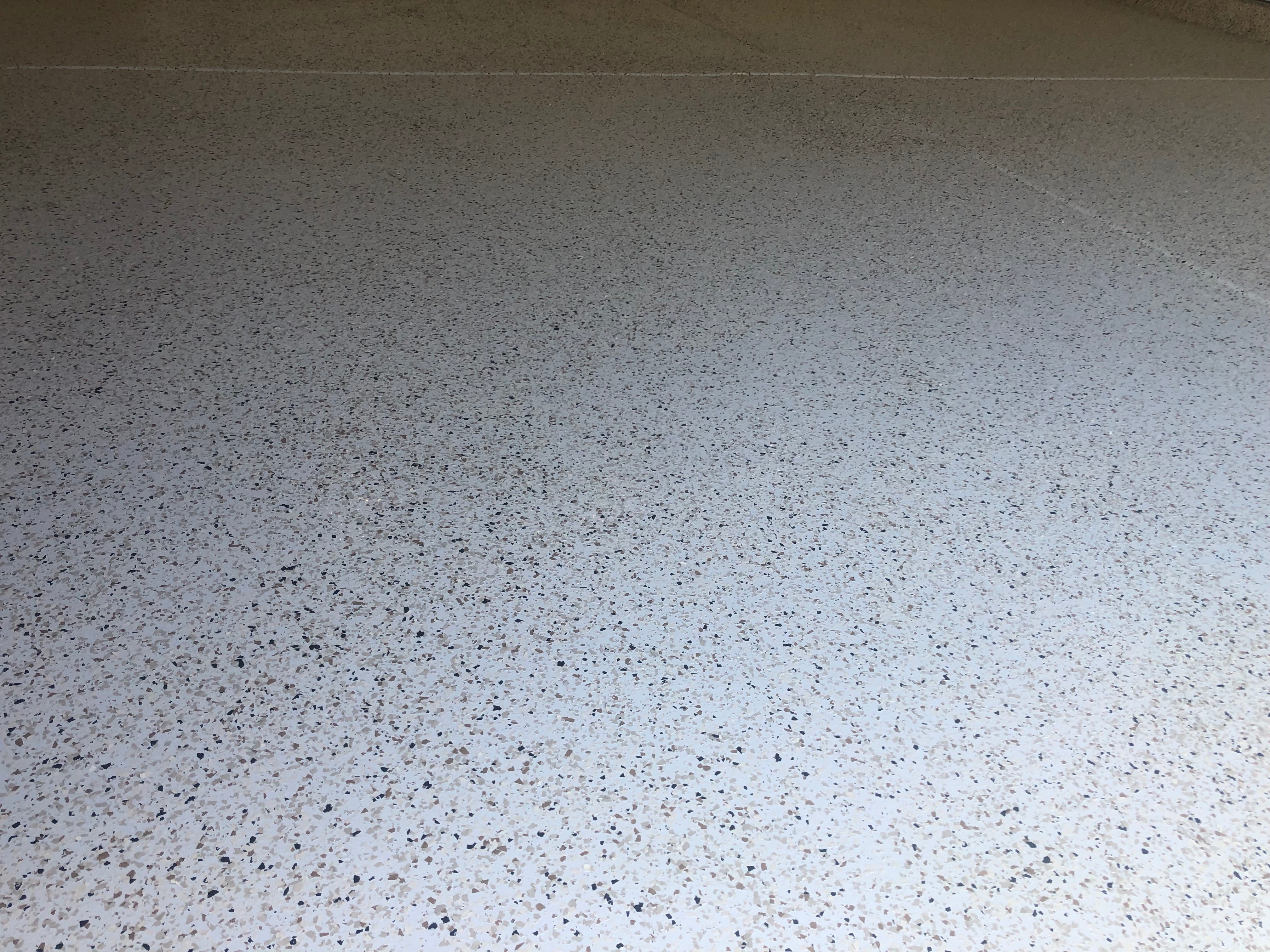
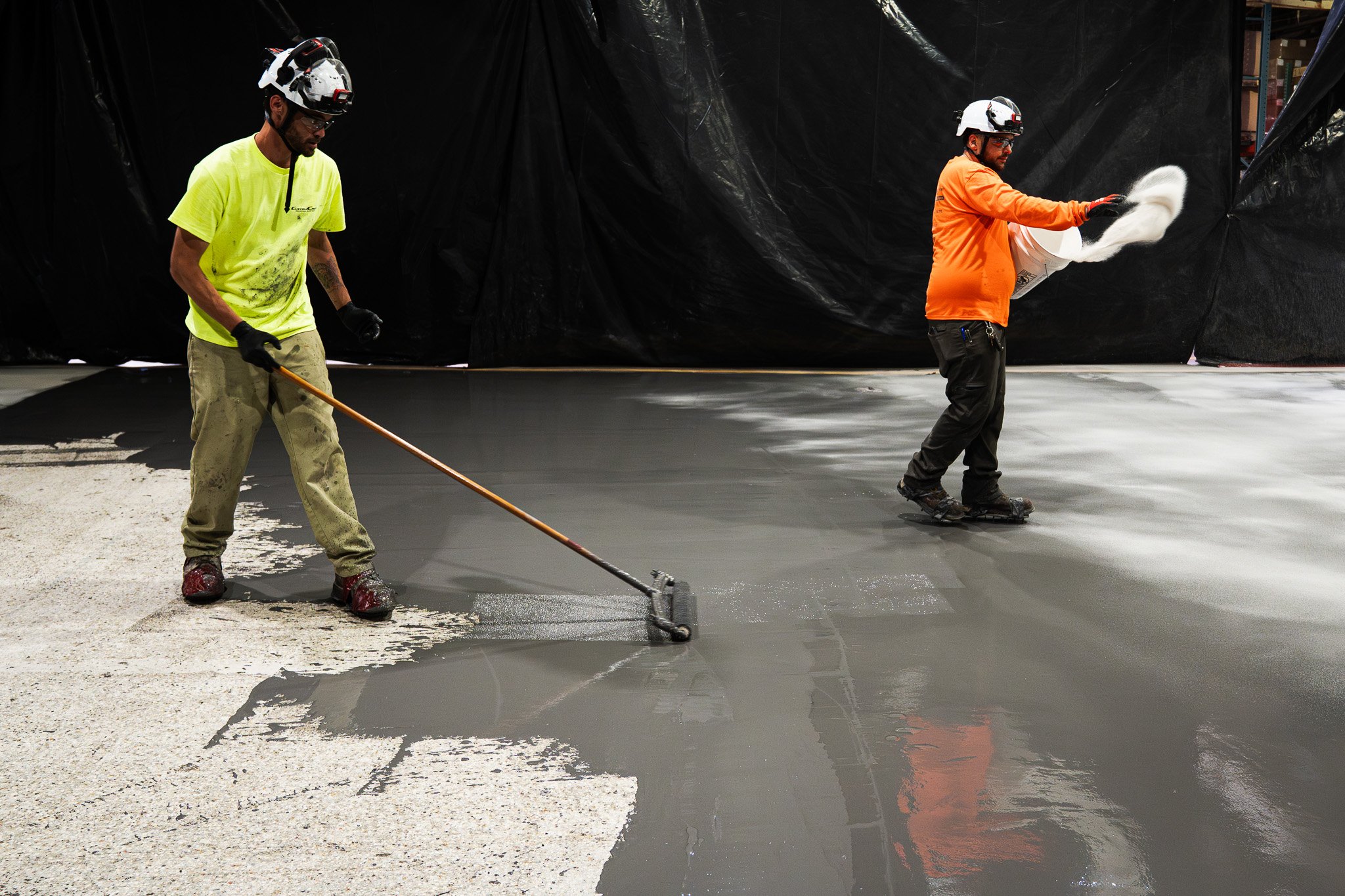
To address this, many freezer flooring systems incorporate broadcast aggregates or textured finishes that improve traction.
These slip-resistant surfaces help:
- Reduce fall risks for workers
- Maintain safe forklift operation
- Improve overall workplace safety
Selecting the right surface profile is important because overly aggressive textures can make cleaning more difficult. A well-designed freezer floor balances traction with maintainability.
Proper Joint Protection
Concrete slabs naturally contain control joints that allow for expansion and contraction. In freezer environments, these joints are especially vulnerable to damage from temperature shifts and heavy traffic.
If joints are left unprotected, they can deteriorate quickly under forklift wheels and ice buildup.
Many freezer flooring systems include flexible joint fillers that help stabilize the slab and protect edges from breaking down over time.
Joint protection is an important part of maintaining a long-lasting freezer floor.
Long-Term Maintenance Considerations
Maintenance requirements should also be considered when choosing flooring for cold environments.
Some flooring systems require periodic resealing or repairs, while others offer longer service life with minimal upkeep.
When evaluating freezer flooring options, facility managers should consider:
- Cleaning requirements
- Repair accessibility
- Longevity of the system
- Resistance to daily wear
Selecting a flooring system designed for freezer conditions can significantly reduce long-term maintenance needs.
FAQ: Freezer Flooring
What type of flooring works best in freezer facilities?
Urethane cement systems are often considered the most reliable freezer floor option due to their resistance to thermal shock and heavy traffic.
Can standard epoxy floors be used in freezers?
Some epoxy systems can perform well in refrigerated environments, but they may require special formulations to handle extreme temperature changes.
Why is slip resistance important for freezer floors?
Moisture and ice can create hazardous conditions, so slip-resistant textures help maintain safe working environments.

Final Thoughts
Cold storage and freezer facilities place unique demands on industrial flooring. Extreme temperatures, moisture exposure, heavy equipment traffic, and safety requirements all influence which systems perform best.
A properly designed freezer floor must be able to handle these challenges while maintaining durability, traction, and cleanability over time. Systems like urethane cement, specialized epoxy coatings, and slip-resistant surfaces are commonly used to meet these demands.
If your facility operates in food production, cold storage, or freezer environments, selecting the right flooring system is essential for both safety and operational efficiency.
To learn more about flooring systems designed for food-related facilities, visit the Restaurant and Food Service industry page, or request a quote from CustomCrete to discuss the best flooring solution for your facility.
.jpg?width=2048&height=1365&name=CC108559%20(1).jpg)
.jpeg?width=1638&height=1020&name=CC109349%20(1).jpeg)
.png?width=11520&height=9216&name=Untitled%20design%20(56).png)