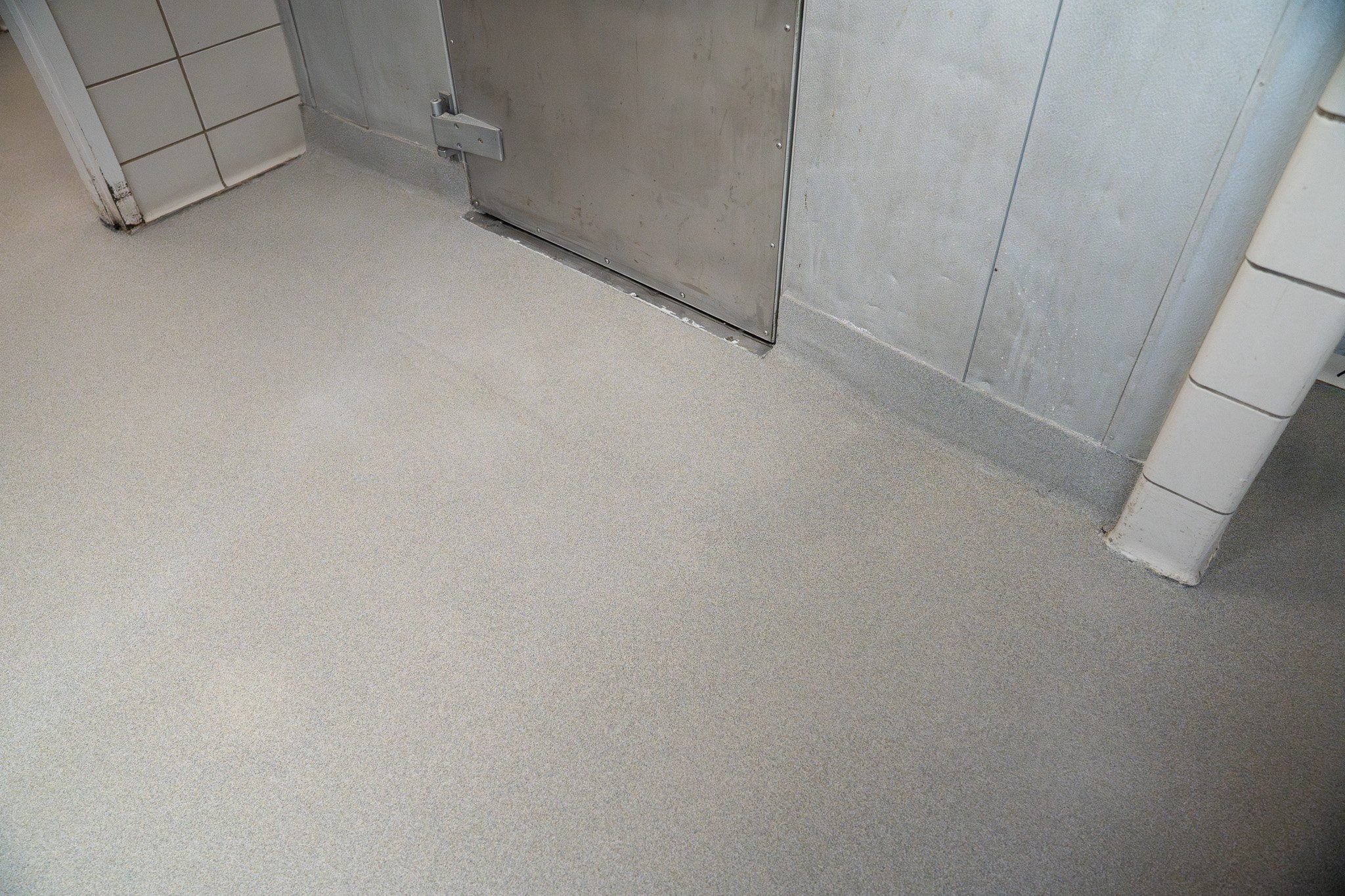

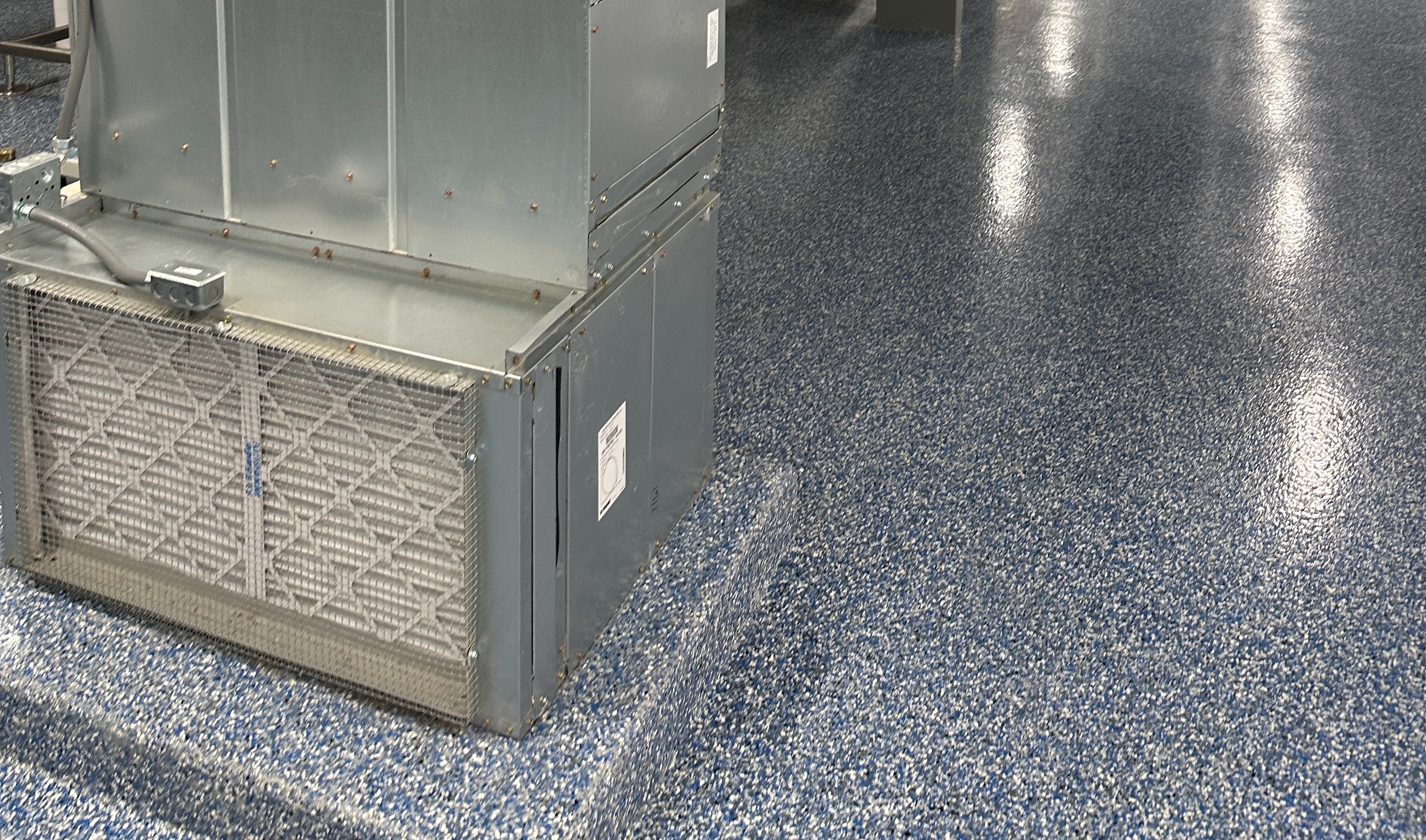
Pharmaceutical facilities operate under some of the strictest standards in any industry. Cleanliness, chemical resistance, and long-term durability are not optional—they are required. Floors in these environments must handle constant cleaning, exposure to harsh chemicals, heavy equipment, and strict regulatory expectations.
Because of this, choosing the right pharmaceutical flooring system is critical. The wrong floor can lead to contamination risks, costly repairs, and compliance issues. The right system supports hygiene, safety, and long-term performance.
This guide explains the most durable flooring options for pharmaceutical environments and how they perform under real-world conditions.
Why Durability Matters in Pharmaceutical Flooring
Pharmaceutical facilities place unique demands on flooring systems. Unlike standard commercial environments, these floors must withstand:
- Frequent cleaning with aggressive chemicals
- Constant foot traffic and equipment movement
- Strict sanitation and hygiene protocols
- Temperature and moisture fluctuations
- Regulatory inspections
A durable pharmaceutical flooring system must maintain its integrity under all of these conditions without breaking down or creating contamination risks.
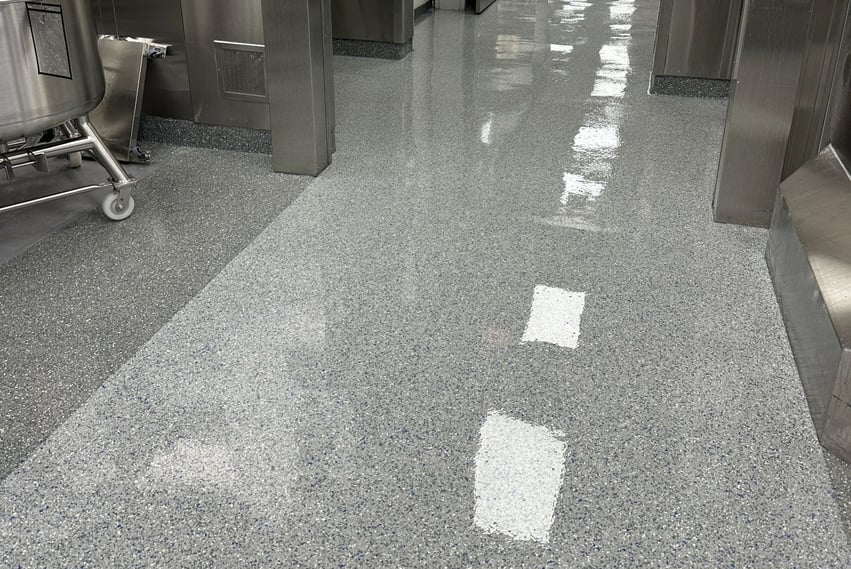
Key Requirements for Pharmaceutical Floors
Before comparing flooring options, it’s important to understand what makes a floor suitable for pharmaceutical use.
Seamless and Non-Porous Surfaces
Floors must be free of joints, cracks, or gaps where bacteria can collect. Seamless systems eliminate areas where contaminants can hide.
Chemical Resistance
Cleaning agents and sanitizers used in pharmaceutical environments can be harsh. Flooring must resist chemical degradation over time.
Cleanability
Surfaces should be easy to clean and sanitize without trapping debris or absorbing liquids.
Durability Under Traffic
Pharmaceutical facilities often use carts, equipment, and sometimes forklifts. Flooring must handle these loads without cracking or wearing down.
Compliance and Safety
Floors must meet regulatory standards and support safe working conditions, including slip resistance when needed.
Epoxy Flooring Systems
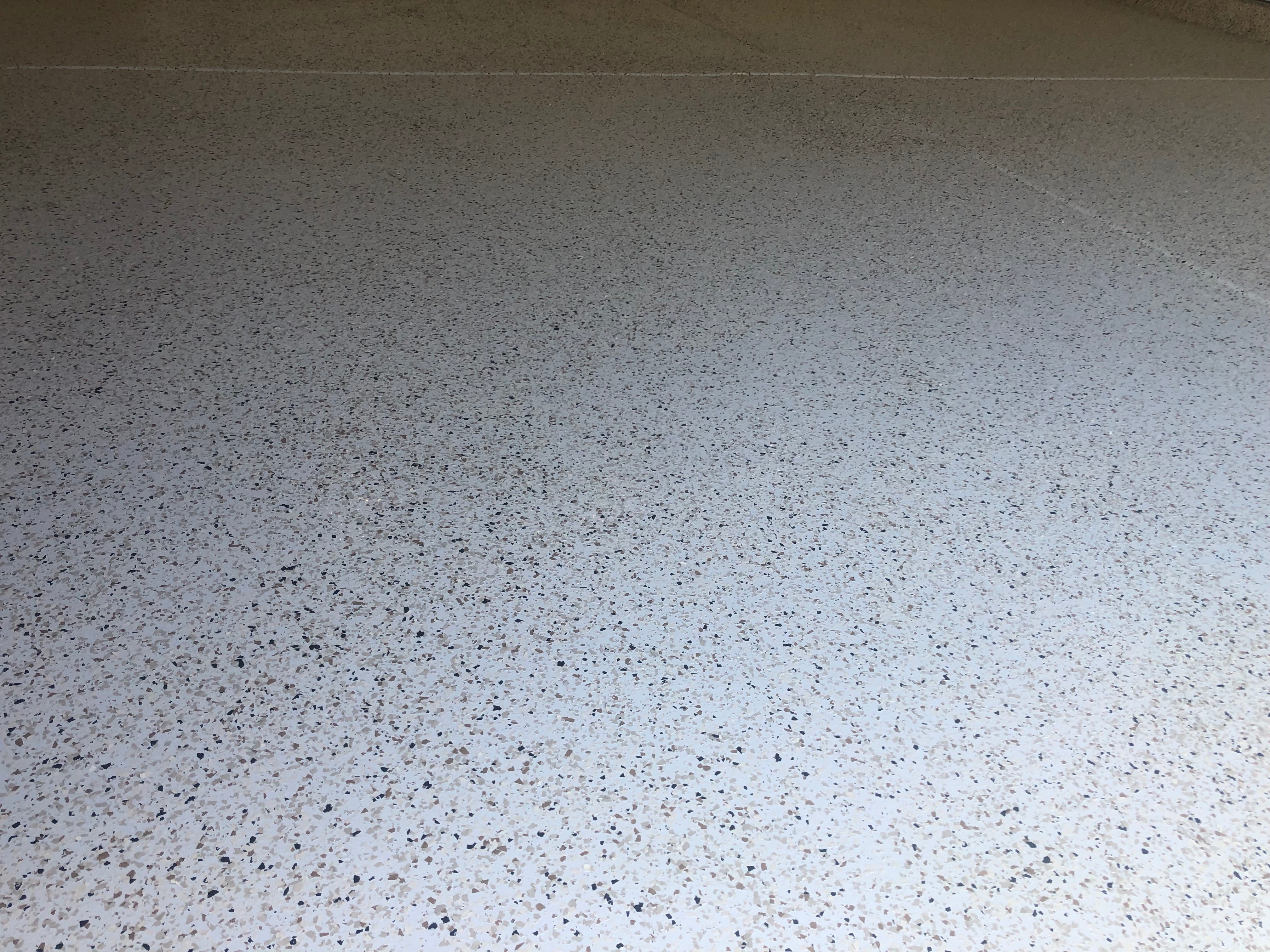
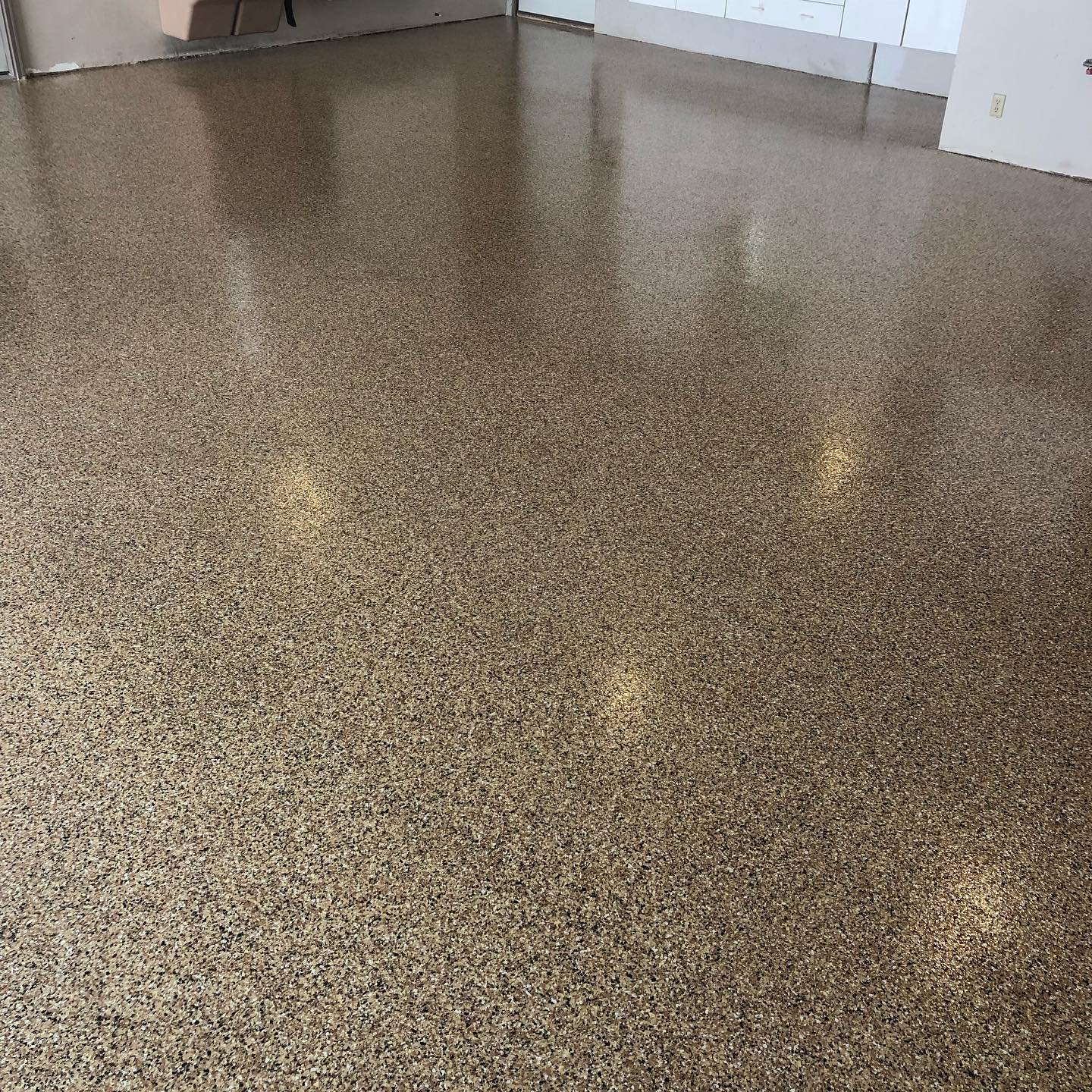
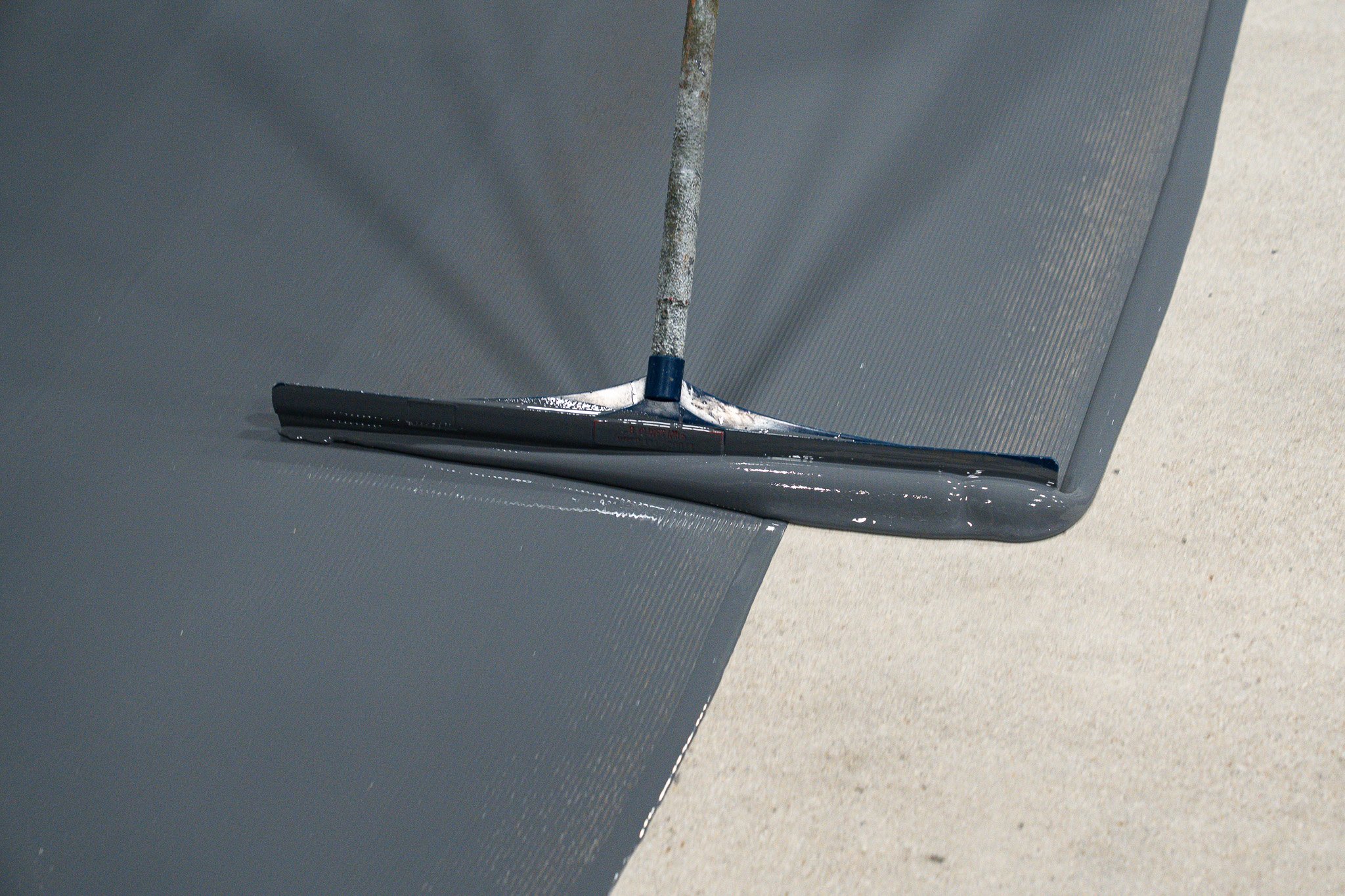
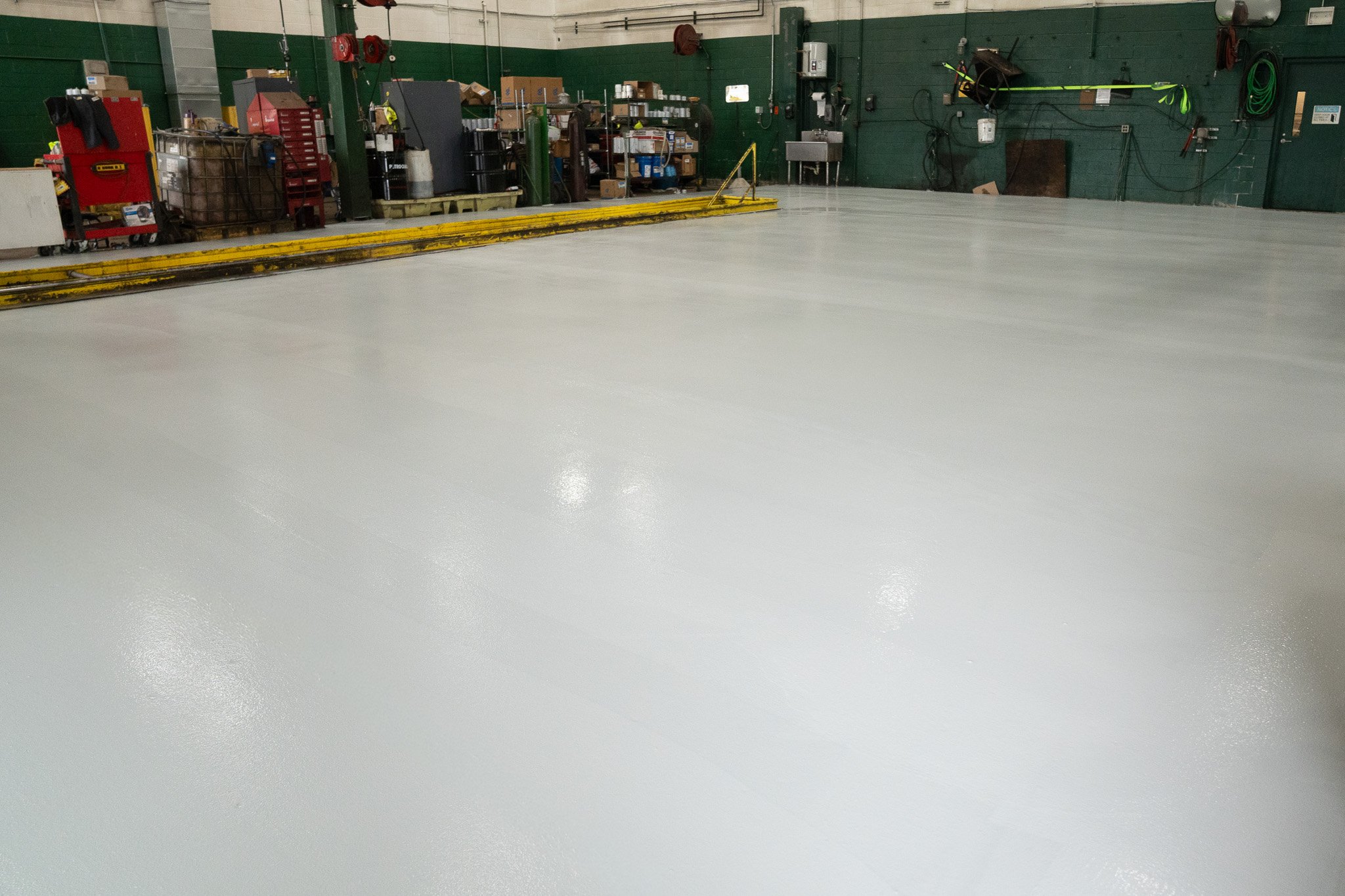
Epoxy is one of the most common choices for pharmaceutical flooring due to its durability and seamless finish.
Benefits of Epoxy Flooring
- Strong chemical resistance
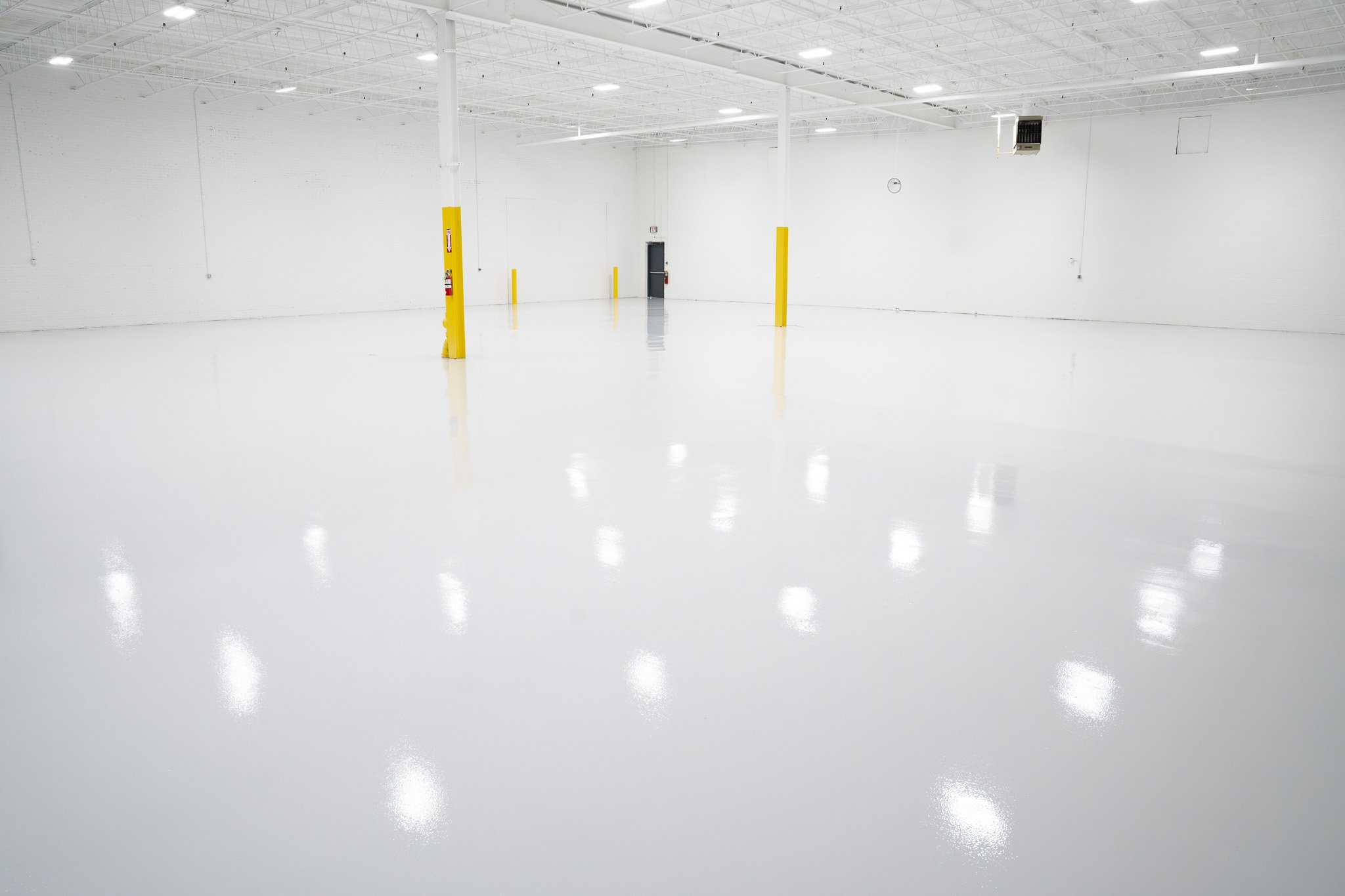
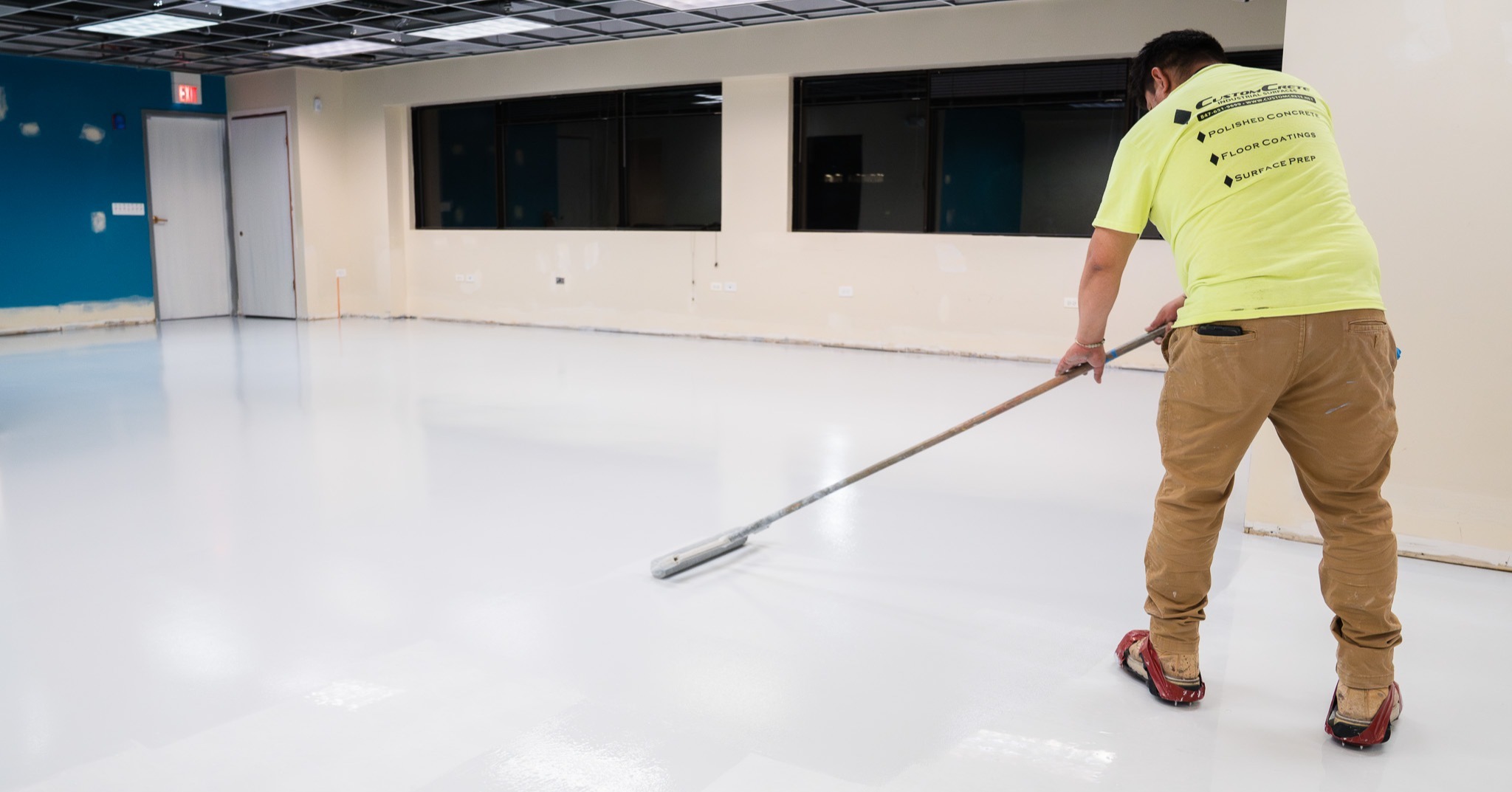
- Seamless, easy-to-clean surface
- High durability in controlled environments
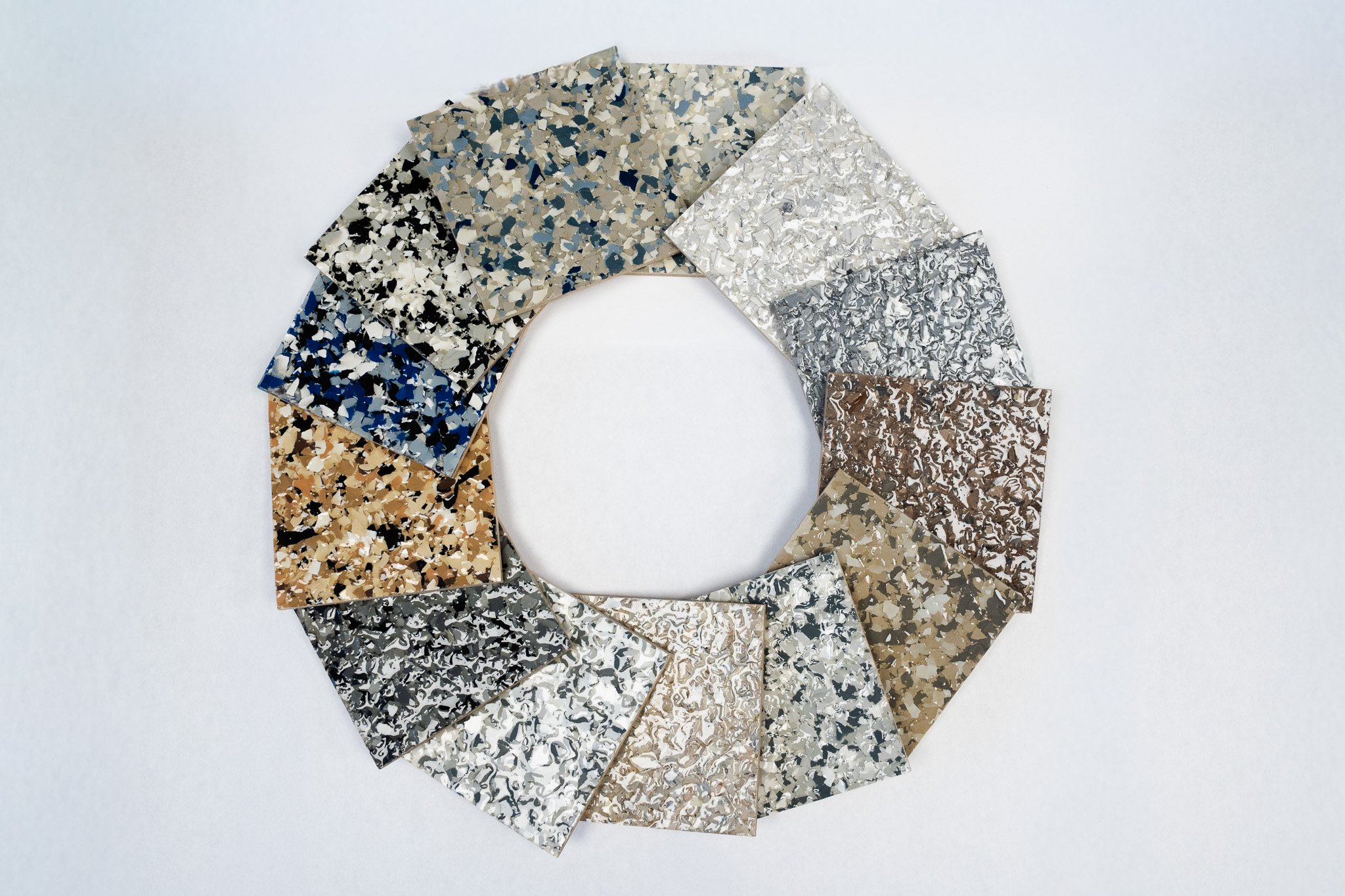
- Customizable finishes and colors
Epoxy works well in areas where conditions are stable and exposure to extreme temperature changes is limited.
Considerations
While epoxy is durable, it can be sensitive to thermal shock. In environments with rapid temperature changes, additional system design considerations may be needed.
Urethane Cement Flooring
Urethane cement is often considered one of the most durable options for pharmaceutical environments.
Benefits of Urethane Cement
- Excellent resistance to thermal shock
- High durability under heavy traffic
- Strong chemical resistance
- Moisture tolerance
- Slip-resistant surface options
Because urethane cement expands and contracts at a rate similar to concrete, it performs well in environments with temperature fluctuations and washdowns.
Why It’s a Strong Choice
For facilities with demanding conditions, urethane cement is often one of the most reliable pharmaceutical flooring solutions available.
High-Build and Multi-Layer Coating Systems
In some pharmaceutical environments, multi-layer systems are used to enhance durability and performance.
These systems may include:
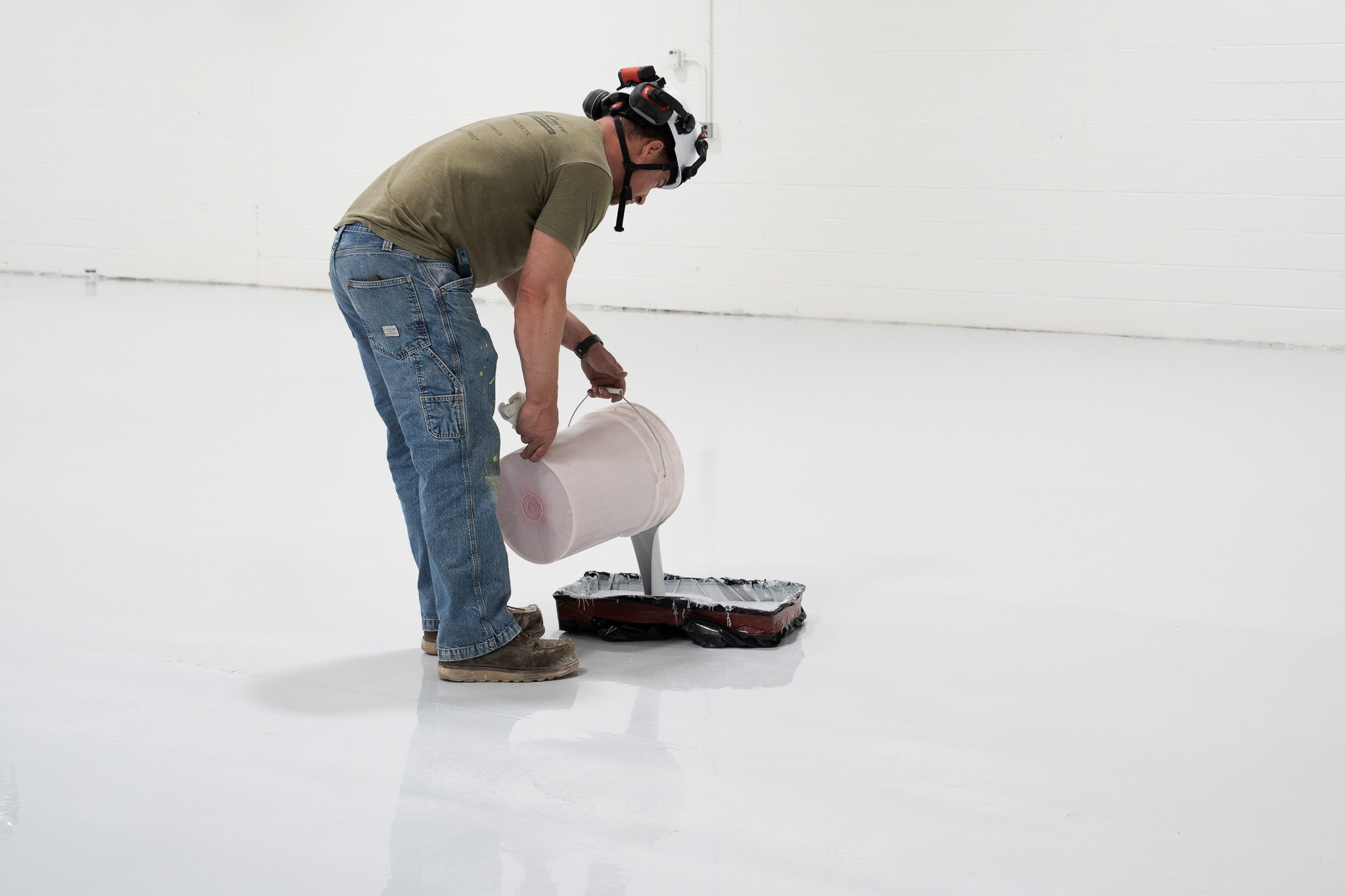
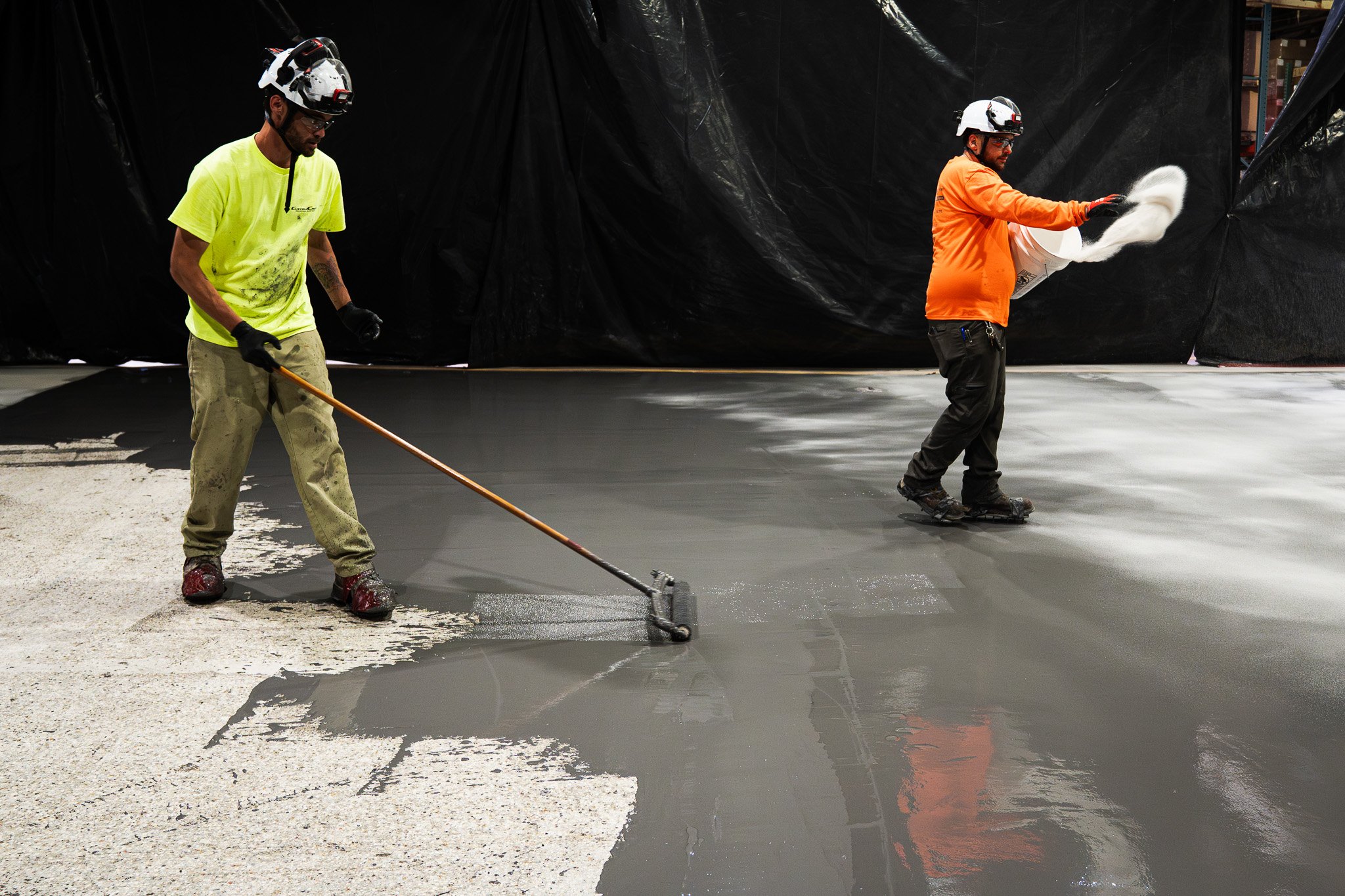
- Primer layers for adhesion
- Build coats for thickness and strength
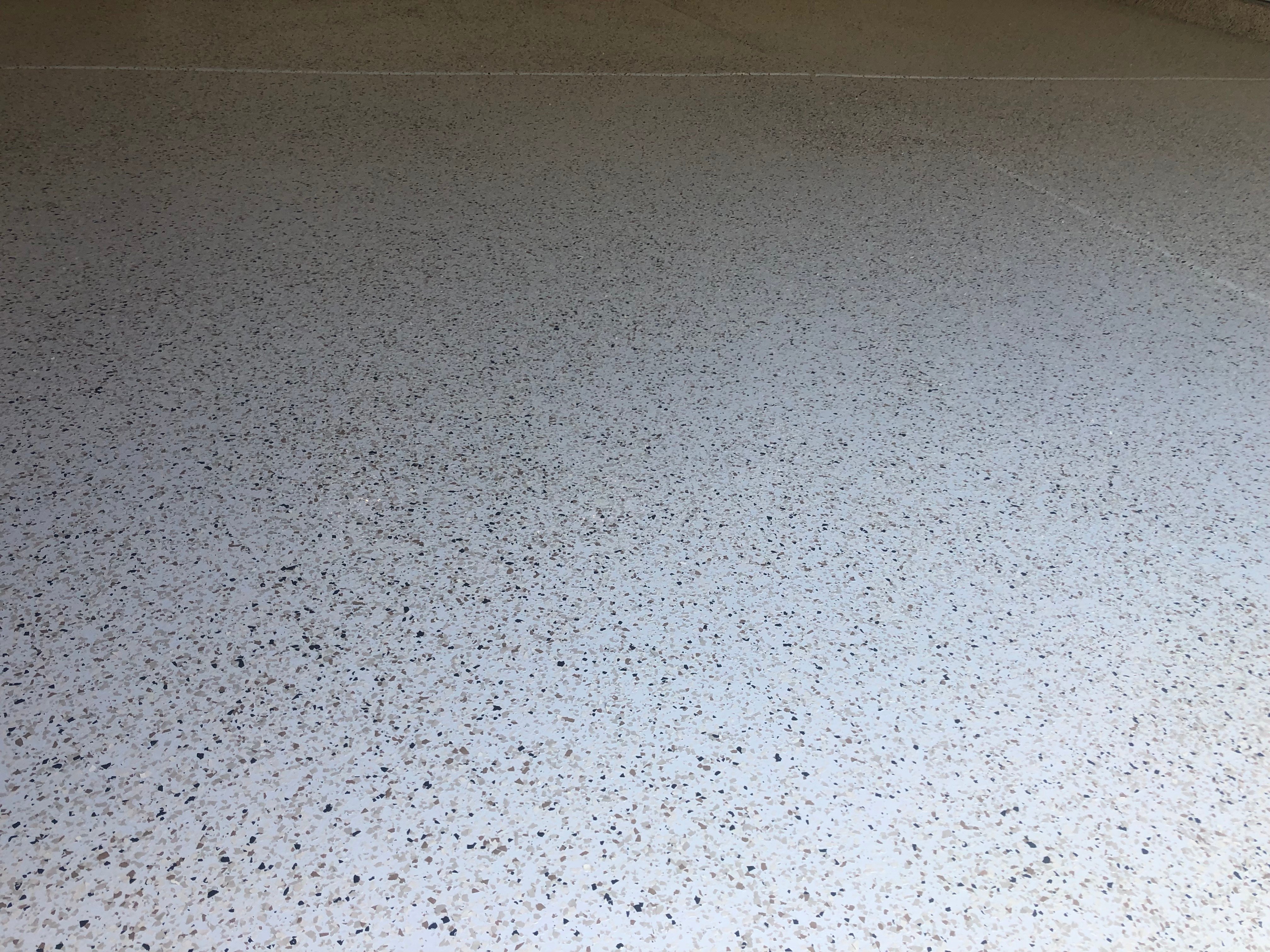
- Broadcast aggregates for texture and slip resistance
- Topcoats for chemical resistance and cleanability
High-build systems are designed to handle more aggressive conditions than standard coatings, making them suitable for high-traffic or high-exposure areas.
Polished Concrete in Select Areas
While not always used in production zones, polished concrete can be a viable option in certain pharmaceutical environments such as:
- Warehousing areas
- Storage zones
- Non-critical support spaces
Benefits
- Low maintenance requirements
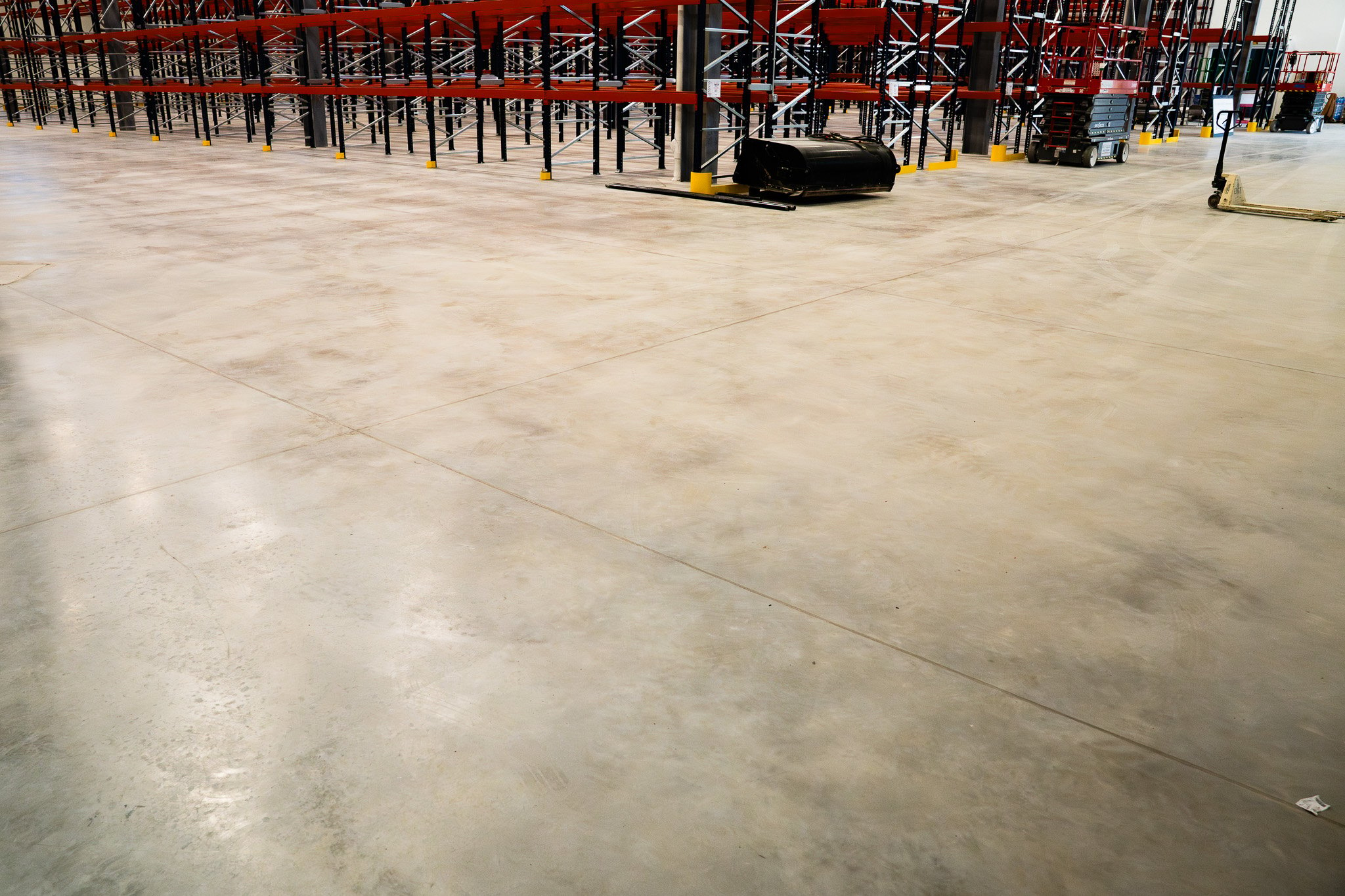
- Durable, hardened surface
- Reduced dusting
However, polished concrete may not provide the same level of chemical resistance as coated systems, so it is typically used in areas with less exposure to harsh conditions.
Comparing Performance Across Flooring Options
When evaluating pharmaceutical flooring, it’s helpful to compare how each system performs under key conditions.
- Chemical Exposure: Urethane cement and high-performance epoxy systems offer strong resistance
- Thermal Shock: Urethane cement performs best
- Cleanability: All seamless systems provide easy cleaning
- Durability: Multi-layer systems and urethane cement offer the highest durability
- Maintenance: Polished concrete offers lower maintenance in appropriate areas
Choosing the right system depends on the specific demands of each area within the facility.
Common Challenges That Affect Flooring Durability
Even the most durable flooring systems can fail if certain factors are not addressed.
Common issues include:
- Poor surface preparation
- Moisture vapor problems
- Inadequate joint protection
- Incorrect system selection for the environment
Addressing these factors during installation helps ensure long-term performance.
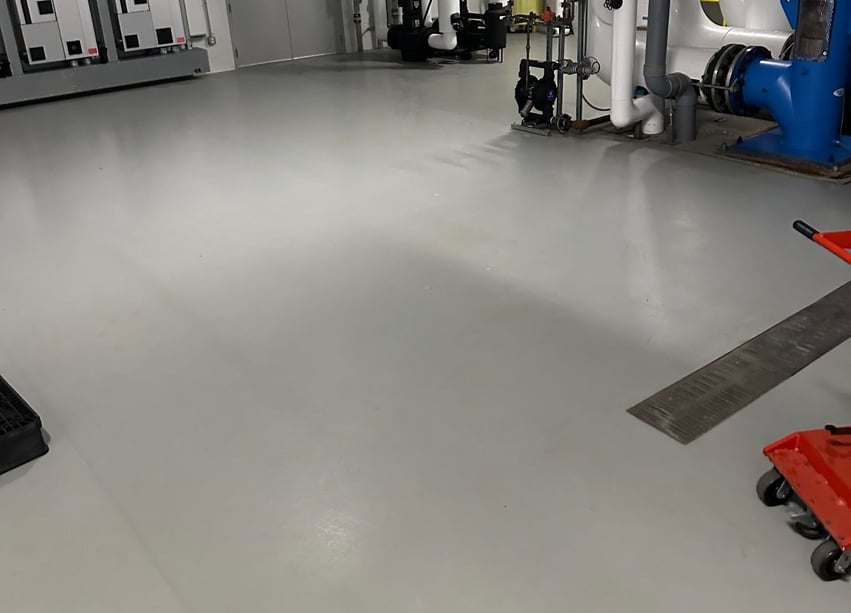
The Importance of Proper Installation
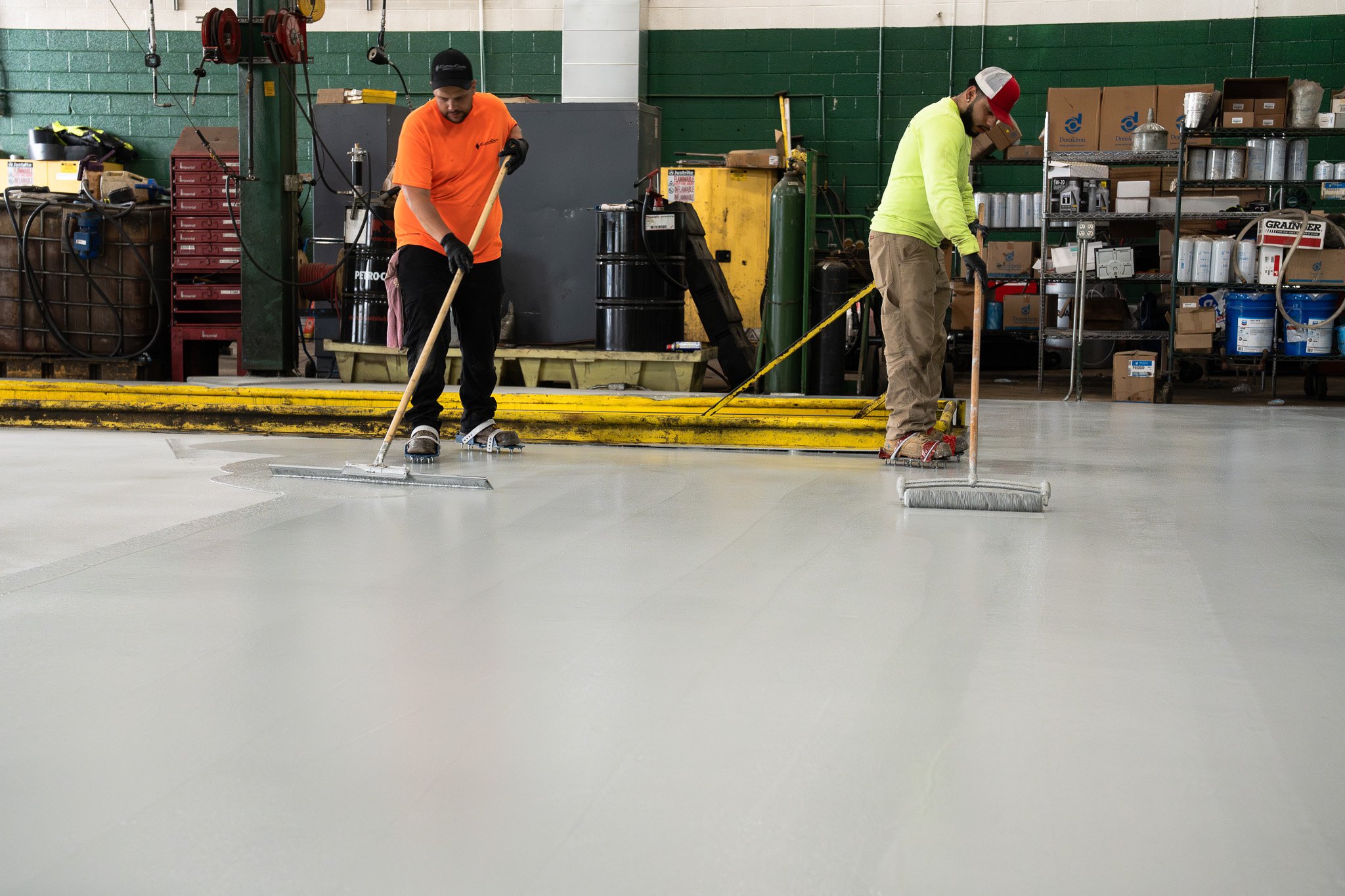
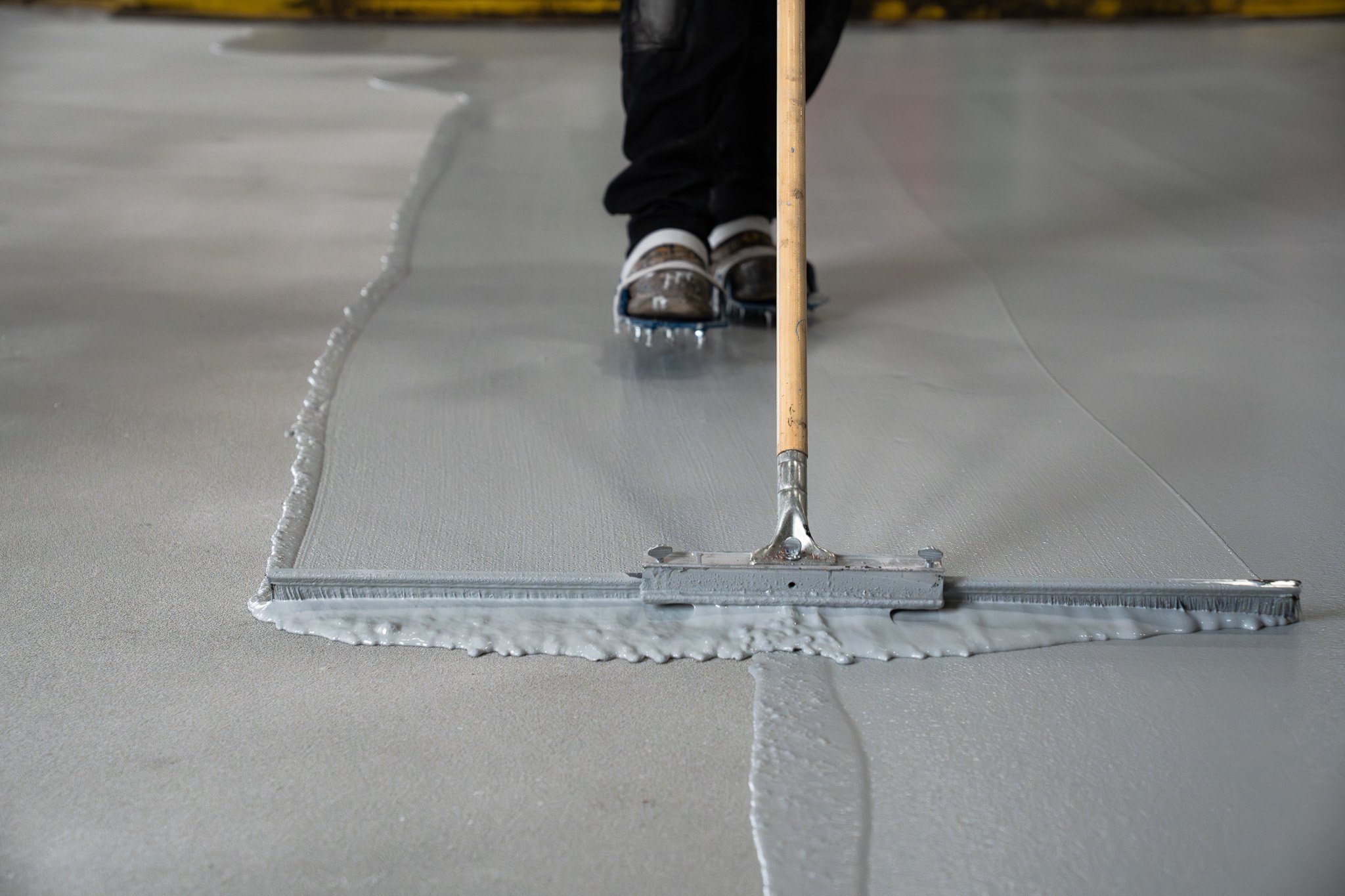
Durability is not just about the material—it’s also about how the system is installed.
Proper installation includes:
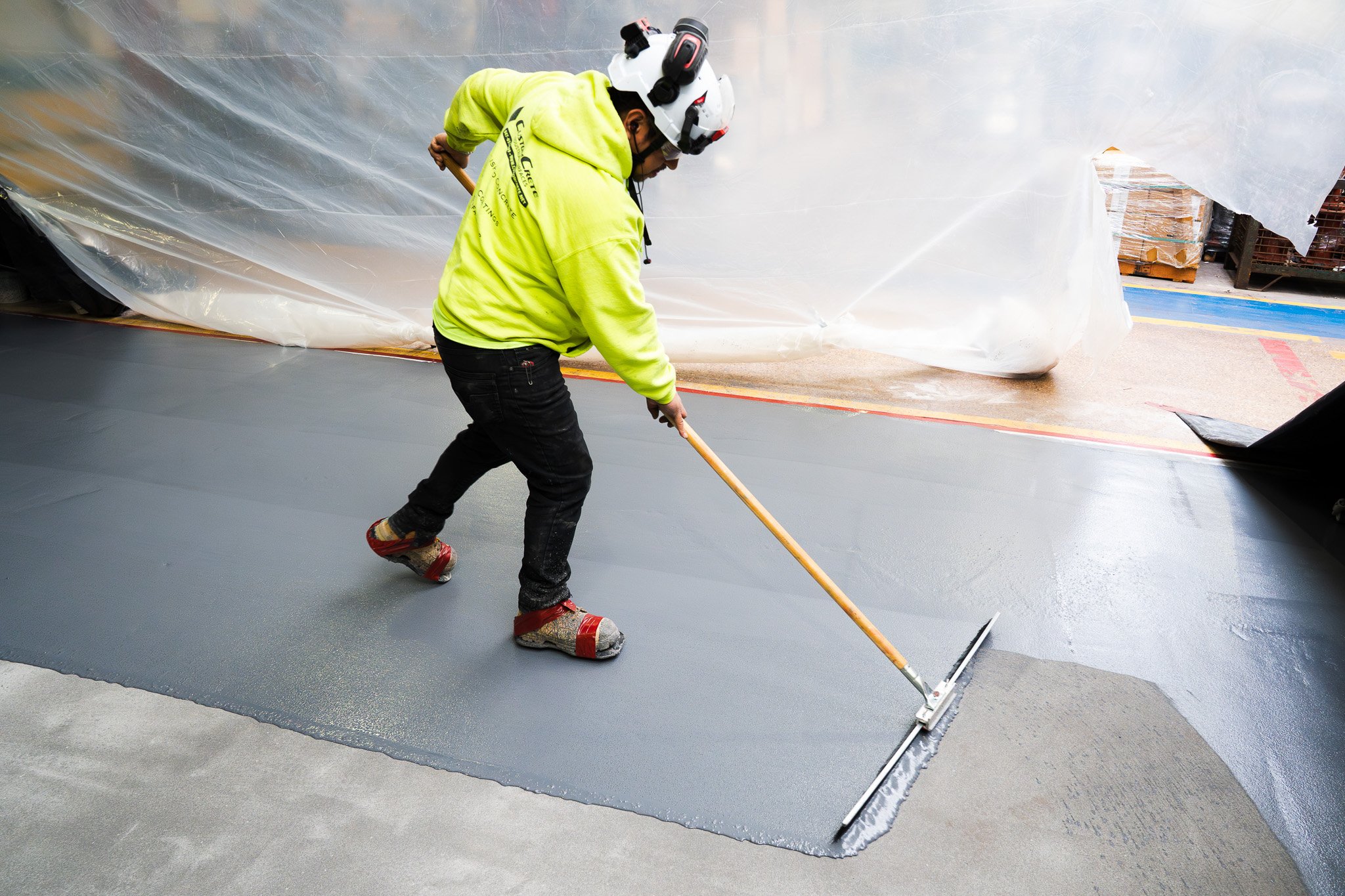
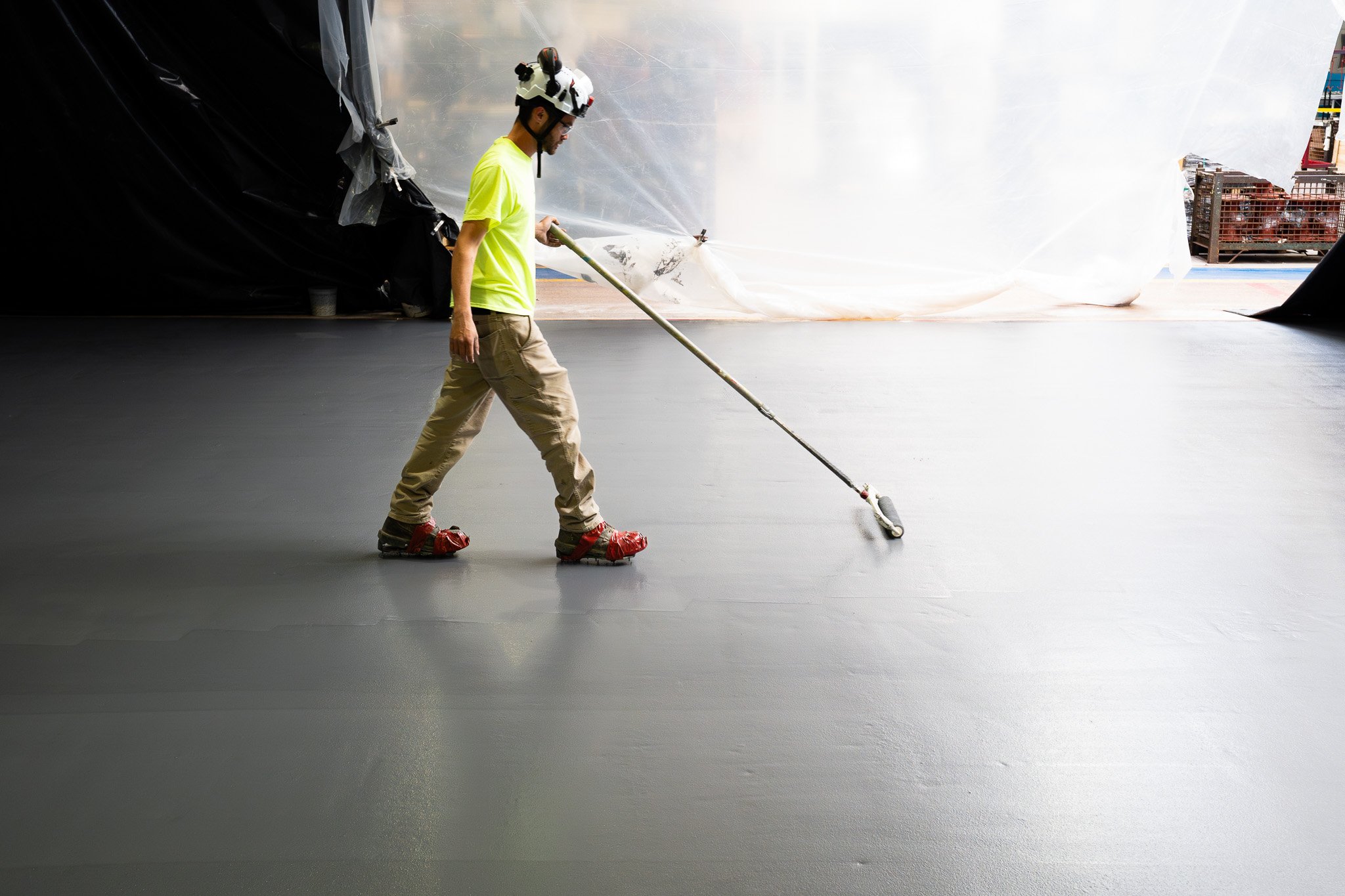
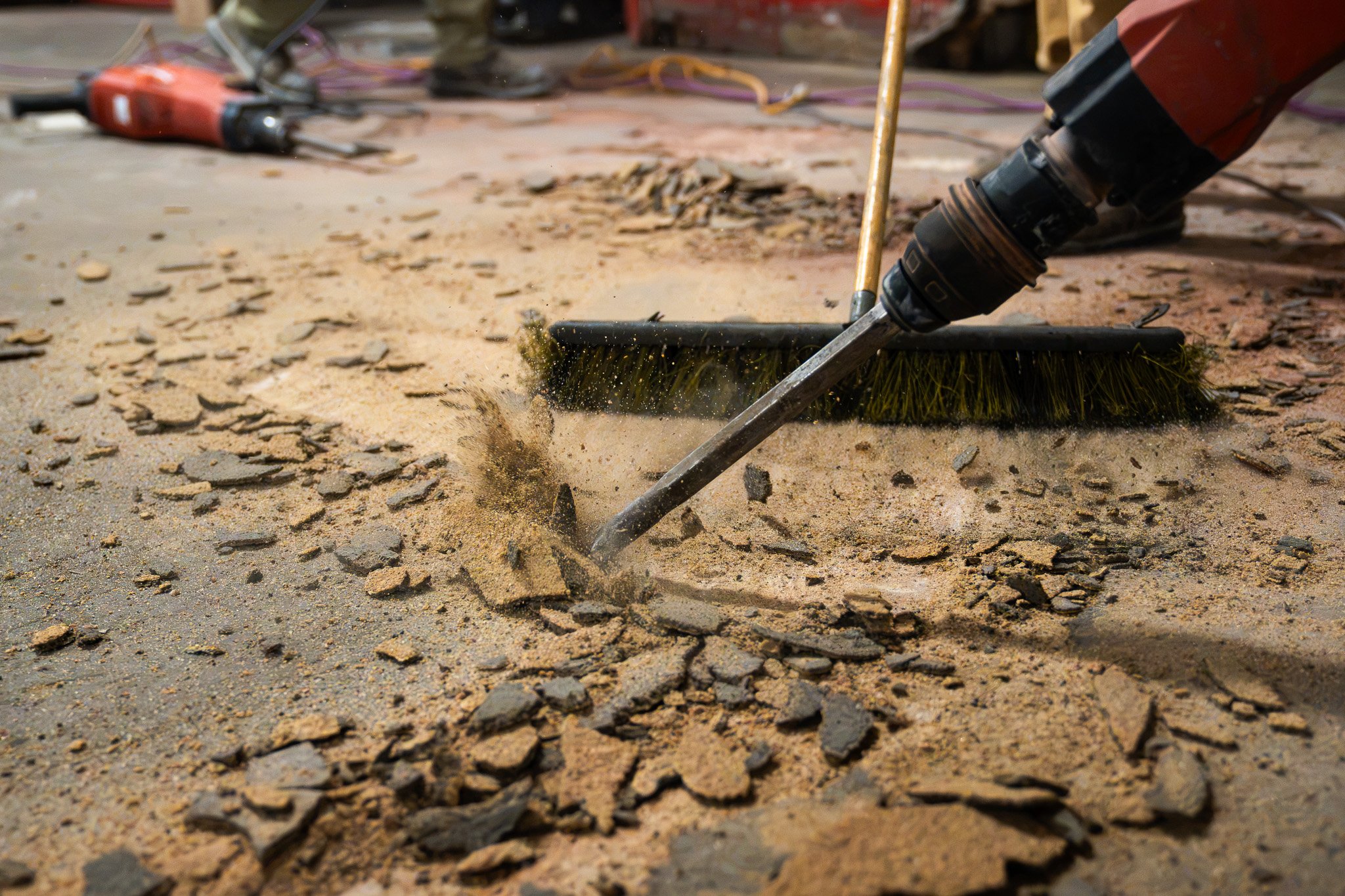
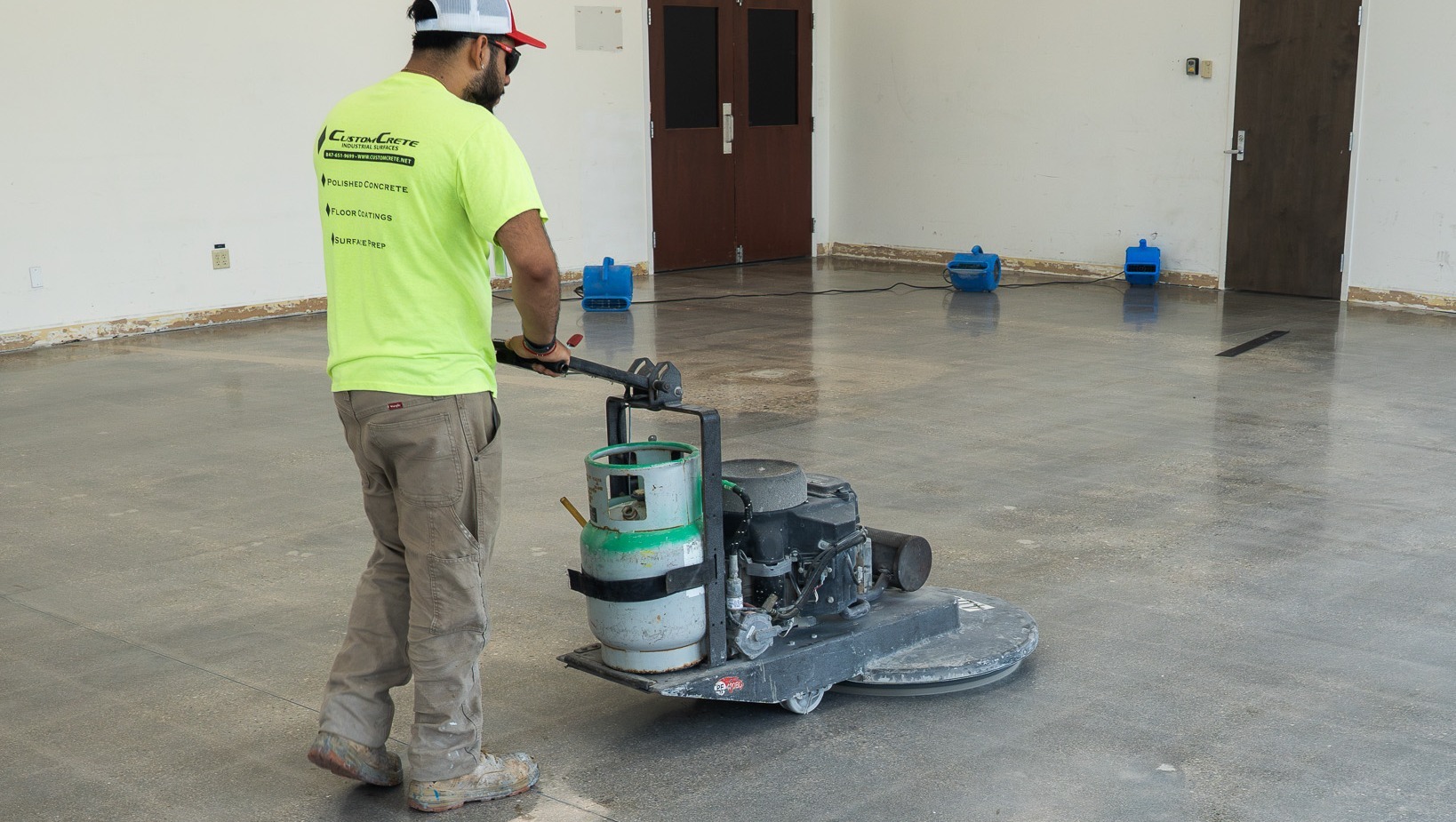
- Mechanical surface preparation
- Moisture testing
- Repairing cracks and joints
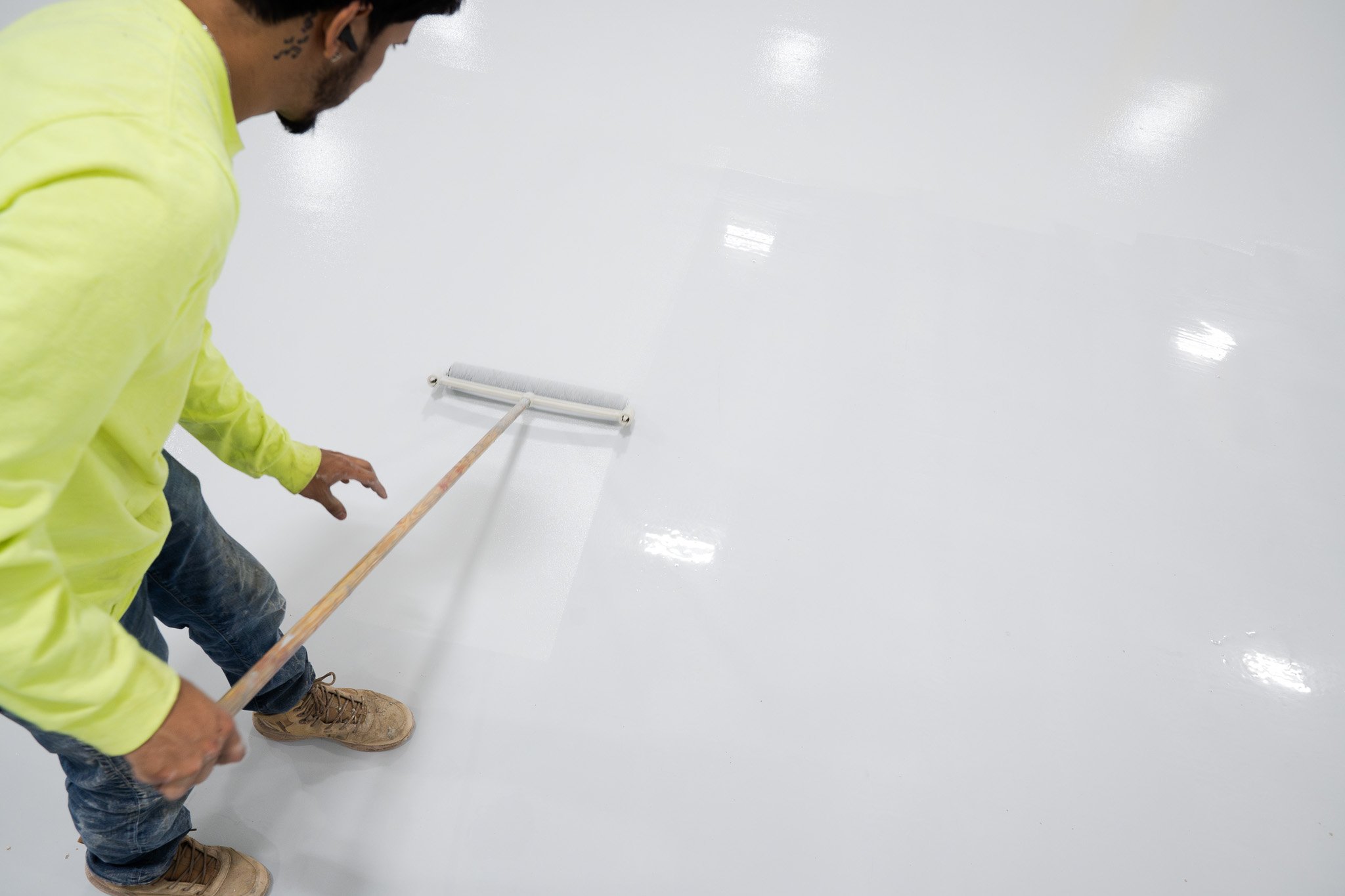
- Applying the system under controlled conditions
These steps ensure the flooring system bonds correctly and performs as expected.
FAQ: Pharmaceutical Flooring
What is the most durable pharmaceutical flooring option?
Urethane cement is often considered one of the most durable options due to its resistance to thermal shock and heavy traffic.
Can epoxy be used in pharmaceutical facilities?
Yes, epoxy is widely used, especially in controlled environments with consistent conditions.
Do pharmaceutical floors need to be seamless?
Yes, seamless surfaces are important for preventing contamination and supporting cleanability.
Final Thoughts
Choosing the right pharmaceutical flooring system is essential for maintaining cleanliness, durability, and compliance in regulated environments. Systems like epoxy, urethane cement, and high-build coatings each offer unique benefits depending on the conditions they are designed to handle.
By understanding how these options perform under chemical exposure, cleaning protocols, and daily operations, facility managers can make informed decisions that support long-term success.
To continue learning how to protect your floors and extend their lifespan, read the next article: How to Prevent Cracks and Damage in Pharmaceutical Facility Floors.
.jpg?width=2048&height=1365&name=CC108559%20(1).jpg)
.jpeg?width=1638&height=1020&name=CC109349%20(1).jpeg)
.png?width=11520&height=9216&name=Untitled%20design%20(56).png)