
The biggest difference between DIY vs professional garage floor coatings is usually the installation process, not just the coating in the bucket. DIY systems can be a practical, lower-cost option for homeowners comfortable doing the work themselves. Professional installations typically involve more extensive surface preparation, repair equipment, specialized coating materials, and experience evaluating the concrete before installation.
With nearly 20 years of concrete flooring experience and over 1 million square feet installed, CustomCrete has seen how preparation and concrete conditions affect coating performance. This article compares both approaches so you can decide which makes sense for your garage.
Key Takeaways
- DIY coatings generally cost less upfront but require homeowners to handle preparation, repairs, application, and timing themselves.
- Professional installations typically use mechanical surface preparation and commercial-grade equipment to prepare the concrete.
- Either approach can make sense depending on your budget, concrete condition, expectations, and comfort completing the work.

How Does Surface Preparation Compare?
Surface preparation is one of the most significant differences between DIY and professional installation.
DIY kits may instruct homeowners to clean and etch the concrete before applying the coating. The exact process varies by product, and some homeowners may choose to rent grinding equipment for more extensive preparation.
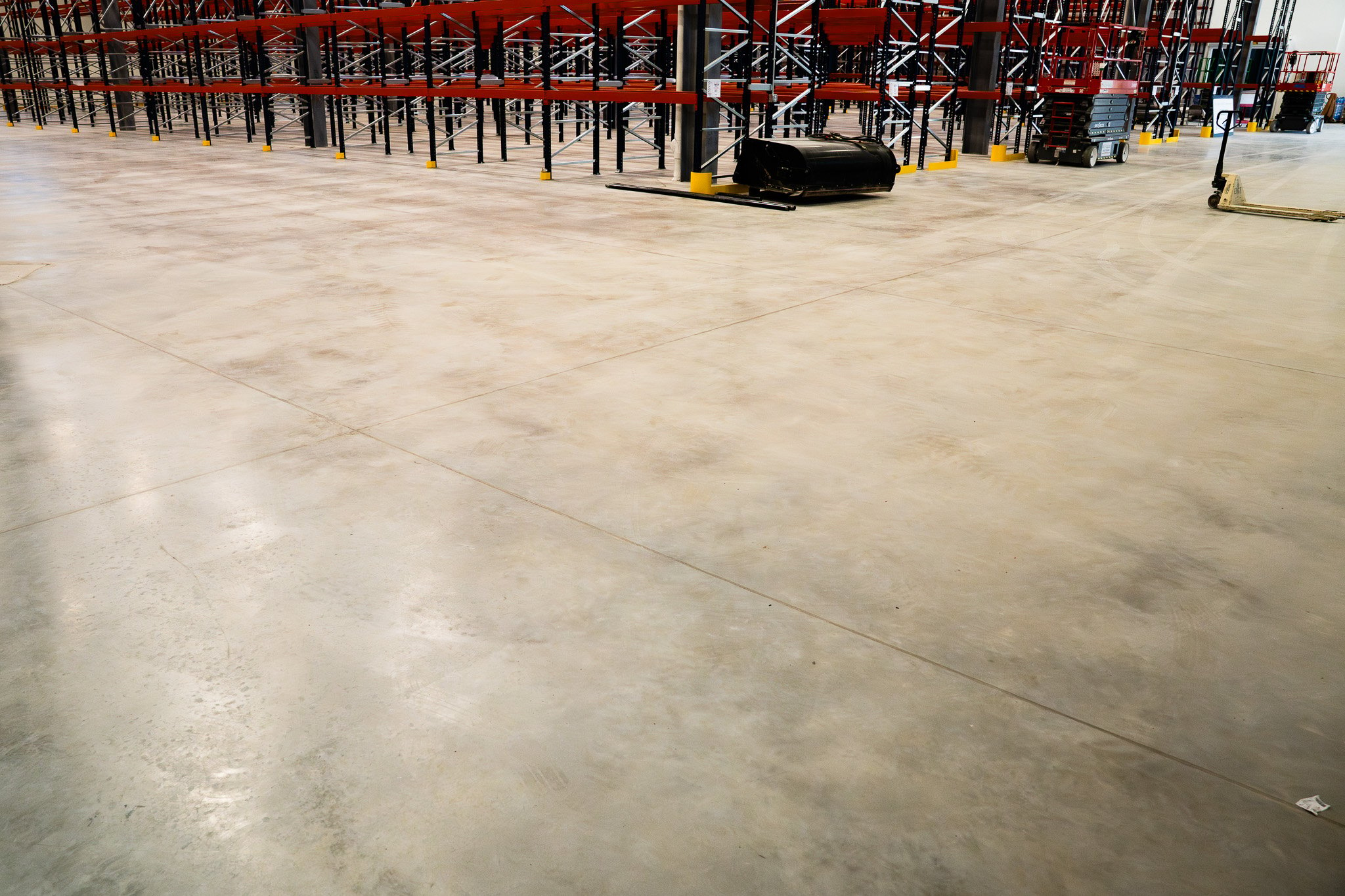
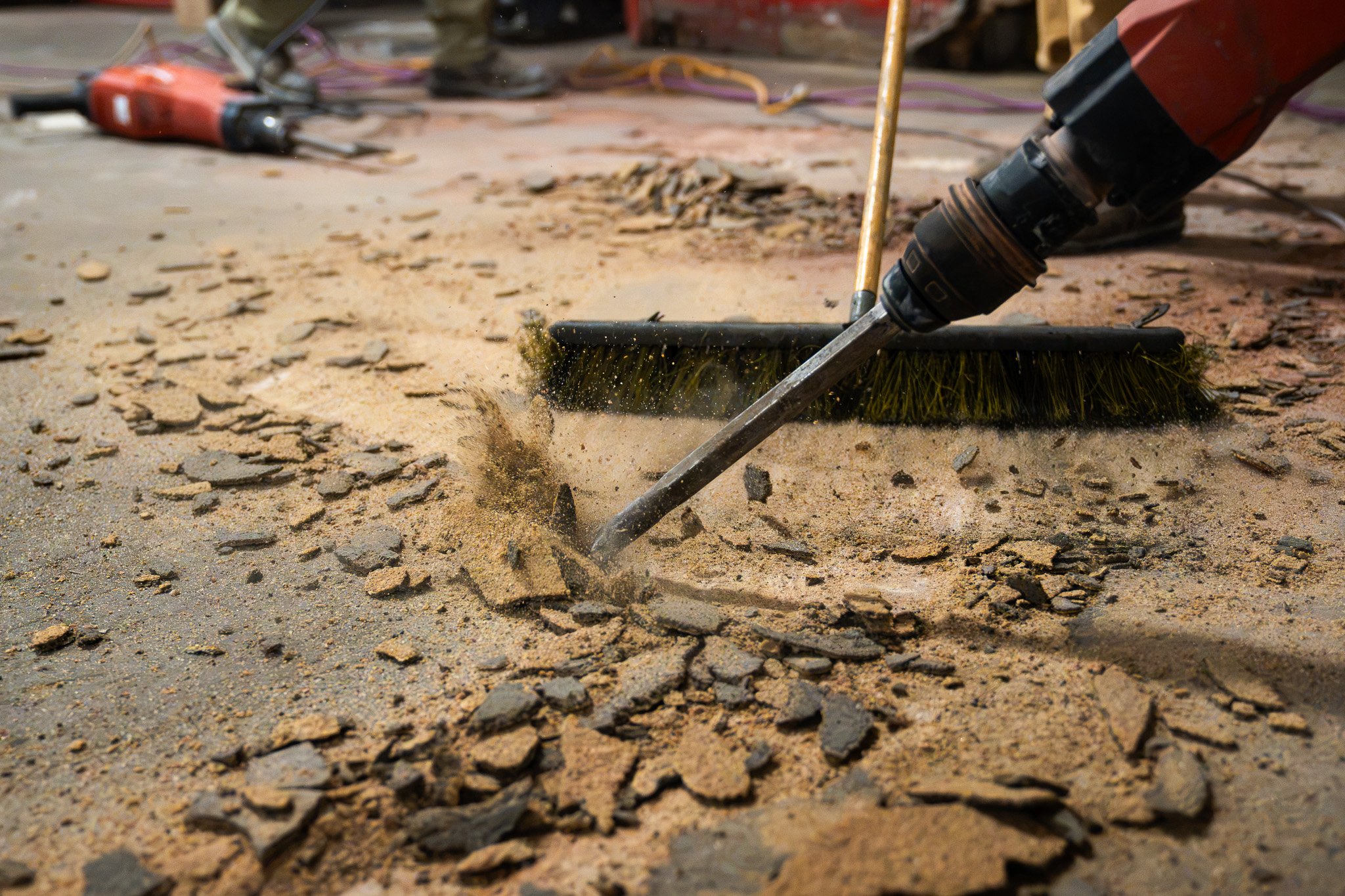
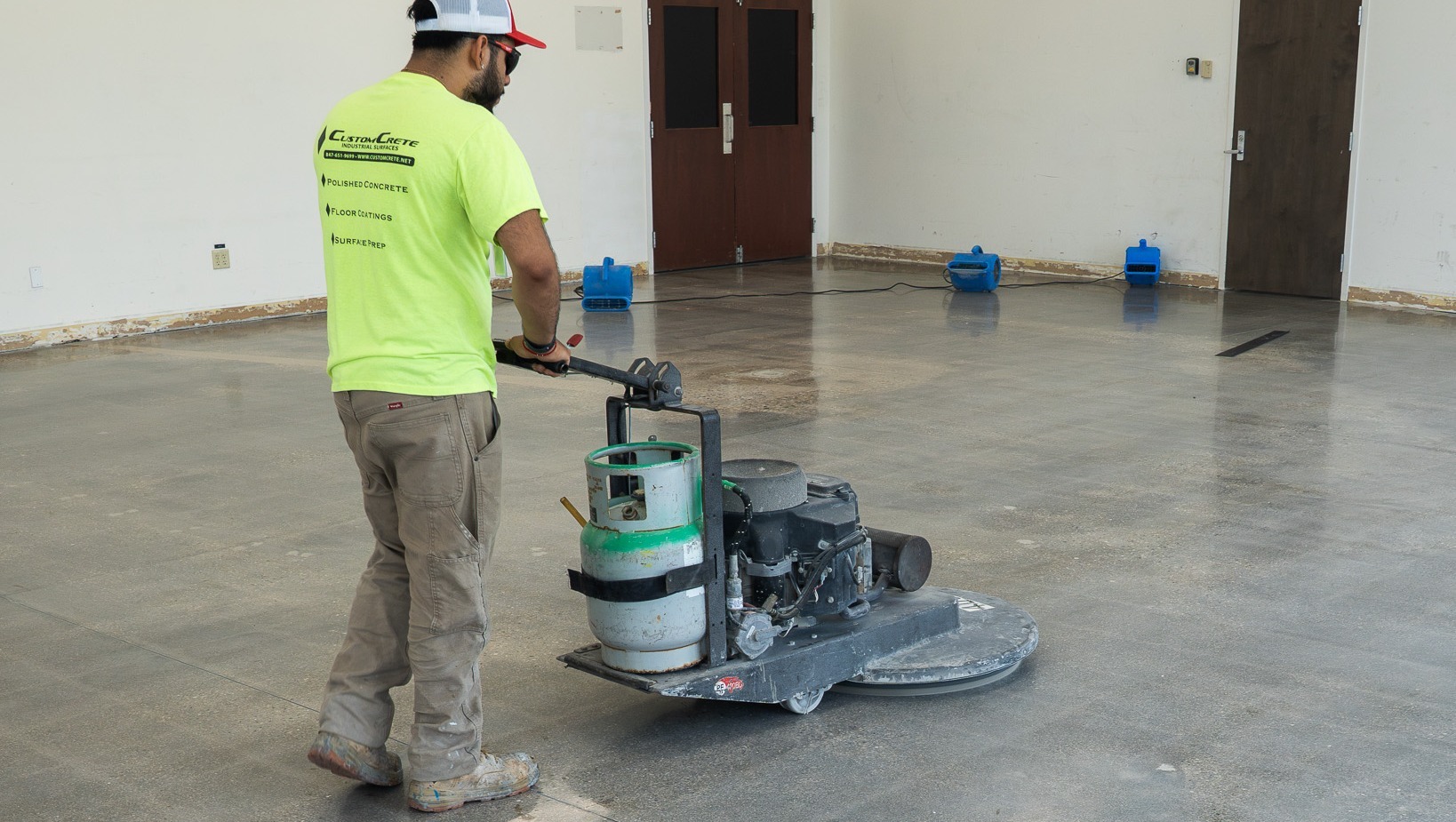
Professional installers commonly use mechanical preparation methods such as diamond grinding or shot blasting. These methods remove surface contaminants and create a concrete surface profile appropriate for the coating being installed.
Preparation can also reveal problems that weren't obvious beforehand, including weak concrete, previous repairs, cracks, or residual coatings. No matter who installs the floor, following the coating manufacturer's preparation requirements is essential for proper adhesion.
What Happens if the Garage Floor Needs Repairs?
Small cracks and surface defects may be manageable as part of a DIY project, especially for someone experienced with concrete repair. Larger cracks, spalling, damaged joints, pitting, or deteriorated concrete can make the project more complicated.
Professional contractors typically have access to specialized repair materials and equipment for addressing these conditions before coating.
Neither approach can guarantee that repaired cracks will never return. Concrete can continue to shrink or move, and some cracks may indicate conditions that require further evaluation. Simply filling a crack and covering it with a coating doesn't necessarily eliminate the underlying cause.
What About Moisture in the Concrete?
Moisture is another factor that can affect coating performance. Excess moisture vapor moving through a slab may contribute to adhesion problems with certain coating systems.
DIY projects don't always include a detailed moisture evaluation. Some coating manufacturers provide specific moisture limitations or testing recommendations that homeowners should review before installation.
Professional contractors may perform or recommend moisture testing when slab conditions, flooring requirements, or project history suggest it is necessary. If elevated moisture is identified, a different primer, moisture mitigation system, or coating approach may be considered.
Professional installation doesn't make moisture disappear. The advantage is having someone evaluate whether it needs to be addressed before coating the floor.
Are DIY and Professional Coating Materials Different?
They can be.
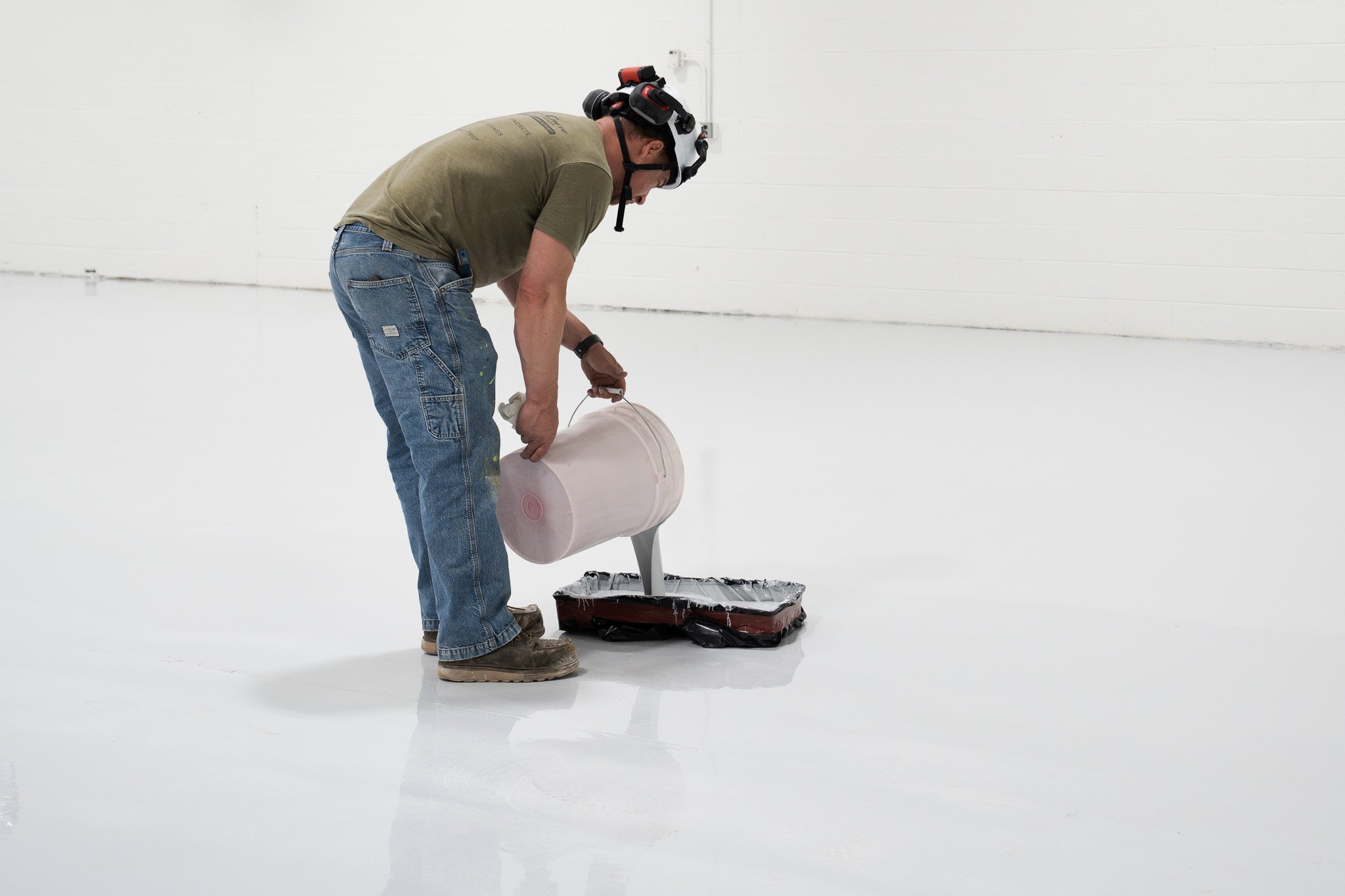
DIY garage floor products are often designed to be easier for homeowners to mix, apply, and work with using commonly available tools. DIY materials are typically thinner, lower solids, meaning higher solvent. Professional systems may use epoxy, polyaspartic, polyurea, or combinations of resinous materials with shorter working times or more specific installation requirements.
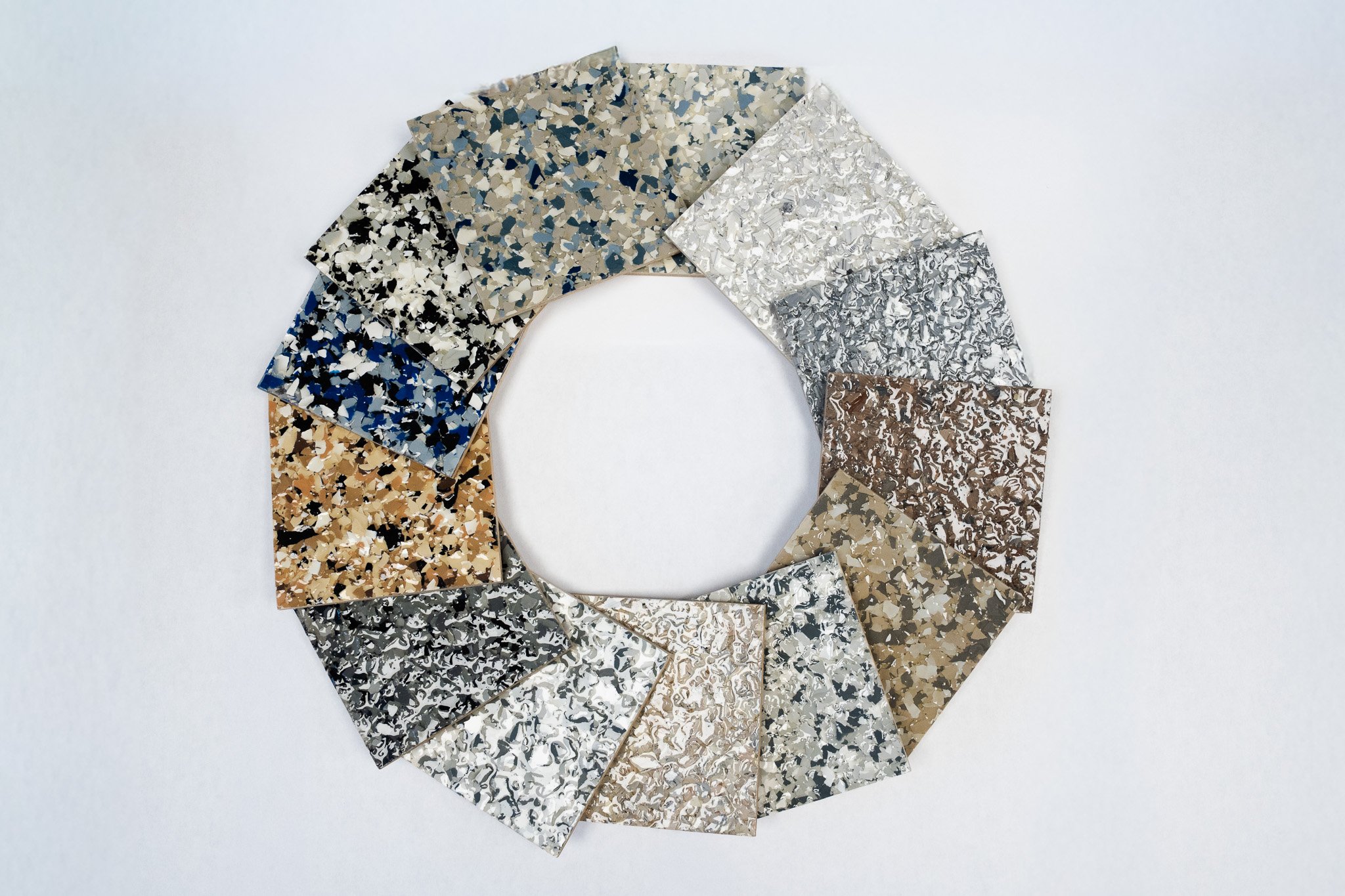
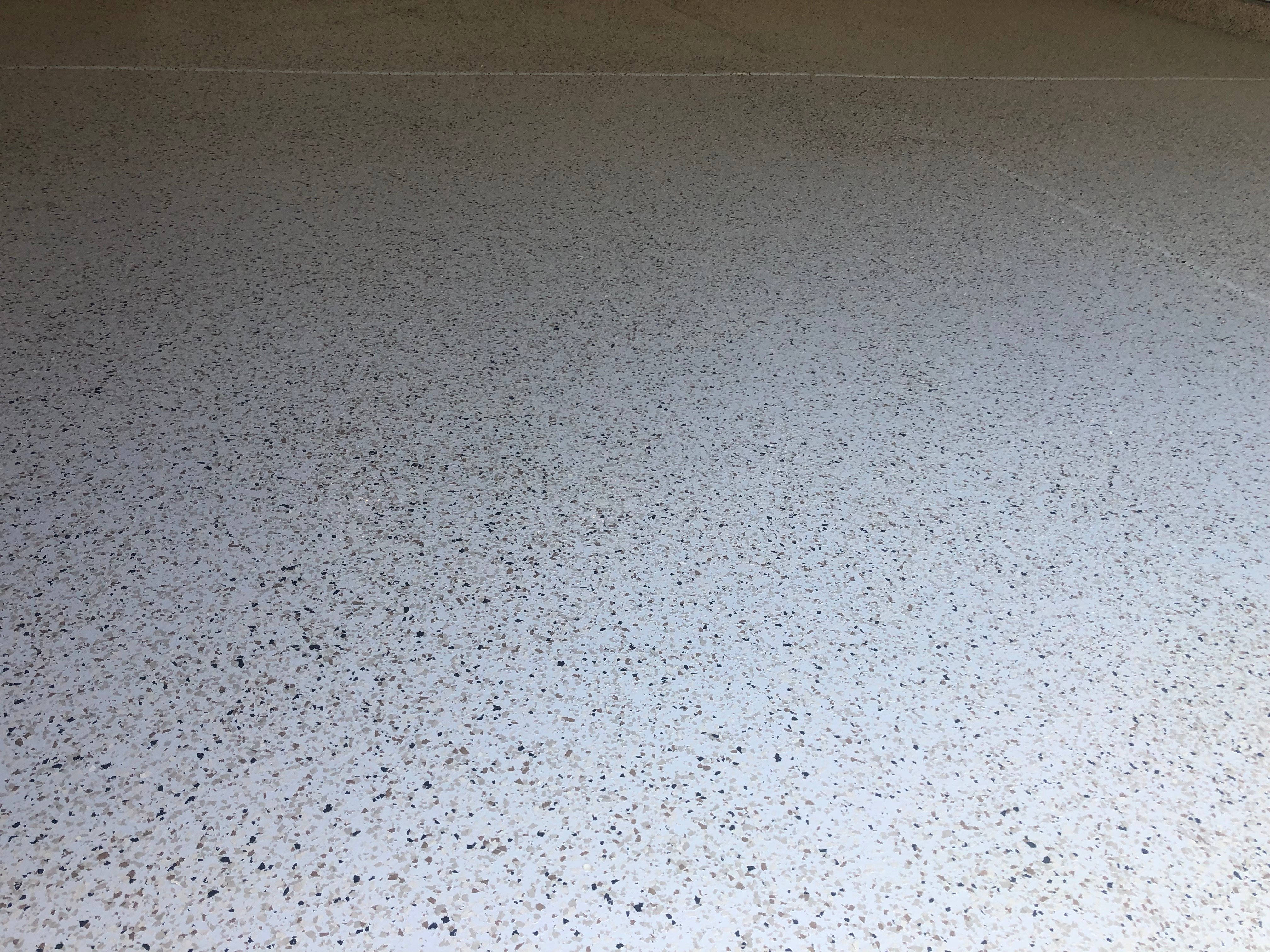
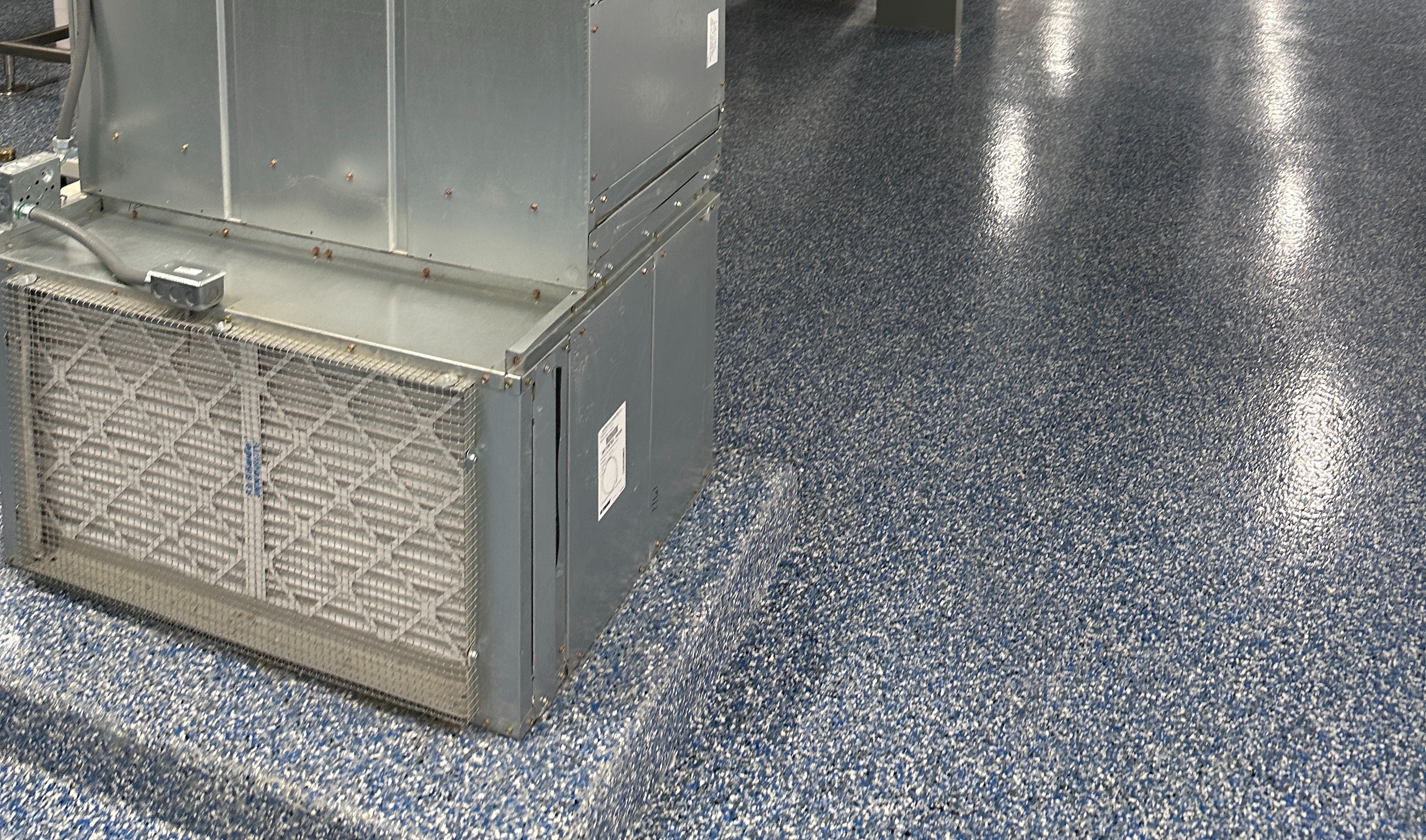
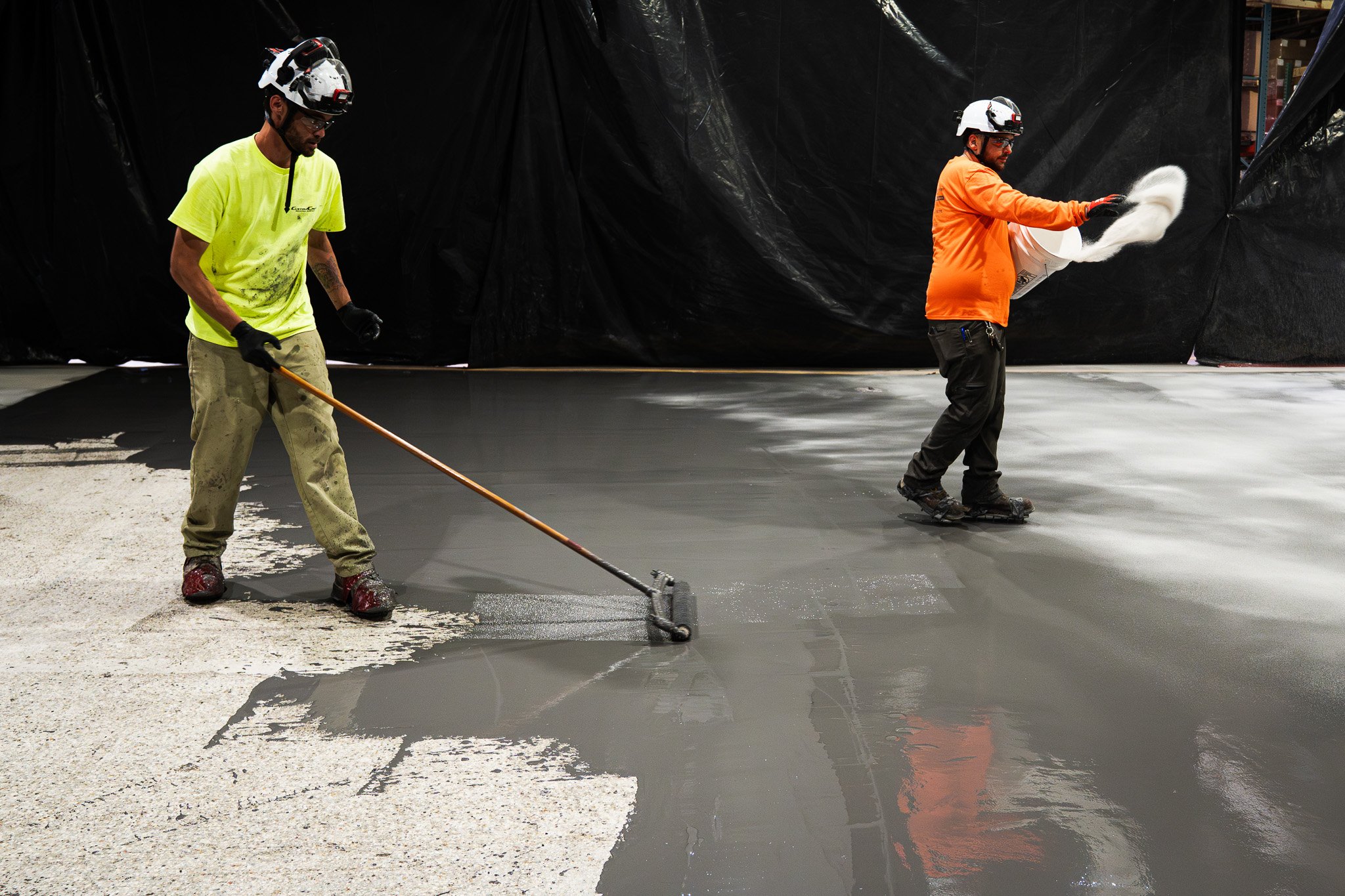
A professional garage system may also include several layers, such as a base coat, decorative flake broadcast, and protective topcoat.
That doesn't mean every professional product is automatically superior to every DIY product. Product chemistry, thickness, surface preparation, installation quality, and intended use all influence performance.
When comparing DIY vs professional garage floor coatings, look at the complete system rather than simply the product name.
How Do Application and Cure Time Compare?
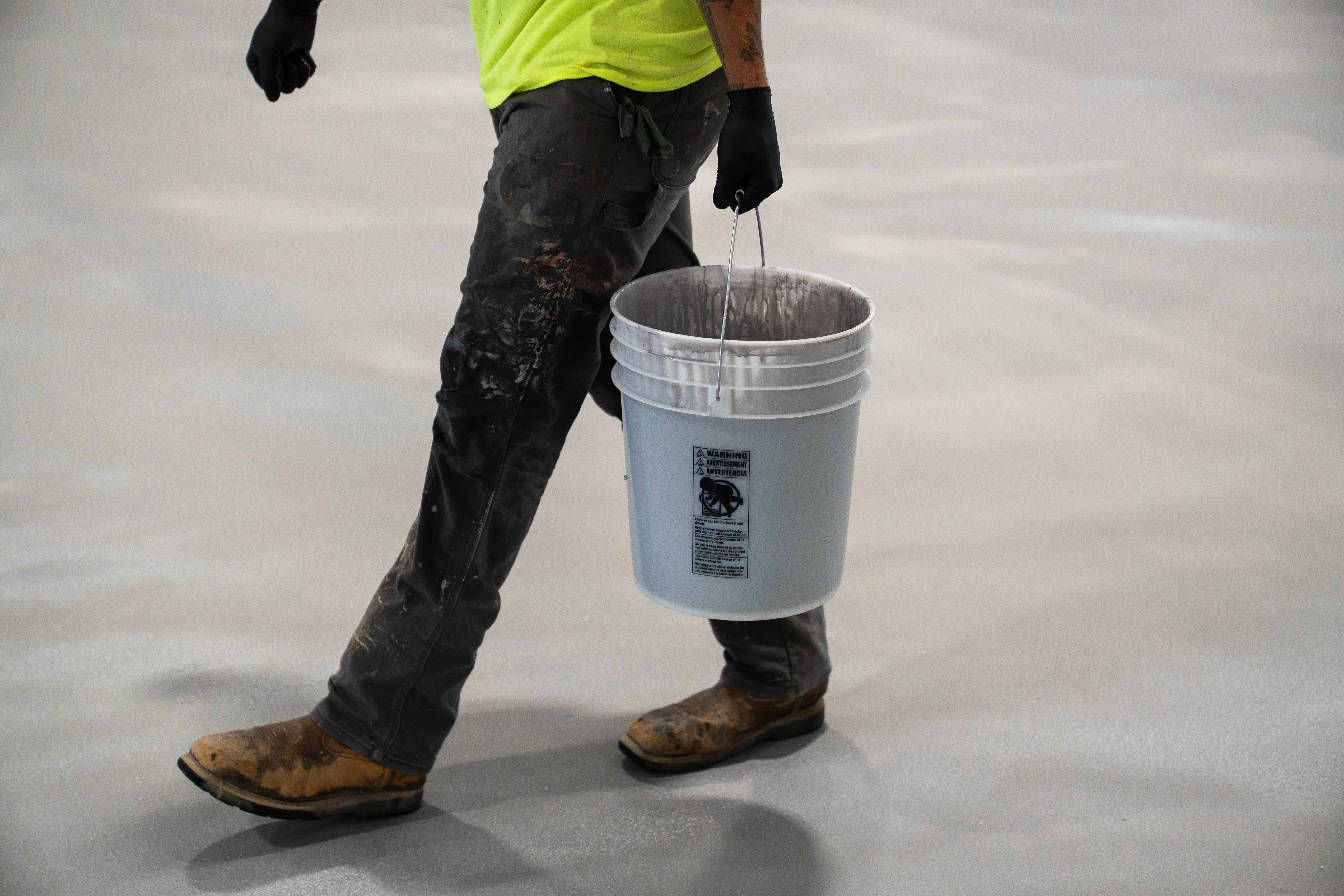
DIY coatings give homeowners control over the schedule, but they also put responsibility for mixing, application thickness, coverage, decorative flakes, and recoat windows on the installer.
This can become challenging with fast-curing materials. Once certain coatings are mixed, there may be limited time to apply them correctly.
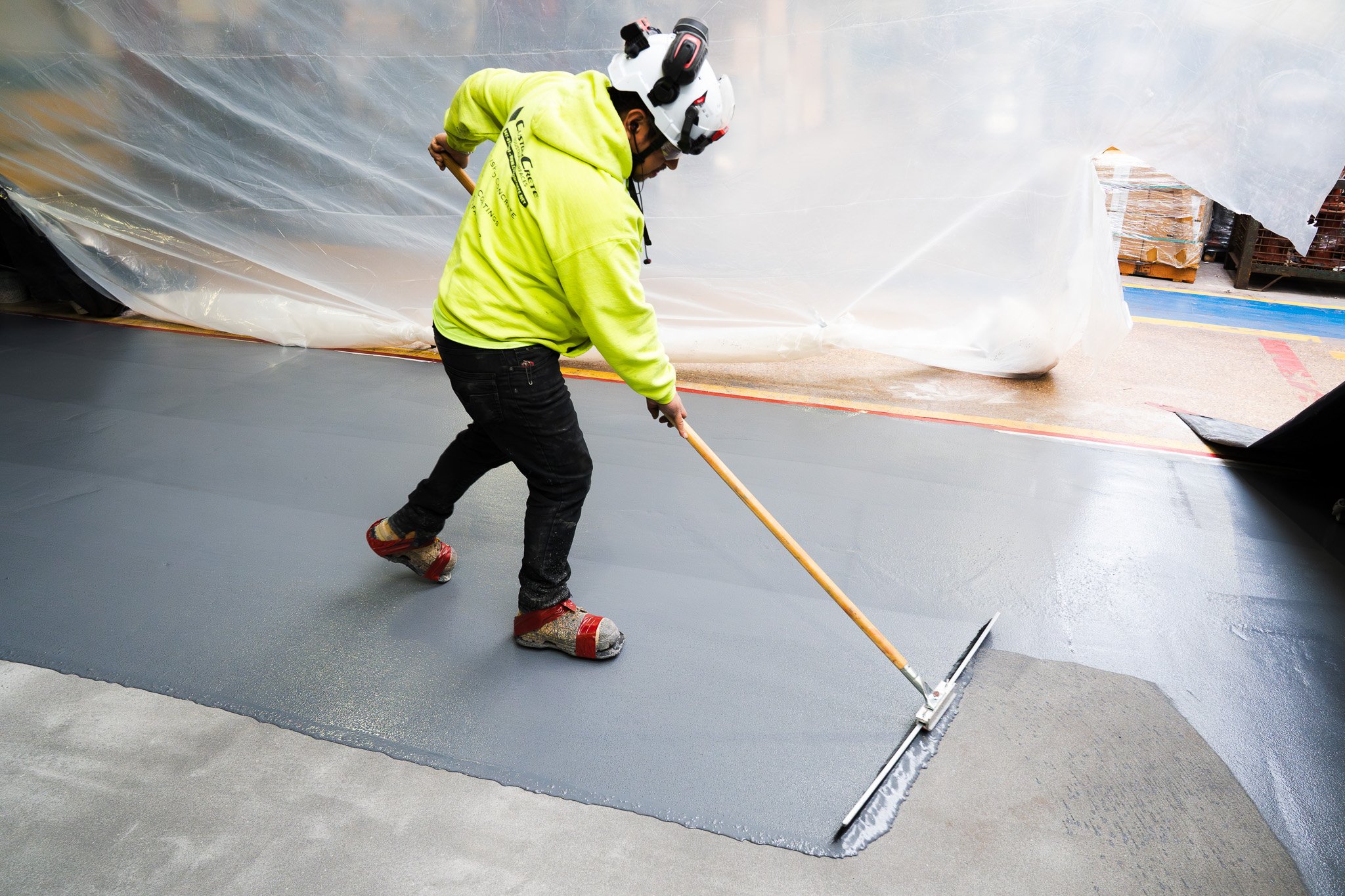
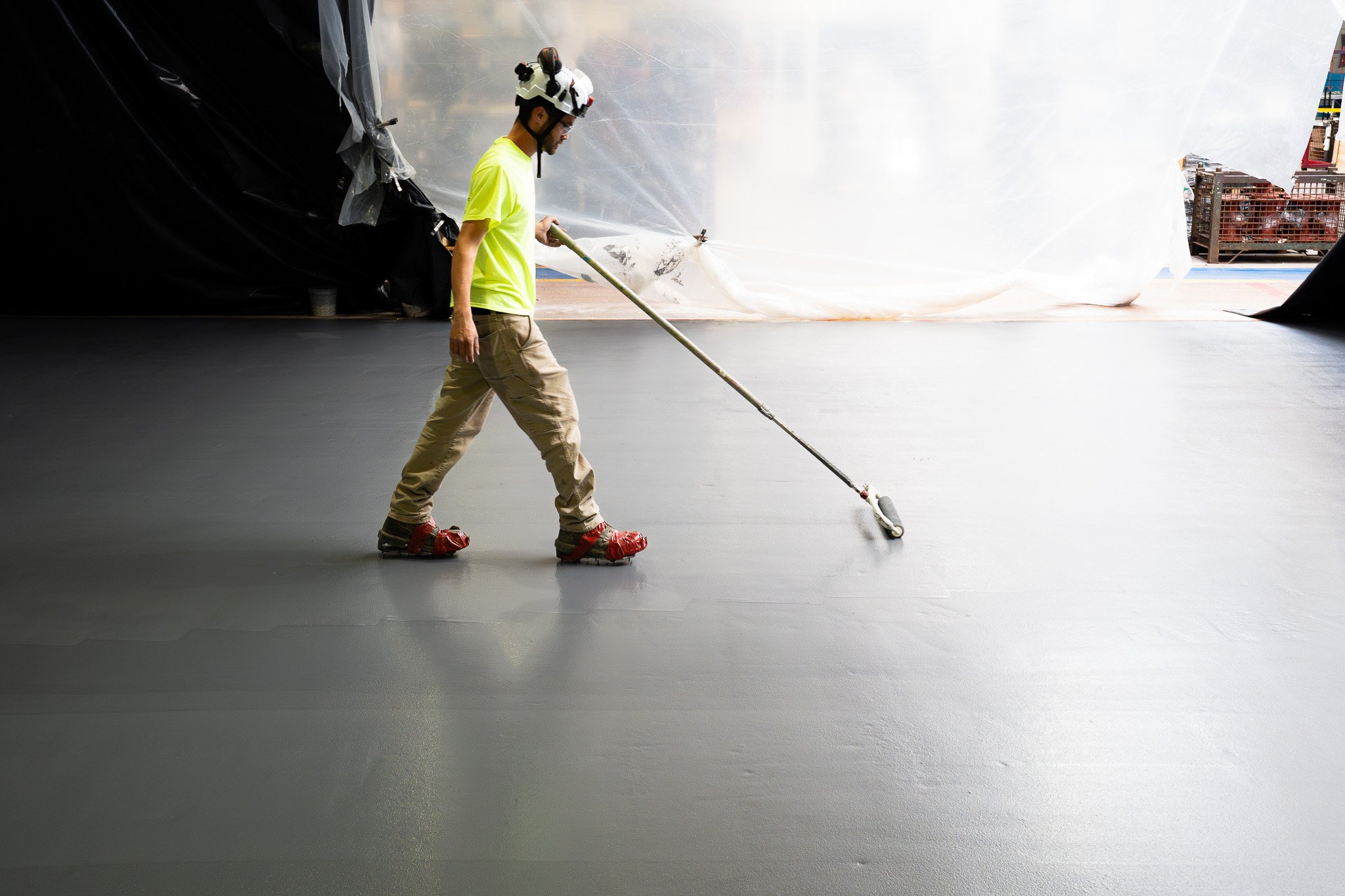
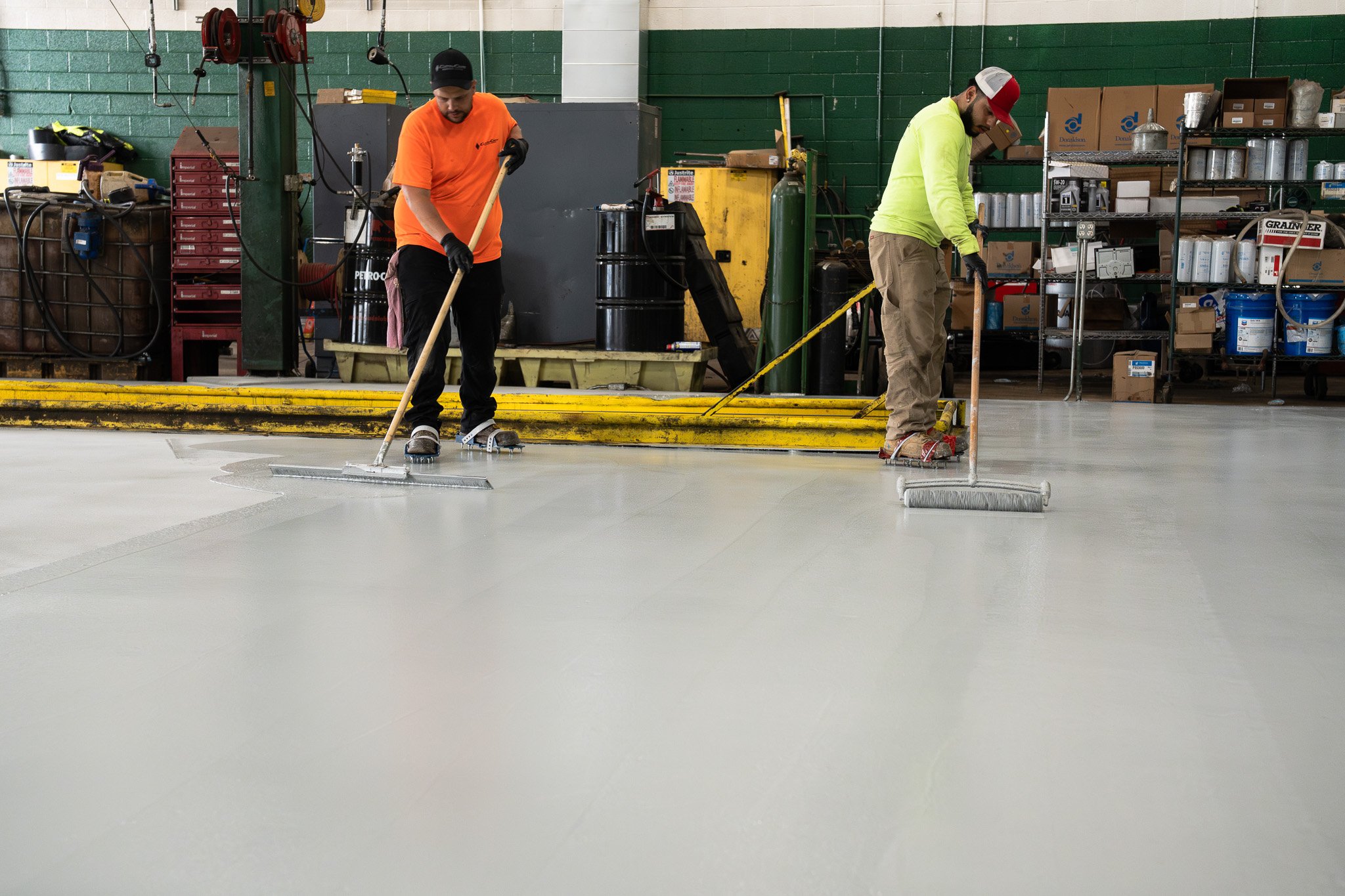
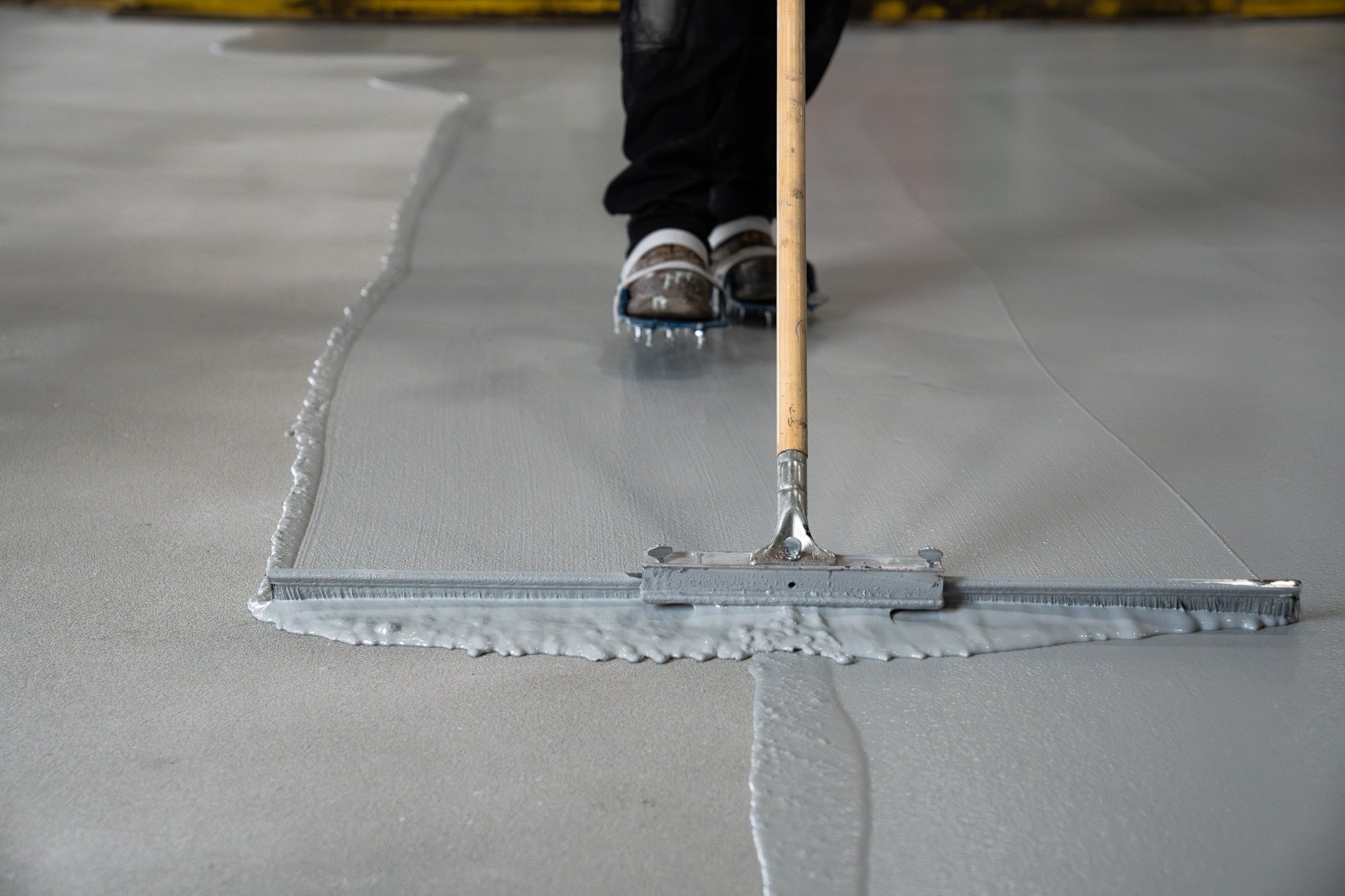
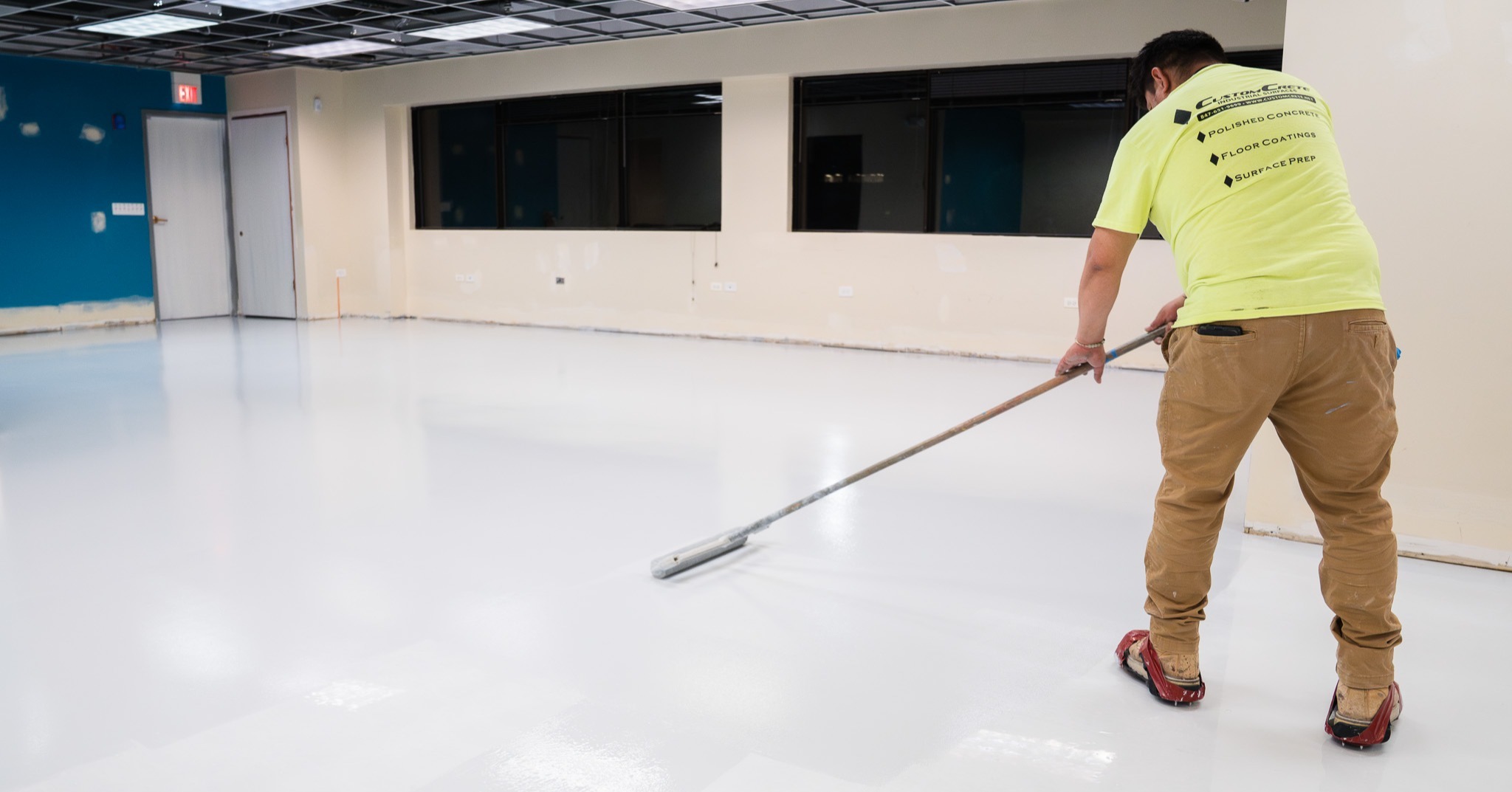
Professional crews typically use grinders, dust-control vacuums, mixers, squeegees, rollers, and other application equipment to maintain consistency across the floor. Experience can also help when coordinating multiple coating layers within specific recoat windows.
For either approach, cure time depends on the product, temperature, humidity, and application conditions. The manufacturer's instructions should determine when the floor can handle foot traffic, storage, and vehicles.
Will a Professional Floor Look Better or Last Longer?
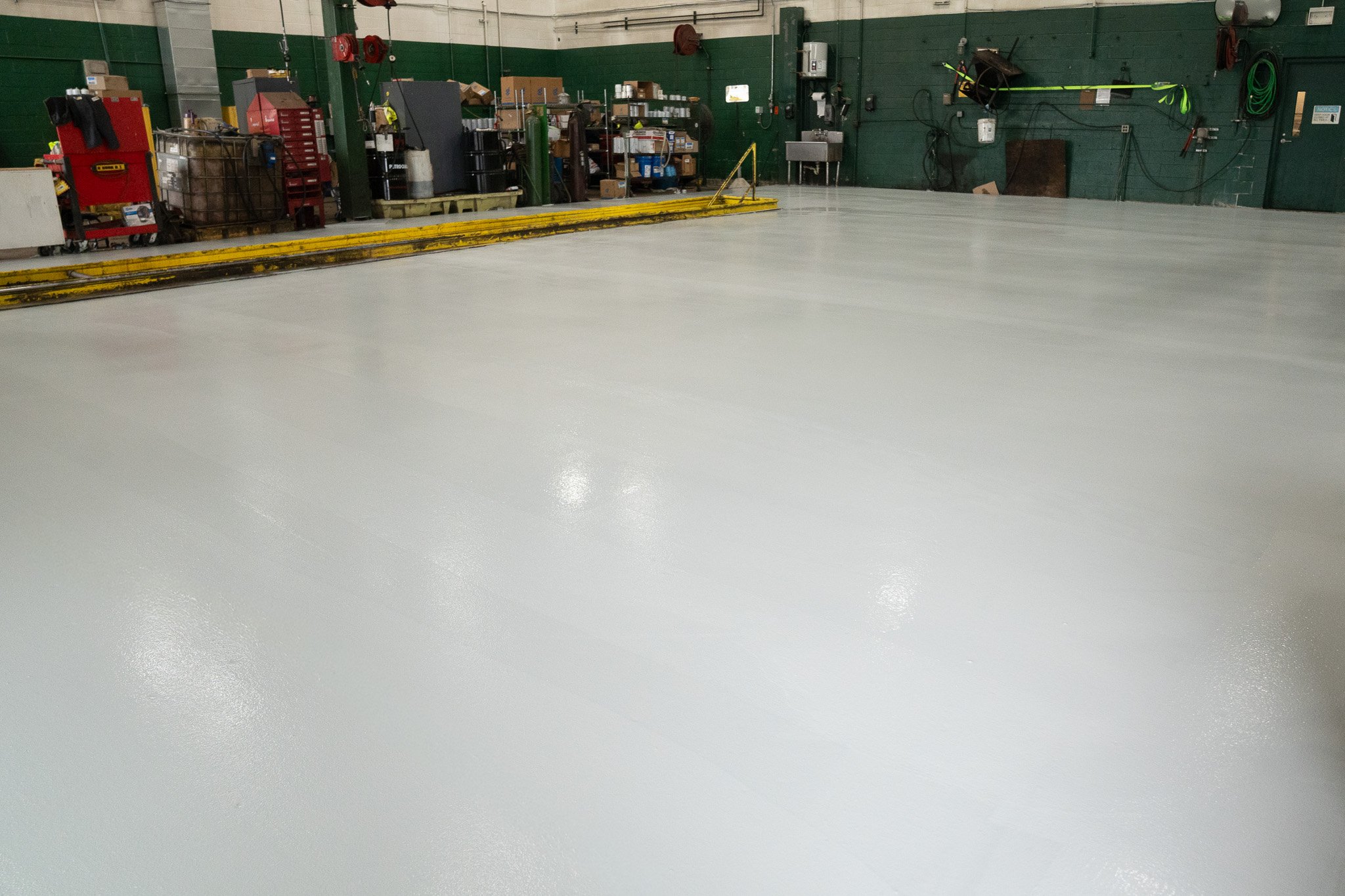
Professional installation often provides a more consistent finished appearance, particularly with full-flake systems or multi-layer coatings. Experienced installers are accustomed to controlling coating thickness, broadcast coverage, edges, and transitions.
Durability is more complicated.
A professionally installed system may last longer because of more extensive preparation, repairs, material selection, and application control. However, no coating has a guaranteed lifespan based solely on whether a professional installed it.
Concrete movement, moisture, UV exposure, road salts, vehicle traffic, chemical spills, impacts, and maintenance all affect long-term performance.
Is DIY or Professional Installation More Affordable?
DIY is generally the less expensive option upfront. You're primarily paying for materials, tools, preparation supplies, and potentially equipment rentals rather than contractor labor.
Professional installation costs more because the price includes labor, commercial equipment, surface preparation, repairs, coating materials, and installation experience.
There is also a potential cost if a DIY coating fails and has to be mechanically removed before another system can be installed. On the other hand, homeowners with sound concrete, realistic expectations, and the ability to properly prepare and coat the floor may find DIY installation worth the savings.
Final Thoughts
The decision between DIY vs professional garage floor coatings comes down to more than budget.
DIY can make sense if the concrete is in good condition, you're comfortable with preparation and repairs, and you're willing to follow the product's installation requirements carefully. Professional installation may make more sense when the slab needs significant preparation or repairs, moisture is a concern, or you want a more complex coating system without handling the installation yourself.
Neither choice is right for every garage. Consider the condition of your concrete, desired appearance, expected durability, available time, and total project cost before deciding.
If you'd rather have your garage floor evaluated and professionally installed, request a quote from CustomCrete to discuss your concrete condition, coating options, and project scope.

Topics:

.jpg?width=2048&height=1365&name=CC108559%20(1).jpg)
.jpeg?width=1638&height=1020&name=CC109349%20(1).jpeg)
.png?width=11520&height=9216&name=Untitled%20design%20(56).png)