
Key Takeaways
- Polyaspartic floor coating provides excellent durability, chemical resistance, and abrasion resistance for commercial and industrial concrete floors.
- Its fast cure time allows many facilities to return to service sooner than with traditional flooring systems.
- Polyaspartic coatings are commonly used as a high-performance topcoat in multi-layer flooring systems because they combine protection with long-term appearance.
Concrete floors in commercial and industrial facilities take a beating every day. Heavy equipment, forklift traffic, chemical spills, and constant foot traffic can quickly wear down unprotected concrete, leading to costly repairs and ongoing maintenance. Choosing the right flooring system is essential for protecting your investment while minimizing downtime.
One flooring solution that has become increasingly popular is polyaspartic floor coating. Originally developed for demanding industrial applications, polyaspartic coatings are now used in warehouses, manufacturing facilities, automotive shops, commercial buildings, retail spaces, and many other environments because they offer a combination of durability, fast installation, and long-term performance.
With nearly 20 years of experience and over 1 million square feet installed, CustomCrete has installed polyaspartic flooring systems across a wide range of commercial and industrial facilities. This guide explains the key benefits of polyaspartic floor coating and why it continues to be one of the most requested flooring options for businesses.

What Is Polyaspartic Floor Coating?
A polyaspartic floor coating is a high-performance resinous coating designed to protect concrete from wear, chemicals, moisture, and daily traffic.
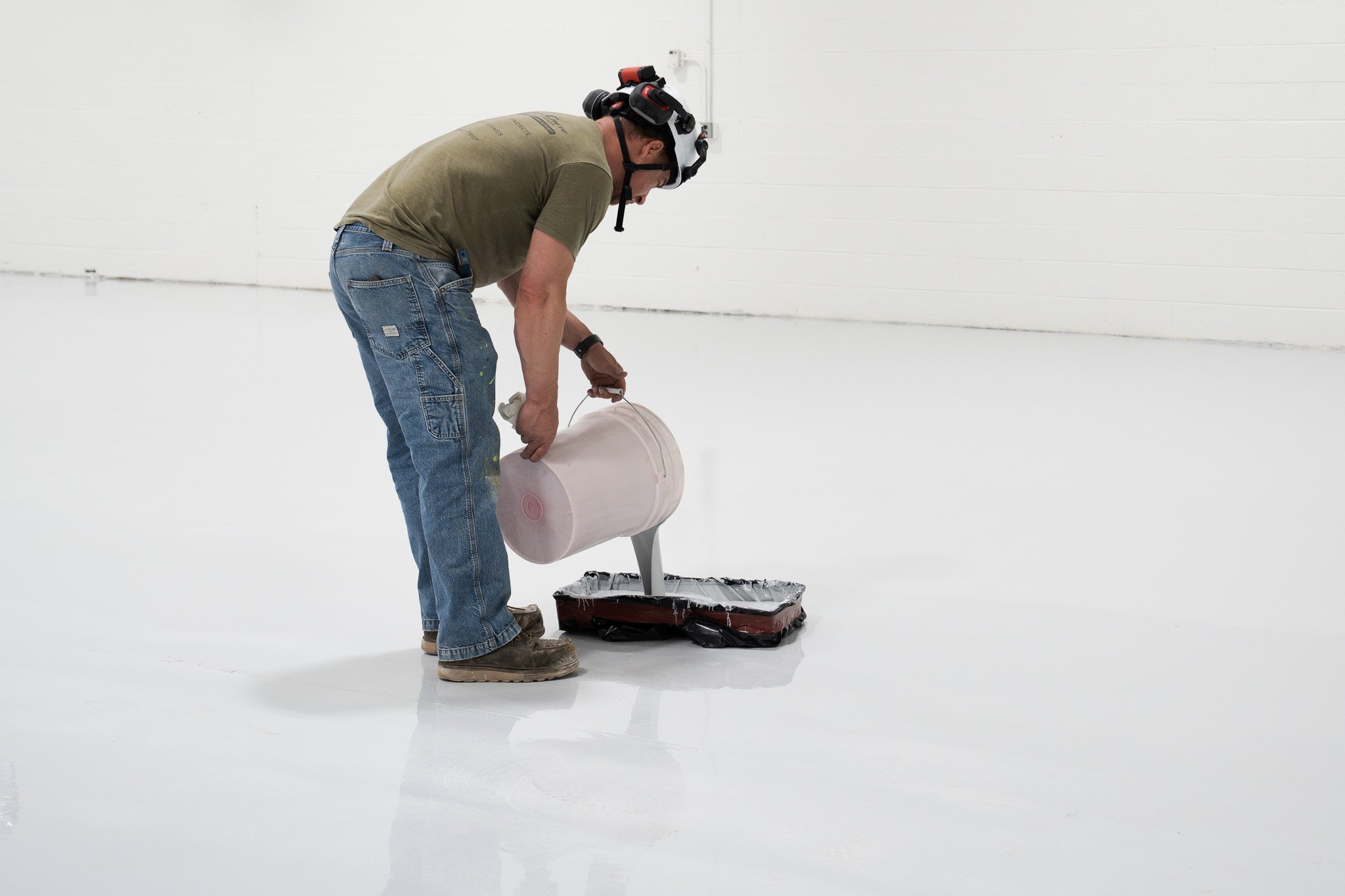
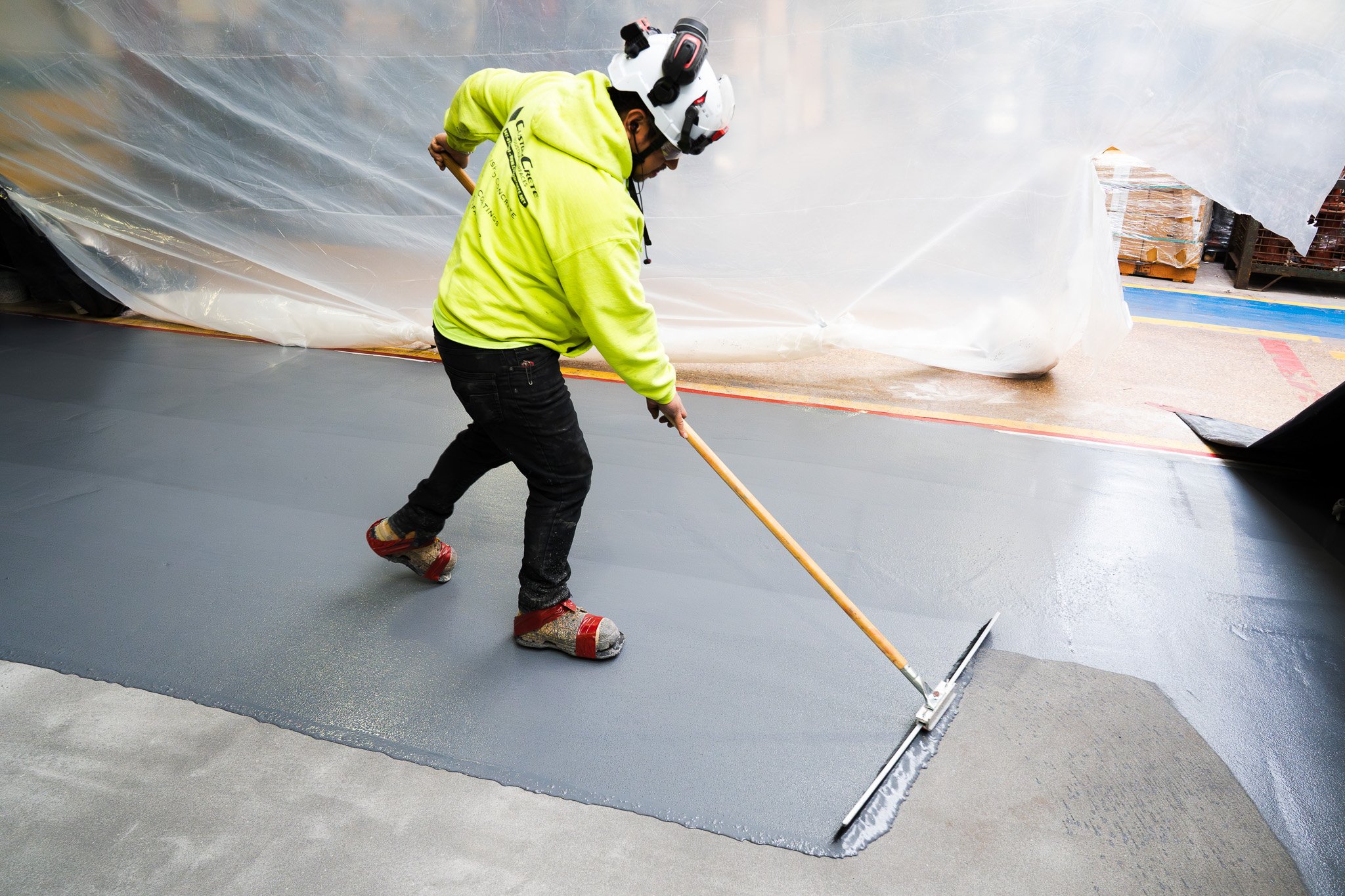
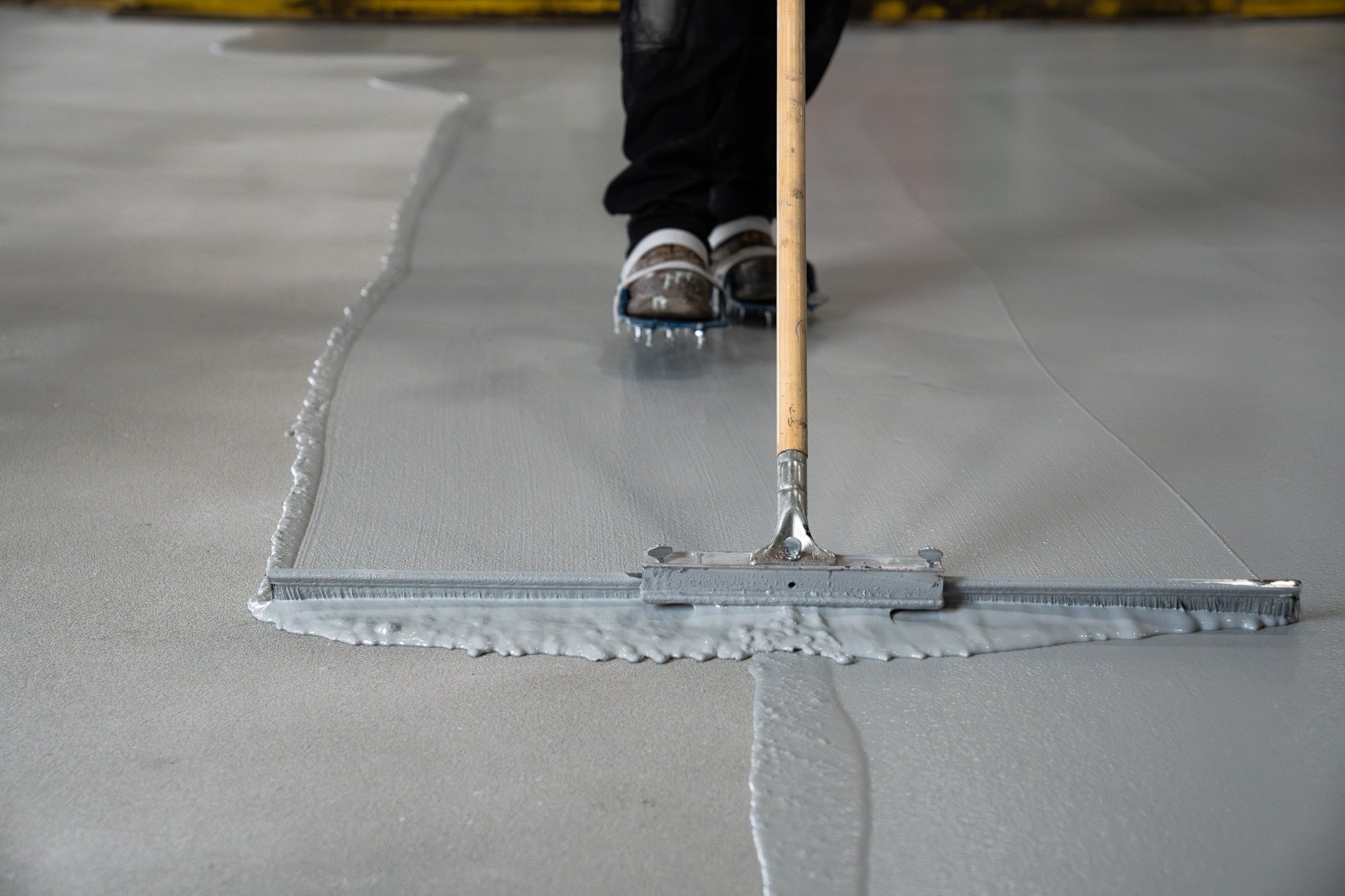
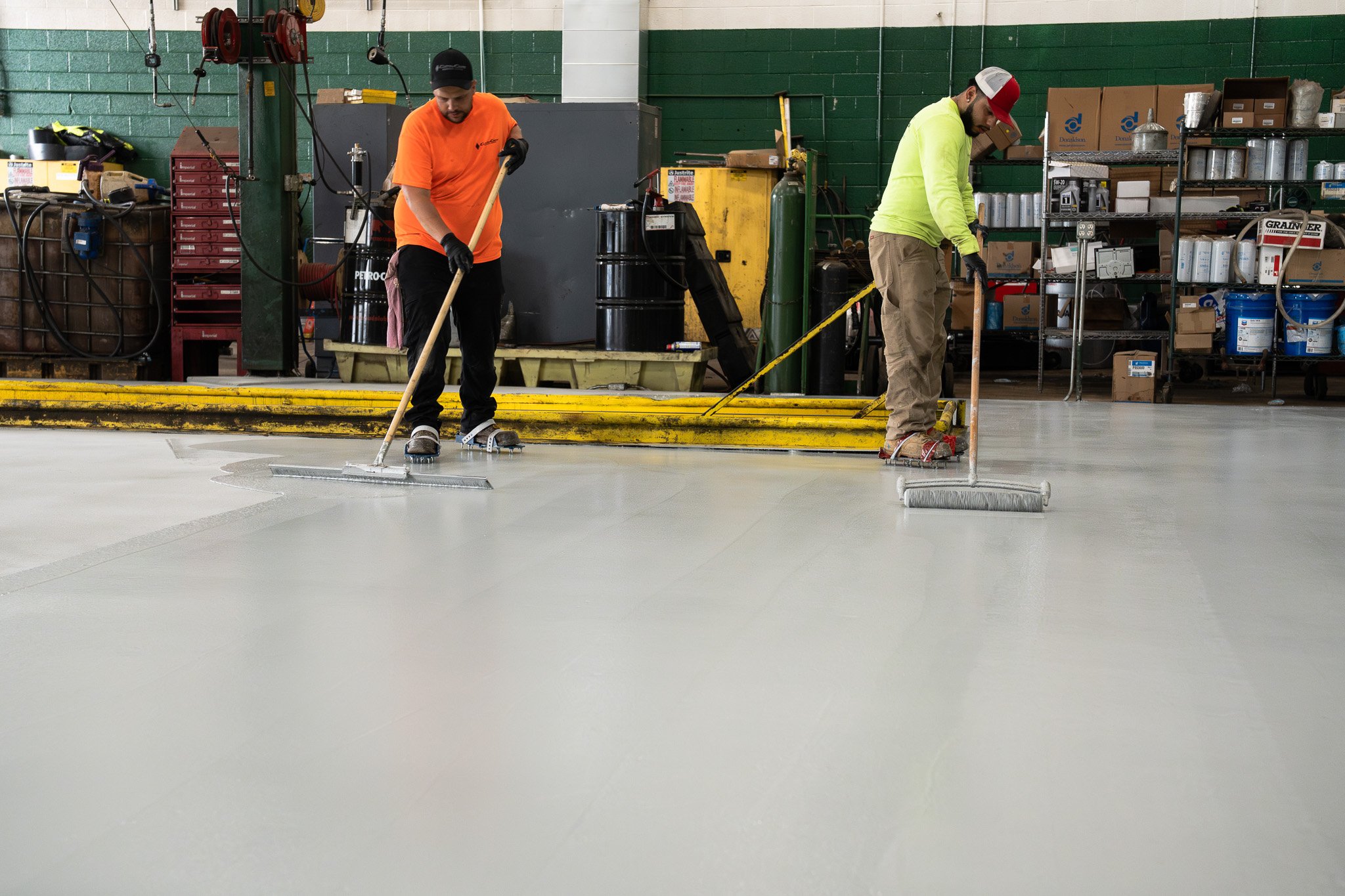
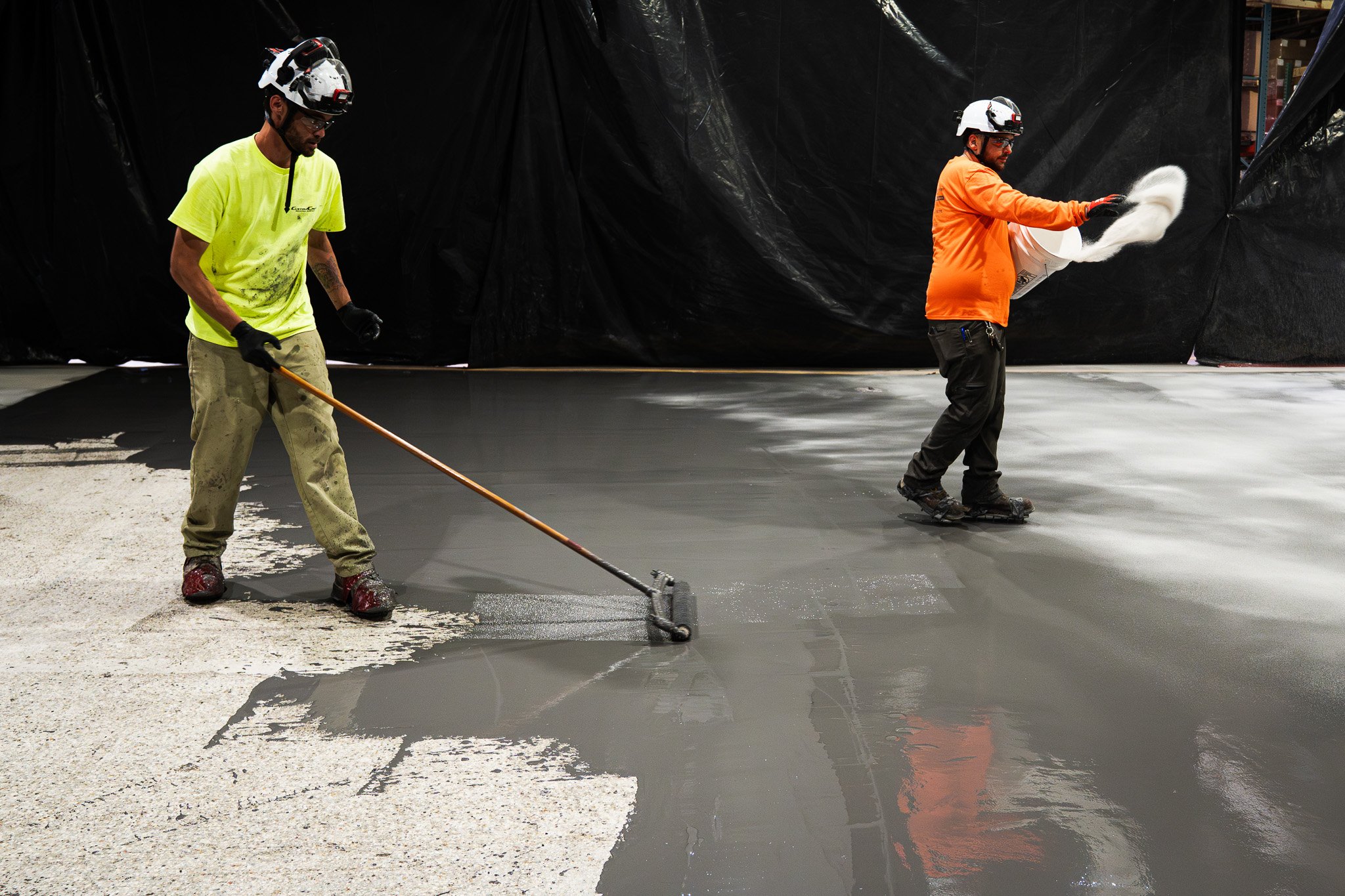
While it can be installed as a standalone system in certain applications, it is most commonly used as the final protective topcoat over an epoxy primer or broadcast flooring system. This combination allows facilities to take advantage of epoxy's excellent adhesion while benefiting from the durability and UV stability of polyaspartic materials.
Because of its versatility, polyaspartic flooring has become a popular choice across many industries.
Fast Return to Service
One of the biggest advantages of polyaspartic floor coating is its rapid curing time.
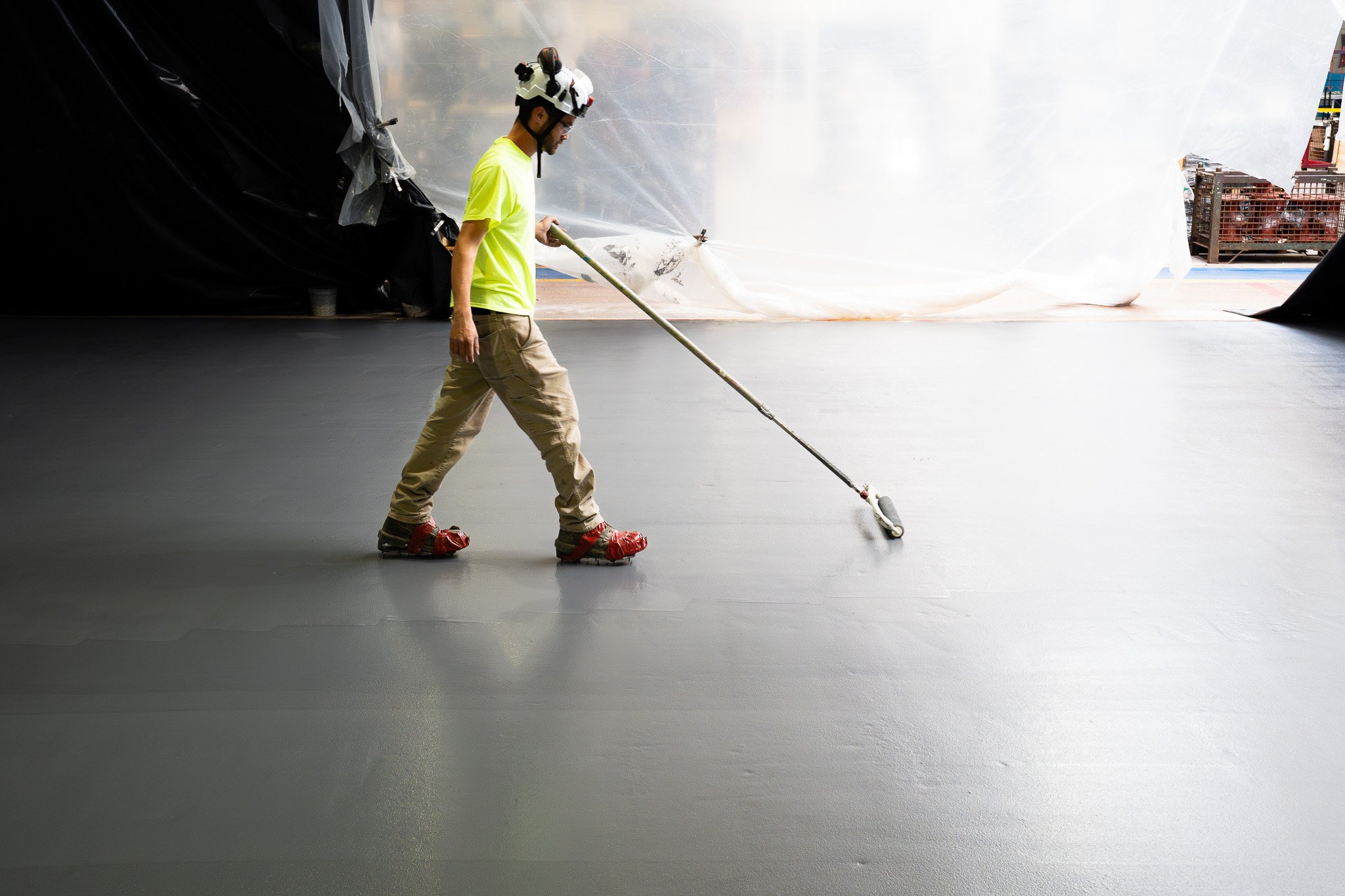
Many commercial and industrial facilities cannot afford extended shutdowns while waiting for a floor to cure. Polyaspartic coatings typically cure much faster than many traditional flooring systems, allowing contractors to complete installations more efficiently and helping facilities resume operations sooner.
For businesses where downtime directly affects productivity, this faster return to service can be a significant advantage.
Excellent Durability
Industrial floors experience constant abuse from:
- Forklifts
- Pallet jacks
- Heavy equipment
- Rolling carts
- Foot traffic
- Daily operations
A polyaspartic floor coating provides excellent abrasion resistance that helps protect the concrete from everyday wear.
When installed over proper surface preparation and a quality primer, polyaspartic flooring systems can maintain their appearance and performance for many years.
Chemical Resistance
Many facilities expose their floors to oils, grease, cleaning chemicals, solvents, and other industrial fluids.
A polyaspartic floor coating helps create a protective barrier that resists many common chemicals, reducing the likelihood of staining or damage when spills are cleaned promptly.
The exact level of chemical resistance depends on the flooring system and the specific chemicals involved, making it important to select a system designed for the facility's environment.
UV Stability
Unlike some floor coatings that can yellow or discolor when exposed to sunlight, polyaspartic floor coating offers excellent UV stability.
This makes it a strong choice for:
- Loading docks
- Automotive service entrances
- Retail storefronts
- Facilities with large windows
- Spaces with frequent sunlight exposure
Maintaining color and gloss over time helps preserve the floor's appearance while reducing the need for premature refinishing.
Easier Maintenance
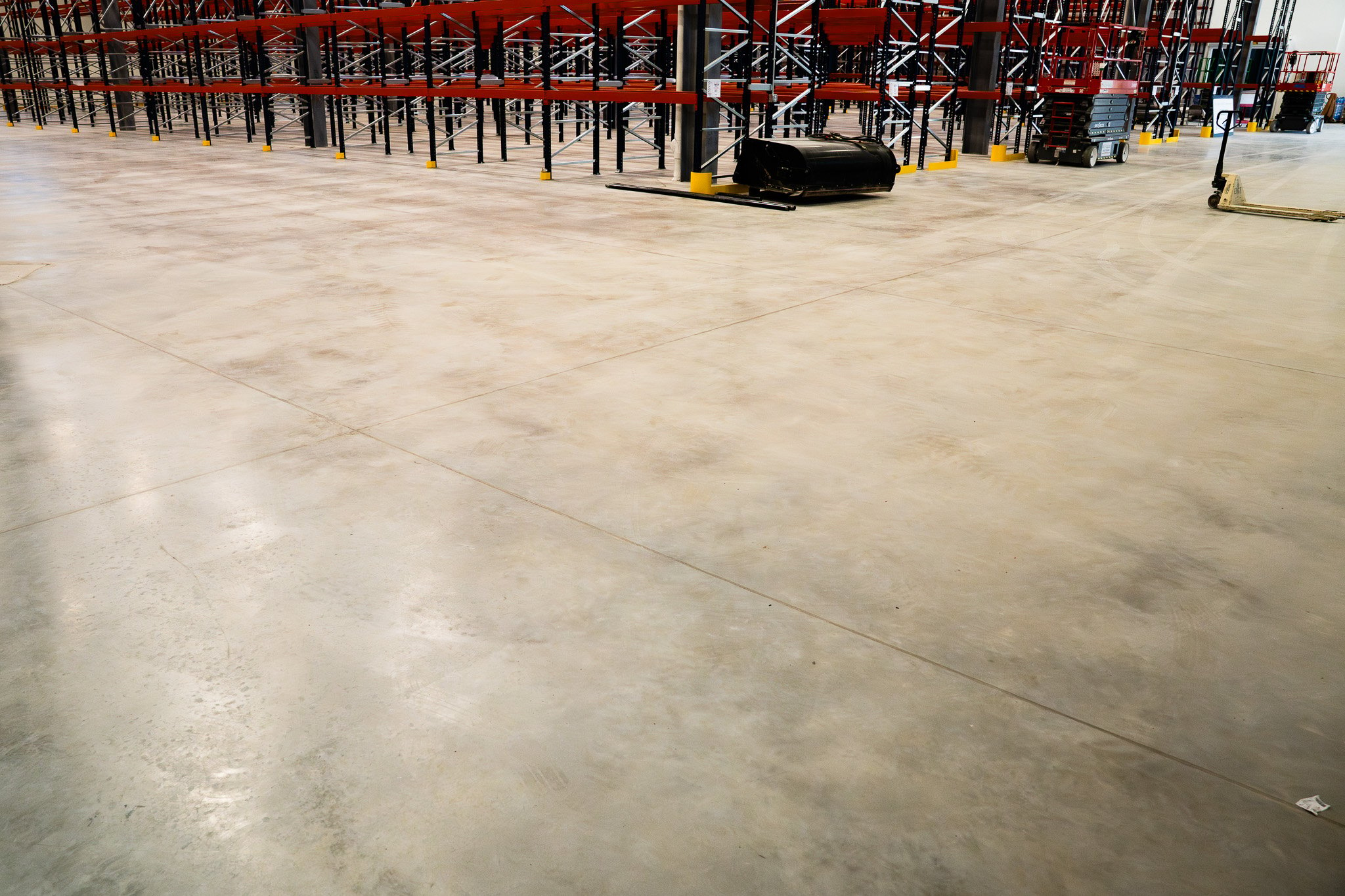
Bare concrete contains thousands of tiny pores that collect dirt, dust, and liquids.
Once protected with a polyaspartic floor coating, the surface becomes much easier to clean because contaminants remain on the surface instead of penetrating the concrete.
Routine maintenance generally consists of:
- Sweeping
- Dust mopping
- Auto scrubbing
- Cleaning spills promptly
This simplified maintenance routine helps facilities maintain a cleaner and more professional appearance.
Attractive Finish Options
Performance is important, but appearance also matters.
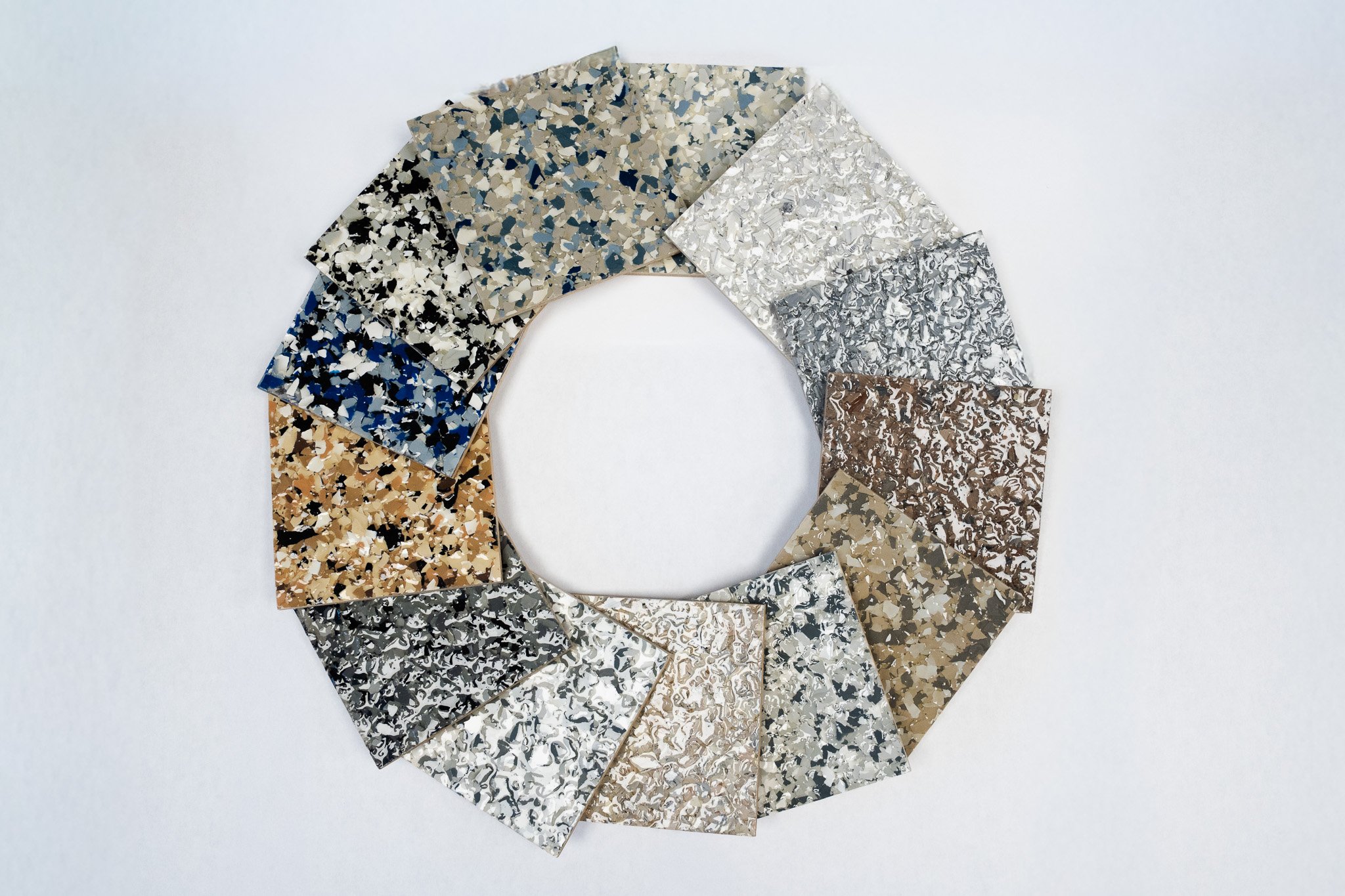
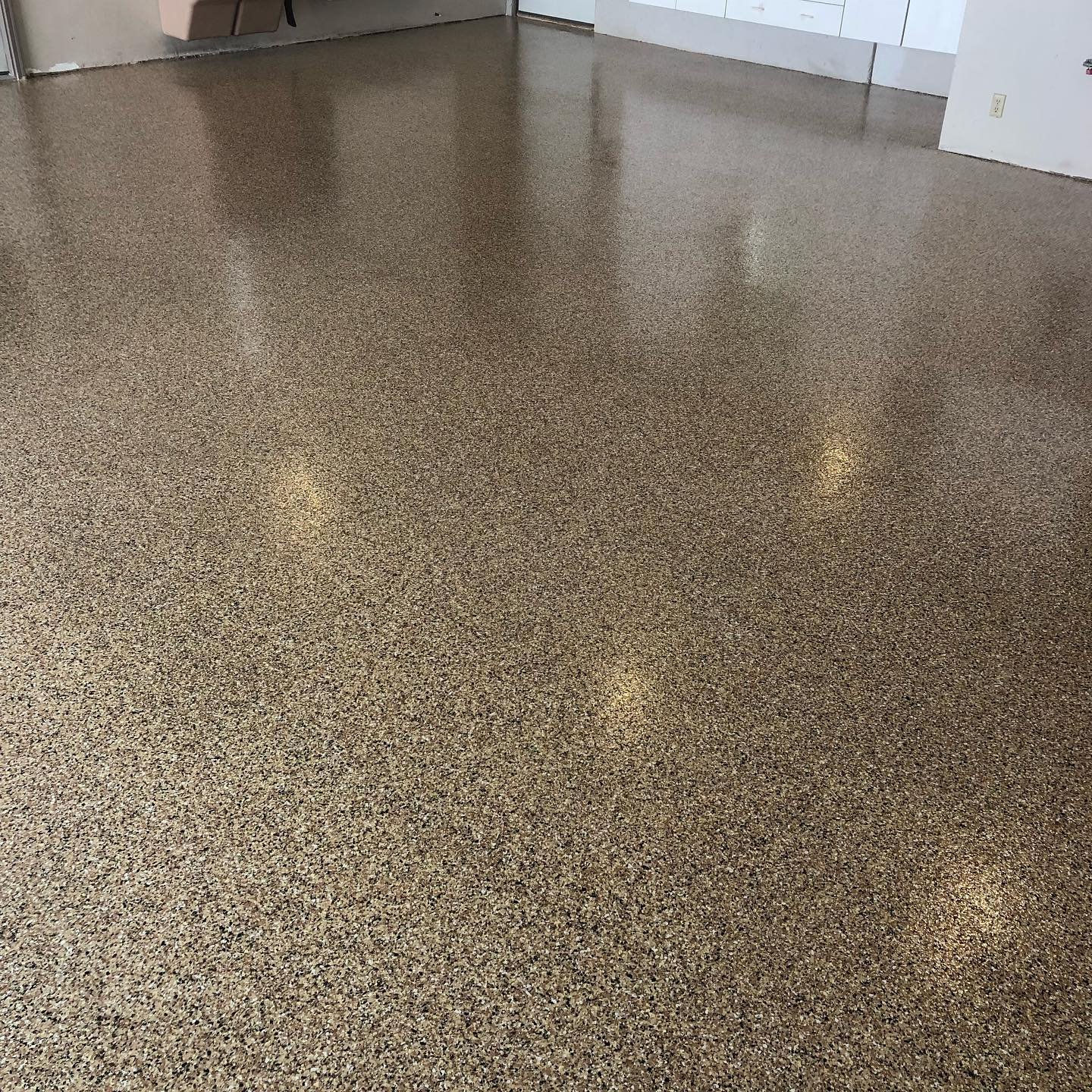
Polyaspartic flooring systems are available in numerous finishes, including:
- Solid colors
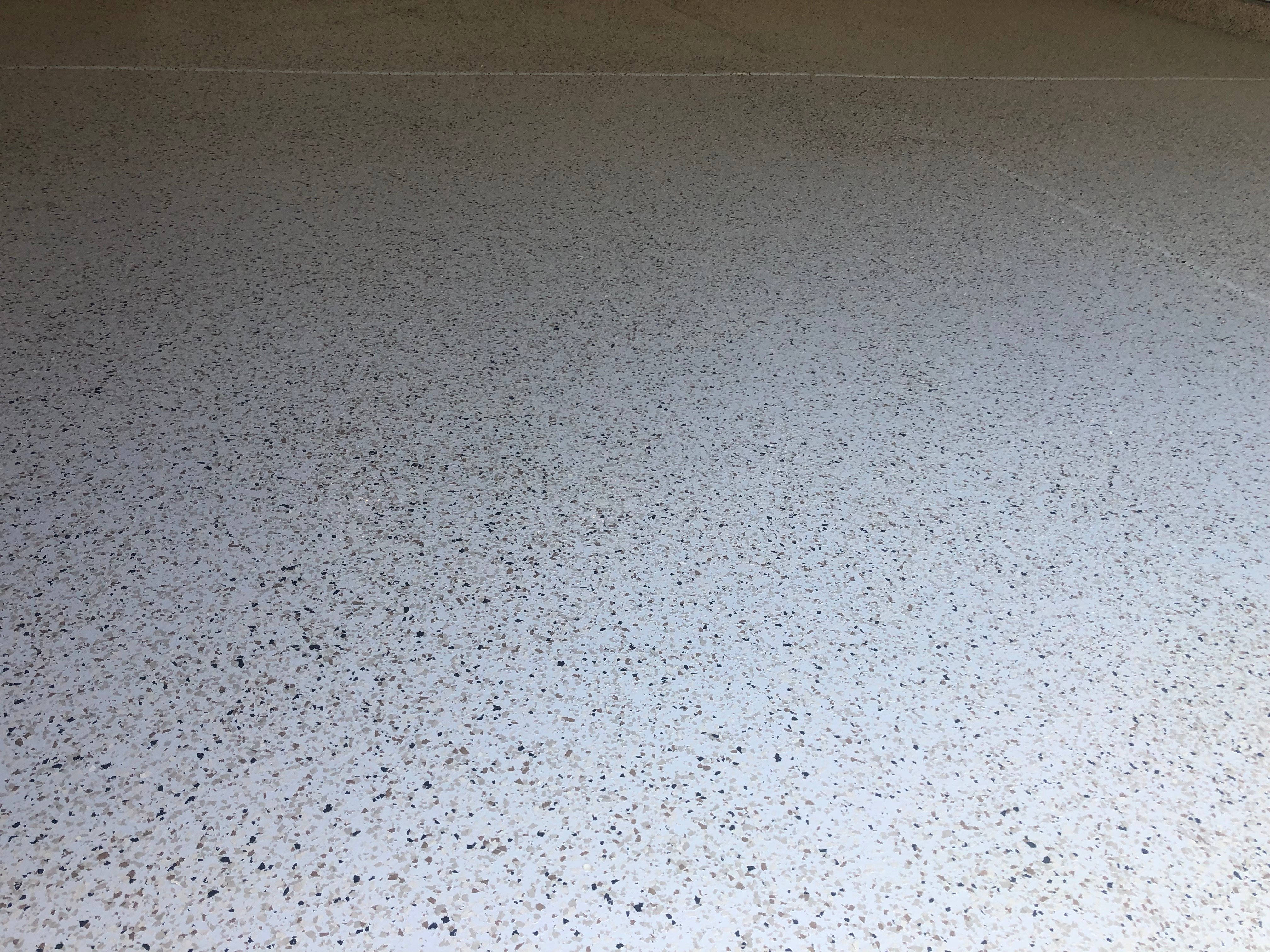
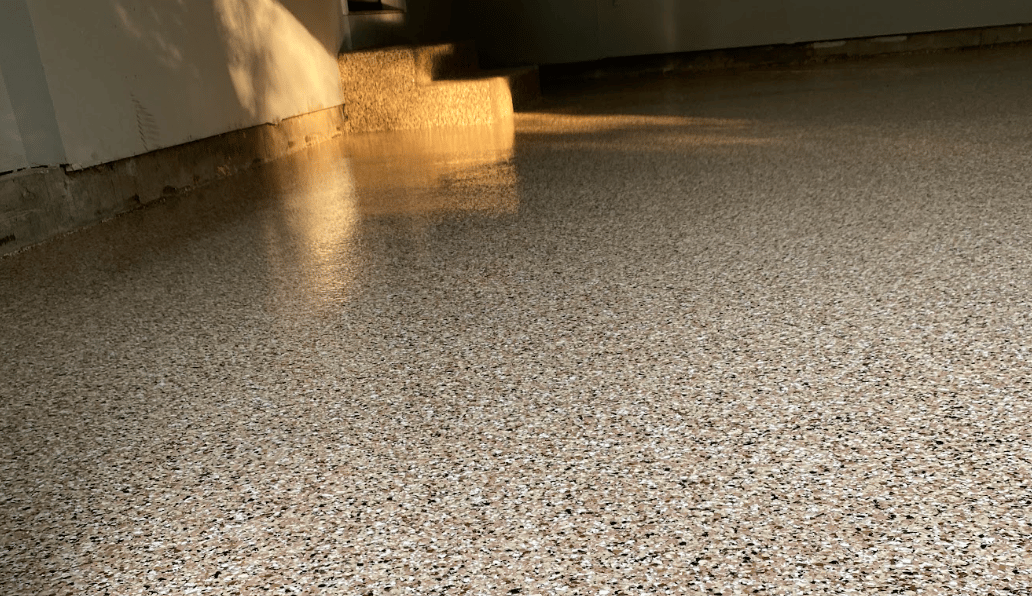
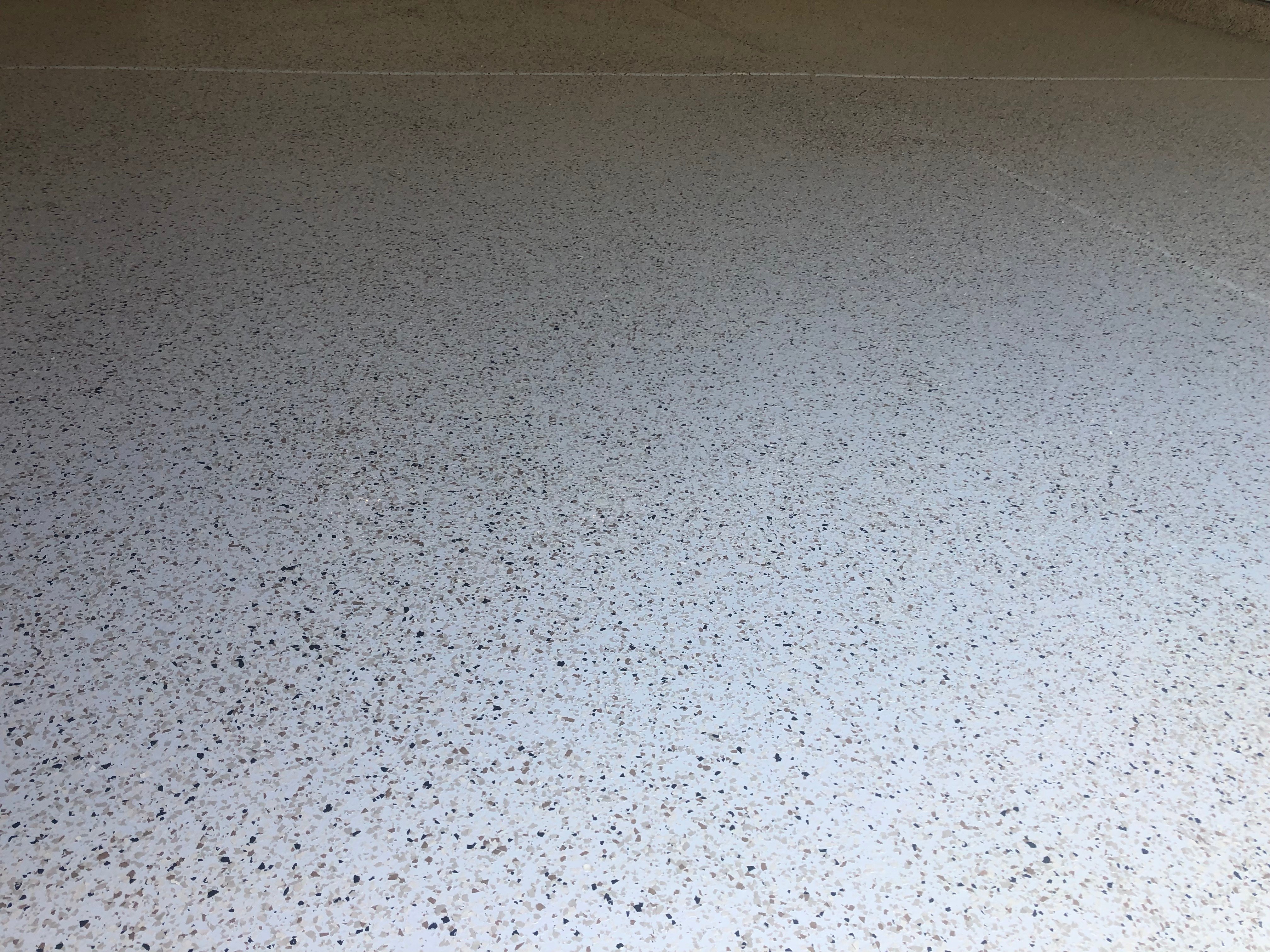
- Decorative flake systems
- Quartz broadcast systems
- Various gloss levels
- Slip-resistant textures
Many businesses also incorporate safety line striping and color-coded work zones into the flooring system to improve organization and workplace safety.
Works Across Many Industries
One reason polyaspartic floor coating continues to grow in popularity is its versatility.
It is commonly installed in:
- Manufacturing facilities
- Warehouses
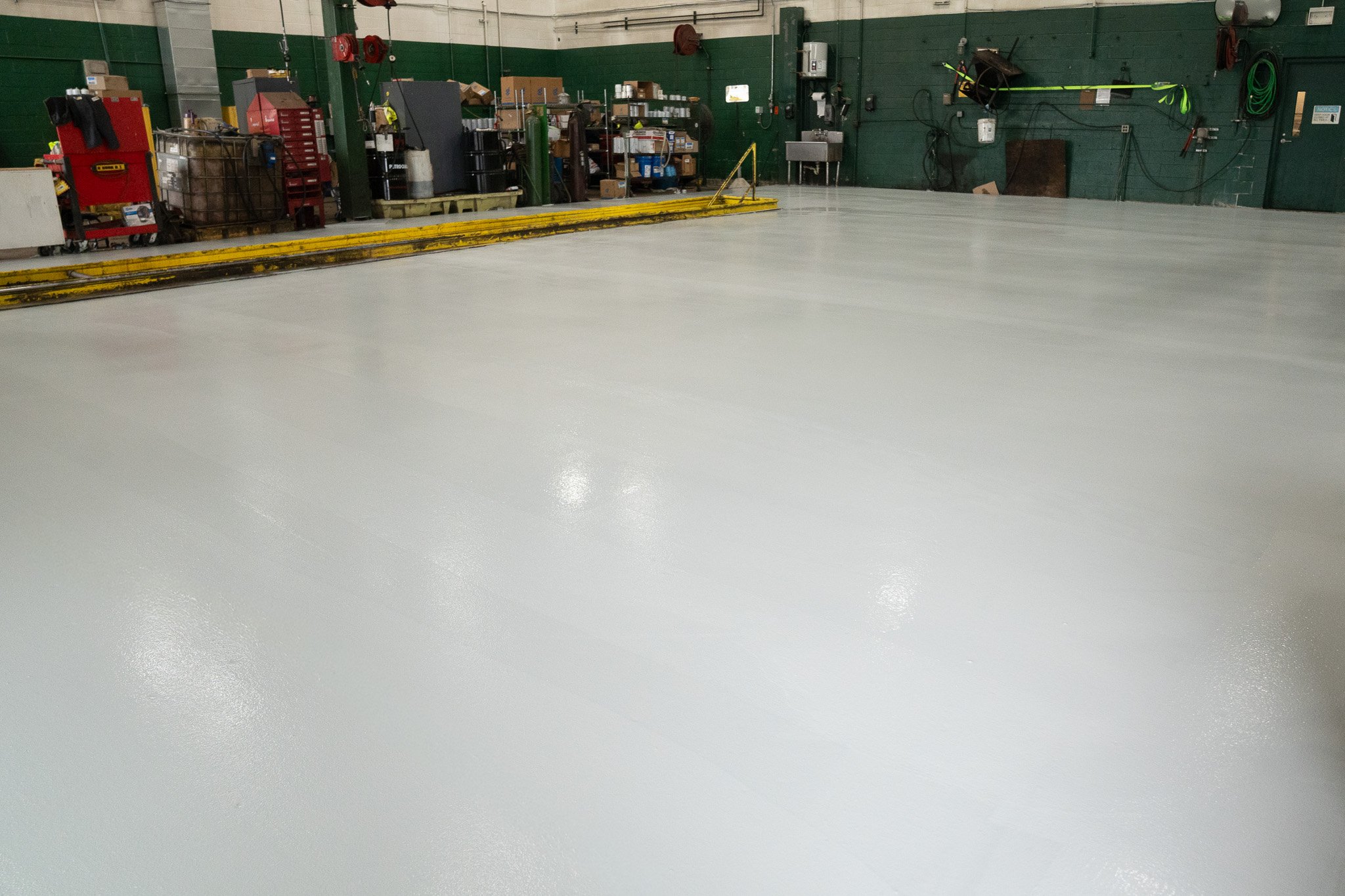
- Automotive repair shops
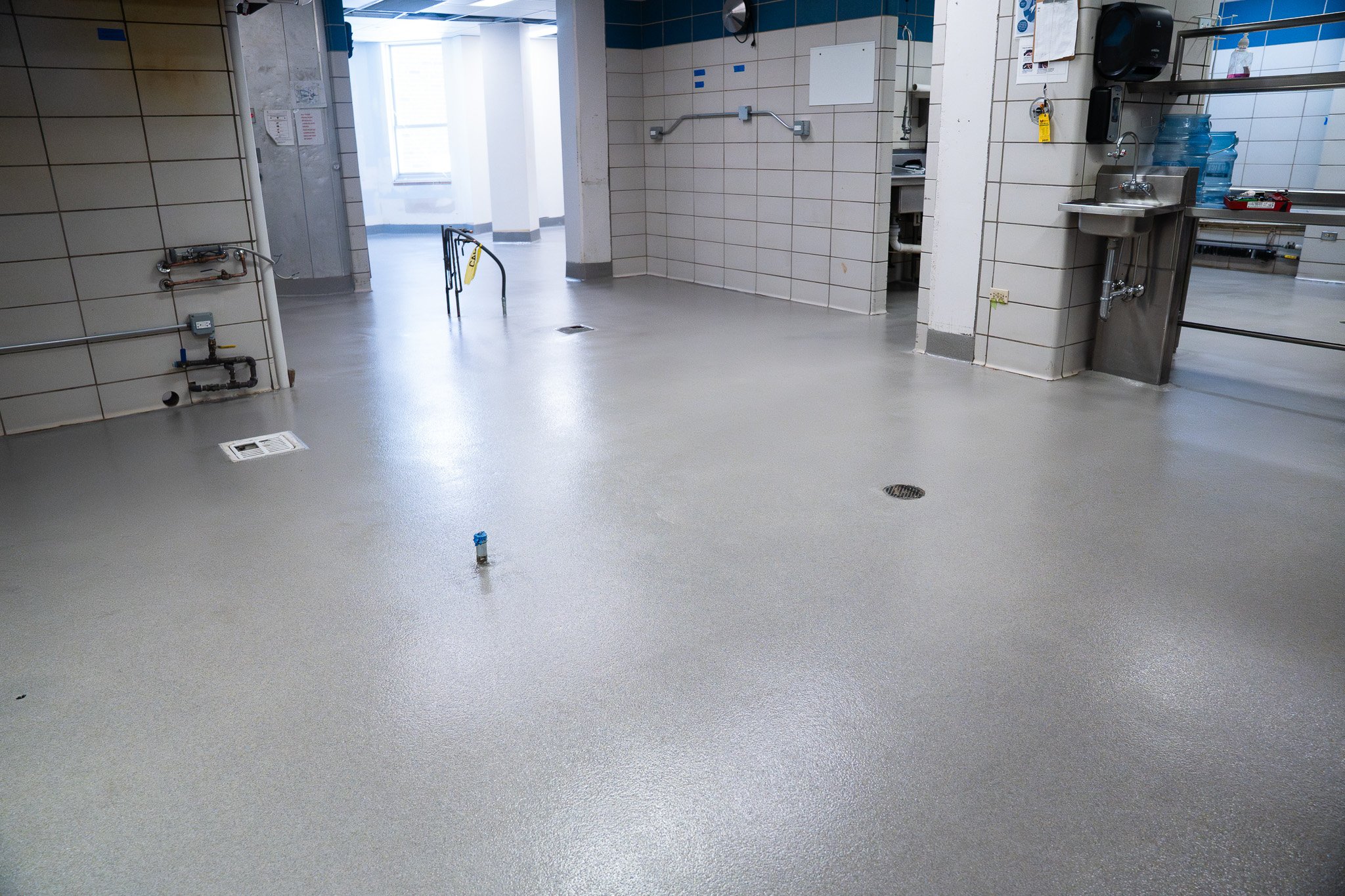
- Commercial kitchens
- Retail stores
- Distribution centers
- Aircraft hangars
- Laboratories
- Healthcare facilities
Each environment has unique performance requirements, but polyaspartic coatings can often be incorporated into flooring systems designed specifically for those conditions.
Choosing the Right Flooring System
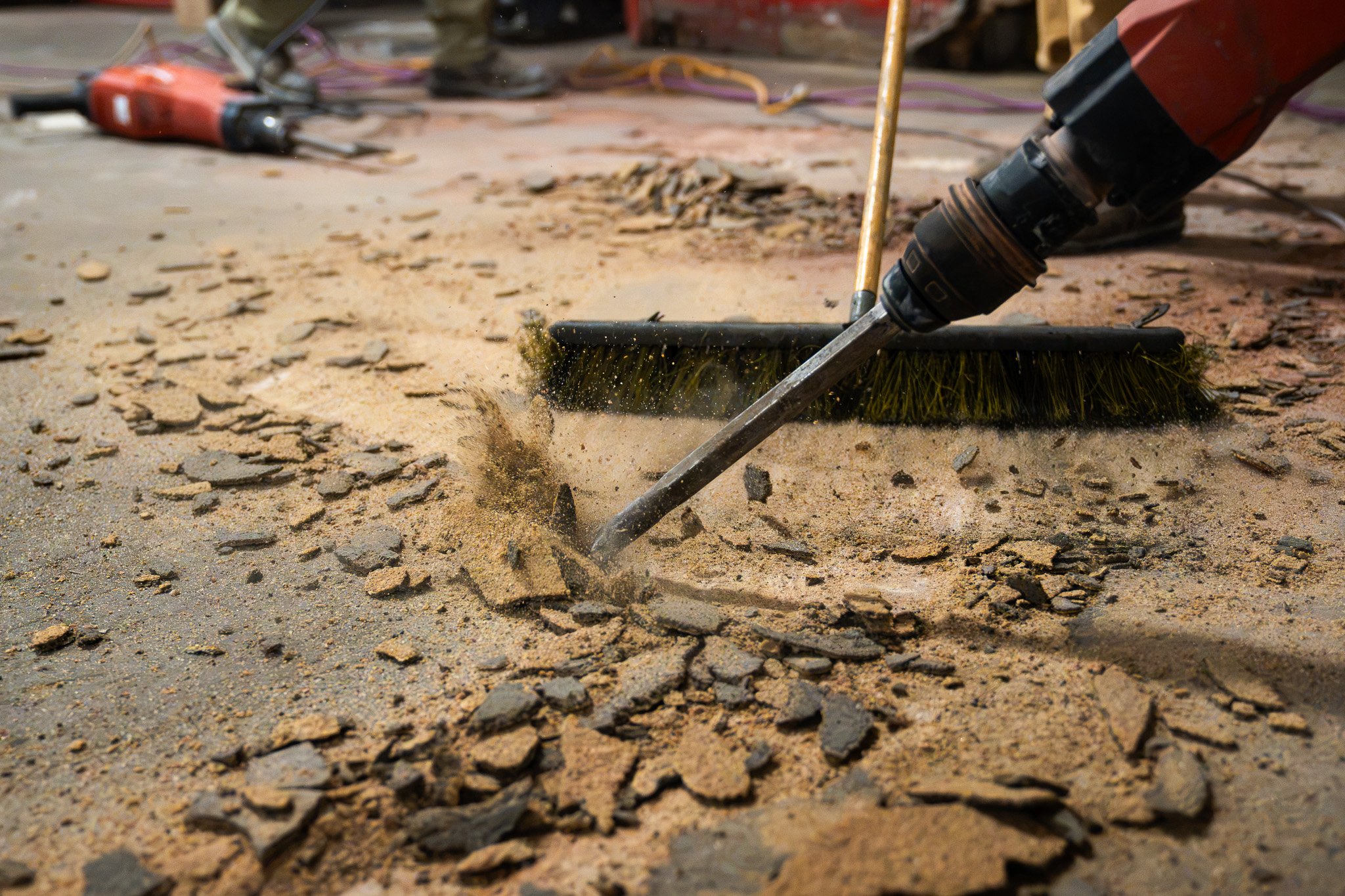
Although polyaspartic floor coating offers many advantages, it is not always the best standalone solution for every project.
Factors such as:
- Existing concrete condition
- Traffic levels
- Chemical exposure
- Moisture conditions
- Budget
- Desired appearance
all influence the ideal flooring system.
In many commercial and industrial applications, polyaspartic performs best as part of a complete flooring system that includes proper surface preparation, an appropriate primer, and a durable topcoat designed for the facility's specific needs.

Final Thoughts
The popularity of polyaspartic floor coating continues to grow because it combines fast installation, excellent durability, chemical resistance, UV stability, and easy maintenance into one high-performance flooring solution. Whether used in a warehouse, manufacturing plant, automotive facility, or commercial building, polyaspartic coatings provide long-lasting protection that helps extend the life of concrete floors.
Choosing the right flooring system depends on your facility's operational needs, traffic levels, and performance requirements. Understanding the advantages of polyaspartic flooring is an important first step in determining whether it is the right solution for your project.
To learn how this flooring system performs in one of the industry's most demanding environments, read the next article: How Polyaspartic Floor Coating Protects Auto Shop Flooring.
Topics:

.jpg?width=2048&height=1365&name=CC108559%20(1).jpg)
.jpeg?width=1638&height=1020&name=CC109349%20(1).jpeg)
.png?width=11520&height=9216&name=Untitled%20design%20(56).png)