
Key Takeaways
- Self-leveling epoxy creates a smooth, seamless surface by flowing and leveling itself during application.
- It improves durability, cleanability, and appearance compared to standard coatings.
- It works best in environments that require a flat, uniform surface with moderate to heavy use.
Uneven, worn, or damaged concrete floors can make it difficult to install a reliable flooring system. Low spots, surface imperfections, and inconsistent textures often lead to poor adhesion, uneven wear, and ongoing maintenance issues. That’s where self-leveling epoxy comes in.
Unlike traditional coatings, self-leveling epoxy is designed to flow across the surface and create a smooth, seamless finish. With nearly 20 years of experience and over 1 million square feet installed, CustomCrete has seen how the right epoxy system can transform uneven concrete into a durable, high-performance floor.
This guide explains what self-leveling epoxy is, how it works, and where it performs best.
What Is Self-Leveling Epoxy?
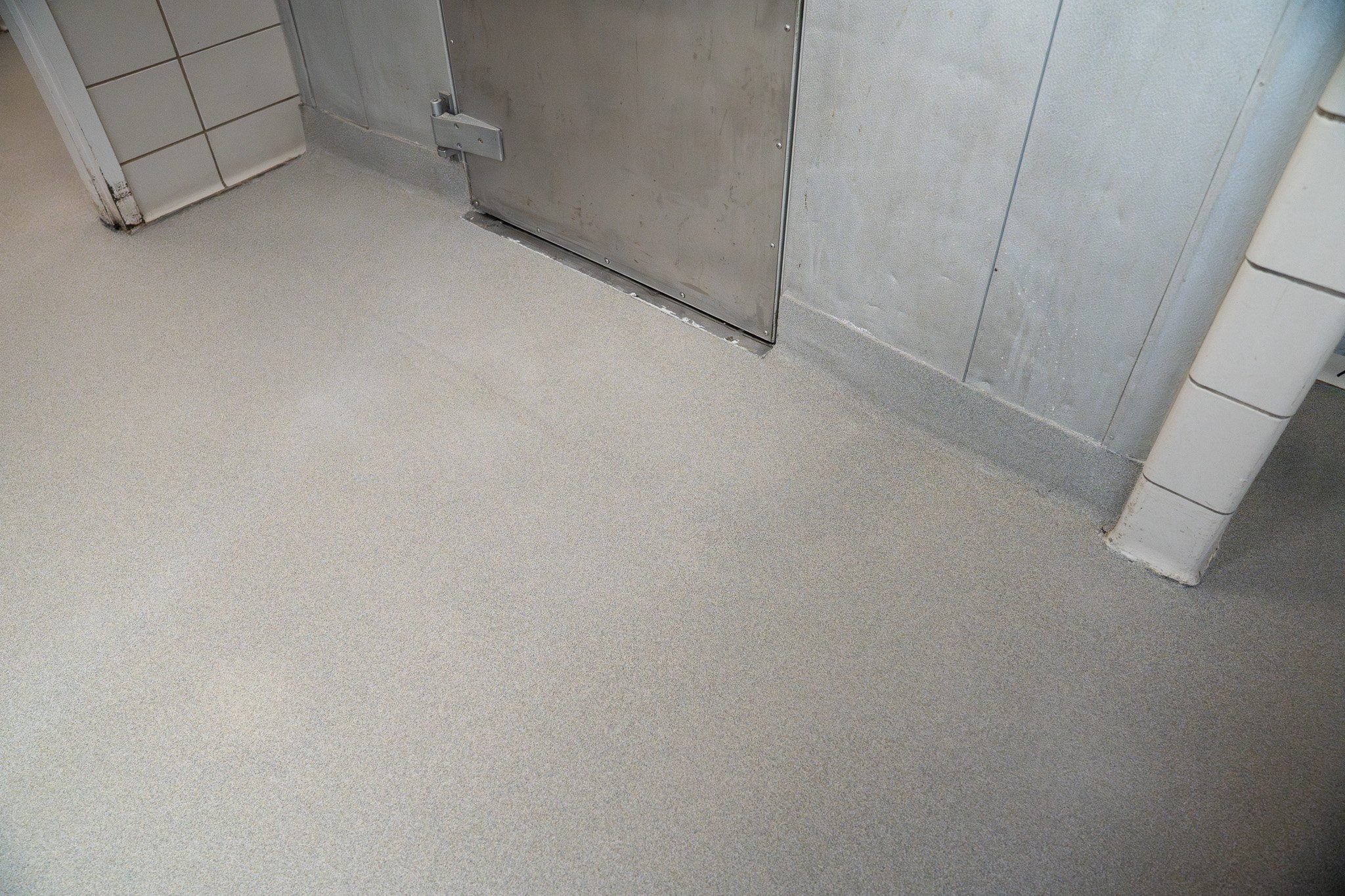
Self-leveling epoxy is a type of resinous flooring system designed to spread evenly across a concrete surface. It fills in minor imperfections and creates a smooth, level finish without the need for extensive manual smoothing.
Unlike thicker broadcast systems or textured coatings, self-leveling epoxy is typically applied as a liquid layer that naturally settles into a uniform surface.
How It Works
The process typically includes:
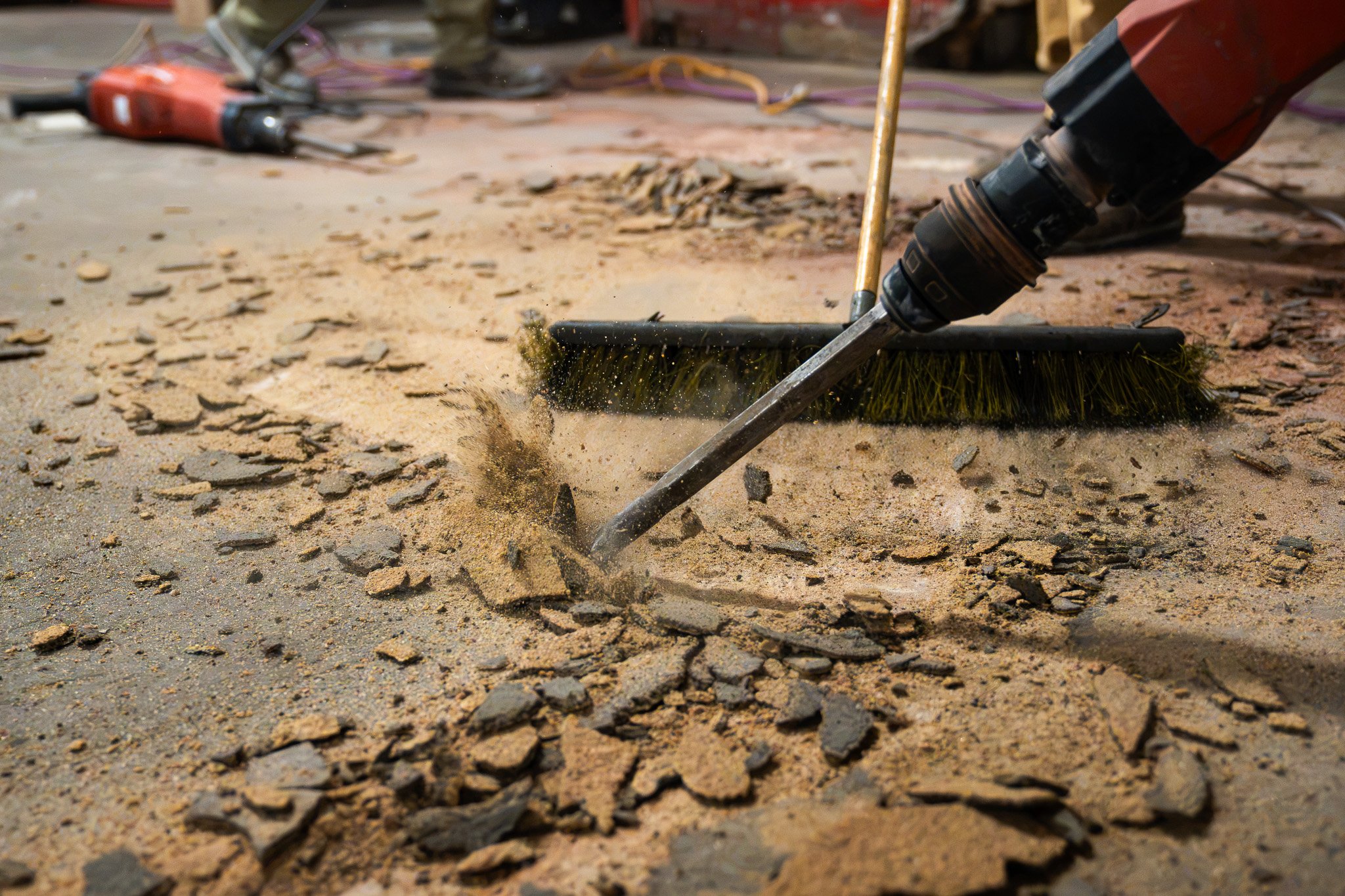
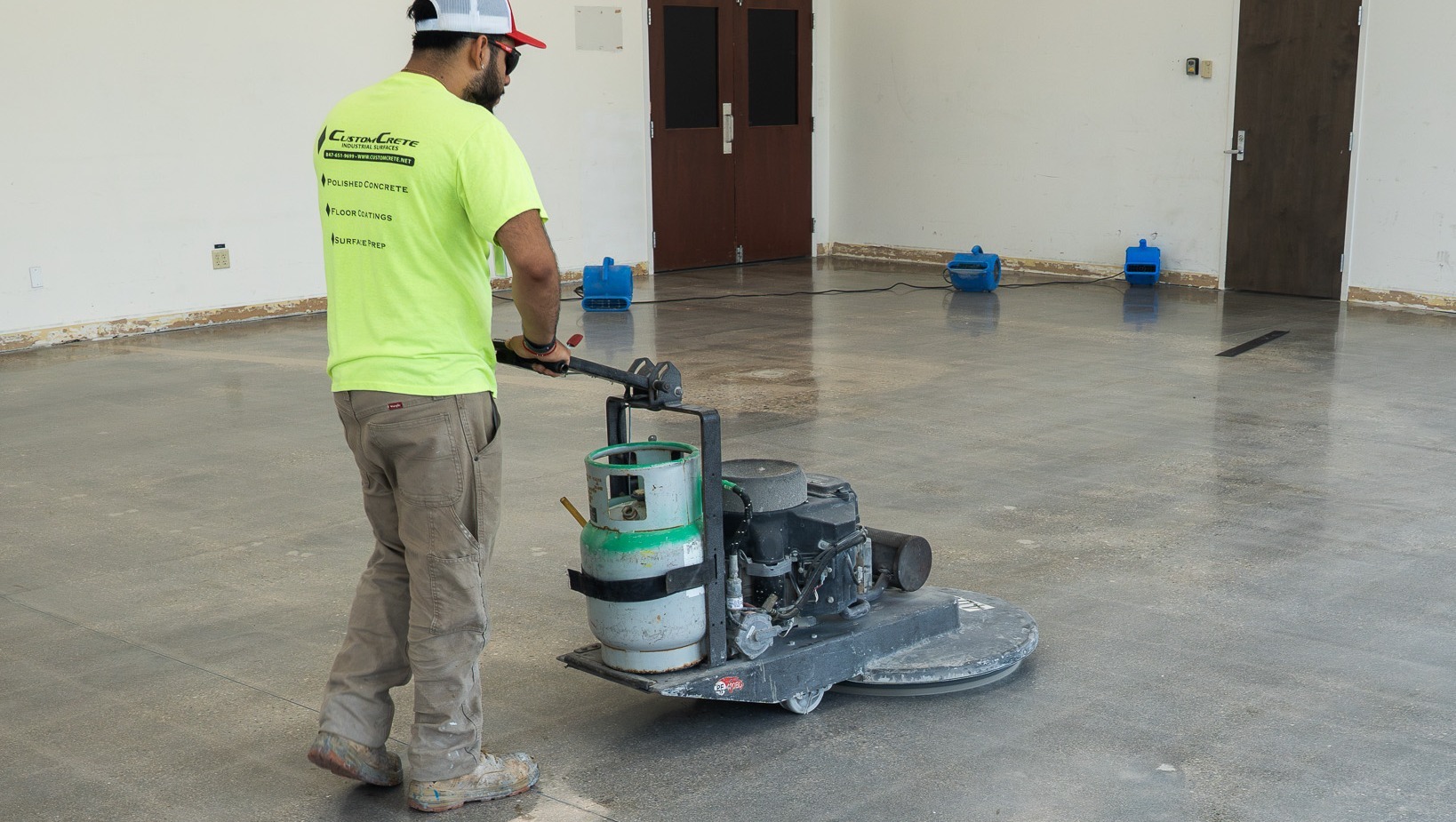
- Surface preparation (grinding and cleaning)
- Application of a primer coat
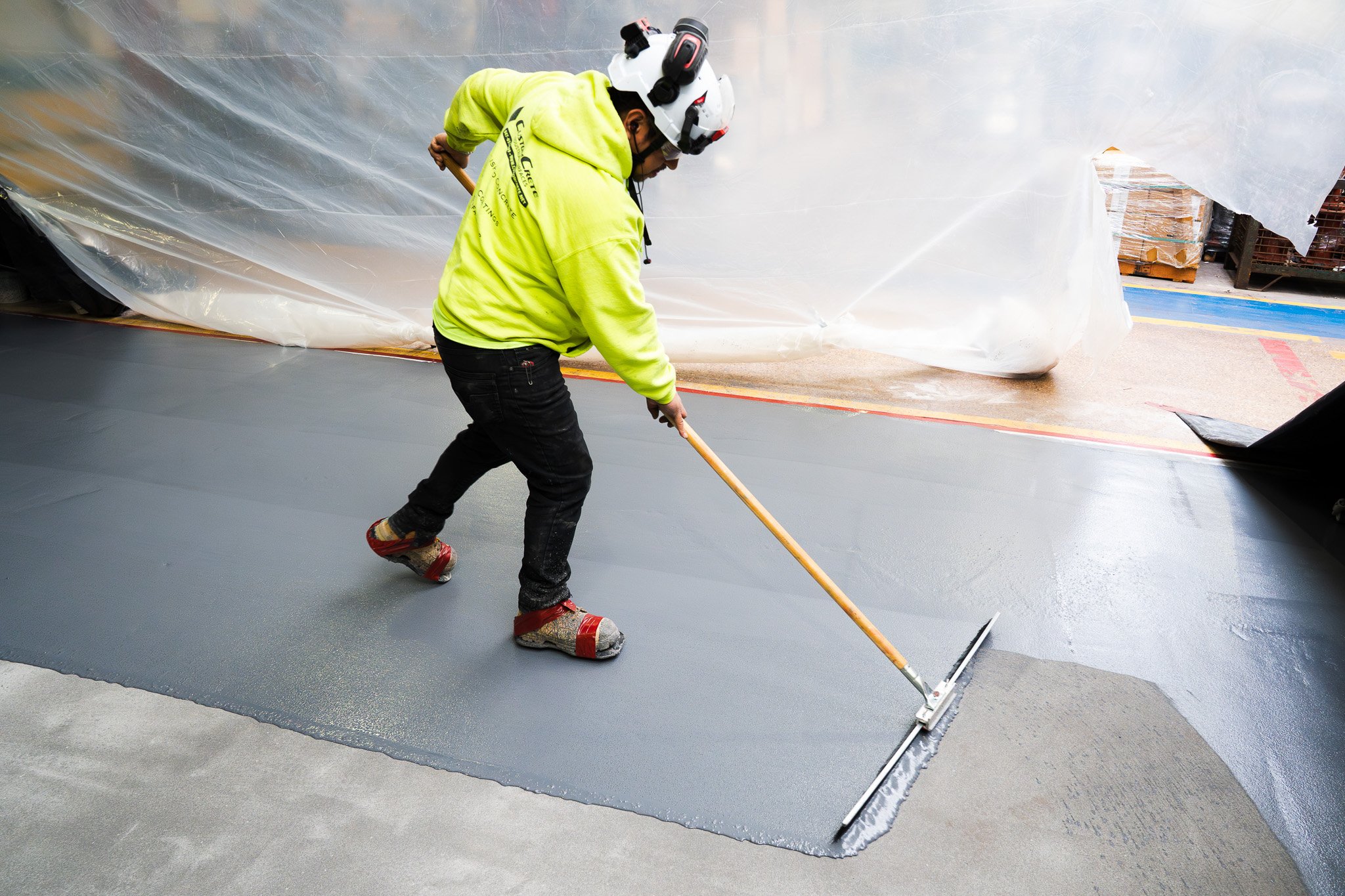
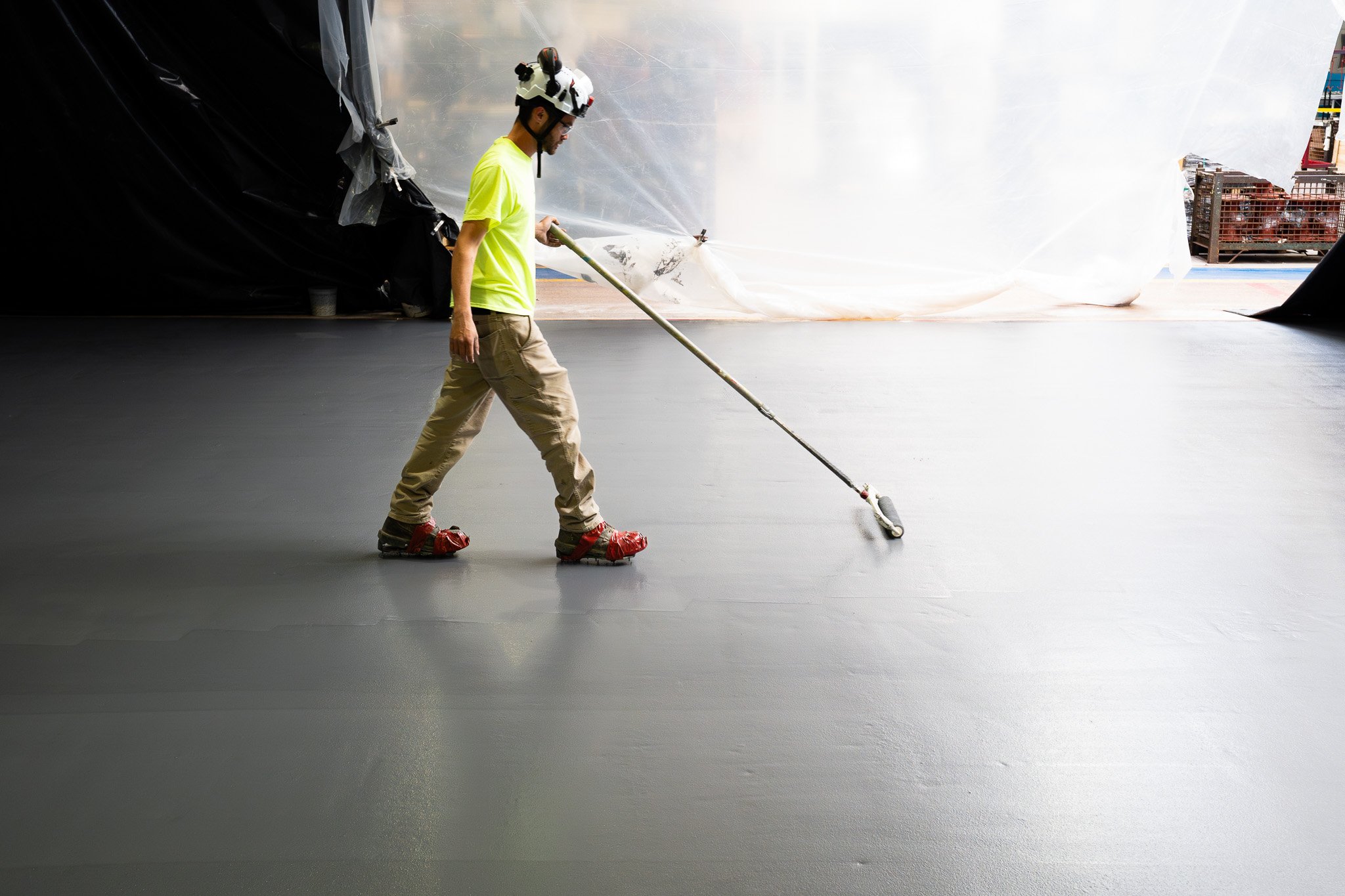
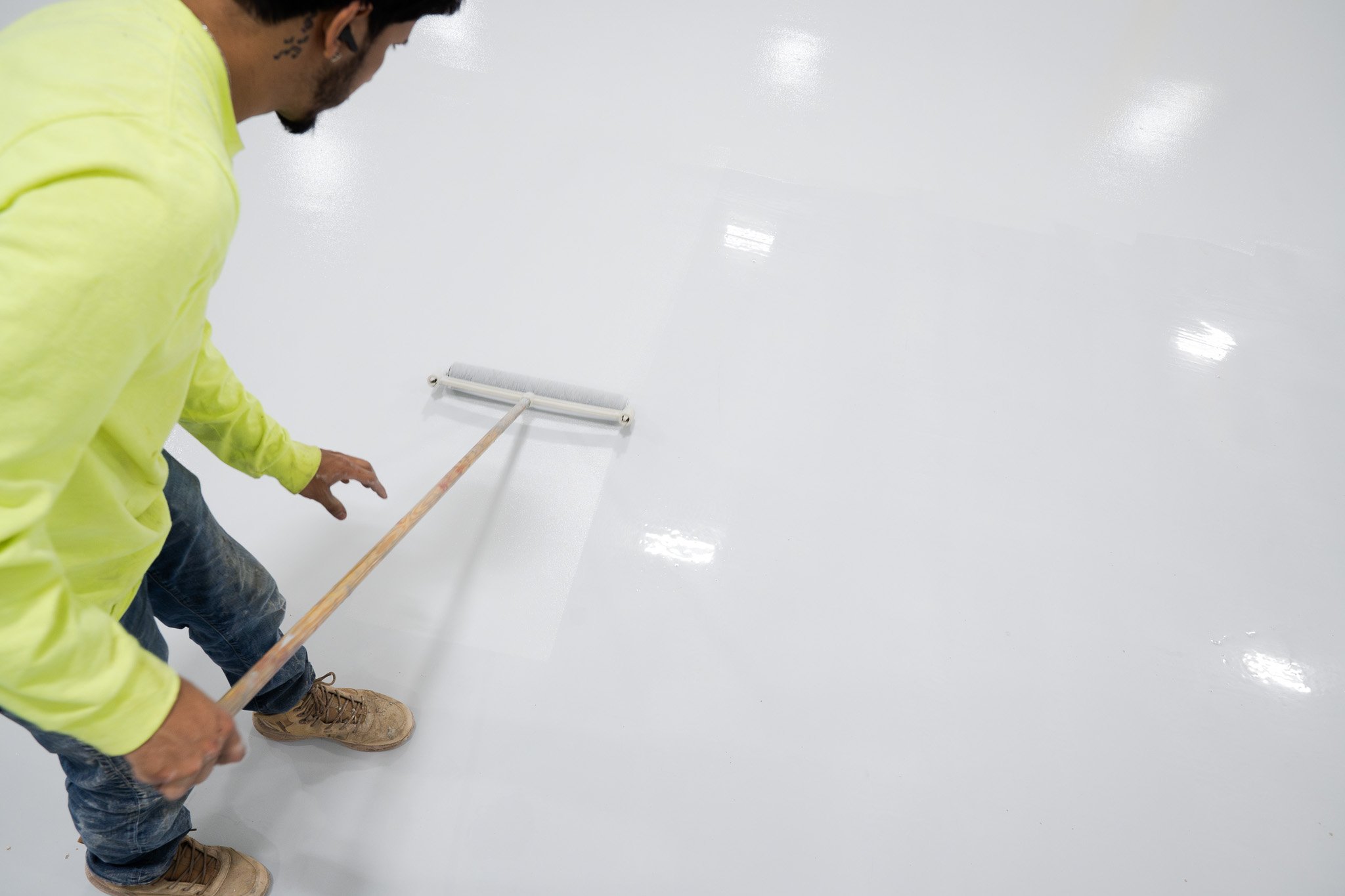
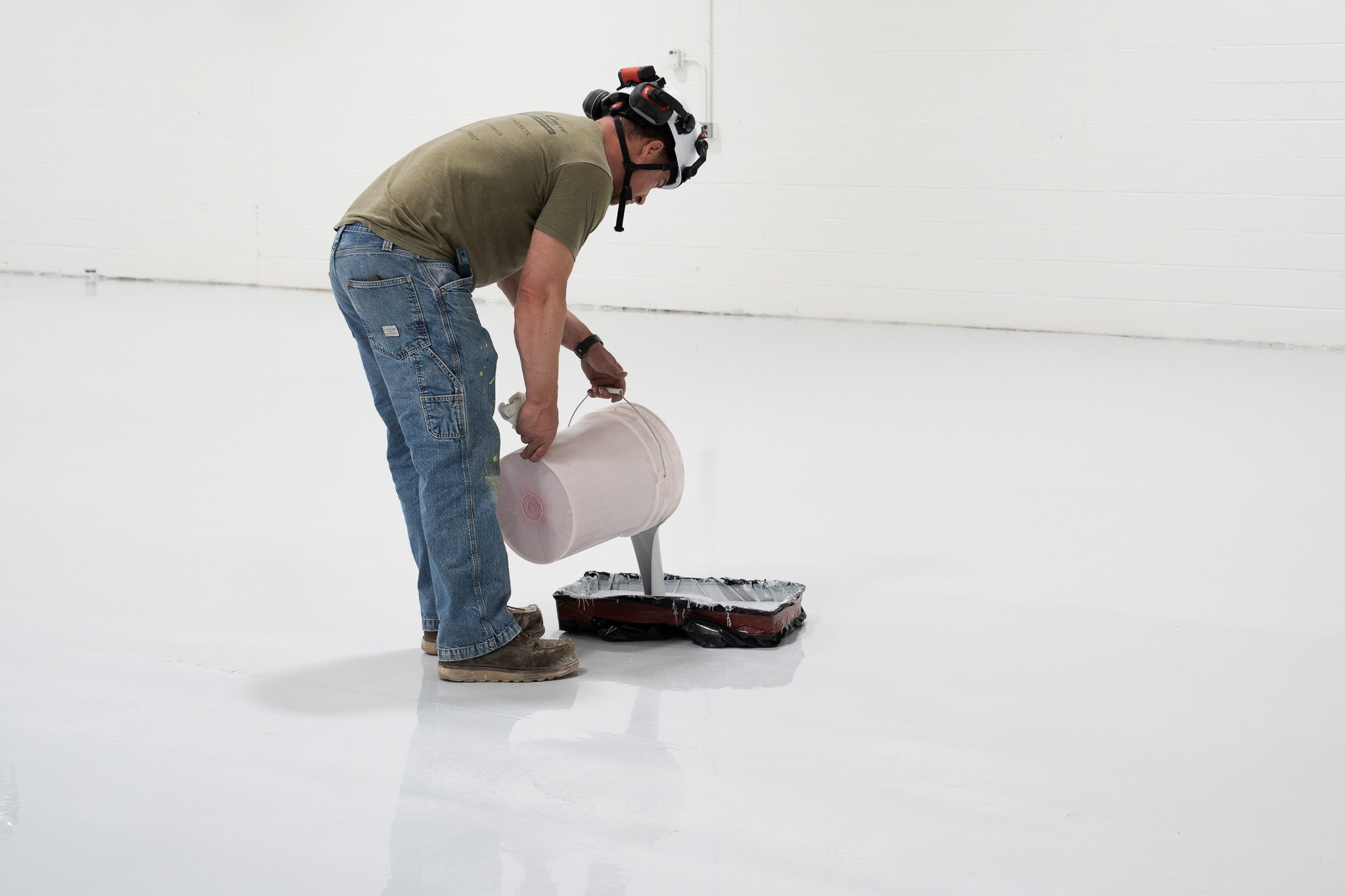
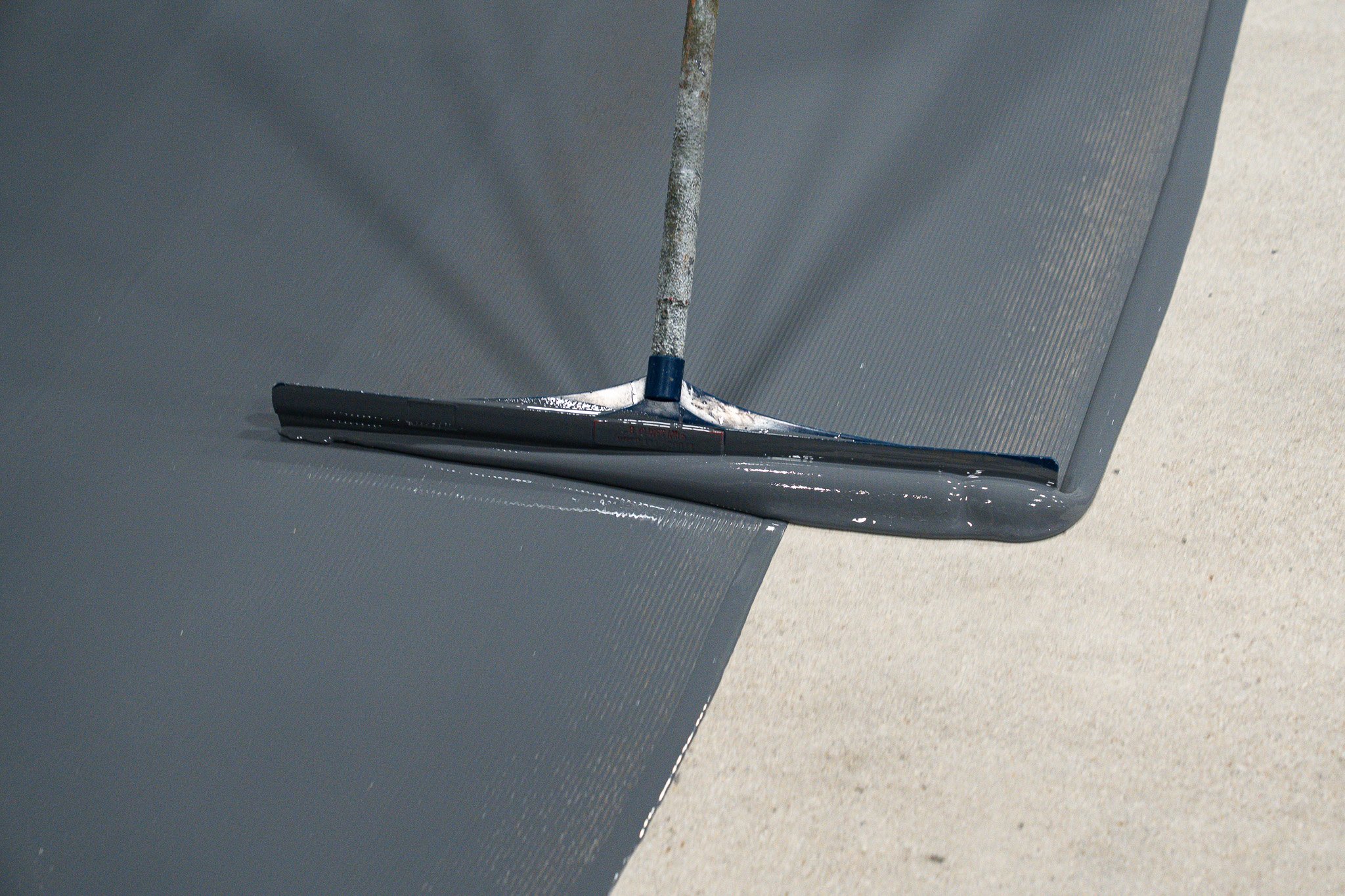
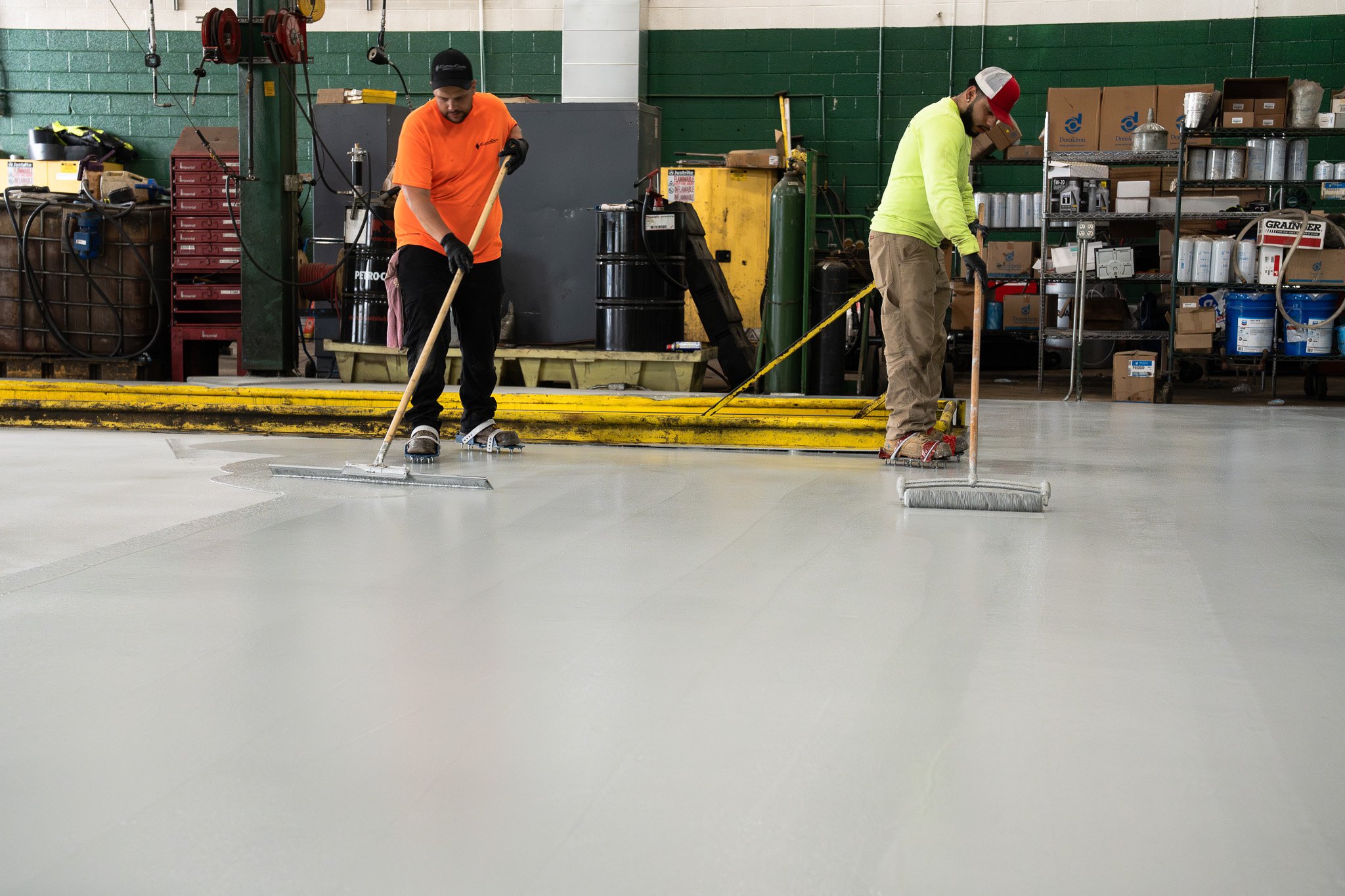
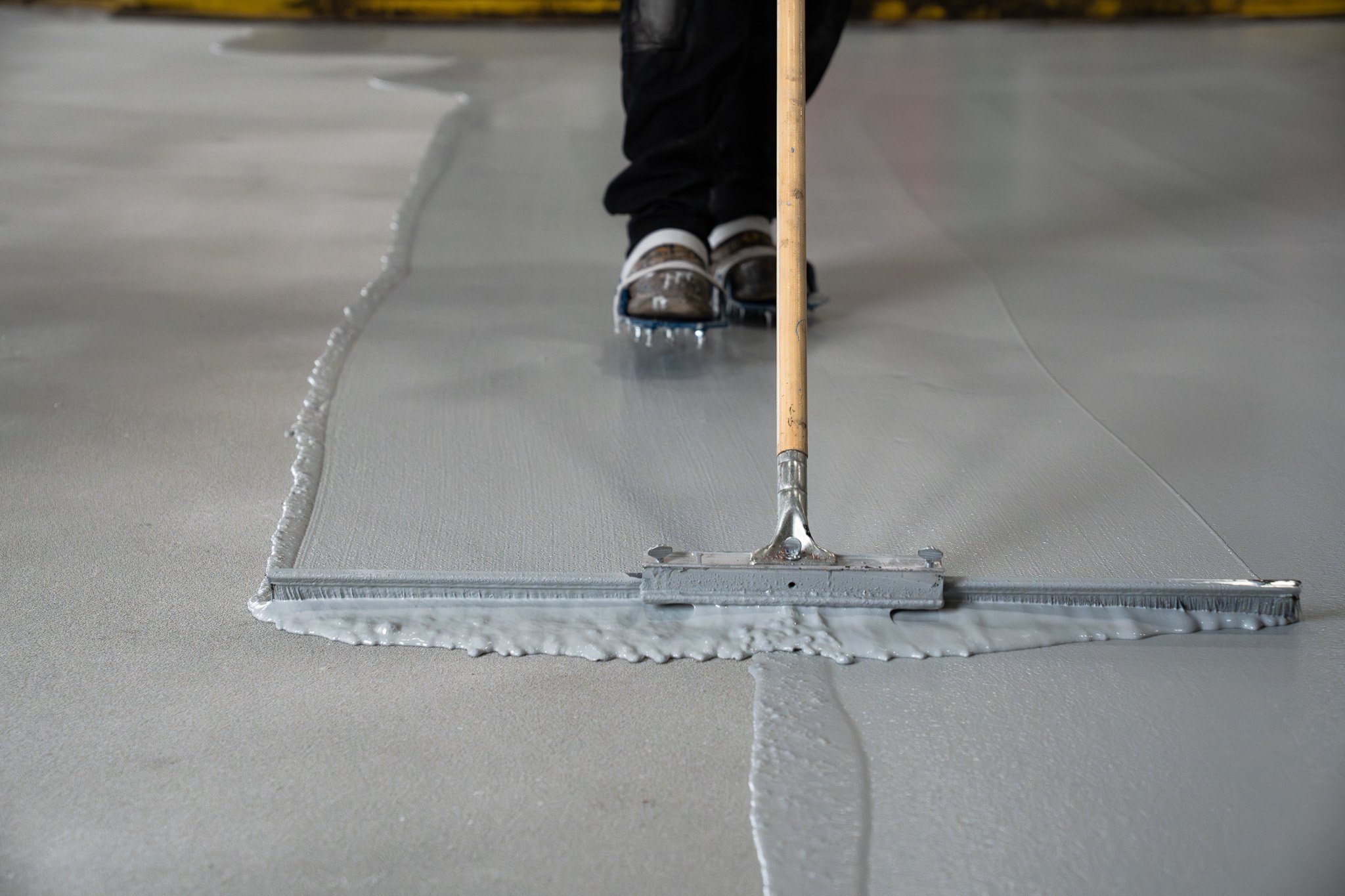
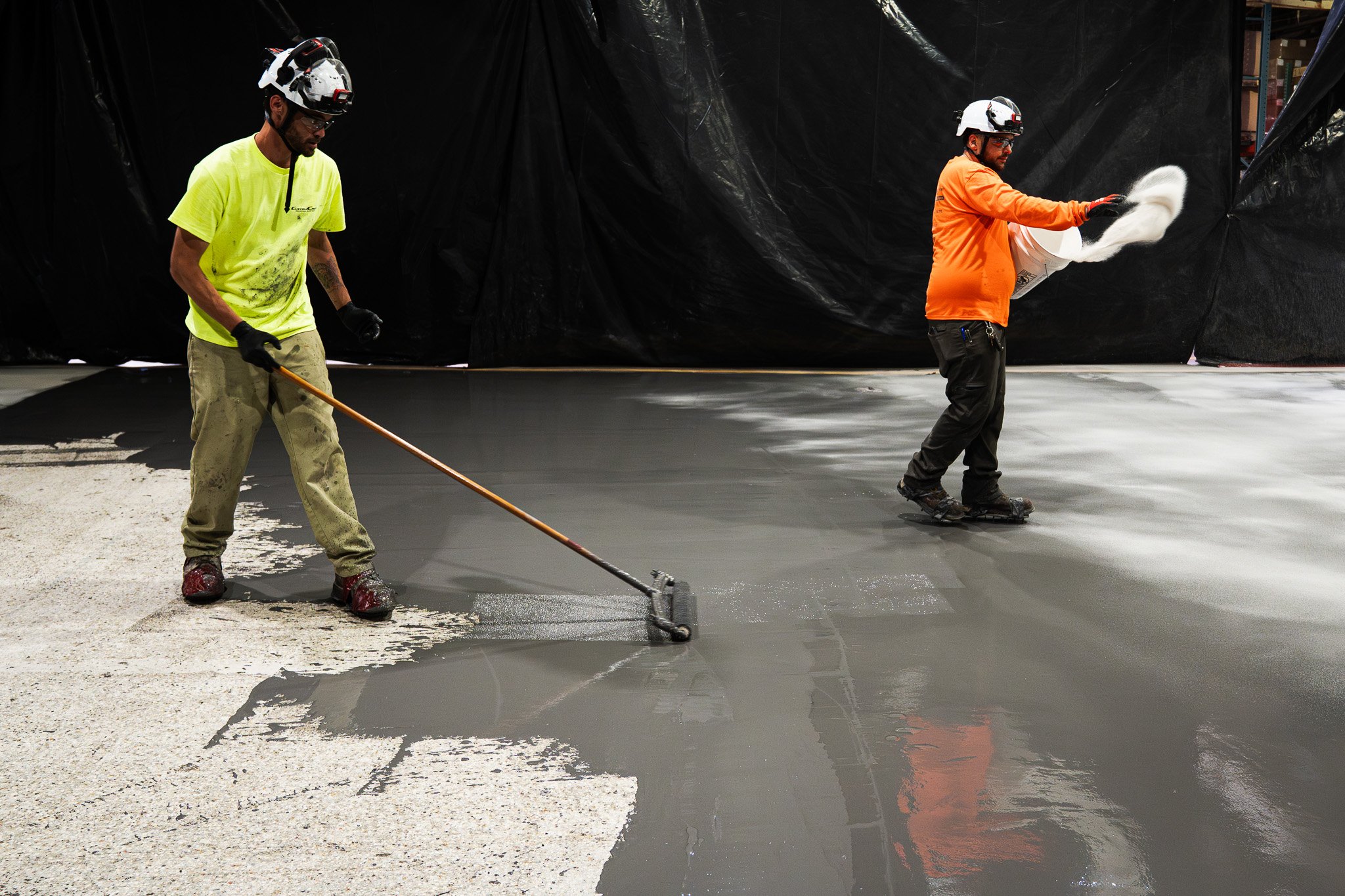
- Pouring and spreading the self-leveling epoxy
- Allowing the material to flow and settle
- Curing to form a seamless, durable surface
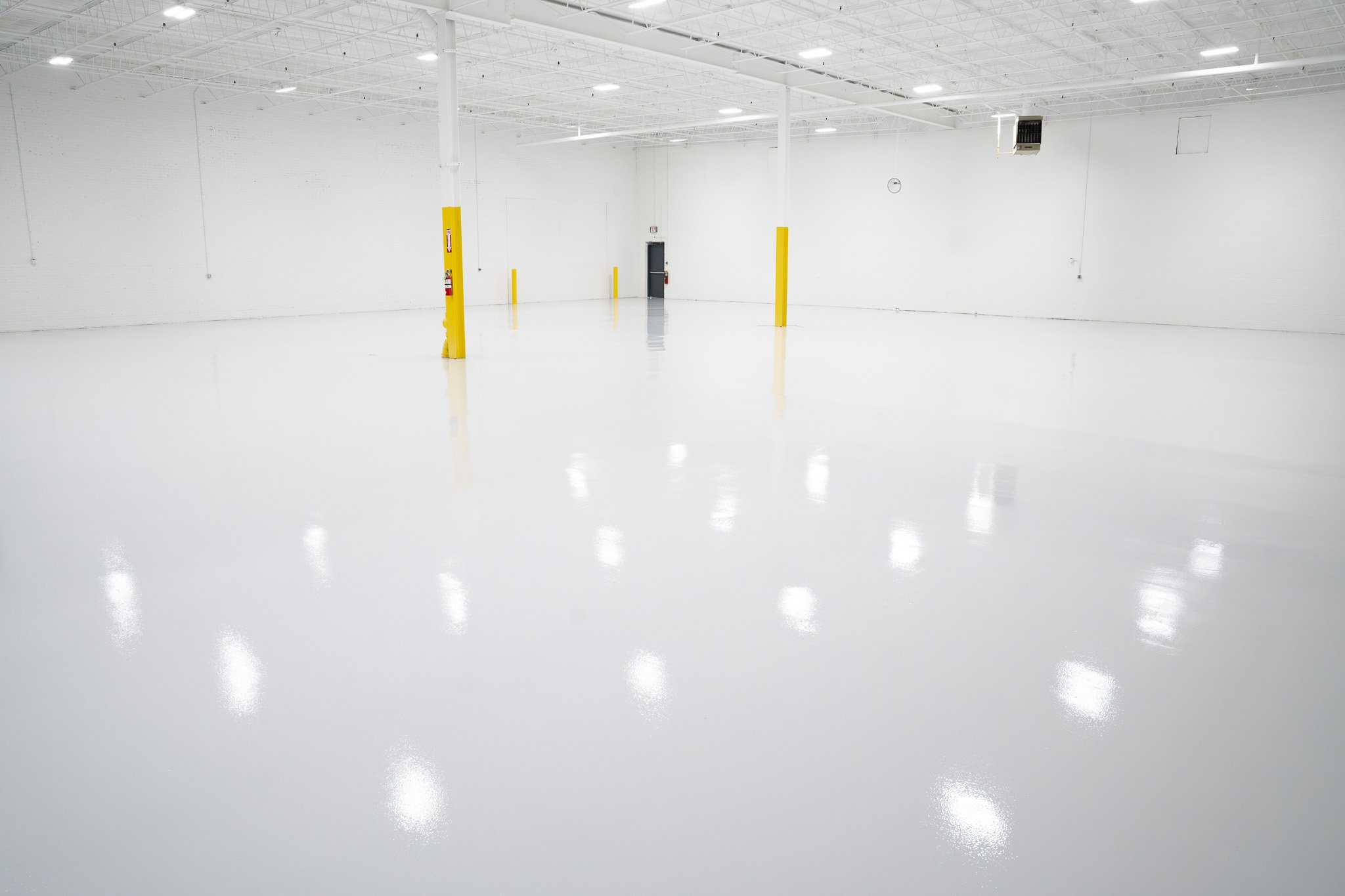
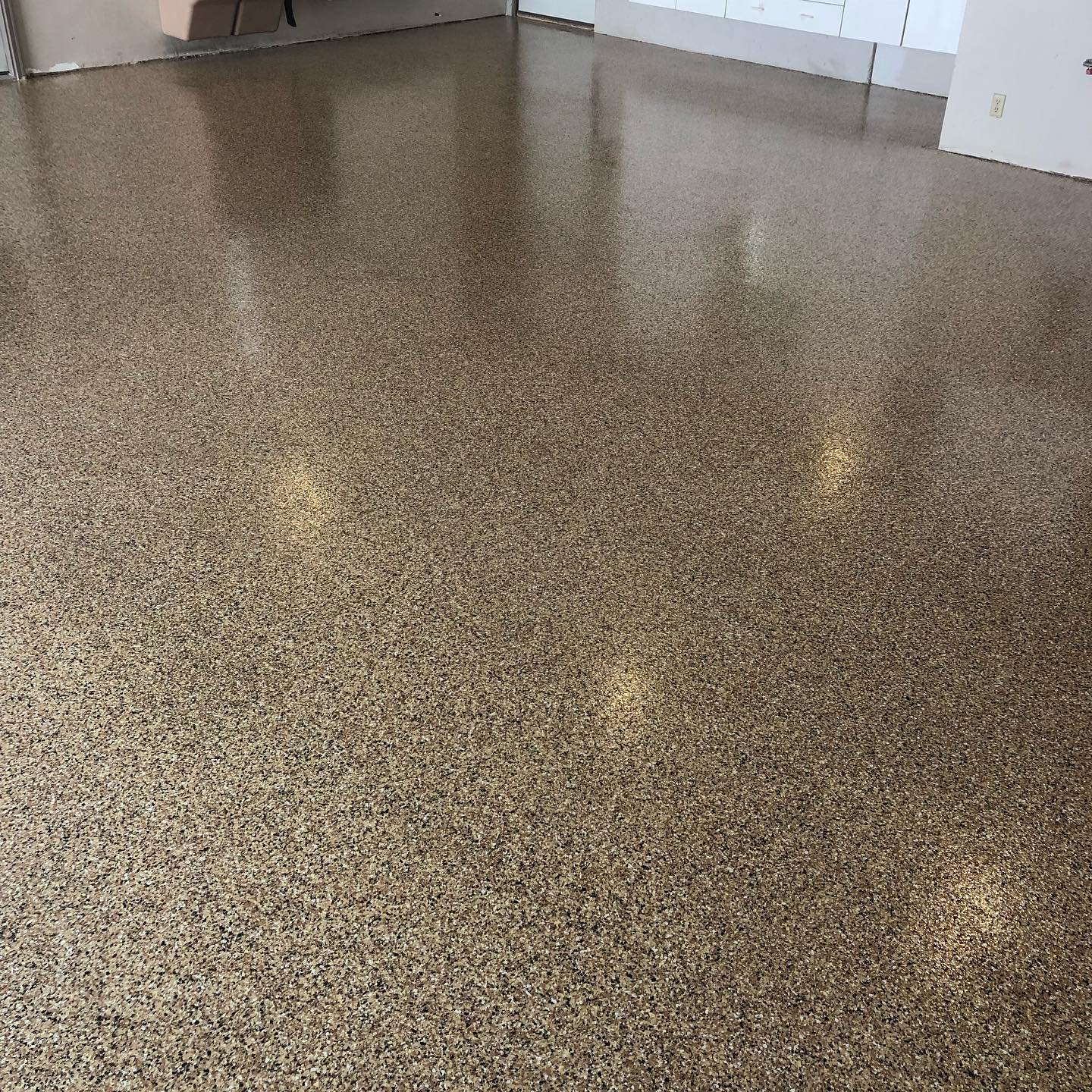
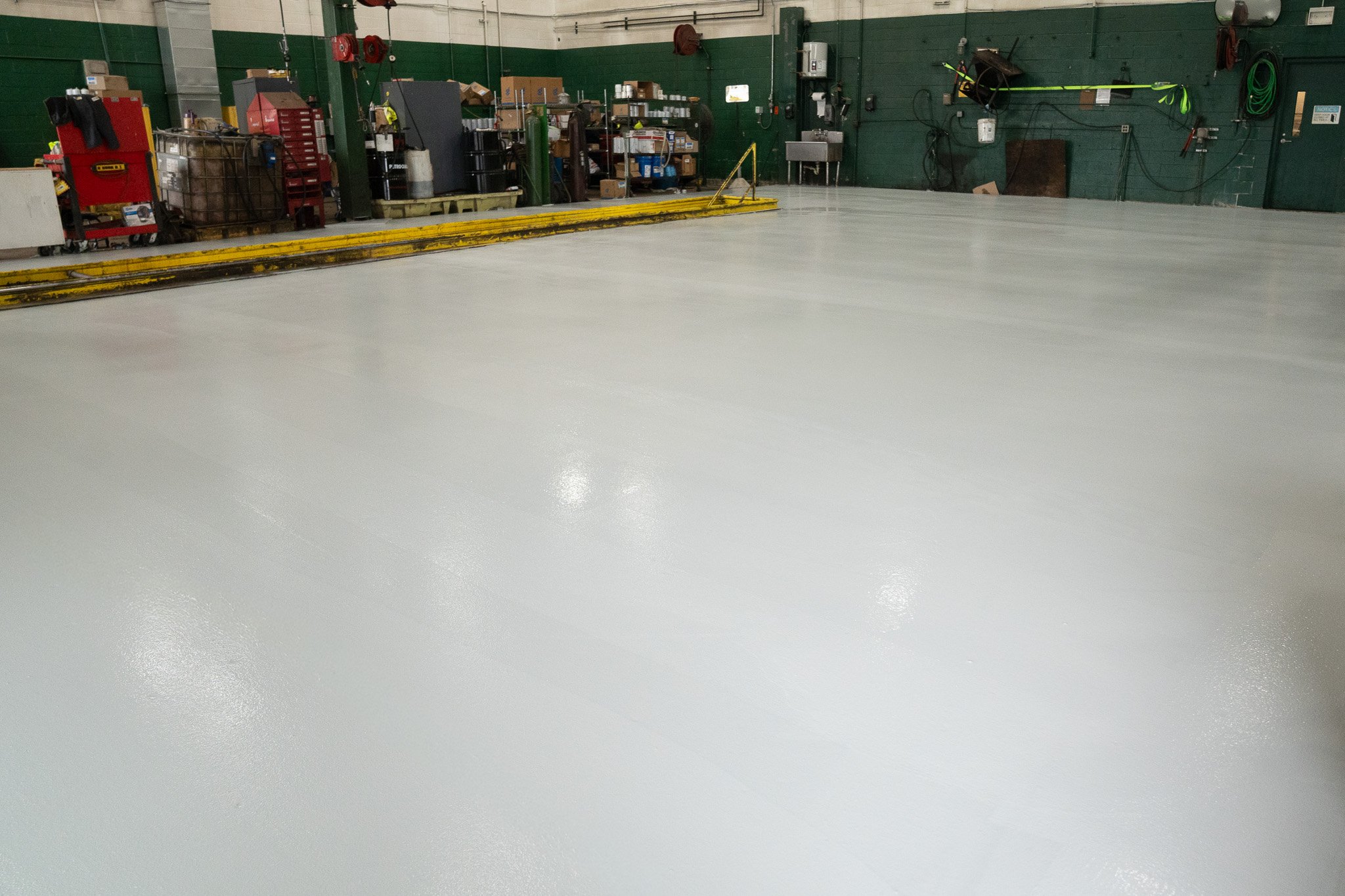
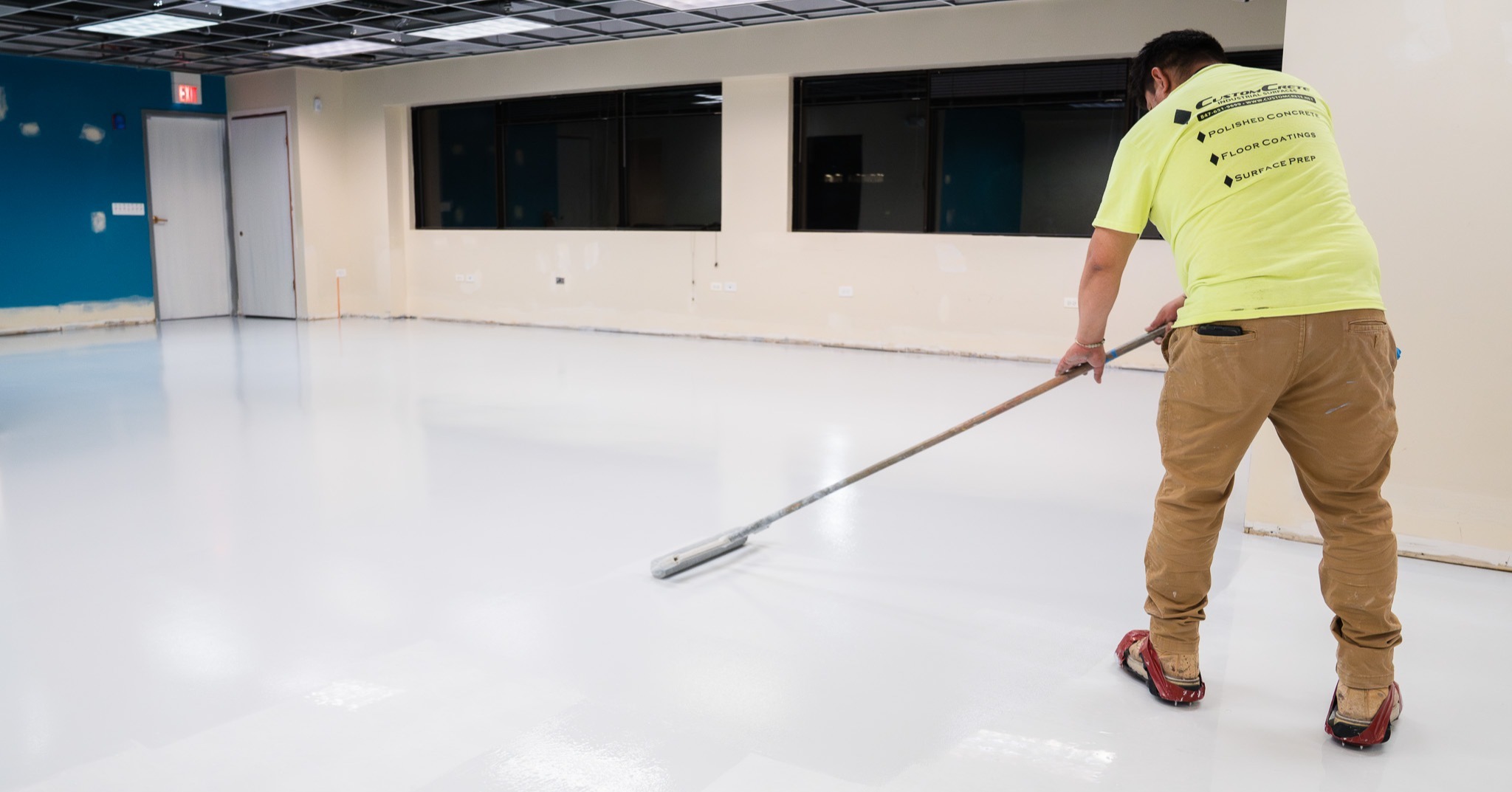
The result is a flat, glossy or satin finish that enhances both performance and appearance.
How Self-Leveling Epoxy Differs from Other Systems
Self-leveling epoxy is often compared to other flooring options, but it serves a unique purpose.
Compared to Standard Epoxy Coatings
- Thicker application
- Smoother, more uniform finish
- Better at correcting minor surface imperfections
Compared to Self-Leveling Concrete
- Provides a finished surface rather than just a base layer
- Offers chemical resistance and durability
- Typically used as the final flooring system
Understanding these differences helps determine when self-leveling epoxy is the right choice.
Key Benefits of Self-Leveling Epoxy
Self-leveling epoxy offers several advantages that make it a popular choice for commercial and industrial environments.
1. Seamless and Smooth Surface
Because it flows and levels itself, the system creates a continuous surface without joints or gaps. This improves both appearance and performance.
2. Easy to Clean
The smooth, non-porous surface makes cleaning simple. Dirt, dust, and spills can be removed without getting trapped in surface imperfections.
3. Strong Adhesion and Durability
When properly installed, self-leveling epoxy bonds tightly to the concrete and provides a durable surface that can handle regular use.
4. Improved Appearance
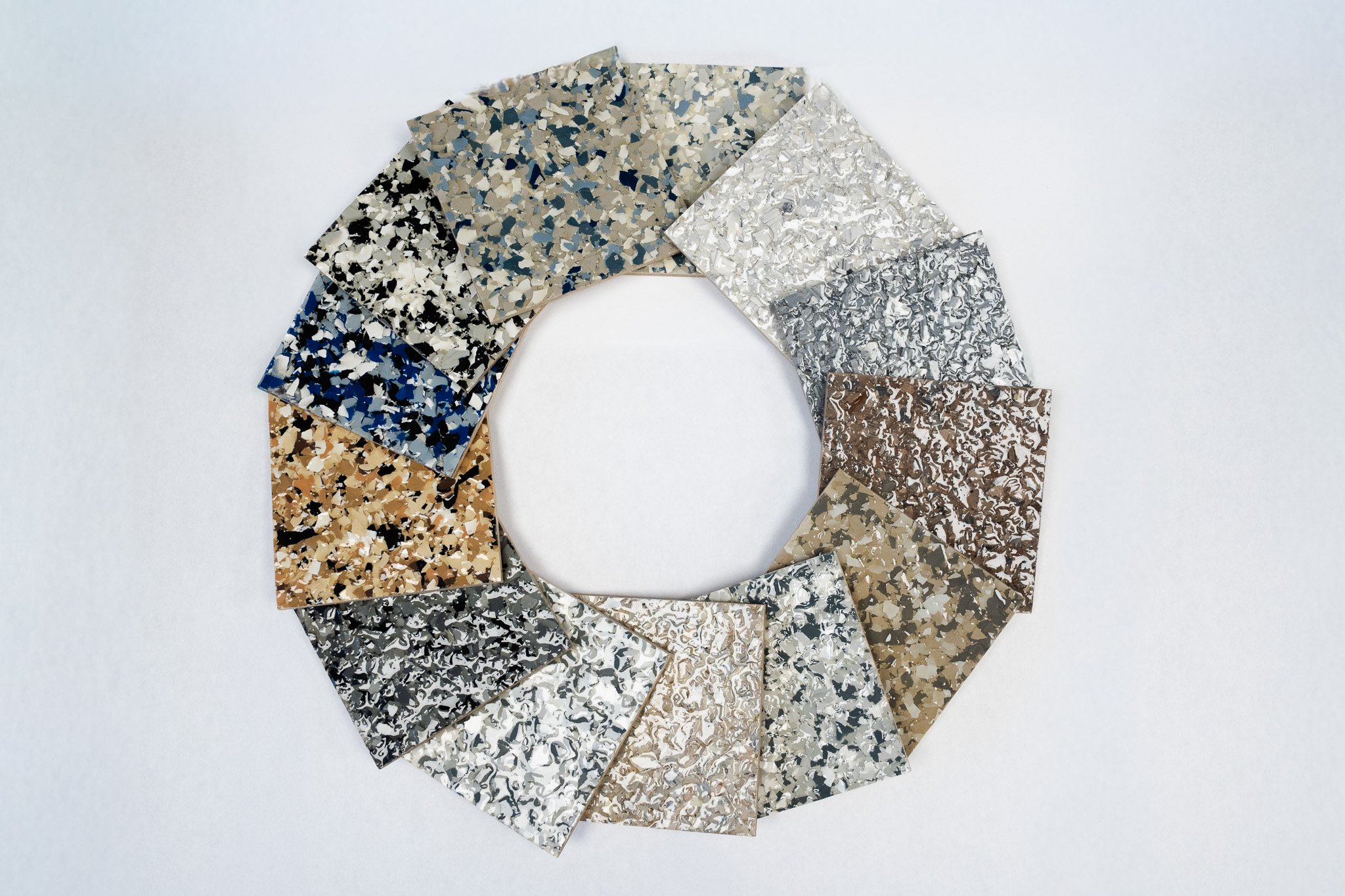
Self-leveling epoxy creates a clean, polished look that works well in both industrial and commercial spaces. It can also be customized with different colors and finishes.
5. Chemical Resistance
Epoxy systems are known for their resistance to chemicals, making them suitable for environments where spills may occur.
Best Uses for Self-Leveling Epoxy
Self-leveling epoxy is not a one-size-fits-all solution, but it performs well in many environments.
Commercial Spaces
- Retail stores
- Showrooms
- Offices
These spaces benefit from the smooth, professional appearance of self-leveling epoxy.
Light to Moderate Industrial Environments
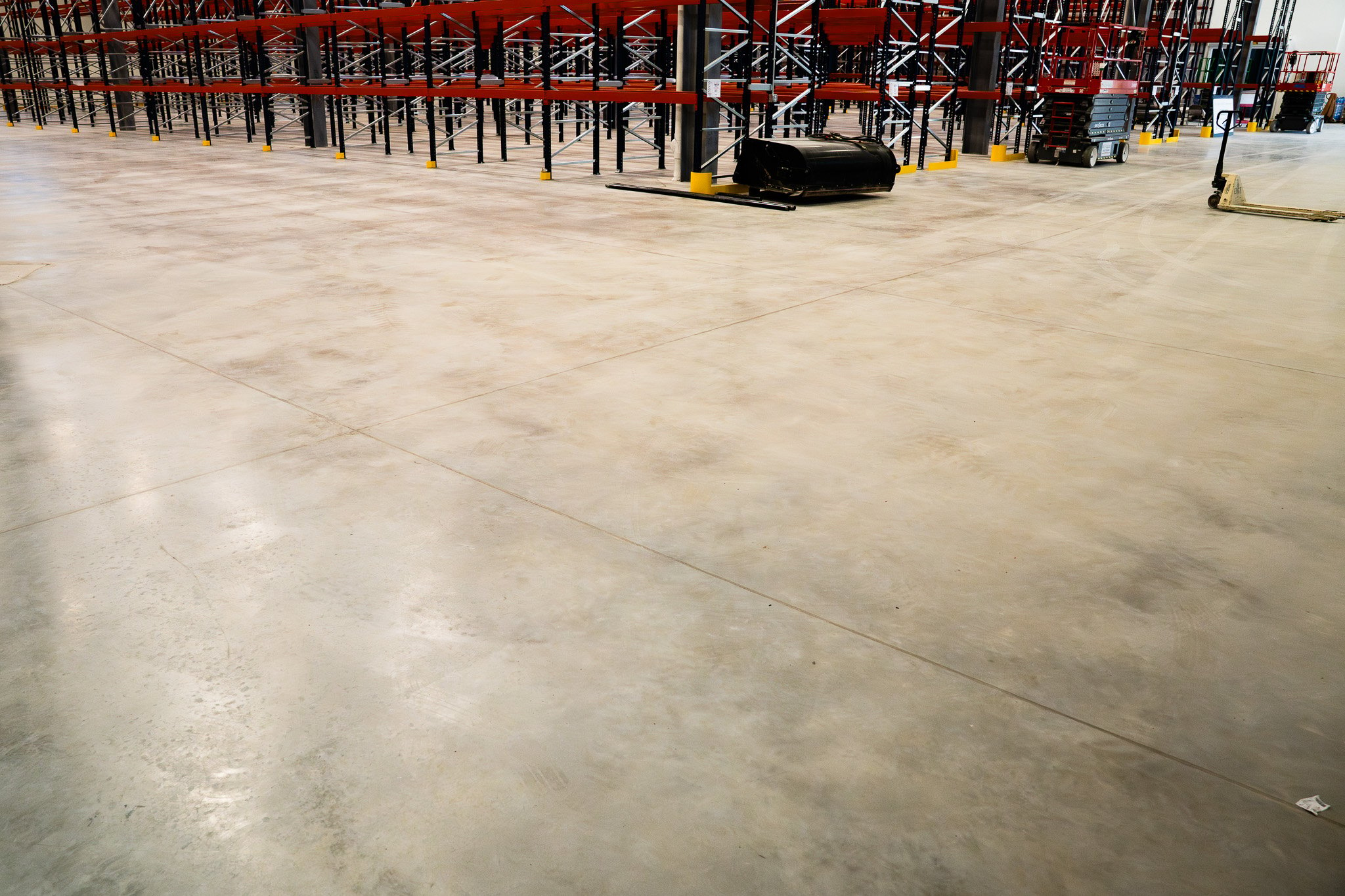
- Warehouses with moderate traffic
- Storage areas
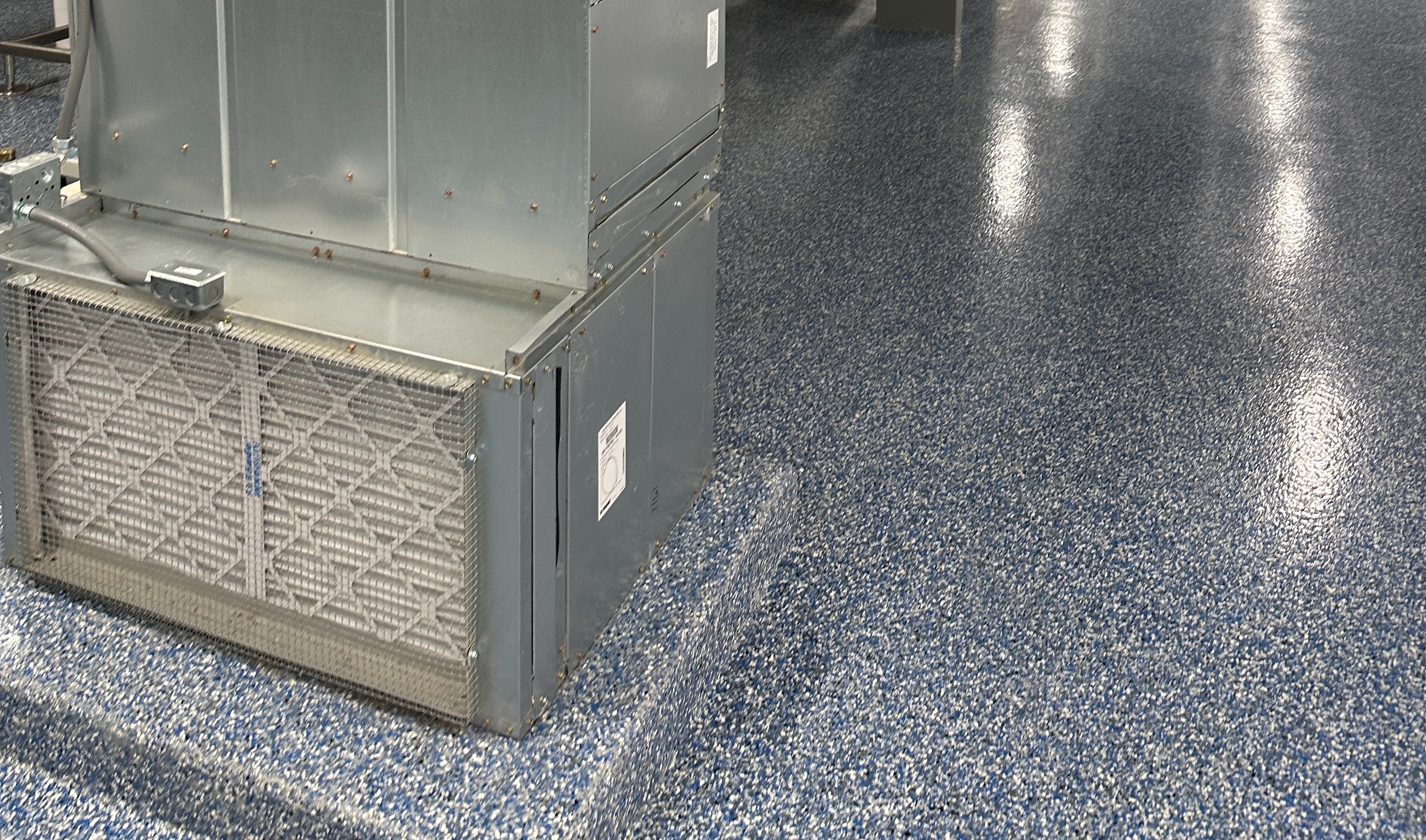
- Manufacturing spaces with controlled conditions
In these settings, the system provides durability without requiring heavy texture.
Healthcare and Laboratory Areas
- Hospitals
- Labs
- Clean environments
The seamless surface supports hygiene and easy cleaning.
When Self-Leveling Epoxy May Not Be Ideal
While self-leveling epoxy has many benefits, it may not be the best option in every situation.
It may not be ideal for:
- Areas with heavy thermal shock (like freezers)
- Environments requiring high slip resistance without additives
- Extremely uneven slabs requiring deep leveling
- Facilities with high moisture vapor issues
In these cases, other systems such as urethane cement or self-leveling concrete may be more appropriate.
Surface Preparation Still Matters
Even though the material is self-leveling, proper preparation is critical.
Preparation typically includes:
- Mechanical grinding to remove contaminants
- Cleaning the surface thoroughly
- Repairing cracks and joints
- Ensuring proper moisture conditions
Skipping these steps can lead to adhesion issues, even with self-leveling epoxy.
Common Mistakes to Avoid
When installing self-leveling epoxy, avoid:
- Applying over unprepared or contaminated surfaces
- Ignoring moisture issues
- Using it to correct major structural problems
- Choosing the system without considering traffic levels
Avoiding these mistakes helps ensure long-term performance.
FAQ: Self-Leveling Epoxy
Is self-leveling epoxy the same as self-leveling concrete?
No. Self-leveling epoxy is a finished coating, while self-leveling concrete is typically used as an underlayment.
How thick is self-leveling epoxy?
It is usually applied thicker than standard coatings, but not as thick as structural leveling systems. Typical self-leveling epoxy is 60mils or 100 mils.
Can it be slip-resistant?
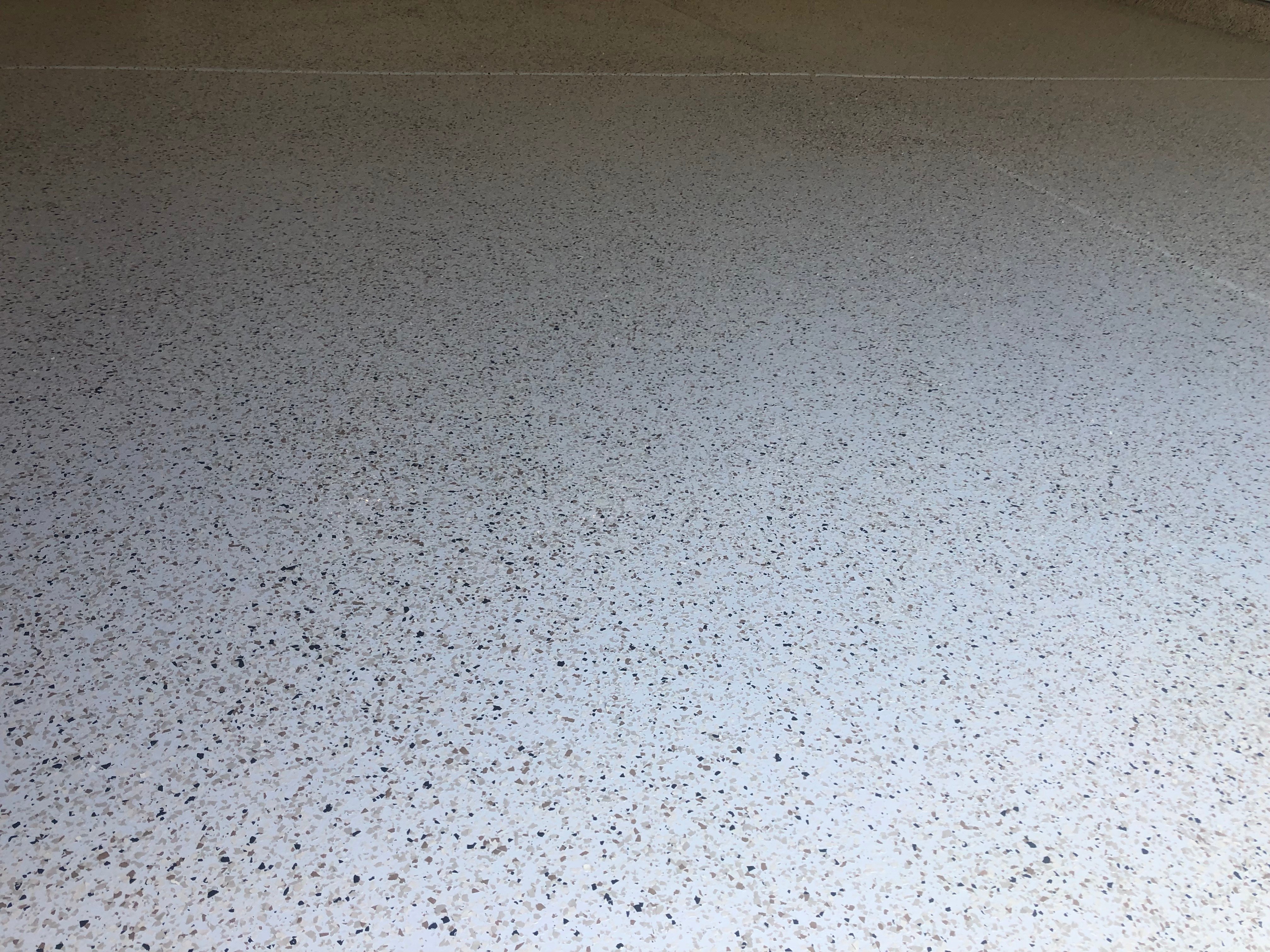
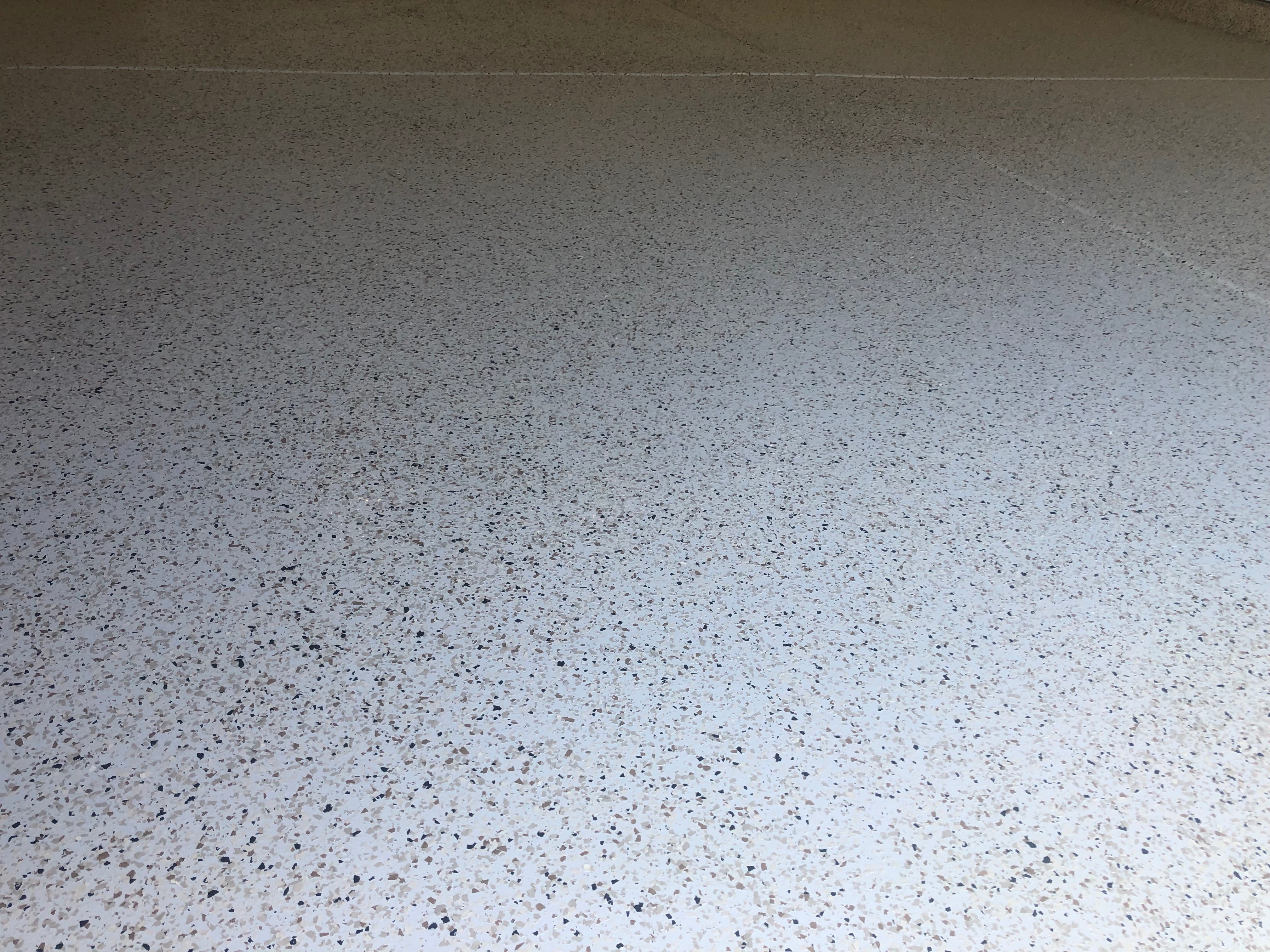
Yes, additives can be included to improve traction. For example, a topcoat with aggregate can be added to provide more texture.
Final Thoughts
Self-leveling epoxy is a versatile flooring solution that provides a smooth, seamless, and durable surface for many commercial and industrial environments. It improves both the appearance and performance of concrete floors when used in the right conditions.
However, like any flooring system, it must be matched to the environment and installed correctly to deliver long-term results.
If you’re considering self-leveling epoxy for your facility and want to understand if it’s the right fit, request a quote with CustomCrete to get expert guidance based on your specific space.
Topics:
.jpg?width=2048&height=1365&name=CC108559%20(1).jpg)
.jpeg?width=1638&height=1020&name=CC109349%20(1).jpeg)
.png?width=11520&height=9216&name=Untitled%20design%20(56).png)