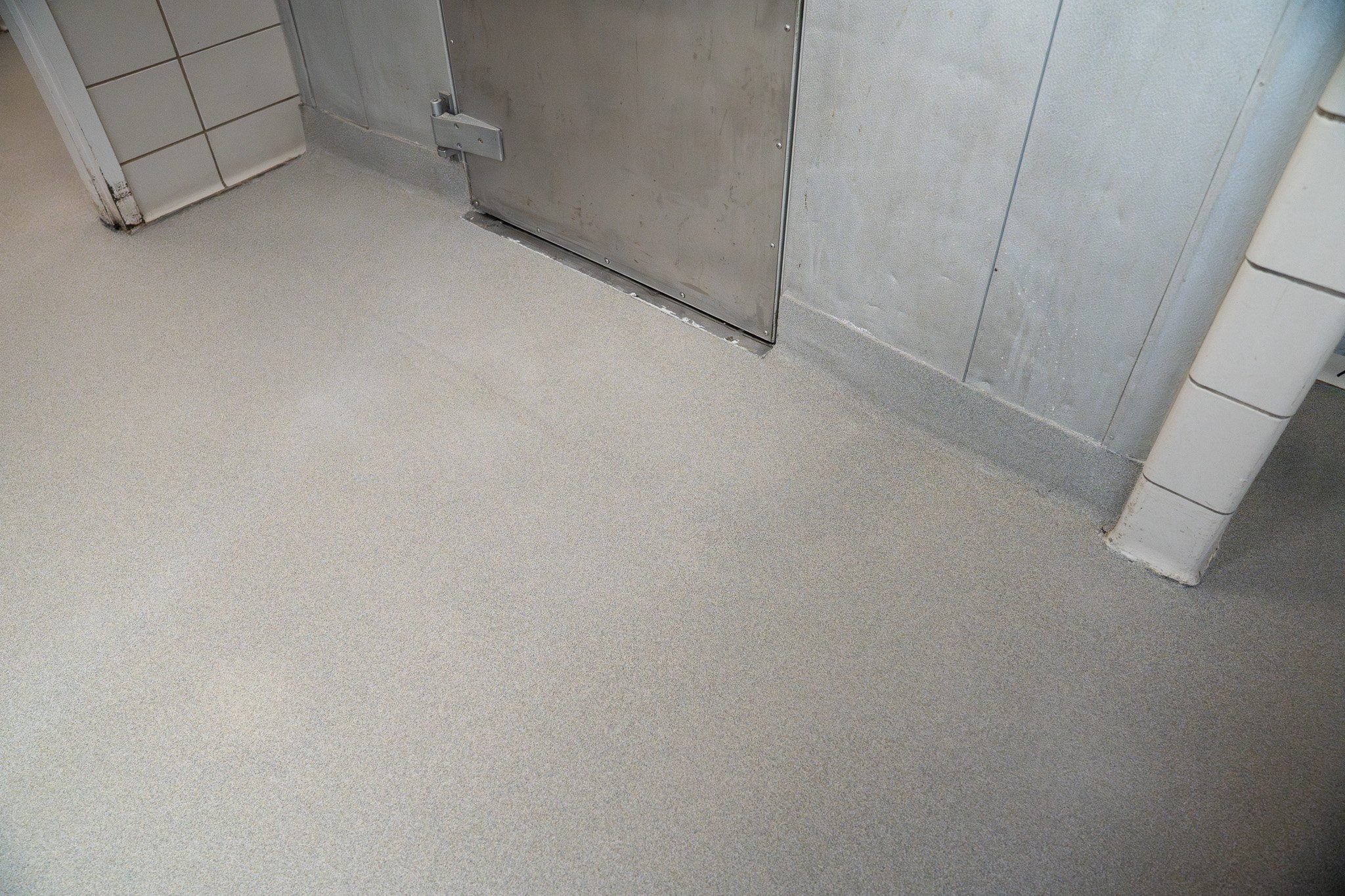


When selecting a concrete coating system, most people focus on durability, color, and cost. But one detail that often gets overlooked is the final finish. The level of sheen—whether matte or satin—can significantly impact how the floor looks, performs, and ages over time.
While epoxy plays a critical role in the base of many flooring systems, the finish you see and interact with is typically achieved using a polyurethane topcoat. This topcoat is what determines the sheen level, texture, and overall visual appearance of the floor.
This article breaks down the differences between matte and satin finishes—specifically through polyurethane topcoats—so you can make an informed decision based on how your facility operates.

What Determines Floor Finish: Epoxy vs. Polyurethane
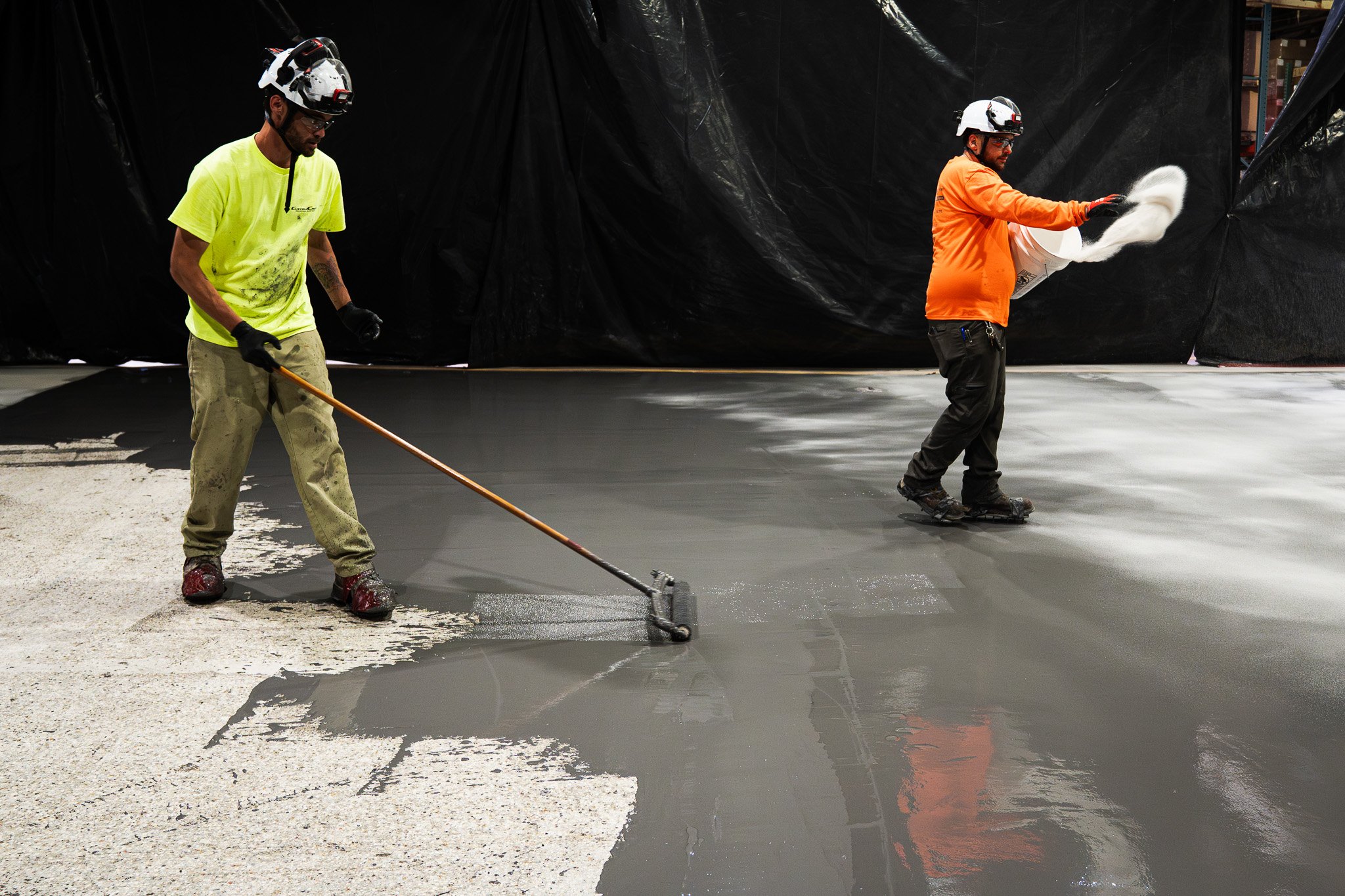
In most commercial and industrial flooring systems, epoxy is used as a build coat to provide strength, adhesion, and chemical resistance. However, epoxy naturally cures with a glossy appearance.
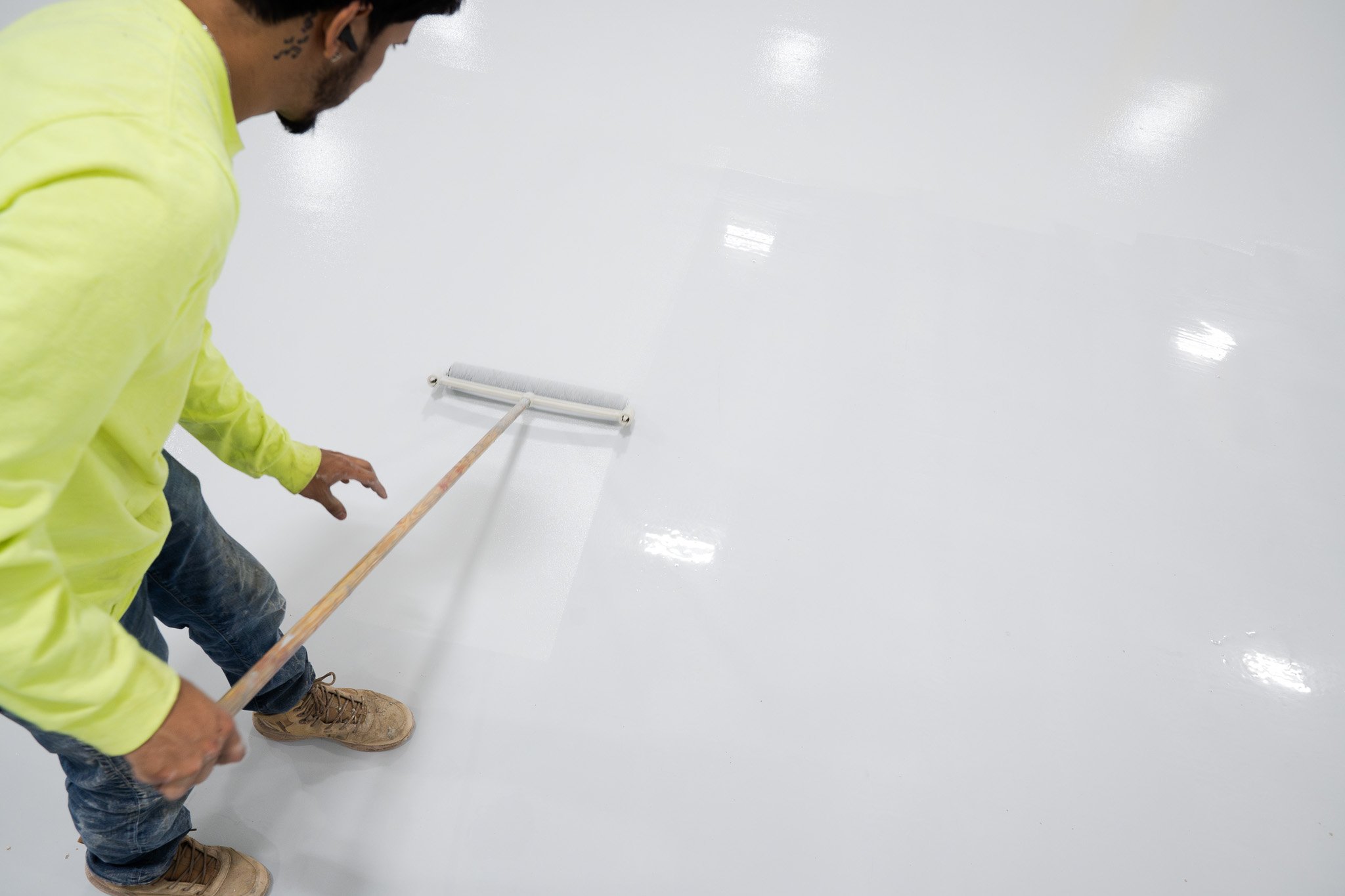
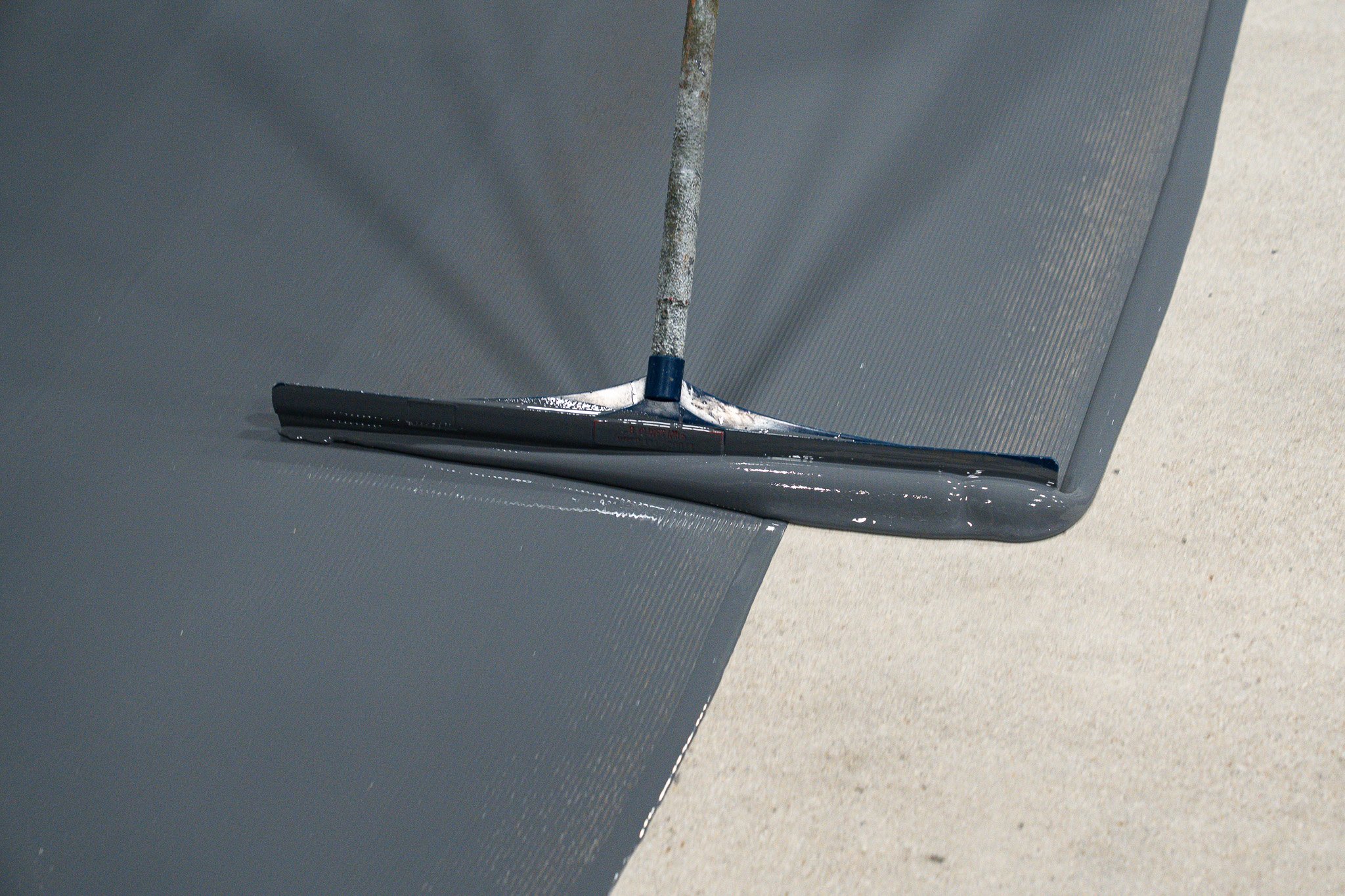
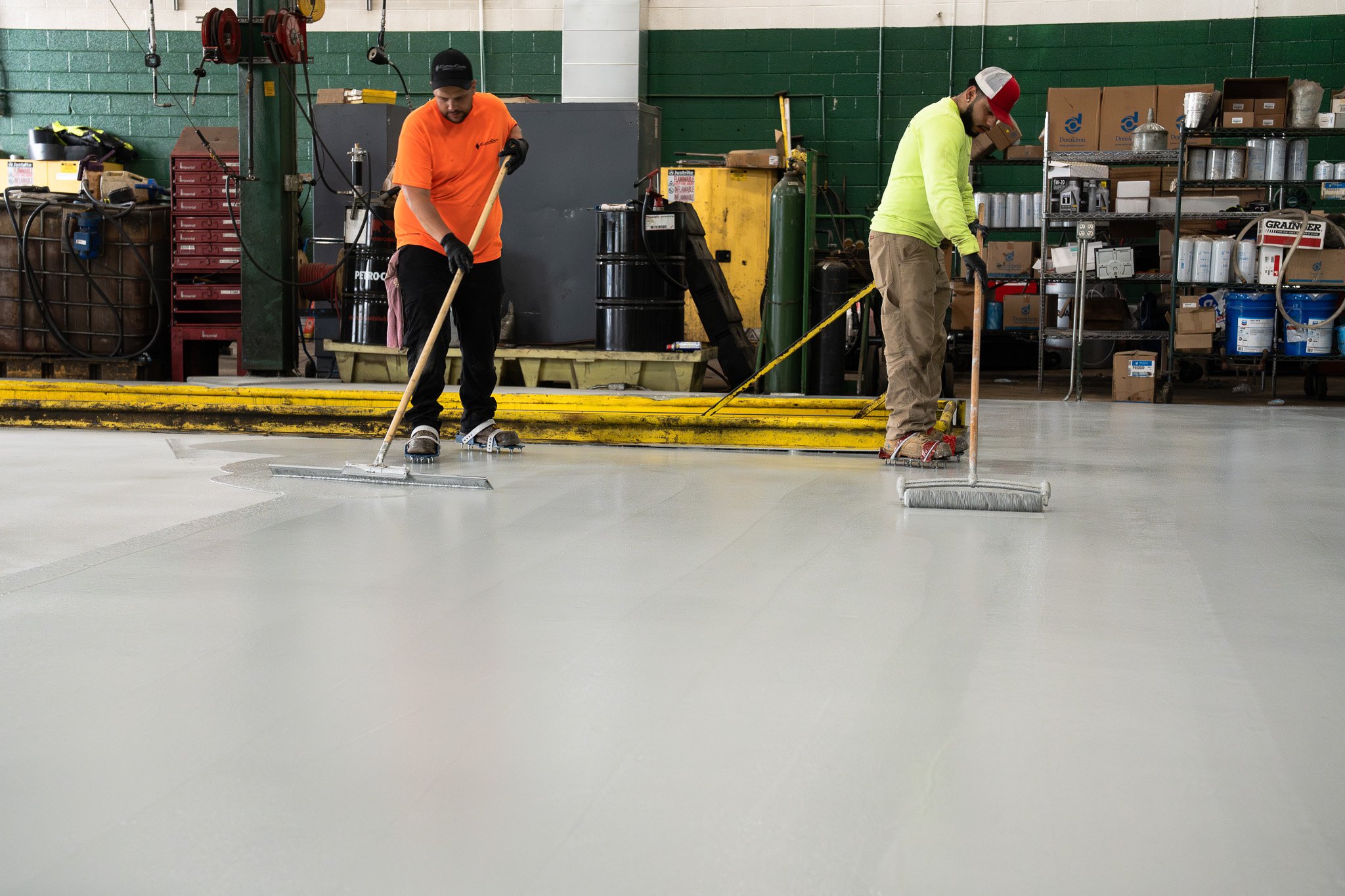
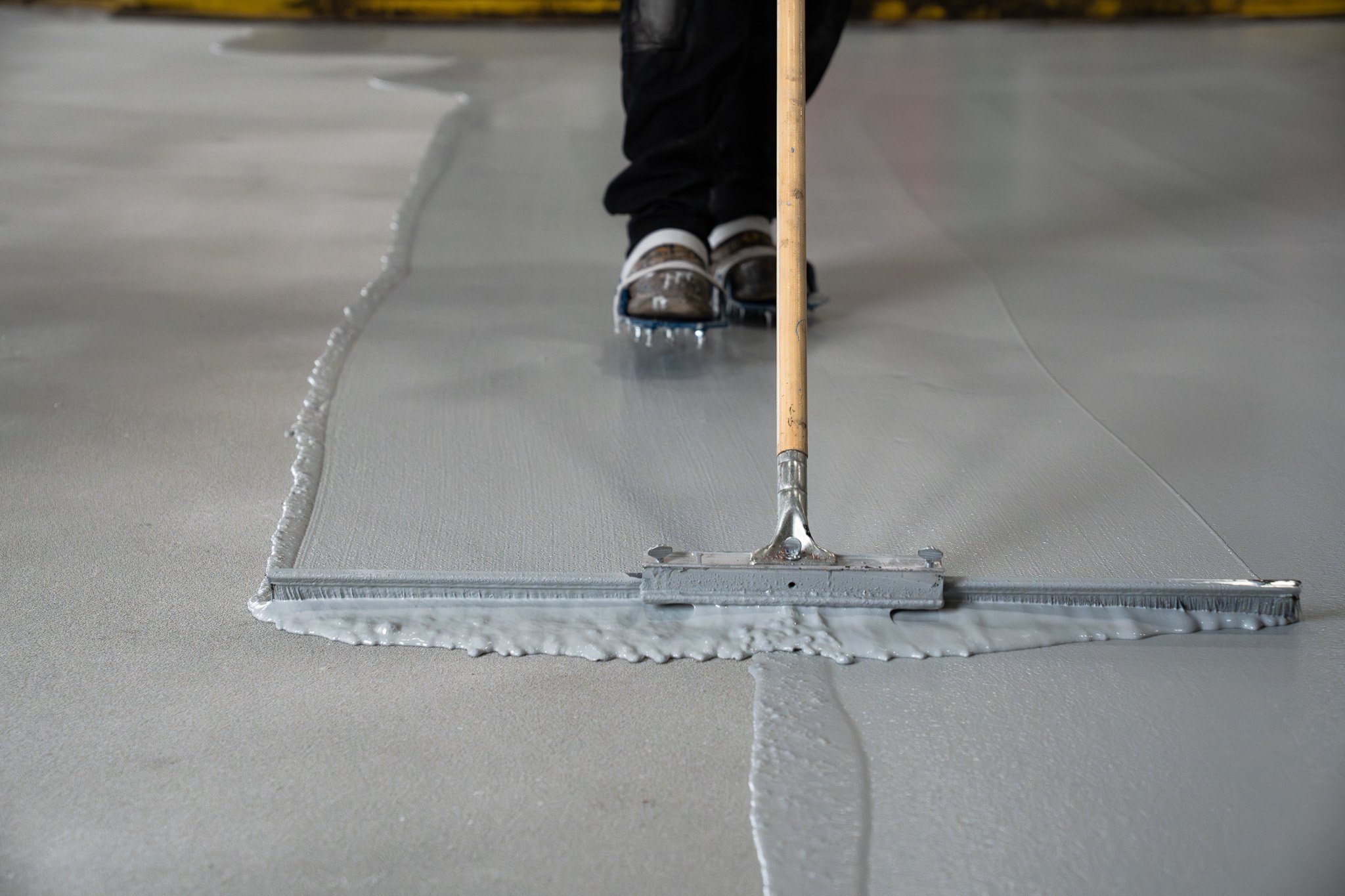
To achieve different sheen levels like matte or satin, a polyurethane topcoat is applied over the epoxy system.
This topcoat:
- Controls the final sheen (matte, satin, or gloss)
- Adds UV stability
- Improves scratch resistance
- Enhances long-term durability
Because of this, when discussing matte or satin finishes, it’s more accurate to reference the polyurethane layer, not the epoxy itself.
What Is a Matte Finish (Polyurethane Topcoat)?
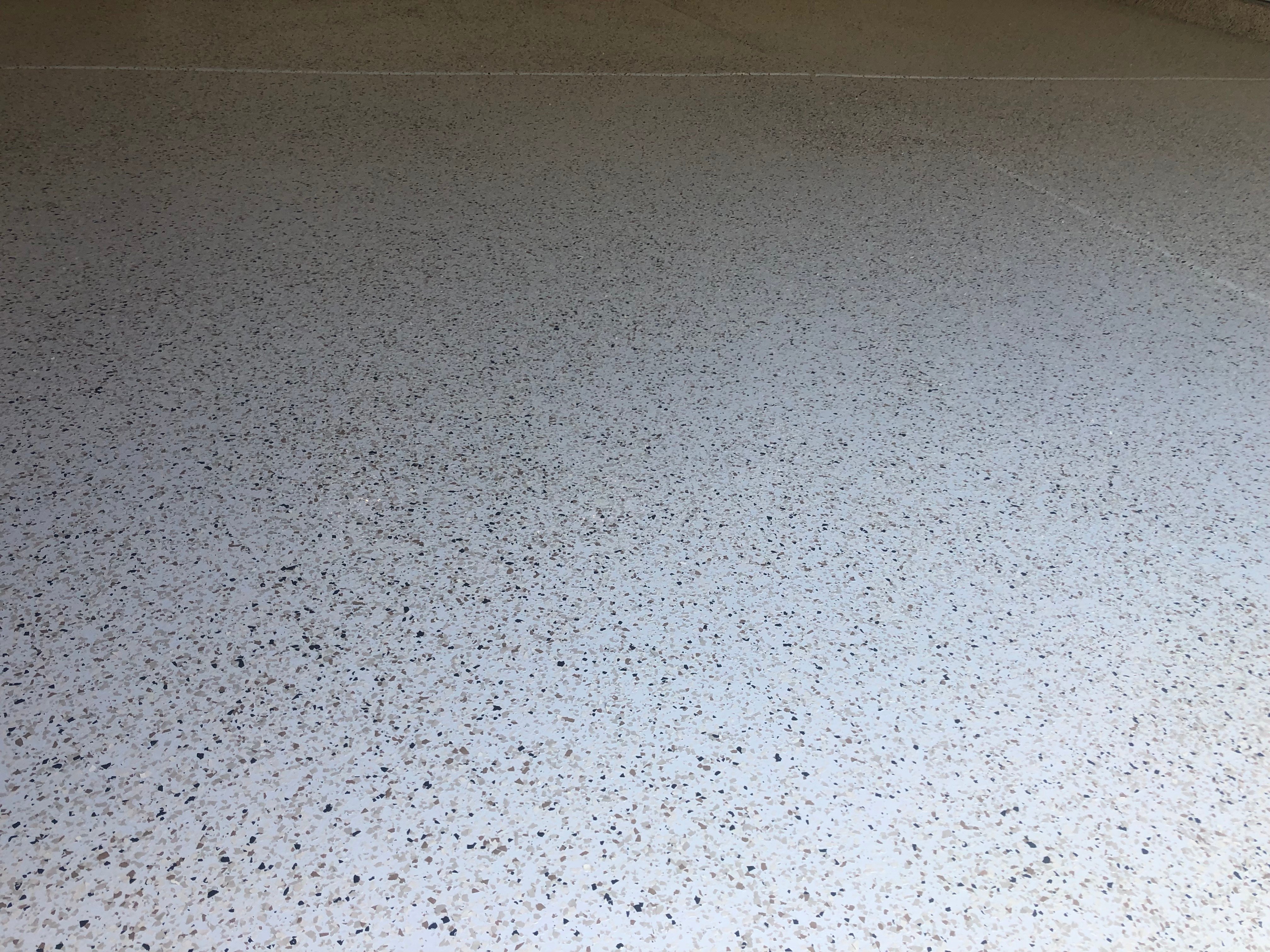
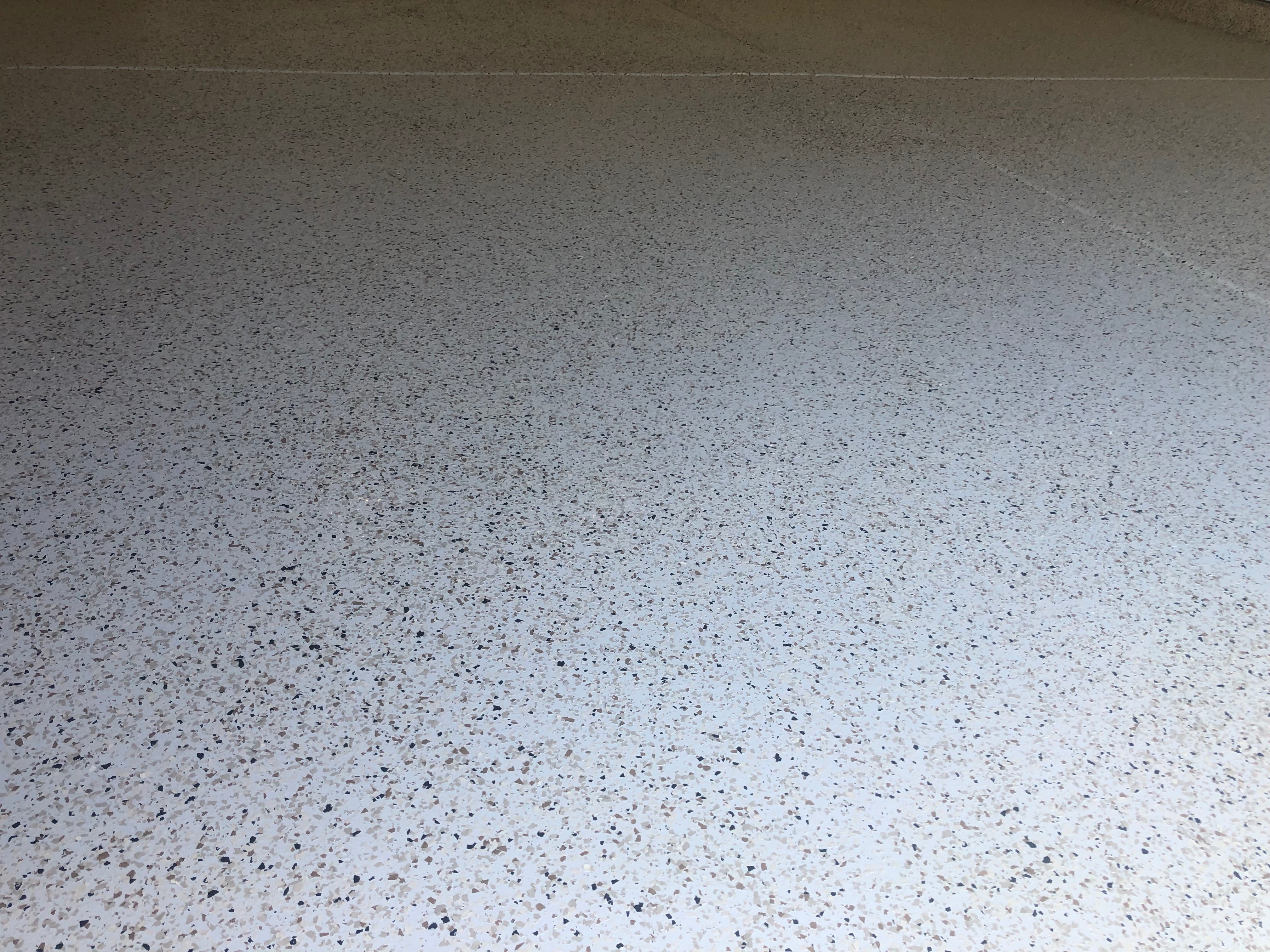
A matte finish has little to no shine. It creates a flat, non-reflective surface that minimizes glare and provides a more understated look.
Key Characteristics
- Low light reflectivity
- Soft, muted appearance
- Reduced glare under bright lighting
- Helps conceal surface imperfections
Matte finishes are commonly used in environments where function is prioritized over aesthetics, or where lighting conditions make glare a concern.
Pros of Matte Finishes
Hides Wear and Imperfections
One of the biggest advantages of a matte finish is its ability to mask scratches, scuffs, and general wear. In high-traffic environments, this helps maintain a more consistent appearance over time.
Reduces Glare
Matte surfaces are ideal for spaces with strong overhead lighting or large windows. The low reflectivity reduces eye strain and improves visibility.
Subtle, Functional Look
For facilities that prefer a clean but understated appearance, matte finishes offer a more industrial and practical aesthetic.
Cons of Matte Finishes
Can Appear Less “Clean”
Because matte surfaces don’t reflect light, they may look dull compared to higher-sheen finishes—even when they are clean.
Harder to Spot Dirt Visually
Dirt and spills may not stand out as easily, which can make it more difficult to identify areas that need cleaning.
What Is a Satin Finish (Polyurethane Topcoat)?
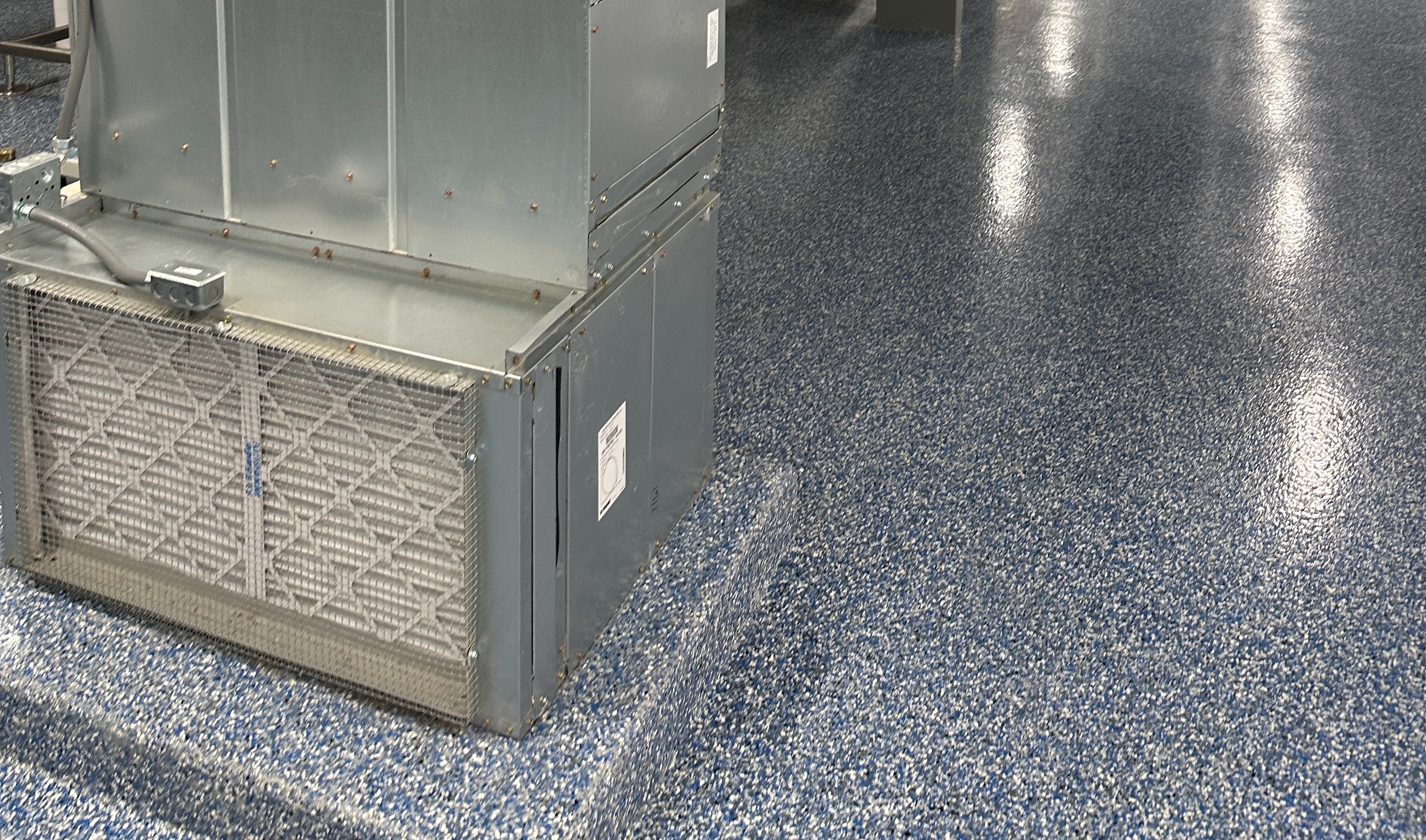
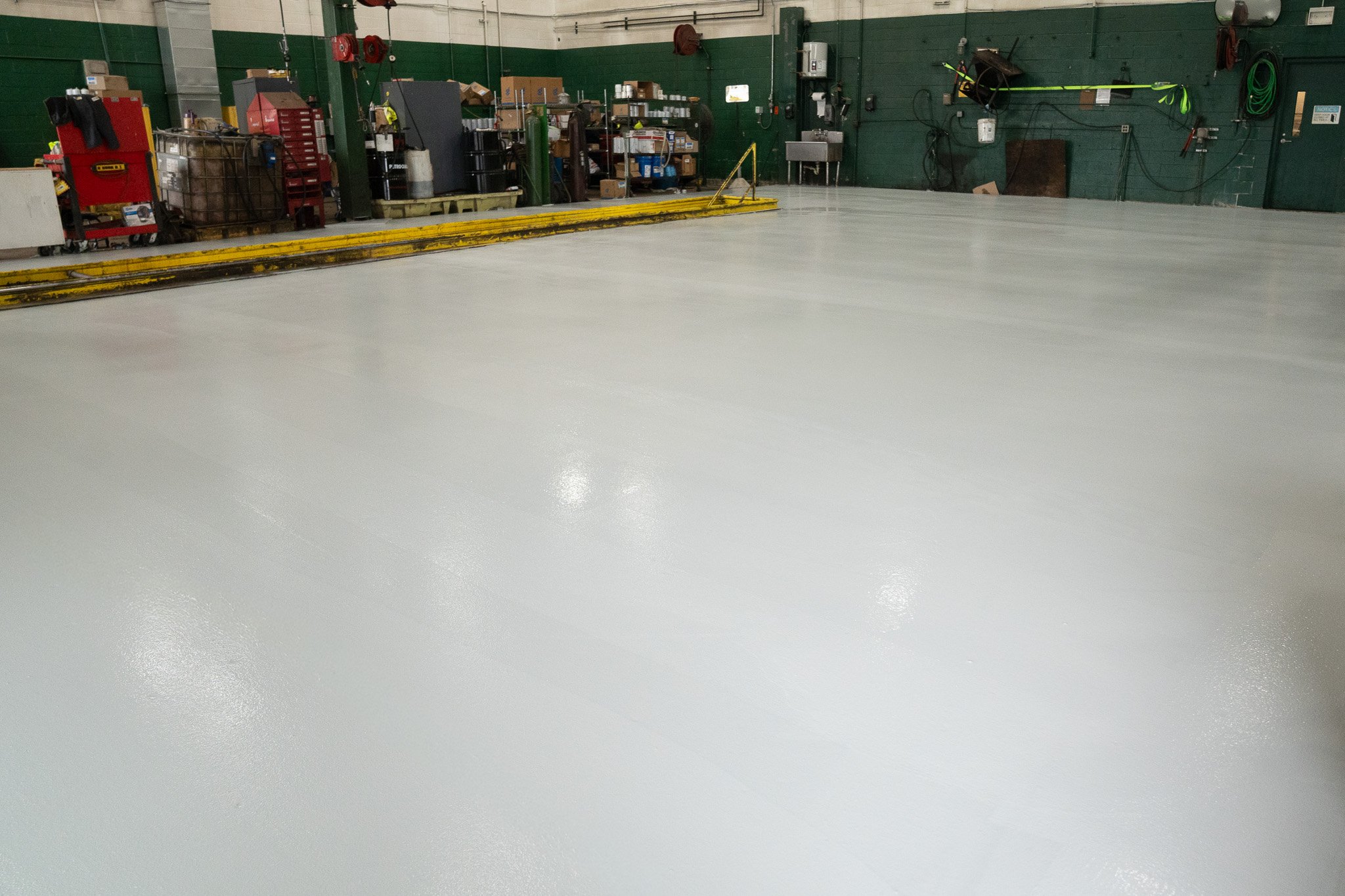
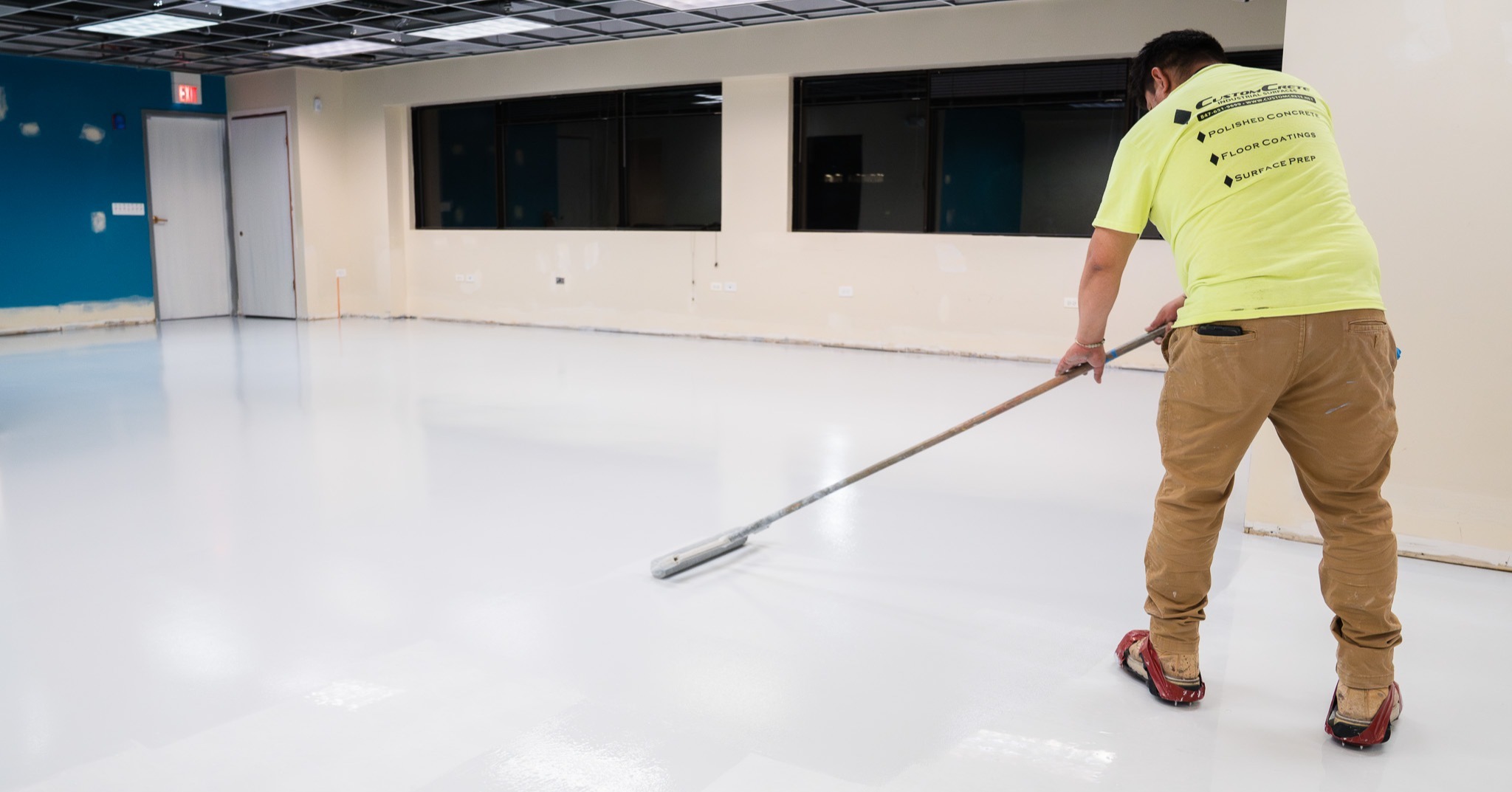
A satin finish sits between matte and gloss. It provides a soft sheen without the high reflectivity of a glossy surface.
Key Characteristics
- Moderate light reflectivity
- Smooth, slightly reflective appearance
- Balanced aesthetic and performance
- Adds subtle depth to the floor
Satin finishes are commonly used in spaces that want a polished look without the maintenance concerns of high-gloss coatings.
Pros of Satin Finishes
Balanced Appearance
A satin finish offers a middle ground. It reflects enough light to look bright and clean without creating excessive glare.
Easier to Maintain Visually
Because of its slight sheen, dirt and spills are easier to spot, which can help maintain a consistent cleaning routine.
Professional Look
Satin finishes are often chosen for customer-facing areas where appearance matters, such as retail spaces, showrooms, and entryways.
Cons of Satin Finishes
Shows Wear More Than Matte
Satin finishes can highlight scratches and scuffs more than matte surfaces, especially under certain lighting conditions.
Some Glare in Bright Environments
While not as reflective as gloss, satin finishes can still produce mild glare in spaces with intense lighting.
Where Gloss Finishes Fit In
Unlike matte and satin finishes, which are typically achieved using polyurethane topcoats, gloss is the natural finish of epoxy.
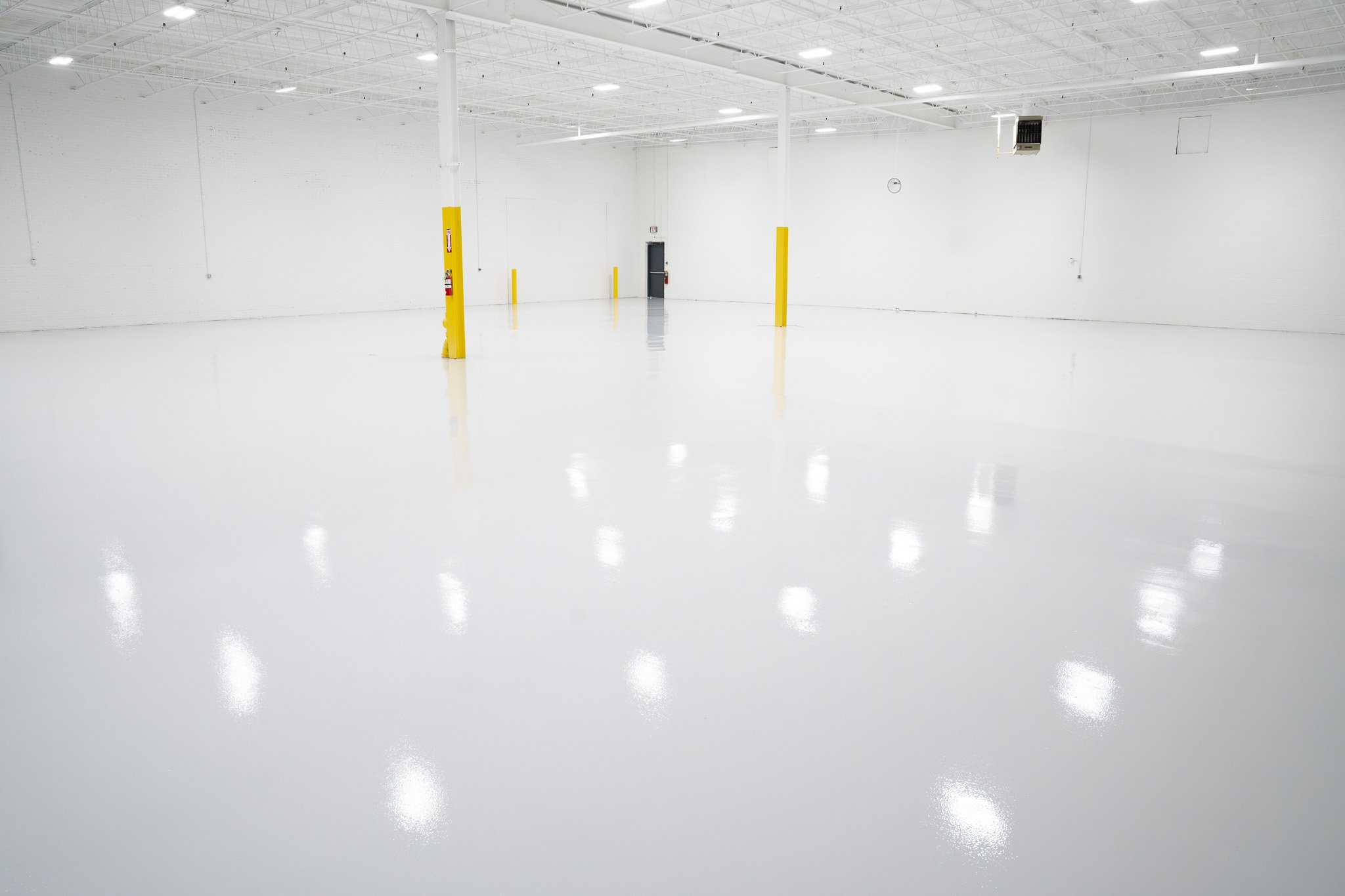
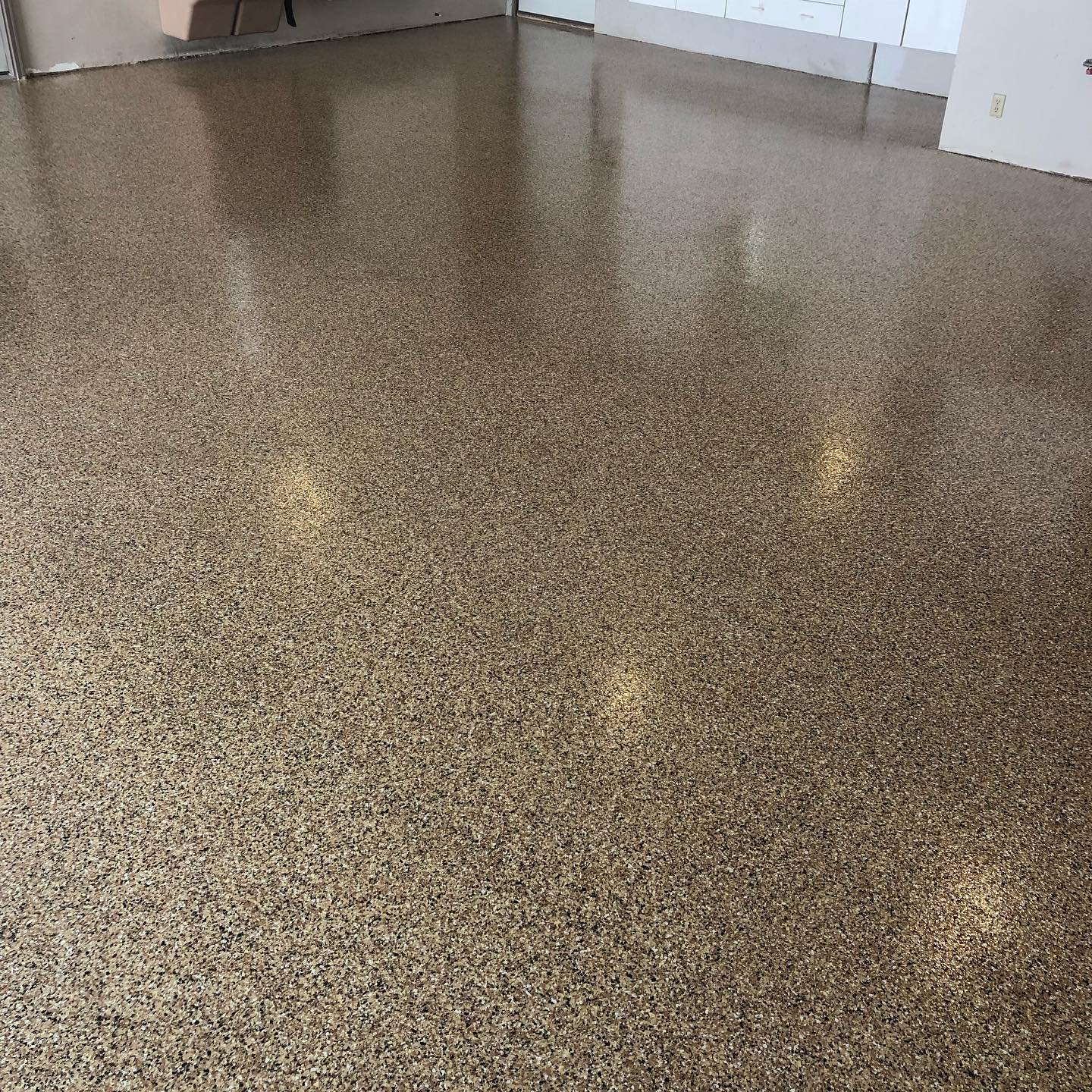
When epoxy cures, it creates a high-gloss, reflective surface by default. This is why many epoxy floors appear shiny, especially in environments where no additional topcoat is applied or where a clear epoxy layer is used as the final coat.
Key Characteristics of Gloss (Epoxy Finish)
- High light reflectivity
- Smooth, glass-like appearance
- Enhances color depth and vibrancy
- Creates a bright, polished look
Gloss epoxy finishes are often associated with a clean, finished appearance, which is why they’re commonly used in garages, showrooms, and spaces where visual impact matters.
Pros of Gloss Epoxy Finishes
Bright and Reflective
The high reflectivity helps improve overall brightness in a space by bouncing light across the floor.
Enhances Aesthetic Appeal
Gloss finishes can make colors appear richer and more vibrant, especially in decorative systems like metallic or flake epoxy.
Smooth, Seamless Surface
Epoxy naturally creates a sleek, continuous surface that is easy to clean and maintain.
Cons of Gloss Epoxy Finishes
Shows Wear More Easily
Scratches, scuffs, and imperfections tend to be more visible due to the reflective surface.
Higher Glare
In environments with strong lighting, gloss finishes can create glare, which may impact visibility or comfort.
May Require Additional Traction
Because of the smooth surface, slip-resistant additives are often needed in commercial or industrial settings.
How It All Comes Together
In many real-world systems:
- Epoxy provides the strength and naturally glossy base
- Polyurethane topcoats adjust the final sheen to matte or satin
This layered approach allows you to balance durability with the exact look and performance your facility needs.
Slip Resistance Considerations
Slip resistance is an important factor when choosing a floor finish, especially in industrial and commercial environments.
Matte finishes often provide slightly better traction due to their lower sheen, but slip resistance is not determined by sheen alone.
Instead, it depends on:
- Aggregate additives (like silica or aluminum oxide)
- Surface texture
- Installation method
Both matte and satin polyurethane topcoats can be designed to meet specific safety requirements when the right additives are used.
Choosing the Right Finish for Your Facility
Selecting between matte and satin comes down to how your space is used and what matters most for your operation.
Consider:
- Traffic levels: High-traffic areas may benefit from matte finishes that hide wear
- Lighting conditions: Bright environments may require reduced glare
- Maintenance expectations: Satin finishes can make cleaning needs more visible
- Aesthetic goals: Customer-facing areas often prioritize appearance
There is no one-size-fits-all solution. The right choice balances performance with how the space looks and functions daily.
Common Mistakes to Avoid
When choosing a finish, avoid:
- Assuming epoxy alone determines the final look
- Selecting based only on appearance
- Ignoring lighting conditions
- Overlooking slip resistance needs
- Not considering long-term wear visibility
Understanding the role of the polyurethane topcoat helps prevent confusion and ensures the system performs as expected.

Final Thoughts
Matte and satin finishes aren’t properties of epoxy—they’re achieved through the polyurethane topcoat applied over the system.
A matte finish offers reduced glare and better concealment of wear, while a satin finish provides a cleaner, more polished appearance. Both options can be tailored to meet durability and safety needs when properly designed.
By understanding how these finishes actually work, you can make a more informed decision and choose a flooring system that performs well over time.
Topics:
.jpg?width=2048&height=1365&name=CC108559%20(1).jpg)
.jpeg?width=1638&height=1020&name=CC109349%20(1).jpeg)
.png?width=11520&height=9216&name=Untitled%20design%20(56).png)