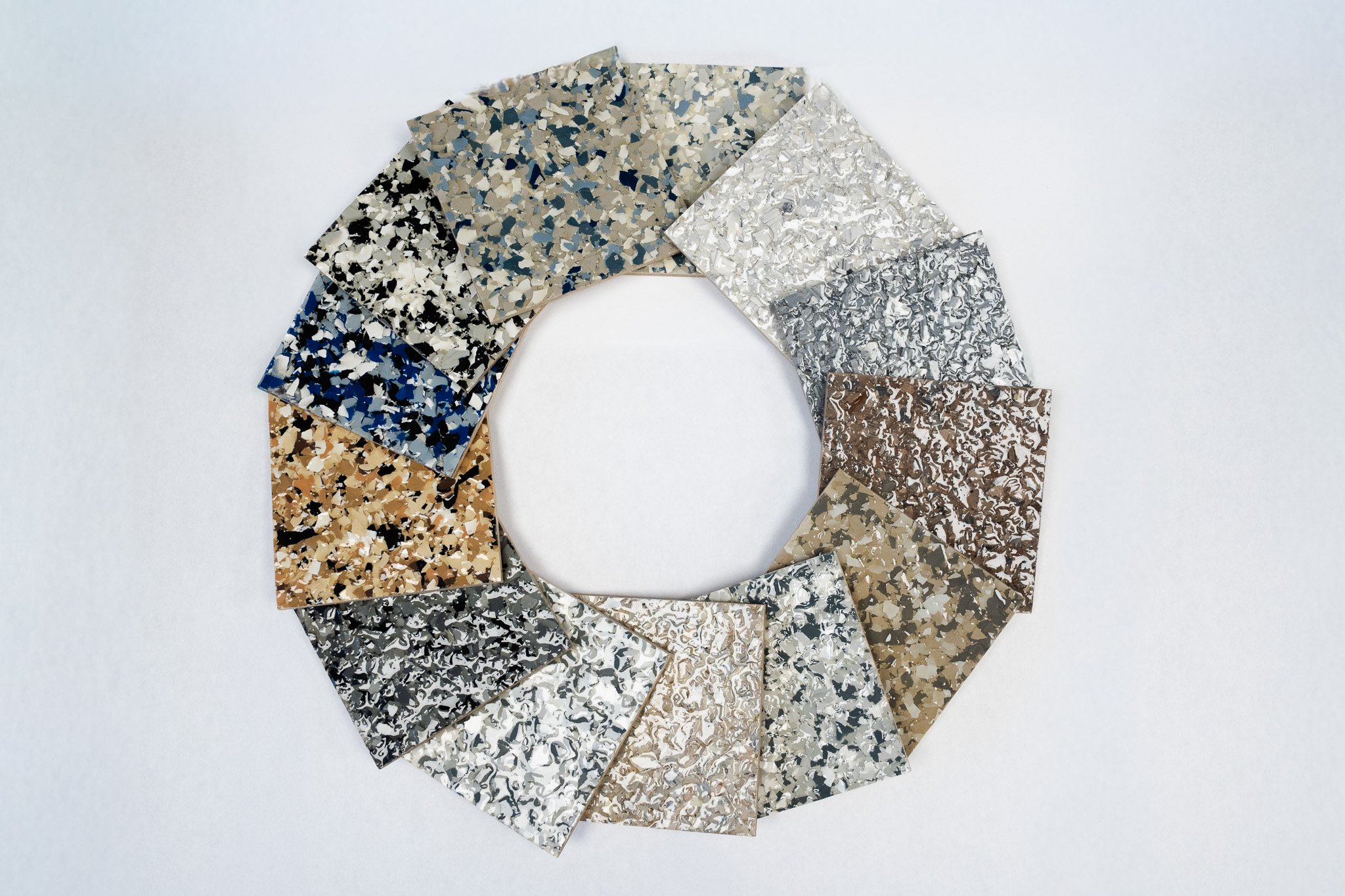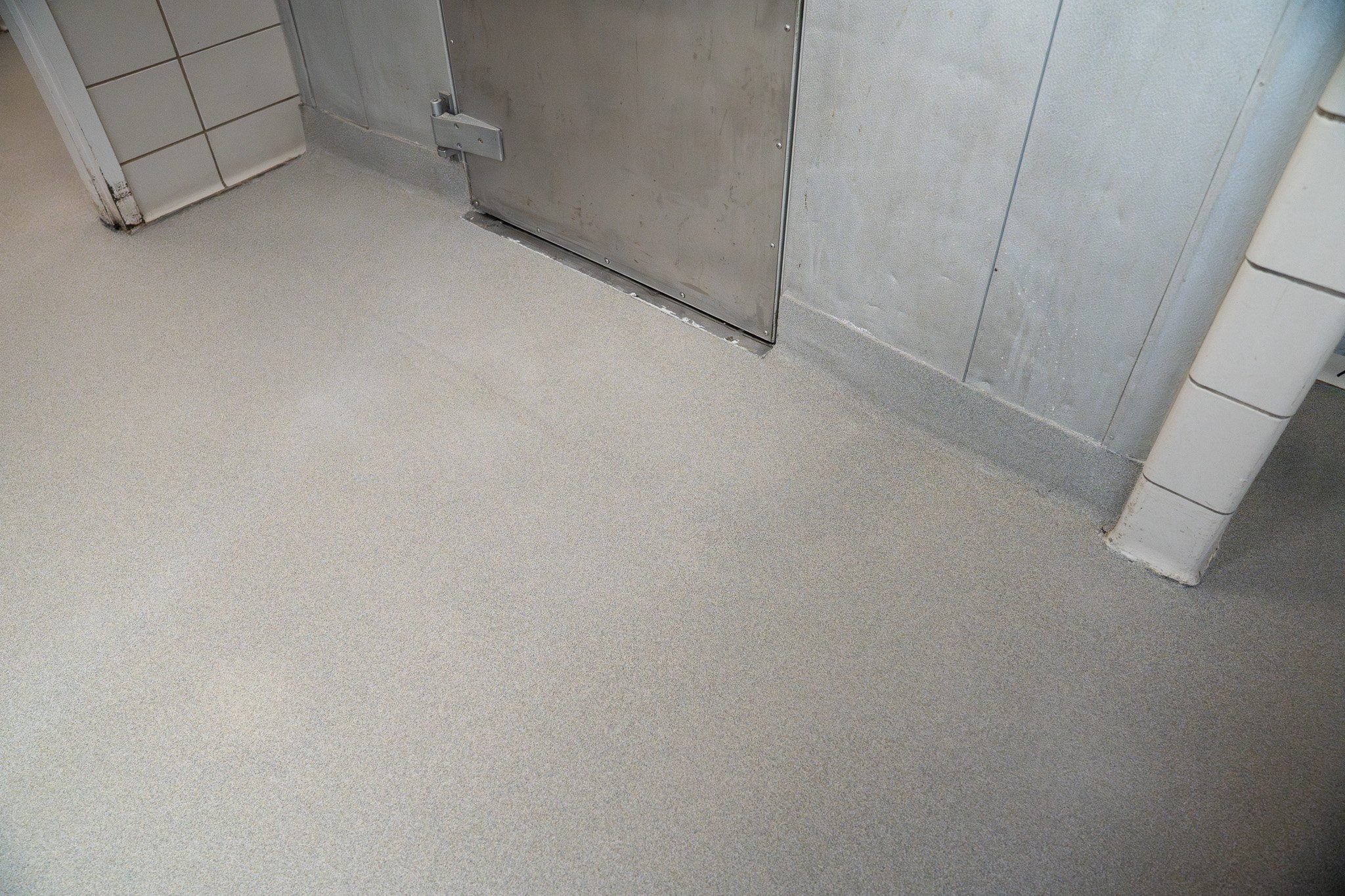

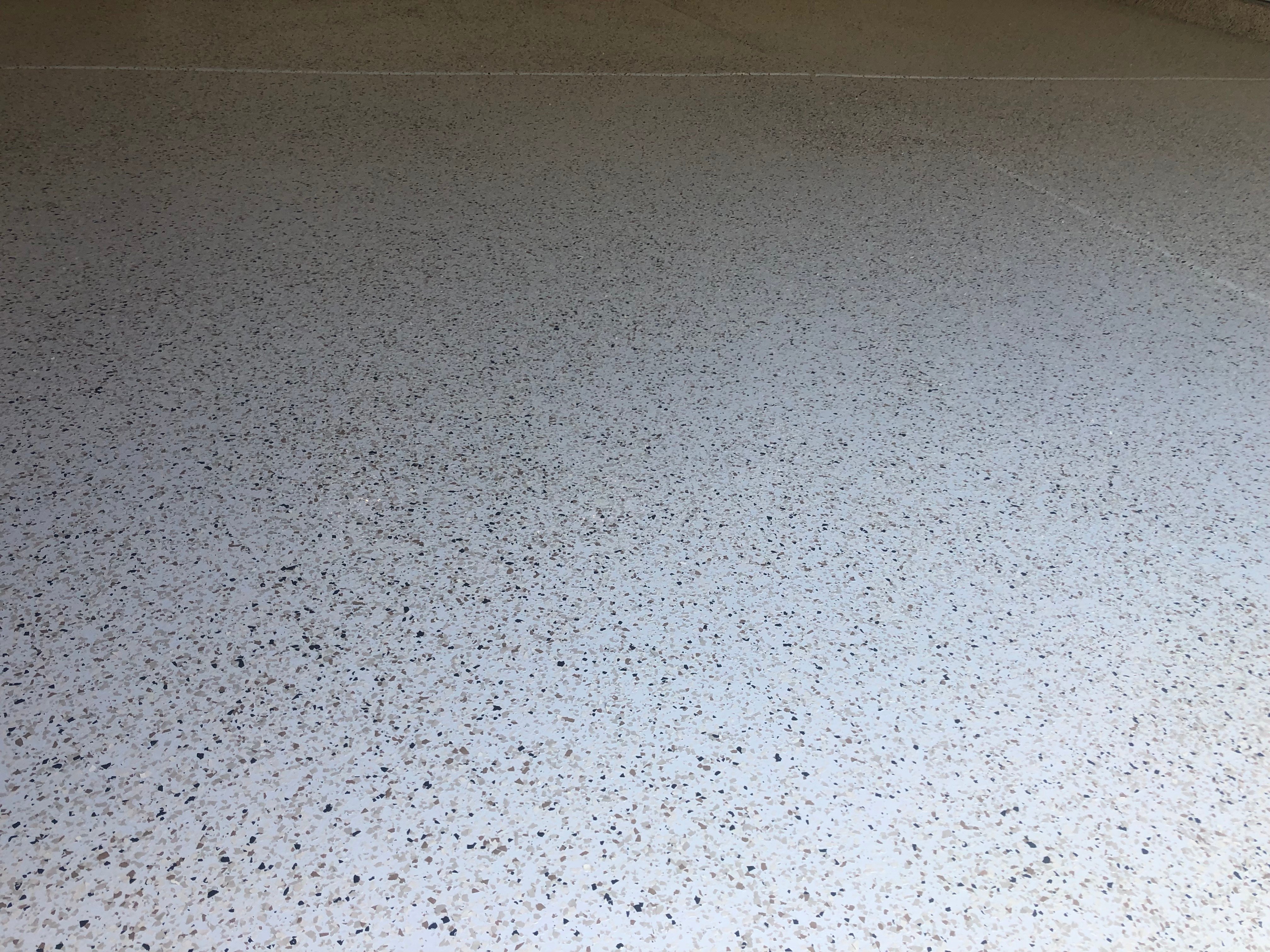
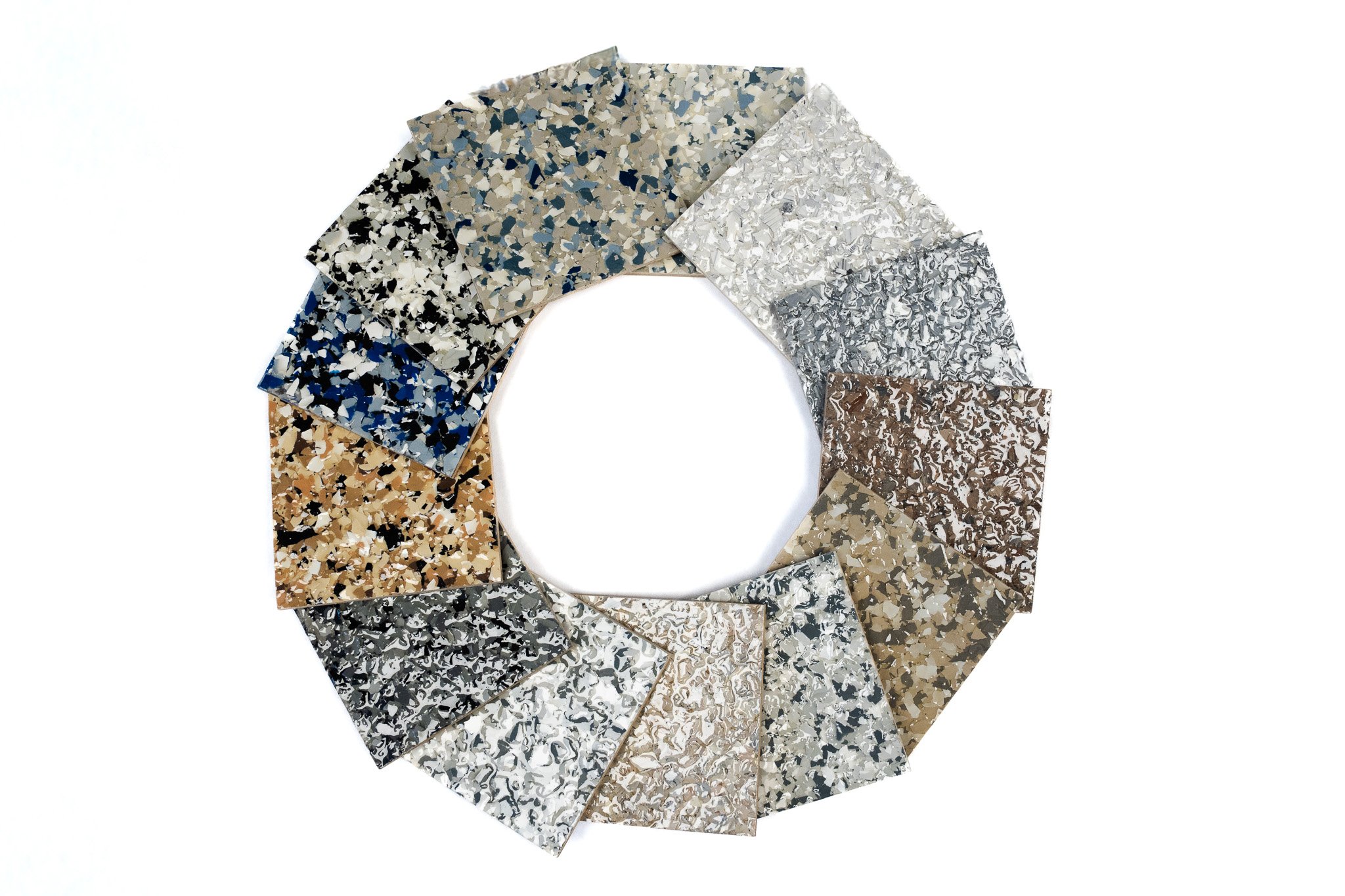
Choosing a color for your concrete floor might seem simple at first—but once you start looking at options on a color chart, the decision can quickly become overwhelming. What looks perfect in a sample can appear completely different once it’s installed across a large space.
Facility managers often run into issues where the final floor doesn’t match expectations due to lighting, texture, or finish type. With nearly 20 years of experience and over 1 million square feet installed, CustomCrete has seen how the right color choice can enhance a space—and how the wrong one can lead to frustration.
This guide will walk you through how to choose the right color from a color chart so your floor looks and performs exactly how you expect.

Key Takeaways
- Colors on a color chart can look different once installed due to lighting, texture, and finish.
- Lighter colors improve brightness, while darker tones hide wear and dirt.
- Always consider how the space is used before selecting a final color.
Why Color Choice Matters More Than You Think
In industrial and commercial environments, color is not just about aesthetics. It also impacts:
- Visibility and lighting
- Safety and wayfinding
- Maintenance and cleanliness
- Overall perception of the space
Choosing the right option from a color chart can improve both the appearance and functionality of your floor.
How Lighting Affects Color Appearance
Lighting is one of the biggest factors that changes how a color looks once installed.
Natural vs Artificial Light
- Natural light can make colors appear brighter and more dynamic
- Artificial lighting may create warmer or cooler tones
A color that looks neutral on a color chart may appear completely different under your facility’s lighting conditions.
Reflectivity
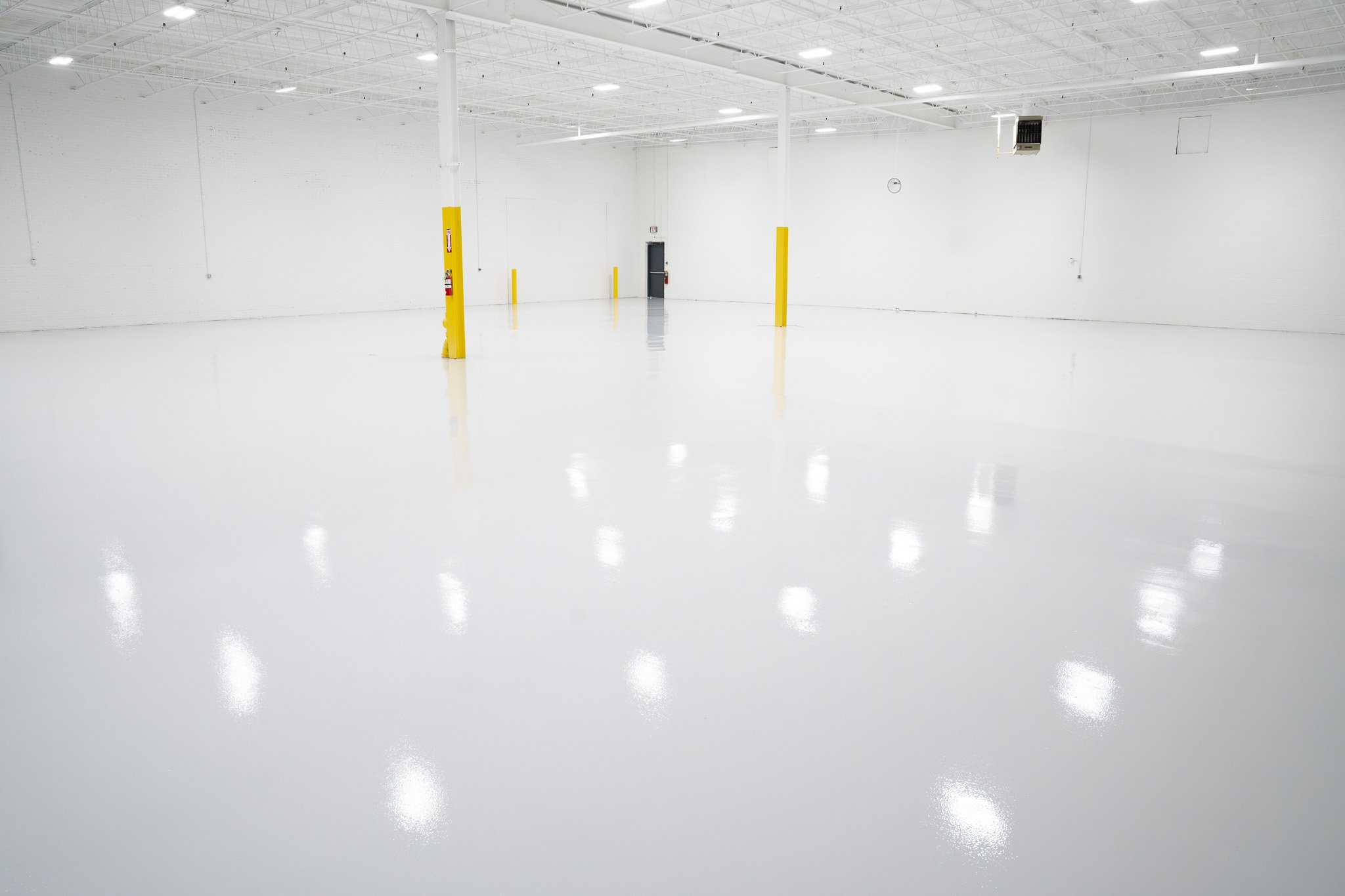
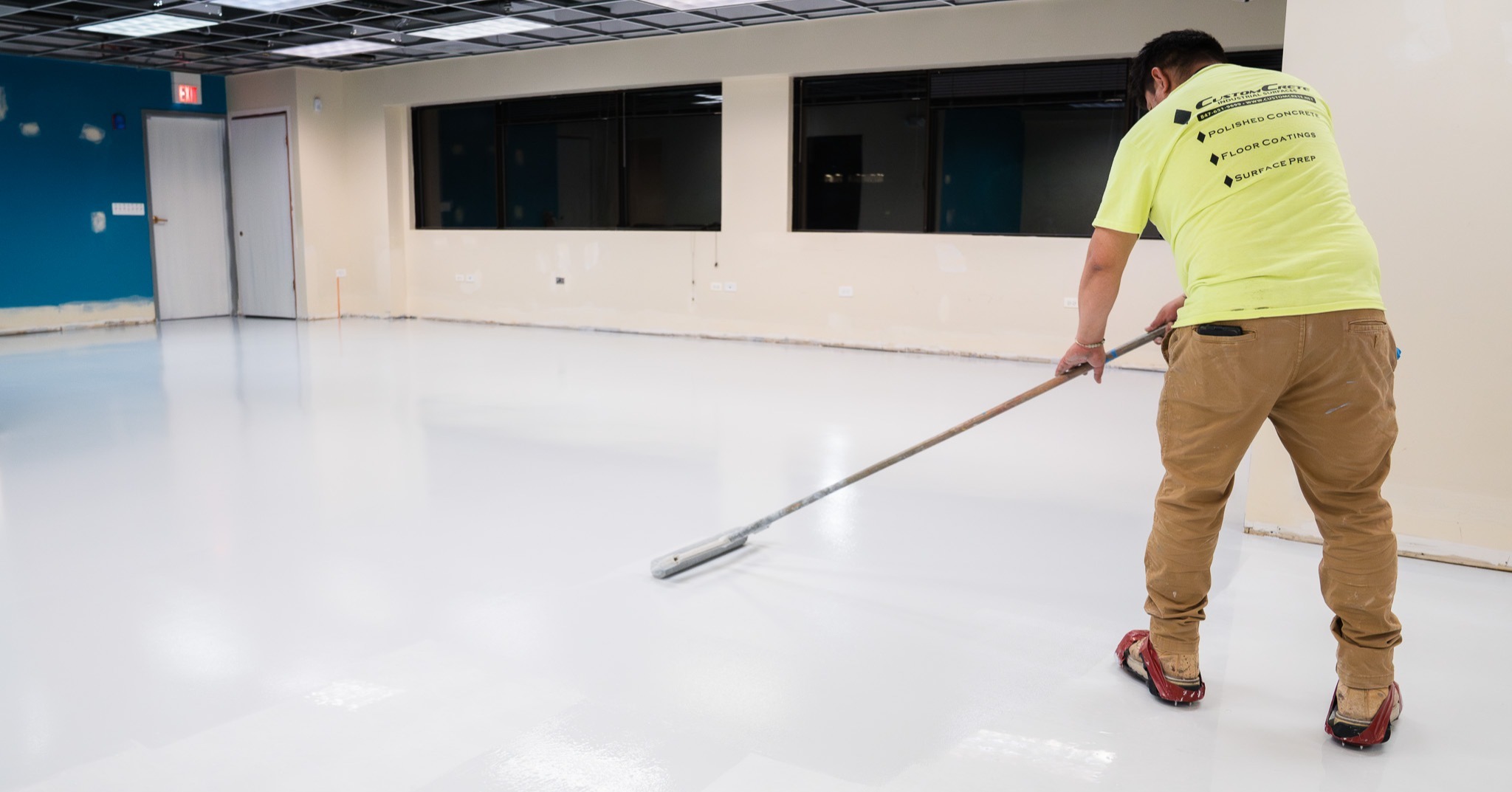
Lighter colors reflect more light, which can:
- Brighten large spaces
- Improve visibility
- Reduce the need for additional lighting
Darker colors absorb light, which can create a more subdued look but may reduce brightness.
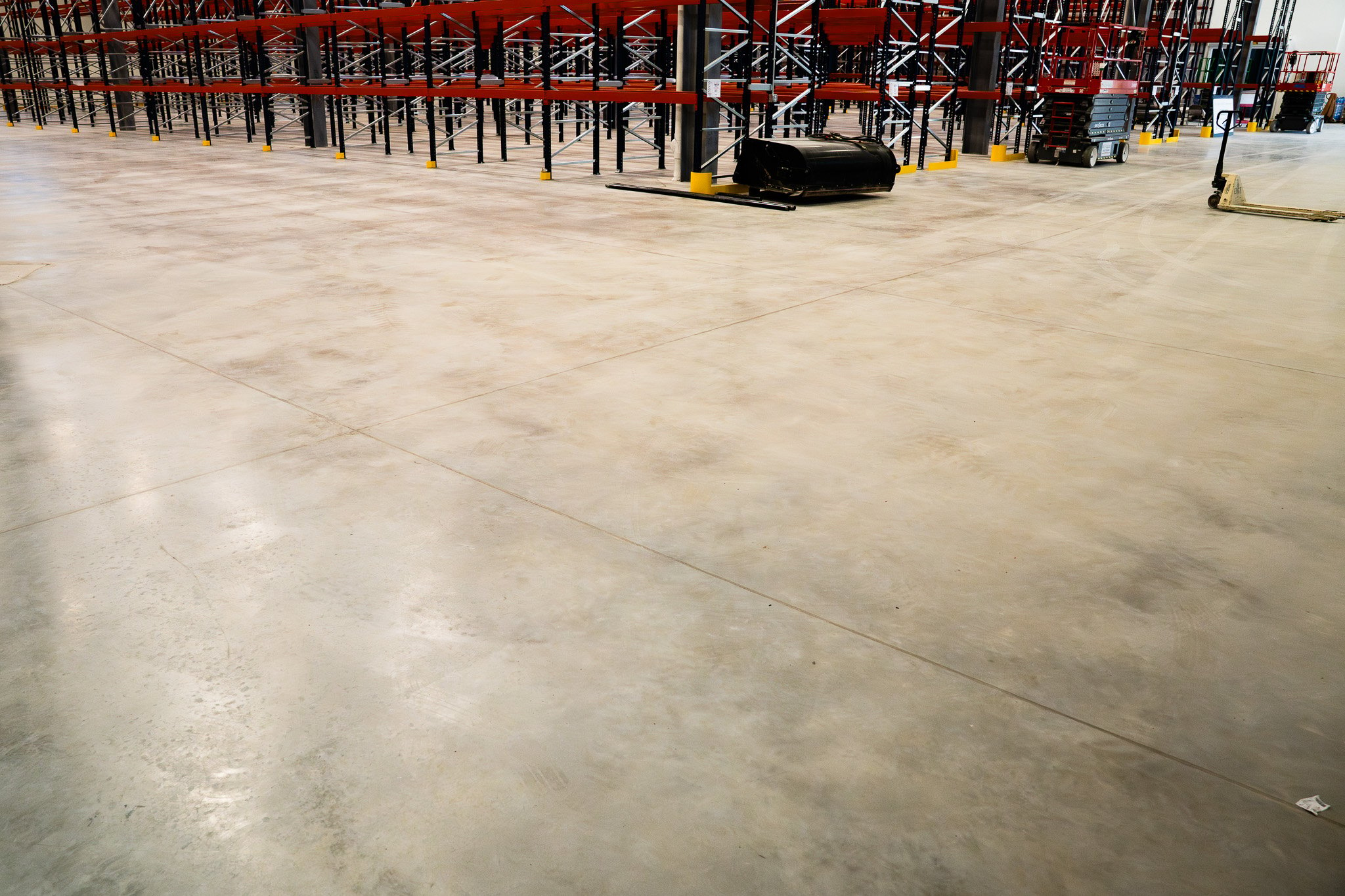
The Impact of Surface Texture
Texture plays a major role in how color is perceived.
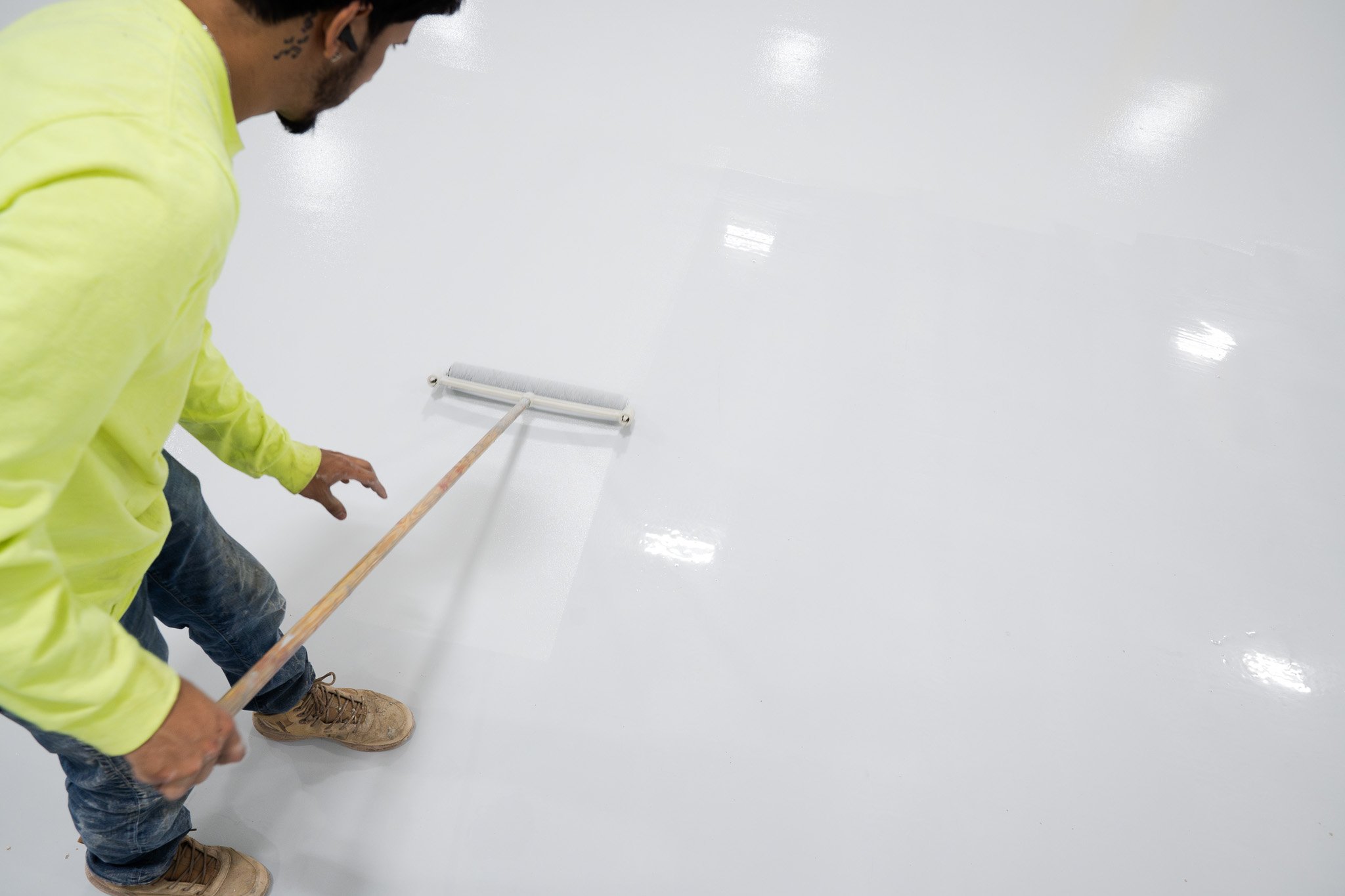
Smooth Surfaces
- Reflect light more evenly
- Show color more consistently
- Highlight imperfections and wear
Textured Surfaces
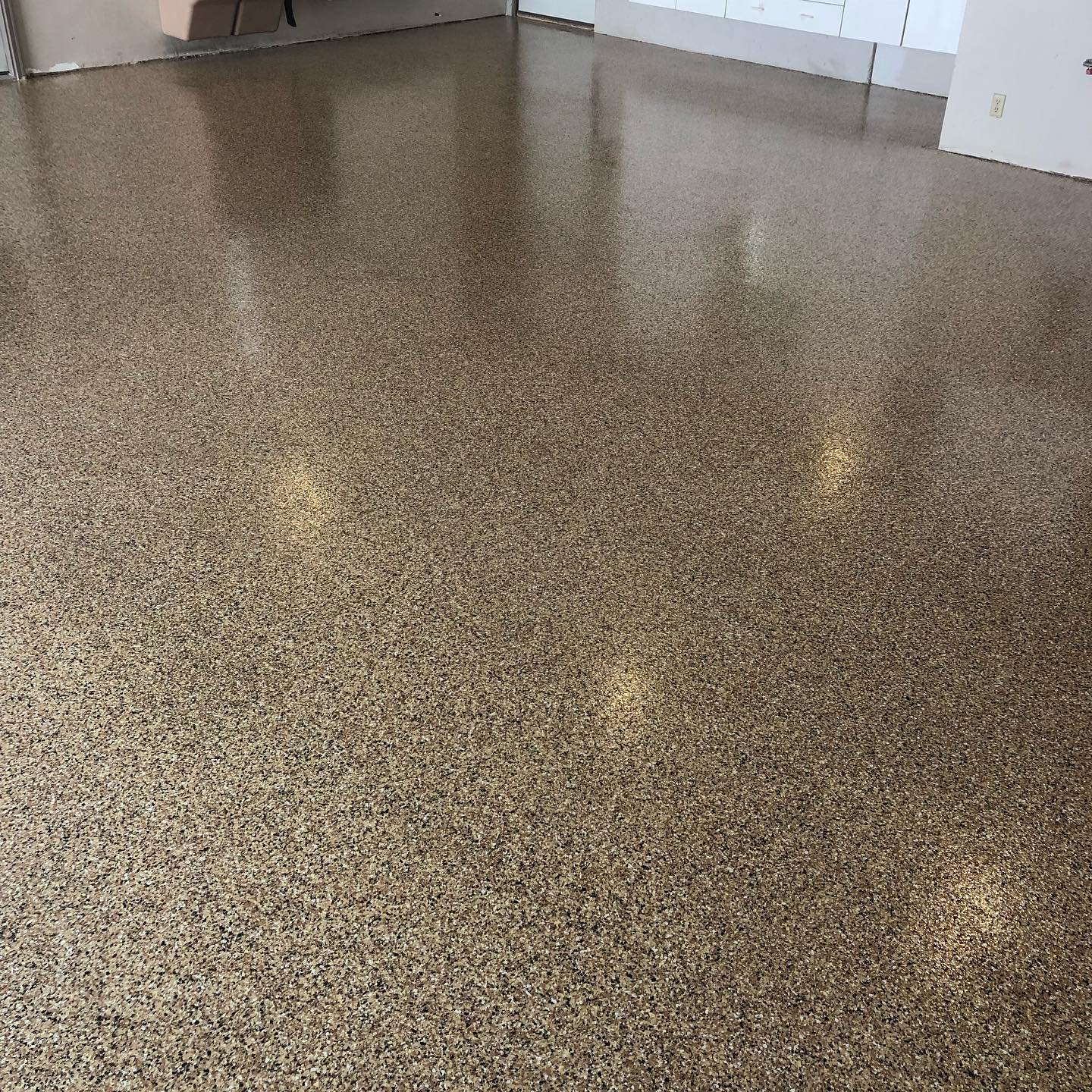
- Scatter light, softening the appearance of color
- Can make colors appear slightly darker or muted
- Help hide dirt and surface imperfections
When selecting from a color chart, consider how the final texture of the floor will influence the color.
Finish Type Changes Everything
The finish you choose—matte, satin, or gloss—will affect how the color appears.
Matte Finish
- Low reflectivity
- Softer, more muted appearance
- Hides wear and scratches well
Satin Finish
- Moderate reflectivity
- Balanced look between matte and gloss
- Makes colors appear slightly more vibrant
Gloss Finish
- High reflectivity
- Enhances color depth and brightness
- Shows imperfections more easily
The same color from a color chart can look dramatically different depending on the finish applied.
Matching Color to Facility Use
One of the most important factors in choosing a color is how the space will be used.
High-Traffic Industrial Areas
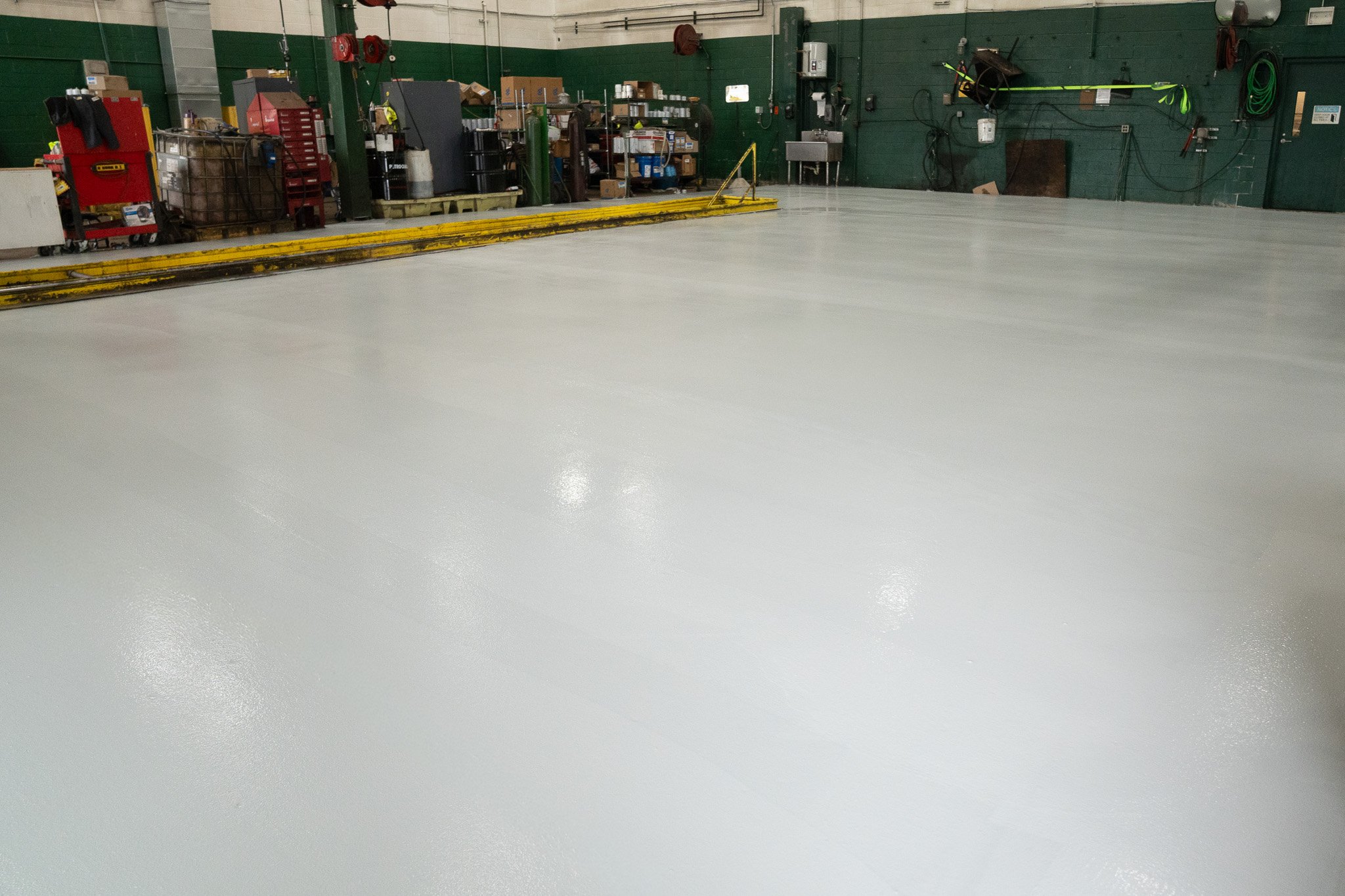
- Mid-tone or darker colors are often preferred
- Help hide dirt, tire marks, and wear
Retail and Showrooms
- Lighter or more polished colors create a clean, inviting look
- Reflectivity can enhance the overall space
Safety and Zoning
Color can also be used for:
- Walkways and safety zones
- Equipment boundaries
- Traffic flow markings
Choosing the right color from a color chart can improve both aesthetics and functionality.
Considering Long-Term Maintenance
Color selection can directly impact how easy your floor is to maintain.
- Light colors: Show dirt and spills more easily but highlight cleanliness
- Dark colors: Hide dirt but may show dust or scratches
- Neutral tones: Offer a balance between visibility and maintenance
Thinking about maintenance ahead of time helps ensure your floor continues to look good over time.
Why Samples Don’t Always Match the Final Floor
One of the most common surprises is that the installed floor looks different than the sample.
This happens because:
- Samples are small, while floors cover large areas
- Lighting conditions vary
- Surface preparation and application methods differ
- Texture and finish affect how light interacts with the color
When reviewing a color chart, it’s important to visualize how the color will look across the entire space—not just on a small sample.
Tips for Choosing the Right Color
To make the best decision, consider the following:
- View samples under your facility’s actual lighting
- Think about how the floor will be used daily
- Consider both appearance and maintenance
- Match the color to your brand or environment
- Ask how the finish and texture will affect the final look
Taking these steps helps ensure the color you choose performs well in real-world conditions.
Common Mistakes to Avoid
When selecting from a color chart, avoid:
- Choosing based only on appearance
- Ignoring lighting conditions
- Not considering wear and maintenance
- Overlooking how texture and finish affect color
Avoiding these mistakes can prevent costly changes after installation.
FAQ: Choosing Concrete Floor Colors
Do colors look the same as the sample?
Not always. Lighting, texture, and finish can change how the color appears.
What color is best for industrial spaces?
Mid-tone and darker colors are often preferred for durability and maintenance.
Can colors be customized?
Yes, many systems offer custom color options beyond standard charts.
Final Thoughts
Choosing the right color from a color chart is about more than just picking what looks good—it’s about understanding how that color will perform in your space. Lighting, texture, finish, and daily use all influence the final result.
By considering these factors, you can select a color that not only looks right but also supports your facility’s long-term needs.
To explore available options and find the best fit for your project, visit the color chart page to view the full range of colors and finishes.



.jpg?width=2048&height=1365&name=CC108559%20(1).jpg)





.jpeg?width=1638&height=1020&name=CC109349%20(1).jpeg)
.png?width=11520&height=9216&name=Untitled%20design%20(56).png)