
.jpeg?width=1638&height=1020&name=CC109349%20(1).jpeg)
Key Takeaways
- Polyaspartic is a type of polyurea chemistry, which is why the two materials are often confused.
- In commercial and industrial flooring, polyaspartic is typically used as a protective floor coating or topcoat.
- Polyurea is most commonly used as a semi-rigid joint filler for concrete control joints and cracks.
- Many flooring systems use both materials together because each serves a different purpose.
When researching industrial flooring systems, it's common to see the terms polyaspartic and polyurea used interchangeably. While the two materials are related, they are rarely used for the same purpose.
Polyaspartic is actually a modified form of polyurea chemistry. Because of this, many people assume they are competing flooring products. In reality, they typically play different roles within a flooring system.
With nearly 20 years of experience and more than 1 million square feet of flooring installed, CustomCrete has worked with both materials across commercial and industrial facilities. Understanding how each is used can help facility managers make more informed decisions when planning a flooring project.
What Is Polyaspartic?
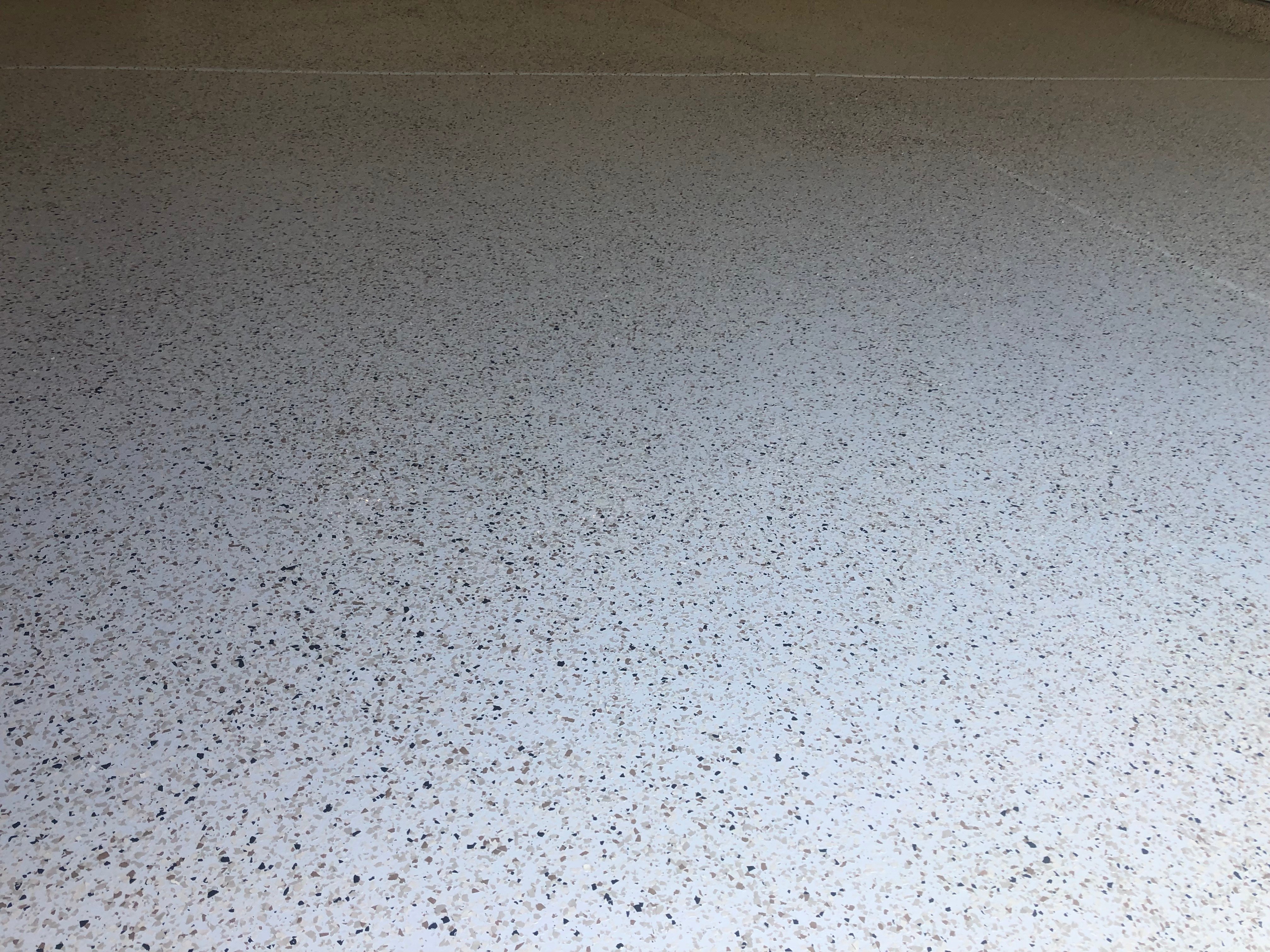
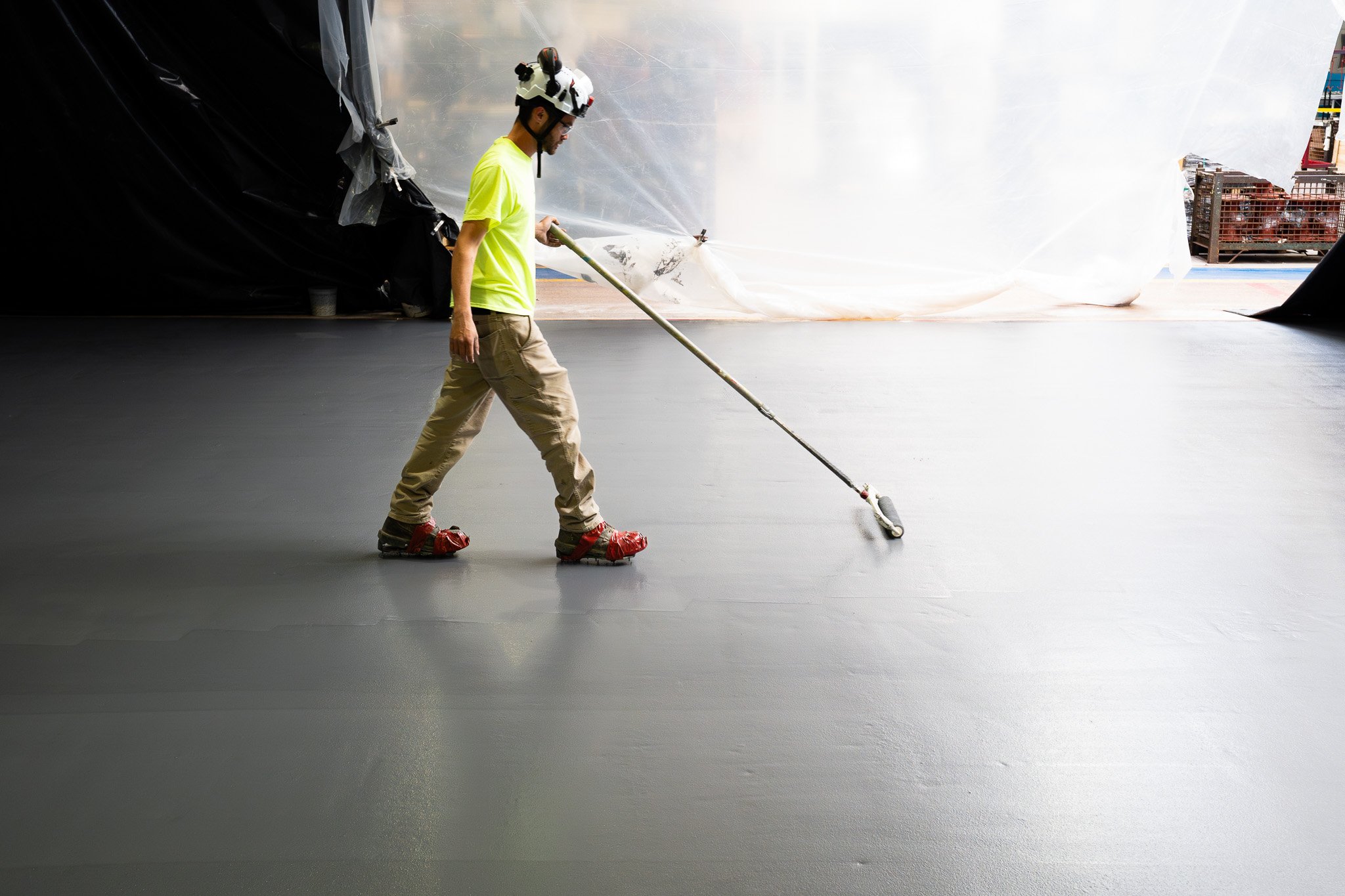
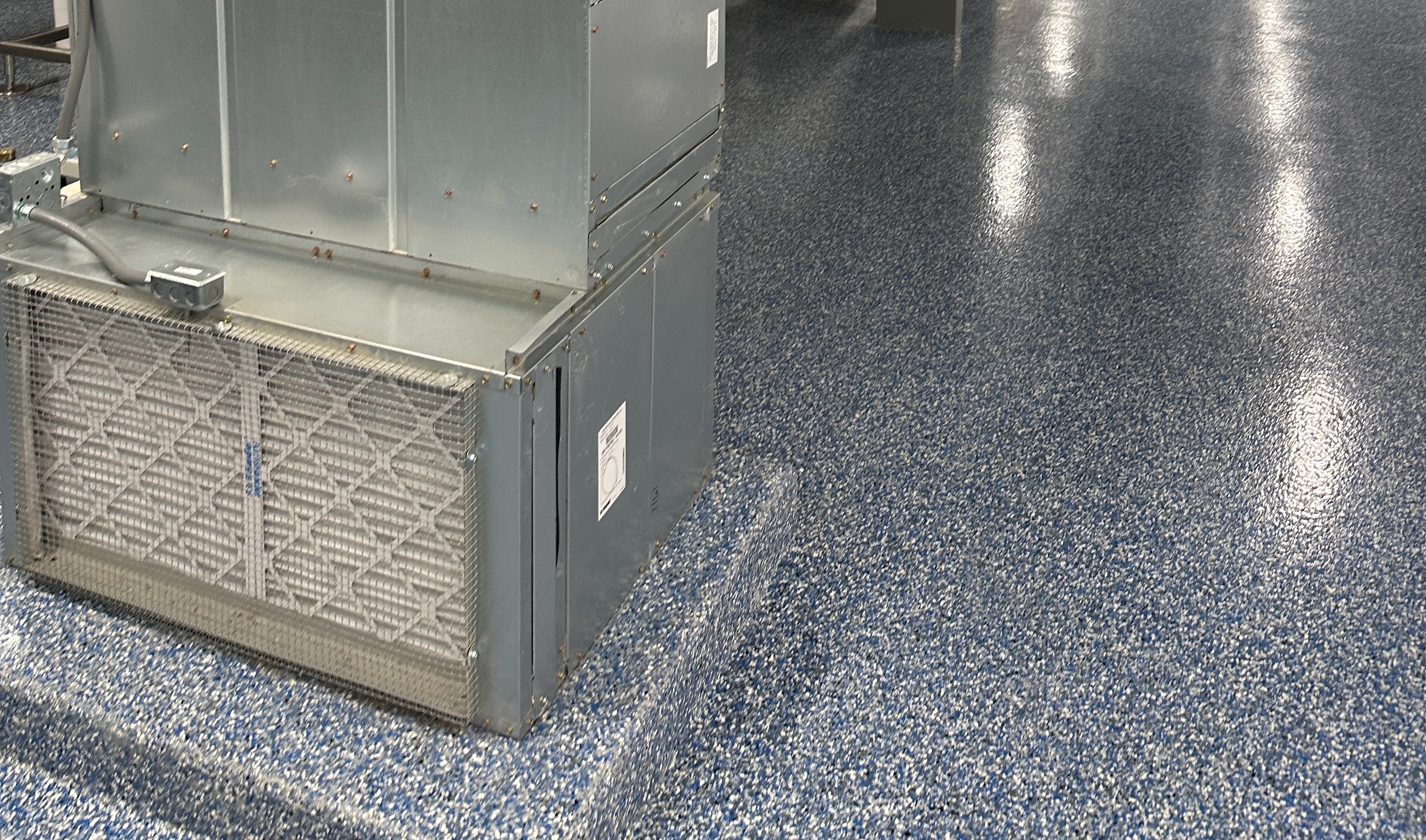
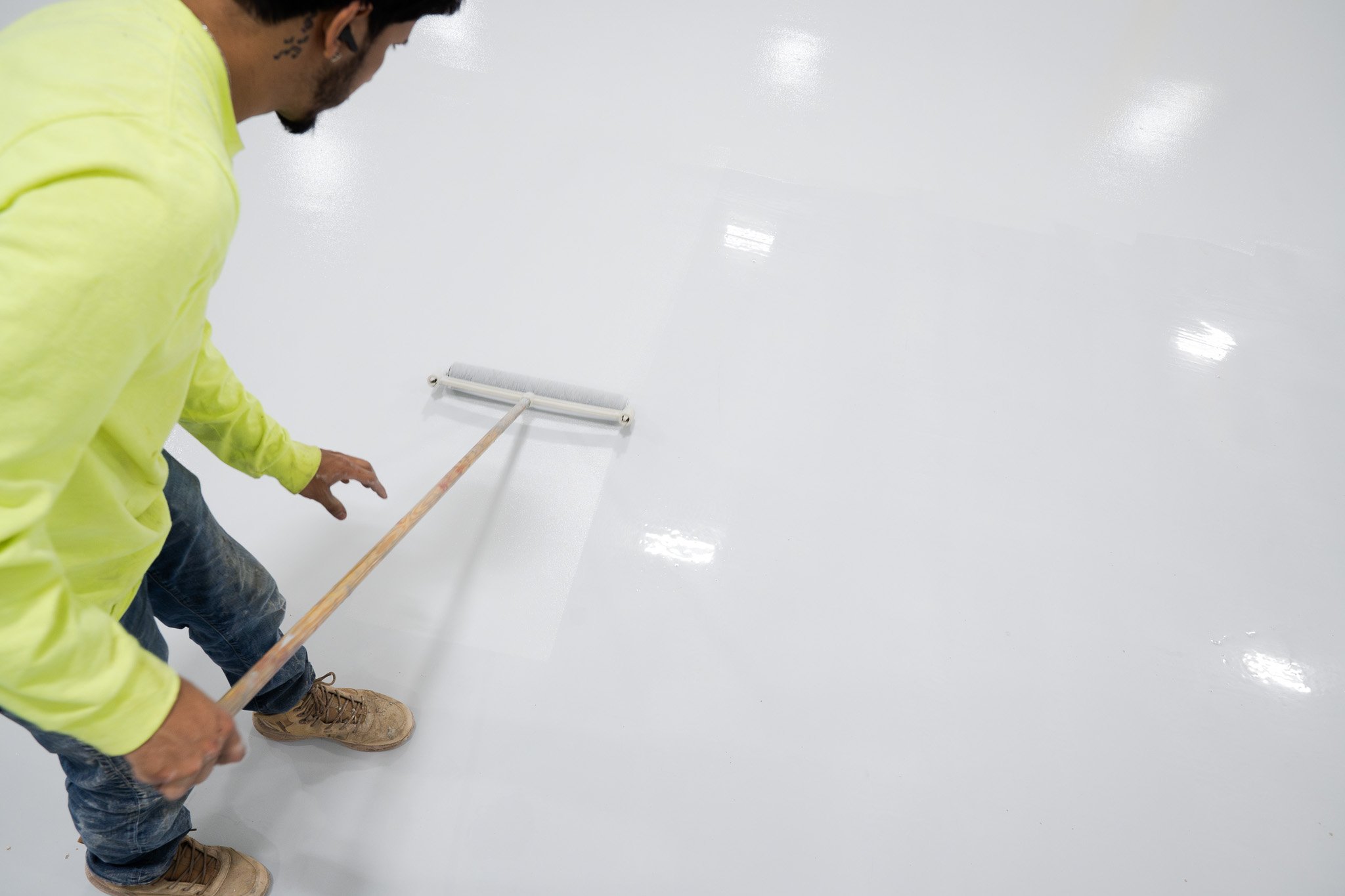
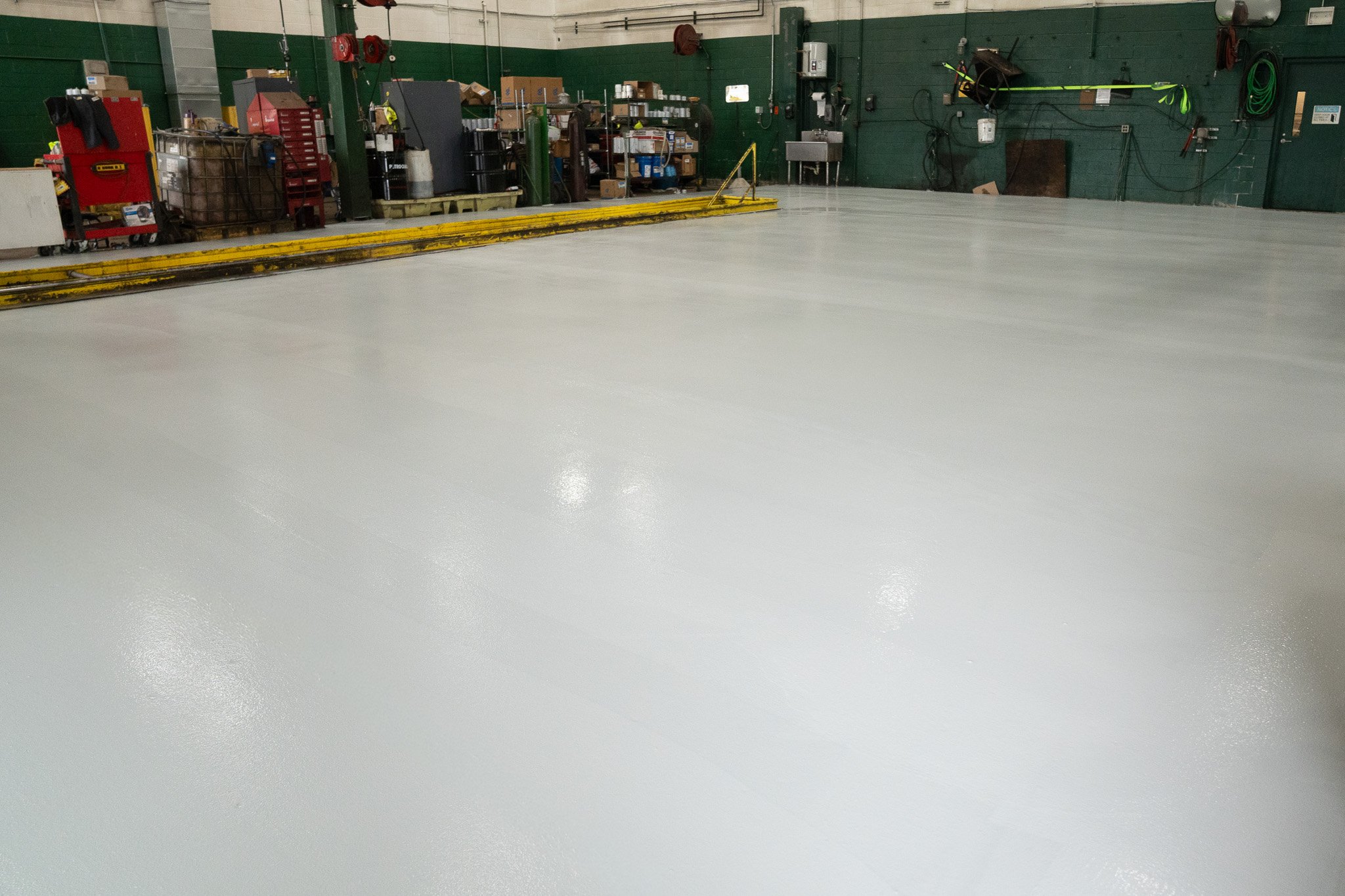
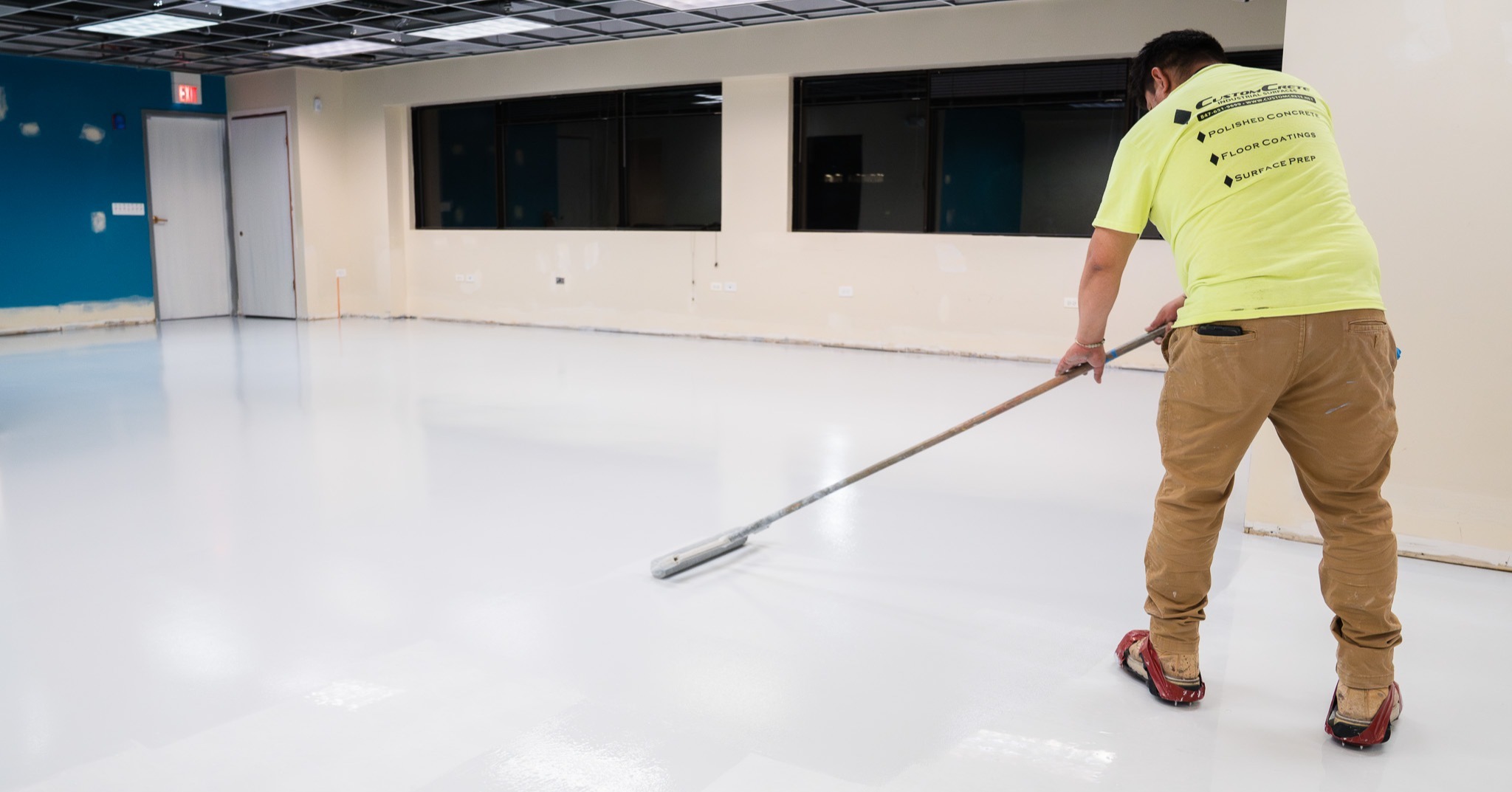
Polyaspartic is a high-performance coating commonly used as the finish coat in commercial and industrial flooring systems.
Compared to many traditional coatings, polyaspartic offers several advantages, including:
- Fast cure times
- Excellent abrasion resistance
- Strong chemical resistance
- UV stability that helps prevent yellowing
- Quick return to service
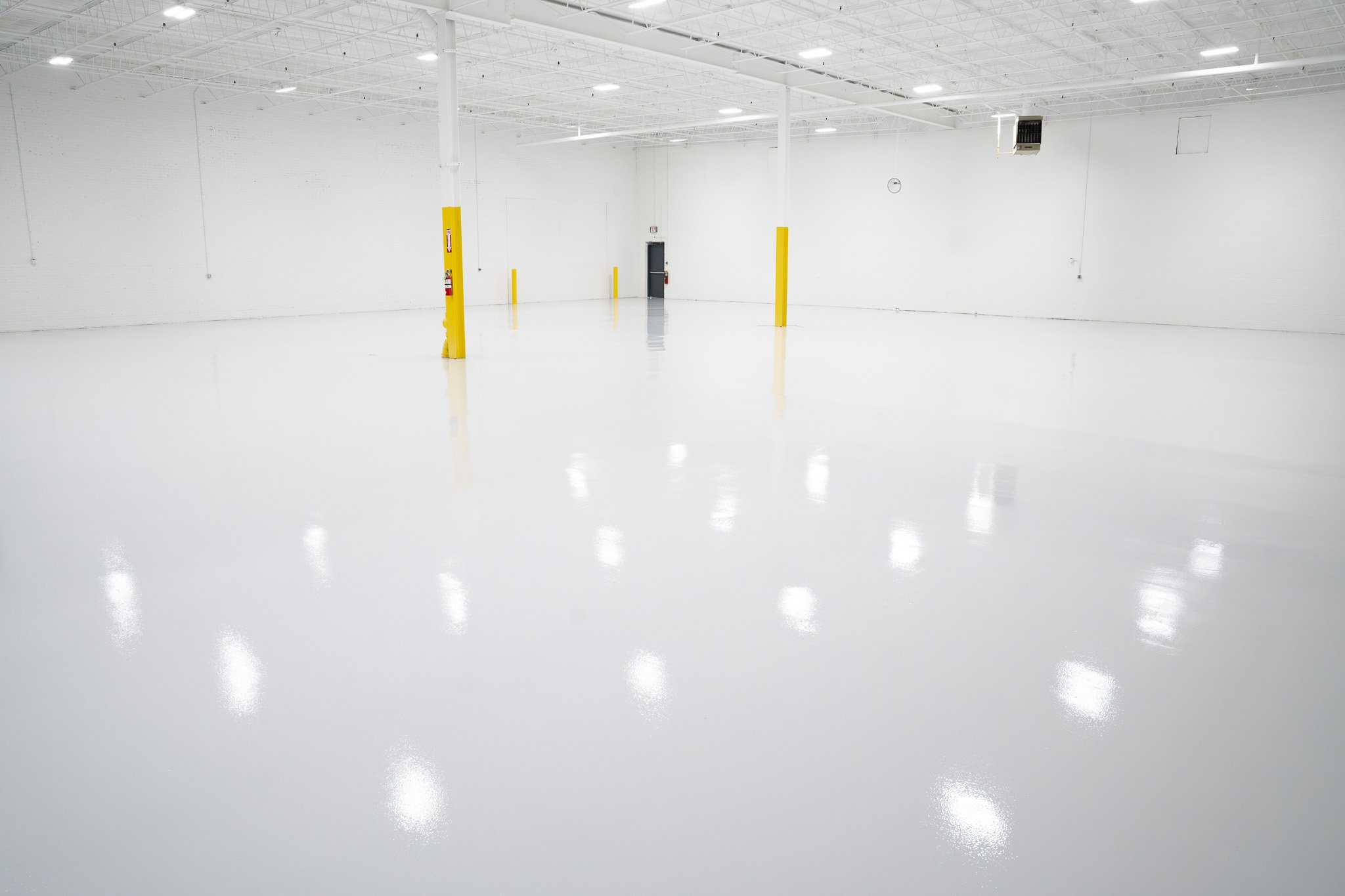
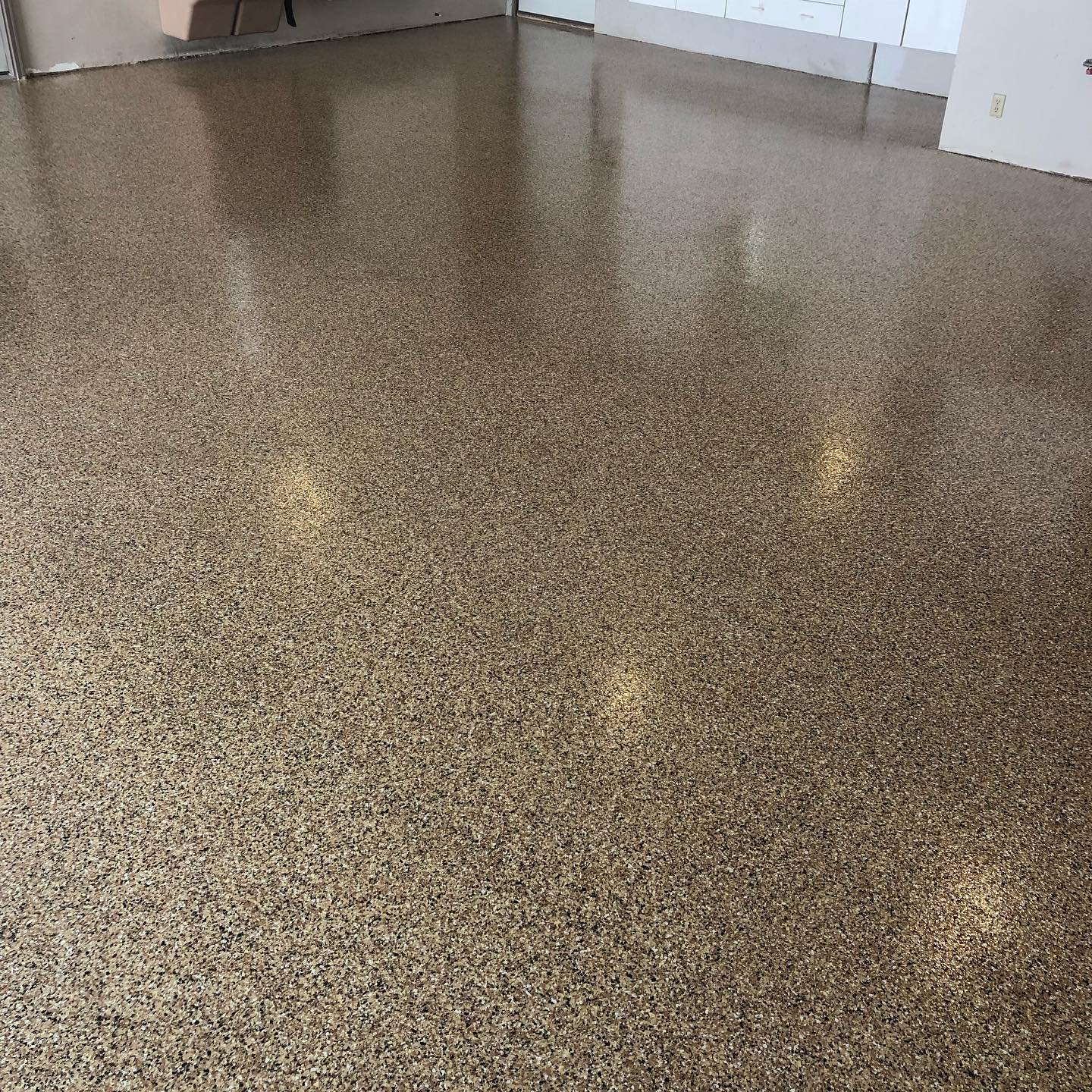
Because it cures quickly while still providing a reasonable working time for installers, polyaspartic has become a popular choice for warehouses, manufacturing facilities, commercial spaces, garages, and other environments where downtime needs to be minimized.
It is often used as the final protective layer over epoxy or other resinous flooring systems.
What Is Polyurea?
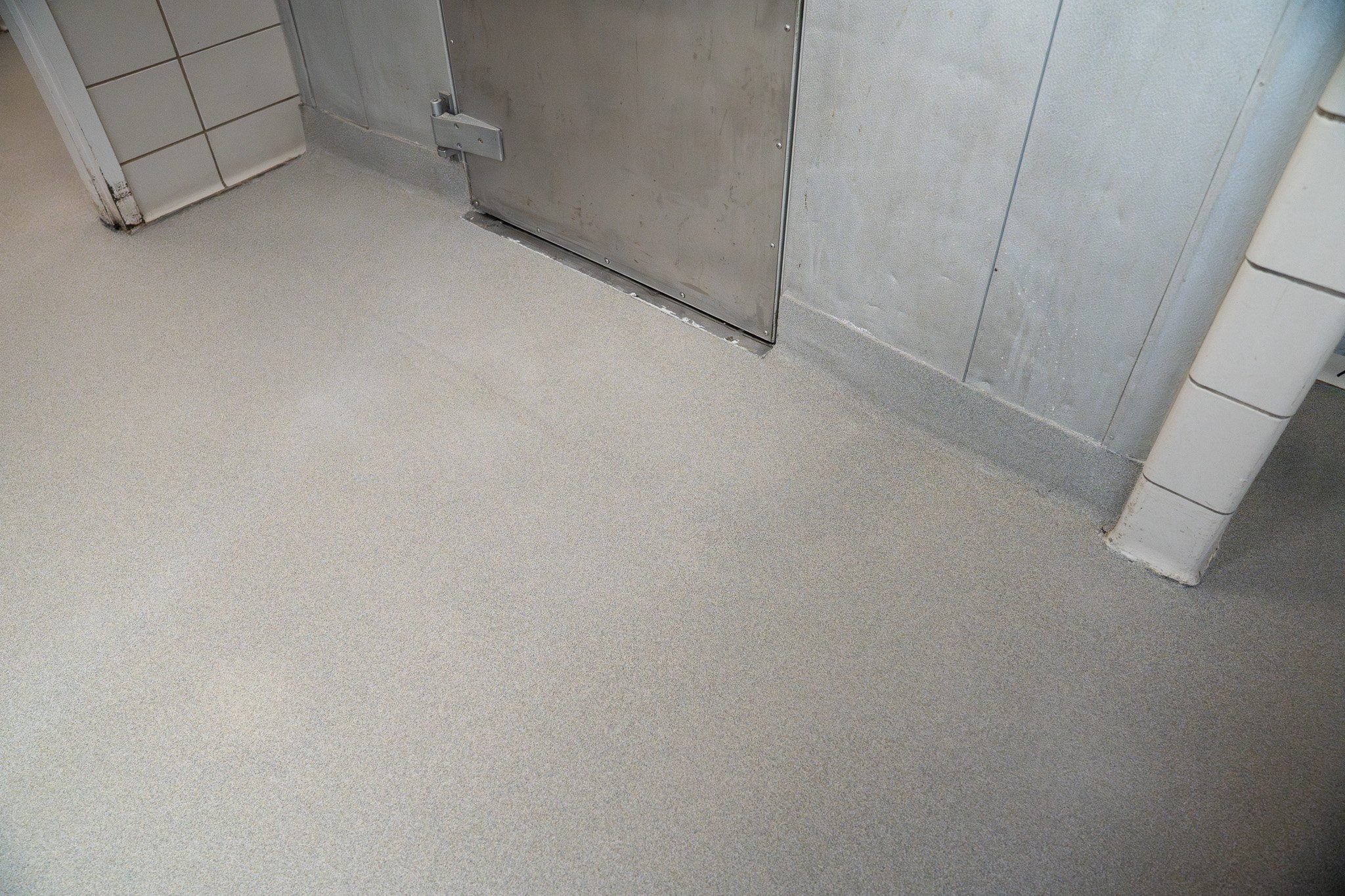
Although polyurea chemistry can be formulated into coatings, its most common use in commercial and industrial concrete flooring is as a semi-rigid joint filler.
Concrete slabs naturally expand, contract, and move over time. Control joints are installed to manage that movement, but they also need protection from heavy traffic.
Polyurea joint fillers are designed to:
- Protect joint edges from breaking under forklift traffic
- Fill control joints after concrete has cured
- Reduce damage caused by repeated wheel loads
- Cure quickly so facilities can return to service sooner
Because of its flexibility and durability, polyurea performs exceptionally well in these applications and has become the industry standard for many joint-filling projects.
Why Are Polyaspartic and Polyurea Often Confused?
The confusion comes from the chemistry.
Polyaspartic is a type of polyurea technology that was developed to provide a longer working time while maintaining many of the performance characteristics associated with polyurea.
Since both materials belong to the same chemical family, it's easy to assume they are interchangeable. However, in commercial flooring they are typically used for completely different purposes.
While some manufacturers do produce polyurea coating systems, they are far less common than polyaspartic coatings in today's industrial flooring market.
How They Work Together
Rather than choosing between polyaspartic and polyurea, many facilities benefit from using both materials in the same project.
For example, a flooring system might include:
- Polyurea joint filler to protect concrete control joints
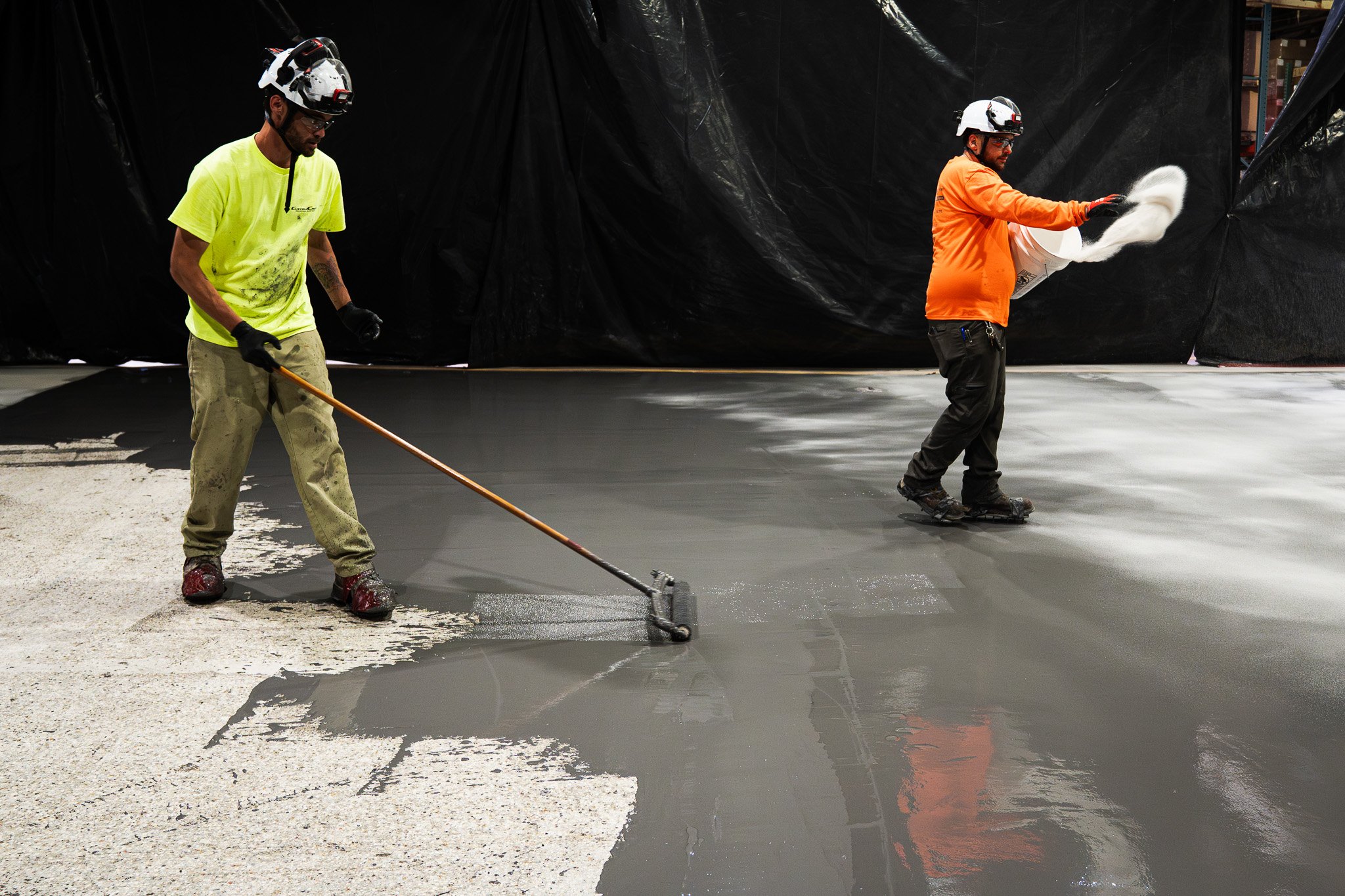
- An epoxy base coat for adhesion and build
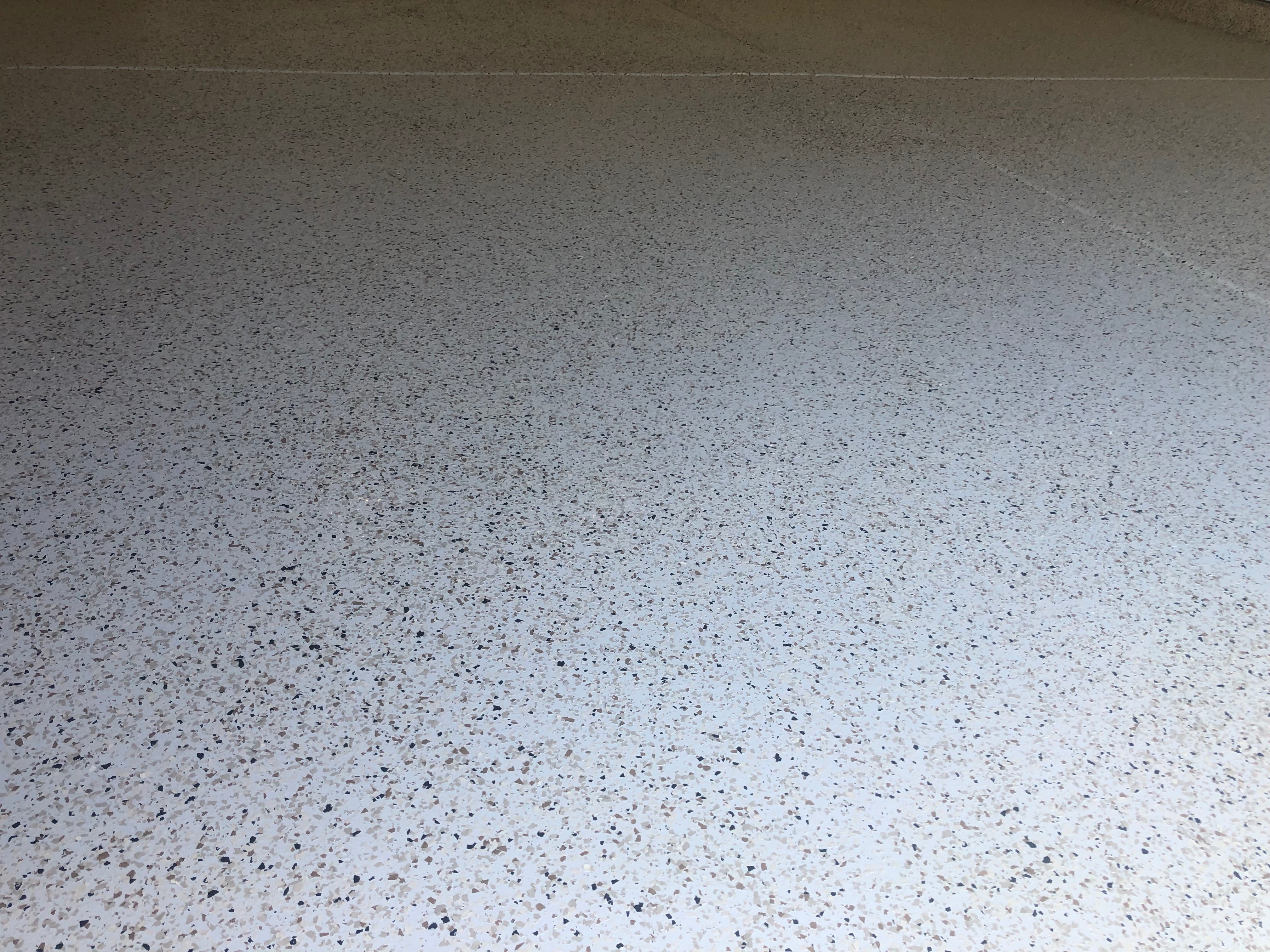
- A polyaspartic topcoat to provide long-term durability, chemical resistance, and UV stability
Each product is selected because it performs a specific job within the complete flooring system.
This is one reason experienced flooring contractors evaluate an entire facility rather than recommending a single product for every application.
Which Material Is Right for Your Facility?
The better question usually isn't "polyaspartic or polyurea?"
Instead, it's "What does each part of my flooring system need to accomplish?"
If your facility needs a durable, attractive coating with rapid return to service, a polyaspartic topcoat may be the right solution.
If your concrete control joints need protection from forklift traffic and daily wear, a polyurea joint filler is often the better choice.
Many facilities use both materials because they solve different problems.
Final Thoughts
Although they're closely related, polyaspartic and polyurea are not typically competing products in commercial and industrial flooring.
Polyaspartic is most often used as a durable, fast-curing floor coating, while polyurea is commonly used to protect concrete control joints with a semi-rigid joint filler. Understanding this distinction helps facility owners choose the right materials for the right applications rather than assuming they serve the same purpose.
If you're planning an industrial flooring project, request a quote from CustomCrete. Our team can evaluate your facility, recommend the right flooring system for your application, and help you select the materials that best support your performance, durability, and maintenance goals.

.jpg?width=2048&height=1365&name=CC108559%20(1).jpg)
.png?width=11520&height=9216&name=Untitled%20design%20(56).png)