
Key Takeaways
- Polyurethane can be applied over epoxy, but proper prep and timing are critical.
- Surface preparation—especially mechanical abrasion—is the most important step.
- Skipping recoat windows or compatibility checks can lead to peeling or failure.
Applying a new topcoat to an existing floor can seem like a simple upgrade—but when it comes to combining different materials, the details matter. A common question facility managers ask is whether it’s possible to install epoxy over polyurethane or apply polyurethane over an existing epoxy system.
The short answer is yes, polyurethane can often be applied over epoxy—but only when the right conditions are met. Compatibility, surface preparation, and timing all play a critical role in whether the system performs as intended. With nearly 20 years of experience and over 1 million square feet installed, CustomCrete has seen both successful applications and failures caused by skipping key steps.
This guide explains how epoxy and polyurethane systems work together, when they are compatible, and what best practices ensure long-term performance.

Understanding Epoxy and Polyurethane Systems
Before combining these materials, it’s important to understand how they differ.
Epoxy Coatings
Epoxy systems are known for:
- Strong adhesion to concrete
- High compressive strength
- Chemical resistance
- Seamless, durable surfaces
They are commonly used as base coats or build layers in flooring systems.
Polyurethane Topcoats
Polyurethane coatings are typically used as protective top layers because they offer:
- Better UV stability
- Increased flexibility
- Improved scratch and abrasion resistance
- Enhanced chemical resistance in certain environments
In many systems, polyurethane is applied over epoxy, not the other way around. This is why the phrase “epoxy over polyurethane” often raises questions—it’s less common and requires more caution.
Is Epoxy Over Polyurethane Possible?
While applying polyurethane over epoxy is common, installing epoxy over polyurethane is more complex and less frequently recommended.
Why It’s Challenging
Polyurethane surfaces are often more flexible and less porous than epoxy, which can make it difficult for epoxy to bond properly.
Without proper preparation, epoxy applied over polyurethane may:
- Fail to adhere
- Peel or delaminate
- Create weak bonding layers
When It May Work
Applying epoxy over polyurethane may be possible if:
- The polyurethane surface is properly abraded
- Compatibility between products is confirmed
- The system is designed for recoating
Even then, careful evaluation is required before proceeding.
Applying Polyurethane Over Epoxy (The More Common Approach)
In most cases, polyurethane is applied over epoxy to enhance performance.
This approach works well because:
- Epoxy provides a strong base layer
- Polyurethane adds flexibility and protection
- The combination improves durability and longevity
However, even this common system requires proper preparation.
Surface Preparation: The Most Critical Step
Whether applying polyurethane over epoxy or attempting epoxy over polyurethane, surface preparation is essential.
Cleaning the Surface
The floor must be free of:
- Dirt and dust
- Oils or grease
- Chemical residues
Any contamination can prevent proper bonding.
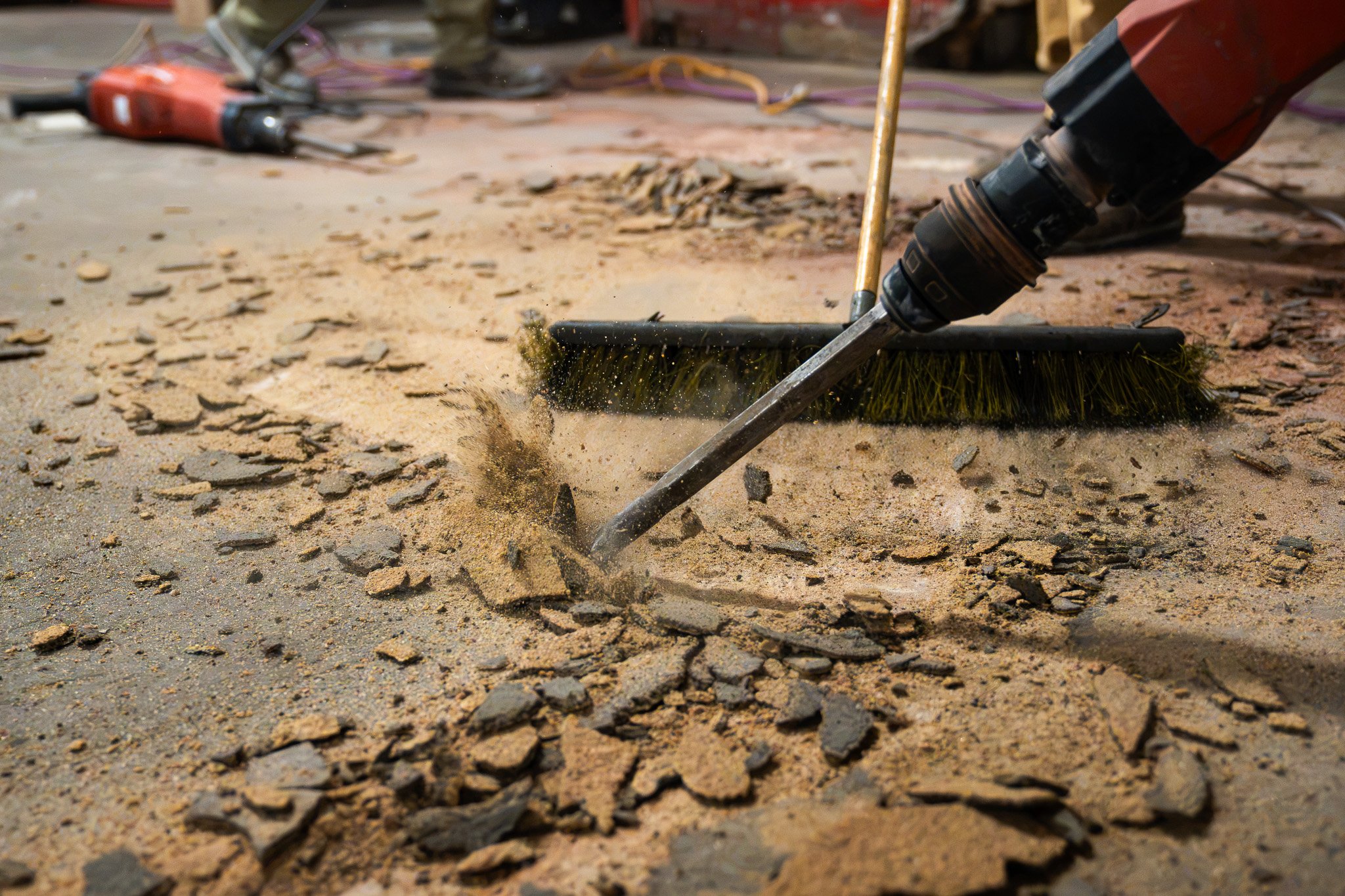
Mechanical Abrasion
Smooth surfaces must be roughened to create a profile for adhesion.
This is typically done through:
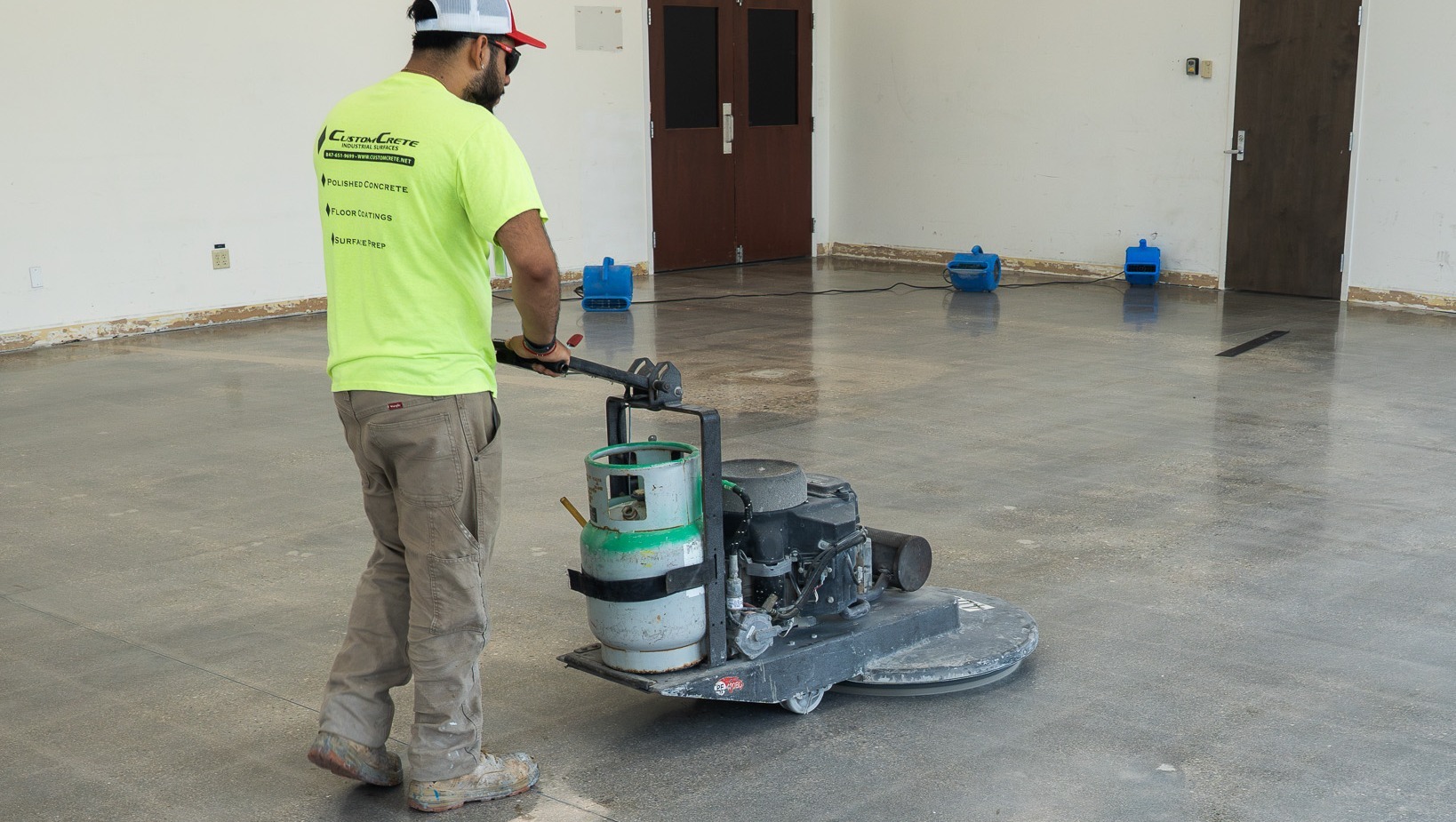
- Grinding
- Sanding
- Shot blasting
Mechanical abrasion ensures the new coating bonds to the surface rather than sitting on top of it.
Repairing Damage
Before applying a new coating, any issues in the existing floor should be addressed.
This may include:
- Filling cracks
- Repairing joints
- Fixing delaminated areas
Skipping repairs can lead to failure in the new system.
Recoat Windows and Timing
Timing plays a major role in coating compatibility.
What Is a Recoat Window?
A recoat window is the period during which a new layer can be applied without additional preparation.
- Within the window: Coatings can bond chemically
- Outside the window: Mechanical preparation is required
If the recoat window is missed, the surface must be abraded before applying a new coating.
Why Timing Matters
Applying coatings outside the proper window without preparation can lead to:
- Poor adhesion
- Peeling or bubbling
- Reduced system lifespan
Understanding recoat timing is critical when working with both epoxy and polyurethane systems.
Compatibility Considerations
Not all products are designed to work together.
Before applying epoxy over polyurethane or polyurethane over epoxy, it’s important to:
- Check manufacturer guidelines
- Confirm chemical compatibility
- Understand system requirements
Using incompatible products can lead to failure, even if preparation is done correctly.
Best Practices for Success
To ensure a successful application, follow these best practices:
- Always evaluate the existing floor condition
- Perform proper mechanical surface preparation
- Follow manufacturer recommendations
- Respect recoat windows and timing
- Test compatibility before full application
These steps help reduce risk and improve long-term performance.
Common Mistakes to Avoid
When combining coating systems, avoid:
- Skipping surface preparation
- Applying coatings over contaminated surfaces
- Ignoring recoat windows
- Assuming all systems are compatible
- Choosing materials based on cost alone
Avoiding these mistakes can prevent costly repairs later.
FAQ: Epoxy and Polyurethane Compatibility
Can polyurethane be applied over epoxy?
Yes, this is a common and effective system when proper preparation is followed.
Can epoxy be applied over polyurethane?
It is possible in some cases, but requires careful preparation and compatibility checks.
Do I always need to grind before recoating?
If the recoat window has passed, mechanical abrasion is typically required.
Final Thoughts
Combining epoxy and urethane systems can improve floor performance—but only when done correctly. While applying polyurethane over epoxy is common, installing epoxy over polyurethane requires careful evaluation, preparation, and product compatibility.
Understanding how these systems interact, along with proper surface preparation and timing, helps ensure long-term success and avoids premature failure.
If you’re considering upgrading or recoating your floor, the next step is evaluating your existing system and determining the best approach. Request a quote with CustomCrete to get expert guidance tailored to your facility.

Topics:
.jpg?width=2048&height=1365&name=CC108559%20(1).jpg)
.jpeg?width=1638&height=1020&name=CC109349%20(1).jpeg)
.png?width=11520&height=9216&name=Untitled%20design%20(56).png)