
The epoxy garage floor cost depends on more than the size of your garage. Concrete condition, repairs, surface preparation, the coating system, decorative flakes, topcoats, and other customization options can all change the final price.
That means two garages with the same square footage may have very different project costs.
With nearly 20 years of concrete flooring experience and over 1 million square feet installed, CustomCrete has seen how much existing concrete conditions can change the scope of a coating project. Here’s what homeowners should know before comparing epoxy garage floor quotes.
Key Takeaways
- Garage size matters, but concrete condition and preparation can have a major impact on price.
- More layers, decorative finishes, and specialized topcoats generally increase material and labor costs.
- A lower-priced quote isn't necessarily a better value if important preparation or repairs aren't included.

How Does Garage Size Affect Epoxy Flooring Cost?
Square footage is one of the first factors used to estimate an epoxy garage floor. A larger garage requires more coating material and typically more labor to prepare and install.
However, price doesn't always increase at exactly the same rate as square footage. Contractors have certain fixed project costs, including transporting equipment, setting up the work area, and mobilizing a crew. As a result, a small one-car garage may have a higher cost per square foot than a larger open garage.
When comparing quotes, make sure each contractor is measuring the same areas. Stairs, stem walls, storage areas, or other concrete surfaces may or may not be included in the quoted square footage.
What Condition Is the Existing Concrete In?
Concrete condition is one of the biggest reasons the epoxy garage floor cost can vary.
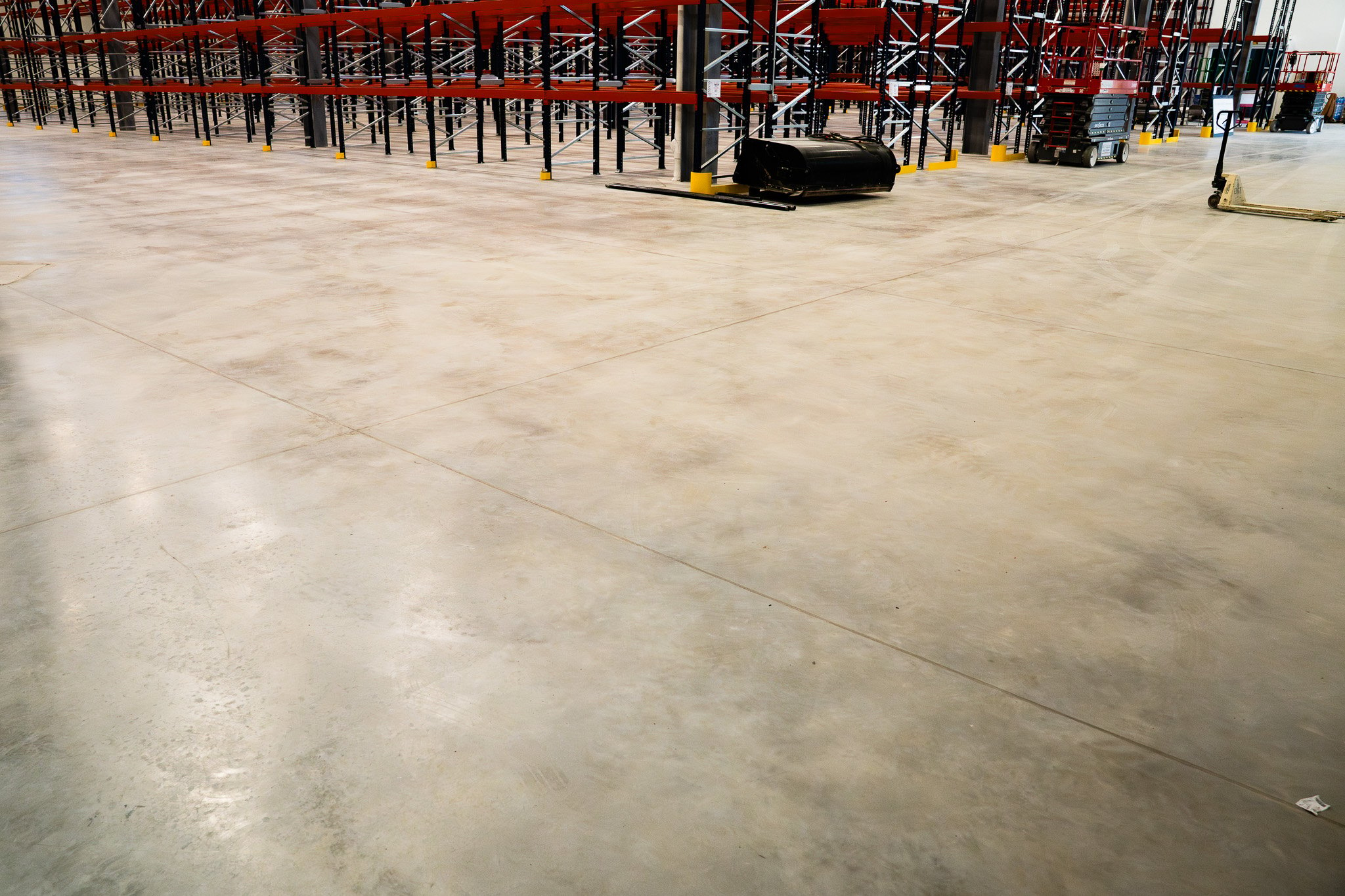
A relatively new slab with minimal damage may require straightforward surface preparation. An older garage could have cracks, spalling, pitting, previous coatings, oil contamination, or failed repairs that need attention first.
Coating over these problems without properly addressing them doesn't make them disappear. Damaged areas may need to be patched or repaired before the coating system can be installed.
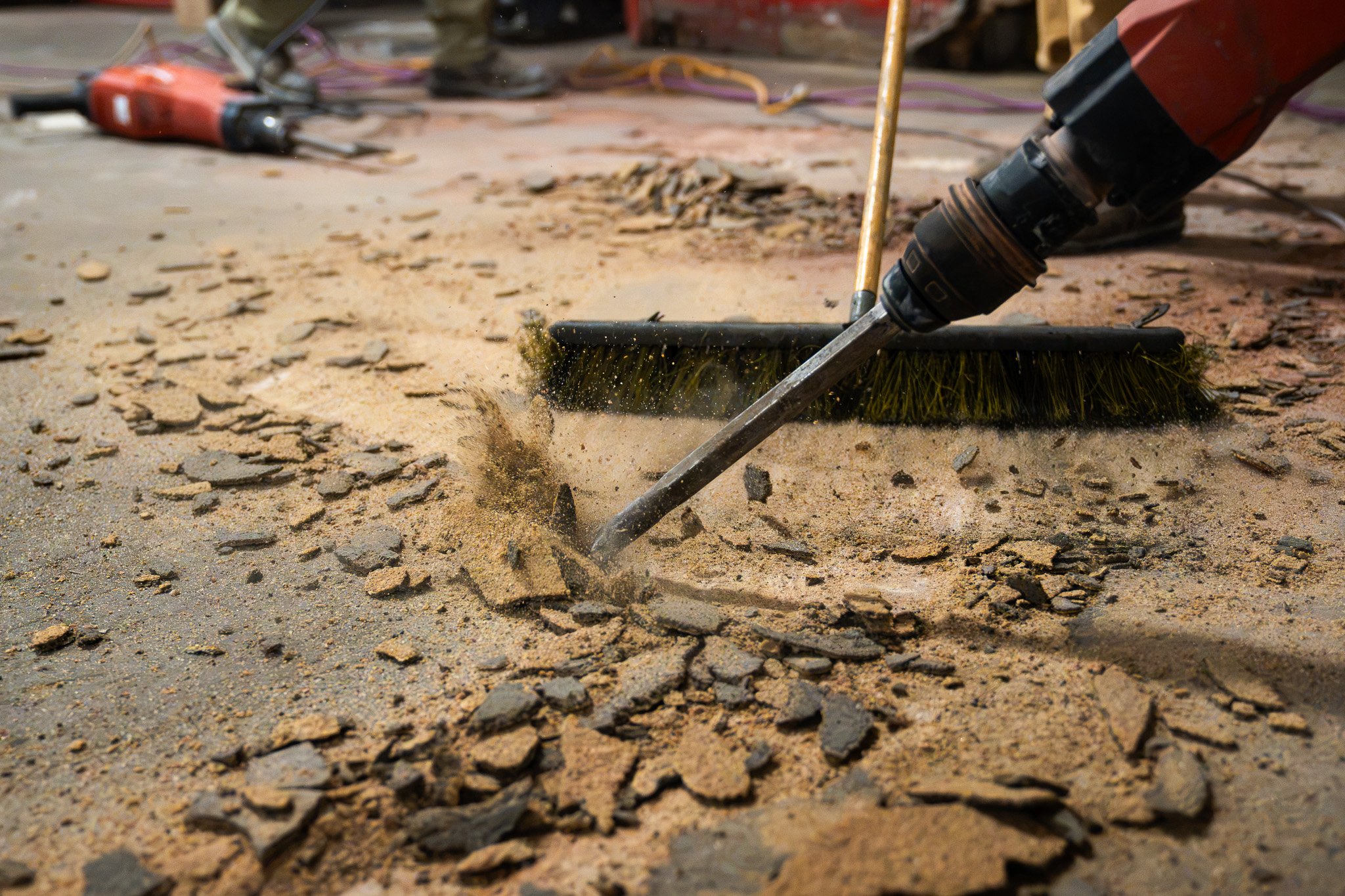
Existing paint or coatings can also increase the project scope because they may need to be mechanically removed before the new system is applied.
How Does Surface Preparation Affect the Price?
A garage floor coating needs to bond to the concrete below it. That makes surface preparation a critical part of installation.
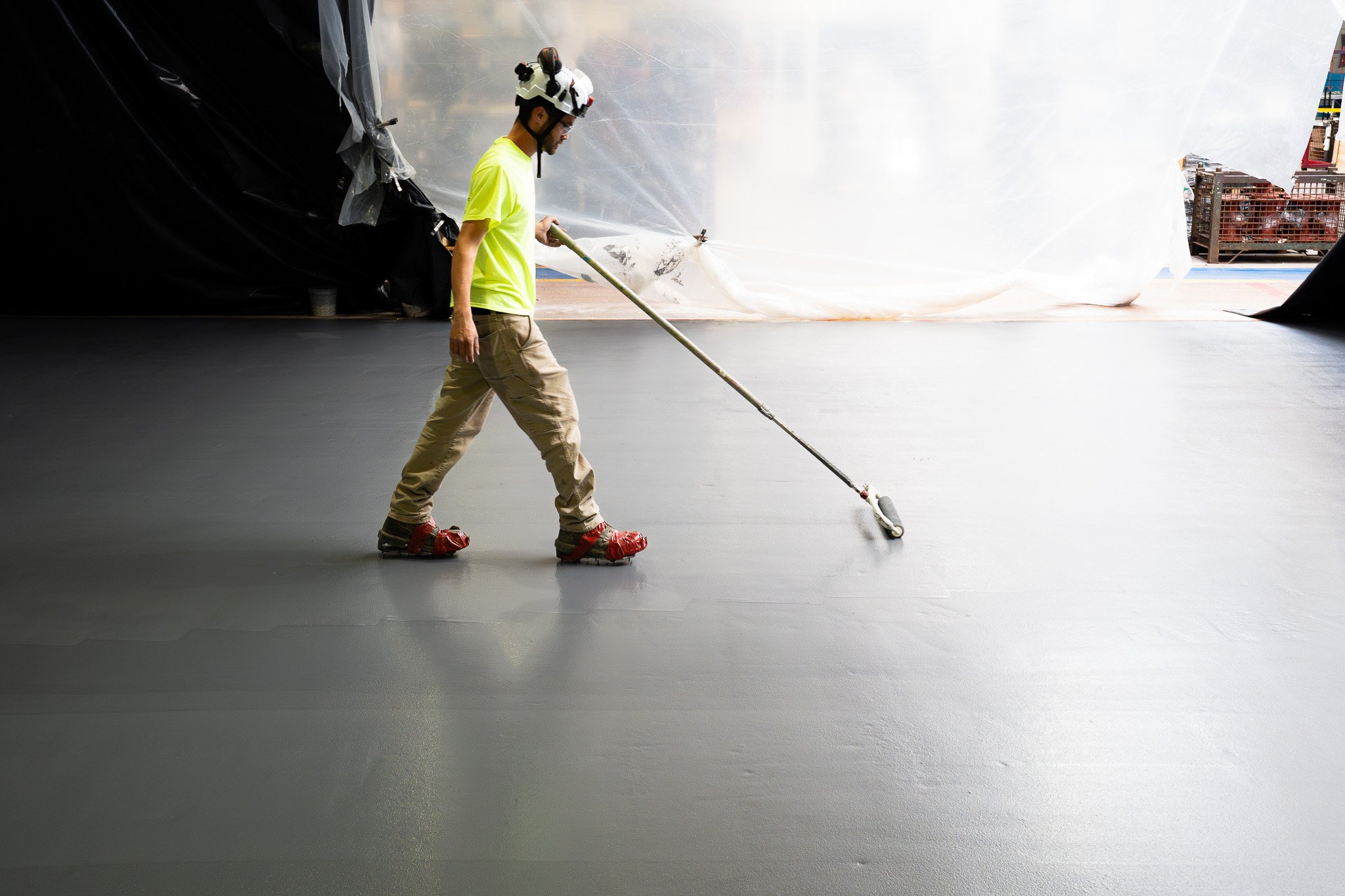
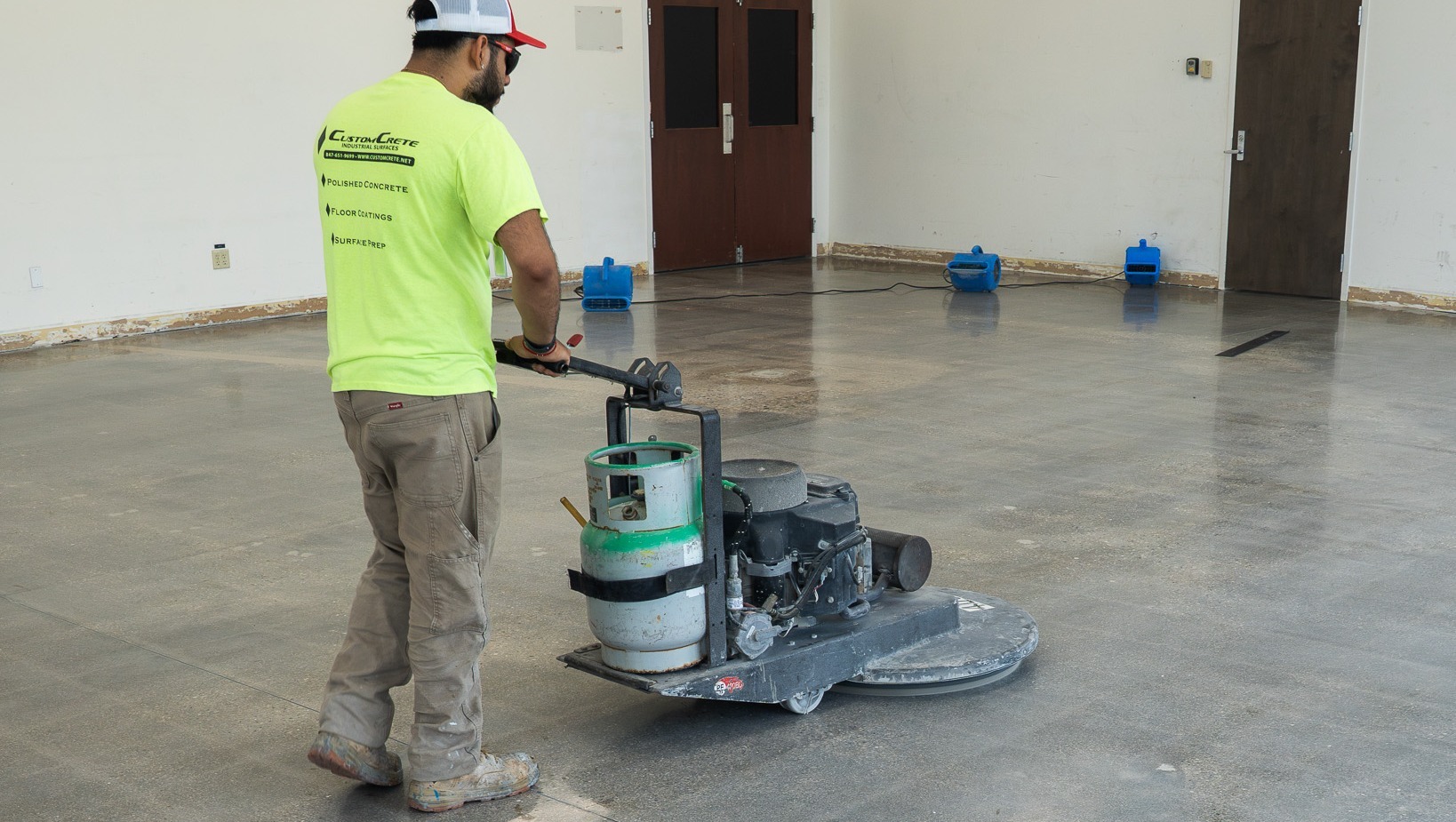
Professional coating projects commonly use mechanical preparation, such as diamond grinding, to remove weak surface material and create the profile needed for the coating system. Dust-control equipment is typically used alongside the grinder.
Preparation takes equipment, labor, and time, which are reflected in the project cost. However, reducing preparation to lower the initial price can increase the risk of adhesion problems later.
When reviewing a quote, ask how the concrete will be prepared rather than focusing only on which coating will be applied.
Does the Type of Garage Floor Coating Change the Cost?
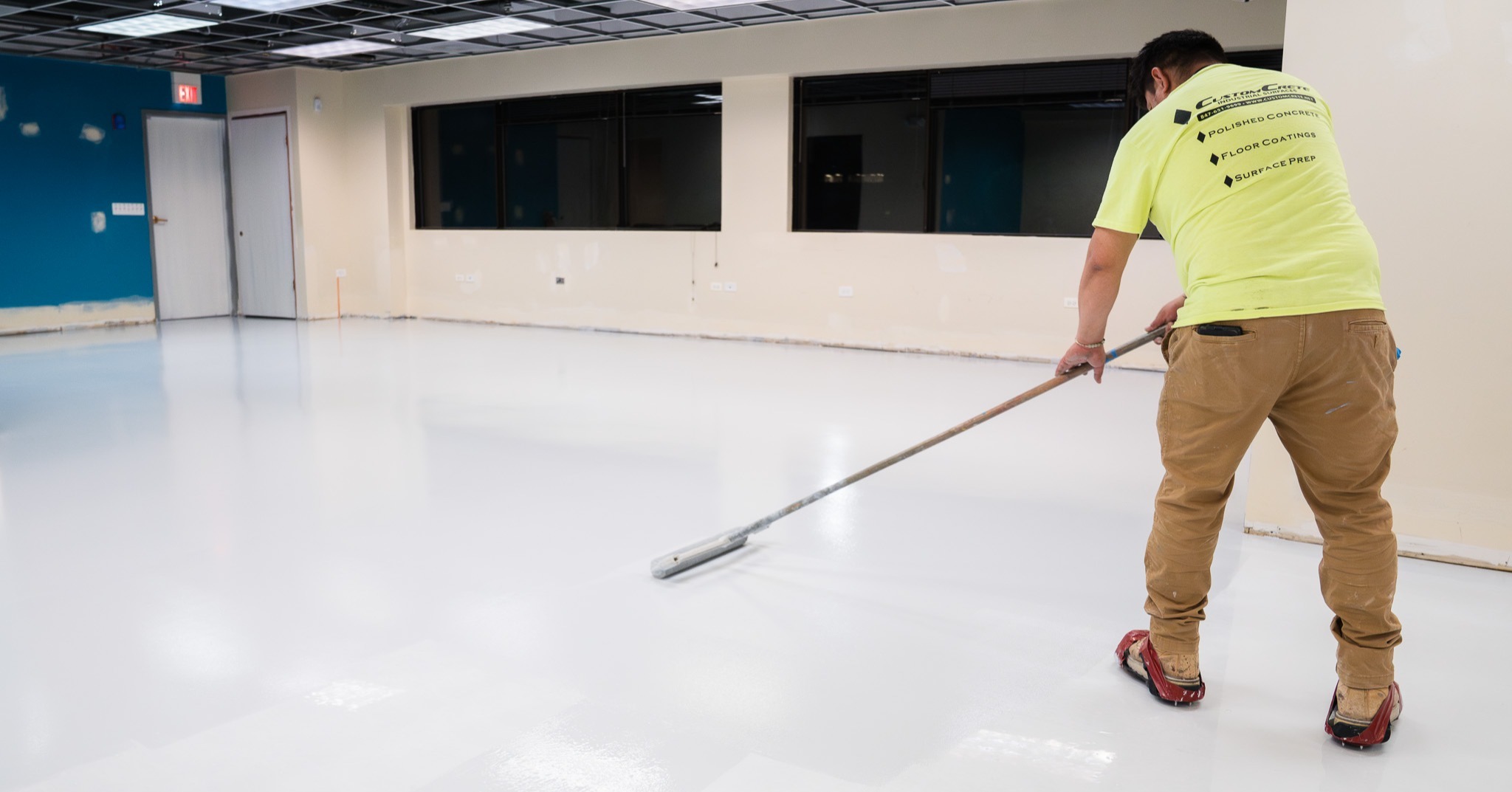
Yes. "Epoxy garage floor" is often used as a general term, but garage flooring systems can use different combinations of epoxy, polyaspartic, and other resinous materials.
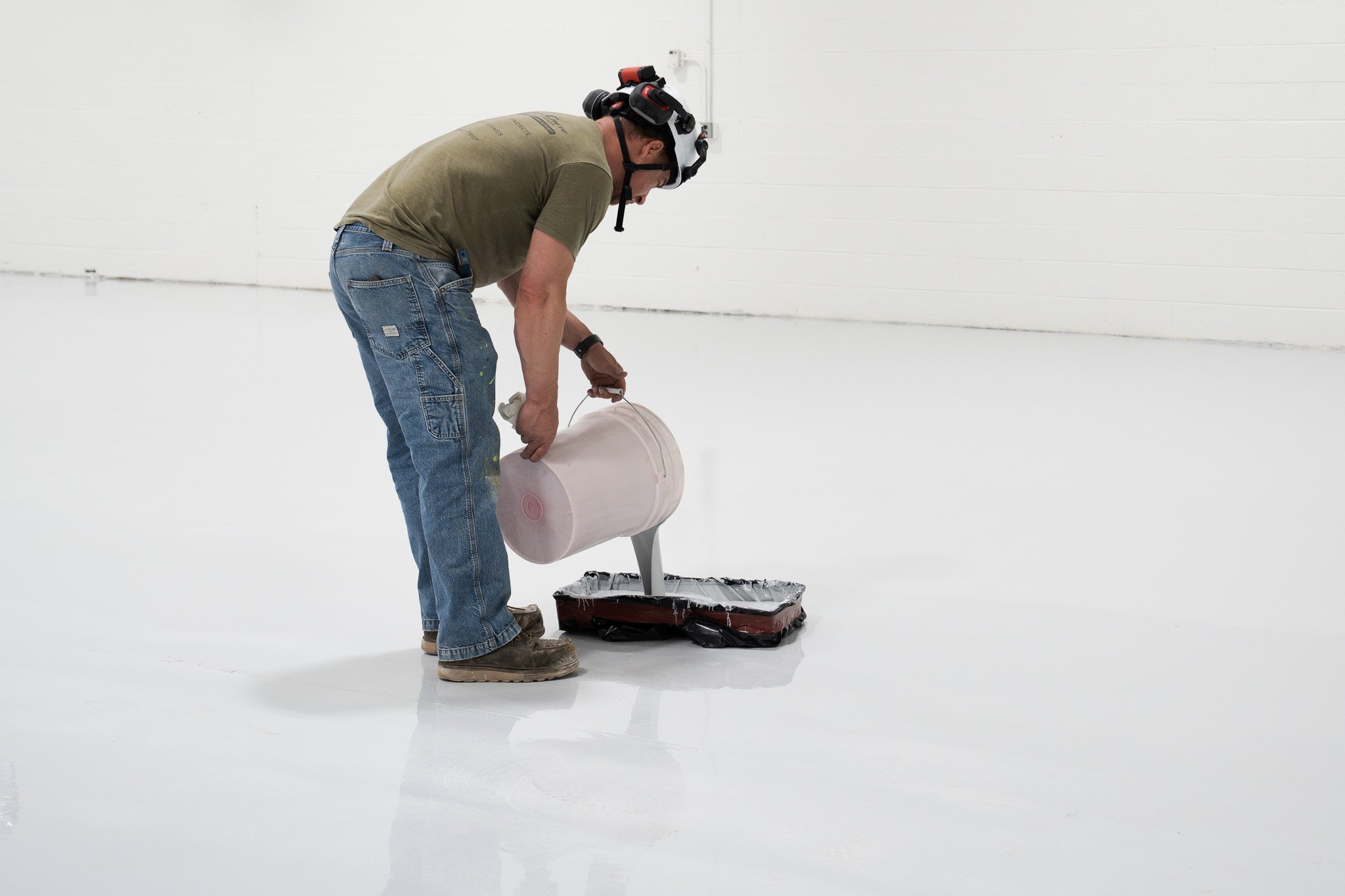
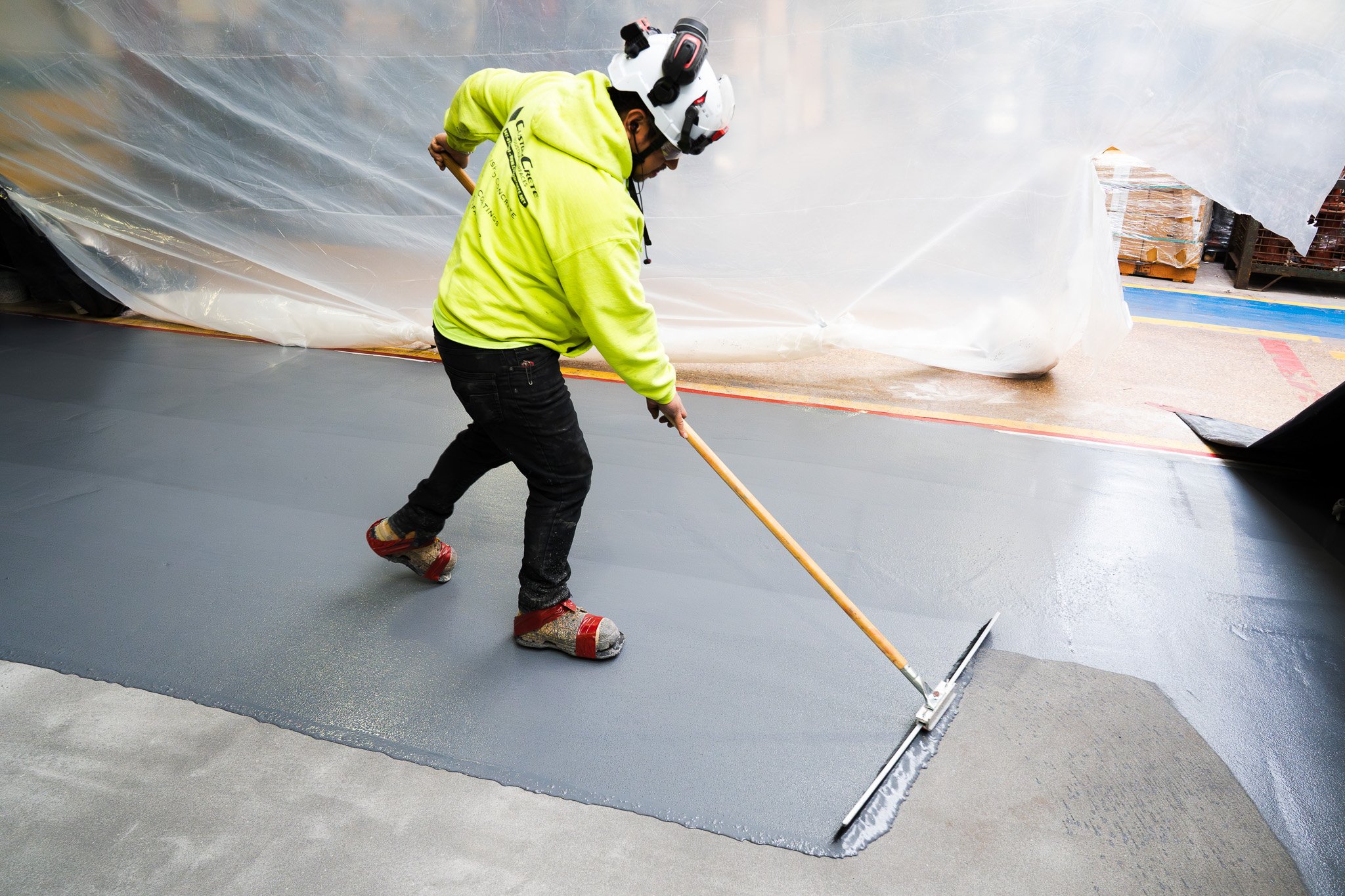
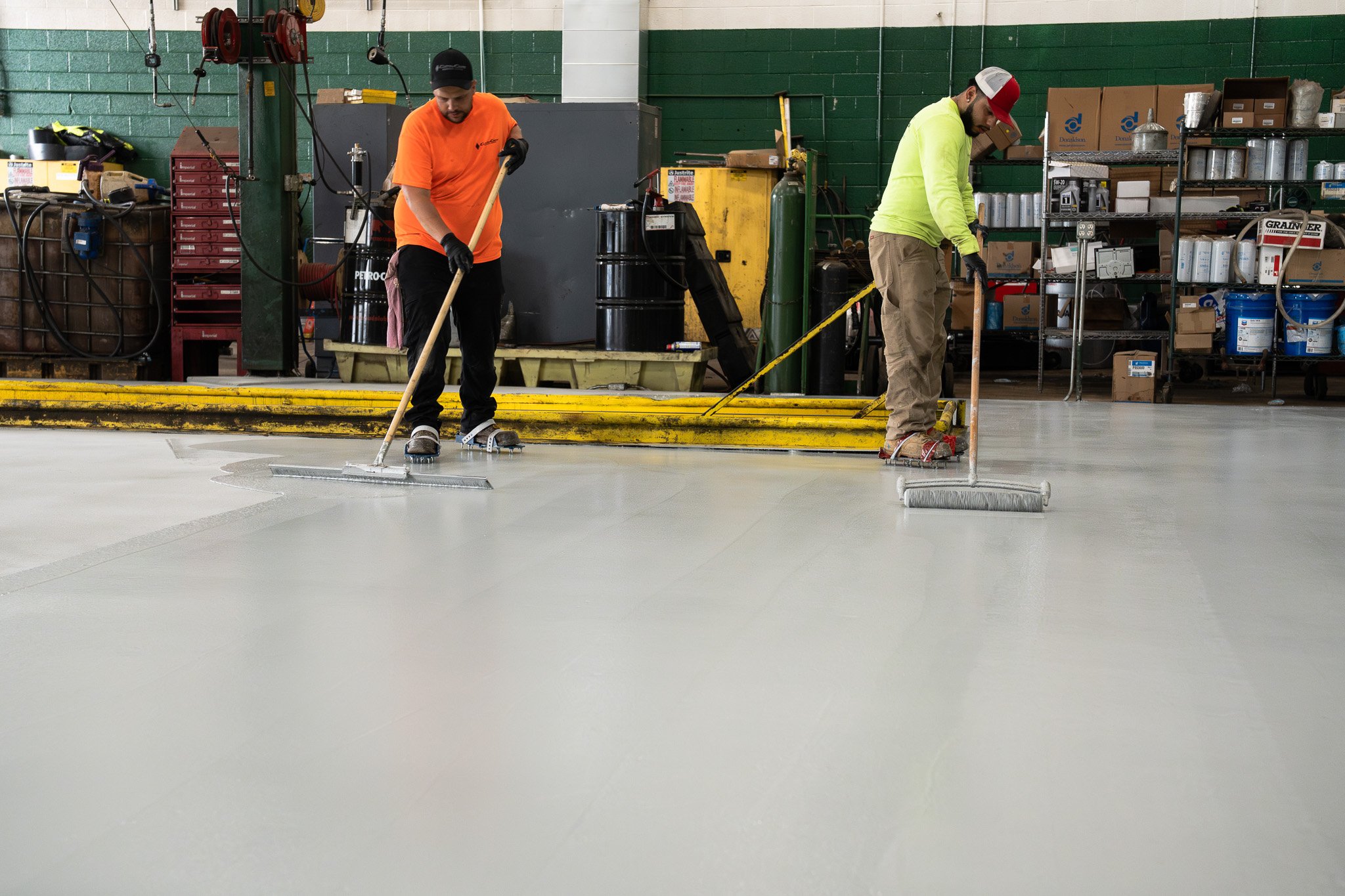
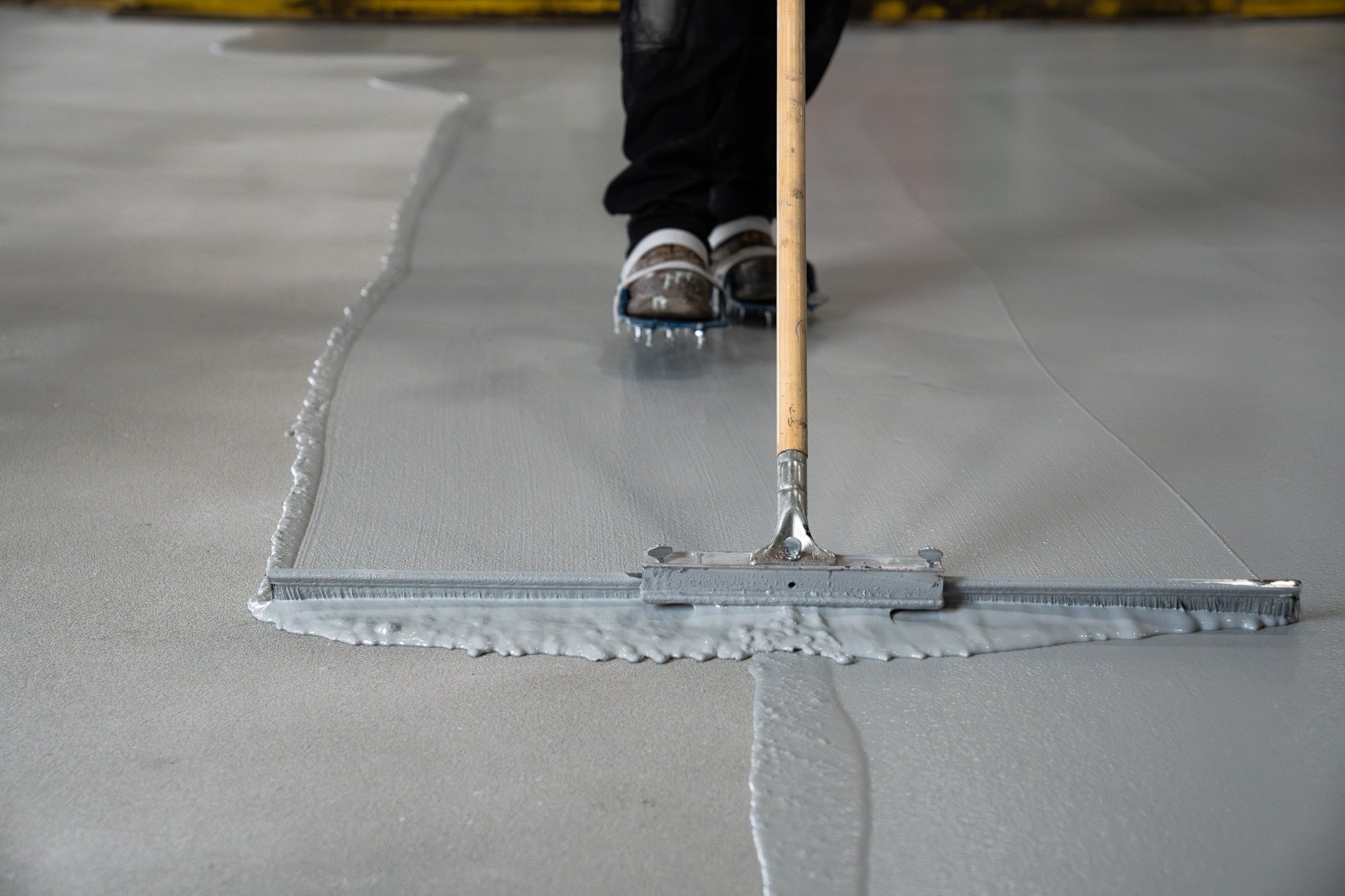
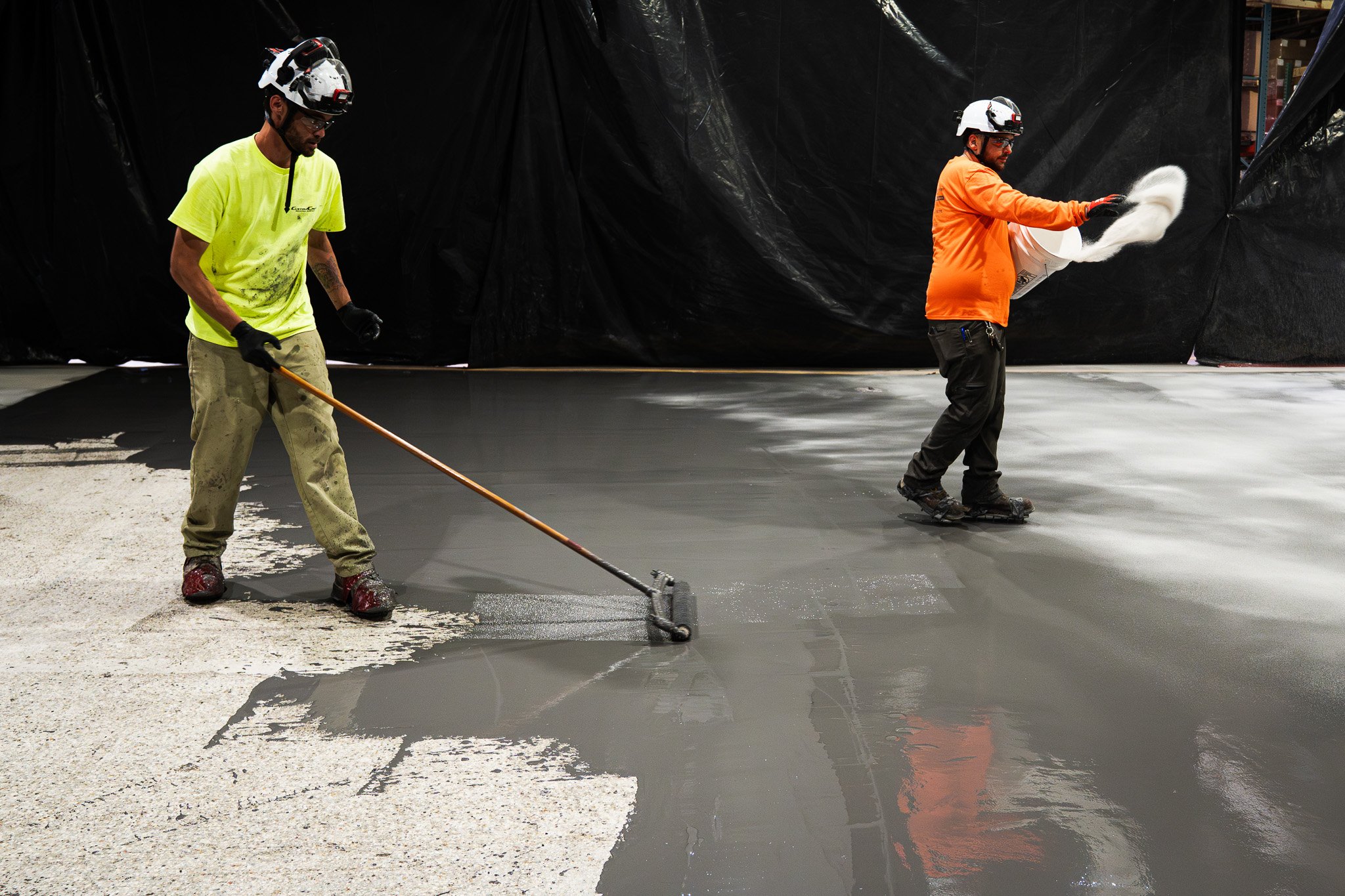
The number and type of layers also matter. A basic coating system may require fewer materials and installation steps than a multi-layer system containing a primer or base coat, decorative broadcast, and protective topcoat.
Each additional layer requires material and labor and may introduce another cure or recoat period. However, additional layers should serve a purpose rather than simply making the system sound more substantial.
The best system depends on the garage's condition, expected traffic, sunlight exposure, desired appearance, and maintenance expectations.
How Much Do Decorative Flakes and Topcoats Affect Pricing?
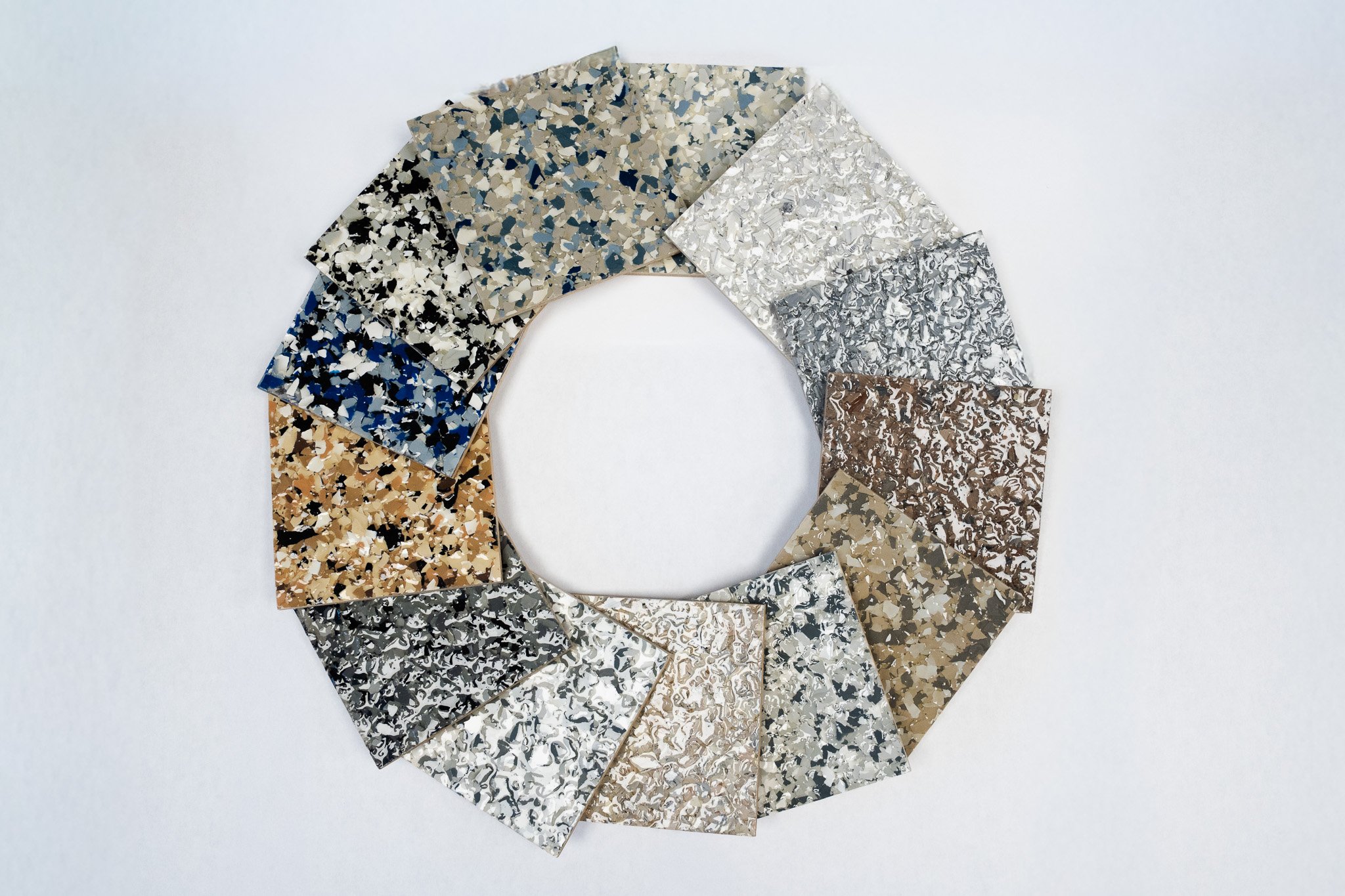
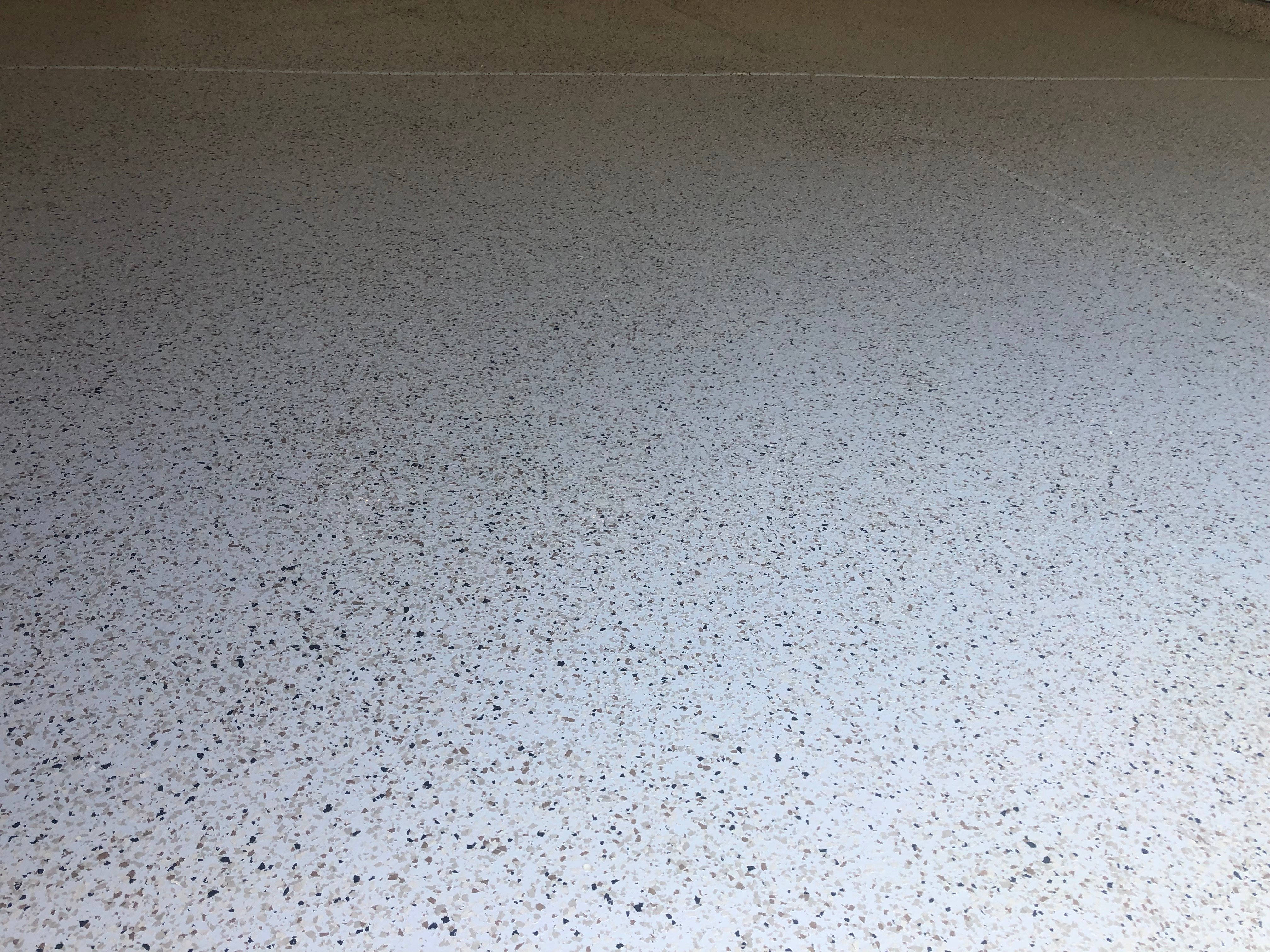
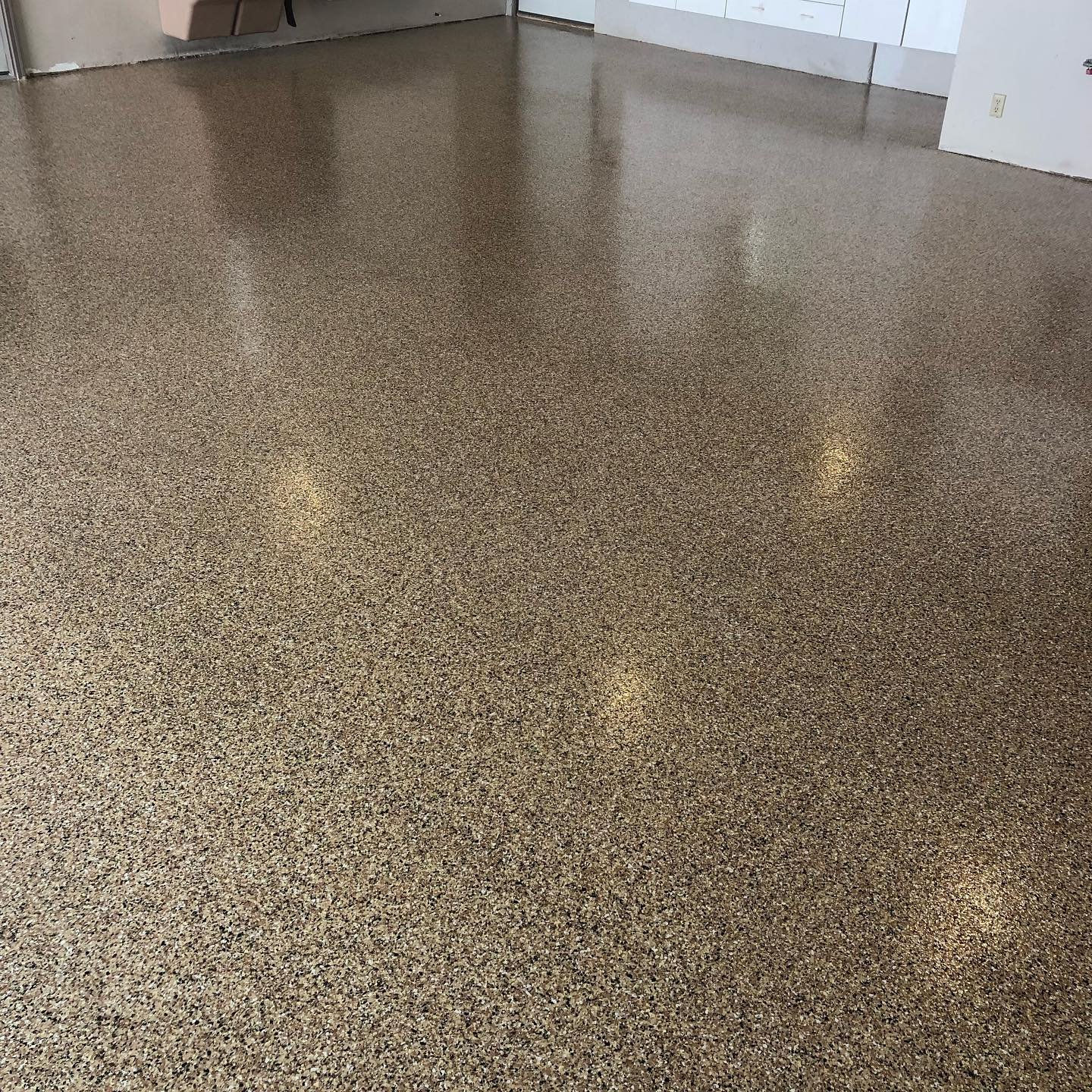
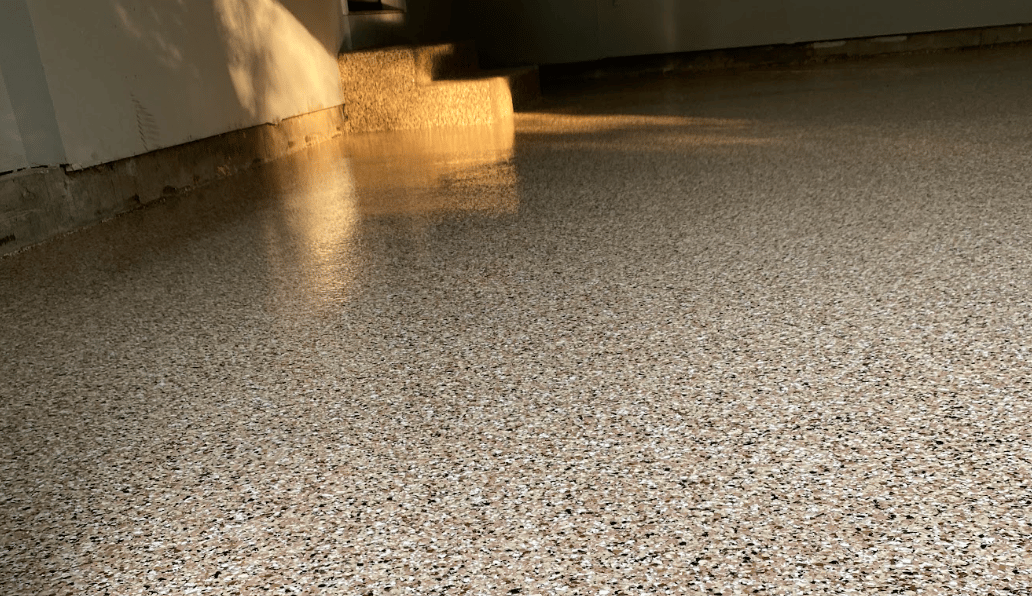
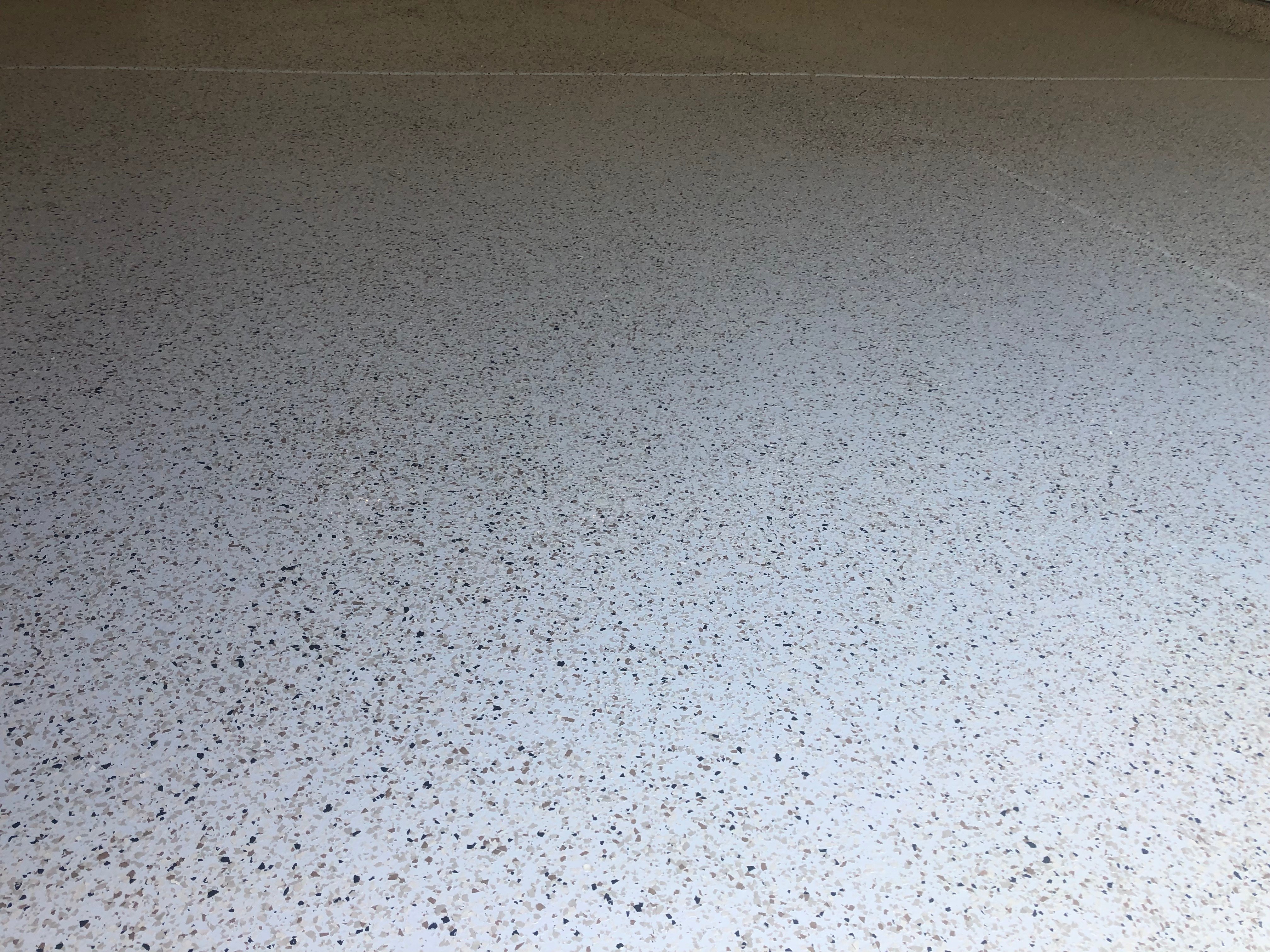
Decorative flakes are a popular garage flooring option because they can add color, texture, and visual variation to the finished floor. Flakes may be applied lightly or broadcast more heavily depending on the desired system and appearance.
The amount of flake and installation method can affect material and labor requirements.
A protective topcoat is another consideration. Different topcoat materials offer different levels of abrasion, chemical, stain, and UV resistance. For garages exposed to sunlight through open doors or windows, UV stability may be an important part of material selection.
Color combinations, texture, slip resistance, coating around steps or vertical surfaces, and other custom details can also influence the final price.
Why Can Two Epoxy Garage Floor Quotes Be So Different?
If you receive two very different quotes for the same garage, compare what is actually included before assuming one contractor is simply charging more.
One quote might include mechanical grinding, crack repair, a full flake broadcast, and a protective topcoat. Another may include fewer preparation steps, fewer coating layers, or different materials.
You should also ask how repairs are handled, what products will be installed, how many layers are included, and when the garage can return to normal use.
A detailed scope makes it easier to compare the actual systems rather than comparing only the final dollar amounts.
Final Thoughts
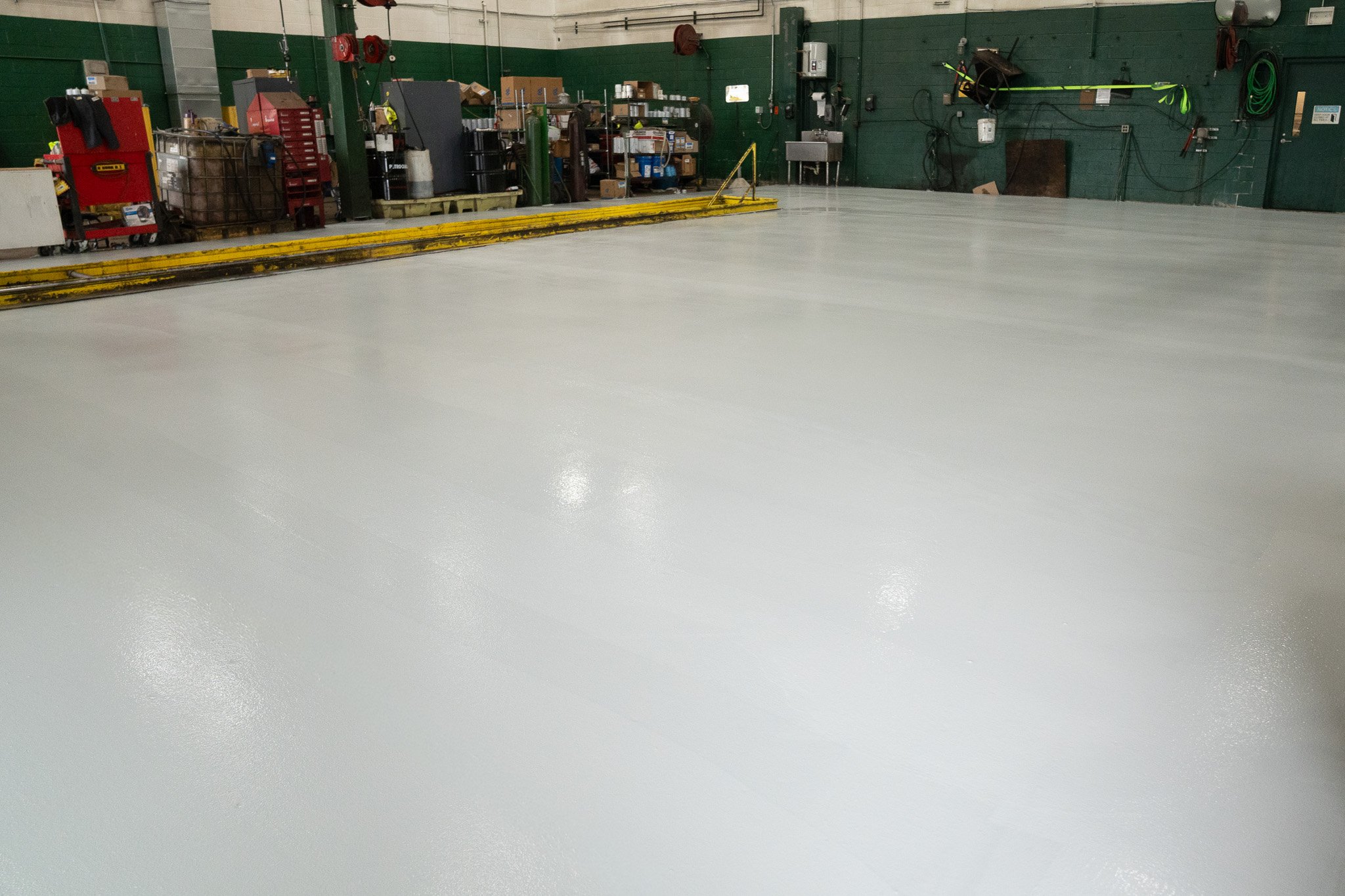
There isn't one epoxy garage floor cost that applies to every home. Square footage establishes the size of the project, but the existing concrete often determines how much work needs to happen before coating begins.
Repairs, grinding, coating materials, number of layers, decorative flakes, topcoats, texture, and other customization choices can all increase or decrease the final investment.
Before choosing a contractor based on price alone, make sure you understand what preparation, materials, repairs, and finish are included. That will give you a much more useful comparison of what you're actually paying for.
If you're considering a coating for your garage, request a quote from CustomCrete to have your space and concrete condition evaluated and receive pricing based on the specific scope of your project.

Topics:

.jpg?width=2048&height=1365&name=CC108559%20(1).jpg)
.jpeg?width=1638&height=1020&name=CC109349%20(1).jpeg)
.png?width=11520&height=9216&name=Untitled%20design%20(56).png)