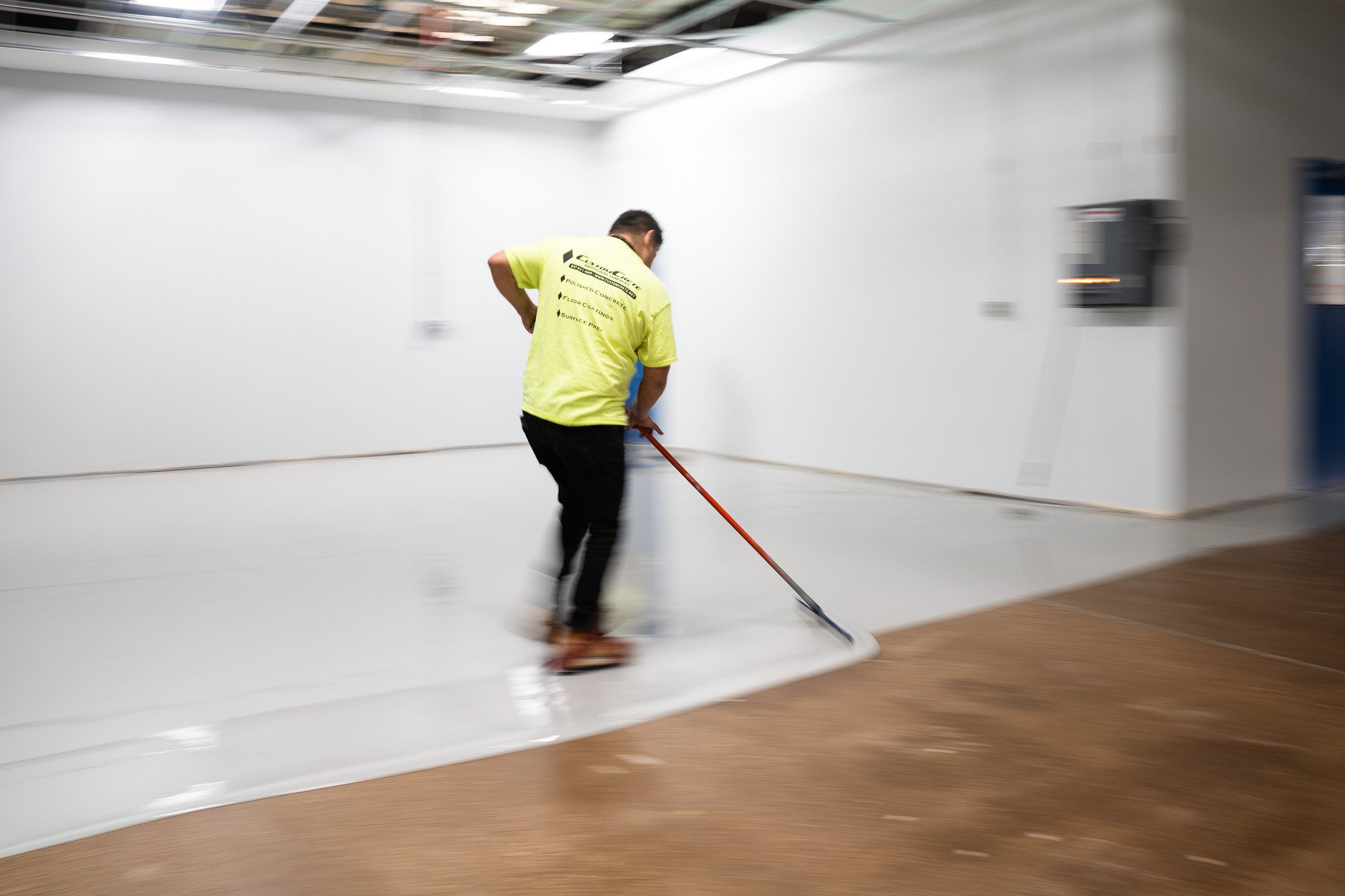
The best fluid-applied industrial flooring depends on the facility, but epoxy, urethane cement, polyaspartic, and MMA are among the most common options. Epoxy is often chosen for general industrial durability, urethane cement for thermal shock and demanding food-processing environments, polyaspartic for fast curing and UV stability, and MMA when an extremely fast return to service is a priority.
There is no single best industrial flooring system for every facility. The right choice depends on traffic, chemicals, temperature, moisture, cleaning procedures, downtime requirements, and budget.
At CustomCrete, this question often comes up from facility managers comparing seamless flooring systems for manufacturing plants, warehouses, food and beverage facilities, automotive spaces, and other industrial environments.

What Is Fluid-Applied Industrial Flooring?
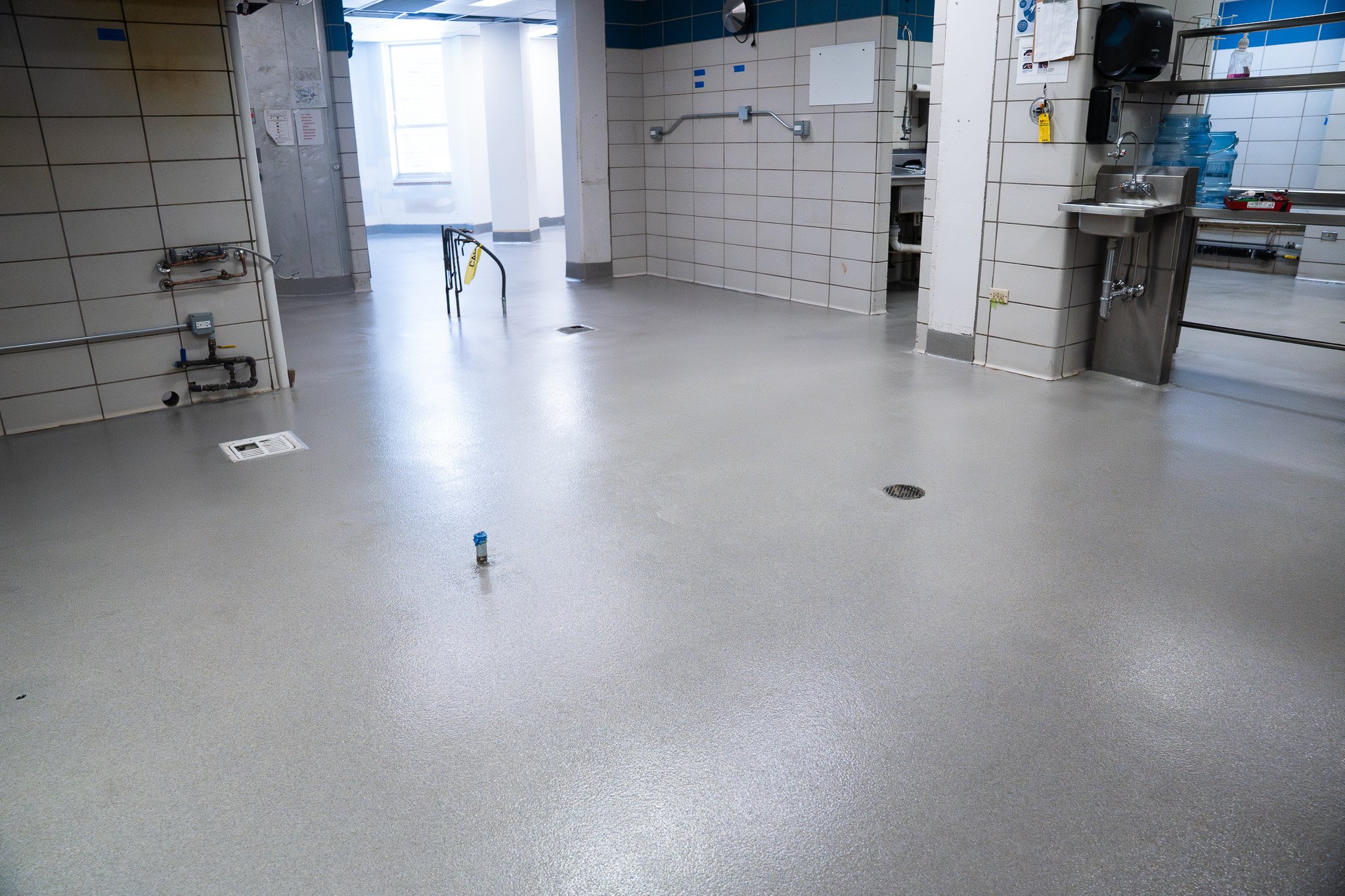
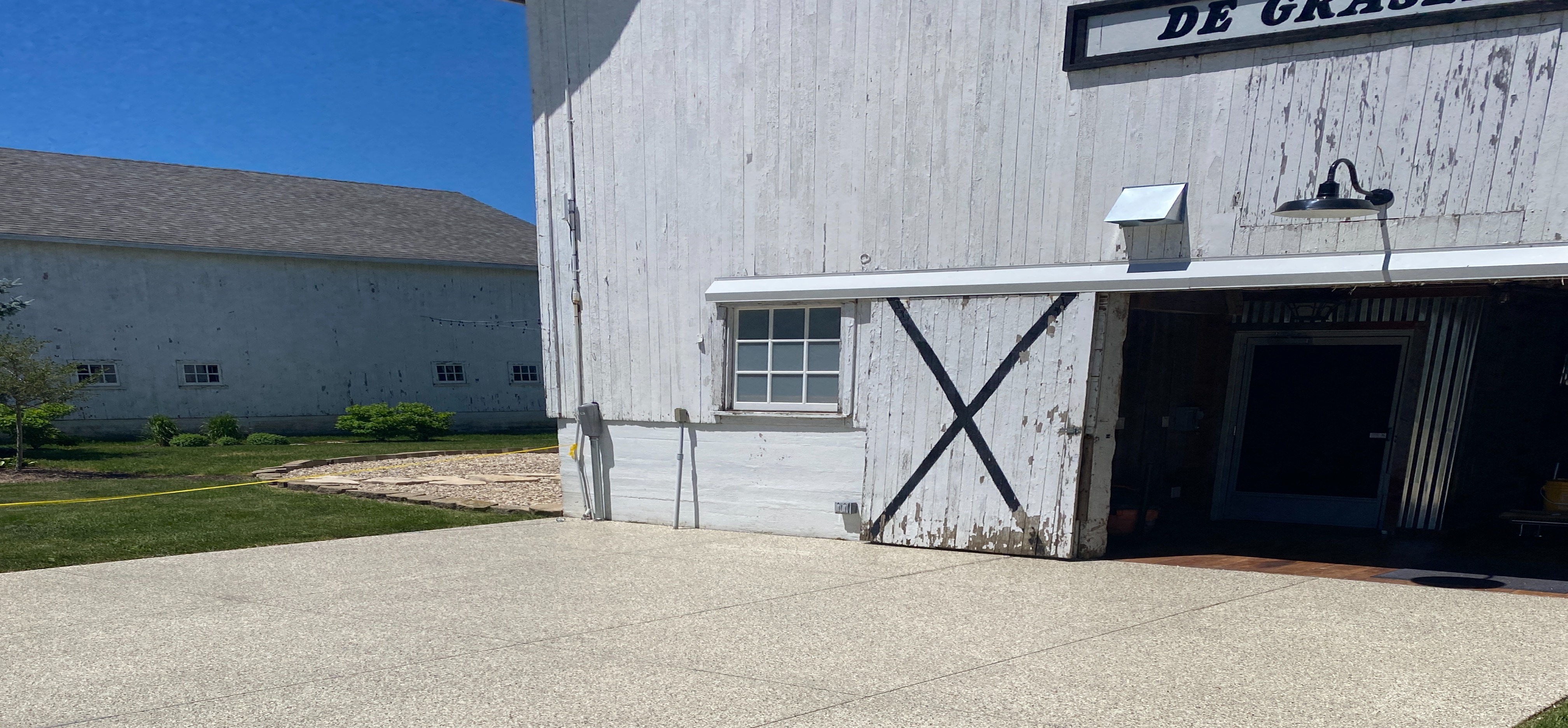
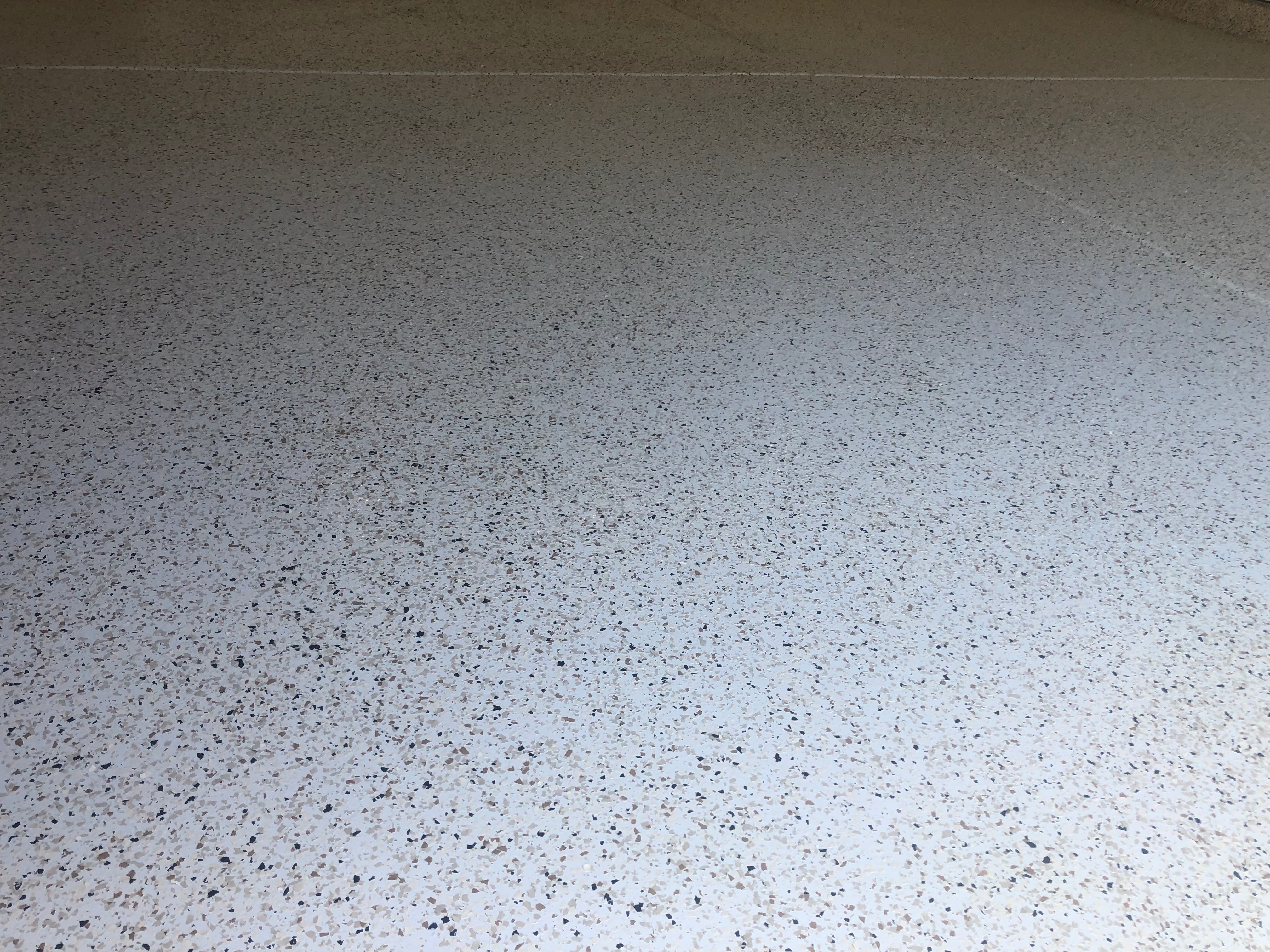
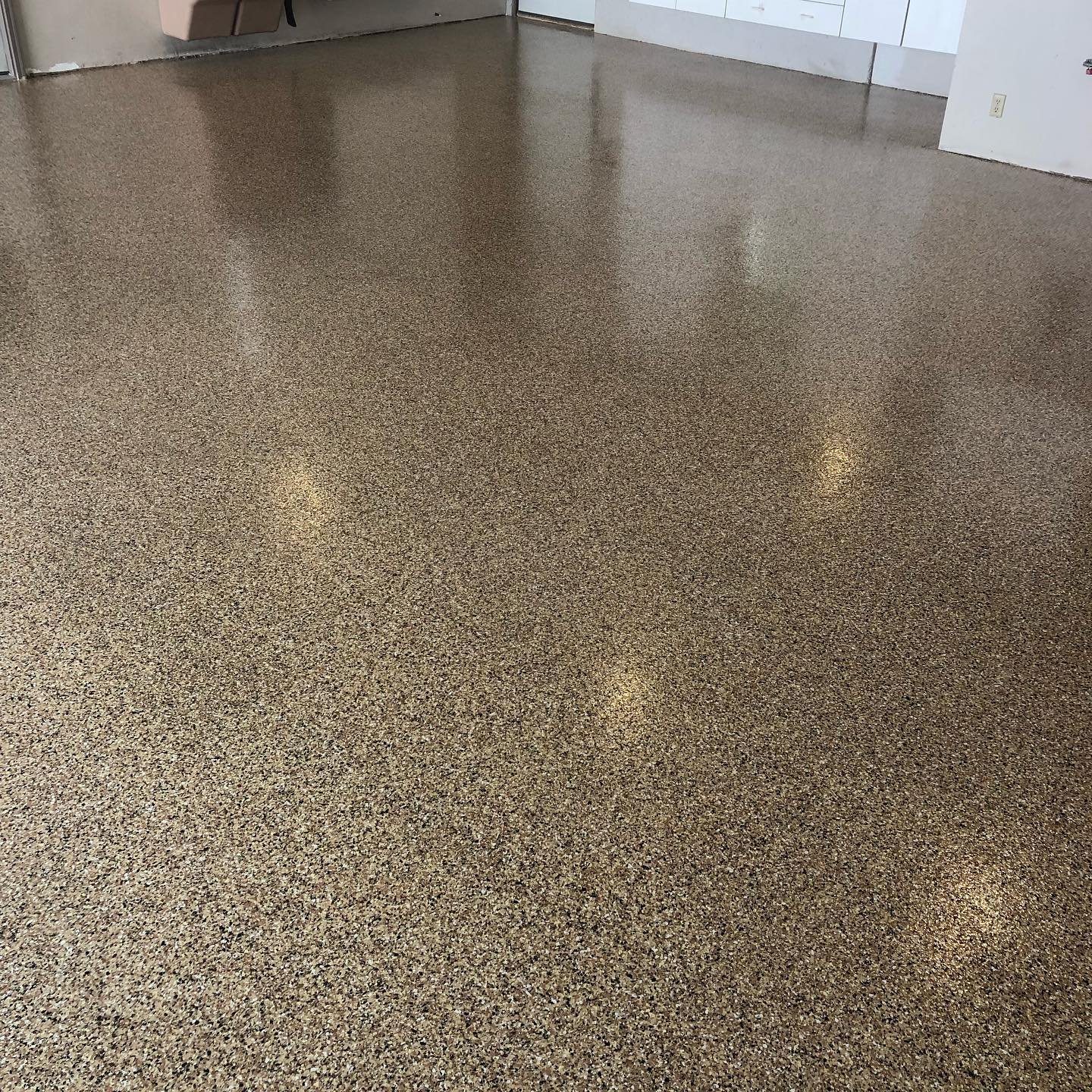
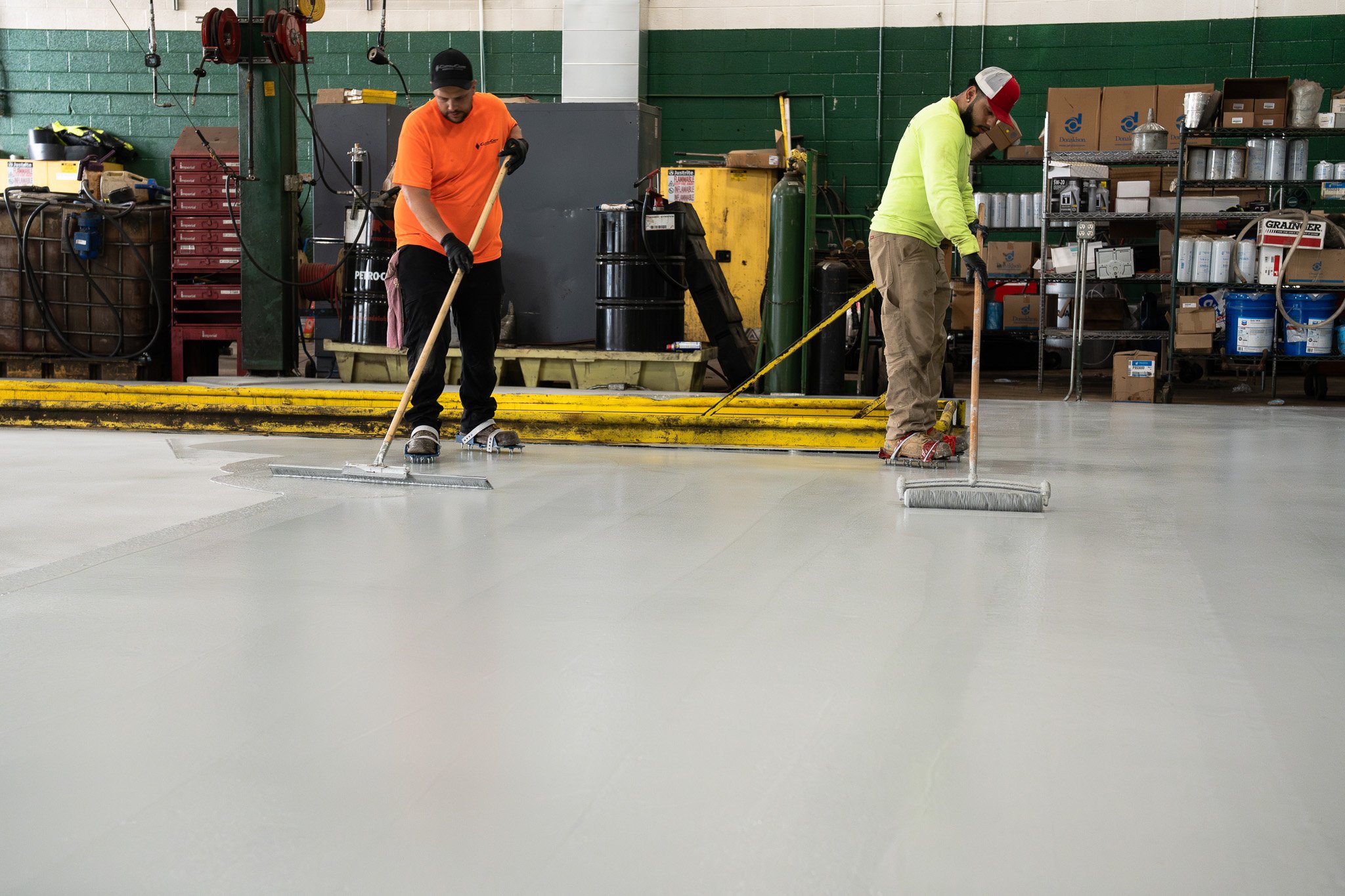
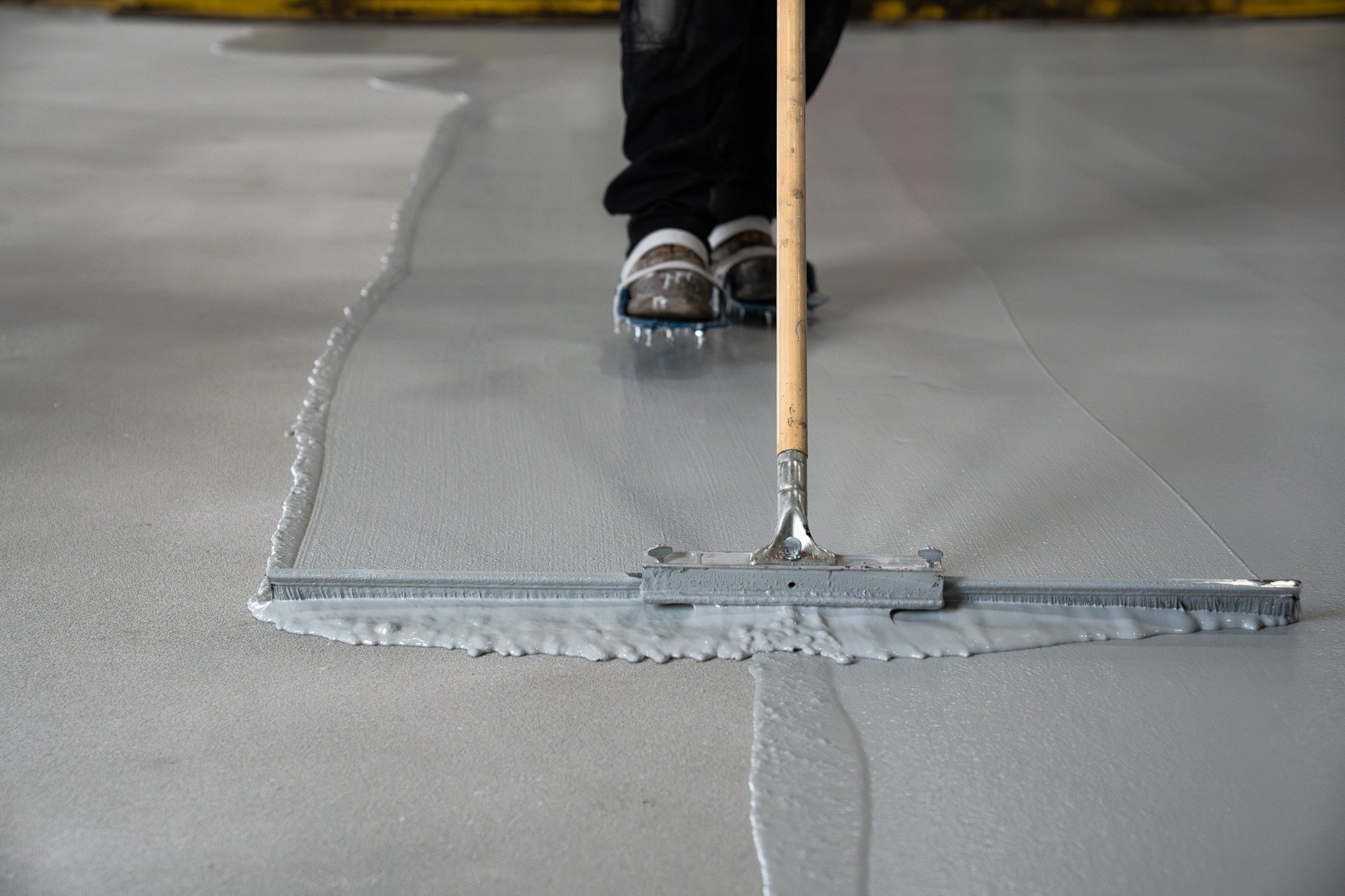
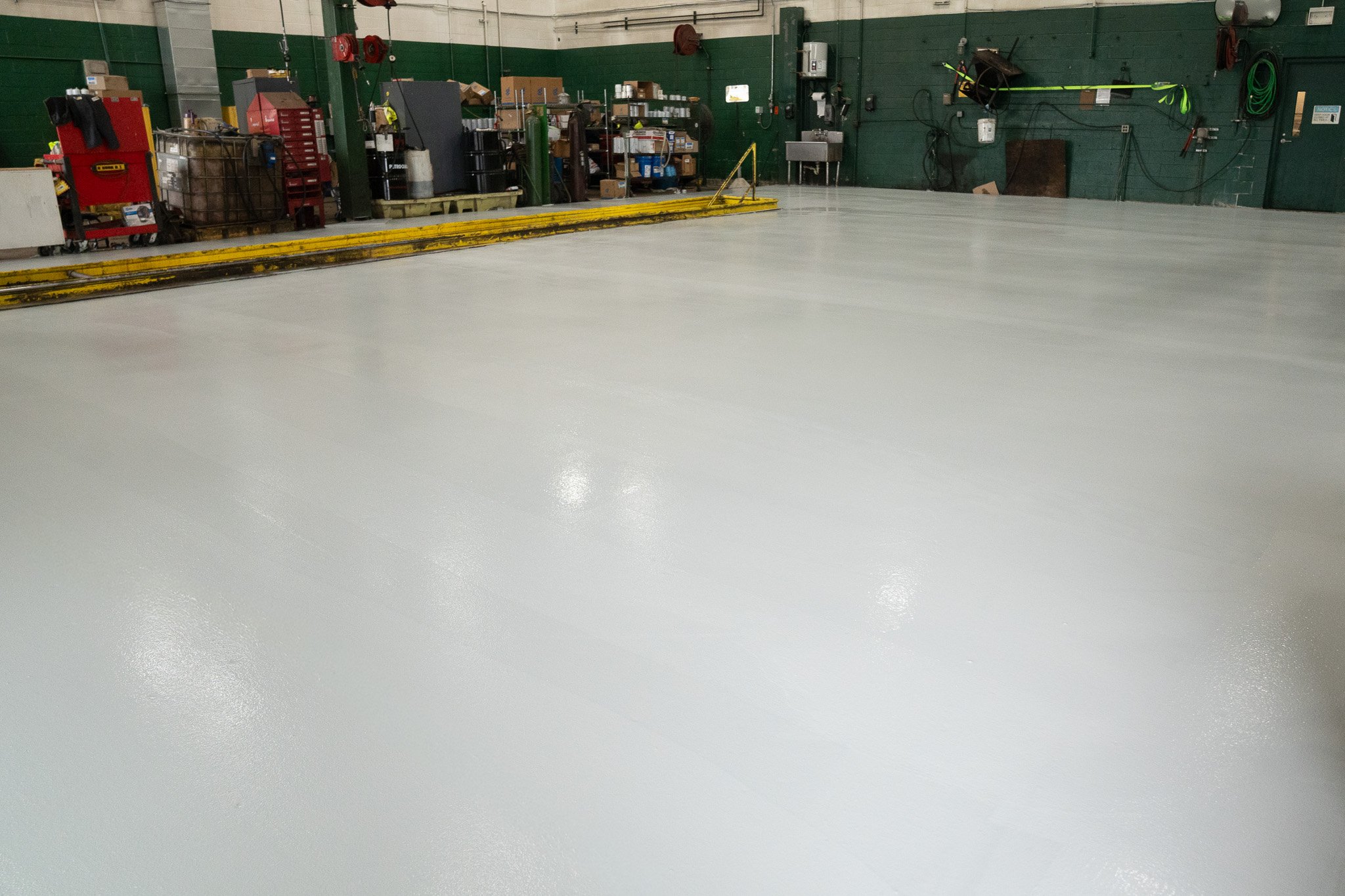
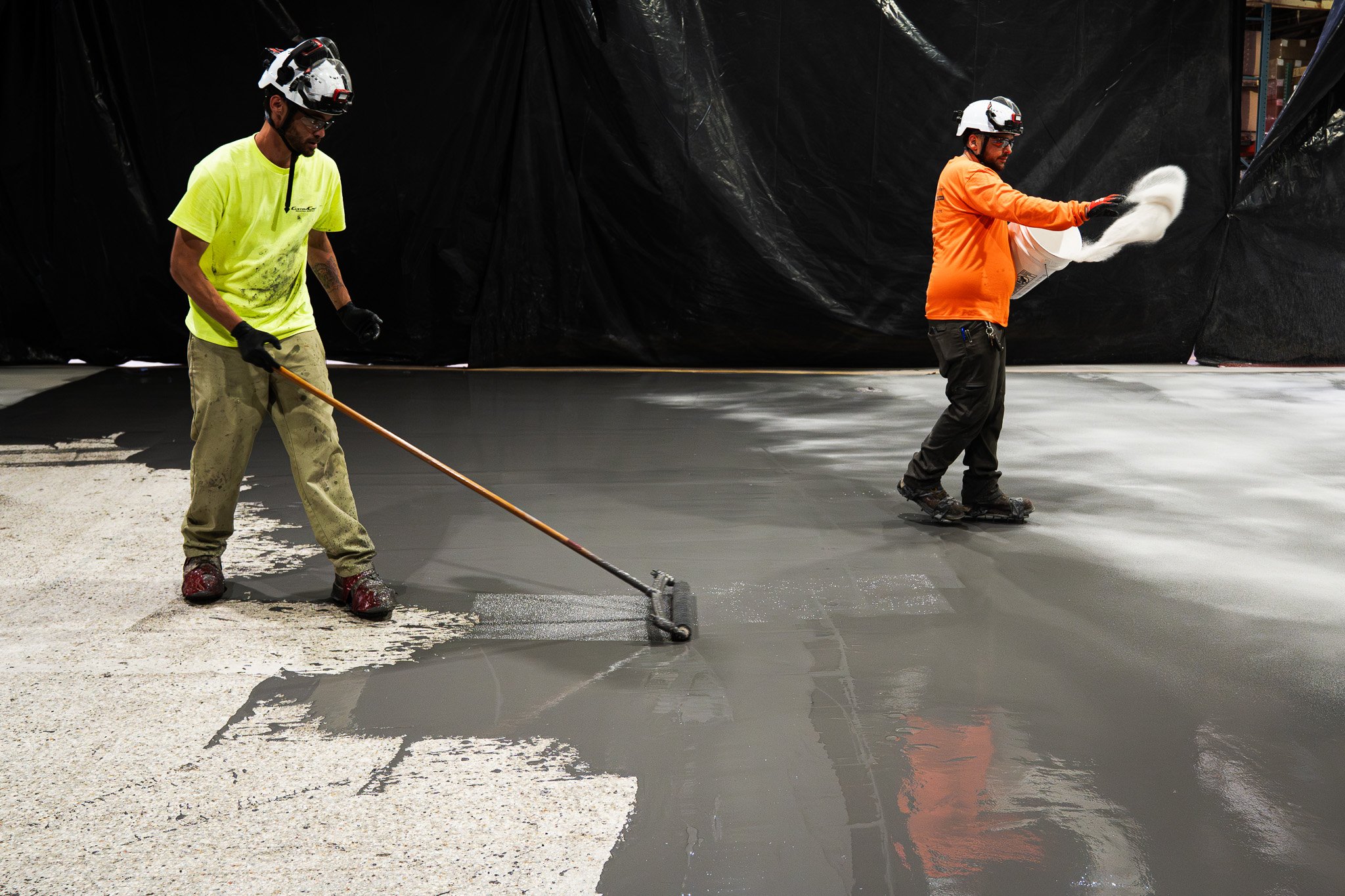
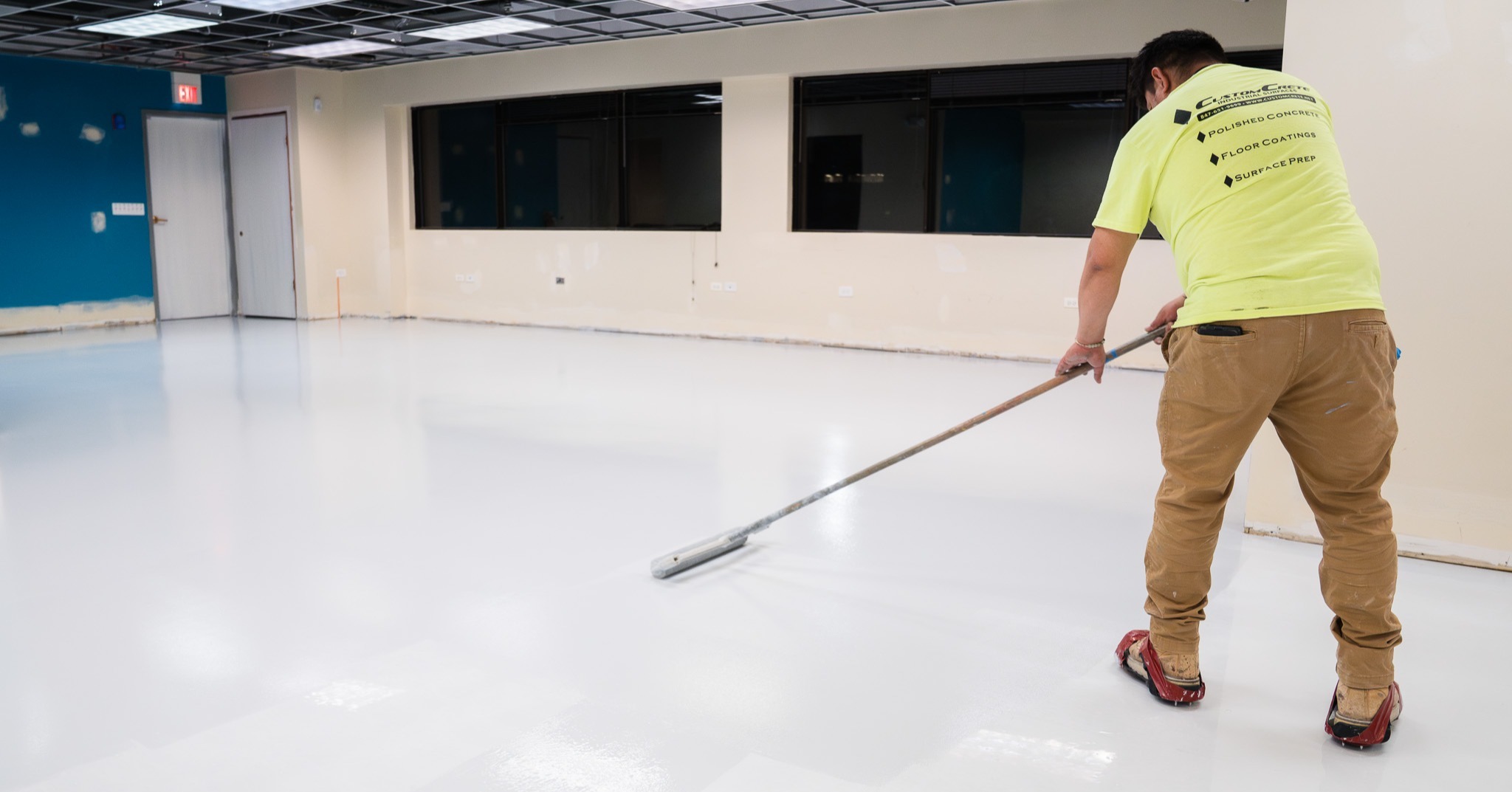
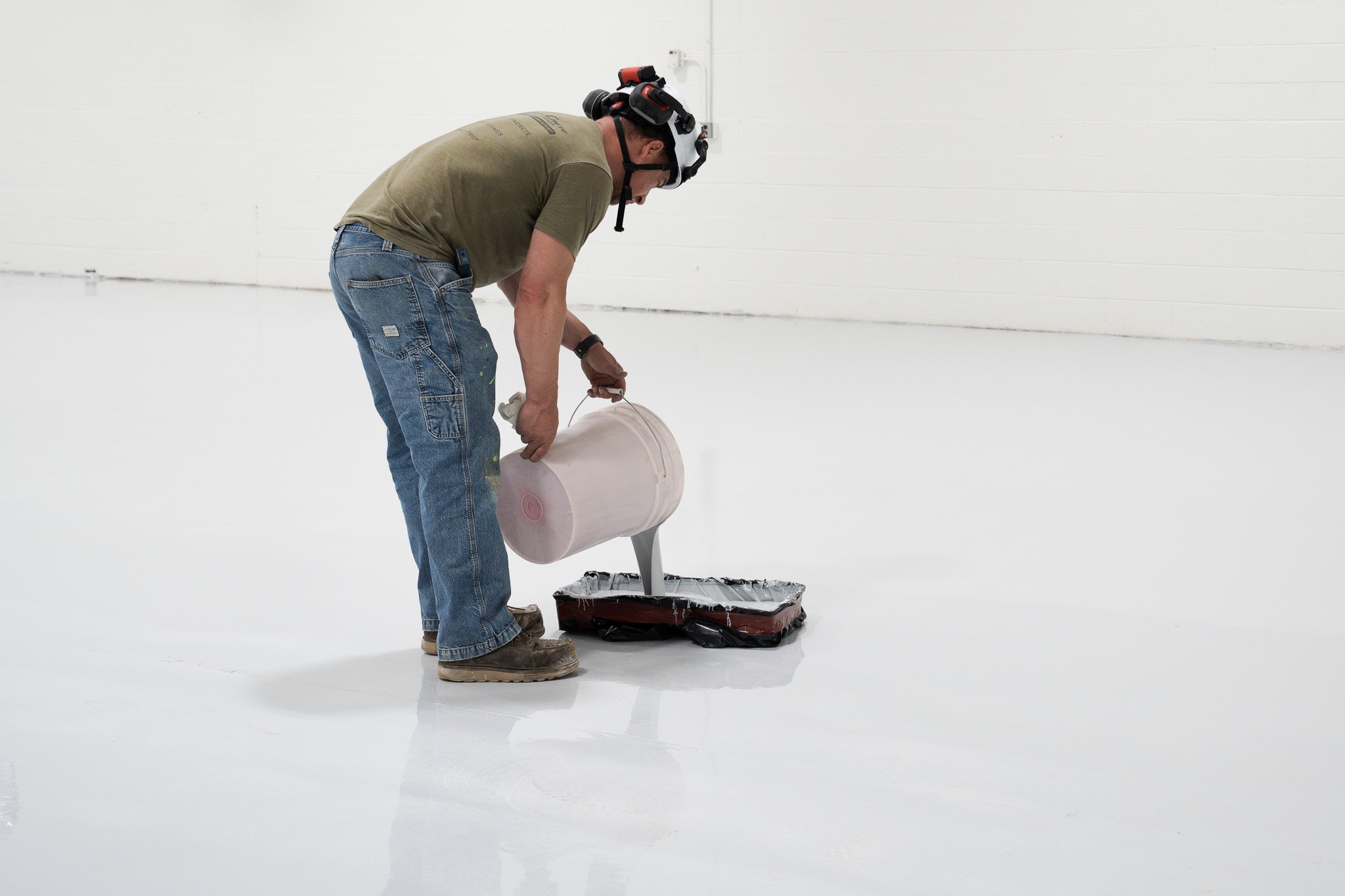
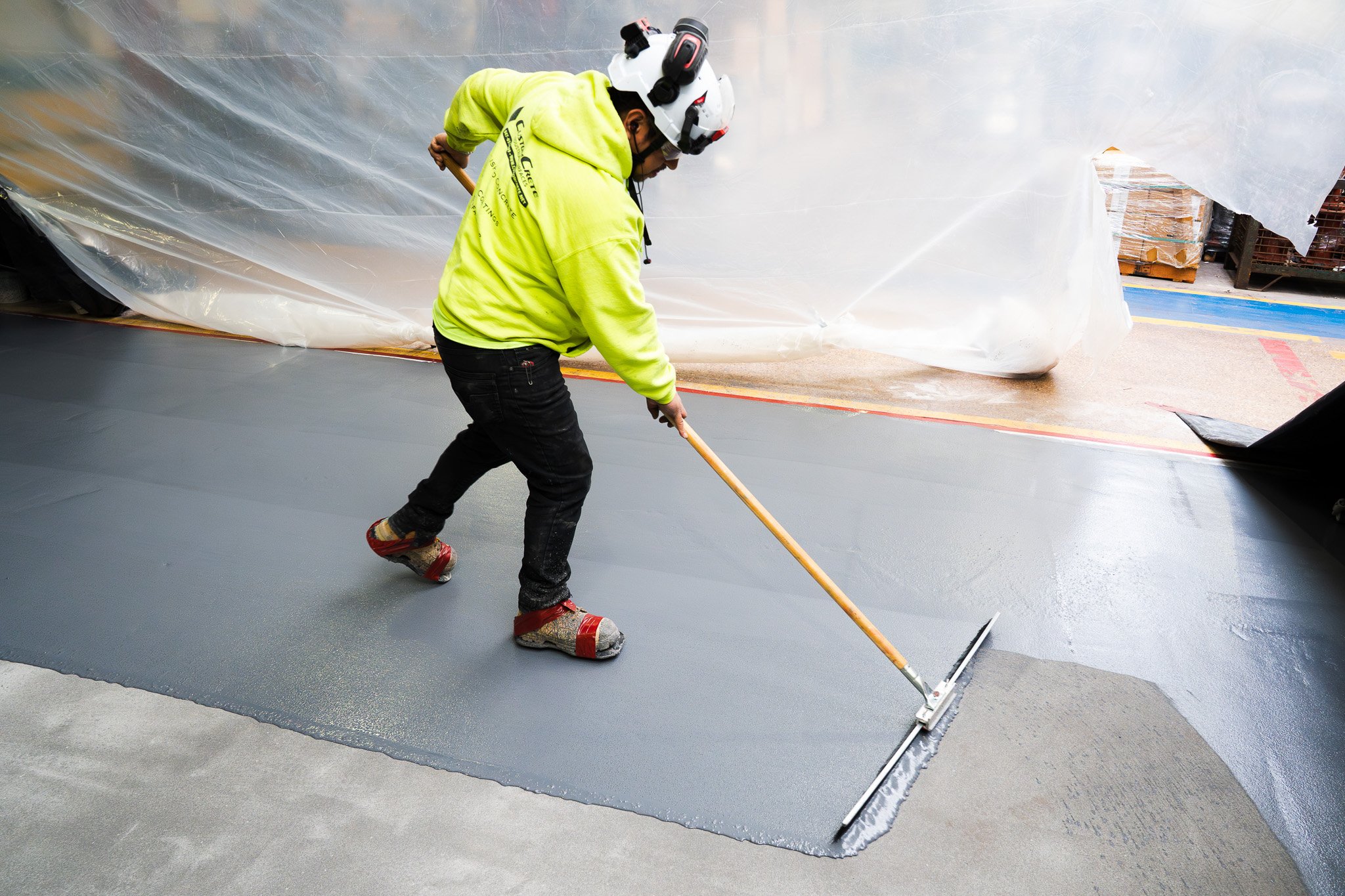
Fluid-applied flooring is installed as a liquid material that cures into a seamless surface over prepared concrete. Unlike tile, VCT, or other flooring made from individual pieces, fluid-applied systems can minimize joints and seams across the finished floor.
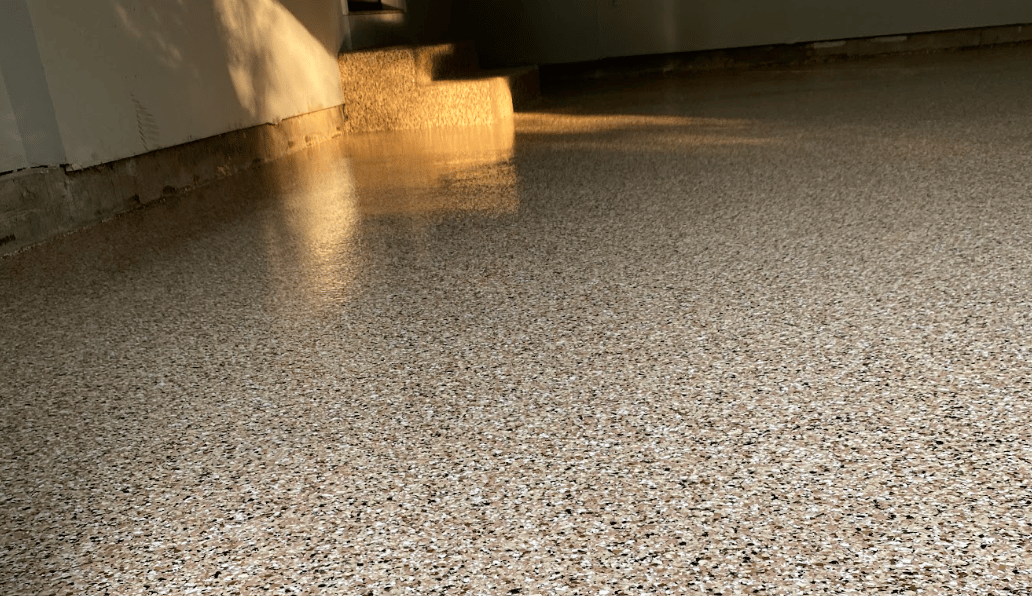
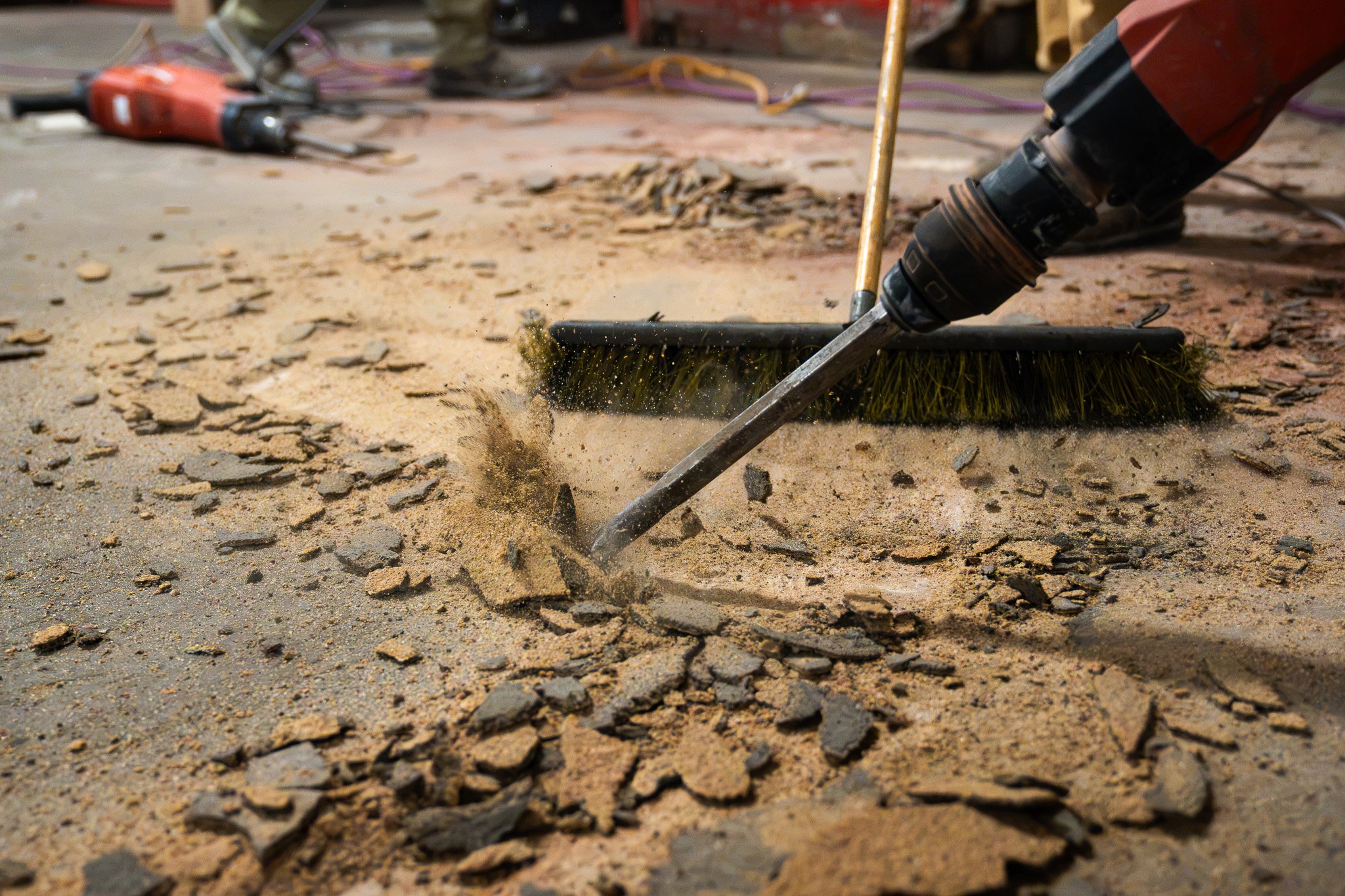
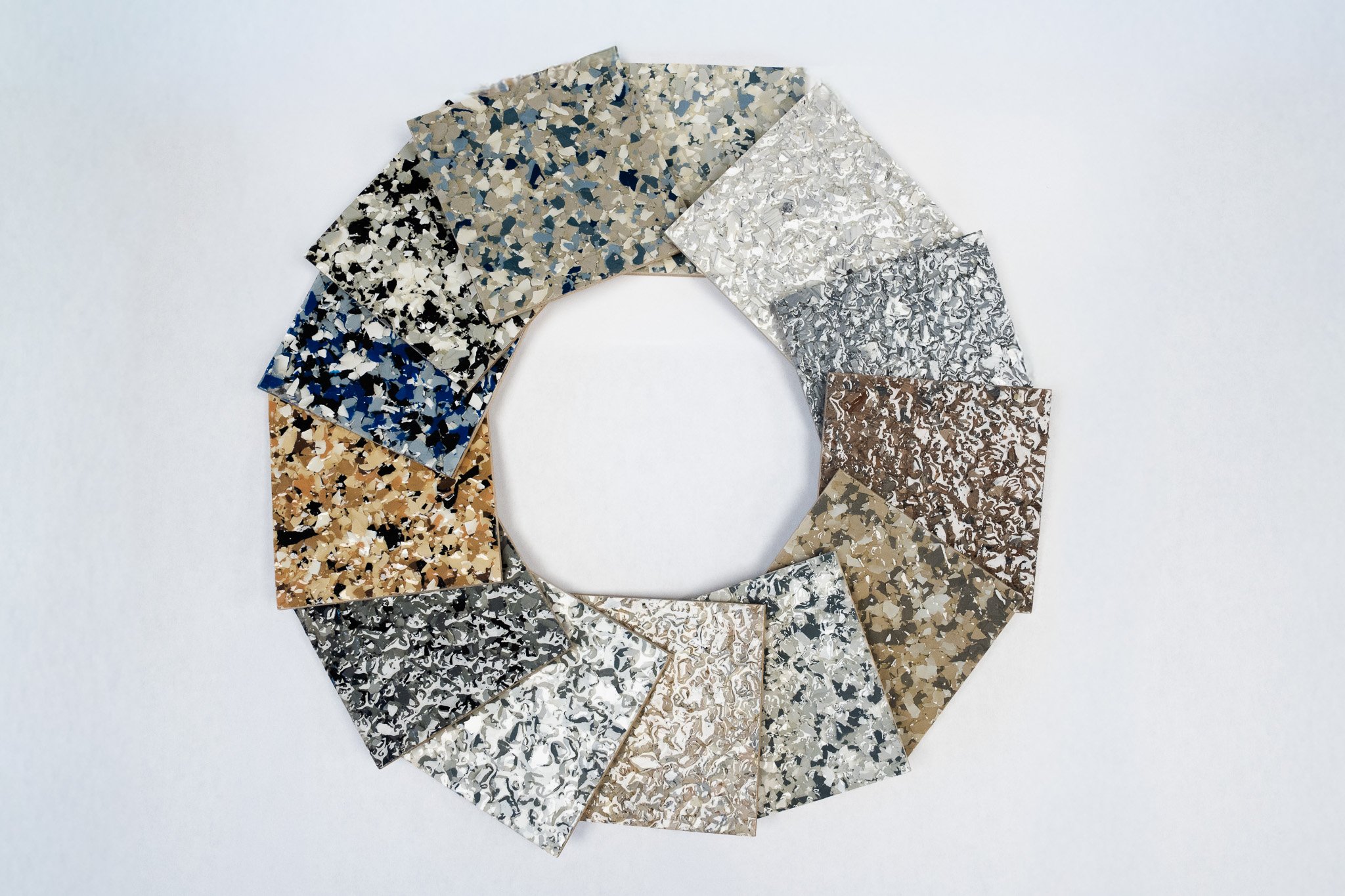
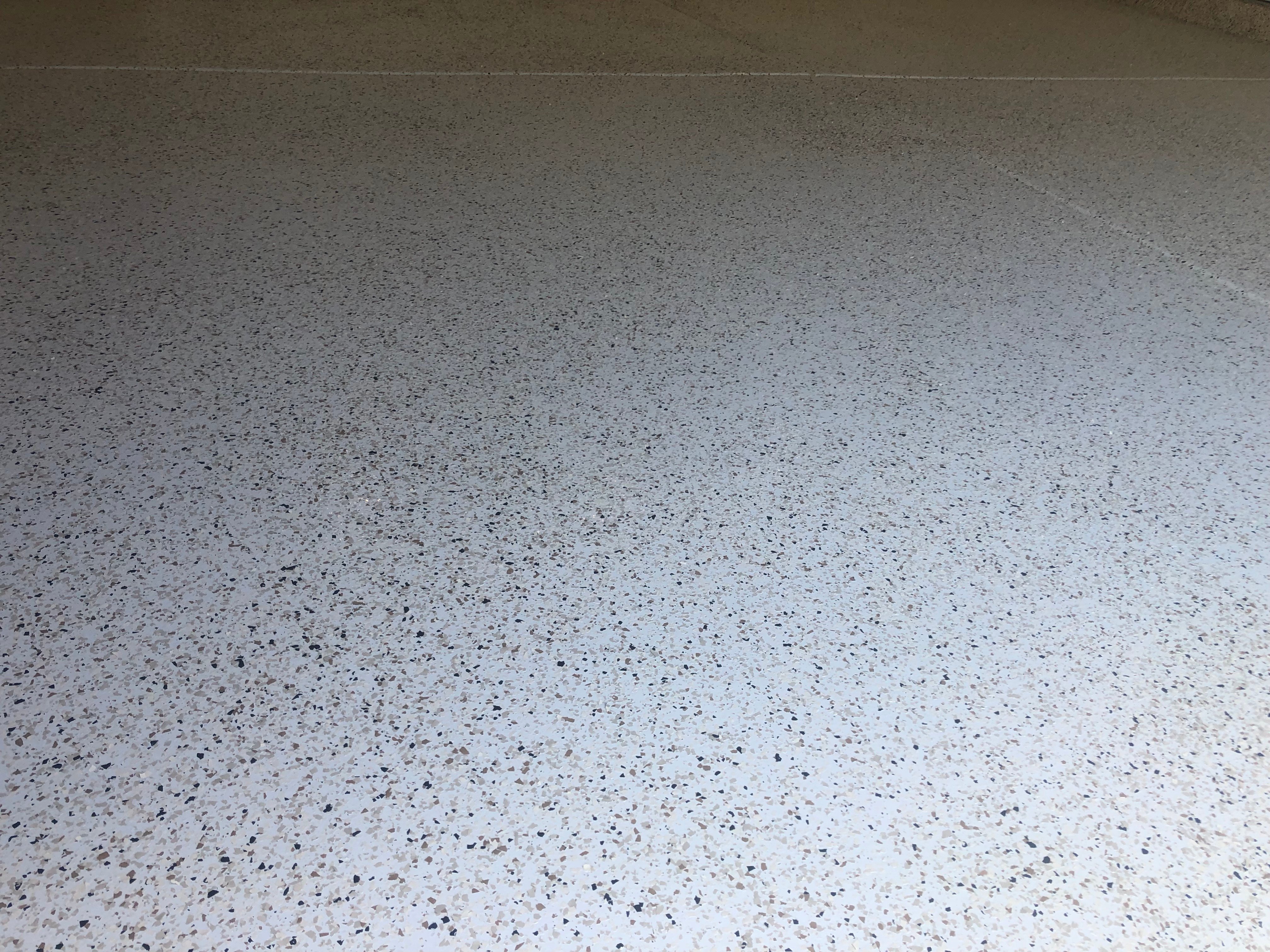
Depending on the system, multiple layers may be installed, including primers, body coats, decorative or slip-resistant broadcasts, and protective topcoats.

When Is Epoxy Flooring a Good Choice?
Epoxy is one of the most widely used types of fluid-applied industrial flooring. It can provide strong adhesion, abrasion resistance, chemical resistance, and a seamless finish.
It is commonly considered for warehouses, manufacturing facilities, production areas, and other spaces with regular foot and equipment traffic.
However, standard epoxy may not be the best option for environments with extreme temperature changes or significant UV exposure.
When Is Urethane Cement Better?
Urethane cement flooring is often selected for environments exposed to thermal shock, moisture, chemicals, and aggressive cleaning.
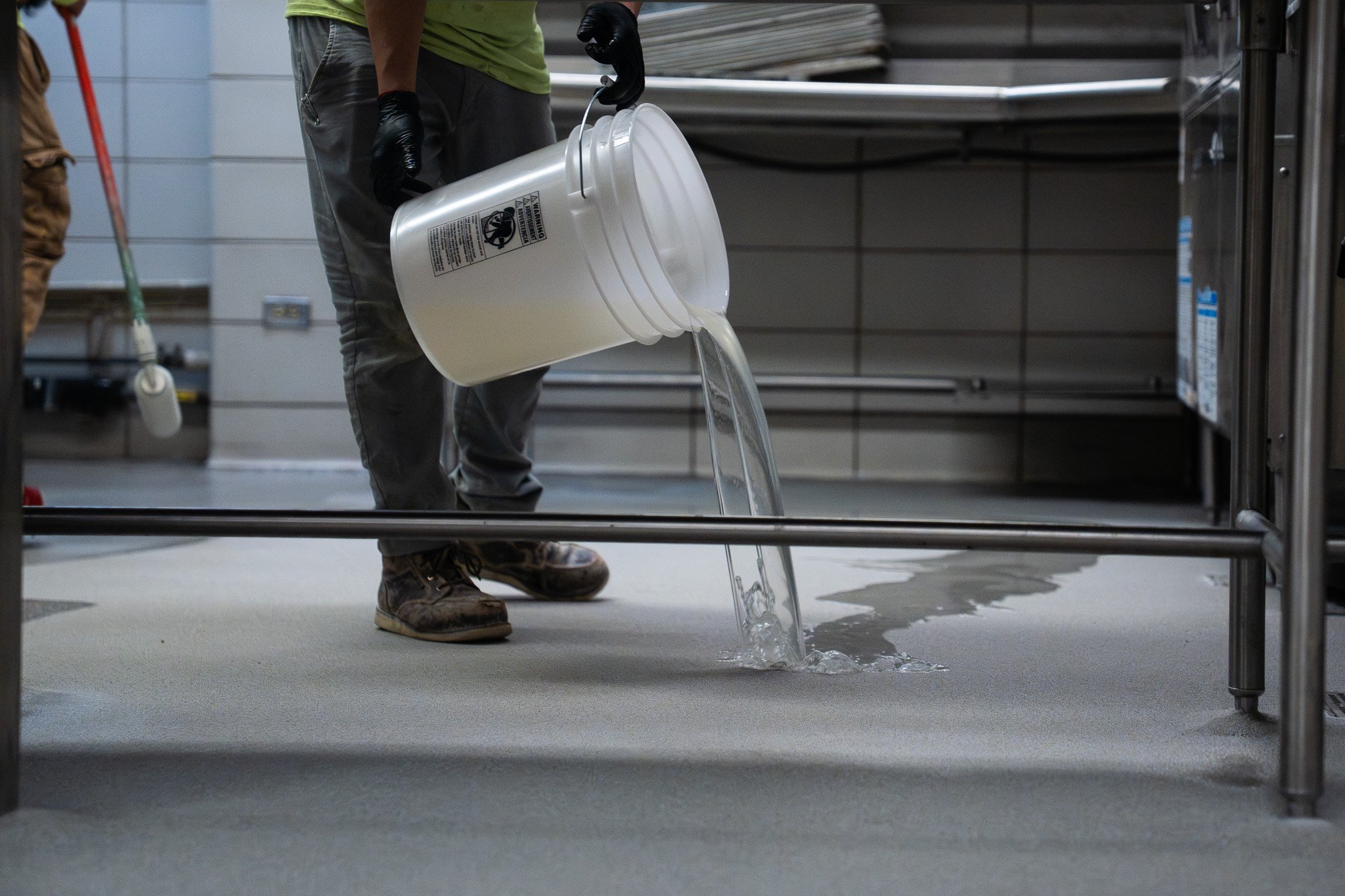
Food and beverage processing facilities are a common example. Hot-water washdowns and rapid temperature changes can put significant stress on a flooring system, and urethane cement is designed to handle these demanding conditions.
The tradeoff is that urethane cement can cost more than simpler coating systems and may provide fewer decorative finish options.
When Does Polyaspartic Flooring Make Sense?
Polyaspartic flooring is known for fast curing, abrasion resistance, chemical resistance, and UV stability.
It may be a good option when a facility needs to reduce downtime or when the floor will experience UV exposure. Polyaspartic is also commonly used as a protective topcoat over other resinous flooring materials.
Its fast cure time, however, provides installers with less working time during application.
What About MMA Flooring?
Methyl methacrylate, or MMA flooring, is another fast-curing option. Some MMA systems can return to service within hours, making them useful for facilities where extended shutdowns are difficult.
MMA produces a strong odor during installation and typically requires specialized installation procedures, so it may not be appropriate for every occupied facility.
How Do You Choose the Best Industrial Flooring?
Before choosing a system, consider:
- Forklift, equipment, and foot traffic
- Chemical exposure
- Temperature changes and thermal shock
- Moisture conditions
- Cleaning and sanitation requirements
- Slip resistance
- UV exposure
- Available installation downtime
- Project budget
Evaluating these factors can help narrow down which fluid-applied flooring system provides the performance your facility actually needs.
Final Thoughts
The best fluid-applied industrial flooring is not necessarily the most expensive or strongest system available. It is the system designed for your facility's specific conditions. Epoxy, urethane cement, polyaspartic, and MMA each offer different advantages and limitations.
For more information about comparing industrial flooring systems, visit CustomCrete’s Learning Center. If you're evaluating flooring for an upcoming project, you can also request a quote to discuss your facility's conditions and available options.

Topics: