
Epoxy flooring is often discussed as though it is one specific product, but there are many different epoxy systems available. A smooth epoxy floor installed in a warehouse can perform and look very different from a decorative flake system in a commercial space or a chemical-resistant system inside a manufacturing facility.
Understanding the different types of epoxy flooring makes it easier to narrow down which systems may work for your facility. Factors like traffic, chemical exposure, slip resistance, appearance, static control, and cleaning requirements can all influence the right choice.
With nearly 20 years of experience and over 1 million square feet installed, CustomCrete has worked with epoxy systems across commercial and industrial environments. This guide covers seven common types of epoxy flooring, what makes each different, and where they are typically used.
Key Takeaways
- There are several types of epoxy flooring, ranging from basic smooth systems to highly specialized chemical-resistant and ESD floors.
- The best epoxy system depends on how the space is used, not simply which option is considered the most durable.
- Texture, appearance, chemical exposure, traffic, maintenance, and safety requirements should all be considered before selecting an epoxy floor.

1. Smooth Epoxy Flooring
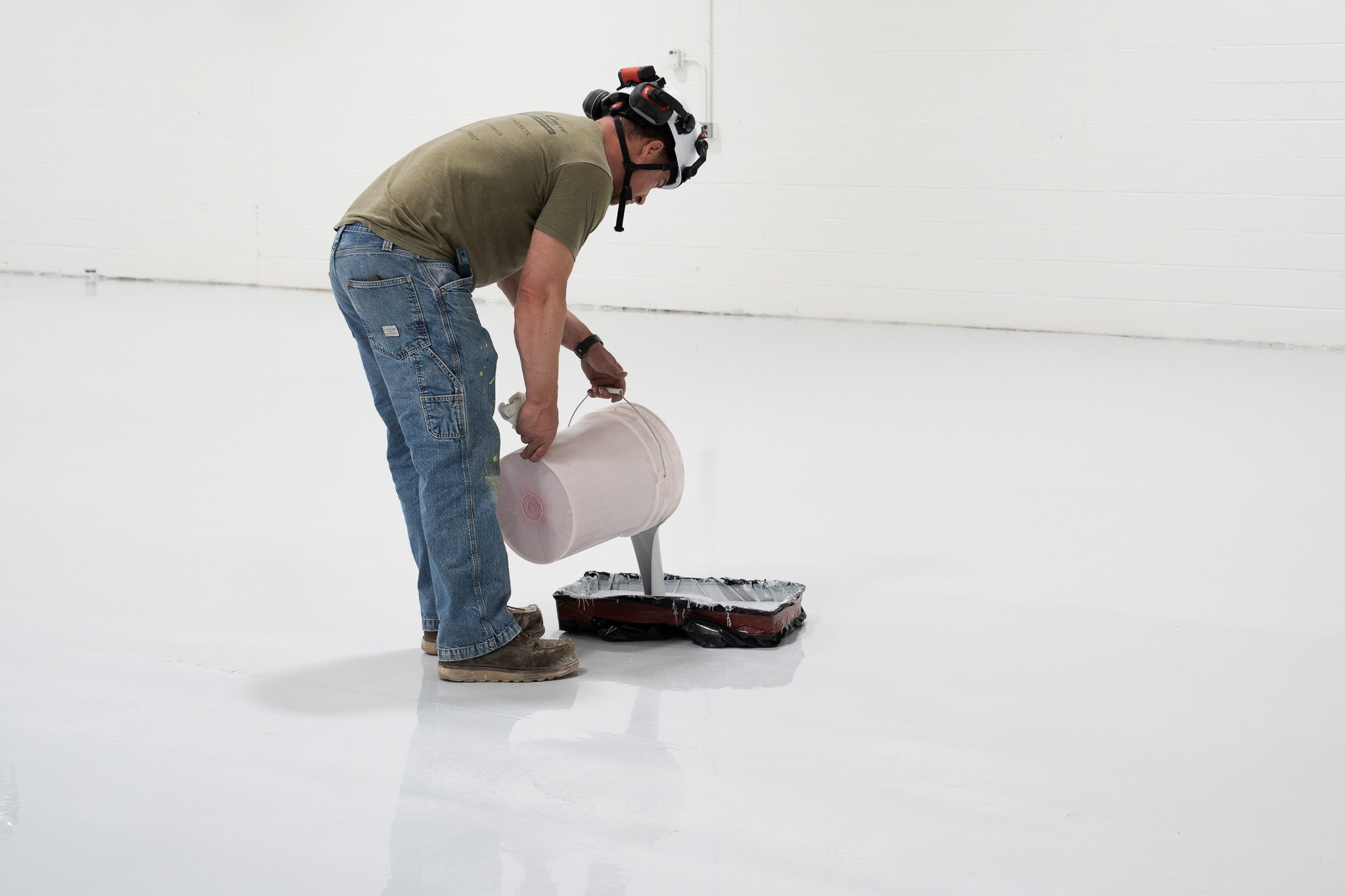
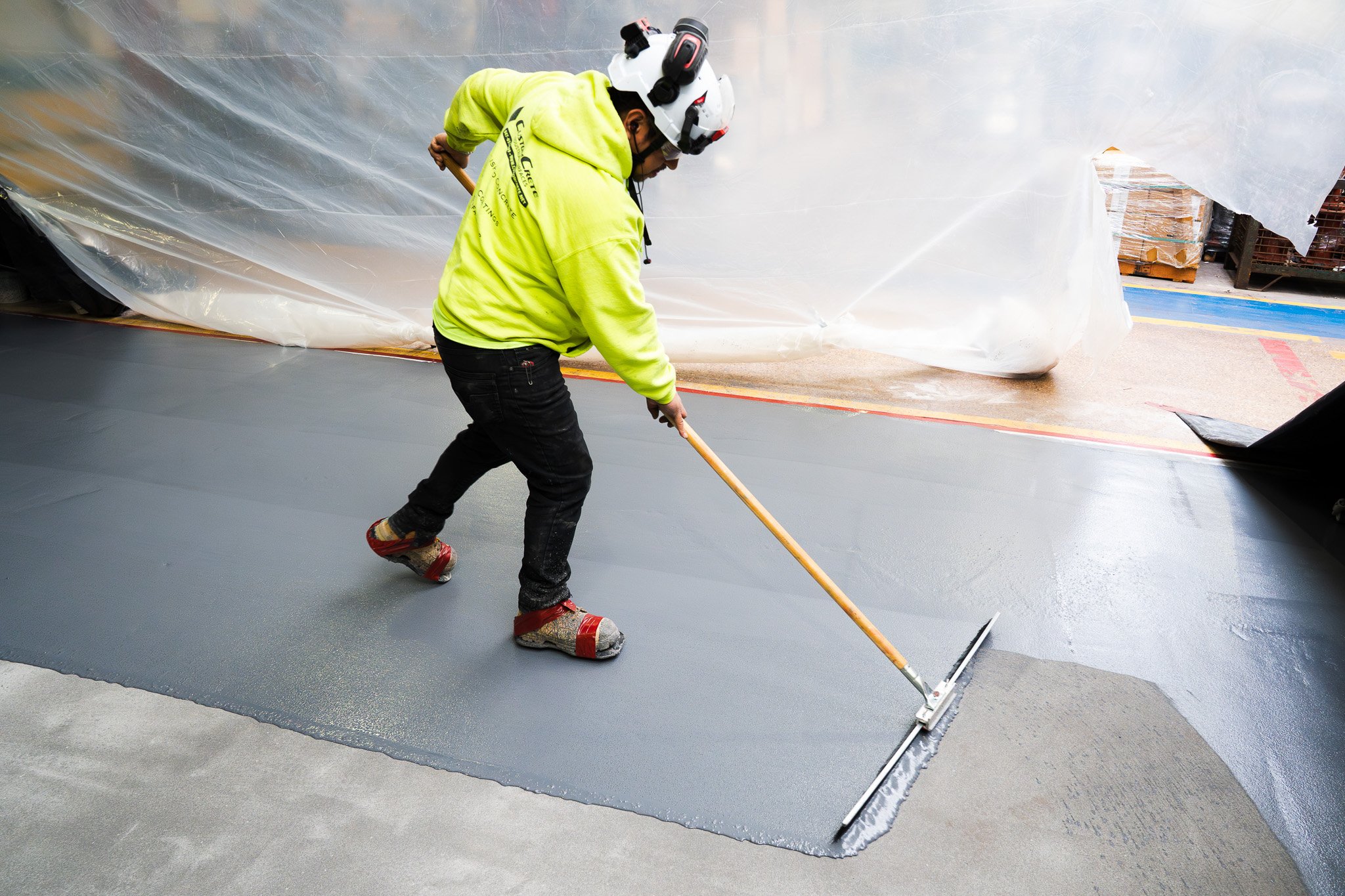
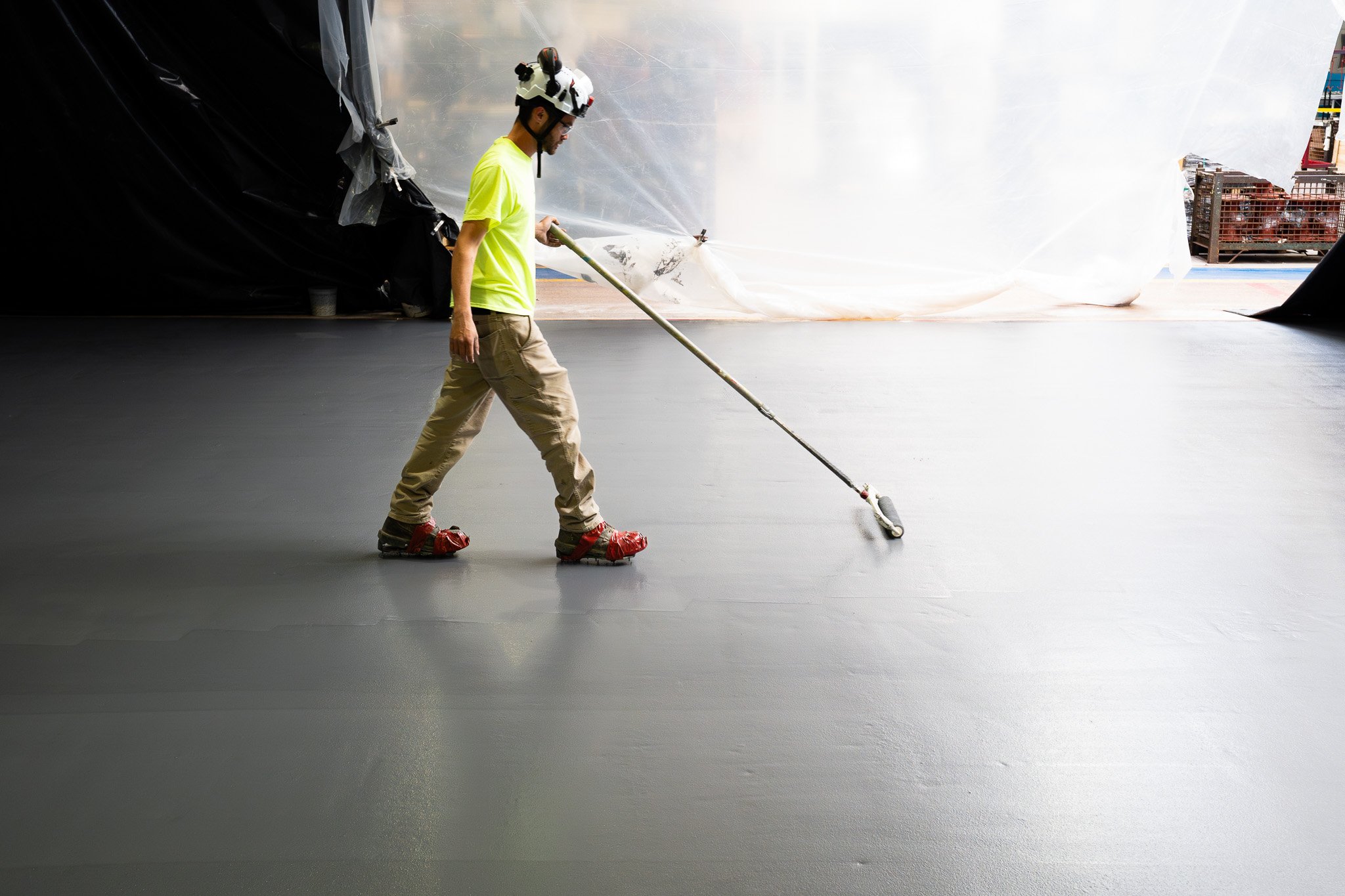
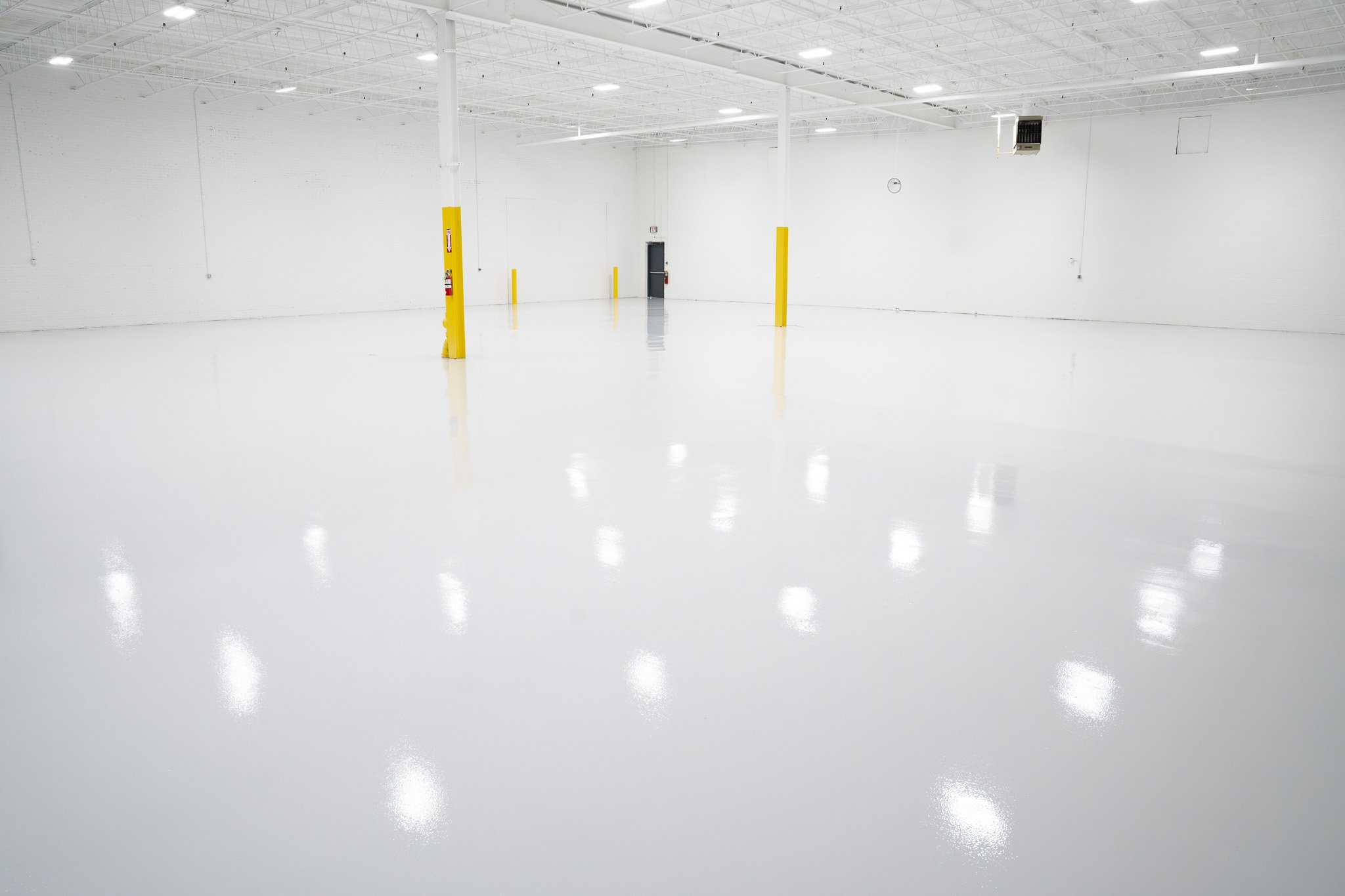
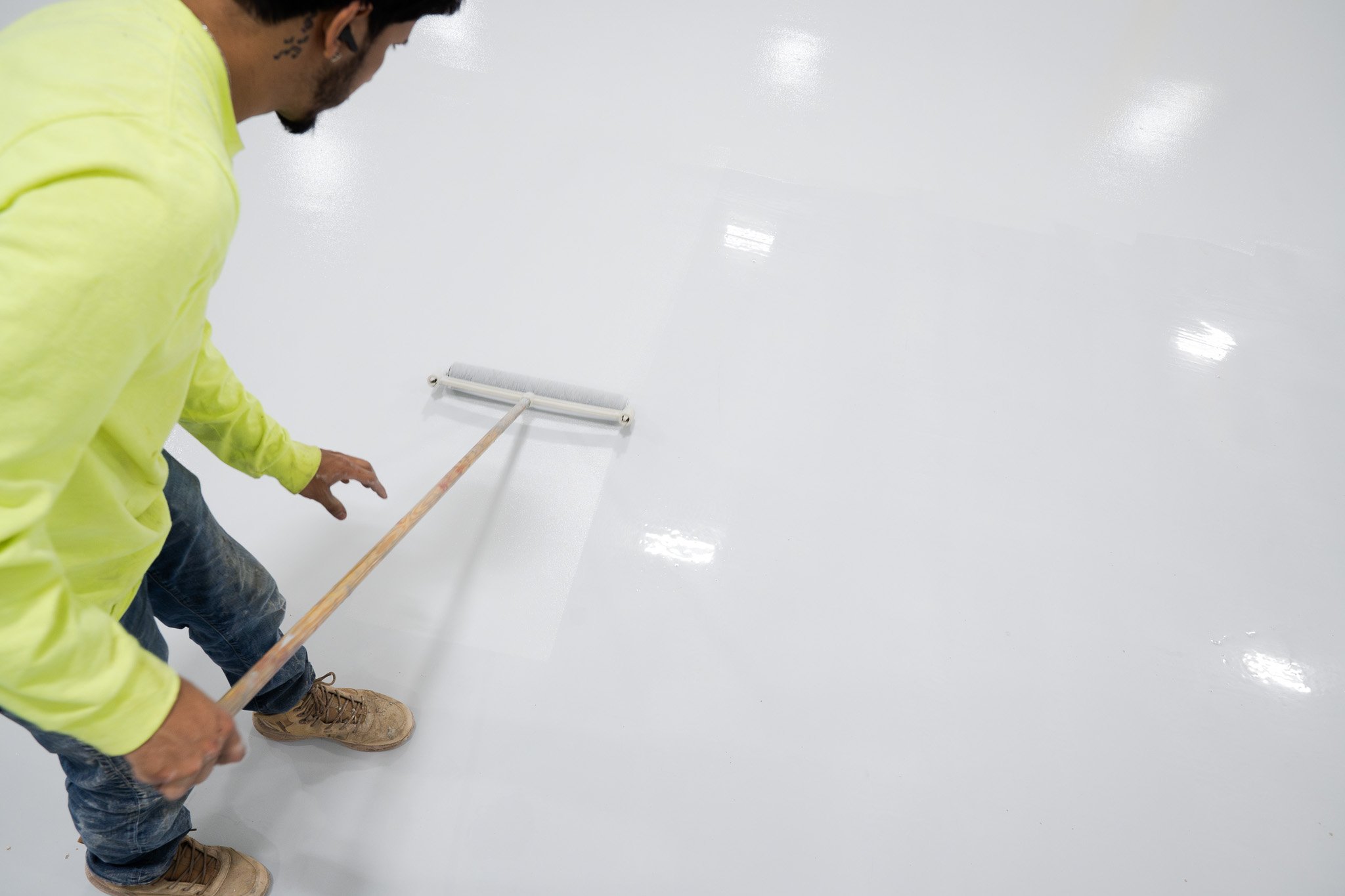
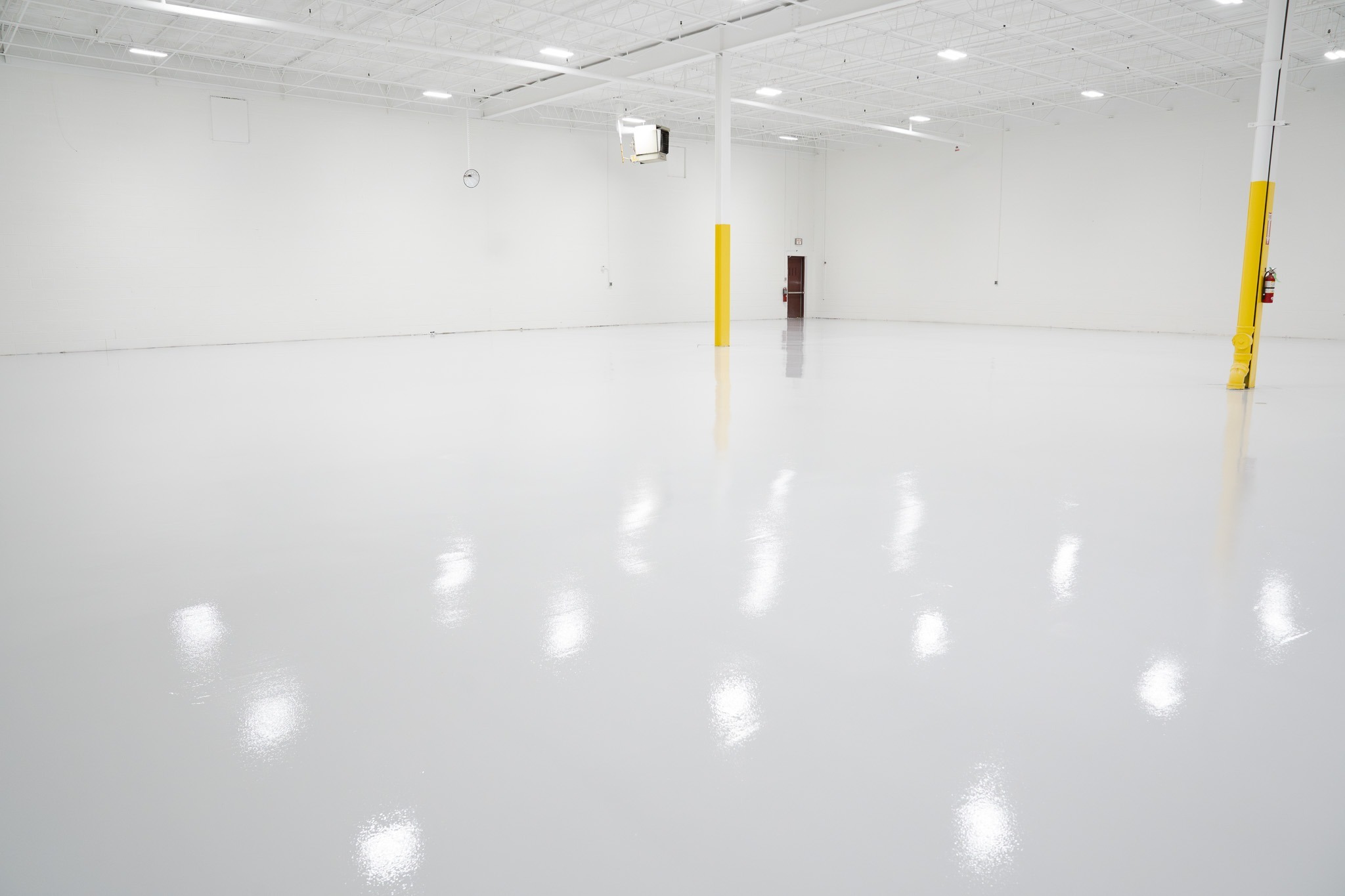
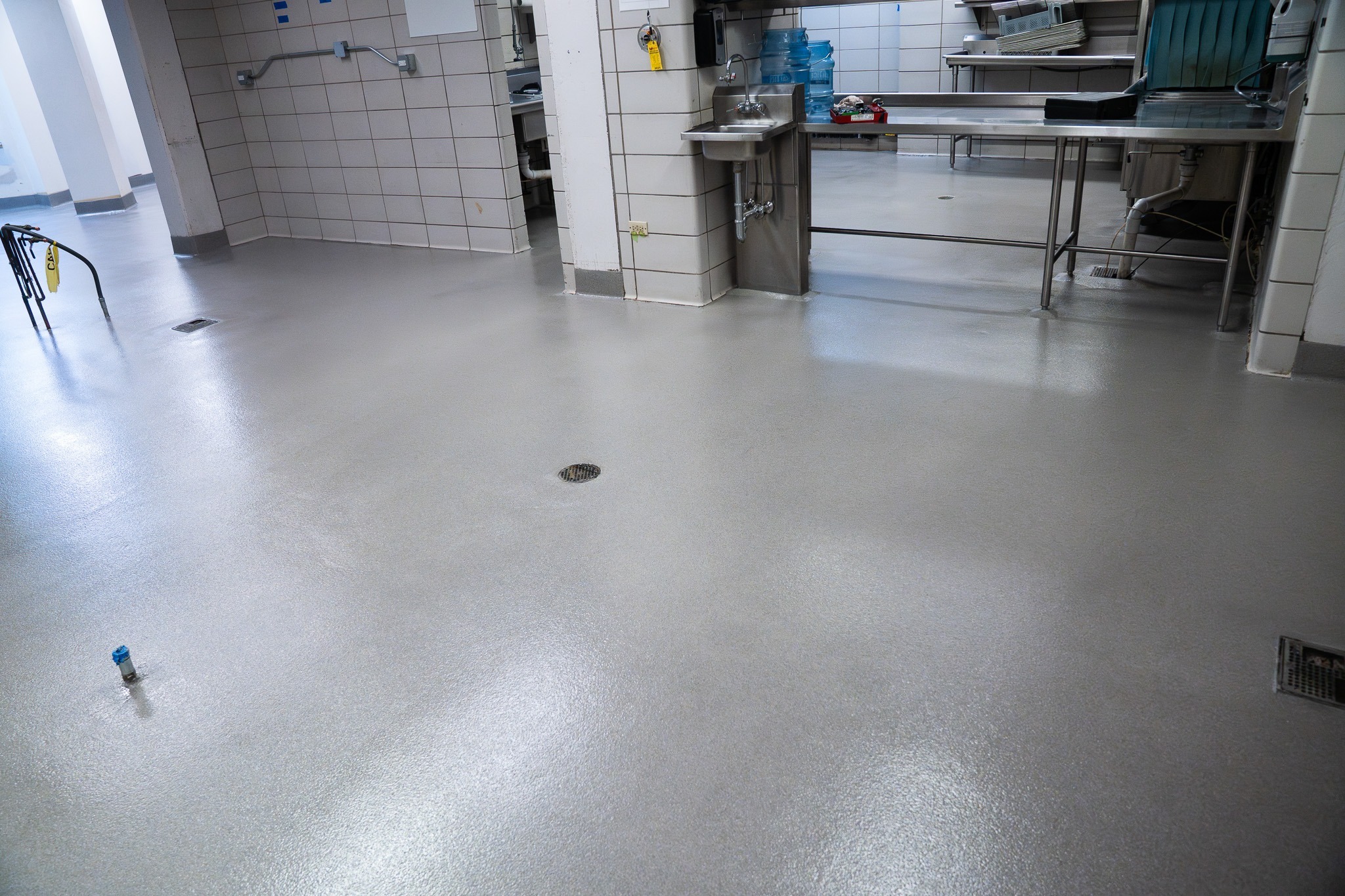
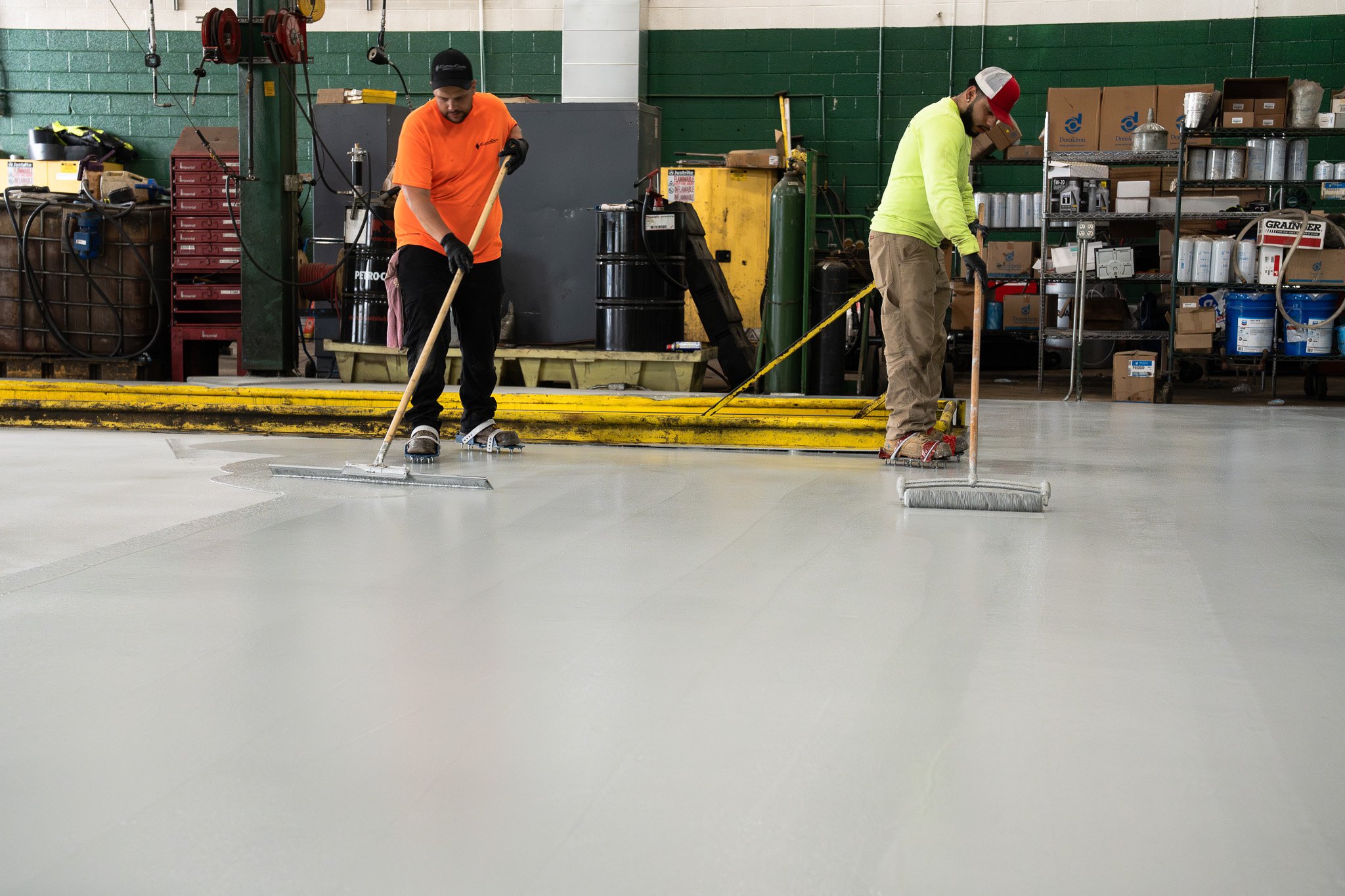
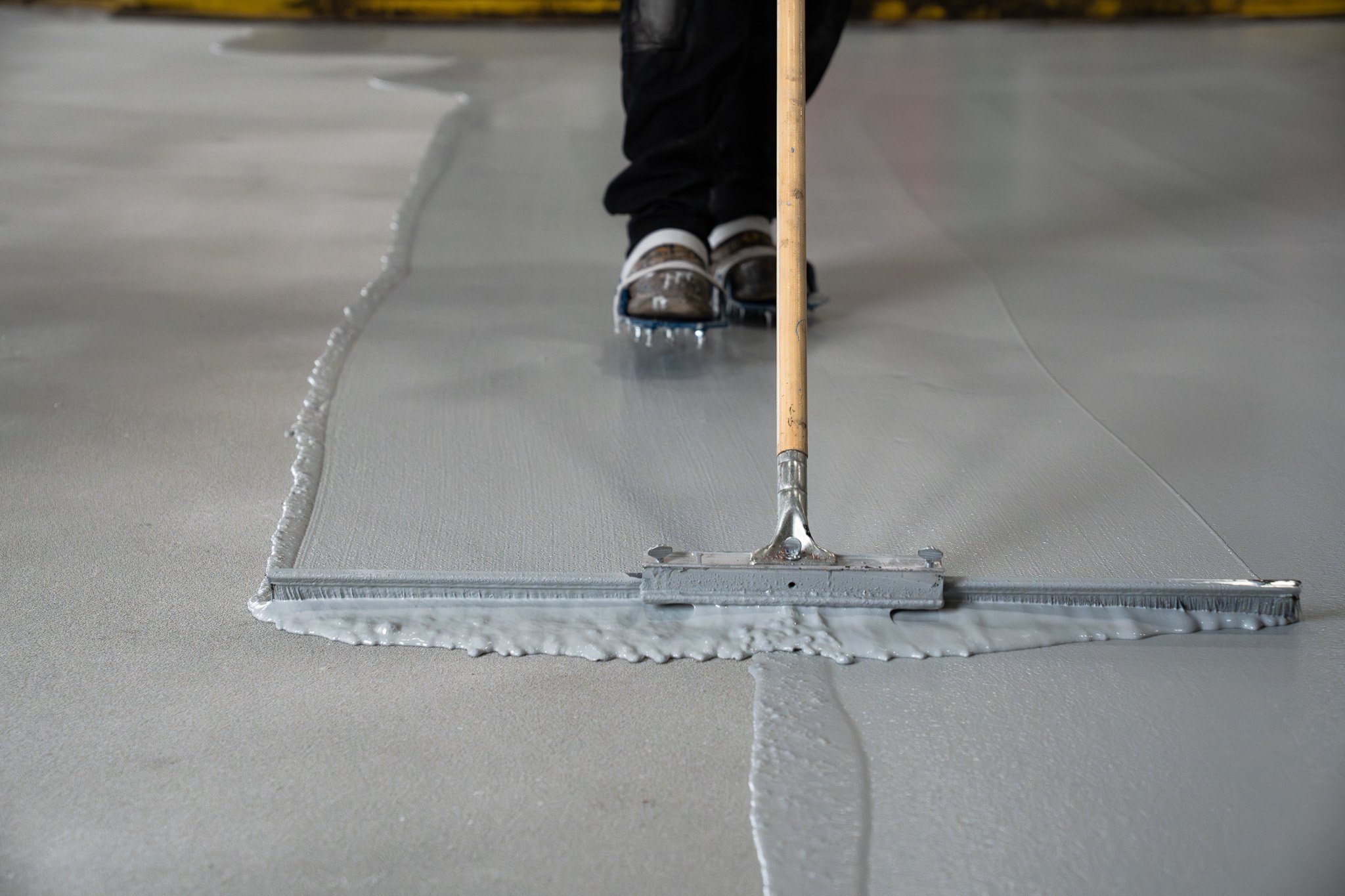
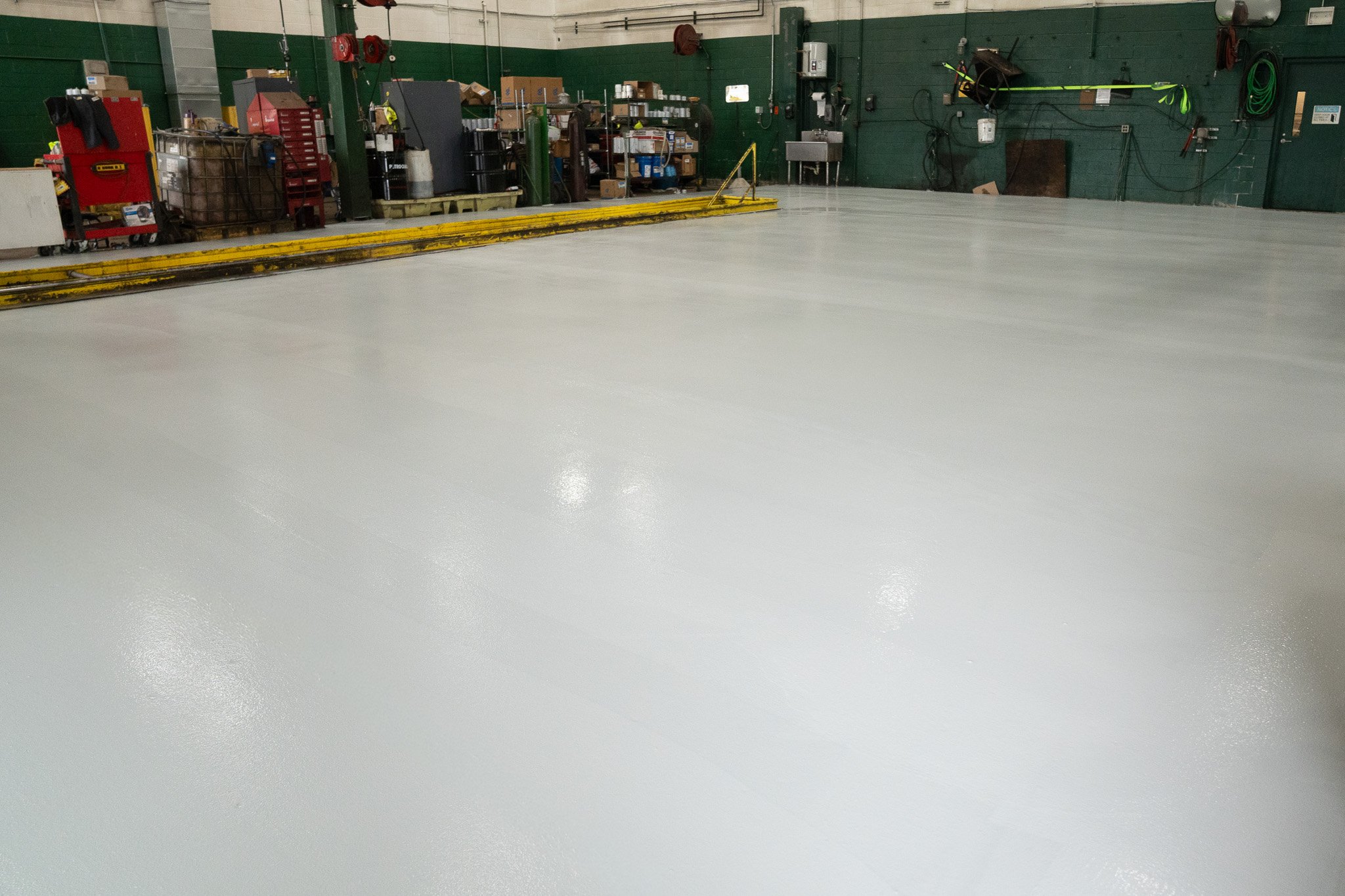
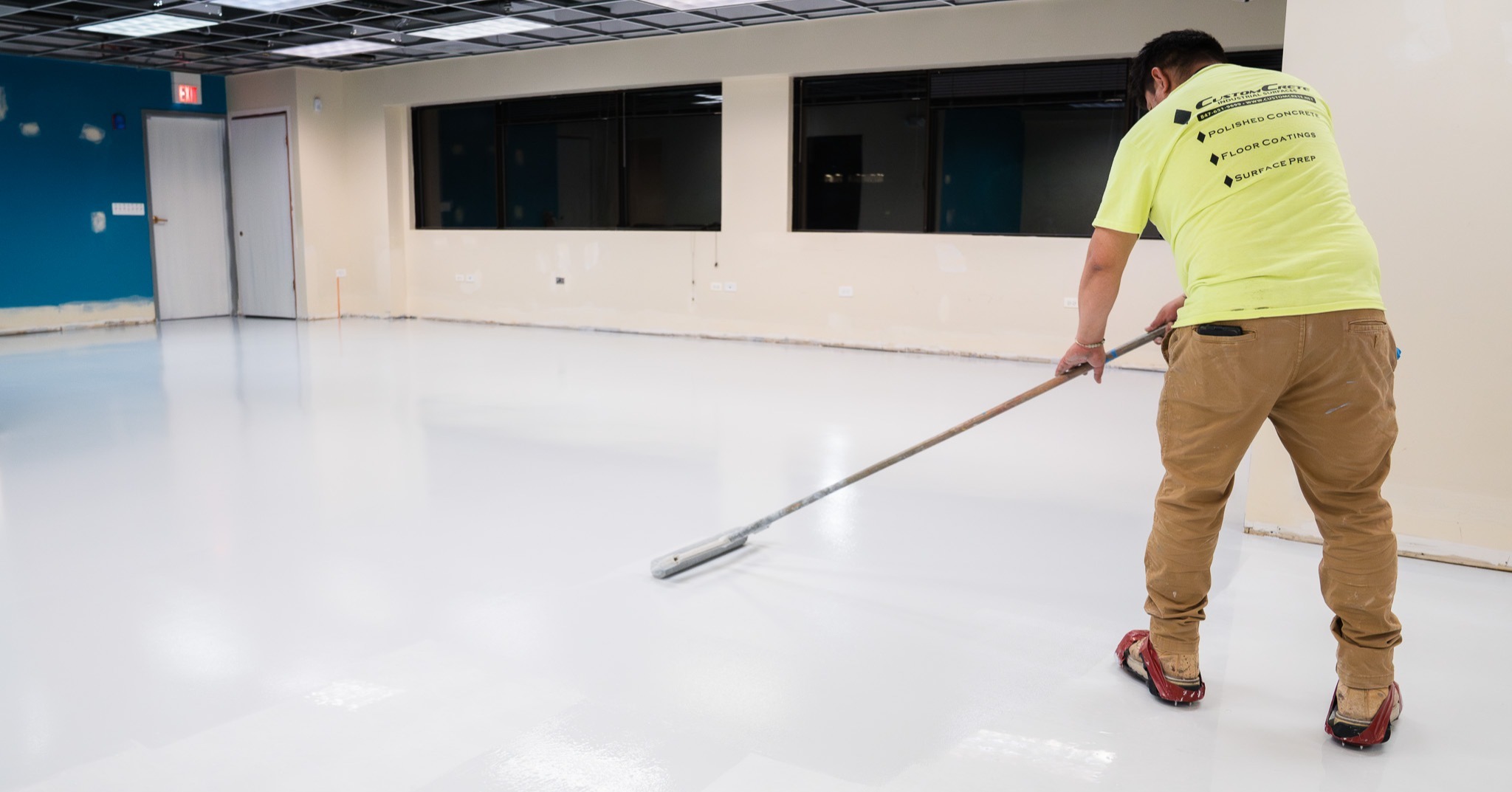
Smooth epoxy is one of the most recognizable epoxy flooring systems. It creates a seamless, relatively smooth surface that is easy to clean and available in a wide range of colors.
Because there are fewer places for dirt and contaminants to collect, smooth epoxy can work well in warehouses, production areas, laboratories, storage rooms, and other spaces where cleanability is important.
The tradeoff is traction. A smoother surface may provide less grip when contaminated with oils, grease, or other slippery substances. Facilities should evaluate what is likely to end up on the floor before deciding how much texture is appropriate.
2. Textured Epoxy Flooring
Textured epoxy incorporates aggregate or another texture-producing material to increase traction.
This is commonly used in environments where floors may be exposed to oils, chemicals, food products, or other contaminants that can create slipping hazards. Manufacturing facilities, automotive shops, loading areas, and wet processing environments may benefit from additional texture.
More texture is not automatically better. Aggressive surfaces can be harder to mop or clean, so the right system should balance slip resistance with the facility's sanitation and maintenance requirements.
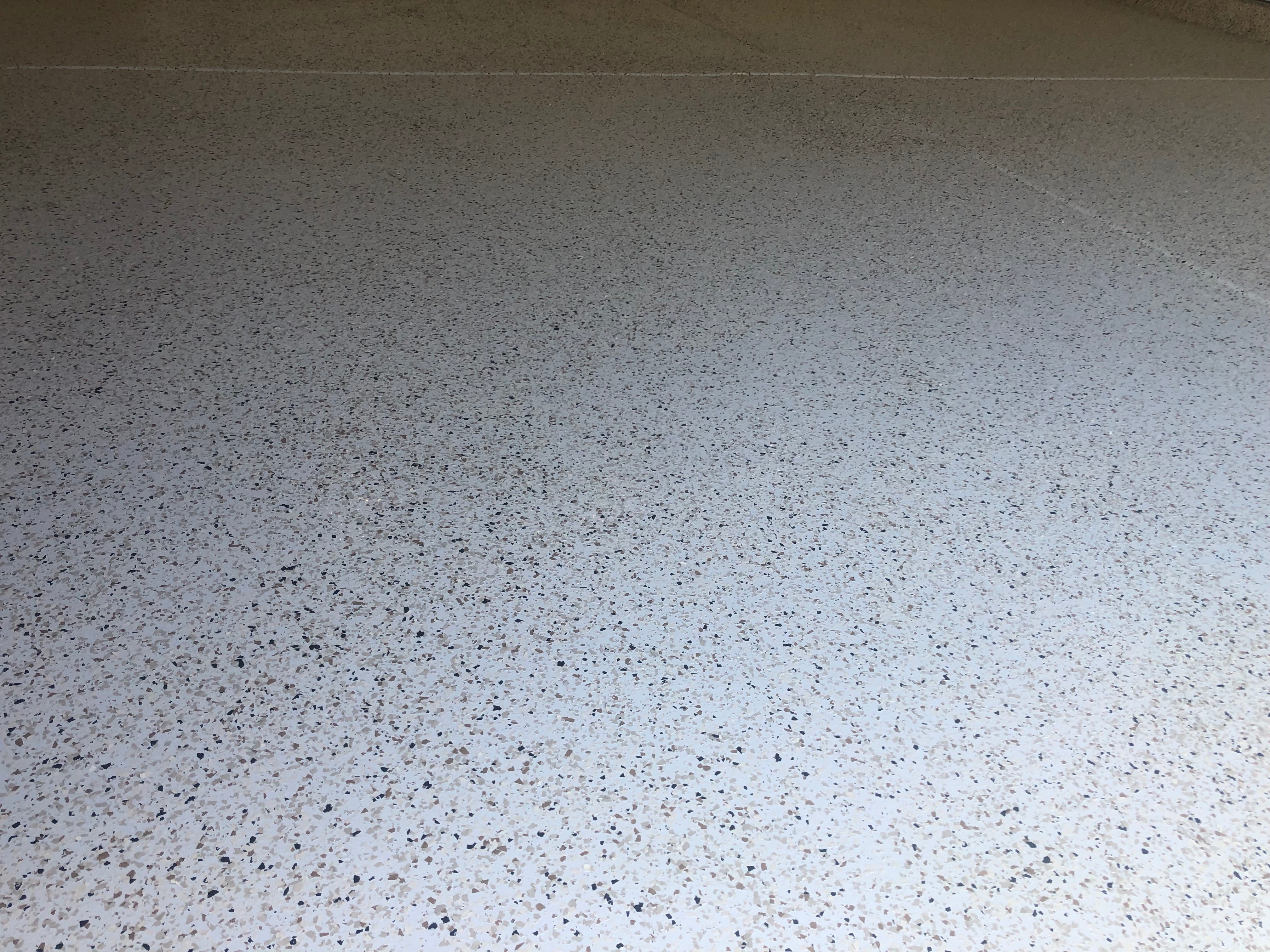
3. Decorative Flake Epoxy
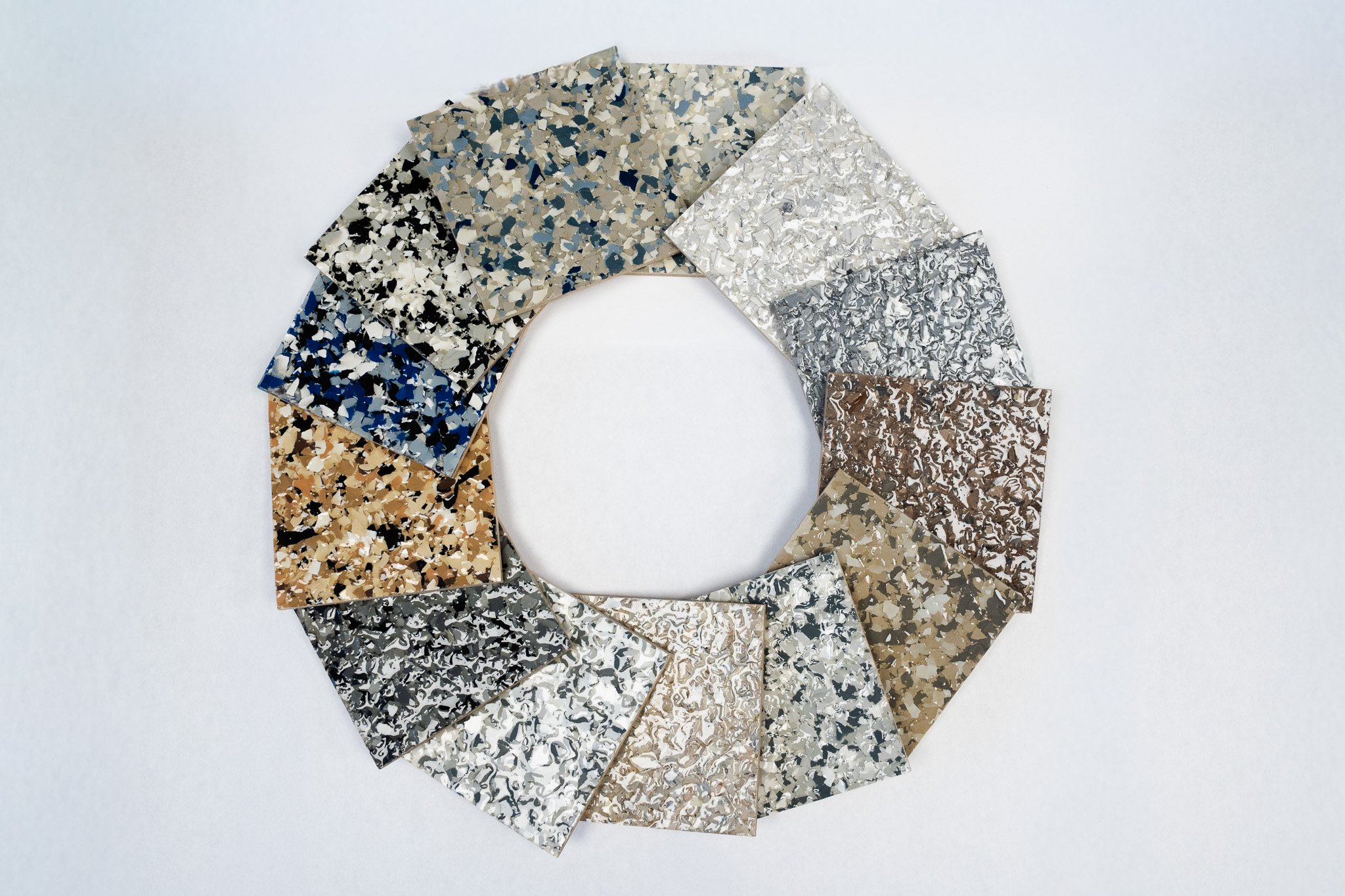
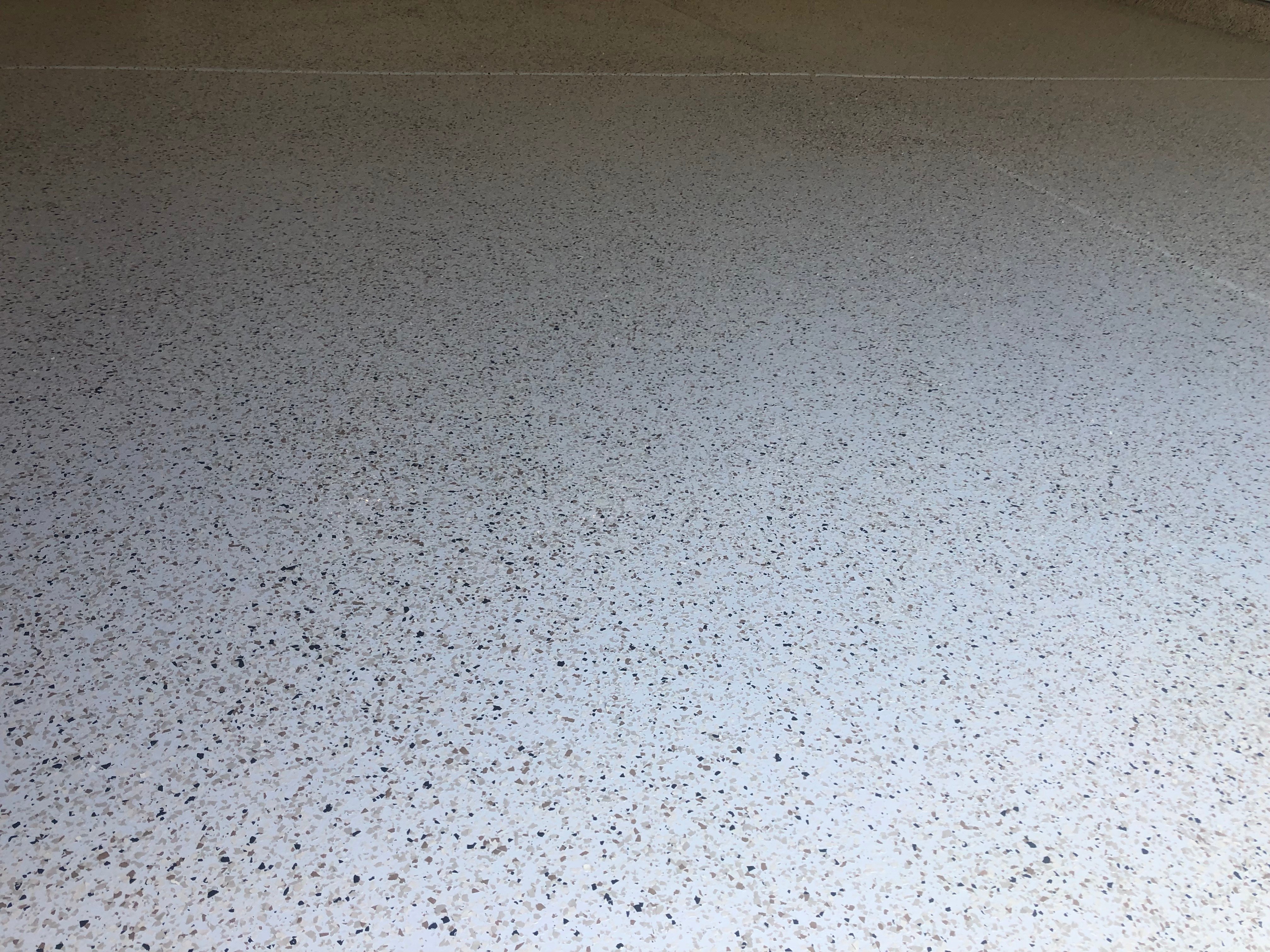
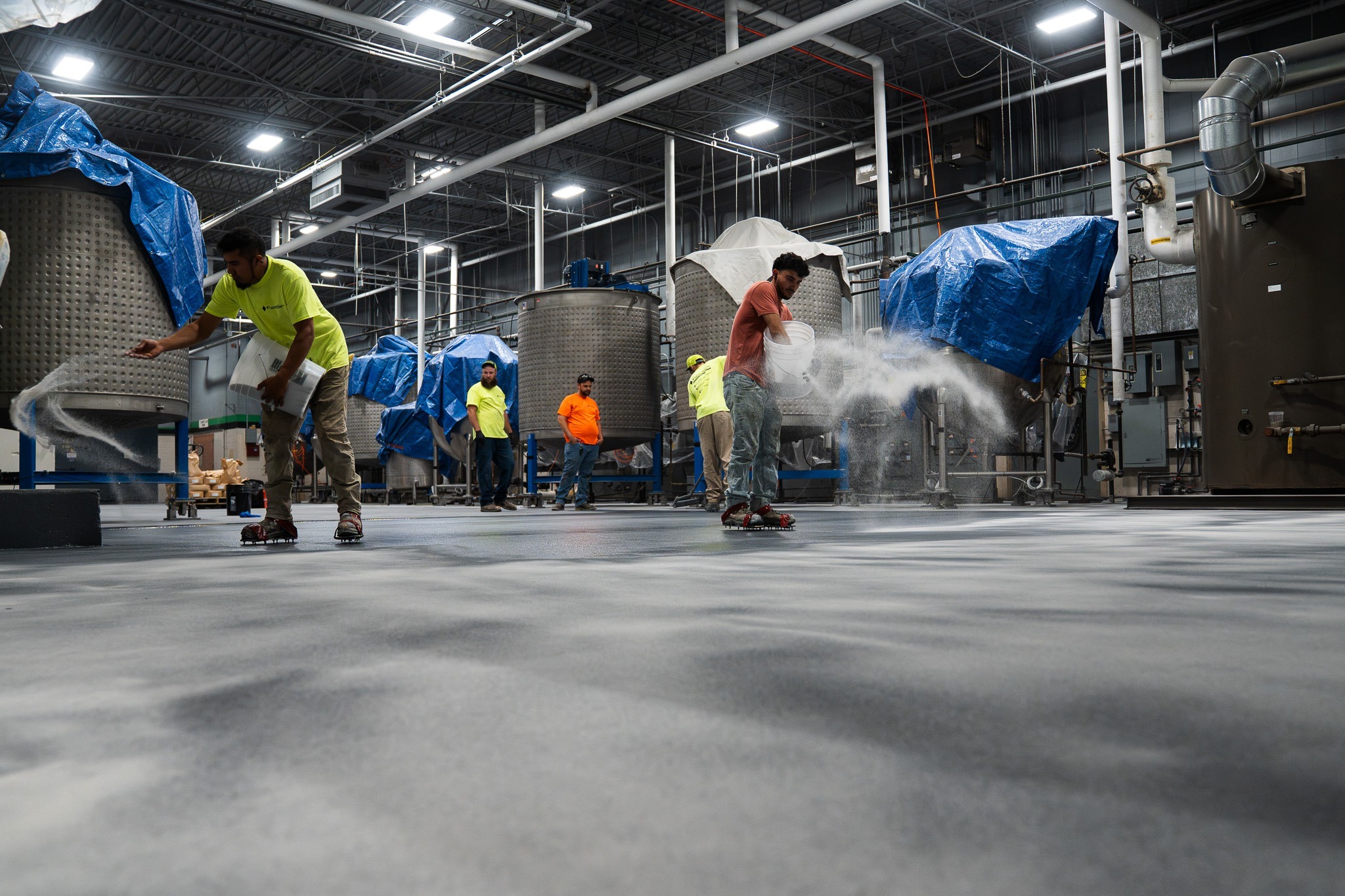
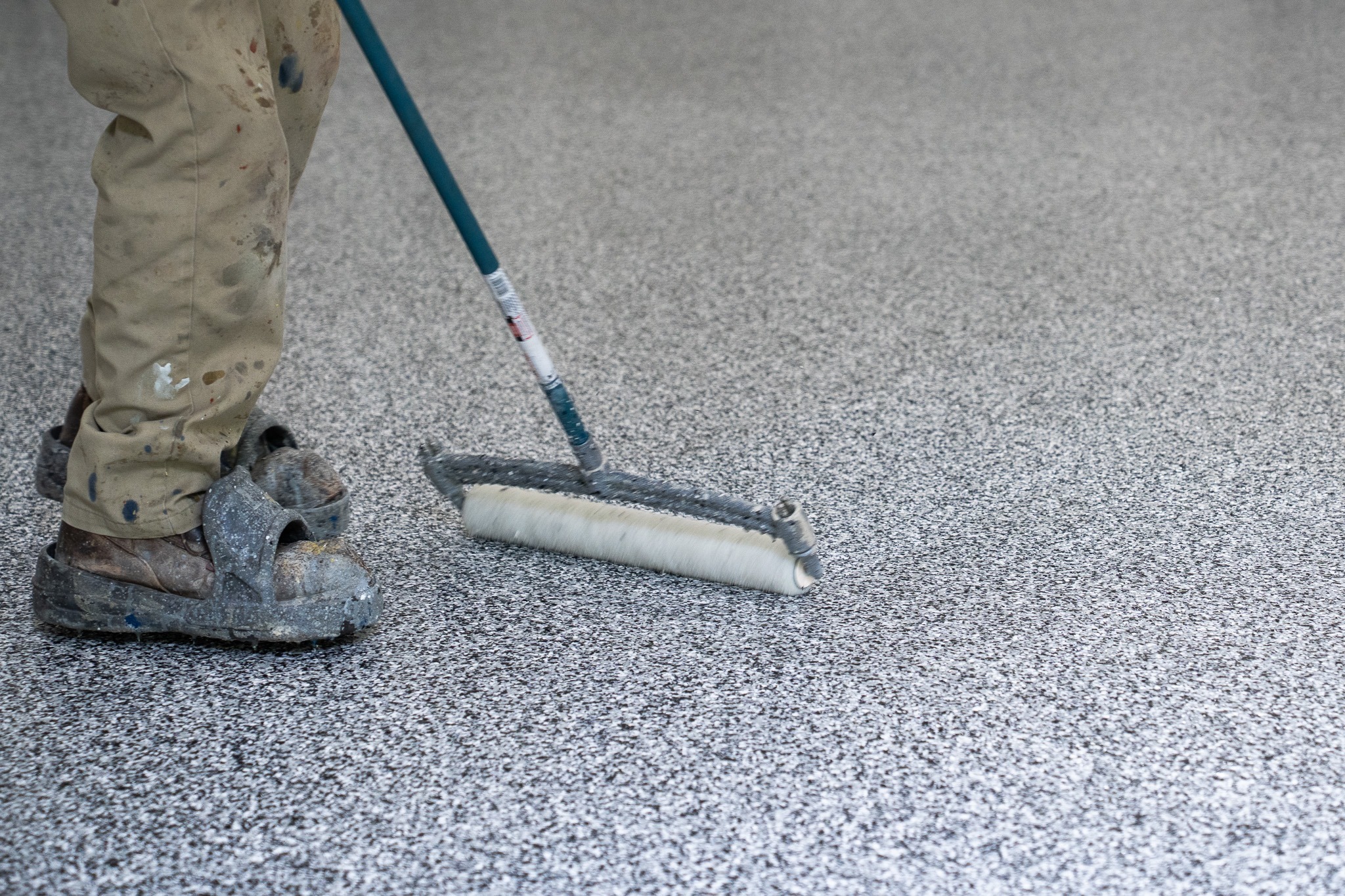
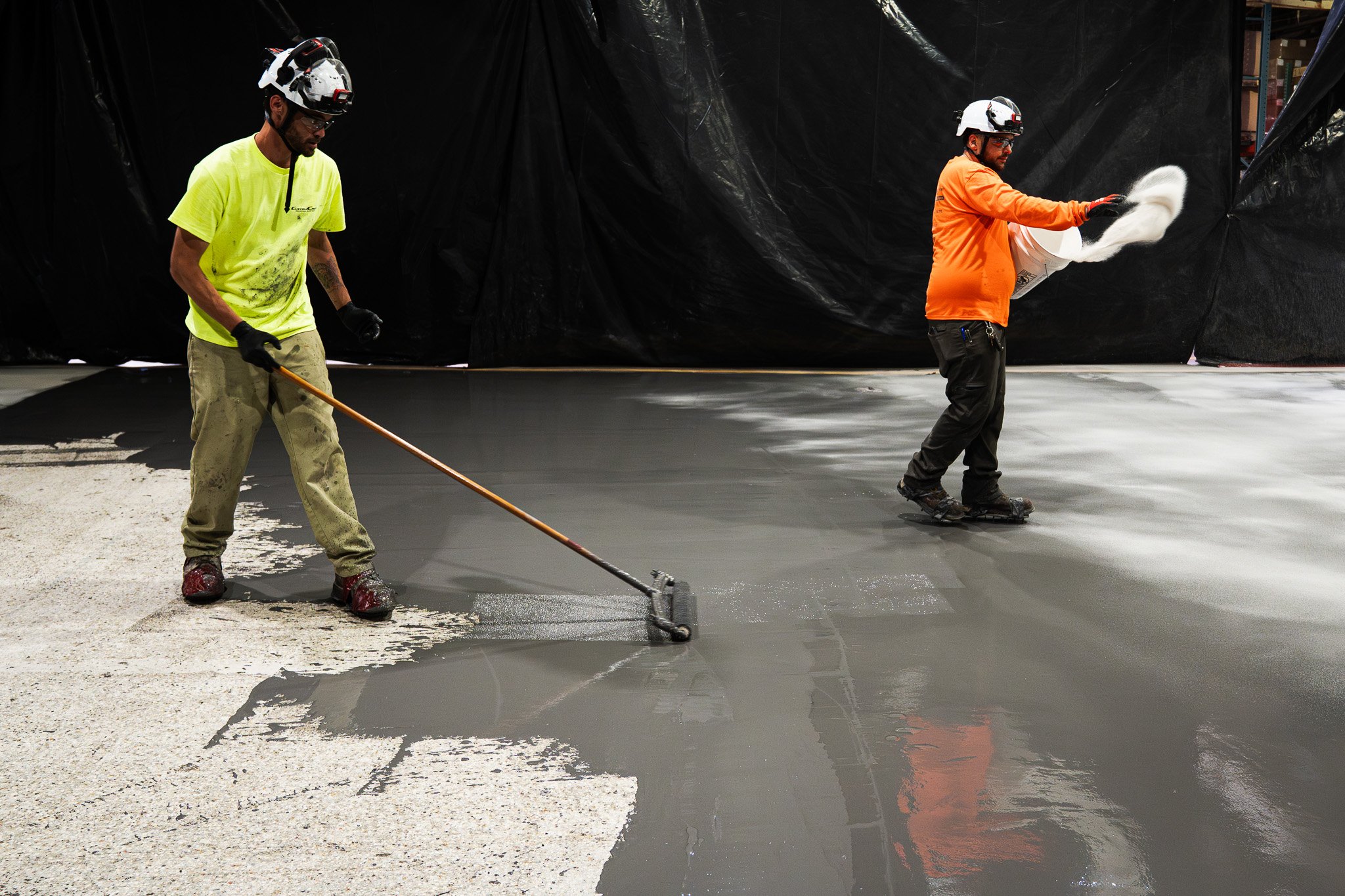
Decorative flake systems combine epoxy with colored vinyl flakes that are broadcast across the floor. A clear protective topcoat is typically installed over the flakes.
Flake flooring offers greater visual variation than a standard solid-color epoxy and can help disguise dirt, minor wear, and some visual imperfections. Different flake blends also allow the finished floor to complement a company's branding or interior design.
These systems are commonly used in automotive facilities, commercial spaces, showrooms, locker rooms, and other environments where appearance and durability are both priorities.
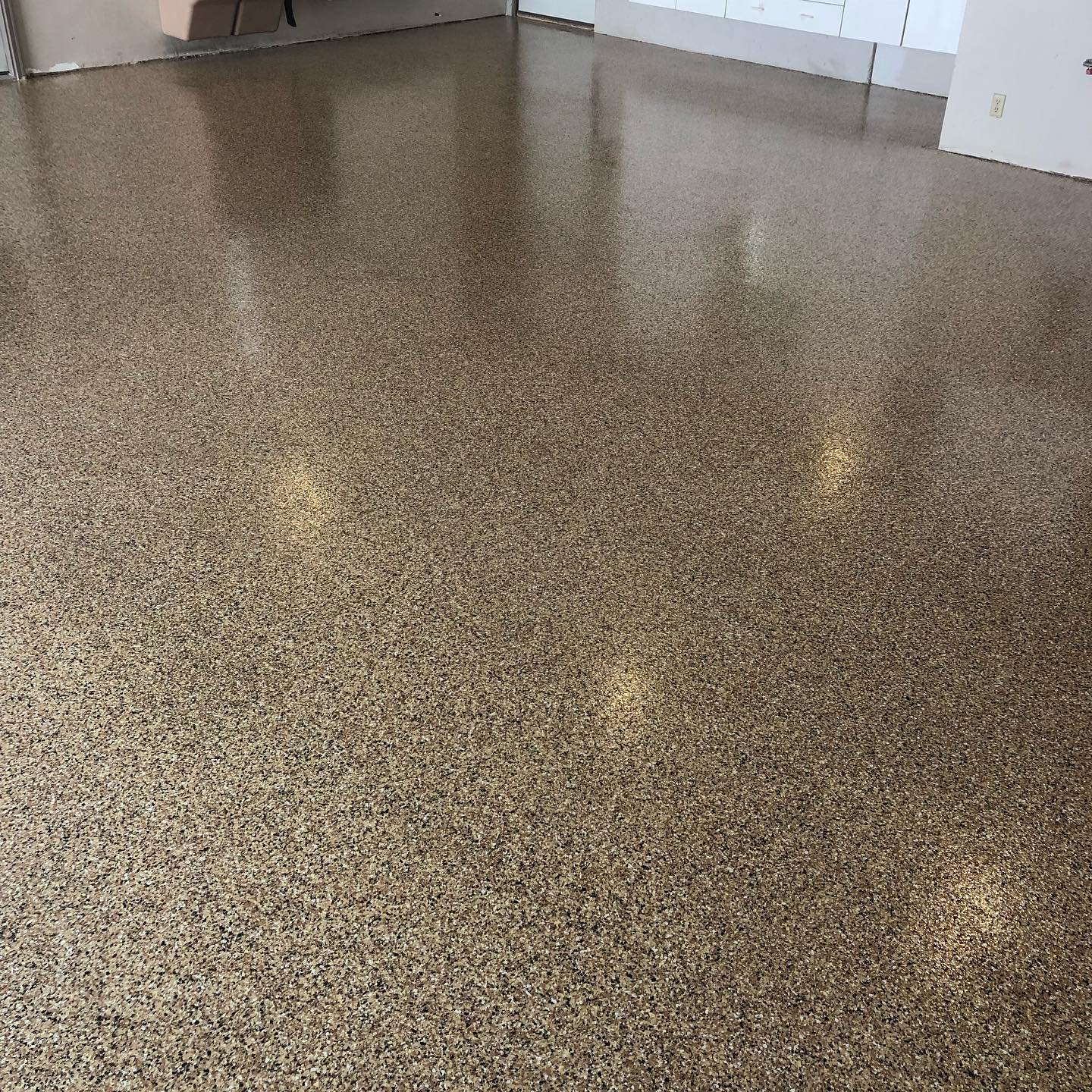
4. Quartz Epoxy Flooring
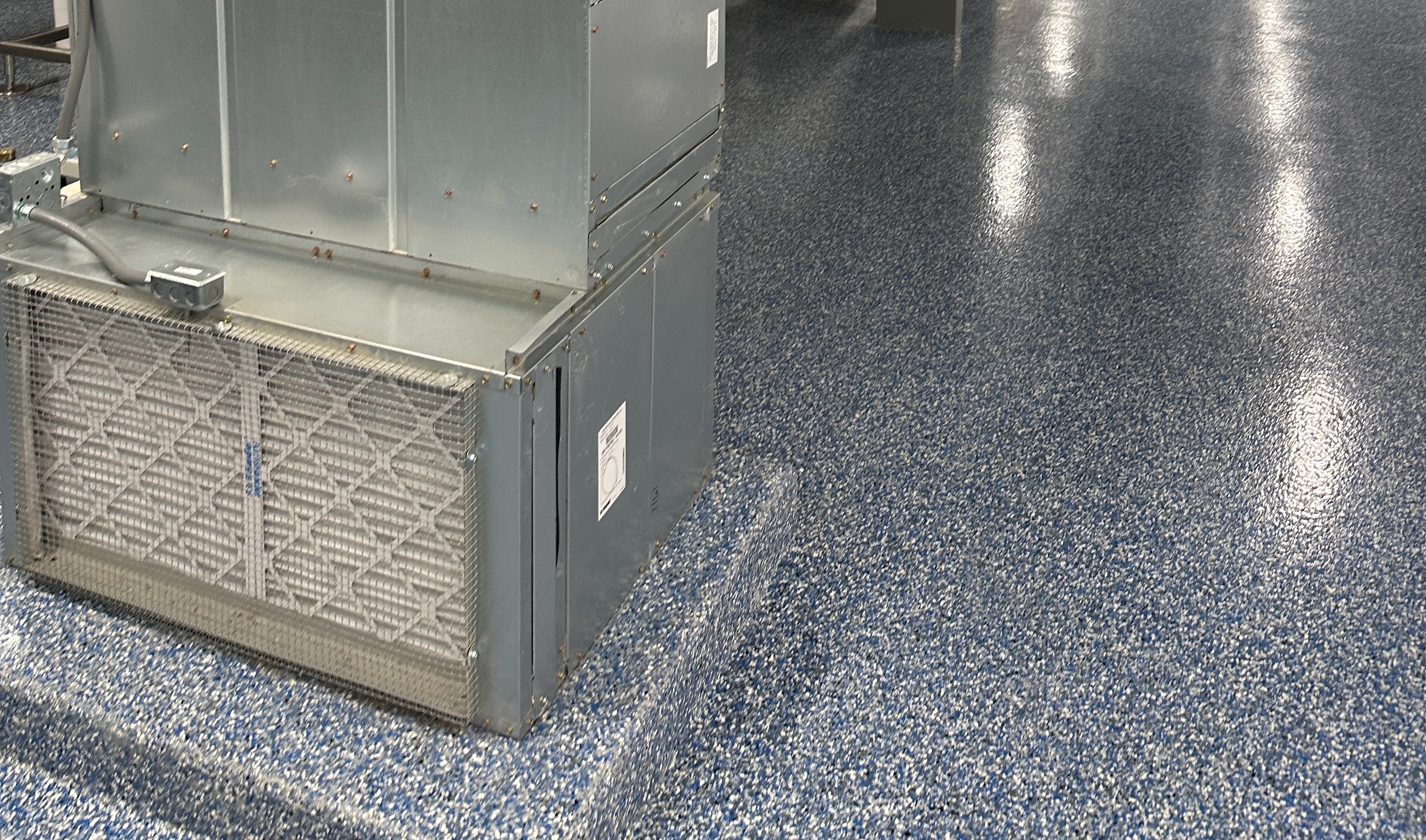
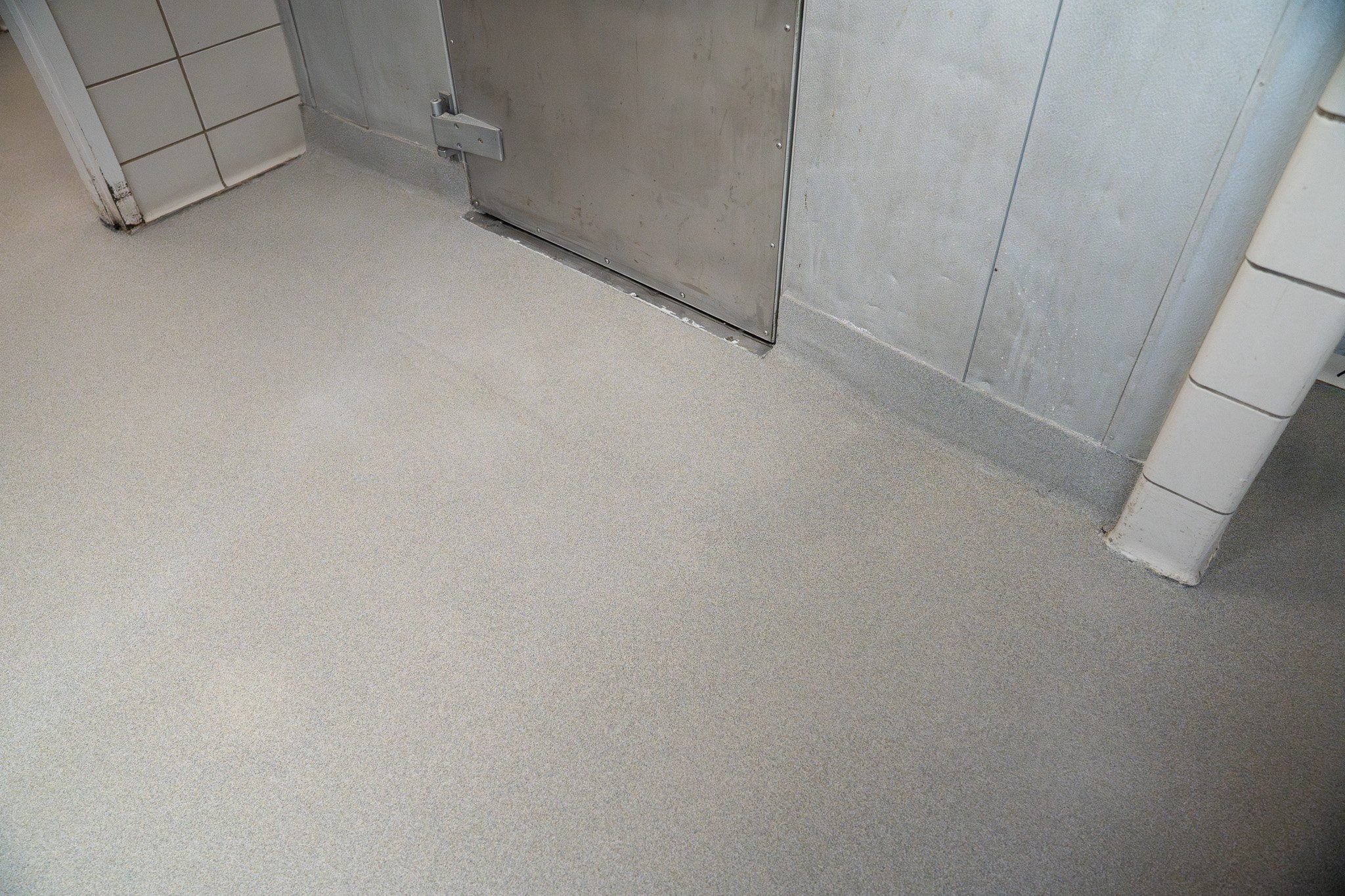
Quartz systems use colored quartz aggregate broadcast into the resinous flooring system. The aggregate provides both decorative value and additional texture.
Quartz flooring is commonly selected for commercial kitchens, restrooms, food service environments, locker rooms, and other spaces where durability and traction are important.
Compared with decorative flake, quartz generally creates a more uniform, textured appearance. The appropriate texture should still be selected based on how the space will be cleaned and used.
5. Metallic Epoxy Flooring
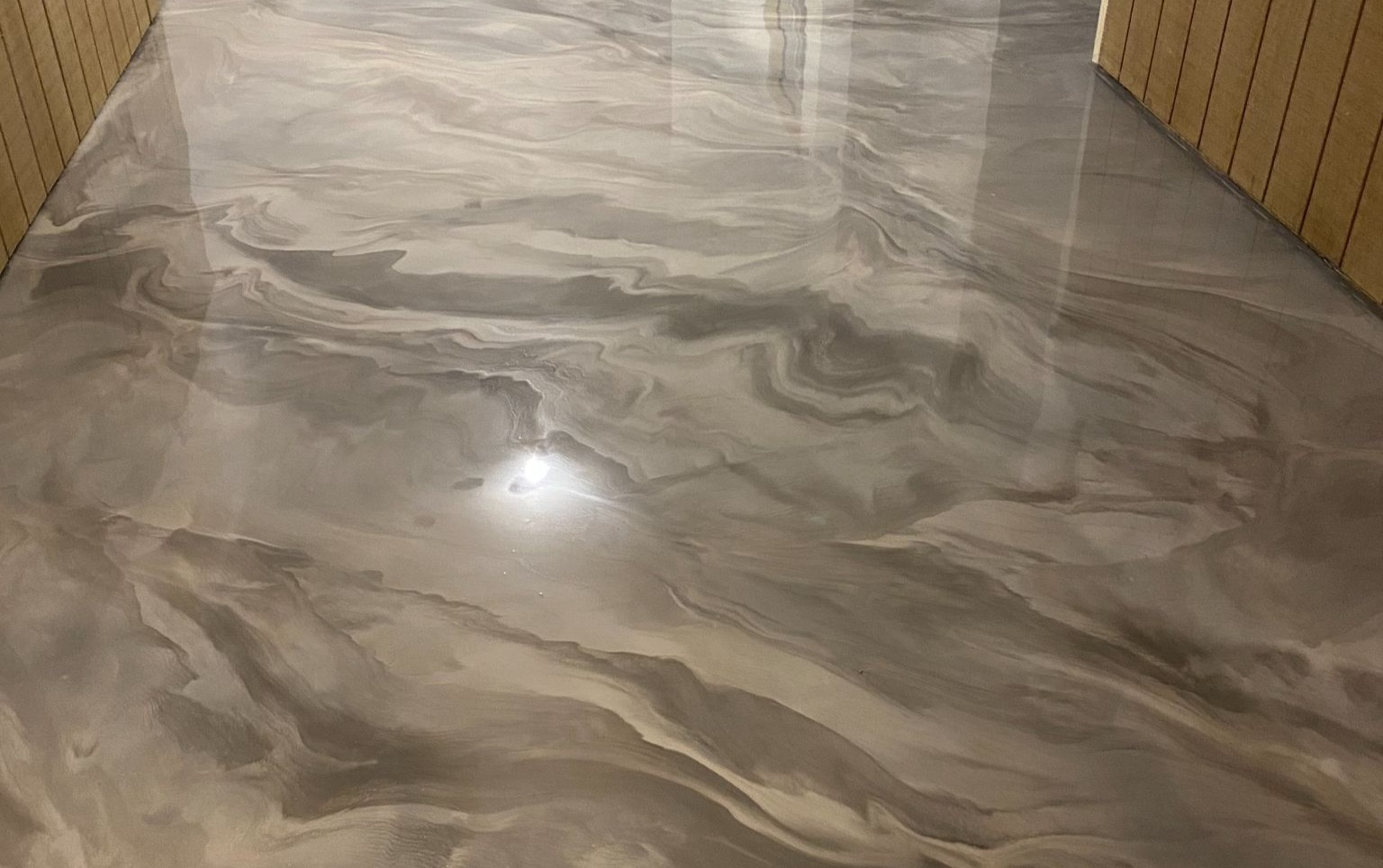
Metallic epoxy focuses heavily on appearance. Metallic pigments are blended into the resin to create movement, depth, and patterns across the floor.
The finished appearance can resemble marble, flowing metal, or other highly decorative surfaces. Because the material moves during installation, every metallic epoxy floor is somewhat unique.
Metallic systems are most commonly considered for retail stores, restaurants, offices, showrooms, and other customer-facing spaces. They may not be the most practical choice for every heavy industrial environment, so performance requirements should be considered alongside appearance.
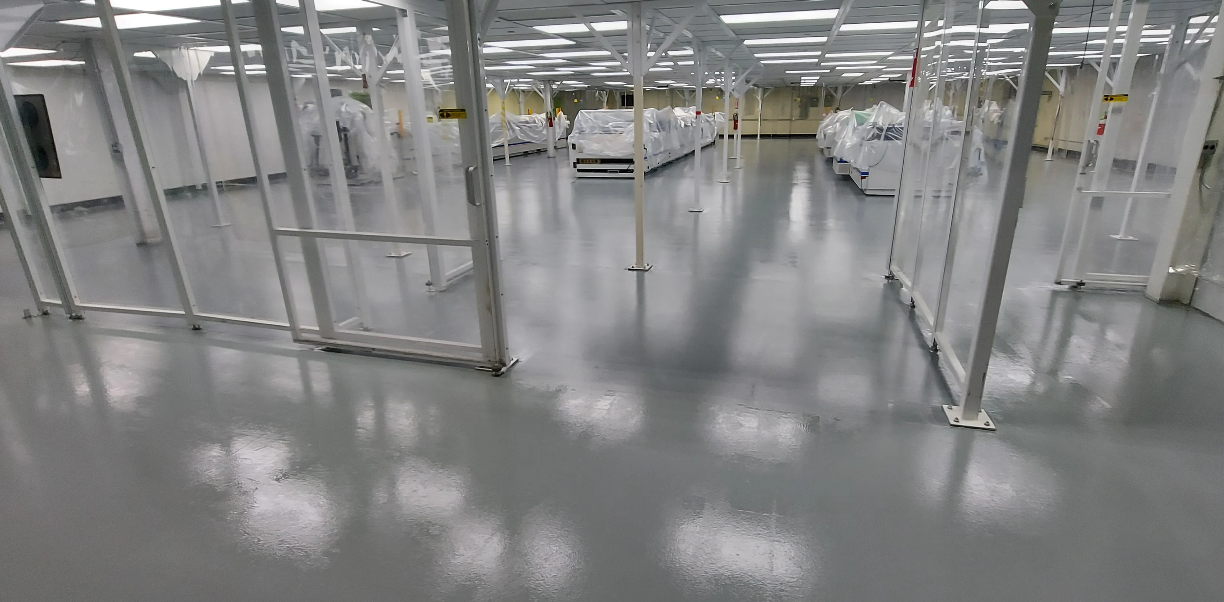
6. ESD and Anti-Static Epoxy Flooring
Some facilities need their flooring to do more than withstand traffic. They also need it to control static electricity.
Electrostatic discharge, or ESD, can damage sensitive electronics and interfere with certain manufacturing processes. Specialized ESD epoxy systems are designed to safely control or dissipate electrical charges.
These types of epoxy flooring may be used in data centers, electronics manufacturing, laboratories, pharmaceutical environments, and other spaces containing sensitive equipment.
ESD flooring should be selected based on the facility's specific electrical performance requirements rather than simply choosing a product labeled "anti-static."
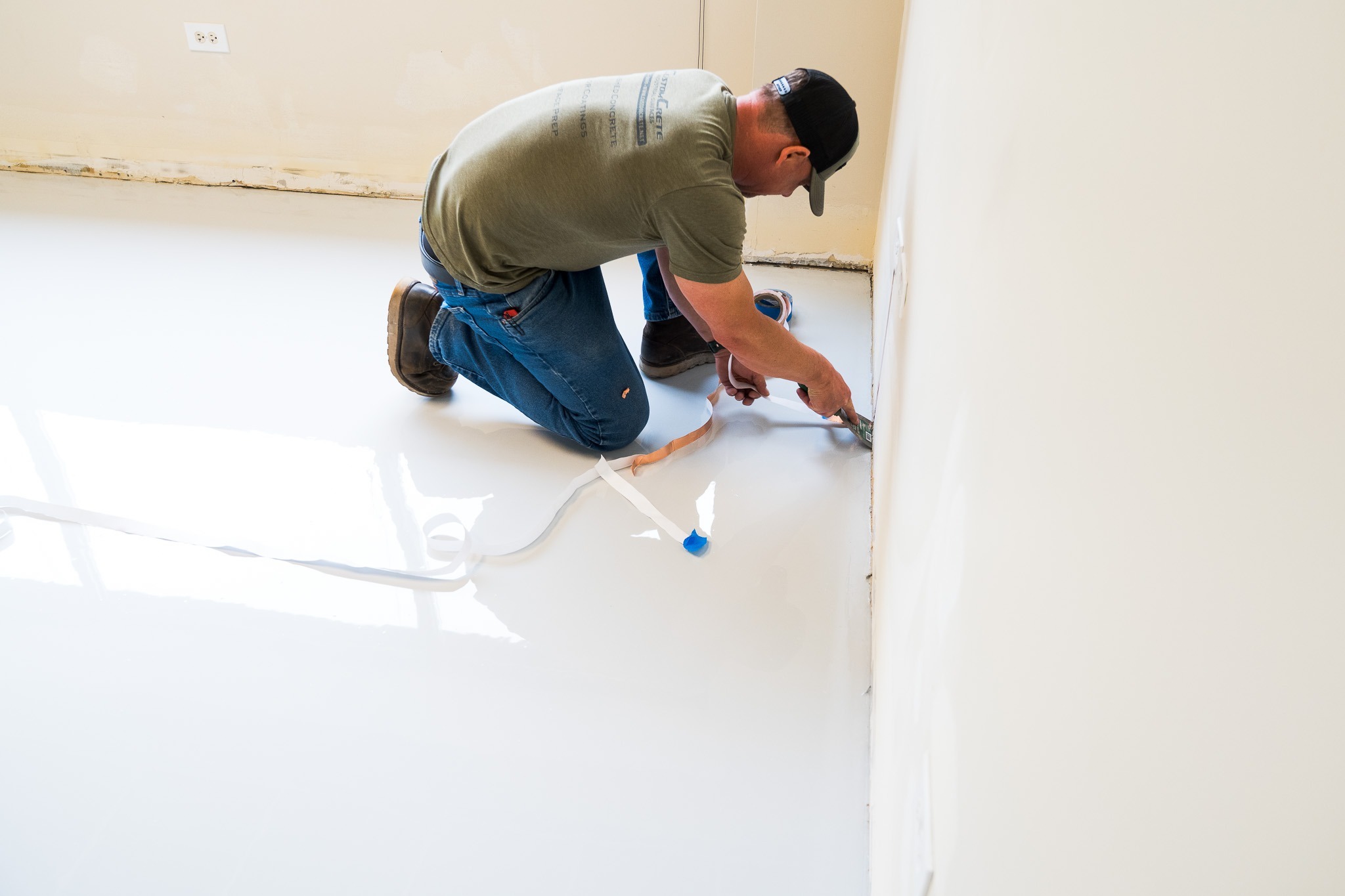
7. Chemical-Resistant Epoxy Flooring
Standard epoxy provides resistance to many common substances, but certain facilities require much greater chemical protection.
Chemical-resistant epoxy systems are formulated for environments exposed to acids, solvents, fuels, cleaning chemicals, and other aggressive materials. Novolac epoxy, for example, may be used when greater chemical resistance is required.
These systems can be found in chemical manufacturing plants, battery-related areas, laboratories, secondary containment areas, and industrial production facilities.
Chemical resistance varies significantly between products. The exact chemicals, concentrations, exposure duration, and temperatures should be evaluated before selecting a system.
How Do You Choose Between the Different Types of Epoxy Flooring?
The best epoxy flooring system depends on what the floor actually needs to withstand.
Start by considering daily traffic. A lightly used commercial room has very different requirements from a production floor carrying forklifts throughout multiple shifts.
Next, consider chemical exposure and contamination. Oils, acids, cleaning chemicals, and other materials may require specific resin formulations or additional texture.
Maintenance is another important factor. Highly textured floors may provide additional traction but can take more effort to clean. Smooth systems are generally easier to maintain but may not provide enough traction for every environment.
Finally, consider appearance. A decorative flake or metallic system may make sense in a customer-facing area, while a straightforward solid-color system may provide everything a production facility needs.
Epoxy Is Often Part of a Complete Flooring System
When comparing the different types of epoxy flooring, it is important to look beyond the visible finish.
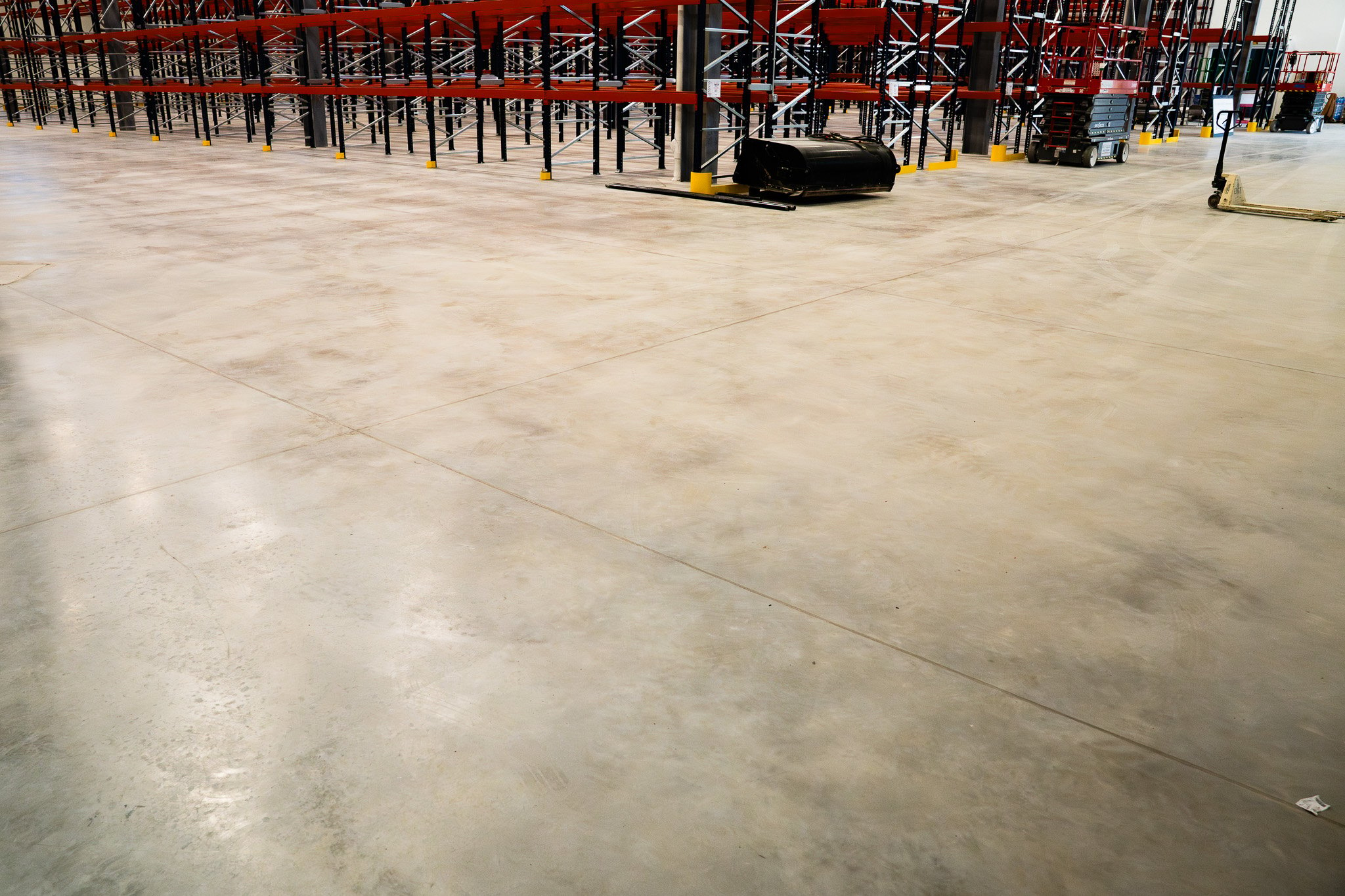
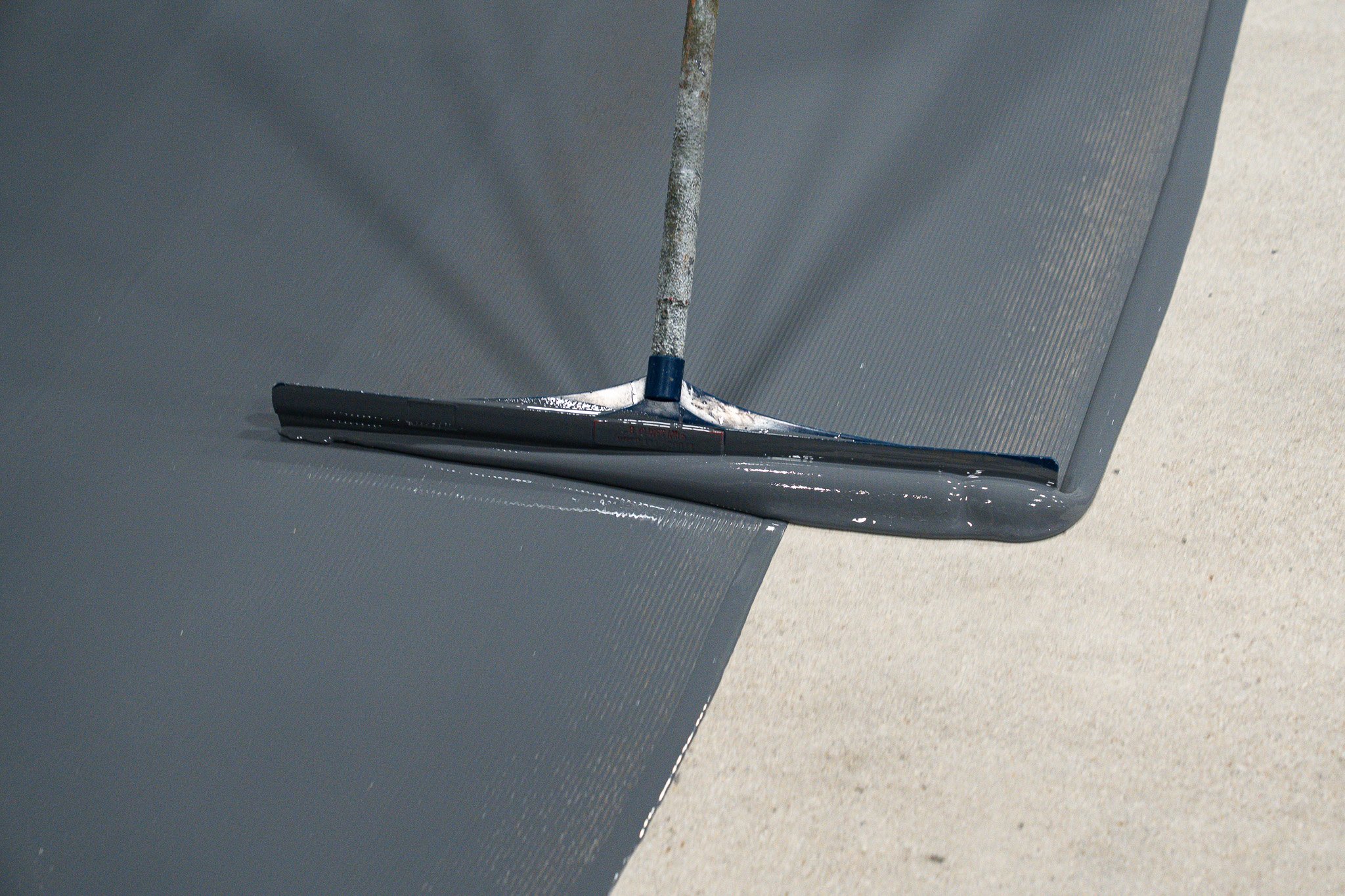
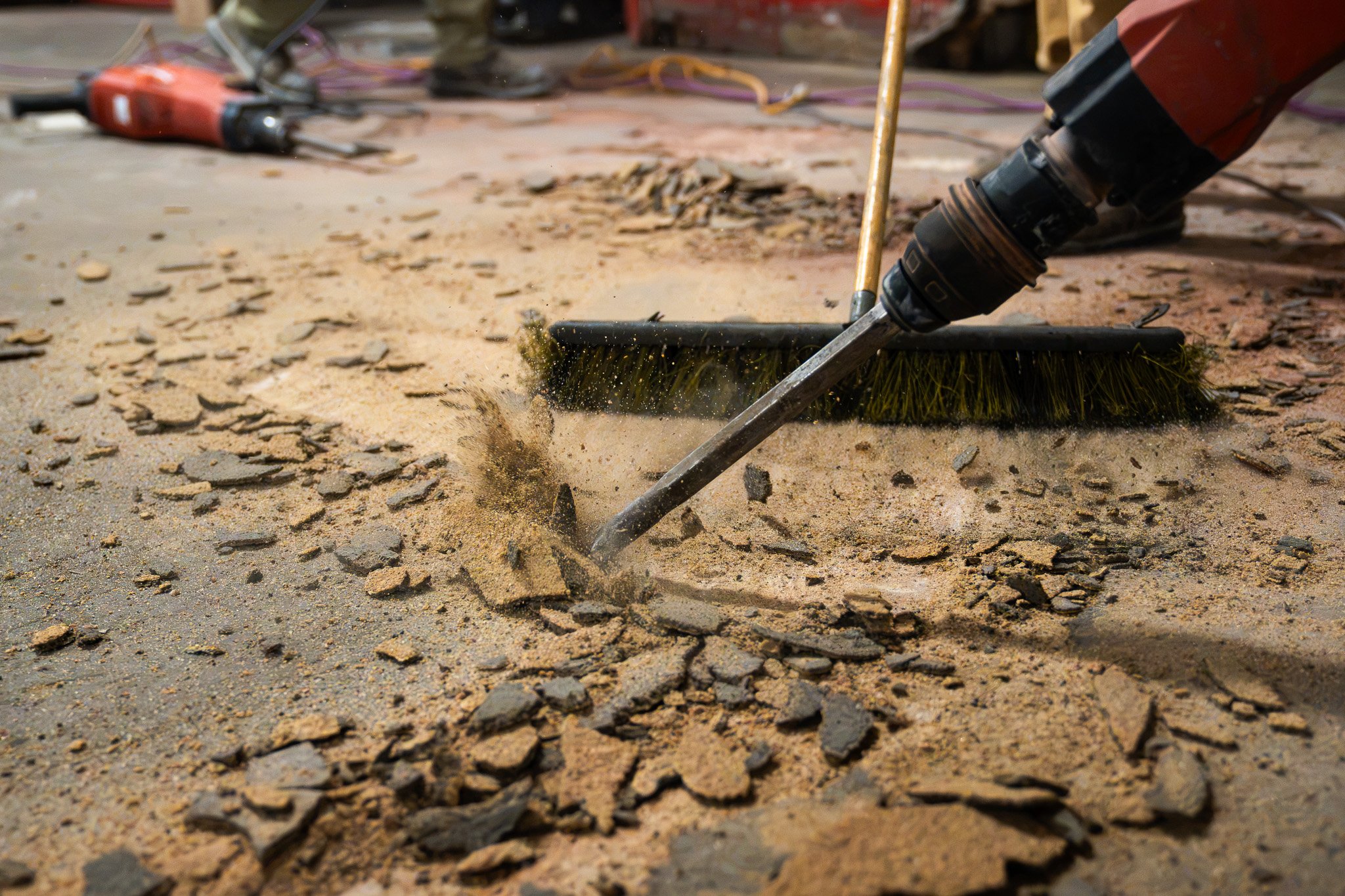
A successful installation may include mechanical surface preparation, concrete repairs, primers, epoxy body coats, aggregate broadcasts, and protective topcoats. Moisture conditions may also need to be evaluated before installation.
The performance of the finished floor depends on the entire system and the condition of the concrete underneath it—not simply the type of epoxy selected.
Final Thoughts
The many types of epoxy flooring available make epoxy one of the more versatile options for commercial and industrial concrete. Smooth and textured systems offer practical protection, flake and quartz provide decorative options, metallic epoxy emphasizes design, and ESD or chemical-resistant systems solve highly specialized facility challenges.
There is no single epoxy floor that is best for every building. Understanding your traffic, chemicals, maintenance expectations, safety requirements, and design goals will help determine which system makes the most sense.
If you're comparing epoxy flooring options for a commercial or industrial facility, request a quote with CustomCrete to discuss your space, operating conditions, and the systems that may be appropriate for your project.

Topics:
.jpg?width=2048&height=1365&name=CC108559%20(1).jpg)
.jpeg?width=1638&height=1020&name=CC109349%20(1).jpeg)
.png?width=11520&height=9216&name=Untitled%20design%20(56).png)