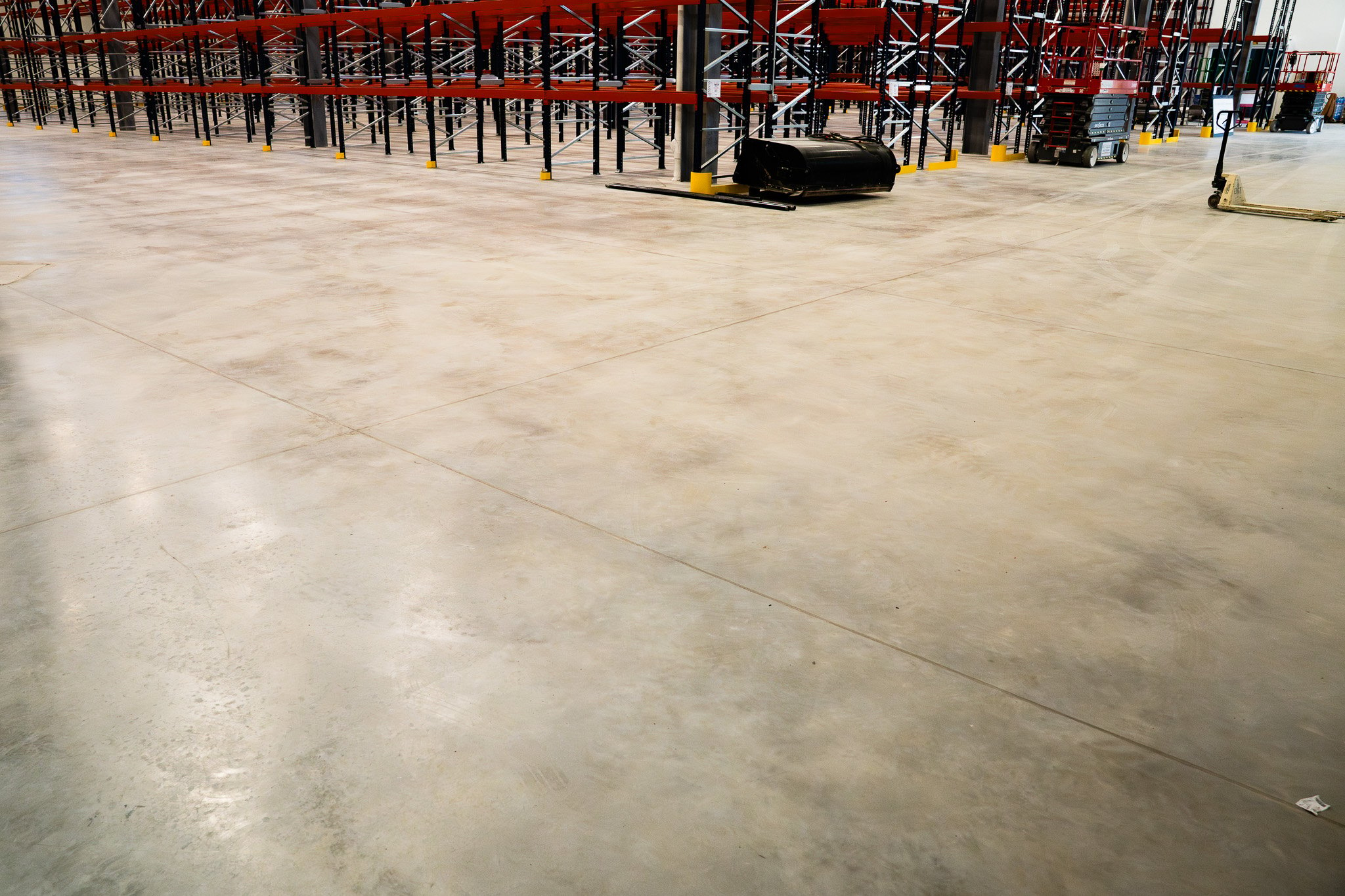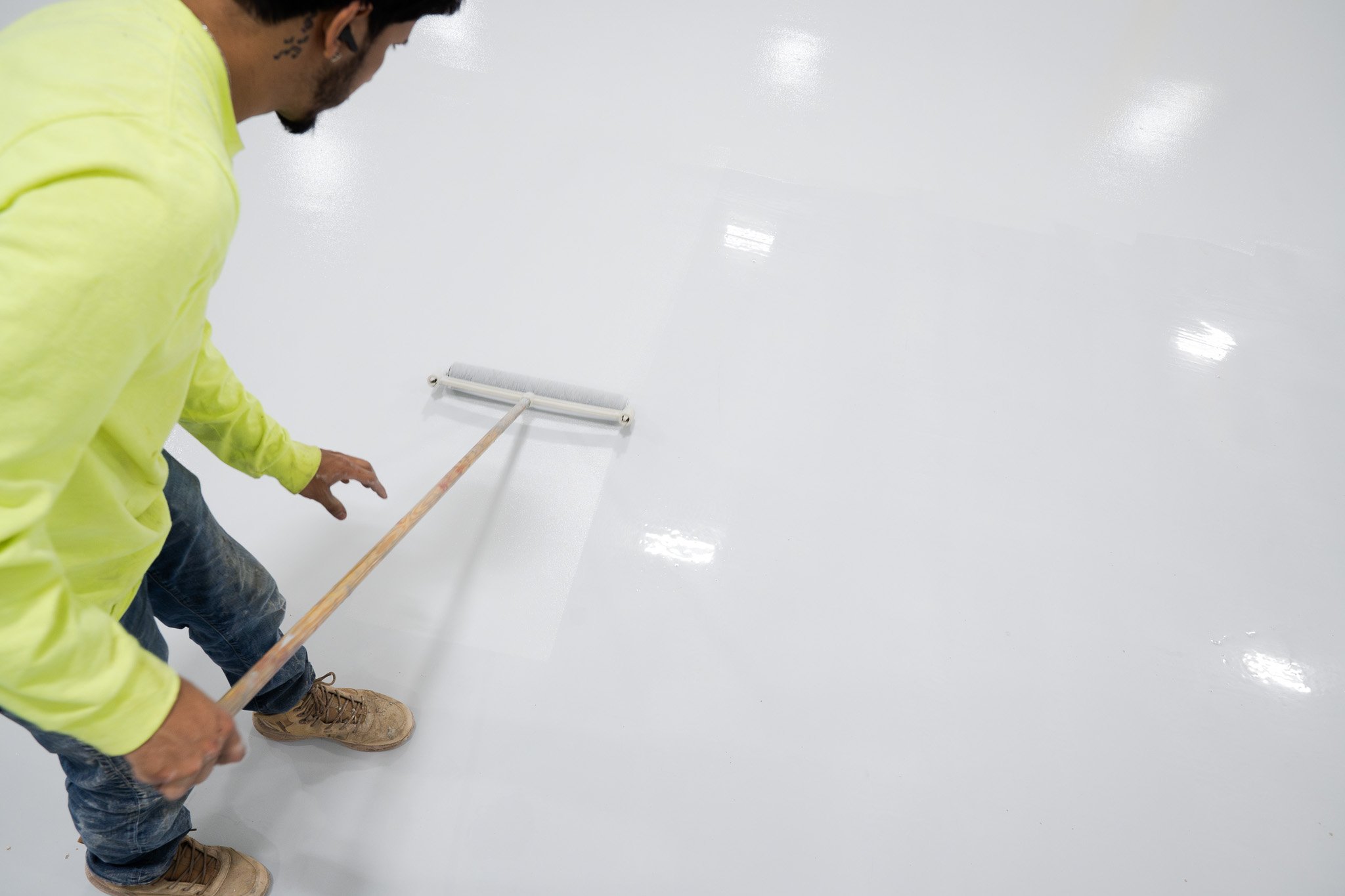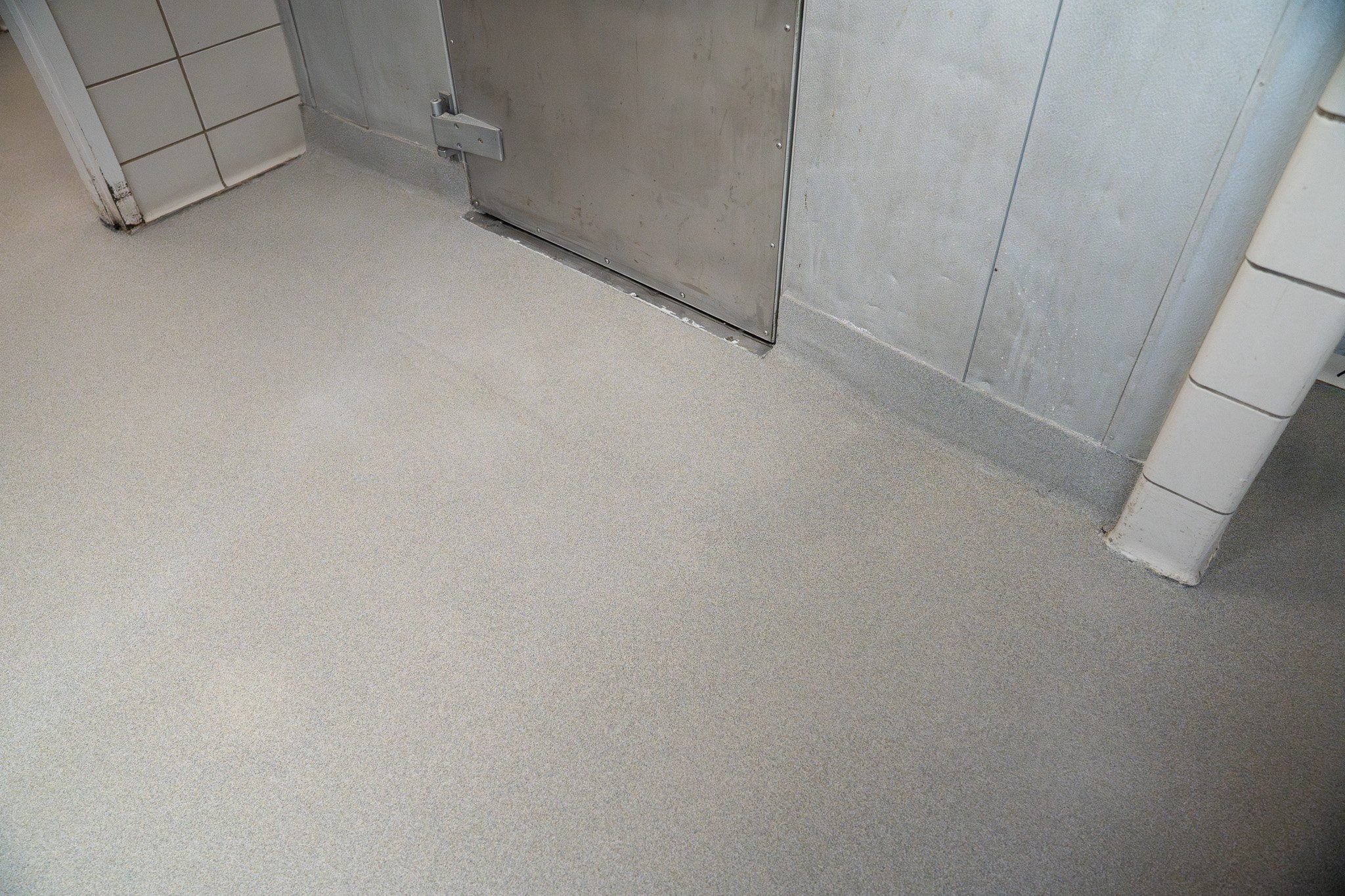

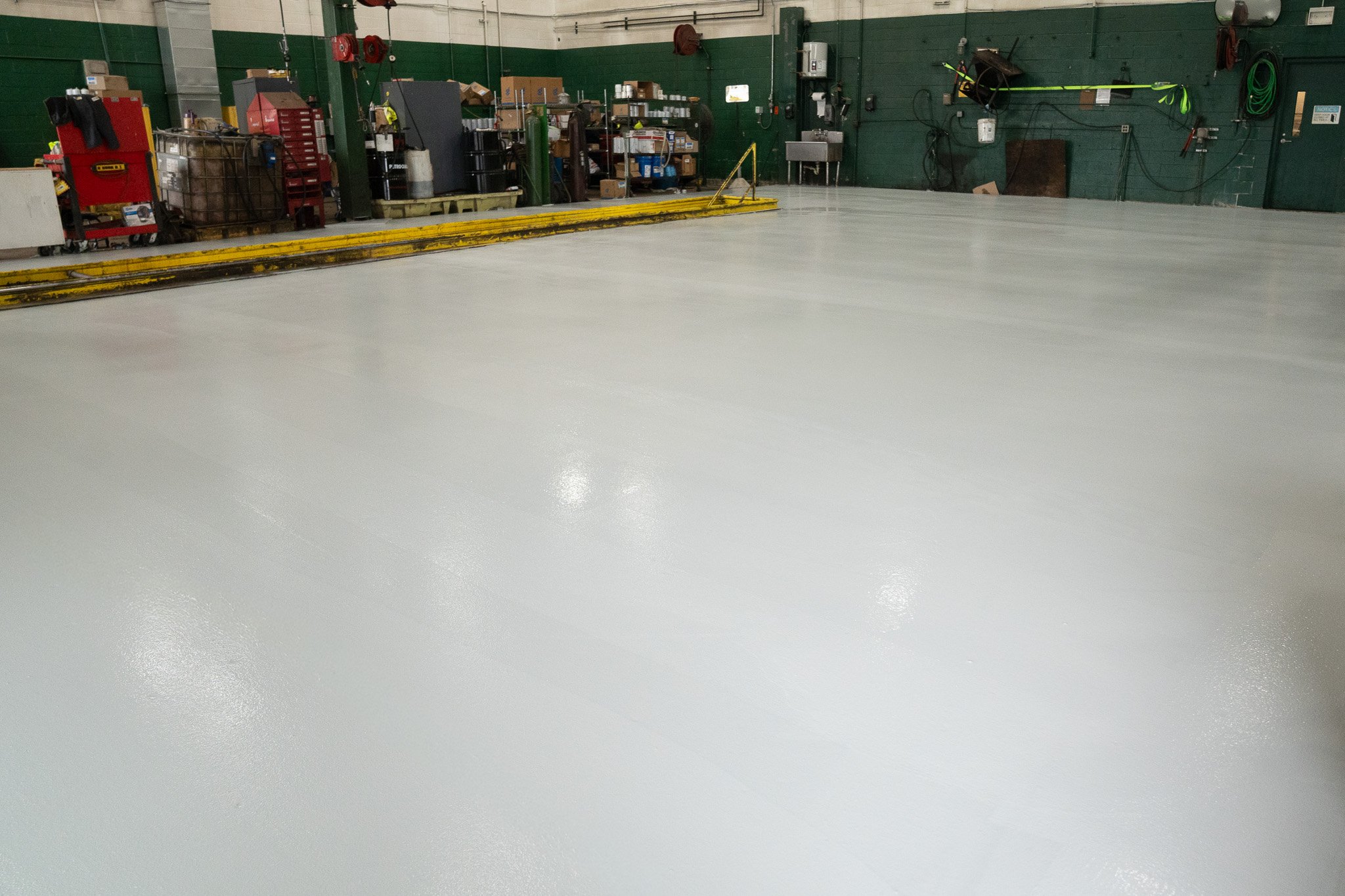
Automotive repair shops put their floors through constant abuse. Heavy vehicle traffic, dropped tools, oil and chemical spills, hot tires, and daily cleaning can quickly wear down bare concrete. Over time, untreated concrete becomes stained, cracked, and difficult to maintain, creating both safety and maintenance challenges.
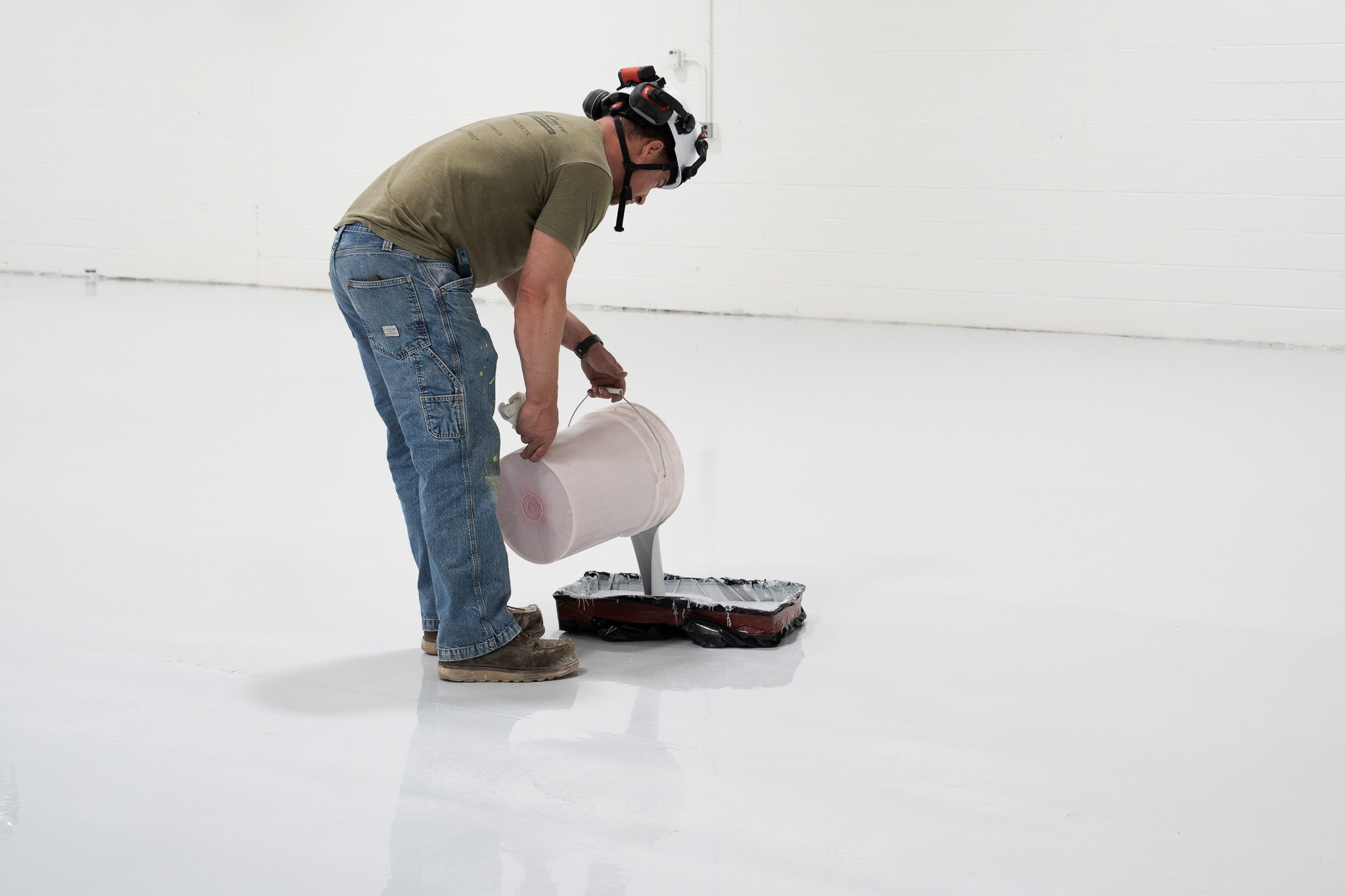
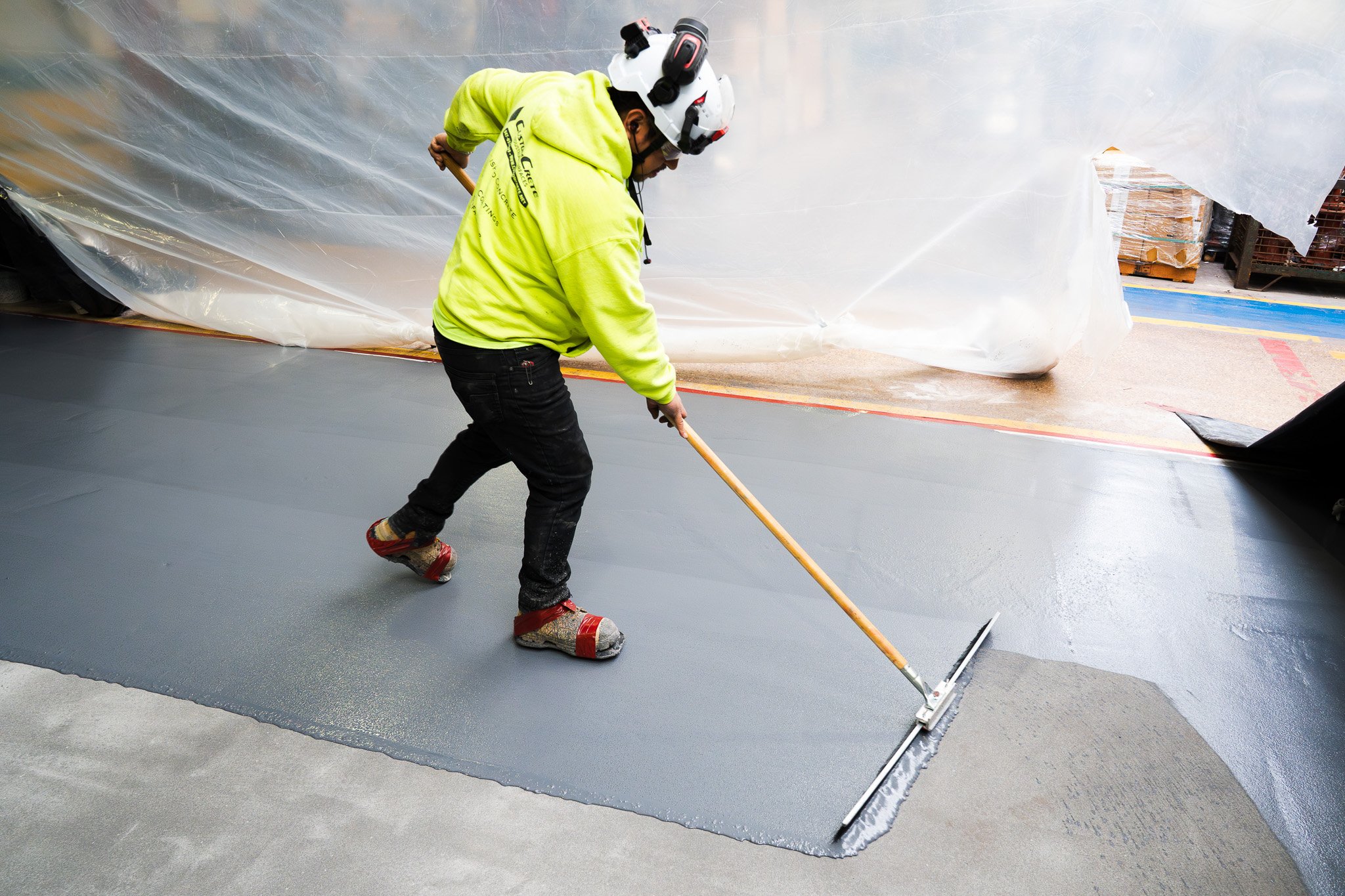
A polyaspartic floor coating is designed to protect concrete from these demanding conditions while providing a durable, attractive, and easy-to-clean surface. Whether it's an independent repair garage, dealership service department, or fleet maintenance facility, choosing the right flooring system can extend the life of the concrete and reduce long-term maintenance costs.
With nearly 20 years of experience and over 1 million square feet installed, CustomCrete has installed flooring systems in automotive facilities throughout the Midwest. This guide explains how a polyaspartic floor coating protects auto shop flooring and why it has become a popular choice for commercial automotive environments.
Key Takeaways
- A polyaspartic floor coating protects concrete from chemicals, abrasion, impact, and daily vehicle traffic.
- Polyaspartic systems cure quickly, helping minimize downtime for busy automotive facilities.
- When installed over proper surface preparation and a quality primer, polyaspartic coatings provide long-lasting performance in demanding shop environments.

What Is a Polyaspartic Floor Coating?
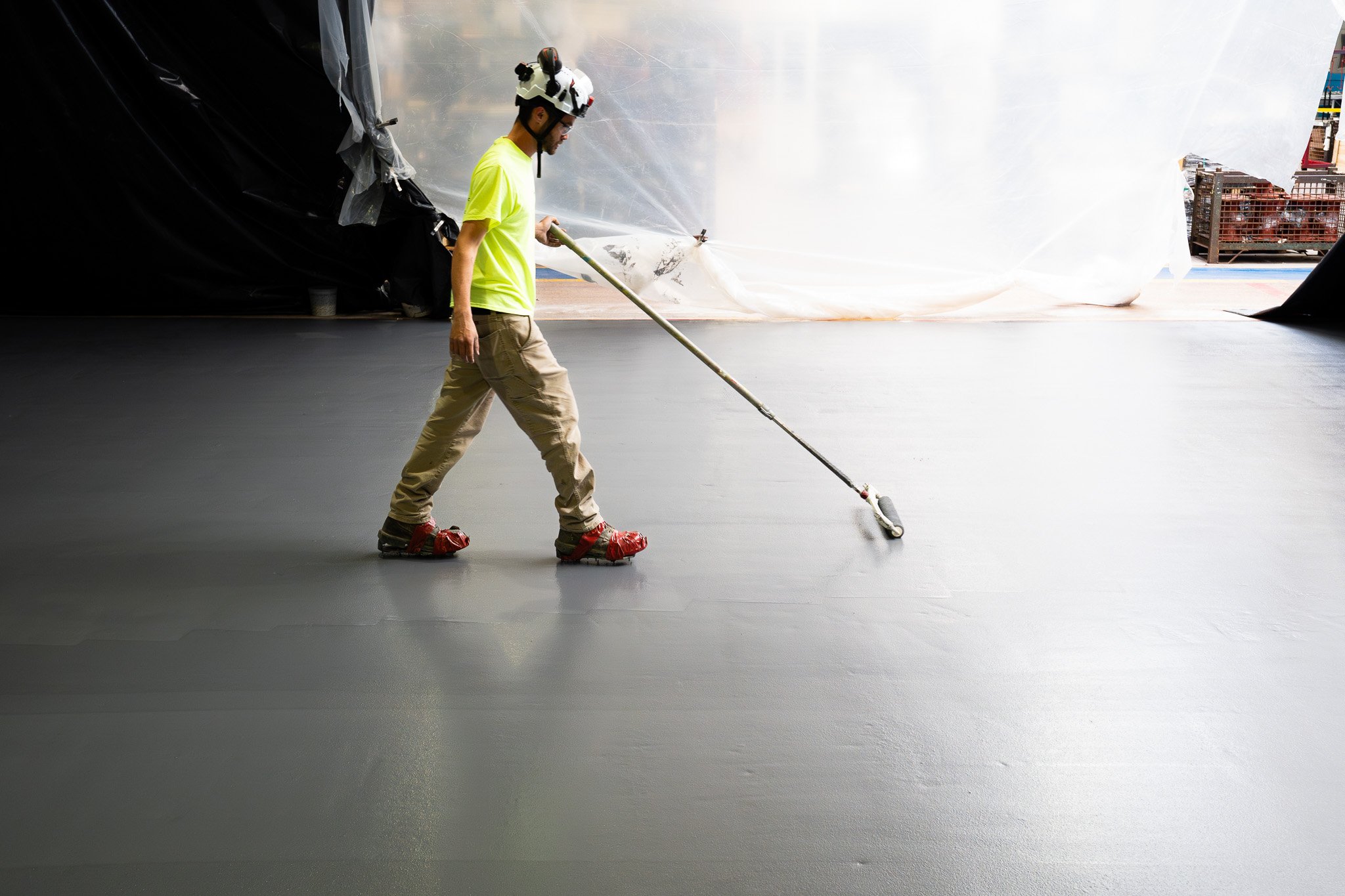
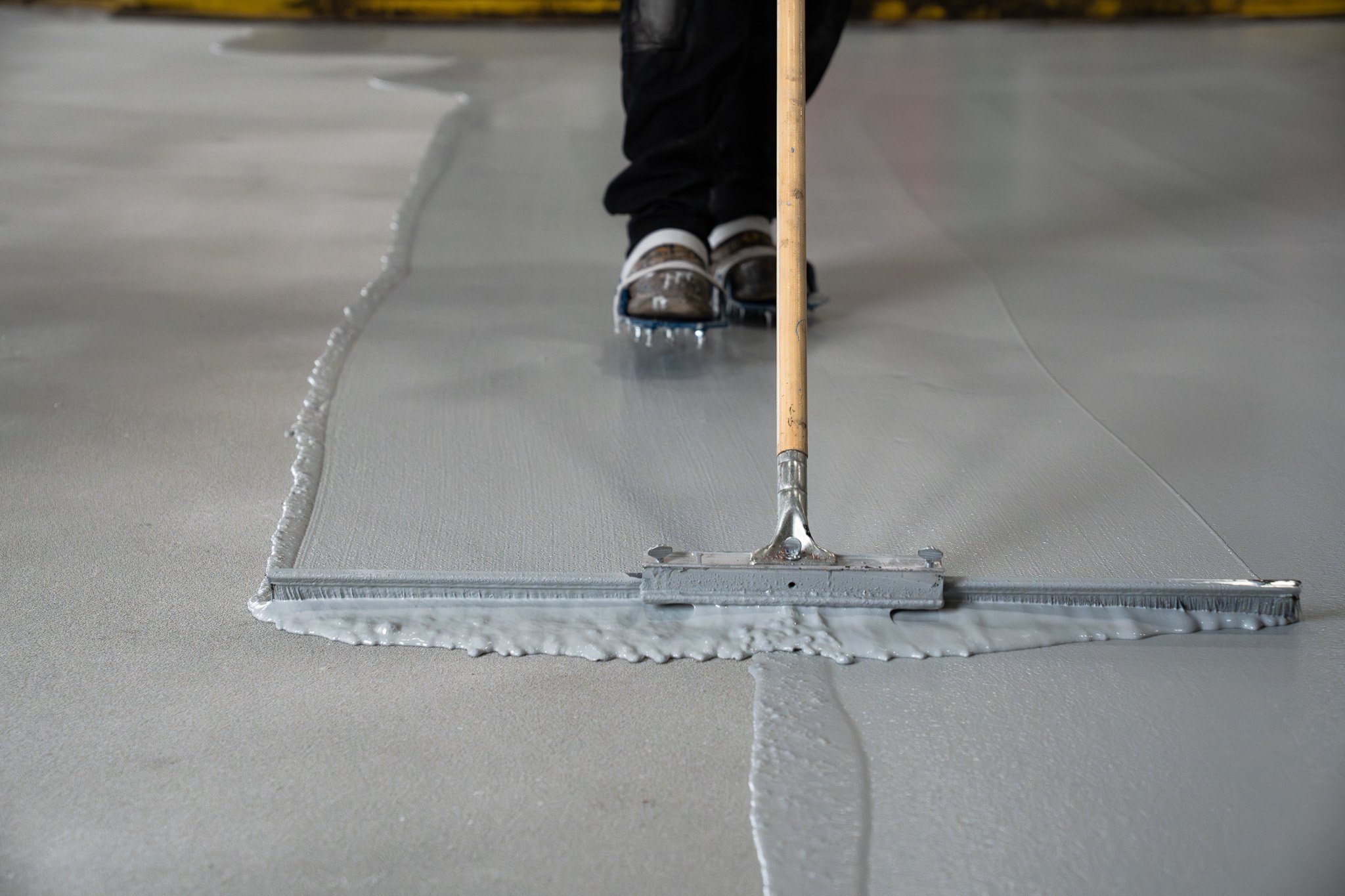
A polyaspartic floor coating is a high-performance protective coating commonly used in commercial and industrial environments.
Although often installed as the final topcoat in a multi-layer flooring system, polyaspartic materials provide several performance advantages over traditional concrete sealers and many standard coatings.
These coatings are known for:
- Excellent abrasion resistance
- Fast cure times
- Chemical resistance
- UV stability
- High durability
Because of these characteristics, polyaspartic systems are frequently used in automotive service facilities where floors experience constant wear.
Protection Against Automotive Fluids
One of the biggest threats to auto shop floors is chemical exposure.
Vehicles regularly leak:
- Motor oil
- Transmission fluid
- Brake fluid
- Coolant
- Grease
- Fuel
Without protection, these substances can stain concrete and gradually deteriorate its surface.
A polyaspartic floor coating creates a protective barrier that helps prevent these fluids from penetrating the concrete, making spills easier to clean before they cause lasting damage.
Handles Heavy Vehicle Traffic
Automotive shops experience constant movement from:
- Passenger vehicles
- Pickup trucks
- Commercial vans
- Tire equipment
- Floor jacks
- Tool carts
This continuous traffic places significant stress on the floor surface.
Polyaspartic coatings provide excellent abrasion resistance, helping reduce wear caused by tires, rolling equipment, and daily shop operations.
When installed as part of a properly designed flooring system, they help maintain the appearance and performance of the concrete for years.
Excellent Resistance to Hot Tire Pickup
Some flooring systems soften when hot vehicle tires are parked on them repeatedly.
Over time, this can cause sections of the coating to separate from the concrete—a problem commonly known as hot tire pickup.
Many professionally installed polyaspartic floor coating systems offer excellent resistance to this type of wear, making them well suited for automotive service bays where vehicles are constantly entering and leaving the facility.
Proper surface preparation and installation remain critical to achieving long-term adhesion.
Faster Return to Service
Downtime is one of the biggest concerns for automotive repair facilities.
Unlike some flooring systems that require several days before returning to service, many polyaspartic coatings cure much more quickly.
Depending on the system and environmental conditions, facilities may be able to resume operations sooner than they could with slower-curing alternatives.
This faster turnaround can help minimize disruptions during renovations or flooring replacements.
Easier to Clean and Maintain
Concrete naturally contains pores that trap dirt, oil, and debris.
Once protected with a polyaspartic floor coating, the floor becomes much easier to maintain because contaminants remain on the surface instead of soaking into the slab.
Routine maintenance typically includes:
- Sweeping
- Dust mopping
- Auto scrubbing
- Prompt cleanup of spills
Regular cleaning helps preserve both the appearance and long-term performance of the flooring system.
Improves Shop Appearance
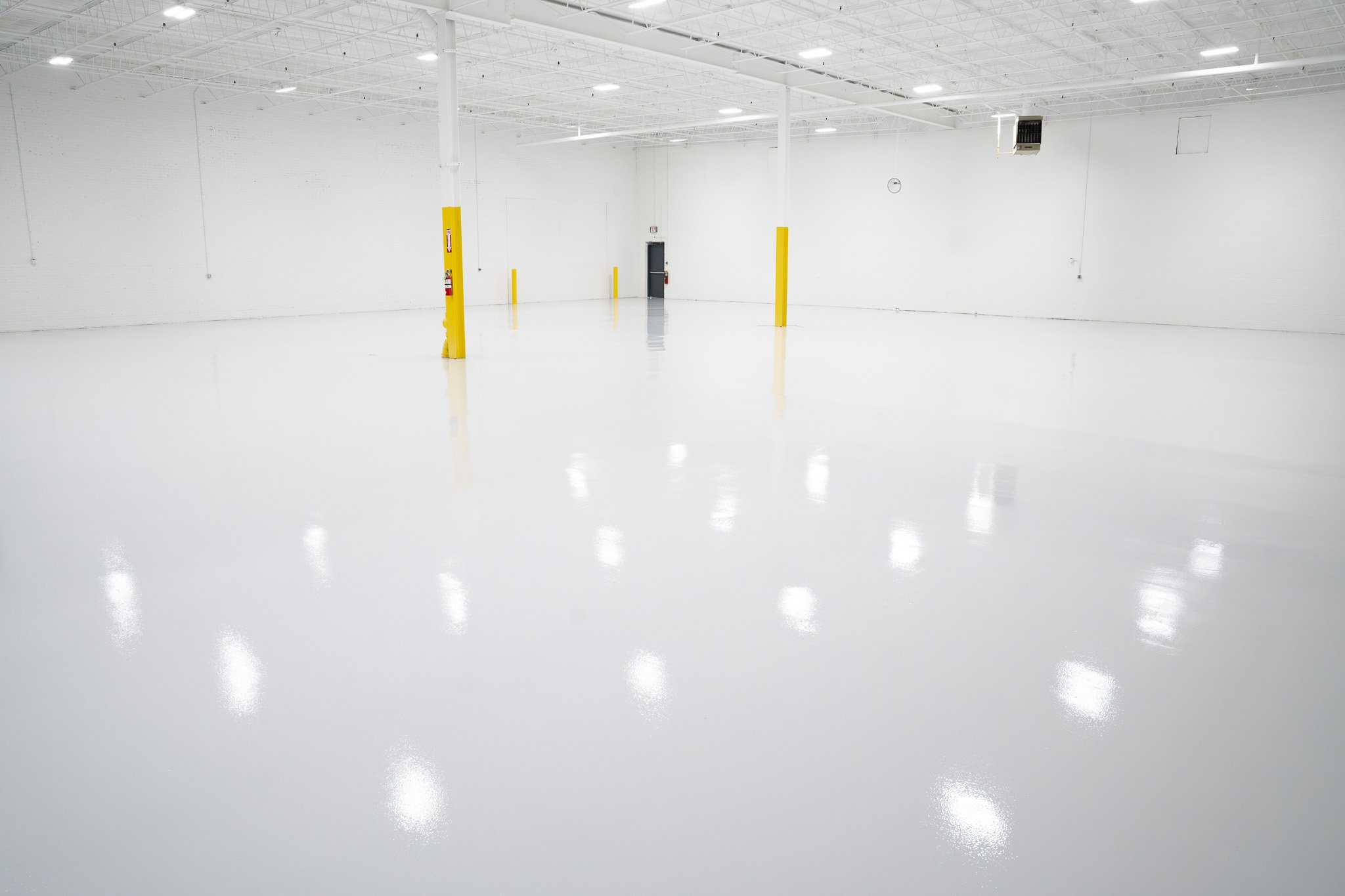
A clean, professional-looking shop creates a positive impression for both employees and customers.
Polyaspartic coatings are available in a variety of:
- Solid colors
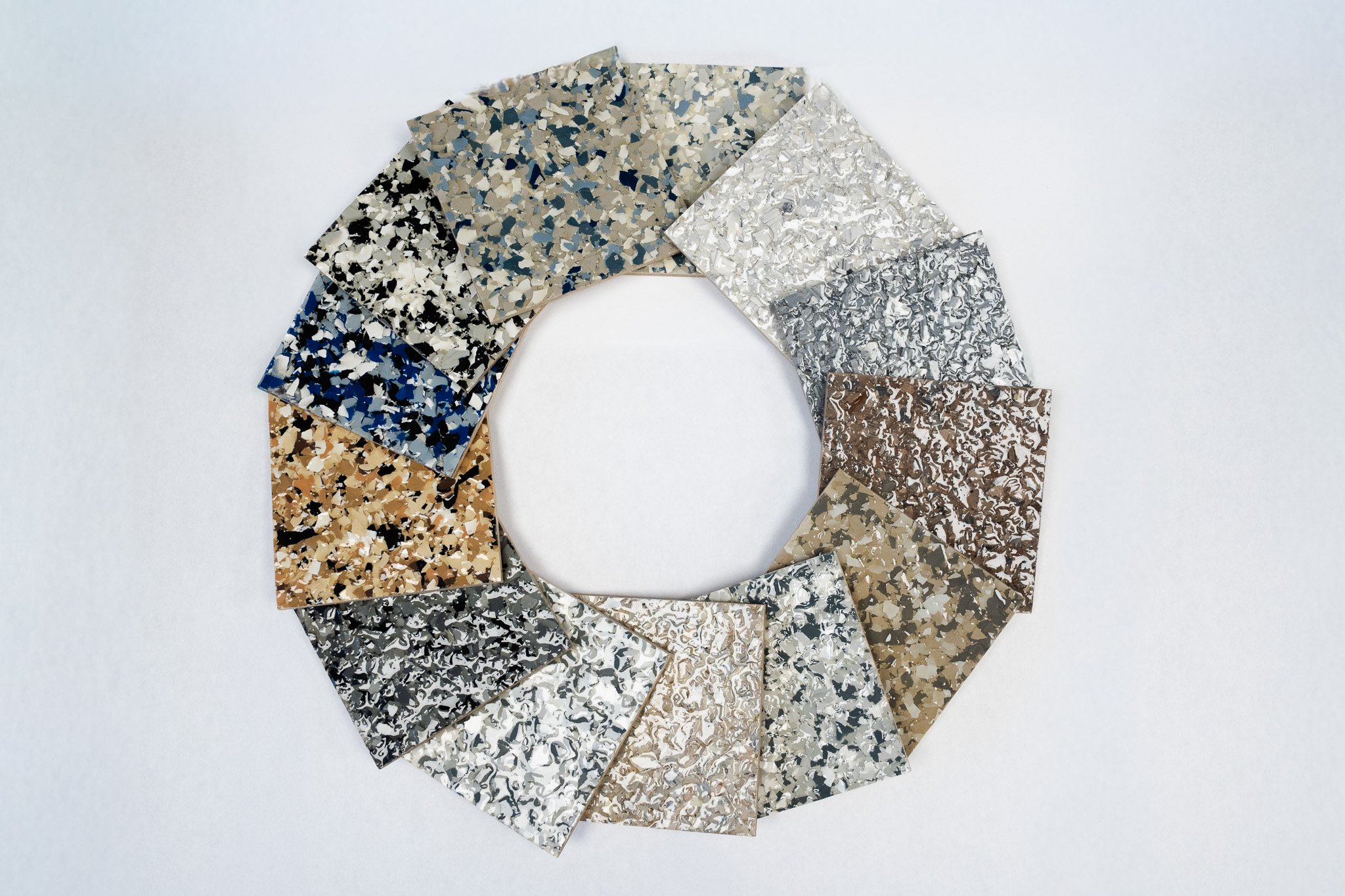
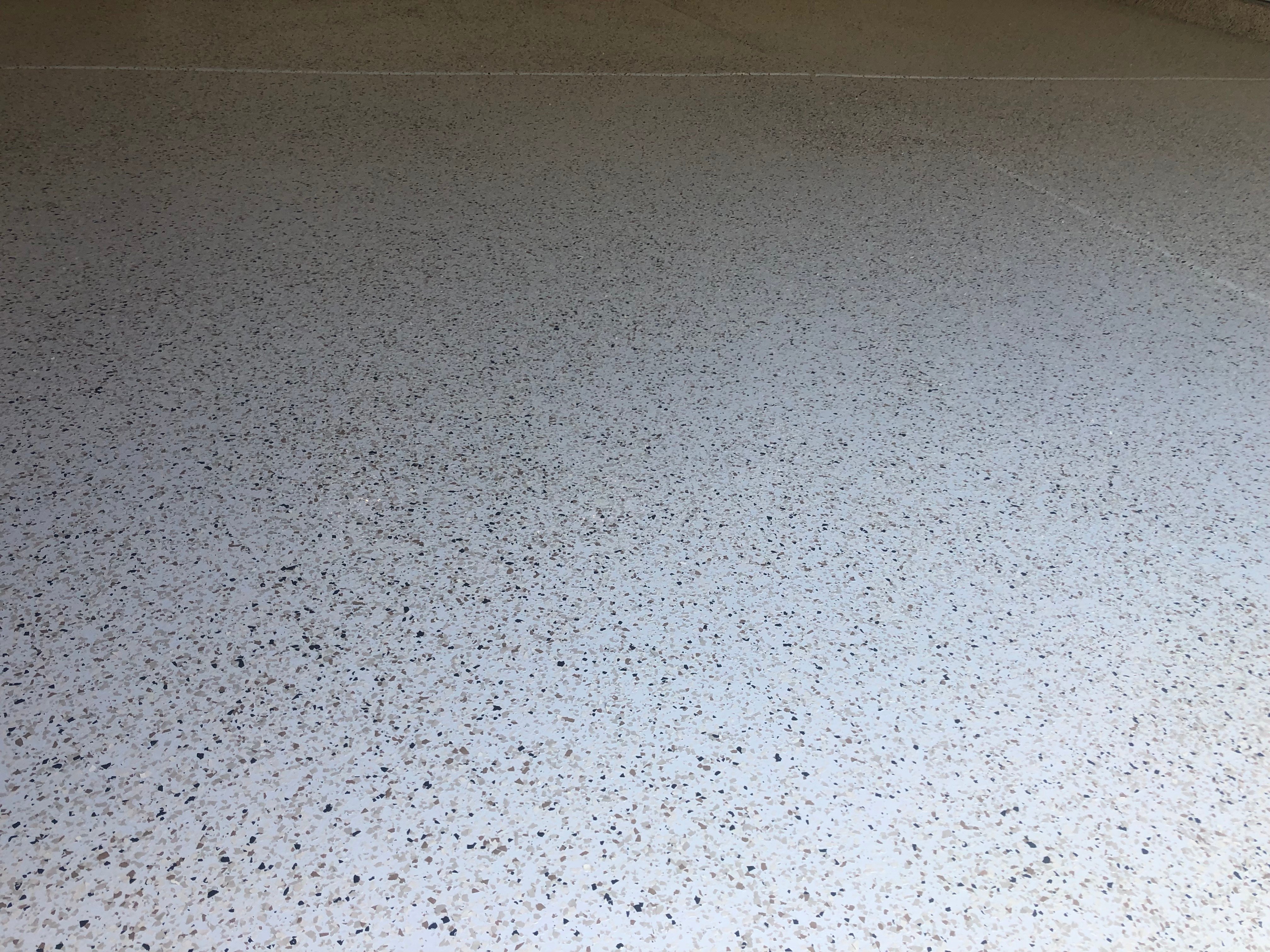
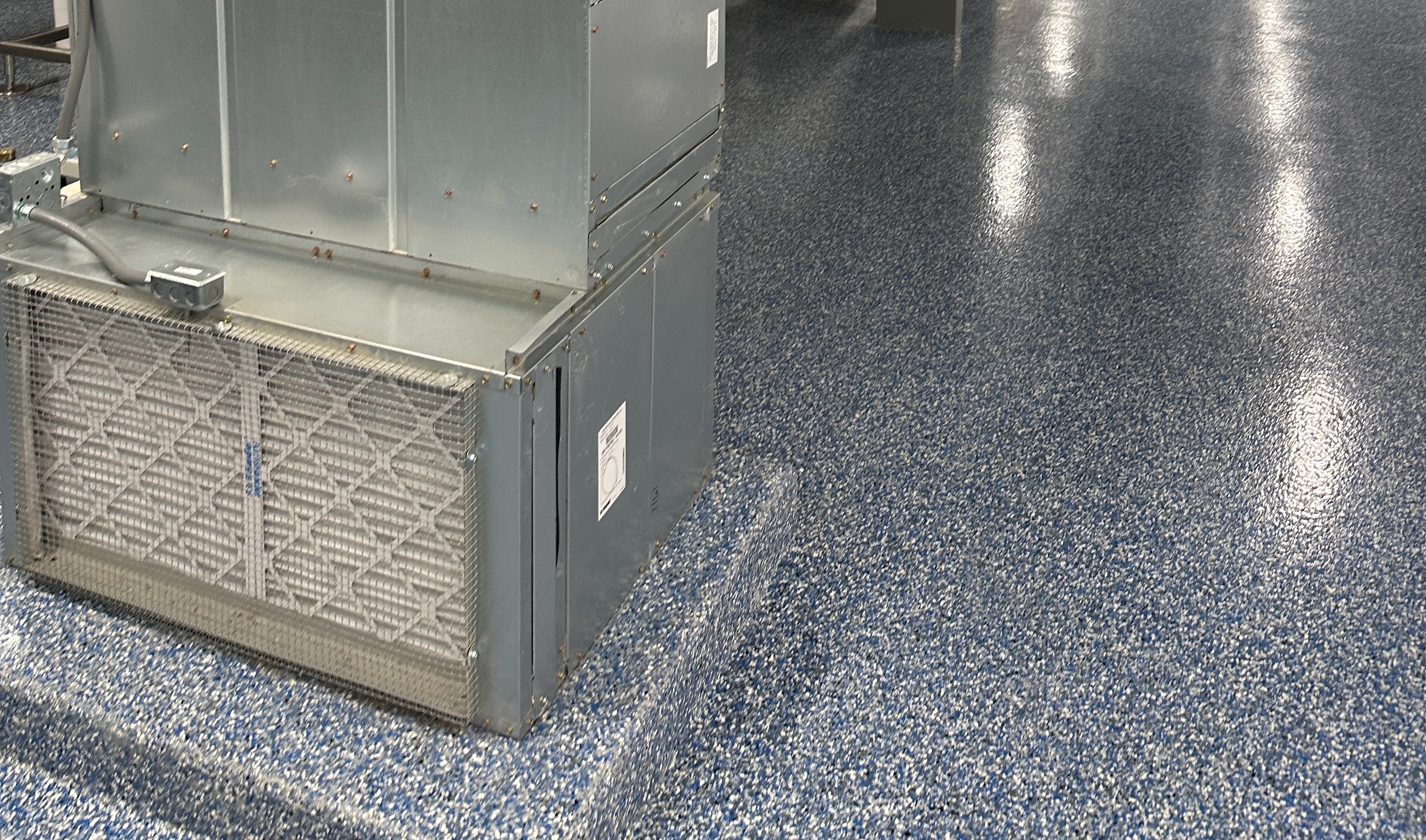
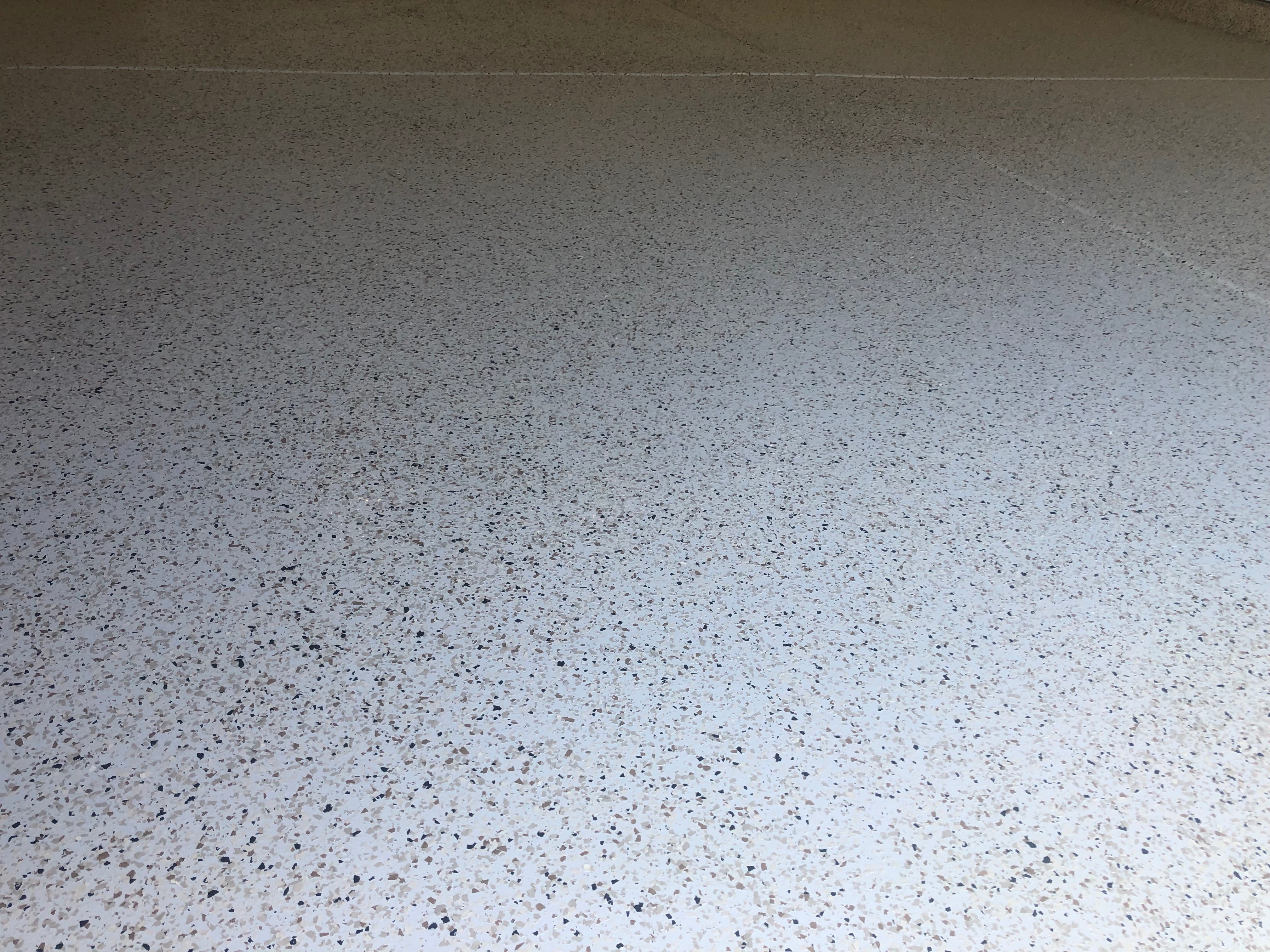
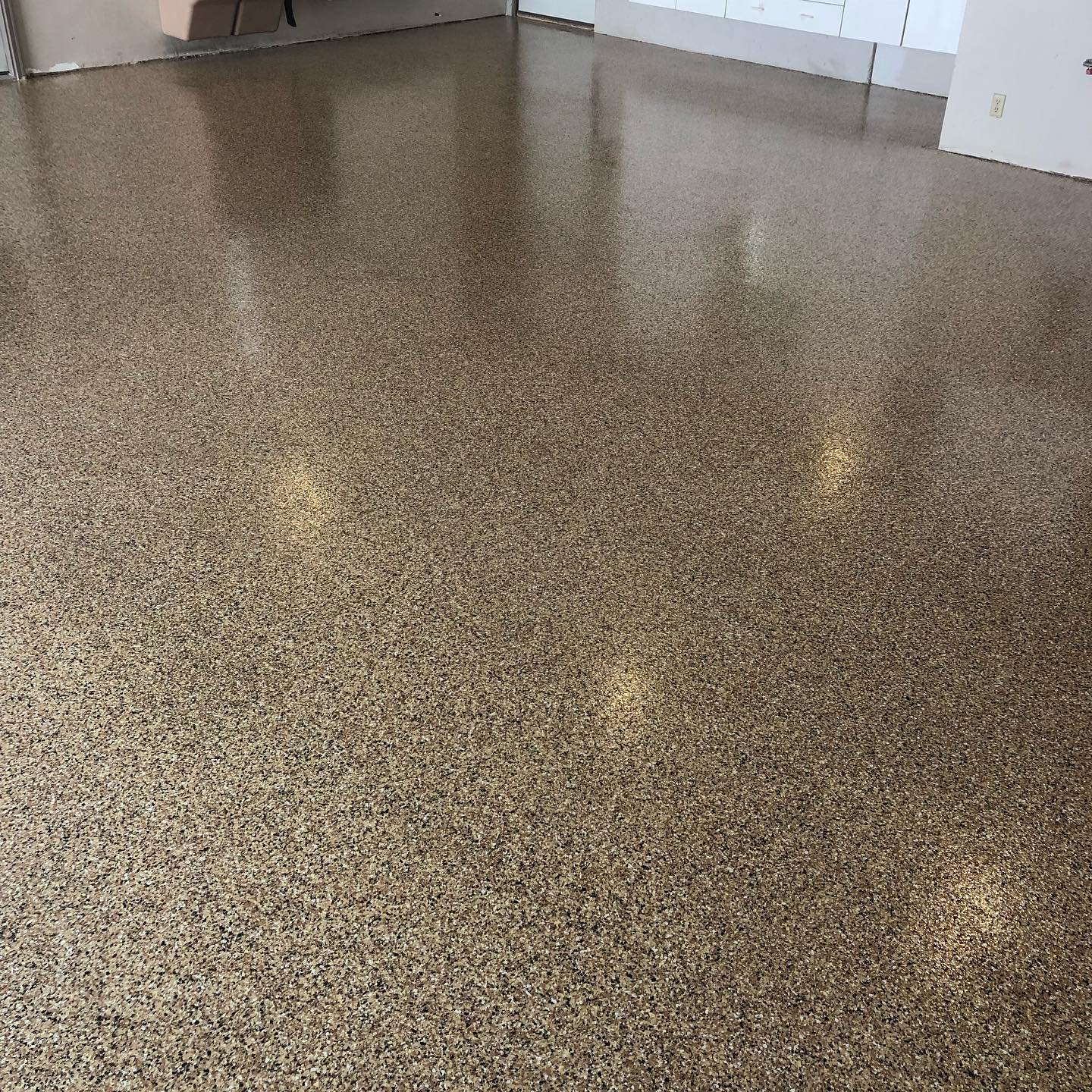
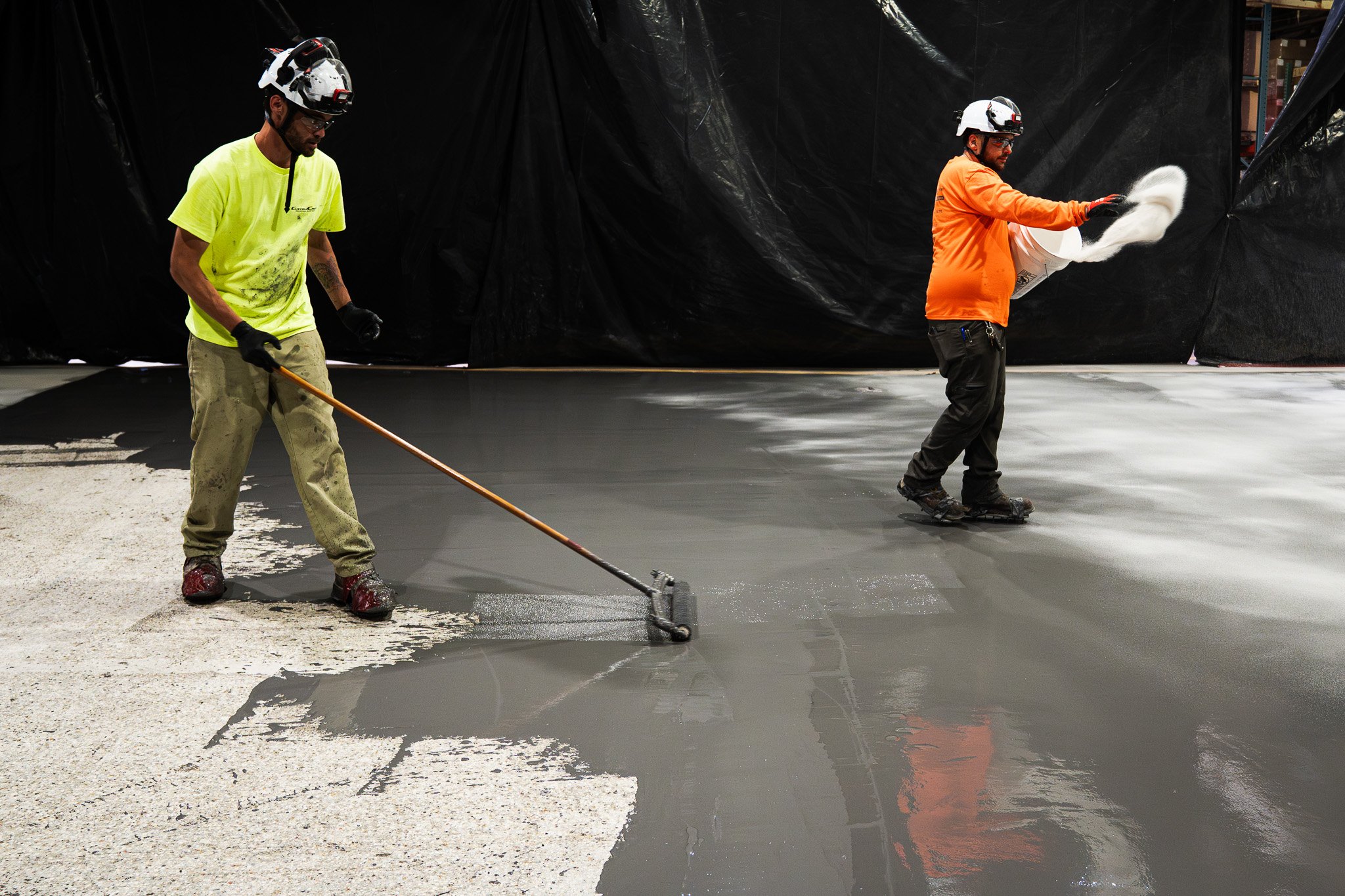
- Decorative flake finishes
- Textured surfaces
- Gloss levels
Many facilities also incorporate safety line striping, equipment markings, or color-coded work zones into the flooring system to improve organization and workplace safety.
Built for Long-Term Durability
Auto repair shops place unique demands on concrete floors every day.
In addition to vehicle traffic, floors must withstand:
- Dropped tools
- Rolling toolboxes
- Equipment vibration
- Frequent cleaning
- Daily foot traffic
A properly installed polyaspartic floor coating, combined with appropriate primers and surface preparation, creates a durable flooring system designed to withstand these demanding conditions while reducing ongoing maintenance requirements.
Is Polyaspartic the Right Choice for Every Auto Shop?
Polyaspartic flooring performs well in many automotive environments, but it is not the only option.
Some facilities may benefit from systems that combine:
- Epoxy primers
- Polyaspartic topcoats
- Polyurethane finishes
- Decorative broadcast aggregates
The best flooring system depends on factors such as traffic levels, chemical exposure, desired appearance, budget, and installation schedule.
Working with an experienced flooring contractor helps ensure the system is matched to the facility's operational needs.
Final Thoughts
A polyaspartic floor coating provides durable protection for automotive repair shops by resisting chemical spills, heavy vehicle traffic, abrasion, and everyday wear. Its fast cure times, easy maintenance, and long-lasting performance make it a popular flooring solution for dealerships, service centers, fleet maintenance facilities, and independent repair shops.
While every facility has unique requirements, choosing the right flooring system starts with understanding how the space is used and selecting materials that can support those demands over the long term.
If you're planning to upgrade your automotive shop flooring, request a quote with CustomCrete to discuss the right flooring system for your facility.

Topics:
.jpg?width=2048&height=1365&name=CC108559%20(1).jpg)
.jpeg?width=1638&height=1020&name=CC109349%20(1).jpeg)
.png?width=11520&height=9216&name=Untitled%20design%20(56).png)