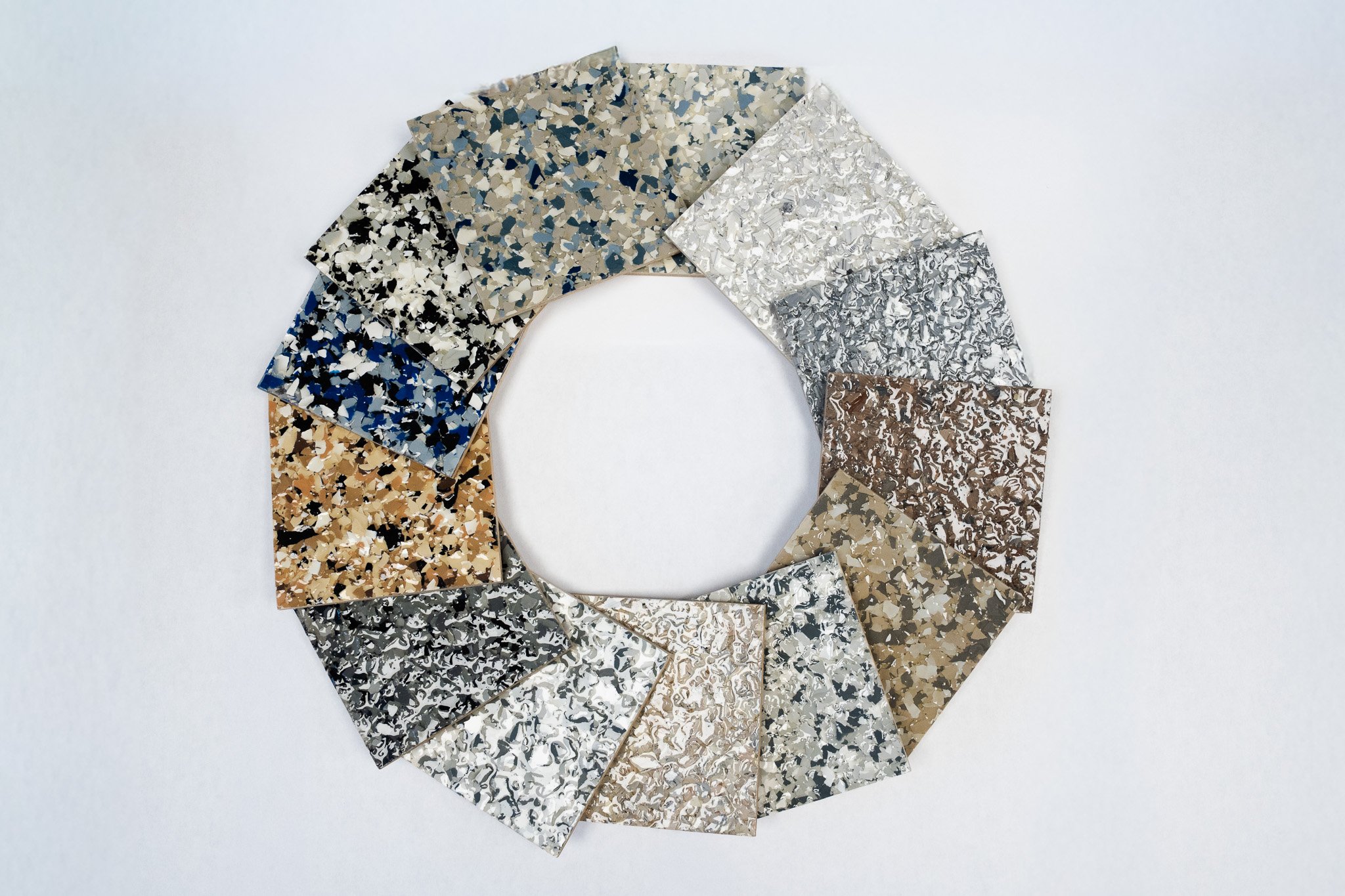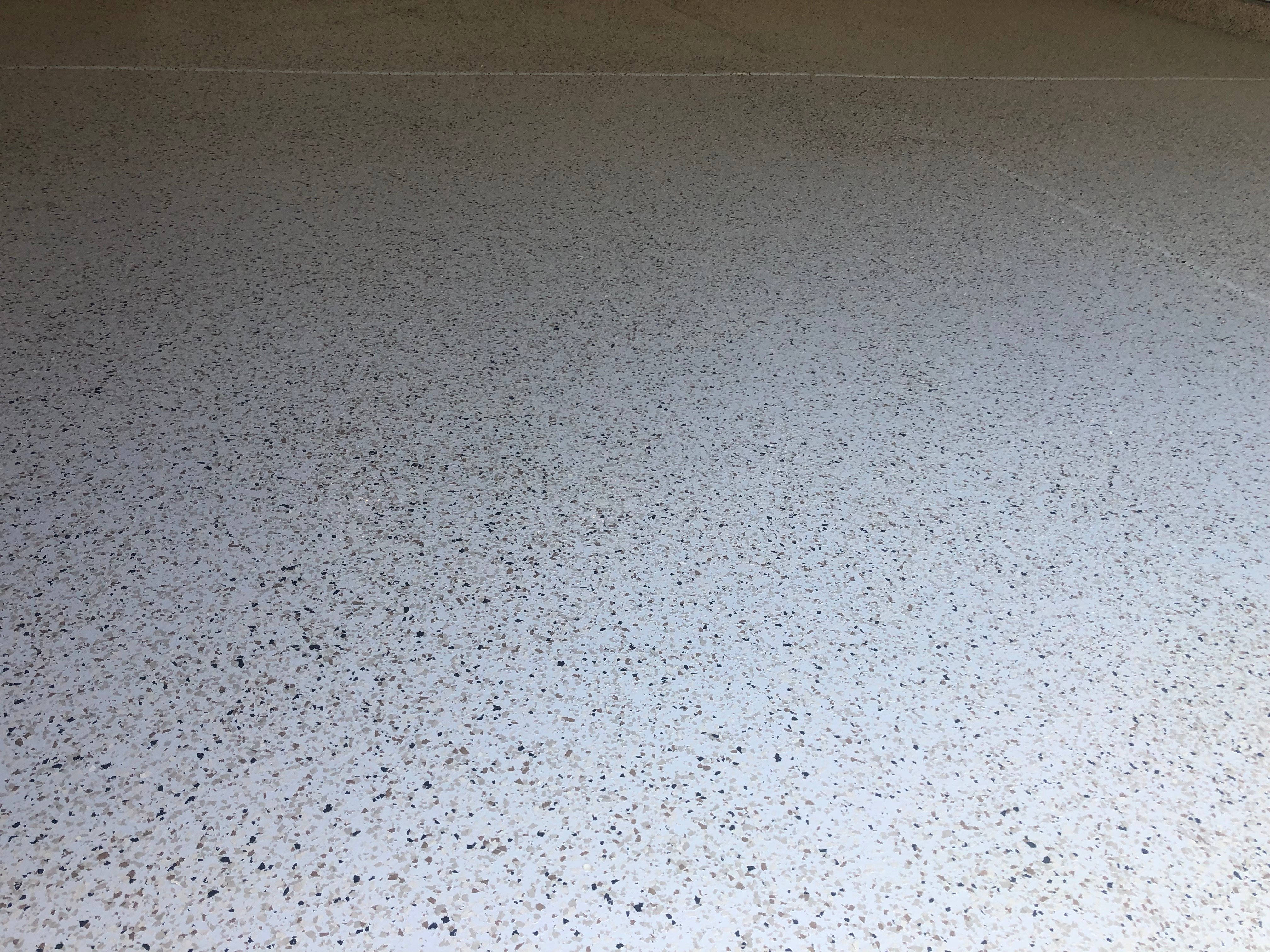

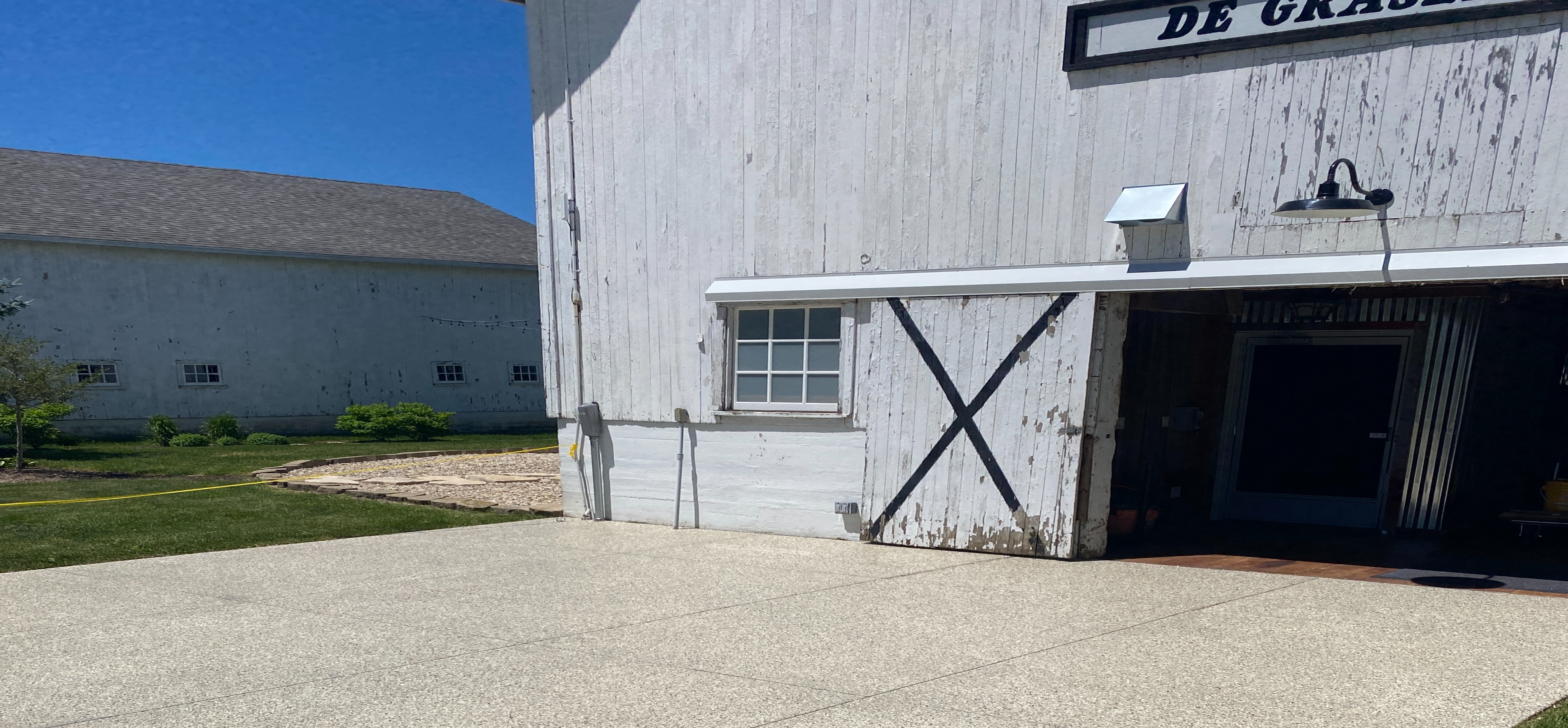
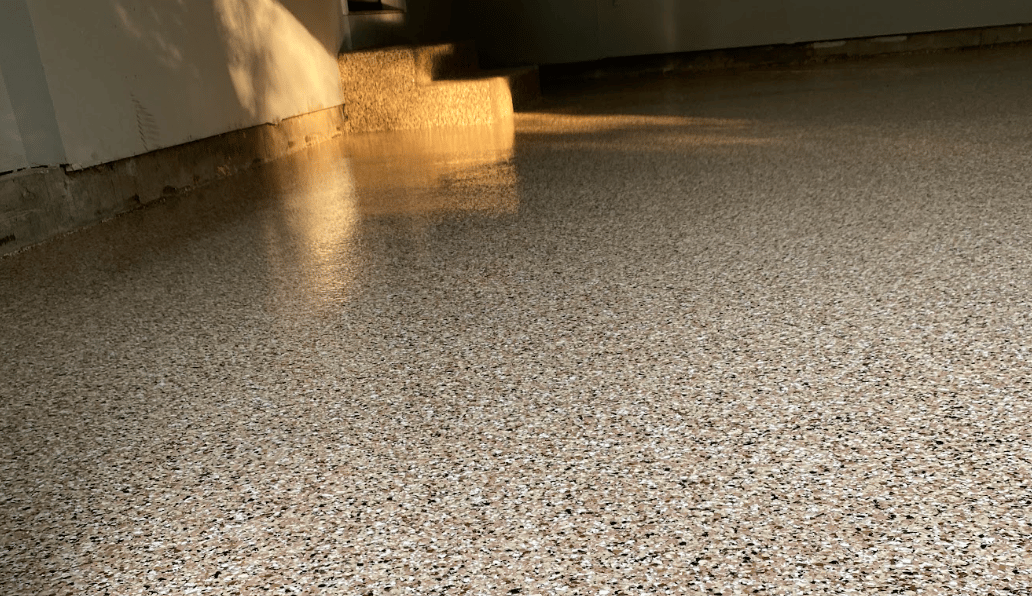
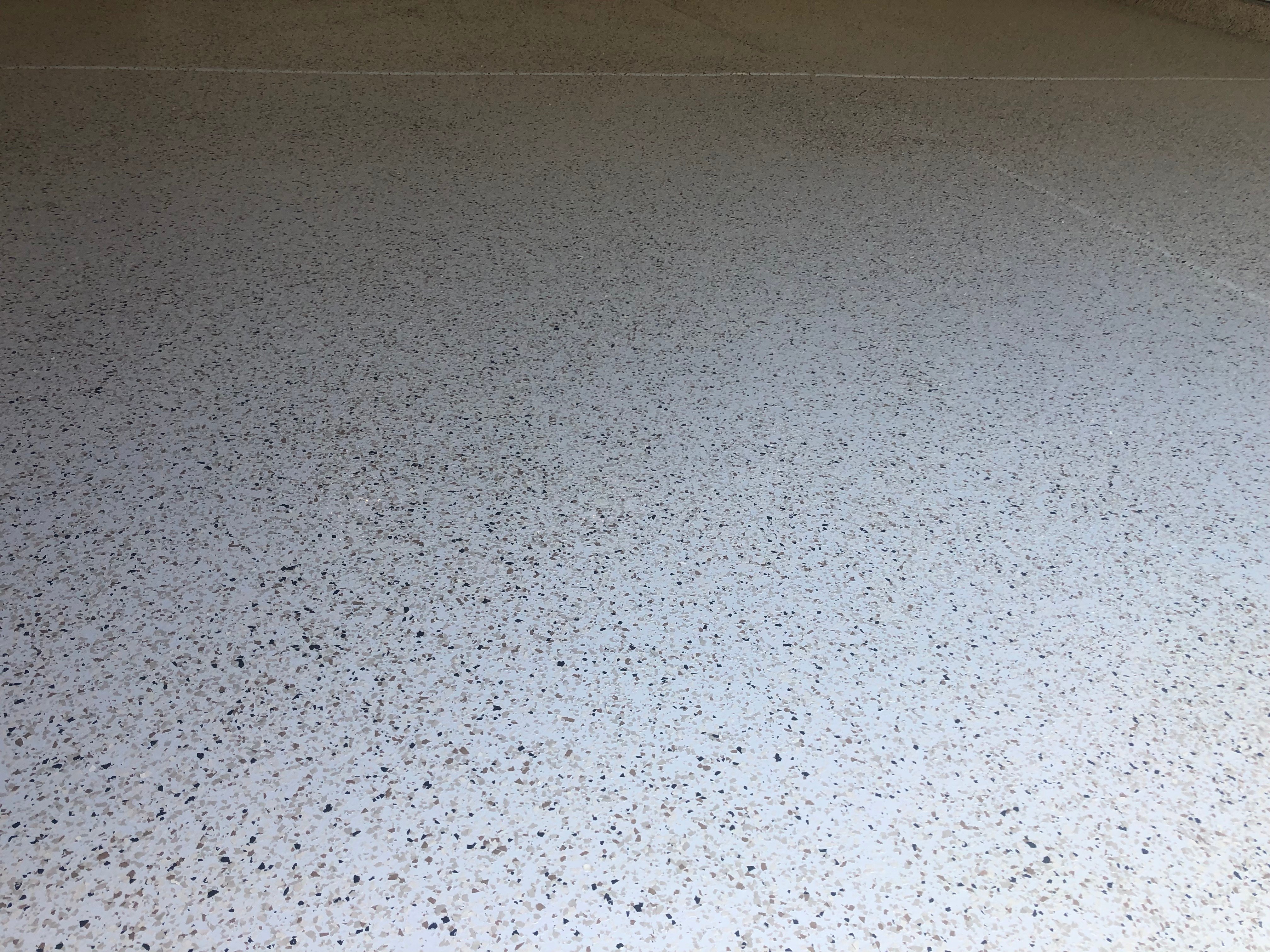
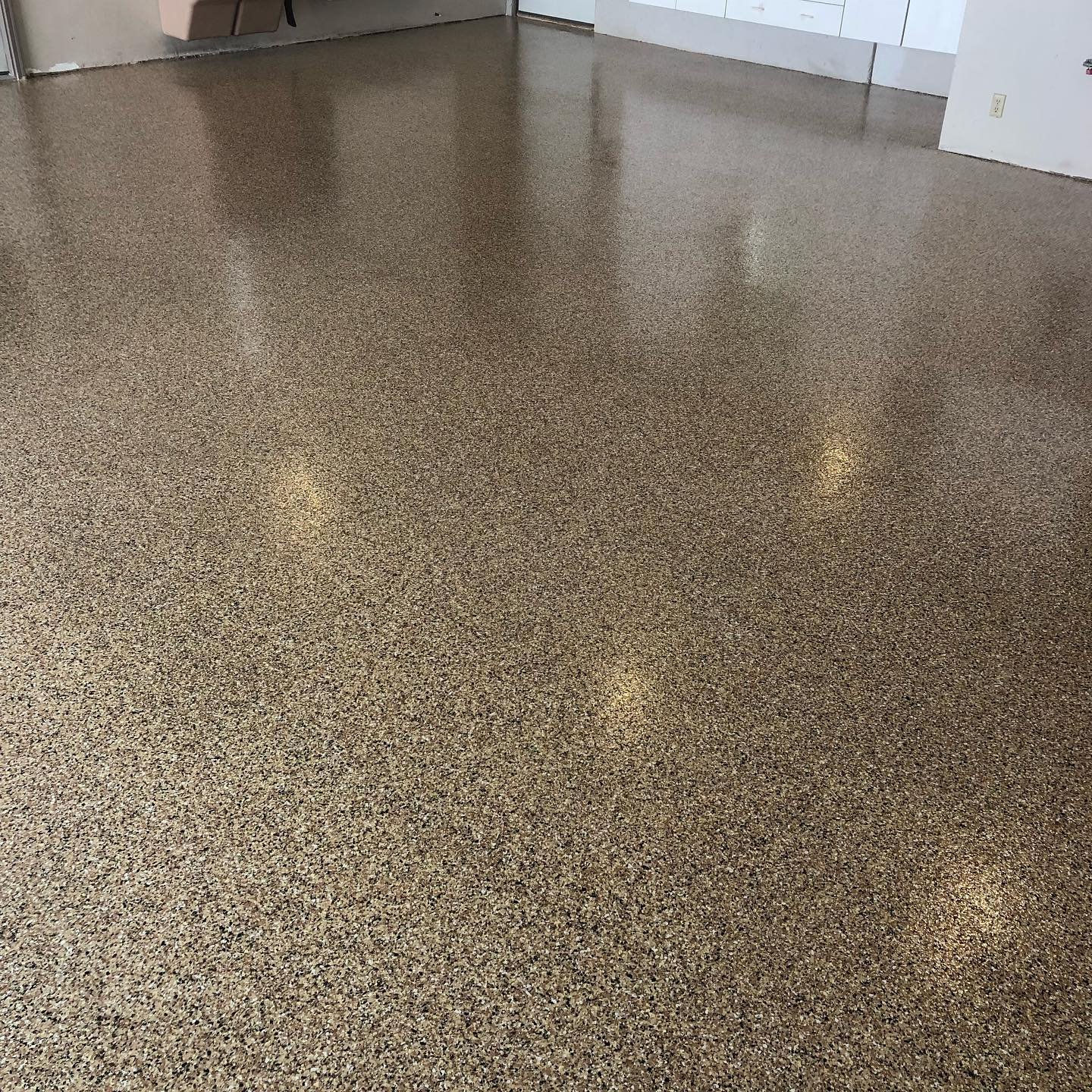
Quartz flooring is a resinous flooring system that combines epoxy or another resin with colored quartz aggregate to create a durable, textured surface. A quartz epoxy flooring system is commonly used in commercial and industrial facilities that need added slip resistance, durability, chemical resistance, and a decorative finish.
If you're researching what is quartz flooring, you may see it compared with standard epoxy or decorative flake systems. The main difference is the use of small quartz granules that add texture, strength, and visual depth to the flooring system.
At CustomCrete, questions about quartz flooring often come from facility managers and property owners comparing durable flooring options for demanding environments.

How Is Quartz Epoxy Flooring Installed?
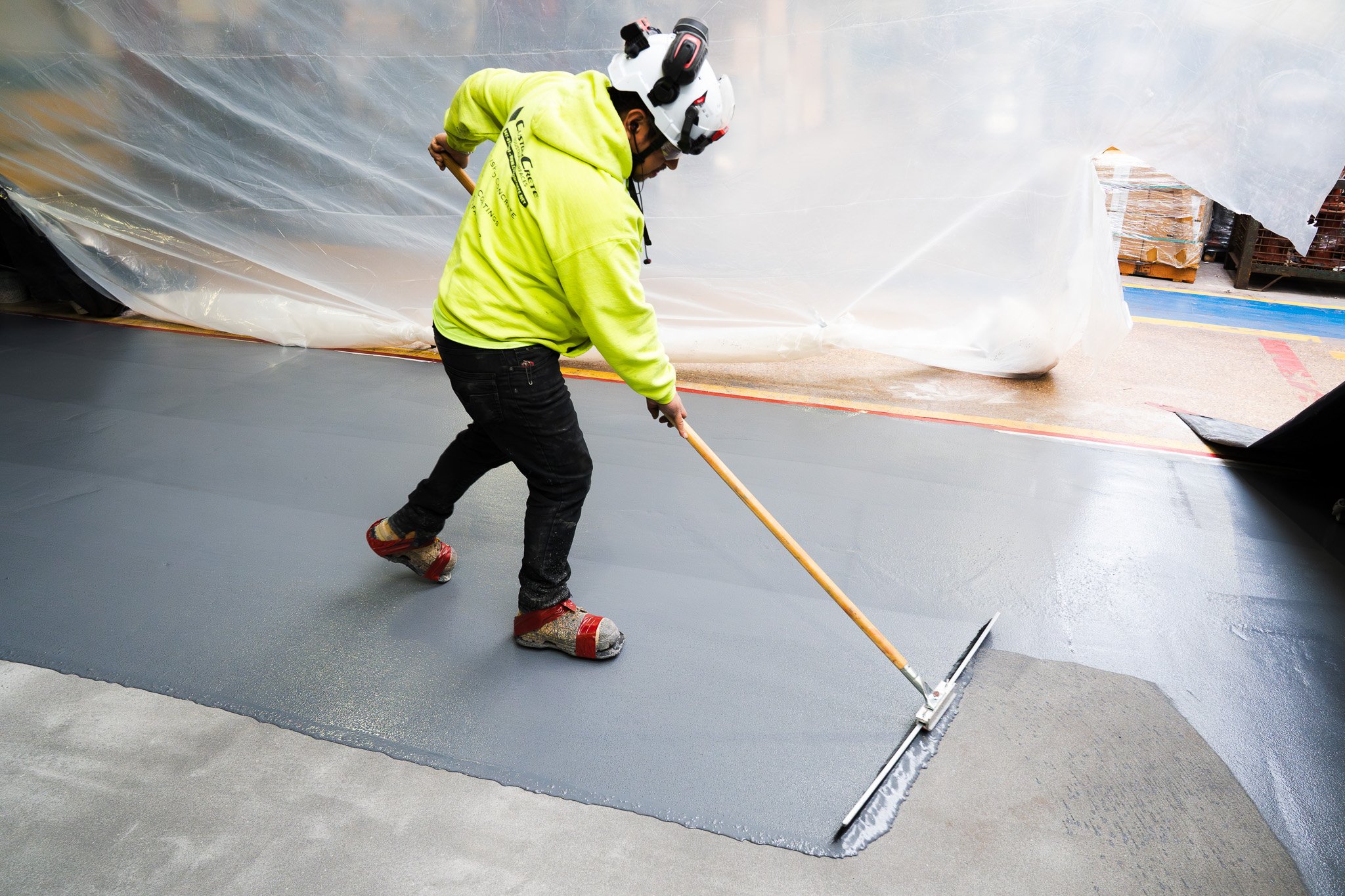
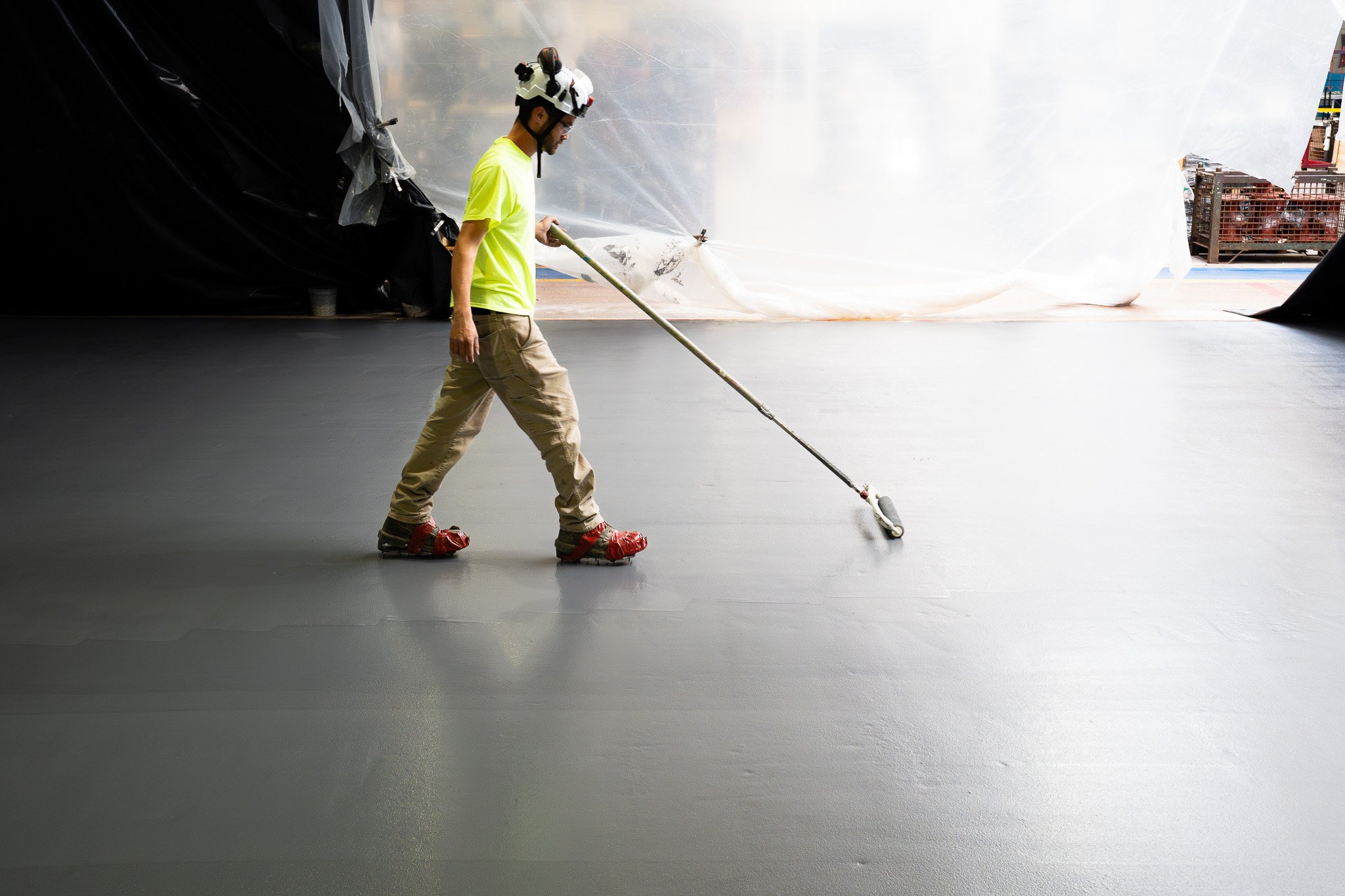
Quartz flooring is typically installed as a multi-layer system rather than a single coat of epoxy.
Depending on the product and performance requirements, installation may include:
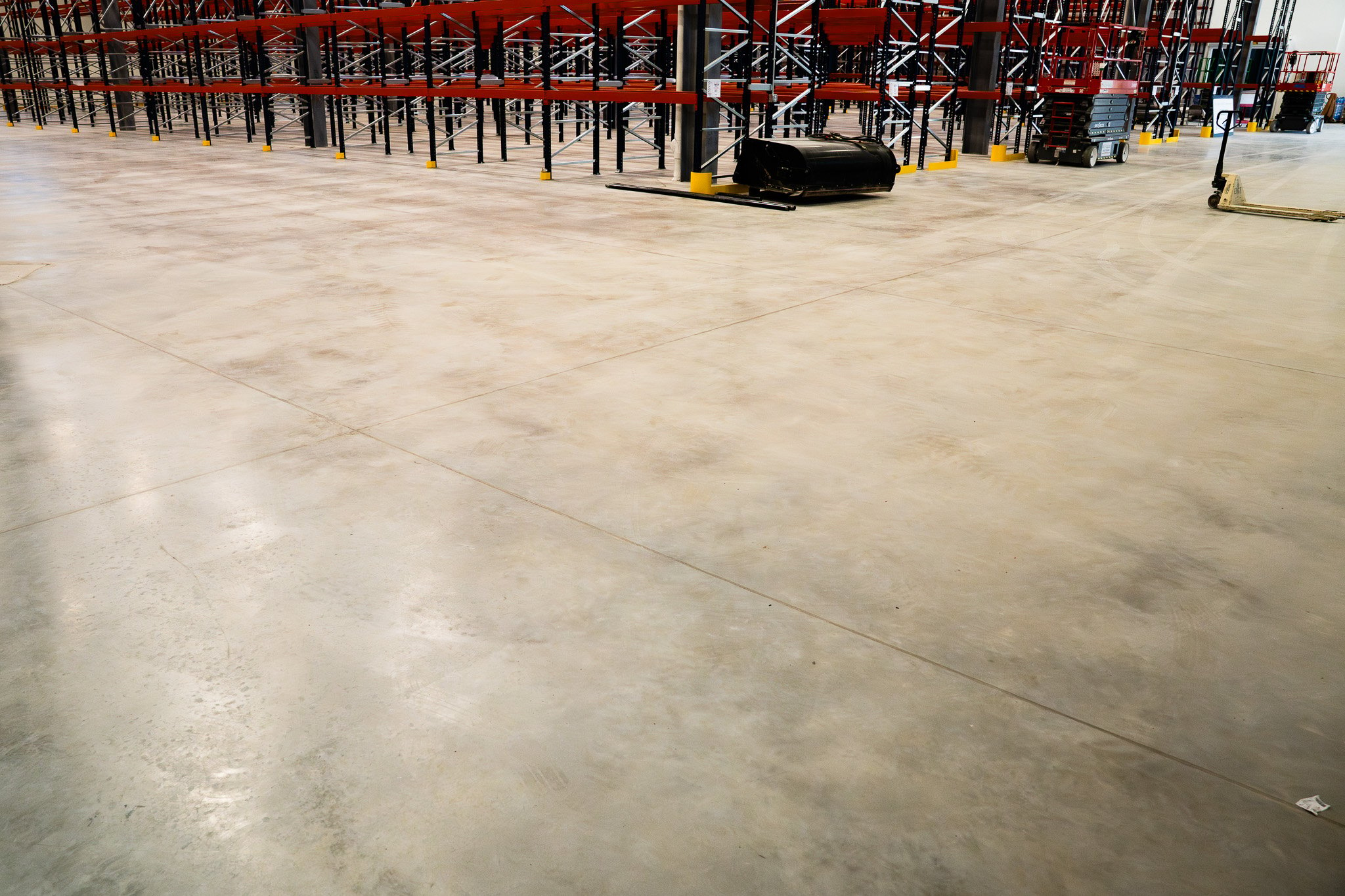
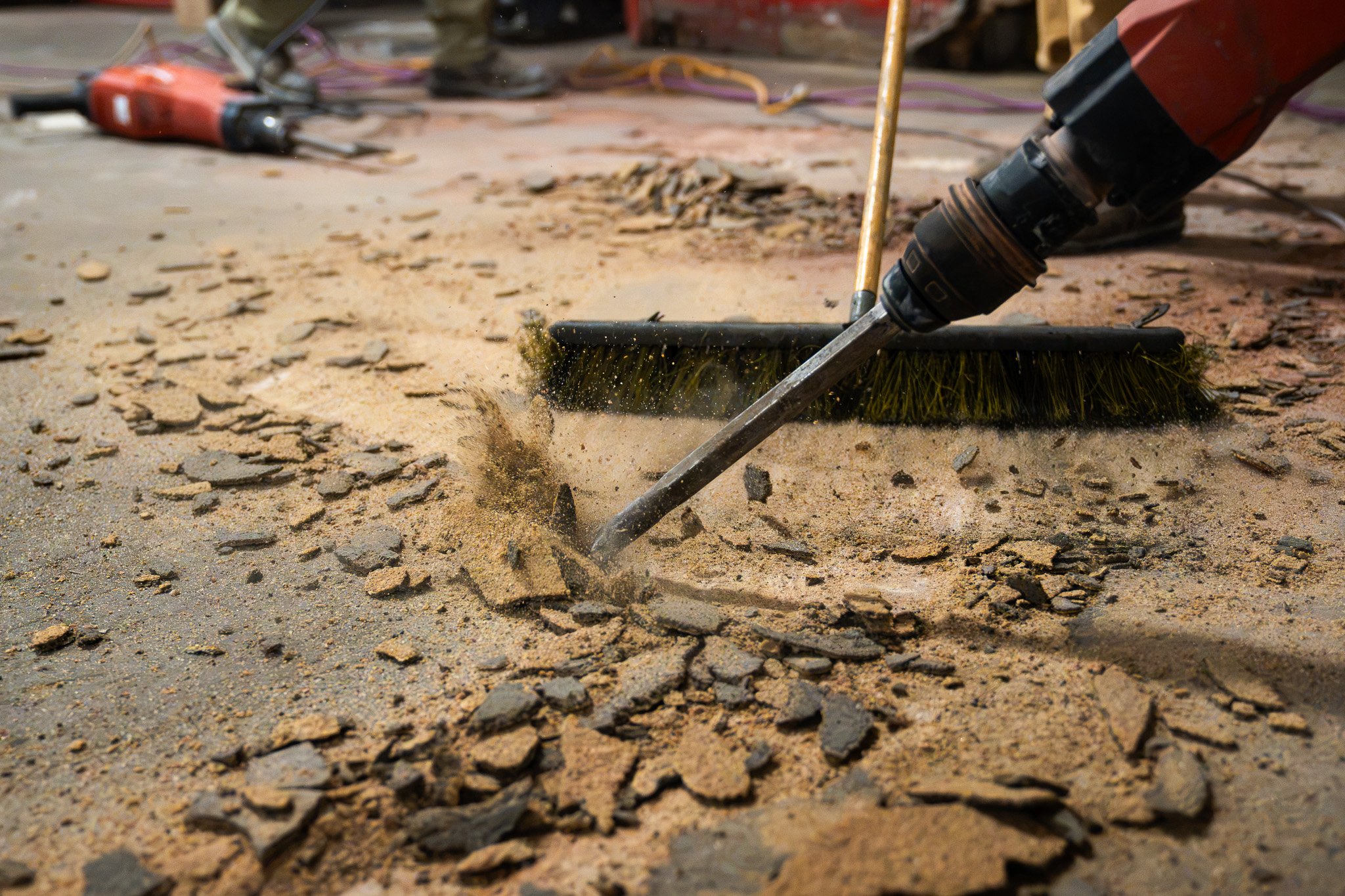
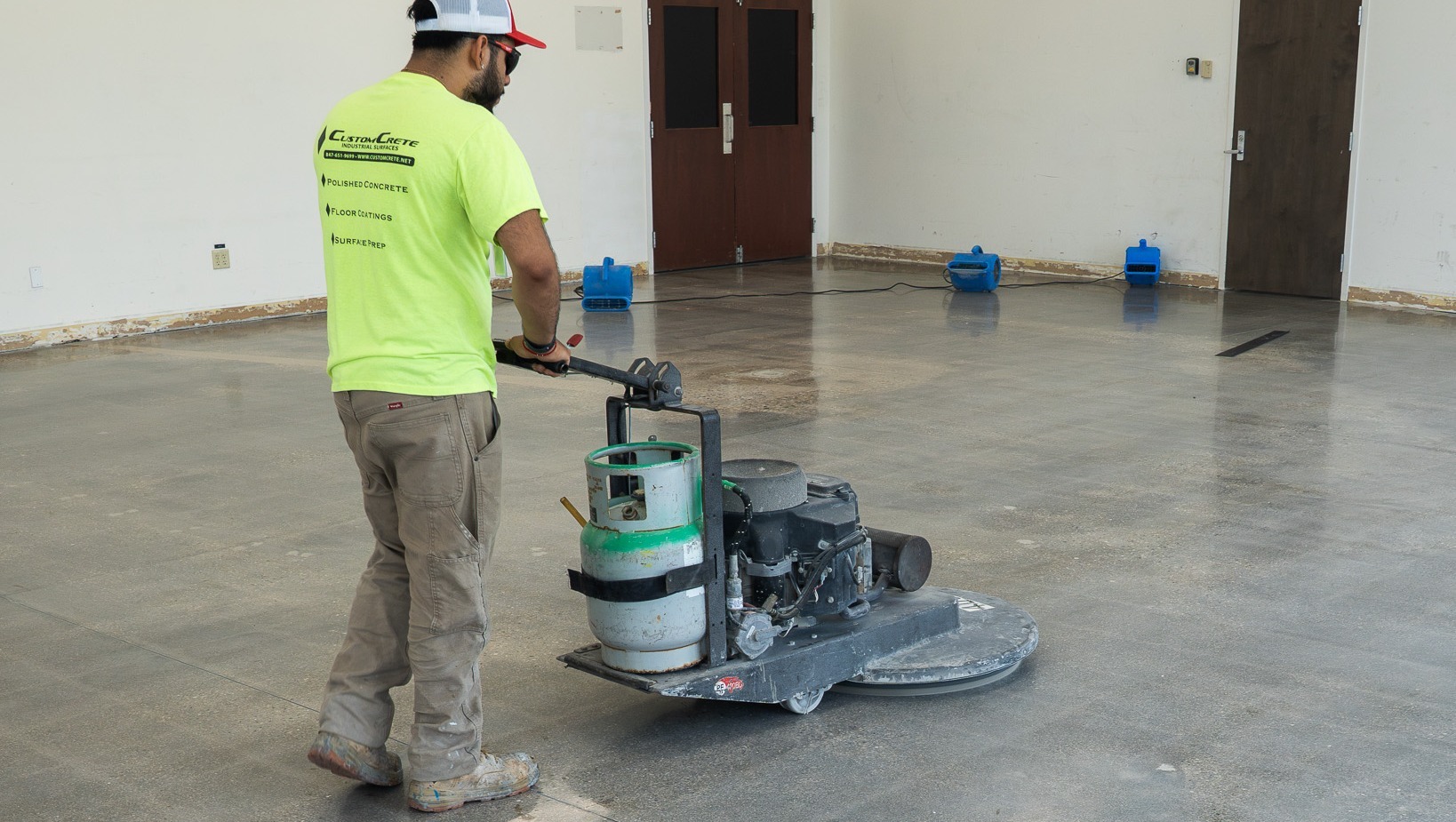
- Preparing the concrete through grinding or shot blasting
- Repairing cracks, joints, or damaged areas
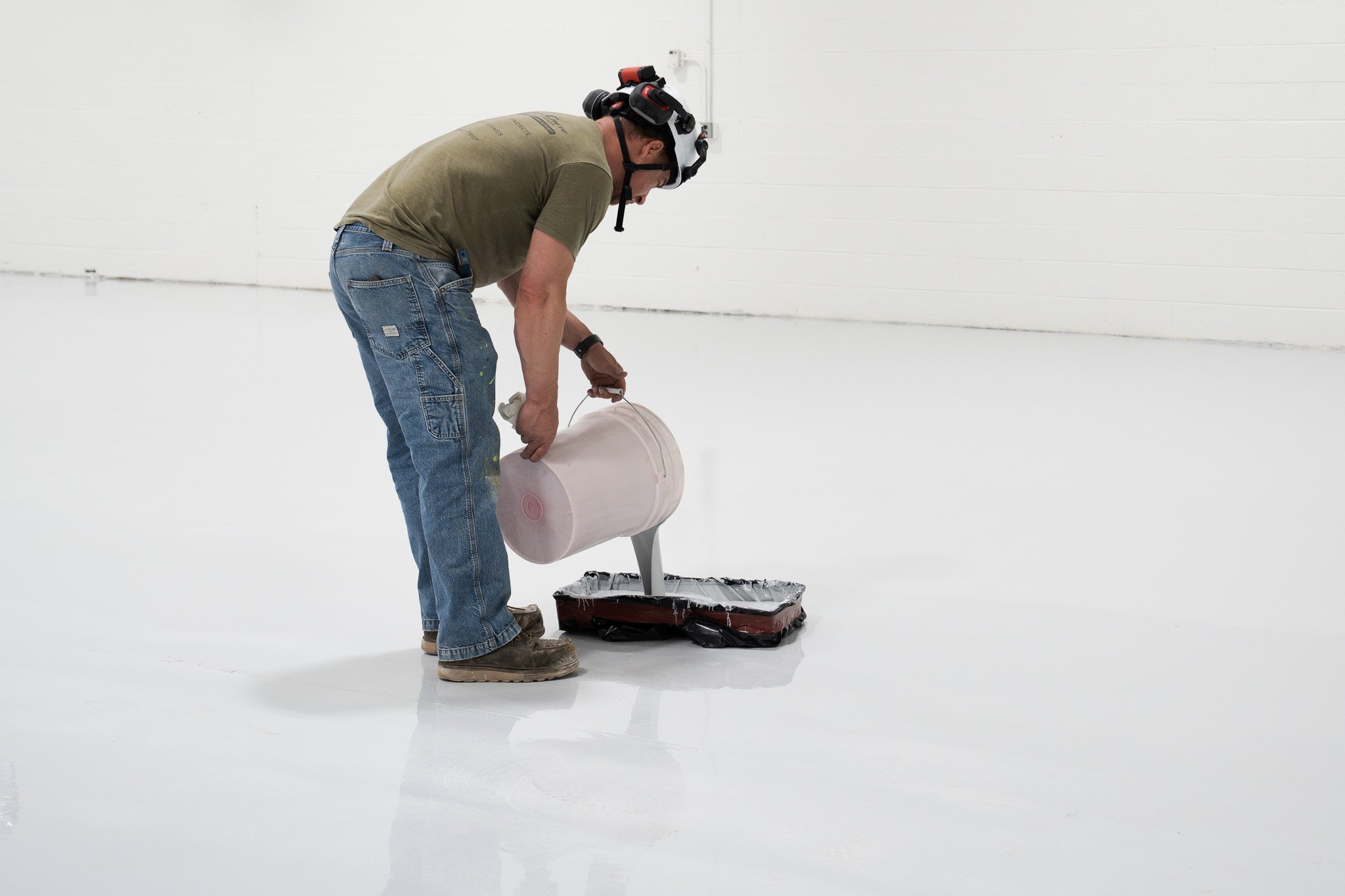
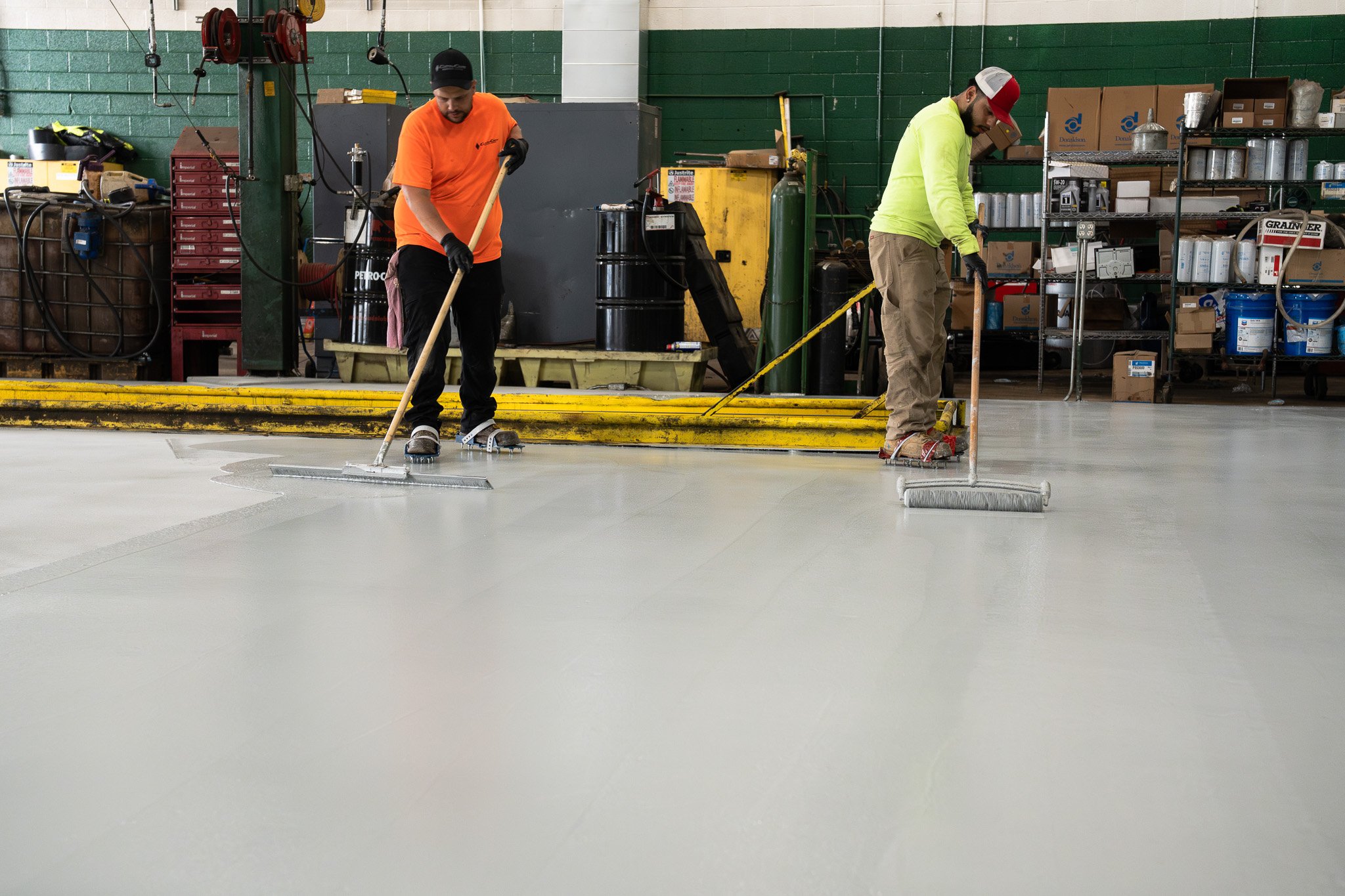
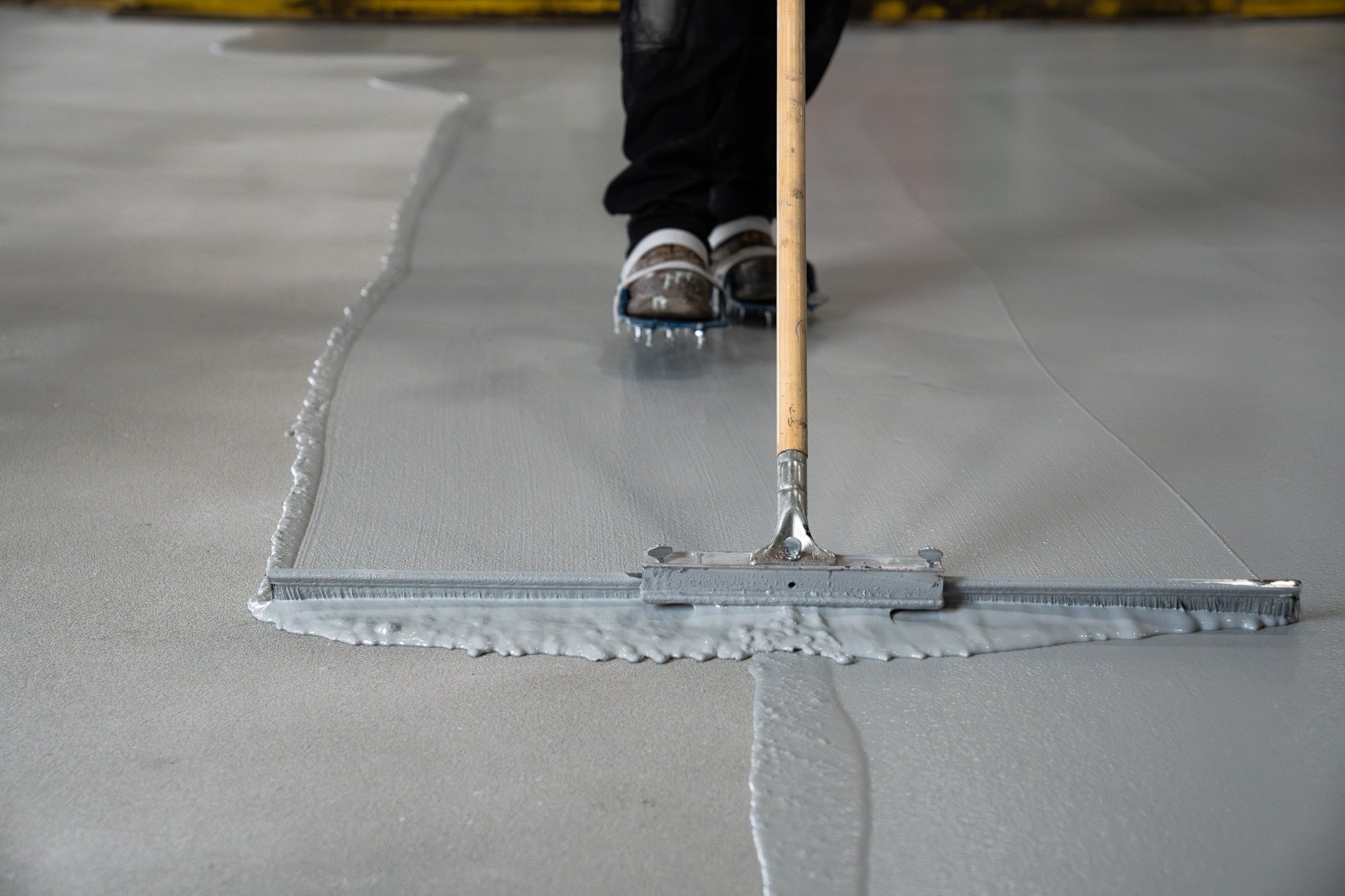
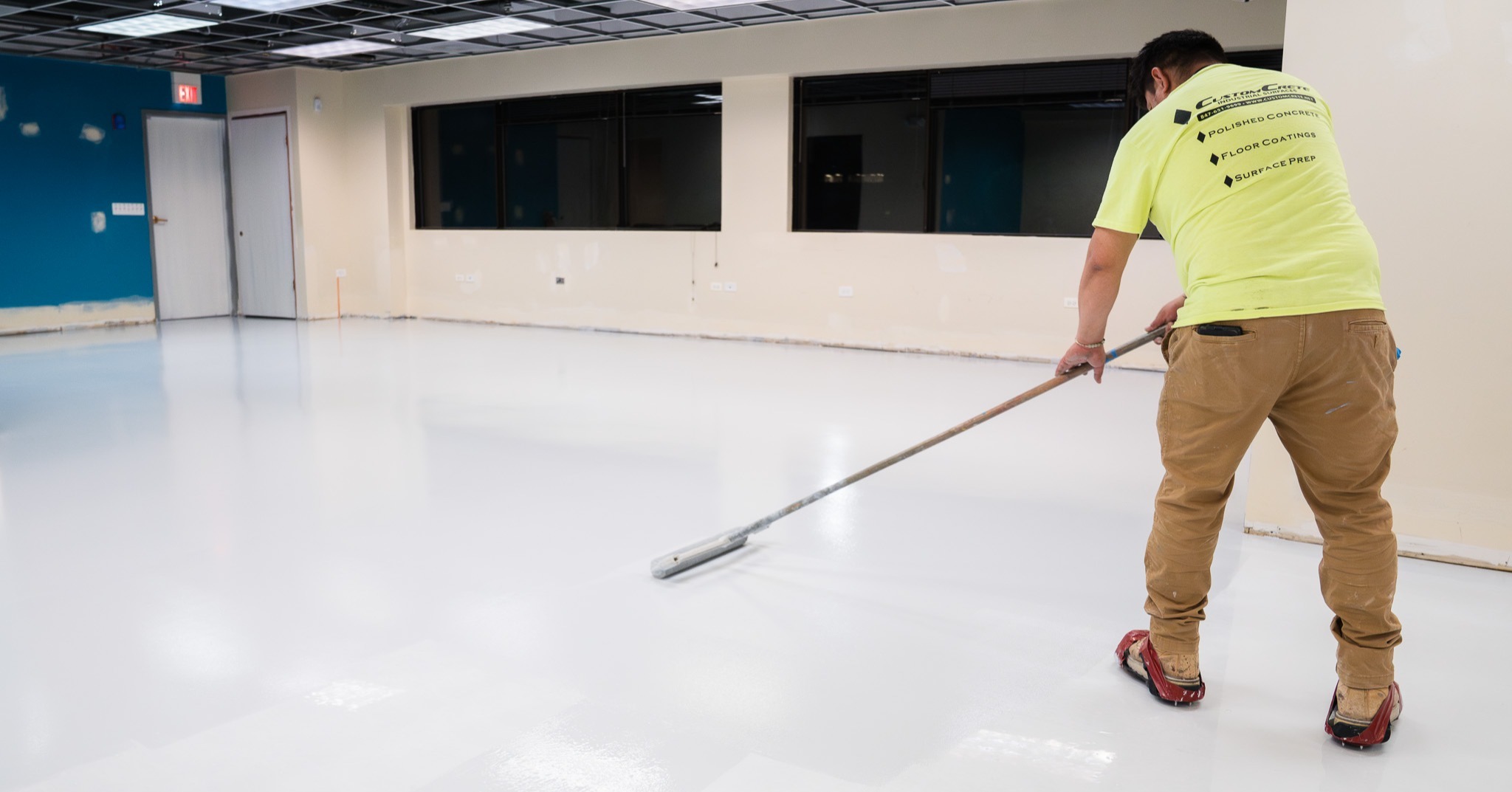
- Applying a primer or epoxy base coat
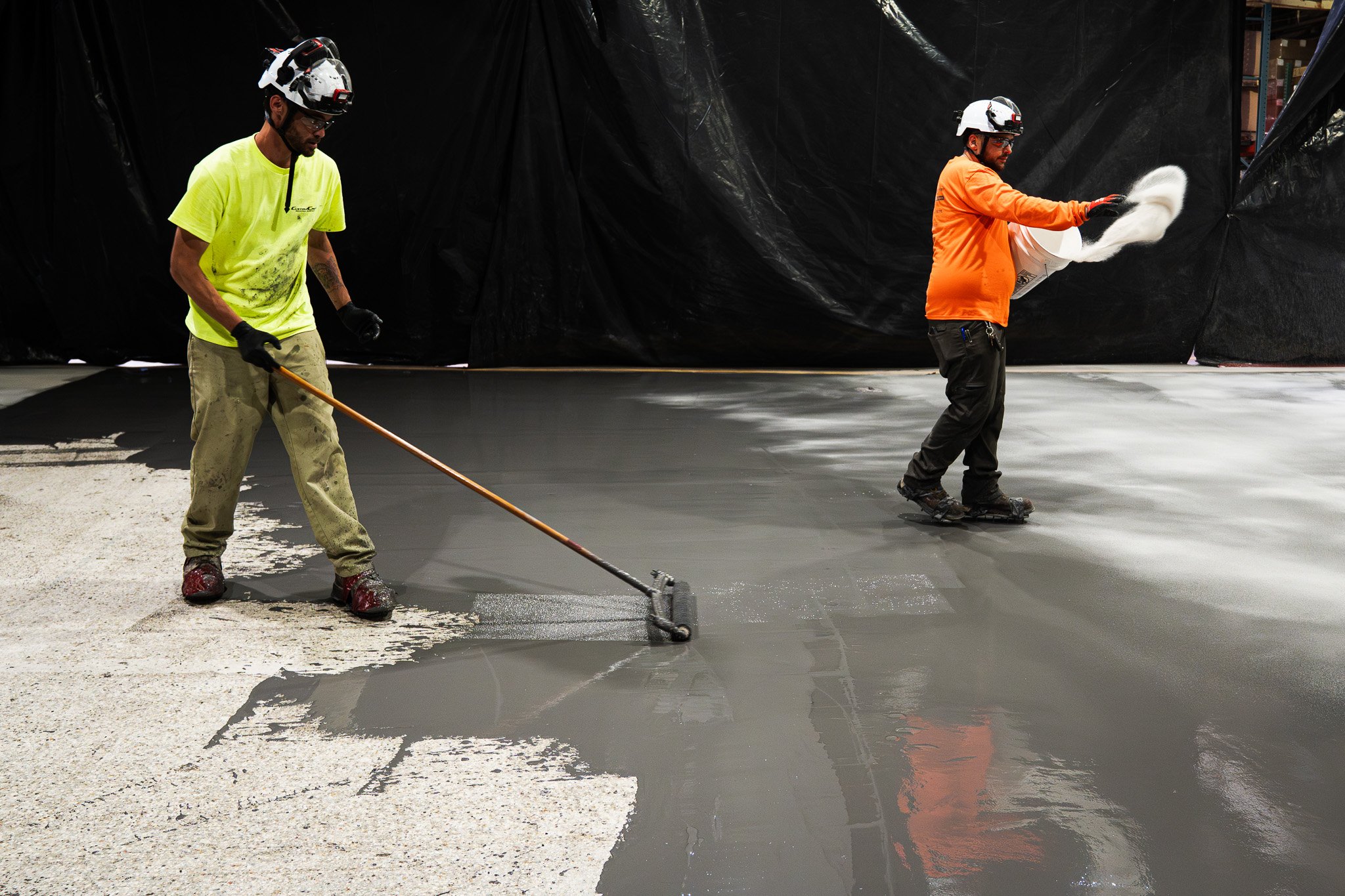
- Broadcasting colored quartz aggregate into the resin
- Removing excess aggregate after curing
- Applying additional resin and quartz when required
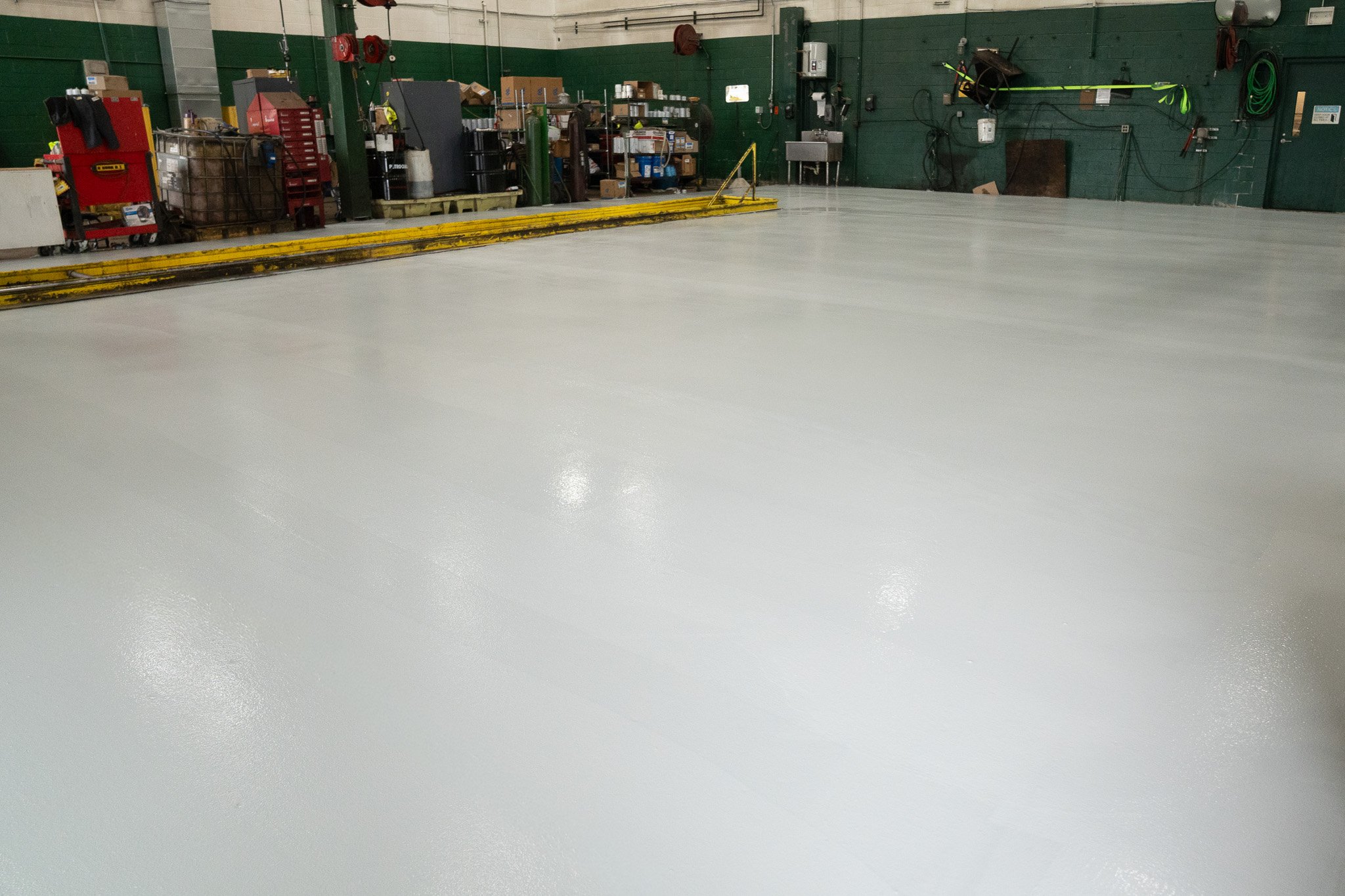
- Sealing the system with a protective topcoat
Some systems use one quartz broadcast, while heavier-duty systems may use multiple broadcasts.

What Are the Benefits of Quartz Flooring?
One of the main benefits of quartz epoxy flooring is its combination of durability and texture. The quartz aggregate creates a harder-wearing surface while also providing more traction than many smooth coatings.
Quartz flooring can offer:
- High abrasion and impact resistance
- Increased slip resistance
- Resistance to many chemicals and spills
- Seamless, easy-to-clean surfaces
- Decorative color combinations
- Durability in high-traffic environments
The exact performance depends on the resin, quartz, topcoat, and overall system design.
Where Is Quartz Flooring Commonly Used?
Quartz flooring is often selected for areas where durability, sanitation, and traction are priorities.
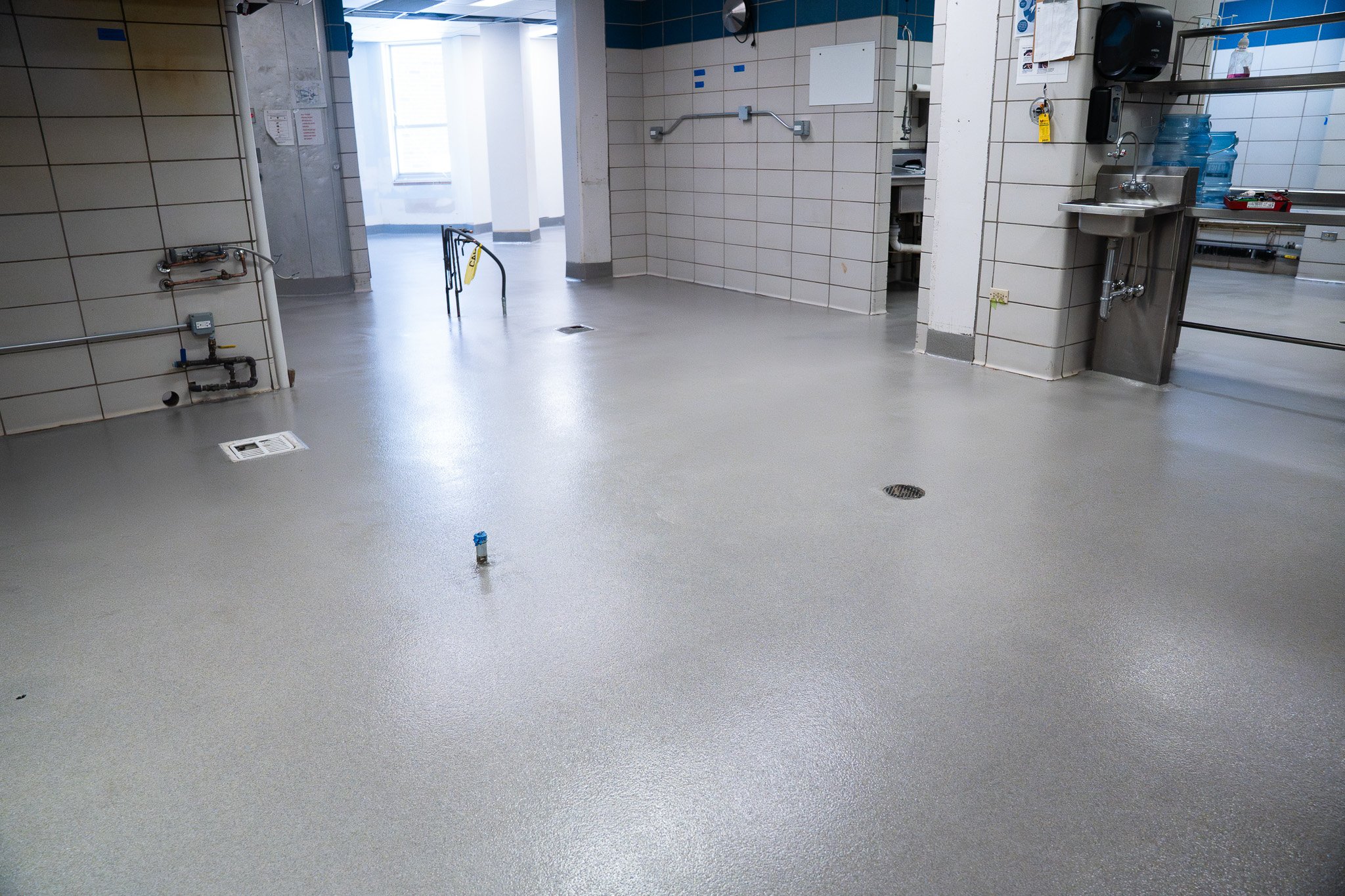
Common applications include food and beverage facilities, commercial kitchens, locker rooms, restrooms, laboratories, manufacturing areas, healthcare spaces, and other wet or high-traffic environments.
Because quartz systems can be customized with different textures, they can be designed around the amount of traction a space requires.
Is Quartz Flooring the Same as Epoxy Flooring?
Not exactly. Quartz flooring can use epoxy as part of the system, but not every epoxy floor contains quartz.
A standard epoxy system may have a smooth finish or use decorative flakes. A quartz epoxy flooring system incorporates quartz aggregate into the resin layers to add texture, durability, and decorative qualities.

Are There Any Disadvantages to Quartz Flooring?
Quartz flooring is not the best choice for every project. The additional materials and installation steps can make it more expensive than simpler coating systems.
Highly textured quartz floors may also require more effort to clean than smooth flooring. Choosing too much texture can create unnecessary maintenance challenges, while too little may not provide the desired traction.
Final Thoughts
So, what is quartz flooring? It is a resinous flooring system that combines quartz aggregate with epoxy or other resins to create a durable, textured, and decorative surface. It can be a strong option for facilities that need additional traction and durability, but its suitability depends on the environment, maintenance needs, and budget.
For more information about quartz epoxy flooring and other concrete flooring options, visit CustomCrete’s Learning Center. If you're comparing systems for an upcoming project, you can also request a quote to discuss your facility's needs.
Topics:

.jpg?width=2048&height=1365&name=CC108559%20(1).jpg)
.jpeg?width=1638&height=1020&name=CC109349%20(1).jpeg)
.png?width=11520&height=9216&name=Untitled%20design%20(56).png)