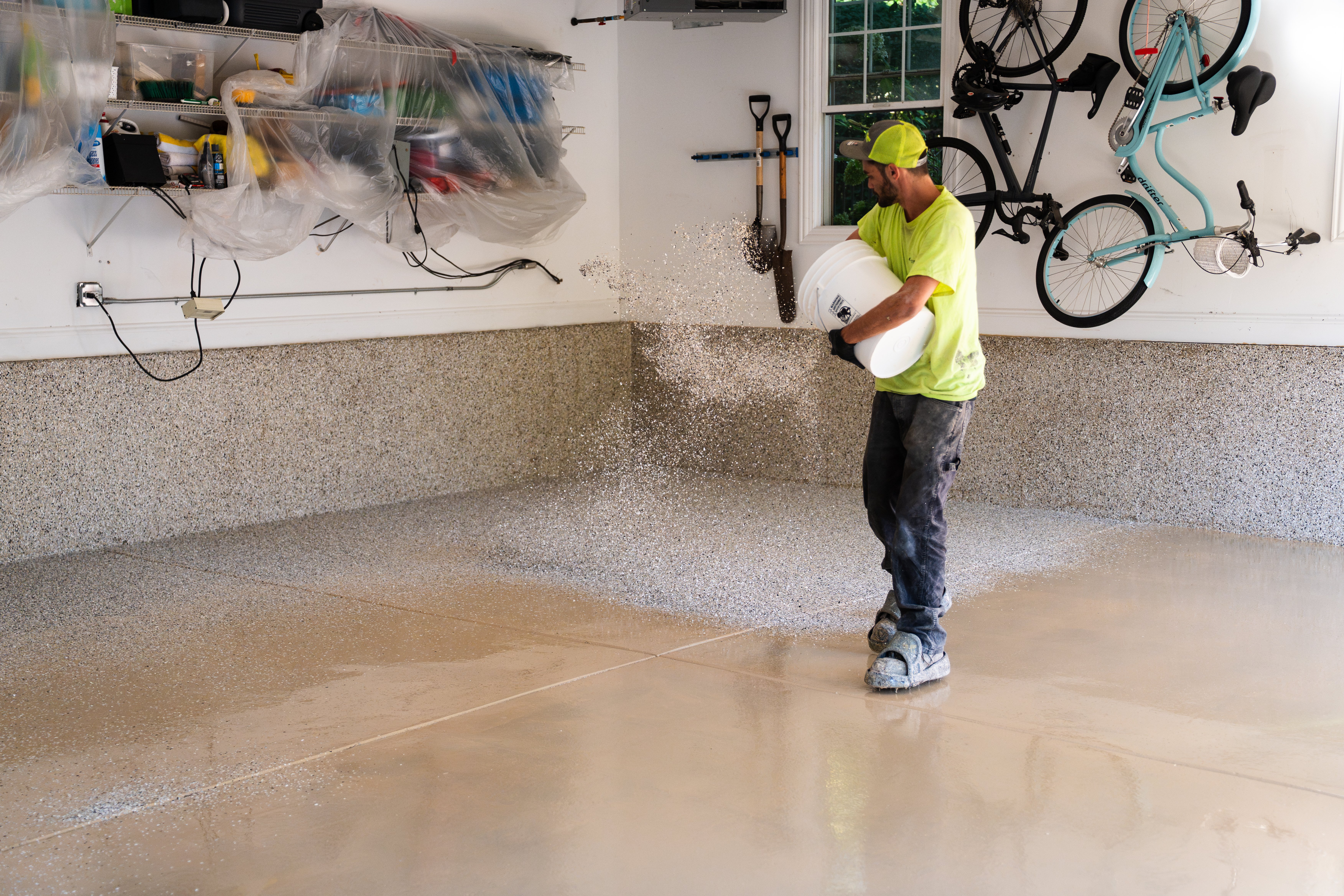
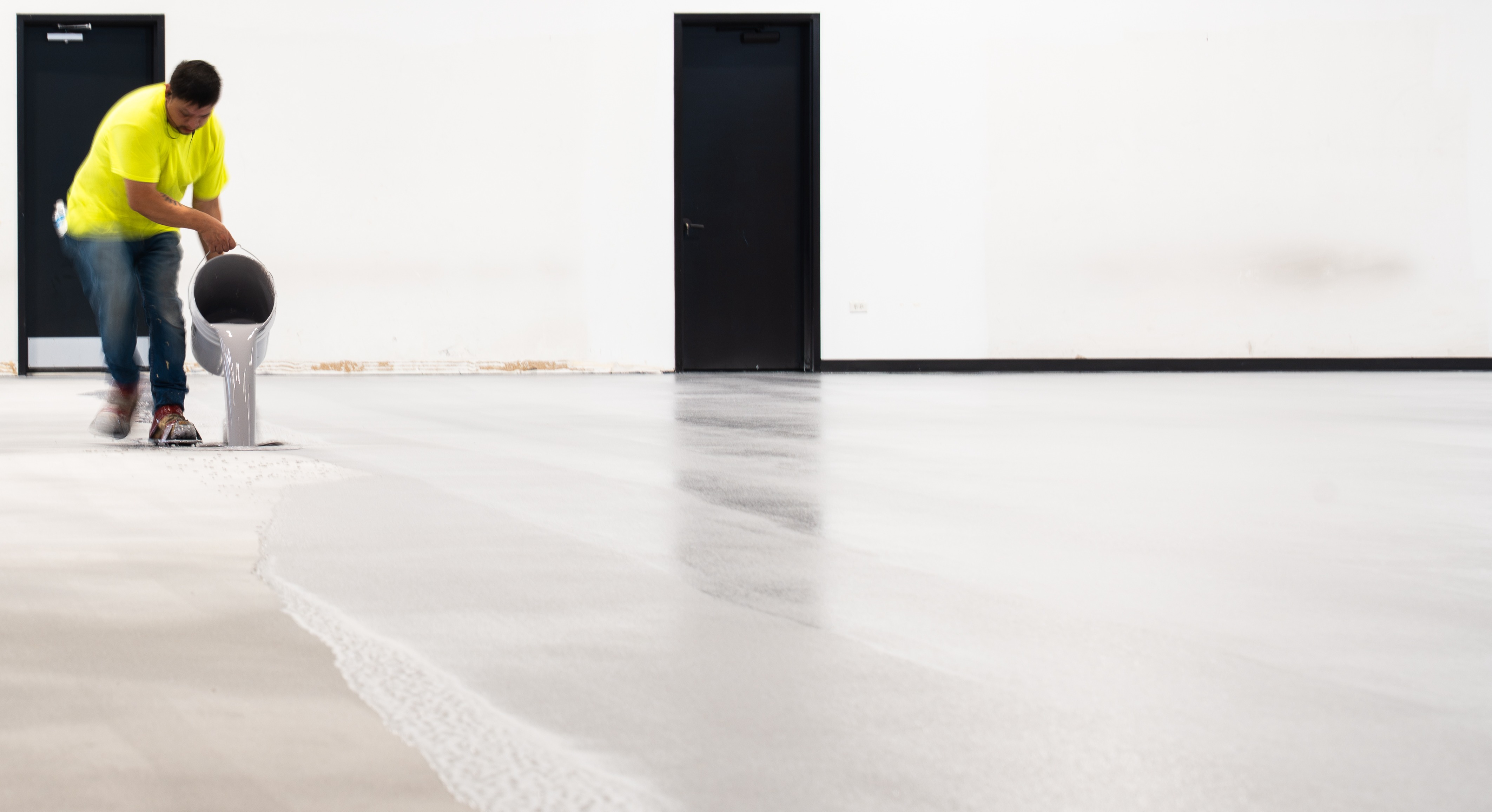
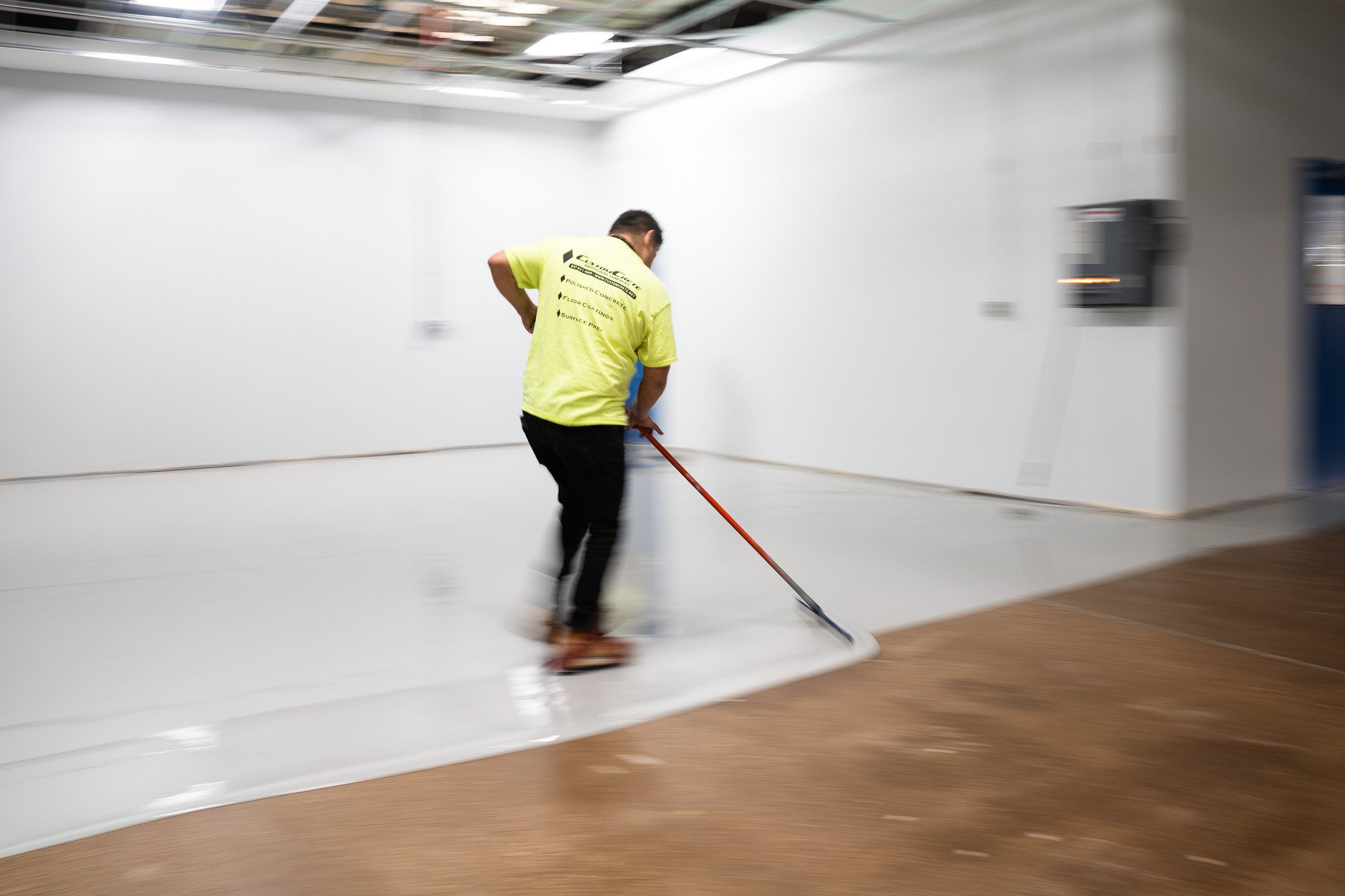
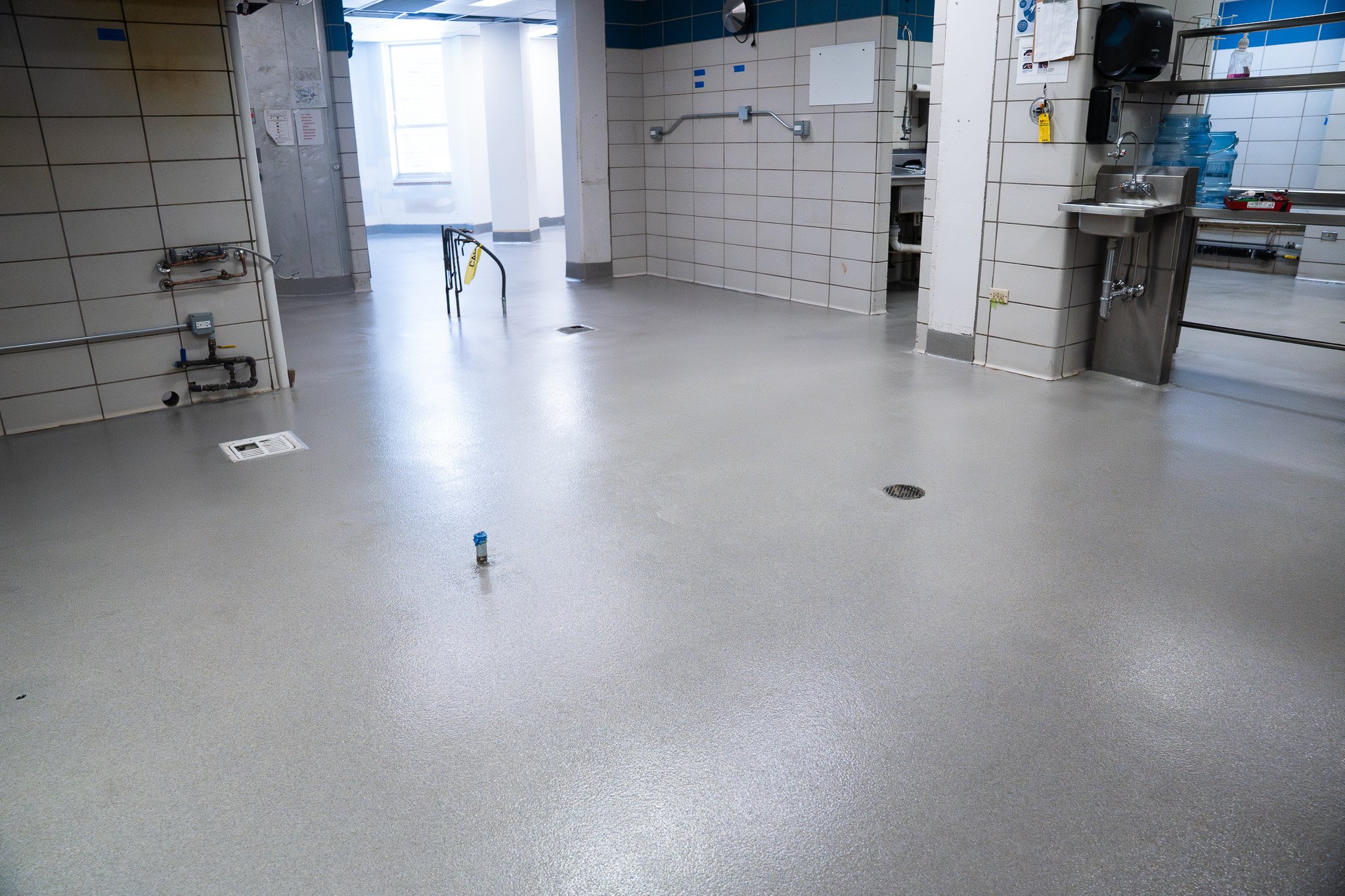
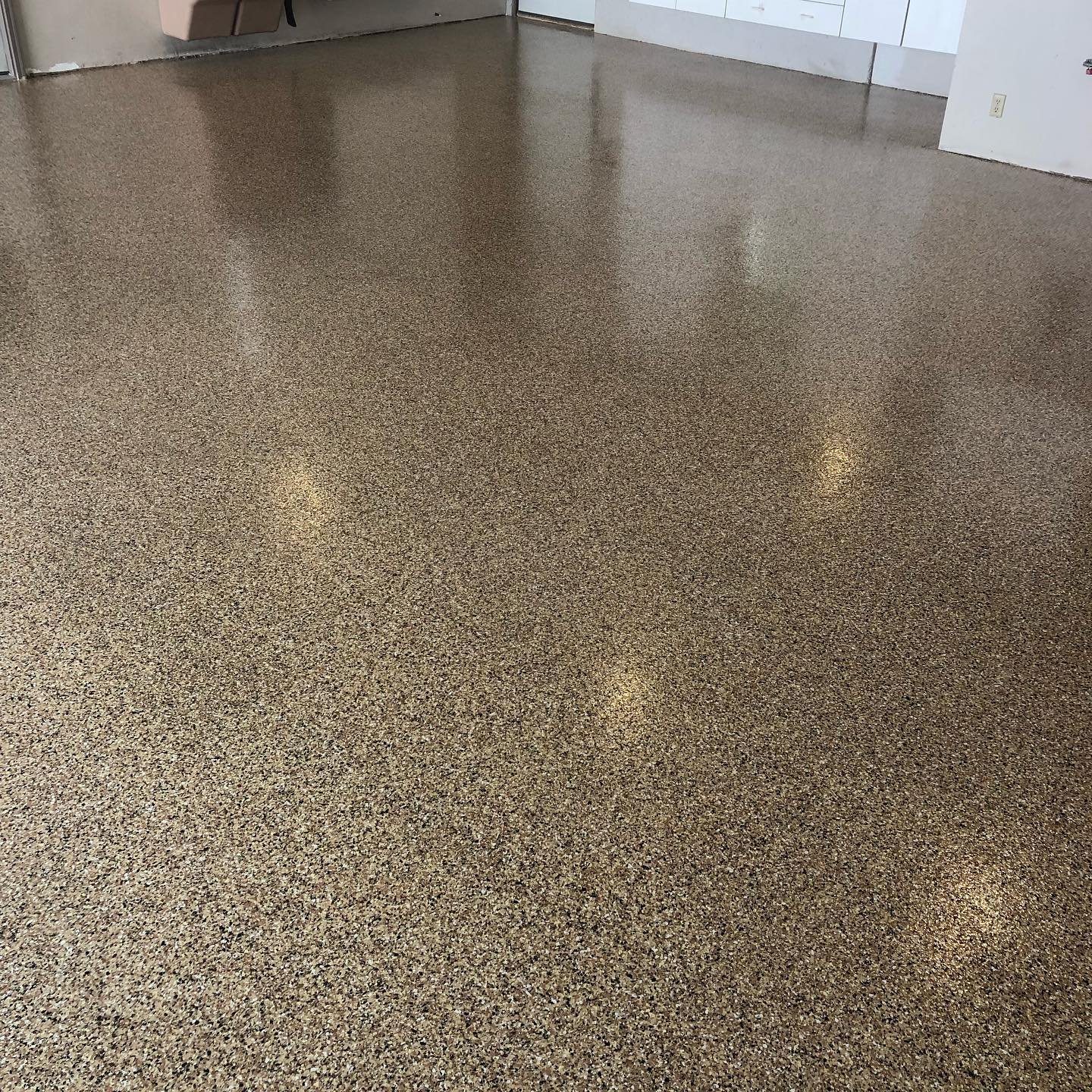
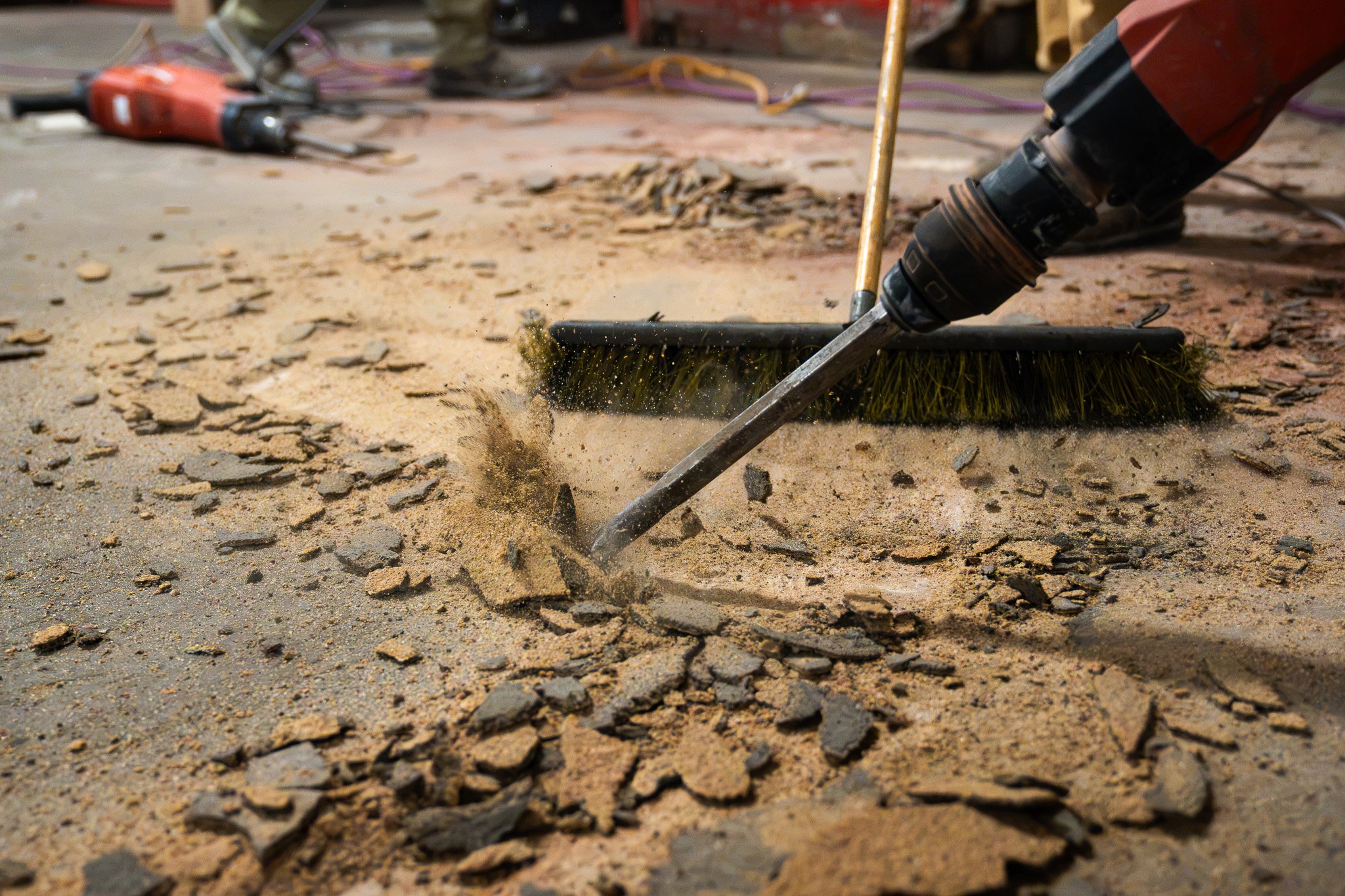
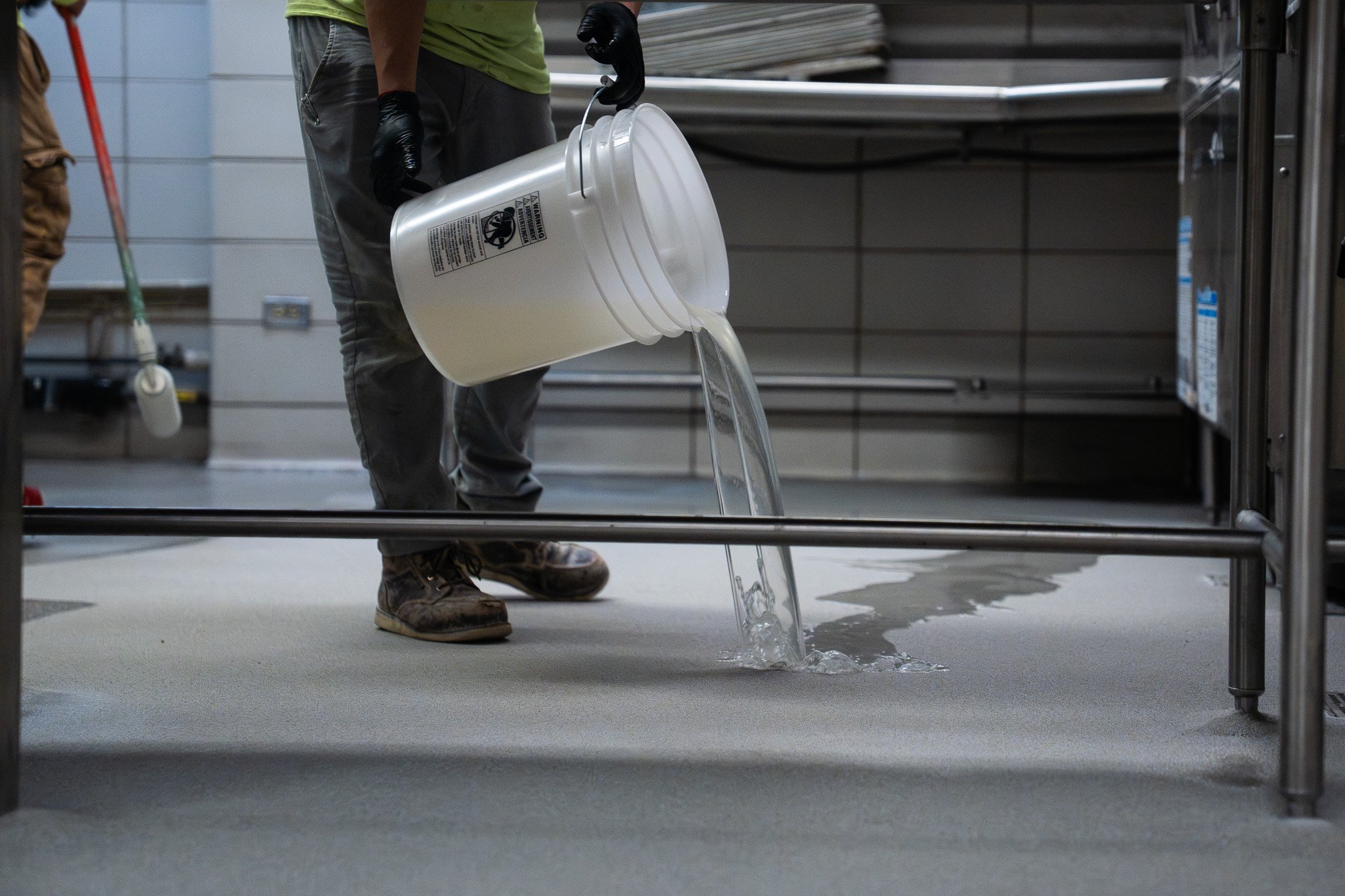
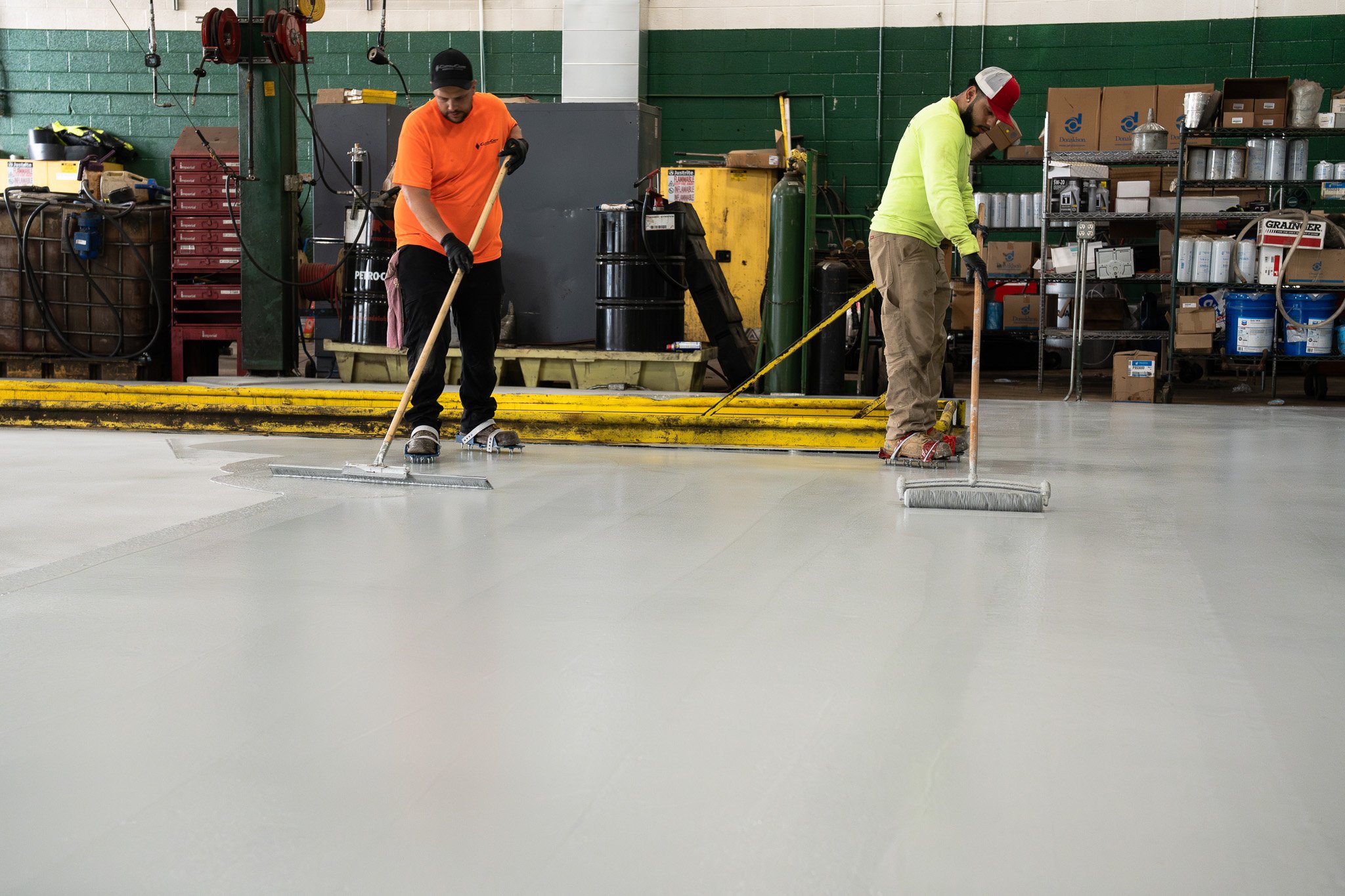
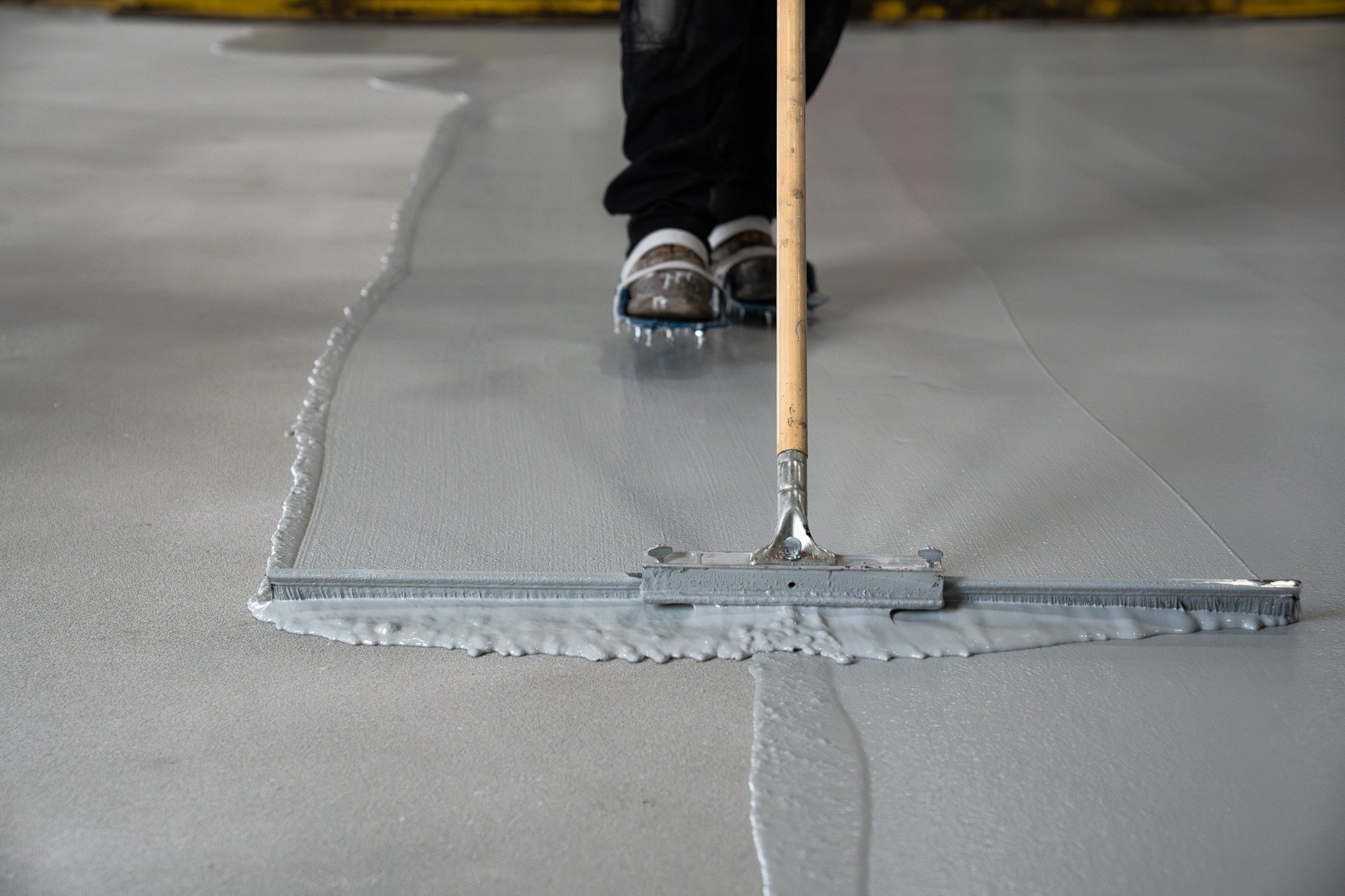
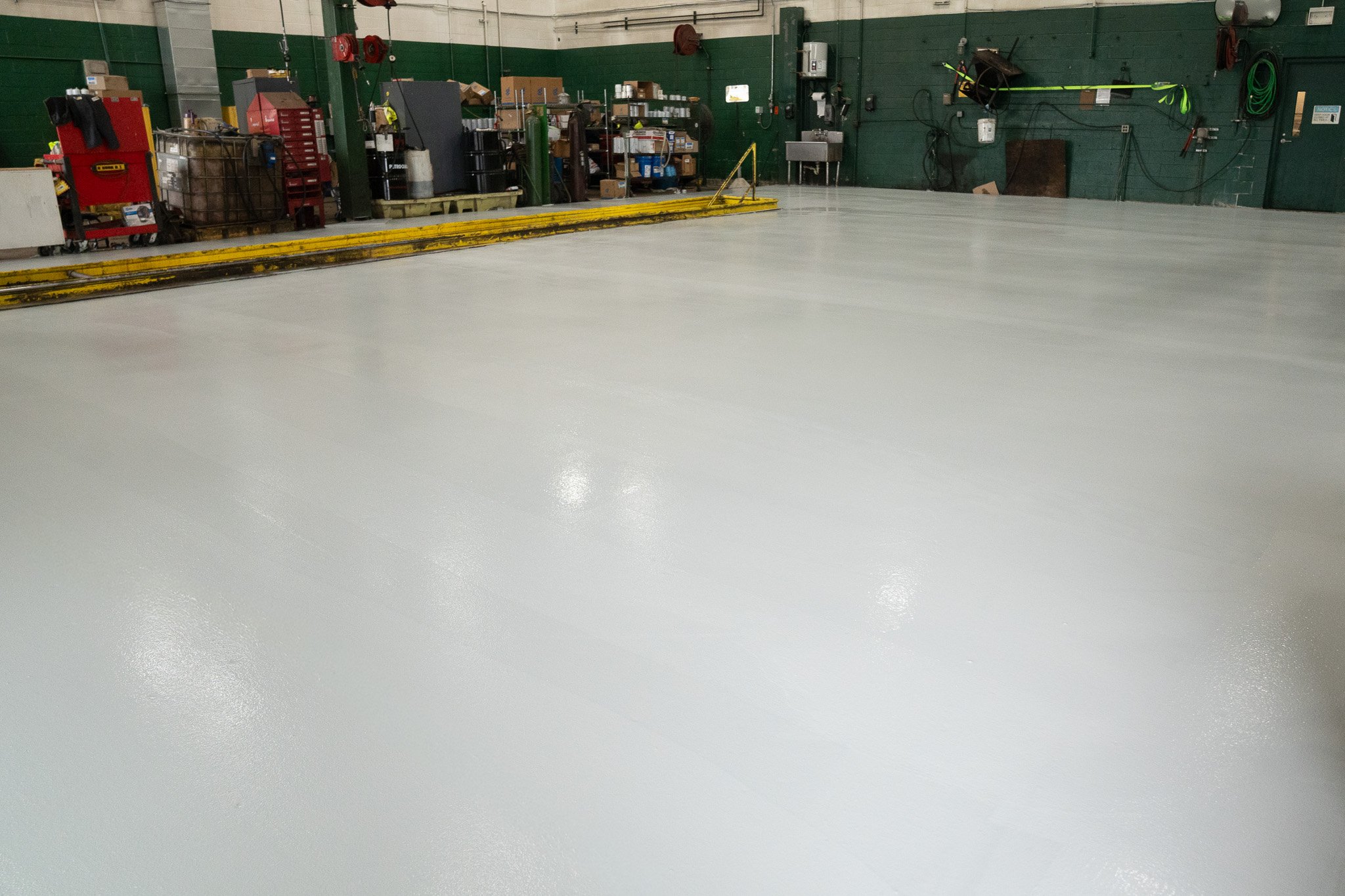
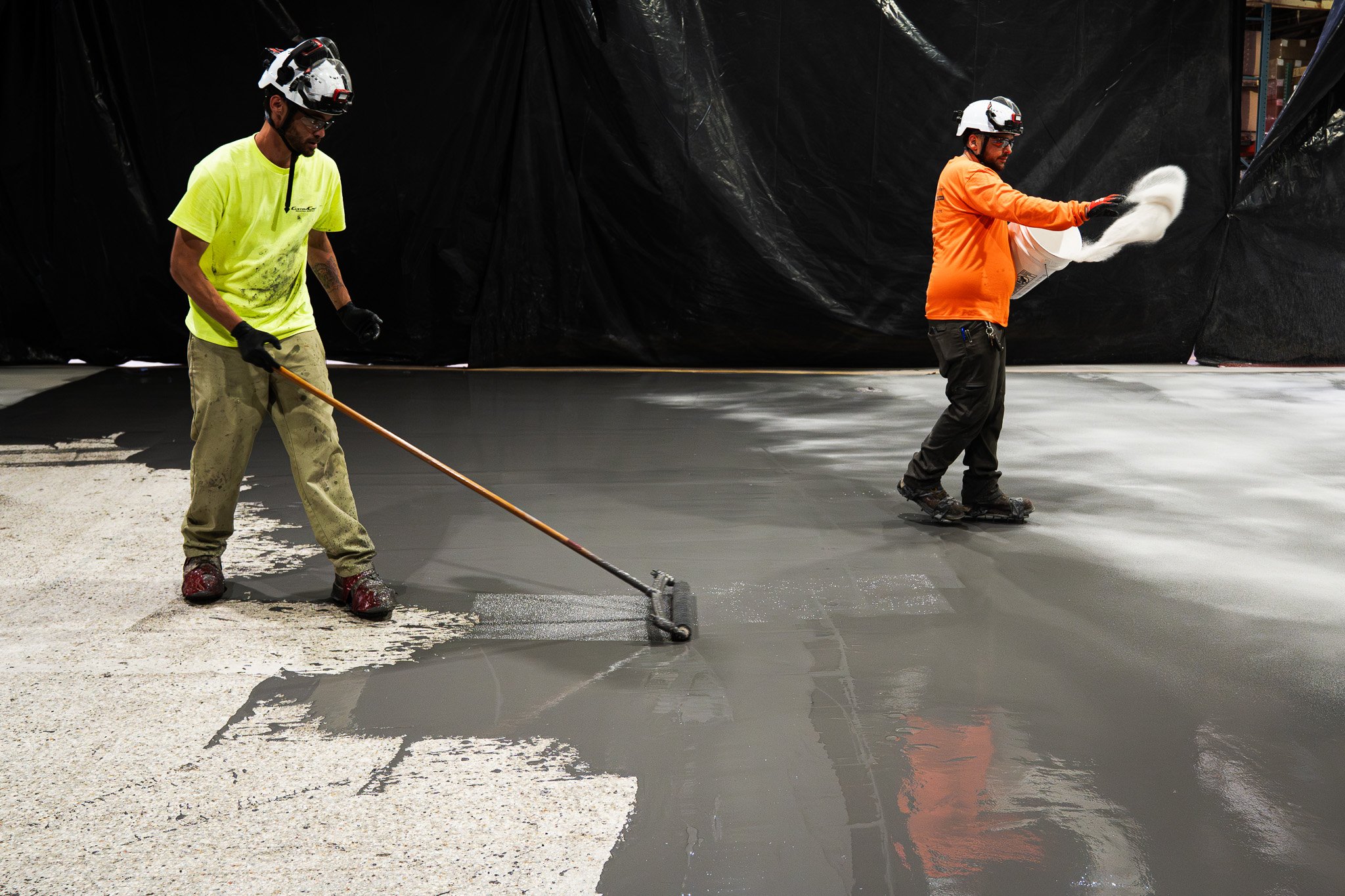
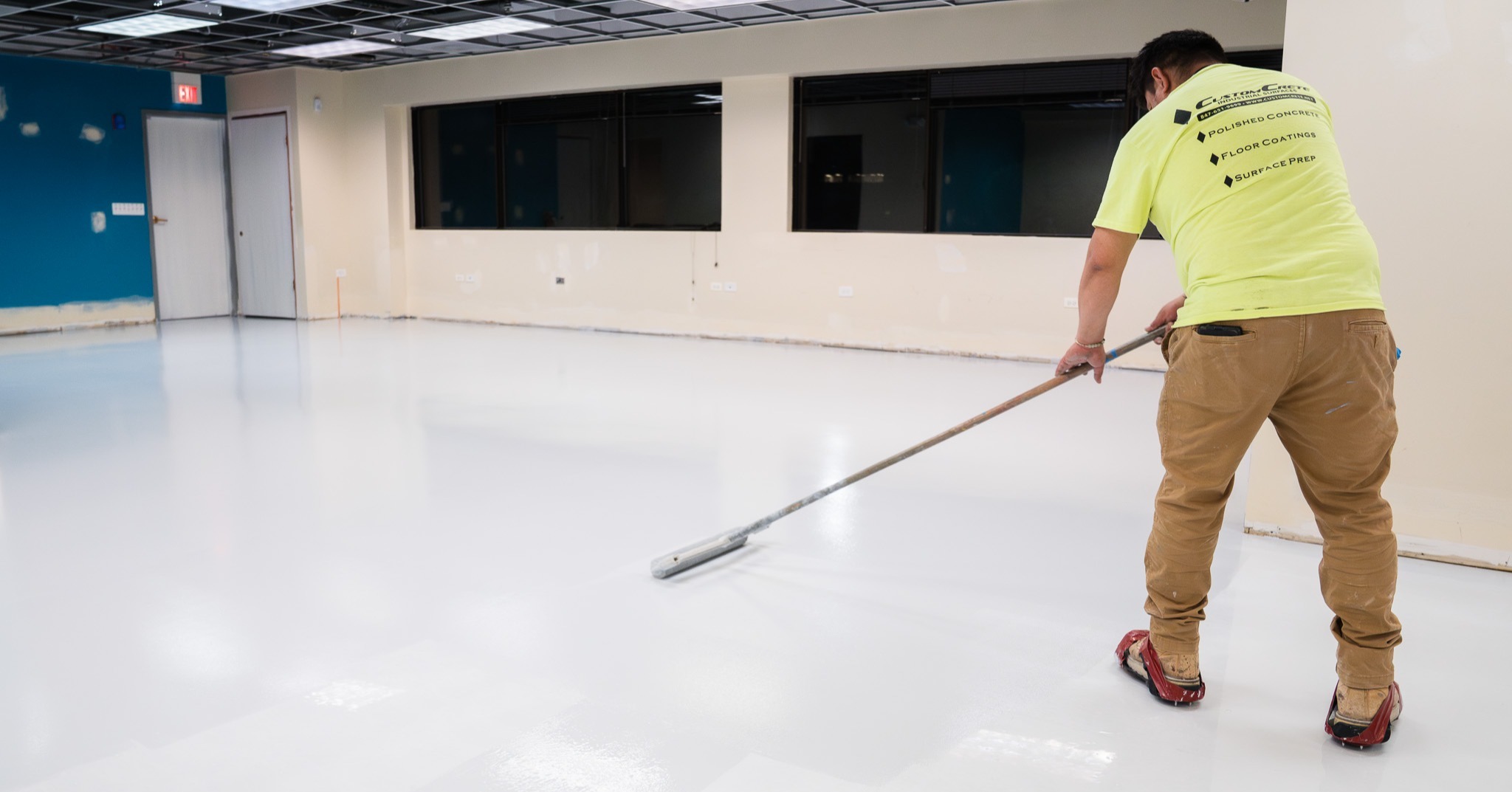
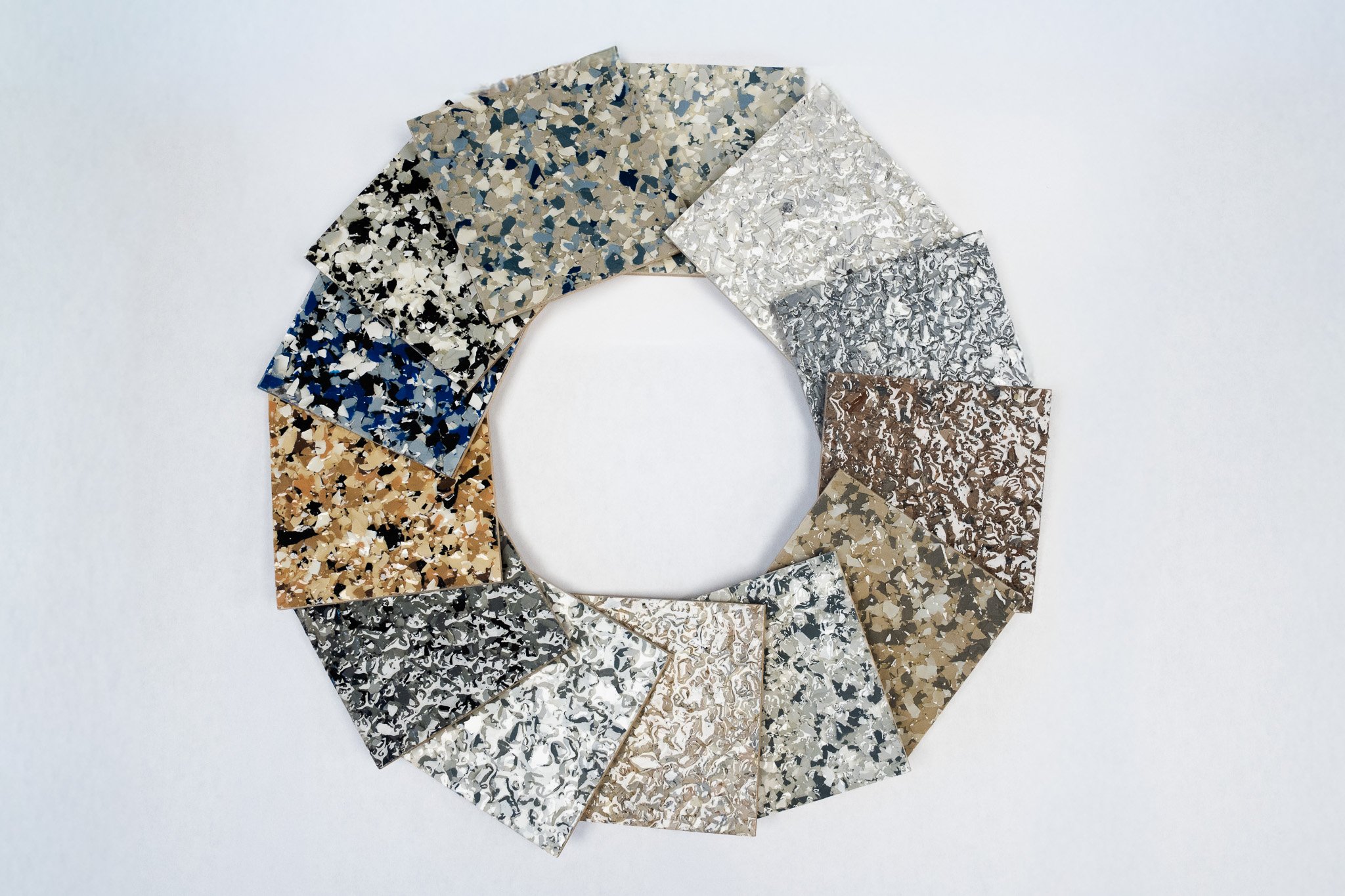
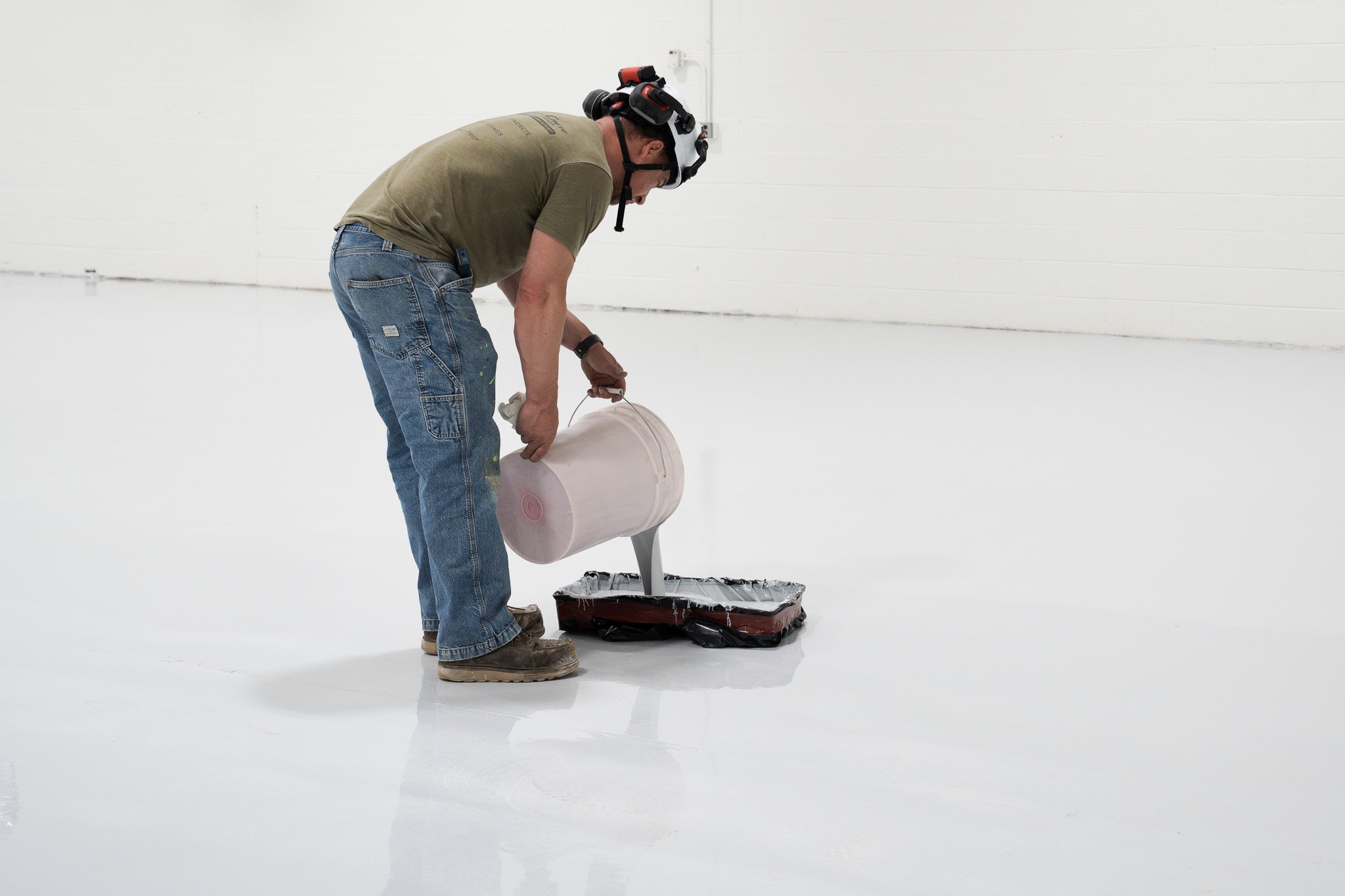
The best flooring systems for cove base are epoxy, urethane cement, and other seamless resinous flooring systems. These materials can create a continuous transition between the floor and wall, helping reduce areas where moisture, dirt, and bacteria can collect. Epoxy cove base is commonly used in warehouses and commercial facilities, while urethane cement cove base is often preferred in food processing plants and other environments exposed to moisture, chemicals, and temperature changes.
However, the best cove base flooring system depends on the facility's sanitation requirements, cleaning procedures, chemical exposure, and overall flooring design.
At CustomCrete, this question often comes up from facility managers looking to improve cleanability, protect wall-to-floor transitions, or meet specific facility requirements.
What Is Cove Base in Industrial Flooring?
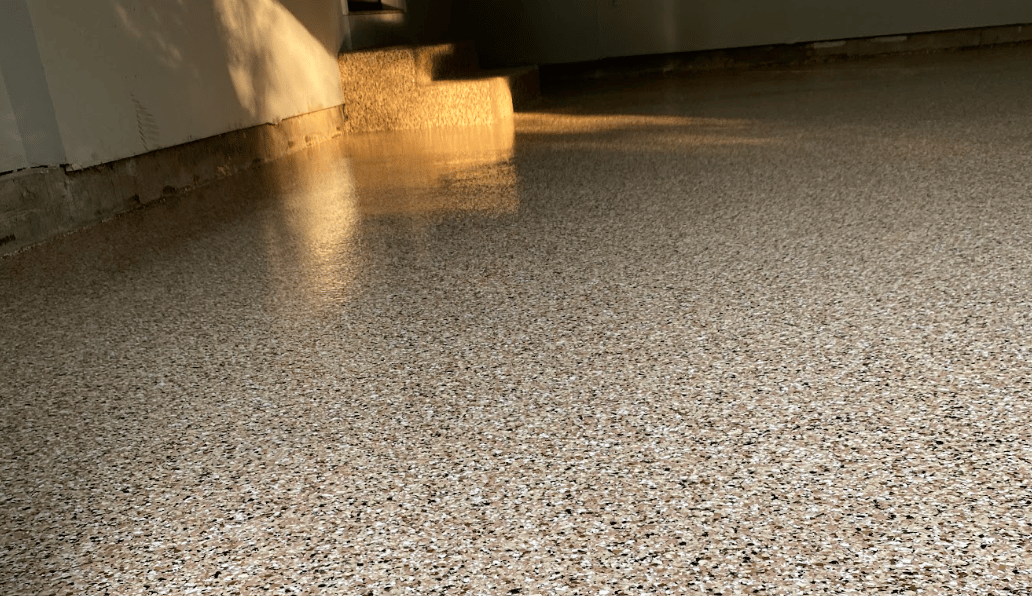
Cove base is a curved or sealed transition between the floor and wall that eliminates the sharp 90-degree corner where dirt, moisture, and debris can collect.
In industrial and commercial facilities, cove base is commonly installed using resinous flooring materials that can integrate with the main flooring system.
Unlike traditional vinyl or rubber wall base, an integrated resinous cove base can create a more continuous, moisture-resistant transition.

Is Epoxy Flooring Good for Cove Base?
Yes. Epoxy cove base is one of the most common options for commercial and industrial facilities.
Epoxy systems provide strong adhesion, durability, and resistance to many cleaning chemicals. They can also be installed with smooth or textured finishes to match the surrounding floor.
Epoxy cove base is commonly used in:
- Warehouses
- Manufacturing facilities
- Commercial kitchens
- Laboratories
- Commercial buildings
However, standard epoxy may not be the best option for environments exposed to extreme temperature changes or aggressive chemical cleaning.
When Is Urethane Cement Cove Base Better?
Urethane cement cove base is often a better choice for facilities exposed to frequent washdowns, moisture, and thermal shock.
Food and beverage processing plants are common examples because their floors may experience hot-water cleaning, chemicals, and changing temperatures.
Urethane cement can provide a durable, seamless transition between the floor and wall when installed as part of a compatible flooring system.
The main tradeoff is cost, as urethane cement systems can be more expensive than simpler epoxy installations.
Can Polyaspartic or Polyurethane Be Used for Cove Base?
Yes, certain polyaspartic and polyurethane products can be incorporated into cove base systems.
These materials are often used as protective topcoats rather than the primary material used to build the curved transition.
Polyaspartic coatings can offer fast curing and abrasion resistance, while polyurethane topcoats may provide additional chemical, abrasion, or UV resistance.
Product compatibility should always be confirmed before combining different flooring materials.
Does Cove Base Need to Match the Flooring System?
Not always, but compatibility is important.
Using materials designed to work together helps maintain adhesion, chemical resistance, and durability across the floor-to-wall transition.
For example, a urethane cement floor may benefit from a compatible urethane cement cove base, especially in areas exposed to aggressive cleaning.
The correct cove base height, thickness, and finish should also be determined by the facility's requirements.
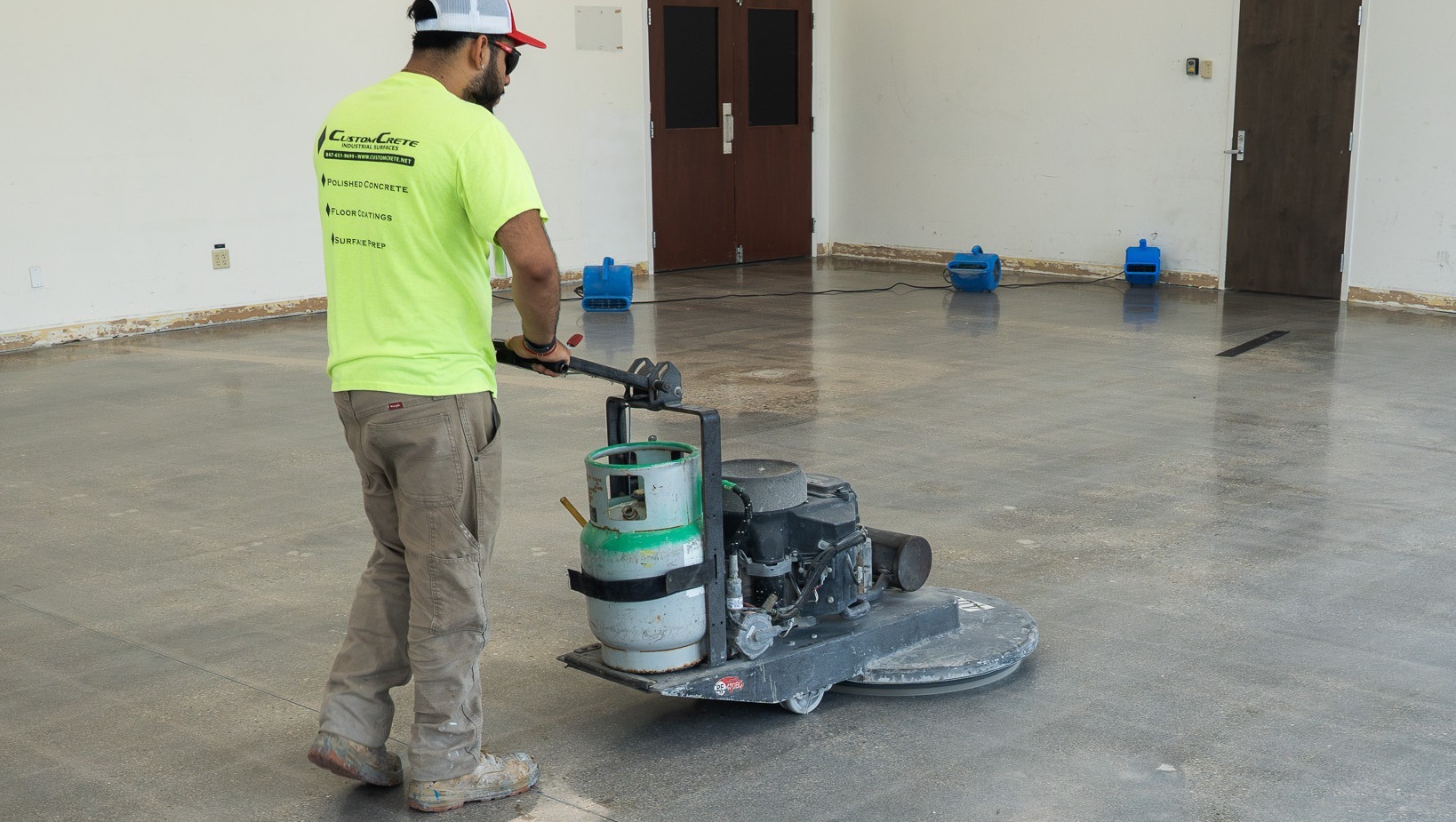
Keep in mind that options like polished and sealed concrete are not good candidates for cove base because they do not provide a seamless transition from wall to floor.
Final Thoughts
The best flooring systems for cove base are typically epoxy and urethane cement because they can create durable, seamless transitions between floors and walls. Epoxy works well in many general industrial and commercial environments, while urethane cement is often better suited for demanding washdown and temperature conditions.
For more information about cove base, industrial flooring systems, and installation requirements, visit CustomCrete's Learning Center. If you're planning a flooring project, you can also request a quote to discuss the best flooring and cove base options for your facility.

Topics: