
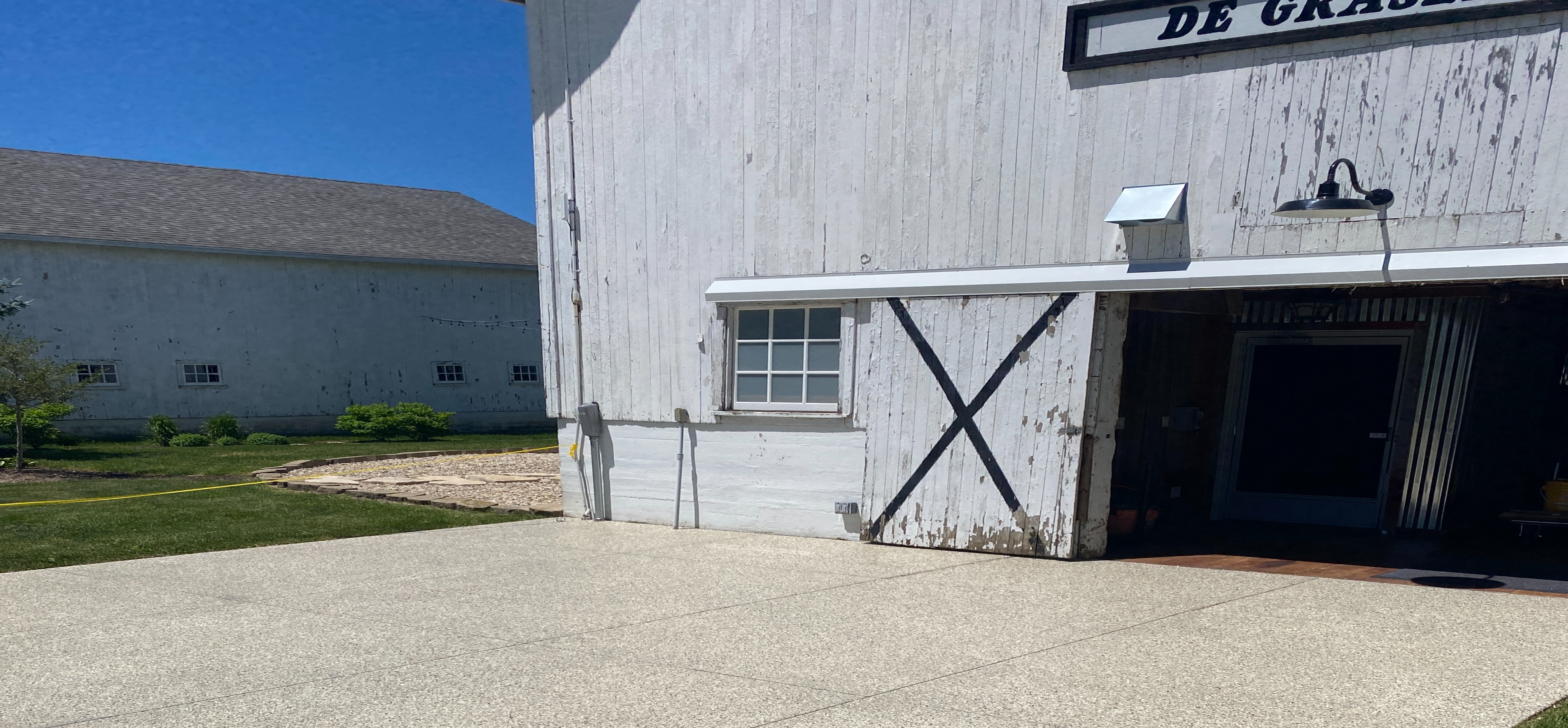
For many outdoor patios, a UV-stable coating such as polyaspartic or certain polyurethane systems is one of the best concrete coating options because it can resist sunlight, moisture, abrasion, and changing weather conditions. However, the best concrete coating for an outdoor patio depends on your climate, the condition of the concrete, desired appearance, slip resistance, and how exposed the patio is to rain and sunlight.
Outdoor concrete faces different conditions than a garage or basement floor. Choosing a coating specifically designed for exterior use is important for maintaining both appearance and performance.
At CustomCrete, this question often comes up from homeowners looking for a durable, easy-to-maintain finish for patios and other outdoor concrete surfaces.
What Should an Outdoor Concrete Coating Be Able to Handle?
The best outdoor concrete coating should be designed to handle conditions that indoor floors may never experience.
These can include:
- Direct sunlight and UV exposure
- Rain and standing water
- Freeze-thaw cycles
- Hot and cold temperature changes
- Foot traffic and patio furniture
- Dirt, leaves, and other outdoor debris
Before selecting a system, confirm that the coating manufacturer approves the product for exterior applications.
Is Polyaspartic Good for an Outdoor Patio?
Polyaspartic can be a strong option for outdoor concrete because many formulations provide excellent UV stability, abrasion resistance, and chemical resistance.
UV stability is particularly important for patios exposed to direct sunlight. Some coatings can yellow or discolor with prolonged UV exposure, while UV-stable polyaspartic products are designed to better maintain their appearance.
Polyaspartic coatings also cure relatively quickly, which can shorten the installation and return-to-service timeline.
Can You Use Epoxy on an Outdoor Patio?
Epoxy can provide strong adhesion and durability, but standard epoxy is generally not the first choice as an exposed outdoor topcoat.
Many epoxy products can yellow or change color after extended UV exposure. If epoxy is incorporated into an outdoor flooring system, a UV-stable topcoat may be used to help protect it.
The entire system—not just one coating layer—should be rated for the conditions the patio will experience.
Does an Outdoor Patio Coating Need Slip Resistance?
Slip resistance should be an important consideration for outdoor concrete.
Rain, pool water, snow, and other moisture can make smooth surfaces slippery. Texture or anti-slip aggregate can be added to some coating systems to improve traction.
More texture can improve grip, but it can also make the floor slightly harder to clean. The goal is to find the right balance between safety, appearance, and maintenance.
Does the Condition of the Concrete Matter?
Yes. Even the best concrete coating for an outdoor patio can perform poorly if the concrete underneath is damaged or improperly prepared.
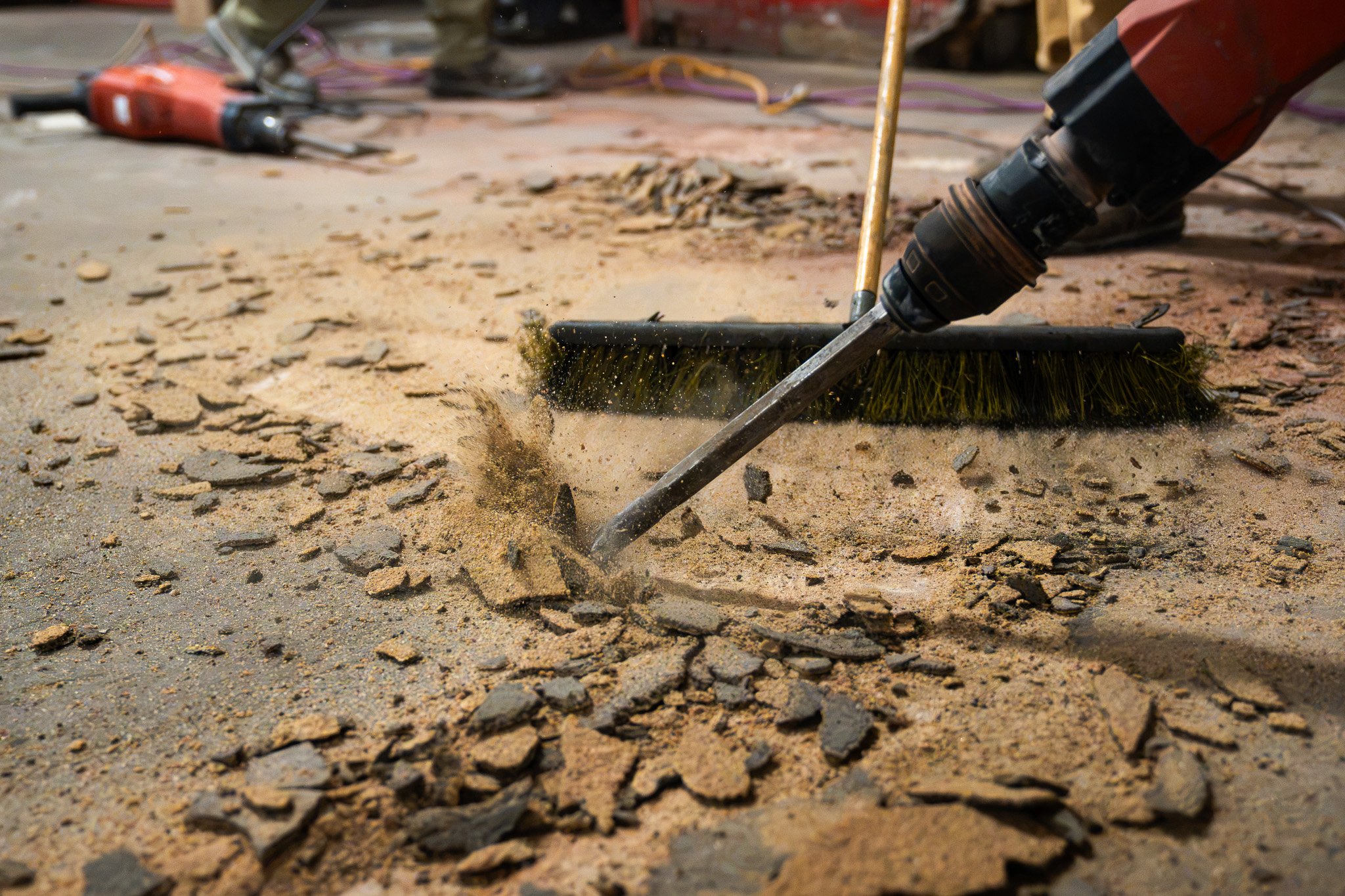
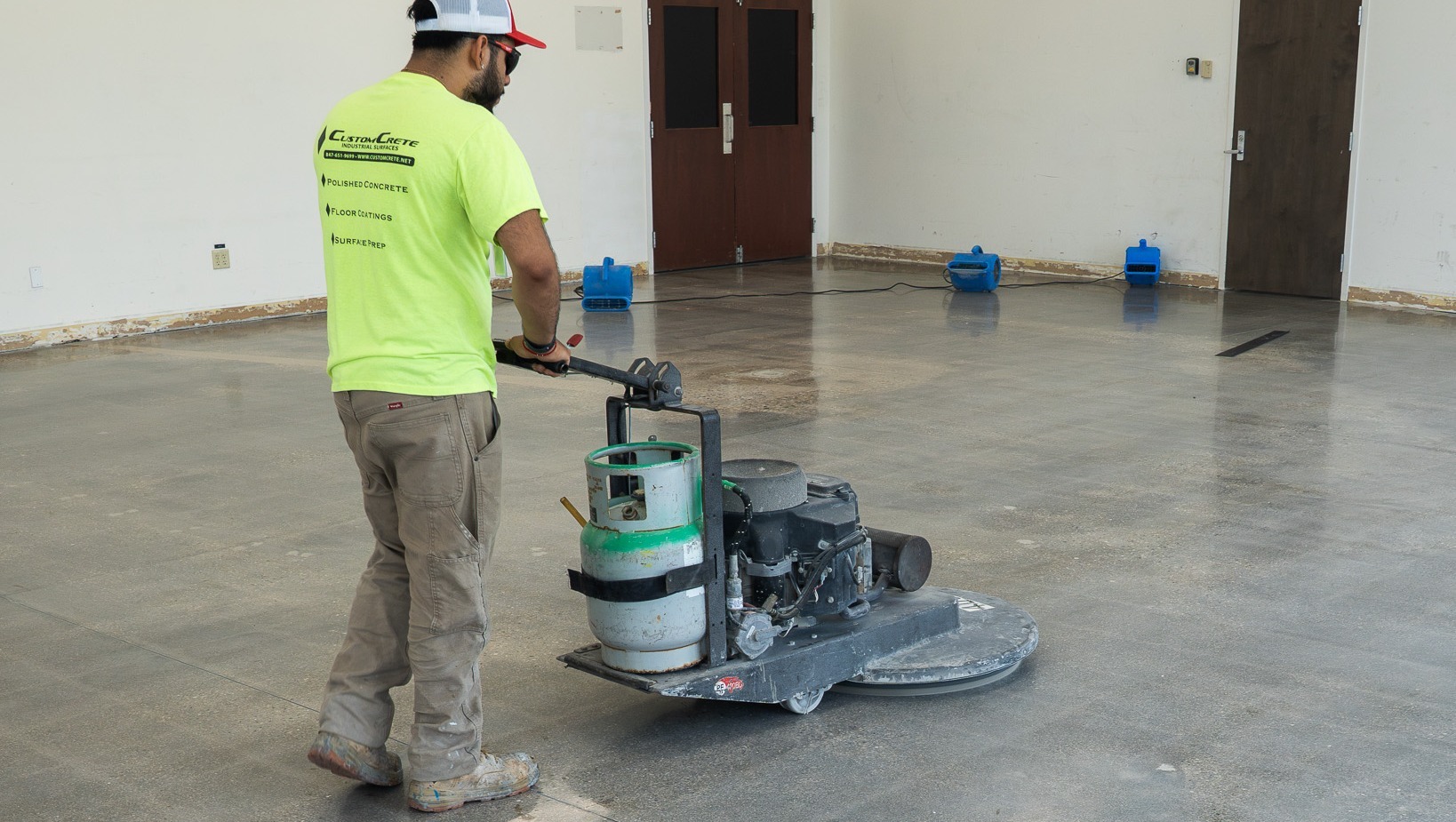
Cracks, spalling, drainage problems, moisture, and previous coatings should be evaluated before installation. Surface preparation may include grinding, repairs, cleaning, and removal of existing coatings.
Proper preparation helps the new system bond to the concrete and perform as intended.
Final Thoughts
For many outdoor patios, UV-stable polyaspartic or polyurethane systems can provide a durable finish capable of handling sunlight, moisture, traffic, and changing temperatures. However, there is no single best coating for every patio. Climate, concrete condition, drainage, slip resistance, appearance, and budget should all factor into the decision.
For more information about concrete coatings and choosing the right flooring system, visit CustomCrete’s Learning Center. If you’re considering coating your outdoor patio, you can also request a quote to discuss your project and available options.

Topics:

.jpg?width=2048&height=1365&name=CC108559%20(1).jpg)
.jpeg?width=1638&height=1020&name=CC109349%20(1).jpeg)
.png?width=11520&height=9216&name=Untitled%20design%20(56).png)