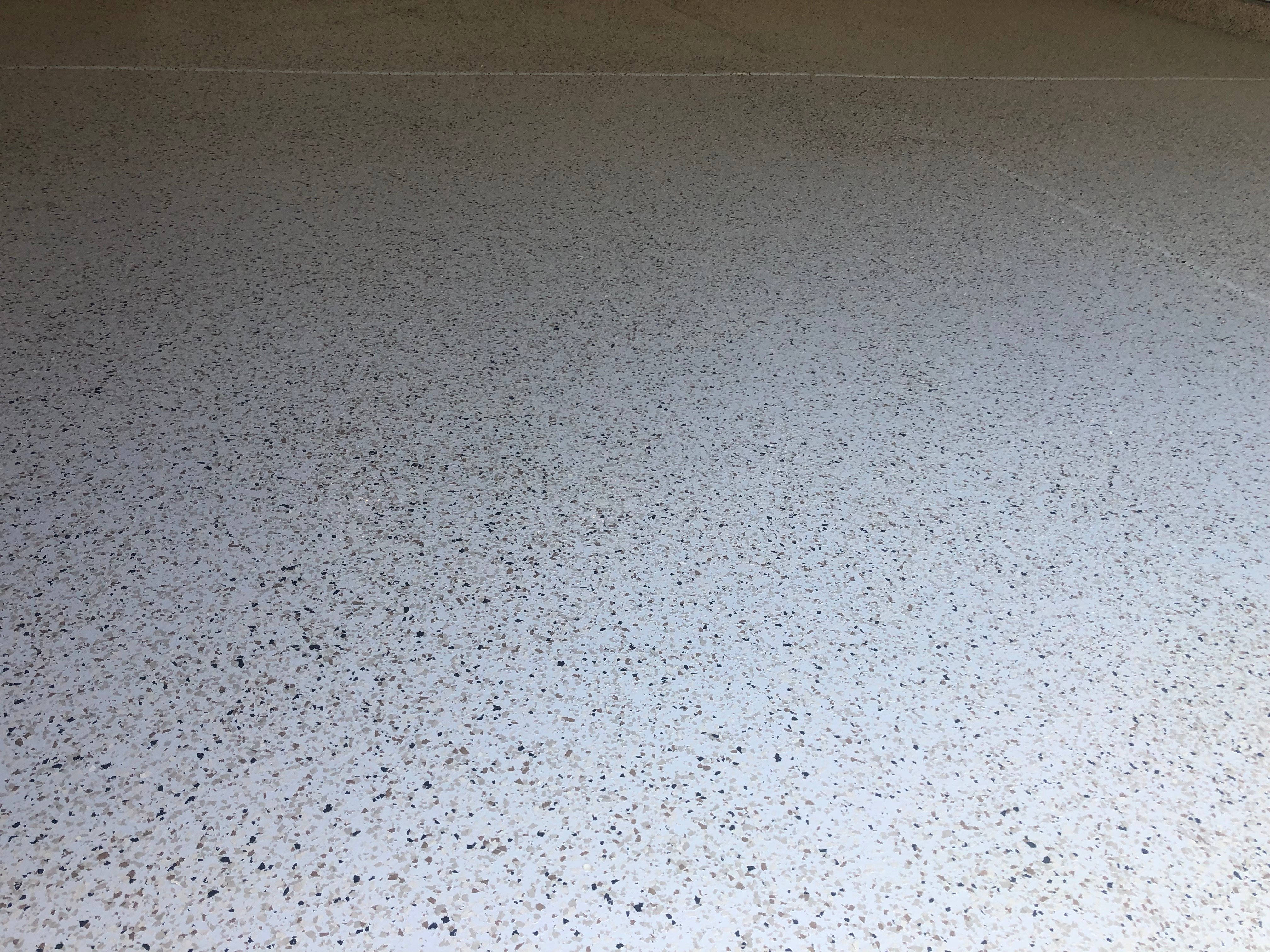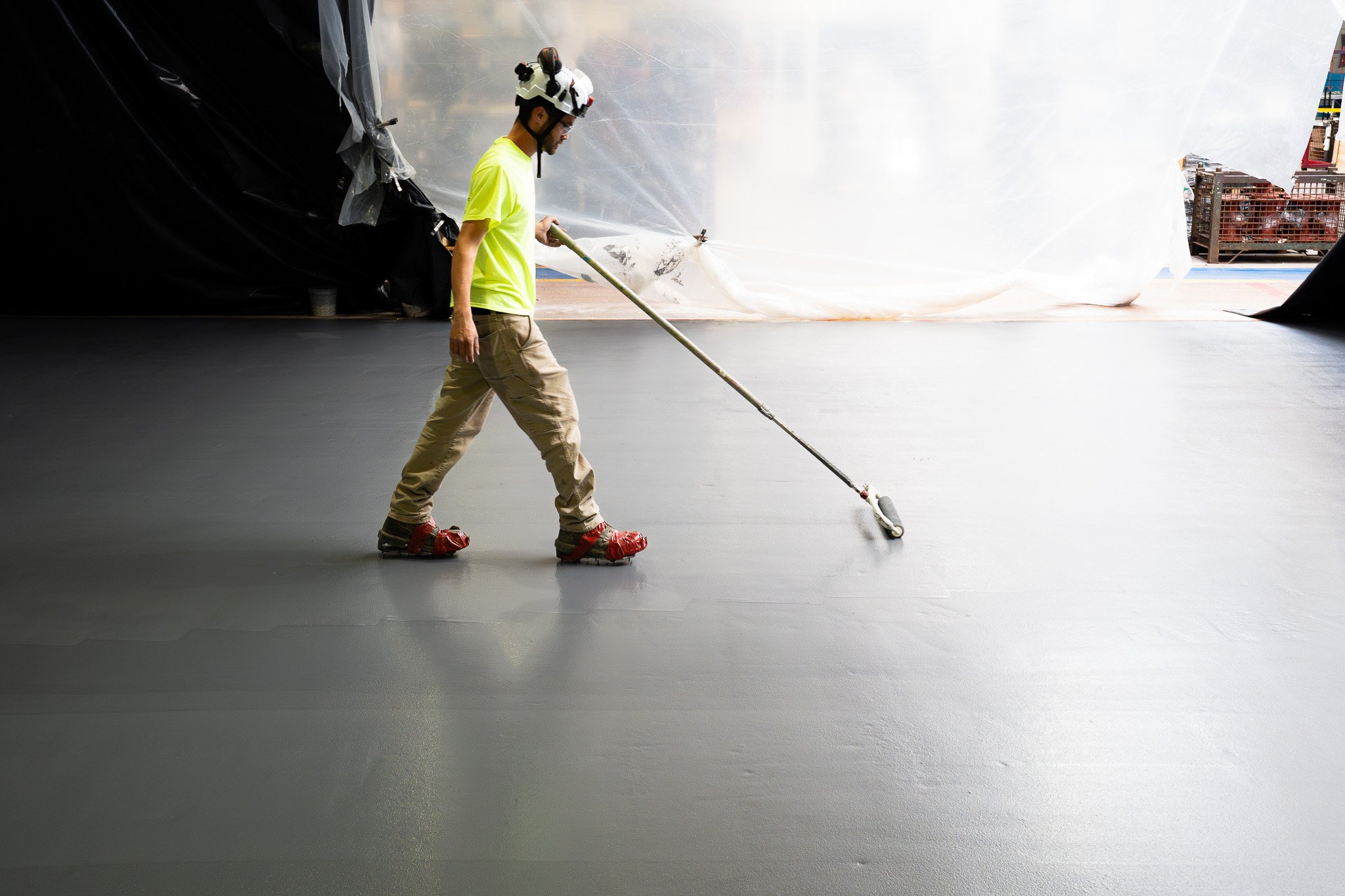

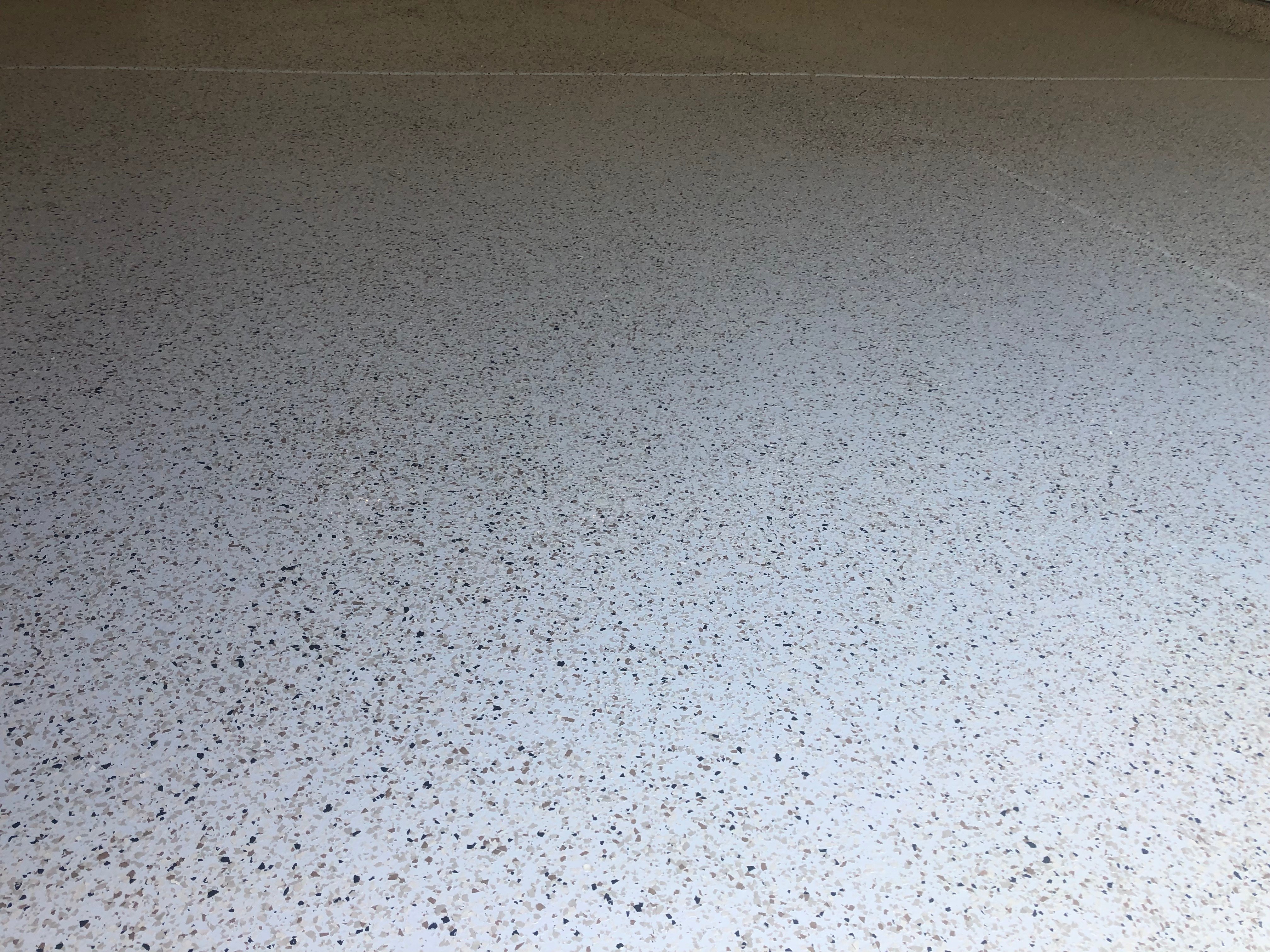
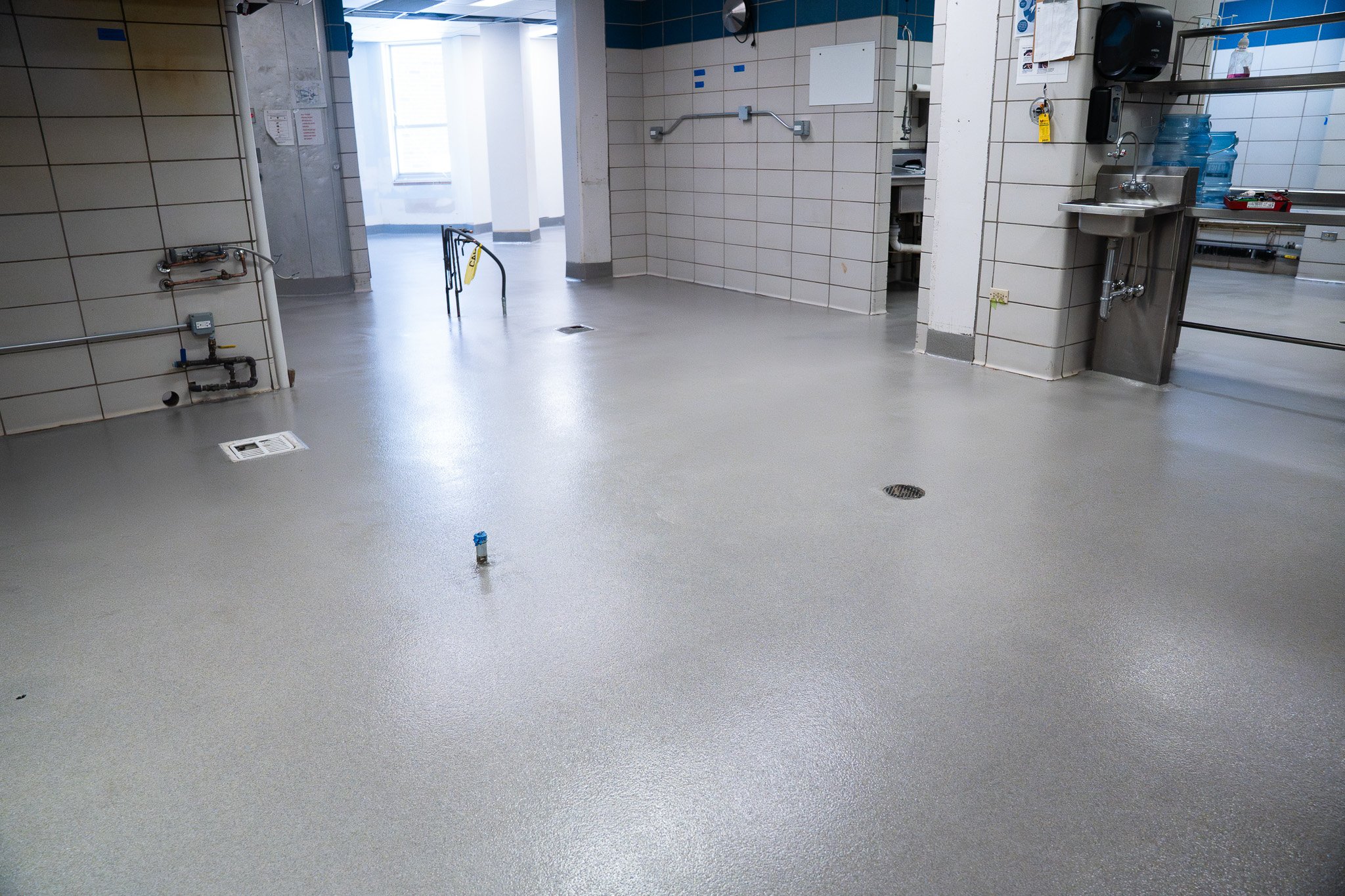
For most residential garages, one of the best garage concrete coating options is an epoxy flake flooring. This combination can provide strong adhesion, durability, chemical resistance, and protection against everyday vehicle traffic. However, the best system depends on your garage’s concrete condition, budget, appearance preferences, and how the space will be used.
Homeowners comparing garage floor coatings will often see epoxy, polyaspartic, polyurea, and other systems advertised as the “best.” Understanding how these materials differ can make it easier to choose a system based on performance rather than marketing.
At CustomCrete, this question often comes up from homeowners looking for a garage floor that is durable, easy to maintain, and designed to improve the appearance of their space.

Is Epoxy a Good Garage Floor Coating?
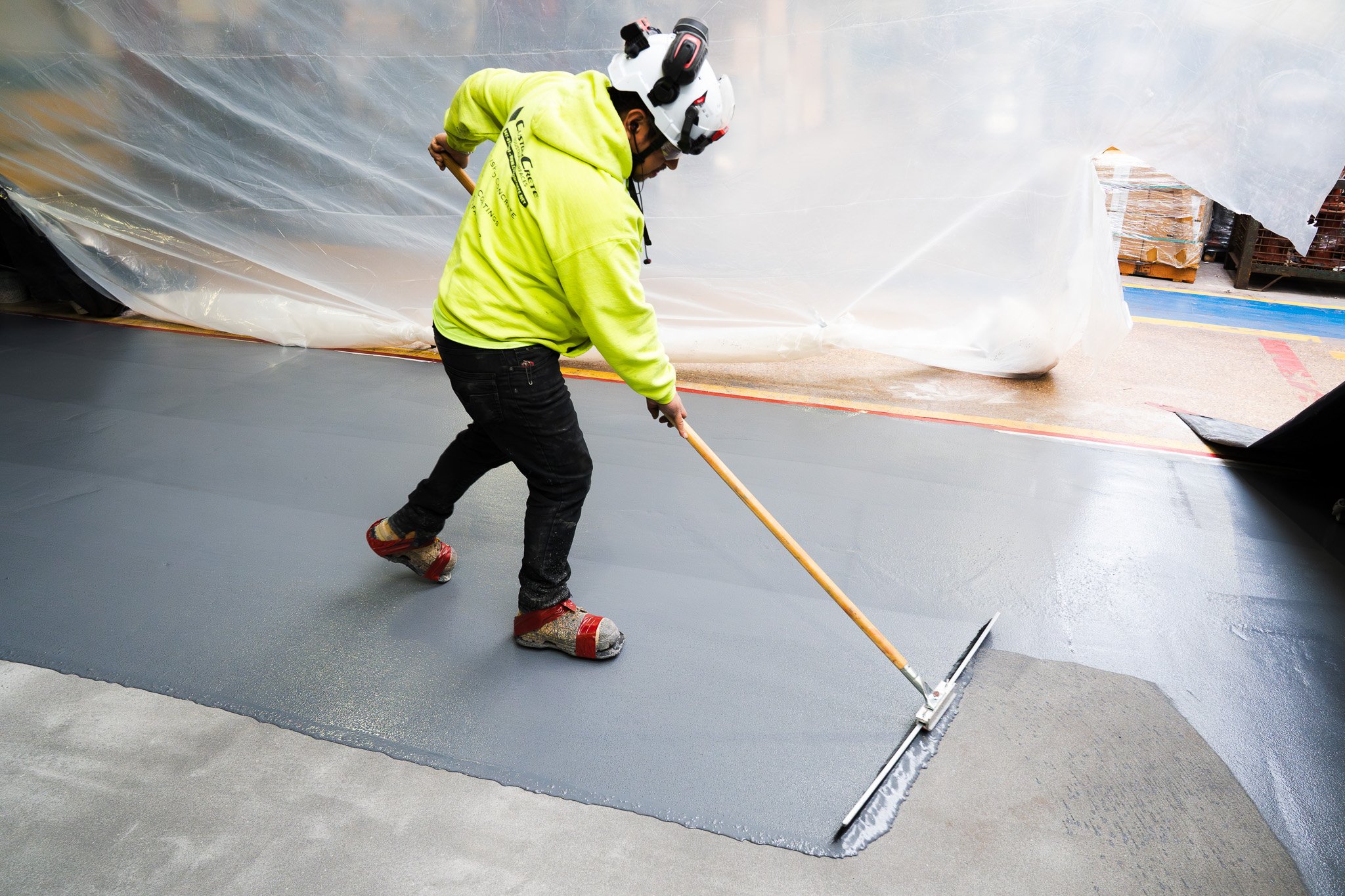
Yes. Epoxy garage floor coatings are popular because they bond well to properly prepared concrete and create a hard, durable surface.
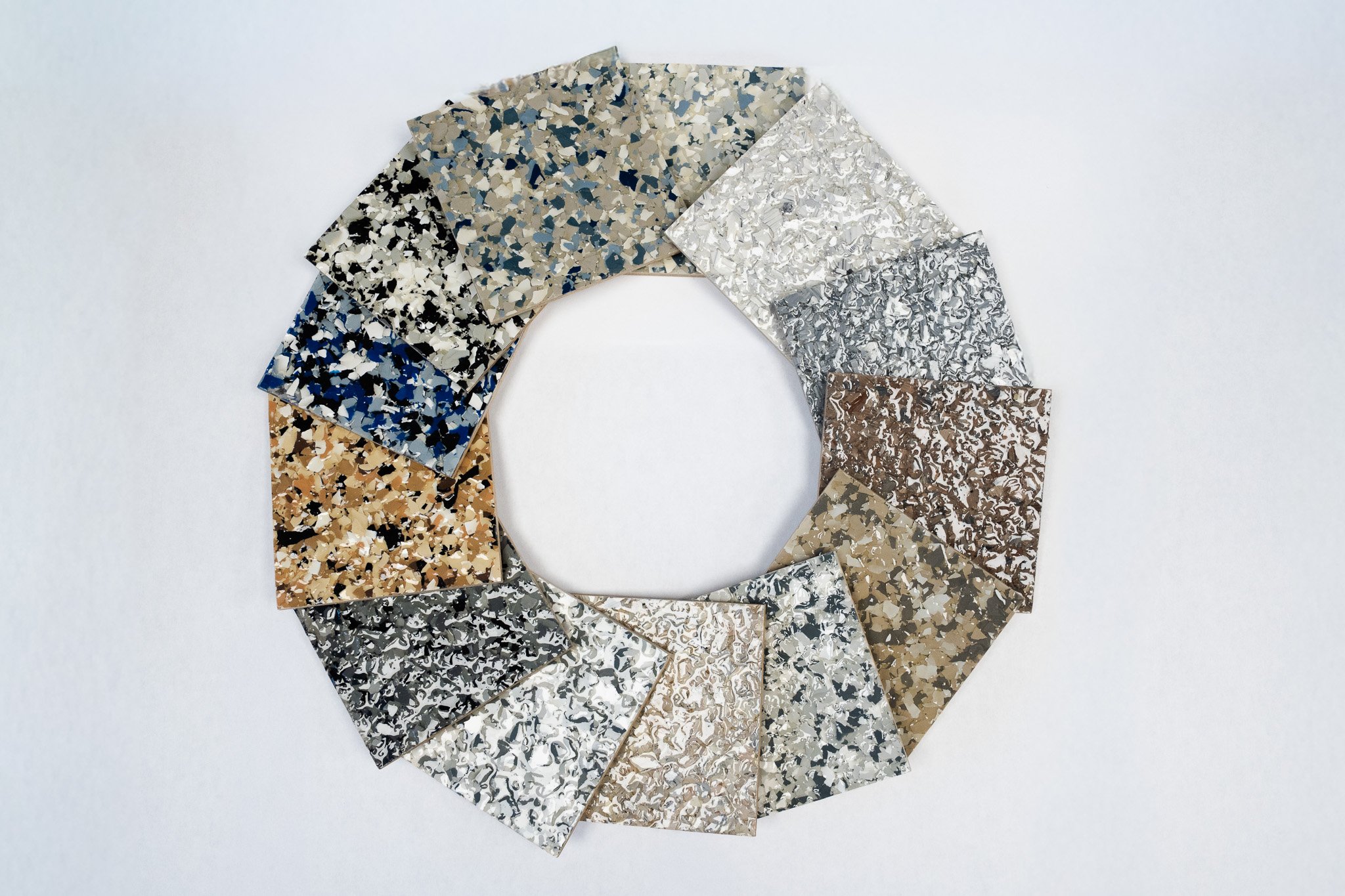
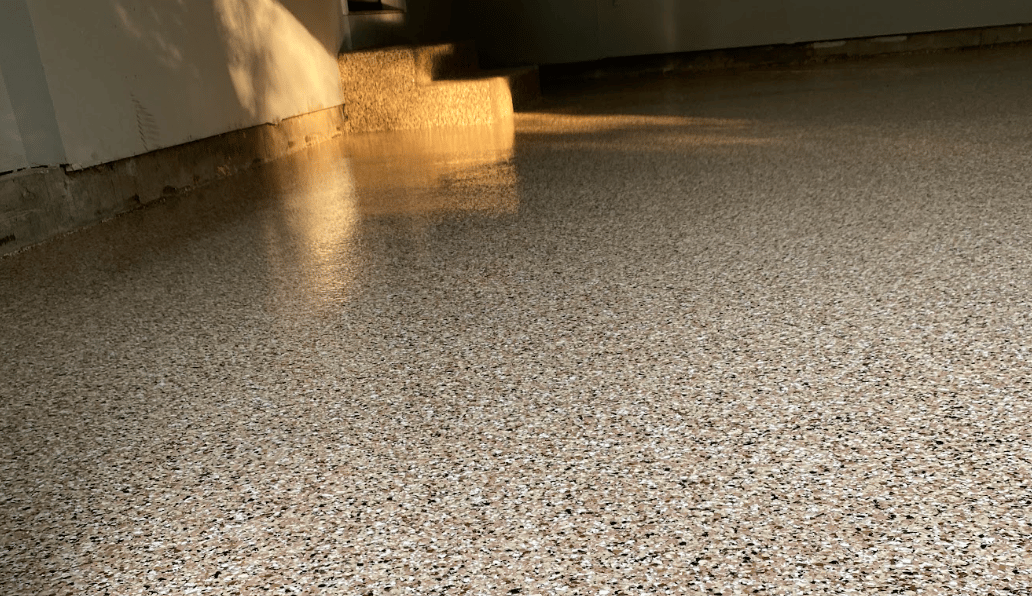
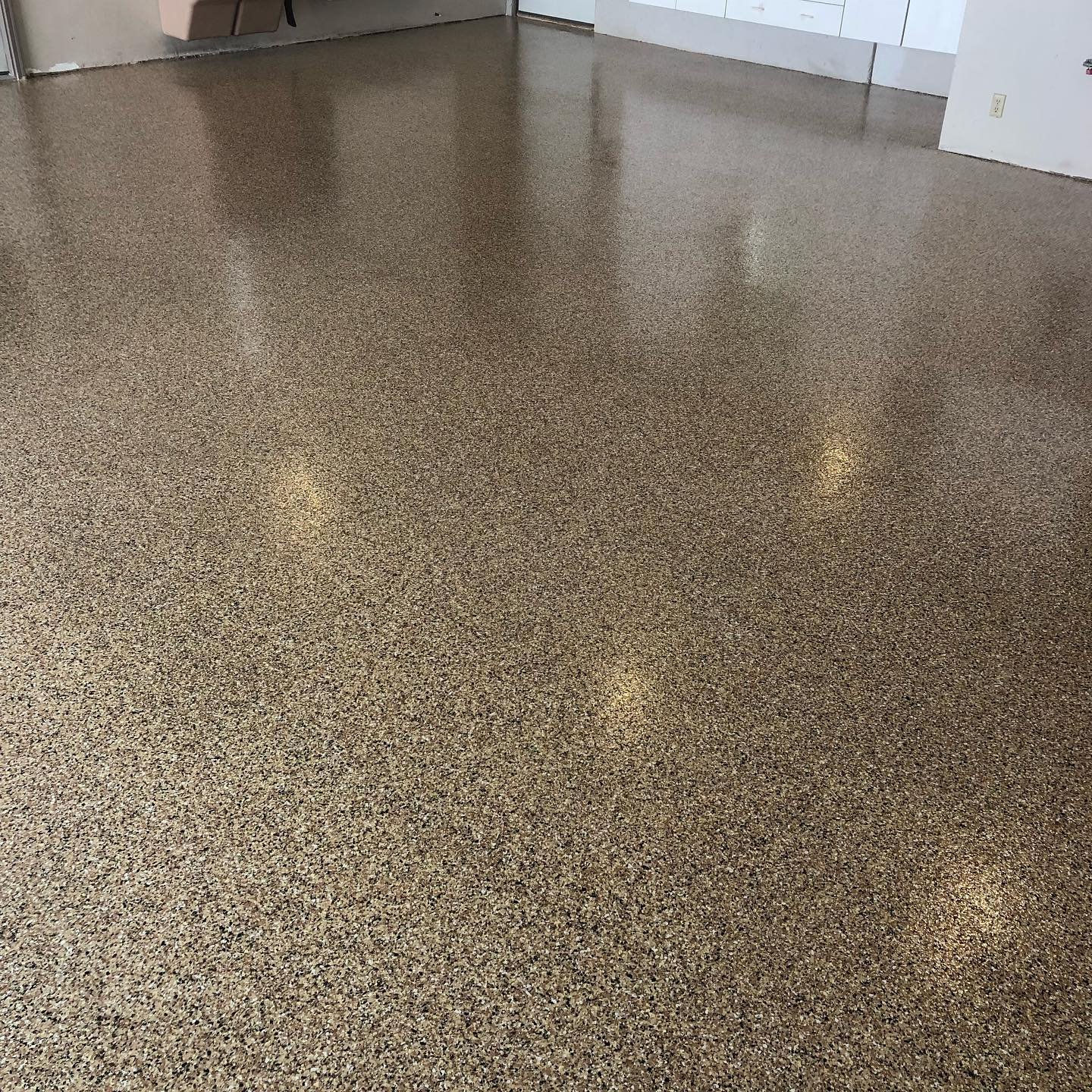
Epoxy can also be combined with decorative flakes to add color, texture, and variation to the finished floor. One limitation is that some epoxies can discolor or yellow with prolonged UV exposure, which is why another material may be used as the topcoat.
What About Polyaspartic Garage Floor Coatings?
Polyaspartic coatings are another popular option, particularly when UV stability and faster curing are priorities.
Compared with many traditional epoxies, polyaspartic coatings generally cure faster and offer better resistance to UV-related discoloration. They can also provide strong abrasion and chemical resistance.
However, faster curing leaves less working time during installation, and polyaspartic systems can cost more than some epoxy options. Polyaspartic does not bond as well to concrete, and it is very susceptible to moisture vapor when installed direct to concrete
Why Combine Epoxy and Polyaspartic?
A garage floor does not have to use the same coating material for every layer.
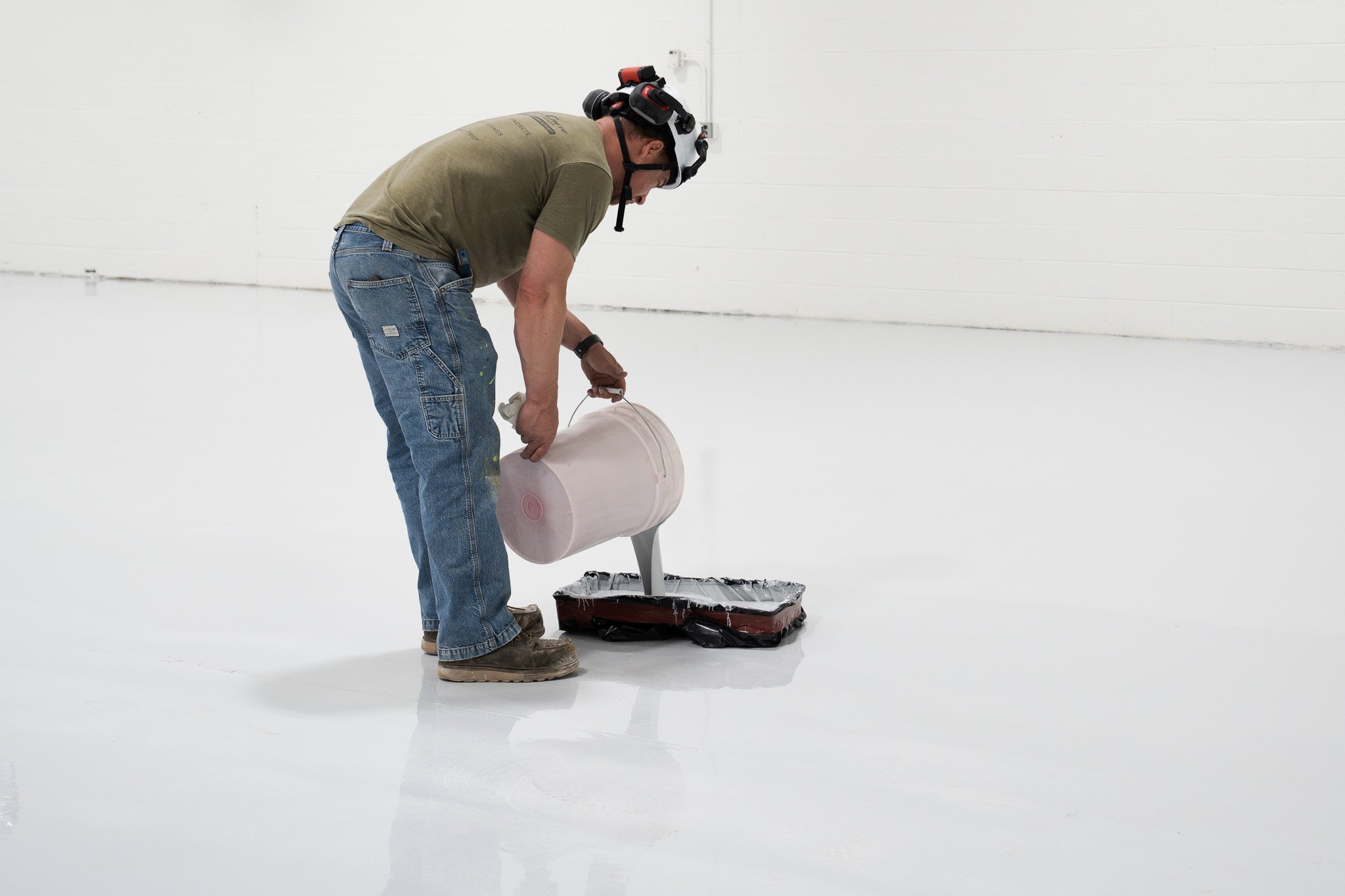
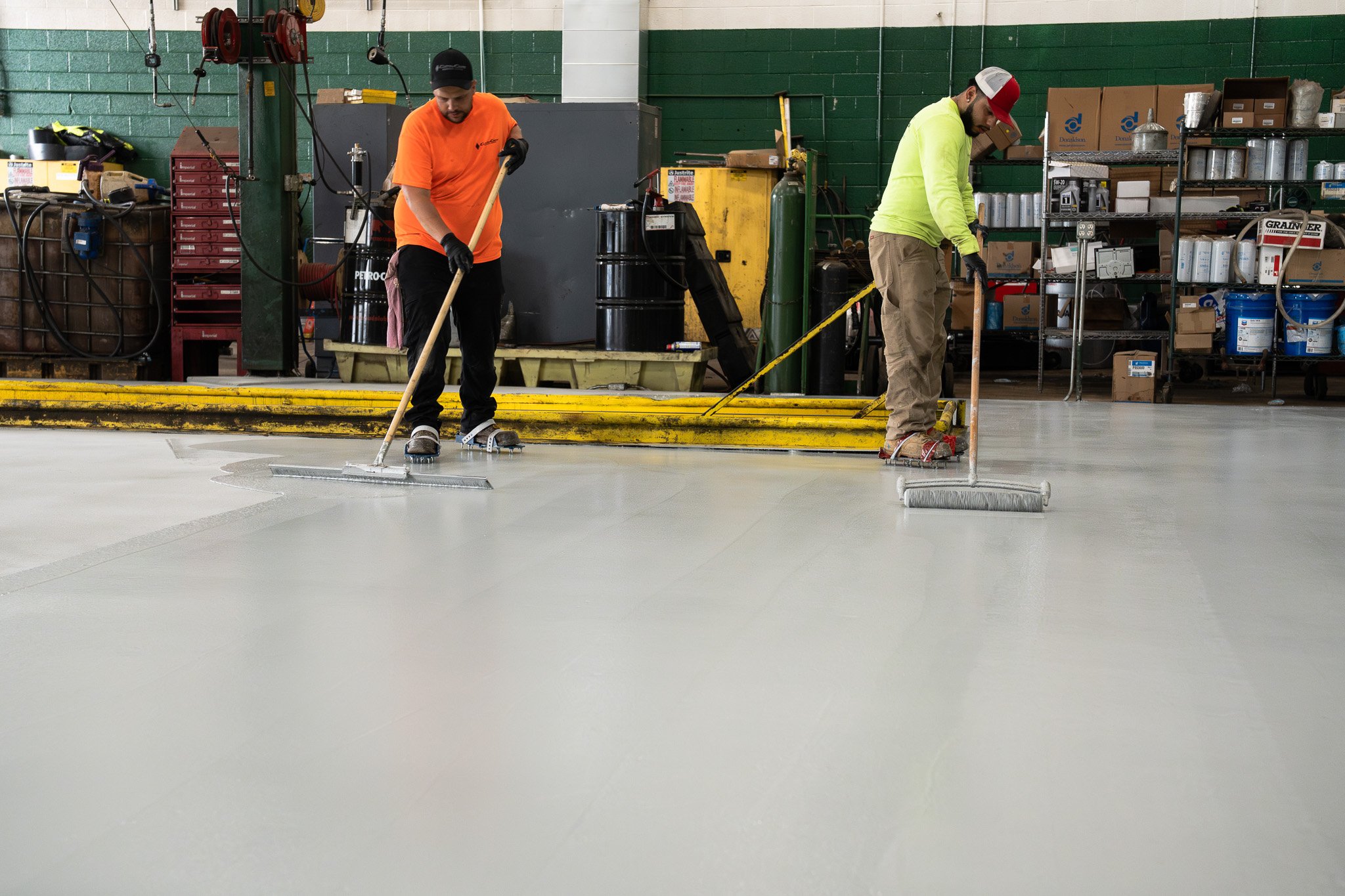
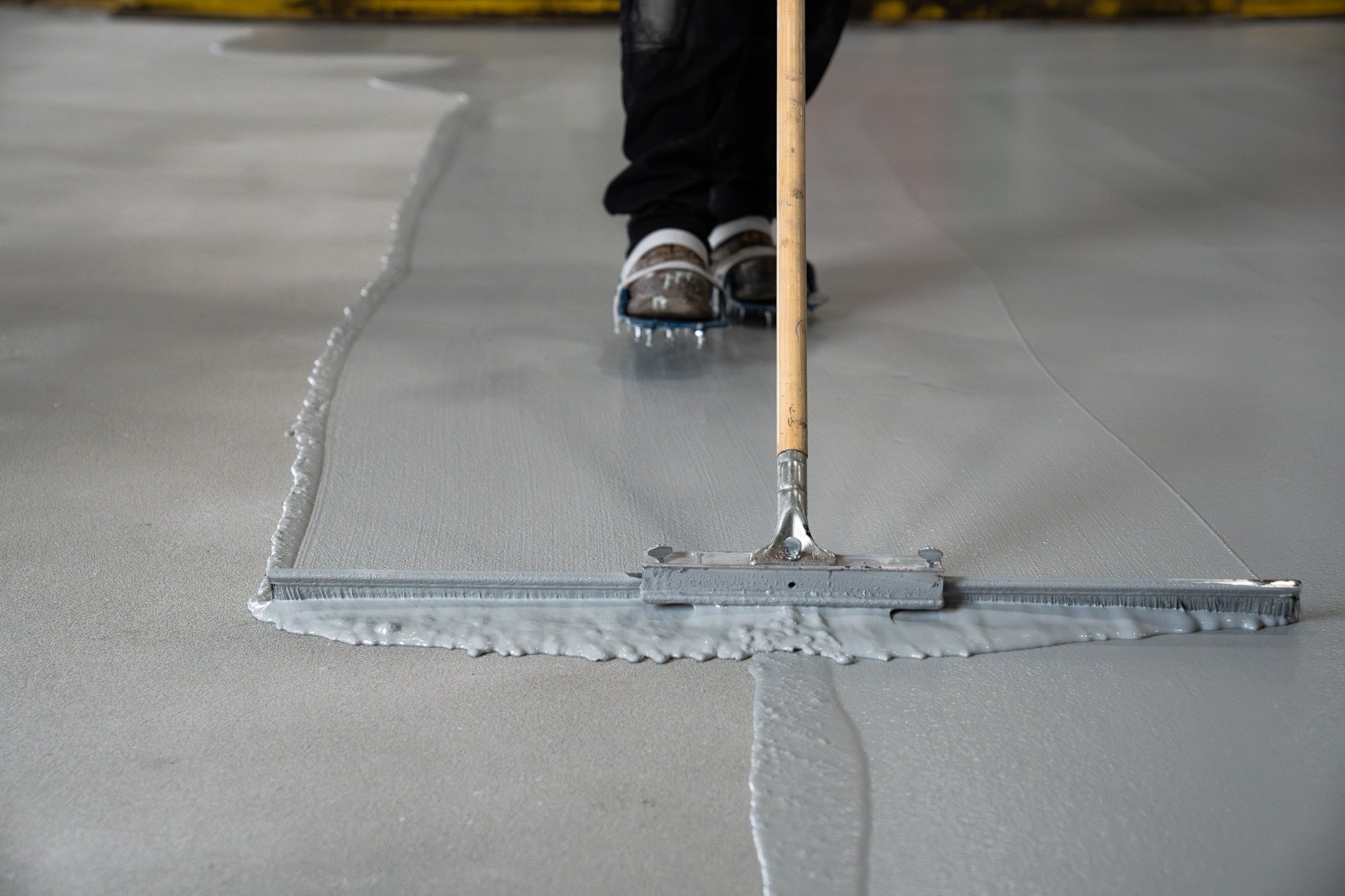
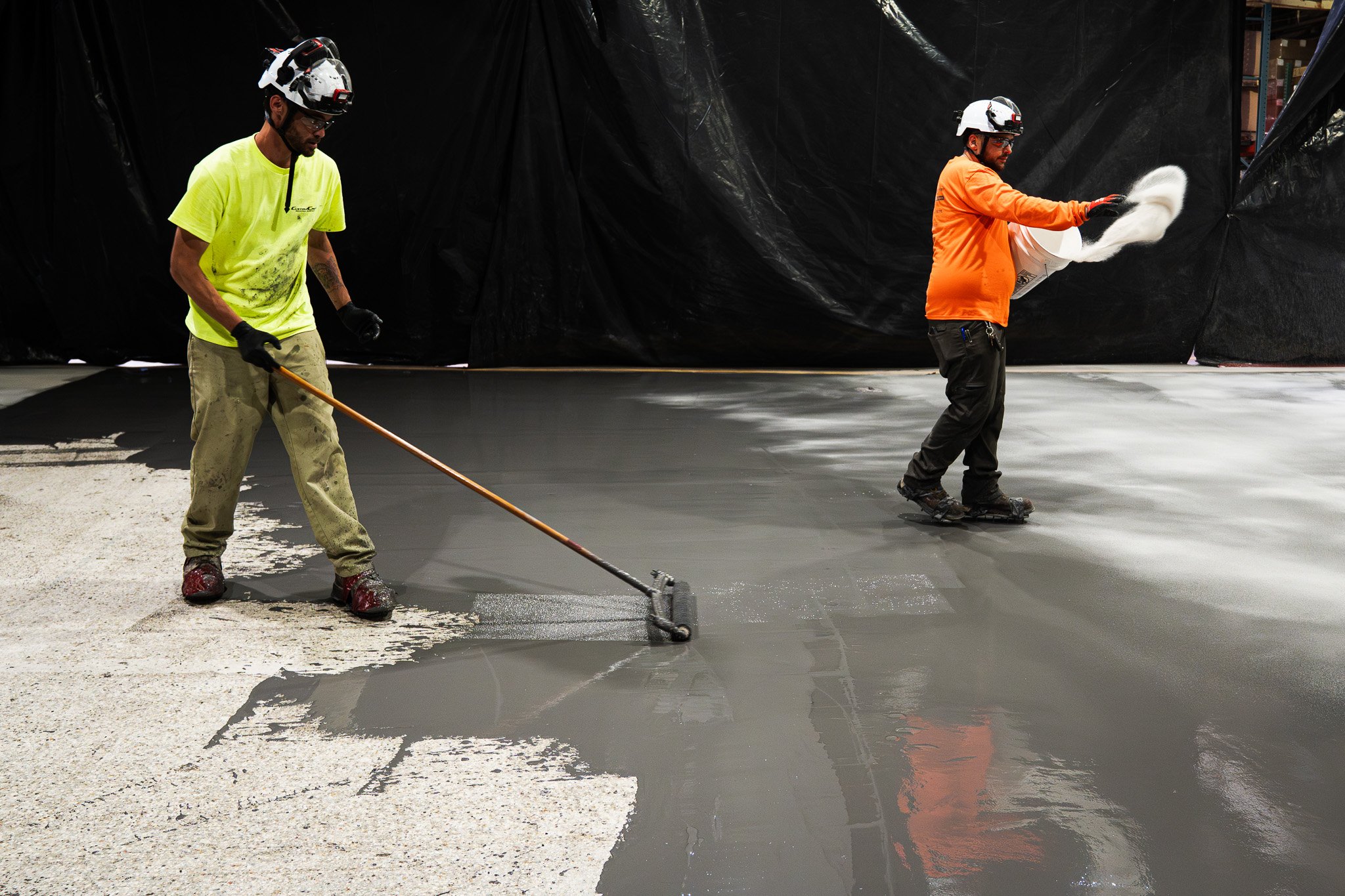
For example, a system may use epoxy as a base coat because of its adhesion to prepared concrete, followed by decorative flakes and a polyaspartic topcoat for added abrasion and UV resistance.
Using different materials allows each layer to serve a specific purpose.
What Should You Look for in a Garage Concrete Coating?
Instead of choosing a coating based only on its name, consider how the entire flooring system is designed.
A quality garage concrete coating should account for:
- Vehicle and foot traffic
- Oil, road salt, and chemical exposure
- Sunlight near garage doors
- Slip resistance
- Existing cracks or concrete damage
- Desired colors and decorative finishes
- Maintenance requirements
- Project budget
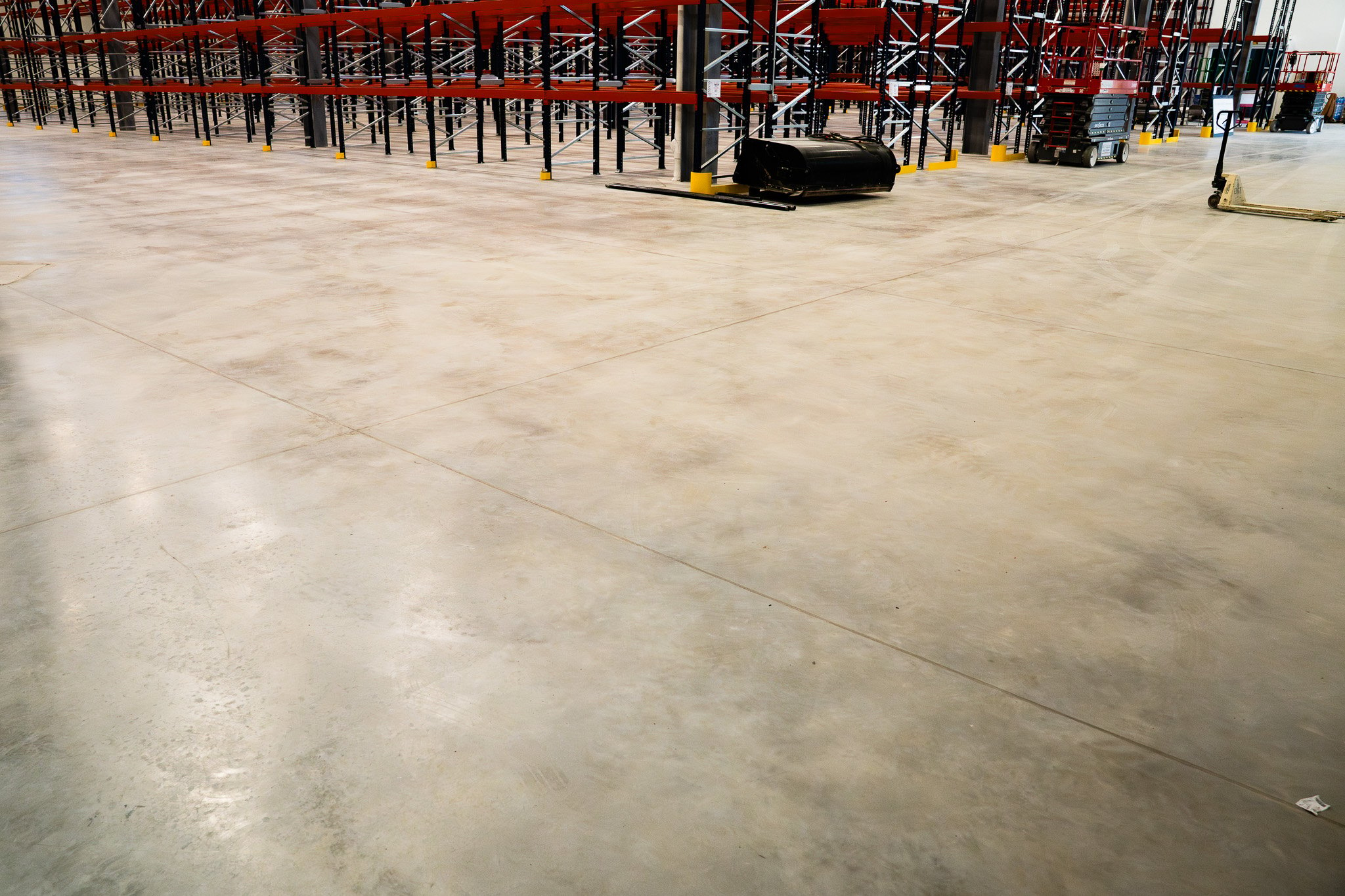
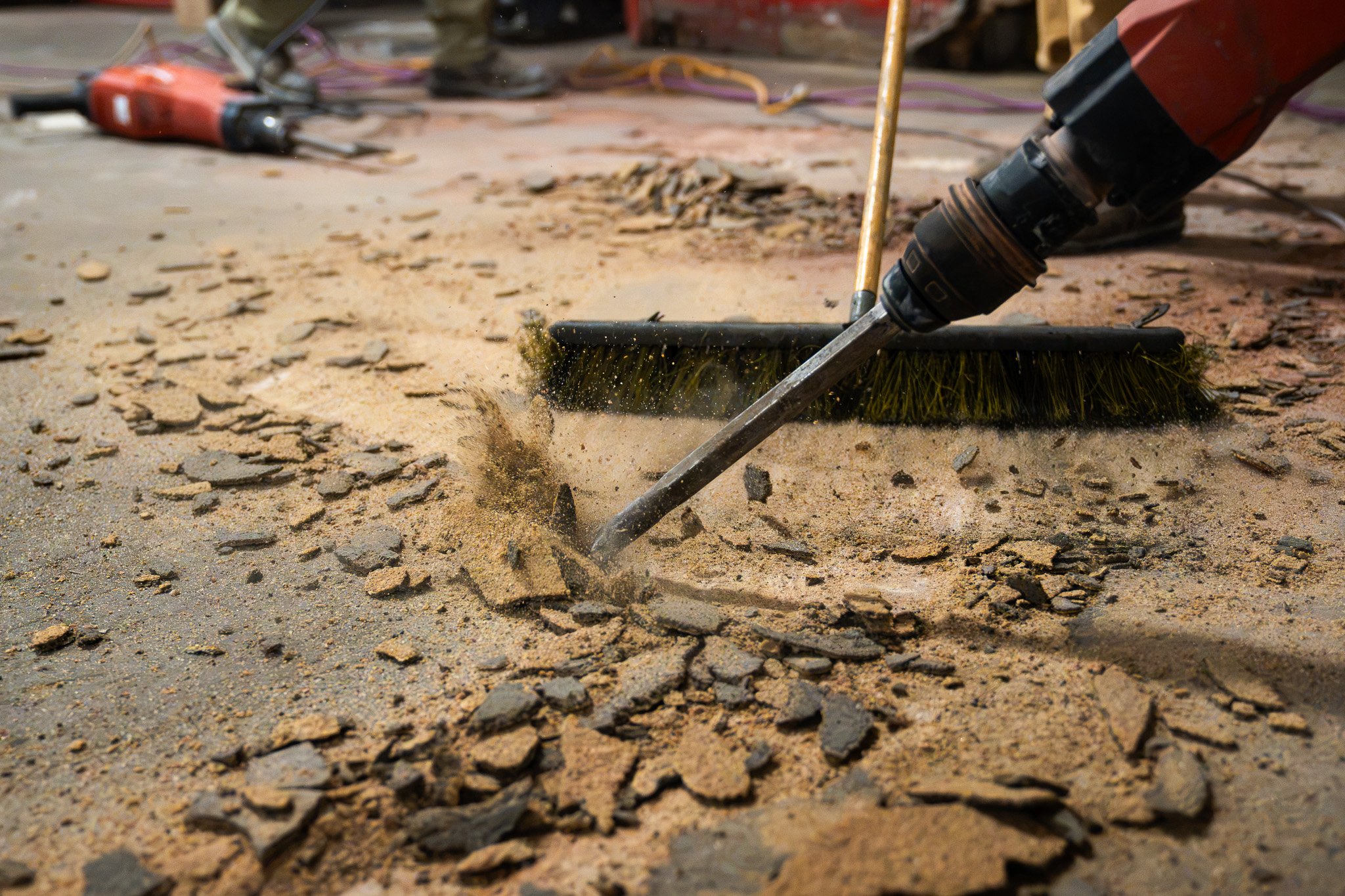
Proper concrete preparation is also critical. Even a high-performance coating can fail if the slab is not properly prepared before installation.
Final Thoughts
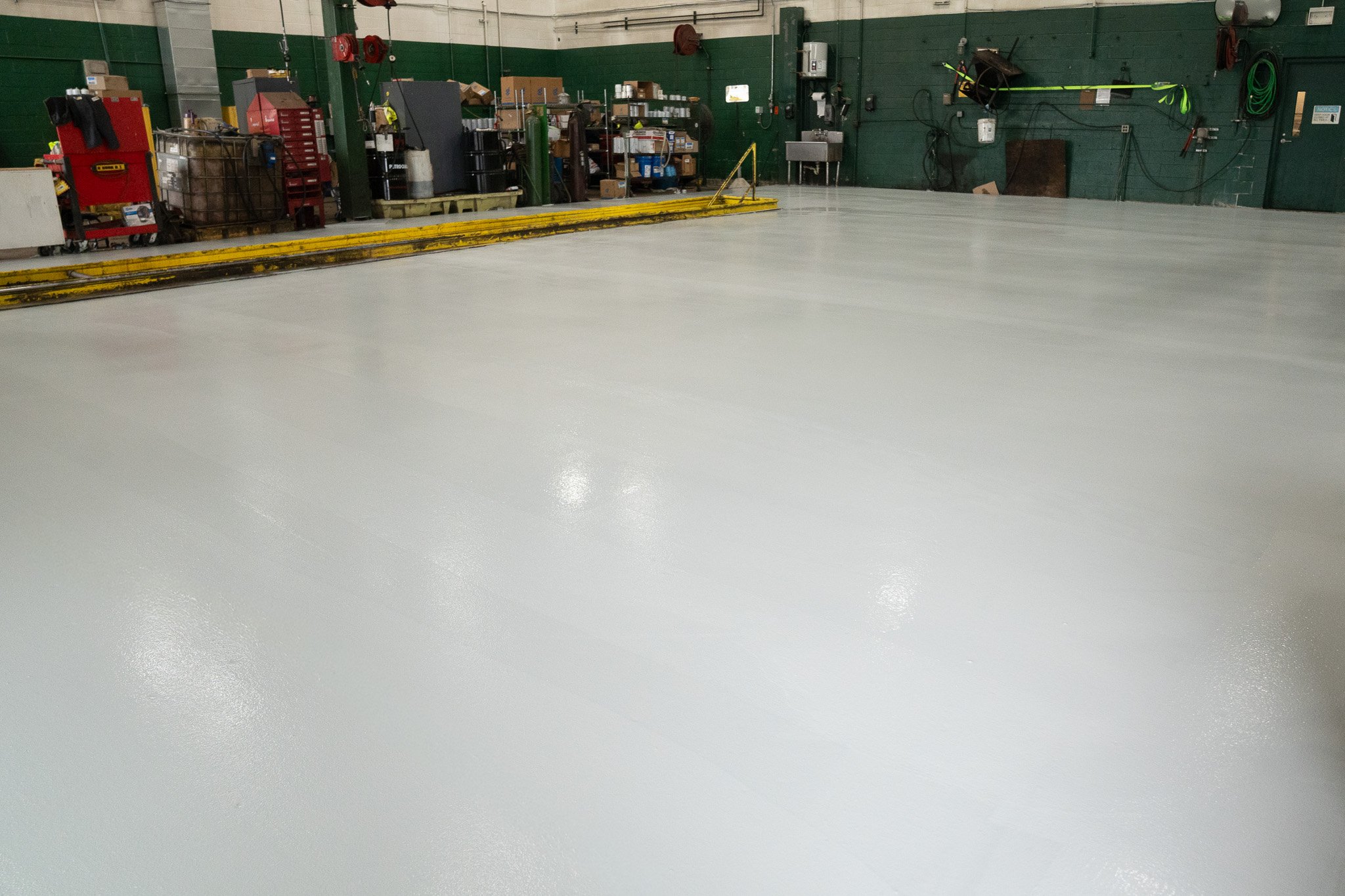
There isn't one best garage concrete coating for every home. Epoxy with a polyaspartic or polyurethane topcoat is a strong option for many residential garages, while other systems may make more sense depending on budget, UV exposure, concrete condition, and performance needs.
Once you've narrowed down the type of garage floor coating you want, cost is often the next consideration. Read “How Much Does an Epoxy Garage Floor Coating Cost?” to understand the factors that can influence the price of your project.

Topics:

.jpg?width=2048&height=1365&name=CC108559%20(1).jpg)
.jpeg?width=1638&height=1020&name=CC109349%20(1).jpeg)
.png?width=11520&height=9216&name=Untitled%20design%20(56).png)