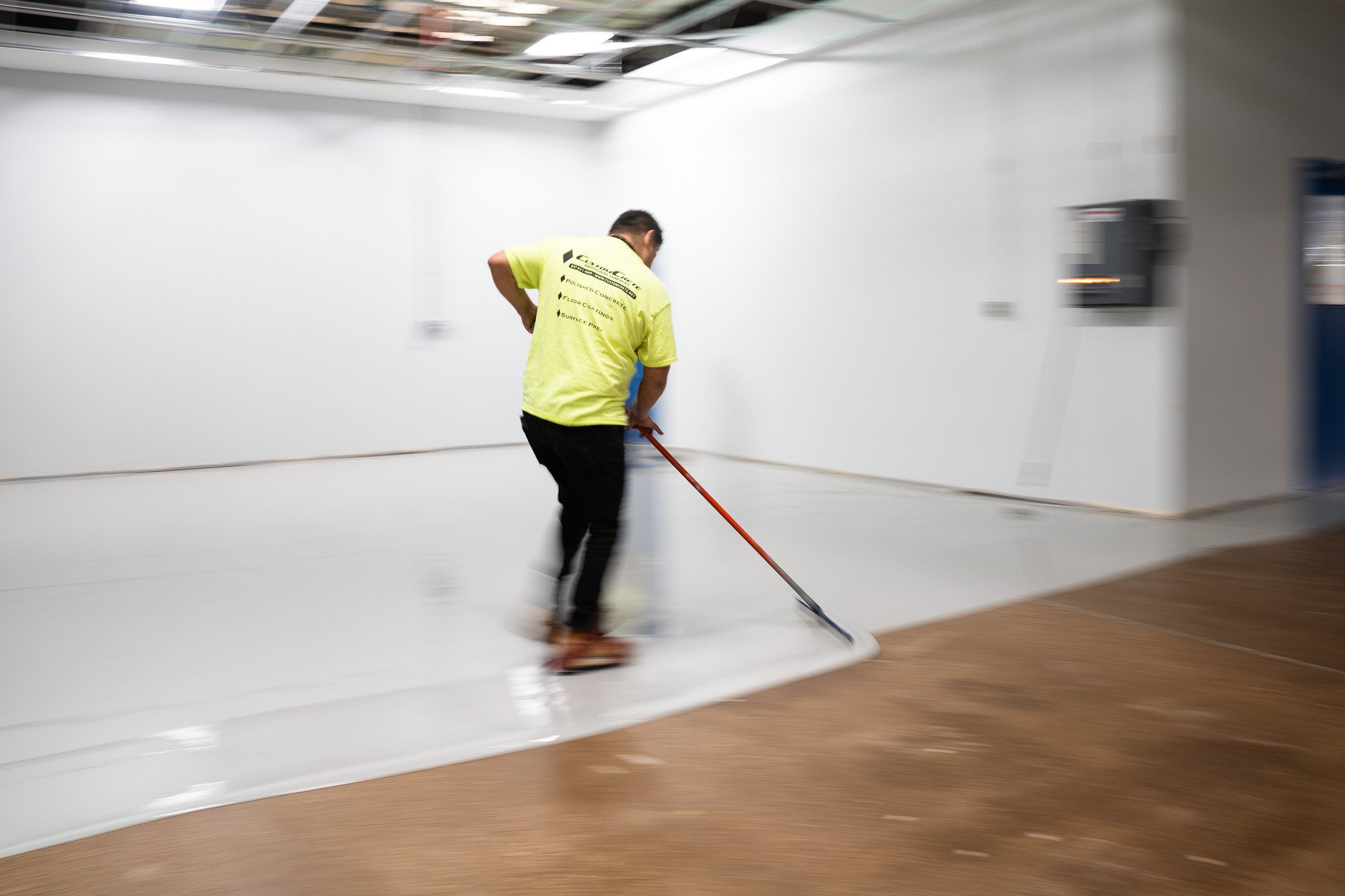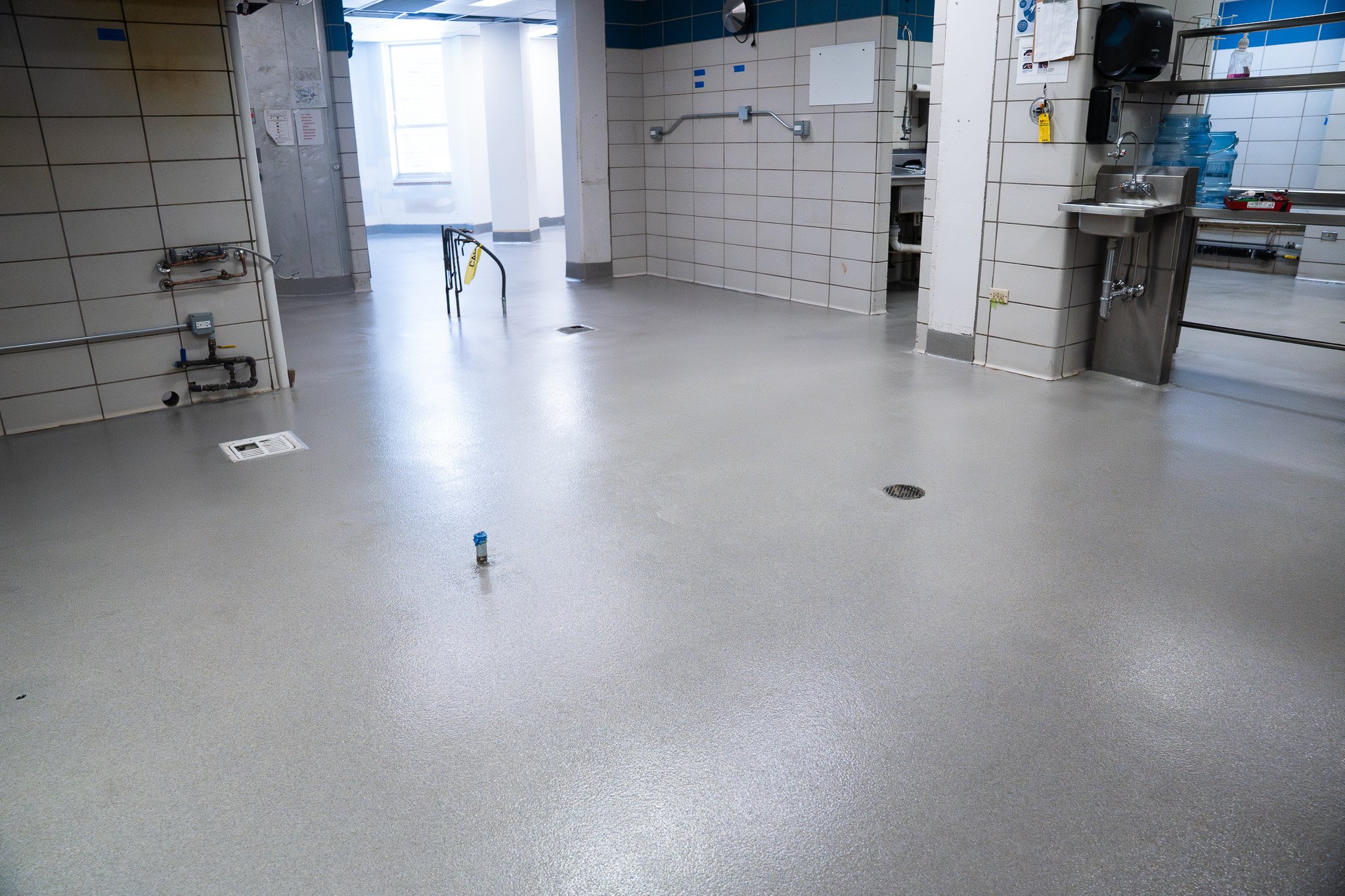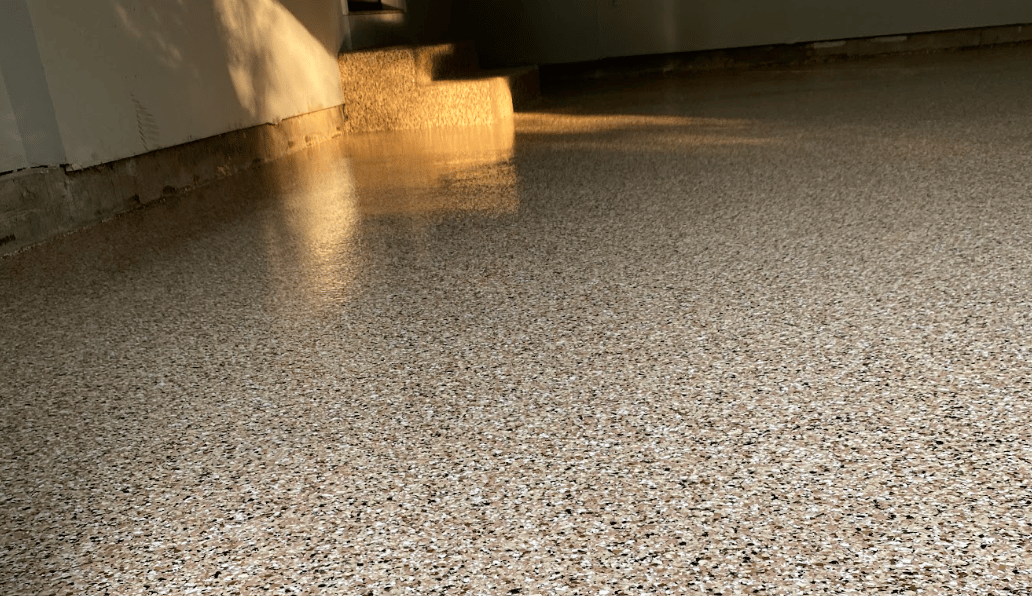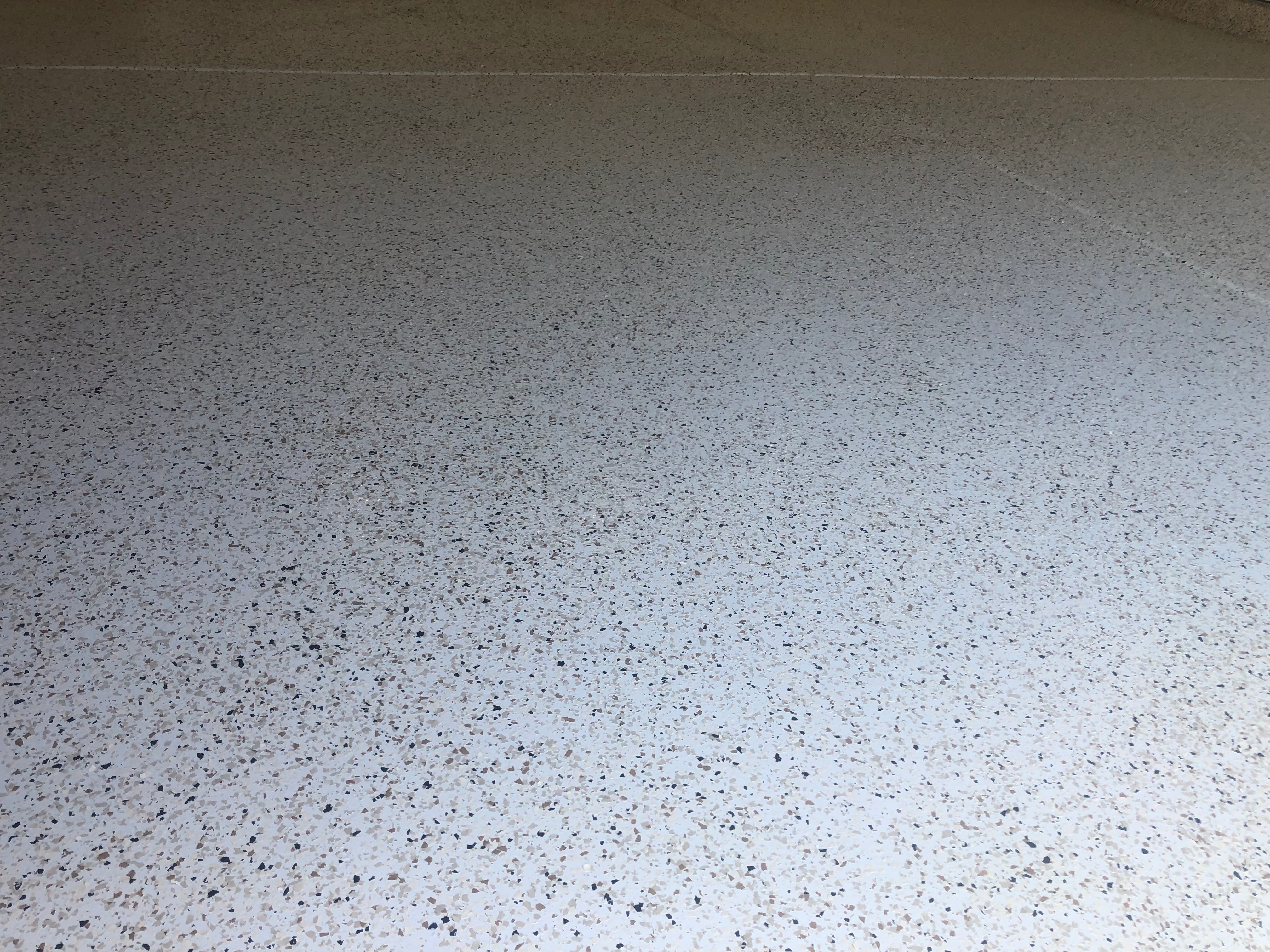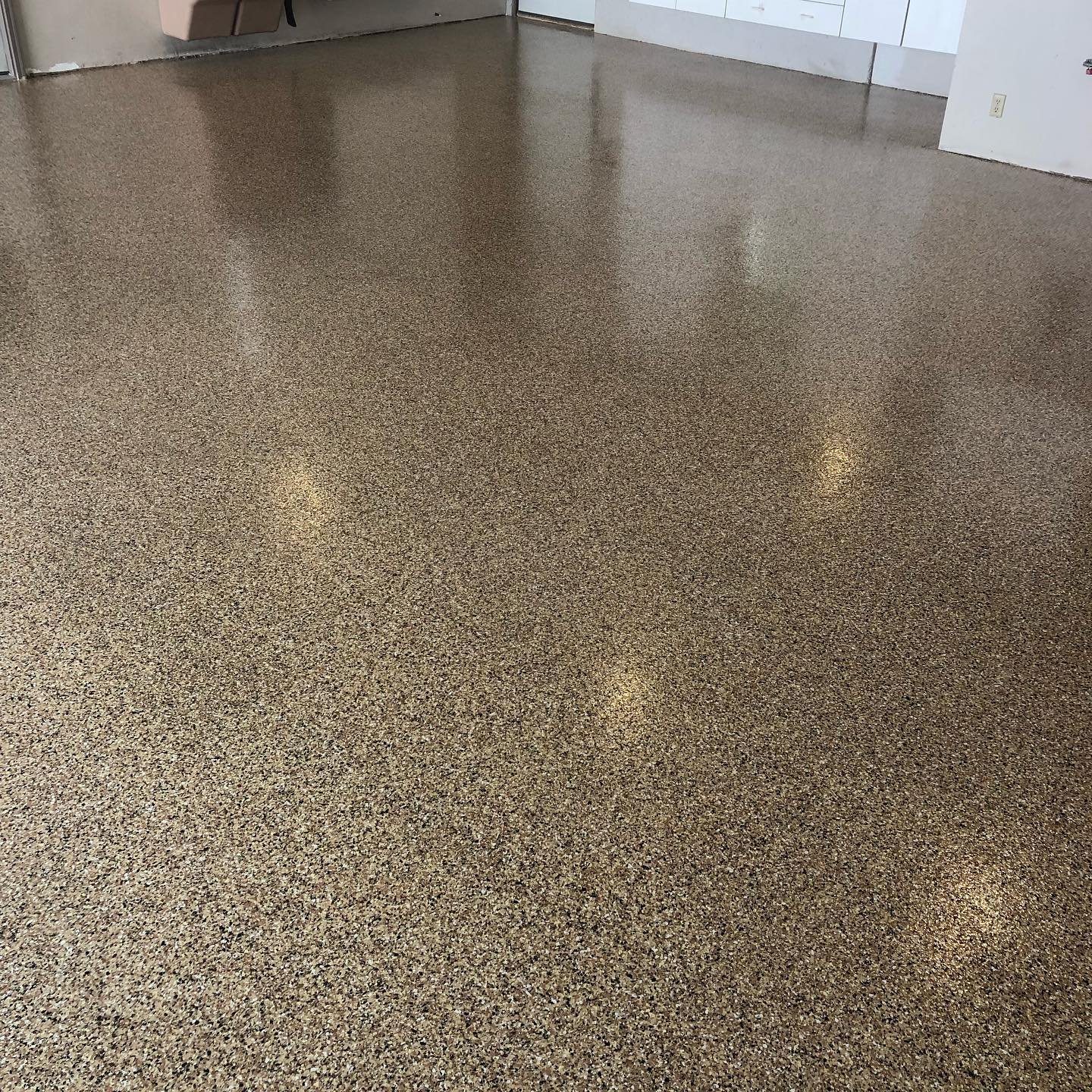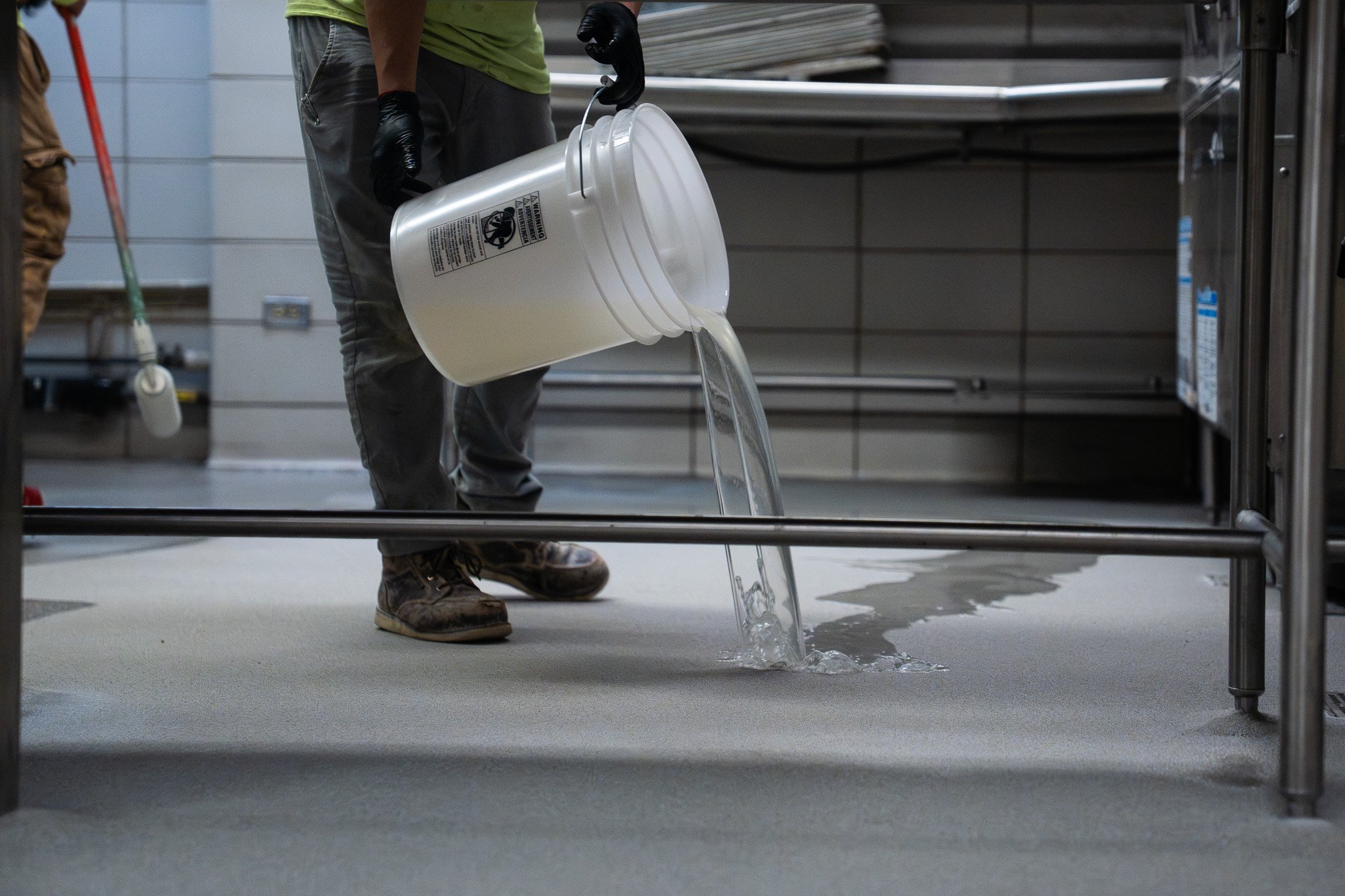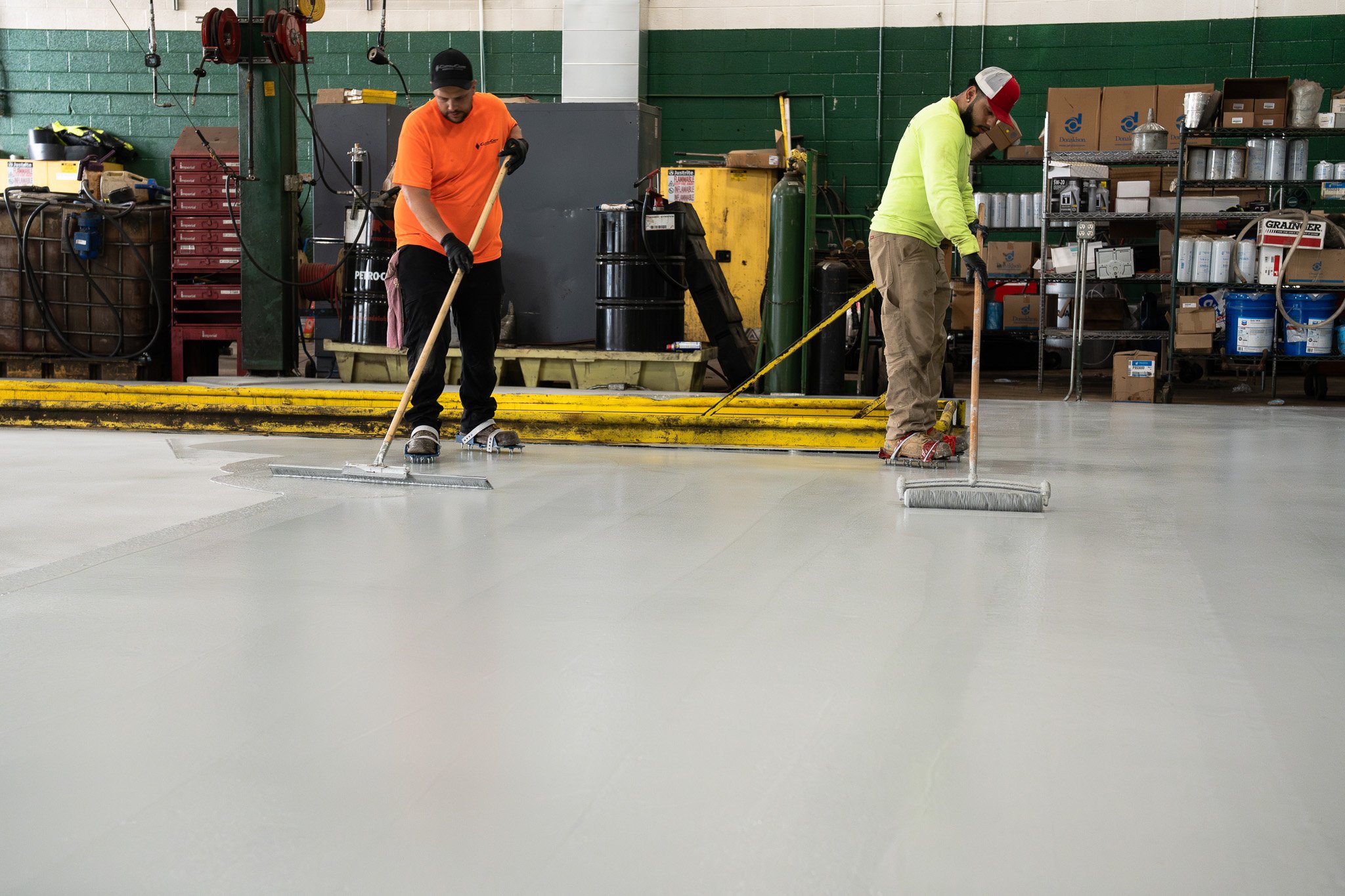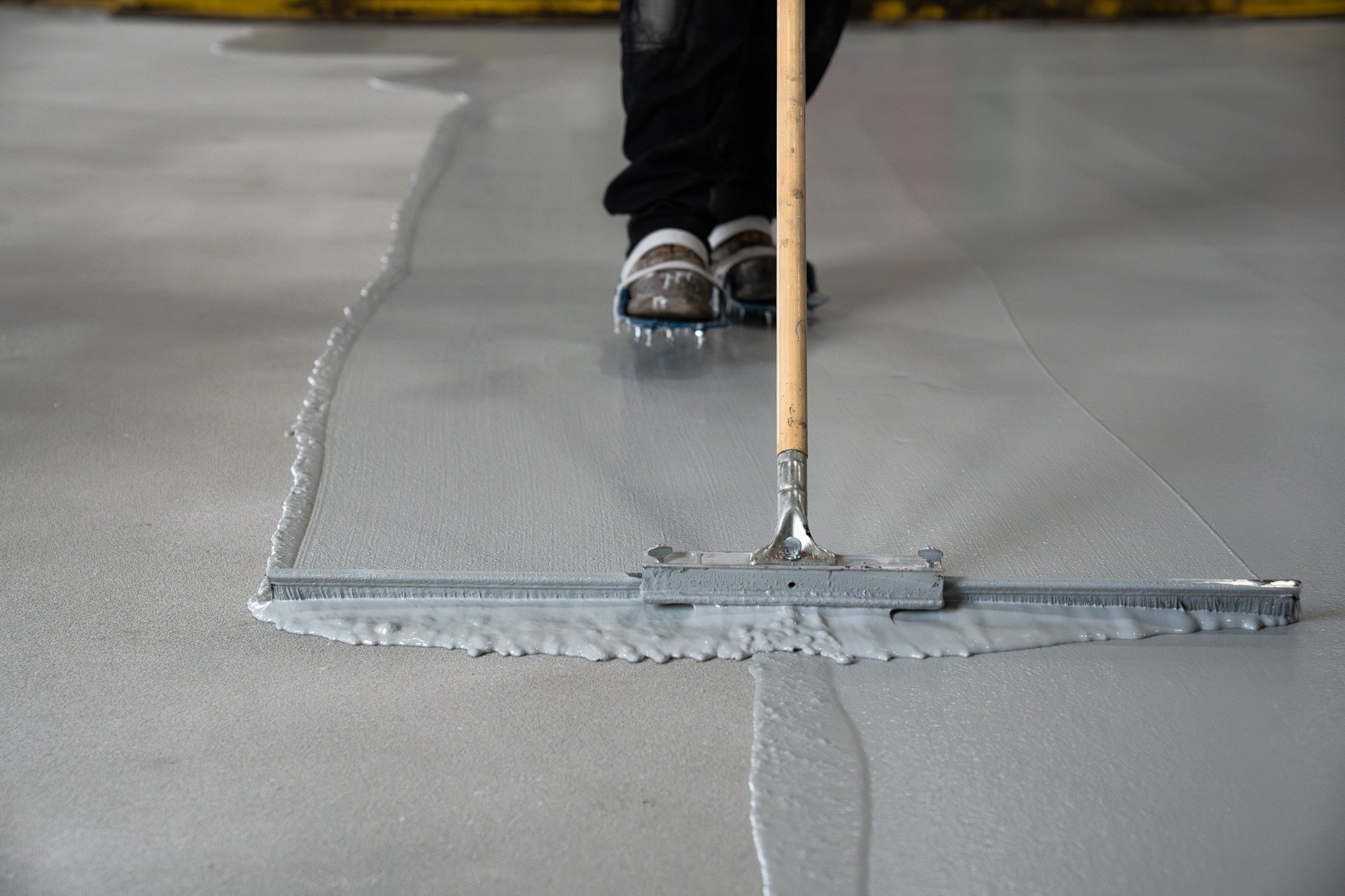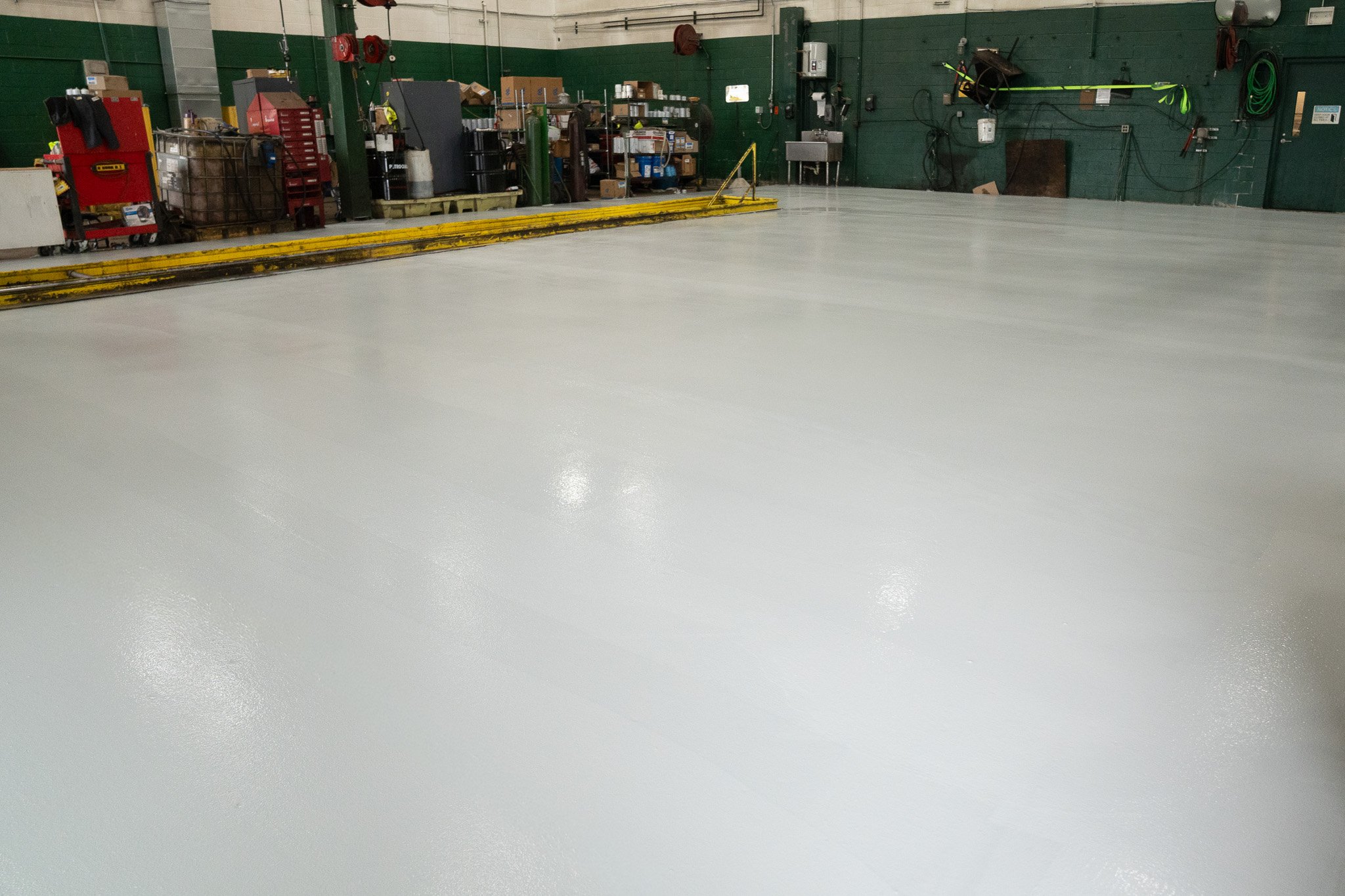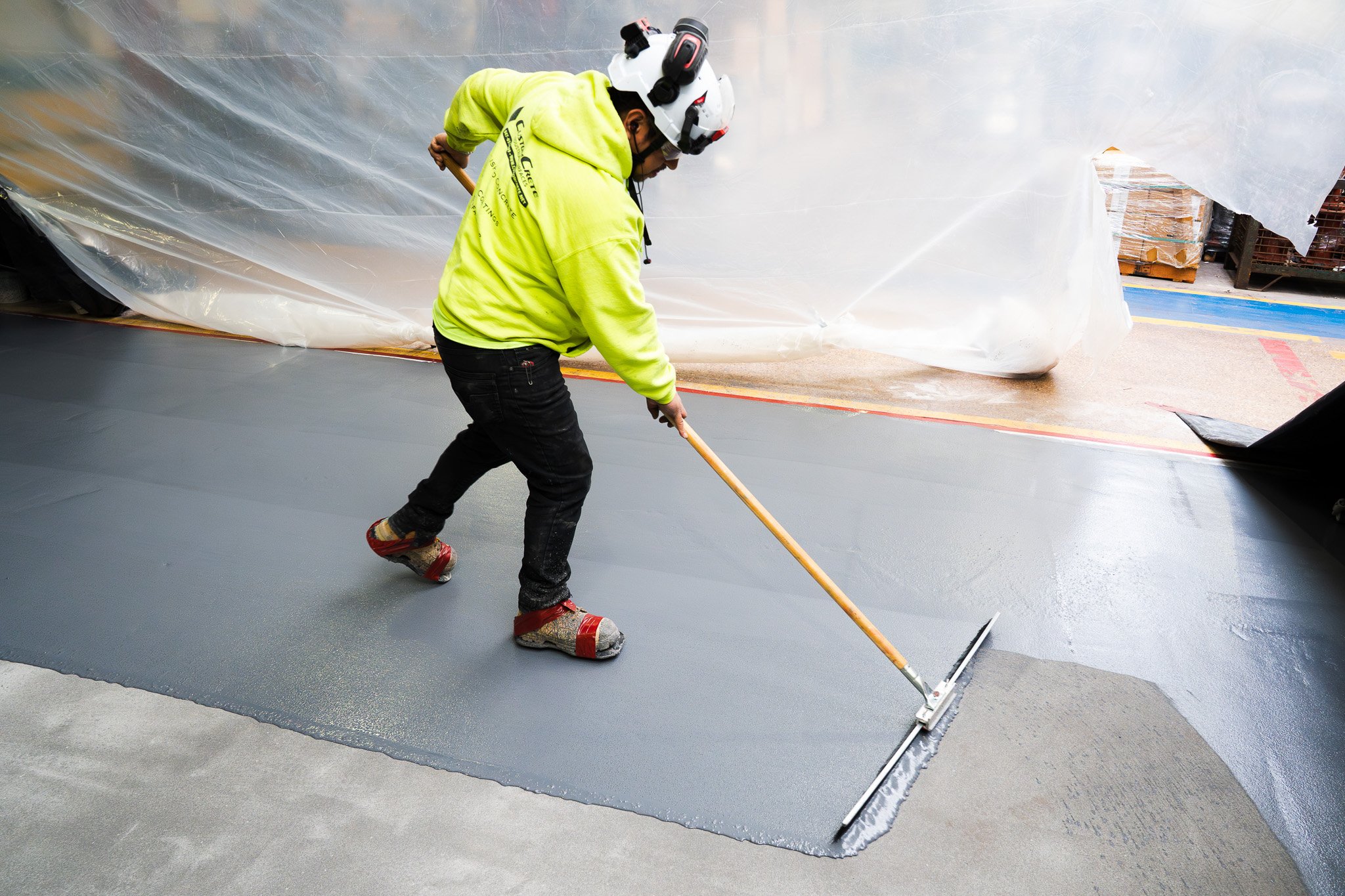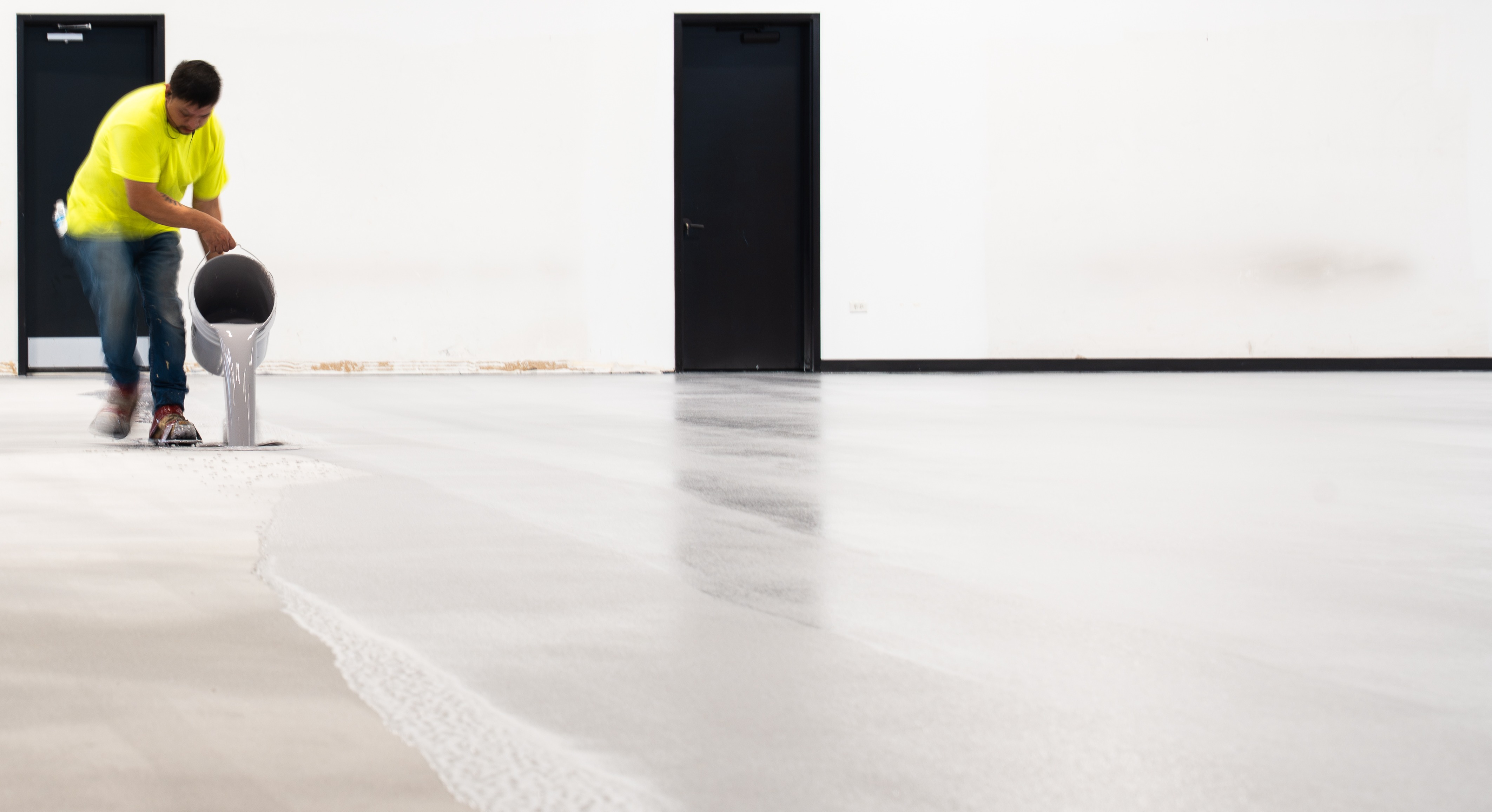
Fluid-applied industrial flooring is a seamless flooring system installed as a liquid over a prepared concrete surface and then cured to create a durable, protective floor. Common types of fluid-applied industrial flooring include epoxy, urethane cement, polyaspartic, polyurethane, and MMA systems.
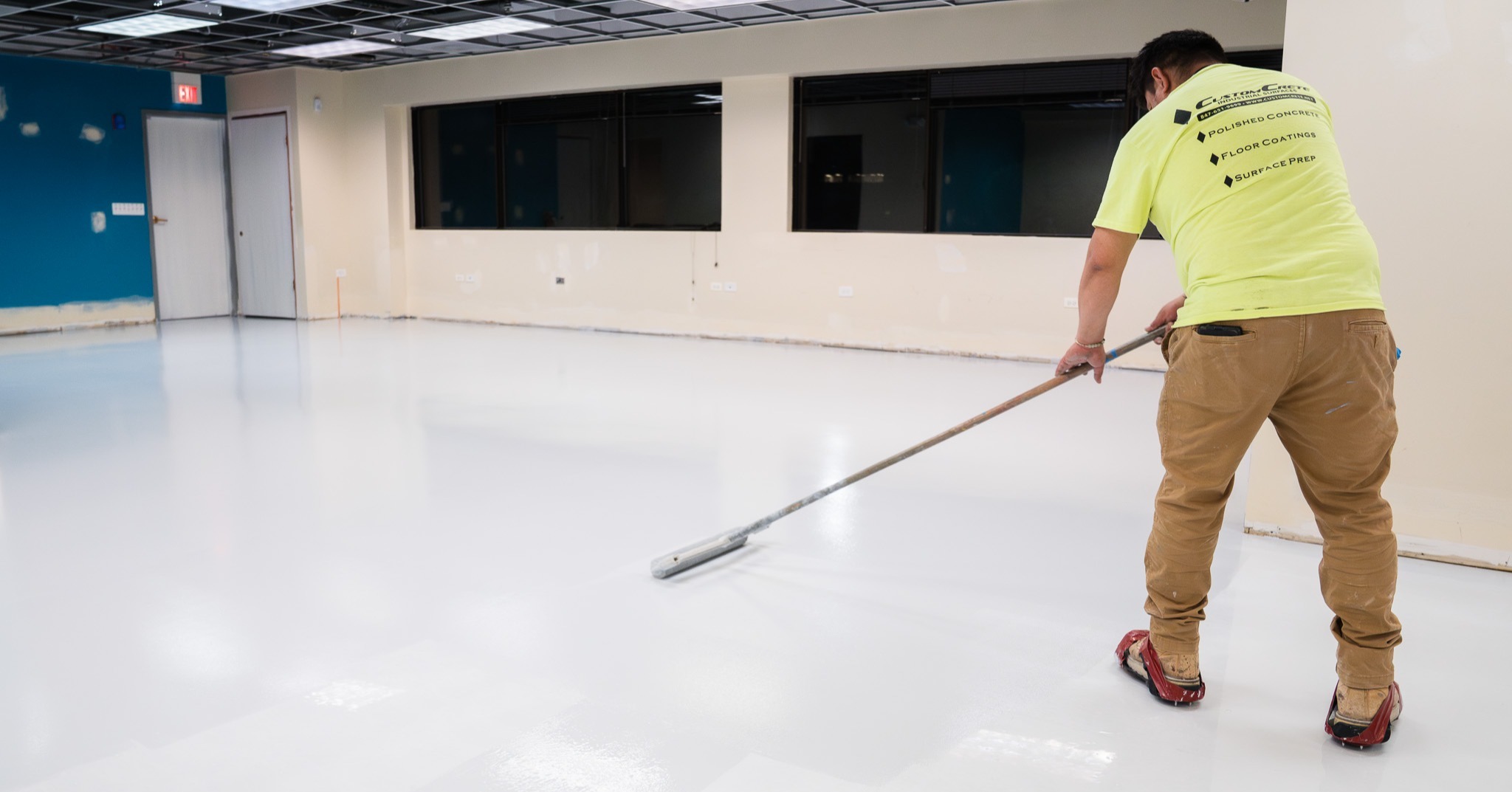
Unlike flooring materials such as tile or VCT that are installed in individual pieces, fluid-applied systems cure across the concrete to create a continuous surface with fewer joints and seams. This makes them a common choice for industrial and commercial environments where durability, cleanability, chemical resistance, or other performance requirements are important.
At CustomCrete, questions about fluid-applied flooring often come from facility managers who are beginning to compare flooring options for warehouses, manufacturing plants, food and beverage facilities, and other commercial spaces.

How Does Fluid-Applied Flooring Work?
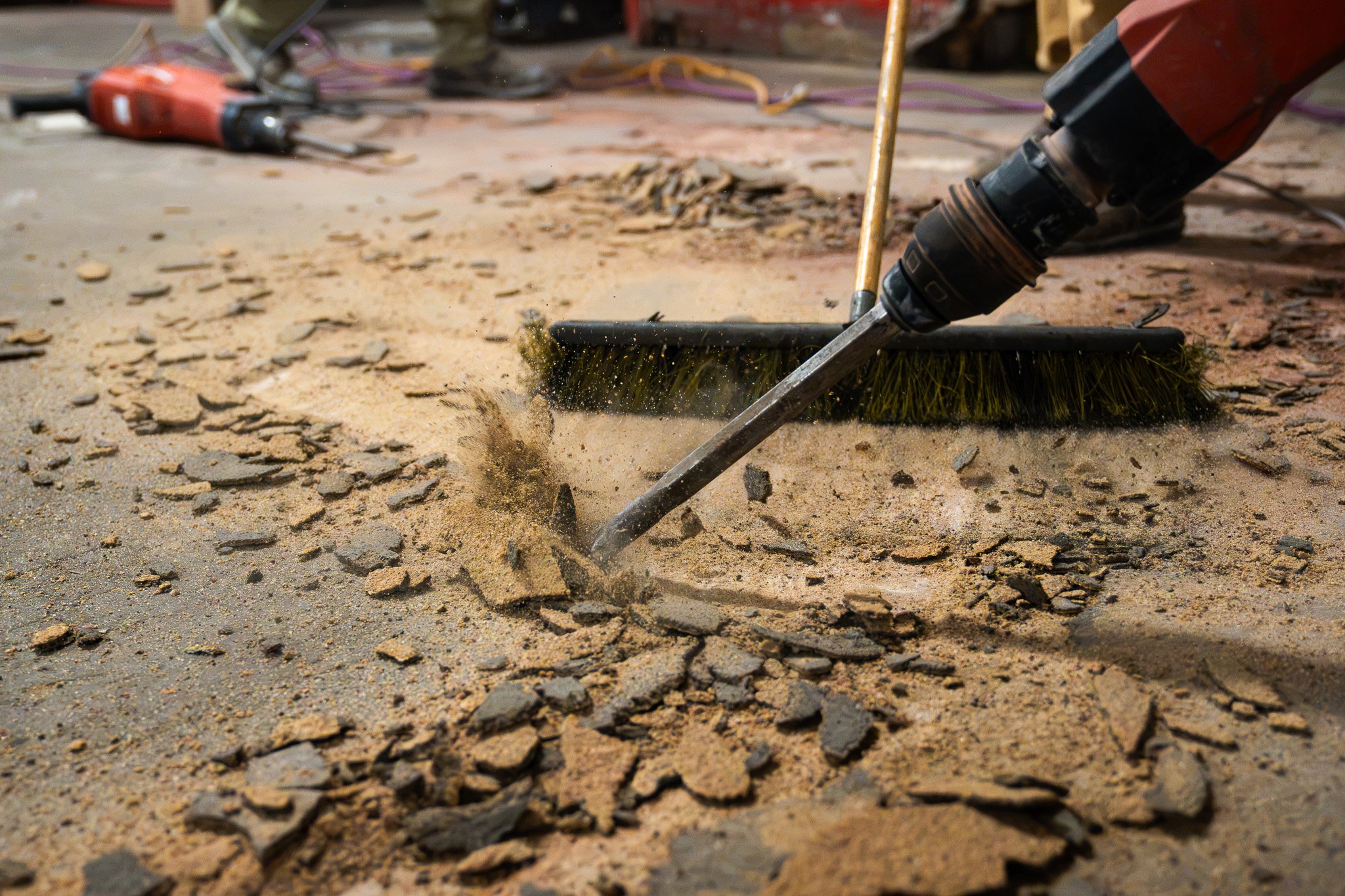
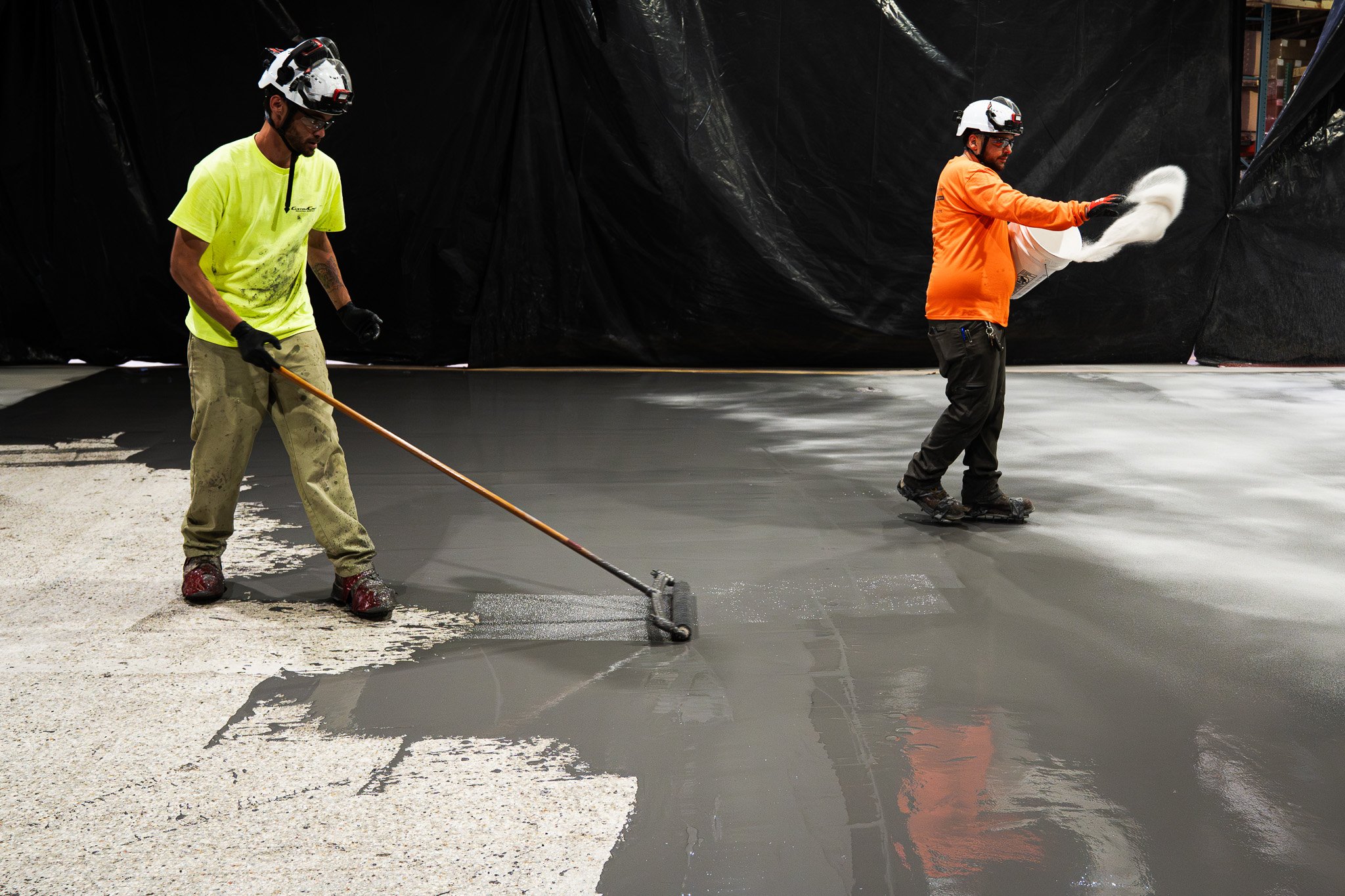
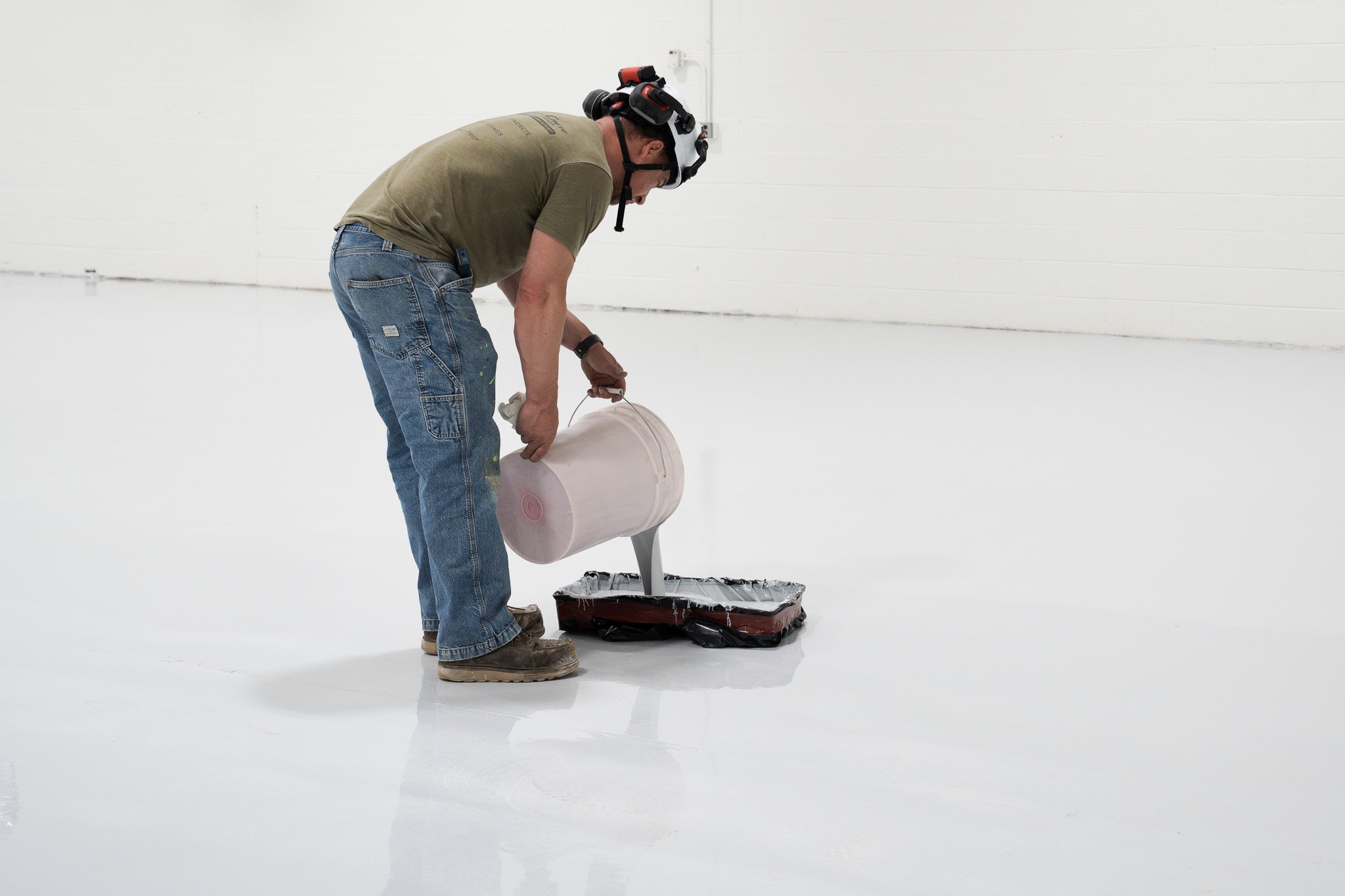
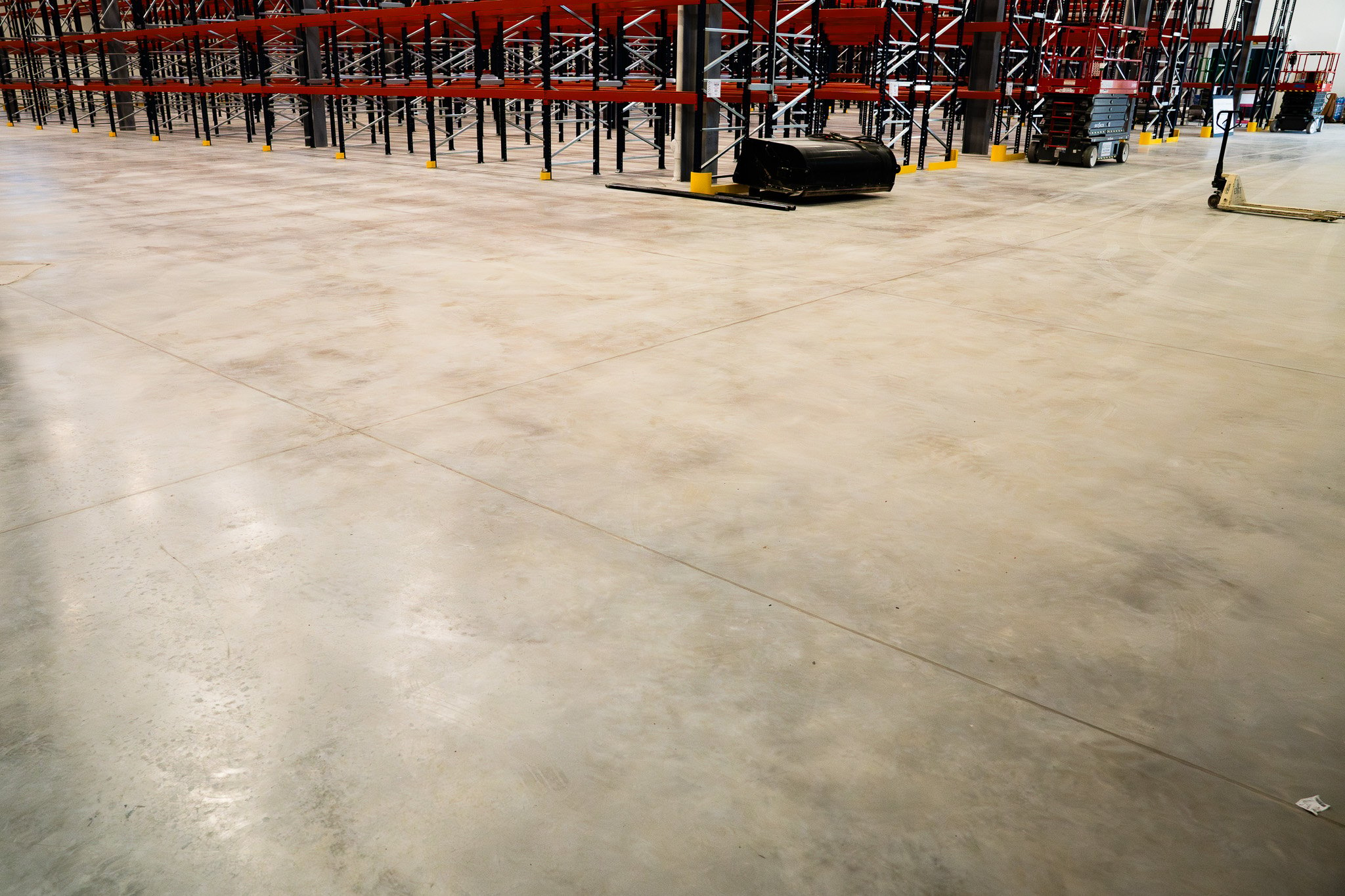
Fluid-applied flooring is installed directly over a properly prepared concrete slab. Depending on the system, installation may include several layers.
A typical system could include:
- A primer that bonds to the concrete
- A base or body coat
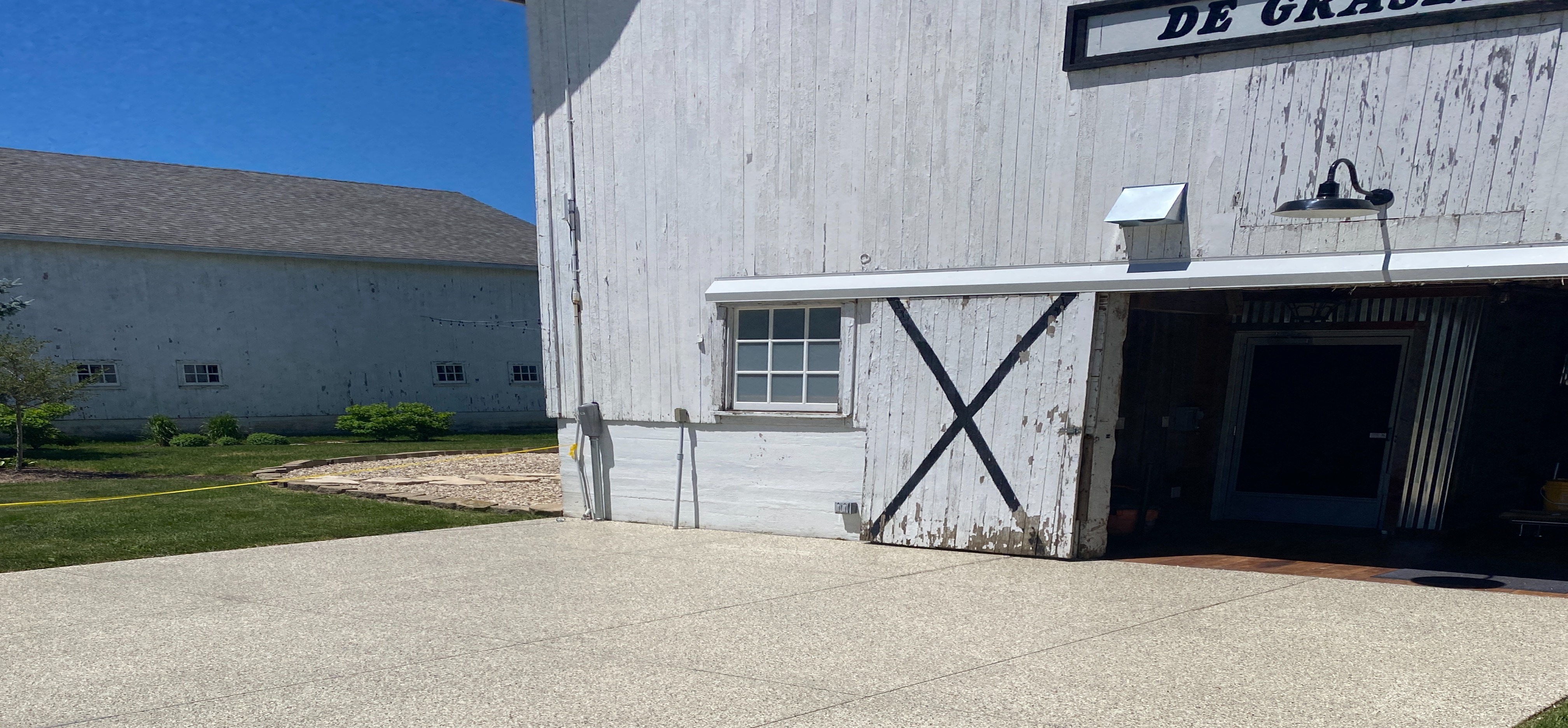
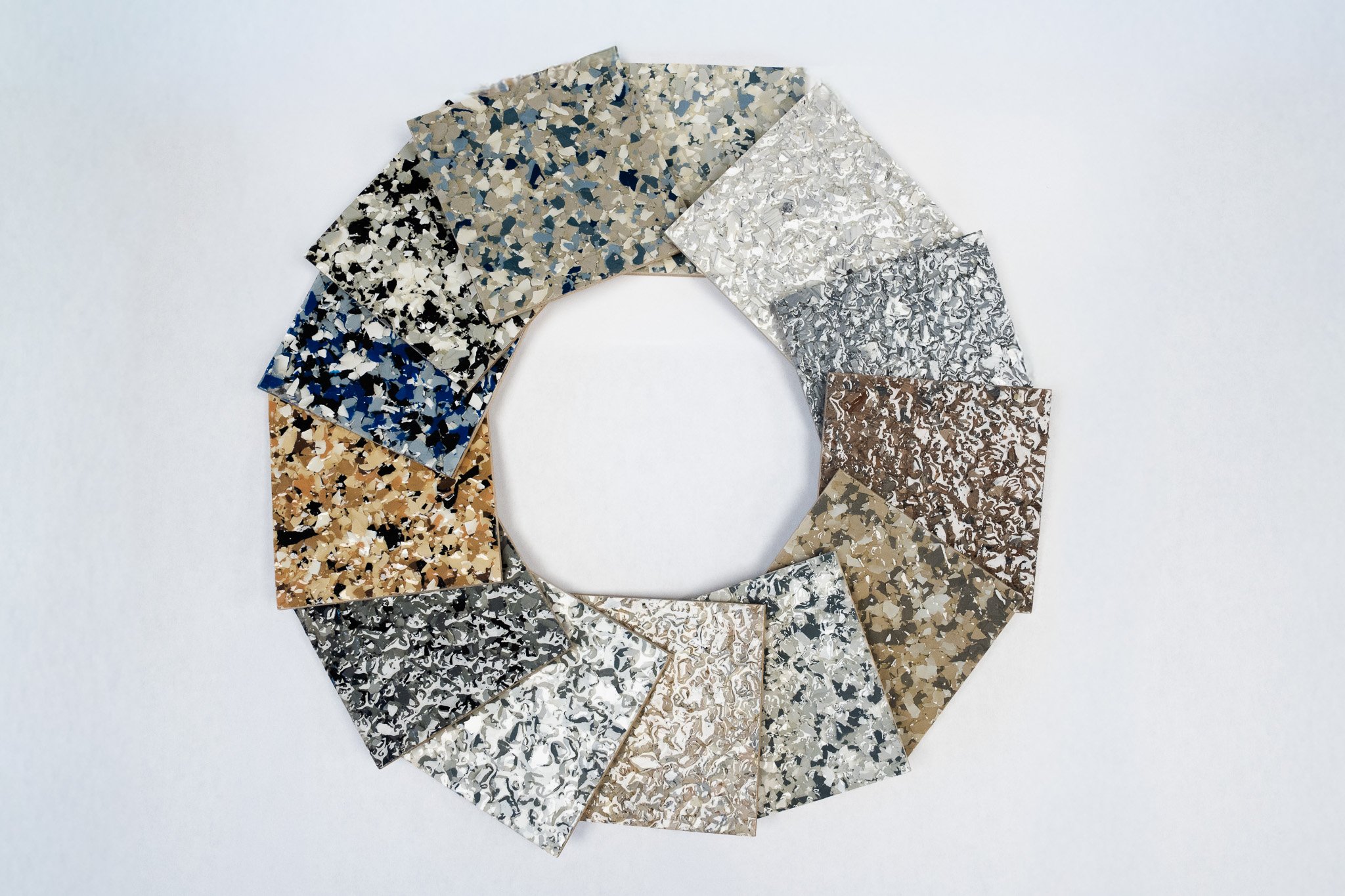
- Aggregate, flakes, or quartz for texture or appearance
- Additional protective layers
- A final topcoat
Once the materials cure, the individual layers work together as one flooring system.
What Types of Fluid-Applied Industrial Flooring Are Available?
There are several types, and each provides different performance characteristics.
Epoxy flooring is commonly used for its durability, adhesion, and chemical resistance.
Urethane cement is often used in demanding environments that experience moisture, chemicals, thermal shock, or aggressive cleaning.
Polyaspartic flooring offers fast curing, abrasion resistance, and UV stability. It can be used as part of a flooring system or as a protective topcoat.
Polyurethane coatings are often used as topcoats because they can provide abrasion, chemical, and UV resistance.
MMA flooring is known for very fast curing, making it an option for facilities where minimizing downtime is a major concern.
What Are the Benefits of Fluid-Applied Flooring?
One of the main advantages of fluid-applied industrial flooring is the ability to customize the system around the facility.
Depending on the materials selected, these floors can provide:
- Chemical and abrasion resistance
- Slip-resistant textures
- Seamless, easy-to-clean surfaces
- Decorative colors and finishes
- Resistance to heavy foot and equipment traffic
- Faster return-to-service options
- Protection for the concrete underneath
Not every system provides all of these benefits, which is why the facility's conditions should guide material selection.
Where Is Fluid-Applied Flooring Commonly Used?
Fluid-applied flooring can be found in manufacturing plants, warehouses, food and beverage facilities, automotive shops, laboratories, commercial kitchens, healthcare environments, and many other industrial and commercial spaces.
The requirements can vary significantly between these environments. A warehouse may prioritize abrasion resistance from forklifts, while a food processing plant may need thermal shock, moisture, and chemical resistance.

Is Fluid-Applied Flooring the Same as a Concrete Coating?
The terms are often used interchangeably, but fluid-applied flooring can describe more complex systems than a single concrete coating.
Some systems contain multiple layers designed to work together, potentially including primers, membranes, aggregates, body coats, and topcoats. For this reason, it can be more accurate to think of fluid-applied flooring as a complete flooring system rather than simply a layer of paint over concrete.
Final Thoughts
Fluid-applied industrial flooring is a seamless flooring system created by applying liquid materials over prepared concrete and allowing them to cure. Epoxy, urethane cement, polyaspartic, polyurethane, and MMA are common examples, but each is designed for different environments and performance requirements.
Now that you know how these flooring systems work, the next step is comparing your options. Read “CustomCrete FAQ: What Is the Best Fluid Applied Industrial Flooring?” to learn which systems may fit different facility conditions.

Topics: