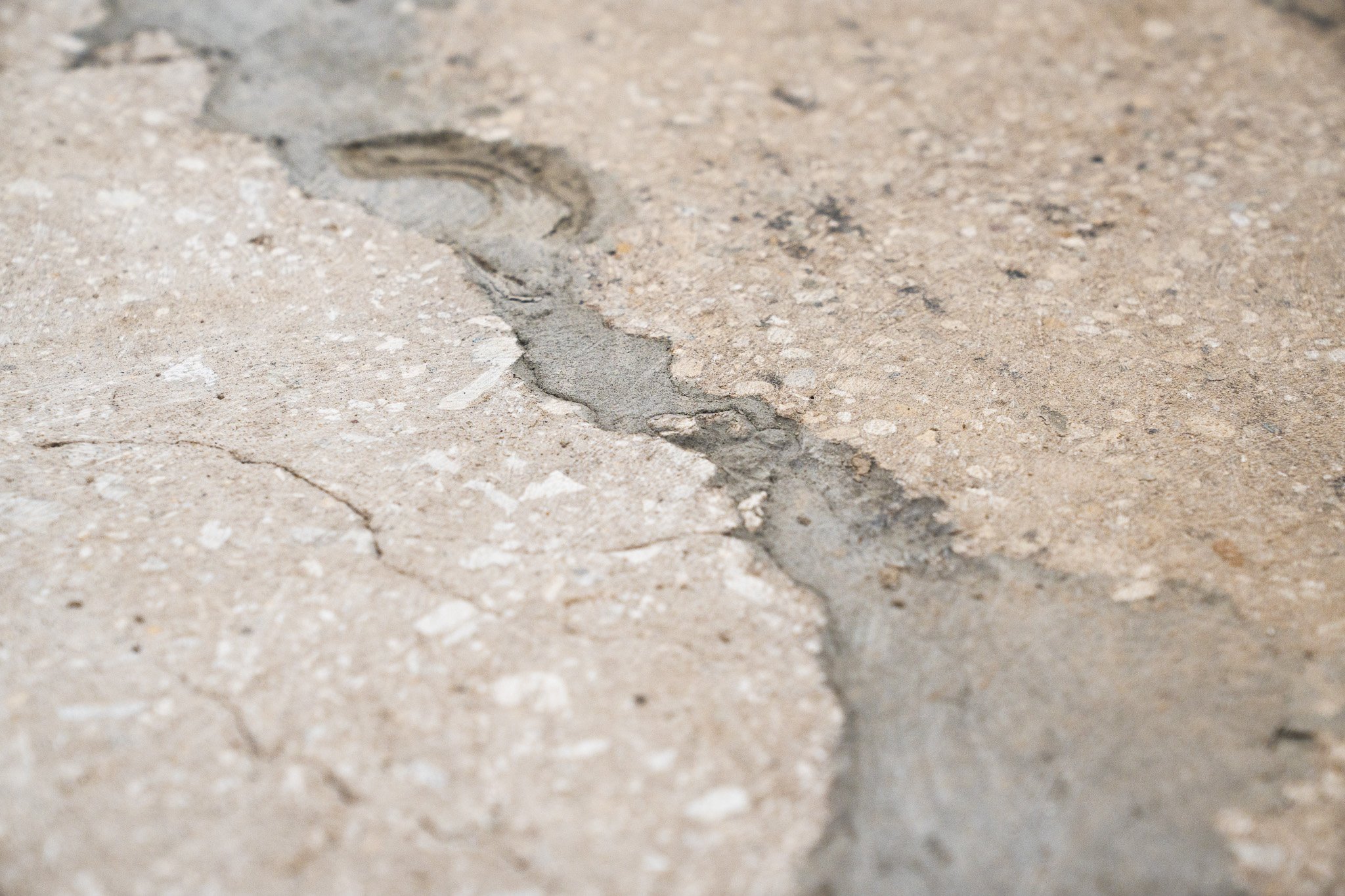

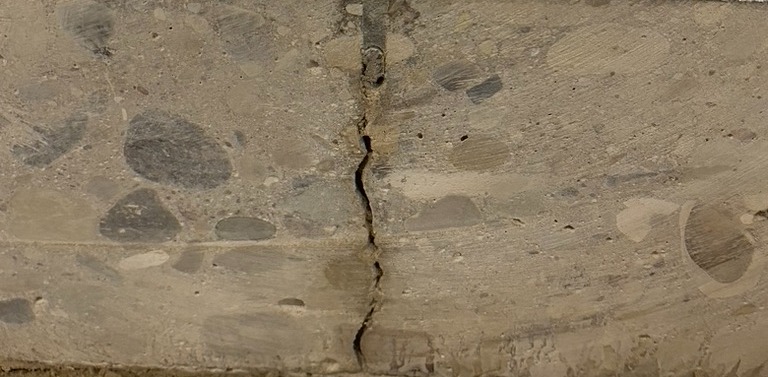
Concrete control joints are designed to move. As slabs expand, contract, and handle heavy loads, joints protect the concrete from random cracking. But when joints are left unfilled—or filled with the wrong material—they can quickly become weak points that lead to edge damage, trip hazards, and premature floor failure. That’s why many facility managers ask what materials are actually used for joint filling and how they differ.
At CustomCrete, this question often comes up from warehouses, manufacturing facilities, and distribution centers planning for long-term floor performance.
What Is Concrete Joint Filling?
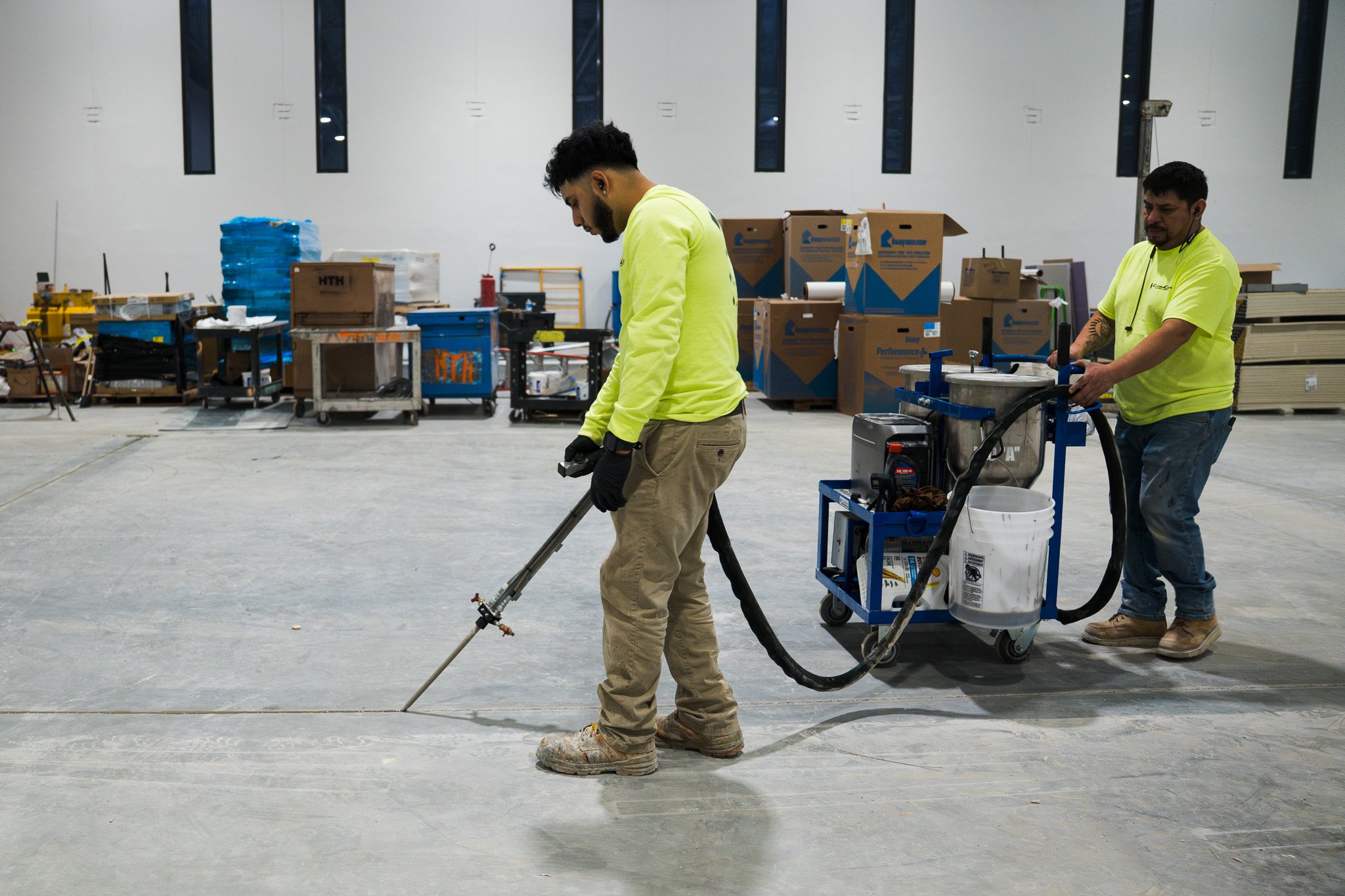
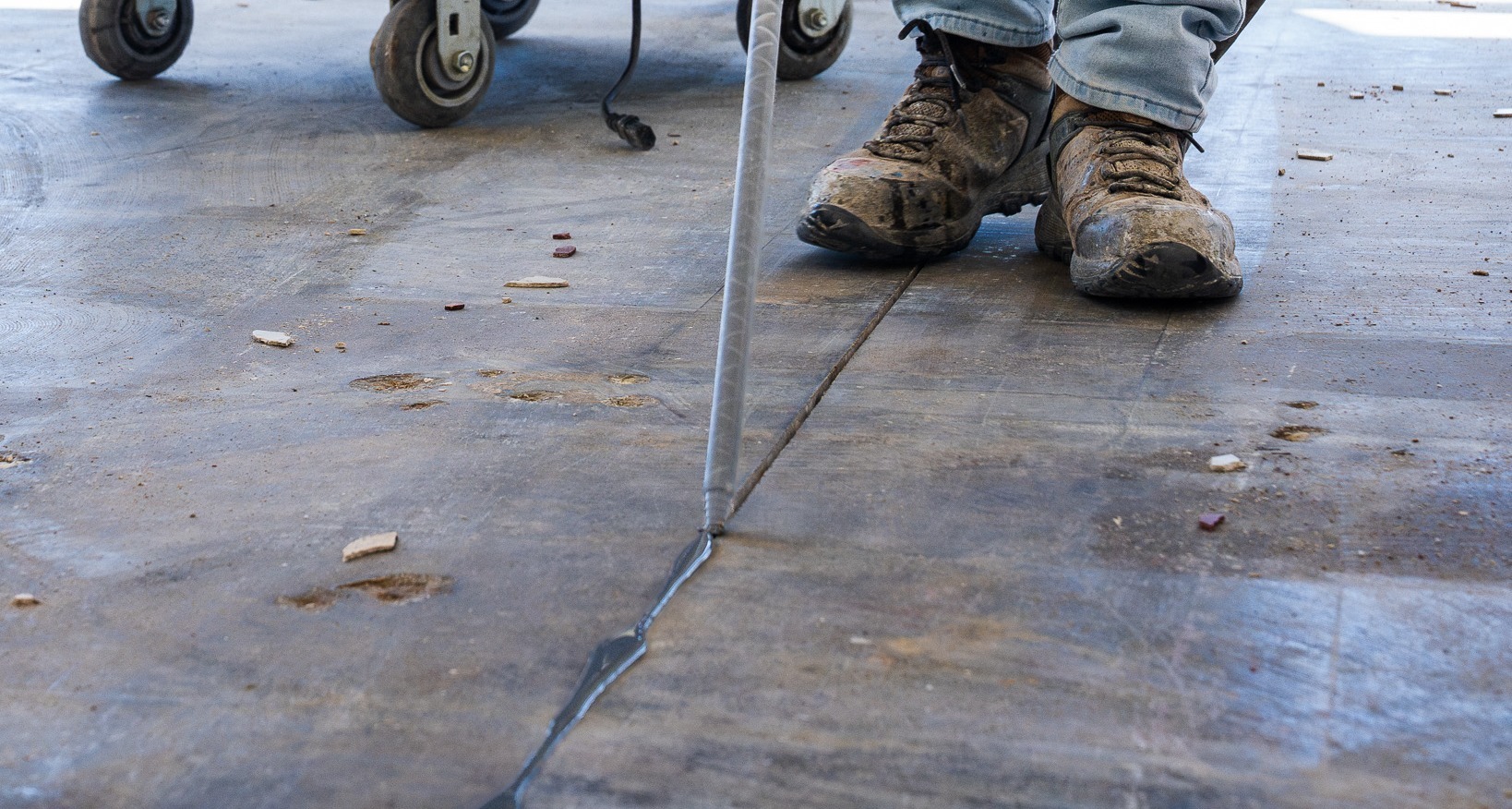
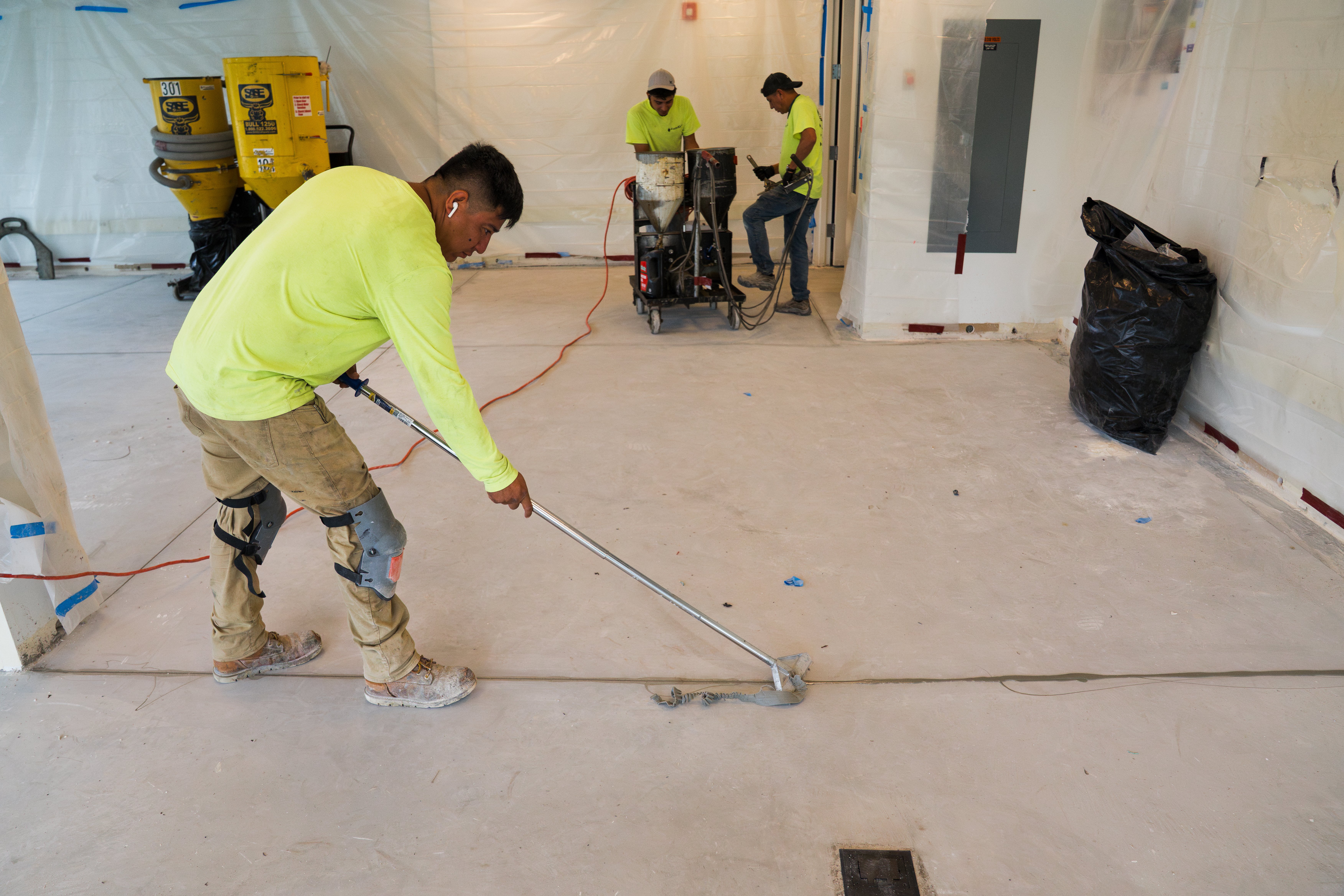
Joint filling involves placing a protective material into control and construction joints after the concrete has cured. The purpose is to support joint edges, allow controlled movement, and protect the slab under traffic.
Joint fillers are not decorative. They are functional materials designed to absorb impact and transfer loads across the joint.
Common Materials Used for Joint Filling
Several materials are used for joint filling, but not all are appropriate for industrial floors.
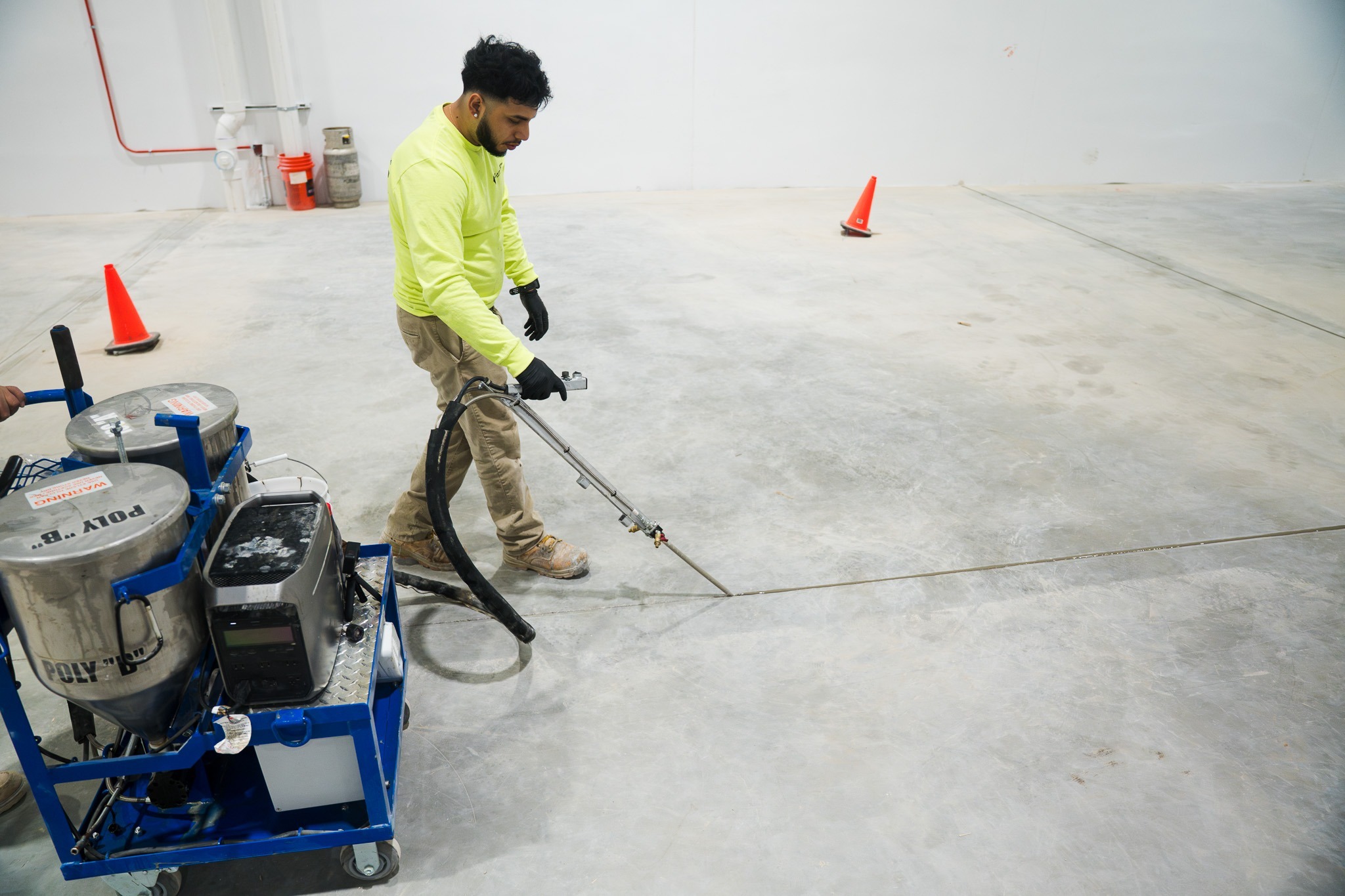
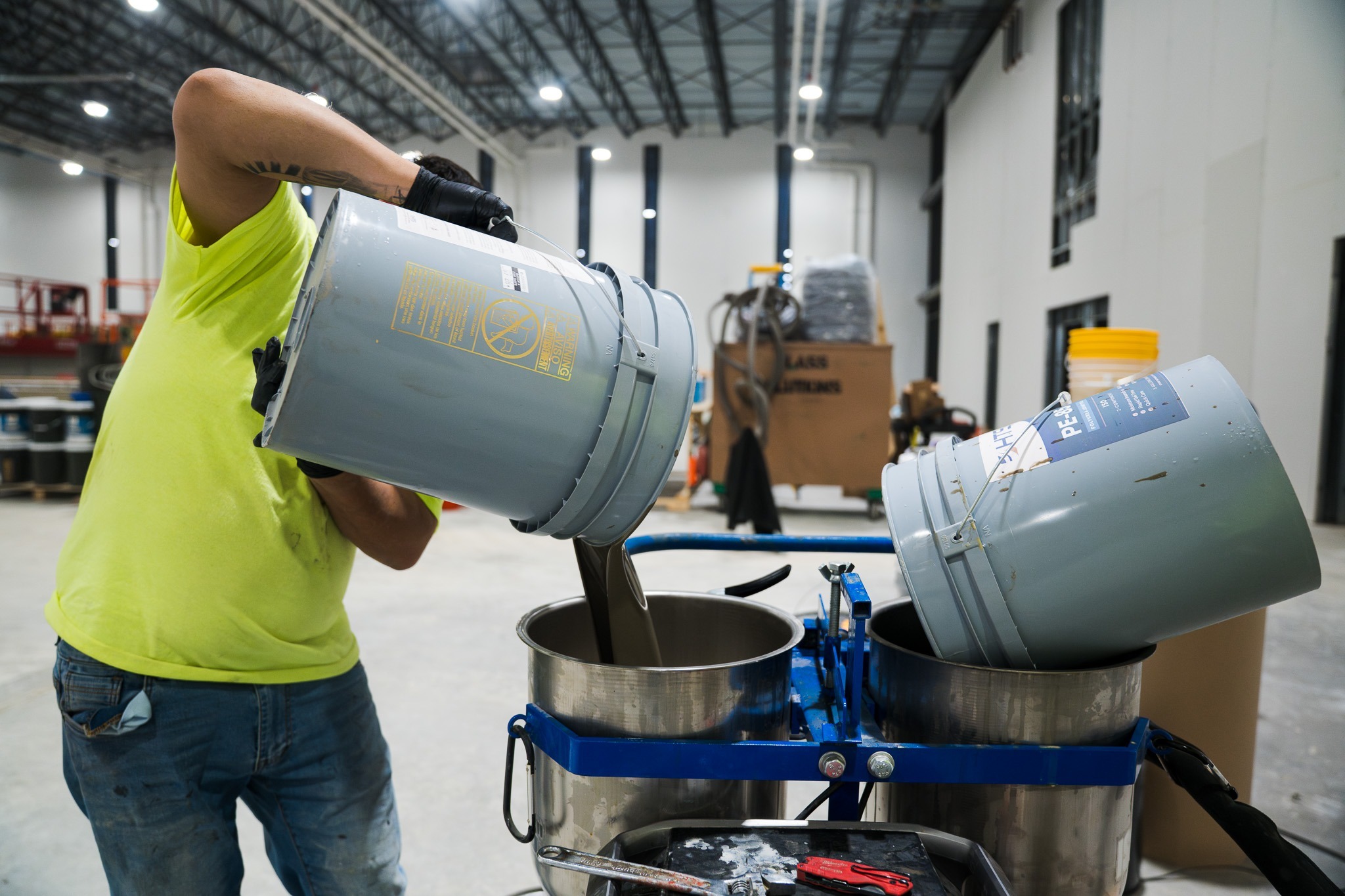
Semi-Rigid Polyurea Joint Fillers
Semi-rigid polyurea is one of the most commonly used materials in industrial environments. It cures quickly, supports heavy loads, and protects joint edges from chipping under forklift and cart traffic.
This material is often used in:
- Warehouses
- Distribution centers
- Manufacturing facilities
Polyurea joint fillers are designed to be shaved flush with the floor, creating a smooth surface for traffic.
Epoxy Joint Fillers
Epoxy joint fillers are rigid materials that offer strong edge protection. They are sometimes used in environments with lighter movement or where additional rigidity is desired.
However, epoxy is less flexible than polyurea, which means it may not accommodate joint movement as well in slabs that experience frequent temperature changes.
Polyurethane (Elastomeric) Joint Sealants
Polyurethane sealants are flexible materials often used in expansion joints or exterior applications. While they allow significant movement, they do not provide edge support and are generally not recommended for interior industrial control joints exposed to wheeled traffic.
These materials are better suited for:
- Expansion joints
- Perimeter joints
- Areas without heavy rolling loads
Why the Right Joint Filler Matters
Using the wrong joint filling material can lead to:
- Joint edge spalling
- Forklift vibration and wear
- Trip hazards
- Coating or polishing system failure
Joint fillers must balance strength and flexibility. Materials that are too soft won’t support traffic, while materials that are too rigid may crack or debond.
How Joint Filler Selection Is Determined
The best joint filling material depends on:
- Type of traffic (forklifts, carts, foot traffic)
- Age and movement of the concrete slab
- Joint width and depth
- Interior vs. exterior conditions
- Flooring system installed above the slab
There is no universal joint filler that works for every facility.

Final Thoughts
Concrete joint filling materials commonly include semi-rigid polyurea, epoxy, and polyurethane sealants—each with a specific purpose. In industrial settings, semi-rigid polyurea joint fillers are often preferred because they protect joint edges while supporting heavy traffic.
To learn when joint fillers should be repaired or replaced, read the next article: “When Is It Time to Repair or Replace Your Concrete Joint Filler?” This guide explains warning signs and timing considerations in more detail.
Topics:
.jpeg?width=1638&height=1020&name=CC109349%20(1).jpeg)

.jpg?width=6139&height=4093&name=CC100396%20(1).jpg)