
If moisture levels are too high in a concrete slab, coatings can fail—often leading to bubbling, peeling, and loss of adhesion. When moisture exceeds the acceptable concrete moisture level for a flooring system, vapor pressure builds beneath the coating and forces it away from the surface. This can result in costly repairs, downtime, and premature floor replacement.
At CustomCrete, this is a critical question for facilities preparing to install epoxy flooring, urethane cement, or other concrete coatings.

Why High Moisture Causes Flooring Failure
Concrete is naturally porous and continuously releases moisture vapor. When a non-breathable coating is installed, that moisture has nowhere to go.
If moisture levels are too high:
- Vapor pressure builds beneath the coating
- The bond between coating and concrete weakens
- The surface begins to lift or blister
This is why understanding the acceptable concrete moisture level is essential before installation.
Common Signs of High Moisture Problems
Moisture-related issues may not appear immediately. In many cases, they develop over time.
Common warning signs include:
- Bubbling or blistering on the surface
- Peeling epoxy or coating delamination
- Discoloration or dark spots
- Soft or tacky areas in the coating
- Persistent dampness or condensation
These symptoms often indicate that moisture was not properly addressed before installation.
What Is an Acceptable Concrete Moisture Level?
The acceptable moisture level depends on the flooring system being installed. Most coating manufacturers specify limits such as:
- Relative humidity (RH) inside the slab
- Moisture vapor emission rate (MVER) from the surface
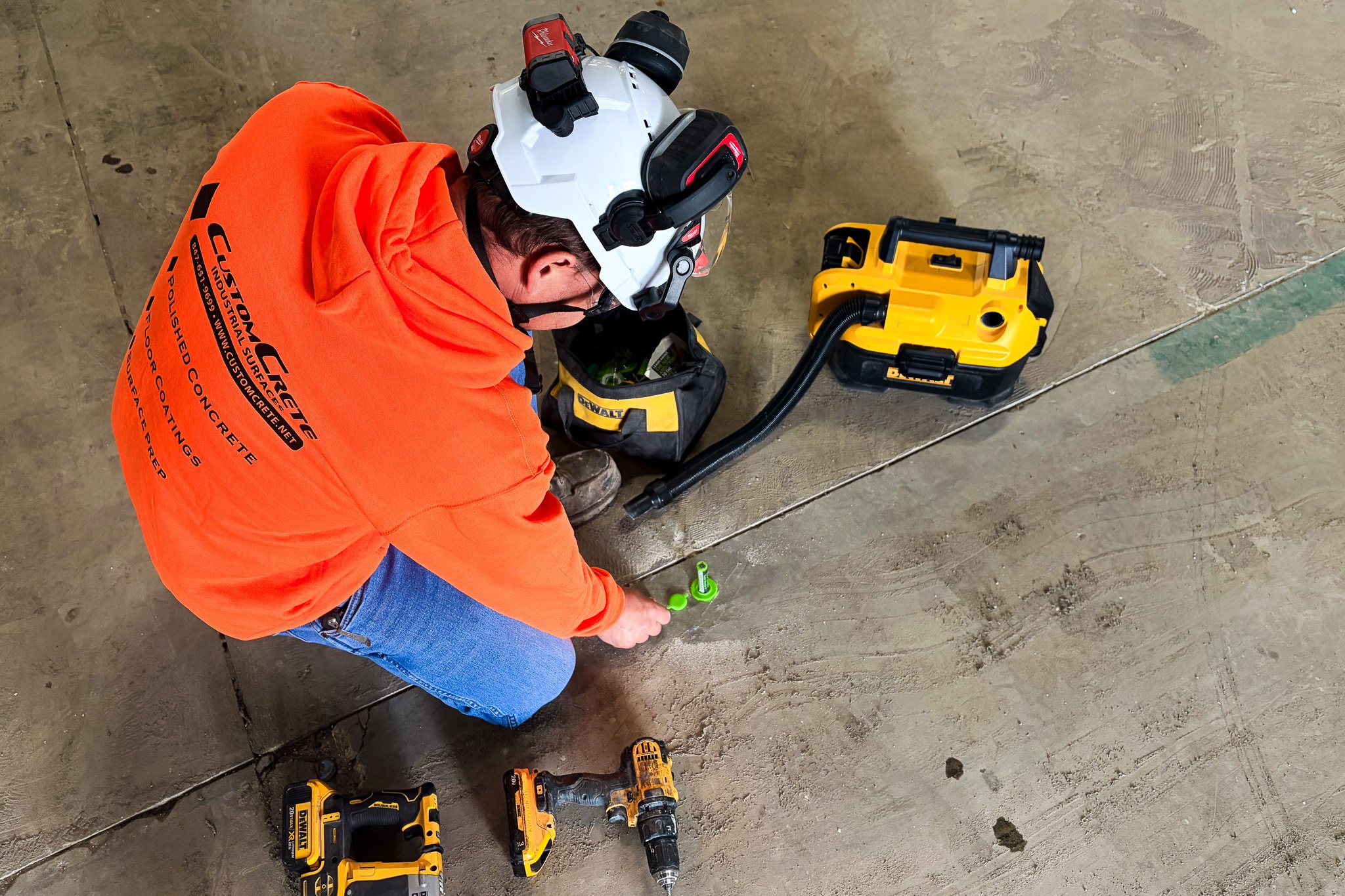
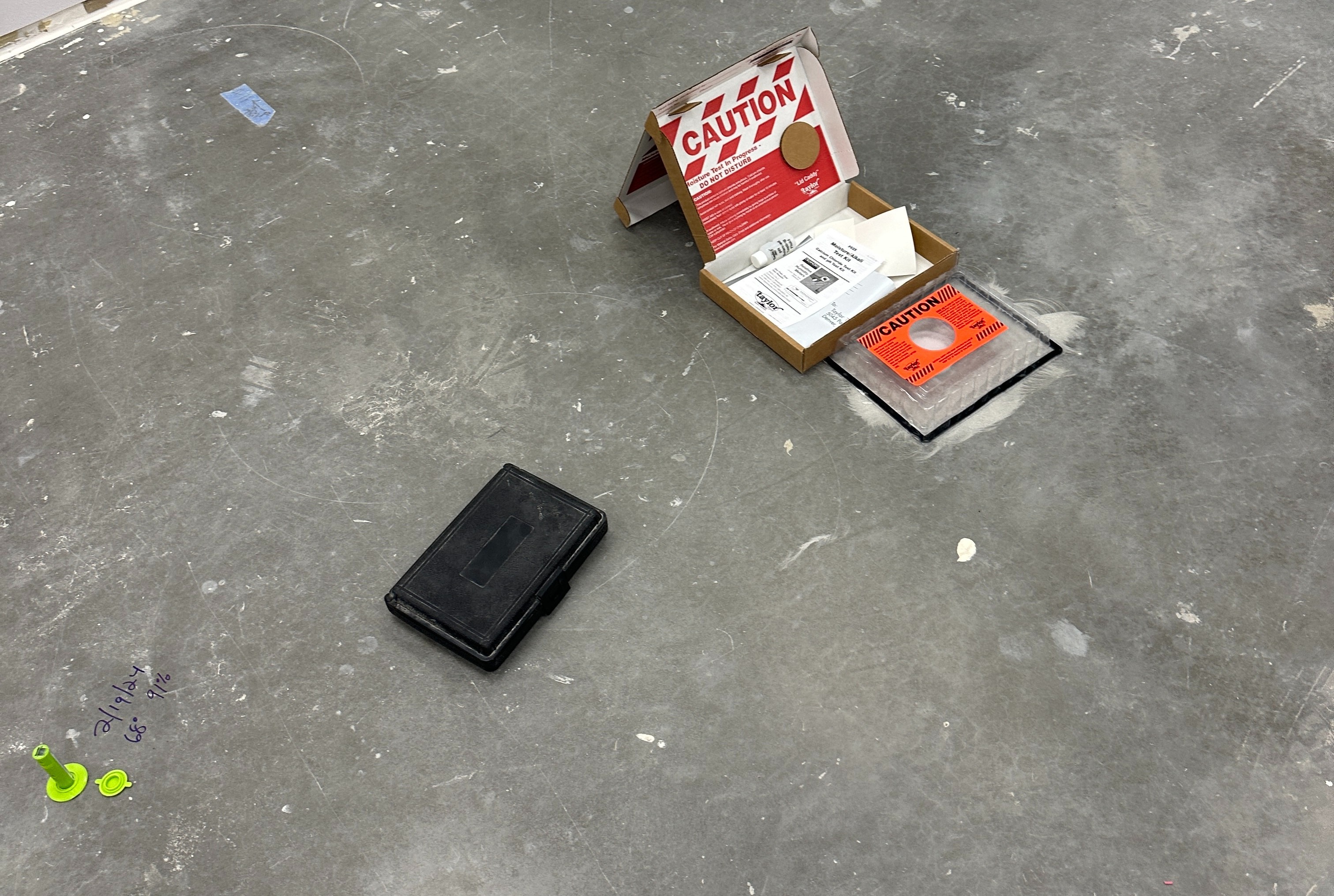
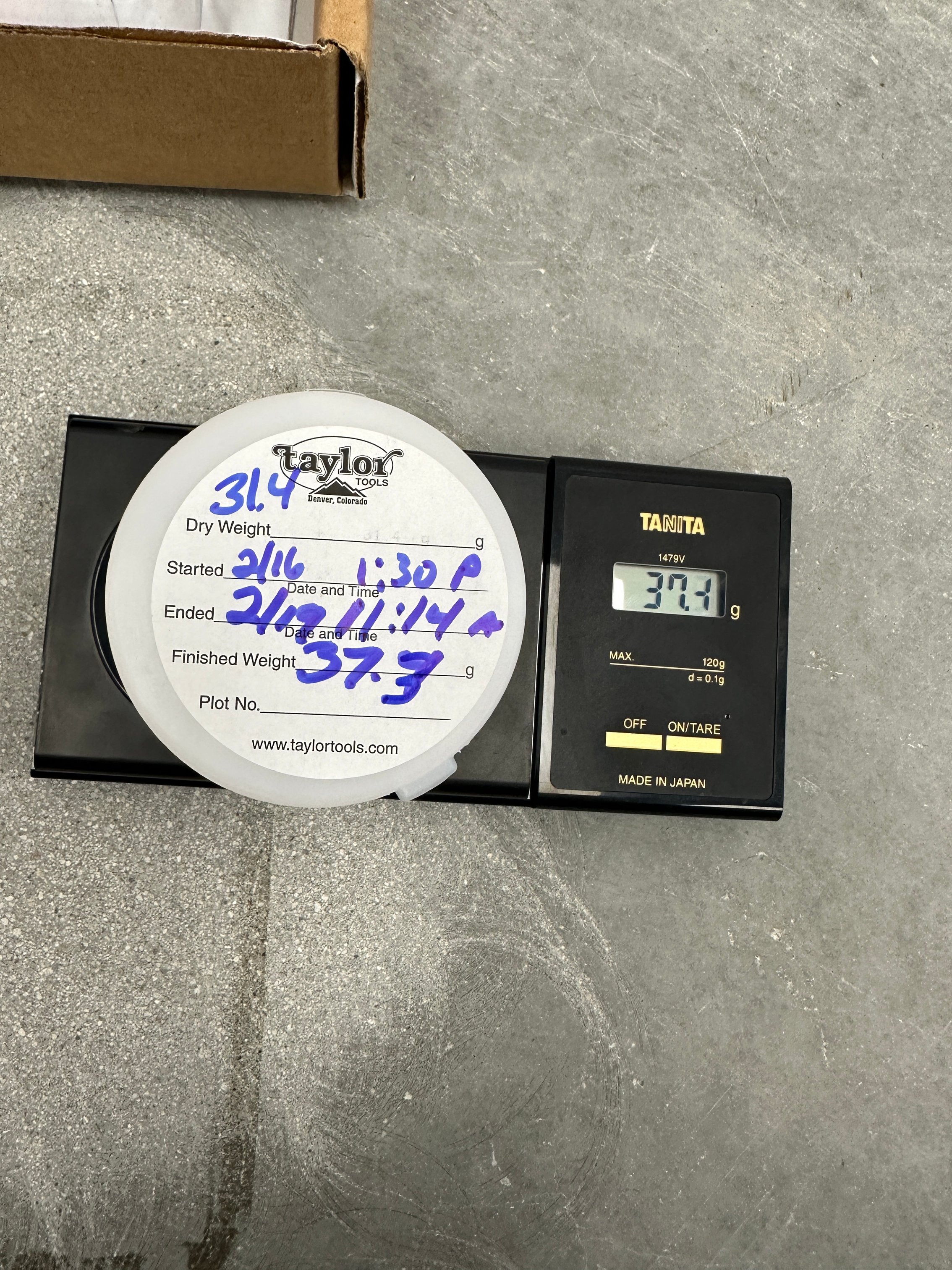
If the slab exceeds these limits, the coating may not perform as intended. That’s why moisture testing is typically required before installation.
What Can Be Done If Moisture Is Too High?
If testing shows moisture levels above acceptable limits, several options are available:
- Installing a moisture vapor barrier (MVB)
- Choosing a moisture-tolerant flooring system
- Allowing additional drying time (when possible)
- Improving site conditions, such as drainage or ventilation
Addressing moisture before installation is far more effective than repairing a failed floor later.
What Happens If Moisture Is Ignored?
Skipping moisture testing or ignoring high readings can lead to:
- Early coating failure
- Increased maintenance and repair costs
- Safety hazards from damaged flooring
- Unexpected downtime for reinstallation
Moisture-related failures are one of the most preventable issues in industrial flooring.
Final Thoughts
If moisture levels are too high, concrete coatings are at risk of bubbling, peeling, and long-term failure. Understanding and testing for the acceptable concrete moisture level before installation is one of the most important steps in protecting your flooring investment.
To learn more about moisture testing, mitigation, and flooring system selection, visit CustomCrete’s Learning Center. If you’re planning a project and want to avoid moisture-related issues, you can also request a quote to explore the right solution for your facility.
Topics: