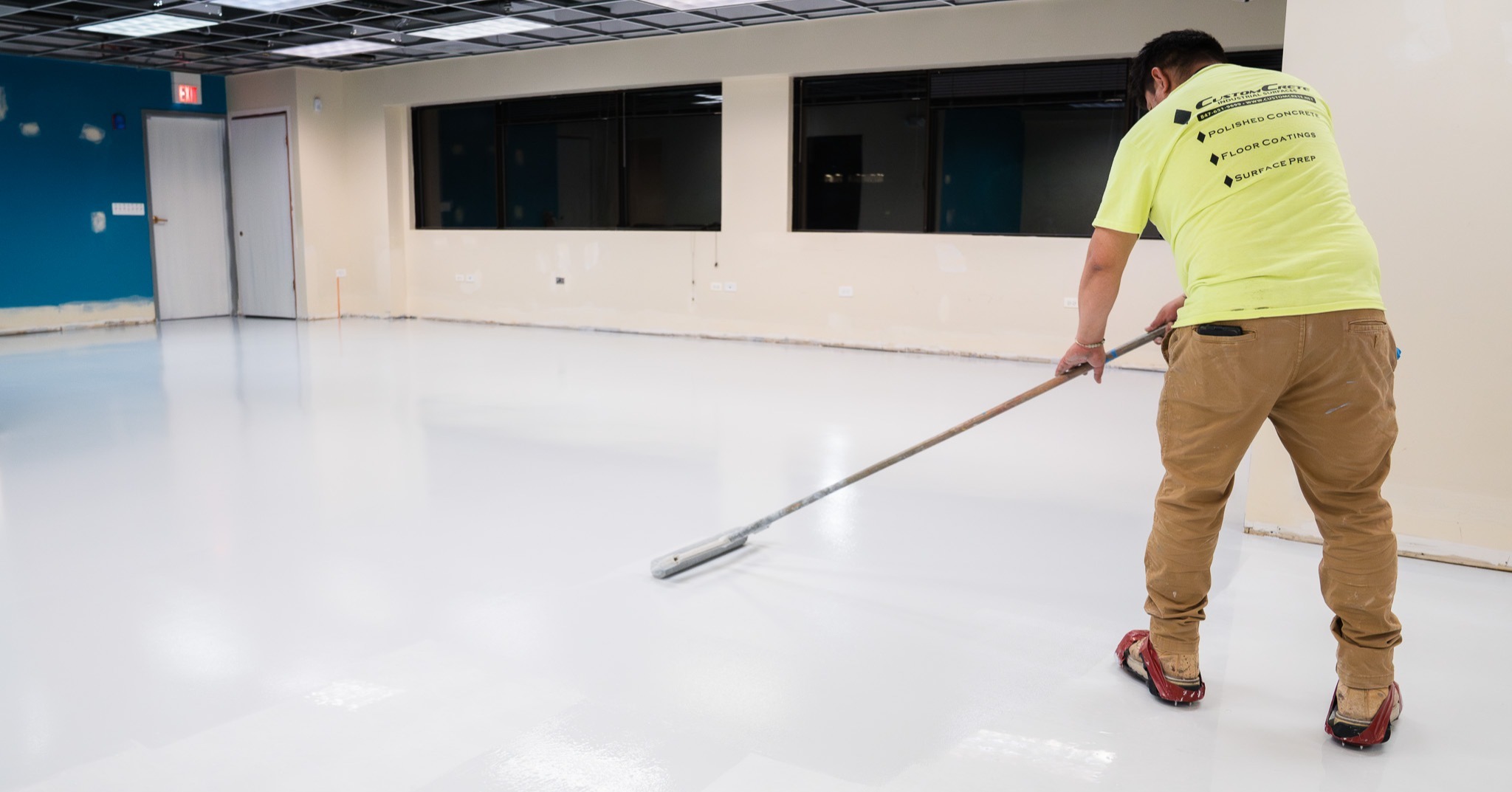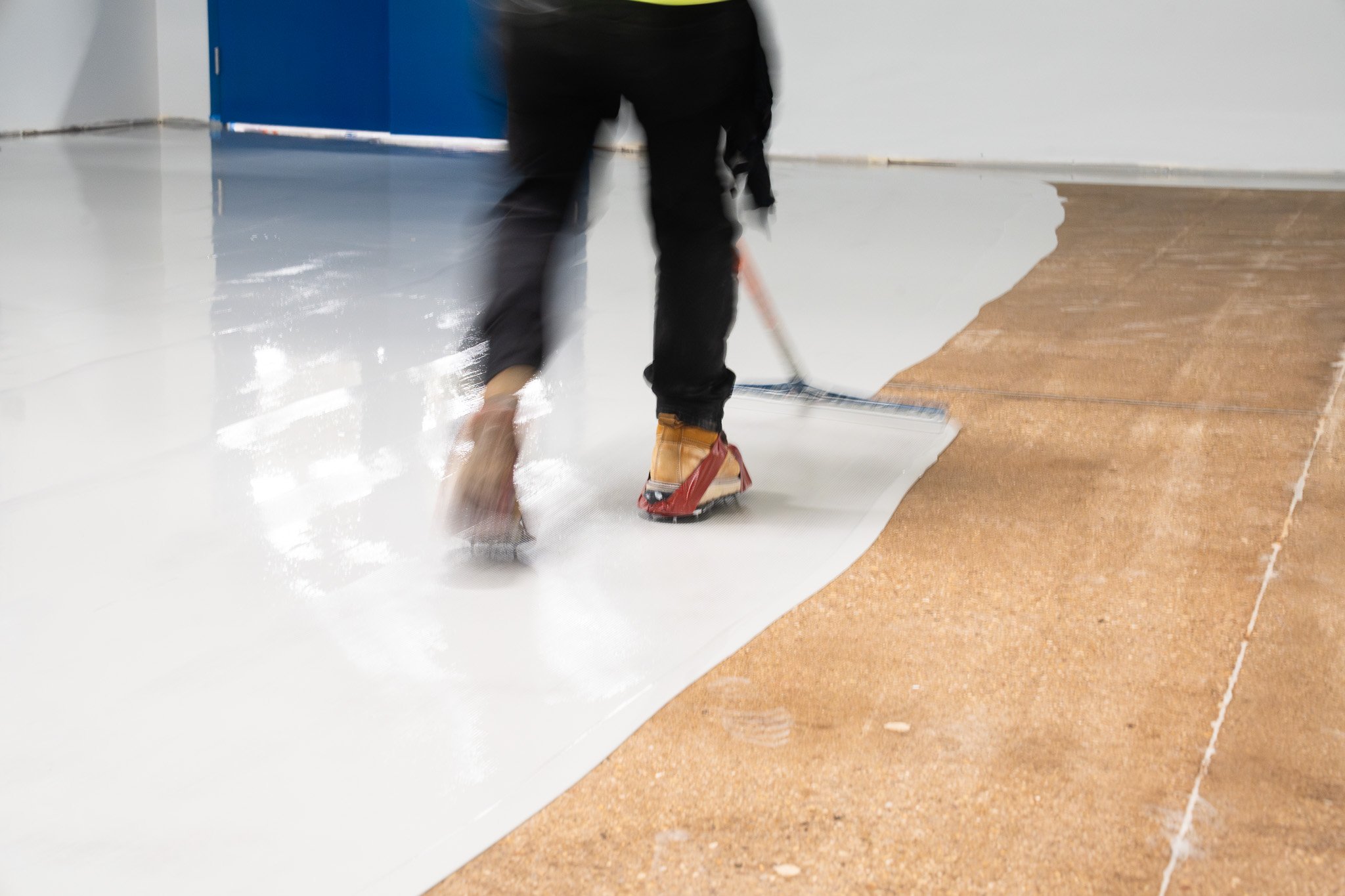

Installing a new flooring system is a major investment for any facility. Whether the floor will receive coatings, polished concrete, tile, or other materials, one factor can determine whether the installation succeeds or fails: moisture. Many flooring failures happen not because the product was wrong, but because the concrete slab contained too much moisture before installation.
This is why performing a Concrete Moisture Test is one of the most important steps before any flooring project begins. Moisture inside concrete can move through the slab and build pressure beneath flooring systems, causing bubbling, peeling, adhesive failure, and long-term damage.
Understanding how moisture behaves in concrete and how to properly conduct a concrete moisture test helps decision-makers avoid expensive repairs and ensure the flooring system performs as intended.

Why Moisture Testing Matters Before Installing Flooring
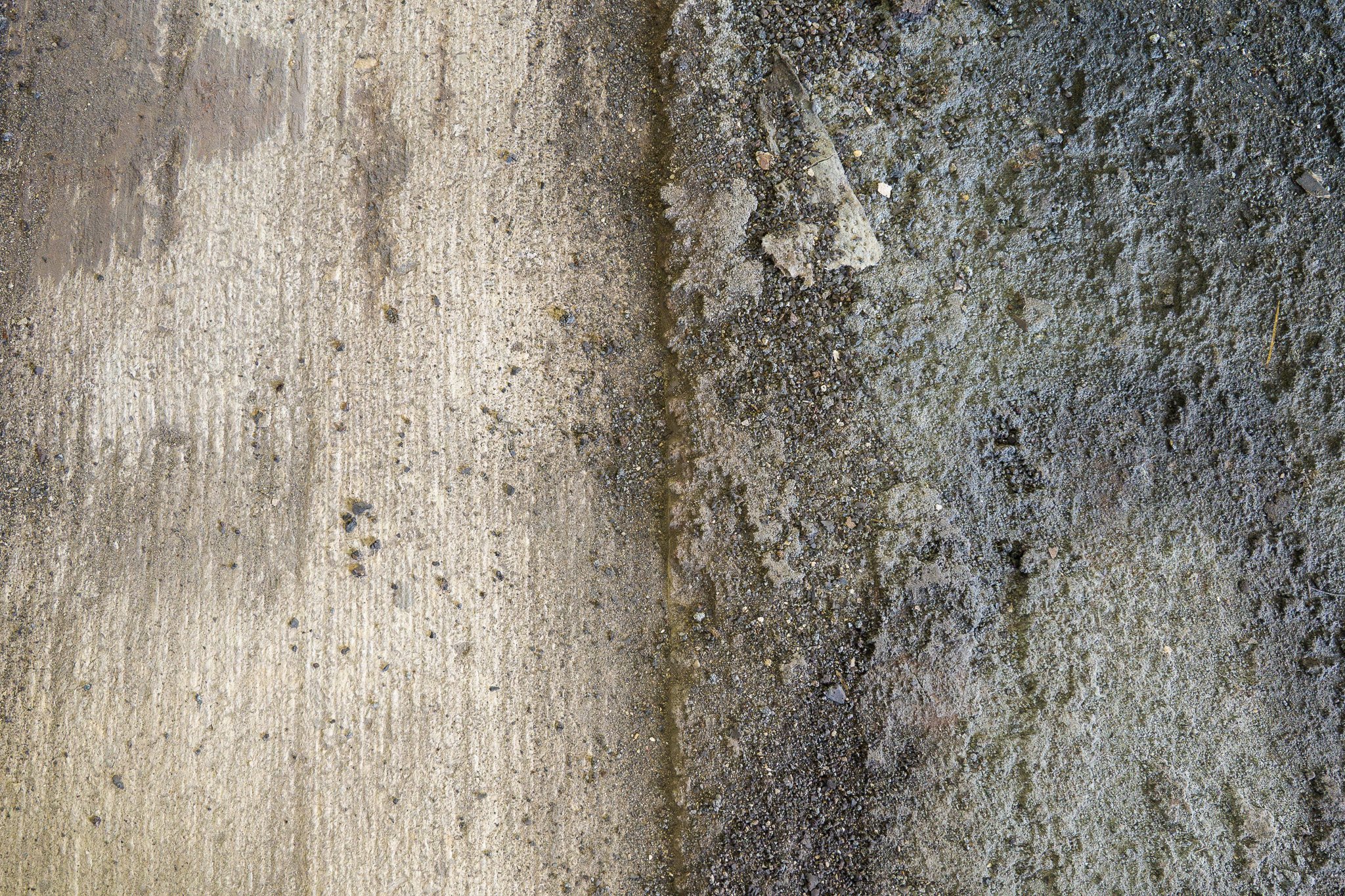
Concrete may appear dry on the surface, but that does not mean the slab is ready for flooring installation. Concrete is porous and constantly absorbs and releases moisture. Water vapor can travel through the slab from below the building due to pressure differences between the soil and the indoor environment.
If flooring is installed while moisture levels are still high, vapor pressure can push upward into the flooring system. Over time, this pressure can cause problems such as:
- Bubbling or blistering coatings
- Adhesive breakdown beneath tile or carpet
- Peeling or delamination of flooring systems
- Mold or odor issues beneath flooring materials
Performing a Concrete Moisture Test allows installers and facility managers to measure these risks before flooring is installed.
How Moisture Moves Through Concrete
Concrete is often misunderstood as being completely solid. In reality, it contains tiny capillary pores that allow water vapor to travel through the slab.
Moisture movement happens because of vapor pressure differences. When the ground beneath a building contains more moisture than the indoor air above the slab, water vapor naturally moves upward through the concrete.
Several factors influence this movement:
- Groundwater levels
- Seasonal humidity changes
- Temperature differences between soil and indoor air
- Lack of a vapor barrier beneath the slab
Because these conditions vary from building to building, a Concrete Moisture Test is necessary to determine whether the slab is safe for flooring installation.
When a Concrete Moisture Test Should Be Performed
Moisture testing should always occur before installing:
- Epoxy or polyurethane coatings
- Polished concrete systems
- Vinyl tile (VCT or LVT)
- Carpet tiles or glued flooring
- Resinous flooring systems
Even newly poured slabs require testing. While concrete is often assumed to be ready after 28 days of curing, internal moisture levels can remain elevated much longer depending on slab thickness and environmental conditions.
Conducting a Concrete Moisture Test ensures flooring systems are installed only when conditions are safe.
Common Methods for Conducting a Concrete Moisture Test
There are two widely accepted testing methods used across the flooring industry. Each measures moisture differently and provides valuable information about slab conditions.
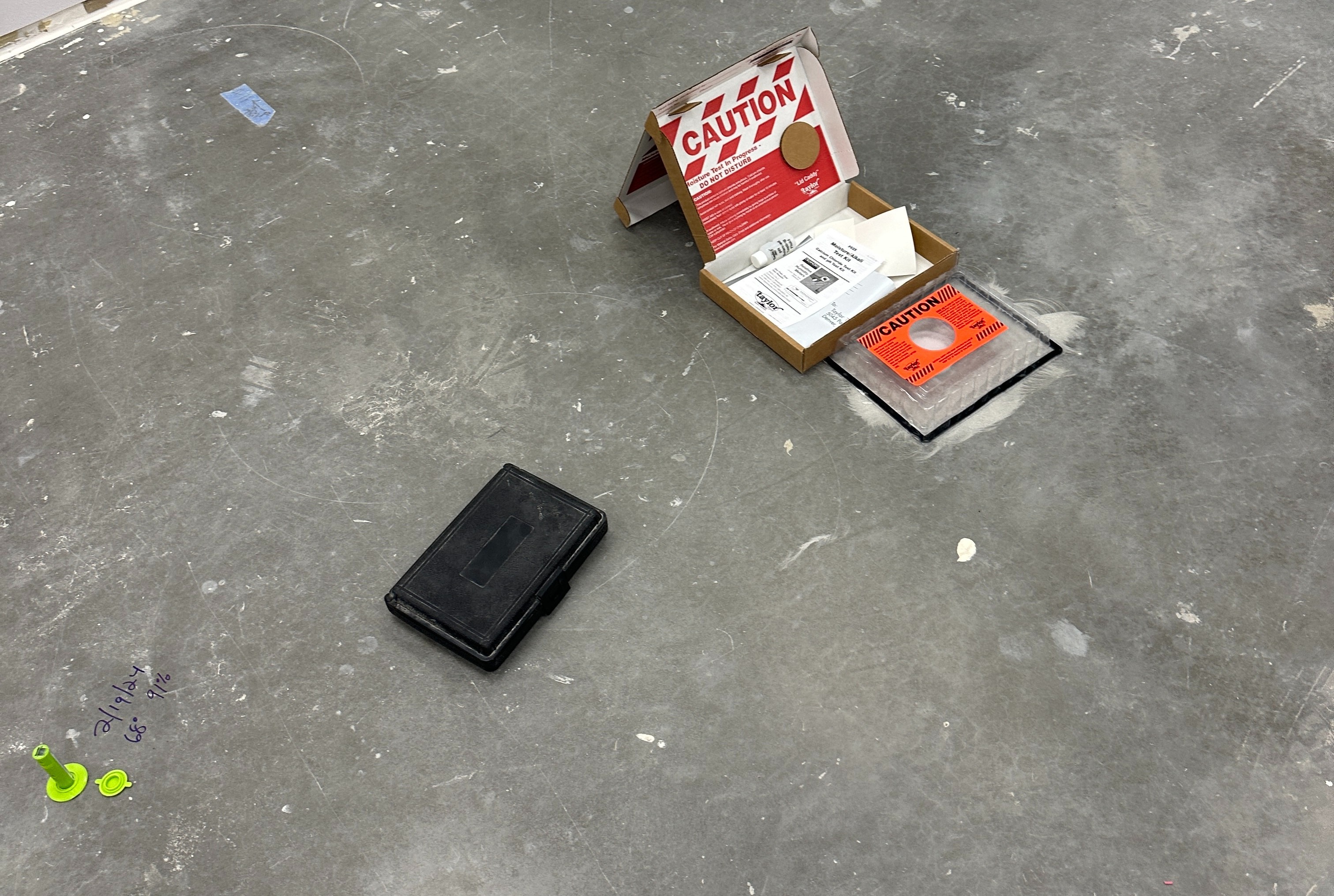
Calcium Chloride Testing
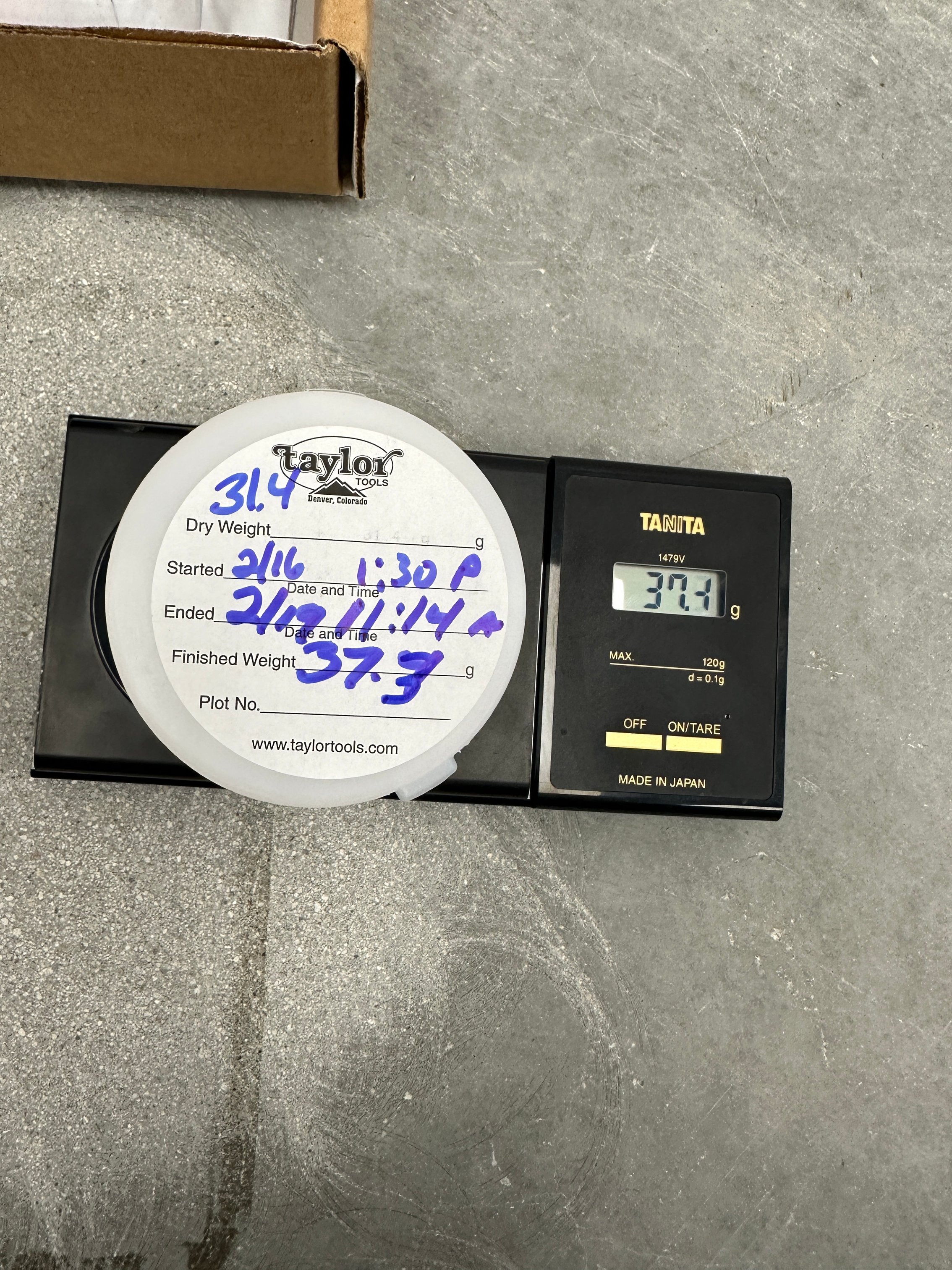
The calcium chloride test measures how much moisture vapor is emitted from the surface of the concrete over a 24-hour period.
The process involves:
- Cleaning and preparing the test area
- Placing a container of calcium chloride on the slab
- Sealing the container under a plastic dome
- Measuring moisture absorption after 24 hours
The result indicates the moisture vapor emission rate (MVER), which helps determine whether a flooring system can be safely installed.
Calcium chloride testing is commonly used because it is relatively simple and cost-effective.
Relative Humidity (RH) Testing
Relative humidity testing measures moisture levels inside the concrete slab, rather than just at the surface.
The process typically includes:
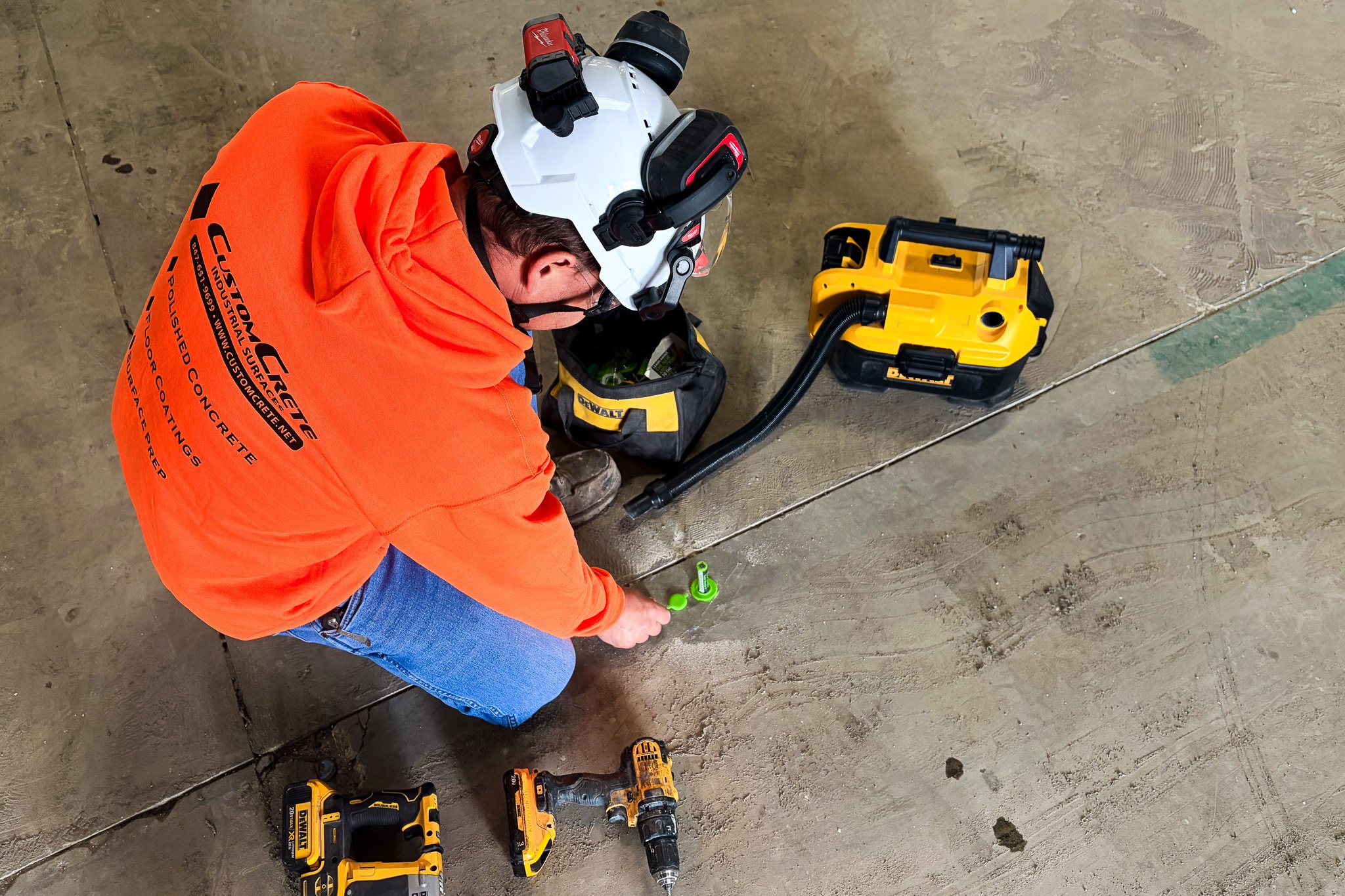
- Drilling small holes into the concrete
- Inserting humidity probes at a specific depth
- Allowing the probes to stabilize
- Measuring the internal humidity percentage
Many flooring manufacturers prefer RH testing because it provides a better long-term picture of how moisture will behave after flooring installation.
When performing a Concrete Moisture Test, RH testing is often considered the most reliable method for determining future vapor movement.
ASTM D4263 (Plastic Sheet Test)
ASTM D4263, often called the plastic sheet test, is a simple and quick way to check for the presence of moisture in a concrete slab.
The process involves:
- Taping a clear plastic sheet (typically 18" x 18") tightly to the concrete surface
- Sealing all edges to prevent outside air from entering
- Leaving it in place for at least 16 hours
- Inspecting for condensation or darkening of the concrete beneath the plastic
If moisture is visible under the sheet or the concrete appears darker, it indicates that moisture is present in the slab.
While ASTM D4263 can be useful as an initial screening tool, it does not provide quantitative data like MVER or internal humidity levels. Because of this, it should not be used as the sole method for making flooring installation decisions. Instead, it is best used alongside more precise methods like calcium chloride or RH testing when conducting a complete Concrete Moisture Test.
How Test Results Influence Flooring Decisions
Once moisture testing is complete, the results guide the next steps in the flooring process.
Acceptable Moisture Levels
If the test results fall within the manufacturer’s acceptable limits, flooring installation can proceed as planned.
Elevated Moisture Levels
If moisture readings exceed acceptable thresholds, additional solutions may be required before flooring installation, such as:
- Moisture vapor barrier systems
- Extended drying time
- Alternative flooring materials designed for higher moisture conditions
Skipping these steps can lead to flooring failure, so interpreting the results of a Concrete Moisture Test is critical.
Common Mistakes to Avoid During Moisture Testing
Even when testing is performed, mistakes in the process can lead to inaccurate readings. Some of the most common issues include:
- Testing too soon after slab placement
- Using too few test locations
- Skipping proper surface preparation
- Ignoring manufacturer moisture limits
Reliable moisture testing requires following industry standards and ensuring the results accurately represent the slab conditions.
Why Moisture Problems Are Expensive to Fix Later
Moisture-related flooring failures are often costly because repairs usually require removing the entire flooring system before reinstalling it.
This process can involve:
- Grinding or removing coatings
- Removing adhesives and flooring materials
- Installing moisture mitigation systems
- Reinstalling the flooring system
Conducting a Concrete Moisture Test before installation is far less expensive than repairing a failed floor. For more information, watch our video, “How to Prevent Flooring Failure: Moisture Mitigation Explained.”
FAQ: Concrete Moisture Testing
How long should concrete dry before testing?
Concrete typically cures for 28 days, but moisture levels can remain high depending on environmental conditions.
How many moisture tests should be performed?
Industry guidelines typically recommend multiple test locations based on floor size to ensure accurate readings.
Can moisture problems appear after flooring installation?
Yes. If testing is skipped or performed incorrectly, moisture can continue moving through the slab and cause failures later.
Final Thoughts
Moisture inside concrete slabs is one of the most common causes of flooring failure. Performing a Concrete Moisture Test before installing any flooring system helps identify potential risks and ensures the selected flooring solution will perform properly.
By understanding how moisture moves through concrete and using reliable testing methods such as calcium chloride and relative humidity tests, facility managers can protect their flooring investment and avoid costly repairs.
If you're planning a flooring project and want expert guidance on testing, preparation, and installation, request a quote to evaluate your concrete conditions before moving forward.
Topics: