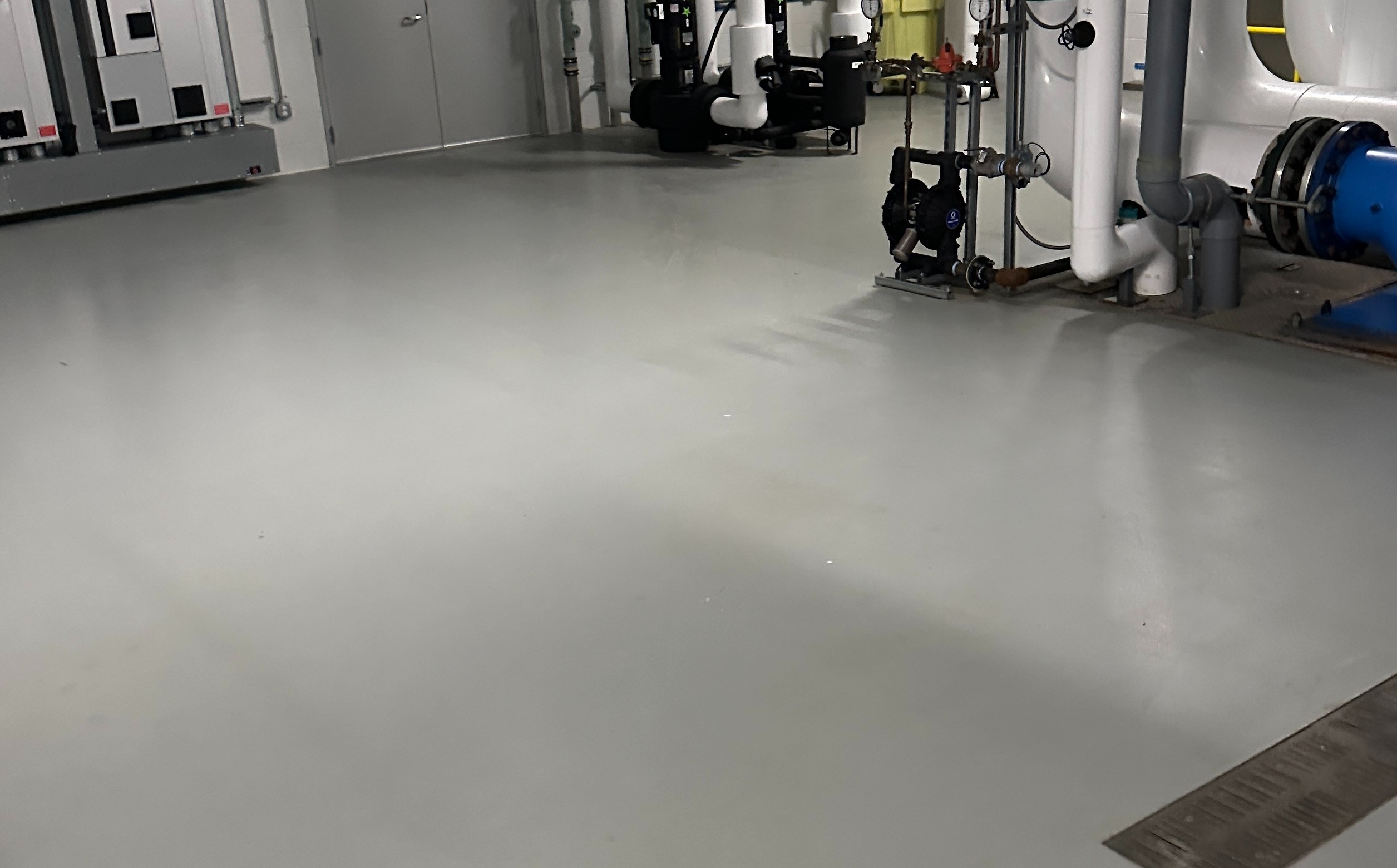

Moisture is one of the most common reasons concrete coatings fail. While a concrete slab may look dry on the surface, moisture vapor can still move upward from beneath the slab. If that moisture is not properly tested and addressed, it can cause serious problems after epoxy or other coatings are installed.
At CustomCrete, this question often comes up from facilities comparing flooring systems and trying to avoid costly failures down the road.

Why Moisture Is a Problem for Concrete Coatings
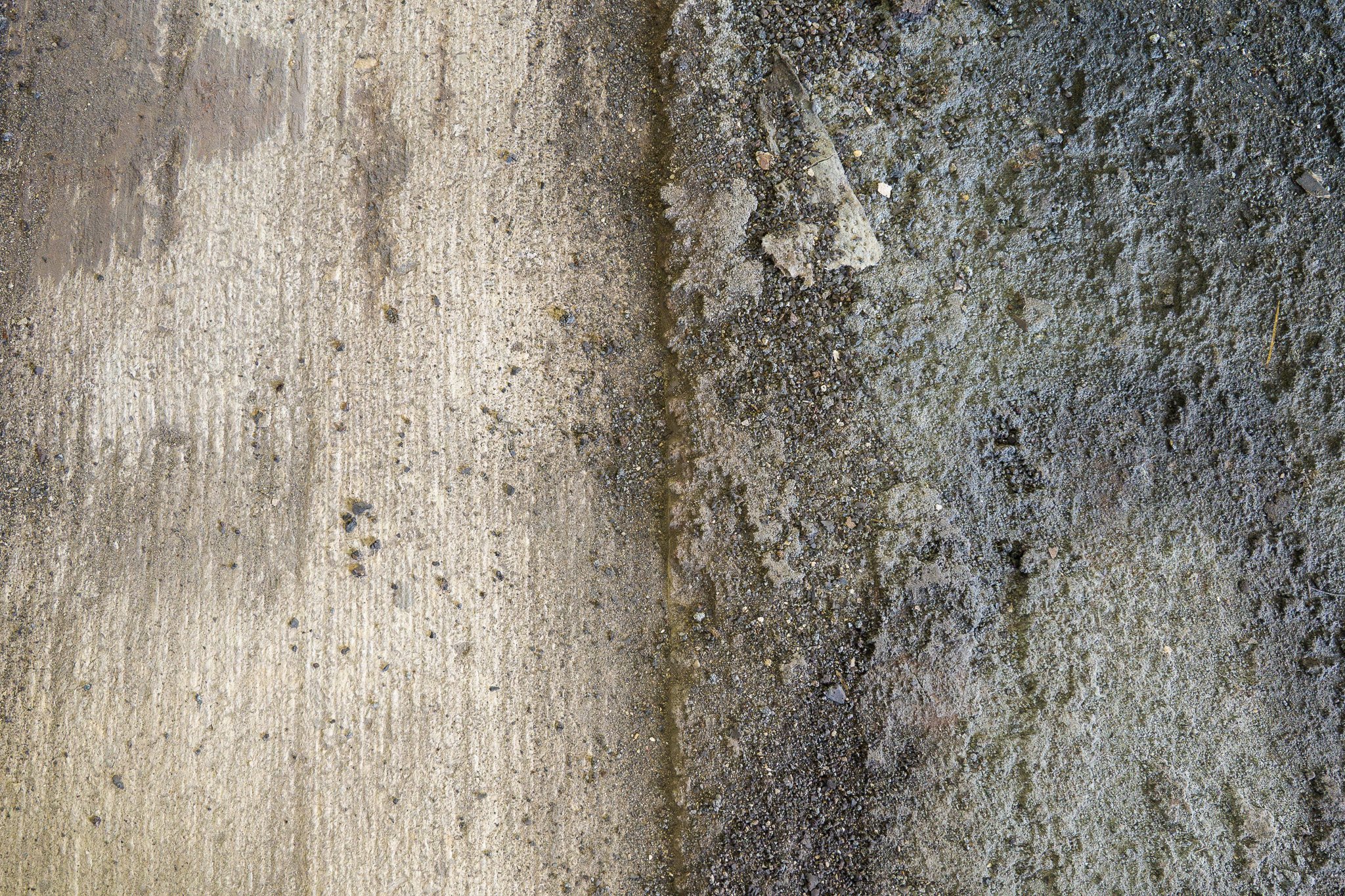
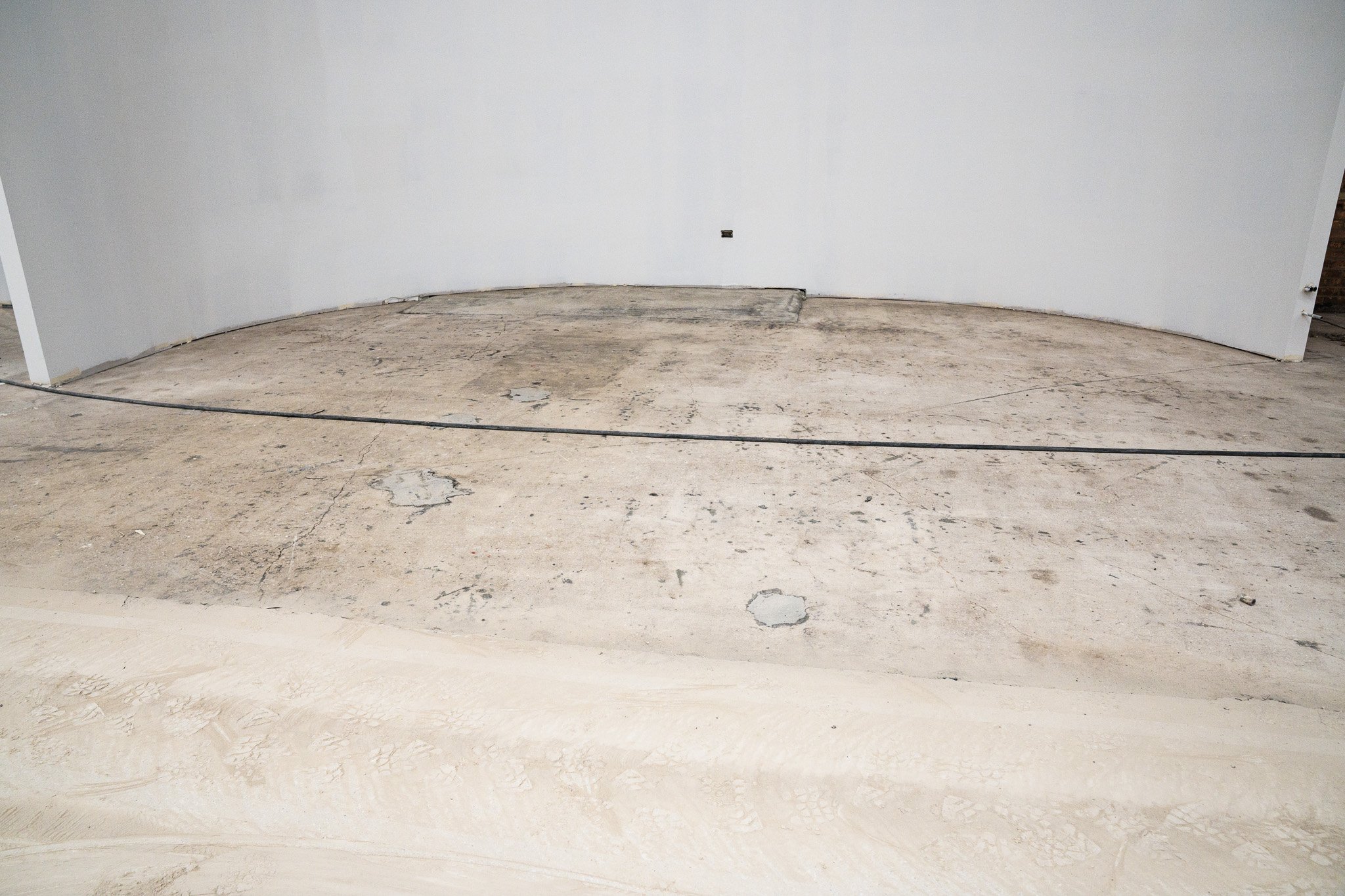
Concrete is porous. Even years after it is poured, it can continue to release moisture vapor. When a non-breathable coating—like epoxy flooring—is applied on top, trapped moisture may try to escape upward.
If moisture levels exceed what the coating system can tolerate, it can lead to:
- Bubbling or blistering
- Peeling or delamination
- Discoloration
- Softening of the coating
- Adhesion failure
These issues don’t always appear immediately. In some cases, moisture-related failures show up months after installation.
How Moisture Gets Into Concrete Slabs
Moisture issues can come from several sources:
- High water content during the original concrete pour
- Lack of a vapor barrier beneath the slab
- Groundwater pressure
- Humidity and temperature changes
- Improper curing of the concrete
Even older slabs can develop moisture problems if environmental conditions change.
Which Coatings Are Most Affected by Moisture?
Epoxy flooring is particularly sensitive to high moisture levels because it forms a dense, non-breathable surface. When vapor pressure builds beneath the coating, it can cause bubbling or separation from the slab.
Other resinous flooring systems may have higher moisture tolerance, but all coatings have limits. That’s why moisture testing is often required before installing concrete coatings in industrial or commercial facilities.
How Moisture Is Tested Before Installation
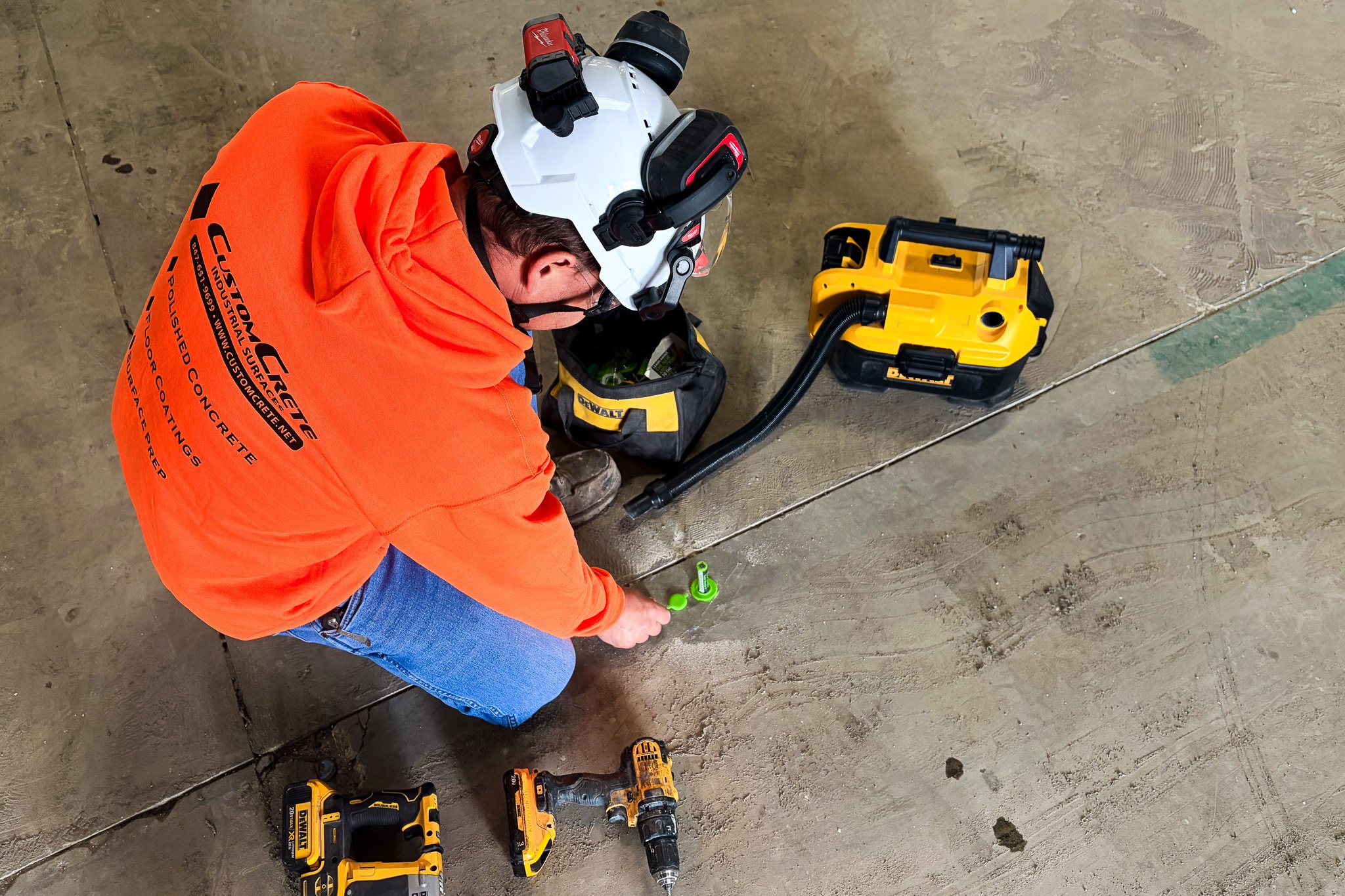
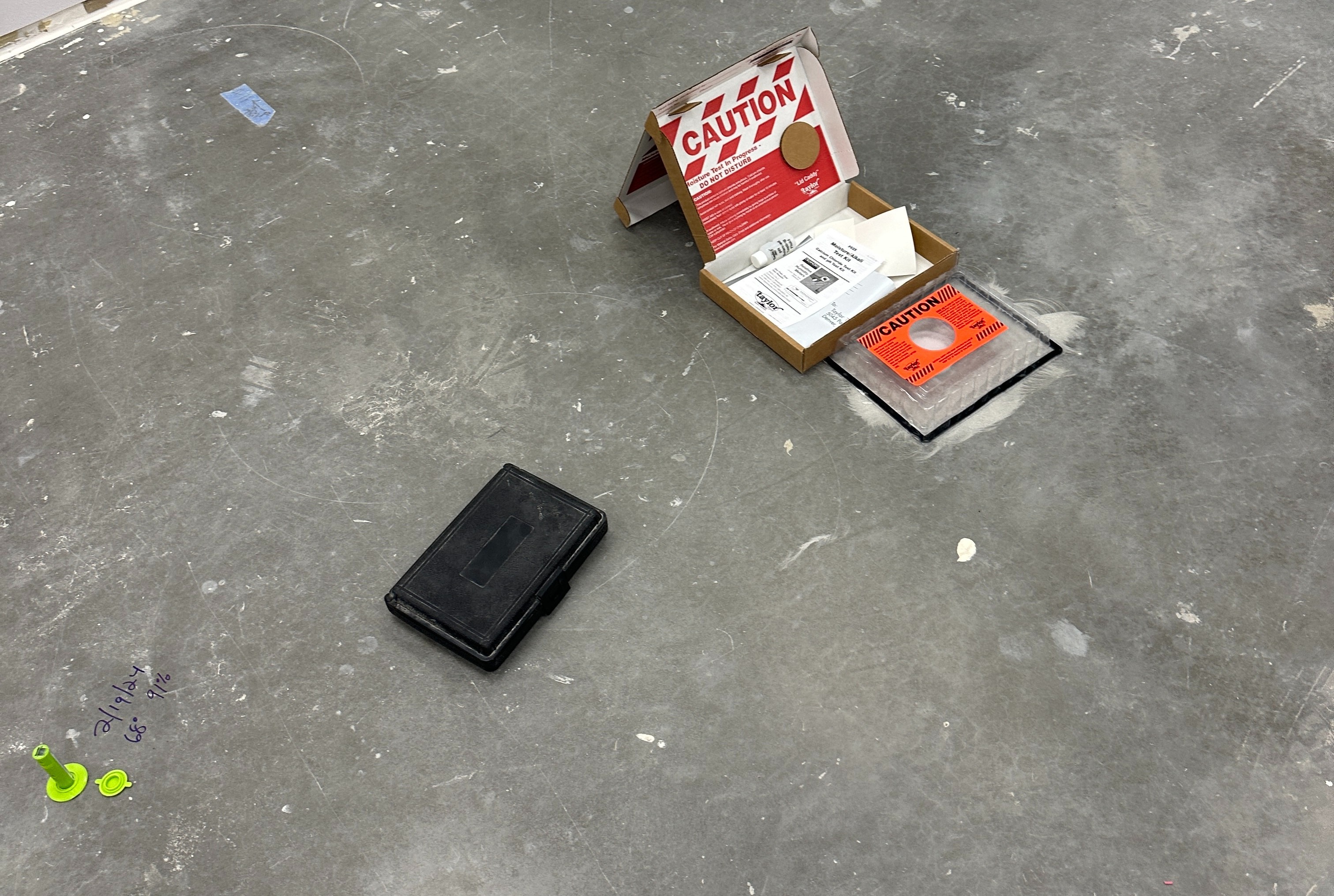
To prevent failures, professional installers typically perform moisture testing before applying coatings. Common methods include:
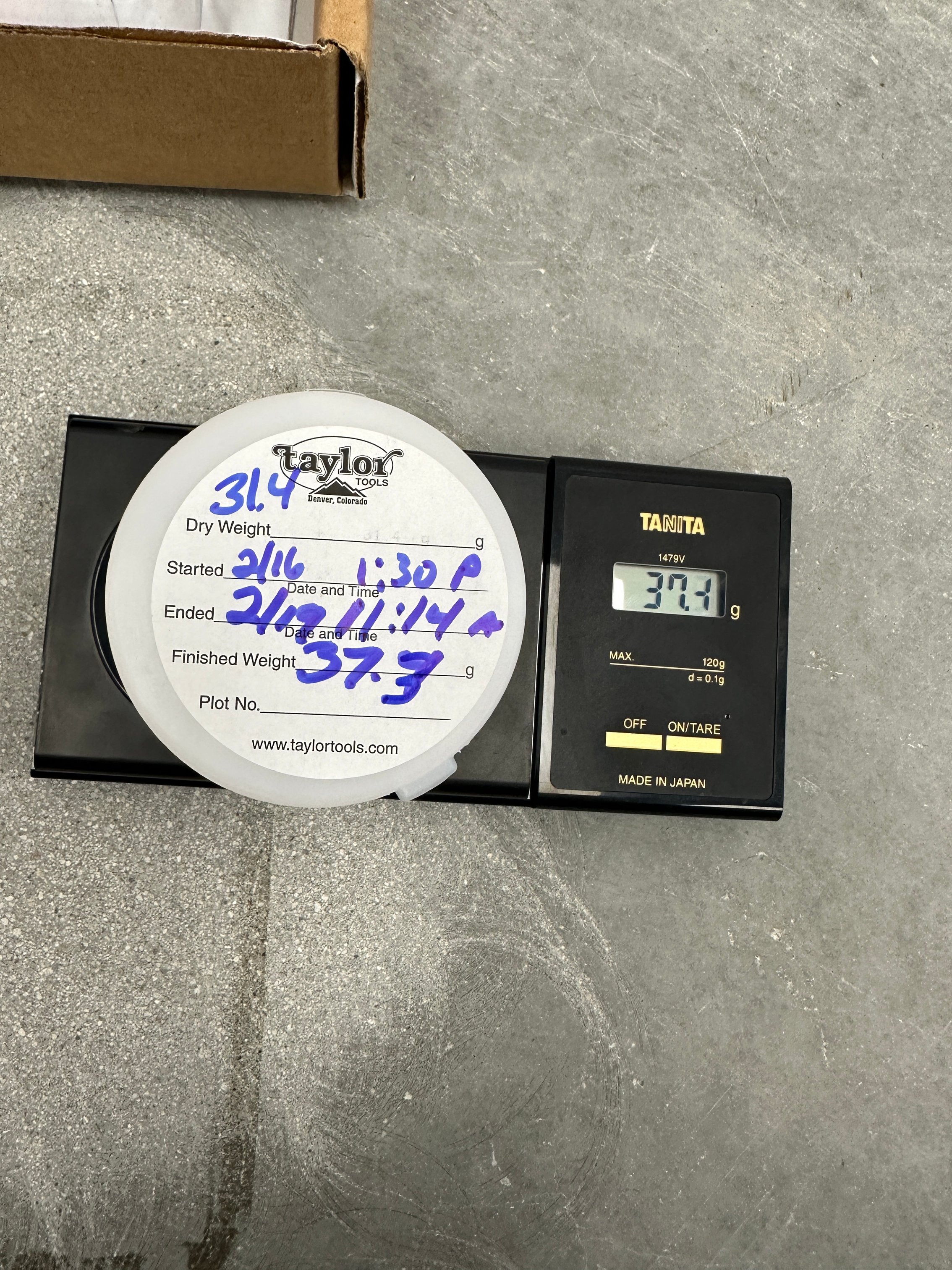
- Relative humidity (RH) testing inside the slab
- Calcium chloride testing to measure vapor emission rates
- Surface moisture scanning as a preliminary check
These tests help determine whether the slab is within acceptable moisture limits for the chosen flooring system.
What Happens If Moisture Levels Are Too High?
If testing shows elevated moisture, options may include:
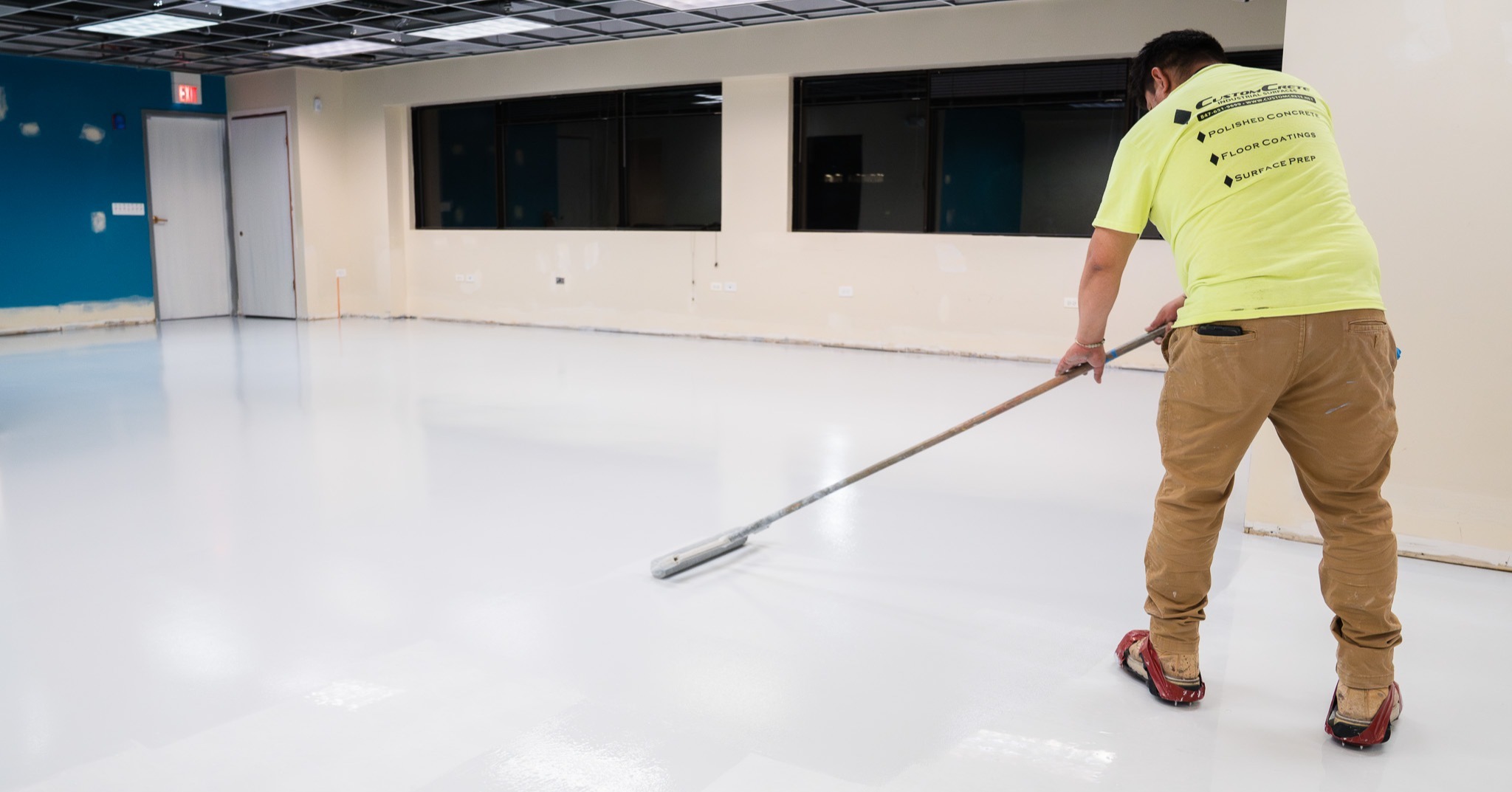
- Installing a moisture vapor barrier (MVB)
- Selecting a moisture-tolerant coating system like urethane cement or polished concrete
- Allowing additional drying time before installation
Addressing moisture upfront is far less expensive than repairing a failed floor later.
Can Moisture Problems Be Fixed After Coating Failure?
In some cases, damaged coatings can be removed and replaced with a moisture mitigation system. However, this usually involves additional surface preparation, downtime, and cost. Preventing moisture issues from the beginning is almost always the better approach.
Final Thoughts
Moisture issues can significantly affect concrete coatings by causing bubbling, peeling, and long-term adhesion problems. Because concrete is naturally porous, moisture testing and mitigation are critical steps in selecting the right flooring system.
To better understand one of the most common moisture solutions, read the next article: “Pros and Cons of a Moisture Vapor Barrier (MVB).” This guide explains how MVB systems work and when they may be necessary.
Topics: