
Concrete may look solid and dry on the surface, but it is actually porous. That means moisture can move through it from below. When that moisture builds up beneath a floor coating, it can cause bubbling, peeling, blistering, and complete system failure.
This is where a moisture vapor barrier becomes critical. Understanding when it is required—and when it is not—helps facility managers avoid costly flooring problems. Proper moisture testing before installation is not optional; it is one of the most important steps in protecting long-term performance.
This article explains how moisture moves through concrete, what test results indicate risk, and when installing a moisture vapor barrier is necessary.

How Moisture Moves Through Concrete
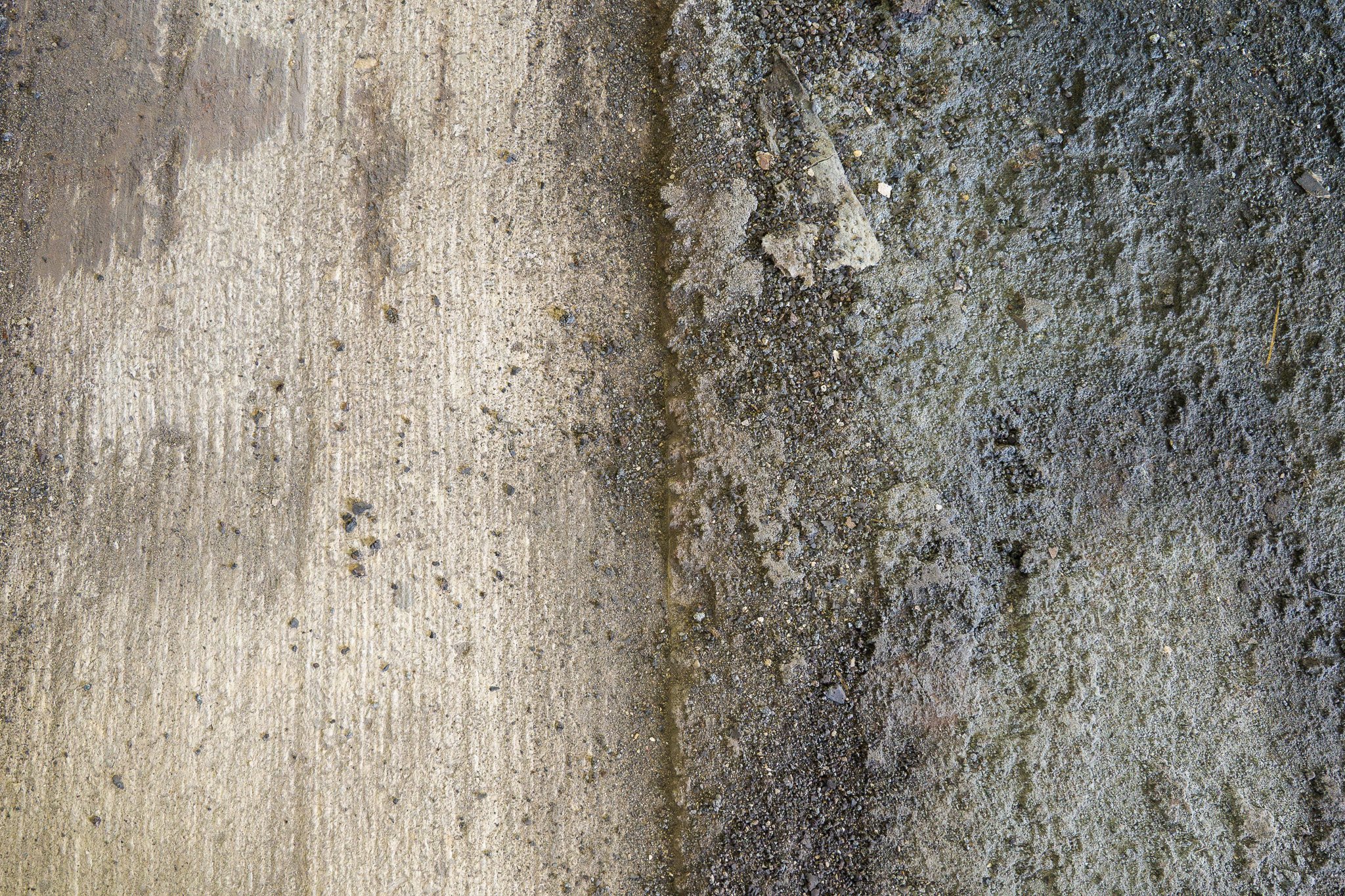
Concrete is not waterproof. Even after it cures, it continues to absorb and release moisture. Water vapor from the soil beneath a building can migrate upward through the slab due to vapor pressure differences.
This process is called moisture vapor transmission (MVT). It happens when:
- There is no vapor barrier beneath the original slab
- The existing under-slab barrier has deteriorated
- Groundwater levels fluctuate
- Seasonal humidity changes increase vapor pressure
When vapor pressure pushes upward and encounters a coating, it can create trapped moisture beneath the surface. Over time, that pressure leads to visible failures.
Why Moisture Testing Is Critical Before Coating
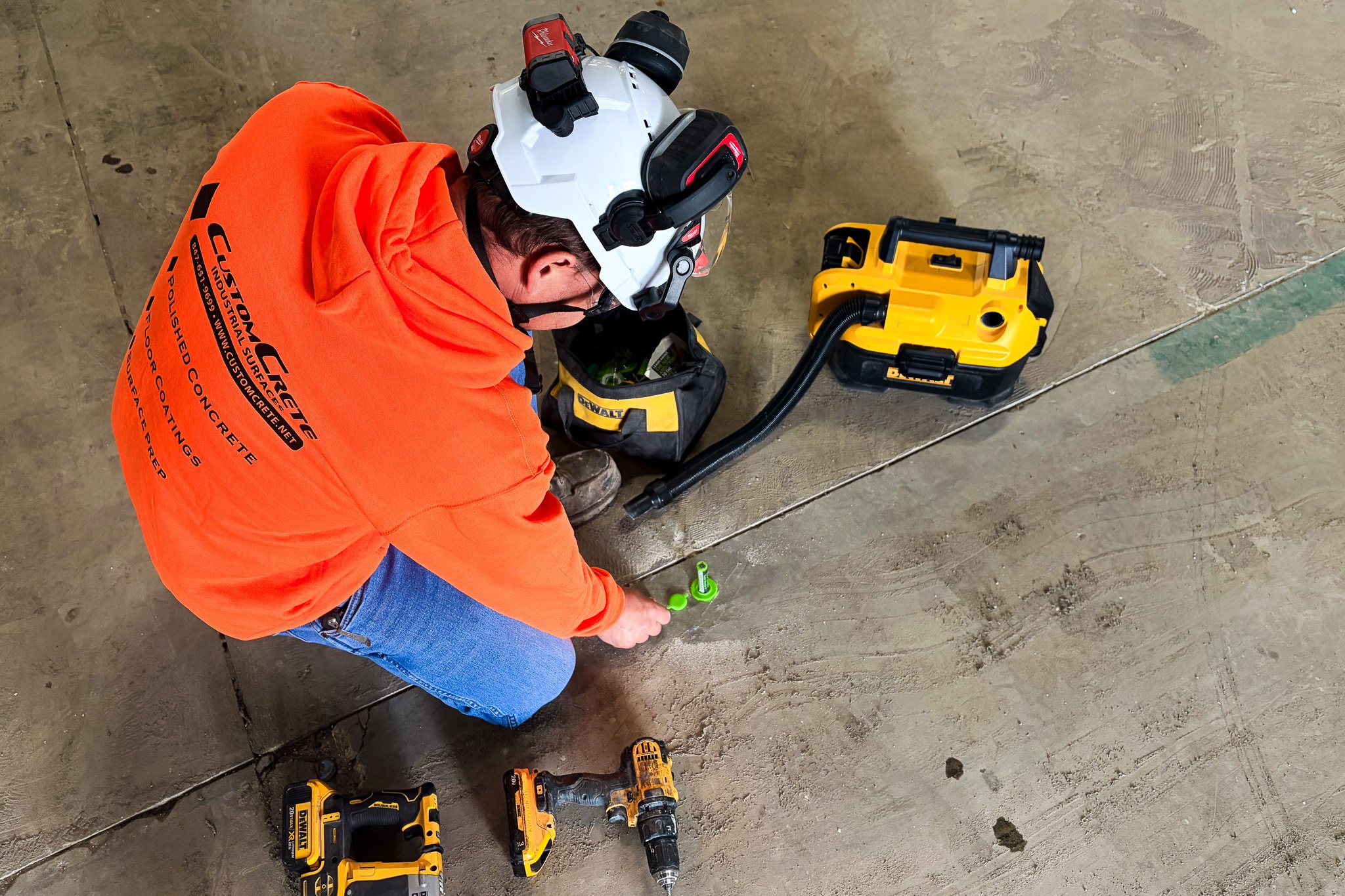
Before installing any floor coating, testing the slab for moisture levels is essential. Without testing, installers are guessing—and guessing often leads to failure.
Two common testing methods include:
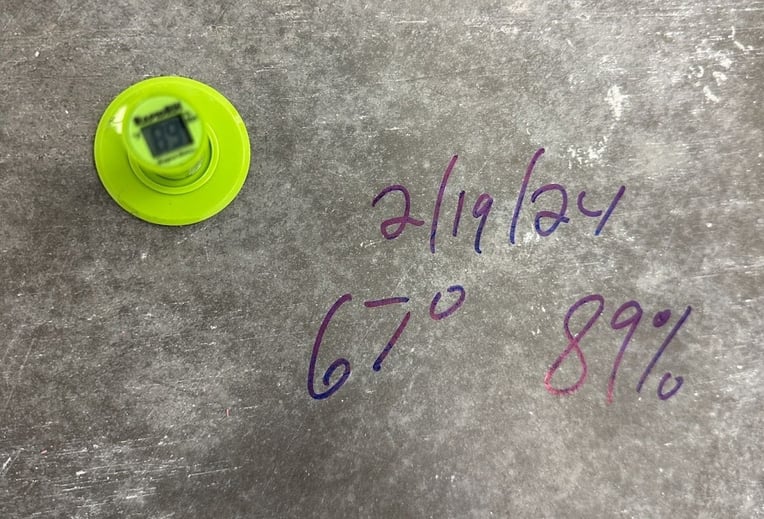
Relative Humidity (RH) Testing
This test measures internal moisture levels inside the slab using probes placed at a specific depth. It is one of the most accurate indicators of long-term vapor behavior.
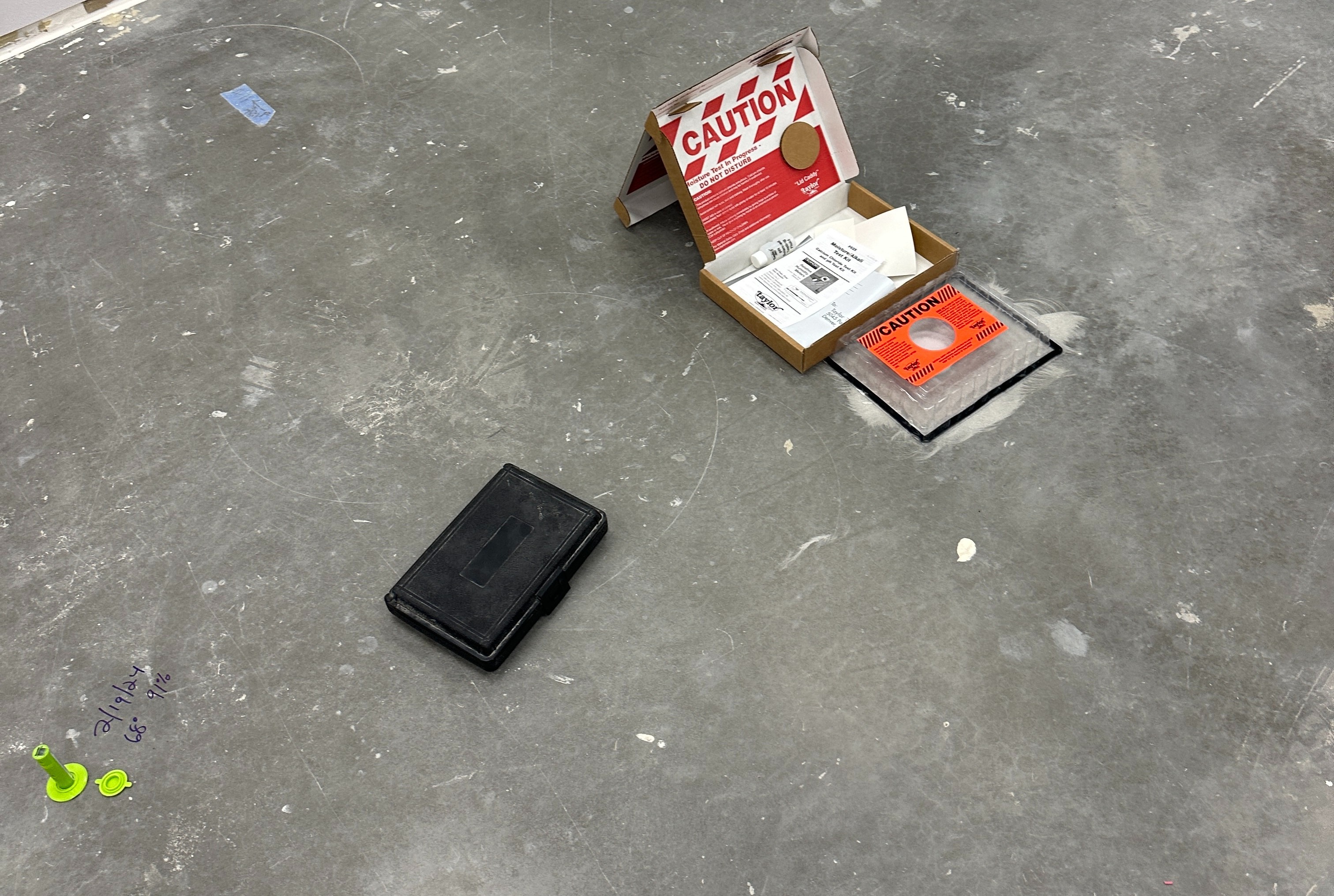
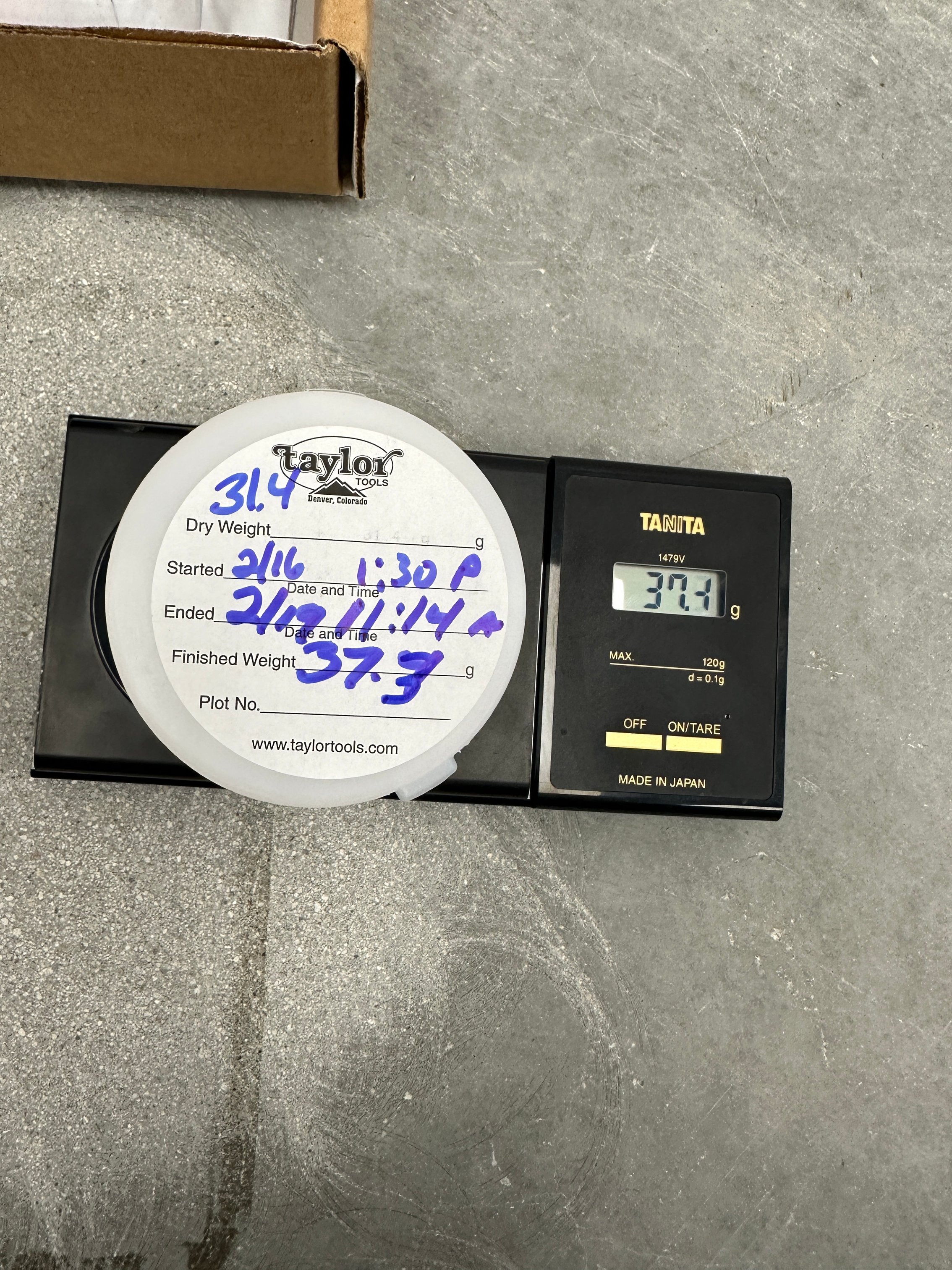
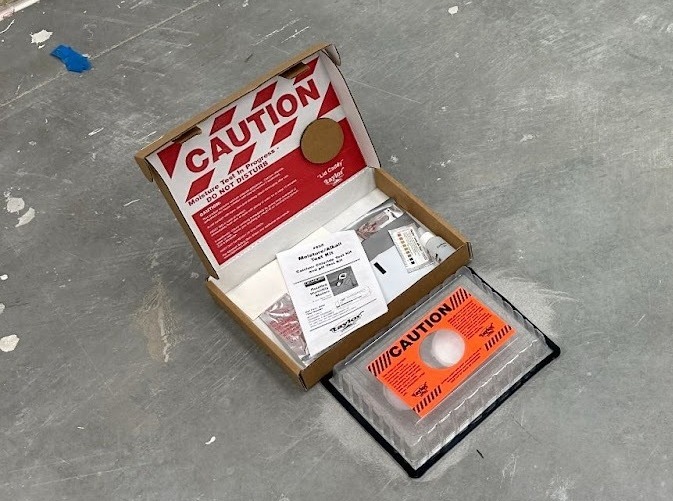
Calcium Chloride Testing
This test measures how much moisture is being emitted from the surface over a 24-hour period.
If results exceed manufacturer limits, installing a coating without a moisture vapor barrier is risky.
When Is a Moisture Vapor Barrier Required?
A moisture vapor barrier is typically required when test results show that vapor levels exceed safe thresholds for the selected coating system.
Situations That Often Require a Moisture Vapor Barrier:
- RH readings above manufacturer recommendations
- High moisture vapor emission rates
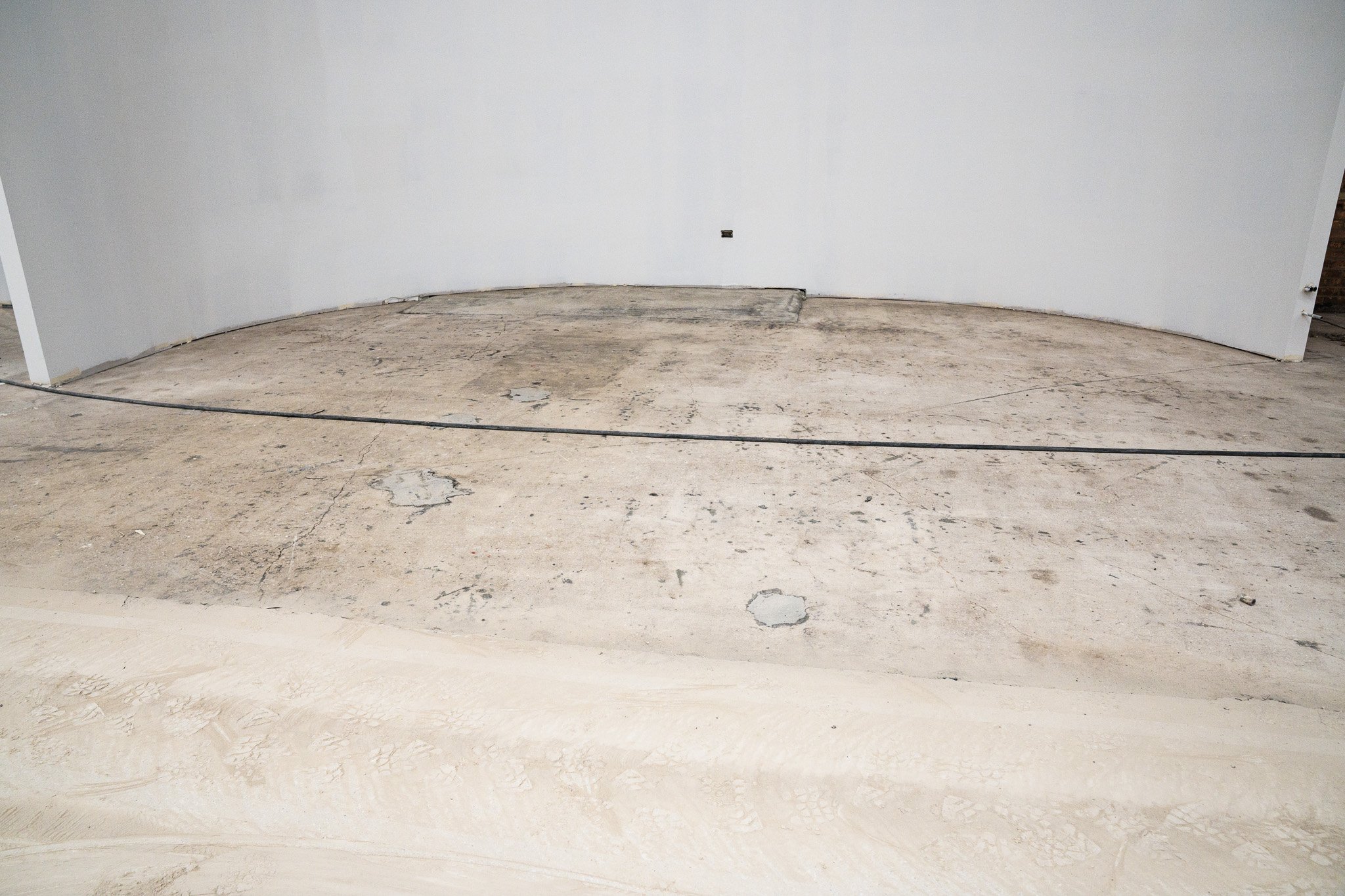
- Visible signs of dampness or previous coating failures
- Older buildings without documented under-slab vapor barriers
- Facilities near lakes, rivers, or areas with high groundwater
In these cases, installing a moisture vapor barrier beneath the coating helps control vapor movement and prevent pressure from breaking the bond between coating and concrete.
What Happens If You Skip the Moisture Vapor Barrier?
Ignoring moisture problems can lead to expensive consequences.
Common issues include:
- Blistering or bubbling coatings
- Peeling and delamination
- Cracking or lifting
- Soft spots in the coating
- Mold or odor development
- Premature system failure
Once moisture-related failures occur, repairs often require grinding off the entire coating system and reinstalling it correctly. This doubles labor costs and increases downtime.
Installing a moisture vapor barrier when needed is almost always more cost-effective than repairing a failed floor.
How a Moisture Vapor Barrier Works
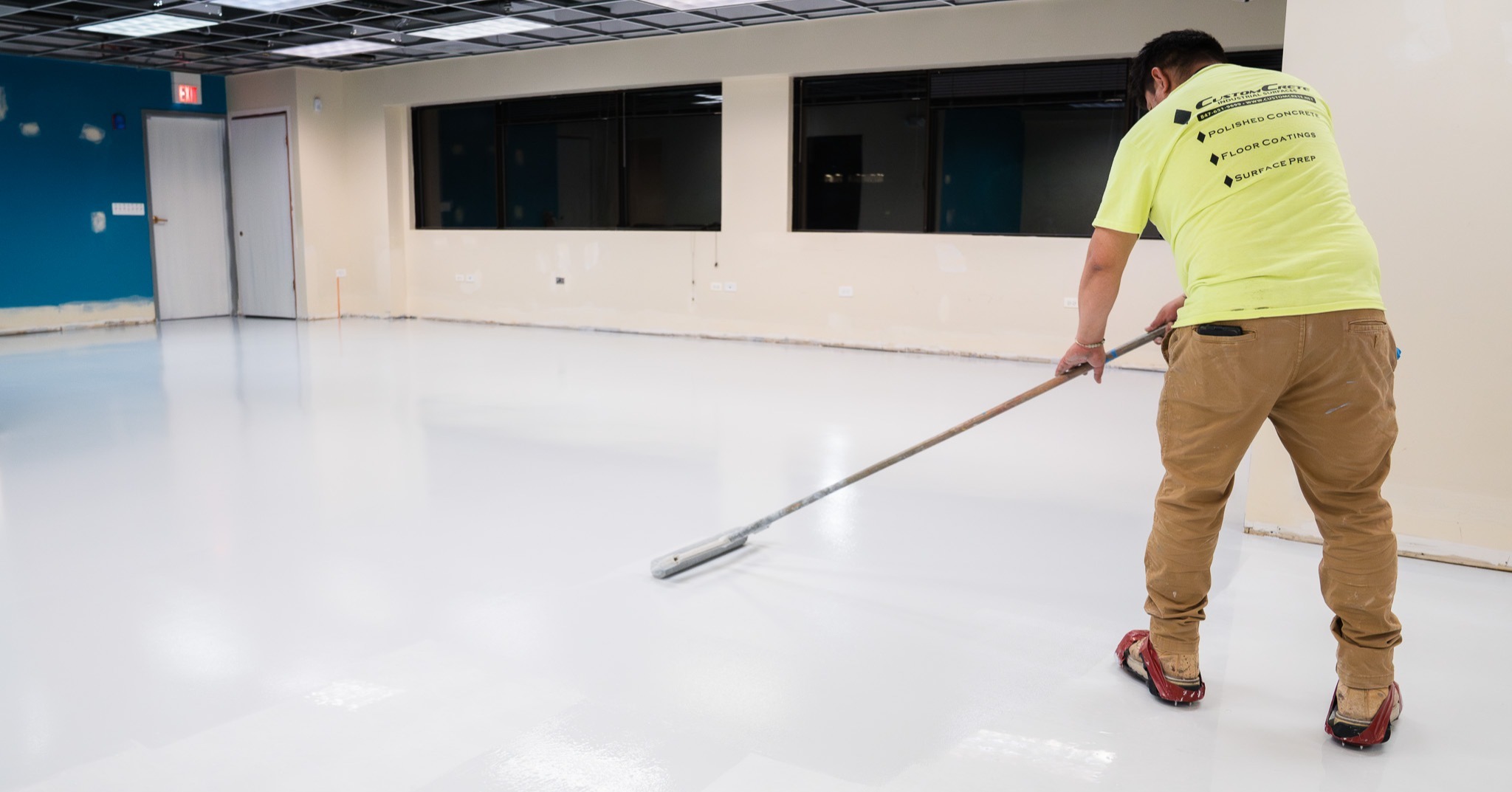
A moisture vapor barrier is a specially formulated epoxy or resin system designed to resist vapor transmission. It creates a protective layer between the concrete and the finish coating.
The process typically includes:
- Mechanical surface preparation
- Application of a moisture-mitigating epoxy primer
- Installation of the final coating system over the barrier
This barrier reduces vapor pressure and allows the finish coating to bond properly without being compromised by moisture.
Does Every Floor Need a Moisture Vapor Barrier?
Not always. If moisture testing shows levels within acceptable limits and the building has a functioning under-slab vapor barrier, additional mitigation may not be necessary.
However, skipping testing entirely is never recommended. Even new concrete can contain elevated moisture levels if it hasn’t fully cured.
The decision to install a moisture vapor barrier should always be based on verified test results—not assumptions.
Moisture Risk Is Higher in Certain Environments
Some facilities are more prone to moisture issues than others. These include:
- Warehouses with large slabs on grade
- Food and beverage facilities with frequent washdowns
- Manufacturing plants near water sources
- Older buildings constructed before vapor barriers were standard
- Facilities with fluctuating temperature conditions
In these environments, proactive testing and evaluation are especially important.
The Cost Perspective
Installing a moisture vapor barrier increases upfront project cost, but it protects the larger investment of the coating system. When compared to the cost of complete floor failure, downtime, and reinstallation, mitigation is often the smarter financial decision.
Moisture issues are one of the leading causes of coating failure. Addressing them upfront reduces long-term risk.
FAQ: Moisture Vapor Barriers Under Coatings
1. Can you see moisture problems before coating?
Not always. Many slabs appear dry on the surface while vapor pressure builds internally.
2. How long should concrete cure before coating?
While 28 days is standard curing time, moisture levels—not time alone—should determine readiness.
3. Can a moisture vapor barrier be added later?
Yes, but it typically requires removing the failed coating first.
Final Thoughts
Understanding when a moisture vapor barrier is required is essential for protecting any floor coating investment. Moisture moves through concrete naturally, and without proper testing and mitigation, it can cause costly failures.
The safest approach is always to test first, evaluate risk, and install a moisture vapor barrier when readings exceed acceptable limits.
To learn more about how moisture affects coating performance, read the next article: “CustomCrete FAQ: How Do Moisture Issues Affect Concrete Coatings?”
Topics: