
Moisture is one of the most common—and most misunderstood—causes of concrete flooring failures. Before installing epoxy, urethane cement, or other concrete coatings, many facility managers are told that moisture testing is required. Naturally, the next question is how long moisture testing actually takes and whether it will delay a project.
At CustomCrete, this is a frequent question from warehouses, manufacturing plants, food and beverage facilities, and commercial spaces planning new flooring systems.

How Long Does Concrete Moisture Testing Take?
The timeline for moisture testing depends on the testing method used.
In most cases, moisture testing takes between 24 and 72 hours, but some methods require longer observation periods.
Moisture testing is not a single process. Different tests measure moisture in different ways, which affects both accuracy and timing.
Common Types of Moisture Testing and Timelines
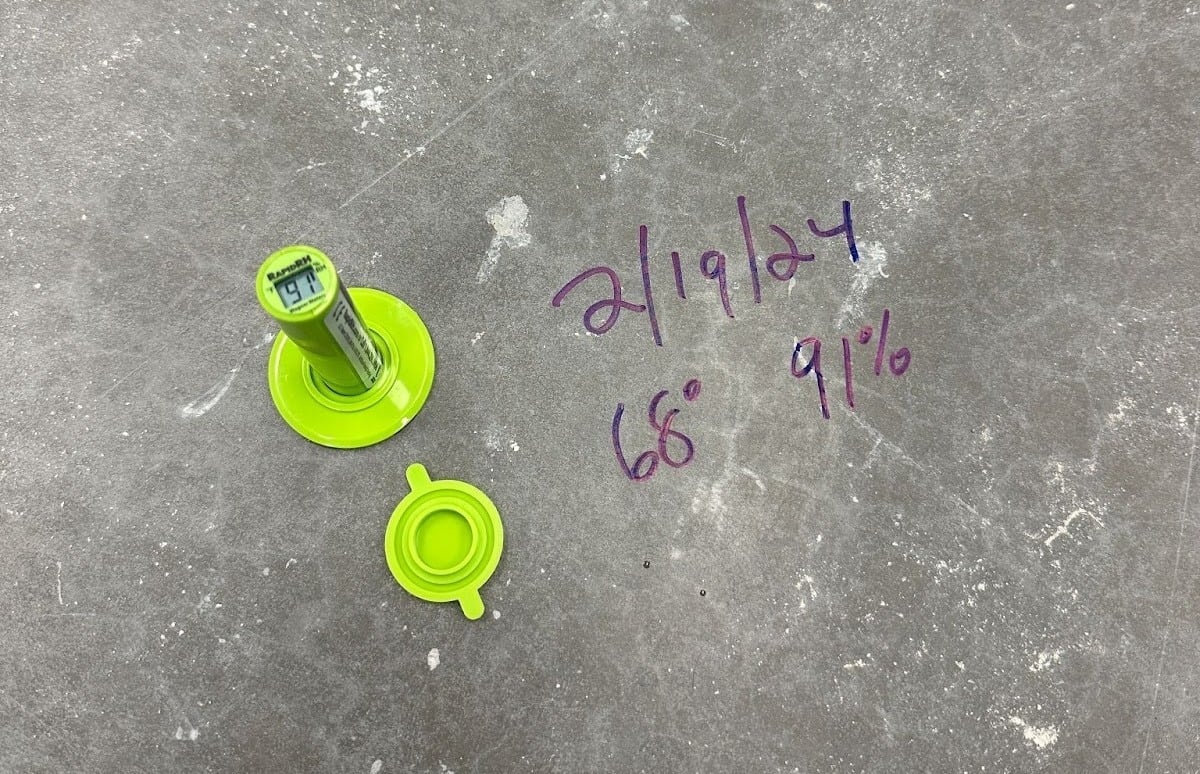
Relative Humidity (RH) Testing
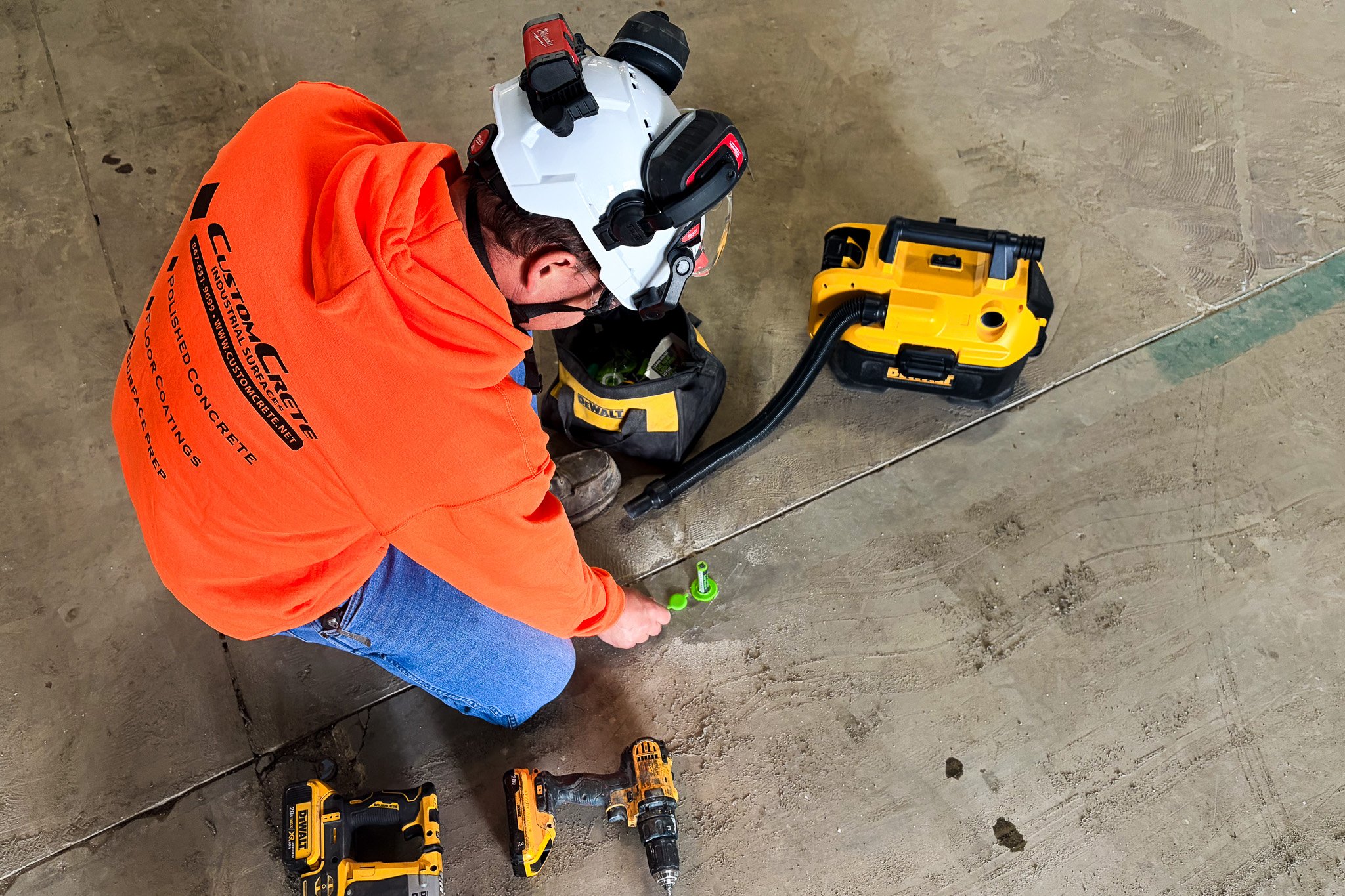
RH testing measures moisture vapor inside the concrete slab using in-situ probes. This method is widely accepted for industrial flooring projects.
- Typical duration: 24–72 hours
- Why it’s used: Measures internal slab moisture, not just surface conditions
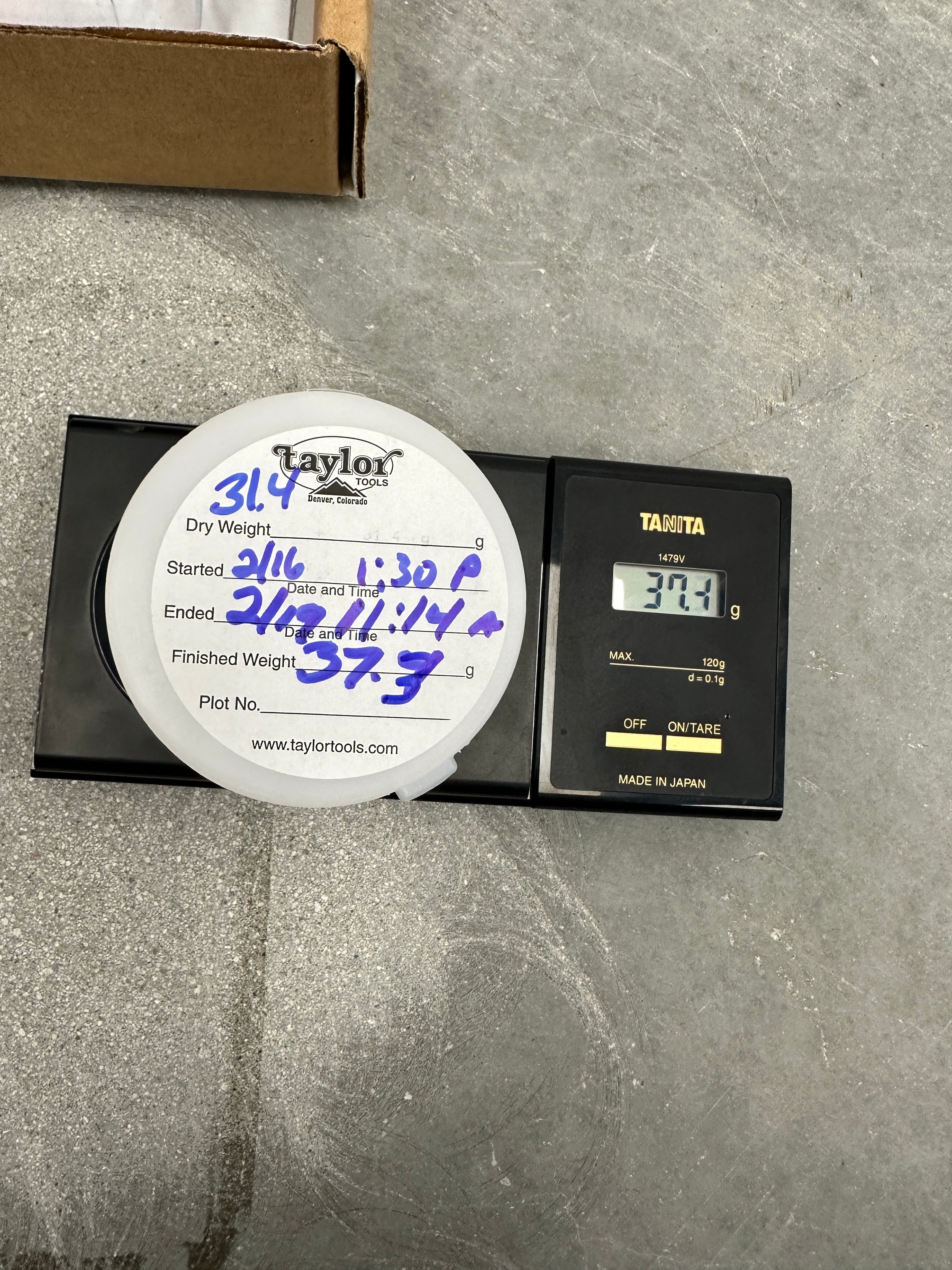
Calcium Chloride Testing
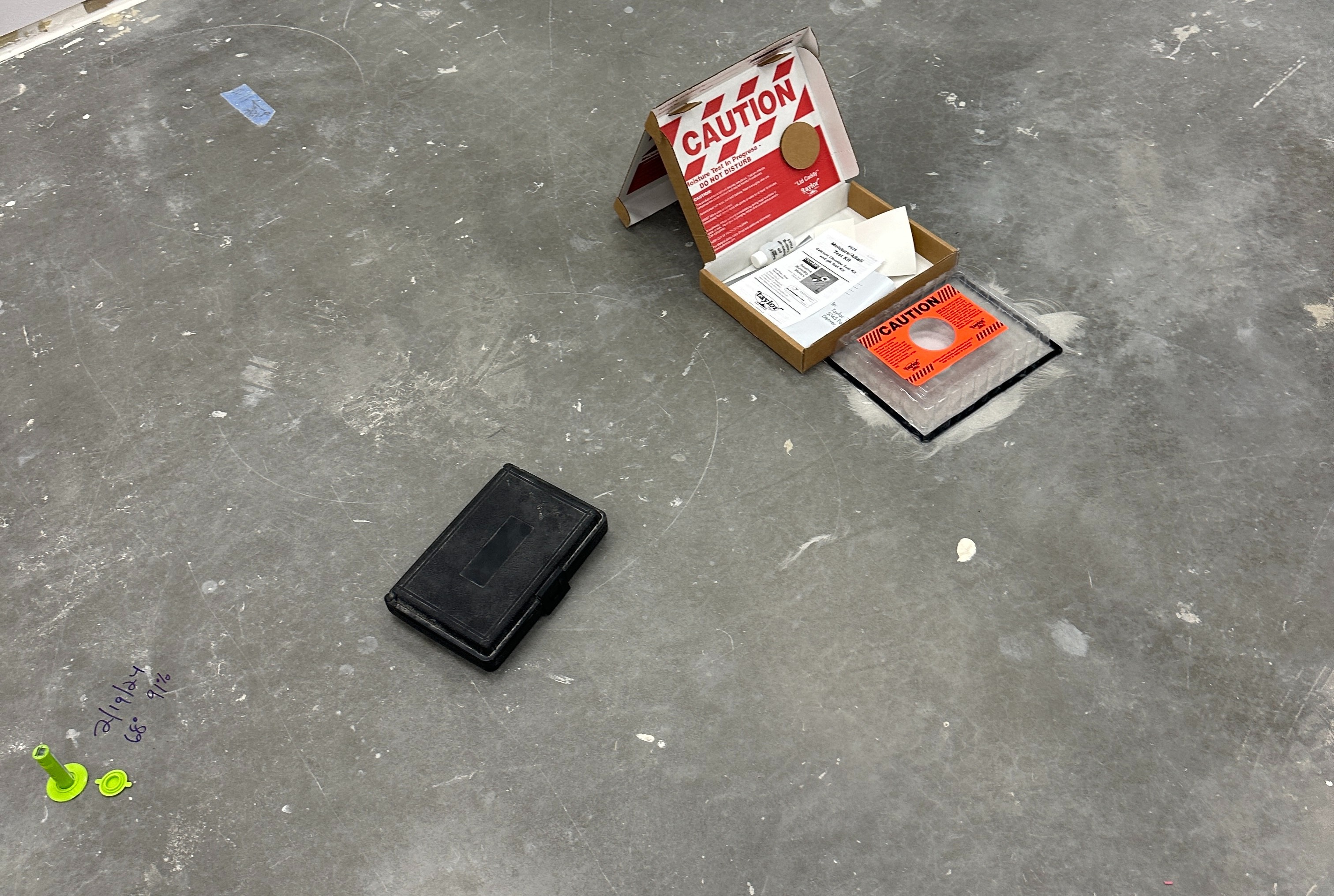
This test measures the rate of moisture vapor emission from the surface of the slab.
- Typical duration: 60–72 hours
- Why it’s used: Provides surface emission data, though it does not measure internal moisture
Surface Moisture Scanning
Electronic moisture meters can be used for quick, preliminary readings.
- Typical duration: Same-day results
- Why it’s used: Screening tool, not a replacement for formal testing
These methods are often used together to build a clearer picture of slab conditions.
Why Moisture Testing Can’t Be Rushed
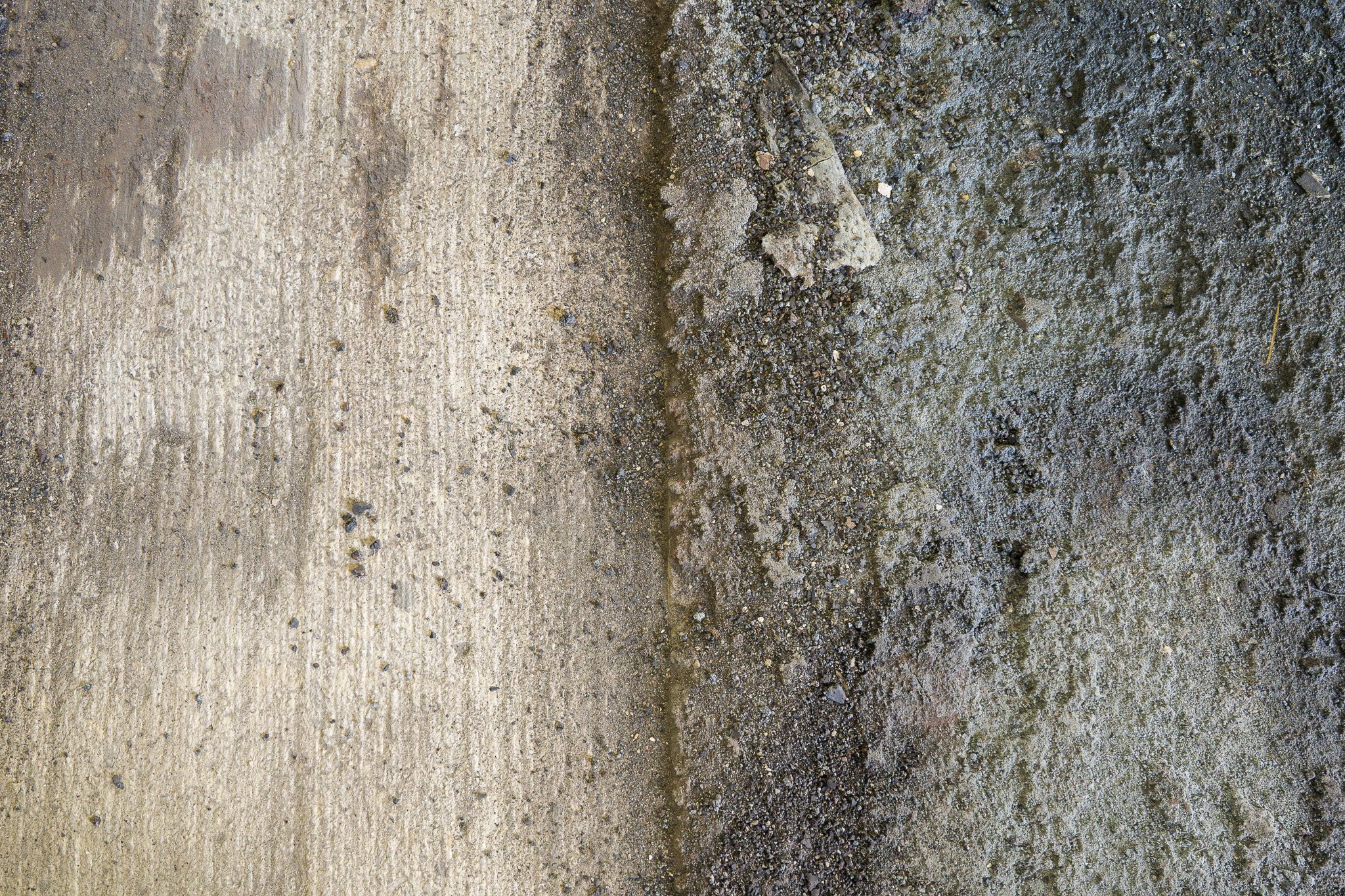
Concrete constantly releases moisture vapor, even years after it’s poured. If coatings are installed without understanding moisture levels, problems like bubbling, peeling, or delamination can occur later.
Allowing moisture testing to run its full course helps ensure results are reliable. Rushing or skipping testing can lead to costly flooring failures that take far longer to fix than the testing itself.
Does Moisture Testing Delay Installation?
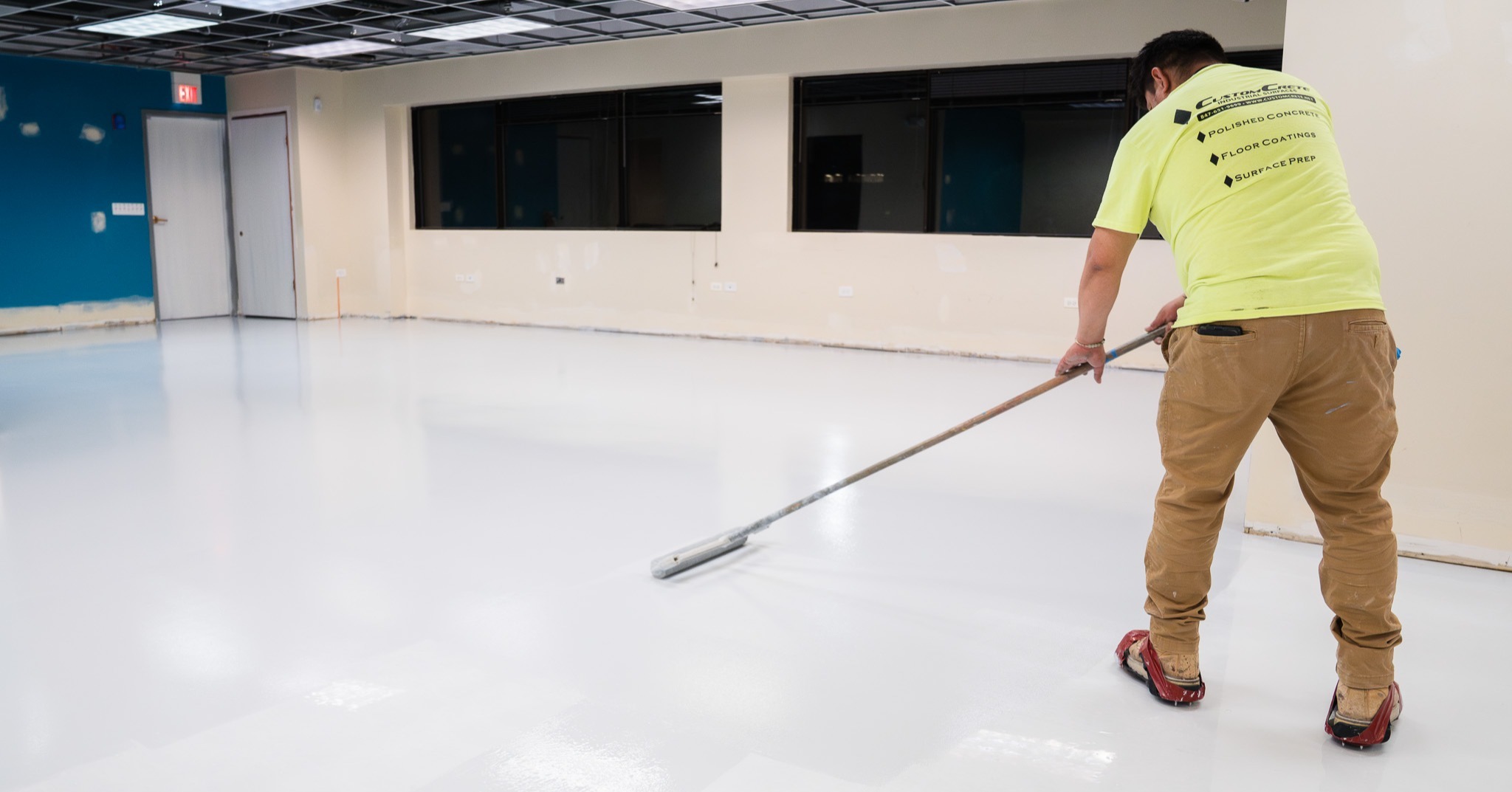
Moisture testing does add time to the project schedule, but it often prevents much larger delays later. Identifying moisture issues early allows teams to adjust the flooring system, include moisture mitigation if needed, or plan installation more effectively.
In many cases, testing can be scheduled alongside other planning steps to minimize overall downtime.
When Is Moisture Testing Required?
Moisture testing is commonly required when:
- Installing epoxy or resinous coatings
- Applying urethane cement systems
- Working on slabs with a history of moisture issues
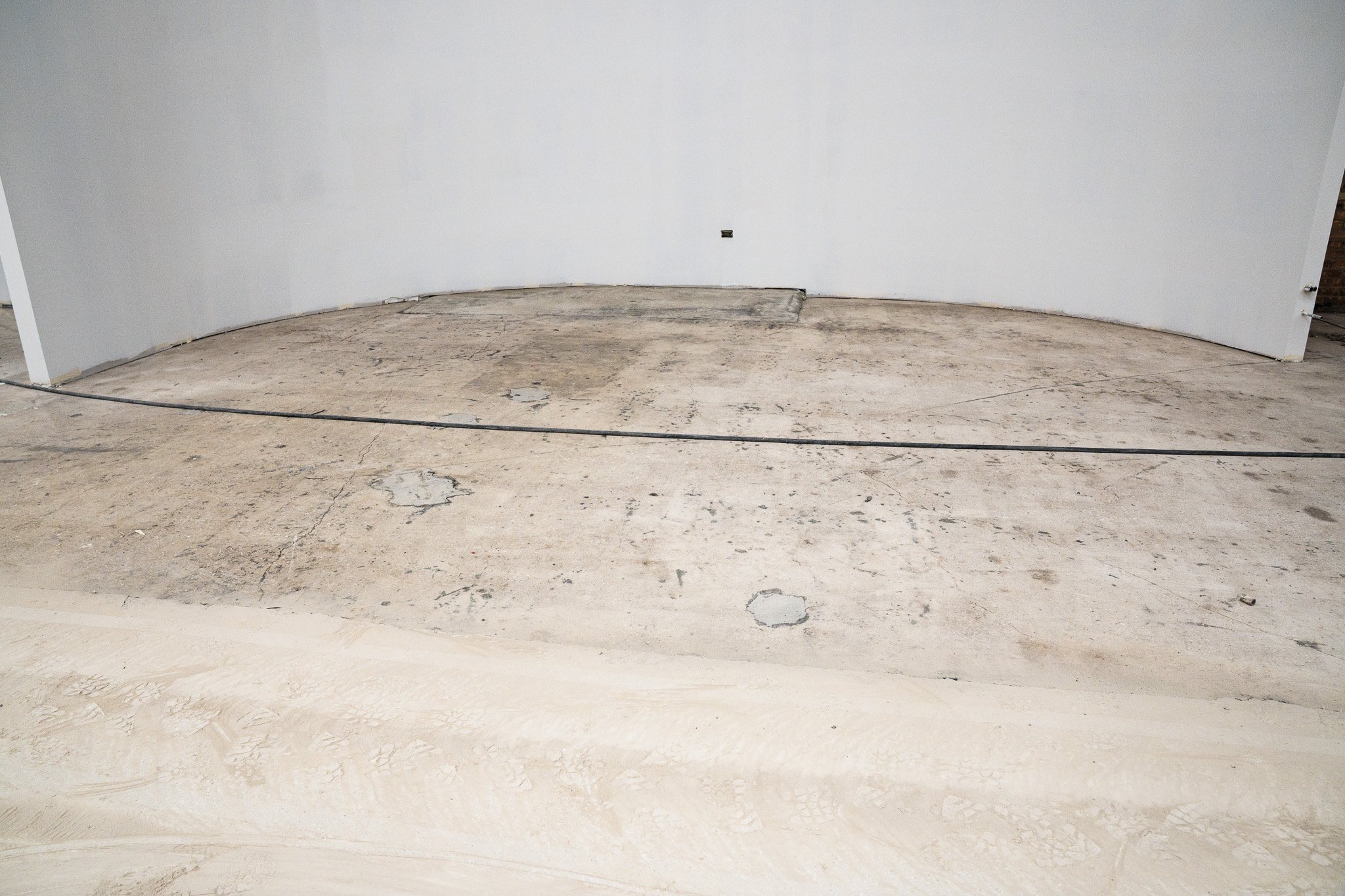
- Coating older concrete with unknown conditions
- Flooring manufacturer warranties require it
- Levelers
Each project is different, which is why testing recommendations vary.
Final Thoughts
Moisture testing typically takes between one and three days, depending on the method used. While it adds time upfront, it plays a critical role in protecting the long-term performance of concrete coatings. Understanding moisture conditions before installation helps avoid failures, unexpected costs, and future downtime.
To learn more about moisture testing, mitigation, and flooring preparation, visit CustomCrete’s Learning Center. If you’re planning a flooring project and want to understand how moisture testing fits into your timeline, you can also request a quote to explore next steps.
Topics: