
Key Takeaways
- Concrete moisture testing helps identify moisture issues before flooring is installed.
- Moisture testing is commonly required before coatings, adhesives, self-levelers, and many finished flooring systems.
- Discovering moisture problems before installation is significantly less expensive than repairing a failed floor later.
Moisture is one of the most common causes of flooring failures, yet it is often invisible until problems begin to appear. Bubbling coatings, peeling epoxy, adhesive failures, and discoloration can all be signs that excessive moisture is moving through the concrete slab.
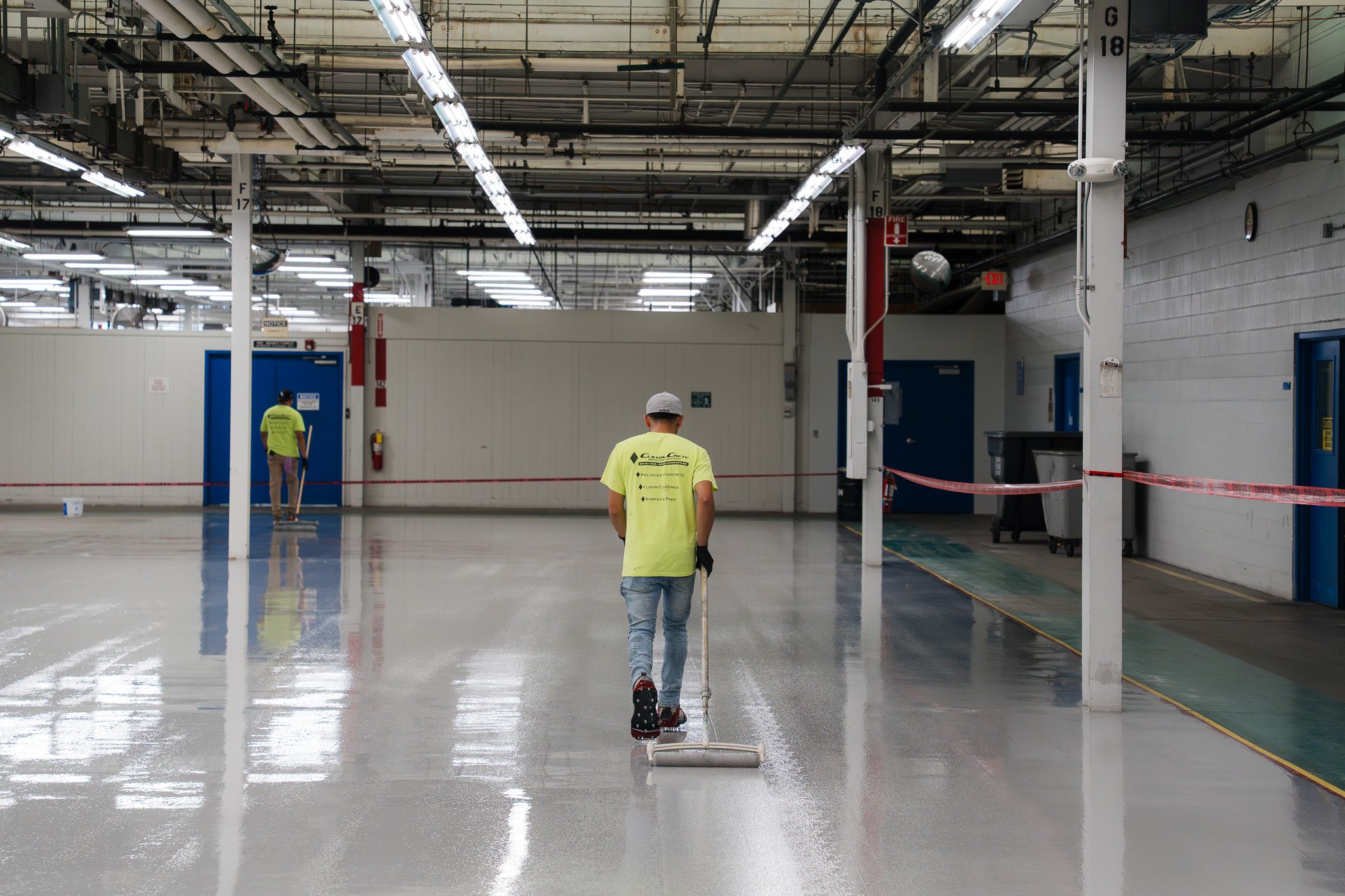
This is why concrete moisture testing is such an important part of many flooring projects. Before installing epoxy coatings, polished concrete, self-leveling underlayments, tile, vinyl, or other flooring systems, it is critical to understand how much moisture is present within the concrete.
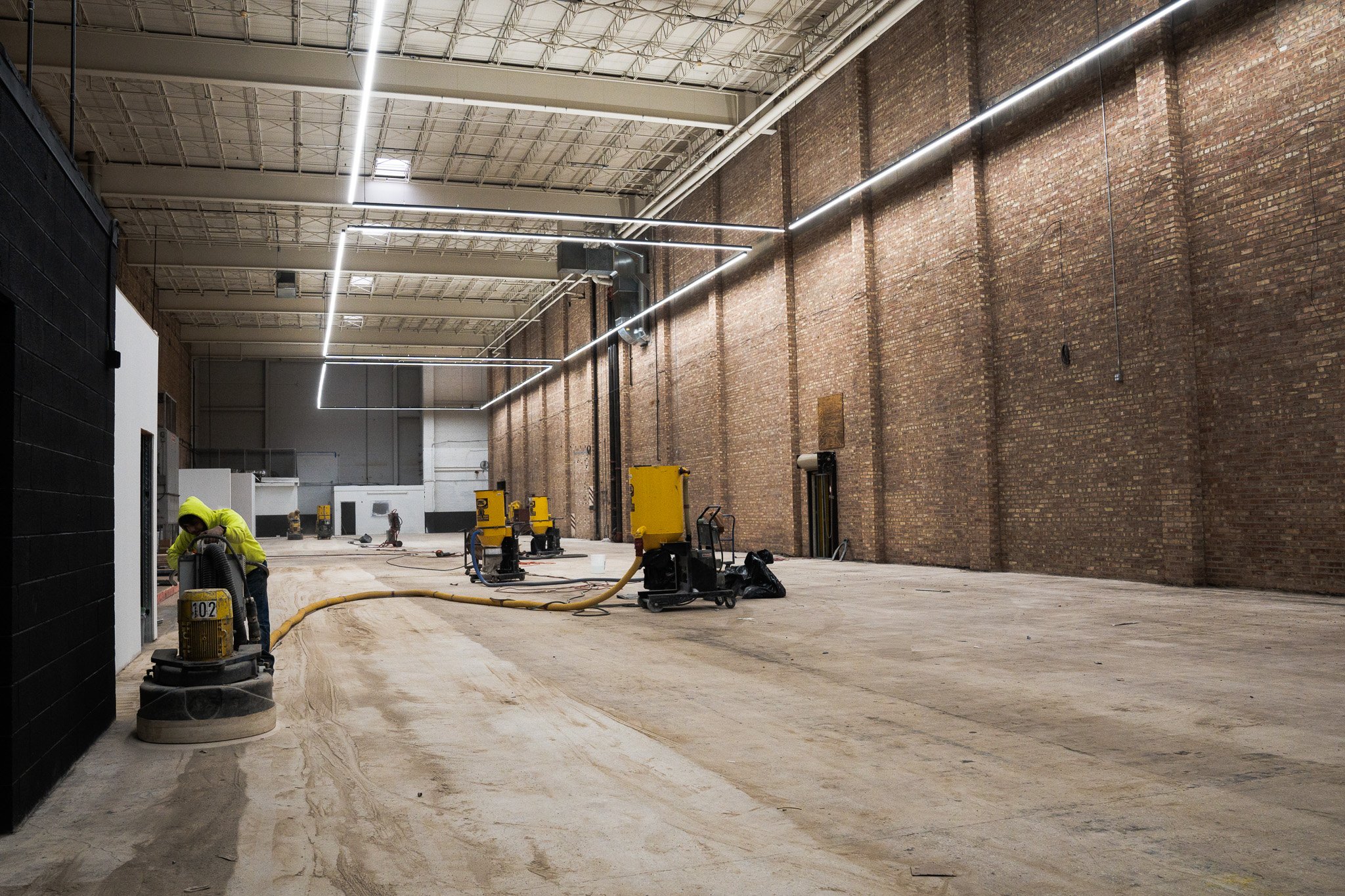
With nearly 20 years of experience and over 1 million square feet installed, CustomCrete has seen firsthand how proper moisture testing helps prevent costly flooring failures and unexpected project delays. This guide explains when concrete moisture testing is required, why it matters, and what can happen if it is skipped.

What Is Concrete Moisture Testing?
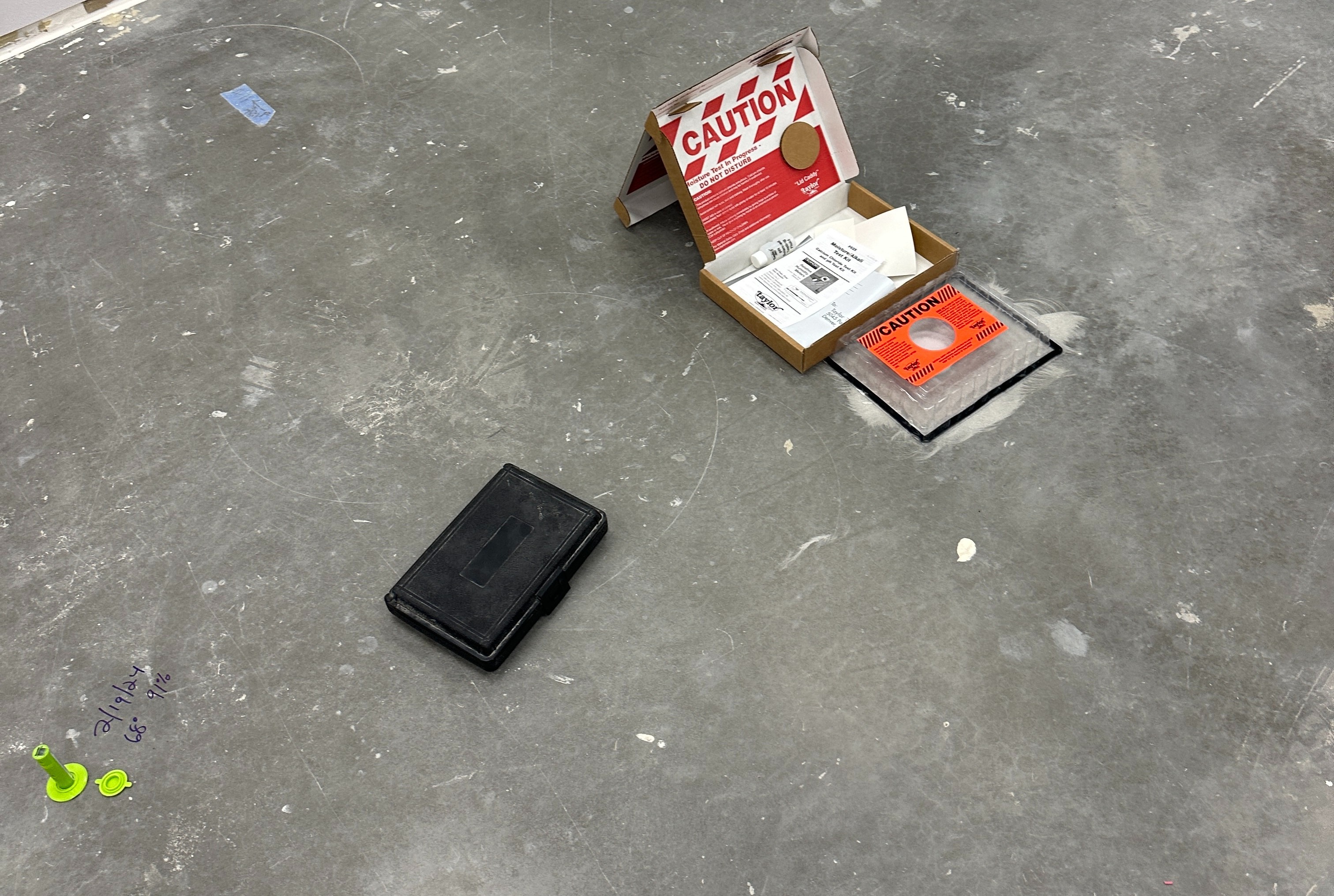
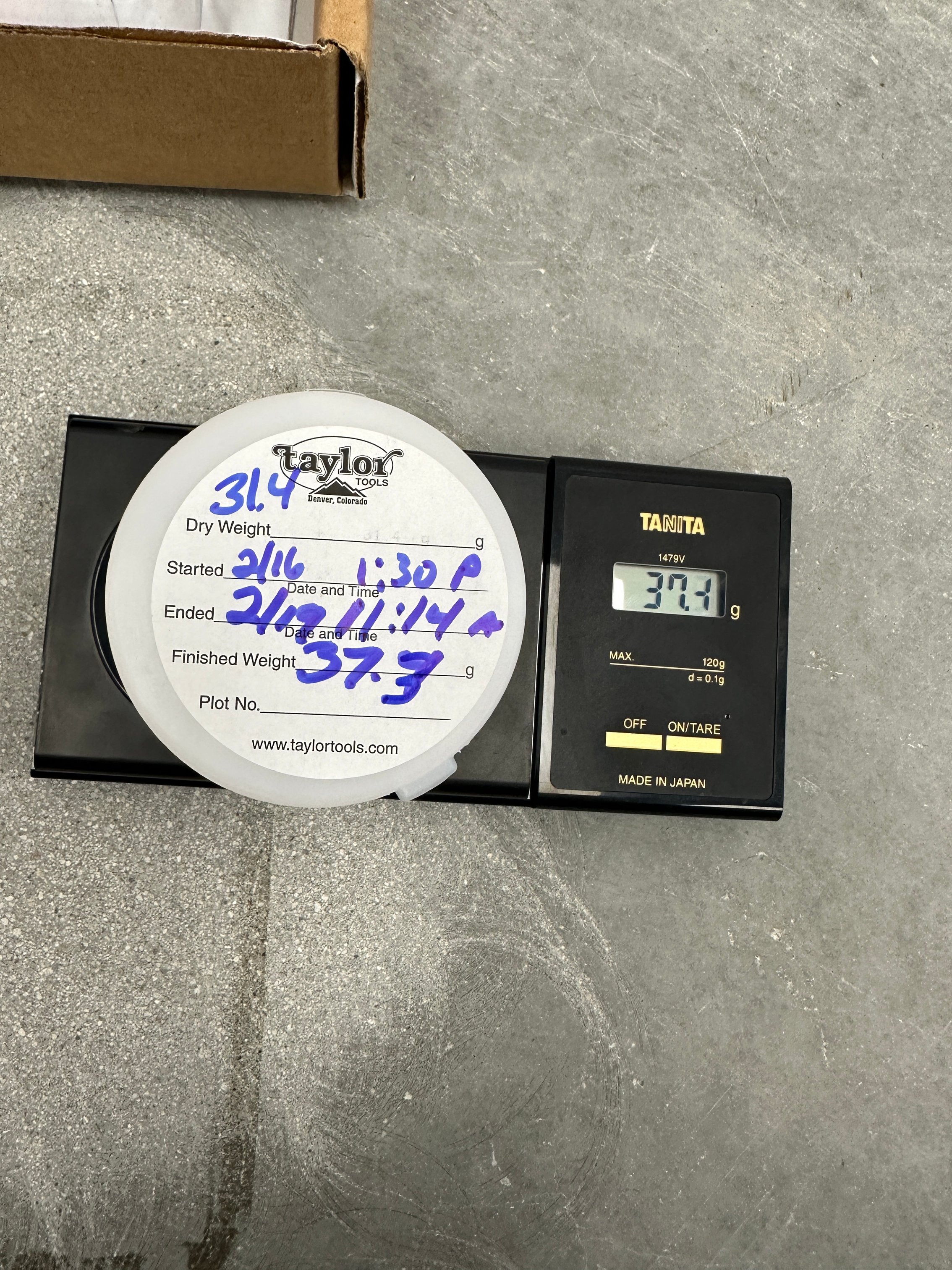
Concrete moisture testing is the process of measuring moisture levels within a concrete slab before installing a flooring system.
The goal is to determine whether excessive moisture could affect:
- Coating adhesion
- Flooring adhesives
- Self-leveling products
- Flooring performance
- Long-term durability
Because concrete can hold moisture for long periods of time, a slab may appear completely dry on the surface while still containing excessive internal moisture.
Testing helps reveal what cannot be seen with the naked eye.
Why Moisture Matters
Concrete is porous by nature. Moisture can move through the slab from below, from within the concrete itself, or from environmental conditions.
When moisture levels are too high, problems can include:
- Bubbling coatings
- Delamination
- Peeling epoxy
- Adhesive failure
- Mold and mildew concerns
- Flooring discoloration
Many flooring manufacturers require concrete moisture testing before installation because excessive moisture can compromise system performance.
When Is Concrete Moisture Testing Required?
While every project is different, moisture testing is commonly required whenever a flooring system depends on proper adhesion or moisture-sensitive materials.
Before Installing Epoxy Flooring
Epoxy flooring systems create a strong bond with the concrete surface. However, excessive moisture vapor can create pressure beneath the coating and eventually cause failure.
This can result in:
- Blistering
- Bubbling
- Delamination
- Peeling
Because of these risks, concrete moisture testing is often considered a standard part of epoxy flooring projects.
Before Installing Self-Leveling Underlayments
Many self-leveling products require moisture evaluation before installation.
If excessive moisture exists within the slab, it can affect:
- Bond strength
- Cure performance
- Long-term stability
Testing helps determine whether moisture mitigation measures may be required before applying a self-leveler.
On New Concrete Slabs
New concrete is one of the most common situations where concrete moisture testing is required.
Many people assume a slab is ready once it appears dry, but concrete continues releasing moisture long after placement.
Factors affecting drying include:
- Slab thickness
- Environmental conditions
- Airflow
- Humidity
- Mix design
Testing helps verify readiness rather than relying on assumptions.
Common Moisture Testing Methods
Several methods are commonly used to evaluate moisture conditions.
Relative Humidity (RH) Testing
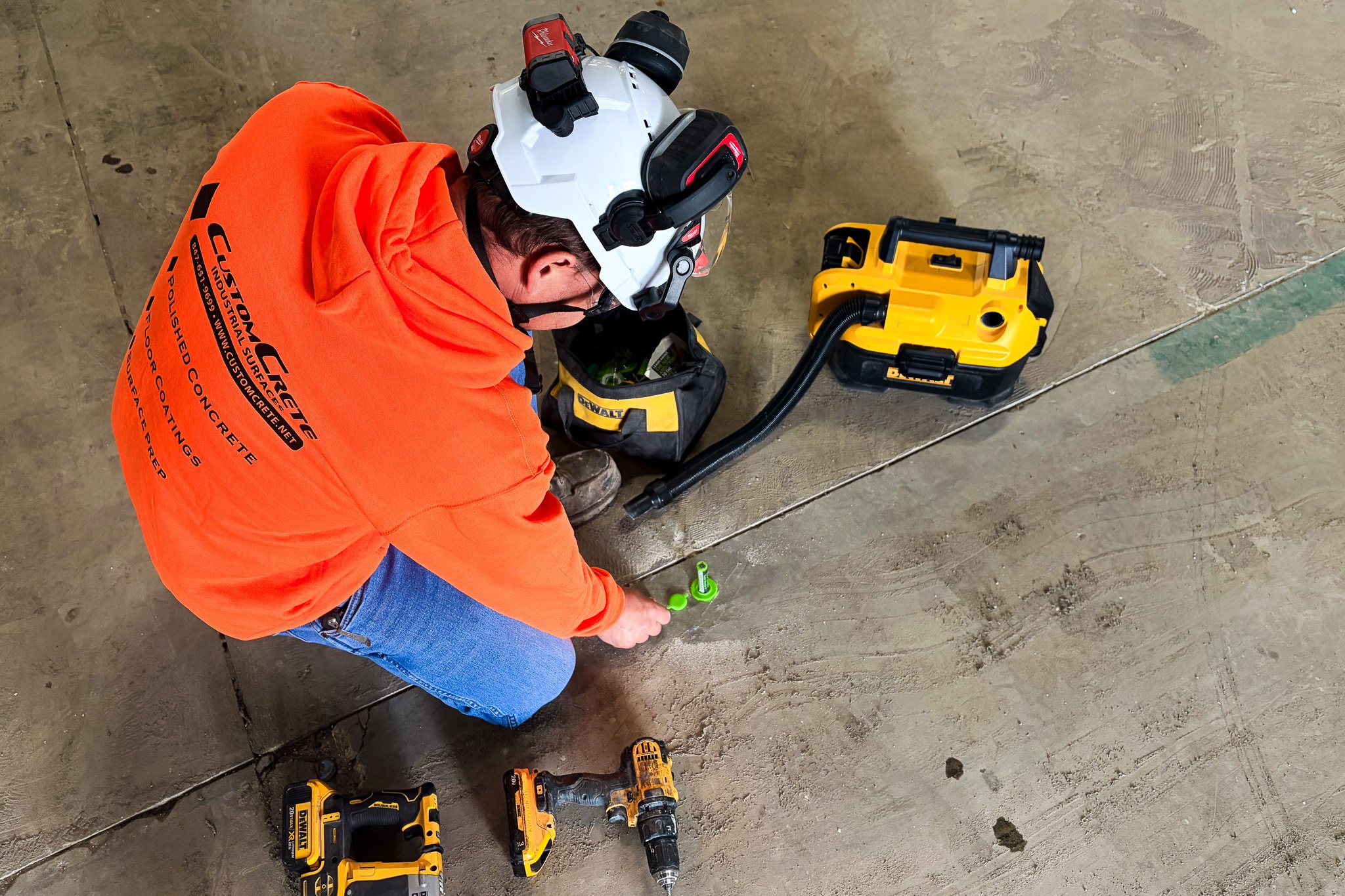
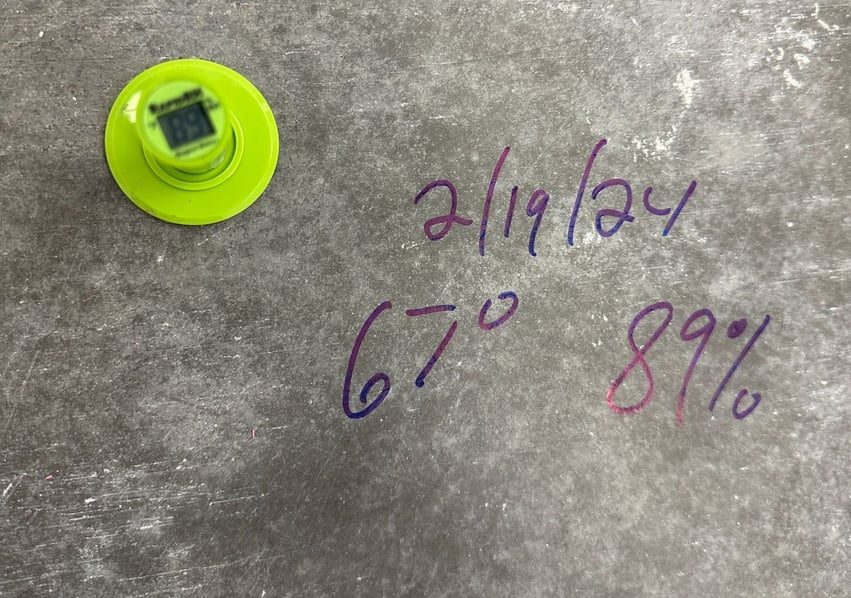
Relative humidity testing measures internal moisture conditions within the slab.
This method is widely used because it provides a more complete picture of long-term moisture behavior.
Many flooring manufacturers reference RH testing standards when determining installation requirements.
Calcium Chloride Testing
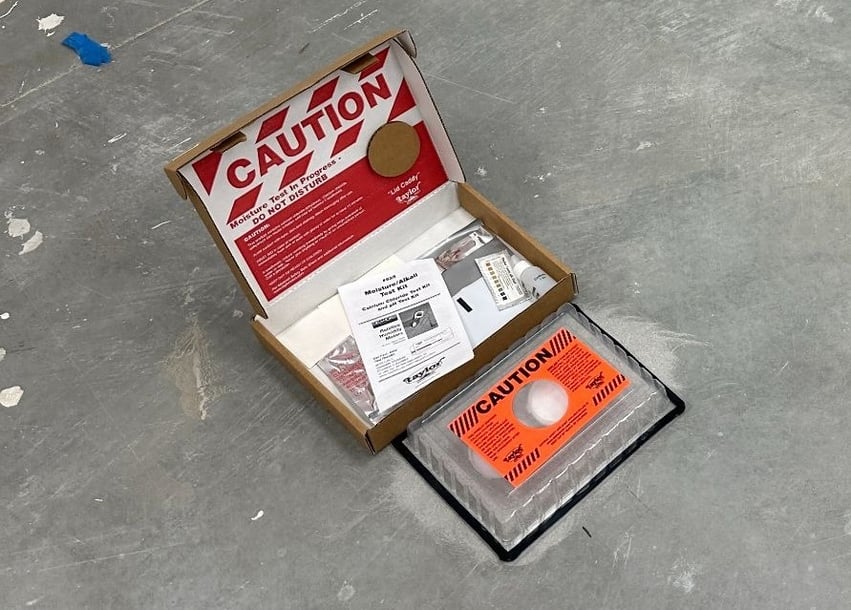
Calcium chloride testing measures the amount of moisture vapor emitted from the concrete surface over a specified period.
While still used in some applications, it evaluates surface emissions rather than internal slab conditions.
Surface Moisture Meters
Moisture meters provide quick readings and are often used as screening tools.
While useful for identifying potential concerns, they are generally not considered a substitute for more comprehensive testing methods.
What Happens If Moisture Testing Is Skipped?
Skipping concrete moisture testing can create significant risks.
A flooring system may initially appear successful, only to experience problems months later.
Common consequences include:
- Coating failure
- Adhesive failure
- Flooring replacement
- Production downtime
- Increased repair costs
Because moisture issues often originate below the surface, they may not become visible until substantial damage has already occurred.
Is Moisture Testing Always Necessary?
Not every flooring project requires formal moisture testing, but many do.
Factors that often justify testing include:
- New concrete
- Moisture-sensitive flooring systems
- Unknown slab history
- Previous moisture issues
- High-value flooring installations
When the cost of failure is high, moisture testing is usually a worthwhile investment.
Why Testing Is Cheaper Than Failure
Many facility managers view moisture testing as an additional project cost.
In reality, testing is often one of the least expensive parts of a flooring installation compared to the cost of:
- Floor replacement
- Downtime
- Material loss
- Labor expenses
- Operational disruptions
Identifying moisture concerns early allows corrective action to be taken before the flooring system is installed.
Final Thoughts
Concrete moisture testing is a critical step in many commercial and industrial flooring projects. Whether you're installing epoxy coatings, self-leveling underlayments, resilient flooring, or other systems, understanding the moisture conditions within the slab helps reduce the risk of costly failures later.
By identifying moisture concerns before installation begins, facility owners can make informed decisions about moisture mitigation, flooring selection, and project planning.
To learn what happens when moisture levels exceed acceptable limits, read the next article: CustomCrete FAQ: What Happens If Moisture Levels Are Too High?

Topics: