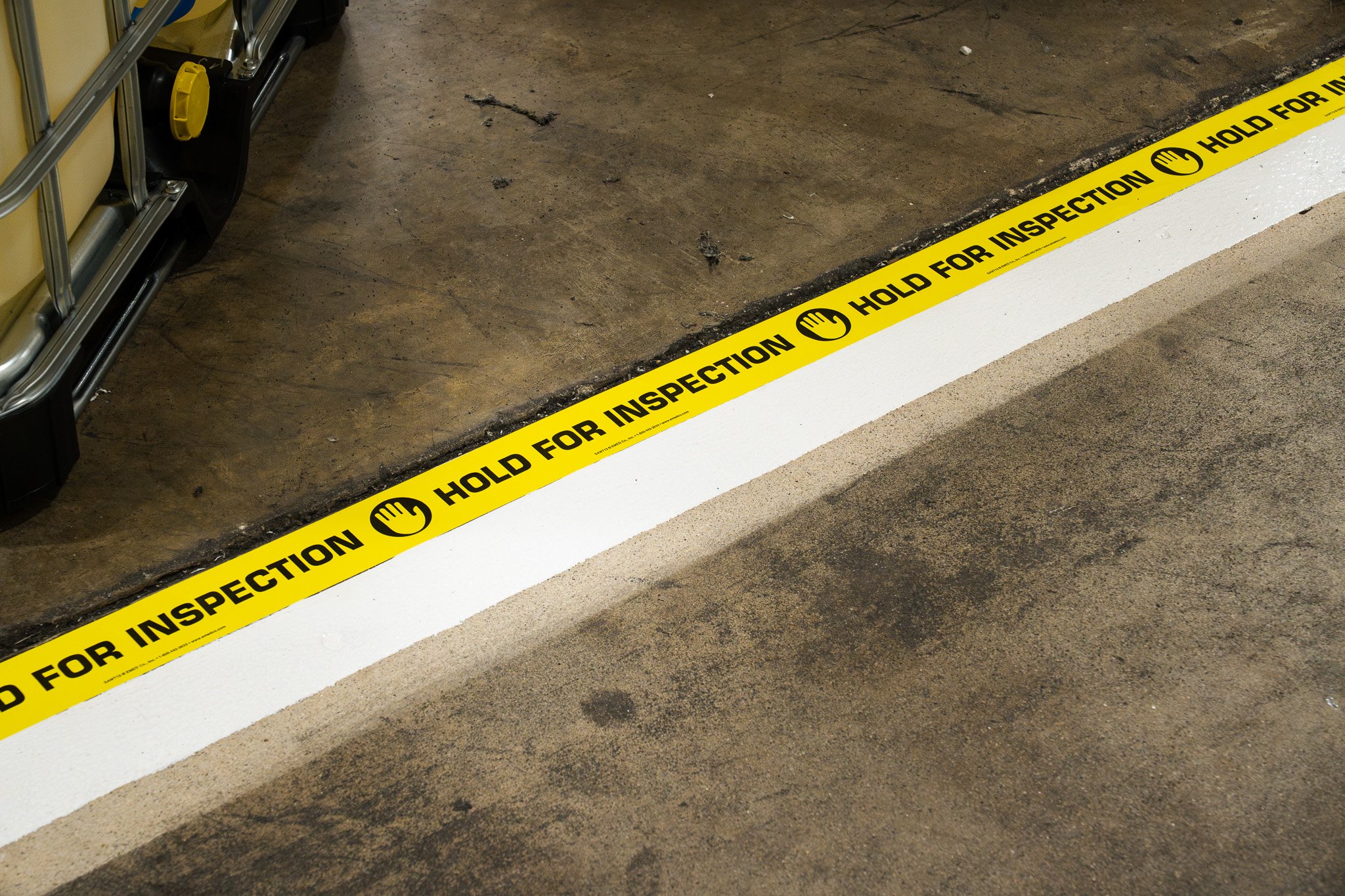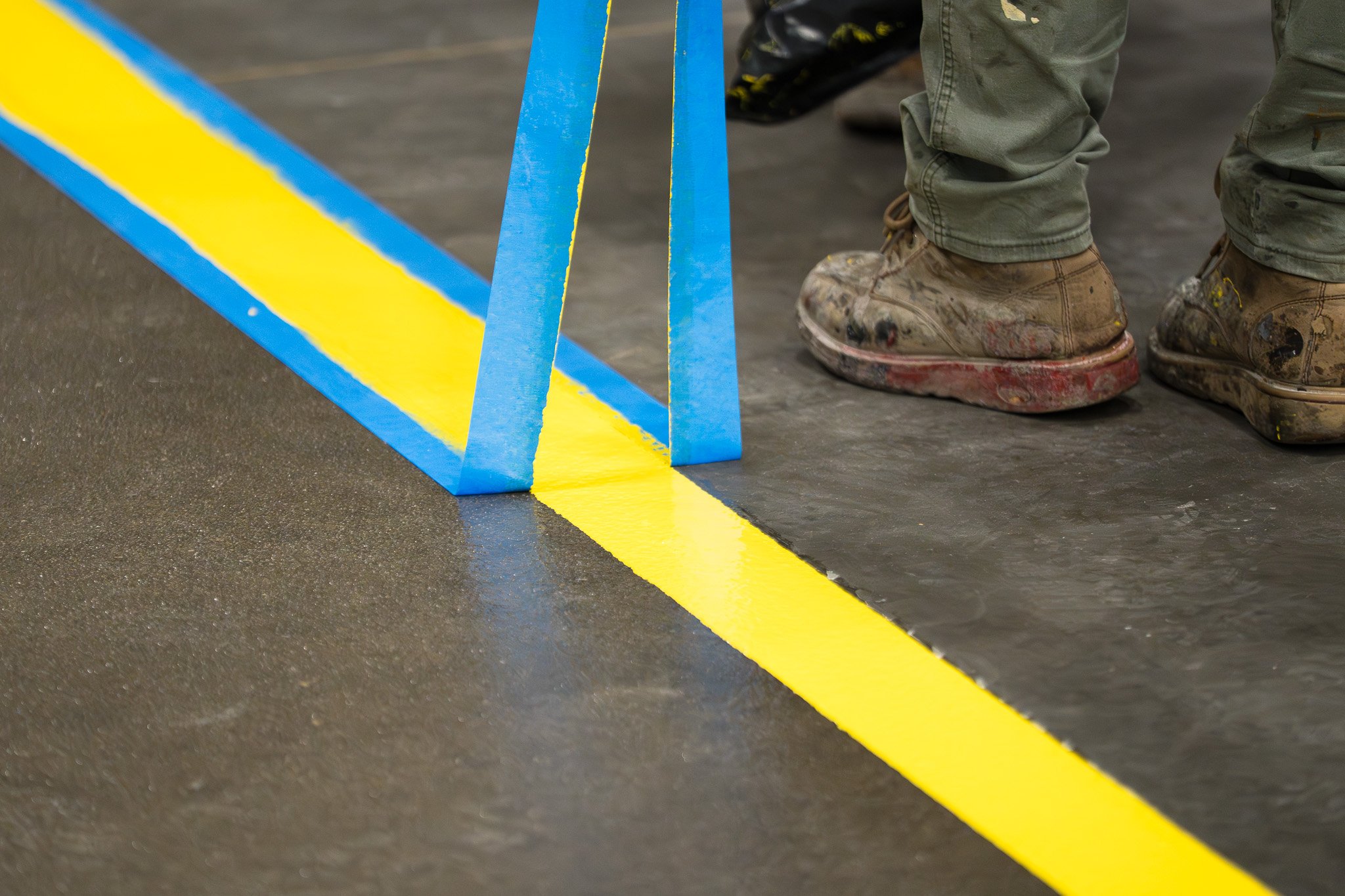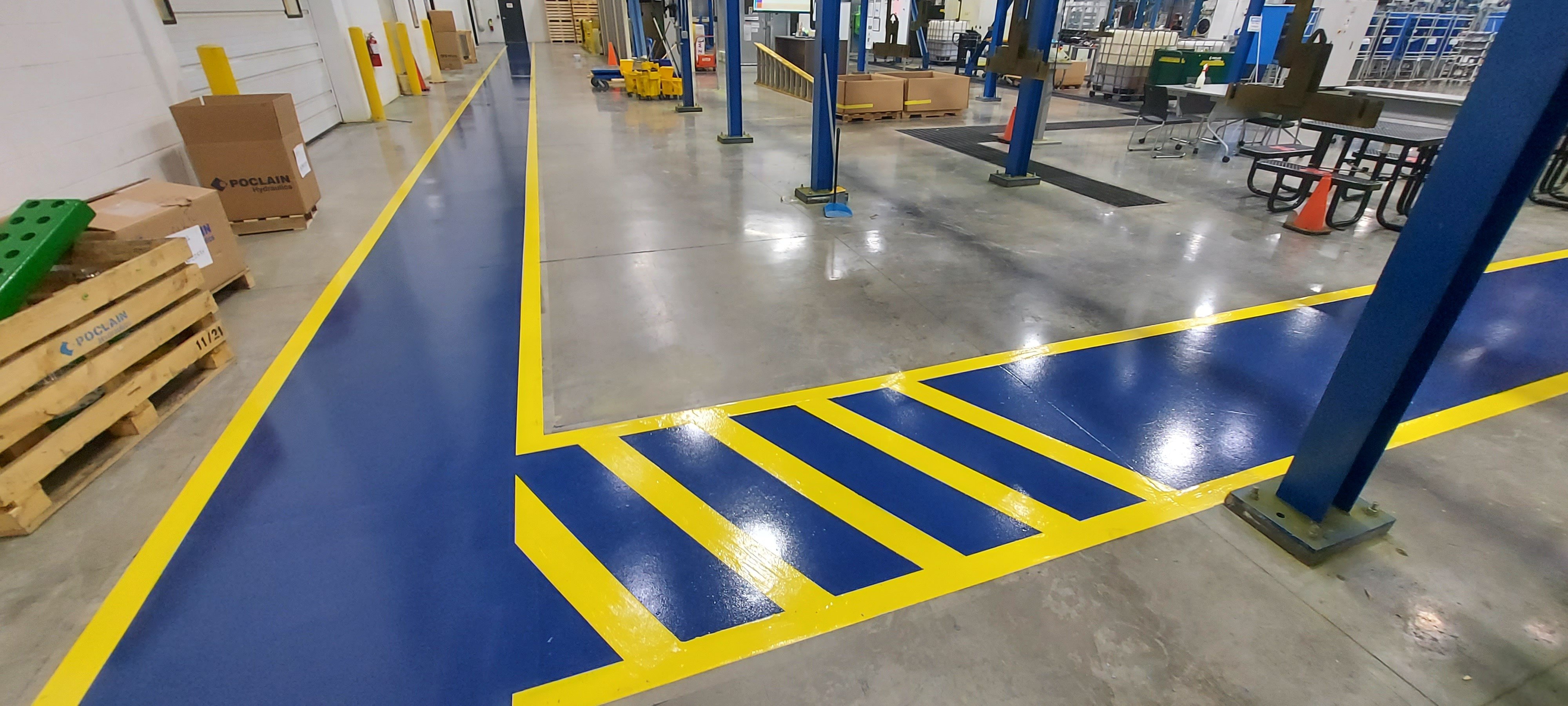

Line striping plays a critical role in safety and organization inside warehouses, factories, and commercial facilities. From marking pedestrian walkways to defining forklift lanes and work zones, floor markings help control traffic and reduce accidents. A common question facility managers ask is how long line striping actually lasts—and when it needs to be refreshed.
At CustomCrete, this question frequently comes up when facilities are planning safety upgrades or evaluating maintenance schedules.

How Long Does Line Striping Typically Last?
In most industrial environments, line striping lasts between 1 and 5 years, depending on traffic levels, surface preparation, and the type of material used.
The lifespan of line striping is not fixed. High-traffic areas may require more frequent touch-ups, while low-traffic zones can maintain visibility for several years.
What Affects the Lifespan of Line Striping?
Several key factors determine how long warehouse and factory floor striping will hold up.
Traffic Volume
Forklifts, pallet jacks, carts, and constant foot traffic wear down striping faster than light-use areas. High-impact wheels and turning points typically show wear first.
Surface Preparation
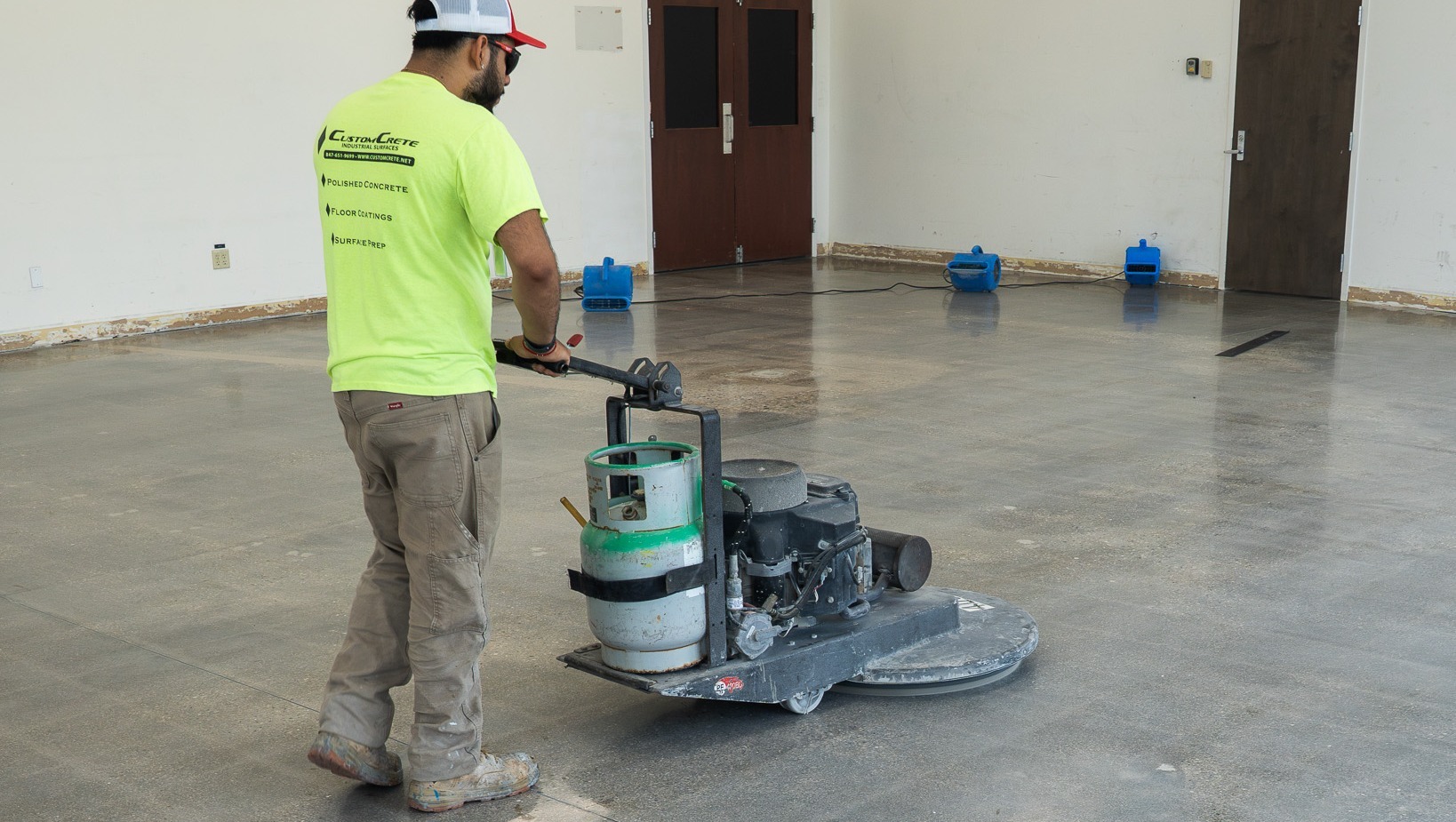
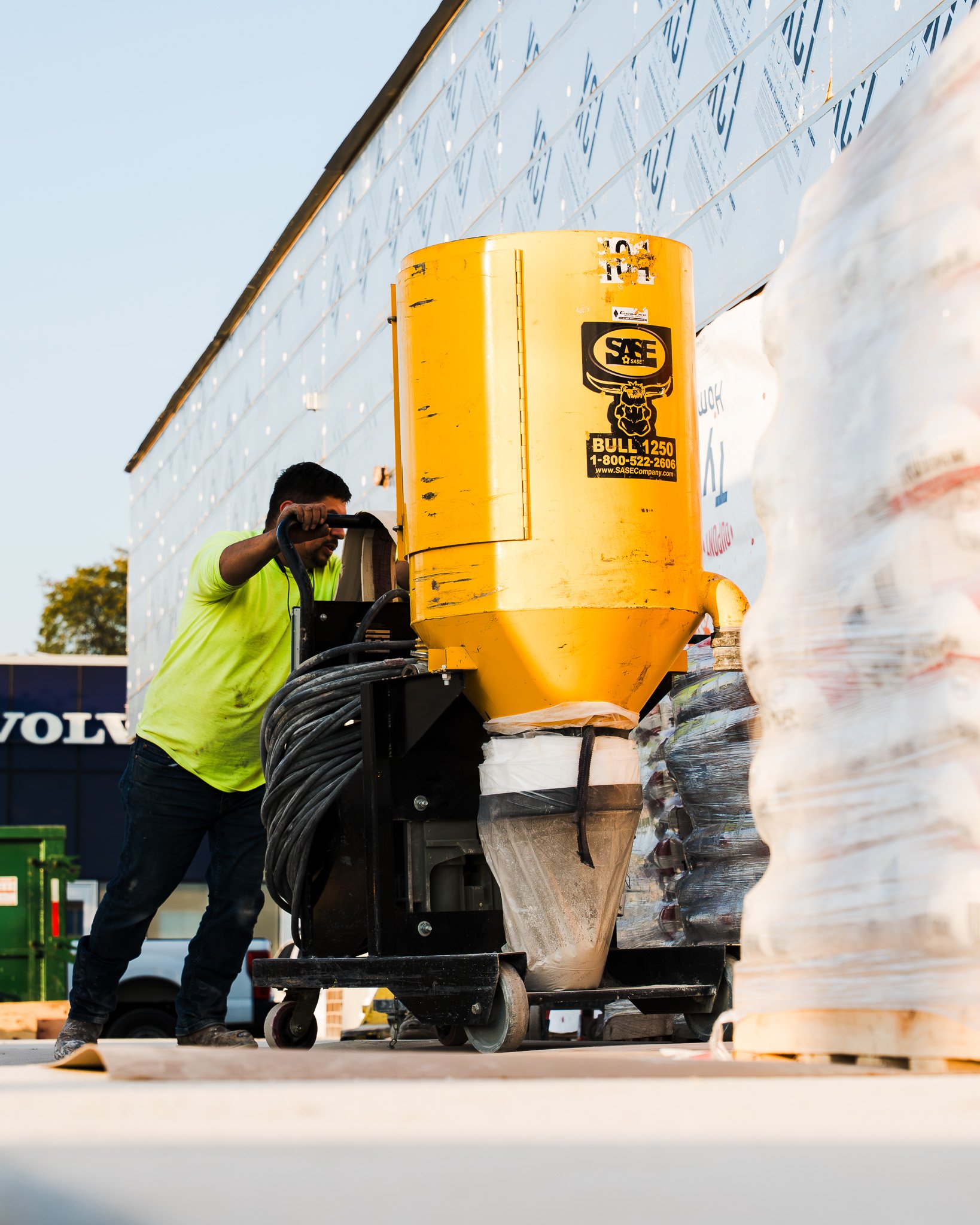
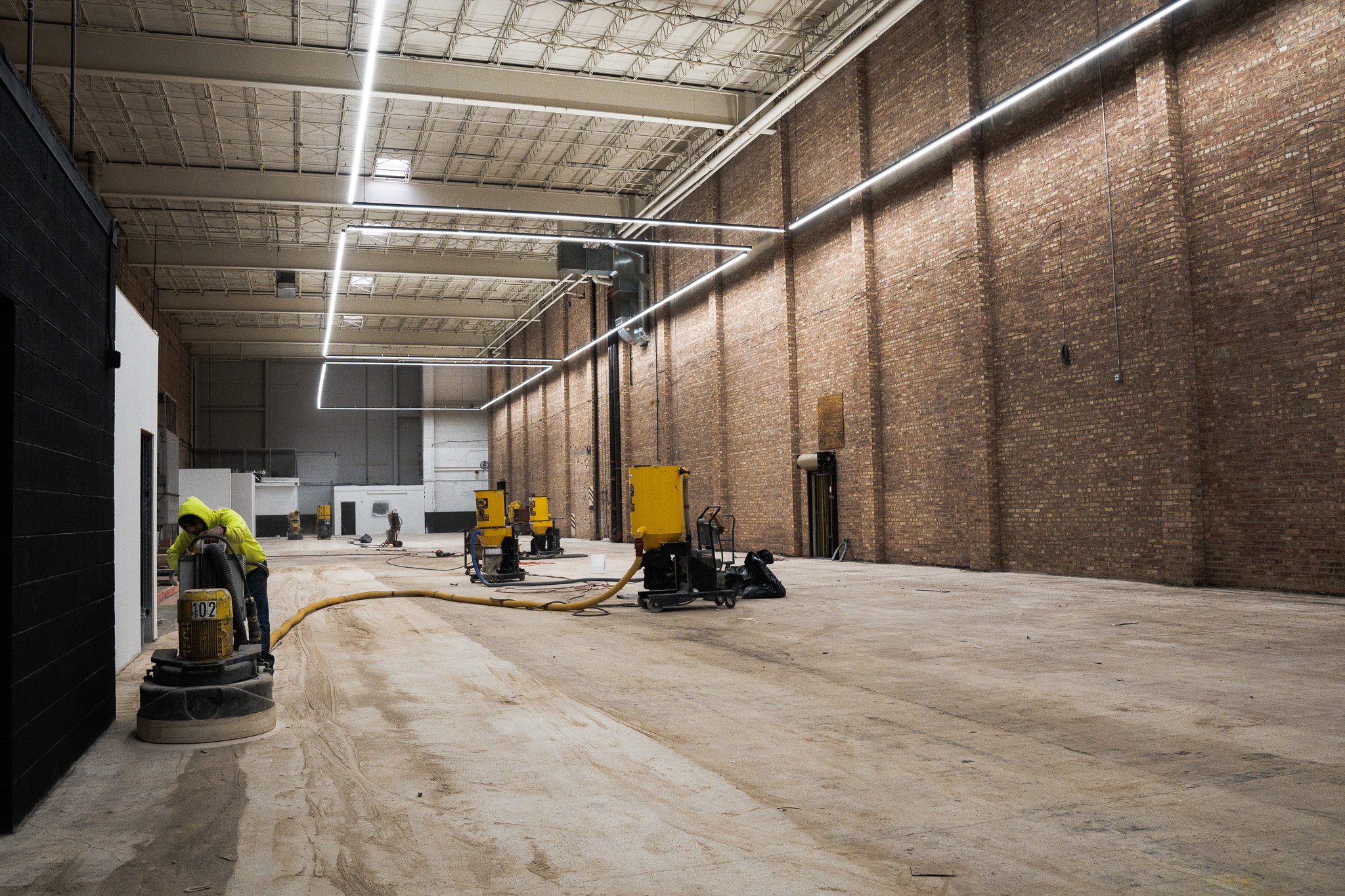
Proper surface preparation—such as grinding or cleaning the concrete—helps striping adhere properly. Poor prep is one of the most common reasons floor markings fail prematurely.
Type of Striping Material
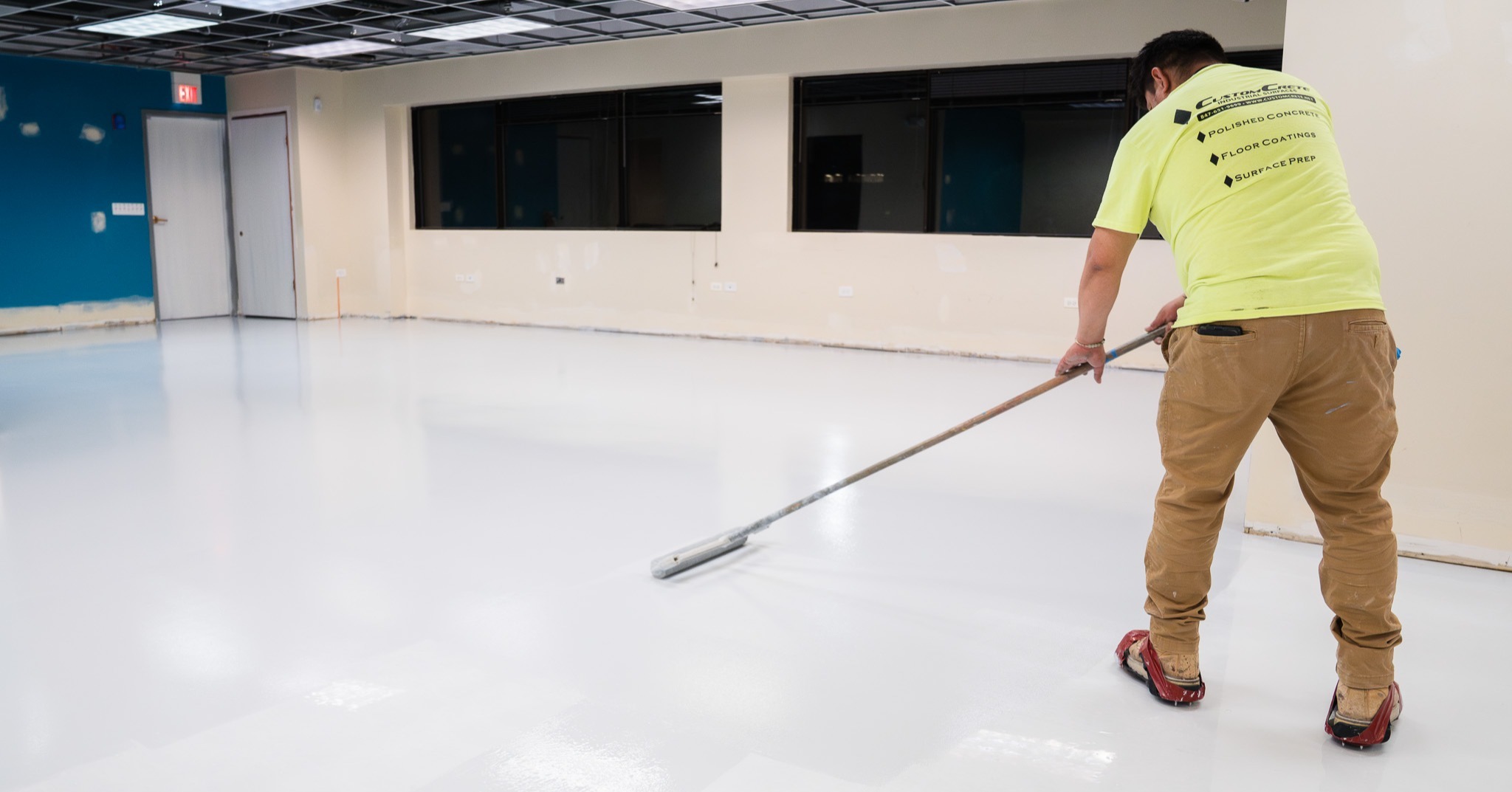
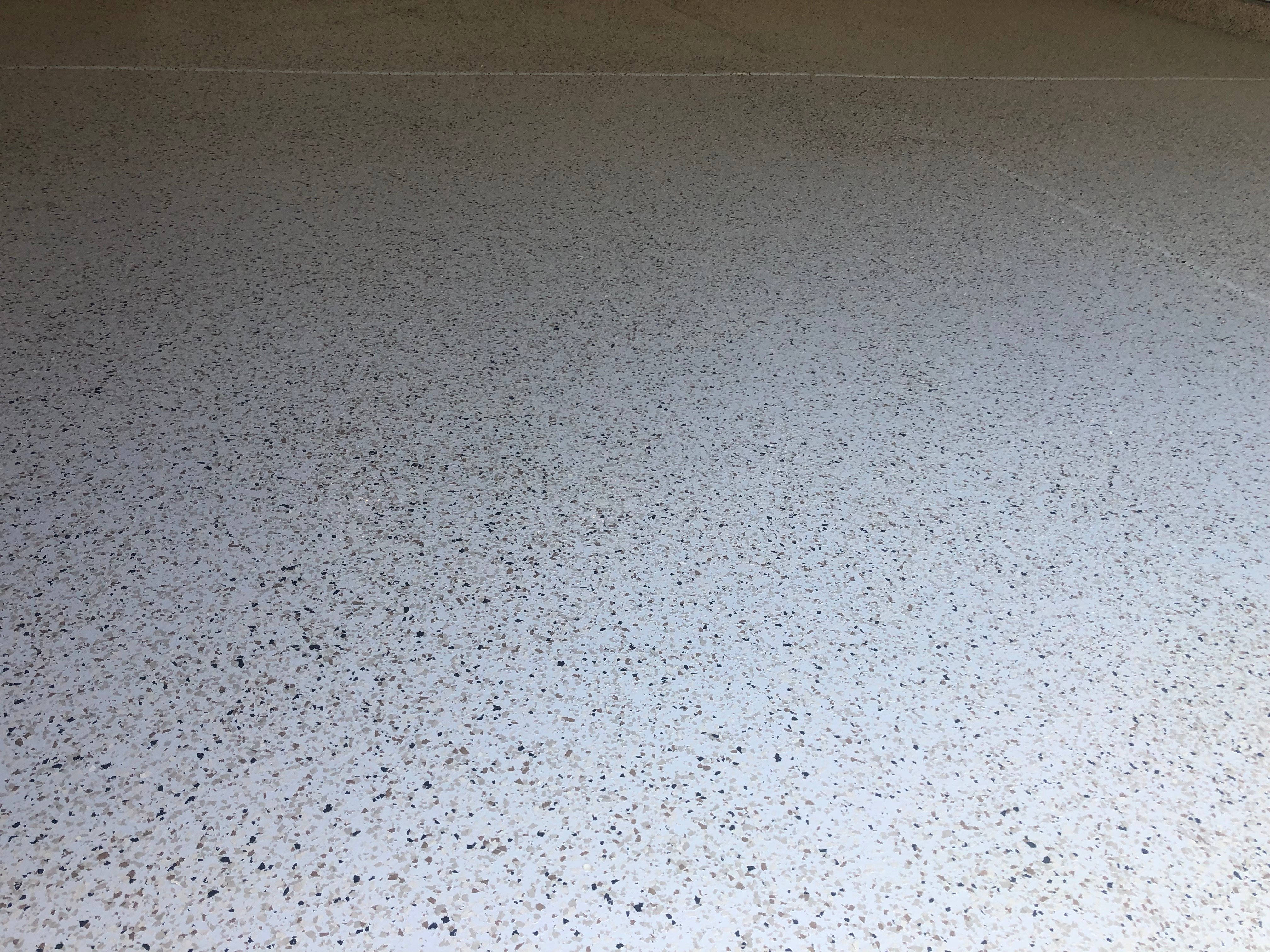
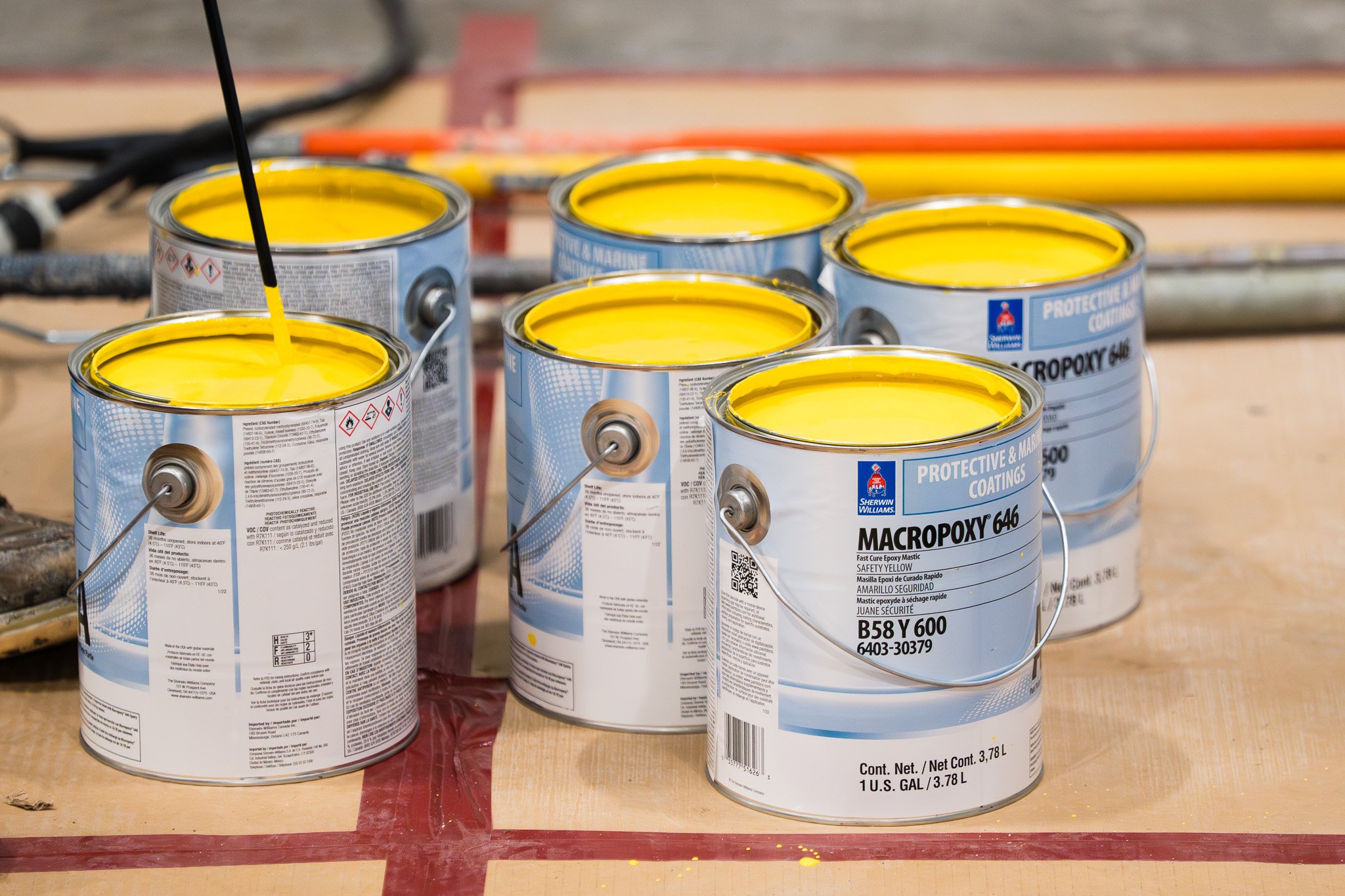
Industrial line striping may be installed using epoxy, polyurethane, or other durable coatings. These materials last significantly longer than latex, acrylic or basic paint.
Cleaning and Maintenance
Harsh cleaning methods, chemical exposure, and frequent scrubbing can reduce the lifespan of line striping. Routine but balanced cleaning helps preserve visibility without accelerating wear.
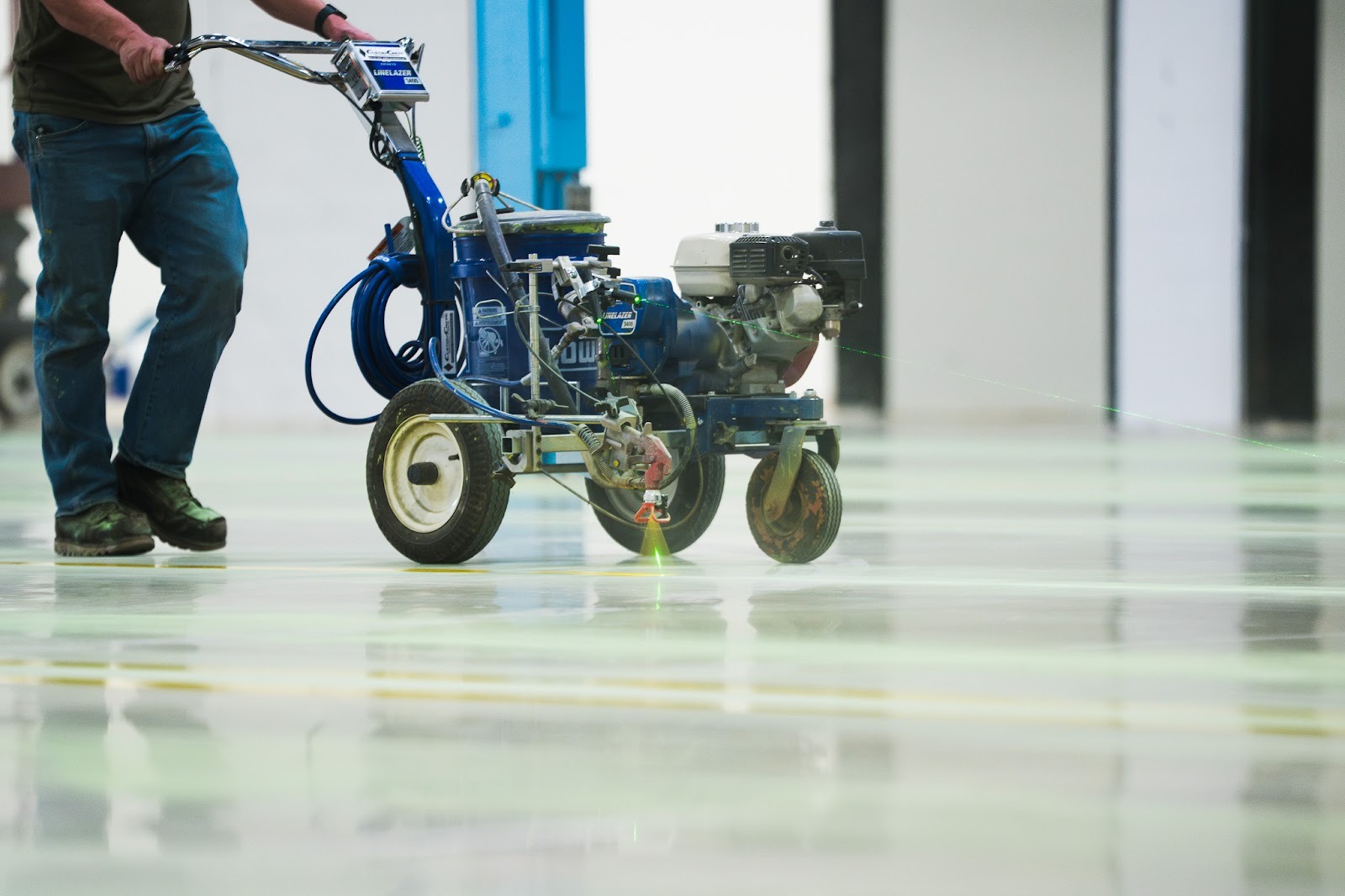
Signs It’s Time to Refresh Line Striping
Even if striping is still partially visible, fading lines can reduce safety and clarity. Common signs it’s time for re-striping include:
- Faded or dull color
- Peeling or chipping edges
- Inconsistent visibility in high-traffic areas
- Changes in facility layout or workflow
Refreshing striping before it completely disappears helps maintain clear communication and compliance.
Can Line Striping Be Reapplied Without Recoating the Entire Floor?
In many cases, yes. If the concrete or coating underneath is in good condition, line striping can often be cleaned, lightly prepped, and reapplied without replacing the full flooring system. However, heavily worn or damaged surfaces may require additional preparation before new striping is installed.
How to Extend the Life of Line Striping
To maximize the lifespan of industrial floor striping:
- Use durable, coating-based striping materials instead of basic paint
- Ensure proper surface preparation before installation
- Implement regular but appropriate cleaning
- Monitor high-traffic areas for early wear
Planning ahead helps reduce downtime and maintain a professional appearance.
Final Thoughts
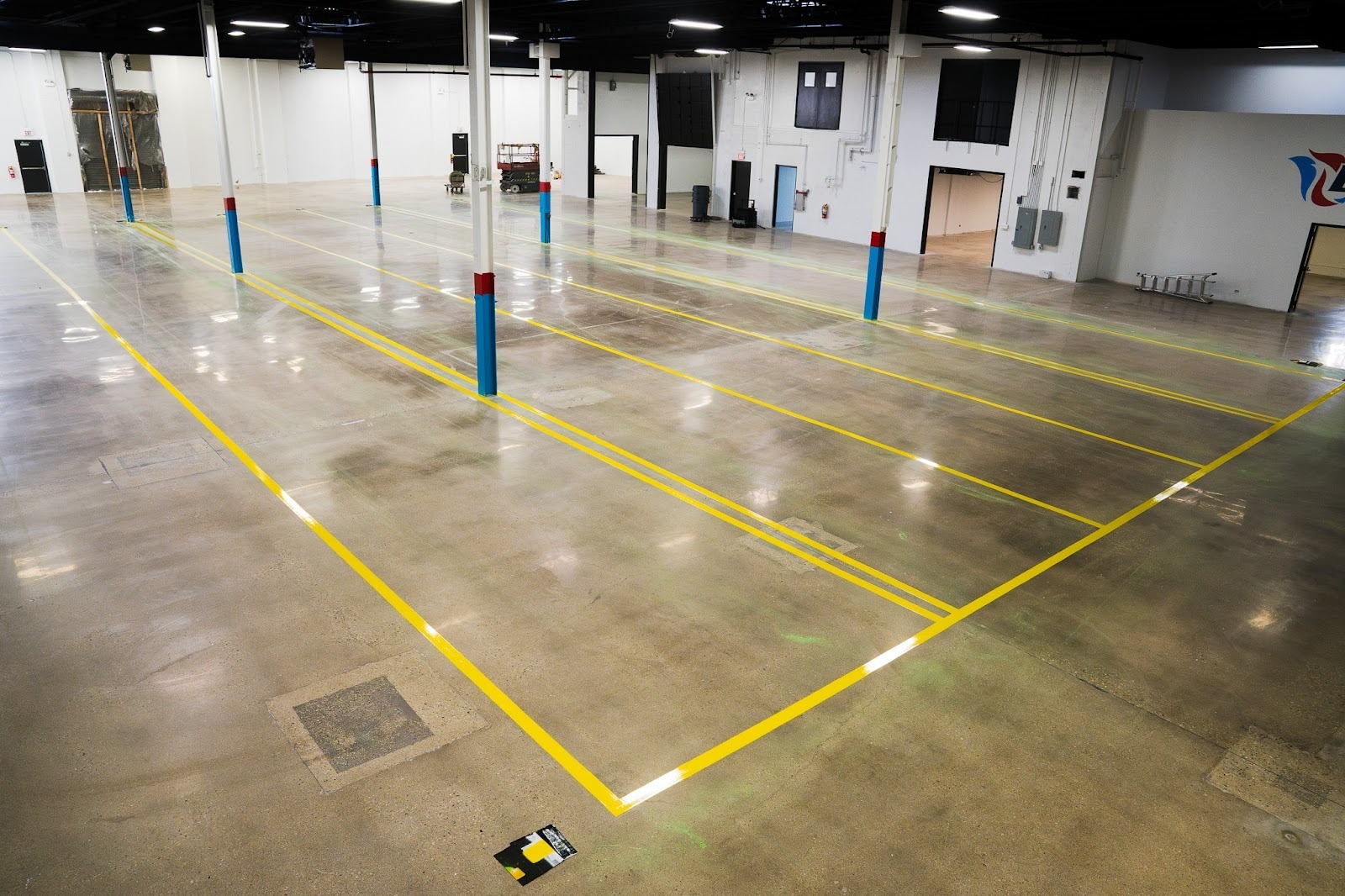
Line striping in warehouses and factories typically lasts one to five years, depending on traffic, preparation, and material quality. High-traffic areas may require more frequent maintenance, while low-use zones can last much longer.
To better understand how professional striping projects are installed and maintained, read the next article: “The Complete Line Striping Process for Warehouses, Factories, and More.”
Topics: