
Choosing the right flooring solution for an uneven or damaged slab can be challenging—especially when full replacement feels like the only option. Many facility managers struggle with floors that are out of level, cracked, or worn down, making it difficult to install new coatings or finishes properly.
With nearly 20 years of experience and over 1 million square feet installed across the Chicago area, CustomCrete has seen how the right preparation method—especially the correct use of self-levelers—can completely change the outcome of a flooring project.
This article will walk you through how to choose the right self-leveling concrete for your overlay project, including what factors matter most and how they impact long-term performance.
Key Takeaways
- The right self-leveling concrete depends on slab condition, thickness needs, and final flooring type.
- Proper surface preparation and priming are just as important as the product itself.
- Choosing the wrong system can lead to cracking, poor adhesion, or premature failure.

What Is Self-Leveling Concrete?
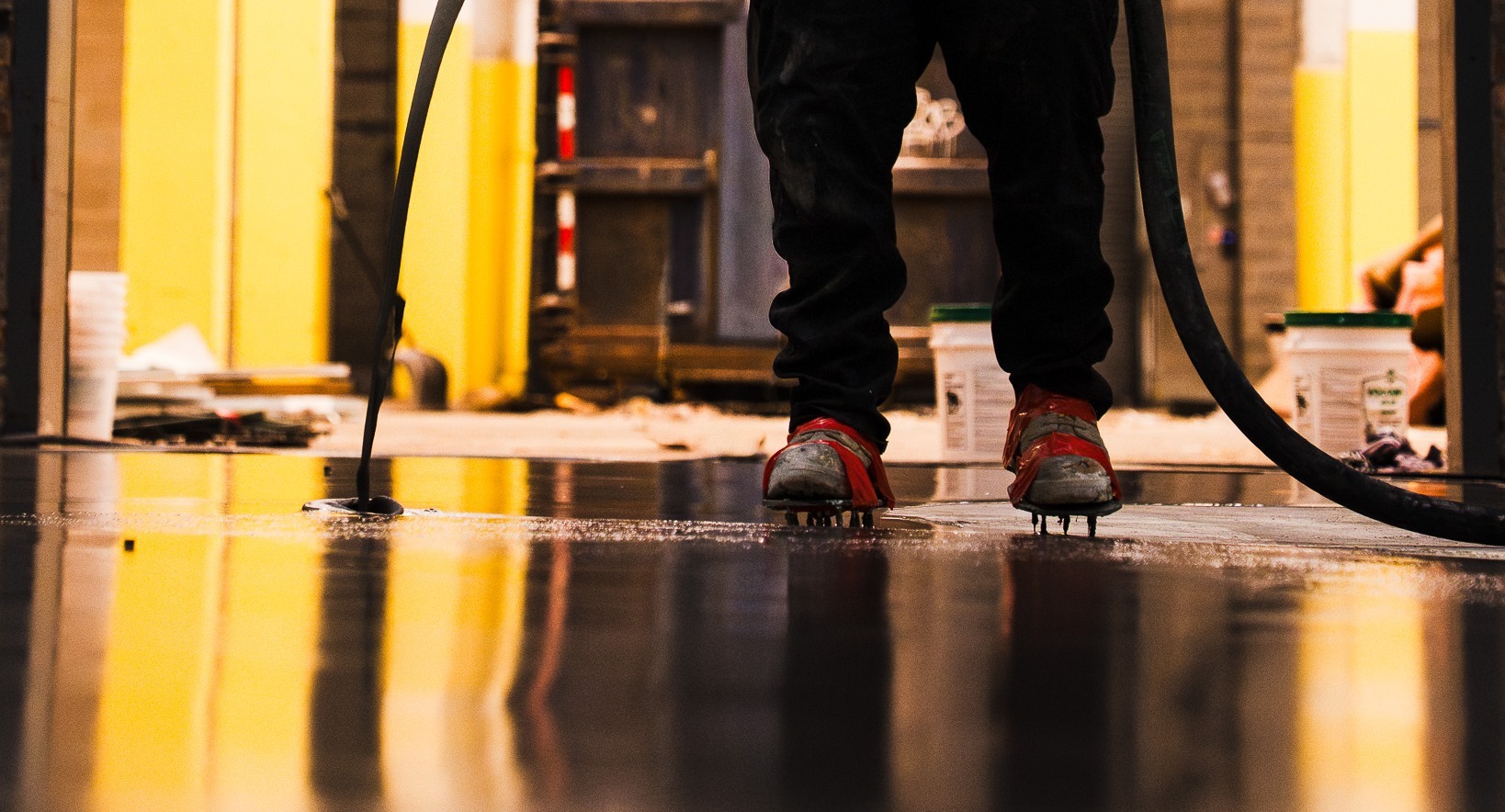
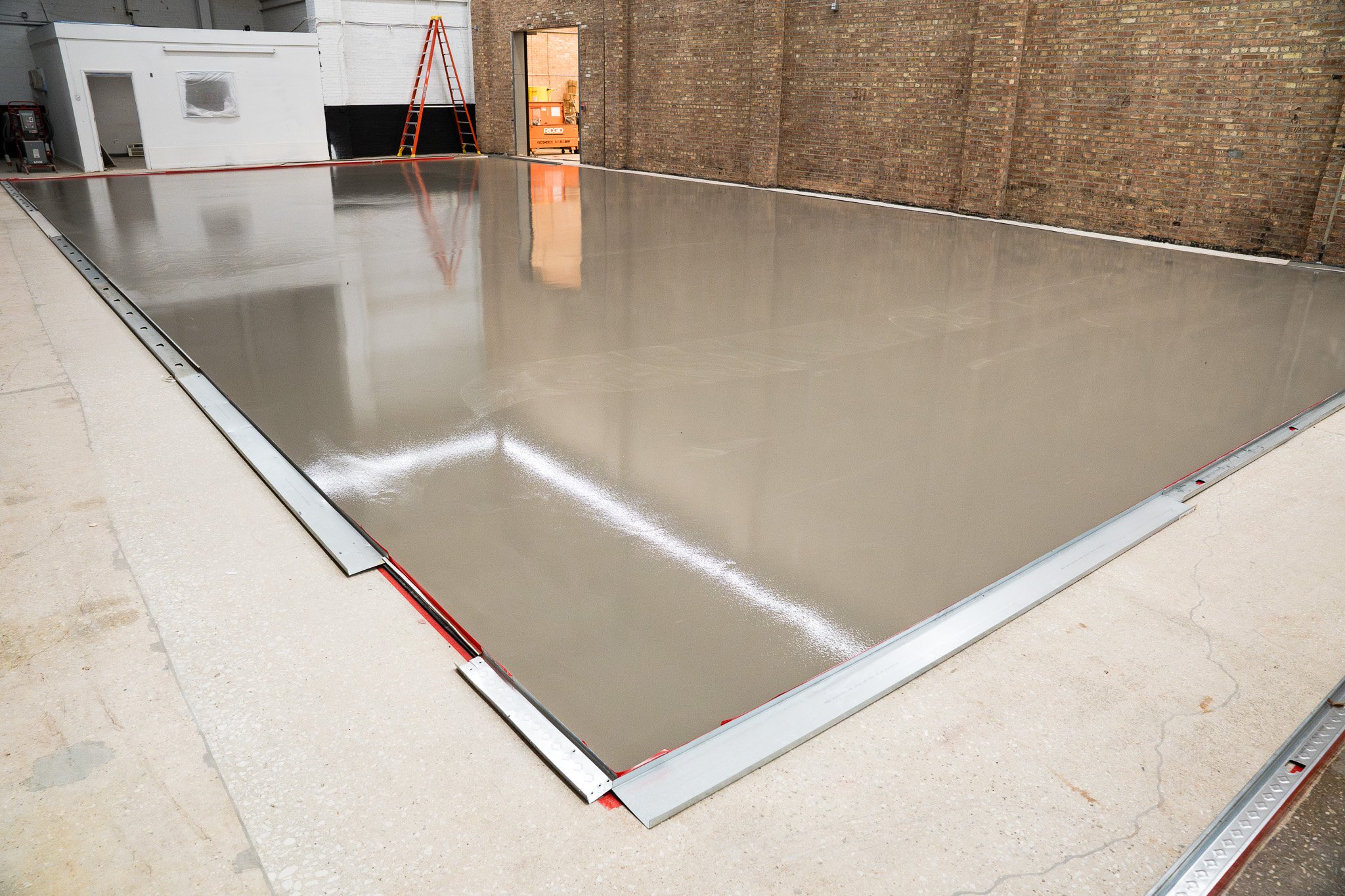
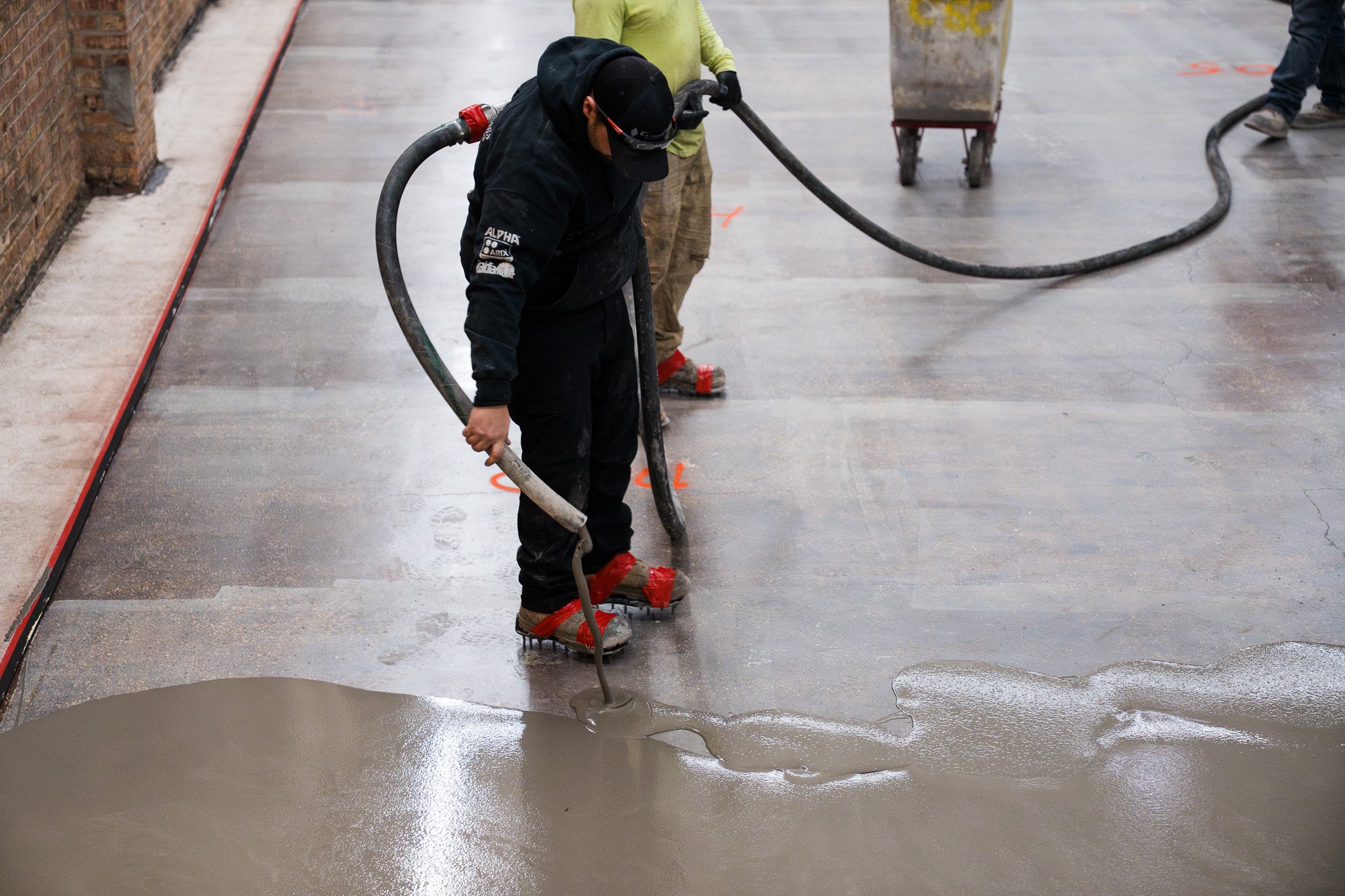
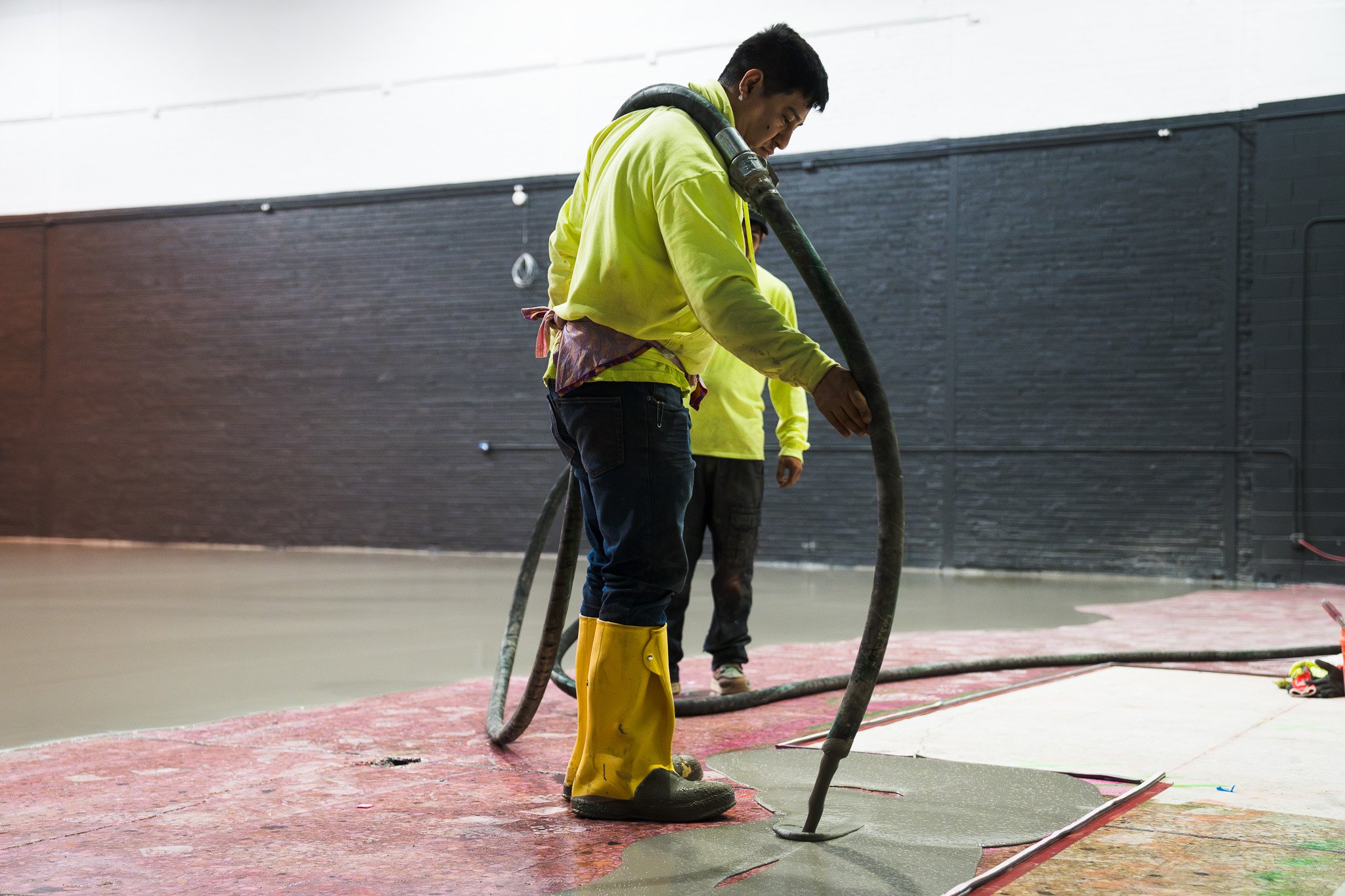
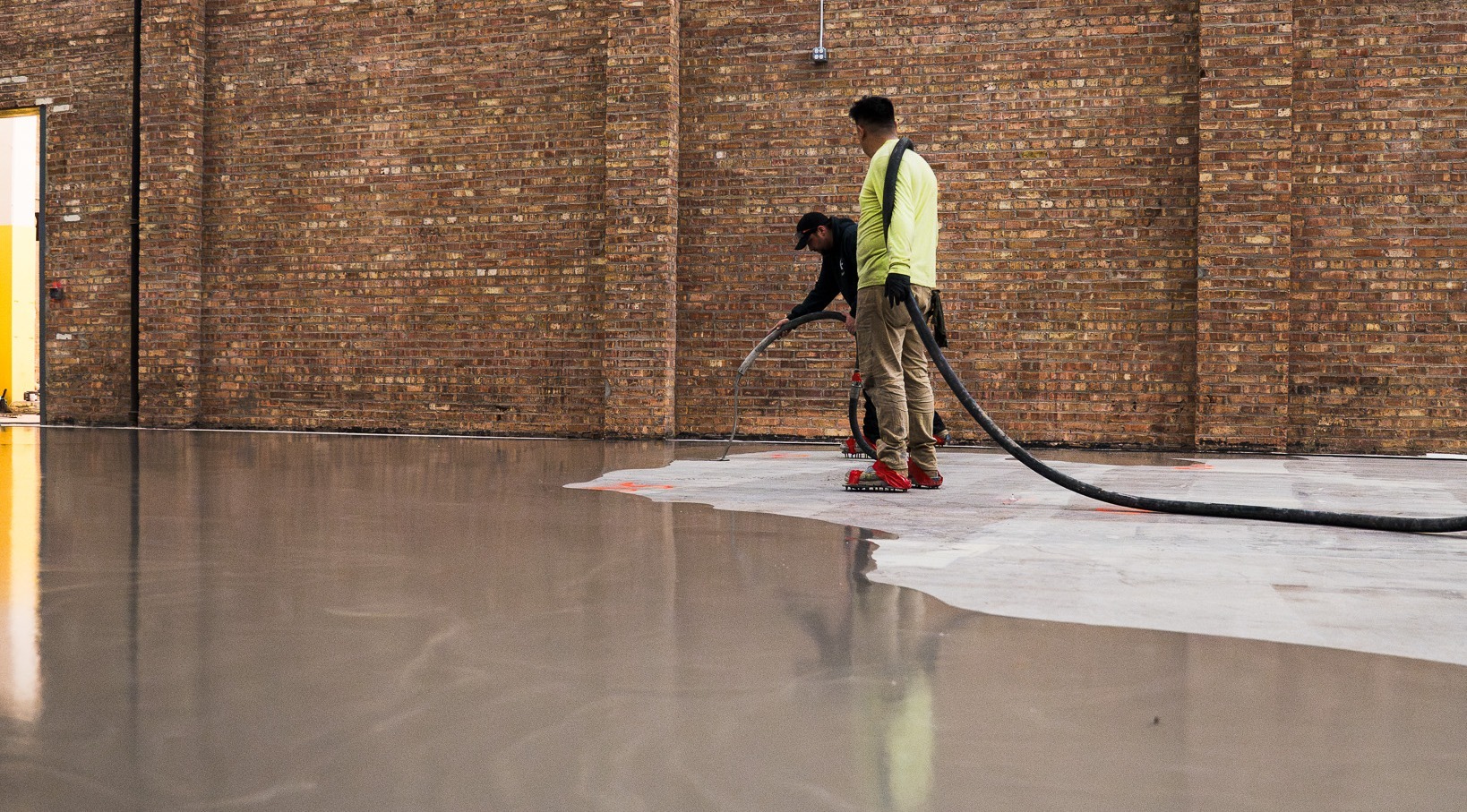
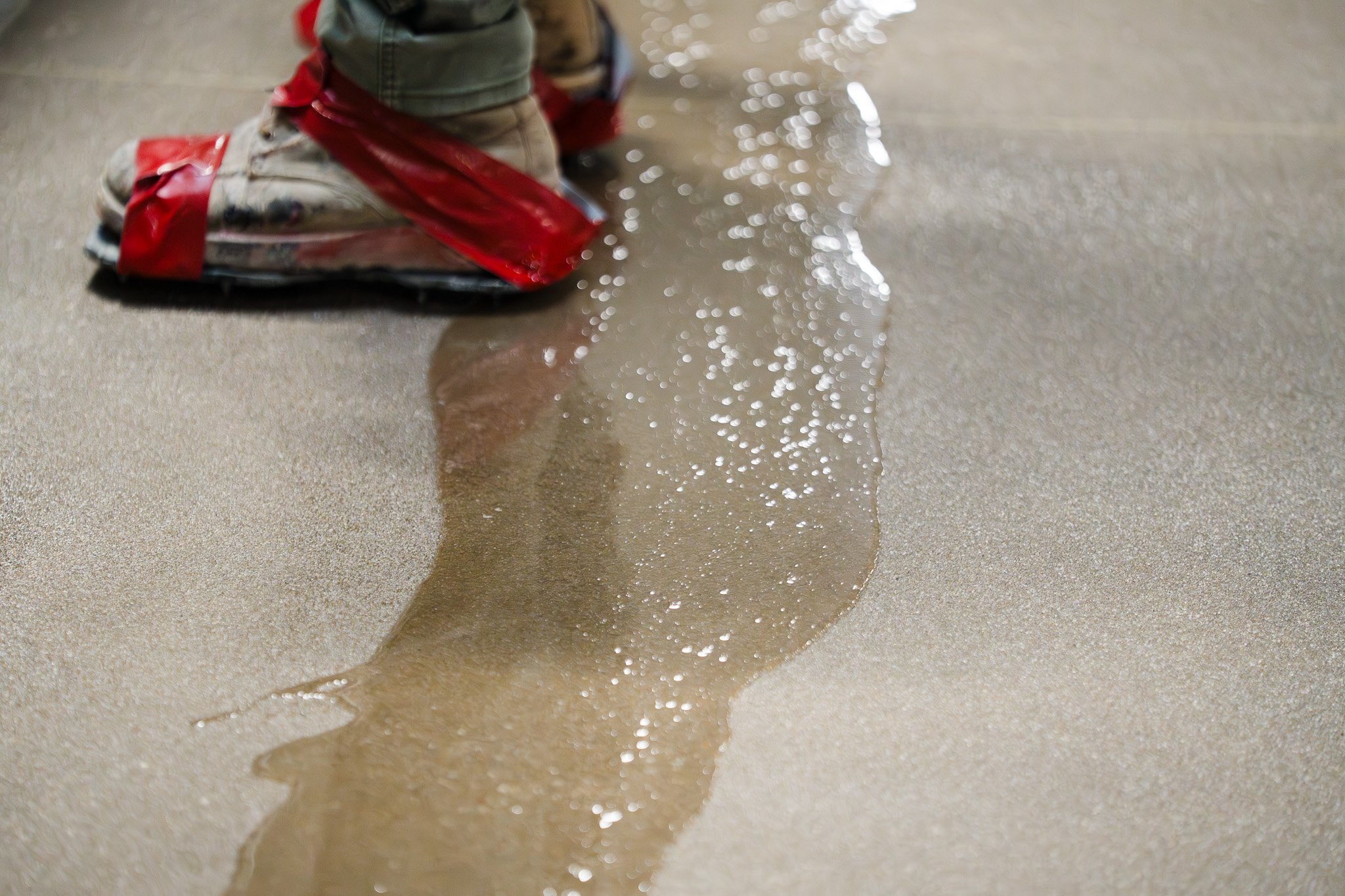
Self-leveling concrete is a fluid, cement-based material designed to flow across a surface and create a smooth, level substrate. It is commonly used before installing coatings, tile, or other flooring systems.
Unlike traditional patching methods, self-levelers spread evenly with minimal manual effort, filling low spots and correcting uneven areas. This creates a consistent surface that supports proper installation and long-term durability.
Why Self-Leveling Matters for Overlay Projects
Overlay projects rely on the condition of the substrate beneath them. If the base surface is uneven or unstable, the final flooring system will reflect those issues.
Using the right self-leveling concrete helps:
- Create a flat, uniform surface
- Improve adhesion of coatings and adhesives
- Reduce stress points in the flooring system
- Extend the lifespan of the finished floor
Without proper leveling, even high-quality flooring systems can fail prematurely.
Key Factors to Consider When Choosing a Self-Leveler
Not all self-leveling products are the same. Selecting the right one depends on several important factors.
1. Thickness Requirements
Different projects require different application depths.
- Thin applications (skim coats): Used for minor surface corrections
- Moderate thickness: For leveling uneven slabs
- Deep fills: For significant elevation differences
Each self-leveling concrete product has a recommended thickness range. Using a product outside of its limits can lead to cracking or improper curing.
2. Substrate Condition
The condition of the existing slab plays a major role in product selection.
Consider:
- Cracks or structural damage
- Surface contamination (oil, adhesives, coatings)
- Moisture levels
- Surface hardness
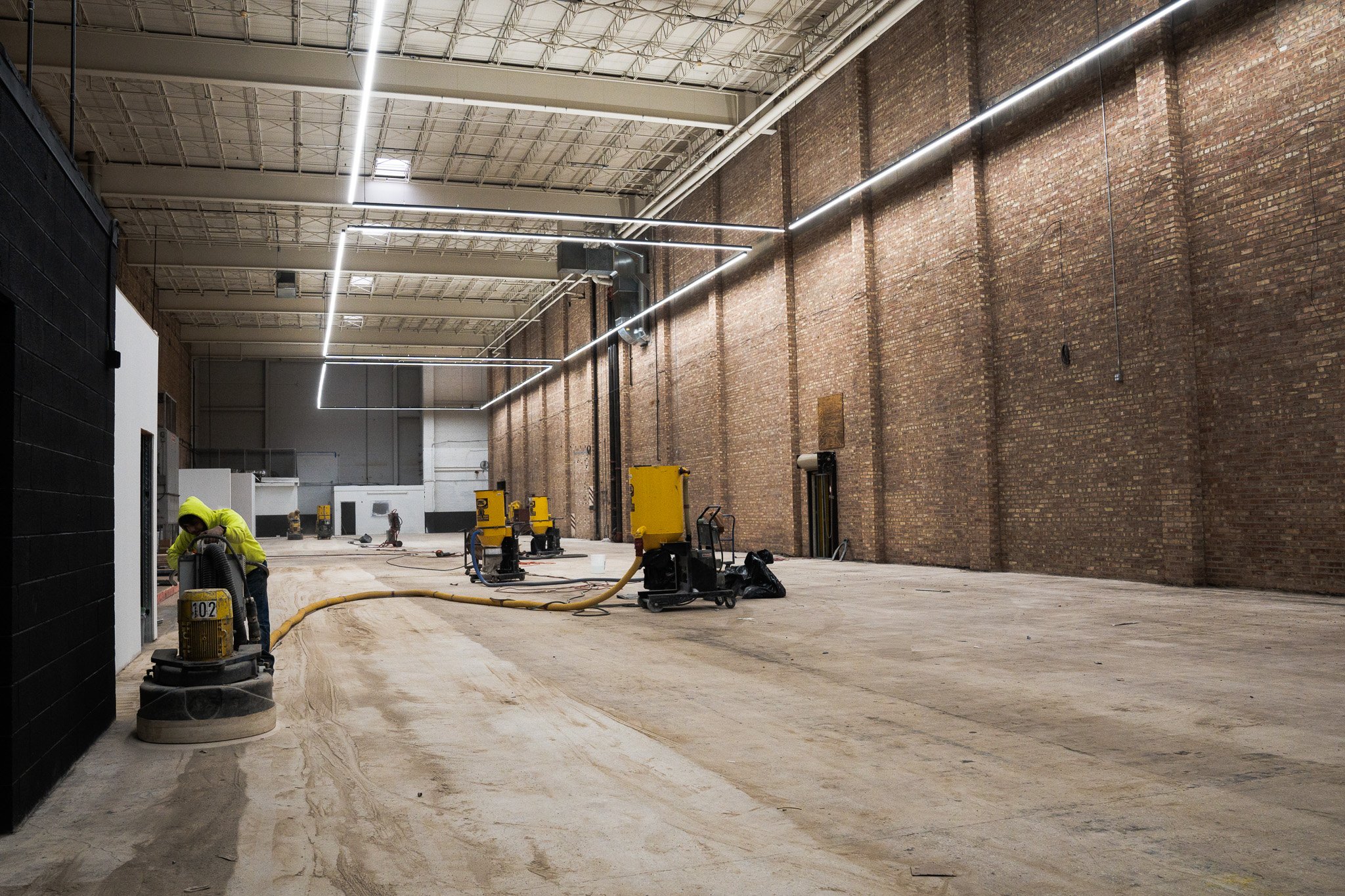
Some self-levelers are better suited for challenging substrates, while others require near-perfect conditions. Proper preparation—including grinding and cleaning—is essential before installation.
3. Cure Time and Project Timeline
Cure time directly impacts how quickly the next phase of the project can begin.
- Fast-curing systems allow flooring installation within hours
- Standard systems may require longer wait times
If your facility has limited downtime, choosing a fast-setting self-leveling concrete can help keep the project on schedule.
4. Strength and Durability
Industrial and commercial floors often require high compressive strength to support traffic and equipment.
When evaluating products, consider:
- Compressive strength ratings
- Resistance to cracking
- Performance under rolling loads
A stronger self-leveler provides a more stable base for the final flooring system, especially in high-traffic environments.
5. Compatibility with Final Flooring System
The self-leveler must be compatible with whatever flooring system will be installed on top.
Common combinations include:
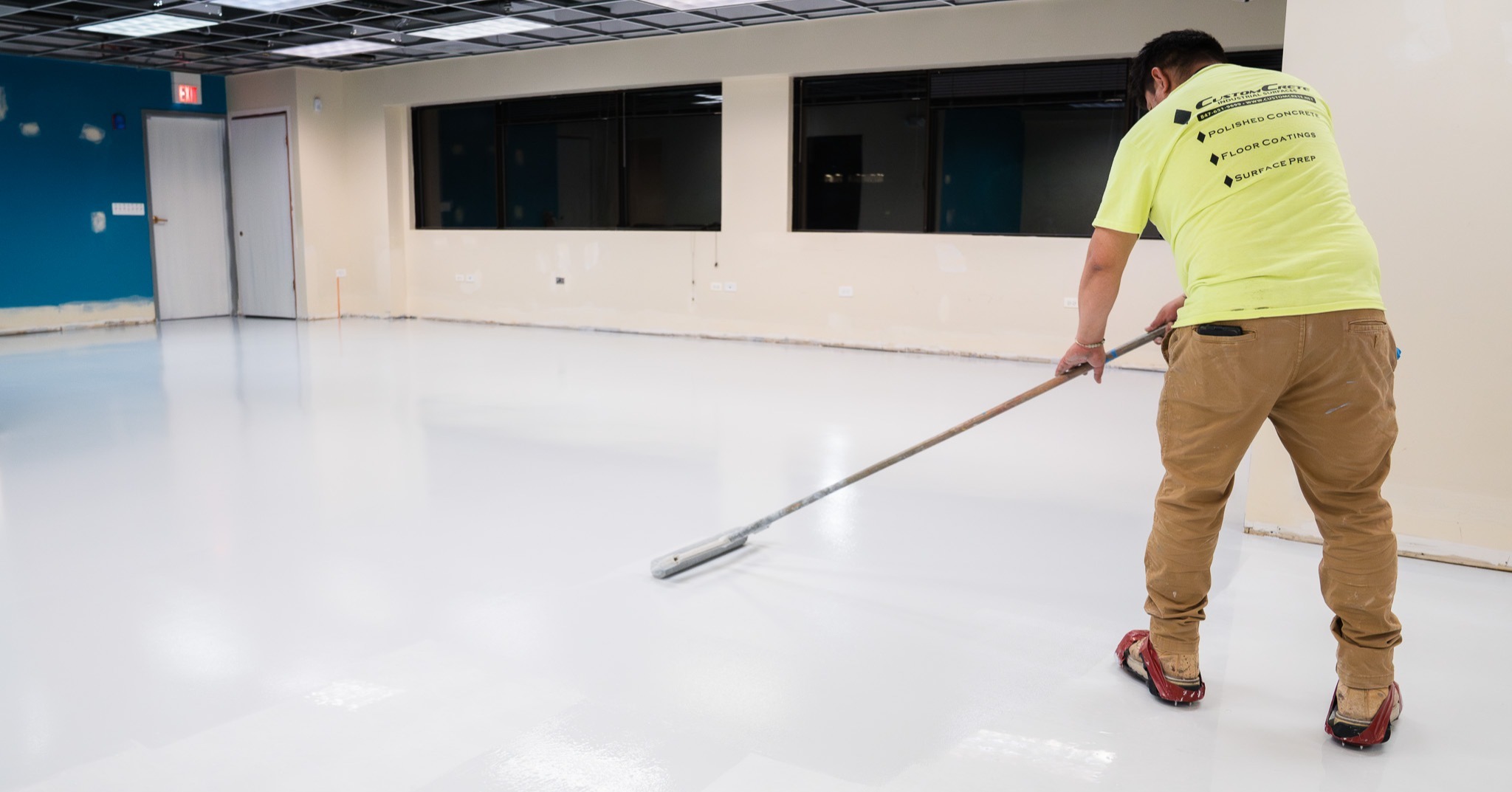
- Self-leveling + epoxy coatings
- Self-leveling + tile or VCT
- Self-leveling + polished overlays
Some products are specifically designed to work with certain systems. Choosing a compatible self-leveling concrete ensures proper adhesion and performance.
The Importance of Surface Preparation
Even the best self-leveling product will fail if the surface is not prepared correctly.
Preparation typically includes:
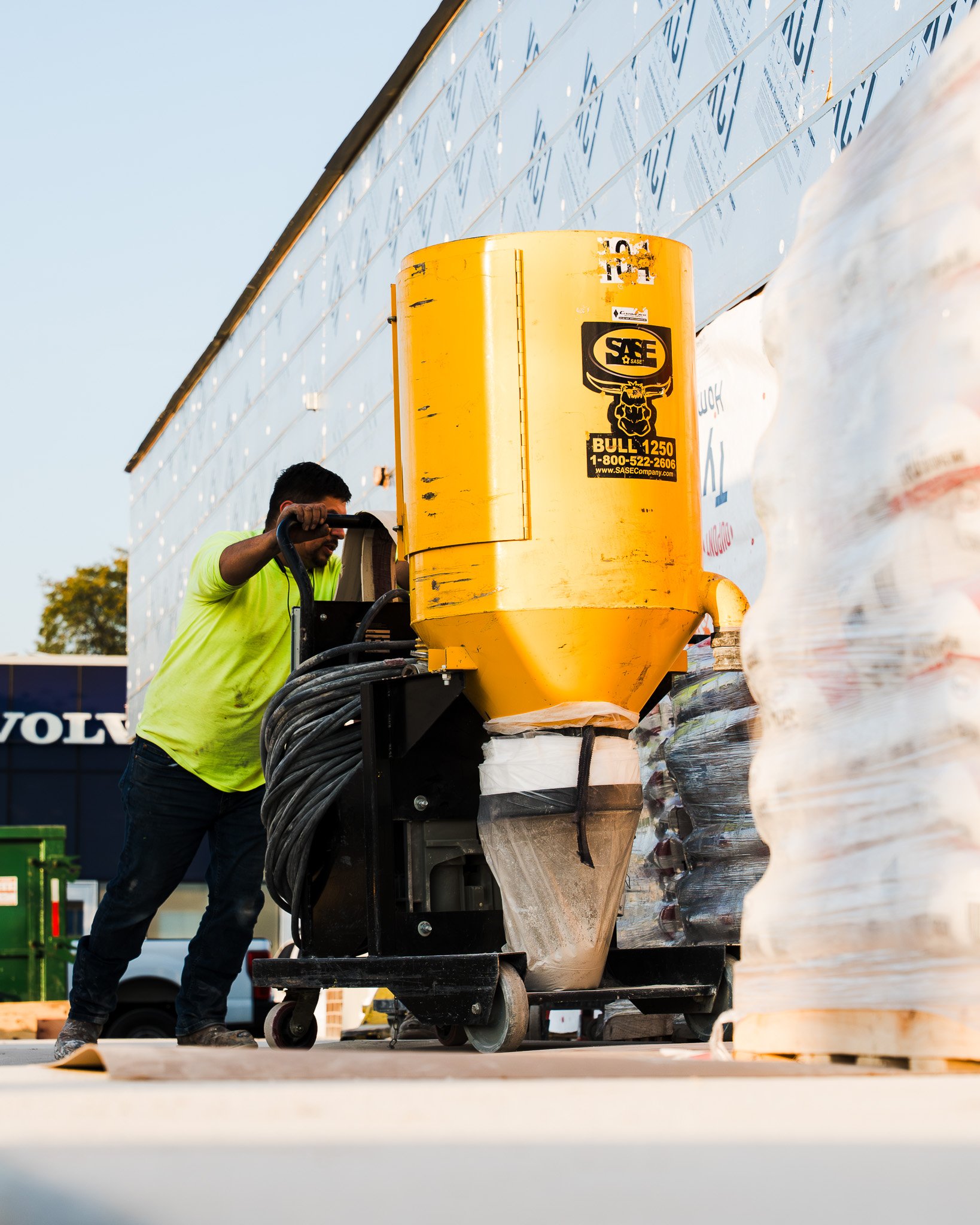
- Mechanical grinding to remove contaminants
- Cleaning the surface thoroughly
- Applying a primer to promote adhesion
Skipping these steps can result in delamination, cracking, or uneven curing.
Proper preparation is just as important as selecting the right product.
Common Mistakes to Avoid
When selecting and installing self-leveling systems, avoid these common issues:
- Choosing a product based on price alone
- Ignoring thickness limitations
- Skipping surface preparation or priming
- Not testing for moisture
- Using self-leveling where structural repairs are needed
Avoiding these mistakes helps ensure the overlay performs as expected.
When Self-Leveling Concrete Is the Right Solution
Self-leveling concrete is ideal for:
- Uneven or sloped floors
- Preparing surfaces for coatings or tile
- Correcting low spots and depressions
- Improving overall floor flatness
However, it is not a replacement for structural repairs. If the slab is severely damaged, additional work may be required before leveling.
FAQ: Self-Leveling Concrete for Overlay Projects
How thick can self-leveling concrete be applied?
It depends on the product, but many systems can be applied from a thin layer up to several inches.
Can self-leveling concrete be used as a finished floor?
In most cases, it serves as a base layer for another flooring system.
How long does it take to cure?
Some fast-setting systems allow foot traffic within hours, while others may take longer depending on conditions.

Final Thoughts
Choosing the right self-leveling concrete for your overlay project is about more than just leveling the floor—it’s about setting the foundation for long-term performance. Factors like thickness, substrate condition, cure time, strength, and compatibility all play a role in the success of the final system.
By understanding these variables and selecting the right product for your environment, you can avoid common issues and ensure your flooring system performs as intended.
To see how self-leveling can transform your floors and reduce the need for full replacement, watch the next video: Stop Replacing Floors, Use Self-Leveling Concrete Instead.
Topics: