
Replacing an outdated commercial floor can completely change the appearance and performance of a facility. However, before choosing polished concrete, epoxy, or another new flooring system, there is an important first step: understanding what may be underneath the existing floor.
Removing old tile or carpet is rarely as simple as pulling up the flooring and installing something new. Adhesive, floor leveler, cracks, damaged concrete, moisture issues, and even patterns left behind by the previous flooring can affect what happens next. These conditions may influence preparation requirements, project cost, timeline, and the appearance of the finished floor.
With nearly 20 years of experience and more than 1 million square feet installed, CustomCrete has worked on commercial flooring projects involving everything from straightforward carpet removal to heavily bonded tile and damaged substrates. Knowing what to expect before demolition begins can help facility managers and property owners create a more realistic plan for their project.
Key Takeaways
- Removing old tile or carpet can reveal concrete damage, adhesives, patches, moisture problems, and other conditions that were previously hidden.
- The type of adhesive and condition of the underlying concrete can significantly affect surface preparation, cost, and scheduling.
- If polished or sealed concrete is planned, marks from the previous flooring may remain visible even after preparation.

Why the Existing Flooring Matters
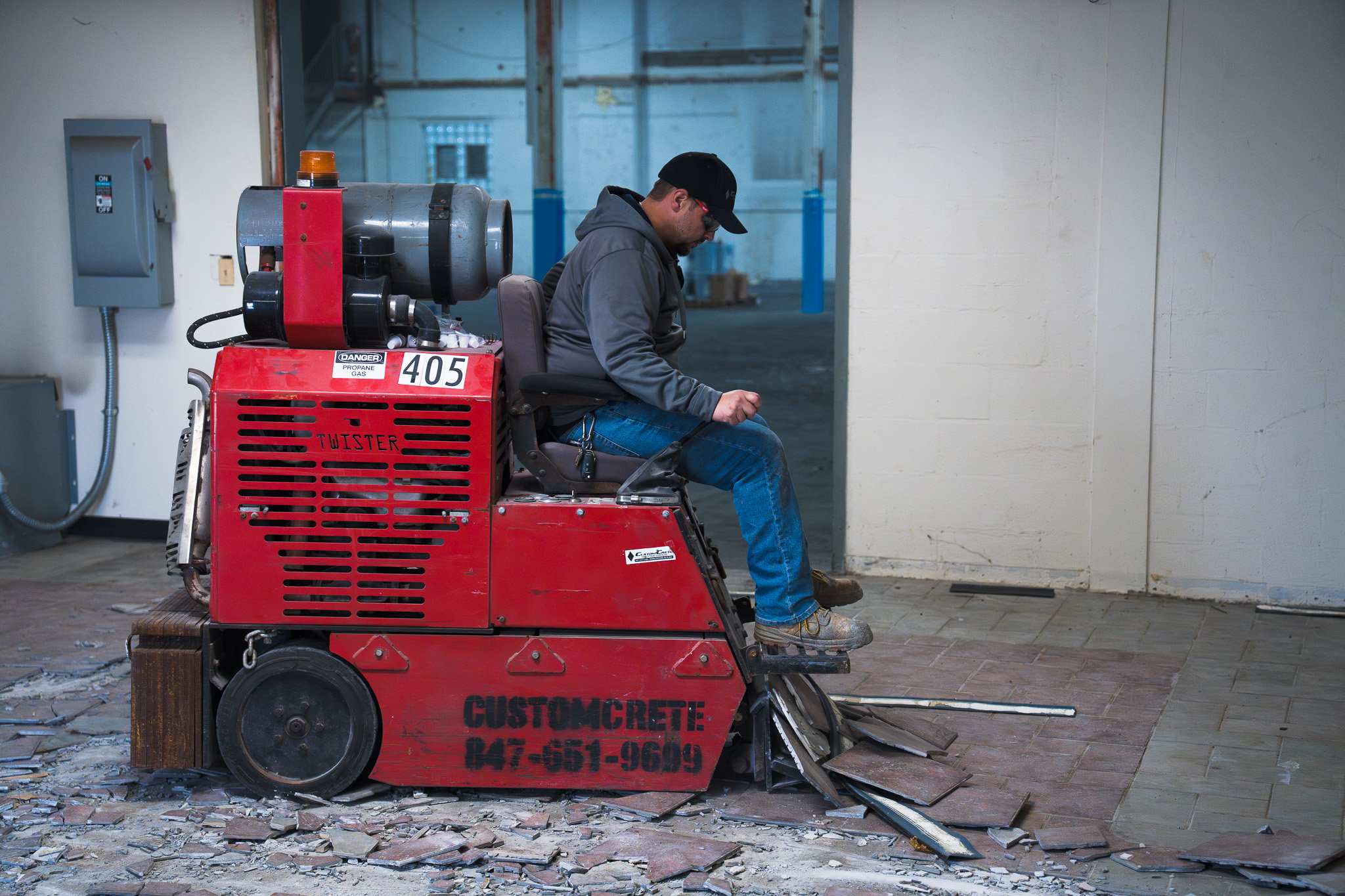
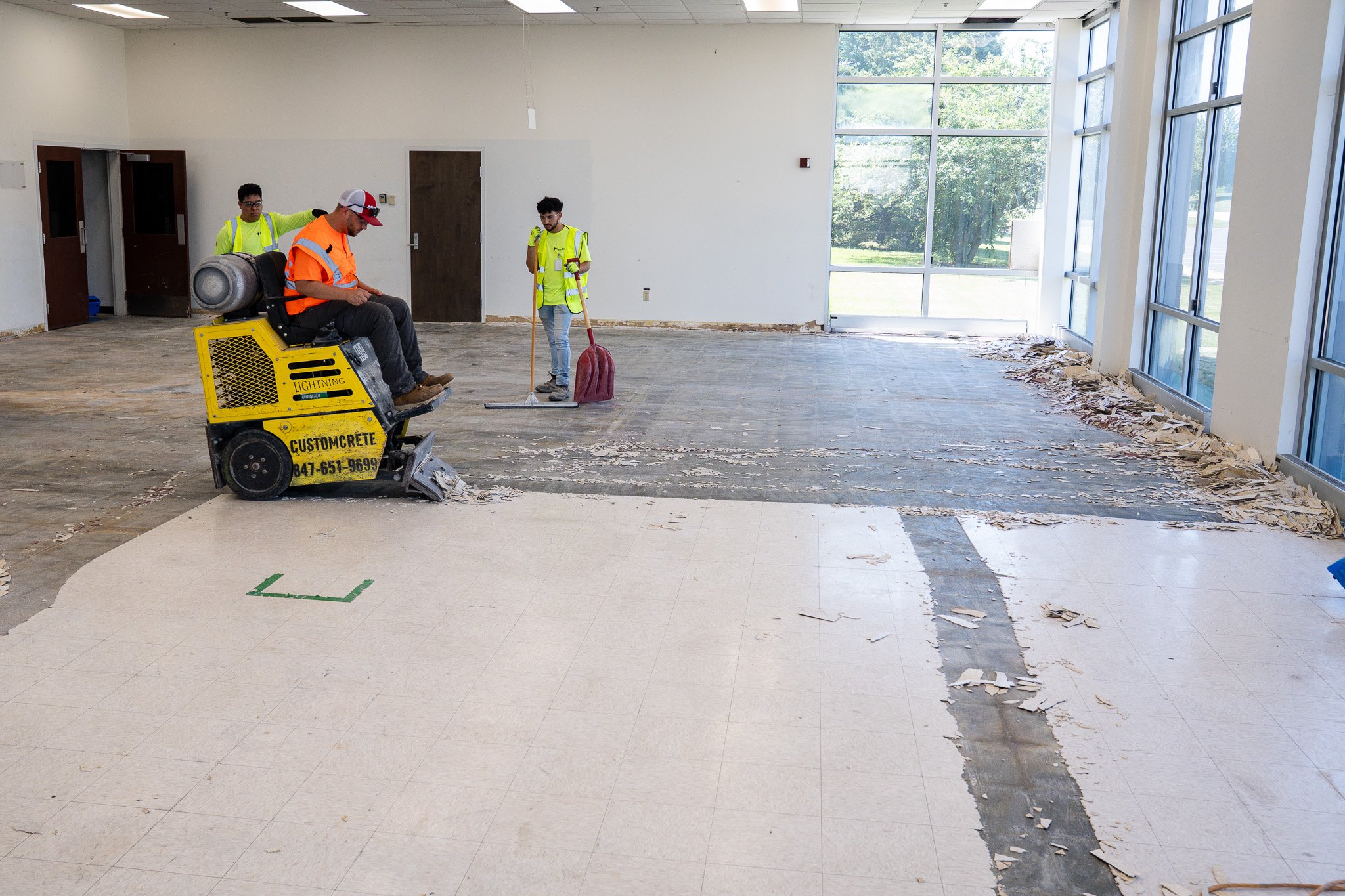
Different flooring materials create different removal challenges. Carpet may be attached with adhesive, tack strips, or both. Tile can be installed using thinset, mastic, or other bonding materials that are much more difficult to remove.
The age of the flooring matters as well. A floor that has been covered for decades may have gone through multiple renovations. Contractors sometimes discover several layers of flooring, adhesive, patches, or floor leveler once demolition begins.
Understanding what is currently installed gives the flooring contractor a better starting point, but the complete condition of the slab may not be known until the old flooring is removed.
What Can Be Found Under Old Tile or Carpet?
Once demolition begins, the concrete underneath may look very different from what you expected.
Common discoveries include leftover adhesive, cracks, spalling, uneven areas, failed floor leveler, previous repairs, stains, and damaged joints. In some cases, the concrete may be in excellent condition. In others, significant restoration may be required before a new flooring system can be installed.
This uncertainty is one reason contractors may include allowances or clearly define potential additional preparation costs when estimating projects involving removing old tile.
Adhesive Removal Can Be a Major Part of the Project
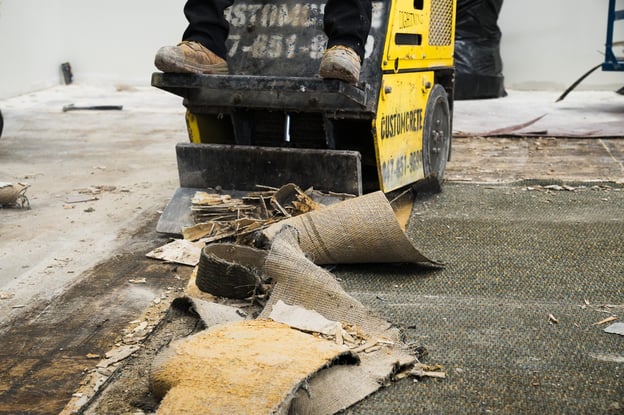
After tile or carpet is removed, adhesive often remains attached to the concrete.
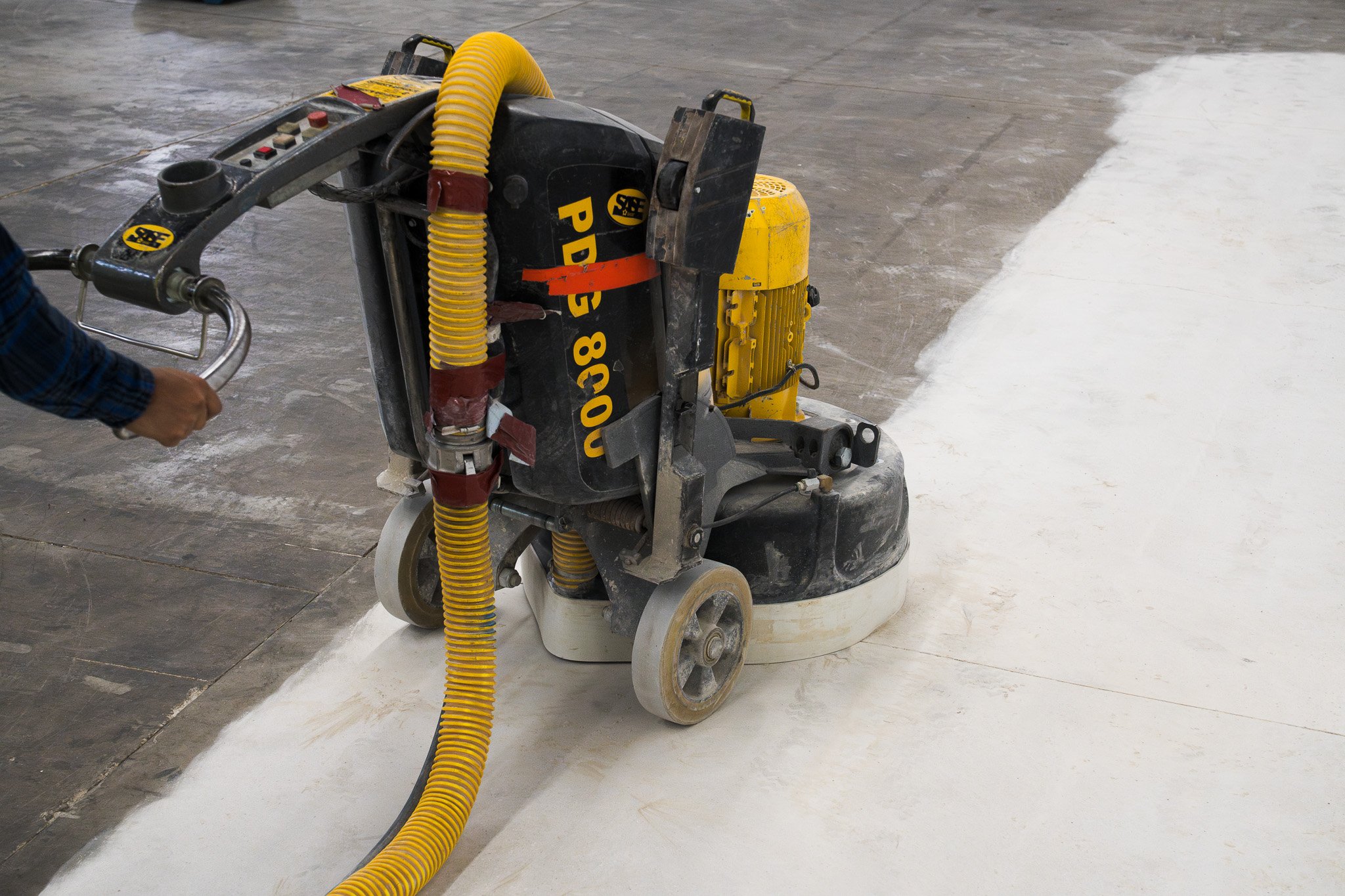
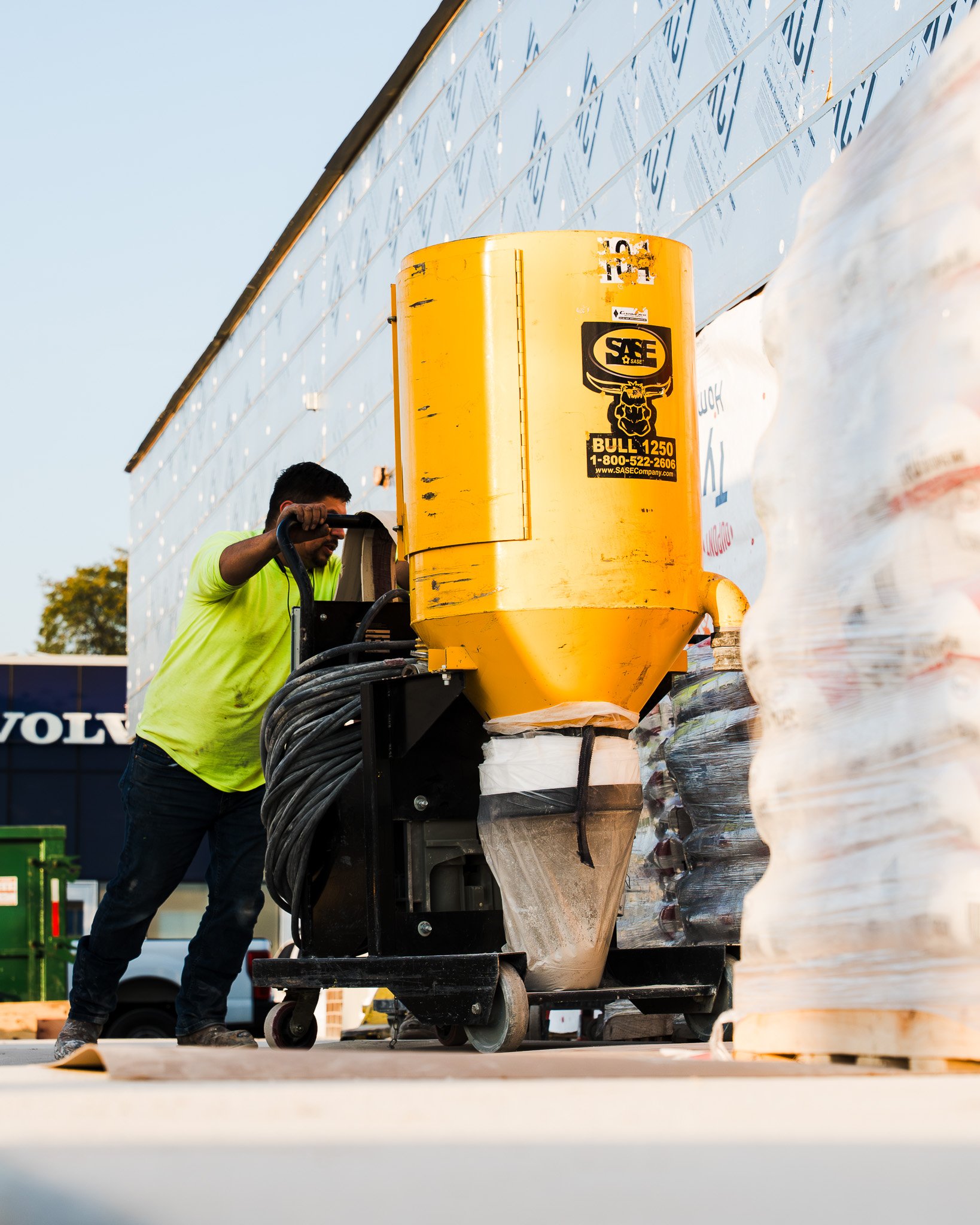
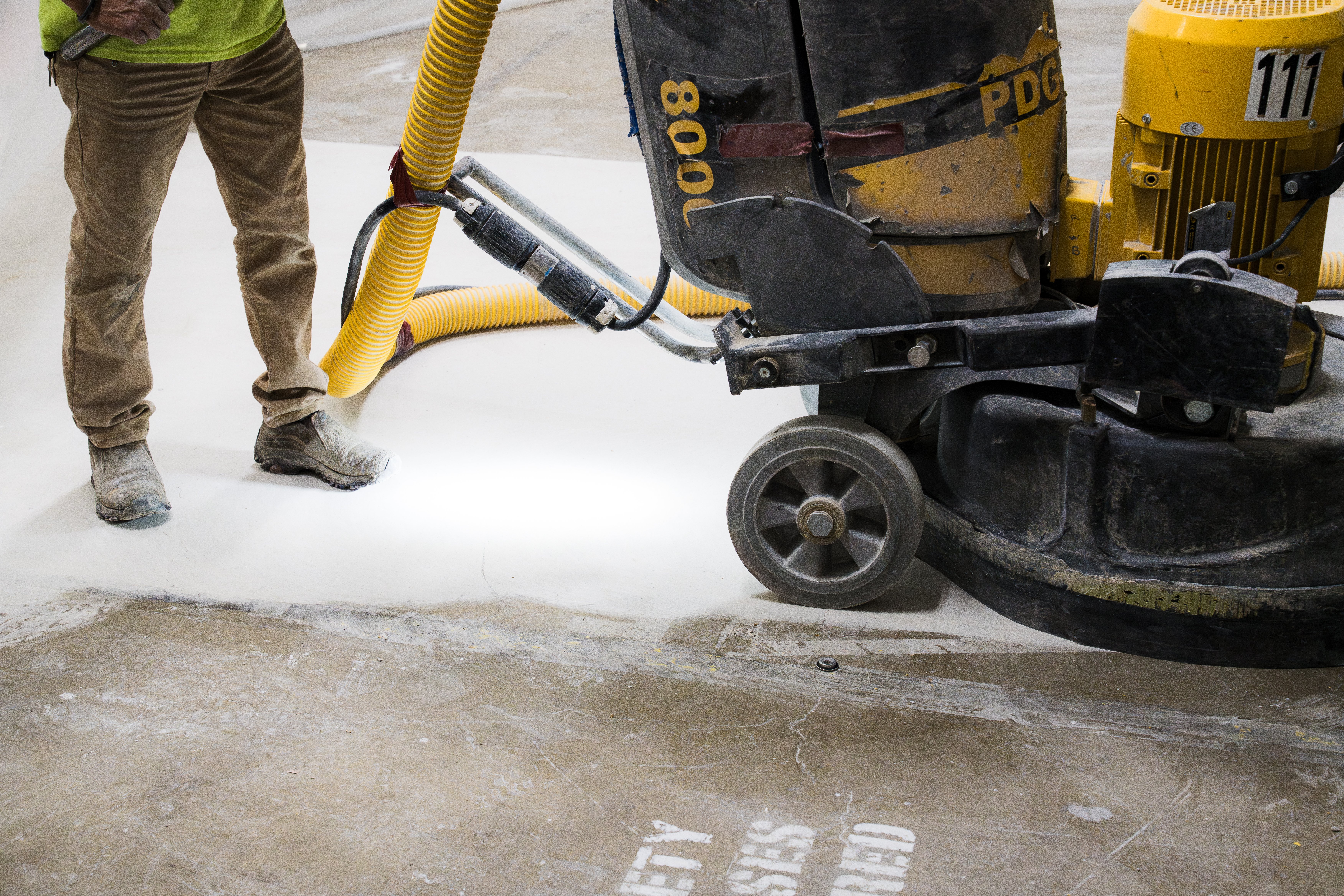
Before most new flooring systems can be installed, this material needs to be removed. Depending on the adhesive and final flooring system, contractors may use scraping, mechanical grinding, or other surface preparation methods.
Some adhesives come off relatively easily. Others are deeply bonded and require significantly more labor and equipment.
Older flooring materials and adhesives can also raise concerns about potentially hazardous materials. If the age or composition of the existing materials creates a concern, appropriate testing should take place before demolition rather than assuming the material is safe to disturb.
The Concrete May Need Repairs
Removing the existing flooring can expose problems that were hidden for years.
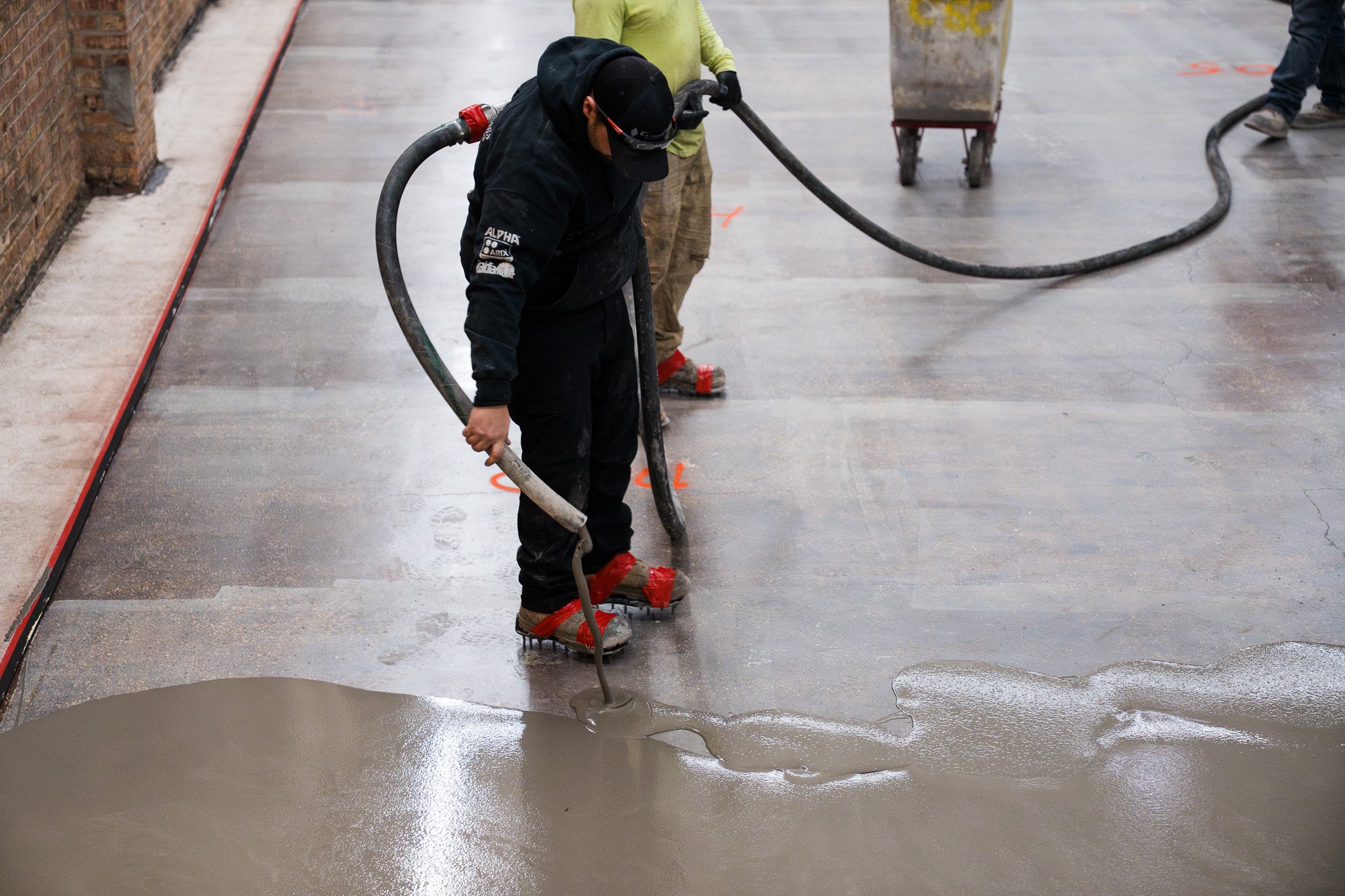
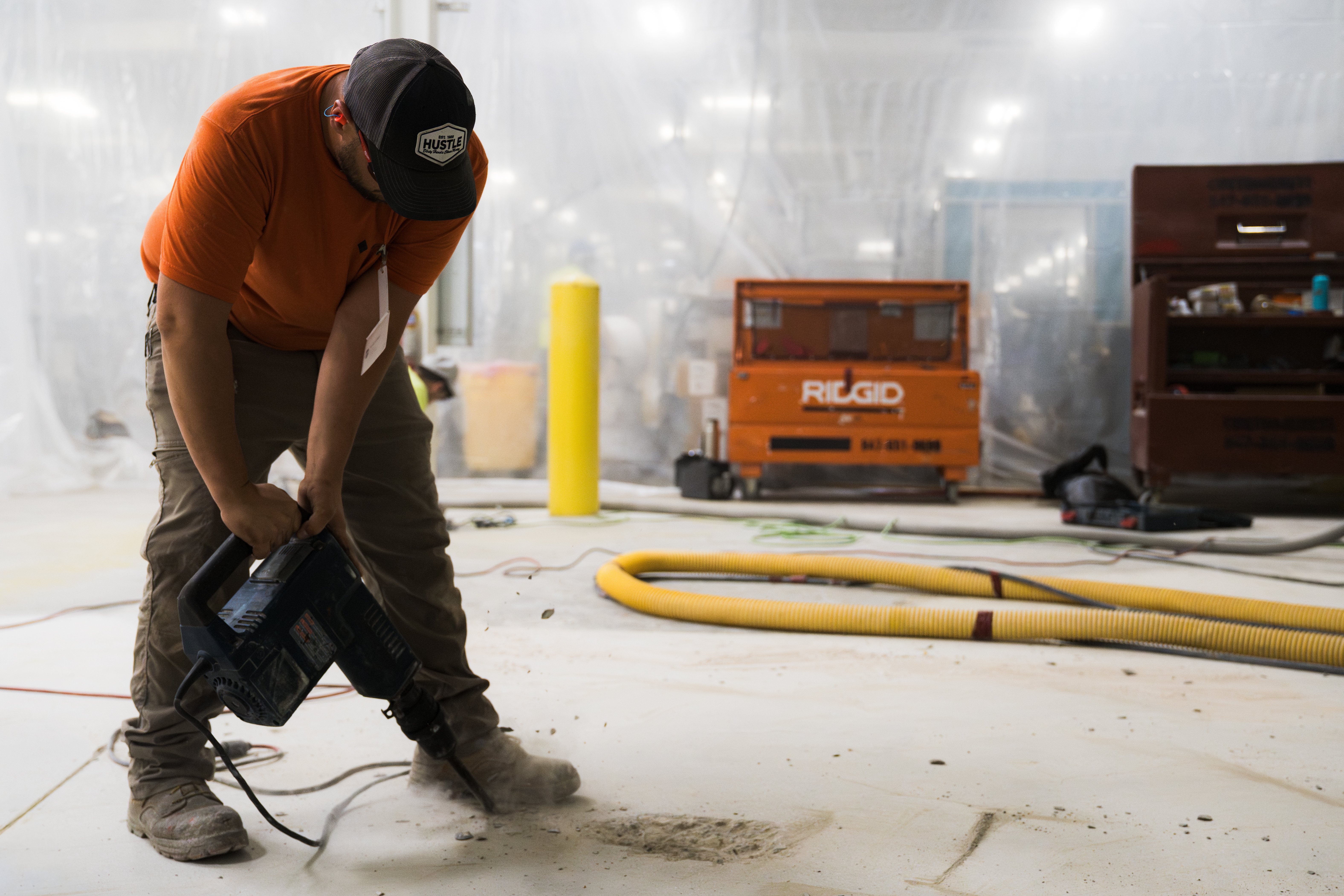
Cracks may need to be repaired, damaged joints may require rebuilding, and weak or deteriorated concrete may need to be removed and patched. Failed self-leveling materials or previous repairs may also need to be addressed.
These repairs are important because the condition of the substrate affects the performance of whatever comes next. Installing a new coating over unstable or poorly prepared concrete can increase the risk of future failure.
For this reason, surface preparation and repairs should be considered part of the flooring system rather than an unnecessary extra expense.
Removing Old Tile Can Reveal Tile Ghosting
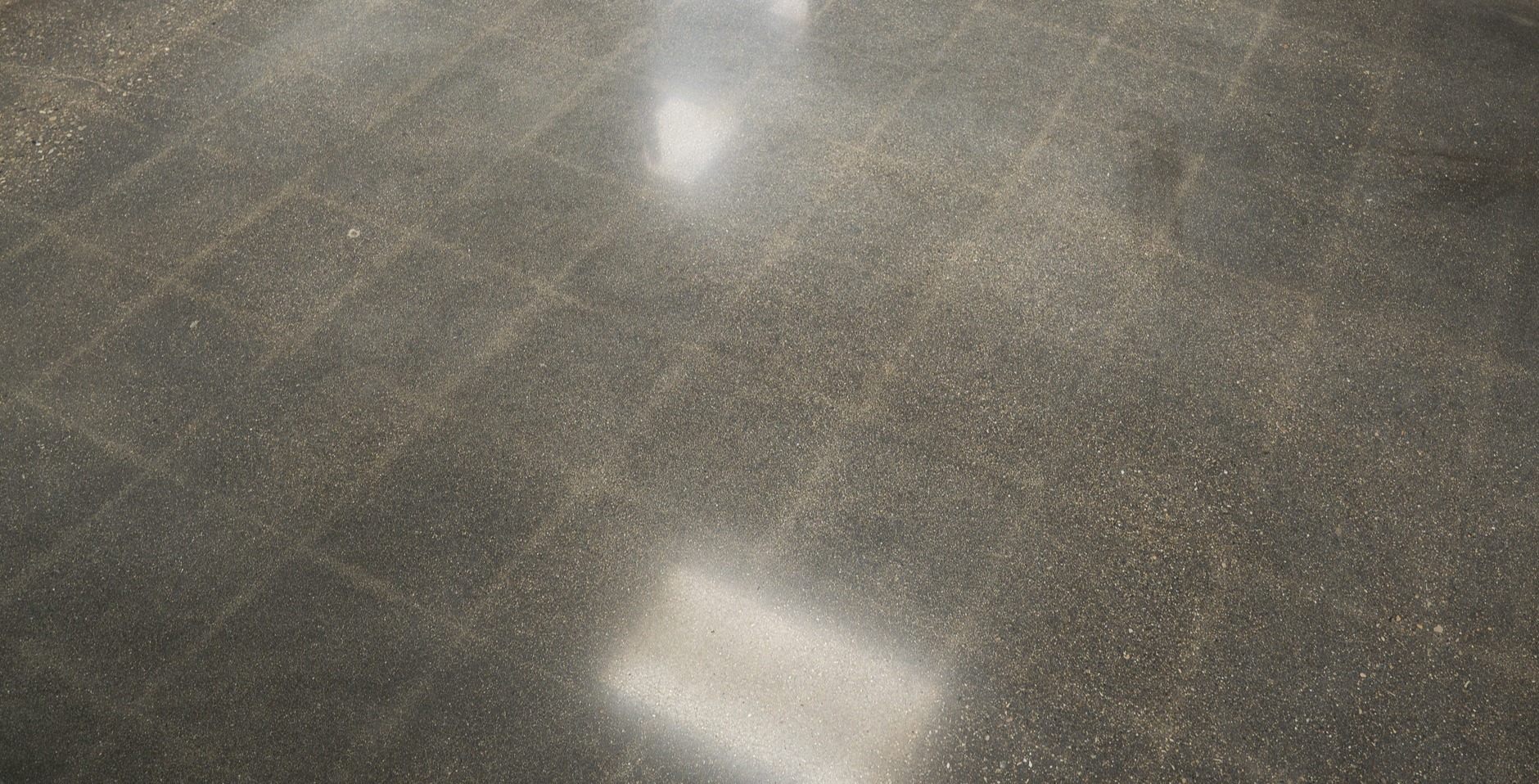
If your goal is polished concrete or another clear finish, removing old tile can reveal an aesthetic issue known as tile ghosting.
Tile ghosting occurs when the outline of the previous tile installation remains visible in the concrete. You may see squares, grout lines, adhesive patterns, or differences in color where the tile once sat.
Mechanical grinding can sometimes reduce these patterns, but it cannot always eliminate them. Concrete is porous, and years of moisture, adhesives, and environmental exposure can change the slab below the surface.
This is especially important when choosing polished concrete because the existing slab becomes the finished floor. Unlike an opaque coating, polished concrete does not completely hide stains, repairs, or previous flooring patterns.

Your New Flooring System Changes the Preparation Requirements
The amount of restoration required after demolition depends partly on what you plan to install next.
A polished concrete floor places greater emphasis on the appearance of the existing slab because the concrete remains visible. Repairs, stains, aggregate exposure, and tile ghosting may become part of the final look.
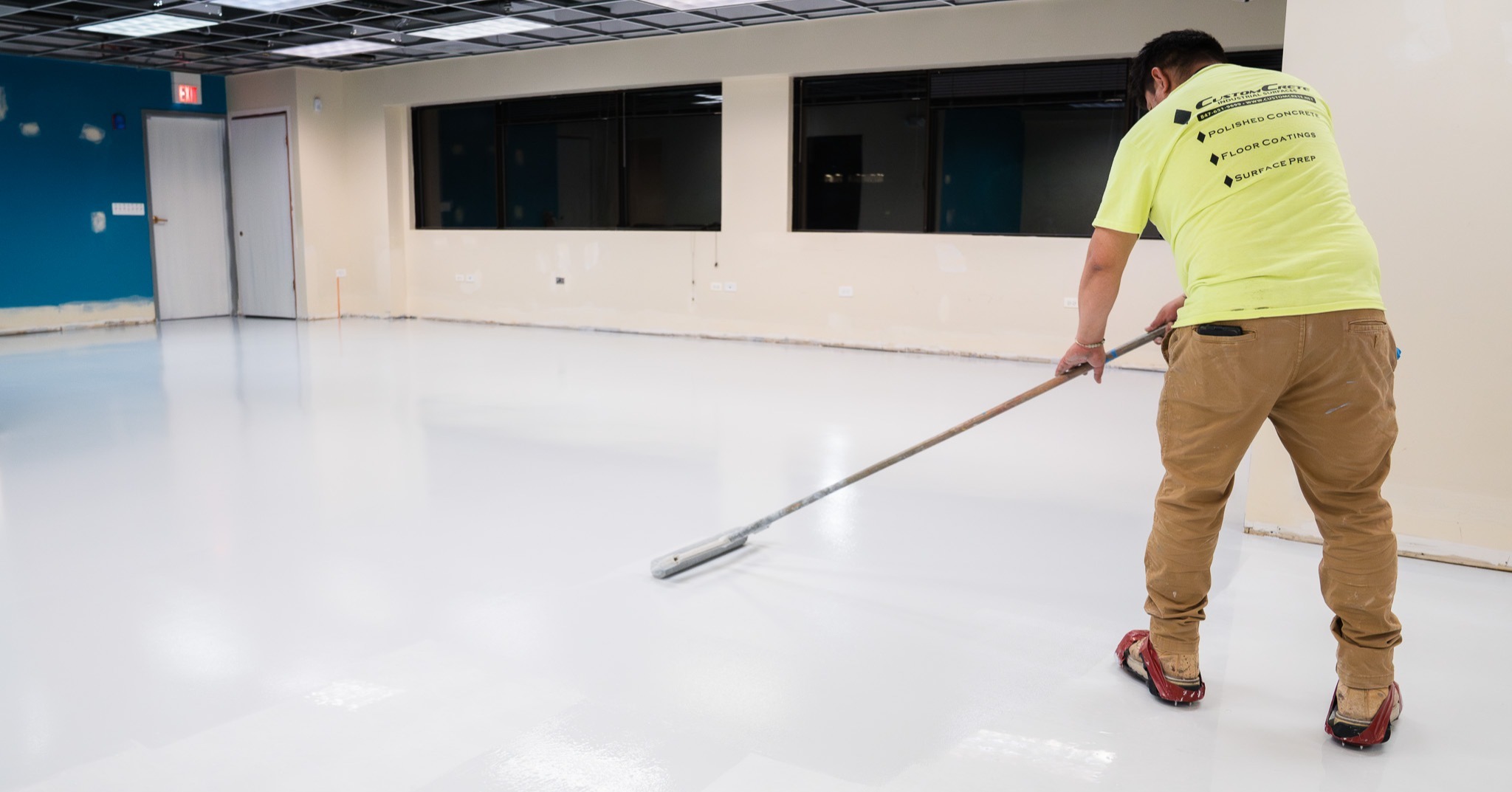
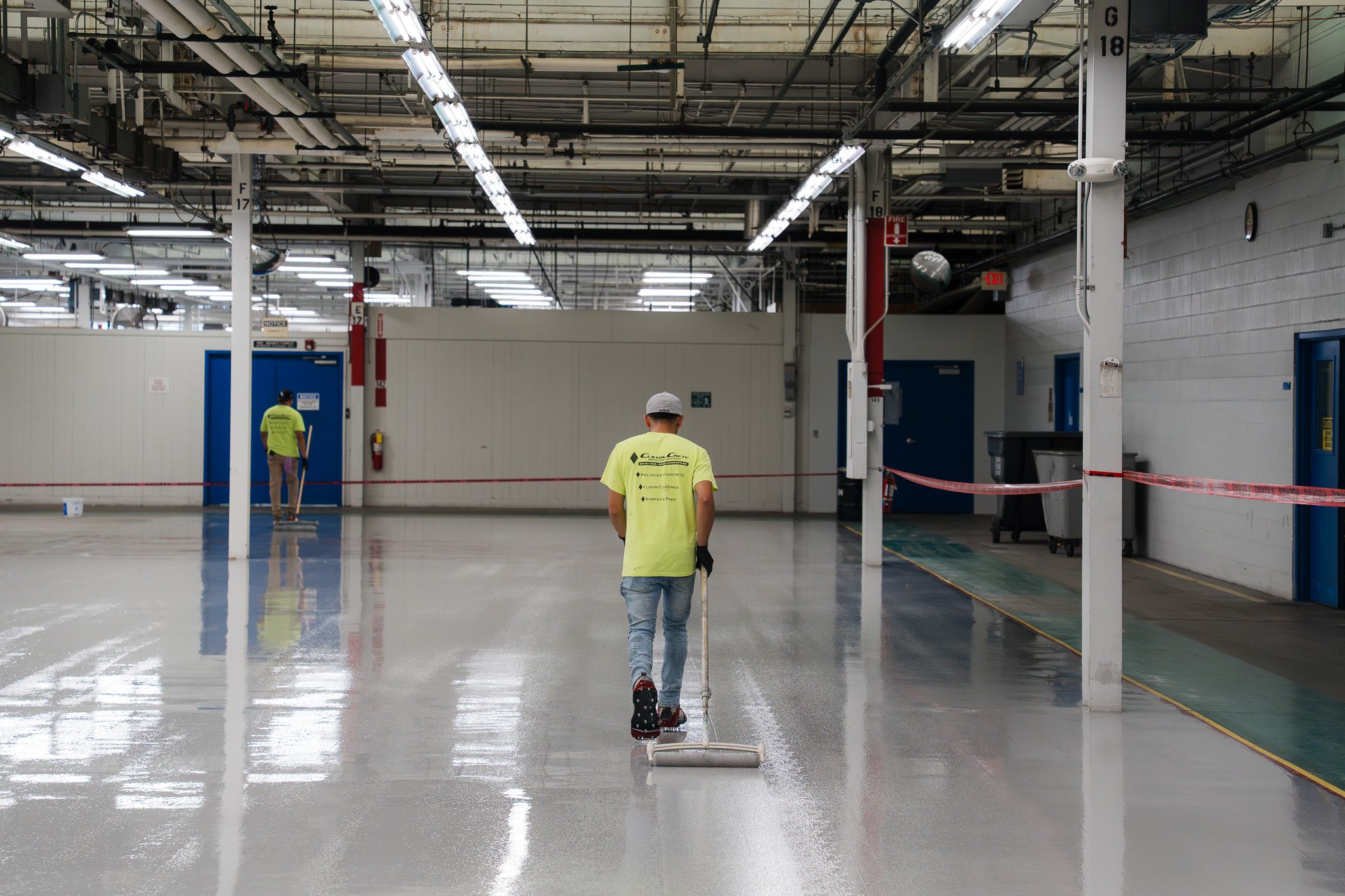
An opaque epoxy or resinous coating provides more control over color and appearance, but the concrete still needs to be structurally sound and properly prepared for adhesion.
Other systems, such as self-leveling underlayments or overlays, may be considered when the existing slab is uneven or when a new surface needs to be created.
The final flooring decision should therefore be considered before demolition whenever possible.
How Flooring Removal Can Affect Your Budget and Timeline
Demolition should be included when developing the overall flooring budget.
The final cost can be affected by the amount of flooring being removed, the strength of the adhesive, accessibility, disposal requirements, concrete repairs, and the amount of surface preparation required afterward.
Unexpected slab conditions can also affect scheduling. If extensive repairs are discovered after demolition, the project may need additional time before the final flooring system can be installed.
Planning for this possibility creates a more realistic schedule and reduces surprises during construction.
What Should You Discuss With Your Flooring Contractor?
Before work begins, make sure everyone understands the existing floor, desired finished system, facility schedule, and expectations for appearance.
For polished concrete in particular, discussing natural variation is important. Existing repairs, stains, aggregate differences, and tile ghosting may remain visible after polishing.
A contractor should be able to explain what can reasonably be improved, what may remain visible, and how different flooring systems would respond to the existing slab conditions. That information allows you to make a decision based on realistic expectations rather than discovering limitations after demolition.
Final Thoughts
Removing old tile or carpet is often the beginning of a much larger concrete restoration process. Once the existing flooring comes up, contractors may discover adhesive, failed patches, cracks, uneven concrete, moisture concerns, or visual differences that affect the next stage of the project.
Evaluating these conditions carefully is especially important when the existing concrete will become the finished surface. Knowing what may be underneath your old flooring helps you plan a more accurate budget, schedule, and final flooring system.
One of the most surprising conditions discovered after tile removal is the visible pattern the old floor can leave behind. To understand why this happens and what can be done about it, read the next article: What Is Tile Ghosting?

Topics: