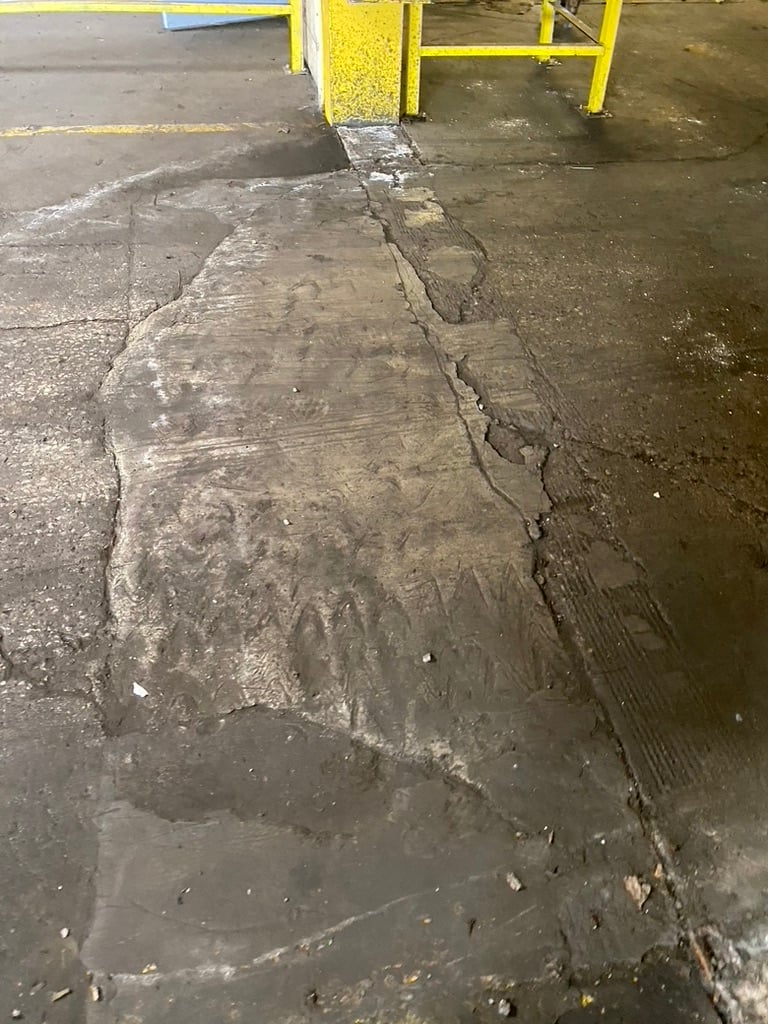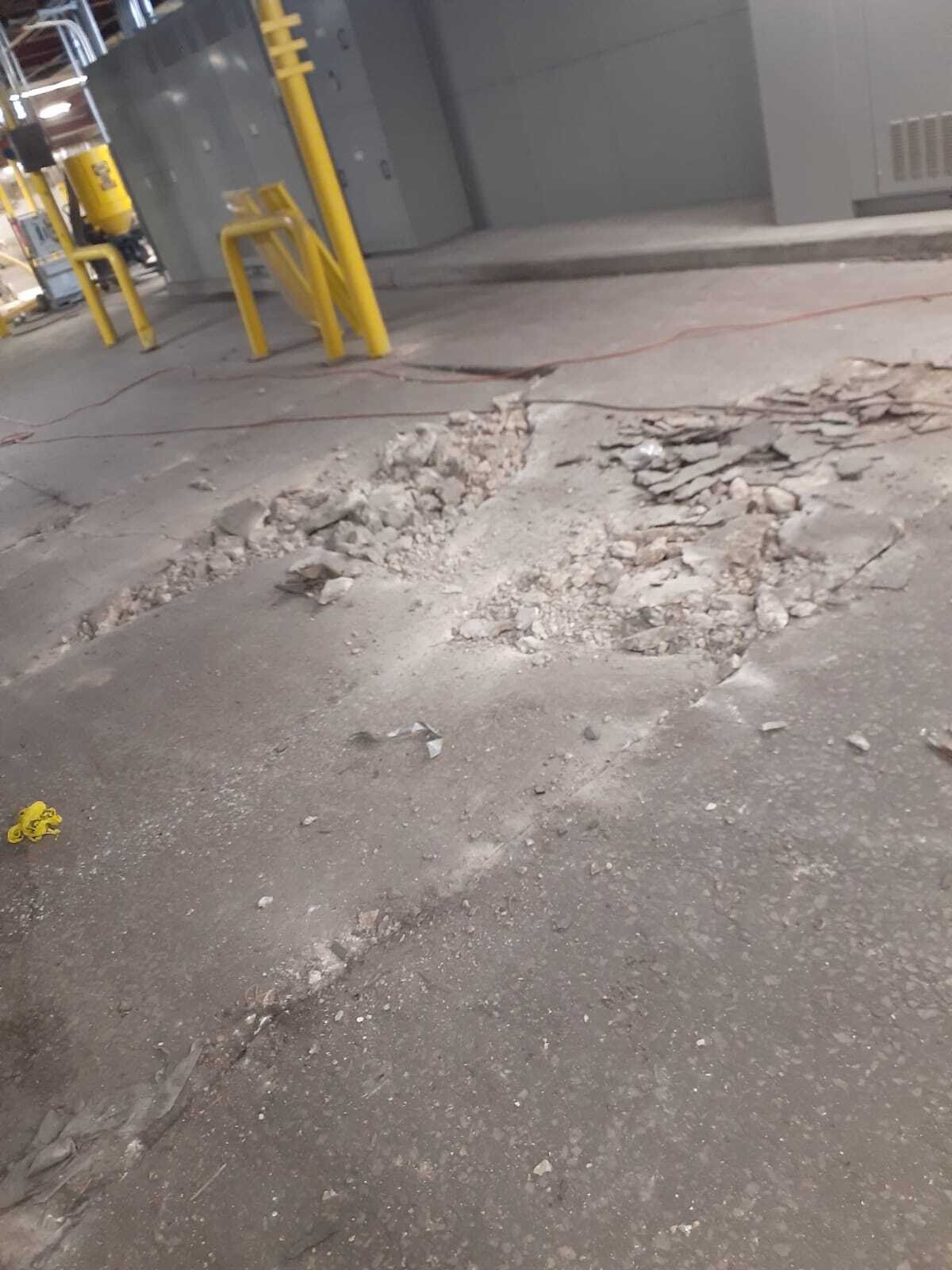

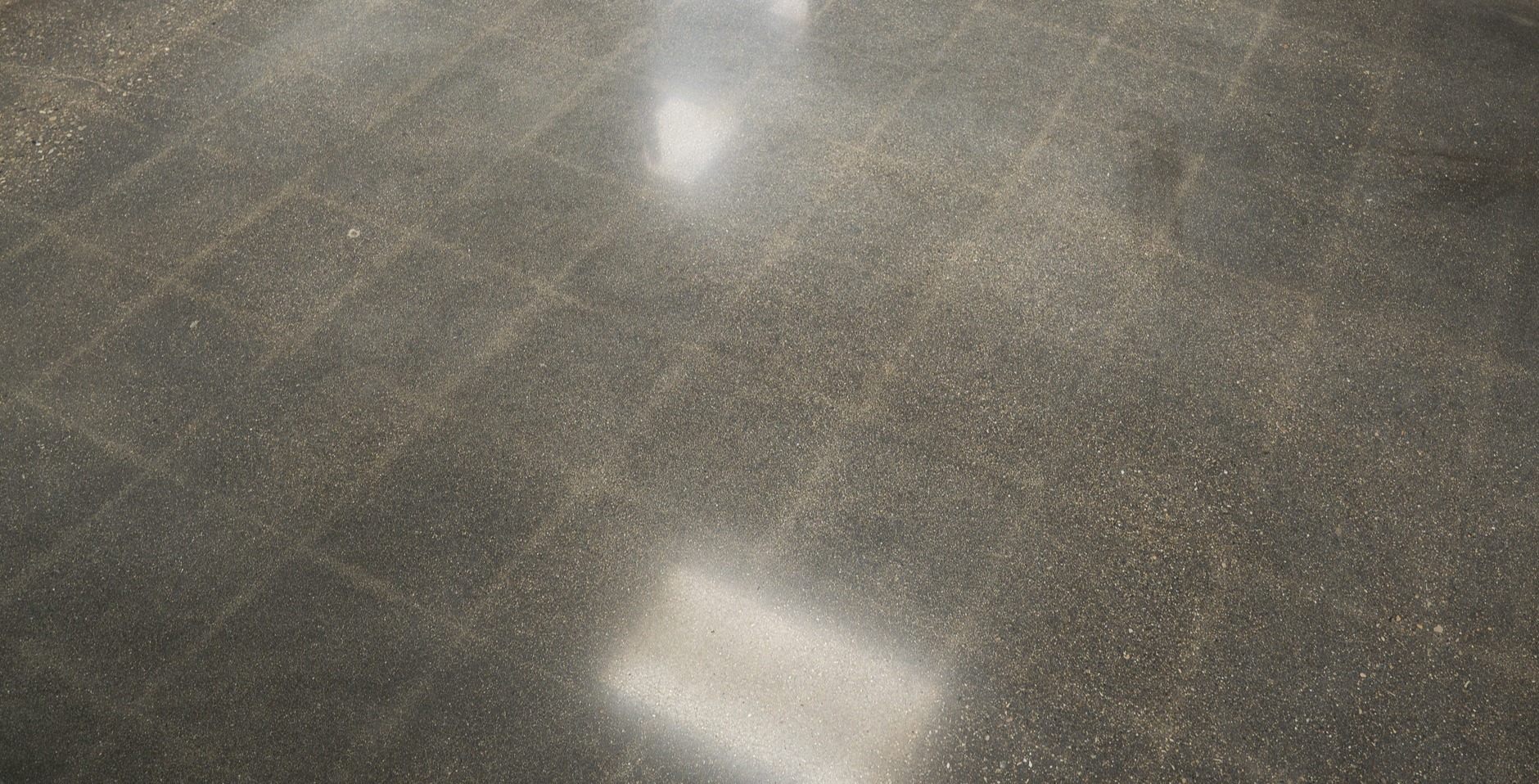
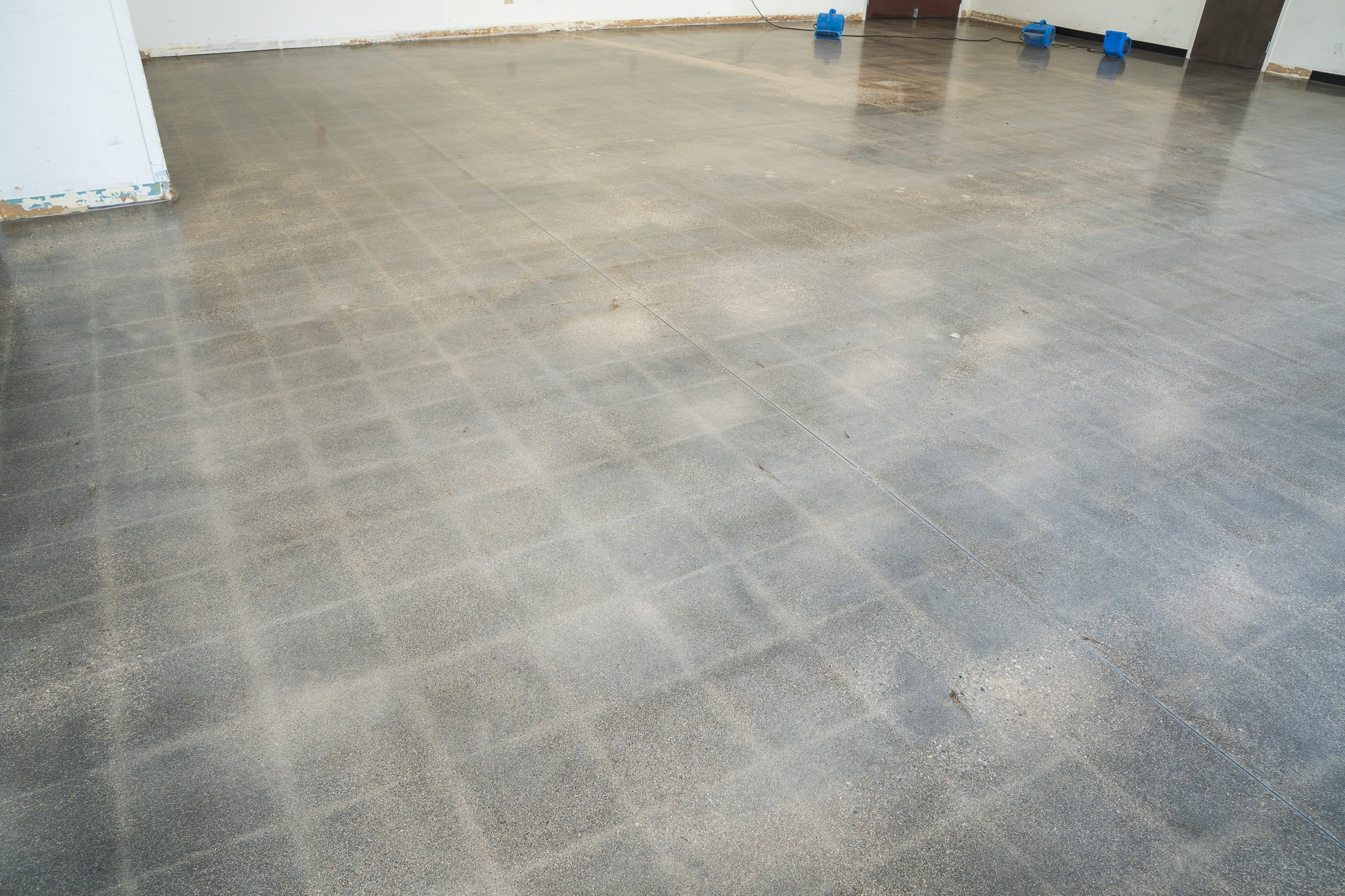
Removing old tile can reveal something unexpected: even after the tile and adhesive are gone, the original tile pattern may still be visible in the concrete. You might see squares, grout lines, color differences, or other markings that seem to recreate the floor that was previously installed. This is known as tile ghosting.
Tile ghosting occurs when years of contact with tile, grout, adhesives, moisture, and other materials leave permanent or semi-permanent differences in the concrete underneath. It becomes especially noticeable when the concrete itself will become the finished floor, such as with polished concrete or certain sealed concrete systems.
With nearly 20 years of experience and over 1 million square feet installed, CustomCrete has encountered tile ghosting during many commercial concrete restoration projects. Understanding why it happens—and what can realistically be done about it—can help owners, architects, and general contractors set the right expectations before choosing a finished flooring system.
Key Takeaways
- Tile ghosting is the visible pattern left behind on concrete after tile or another flooring material is removed.
- Grinding can reduce some markings, but deeper discoloration and differences within the concrete may remain.
- If the concrete will become the finished surface, existing tile ghosting should be evaluated before deciding on polished or sealed concrete.

What Does Tile Ghosting Look Like?
Tile ghosting can appear differently depending on the original flooring system and how long it was installed.
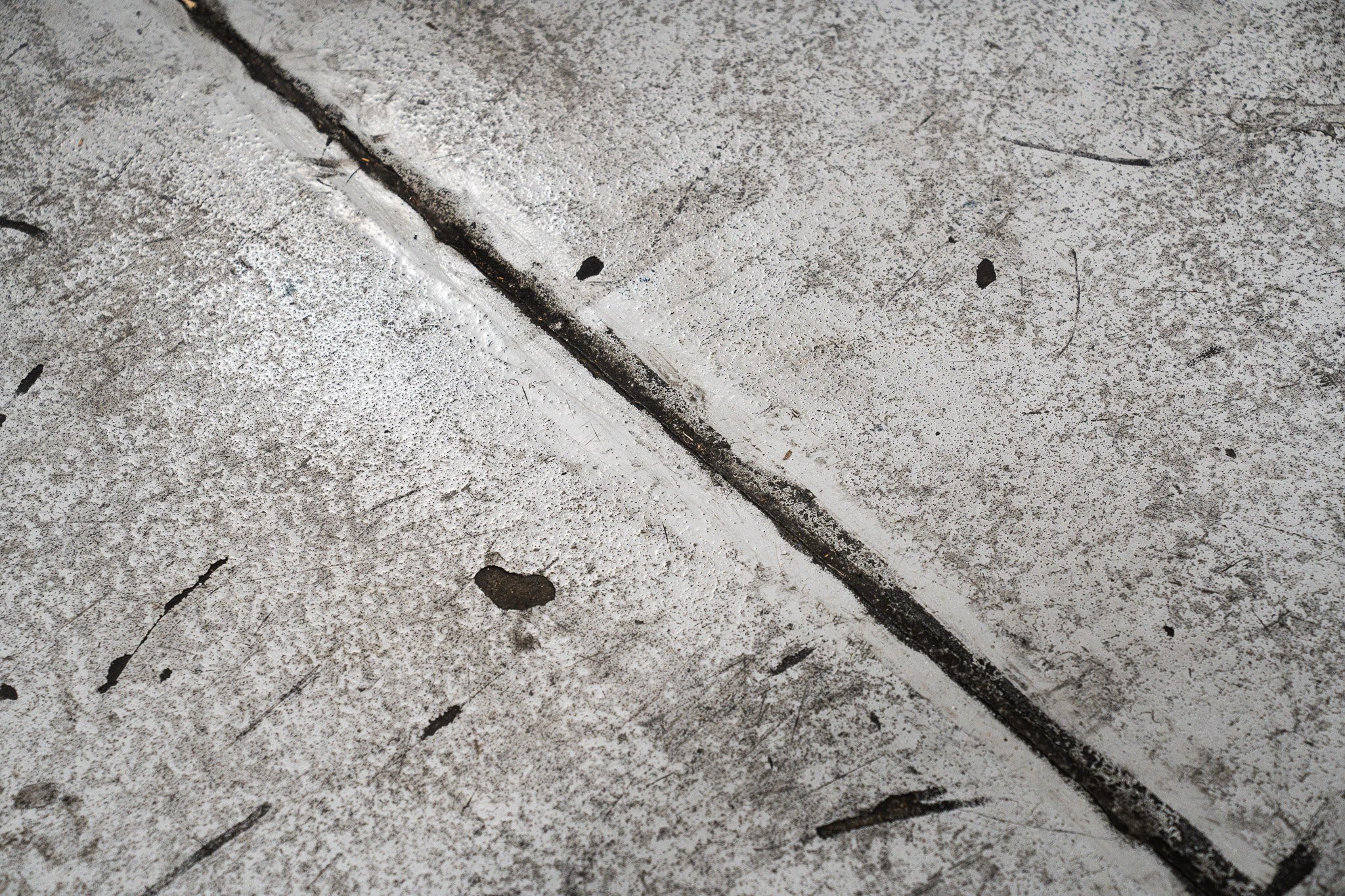
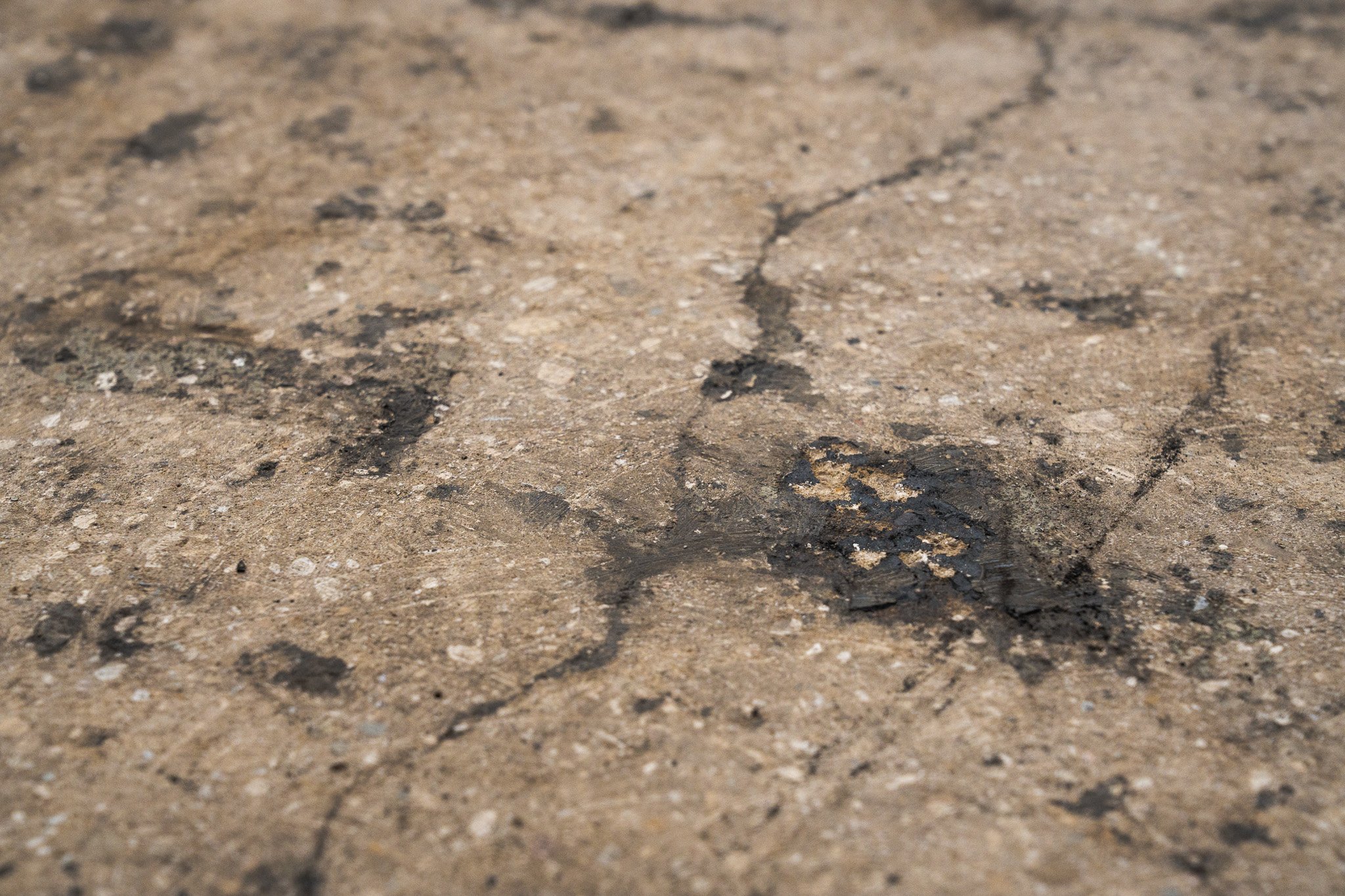
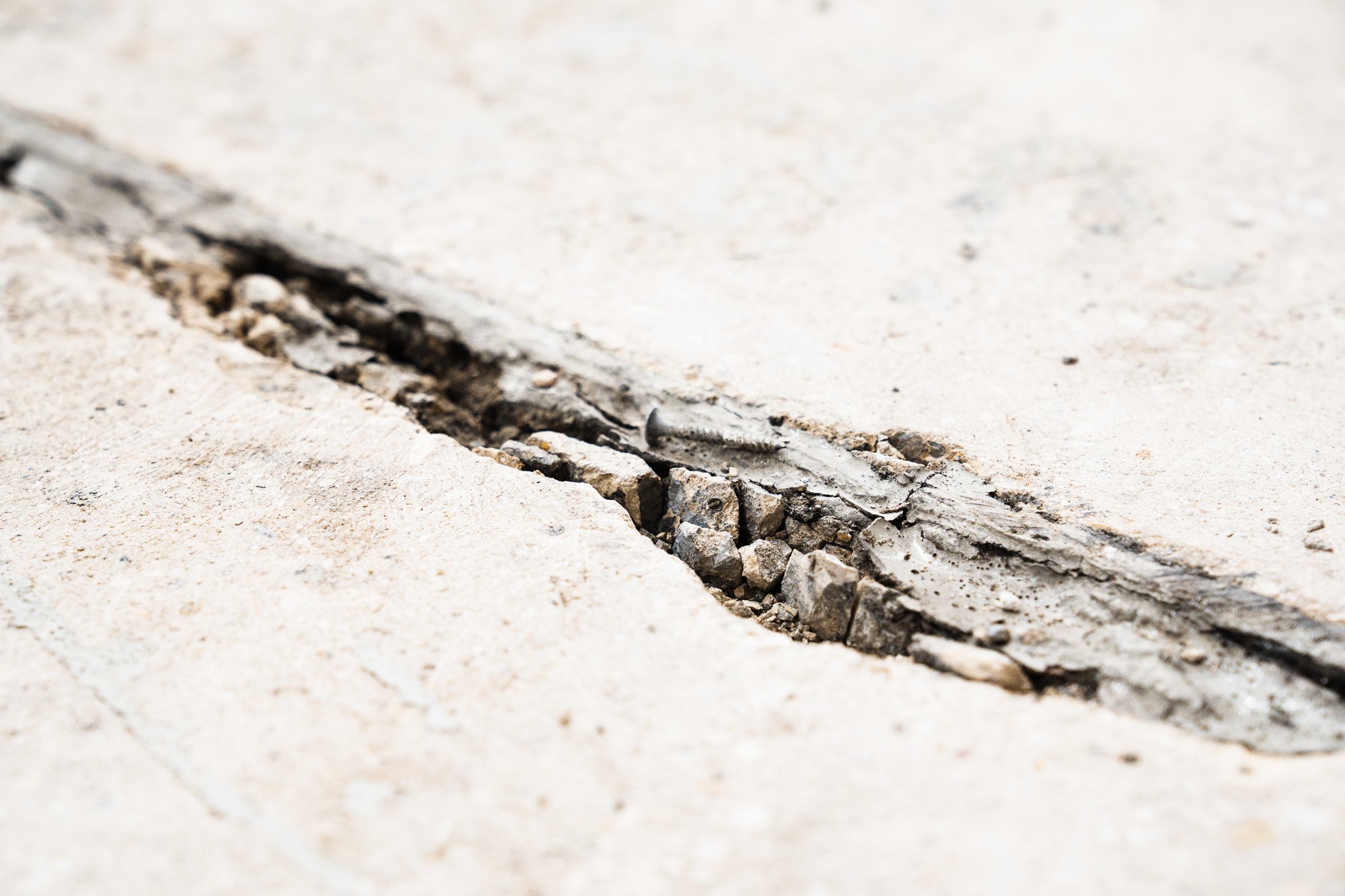
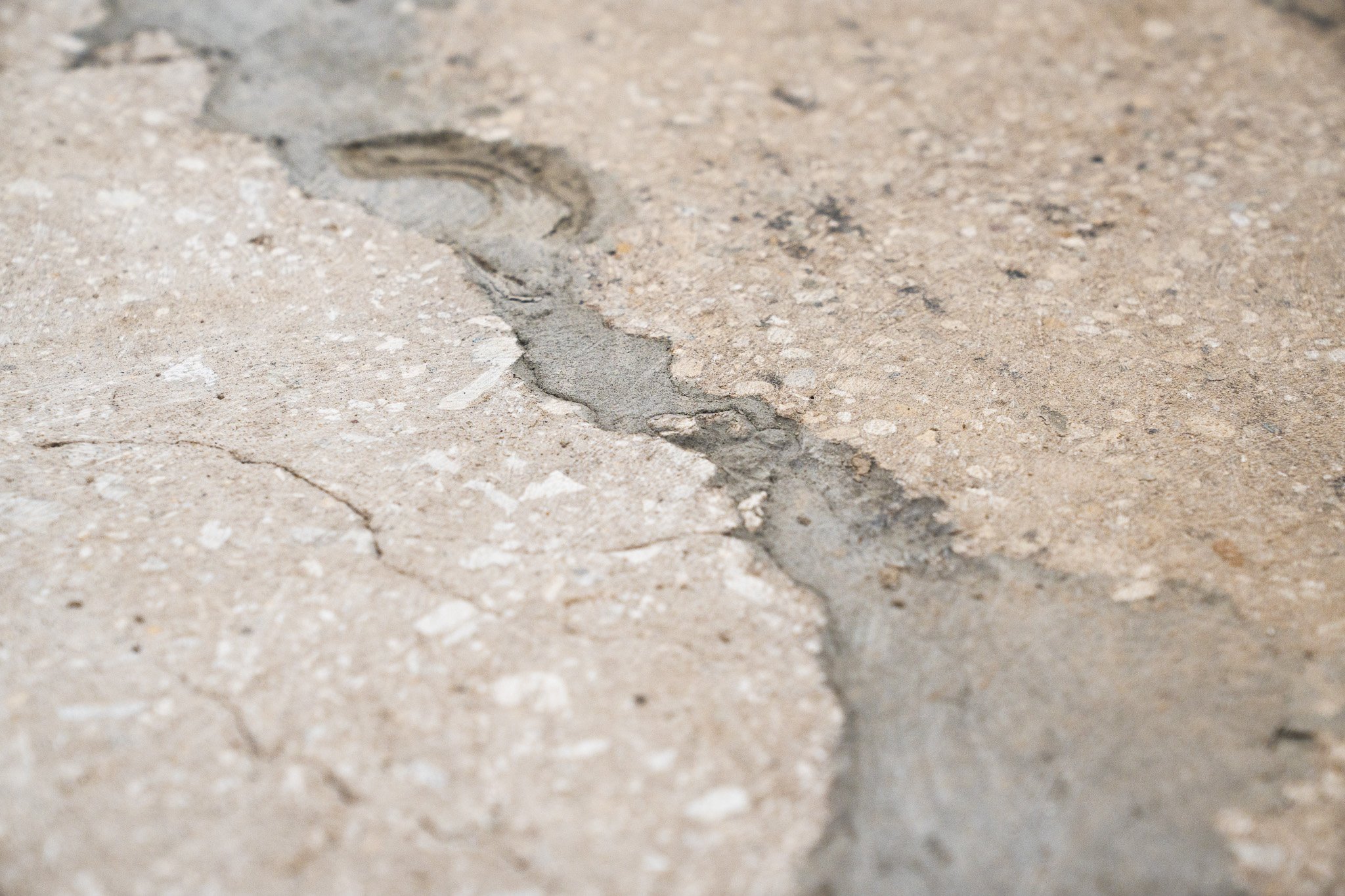
After removing tile, you may notice visible squares where individual tiles were located, darker or lighter grout lines, adhesive patterns, staining, or variations in the concrete's texture.
In some cases, the pattern is subtle before surface preparation begins. Once the concrete is ground and polished, however, differences within the slab may become more noticeable. The important thing to understand is that tile ghosting is not necessarily dirt sitting on top of the concrete. The appearance may come from changes that occurred within the concrete itself.
Why Does Tile Ghosting Happen?
Concrete is porous, which means it can absorb moisture and other materials over time.
When tile remains on a concrete slab for years or even decades, different sections of the concrete may be exposed to different conditions. Areas underneath the tile may age differently than areas underneath grout lines.
Adhesives can also penetrate the concrete or cause discoloration. Moisture movement, cleaning products, previous flooring treatments, and contaminants can create additional differences across the slab.
Once the original flooring is removed, these variations can reveal the outline of the old installation.
Can Grinding Remove Tile Ghosting?
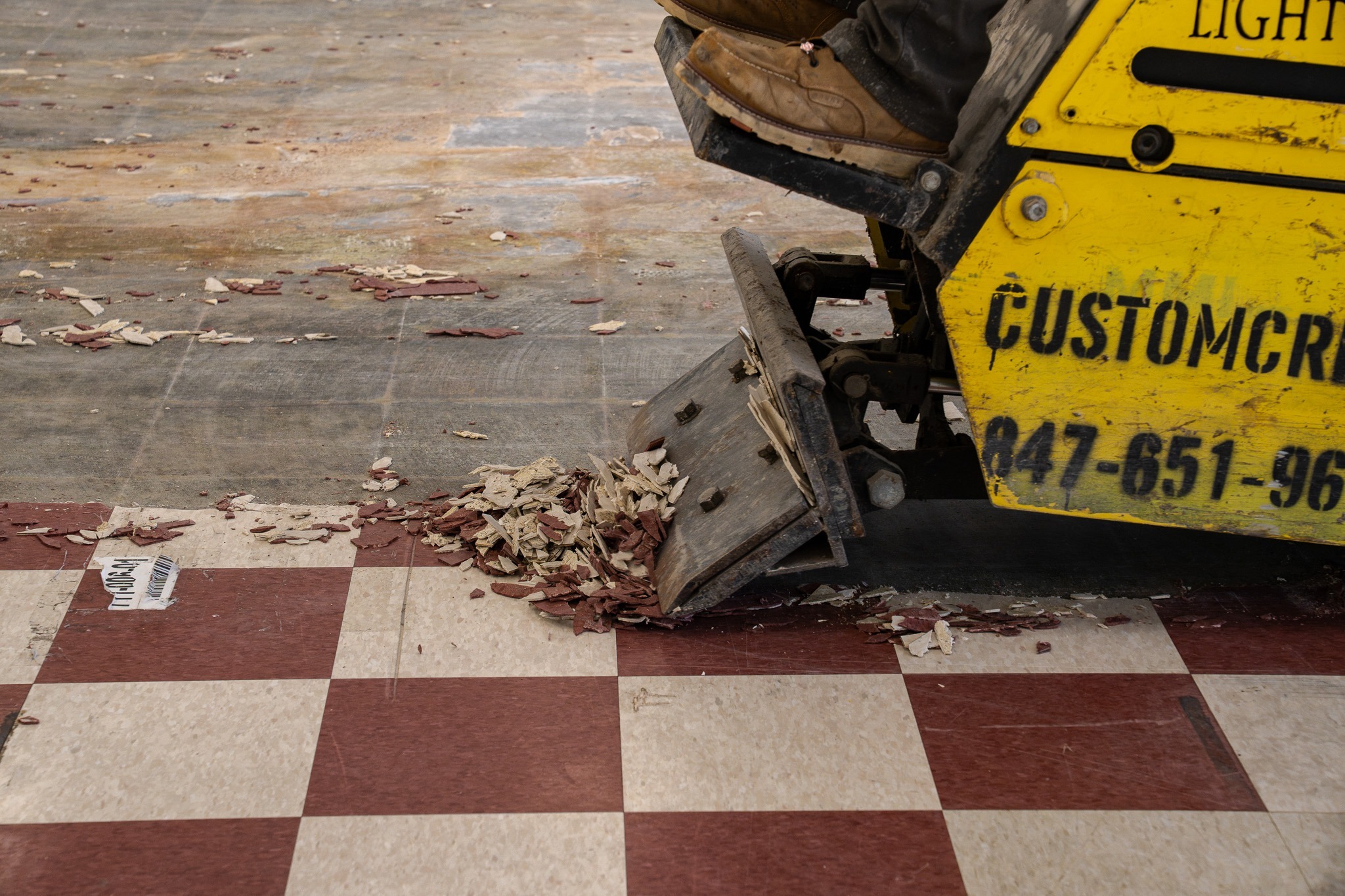
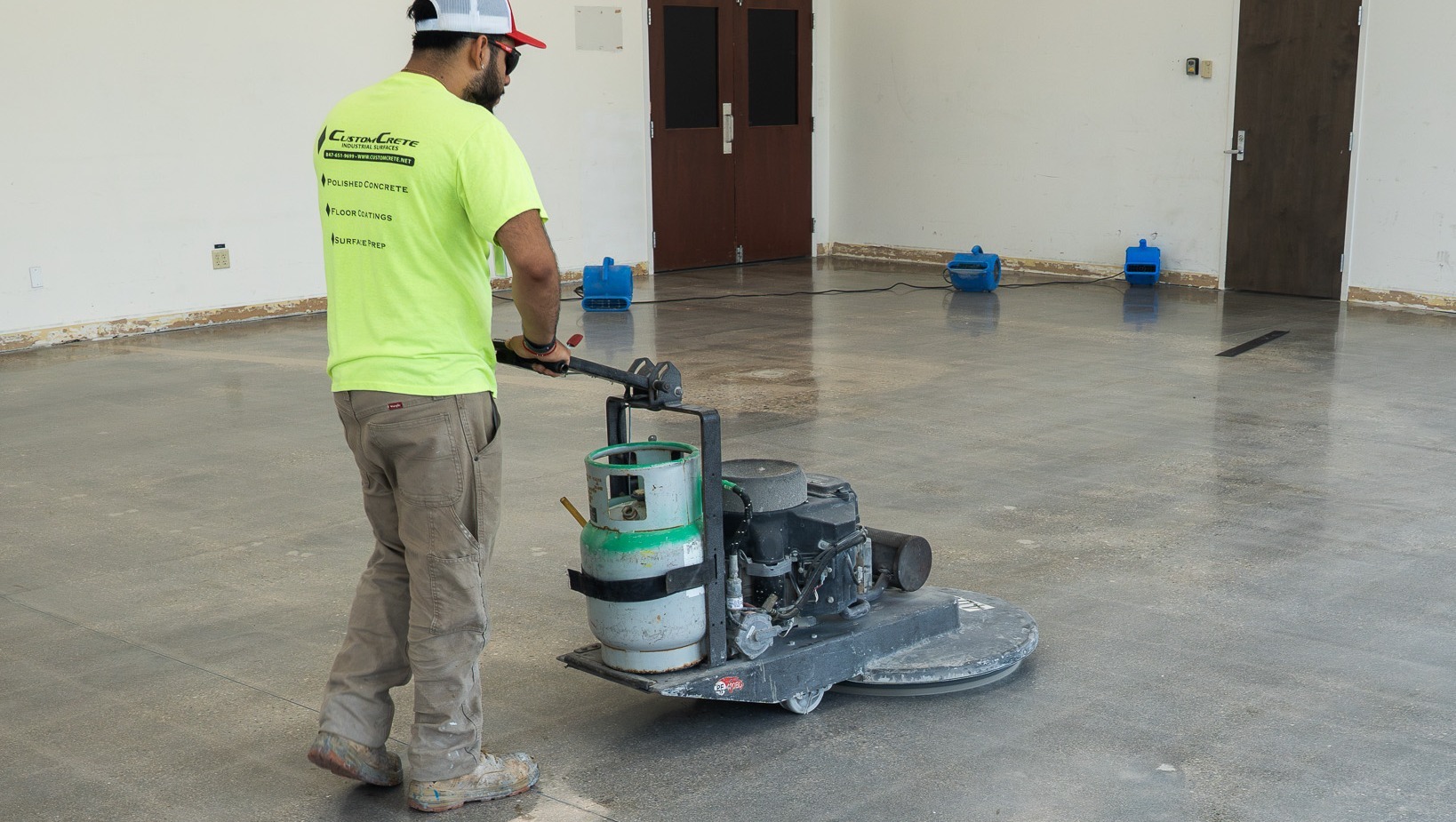
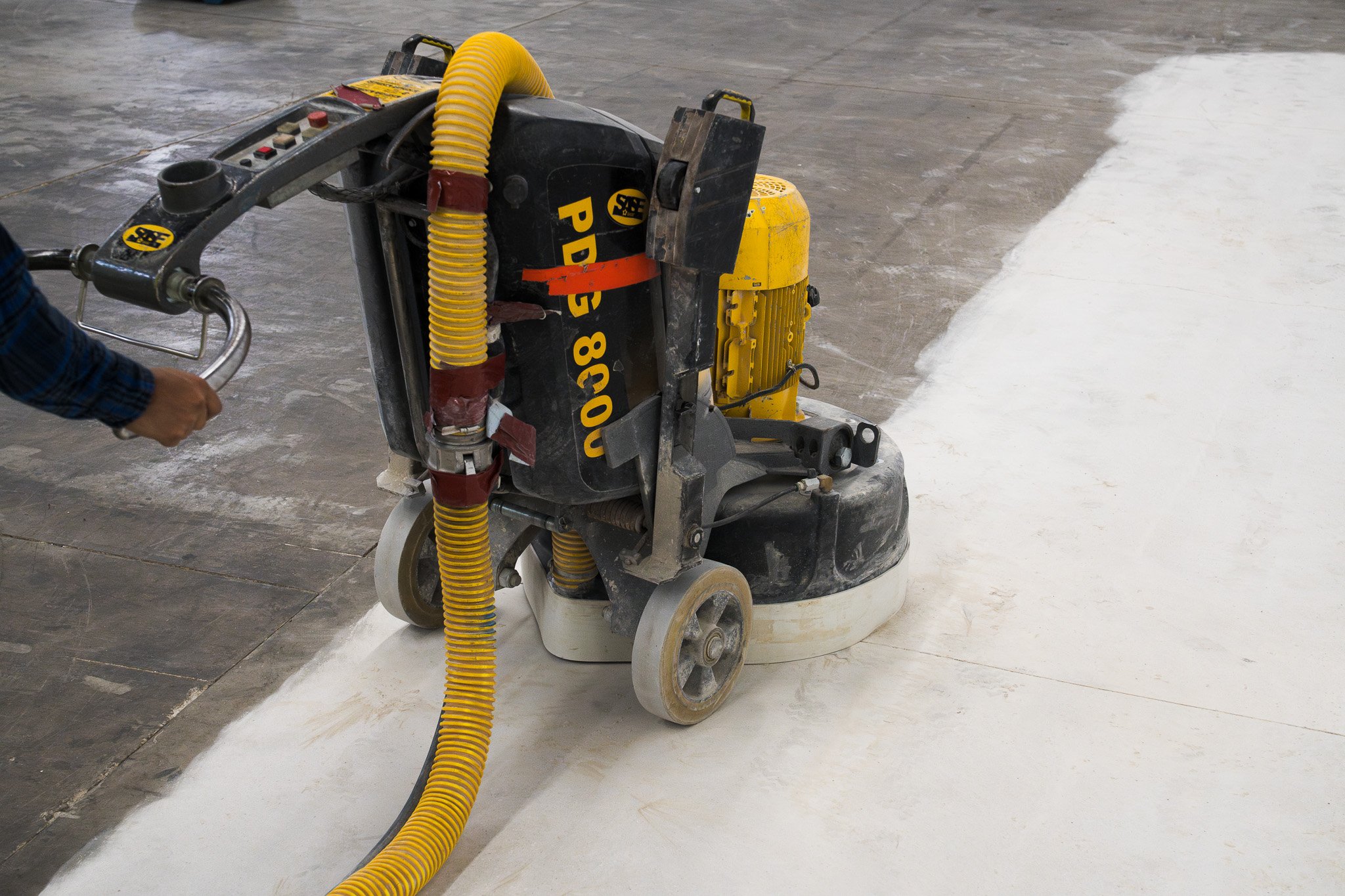
Grinding is an important part of preparing concrete after tile removal, but it does not guarantee that tile ghosting will disappear.
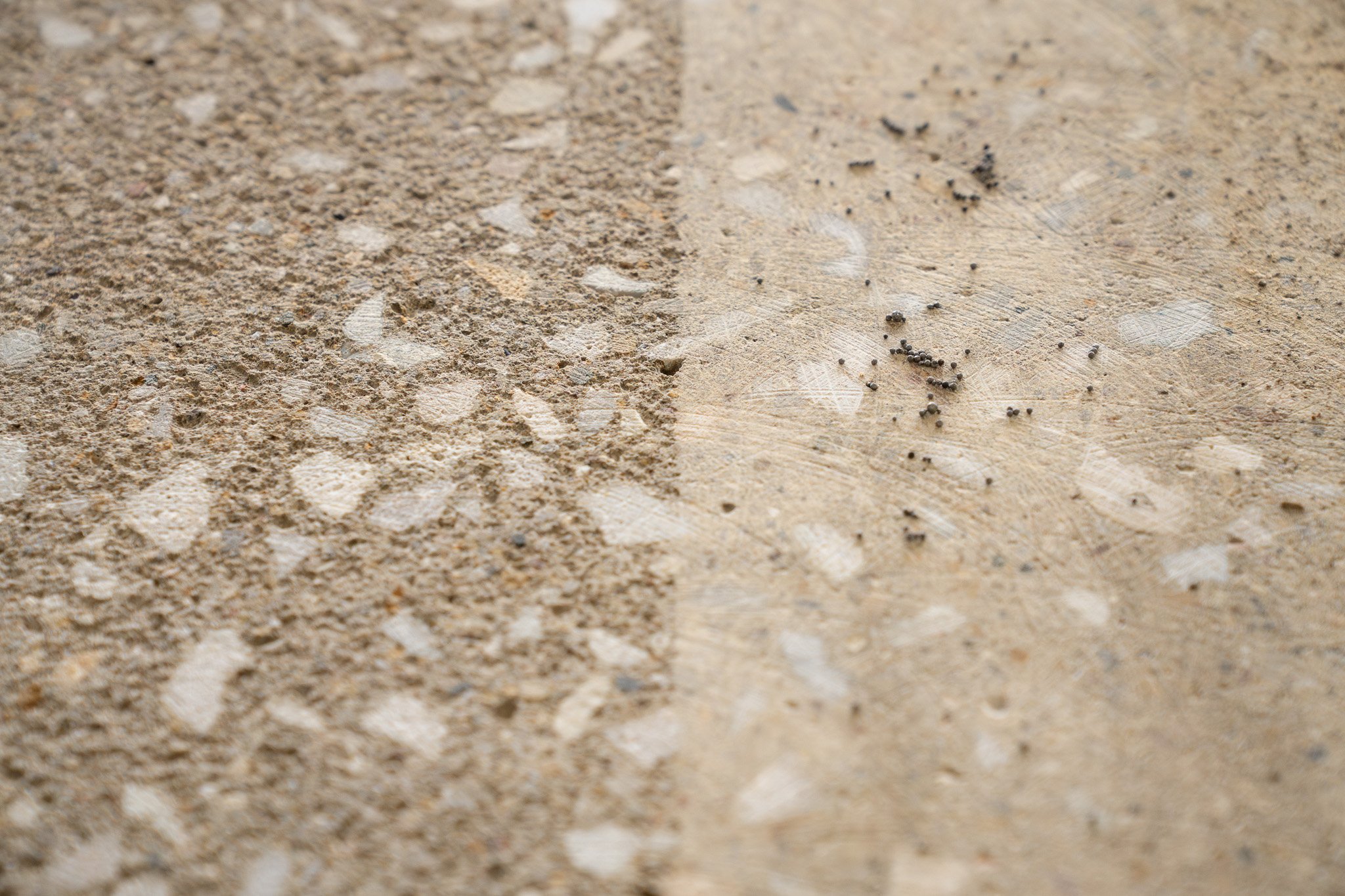
Mechanical grinding removes adhesive residue, contaminants, and the upper layer of the concrete. If the ghosting is primarily located near the surface, grinding may significantly reduce its appearance.
However, deeper discoloration can remain even after aggressive grinding. Continuing to grind simply to remove a visual pattern can also create other problems. Excessive grinding may expose more aggregate than desired or create inconsistent aggregate exposure across the floor.
For that reason, the amount of grinding should be based on the final flooring goals rather than an assumption that every old tile pattern can be completely removed.
How Tile Ghosting Affects Polished Concrete
Tile ghosting is particularly important when considering polished concrete because the existing slab becomes the finished floor.
Unlike epoxy or another opaque coating, polished concrete does not hide the slab underneath. Grinding and polishing enhance the concrete that is already there—including many of its natural variations, previous repairs, stains, and imperfections.
If an old tile pattern remains after preparation, portions of that pattern may still be visible in the final polished floor.
Some owners appreciate this character because it tells the history of the building. Others want a much more uniform appearance. Neither preference is wrong, but expectations should be established before the project begins.
What About Sealed Concrete?
Tile ghosting can also affect grind-and-seal or other clear sealed concrete finishes.
Like polished concrete, a clear sealer allows the existing slab to remain visible. Depending on the sealer and concrete conditions, some variations may even appear more pronounced after the material is applied.
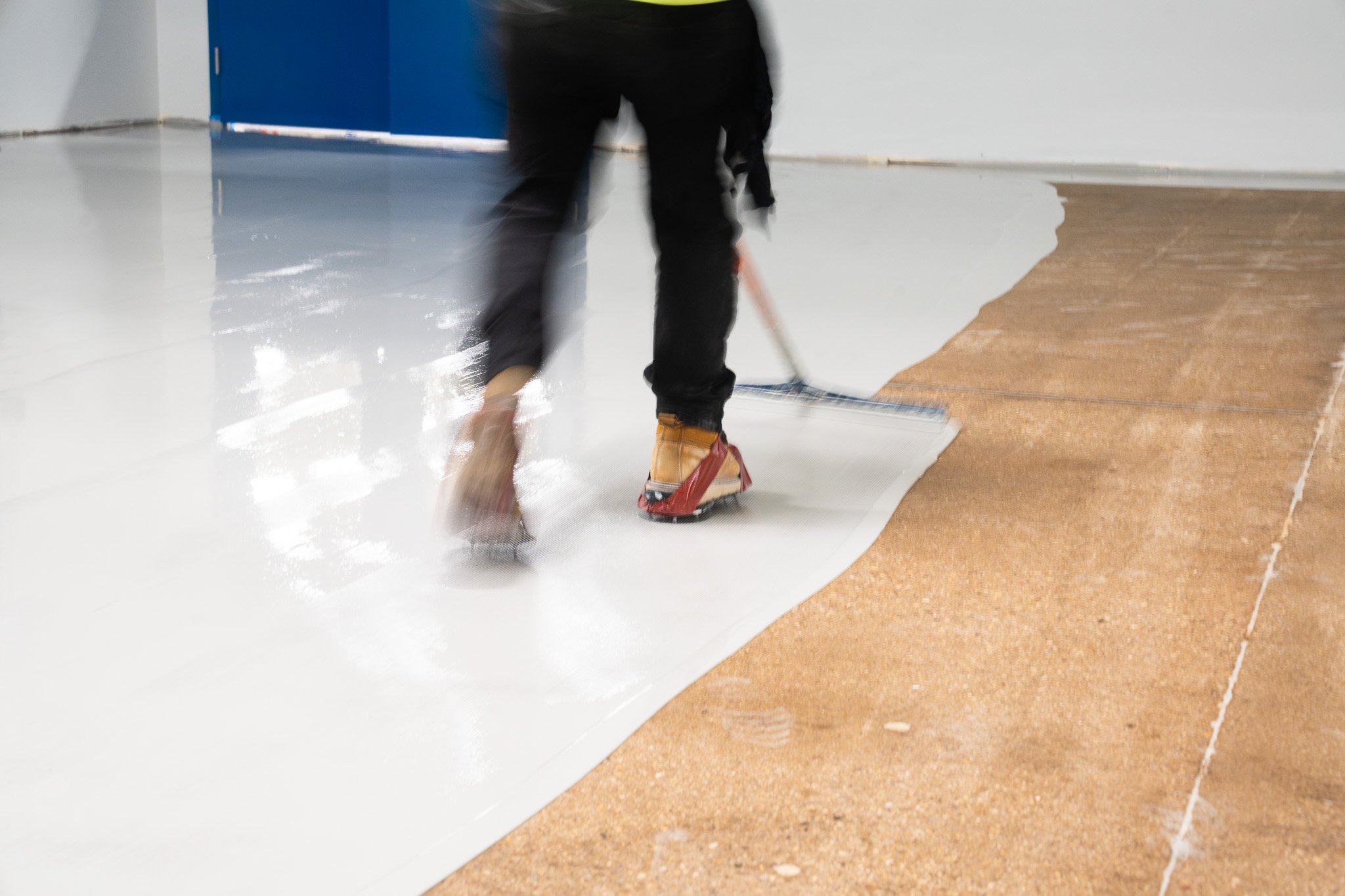
If visual consistency is a major priority, a clear finished system may not always be the best solution for a heavily ghosted slab. An opaque coating, decorative system, or overlay may provide greater control over the finished appearance.
Can Tile Ghosting Be Covered?
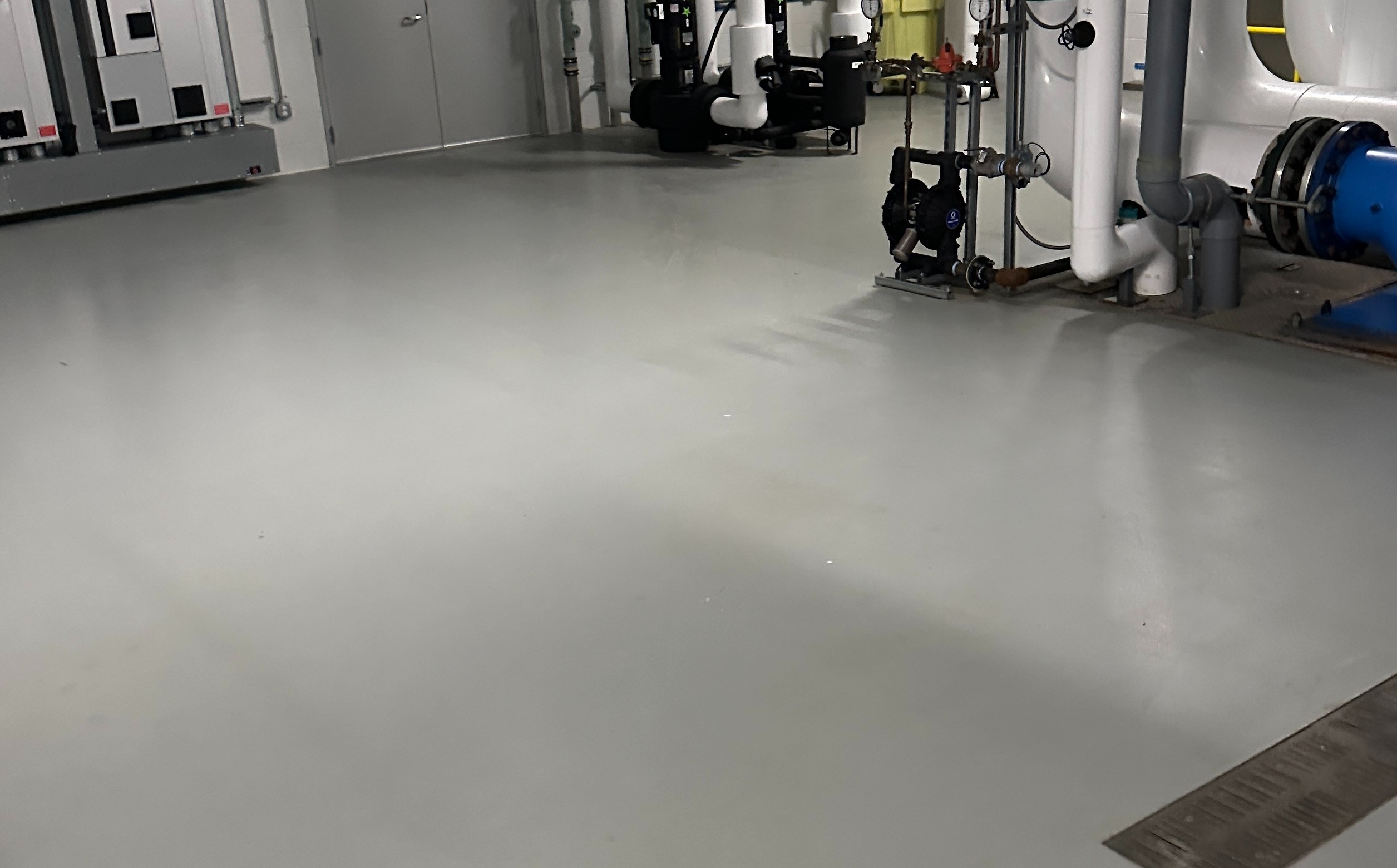
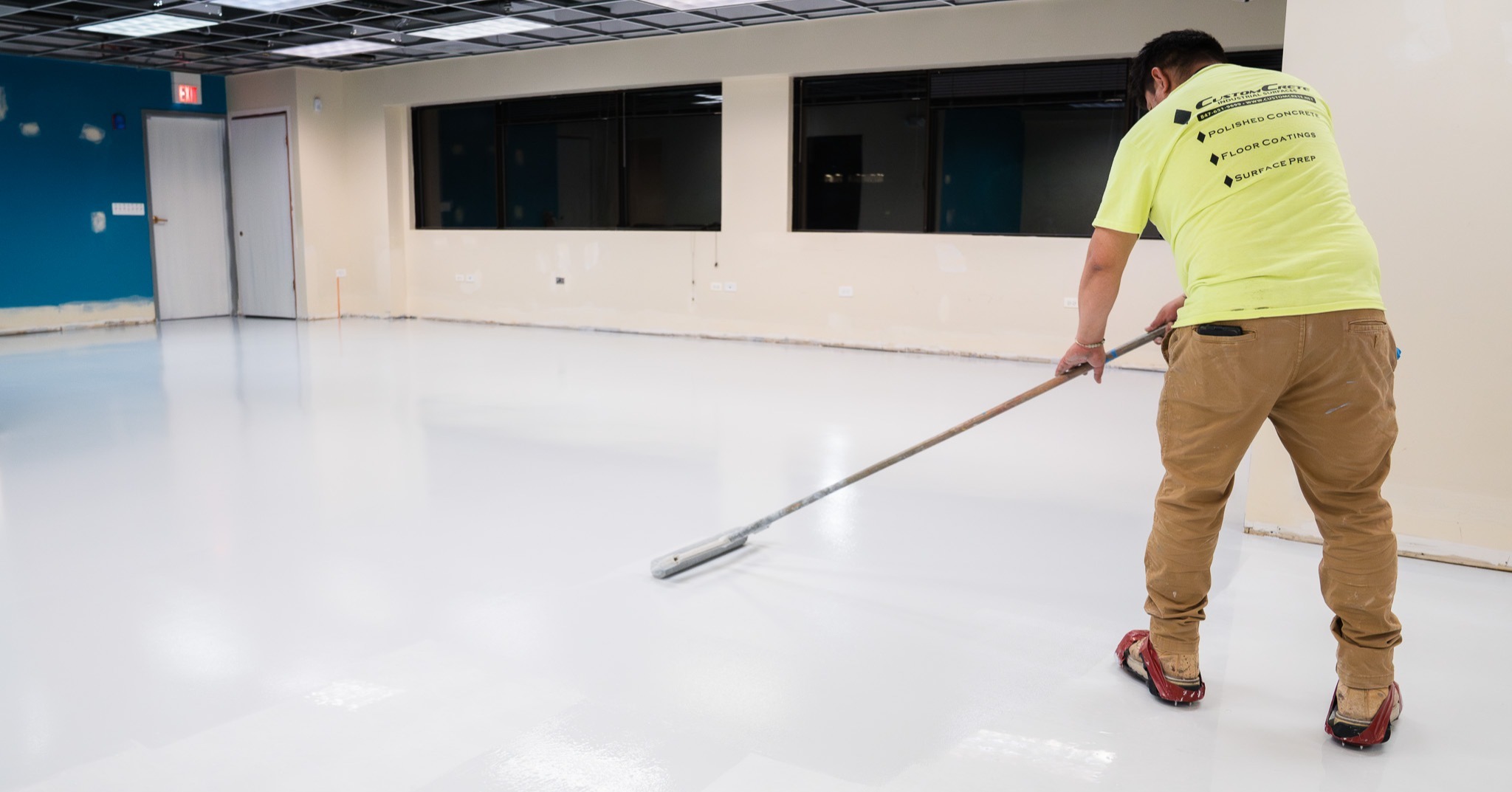
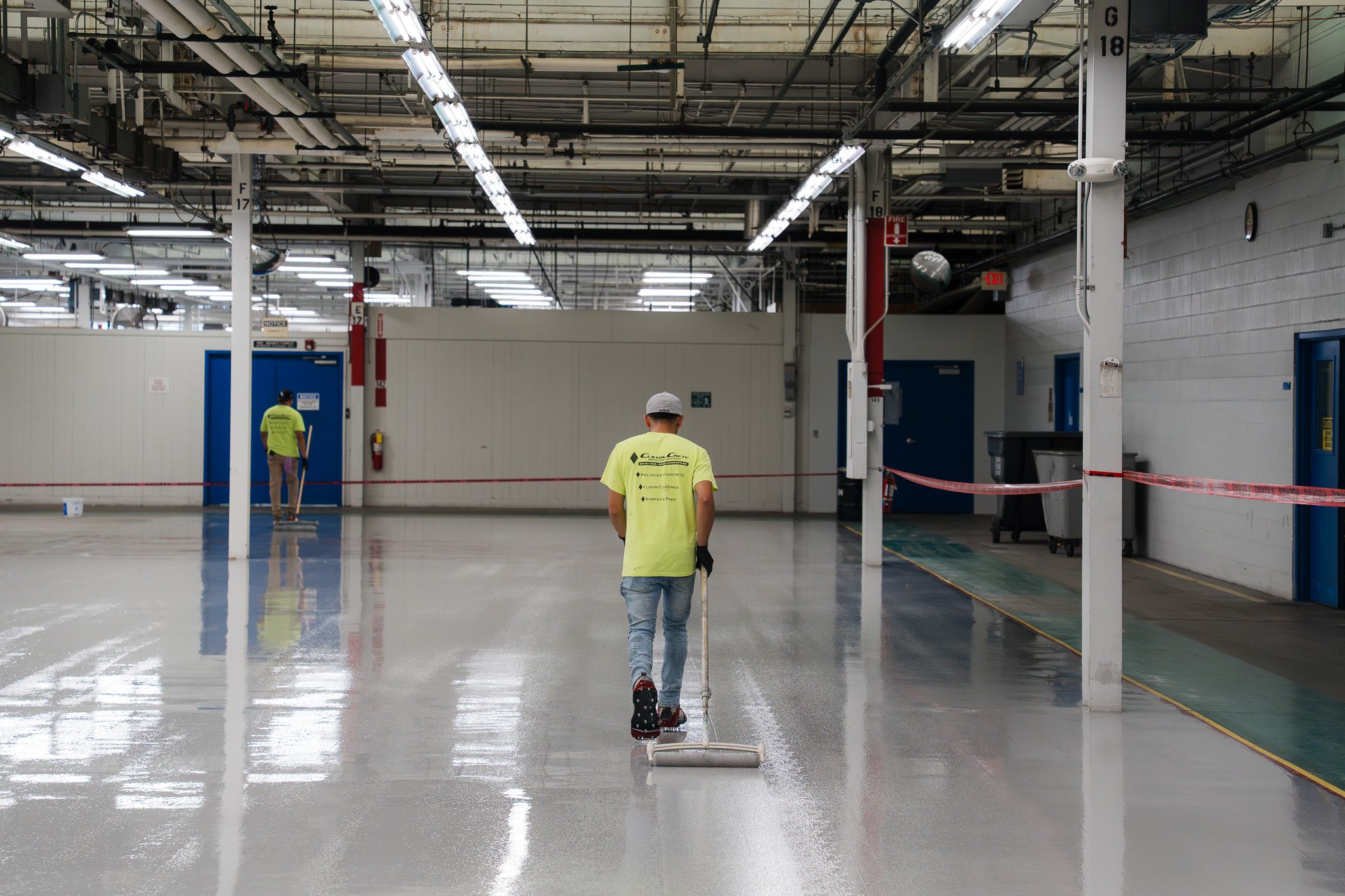
Yes. If tile ghosting cannot be sufficiently reduced and the appearance is unacceptable, there are flooring systems designed to cover the existing concrete rather than showcase it.
Depending on the facility, possibilities may include epoxy coatings, decorative flake systems, cementitious overlays, or other resinous flooring systems.
The right choice depends on more than appearance. Traffic, moisture, chemicals, maintenance requirements, budget, and facility use should all be considered before selecting an alternative.
Why a Test Area Can Be Helpful
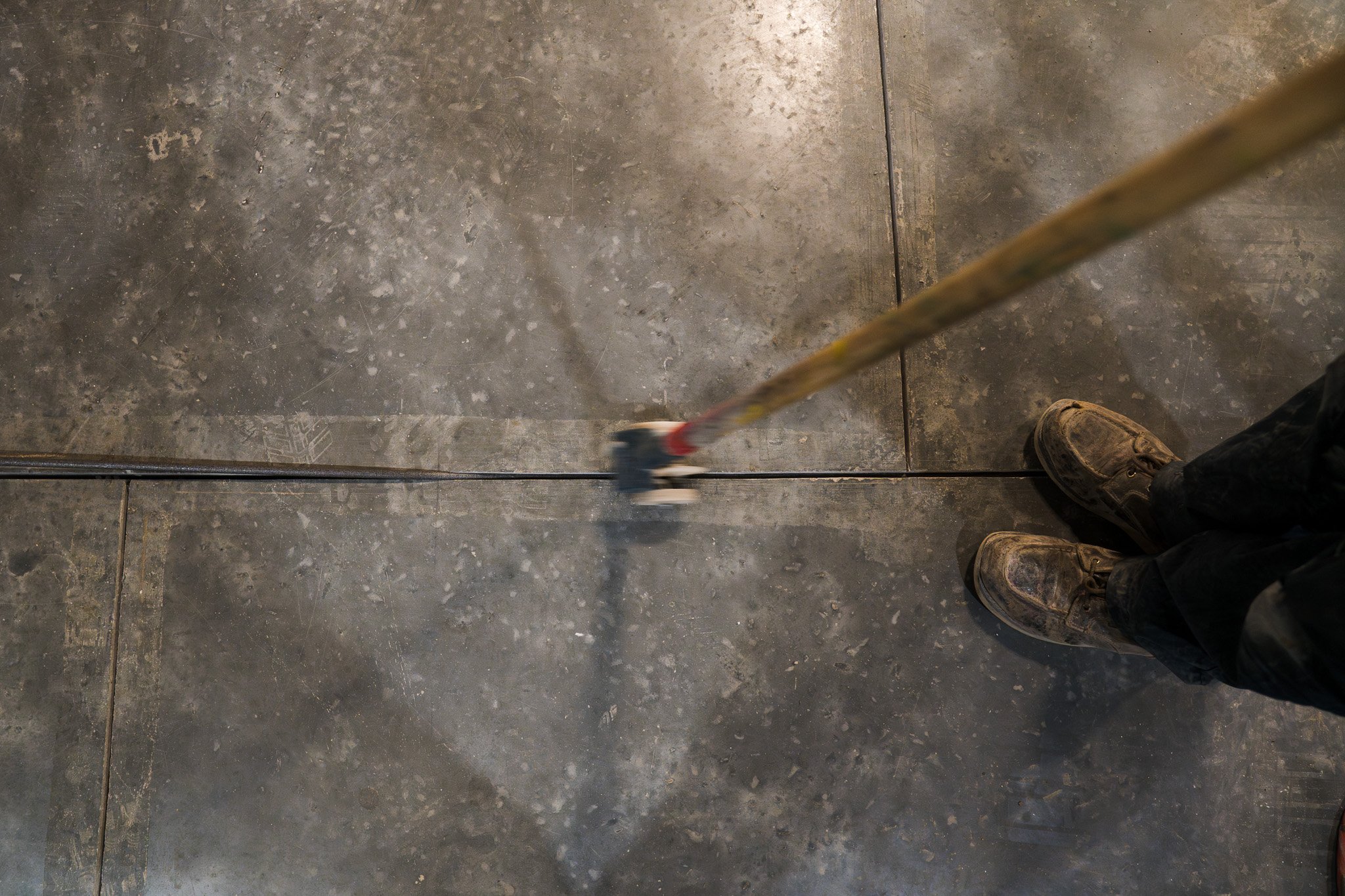
One of the best ways to evaluate tile ghosting is to prepare a small test area before committing to a final finish.
A mock-up can help show how the slab responds to grinding and what the remaining pattern may look like after preparation. This gives owners, architects, and general contractors an opportunity to decide whether the natural variation is acceptable or whether a different flooring system would provide a more predictable result.
A test area cannot guarantee that every section of the slab will look identical, but it can create much more realistic expectations.
Final Thoughts
Tile ghosting is a common condition in older concrete slabs where tile, grout, and adhesives have been in place for an extended period. After those materials are removed, differences in color, texture, or absorption can leave behind a visible outline of the previous floor.
Grinding may reduce the appearance of tile ghosting, but it cannot always eliminate it. This is especially important when choosing polished or sealed concrete because the existing slab remains visible as part of the finished floor.Before selecting a flooring system, evaluating the existing concrete can help determine whether the ghosting can become part of the finished aesthetic or should be covered with another system.
If you've removed tile and are unsure how the concrete underneath will affect your finished flooring, request a quote with CustomCrete to have the existing slab evaluated and discuss the available restoration and flooring options.

Topics:

.jpg?width=6139&height=4093&name=CC100396%20(1).jpg)


.jpg?width=1200&height=1600&name=Copy%20of%20IMG_1457%20(1).jpg)