
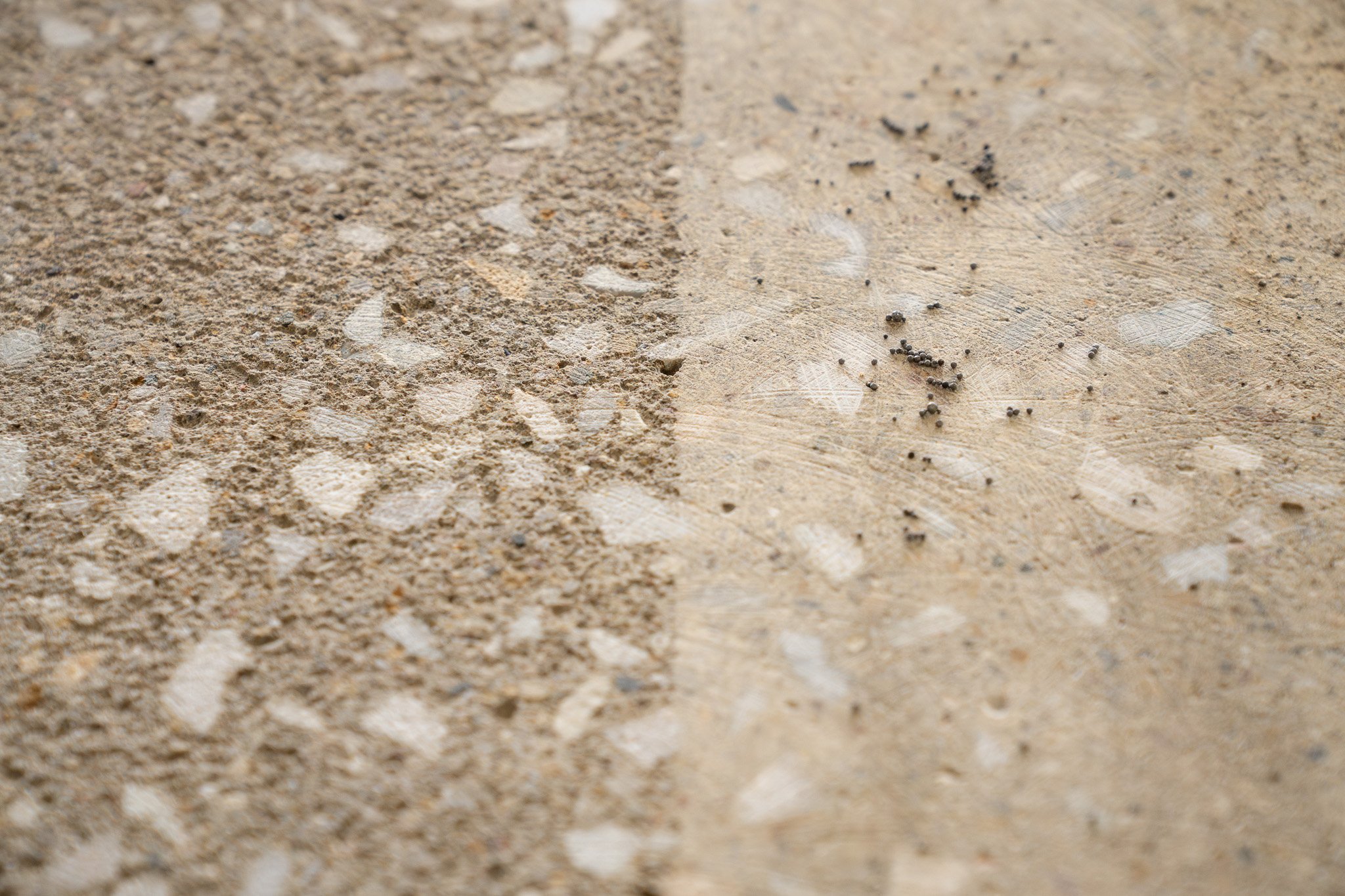
One of the biggest design decisions in a polished concrete project isn't the gloss level—it's the amount of aggregate that will be exposed. The level of aggregation dramatically affects the appearance, installation process, project cost, and even how consistent the finished floor looks from one area to another.
Many people assume polished concrete always has the same appearance, but that's not the case. By adjusting how much concrete is removed during grinding, contractors can create finishes ranging from a smooth cream-colored surface to one that exposes large decorative stones throughout the slab.
With nearly 20 years of experience and over 1 million square feet installed, CustomCrete has produced polished concrete floors across warehouses, retail spaces, offices, manufacturing facilities, and commercial buildings. This guide explains the different levels of aggregation options available and what to expect from each finish.
Key Takeaways
- The level of aggregation refers to how much aggregate is exposed during the concrete polishing process.
- More aggregate exposure typically requires additional grinding, which can increase installation time and cost.
- The existing concrete slab largely determines the final appearance and consistency of the exposed aggregate.

What Is Aggregate Exposure?
Concrete is made from cement, sand, water, and aggregate such as stone or gravel.
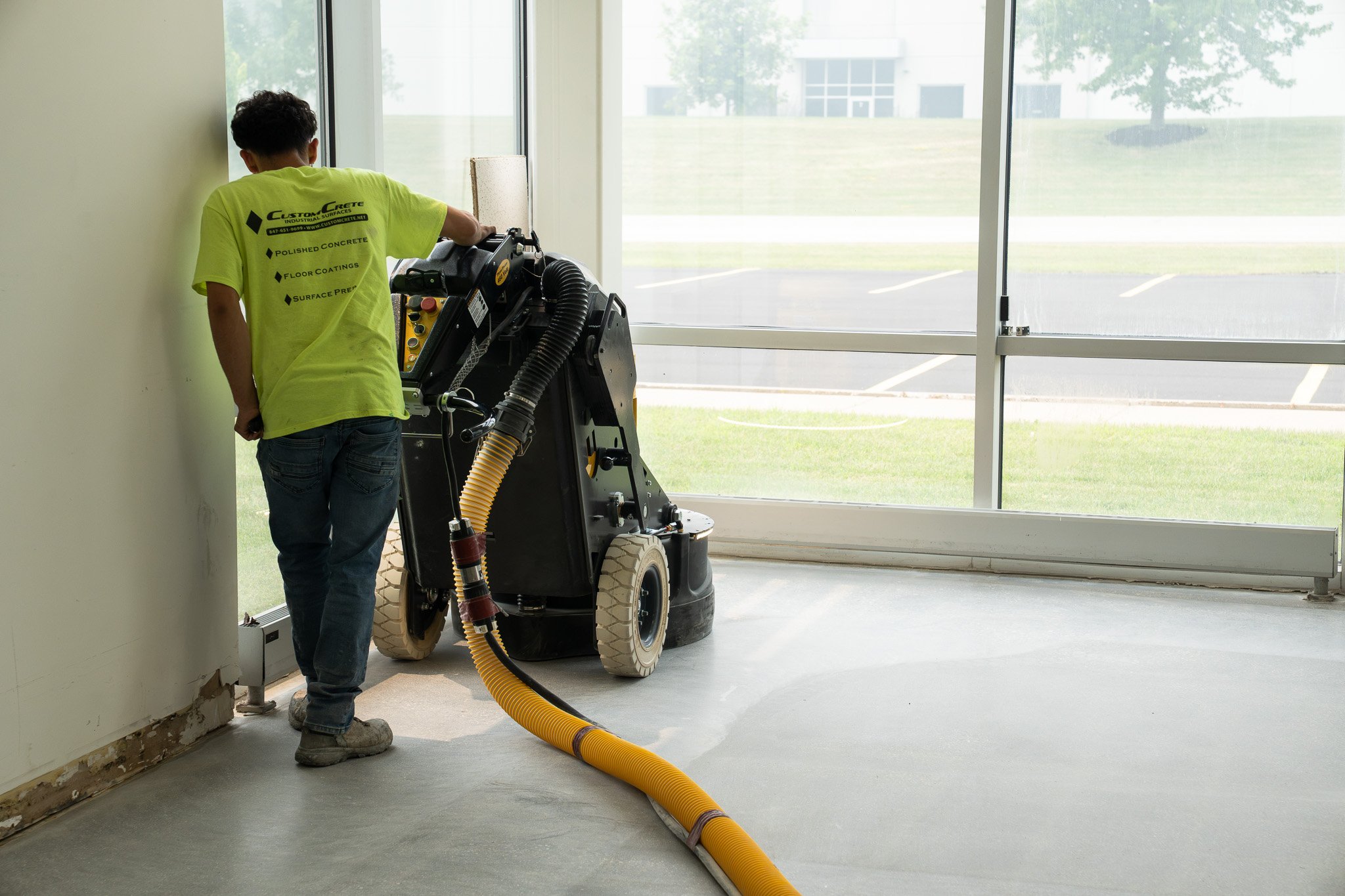
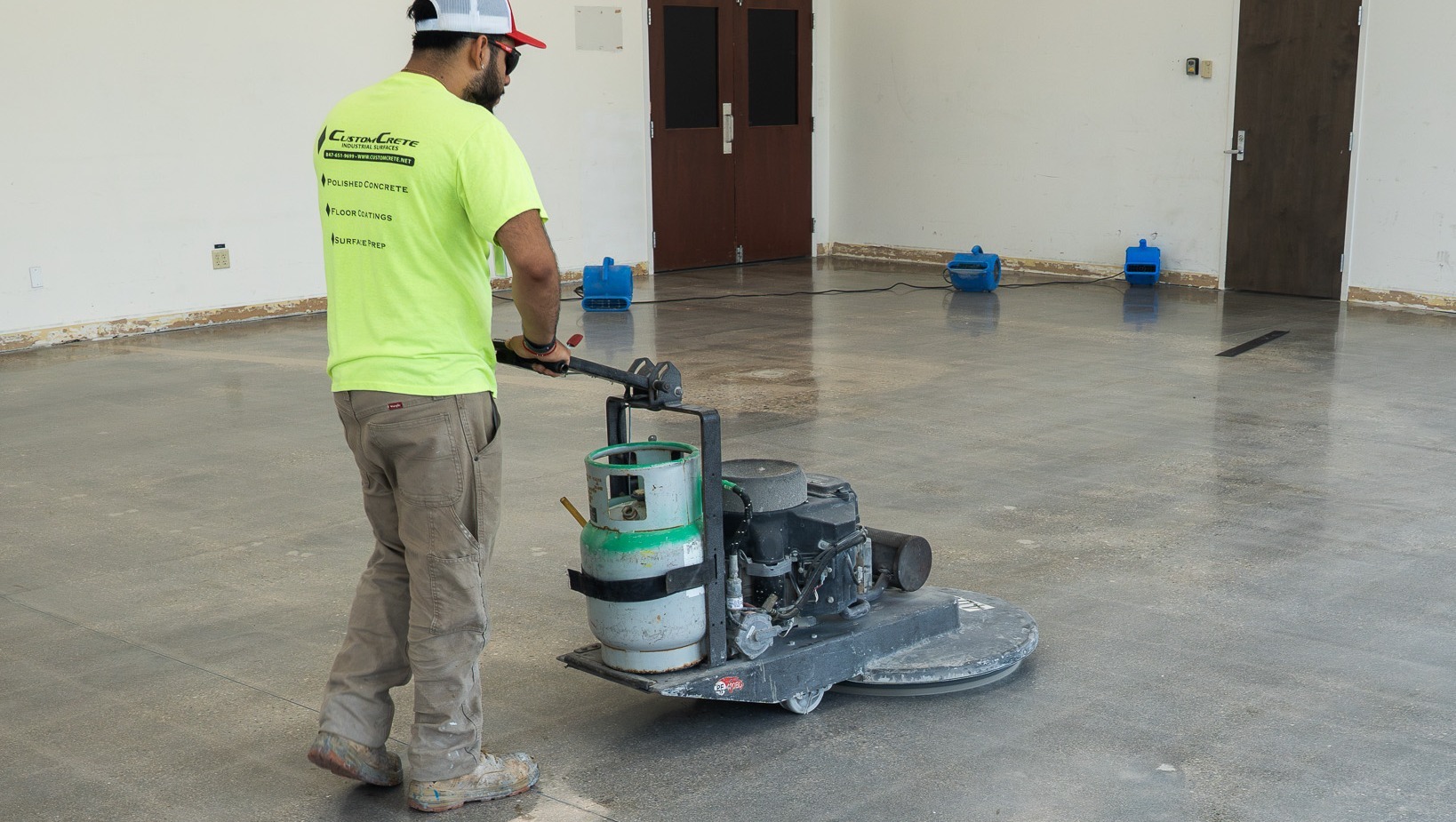
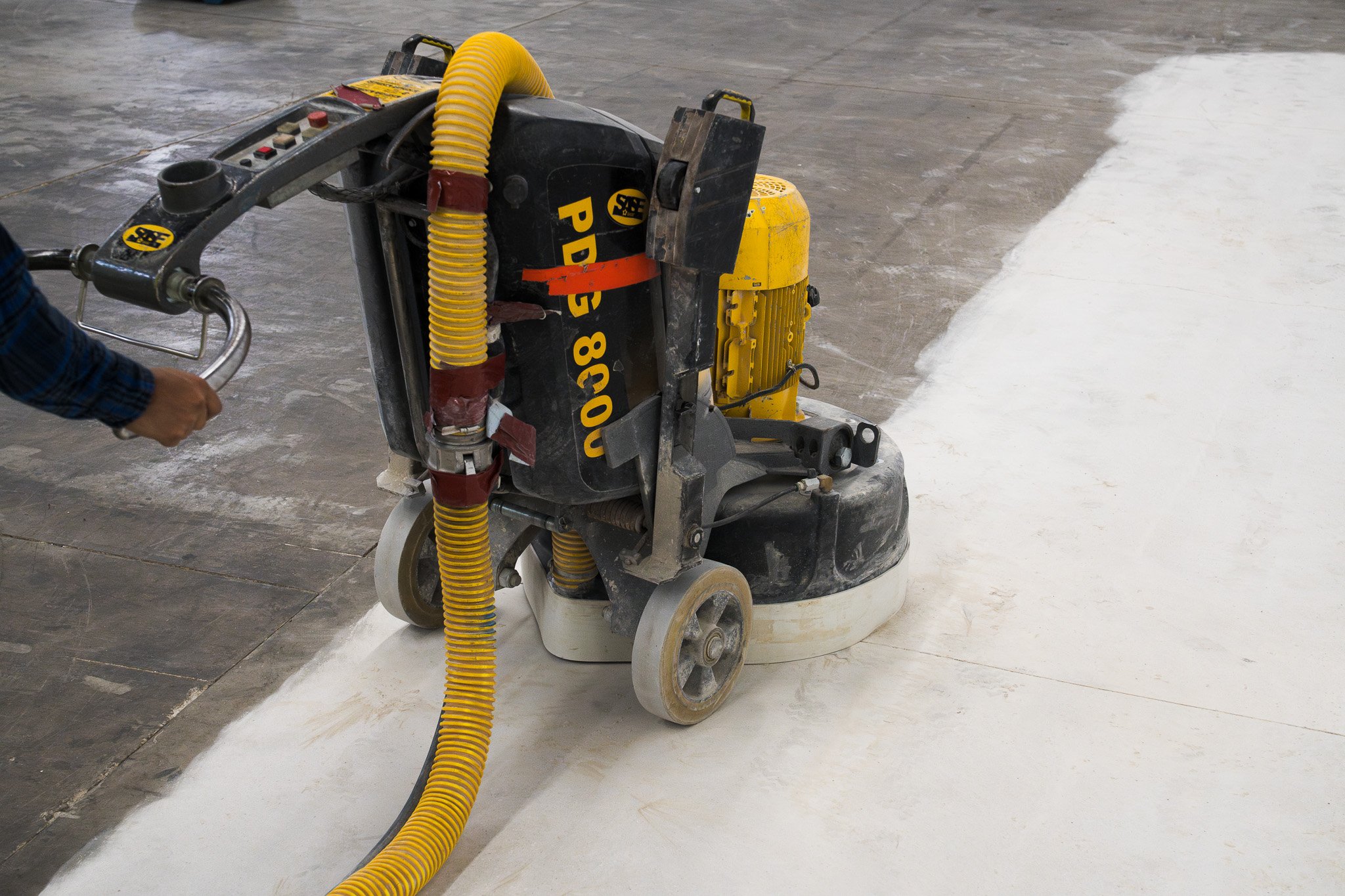
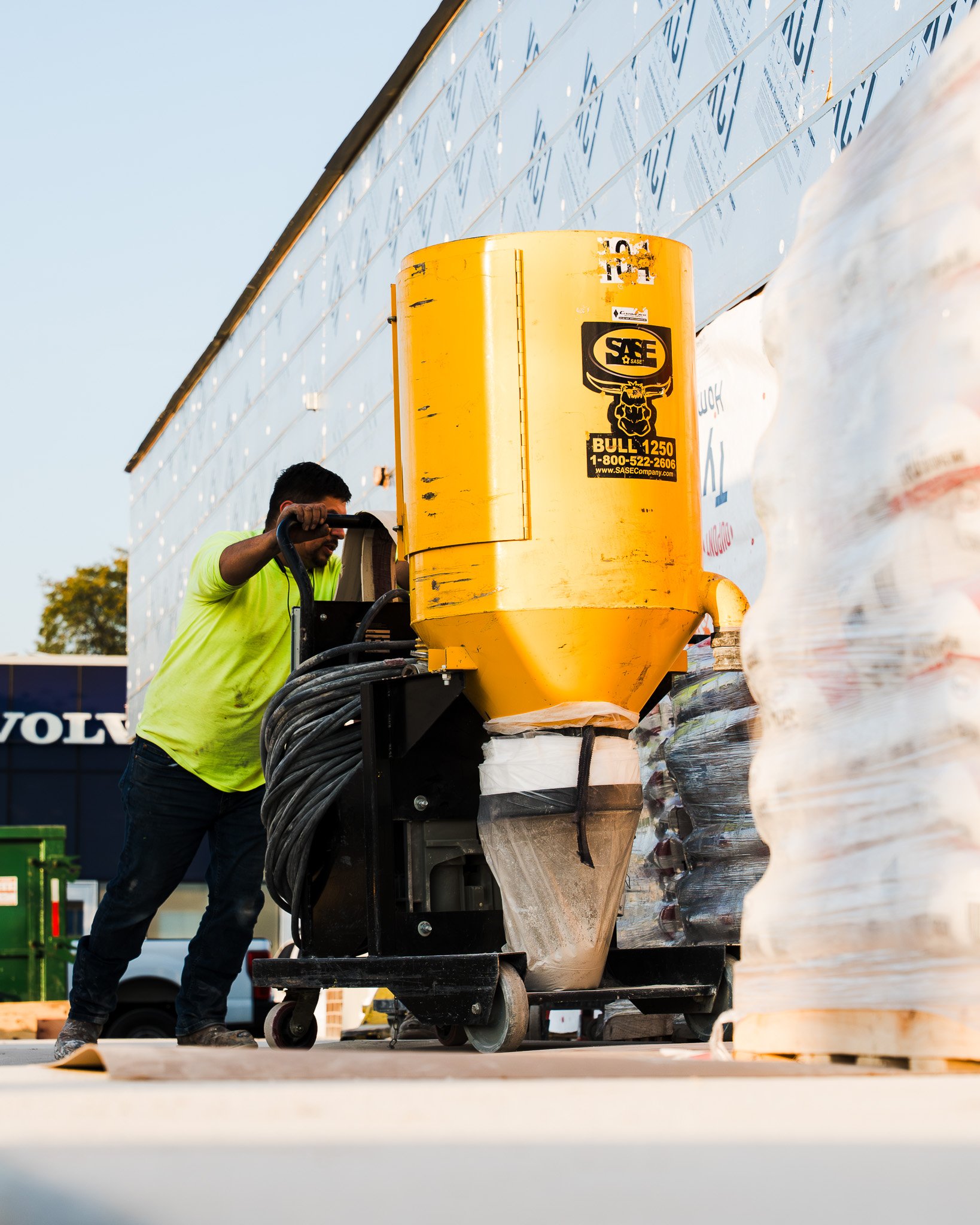
When concrete is first poured, the surface is primarily composed of cement paste. During the polishing process, diamond grinders remove portions of that surface, gradually exposing the materials beneath.
The amount of grinding determines the level of aggregation visible in the finished floor.
Because every concrete slab is unique, no two polished concrete floors will look exactly alike.
Cream Finish (Class A)
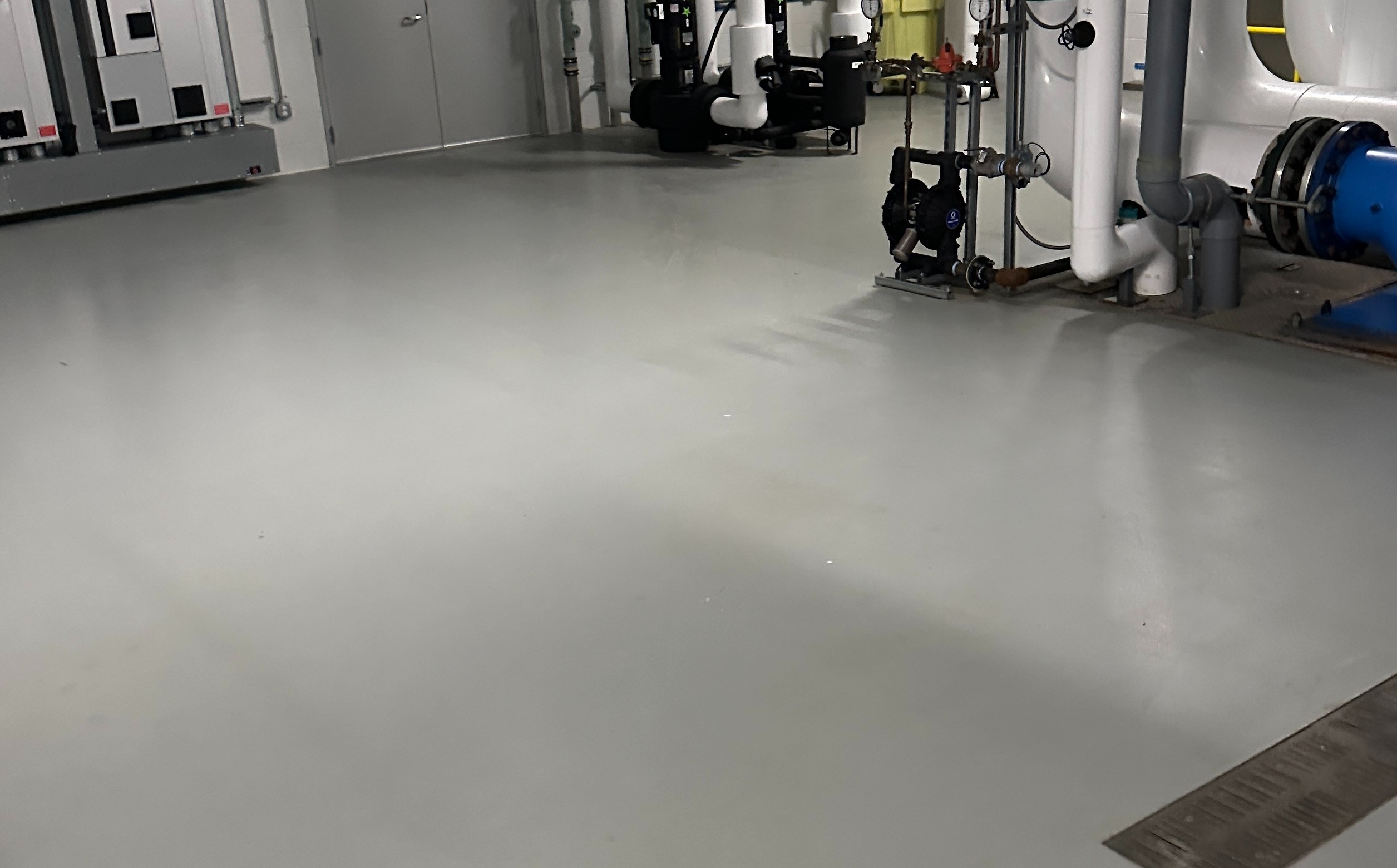
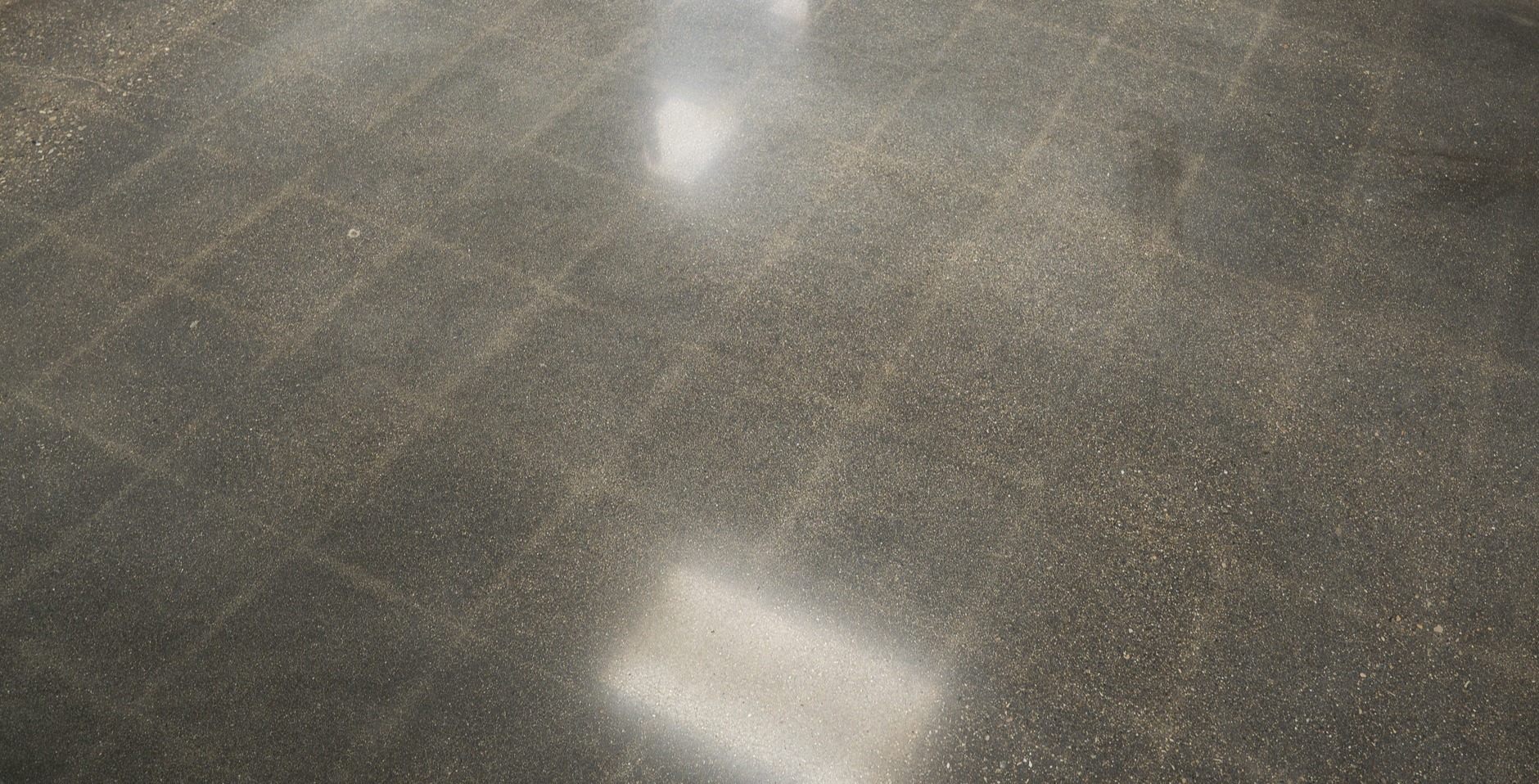
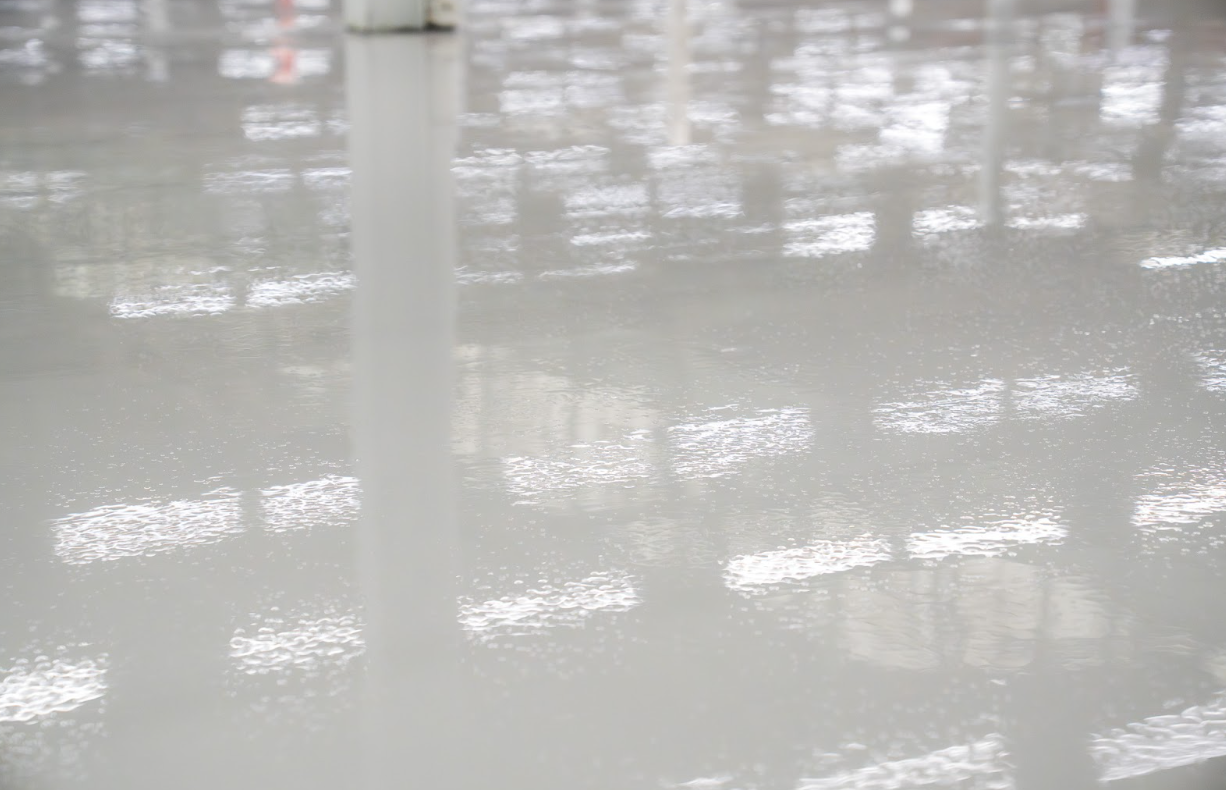
A cream finish exposes little to no aggregate.
Only the top layer of the concrete is polished, preserving the natural cement paste and creating a clean, uniform appearance.
Cream finishes are popular in:
- Office buildings
- Retail spaces
- Showrooms
- Commercial interiors
One advantage is that very little concrete removal is required, which can reduce installation time.
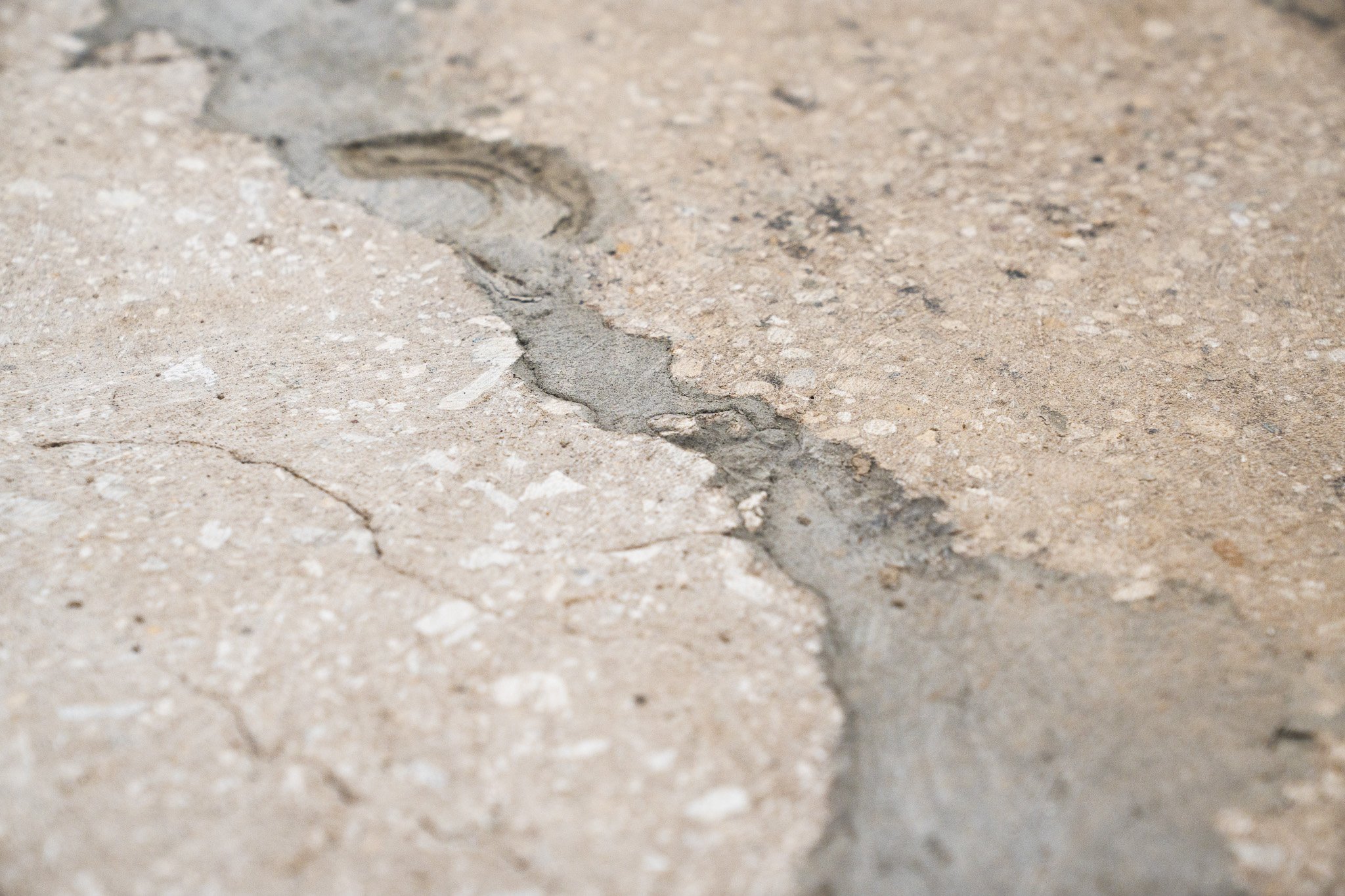
However, because the finish relies on the surface paste, slabs with damage, repairs, or inconsistent finishing may not produce a uniform appearance.
Salt-and-Pepper Finish (Class B)
A salt-and-pepper finish is one of the most requested polished concrete appearances.
This level of aggregation exposes fine sand particles and small pieces of aggregate while leaving most larger stones below the surface.
The result is a balanced appearance that provides more visual character than a cream finish without the dramatic look of heavy aggregate exposure.
Salt-and-pepper finishes are commonly selected for:
- Schools
- Retail stores
- Corporate offices
- Commercial buildings
They also tend to provide more consistent results across many slabs because only a moderate amount of grinding is required.
Medium Aggregate Exposure (Class C)
A medium aggregate finish exposes a noticeable amount of larger stone throughout the concrete.
Additional grinding removes more of the surface, revealing decorative aggregate that becomes a major design feature of the floor.
This level of aggregation is often chosen when owners want a terrazzo-like appearance without installing terrazzo itself.
Because more grinding is required, installation generally takes longer than cream or salt-and-pepper finishes.
Large Aggregate Exposure (Class D)
Large aggregate exposure removes the greatest amount of concrete, fully exposing the coarse stone within the slab.
This creates the boldest and most decorative polished concrete appearance.
Large aggregate finishes are frequently used in:
- High-end retail spaces
- Museums
- Public buildings
- Lobbies
- Decorative commercial projects
While visually striking, this finish requires the most grinding and is typically the most labor-intensive option.
It also depends heavily on the quality and consistency of the original concrete placement.
How Aggregate Exposure Affects Cost
The level of aggregation has a direct impact on project pricing.
Greater aggregate exposure generally requires:
- More grinding passes
- Additional labor
- Increased equipment time
- Higher diamond tool usage
As a result, cream finishes are often among the least expensive to install, while large aggregate finishes typically represent the highest investment.
When budgeting a polished concrete project, it's important to consider that the desired appearance influences both installation time and overall cost.
Why Every Floor Looks Different
One important fact about polished concrete is that the contractor cannot control the concrete itself.
The finished appearance depends on factors such as:
- Aggregate size
- Aggregate color
- Concrete mix design
- Placement methods
- Finishing techniques
- Previous repairs
Even two adjacent slabs poured on different days may produce noticeably different appearances after polishing.
For this reason, polished concrete should be appreciated for its natural character rather than expected to look perfectly uniform.
Choosing the Right Level of Aggregation
Selecting the appropriate level of aggregation depends on several factors.
Consider:
- Desired appearance
- Project budget
- Installation schedule
- Existing slab condition
- Architectural goals
Facilities seeking a clean, understated appearance often prefer cream or salt-and-pepper finishes.
Projects designed to make a visual statement frequently select medium or large aggregate exposure to showcase the natural beauty of the concrete.
An experienced contractor can evaluate the existing slab and recommend the finish most likely to produce the desired results.
Why Mock-Ups Are Helpful
Because polished concrete is created from the existing slab, mock-ups are often recommended before full installation.
A sample area allows owners, architects, and contractors to evaluate:
- Aggregate exposure
- Color variation
- Gloss level
- Overall appearance
Mock-ups help establish realistic expectations and reduce surprises once the entire floor is polished.
Final Thoughts
The level of aggregation is one of the most important decisions in a polished concrete project because it affects appearance, installation time, cost, and the character of the finished floor. Whether you prefer the subtle look of a cream finish or the bold appearance of large exposed aggregate, understanding how each level is created helps you choose the right option for your facility.
Because every concrete slab is unique, working with an experienced polishing contractor is the best way to determine which finish will deliver the appearance and performance you're looking for.
If you're considering polished concrete for your next commercial or industrial project, request a quote with CustomCrete to discuss your flooring goals and the aggregate exposure level that's right for your space.

Topics:
.jpg?width=6139&height=4093&name=CC100396%20(1).jpg)
.jpg?width=1200&height=1600&name=Copy%20of%20IMG_1457%20(1).jpg)