
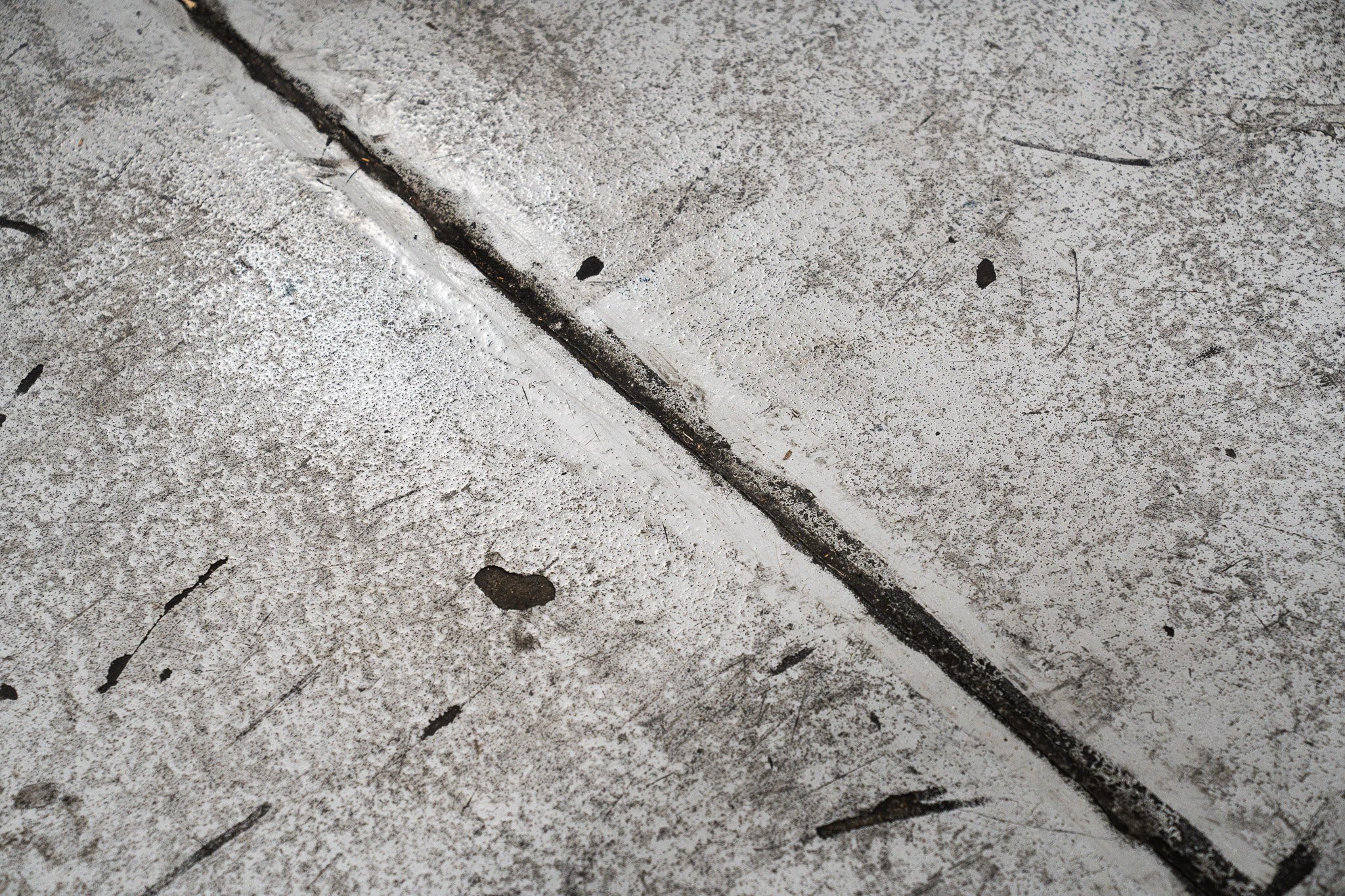
Epoxy flooring is known for its durability, chemical resistance, and long service life. However, when an epoxy floor begins to blister, bubble, or peel, it can quickly become both a cosmetic and functional problem. Fortunately, these issues are usually preventable when the floor is properly evaluated, prepared, and installed.
Many people assume epoxy floor bubbles are caused by poor-quality materials, but the product itself is rarely the problem. In most cases, bubbling or peeling results from moisture, improper surface preparation, contamination, or installation conditions that prevent the epoxy from bonding correctly to the concrete.
With nearly 20 years of experience and over 1 million square feet installed, CustomCrete understands the importance of proper preparation and installation. This guide explains the most common causes of epoxy floor bubbles and how they can often be prevented before installation even begins.
Key Takeaways
- Epoxy floor bubbles are most commonly caused by moisture, poor surface preparation, or contamination.
- Proper concrete preparation and moisture testing are critical for long-term epoxy performance.
- Most bubbling and peeling issues can be prevented with the right installation process.

What Do Epoxy Floor Bubbles Look Like?
Epoxy floor bubbles can appear in several different forms depending on the cause.
You may notice:
- Small raised blisters
- Large air pockets beneath the coating
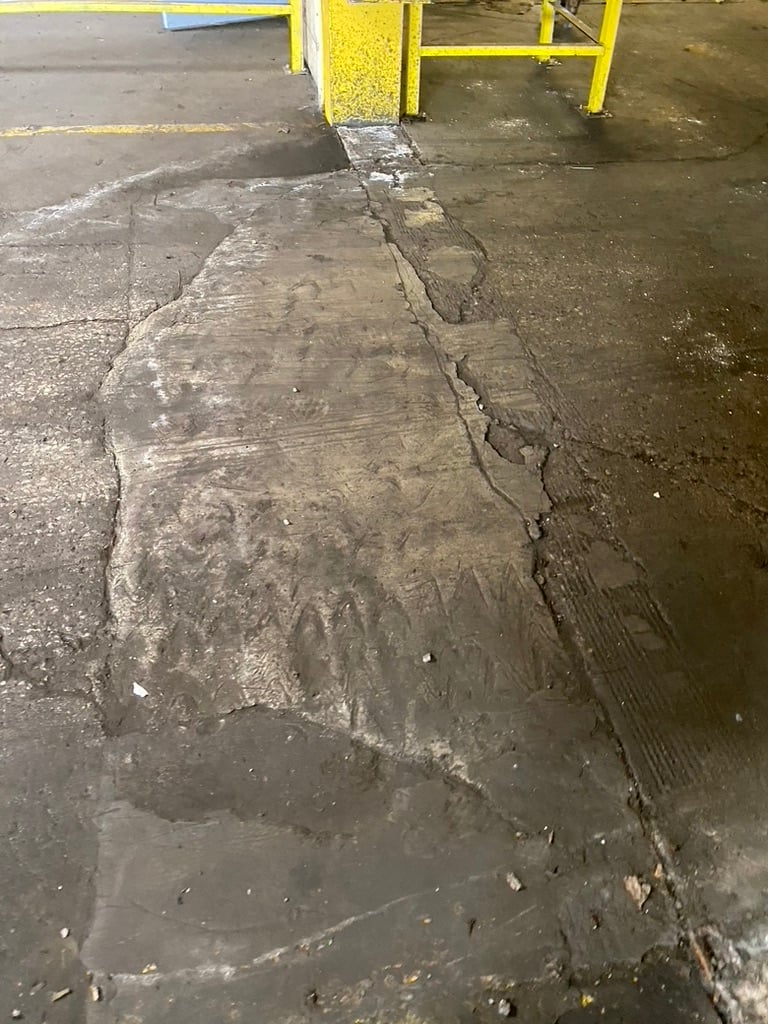
- Areas where the coating has lifted from the concrete
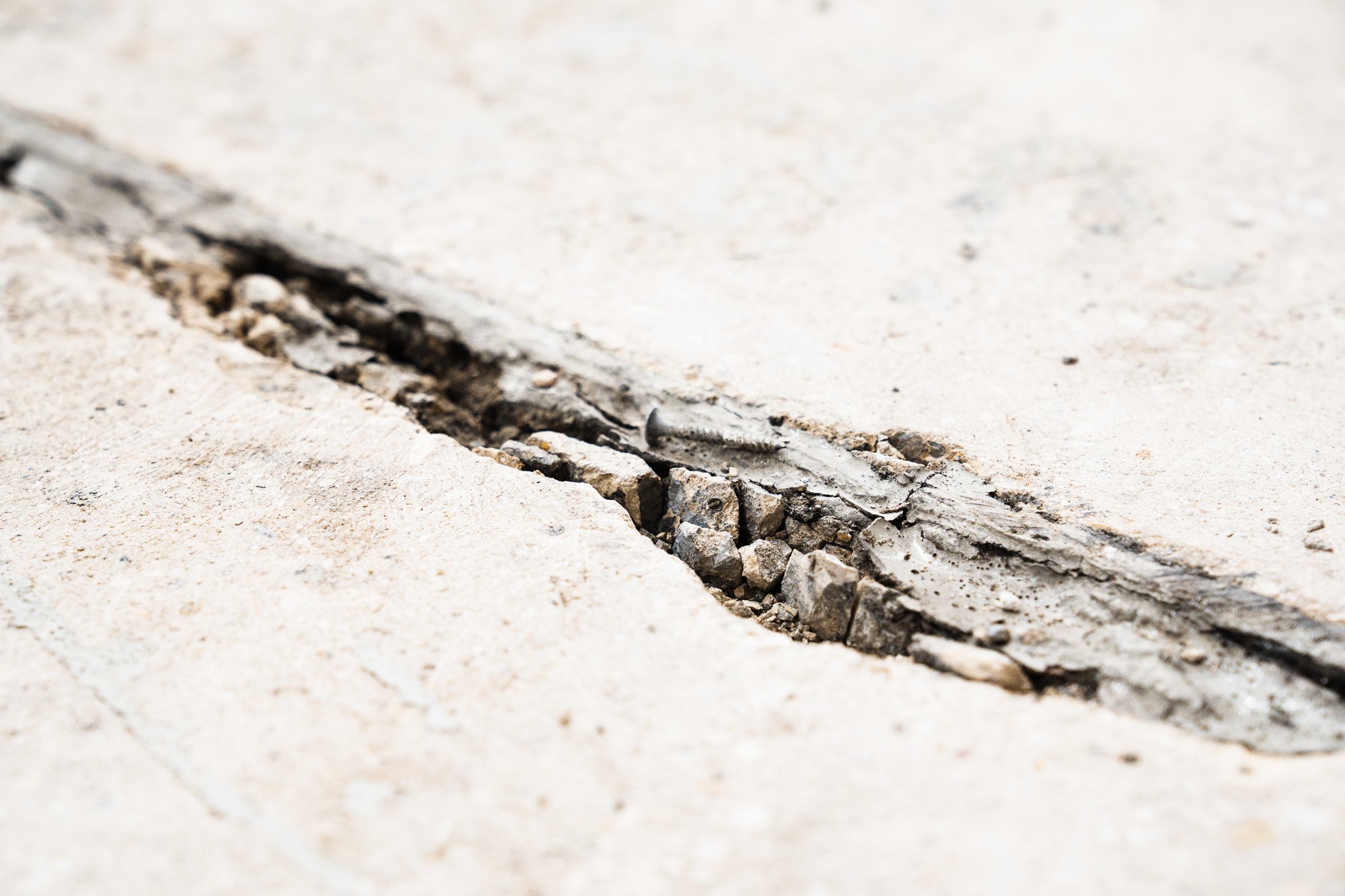
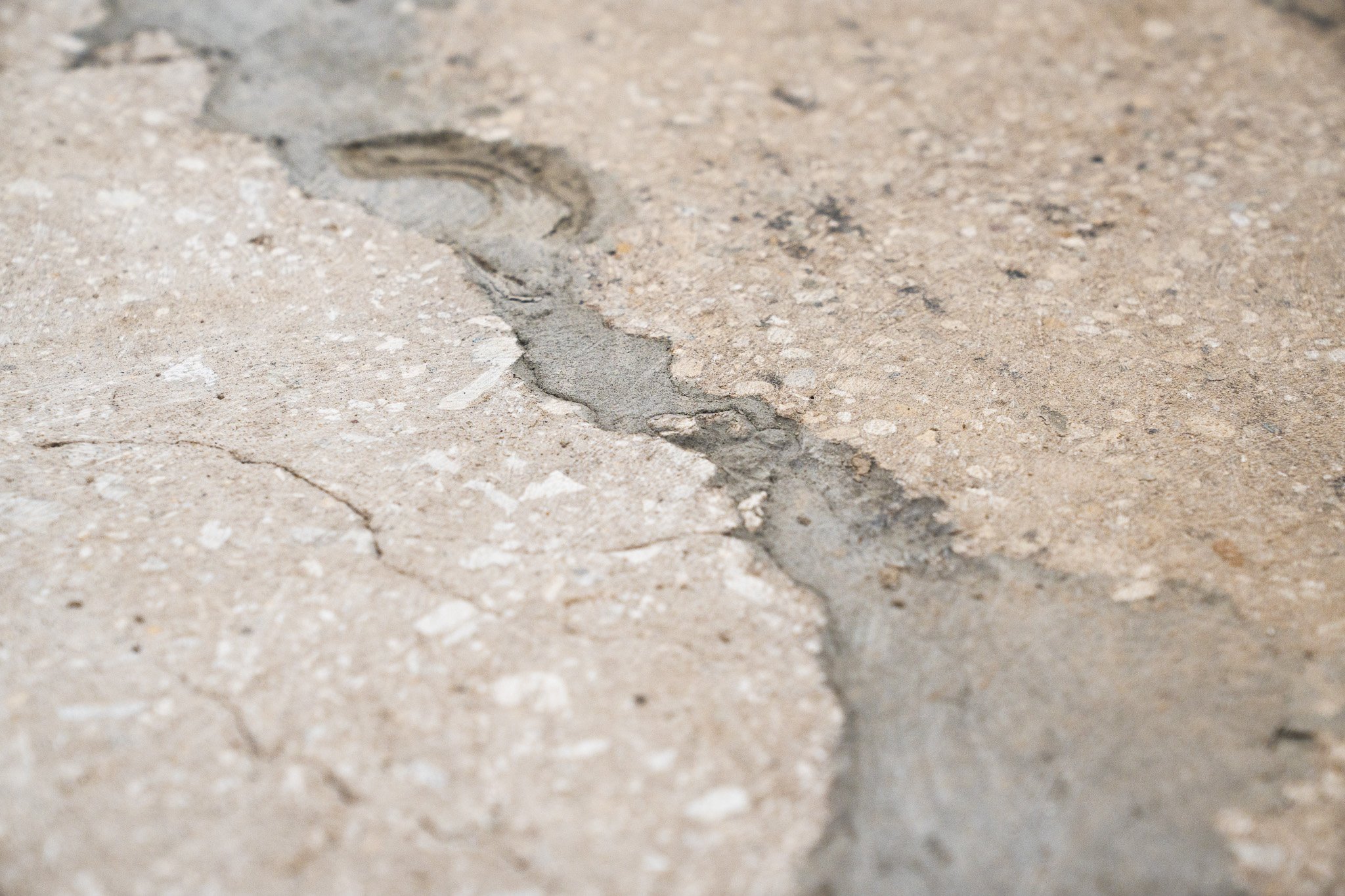
- Peeling around cracks or joints
- Soft spots that eventually separate from the slab
While these symptoms look different, they all indicate that the epoxy has lost its bond with the concrete.
Cause #1: Excess Moisture in the Concrete
Moisture is one of the leading causes of epoxy floor bubbles.
Concrete is naturally porous and can contain moisture long after it appears dry. As moisture vapor moves upward through the slab, it creates pressure beneath the coating. Over time, that pressure can cause the epoxy to:
- Bubble
- Blister
- Delaminate
- Peel away from the concrete
This is why moisture testing is recommended before installing most epoxy flooring systems. If moisture levels are too high, a moisture vapor barrier may be needed before the coating is applied.
Cause #2: Poor Surface Preparation
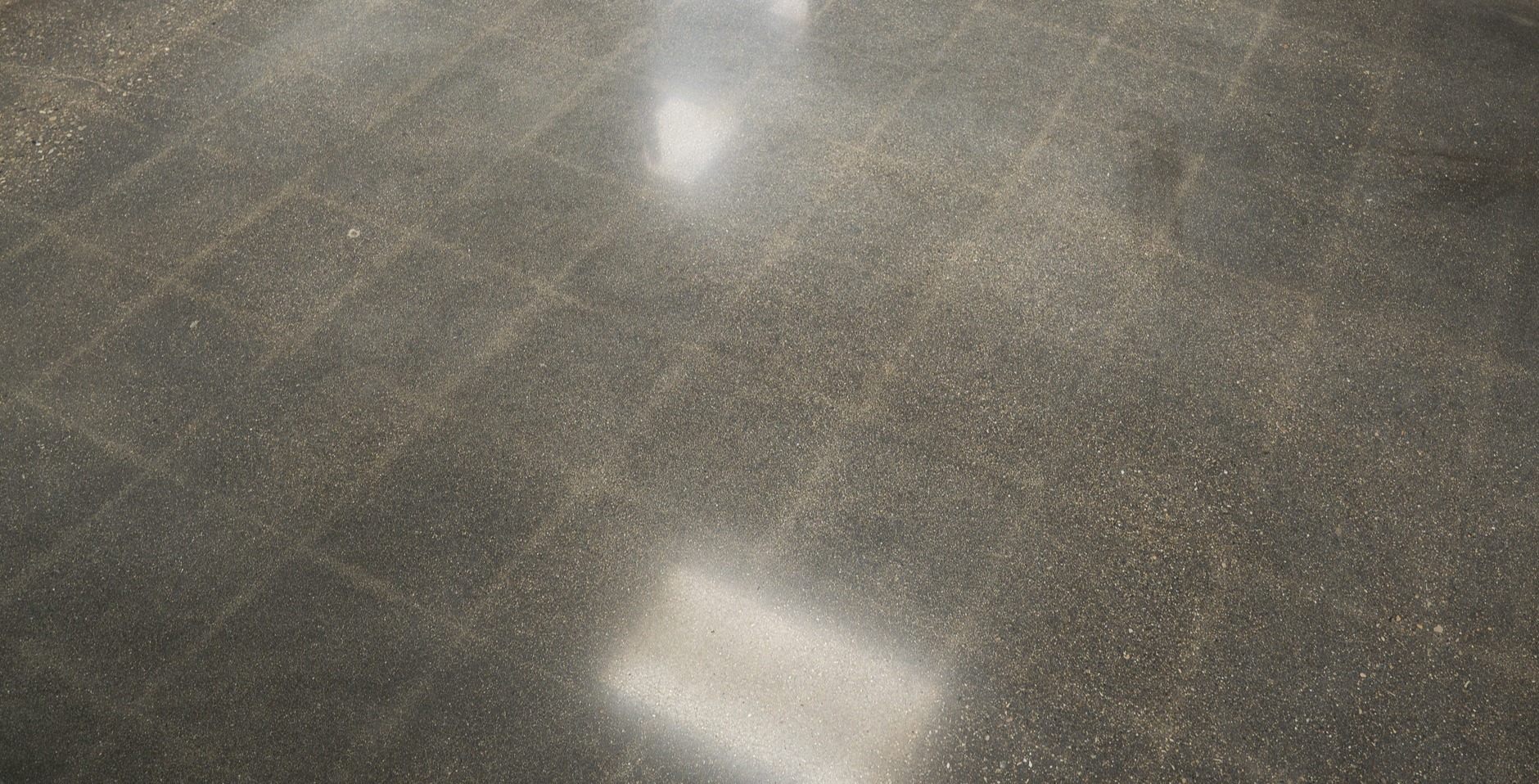
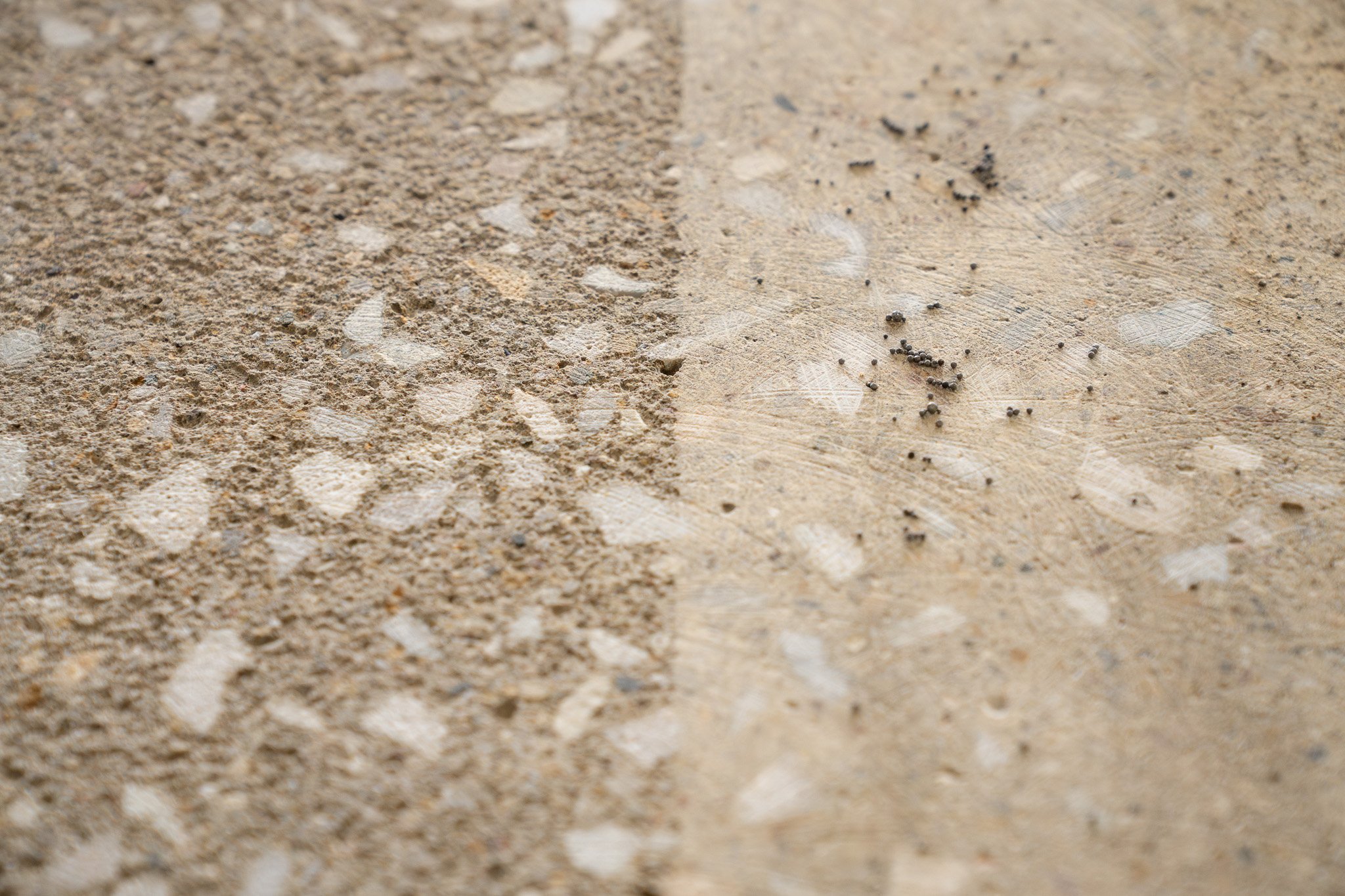
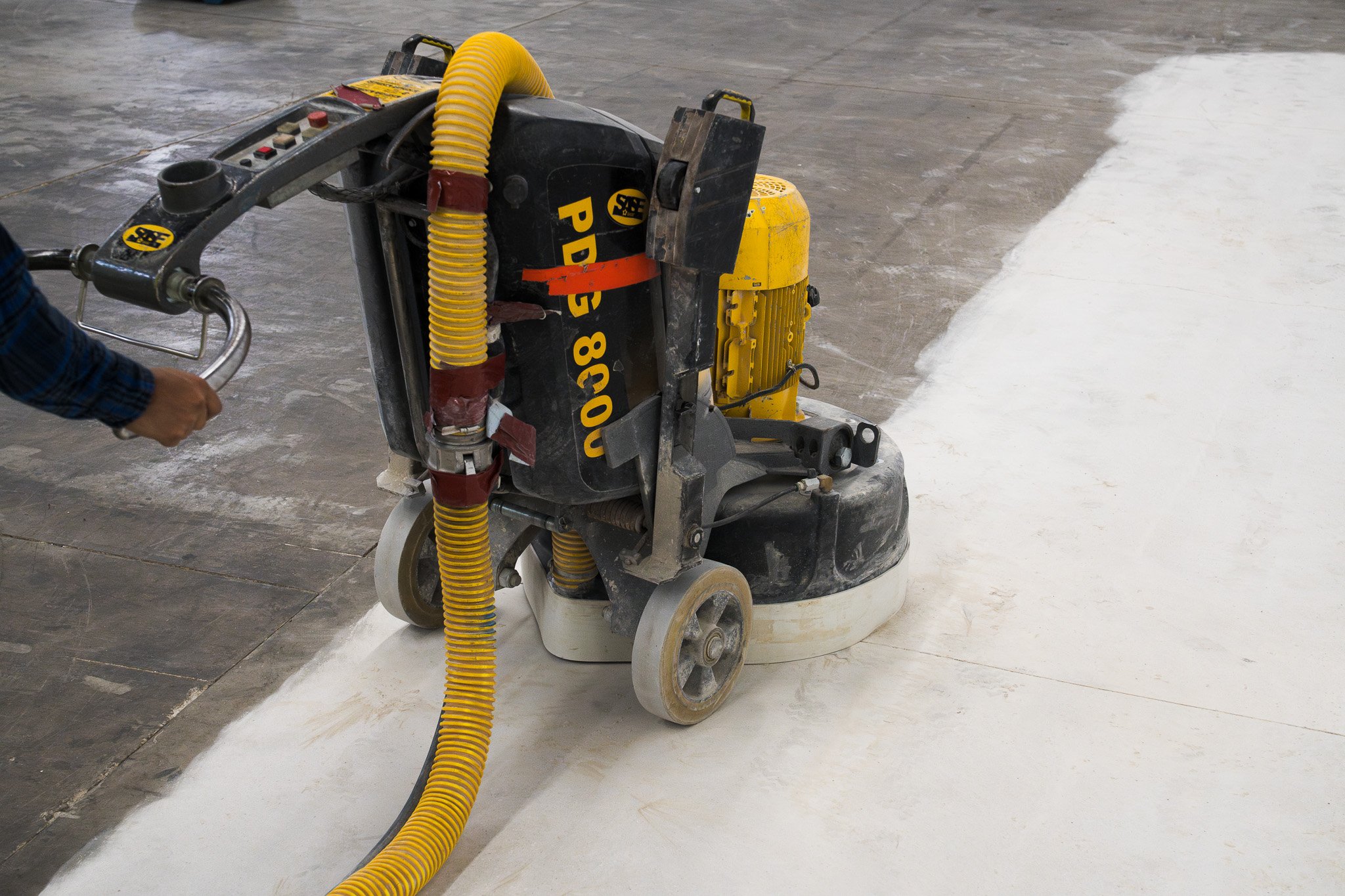
Surface preparation is the foundation of every successful epoxy installation.
If the concrete is not mechanically prepared, the epoxy may only bond to surface contaminants instead of the concrete itself.
Common preparation mistakes include:
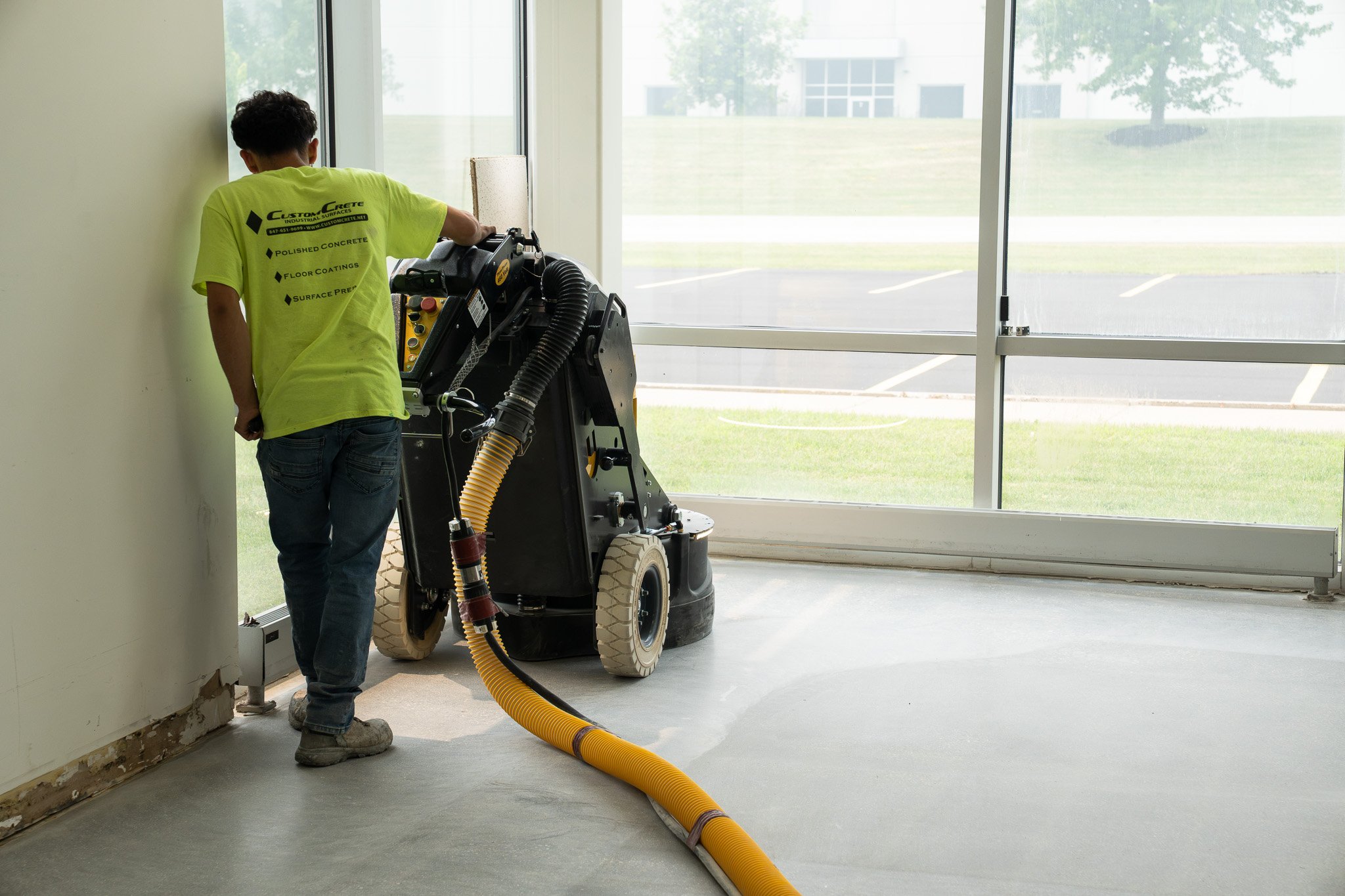
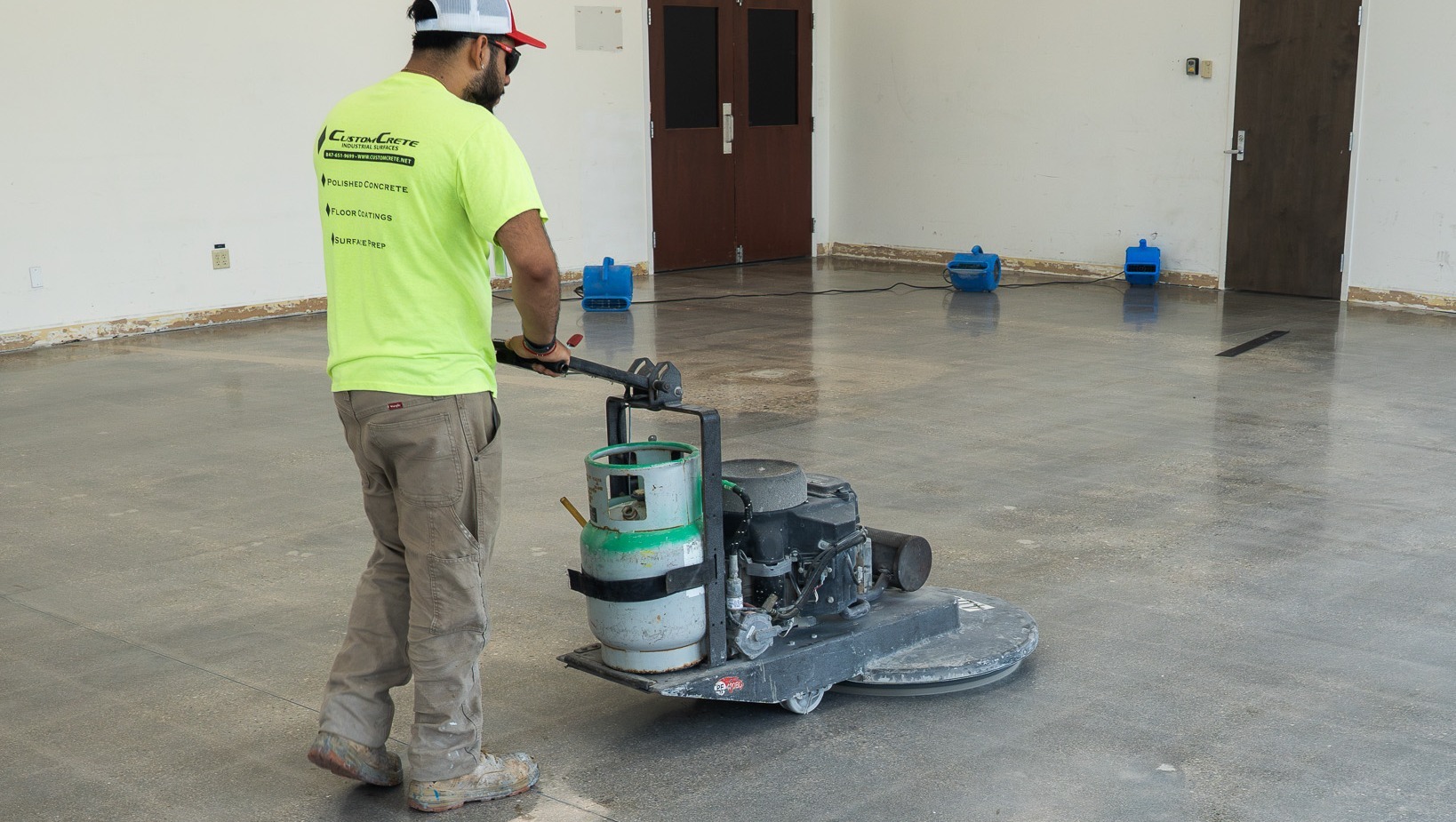
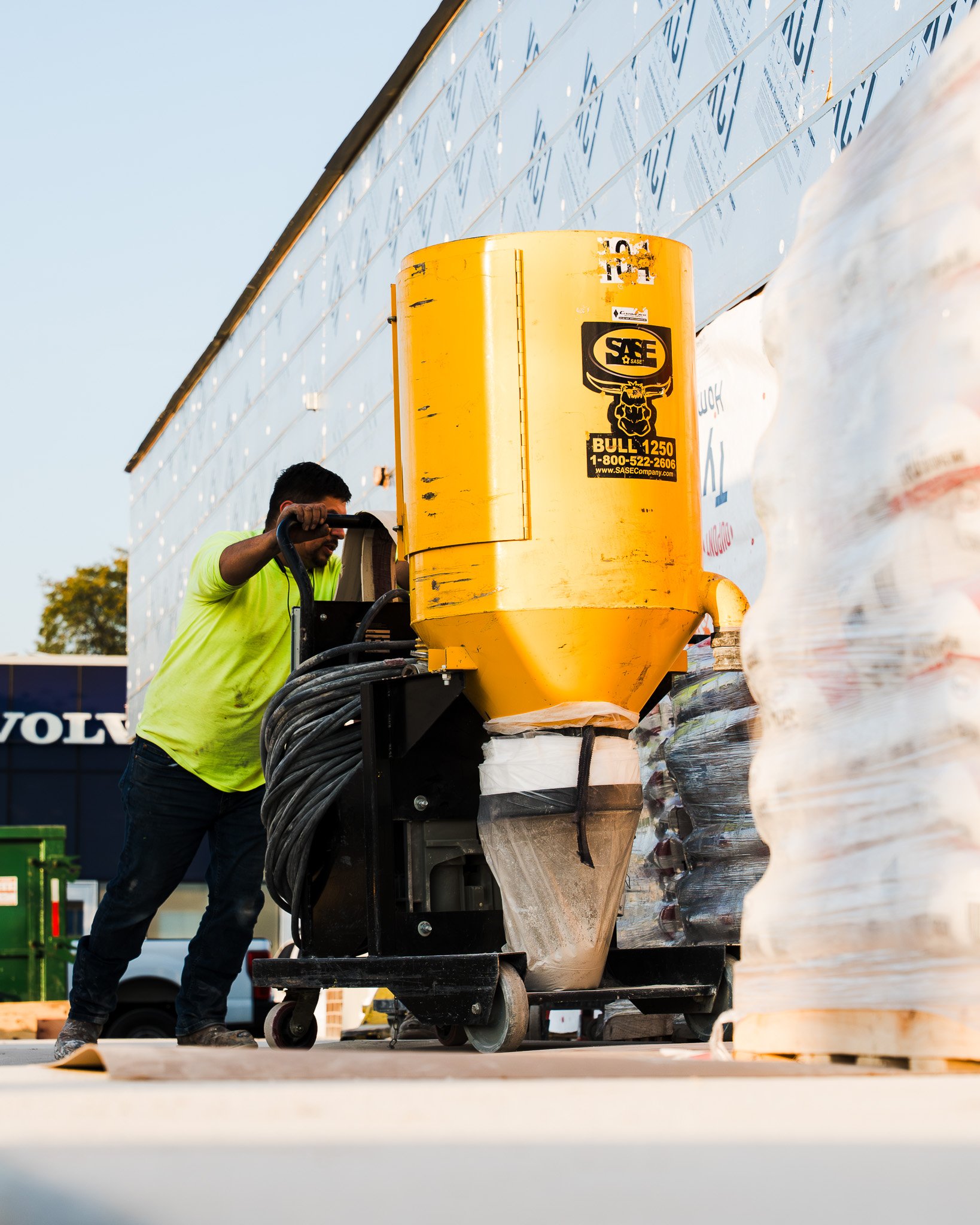
- Skipping mechanical grinding
- Leaving old coatings in place
- Failing to remove dust
- Not creating the proper concrete surface profile (CSP)
Without the proper profile, even a high-quality epoxy system can lose adhesion over time.
Cause #3: Oil, Grease, and Other Contaminants
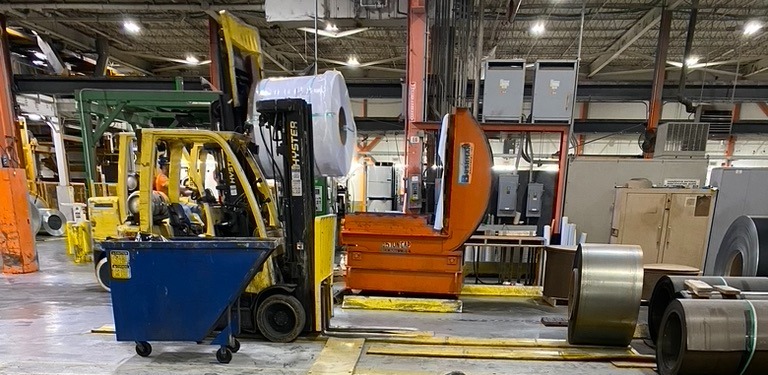
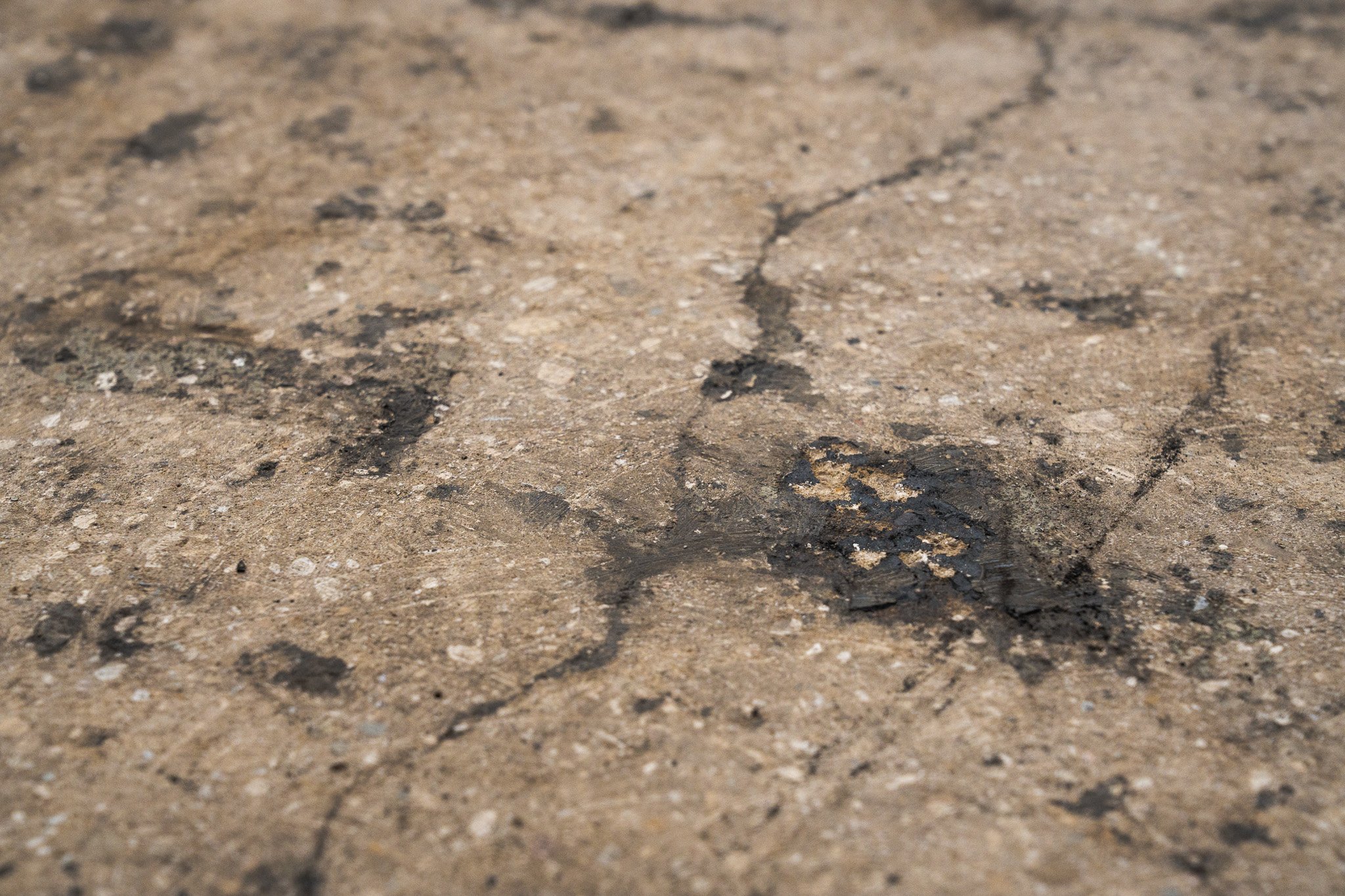
Concrete absorbs liquids over its lifetime. In warehouses, automotive shops, and manufacturing facilities, years of exposure to oil, grease, hydraulic fluid, or chemicals can penetrate deep into the slab.
If these contaminants are not properly removed before installation, they can interfere with adhesion and contribute to epoxy floor bubbles or peeling.
This is why contractors often evaluate the slab for contamination before recommending a flooring system.
Cause #4: Incorrect Installation Conditions
Temperature and humidity both affect how epoxy cures.
If epoxy is installed outside the manufacturer's recommended conditions, problems may occur before the material has fully hardened.
Examples include:
- High humidity causing surface defects
- Cold temperatures slowing the curing process
- Excessive heat reducing working time
- Condensation forming on the concrete surface
Professional installers monitor environmental conditions carefully to help ensure the coating cures properly.
Cause #5: Improper Mixing or Application
Epoxy flooring consists of two components that must be mixed in precise ratios.
If the materials are:
- Mixed incorrectly
- Under-mixed
- Applied too thick
- Applied outside the recommended recoat window
the finished floor may not cure as intended.
Improper application can weaken the bond between the epoxy and the concrete, increasing the likelihood of bubbling or peeling later.
Can Older Epoxy Floors Bubble?
Yes. Even an epoxy floor that has performed well for years can eventually develop problems.
Common reasons include:
- Changes in moisture conditions beneath the slab
- Building settlement
- Heavy wear and impact
- Aging repairs
- Exposure to harsh chemicals
Not every case of bubbling indicates the original installation was defective. Environmental changes and years of service can also contribute to coating failure.
How Can Bubbling and Peeling Be Prevented?
Most causes of epoxy floor bubbles can be minimized with proper planning and installation.
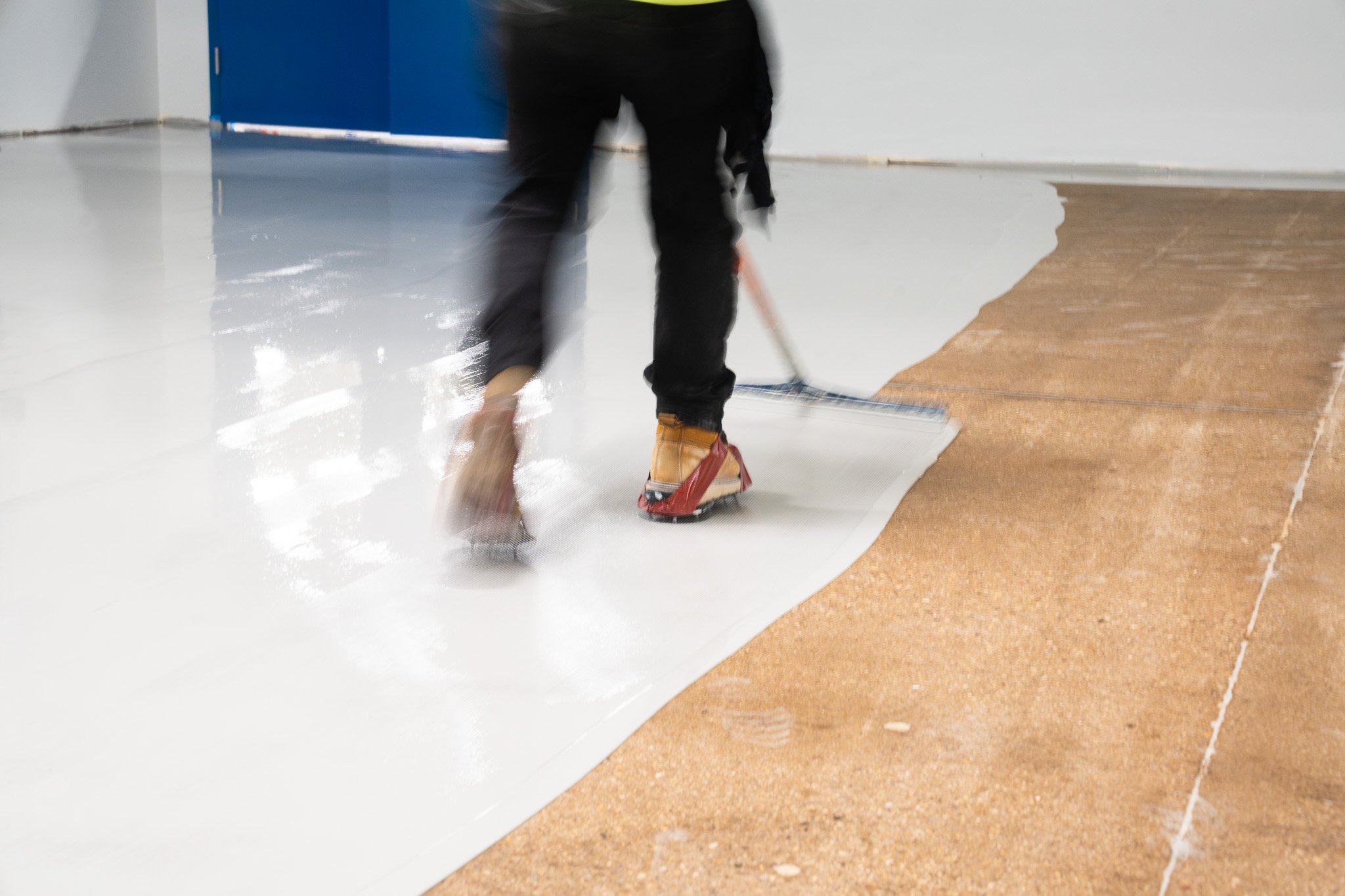
A successful project typically includes:
- Moisture testing before installation
- Mechanical grinding to create the correct surface profile
- Removal of contaminants and old coatings
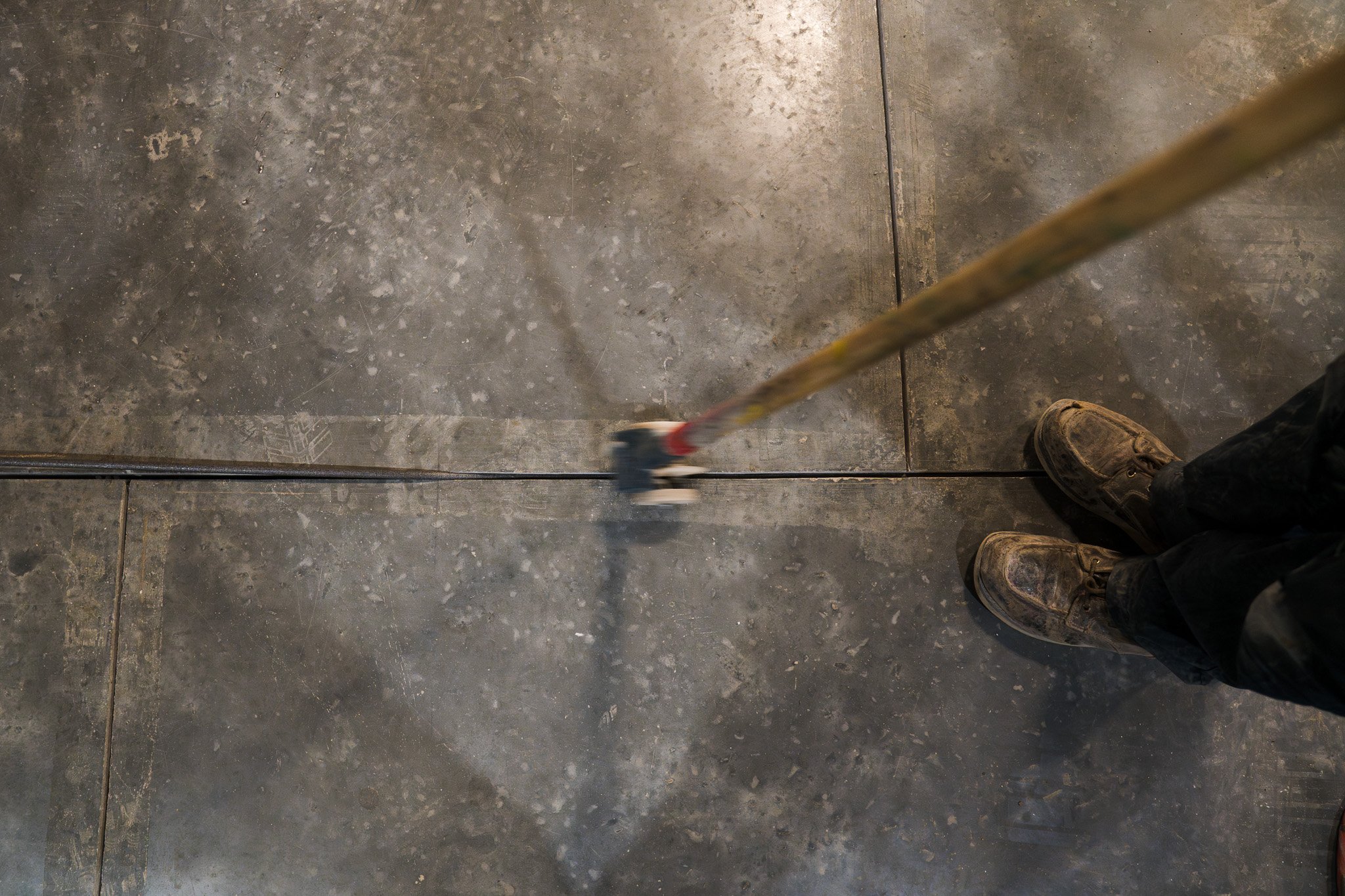
- Crack and joint repairs
- Following manufacturer installation guidelines
- Applying the coating under proper environmental conditions
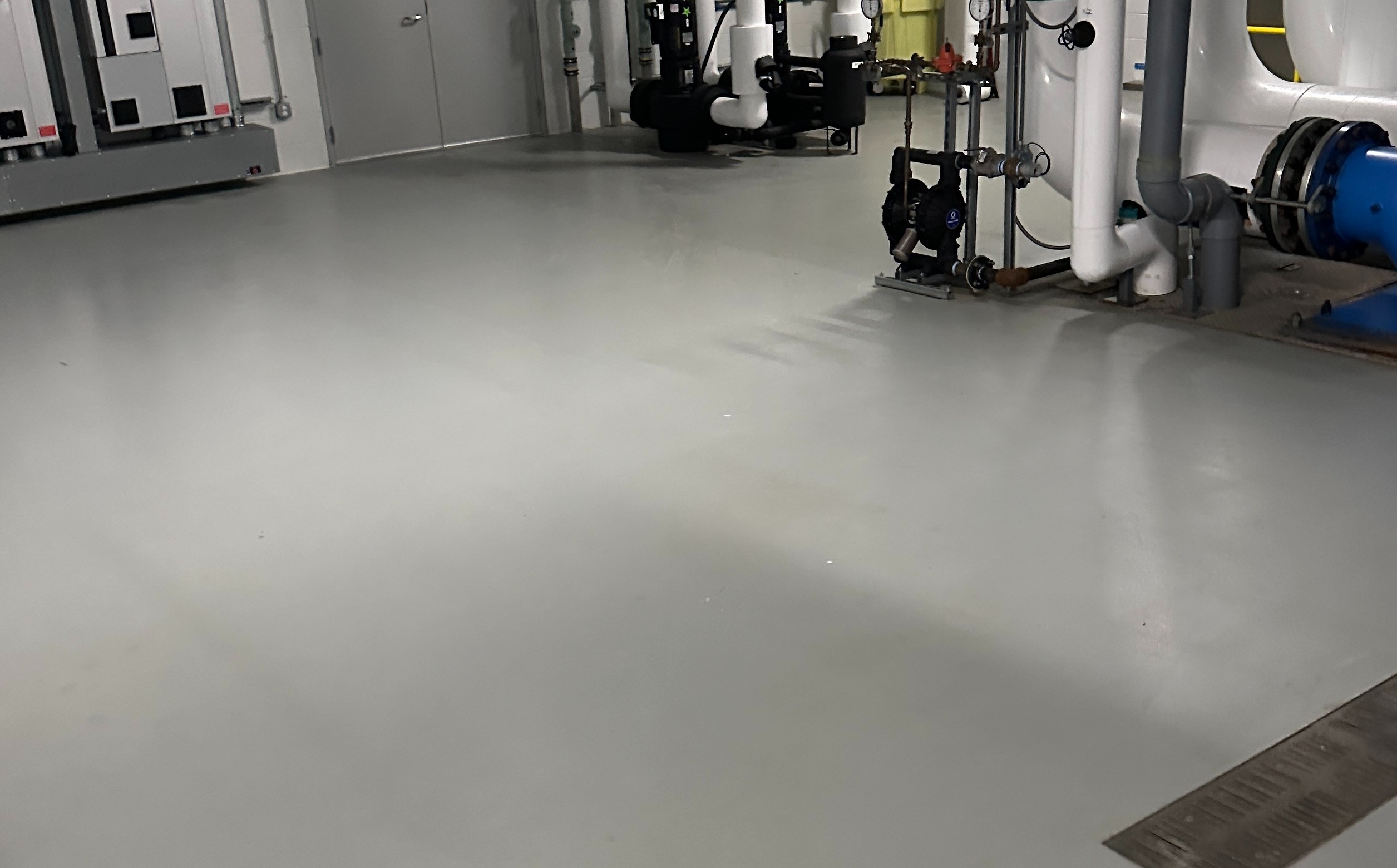
While no flooring system is completely immune to failure, following these steps greatly improves the chances of long-term performance.
Can a Bubbling Epoxy Floor Be Repaired?
In many cases, yes—but the repair method depends on the cause of the failure.
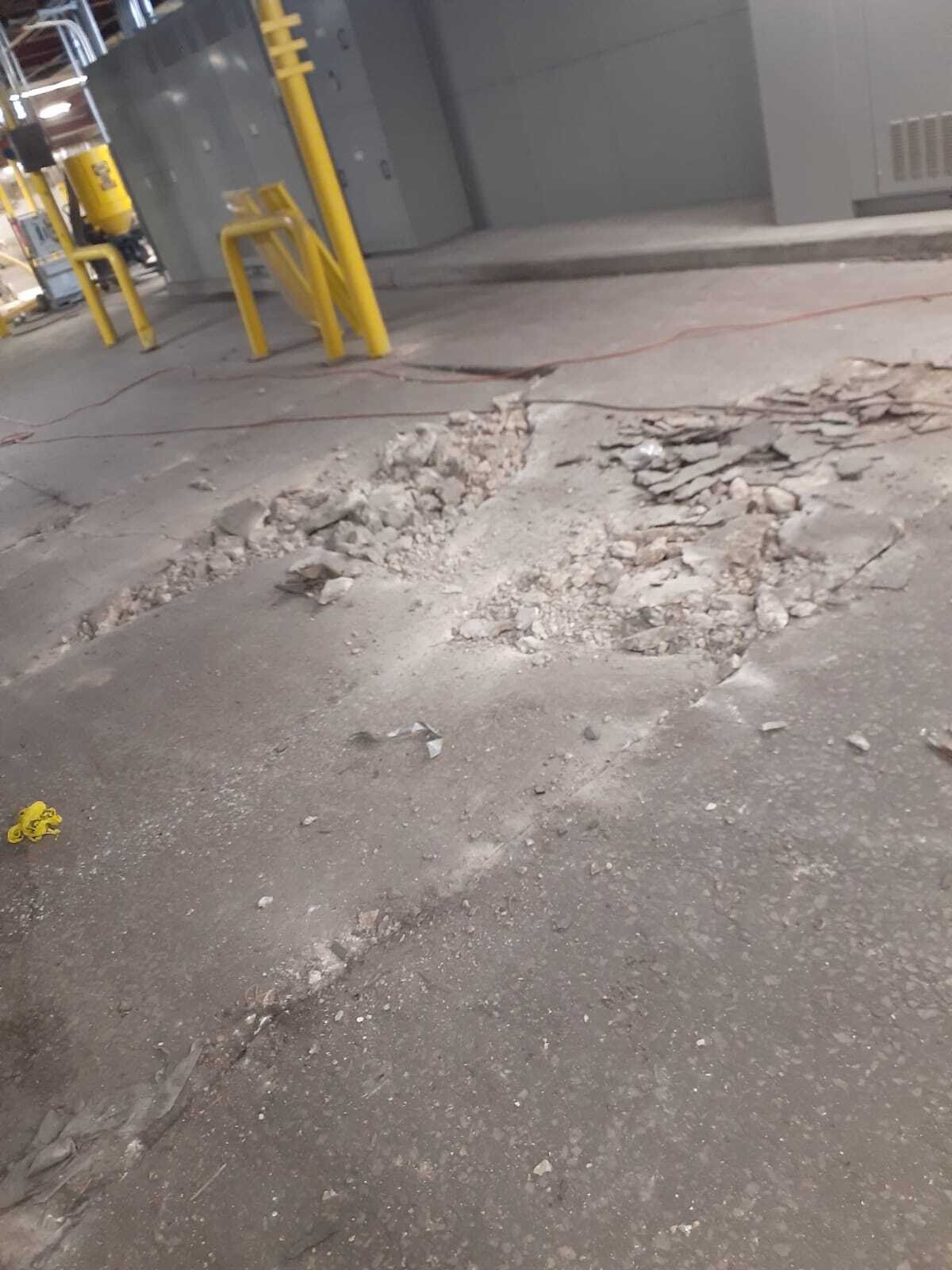
Small isolated areas may be repaired by removing the damaged coating, addressing the underlying issue, and reinstalling the epoxy.
If bubbling is widespread due to moisture or poor adhesion, larger sections—or even the entire floor—may need to be removed and replaced.
The key is identifying the root cause before making repairs. Simply coating over the damaged area rarely solves the problem.
Final Thoughts
While epoxy floor bubbles and peeling can be frustrating, they are usually symptoms of an underlying issue rather than problems with the epoxy itself. Excess moisture, poor surface preparation, contamination, improper installation, and environmental conditions are among the most common causes.
Understanding these factors allows facility owners to make better flooring decisions and helps reduce the risk of premature coating failure.
If your epoxy floor is bubbling, peeling, or showing signs of delamination, request a quote with CustomCrete to evaluate the condition of your floor and determine the best repair or replacement solution.

Topics:
.jpg?width=6139&height=4093&name=CC100396%20(1).jpg)
.jpg?width=1200&height=1600&name=Copy%20of%20IMG_1457%20(1).jpg)