
Concrete floors are designed to move. As temperatures change, moisture levels fluctuate, and buildings settle over time, concrete expands and contracts. To accommodate this movement, contractors install concrete control joint systems throughout the slab.
When these joints are functioning properly, they help protect the floor from stress and cracking. However, when joints become damaged, they can quickly turn into one of the most costly maintenance issues in a facility. What starts as a small crack or separation can eventually lead to spalling concrete, equipment damage, safety hazards, and expensive repairs.
With nearly 20 years of experience and over 1 million square feet installed, CustomCrete has seen firsthand how neglected joints can affect the performance and lifespan of industrial and commercial floors. This guide explains why control joints matter, how they fail, and why addressing damage early can save significant time and money.
Key Takeaways
- A concrete control joint allows concrete slabs to move without causing excessive stress.
- Damaged joints can lead to spalling, trip hazards, forklift damage, and premature floor deterioration.
- Early repairs are often far less expensive than replacing large sections of damaged concrete.
What Is a Concrete Control Joint?
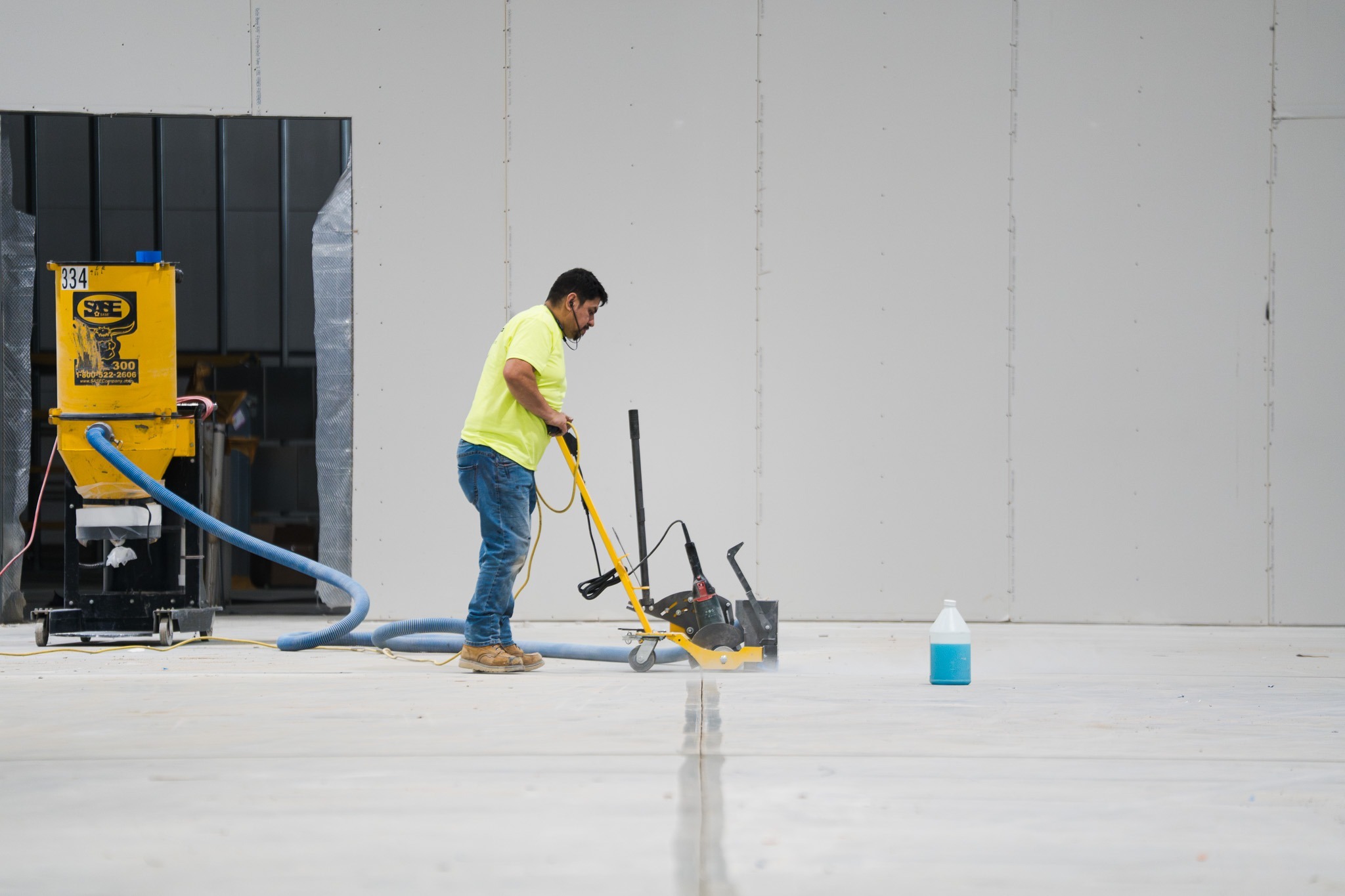
A concrete control joint is a designed separation between sections of concrete that allows the slab to expand, contract, and move naturally.
Without control joints, concrete would be more likely to:
- Crack randomly
- Develop stress fractures
- Experience edge damage
- Transfer excessive force throughout the slab
Control joints help control where movement occurs and reduce the likelihood of widespread concrete damage.
They are commonly found in:
- Warehouses
- Manufacturing facilities
- Distribution centers
- Retail & commercial buildings
Why Concrete Movement Is Normal
Many facility owners assume movement indicates a problem. In reality, concrete movement is expected.
Concrete responds to:
- Temperature changes
- Moisture fluctuations
- Building settlement
- Heavy traffic loads
A properly functioning concrete control joint accommodates this movement without damaging the surrounding floor.
The problem begins when the joint filler deteriorates or the joint itself becomes damaged.
What Happens When Control Joints Fail?
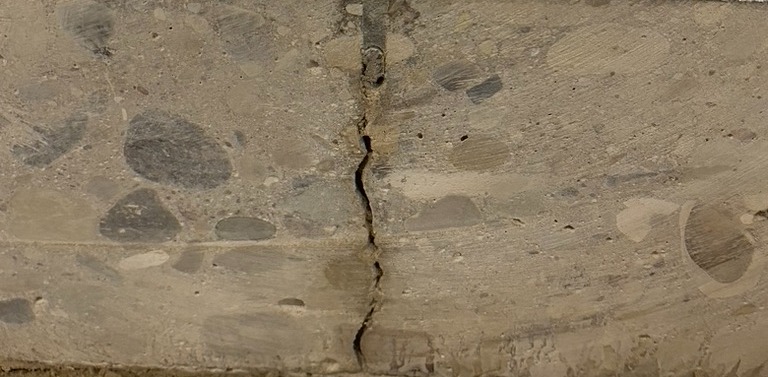
When control joints are no longer properly protected, the concrete edges become vulnerable.
Repeated traffic from forklifts, pallet jacks, carts, and vehicles can strike the exposed edges and gradually break them apart.
Over time, this often leads to:
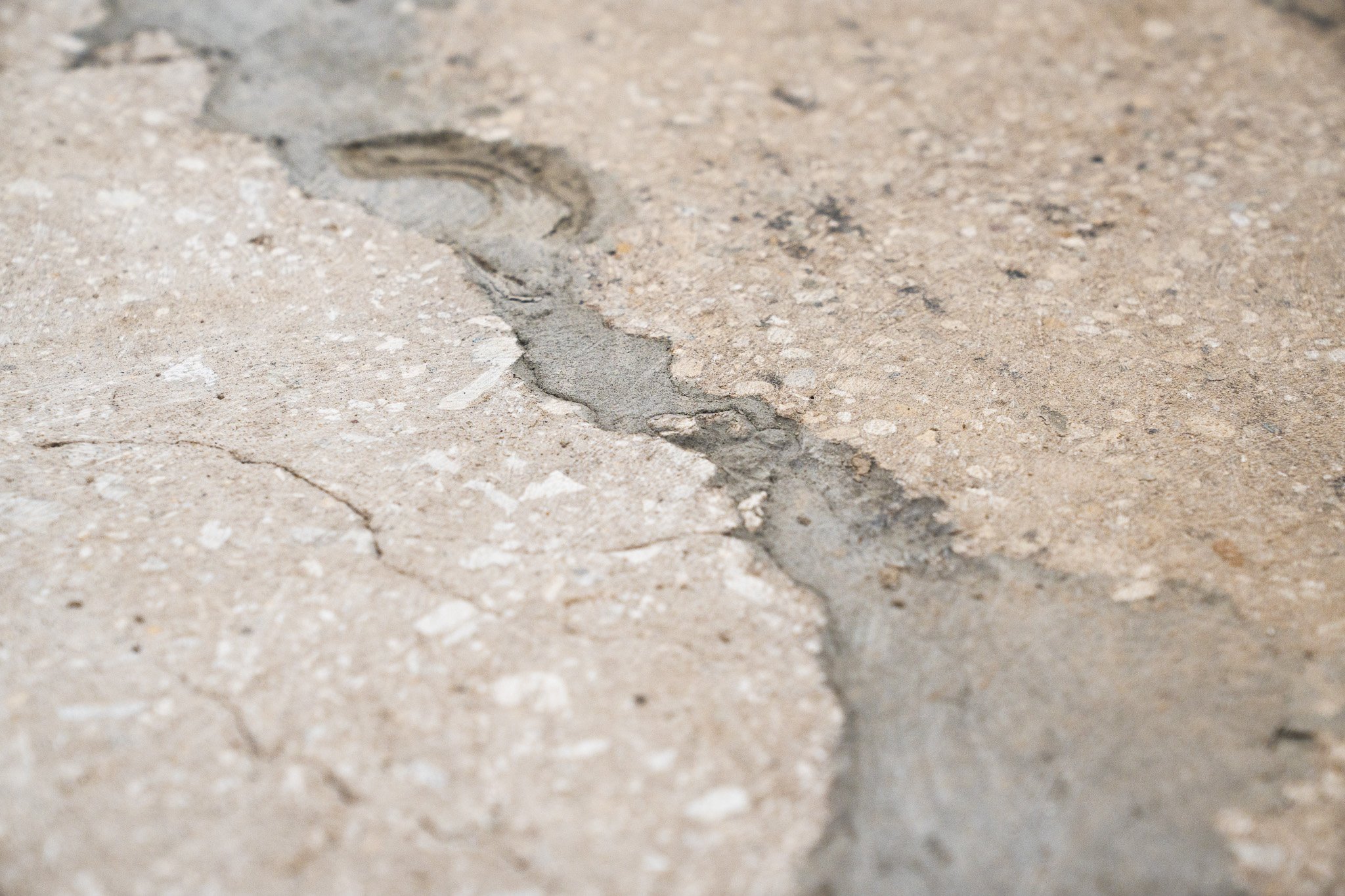
- Edge spalling
- Cracking
- Joint widening
- Surface deterioration
Once the damage starts, it usually accelerates because each impact removes more material from the slab.
Problem #1: Concrete Spalling
One of the most common consequences of a damaged concrete control joint is spalling.
Spalling occurs when the concrete edges begin breaking apart and chipping away.
This often happens because:
- Joint filler has failed
- Concrete edges are exposed
- Traffic repeatedly impacts the joint
Spalled joints not only look unsightly but can also compromise the integrity of the surrounding slab.
If left unrepaired, the damaged area continues growing larger.
Problem #2: Safety Hazards
Damaged joints can create workplace safety concerns.
As joints widen and concrete edges deteriorate, they can create:
- Trip hazards
- Uneven walking surfaces
- Equipment vibration
- Wheel-catching points
In facilities with heavy pedestrian traffic, these hazards can increase the risk of injuries.
Maintaining joint integrity is an important part of creating a safer working environment.
Problem #3: Equipment Damage
Forklifts and other material-handling equipment are particularly affected by damaged joints.
Every time a wheel strikes a broken concrete control joint, it creates impact forces that can affect:
- Forklift tires
- Bearings
- Wheels
- Suspension components
The larger the joint damage becomes, the greater the stress placed on equipment.
Over time, these impacts can contribute to increased maintenance costs and reduced equipment lifespan.
Problem #4: Increased Floor Deterioration
Control joint damage rarely stays isolated.
Once the concrete begins breaking apart, surrounding areas often become vulnerable to additional cracking and deterioration.
This can eventually lead to:
- Larger repair areas
- More extensive floor restoration
- Increased downtime
What begins as a small joint repair can become a major concrete restoration project if ignored long enough.
Problem #5: Sanitation and Cleanability Issues
In food production, pharmaceutical, and other regulated environments, damaged joints create more than structural concerns.
Open joints can collect:
- Dirt
- Debris
- Moisture
- Cleaning chemicals
These areas become difficult to clean and may contribute to sanitation challenges.
For facilities focused on compliance and cleanliness, maintaining control joints is often an important part of facility maintenance.
What Causes Control Joint Damage?
Several factors contribute to joint failure.
Traffic Impact
Forklifts and heavy equipment create repeated stress on joint edges throughout the day.
Aging Joint Fillers
Joint fillers naturally wear down over time and may lose their ability to support the slab edges.
Improper Repairs
Using the wrong repair materials can lead to premature failure and recurring damage.
Concrete Movement
Even properly installed joints continue experiencing movement throughout the life of the building.
Understanding these factors helps facility managers develop proactive maintenance plans.
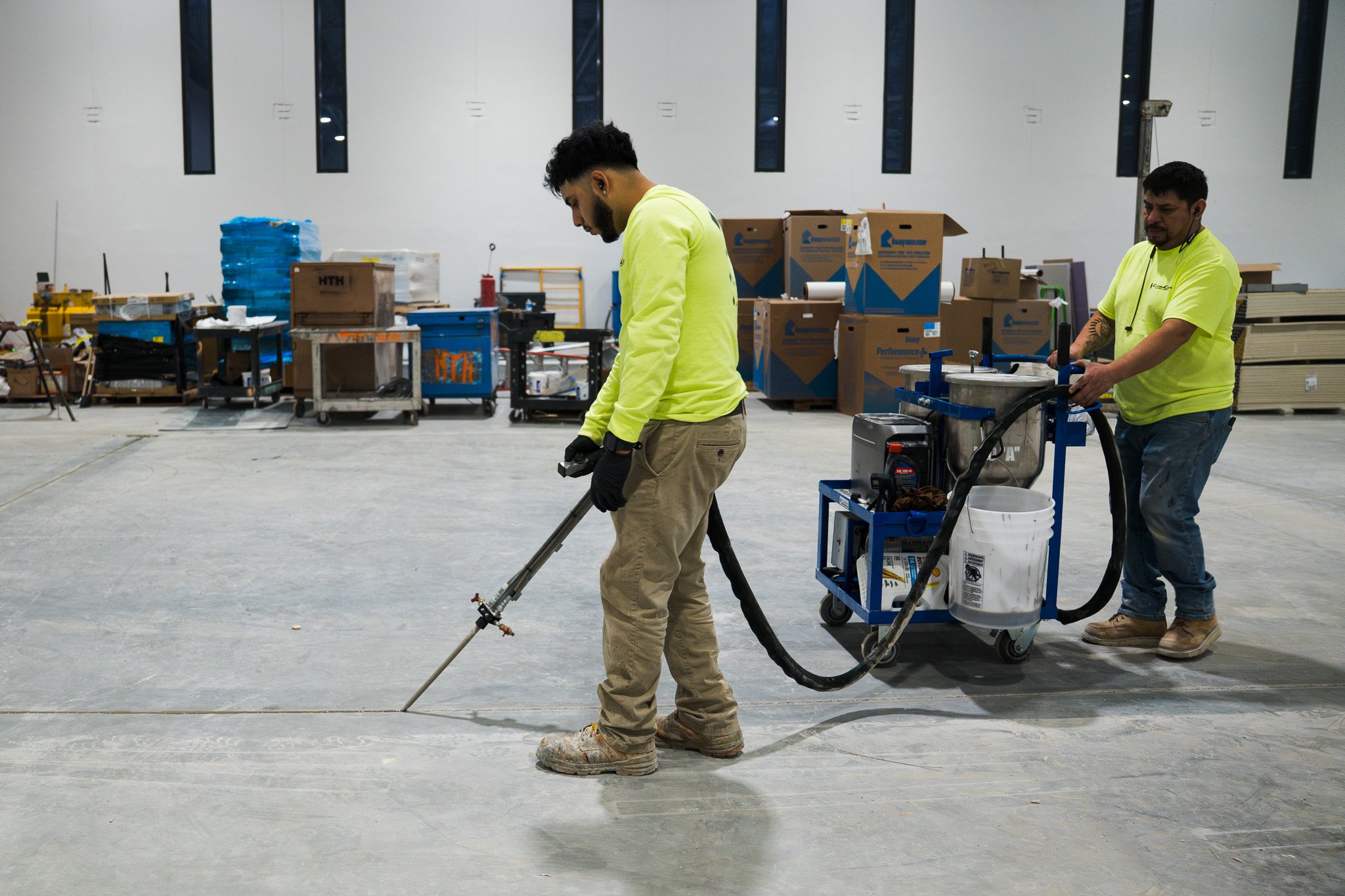
How Damaged Joints Are Repaired
Repair methods depend on the severity of the damage.
Common solutions include:
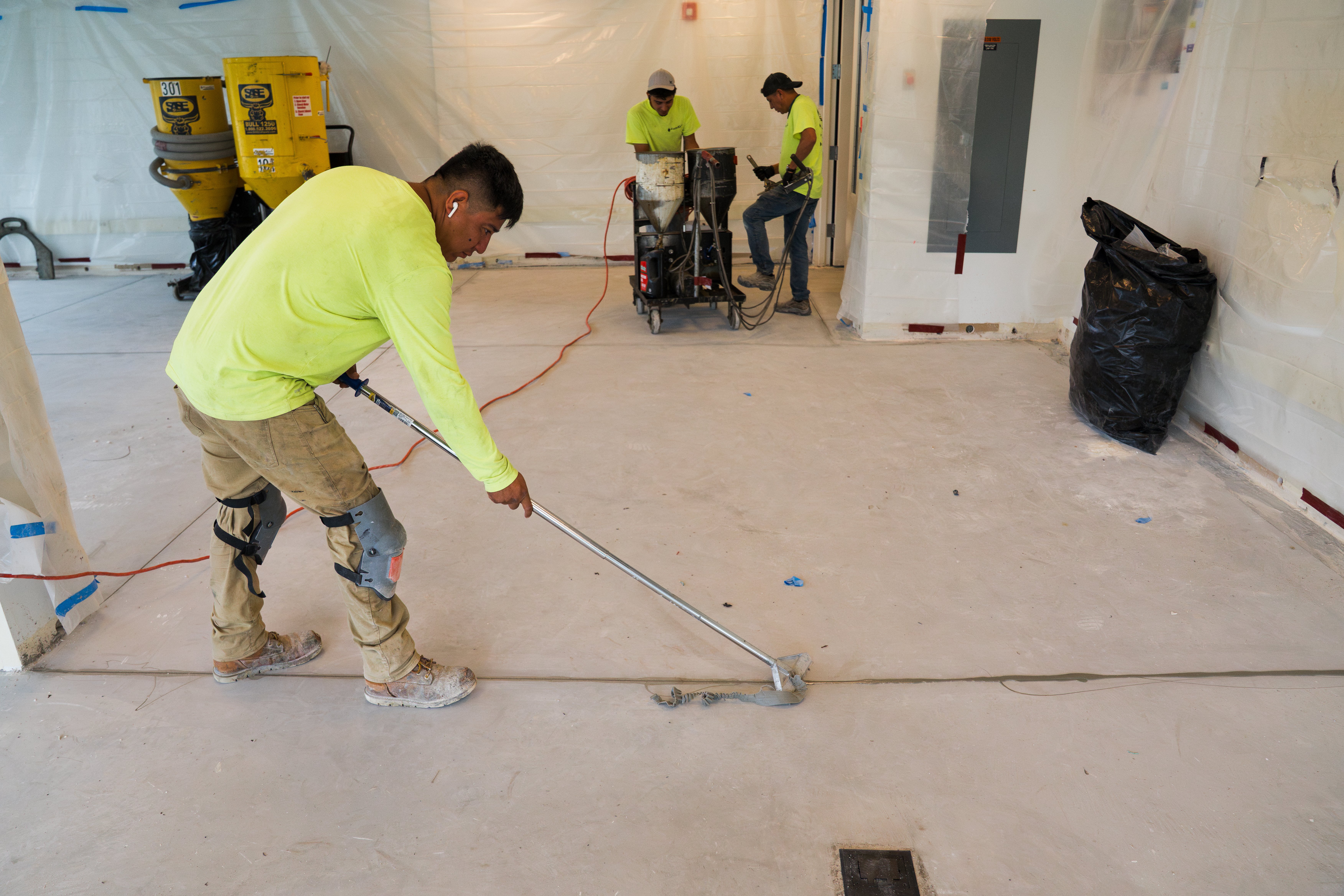
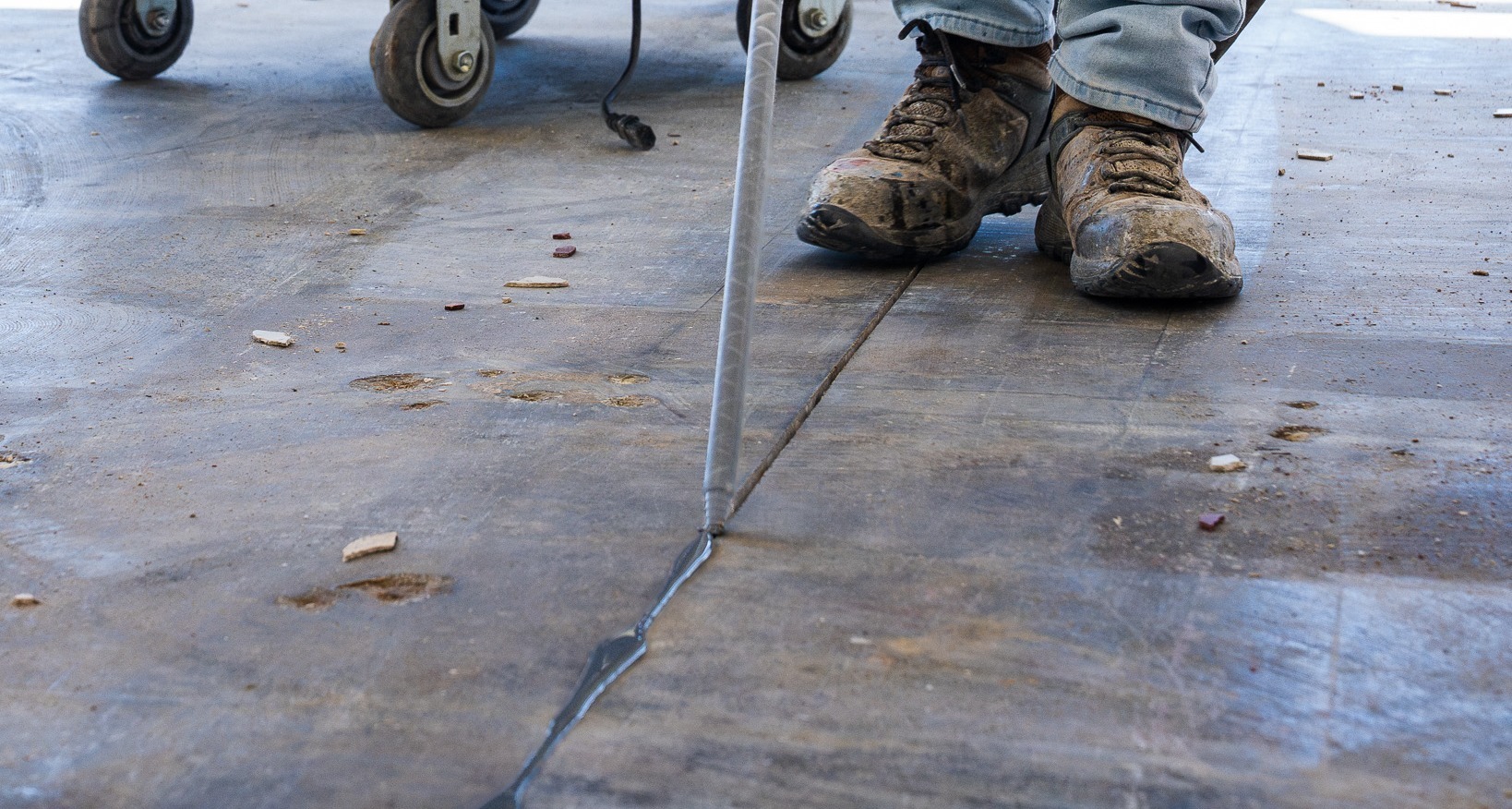
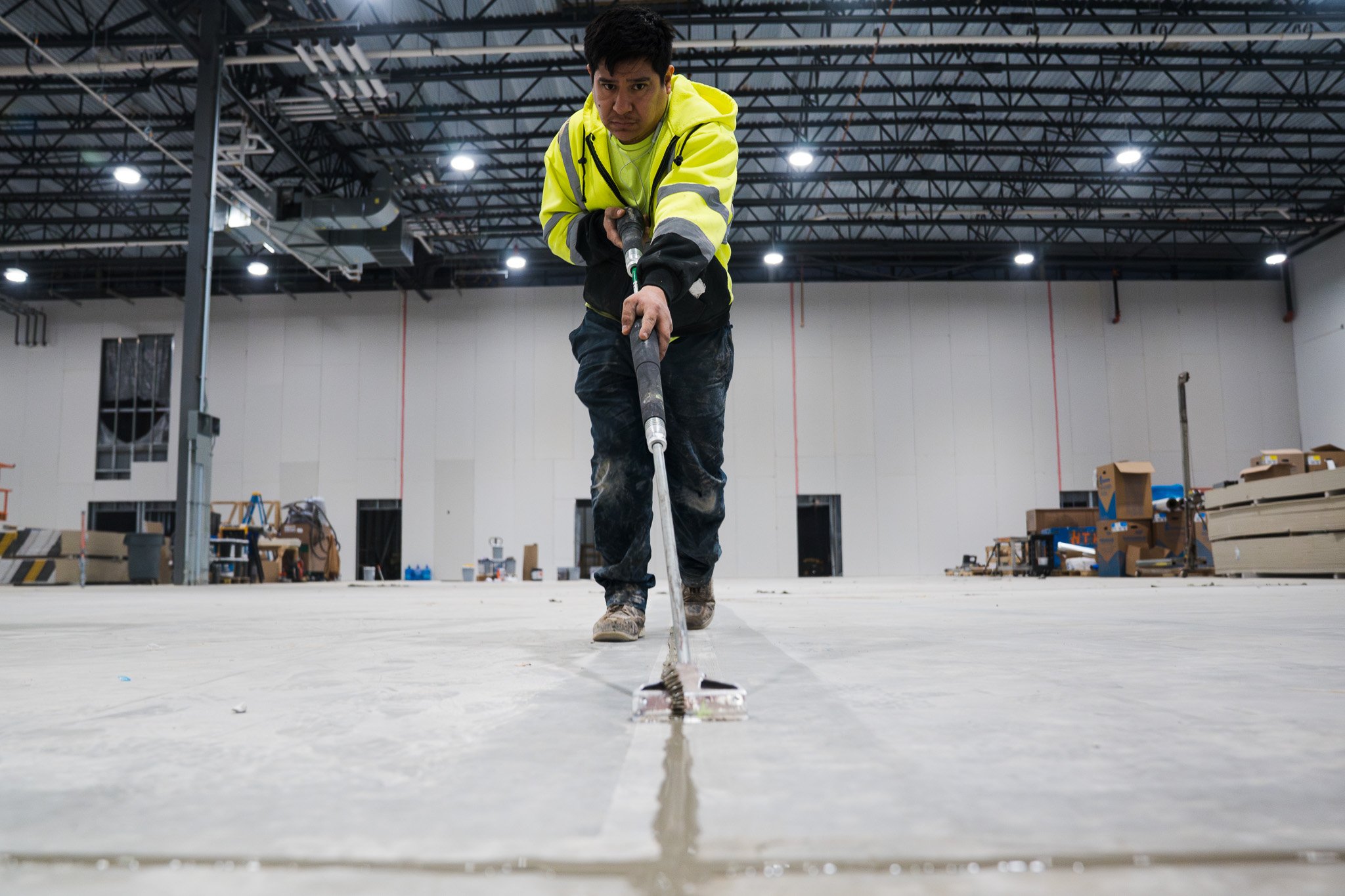
- Removing failed filler
- Rebuilding damaged edges
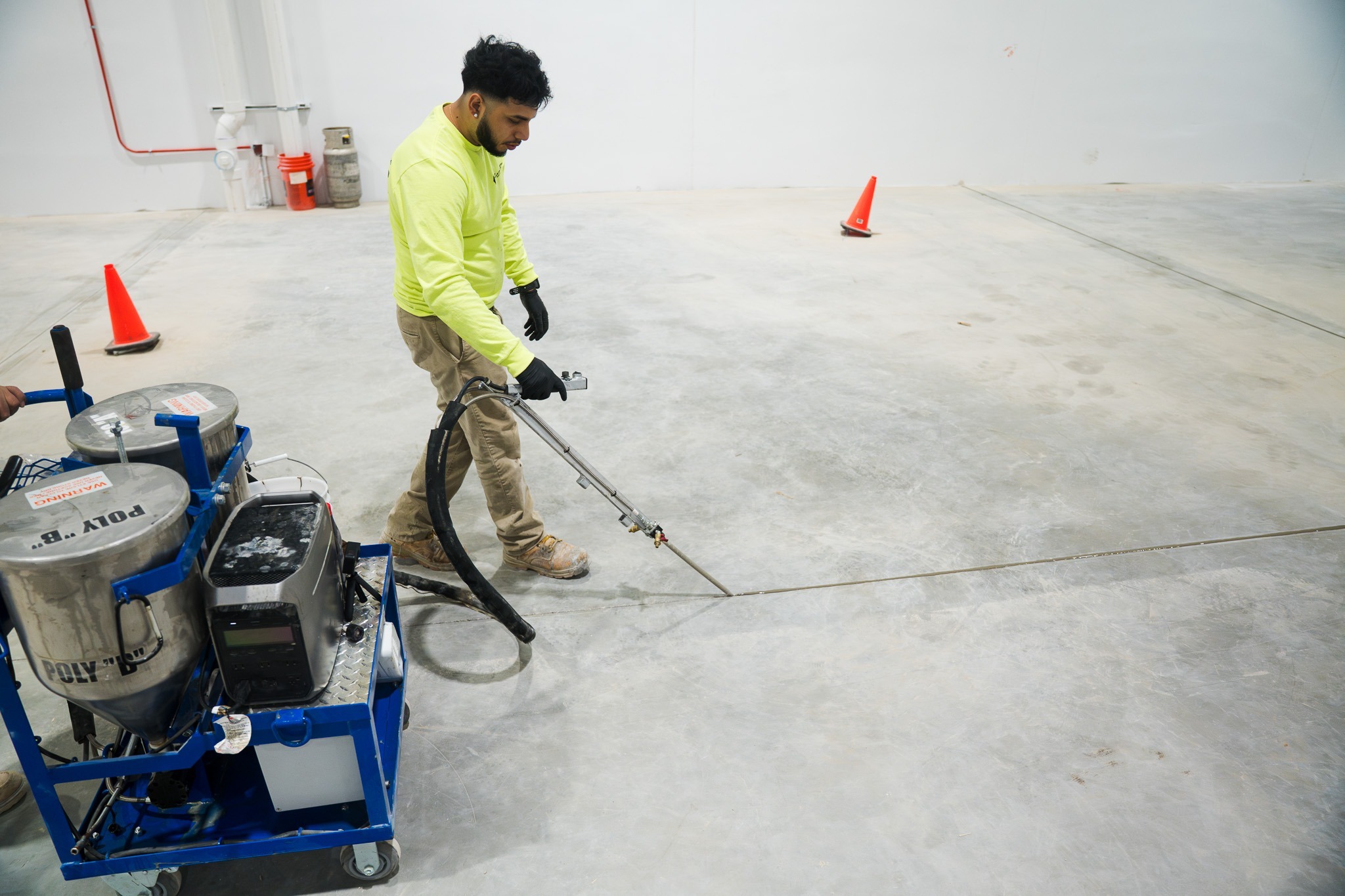
- Installing semi-rigid joint fillers
- Re-establishing proper joint support
Modern repair systems help restore both functionality and durability while allowing the joint to continue accommodating movement.
The earlier repairs are performed, the less extensive they usually need to be.
Why Preventive Maintenance Matters
Many facilities wait until joint damage becomes severe before taking action.
However, proactive maintenance often provides several benefits:
- Lower repair costs
- Reduced downtime
- Improved safety
- Longer floor lifespan
- Better equipment performance
Routine inspections can identify small issues before they become major structural concerns.
Final Thoughts
A damaged concrete control joint is more than a cosmetic issue. Left untreated, it can contribute to spalling, safety hazards, equipment damage, sanitation concerns, and widespread floor deterioration.
Because concrete movement is unavoidable, control joints will always play an important role in protecting industrial and commercial floors. The key is ensuring those joints remain properly maintained and repaired when problems arise.
If your facility has damaged control joints or deteriorating concrete edges, request a quote with CustomCrete to evaluate the condition of your floor and discuss repair options.

Topics:
.jpeg?width=1638&height=1020&name=CC109349%20(1).jpeg)
.jpg?width=6139&height=4093&name=CC100396%20(1).jpg)