
Concrete surface preparation is one of the most important steps in any flooring project—but it’s also one of the most misunderstood. Before epoxy, urethane cement, polished concrete, or other concrete flooring systems can be installed, the surface must be properly prepared to ensure adhesion, durability, and long-term performance.
At CustomCrete, this is a common question from facility managers who want to understand what actually happens before a new floor goes down—and why preparation matters so much.

What Is Concrete Surface Preparation?
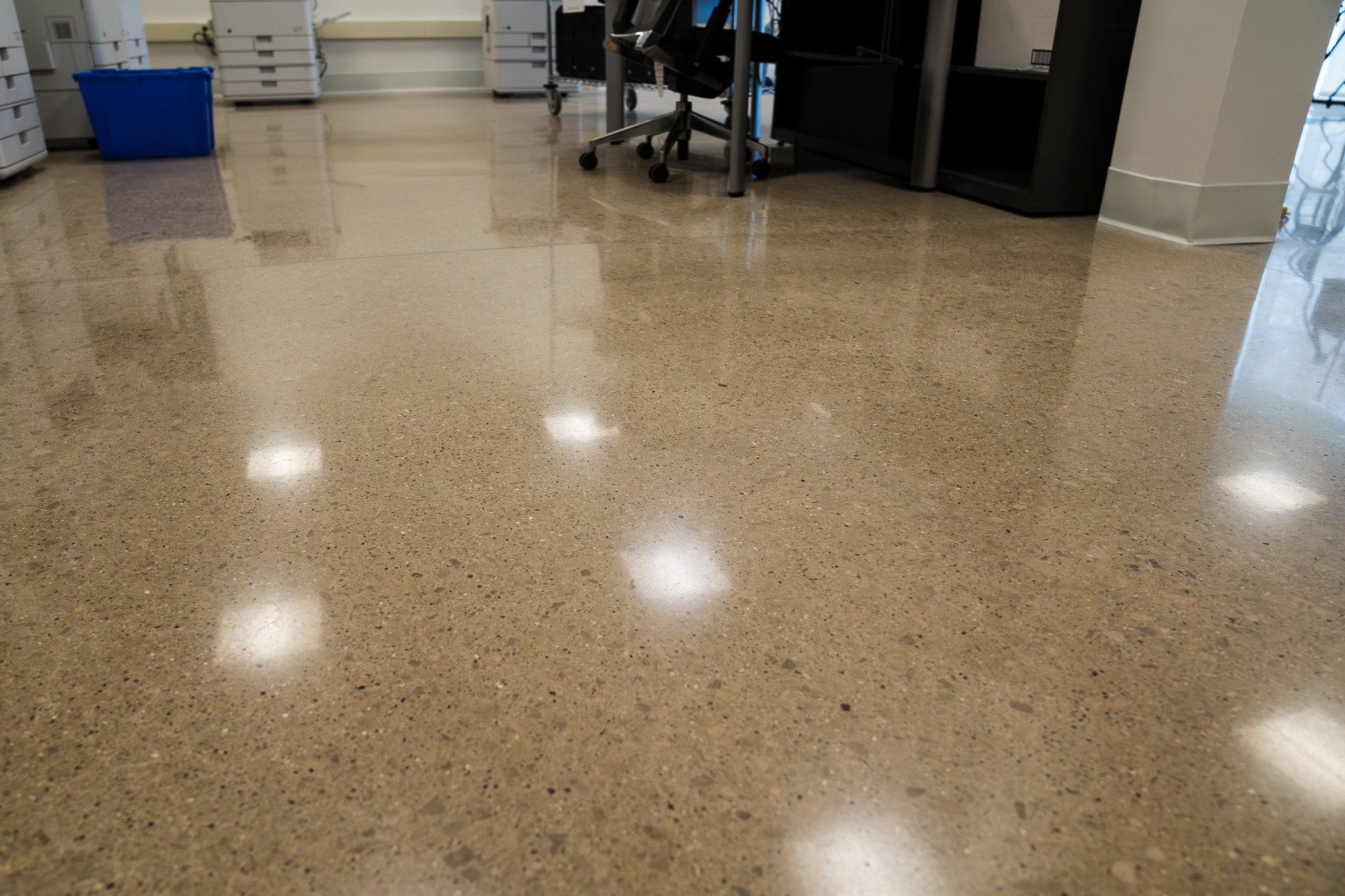
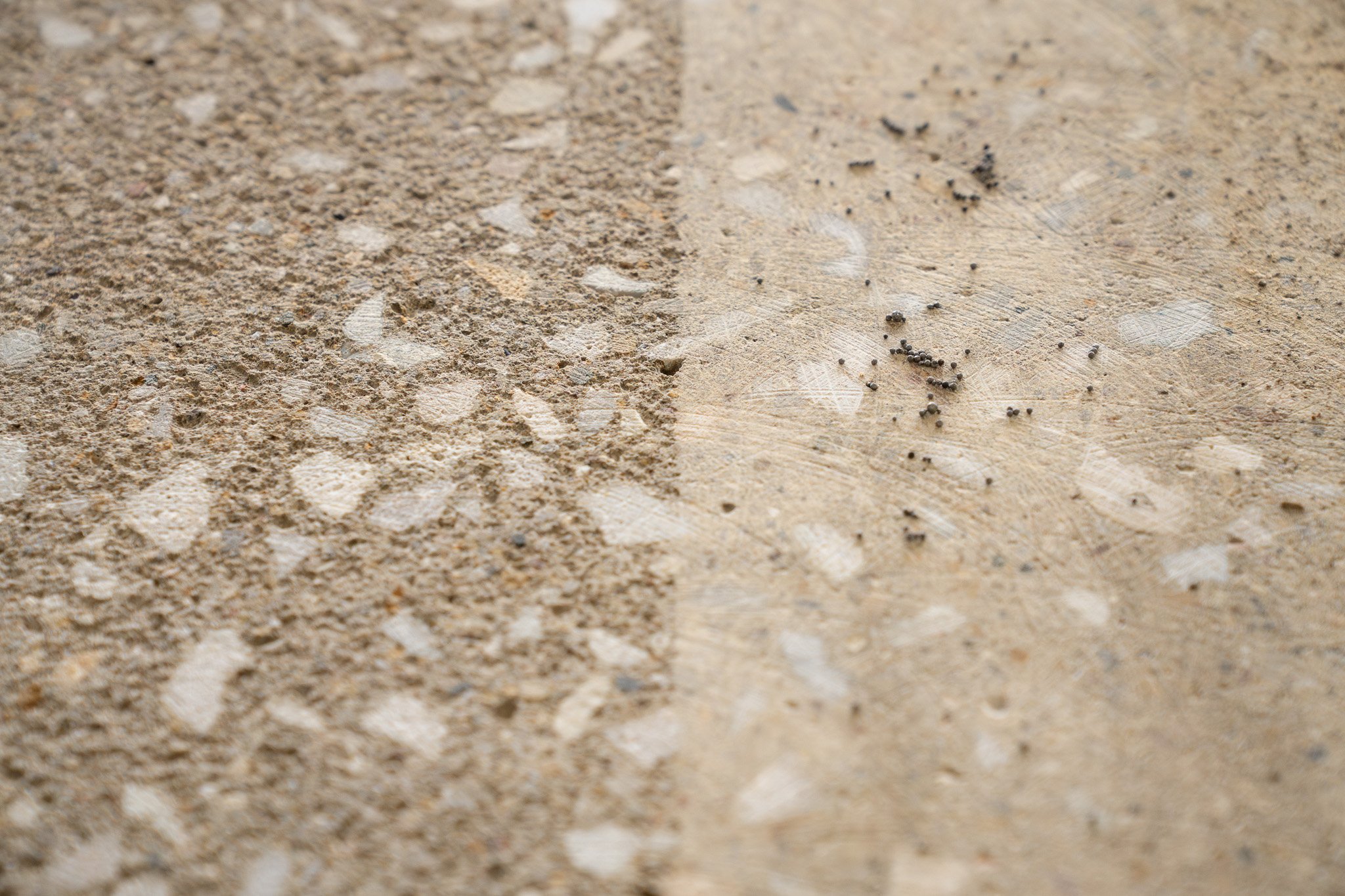
Concrete surface preparation is the process of cleaning, profiling, and repairing the concrete slab so a new flooring system can properly bond to it. The goal is not just to make the floor look clean, but to create the right surface texture and condition for long-term performance.
Skipping or minimizing this step is one of the most common causes of concrete coating failure.
Common Methods Used for Concrete Surface Preparation
Different projects require different preparation methods. The condition of the slab, the existing flooring, and the new system all influence which approach is used.
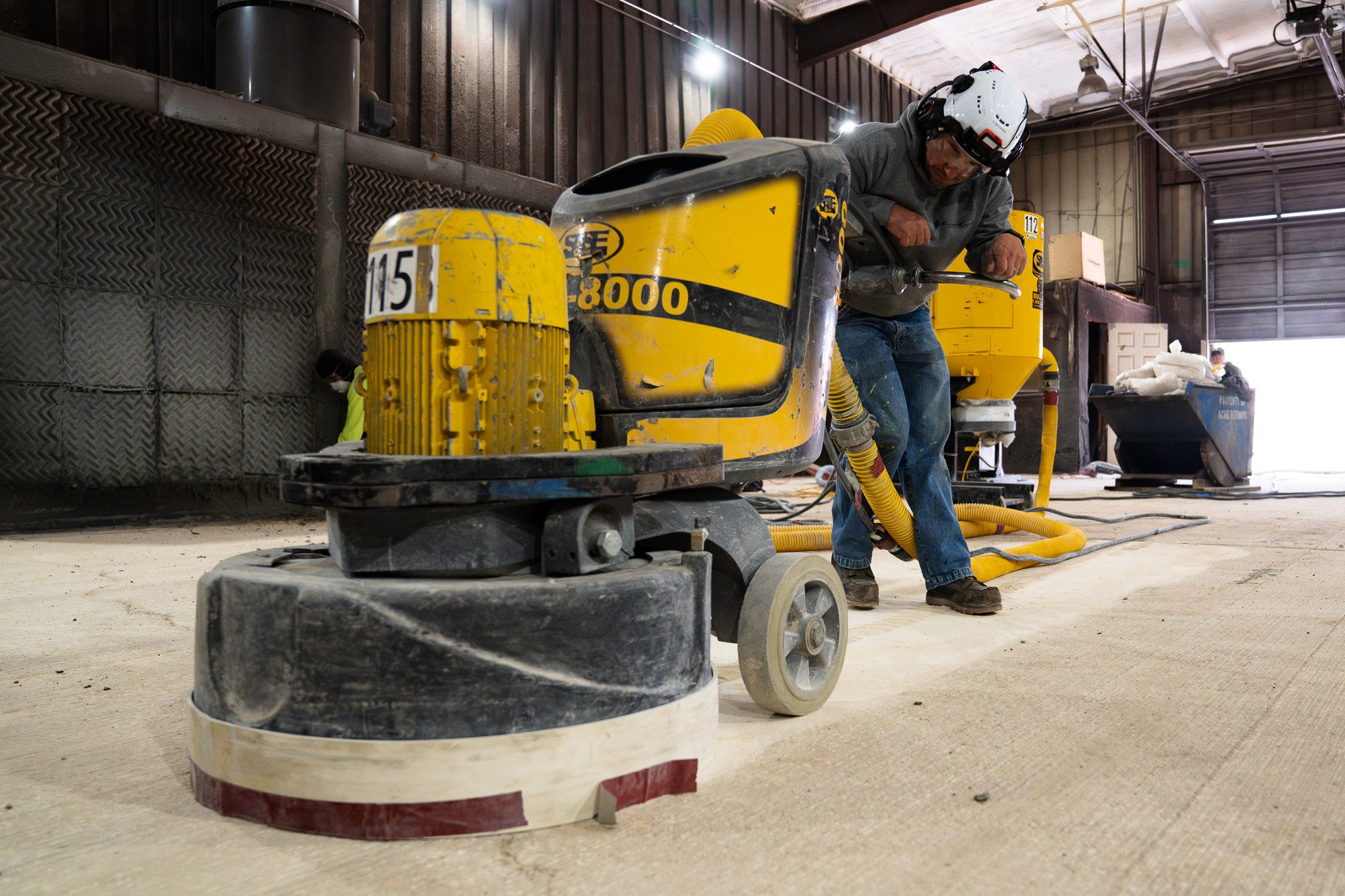
Grinding (CSP-2)
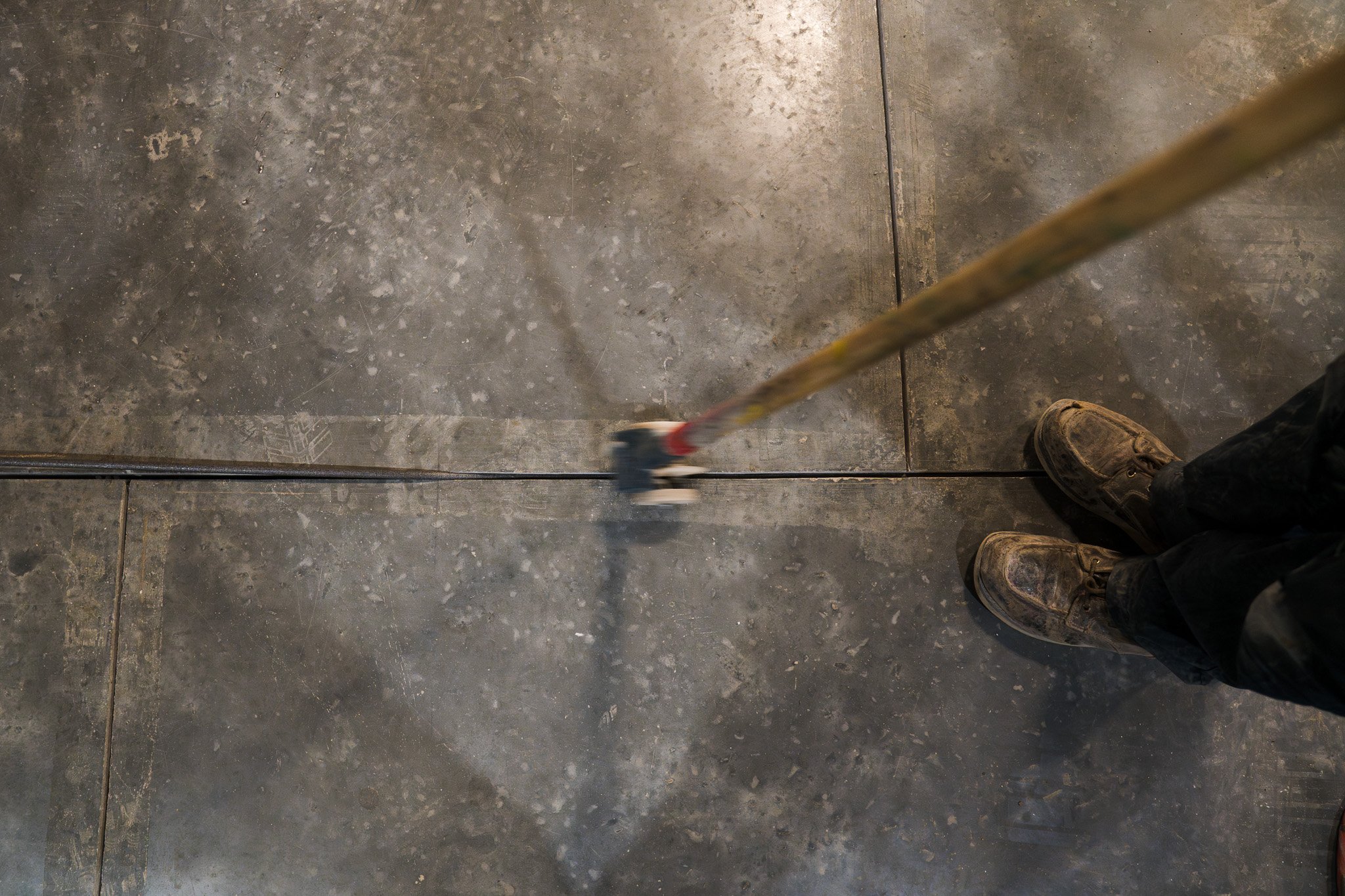
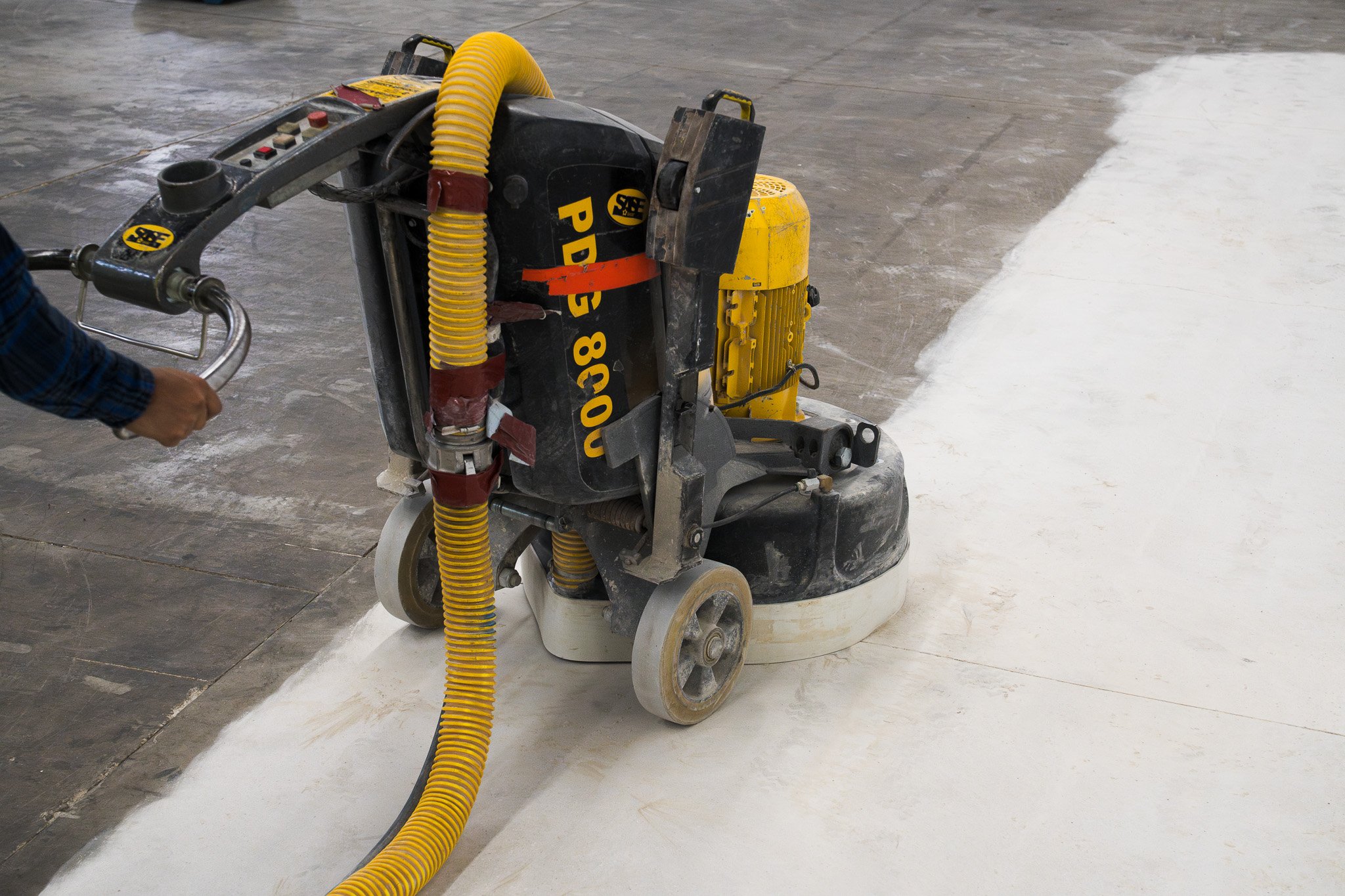
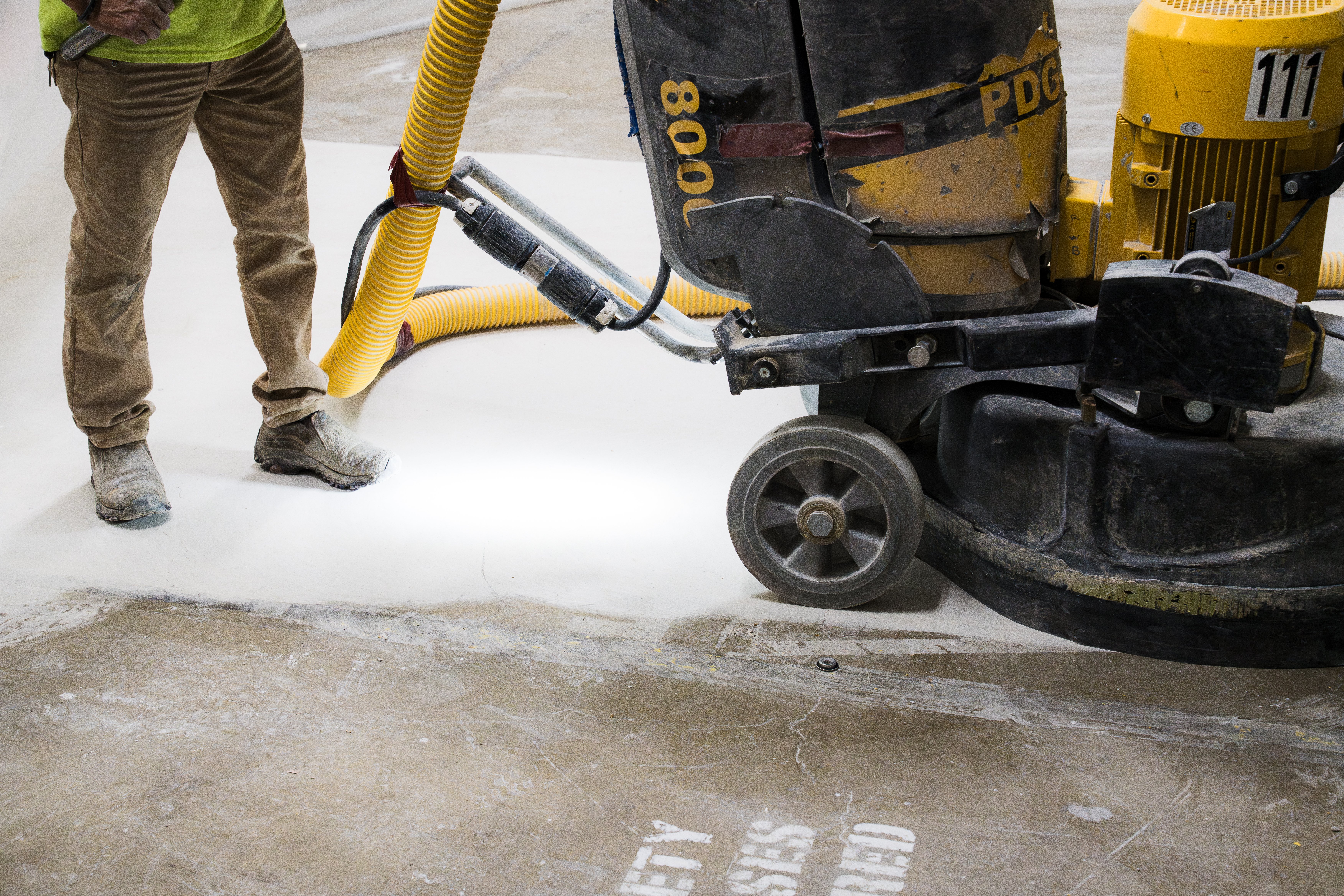
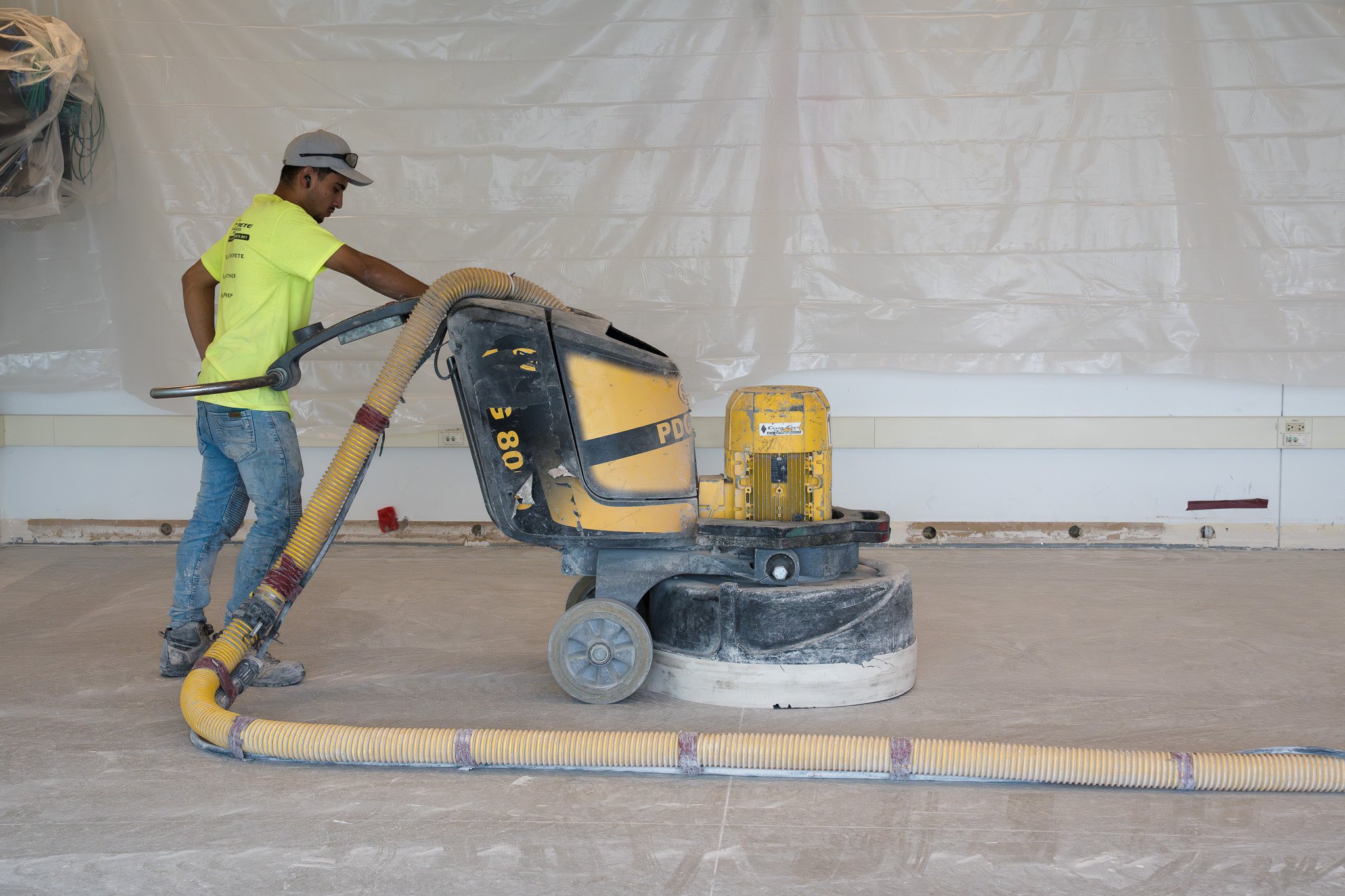
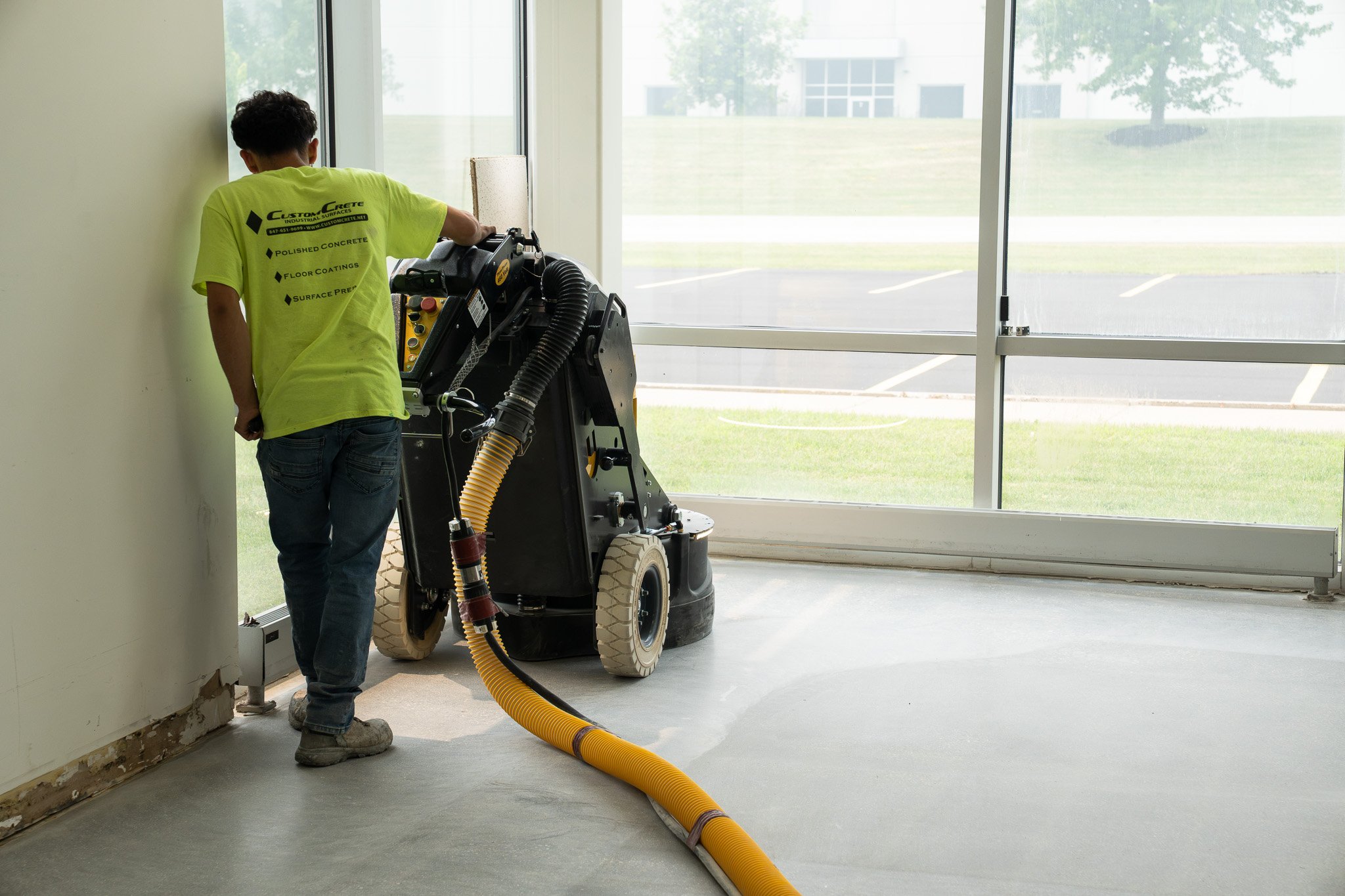
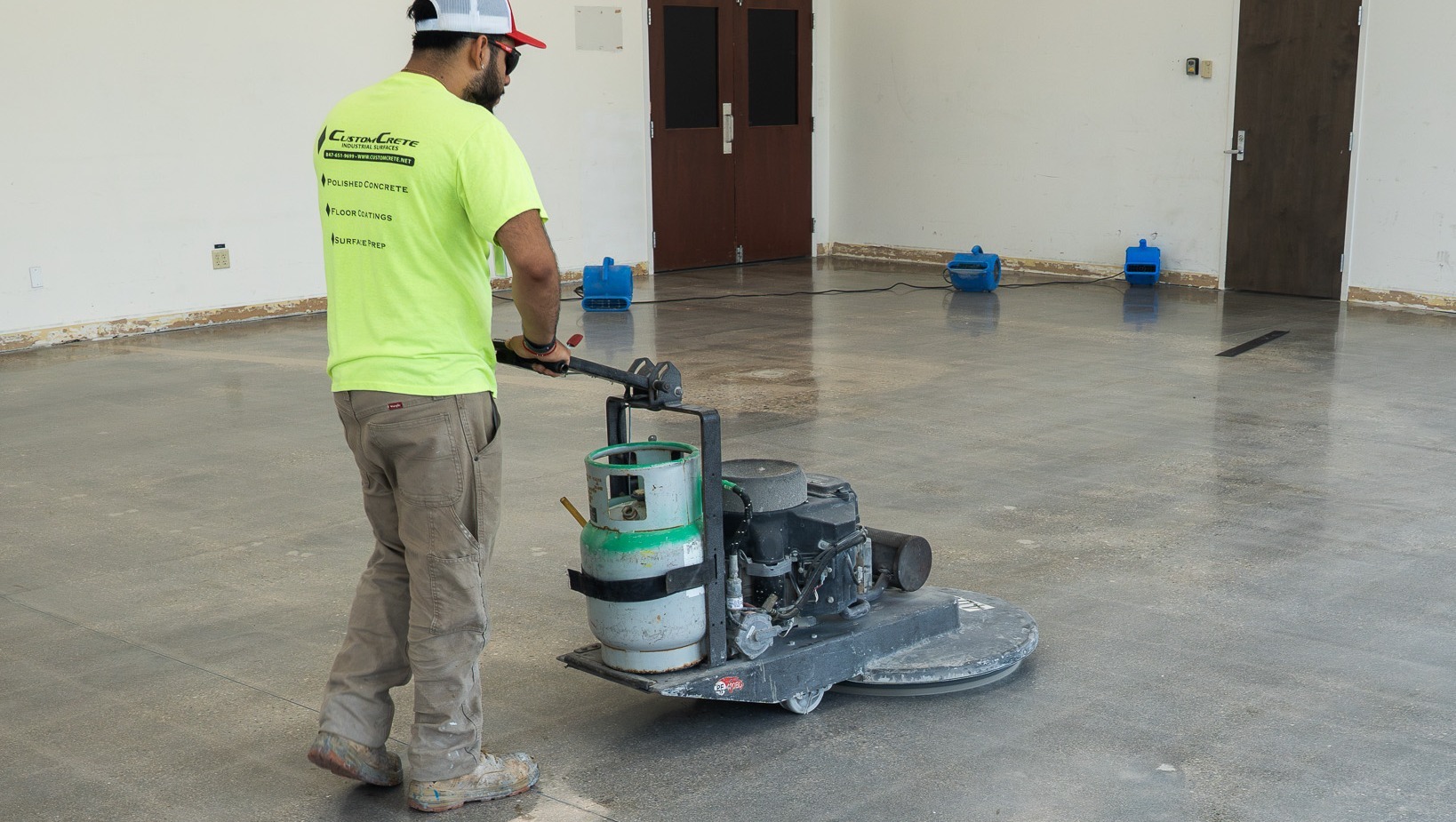
Concrete grinding uses diamond tooling to remove surface contaminants, old coatings, and weak concrete. It also creates a roughened surface profile that helps coatings adhere.
Grinding is commonly used for:
- Epoxy and resinous coatings
- Polished concrete
- Light surface corrections
- Thin mil coatings
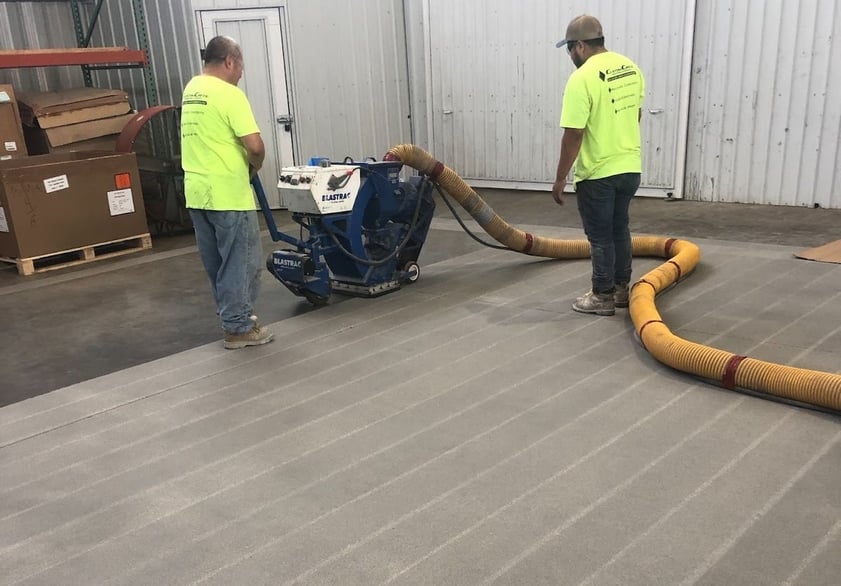
Shot Blasting (CSP 3-5)
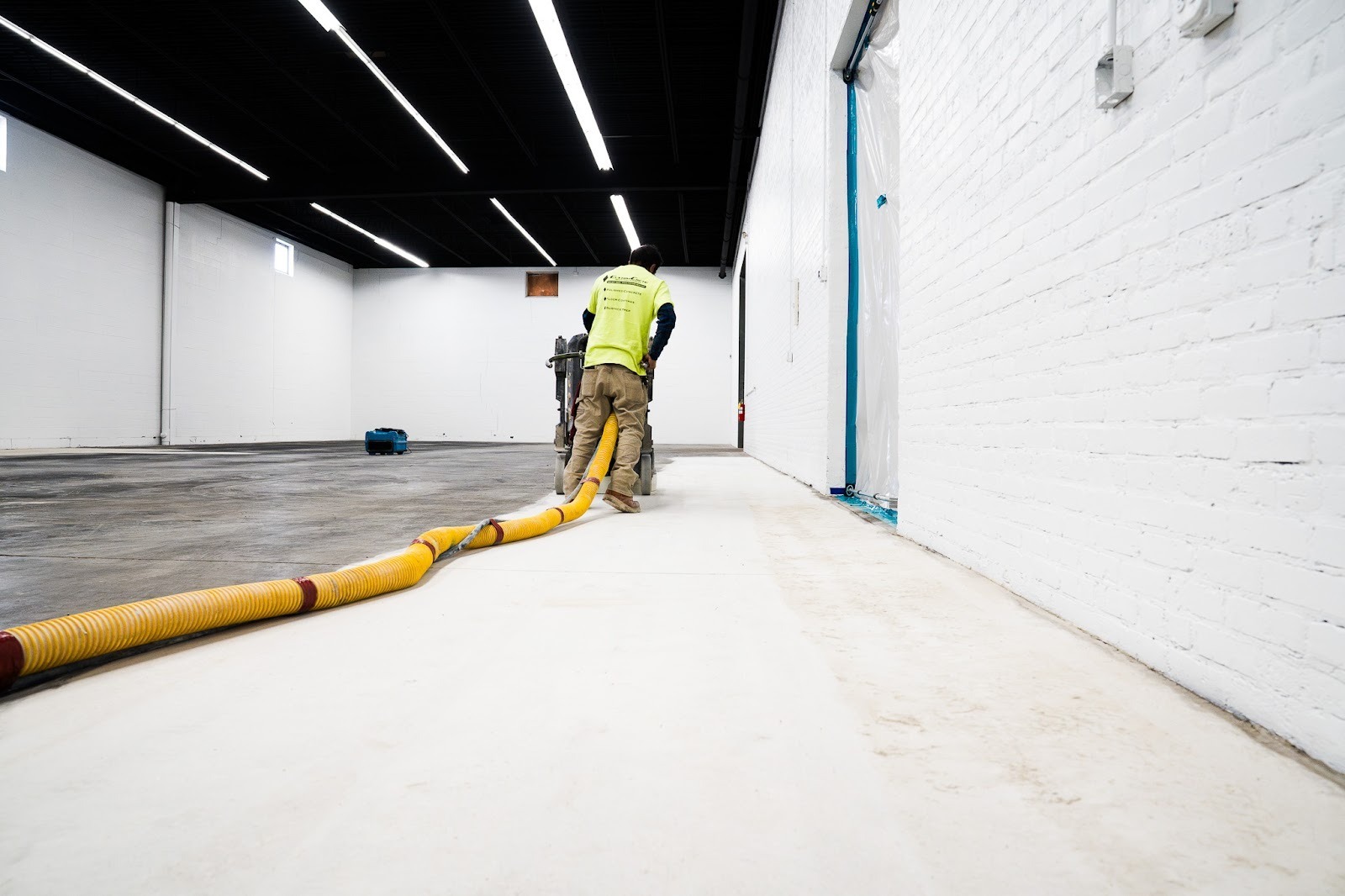
Shot blasting propels steel shot at the concrete surface to remove contaminants and create a uniform texture. It’s effective for large, open areas and produces a consistent surface profile.
Shot blasting is often used in:
- Warehouses and manufacturing facilities
- Heavy-duty industrial environments
- High build coatings
- Slurrys
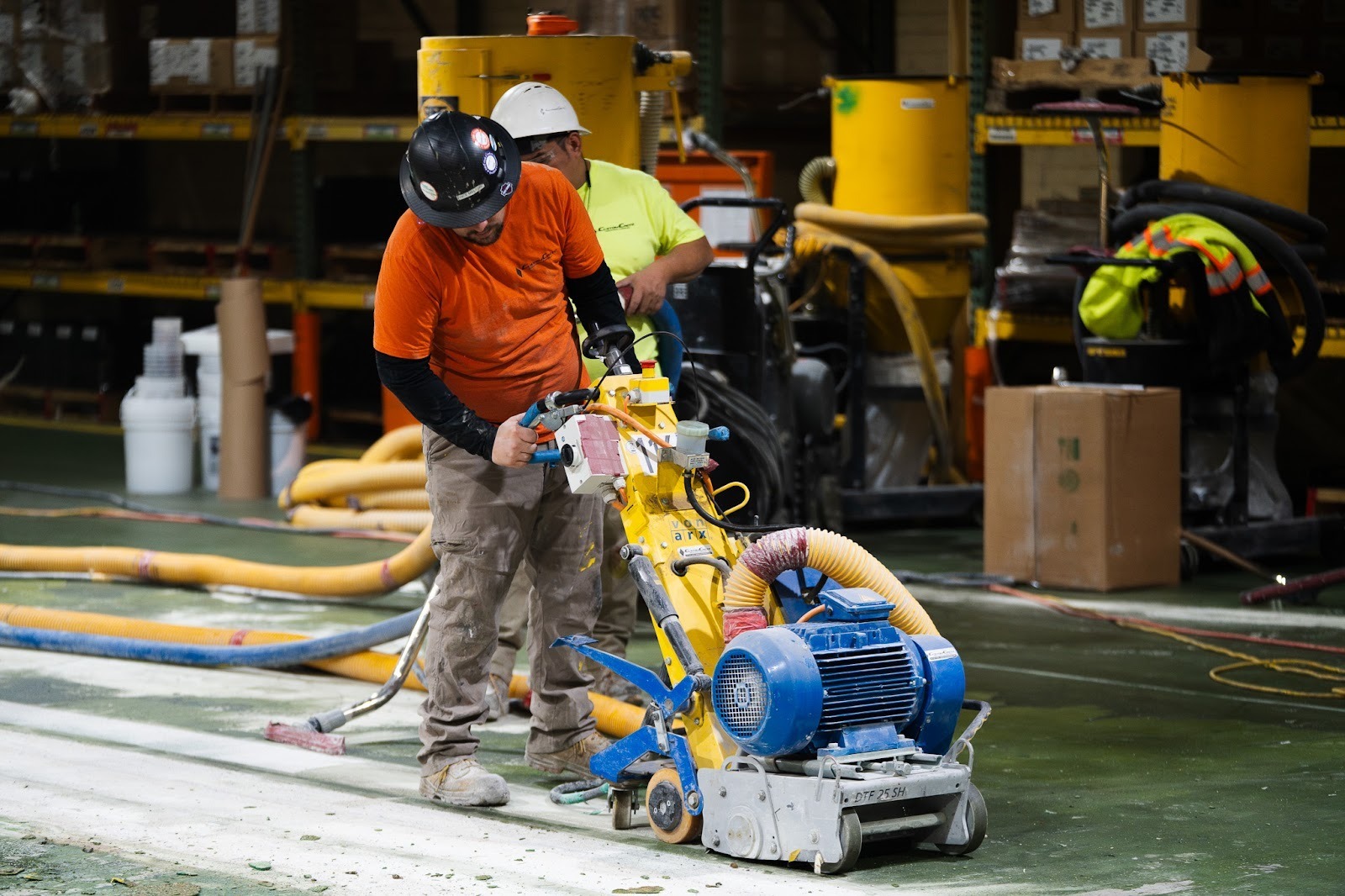
Scarifying (CSP 6-9)
Scarifying uses rotating cutters to aggressively remove thick coatings, adhesives, or damaged concrete. This method creates a rough surface and is typically followed by grinding.
Scarifying is used when:
- Floors have thick buildup
- Heavy material removal is required
- Overlays
- Troweled Mortars
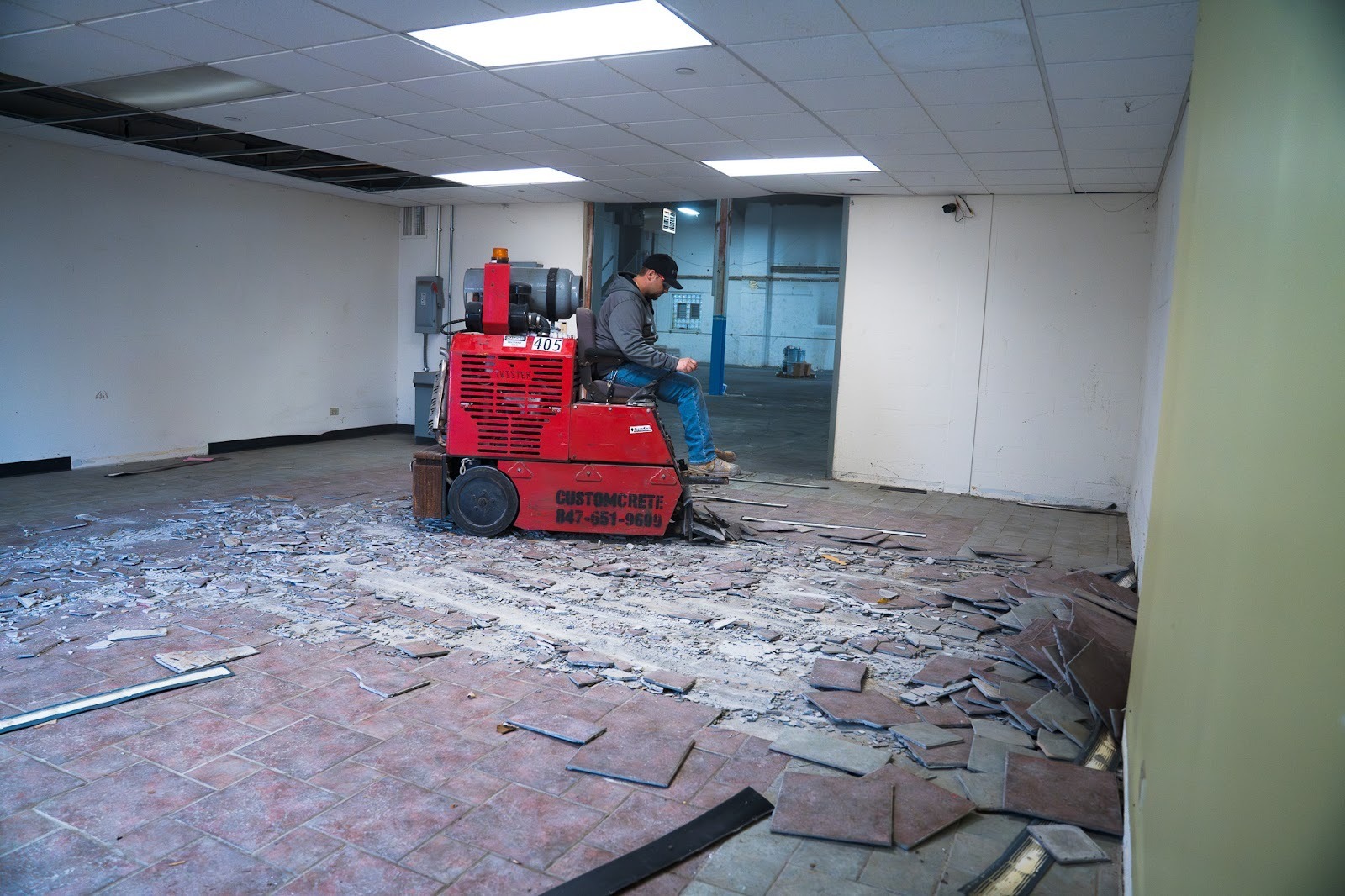
Floor Demolition and Removal
When tile, VCT, carpet, or old flooring systems are present, demolition may be required before other prep methods can begin. Adhesive residue must also be removed to expose clean concrete.
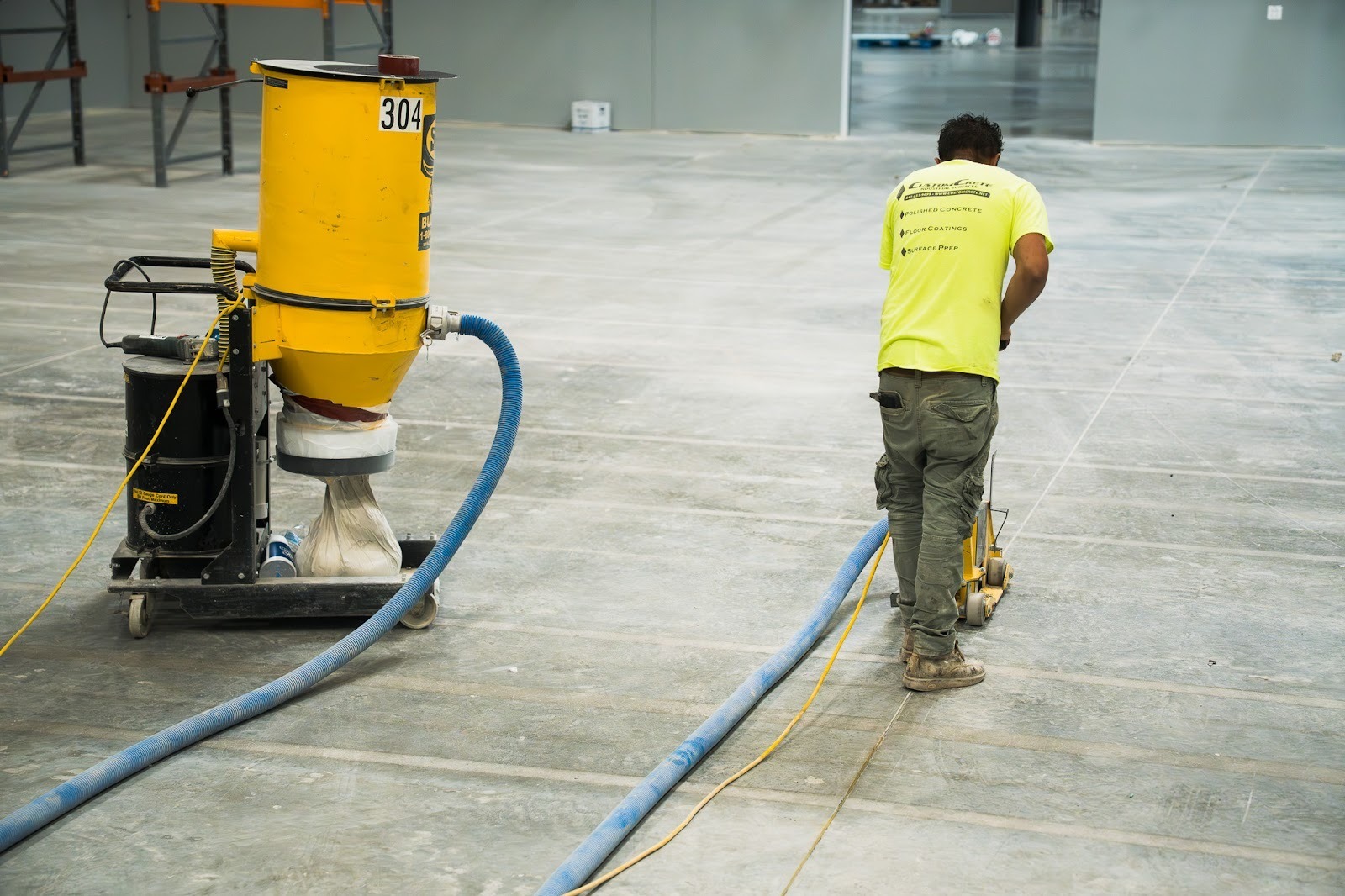
Patching and Repairs
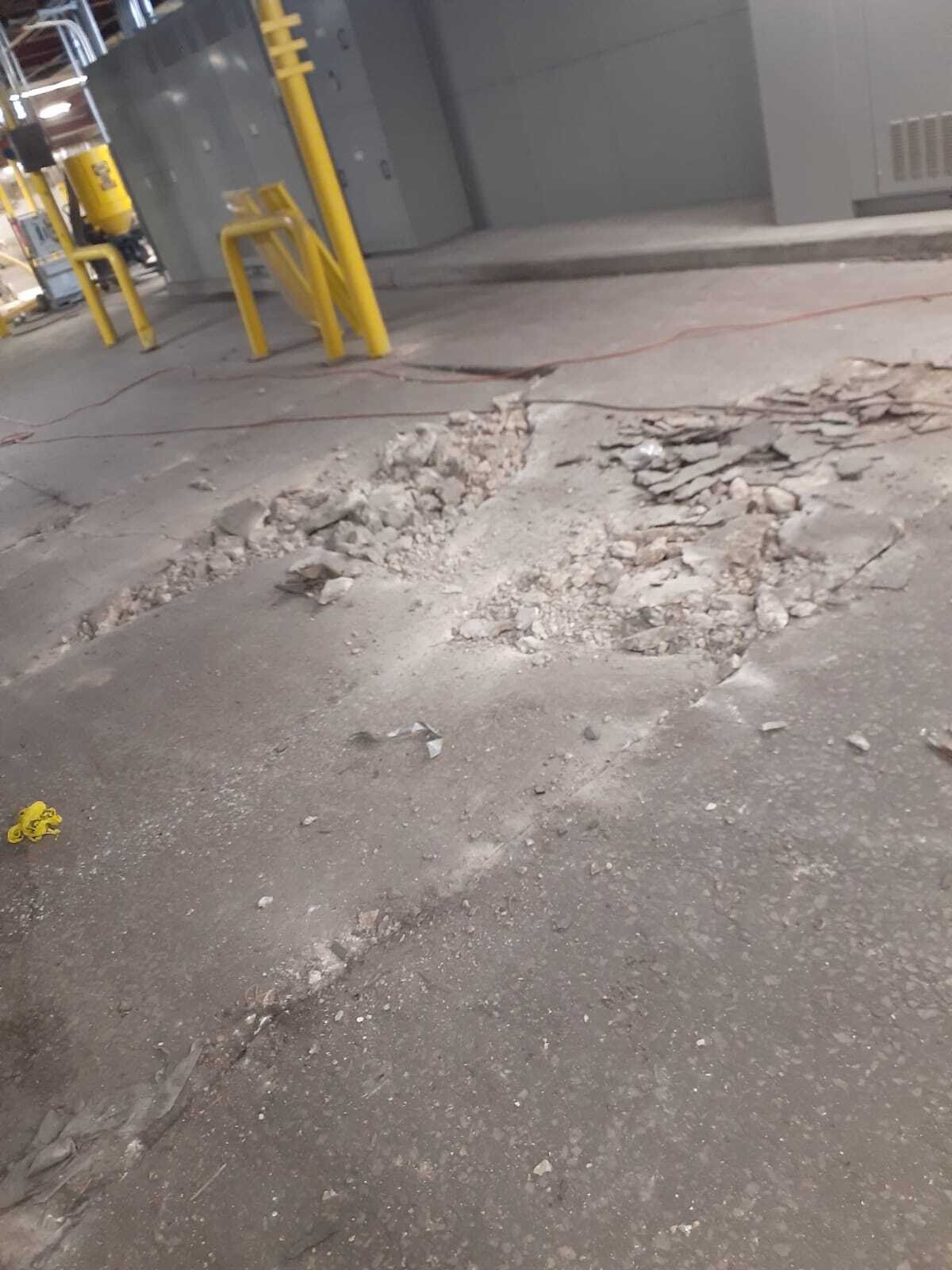
Cracks, spalls, and damaged joints are repaired as part of preparation. These repairs help create a stable, even surface before coatings or overlays are installed.
Why Surface Preparation Is So Important
Concrete coatings don’t fail because of the coating alone—they fail because of poor prep. Without proper surface preparation:
- Coatings may peel or delaminate
- Moisture issues may go unnoticed
- Floors may wear unevenly
- Repairs become more frequent and costly
Proper prep creates the foundation for everything that follows.
Is One Method Better Than Another?
There is no single “best” method. Most projects use a combination of preparation techniques based on slab condition and project goals. The right approach depends on what the floor needs—not a one-size-fits-all solution.
Final Thoughts
Concrete surface preparation can include grinding, shot blasting, scarifying, demolition, and repairs. Each method serves a specific purpose, and proper preparation is essential for long-lasting flooring performance. Understanding these methods helps facilities set realistic expectations before installation begins.
To learn more about how preparation impacts pricing and project planning, read the next article: “How Much Does It Cost To Prep Concrete?” This guide breaks down what goes into prep costs and why they vary so widely.

Topics:
.jpg?width=6139&height=4093&name=CC100396%20(1).jpg)