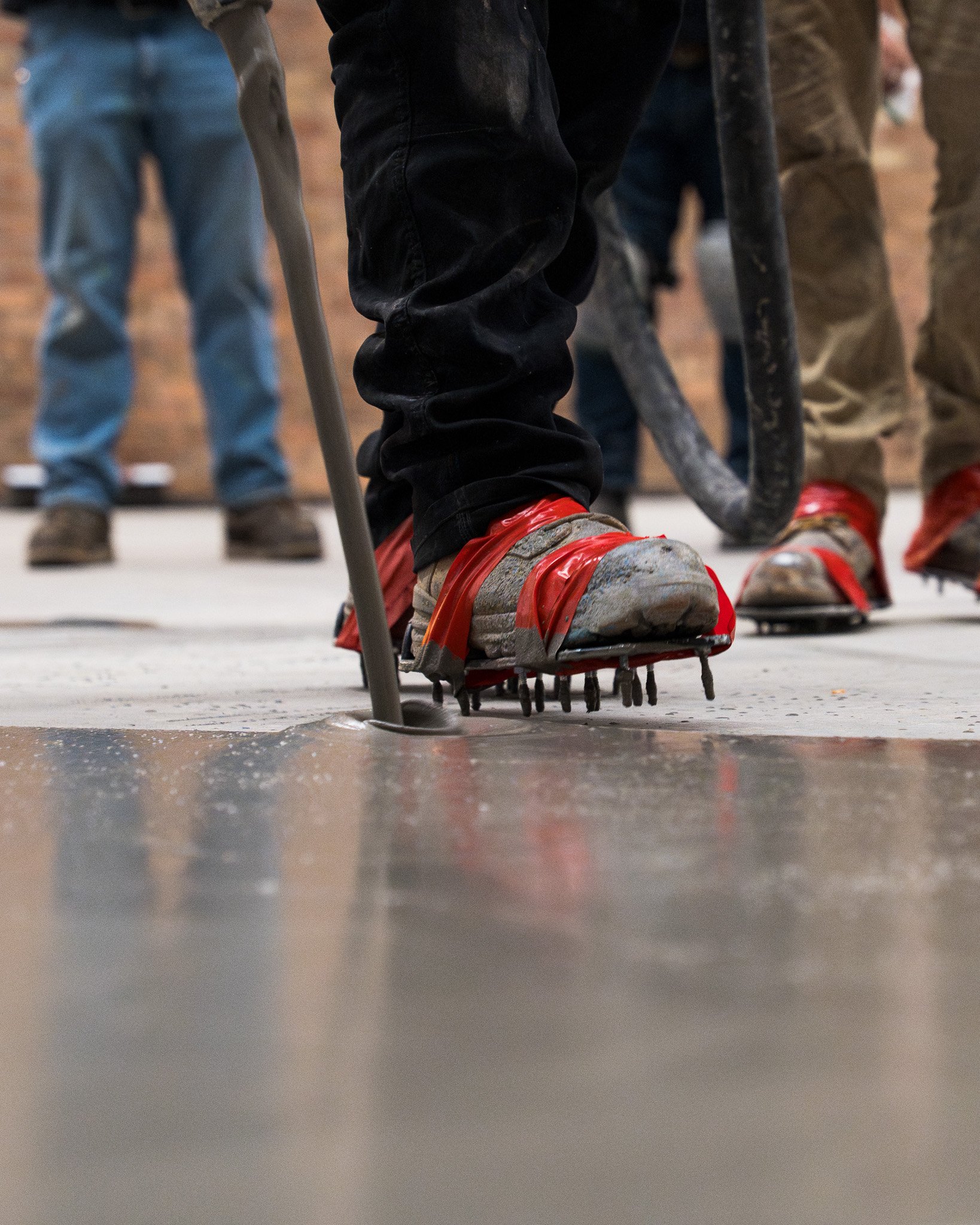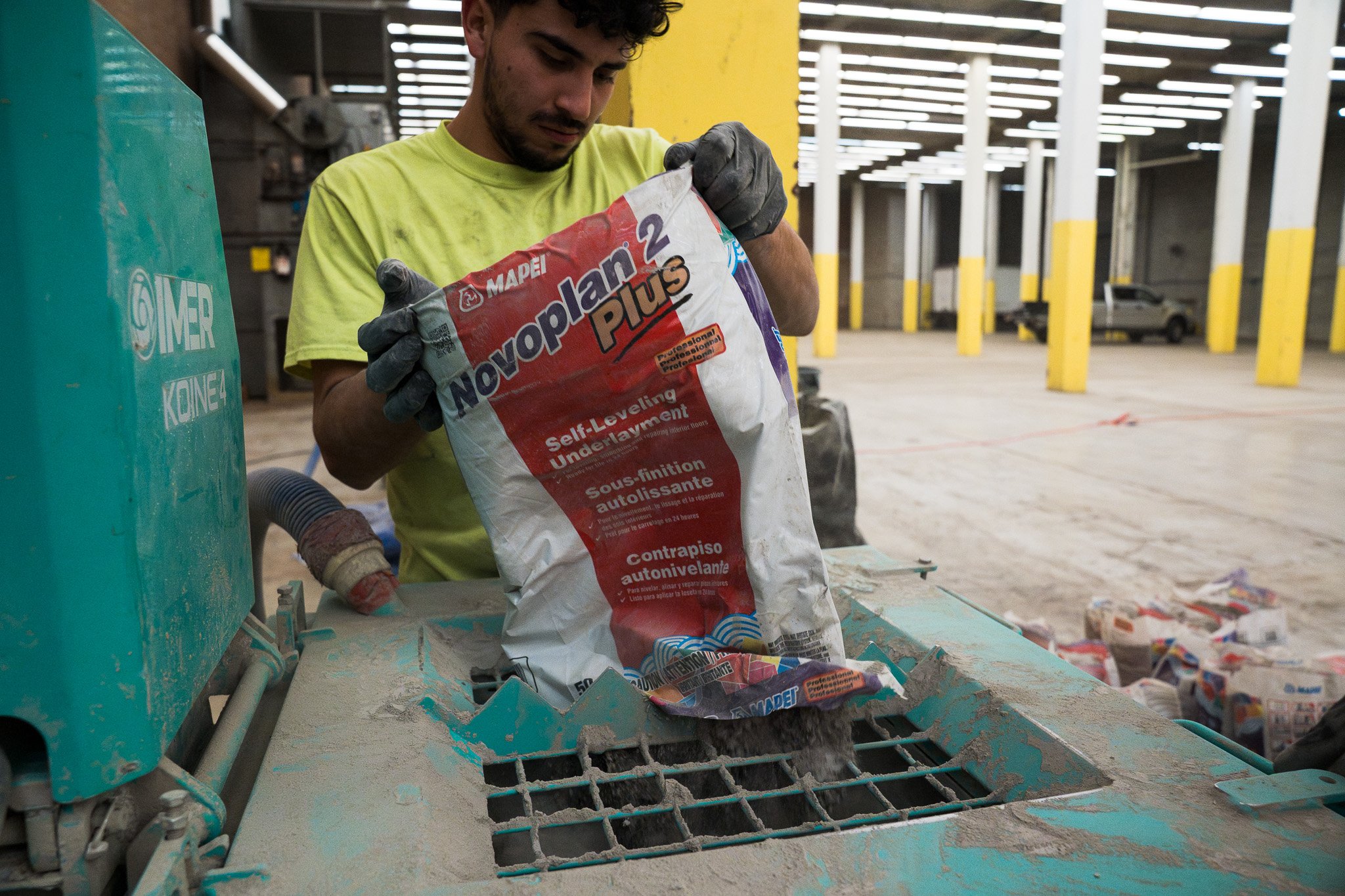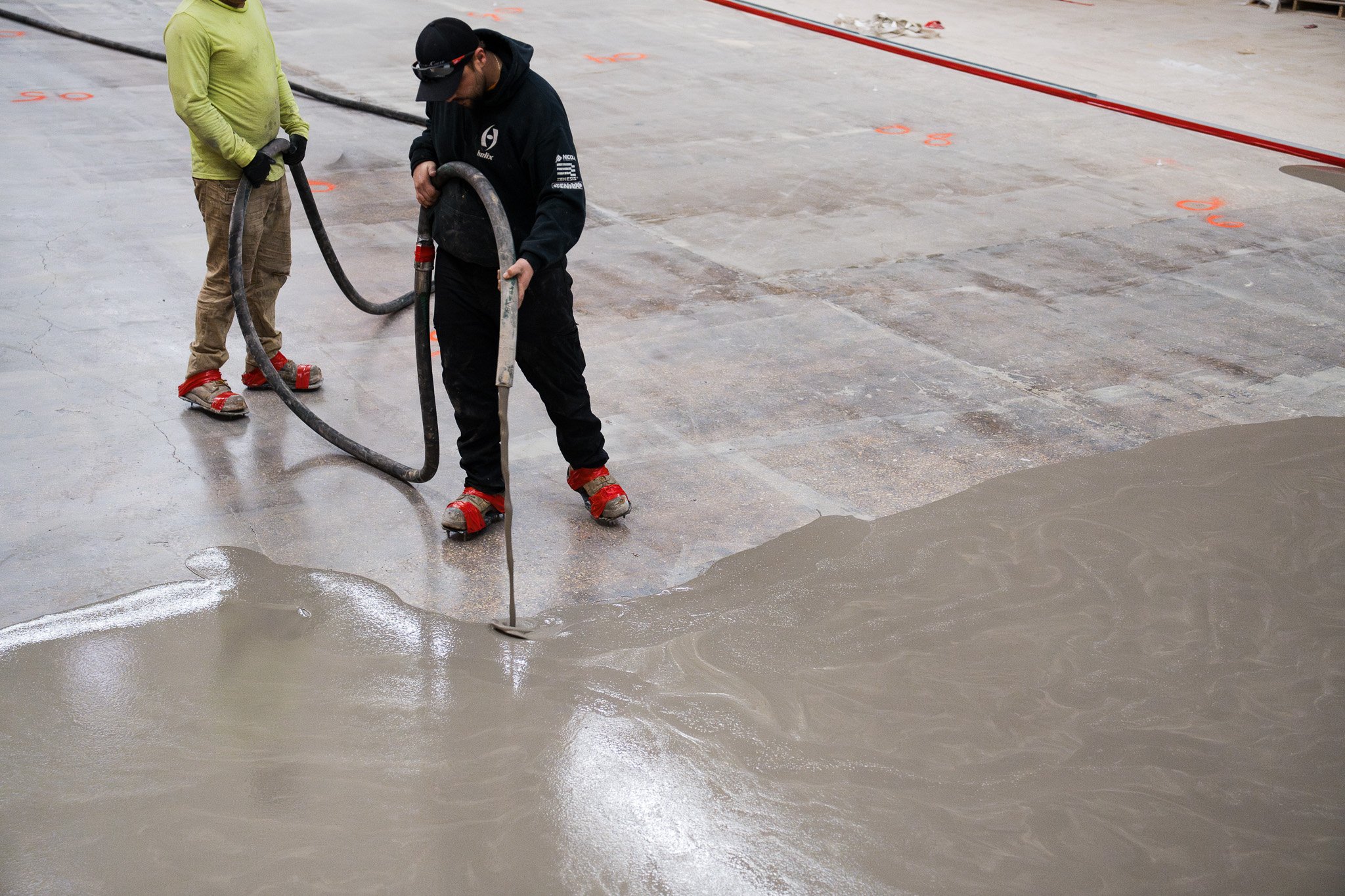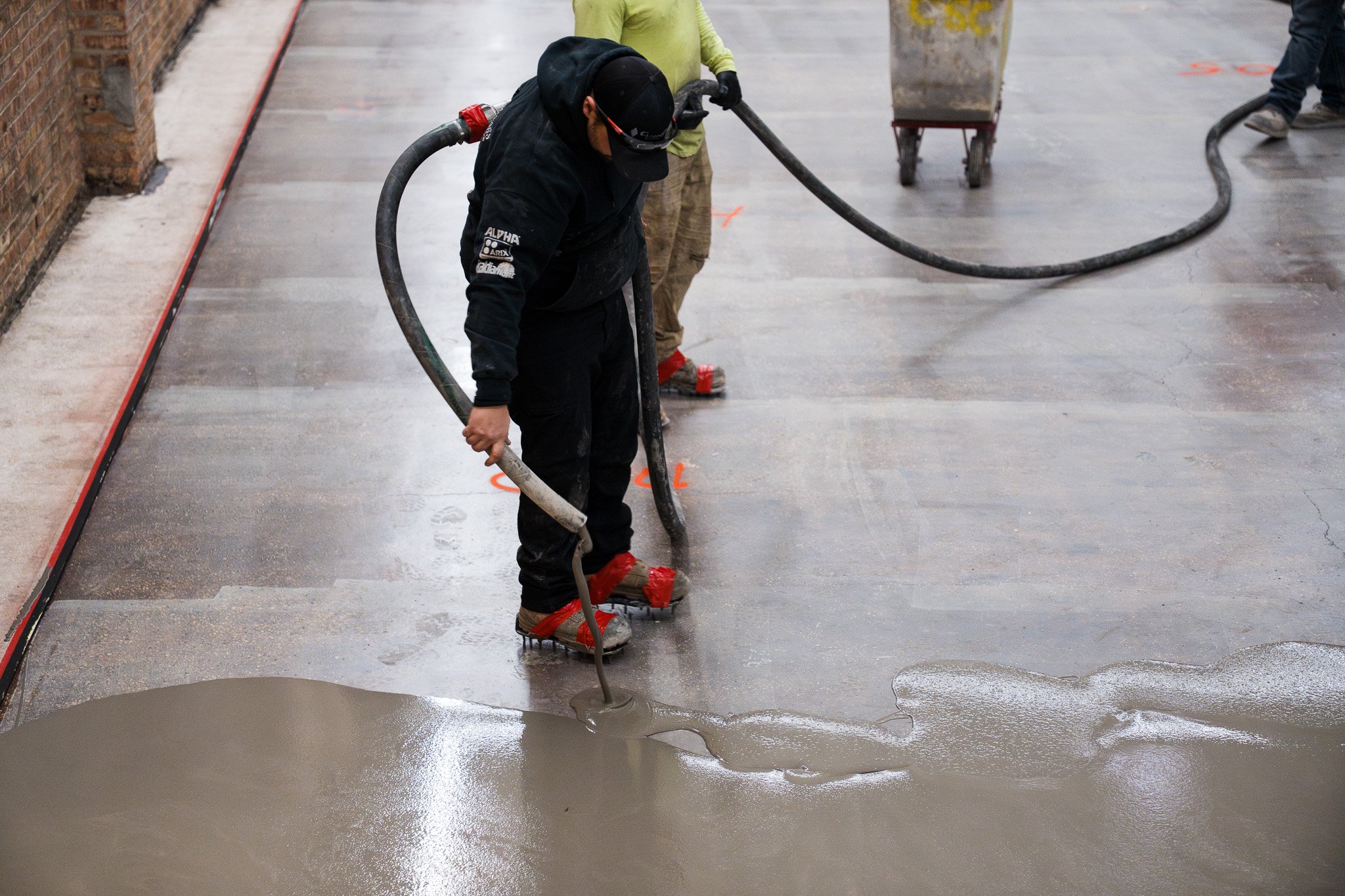

One of the most common questions facility managers, contractors, and property owners ask after a self-leveling project is: "How soon can the floor be used?" The answer depends on several factors, including the type of self leveler being used, the thickness of the application, environmental conditions, and whether another flooring system will be installed on top.
While many modern self-leveling products cure surprisingly fast, returning a floor to service too early can lead to surface damage, adhesion problems, and long-term performance issues. Understanding curing timelines helps ensure the floor performs as intended and prevents costly mistakes.
With nearly 20 years of experience and over 1 million square feet installed, CustomCrete has worked with a variety of self-leveling products across commercial and industrial environments. This guide explains how soon floors can typically be used after self-leveling and the factors that influence return-to-service times.
Key Takeaways
- Most self leveler products can typically handle light foot traffic within a few hours.
- Full cure times vary based on product type, thickness, temperature, and humidity.
- Flooring installation and heavy traffic should not occur until the manufacturer’s recommended cure time has been reached.

What Is a Self Leveler?
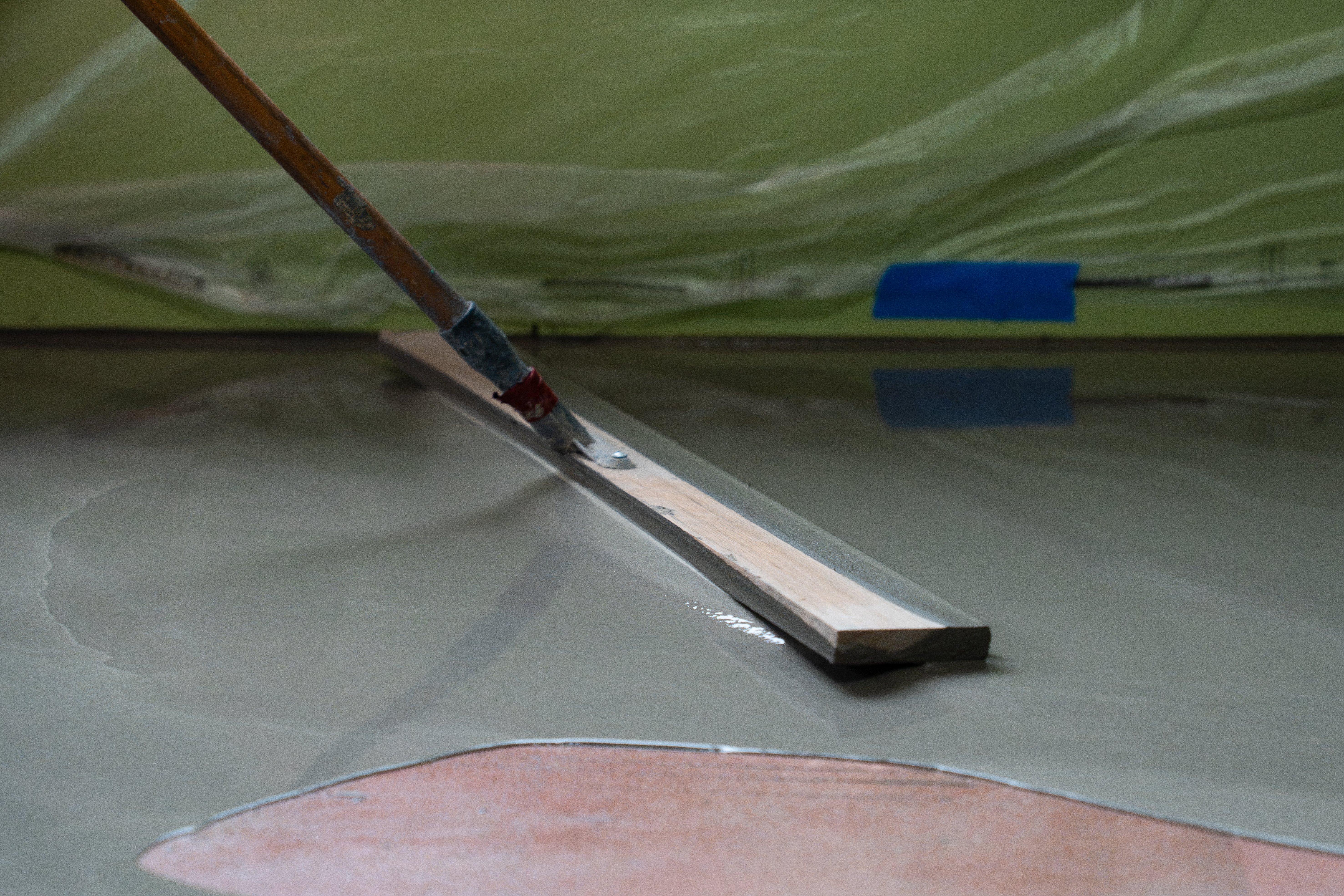
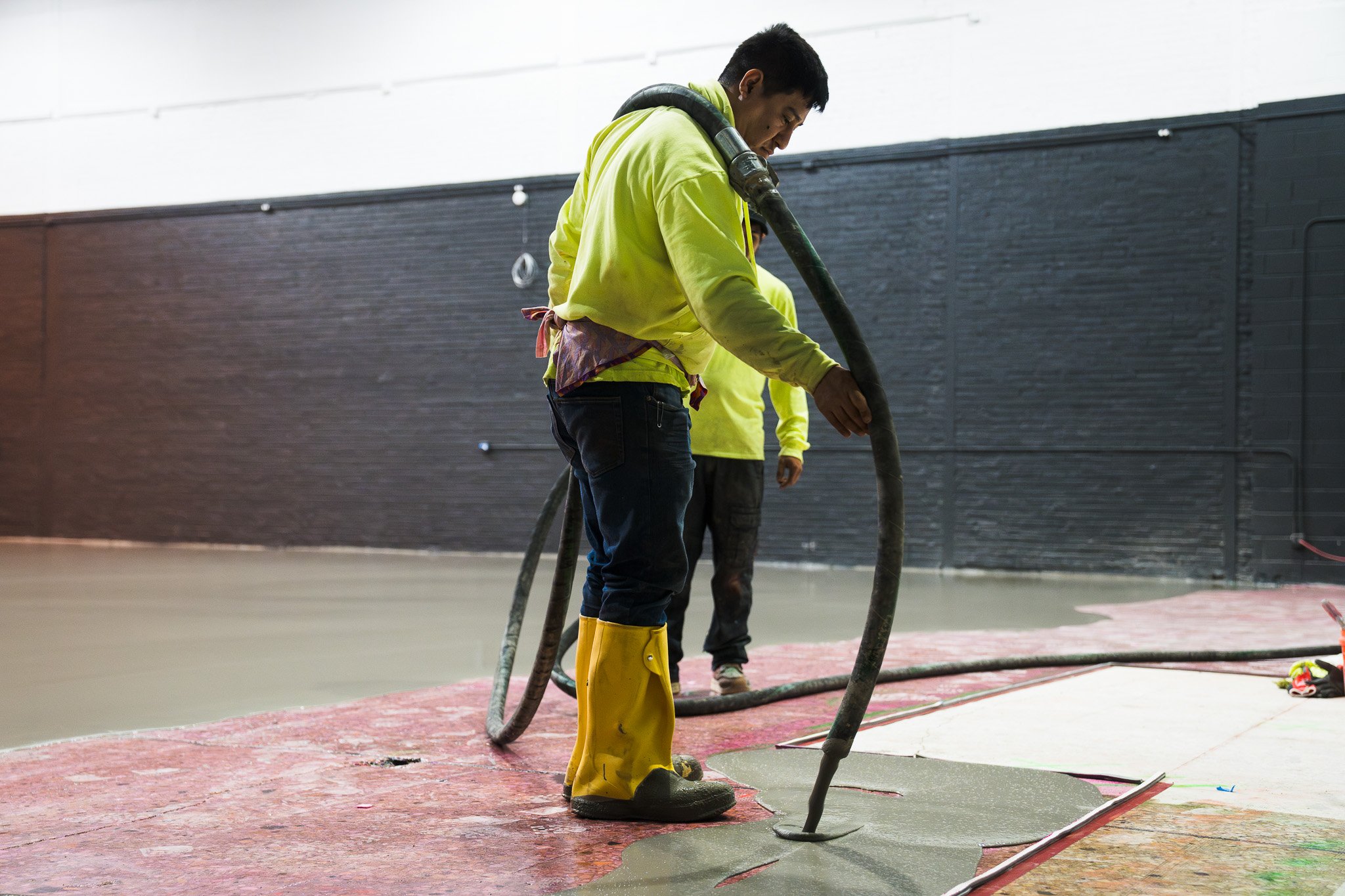
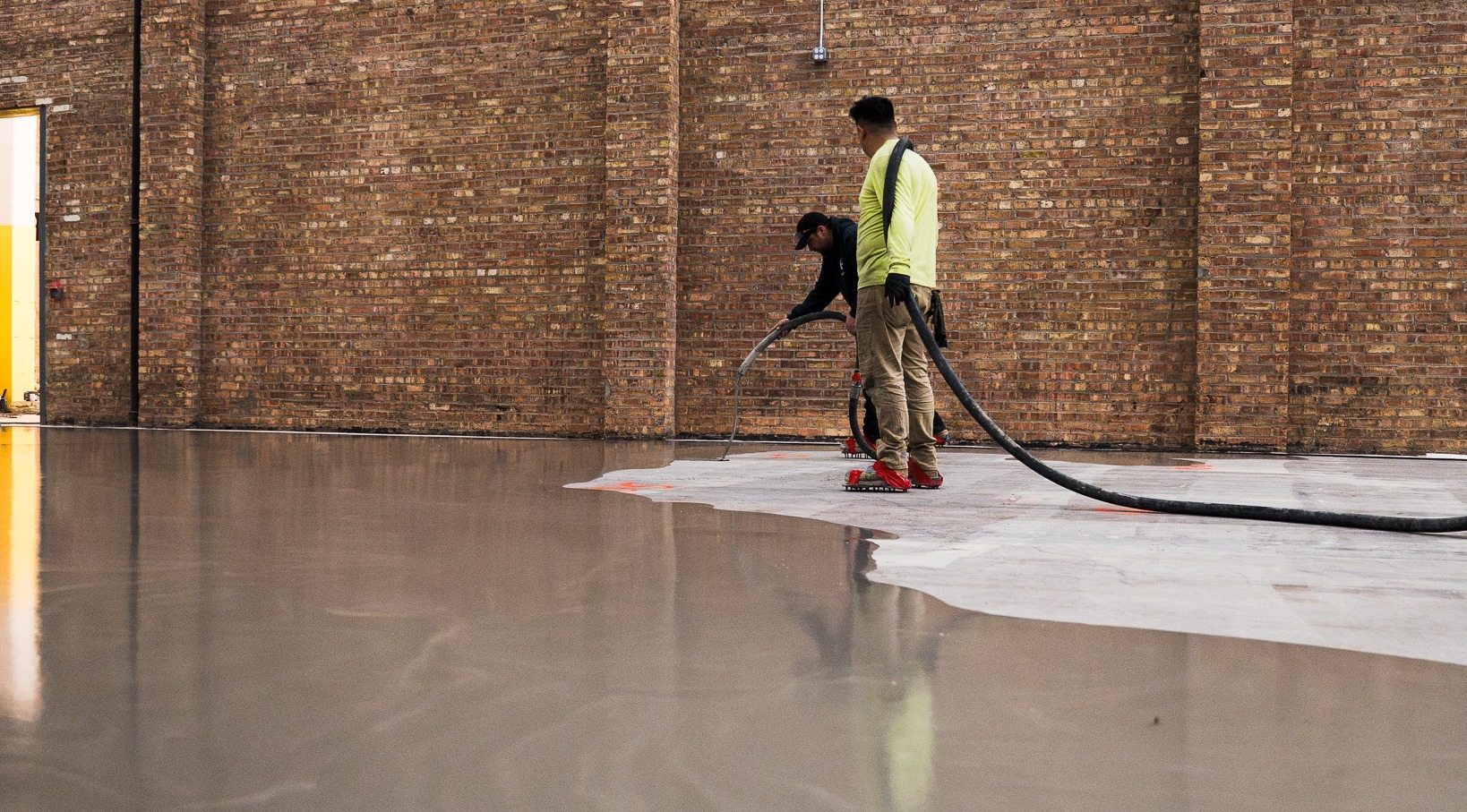
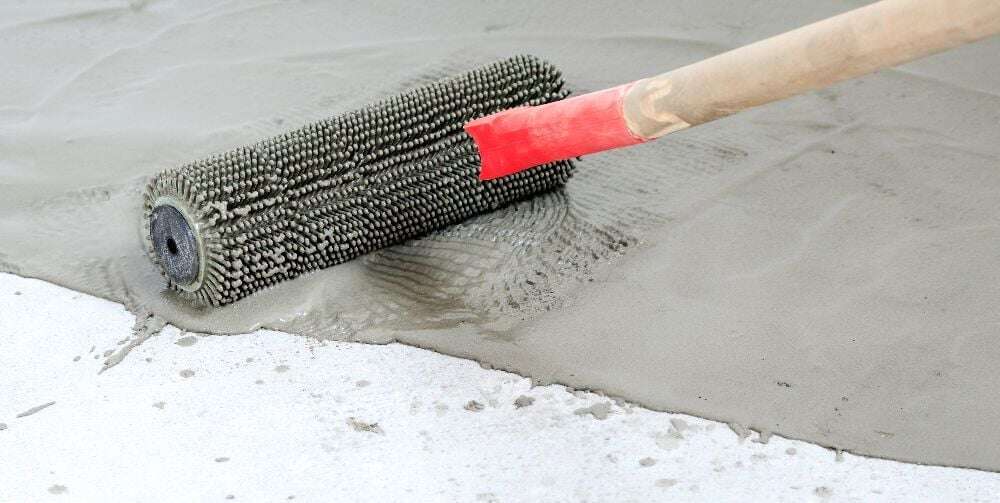
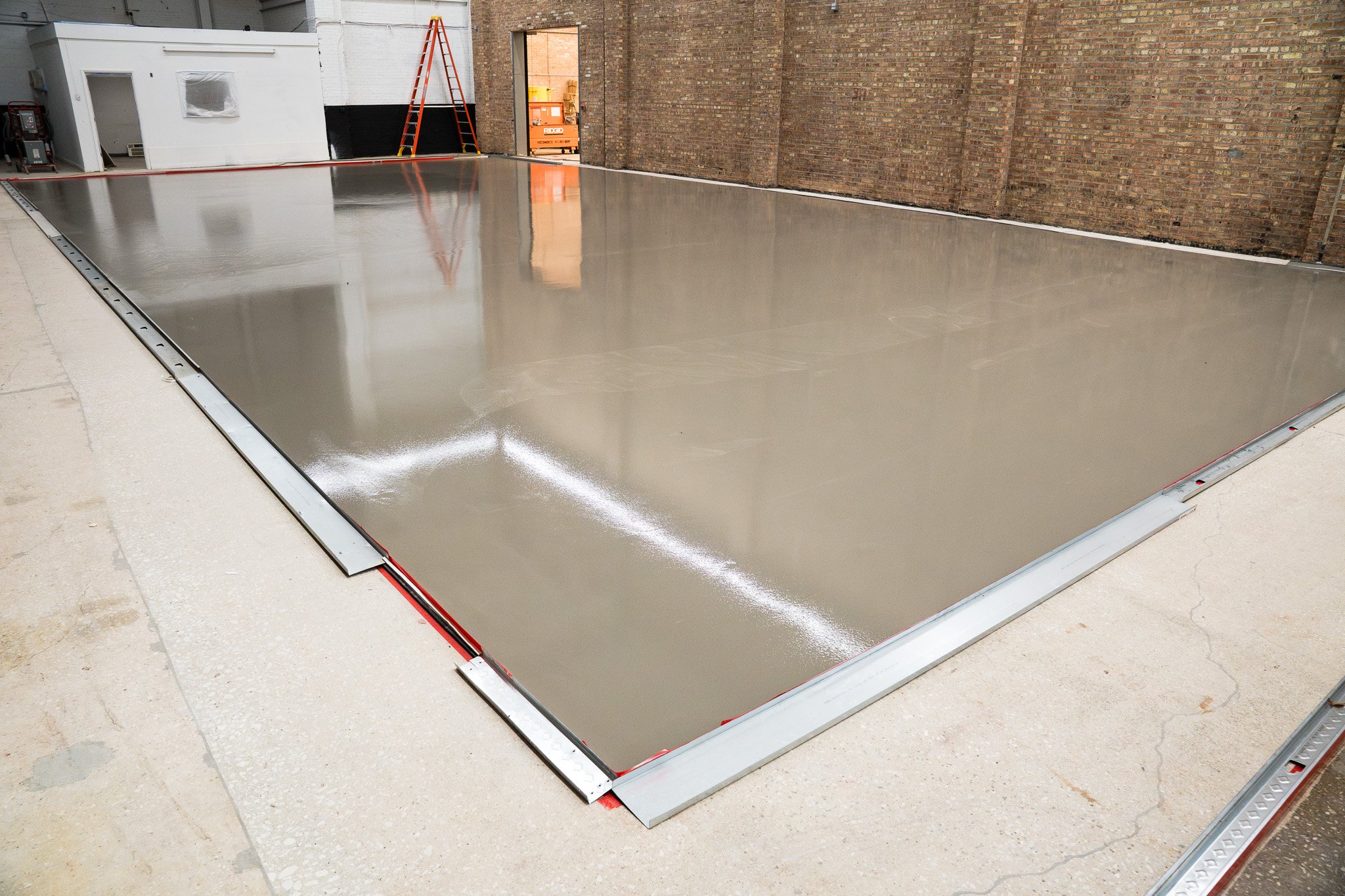
A self leveler is a cement-based material designed to flow across a concrete surface and create a smooth, flat substrate.
It is commonly used to:
- Correct uneven floors
- Fill low spots
- Prepare concrete for coatings
- Create a smooth surface for finished flooring
Many commercial and industrial flooring systems rely on self-leveling underlayments to create the proper foundation before installation.
Because the material is designed to flow and harden quickly, many products offer relatively fast return-to-service times.

How Soon Can You Walk on a Self Leveler?
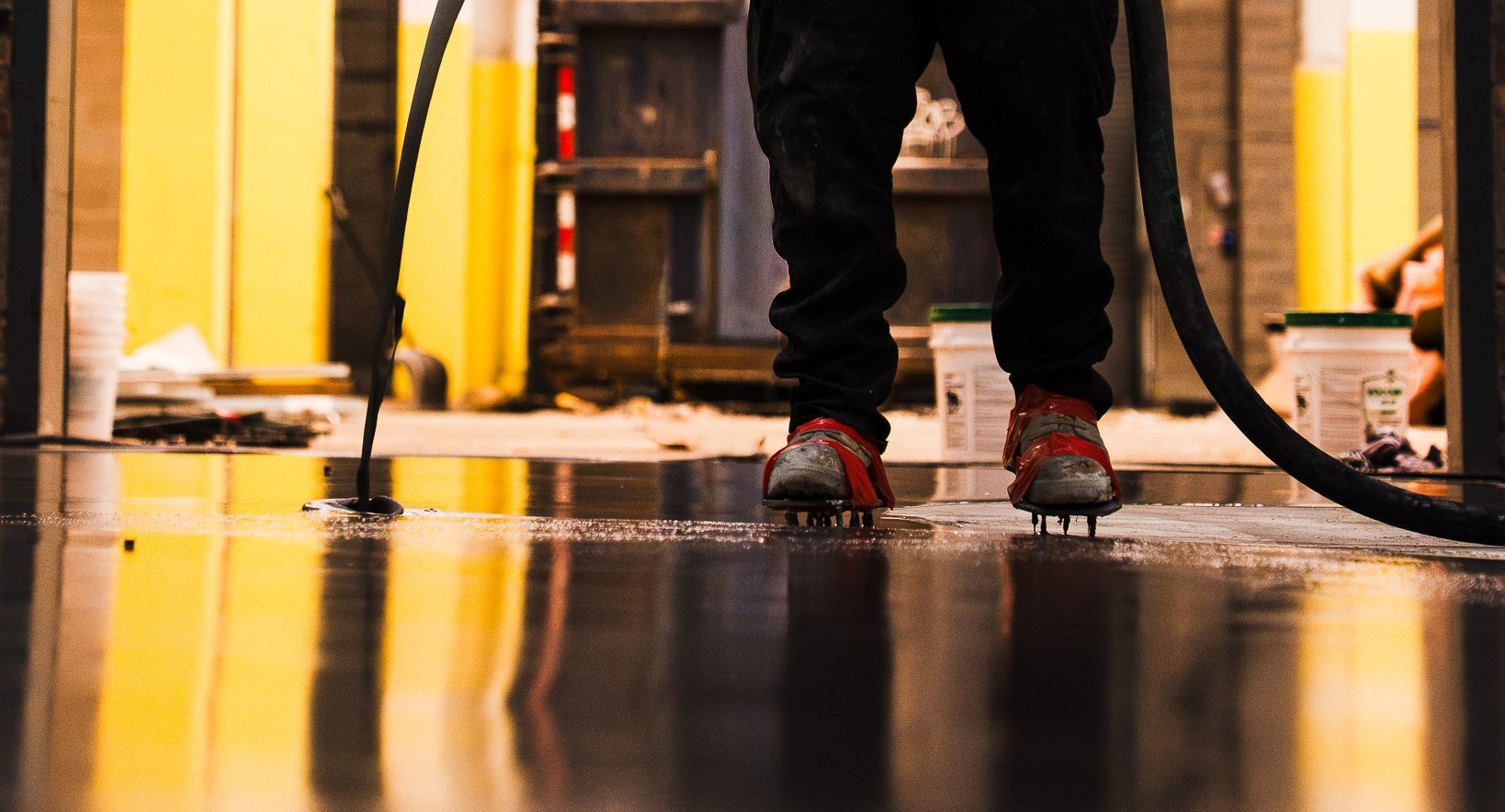
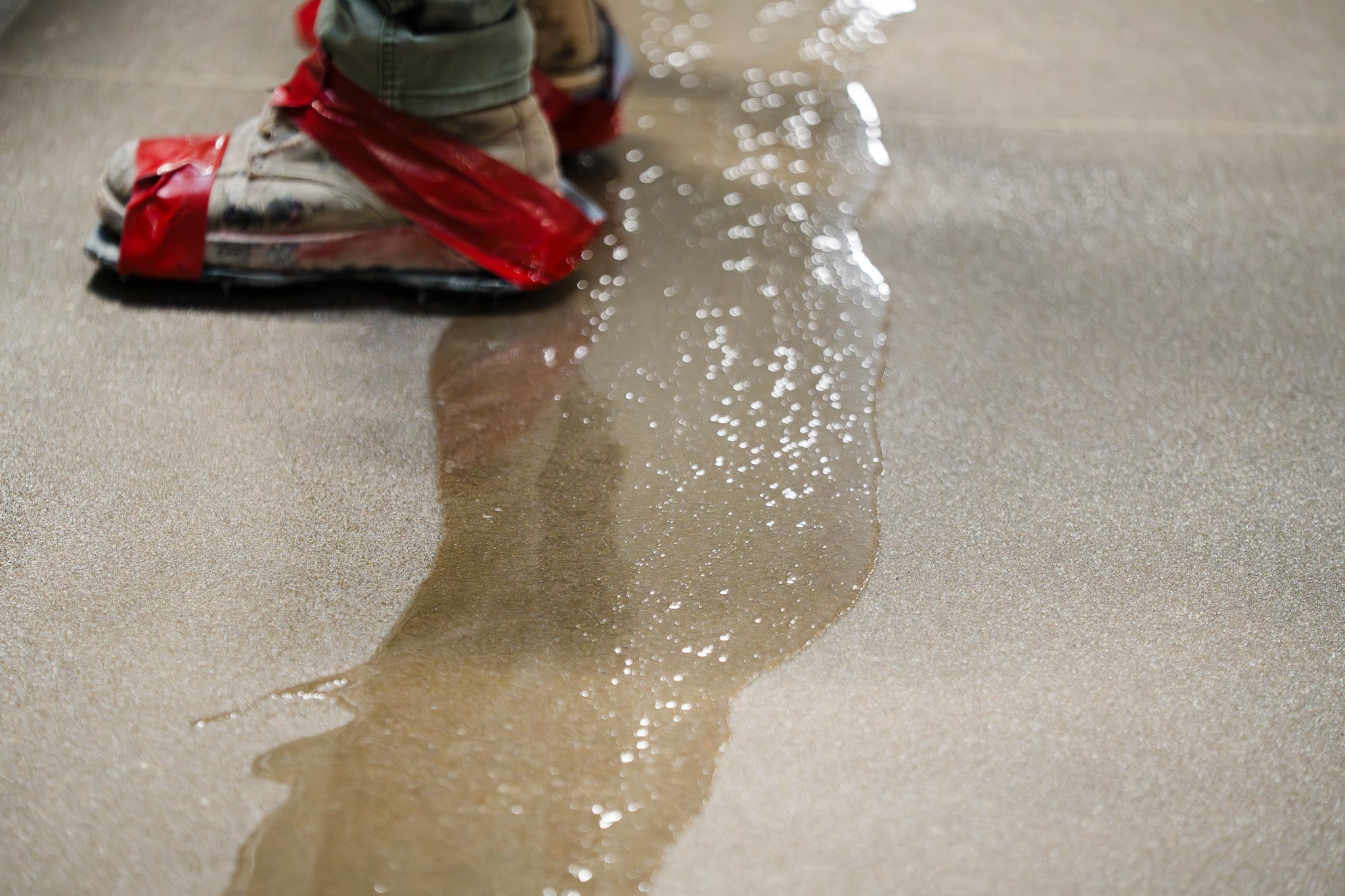
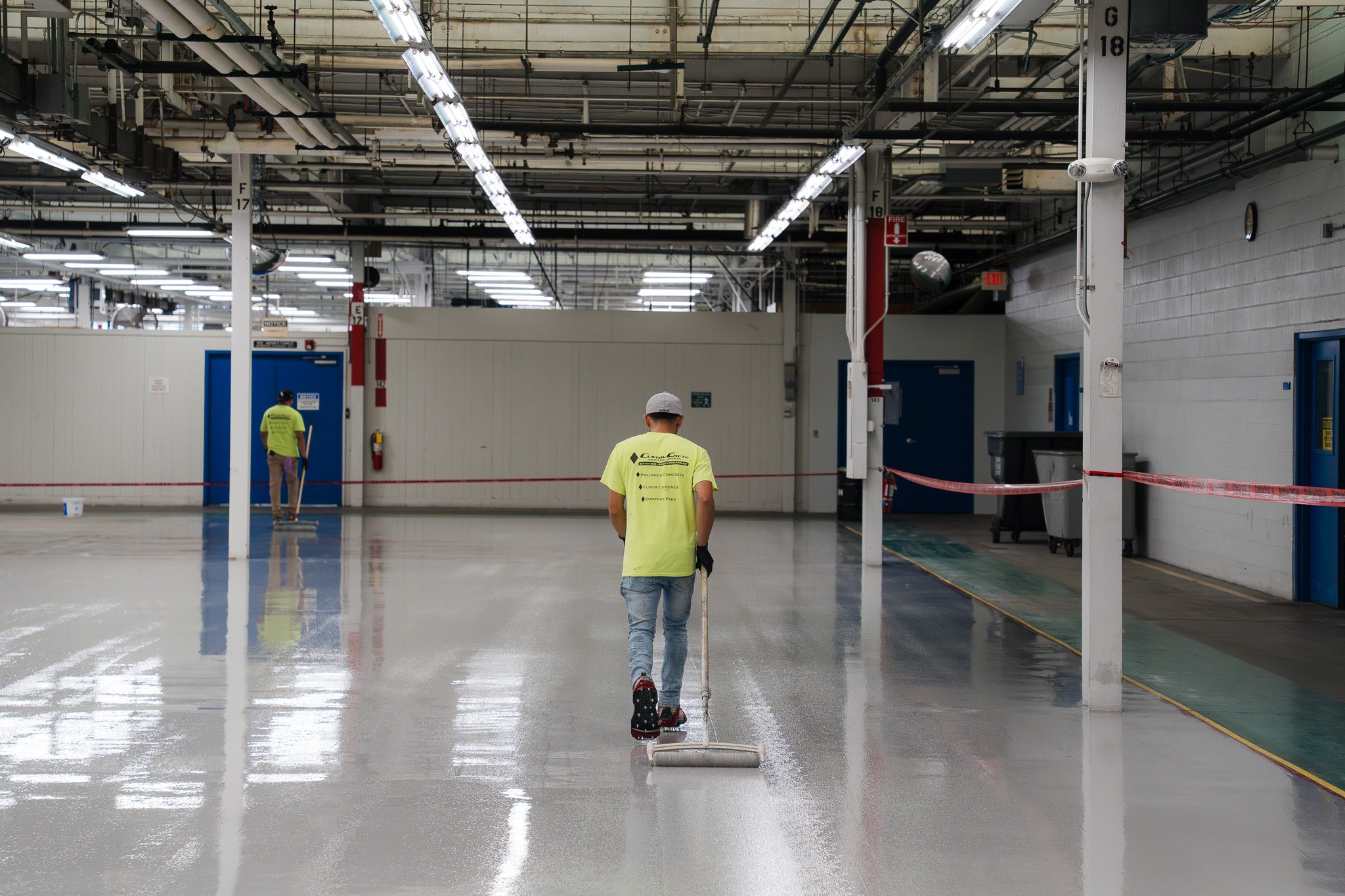
In many cases, light foot traffic is allowed surprisingly quickly.
Most modern self leveler products allow foot traffic within approximately:
- 2 to 6 hours
However, this varies significantly by manufacturer and product formulation.
Some rapid-setting products may allow foot traffic sooner, while thicker applications may require additional time before being safely walked on.
Following the specific manufacturer's recommendations is always the best practice.
When Can Equipment Be Moved Back Onto the Floor?
Heavy equipment places significantly more stress on a self-leveling underlayment than foot traffic.
Before returning:
- Forklifts
- Pallet jacks
- Machinery
- Storage racks
the material typically needs additional curing time.
Depending on the product and installation thickness, heavy traffic may require:
- 24 to 72 hours
- Sometimes longer for thicker applications
Returning equipment too early can cause cracking, surface damage, or indentations.
When Can Flooring Be Installed Over Self-Leveler?
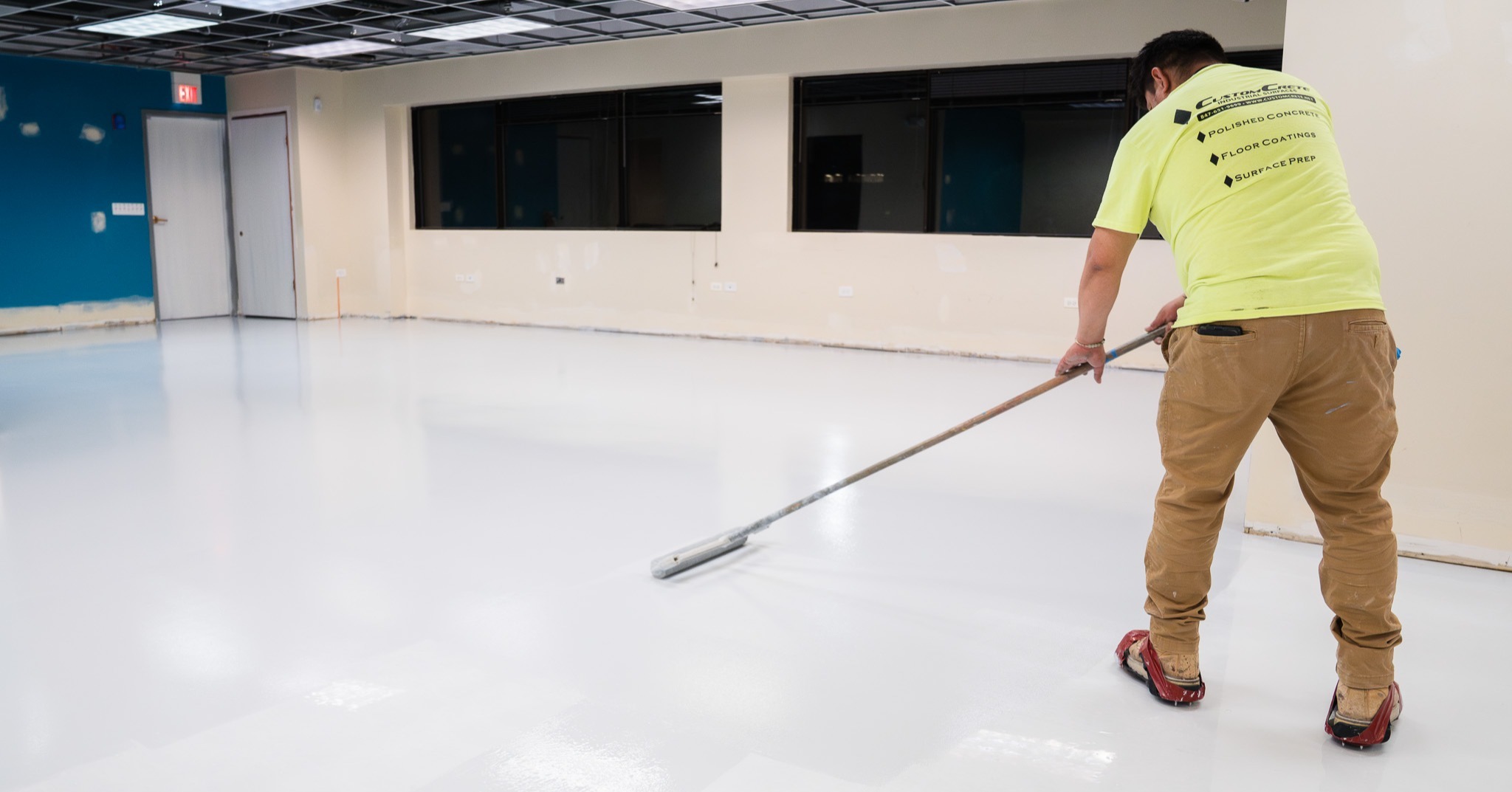
Many self-leveling products serve as preparation layers rather than finished flooring surfaces.
After installation, facilities may install:
- Epoxy coatings
- Polished concrete systems
- Tile
- Vinyl flooring
- Carpet
- Urethane cement systems
The timing for these installations depends on:
- Moisture content
- Cure time
- Product specifications
Some self leveler products allow flooring installation within 12 to 24 hours, while others require additional curing before covering the surface.
Always verify installation windows with the product manufacturer.
Factors That Affect Cure Time
Not all self-leveling projects cure at the same rate.
Several factors influence how quickly the material becomes ready for use.
Product Selection
Different manufacturers formulate products differently.
Rapid-setting self-levelers are specifically designed to provide faster return-to-service times, while other products prioritize strength, thickness capability, or specialty applications.
This is one reason product selection is such an important part of project planning.
Application Thickness
Thicker applications generally require more curing time.
For example, a thin application filling minor surface irregularities may cure relatively quickly, while a thicker installation designed to correct major floor elevation issues may require additional drying and curing time.
The deeper the pour, the longer the material typically takes to reach full strength.
Temperature
Temperature has a major impact on curing performance.
Cool temperatures often slow down:
- Hydration
- Strength development
- Drying time
Warmer conditions generally accelerate curing, provided they remain within the manufacturer's recommended installation range.
Humidity
High humidity levels can also affect drying and curing times.
Excess moisture in the environment may slow the drying process, particularly when preparing the floor for additional flooring systems.
Maintaining proper environmental conditions helps ensure consistent results.
Why Returning to Service Too Early Can Cause Problems
One of the most common mistakes during self-leveling projects is rushing the return-to-service process.
Using a floor before the self leveler has properly cured can lead to:
- Surface cracking
- Indentations
- Bonding issues
- Reduced durability
- Flooring installation failures
While many products feel hard shortly after installation, full strength development often takes longer.
Allowing the material to cure properly helps maximize performance and longevity.
How Contractors Determine Readiness
Professional installers typically evaluate several factors before approving a floor for use.
These may include:
- Manufacturer cure schedules
- Surface hardness
- Environmental conditions
- Moisture readings
- Project requirements
Because every project is different, actual return-to-service timelines may vary even when using the same product.

Planning for Minimal Downtime
One reason many facilities choose self-leveling products is the ability to reduce downtime.
Modern self leveler systems can often be installed quickly and returned to service much faster than traditional floor replacement methods.
Proper planning helps facilities:
- Minimize operational disruptions
- Maintain production schedules
- Accelerate flooring installations
- Reduce overall project timelines
The key is balancing speed with proper curing practices.
Final Thoughts
Most self leveler products allow light foot traffic within a few hours, but full return-to-service timelines depend on product selection, application thickness, temperature, humidity, and the type of traffic the floor will experience.
While it may be tempting to rush the process, allowing the material to cure according to manufacturer guidelines helps ensure long-term performance and reduces the risk of future problems.
If you're evaluating a self-leveling project and want help determining the best solution for your facility, request a quote with CustomCrete to discuss your project requirements and timeline.

Topics: