
Concrete floors don’t always need to be replaced when they start to look worn or uneven. In many cases, the slab underneath is still structurally sound—it just needs a new surface. That’s where a concrete overlay comes in.
Instead of tearing out and replacing the entire floor, overlays allow you to restore and enhance the existing concrete. With nearly 20 years of experience and over 1 million square feet installed, CustomCrete has seen how overlays can transform aging floors into durable, functional surfaces without the cost and downtime of full replacement.
This guide explains what a concrete overlay is, how it works, and where it’s most commonly used.

Key Takeaways
- A concrete overlay is a thin layer applied over existing concrete to restore or improve the surface.
- It can fix minor damage, improve appearance, and prepare floors for coatings or finishes.
- Overlays are a cost-effective alternative to full floor replacement when the slab is still in good condition.
What Is a Concrete Overlay?
A concrete overlay is a cement-based or polymer-modified material applied over an existing concrete slab. It creates a new surface layer that improves both the appearance and performance of the floor.
Overlays are typically applied in thin layers, but the thickness can vary depending on the purpose. Some overlays are used purely for cosmetic improvements, while others are designed to create a stronger, more durable surface.
How Does a Concrete Overlay Work?
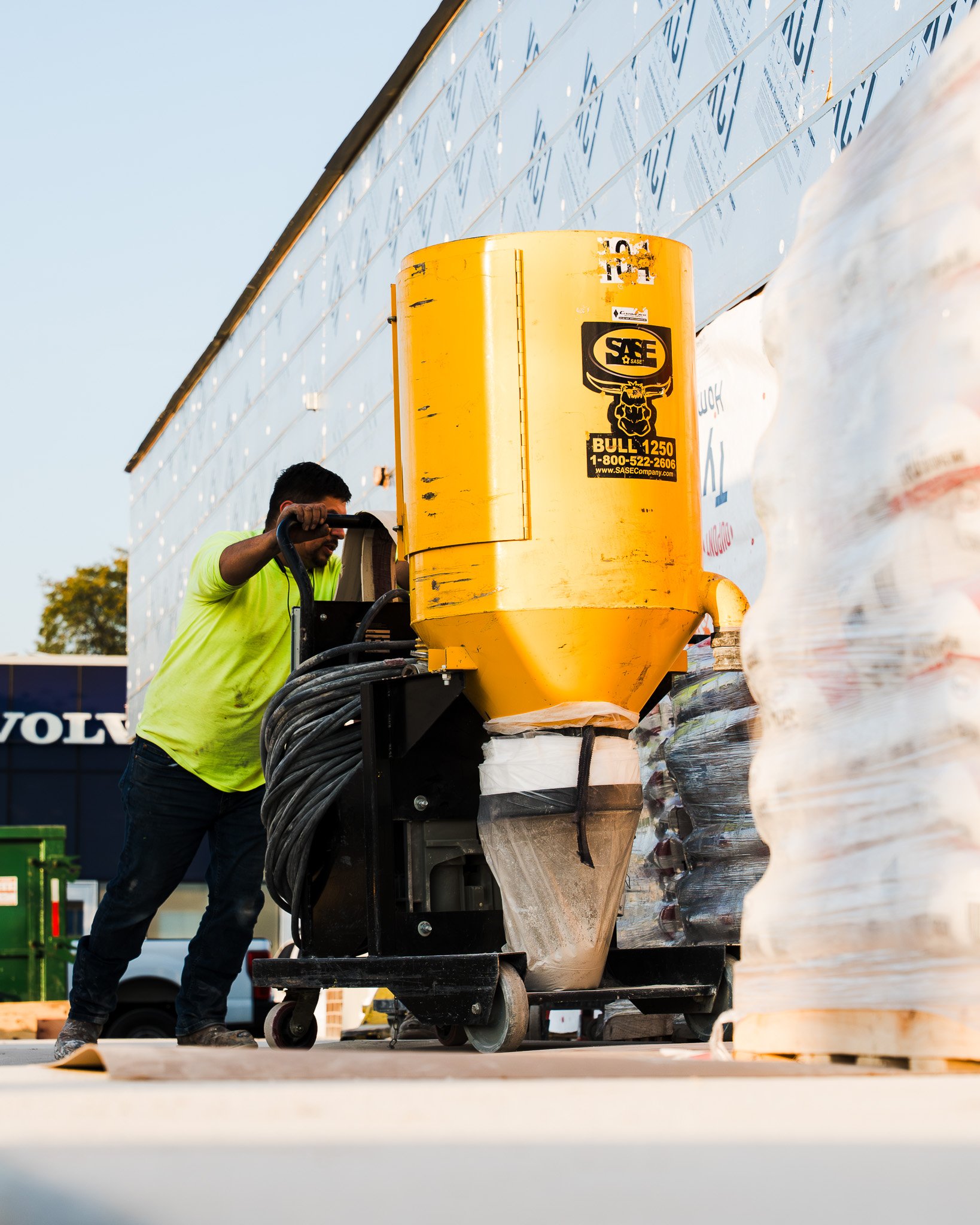
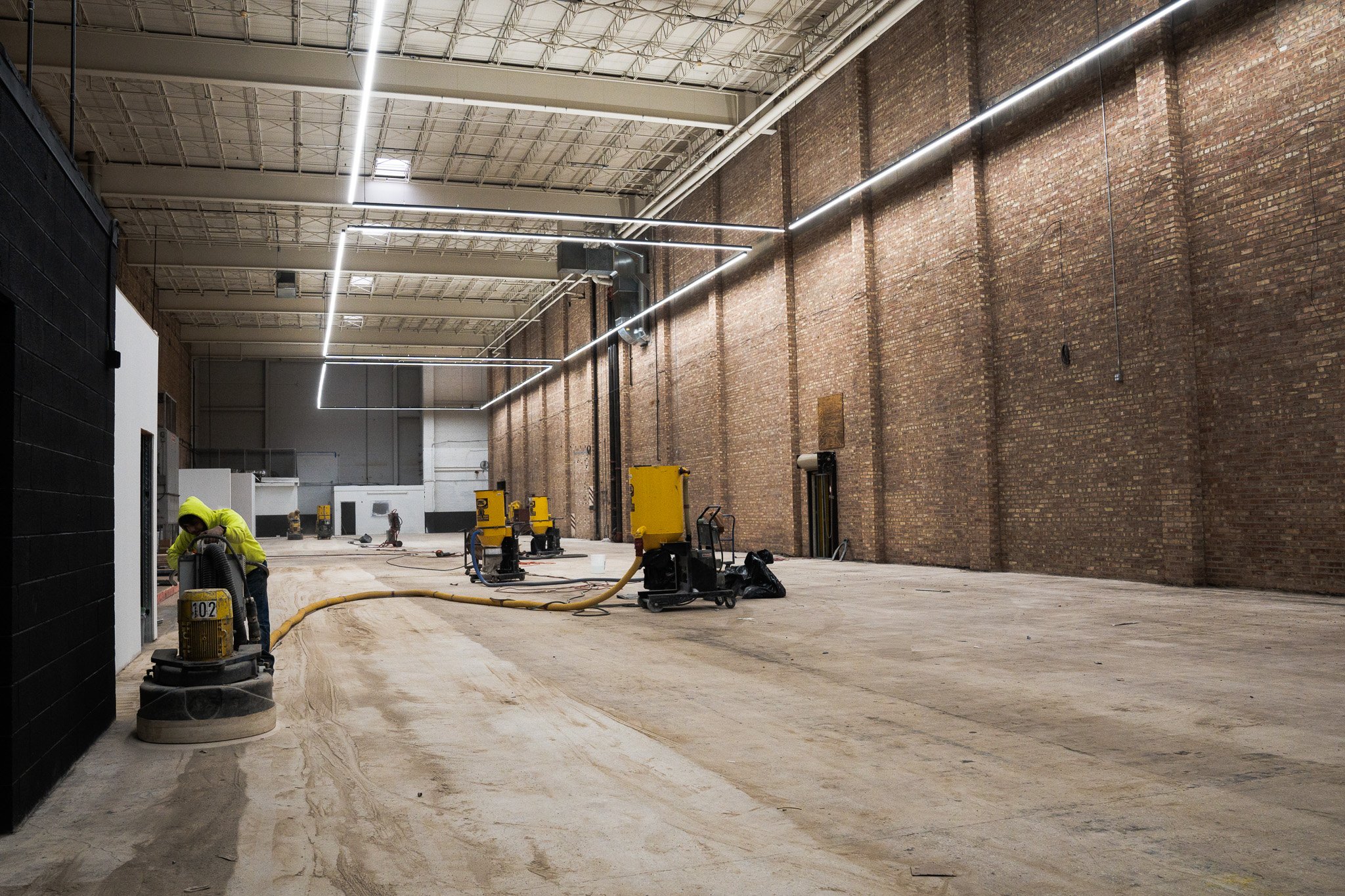
The process of installing a concrete overlay starts with proper surface preparation. The existing slab must be cleaned, repaired, and mechanically profiled to ensure the overlay bonds correctly.Typically, but not always, there is a primer that is installed to help the overlay bond to the concrete.
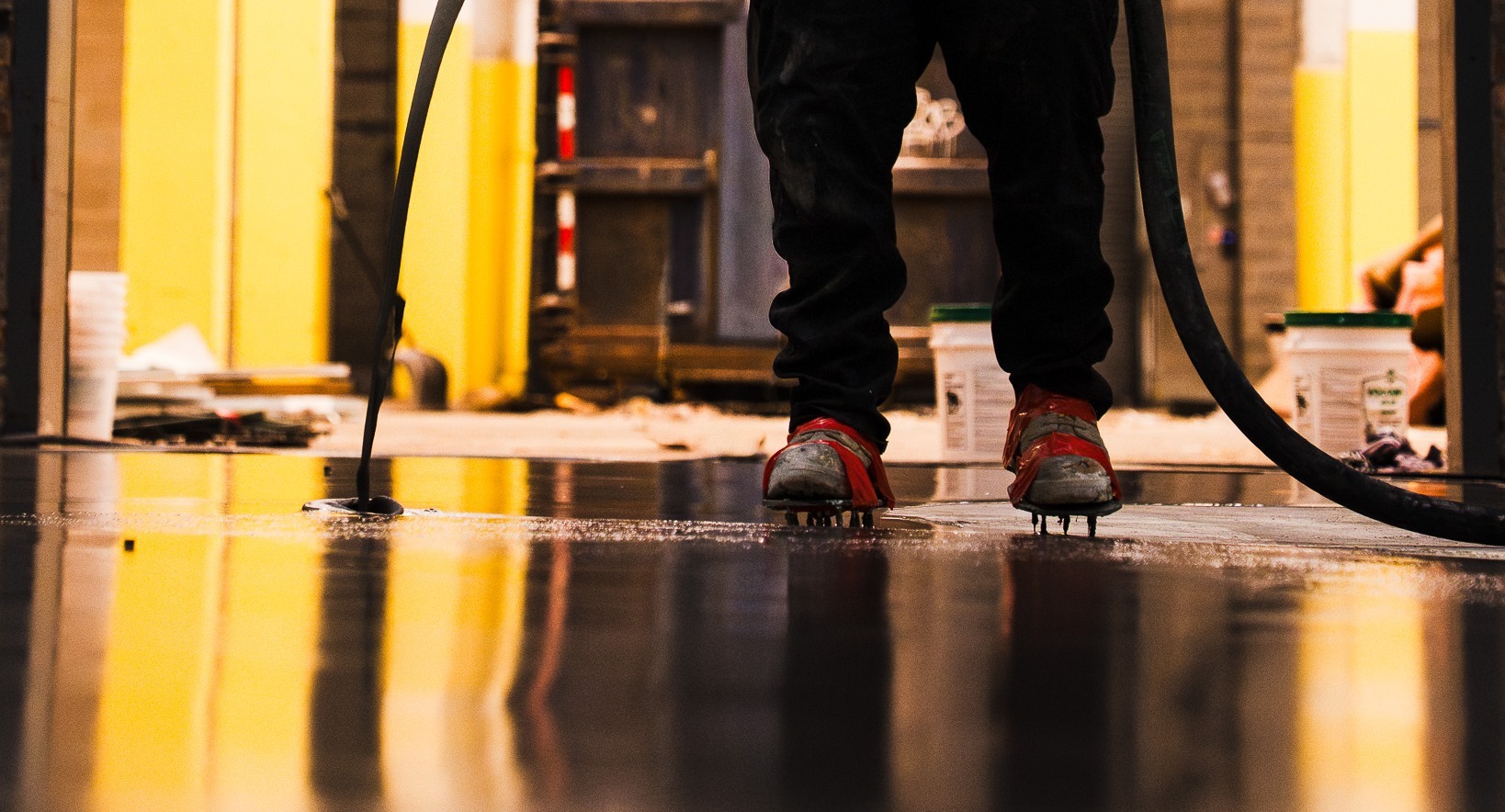
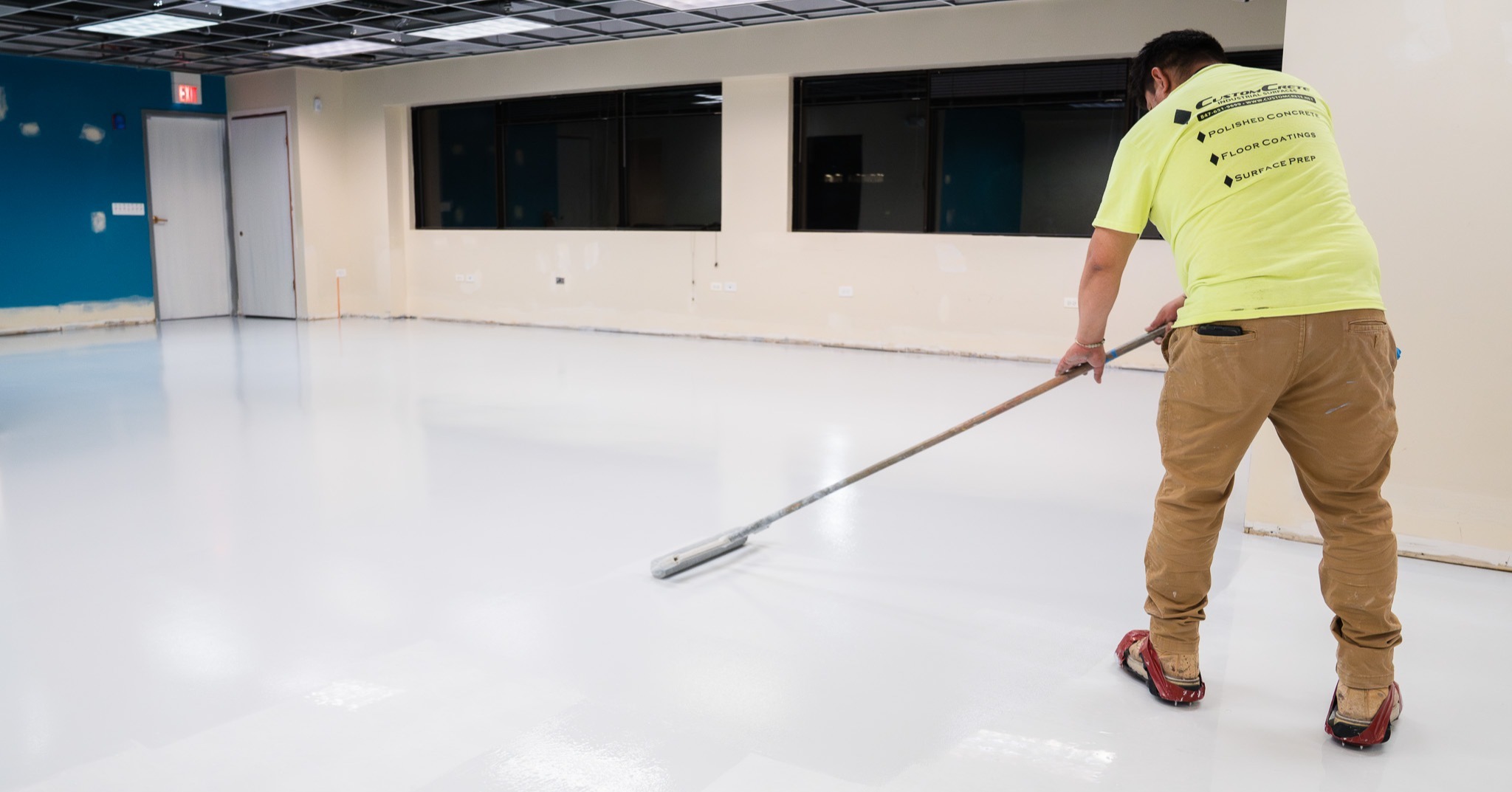
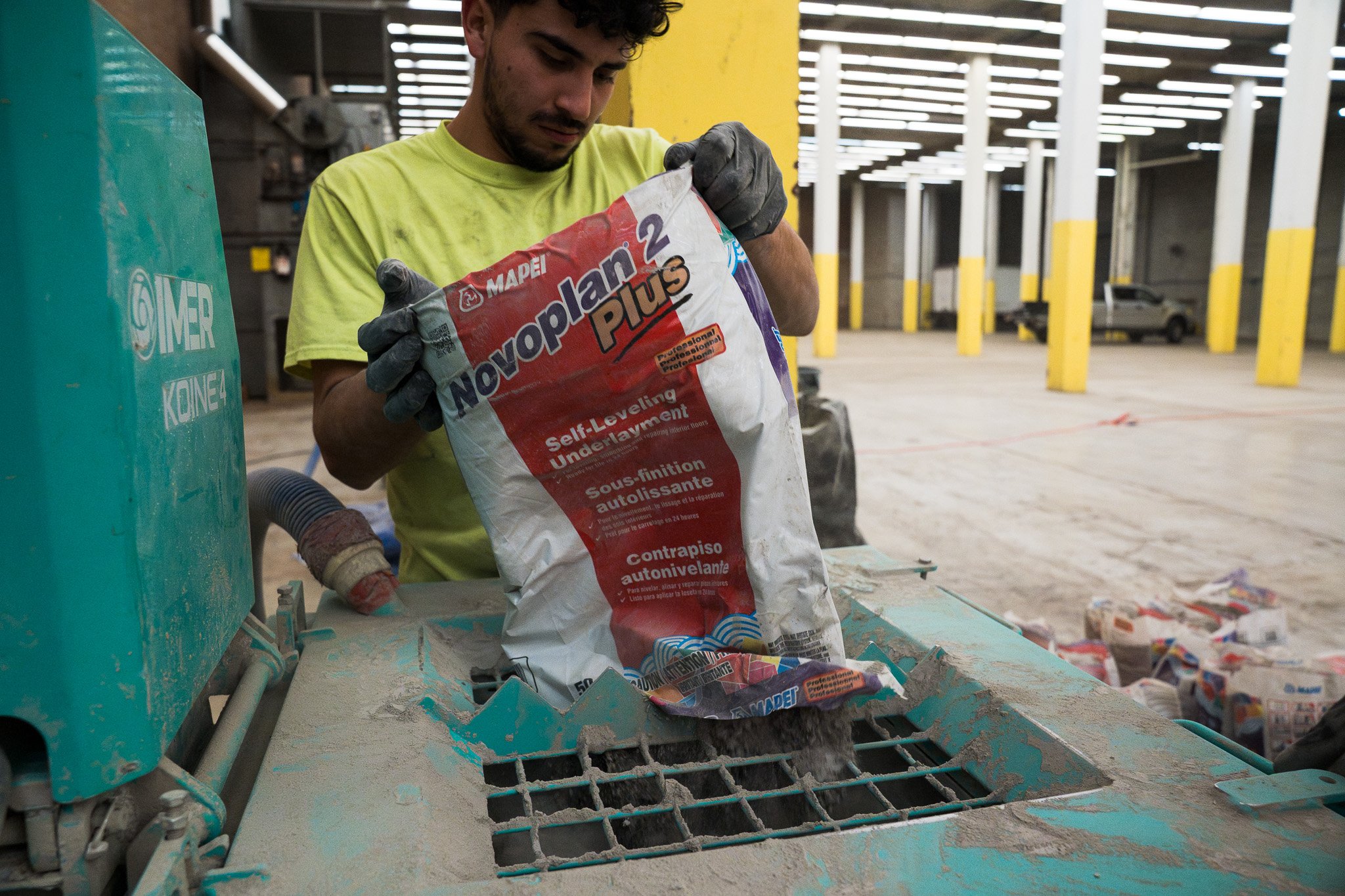
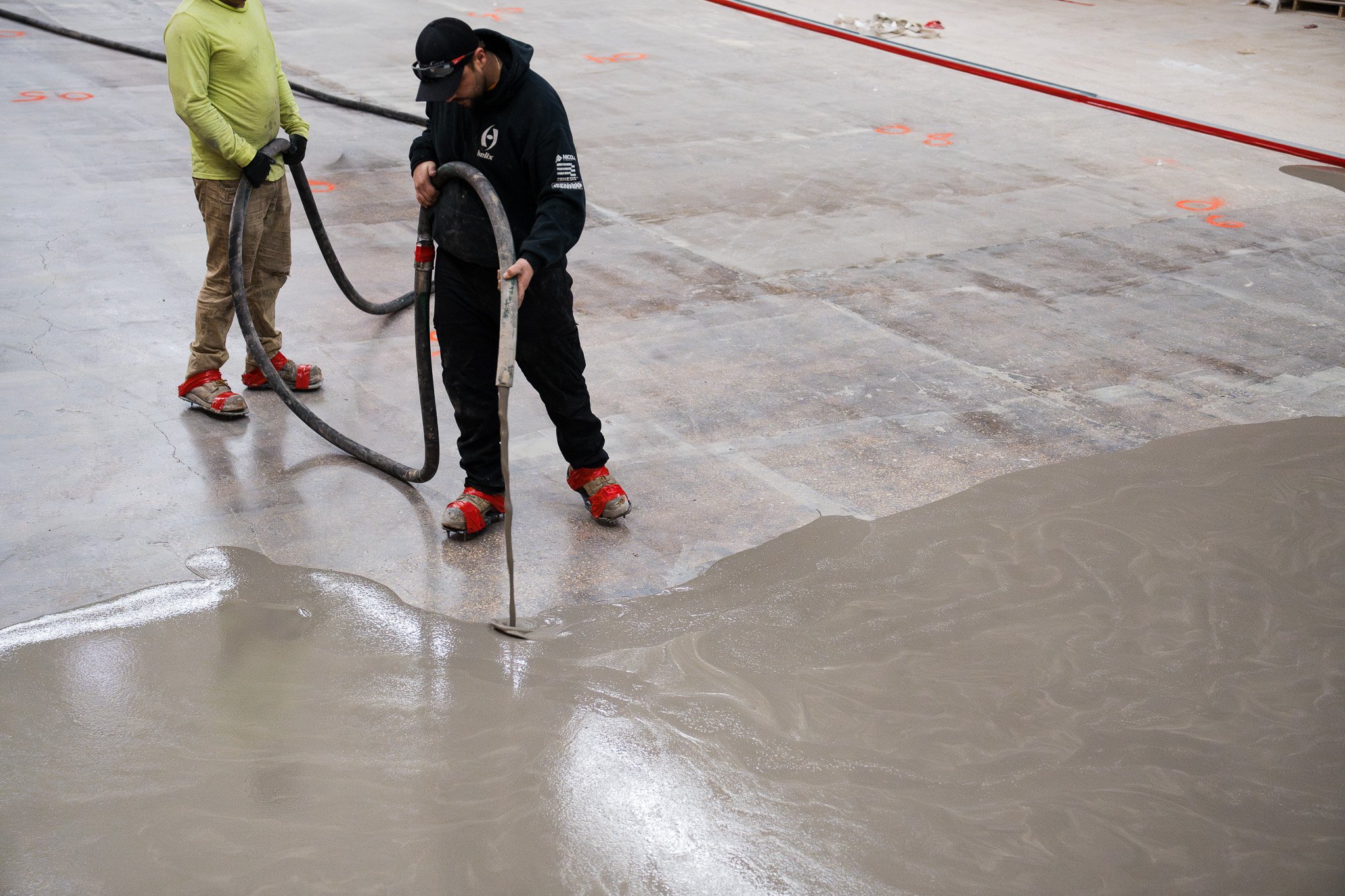
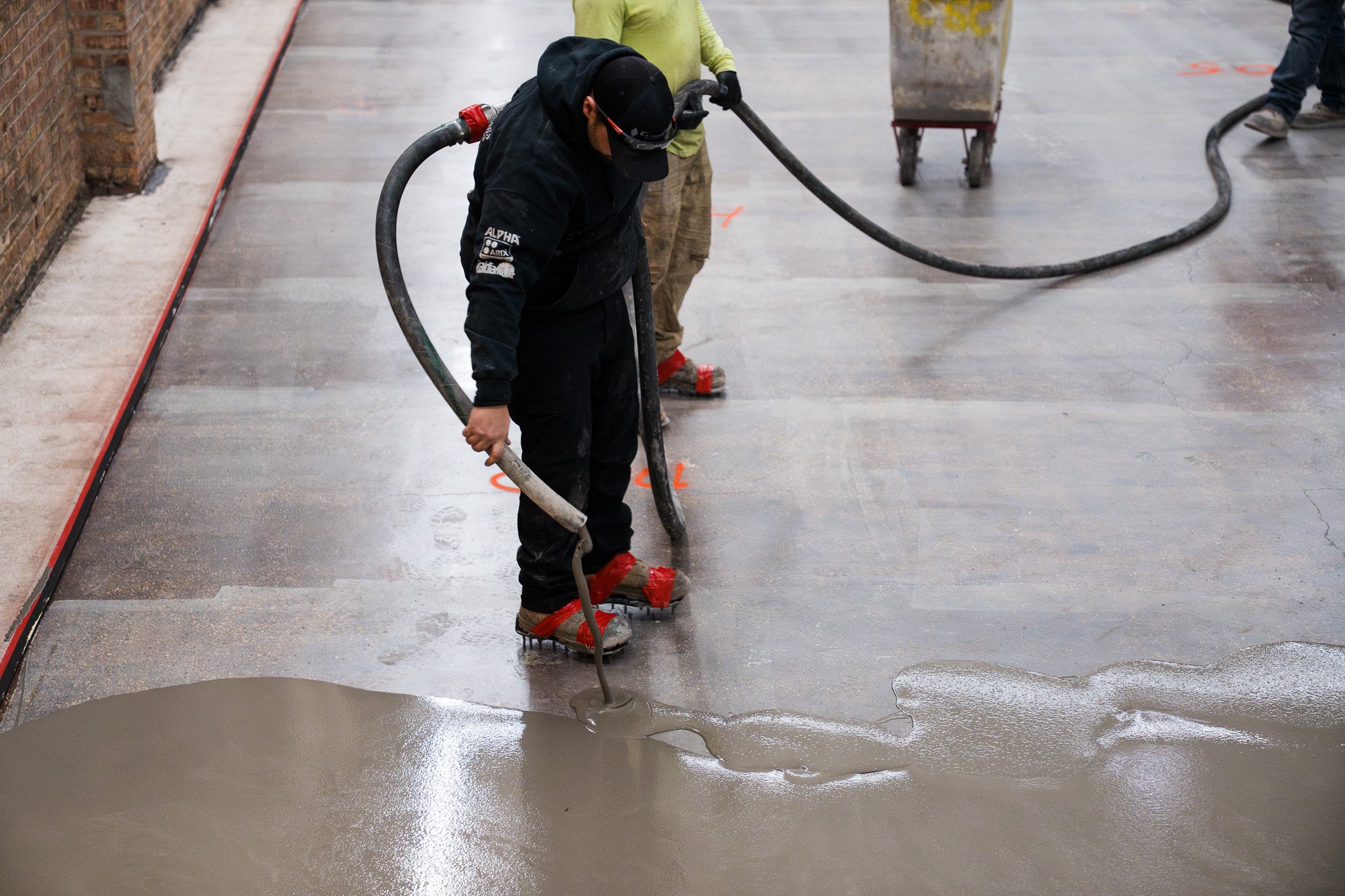
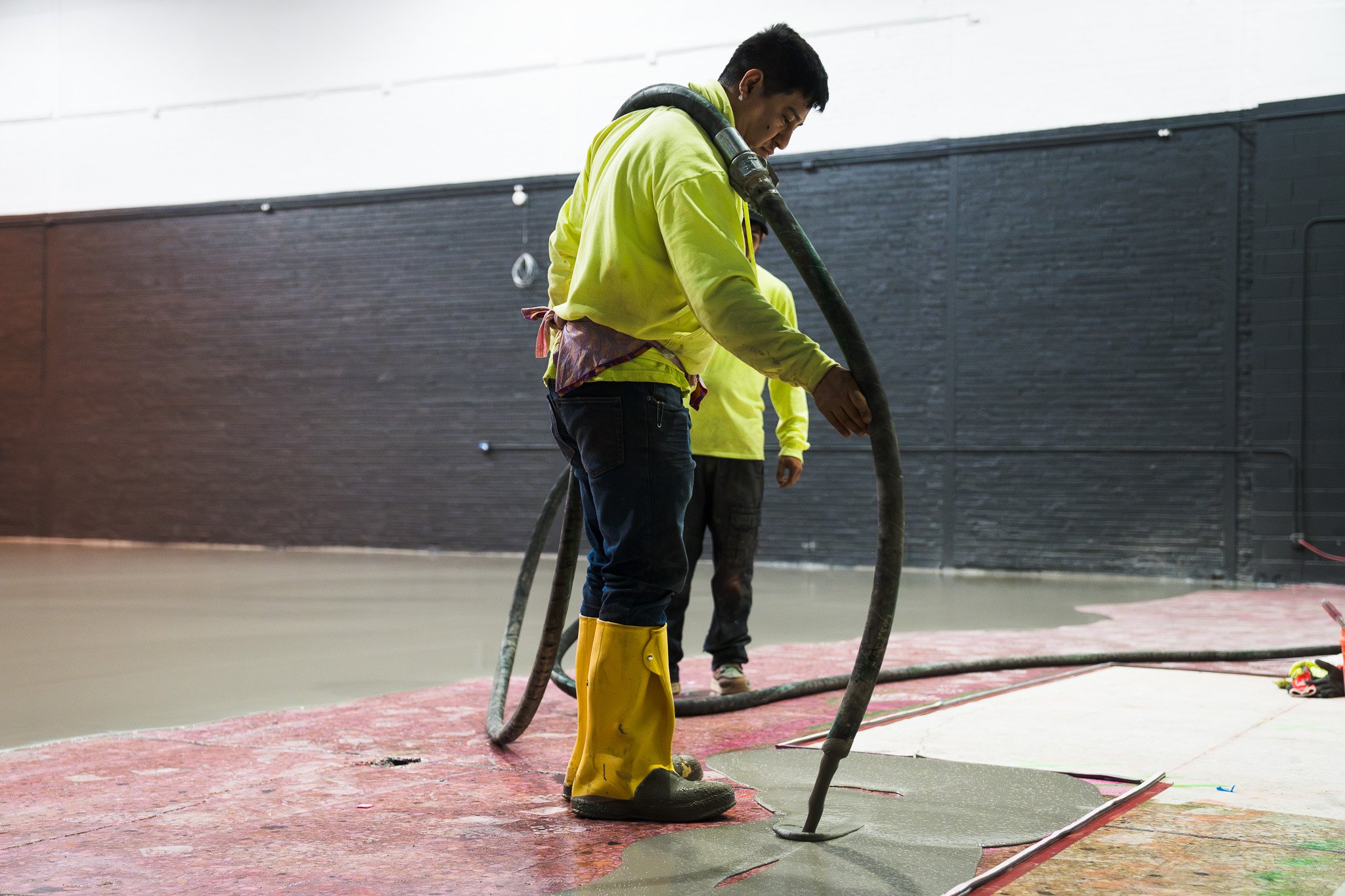
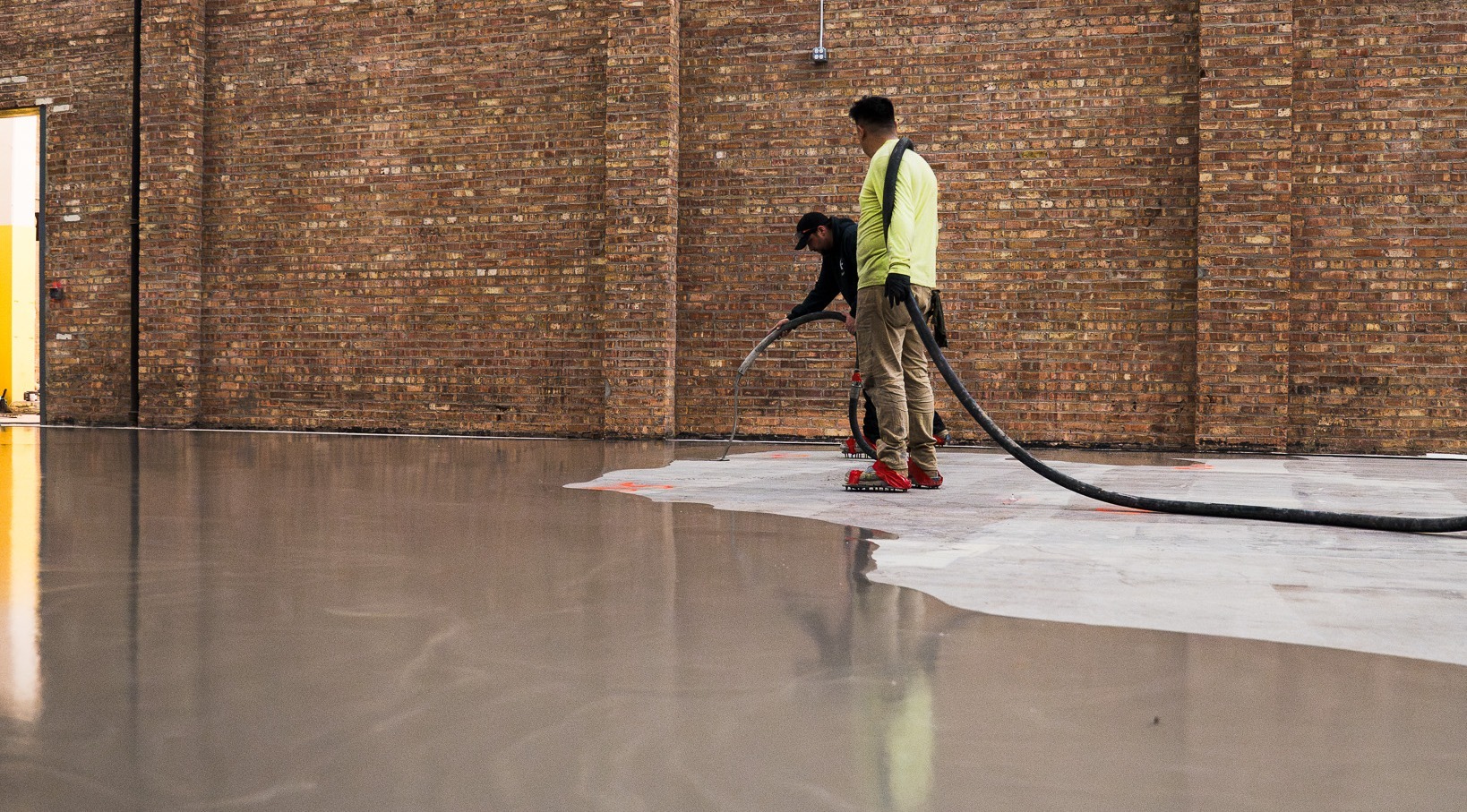
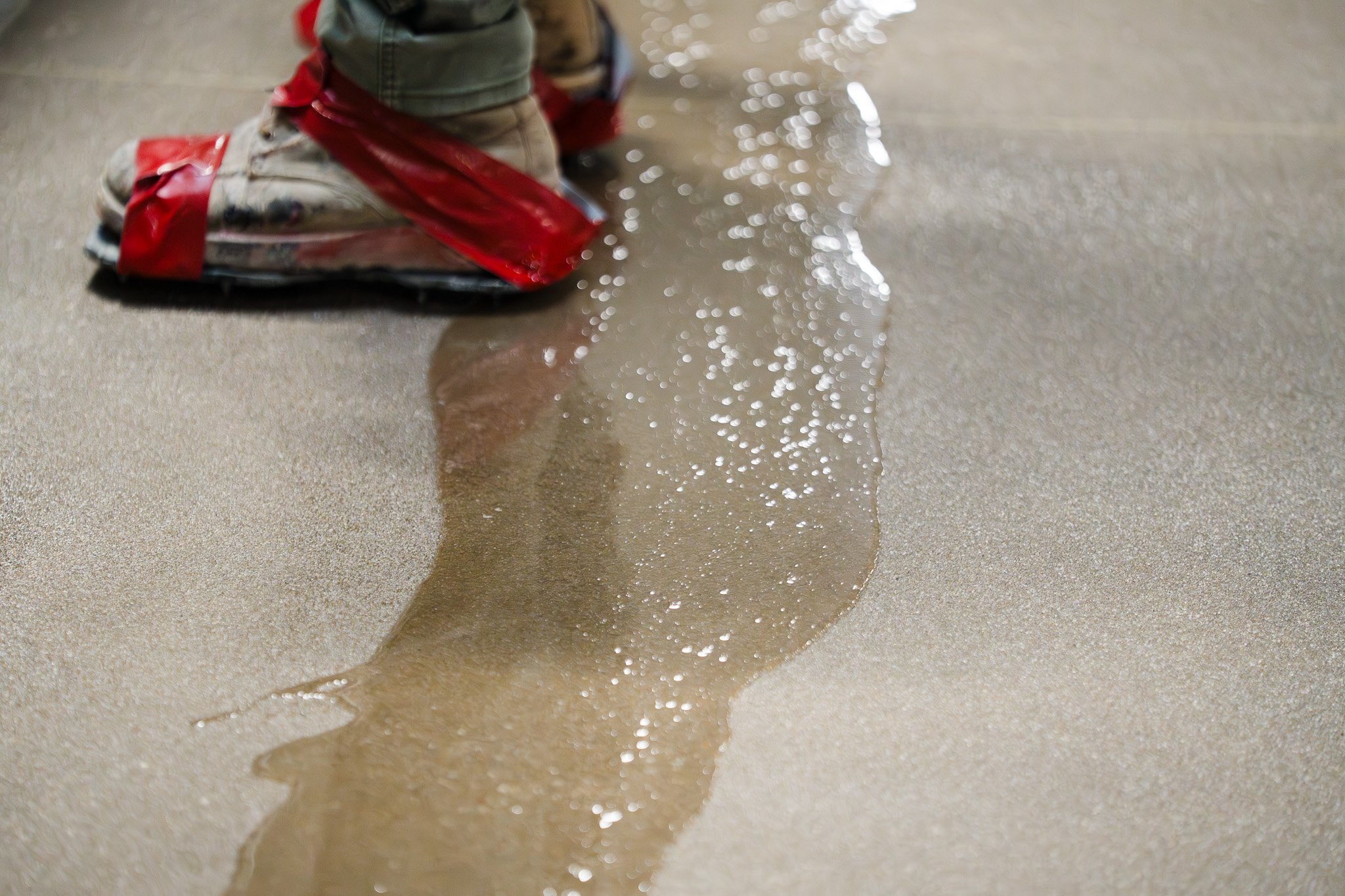
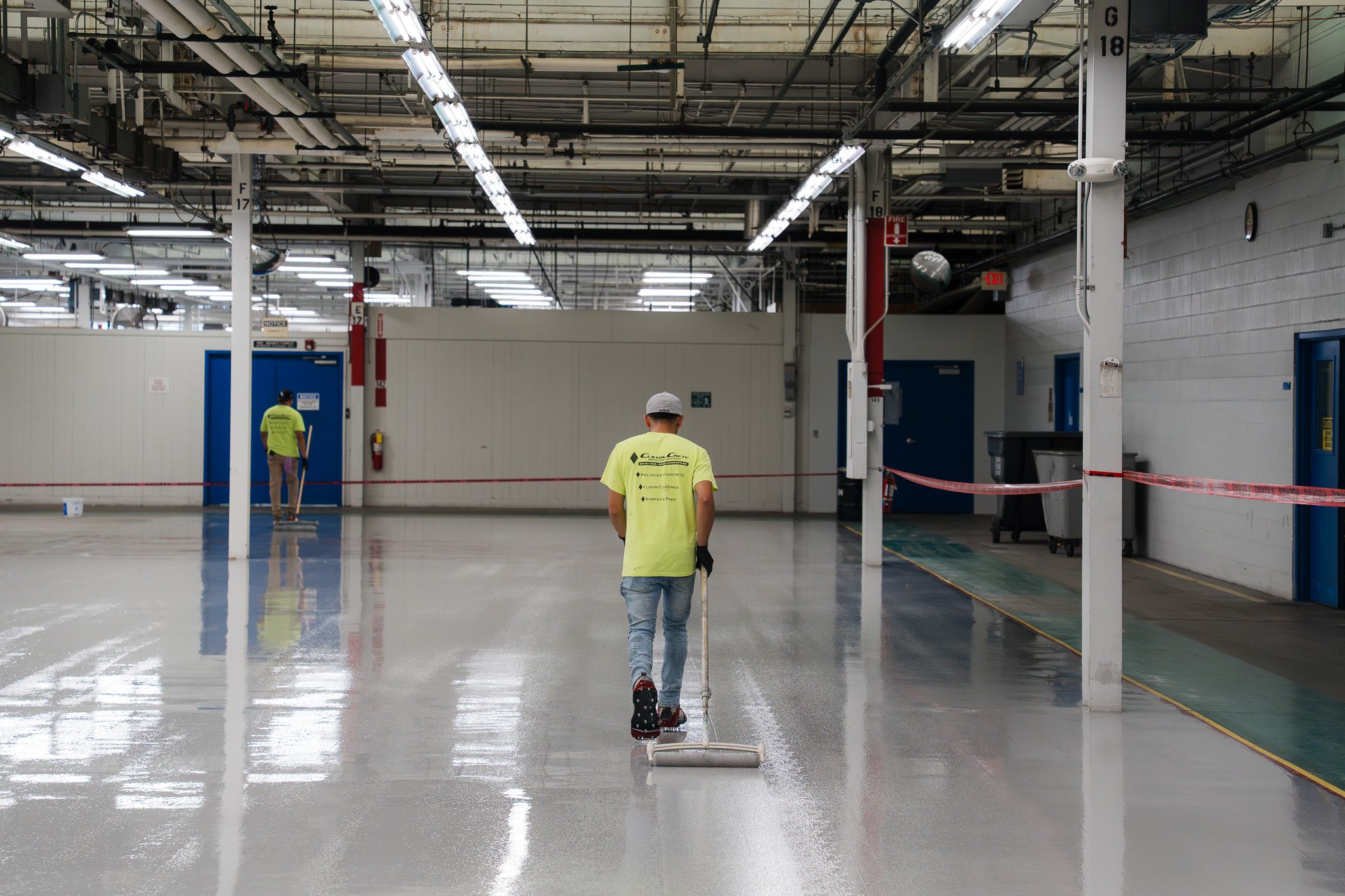
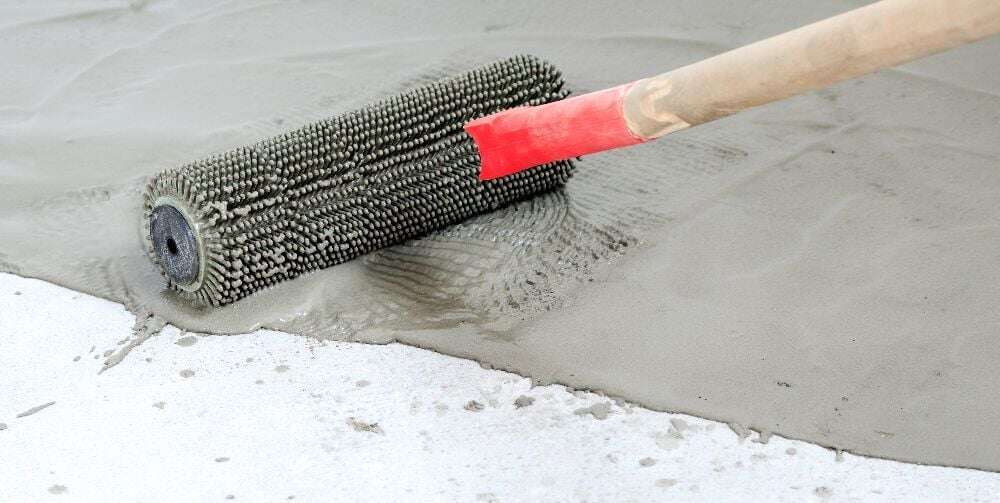
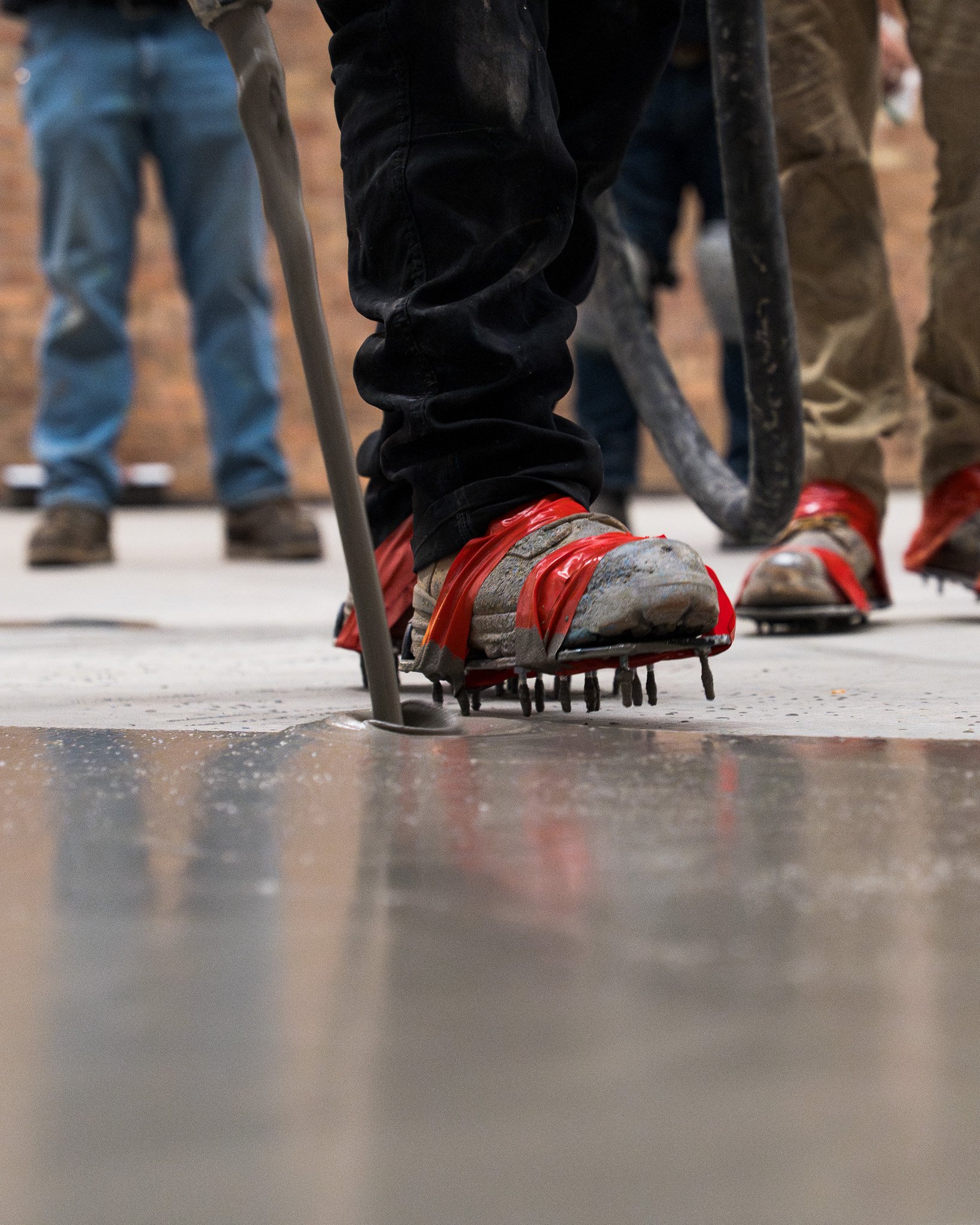
Once the surface is ready, the overlay material is applied and spread evenly across the floor. Depending on the system, it may be troweled, poured, or sprayed into place. After curing, the overlay becomes a new, integrated surface on top of the original concrete.
The final result is a smoother, more uniform floor that can be left as-is or used as a base for additional finishes.
What Problems Does a Concrete Overlay Solve?
Concrete overlays are used to address a variety of surface issues without replacing the entire slab.
Surface Damage
Over time, concrete floors can develop small cracks, chips, and worn areas. A concrete overlay can fill in these imperfections and create a more consistent surface.
Uneven Texture
Grinding or wear can leave concrete with an uneven texture. Overlays smooth out the surface, making it suitable for coatings or other flooring systems.
Outdated Appearance
In commercial and retail spaces, appearance matters. Overlays can update the look of a floor without the cost of demolition.
Preparation for New Flooring
Many flooring systems require a smooth, uniform base. A concrete overlay provides the ideal substrate for coatings, tile, or polished finishes.
Types of Concrete Overlays
There are several types of overlays, each designed for different applications.
Skim Coats
Skim coats are thin overlays used to smooth minor imperfections. They are typically applied in very thin layers and are often used as a preparation step.
Self-Leveling Overlays
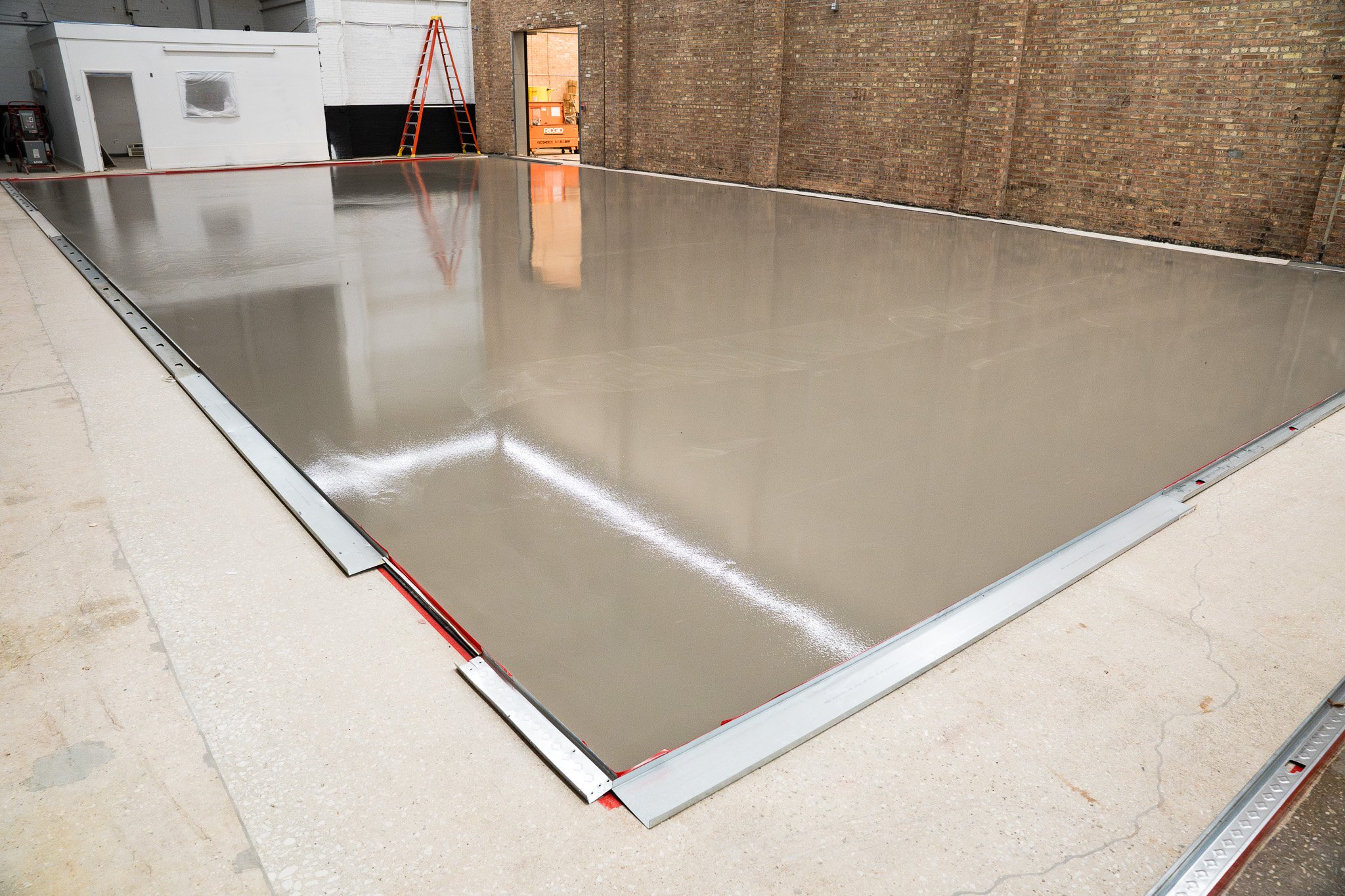
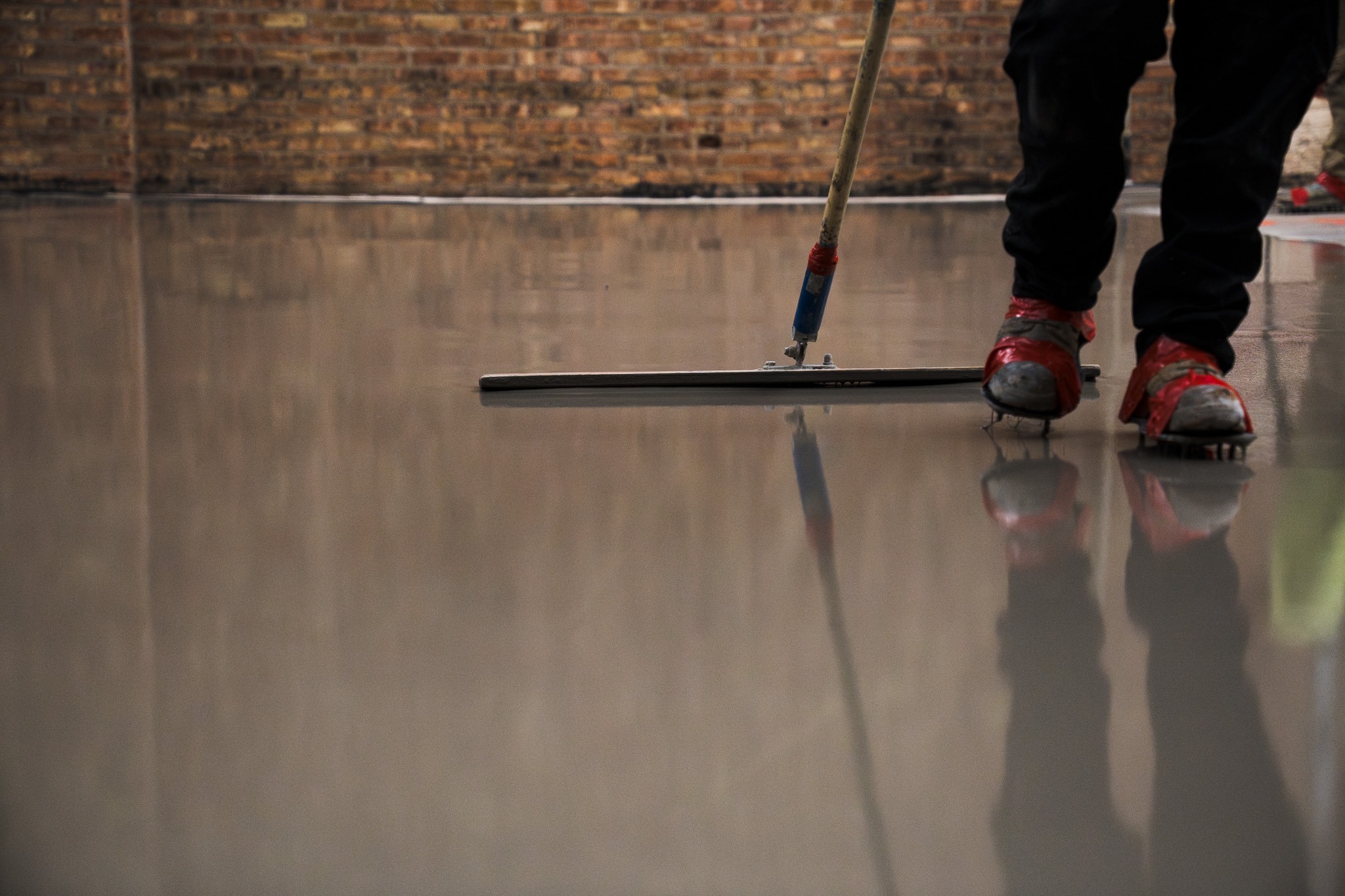
Self-leveling overlays are designed to flow across the surface and correct uneven areas. These are used when the floor needs to be leveled before installing a final system.
Decorative Overlays
Decorative overlays are used to enhance the appearance of the floor. These may include colored finishes, textures, or patterns.
High-Performance Overlays
Some overlays are designed for durability in industrial environments. These systems provide additional strength and resistance to wear.
Where Are Concrete Overlays Commonly Used?
A concrete overlay can be used in a wide range of environments.
Commercial Spaces
- Retail stores
- Offices
- Showrooms
Overlays improve appearance while maintaining durability.
Industrial Facilities
- Warehouses
- Manufacturing spaces
- Storage areas
In these settings, overlays help restore worn surfaces and prepare floors for coatings.
Renovation Projects
Overlays are often used in renovation projects where replacing the entire floor is not practical.
When a Concrete Overlay Is Not the Right Solution
While overlays are versatile, they are not suitable for every situation.
A concrete overlay may not be the best option when:
- The slab has major structural damage
- There are significant elevation issues
- The concrete is unstable or deteriorating
- Moisture problems are severe
In these cases, more extensive repairs or replacement may be required.
Benefits of Using a Concrete Overlay
Concrete overlays offer several advantages:
- Cost savings compared to full replacement
- Reduced downtime and disruption
- Improved surface appearance
- Enhanced compatibility with new flooring systems
- Extended lifespan of the existing slab
These benefits make overlays a practical solution for many facilities.
Common Mistakes to Avoid
When working with overlays, avoid:
- Skipping proper surface preparation
- Applying overlays over unstable concrete
- Using the wrong type of overlay for the application
- Ignoring moisture conditions
Proper planning and installation are key to achieving the best results.
FAQ: Concrete Overlays
How thick is a concrete overlay?
It can range from very thin skim coats to thicker applications, depending on the purpose.
Can overlays be used in industrial environments?
Yes, but the right type of overlay must be selected for durability.
Do overlays last as long as new concrete?
When installed correctly, they can provide long-lasting performance, especially when used as part of a complete flooring system.
Final Thoughts
A concrete overlay is a versatile solution for restoring and improving existing concrete floors. Whether you’re dealing with minor surface damage, uneven texture, or outdated appearance, overlays provide a way to enhance the floor without full replacement.
By understanding how overlays work and when they should be used, facility managers can make informed decisions that balance cost, performance, and long-term durability.
To learn how overlays and leveling systems work together, read the next article: How to Choose the Right Self-Leveling Concrete for Overlay Projects.

Topics: