
Concrete is incredibly strong, but it is not immune to movement. As concrete cures, it naturally shrinks. Throughout its life, it also expands and contracts as temperatures change and buildings settle. Without a way to manage this movement, random cracks and structural damage are almost inevitable.
This is where the debate of control joint vs expansion joint comes in. While the two terms are often used interchangeably, they serve very different purposes. Understanding how each joint functions is essential for designing, maintaining, and repairing commercial and industrial concrete floors.
With nearly 20 years of experience and over 1 million square feet installed, CustomCrete has repaired and restored countless concrete joints in warehouses, manufacturing plants, commercial buildings, and industrial facilities. This guide explains the differences between a control joint vs expansion joint and why both are important for the long-term performance of concrete floors.

Key Takeaways
- Control joint vs expansion joint is not simply a terminology difference—they serve two distinct purposes.
- Control joints help manage shrinkage cracking, while expansion joints allow concrete slabs to expand and contract safely.
- Proper maintenance of both joint types helps extend the life of concrete floors and reduce costly repairs.
What Is a Control Joint?
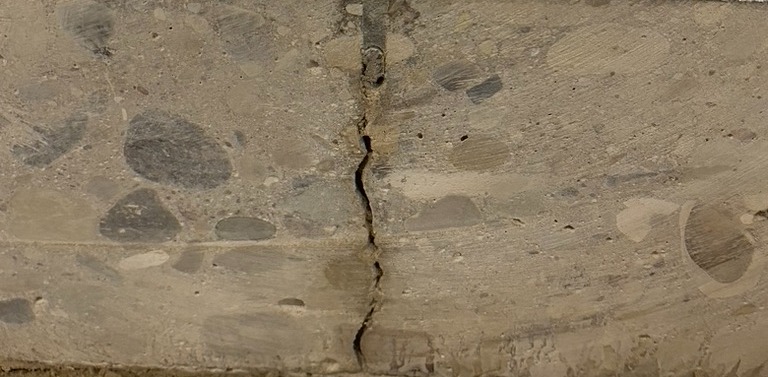
A control joint is a planned weakened section placed into concrete to control where shrinkage cracks occur.
As freshly placed concrete cures, it naturally loses moisture and shrinks. Because concrete has very little tensile strength, this shrinkage creates internal stresses that can lead to cracking.
Rather than allowing cracks to form randomly across the slab, contractors install control joints to encourage cracking in predetermined locations.
These joints are typically:
- Saw cut shortly after concrete placement
- Tooled into fresh concrete
- Installed in a planned grid pattern
The goal is not to prevent cracking altogether—it is to control where the cracks occur.
What Is an Expansion Joint?
An expansion joint serves a completely different purpose.
Unlike a control joint, an expansion joint creates a full separation between two sections of concrete, allowing each section to move independently.
Expansion joints accommodate movement caused by:
- Temperature changes
- Building settlement
- Structural movement
- Concrete expansion and contraction
Without expansion joints, expanding concrete can push against walls, columns, or adjacent slabs, creating excessive pressure that may lead to cracking or structural damage.
Expansion joints are often filled with flexible materials that compress and expand as the concrete moves.
Control Joint vs Expansion Joint: The Biggest Difference
The simplest way to understand control joint vs expansion joint is to look at the type of movement each one manages.
A control joint manages shrinkage cracking during the curing process by creating a weakened plane where cracks are expected to occur.
An expansion joint manages long-term movement after the concrete has cured by allowing slabs to expand and contract without placing stress on surrounding structures.
Although both involve movement, they solve two very different problems.
Where Control Joints Are Commonly Used
Control joints are found throughout most concrete slabs, including:
- Warehouses
- Manufacturing facilities
- Distribution centers
- Retail buildings
- Commercial floors
- Sidewalks
Their spacing depends on factors such as slab thickness, reinforcement, and project design.
Proper placement helps minimize uncontrolled cracking throughout the floor.
Where Expansion Joints Are Commonly Used
Expansion joints are typically installed where concrete meets another structure or where large slabs require additional movement.
Common locations include:
- Building perimeters
- Doorways
- Structural columns
- Long concrete slabs
- Connections between separate pours
These joints help isolate movement and reduce stress throughout the structure.
Why Both Joint Types Matter
Some people assume one joint can replace the other, but both are necessary because they perform different functions.
Without control joints, concrete is much more likely to develop random shrinkage cracks shortly after placement.
Without expansion joints, concrete movement caused by seasonal temperature changes can create excessive stress, leading to cracked slabs, damaged walls, or heaved flooring.
Understanding control joint vs expansion joint helps facility owners recognize why both are included in many concrete designs.
What Happens When Joints Become Damaged?
Over time, both control joints and expansion joints can deteriorate.
Heavy forklift traffic, aging joint fillers, moisture intrusion, and repeated movement may lead to:
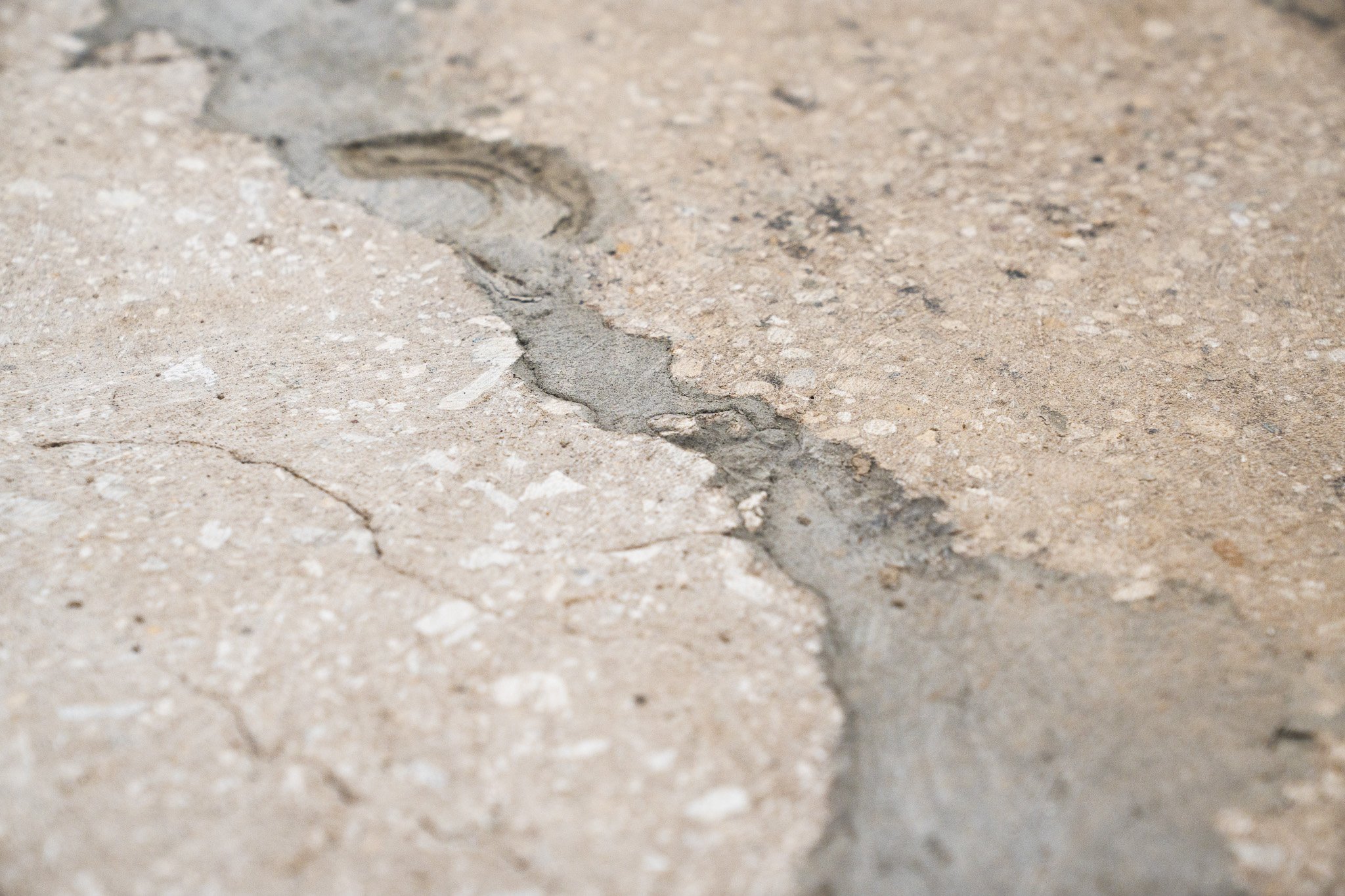
- Edge spalling
- Cracked joint filler
- Widening joints
- Uneven concrete edges
- Trip hazards
Damaged joints can also accelerate wear on forklift wheels, pallet jacks, and other material-handling equipment.
Routine inspections and timely repairs help prevent minor joint damage from becoming major concrete restoration projects.
Can Control and Expansion Joints Be Filled?
Yes, but the materials used depend on the joint type.
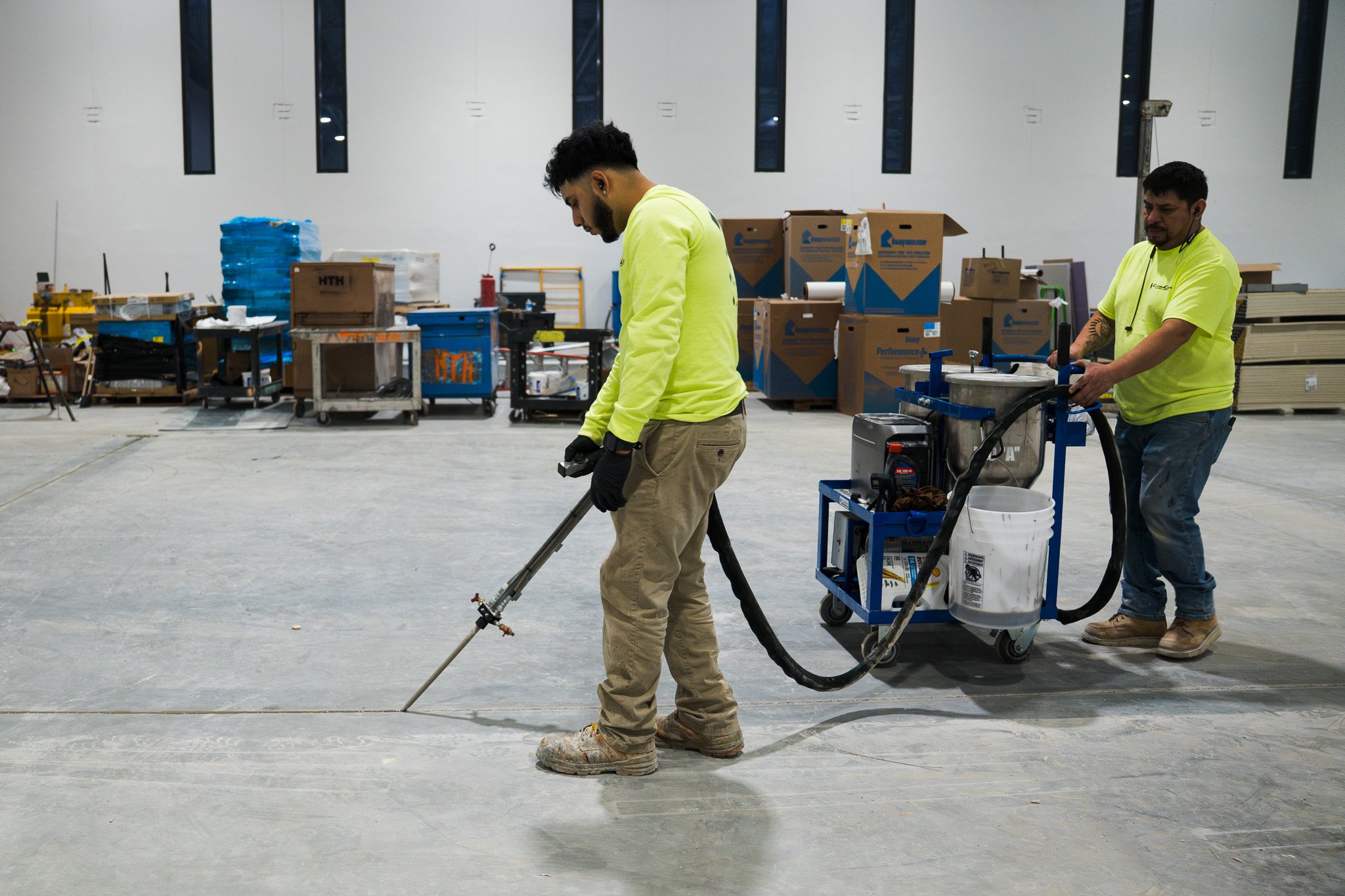
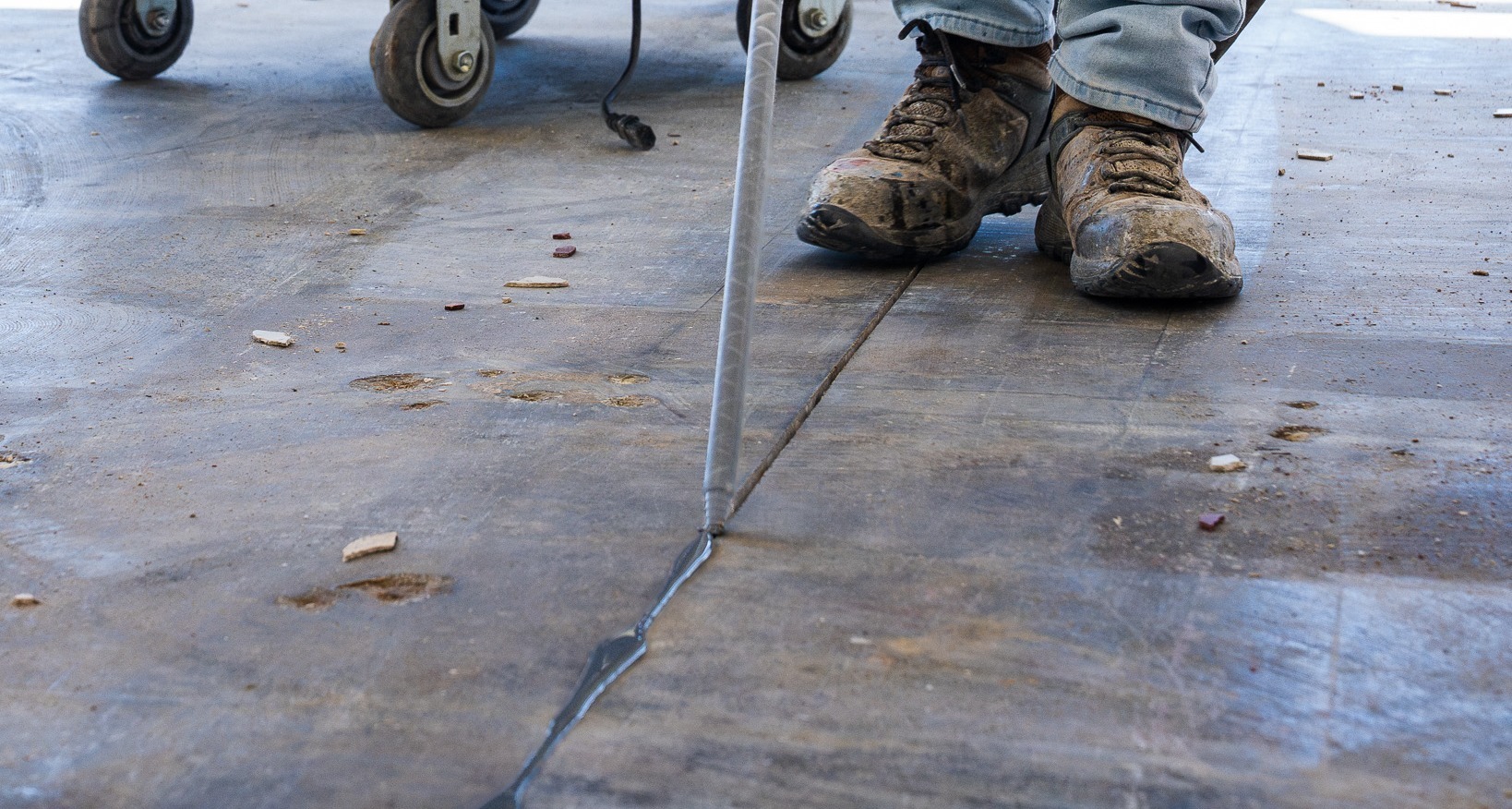
Control joints in industrial facilities are often filled with semi-rigid joint fillers that help support the concrete edges while still allowing limited movement.
Expansion joints require flexible fillers designed to compress and expand as the concrete moves.
Using the wrong material can reduce the joint's effectiveness and lead to premature failure.
Selecting the proper filler is an important part of long-term floor performance.
Why Proper Joint Maintenance Matters
Even properly designed joints require maintenance over time.
Regular inspections allow facility managers to identify:
- Missing joint filler
- Cracked or broken edges
- Separation
- Moisture intrusion
- Surface deterioration
Addressing these issues early helps reduce repair costs, improve safety, and extend the life of the concrete floor.
For facilities with heavy forklift traffic, joint maintenance is often one of the most cost-effective ways to protect the entire slab.
Final Thoughts
Understanding control joint vs expansion joint is important for anyone responsible for maintaining commercial or industrial concrete floors. While control joints help manage shrinkage cracking during curing, expansion joints allow concrete to safely expand and contract throughout its service life.
Both joint types are essential for reducing stress on the slab, preventing unnecessary damage, and extending the lifespan of concrete flooring. Keeping them properly maintained helps improve safety, reduce repair costs, and protect your flooring investment.
To learn more about one of the most common maintenance issues affecting industrial floors, read the next article: Why Are Damaged Concrete Control Joints a Problem?

Topics:


.jpeg?width=1638&height=1020&name=CC109349%20(1).jpeg)

.jpg?width=6139&height=4093&name=CC100396%20(1).jpg)