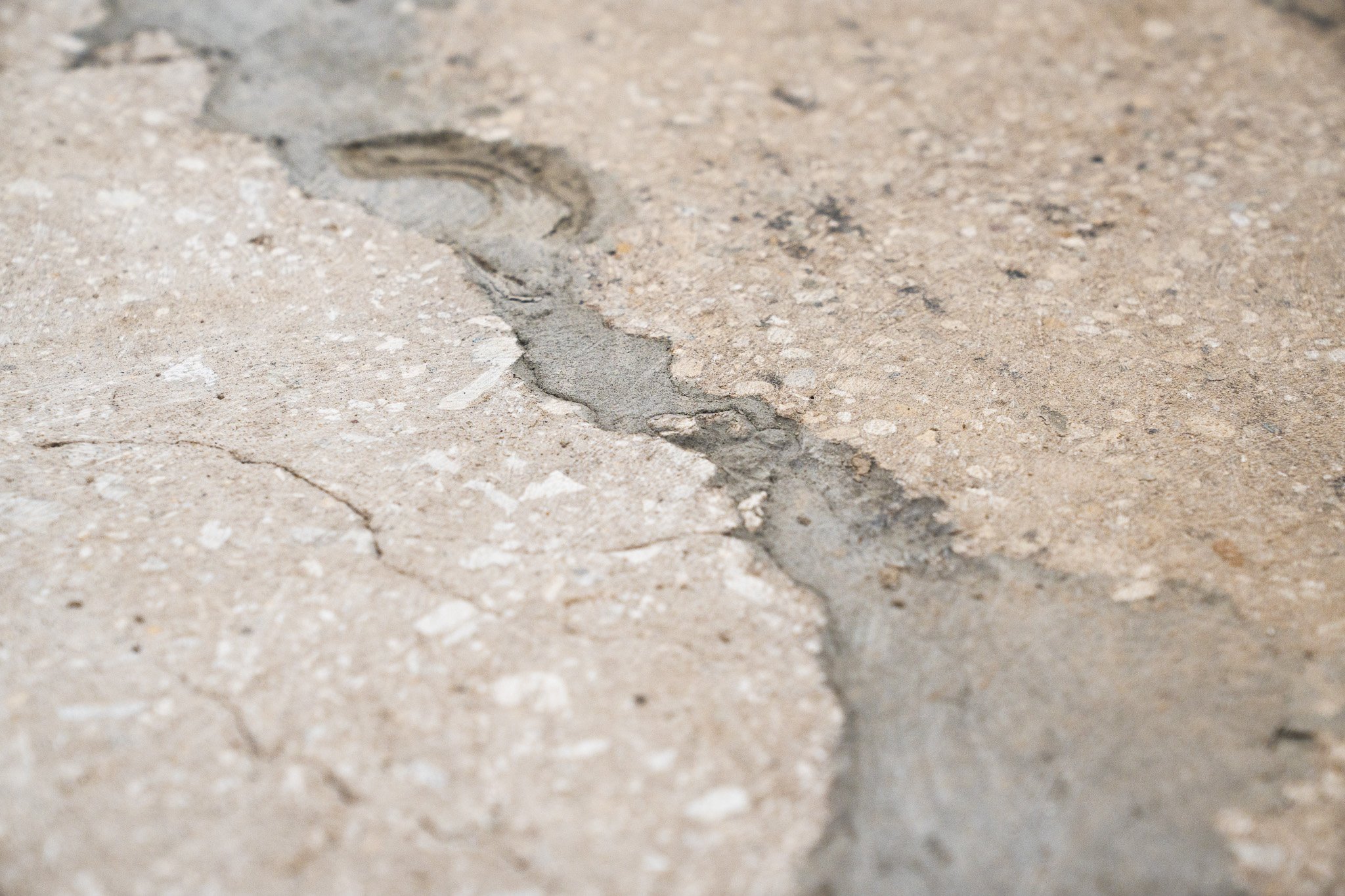

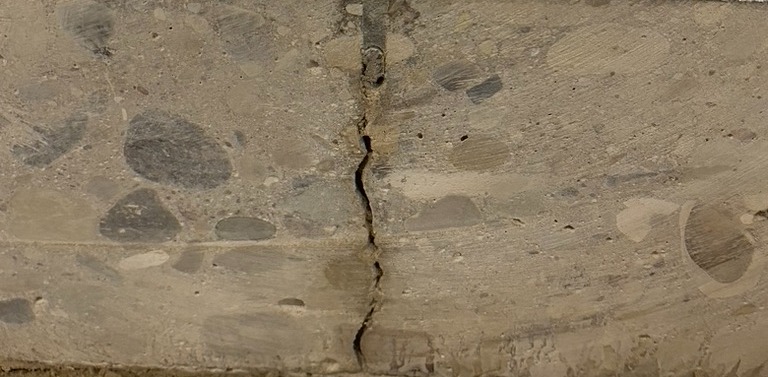
A cold joint in concrete is a seam that forms when fresh concrete is poured against concrete that has already started to set or harden. Unlike control or expansion joints, a cold joint in concrete is usually created because of the timing of separate concrete pours rather than intentionally cut into the slab to manage movement.
Cold joints are common in large industrial and commercial concrete slabs where an entire floor cannot be poured at once. While a cold joint does not automatically mean there is a problem, it can become a weak point if it is not properly planned, prepared, or maintained.
At CustomCrete, questions about cold joints often come up when facilities are evaluating existing concrete before installing coatings, polishing, or repairing damaged floors.
Why Do Cold Joints Form in Concrete?
Concrete begins curing shortly after it is placed. If a second batch of concrete is poured after the first section has already started to harden, the two pours do not cure together as one continuous mass.
The line where the old and new concrete meet becomes a cold joint.
Cold joints may occur because of:
- Large concrete pours completed in sections
- Construction schedules or planned stopping points
- Delays in concrete delivery
- Equipment or weather interruptions
- Repairs or additions to an existing slab
Some cold joints are planned as part of construction, while others develop because of unexpected delays.
Is a Cold Joint in Concrete a Problem?
Not necessarily. A properly designed and constructed cold joint can perform successfully for many years. Problems are more likely when the joint was poorly prepared or when movement develops between the two sections of concrete.
Potential issues can include cracking, moisture intrusion, uneven movement, or deterioration along the joint edges.
In industrial facilities, forklifts and other heavy equipment can also place additional stress on damaged joint edges.
Can Cold Joints Be Repaired?
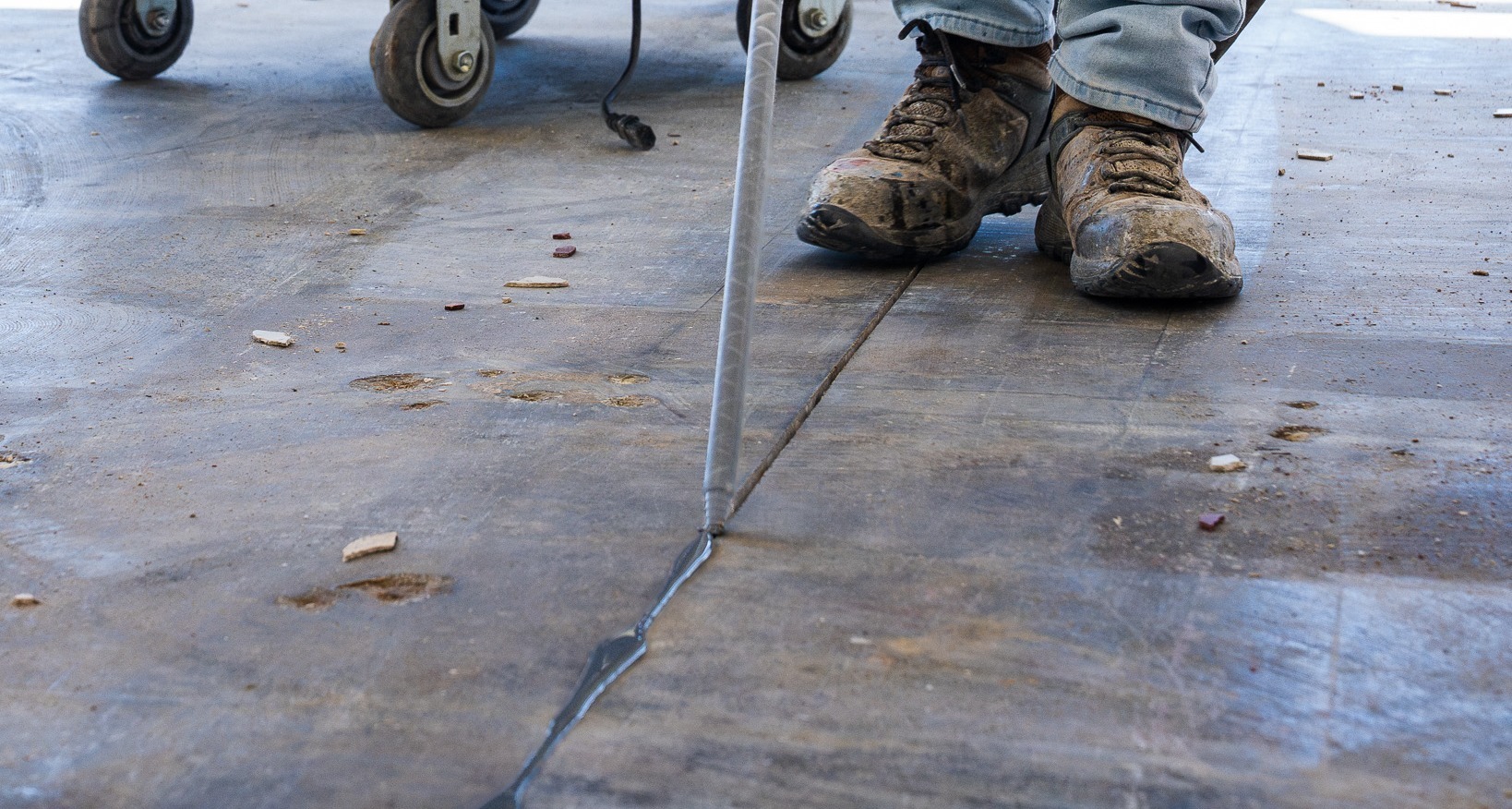
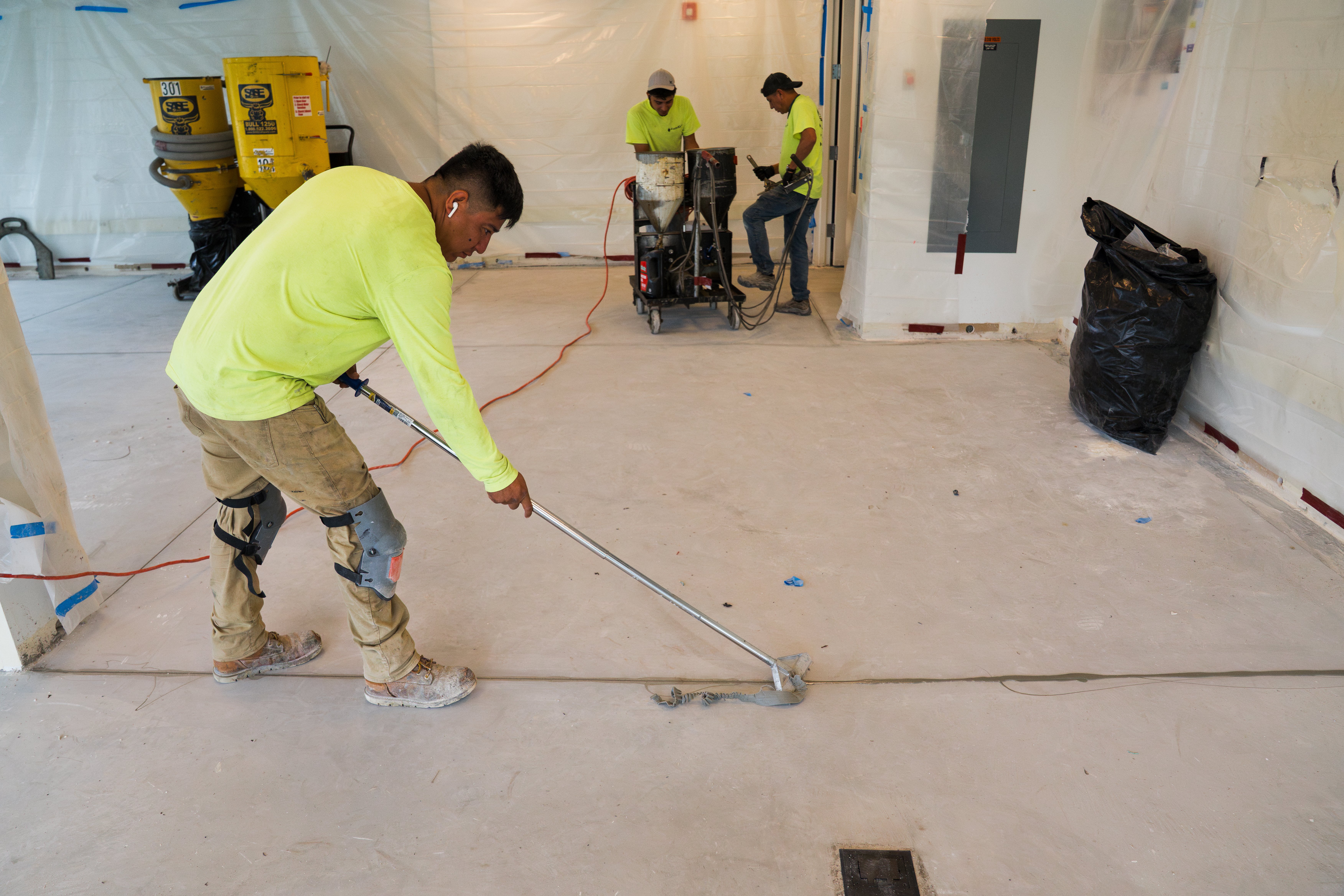
Yes. The appropriate cold joint concrete repair depends on the condition of the slab and how much movement is occurring.
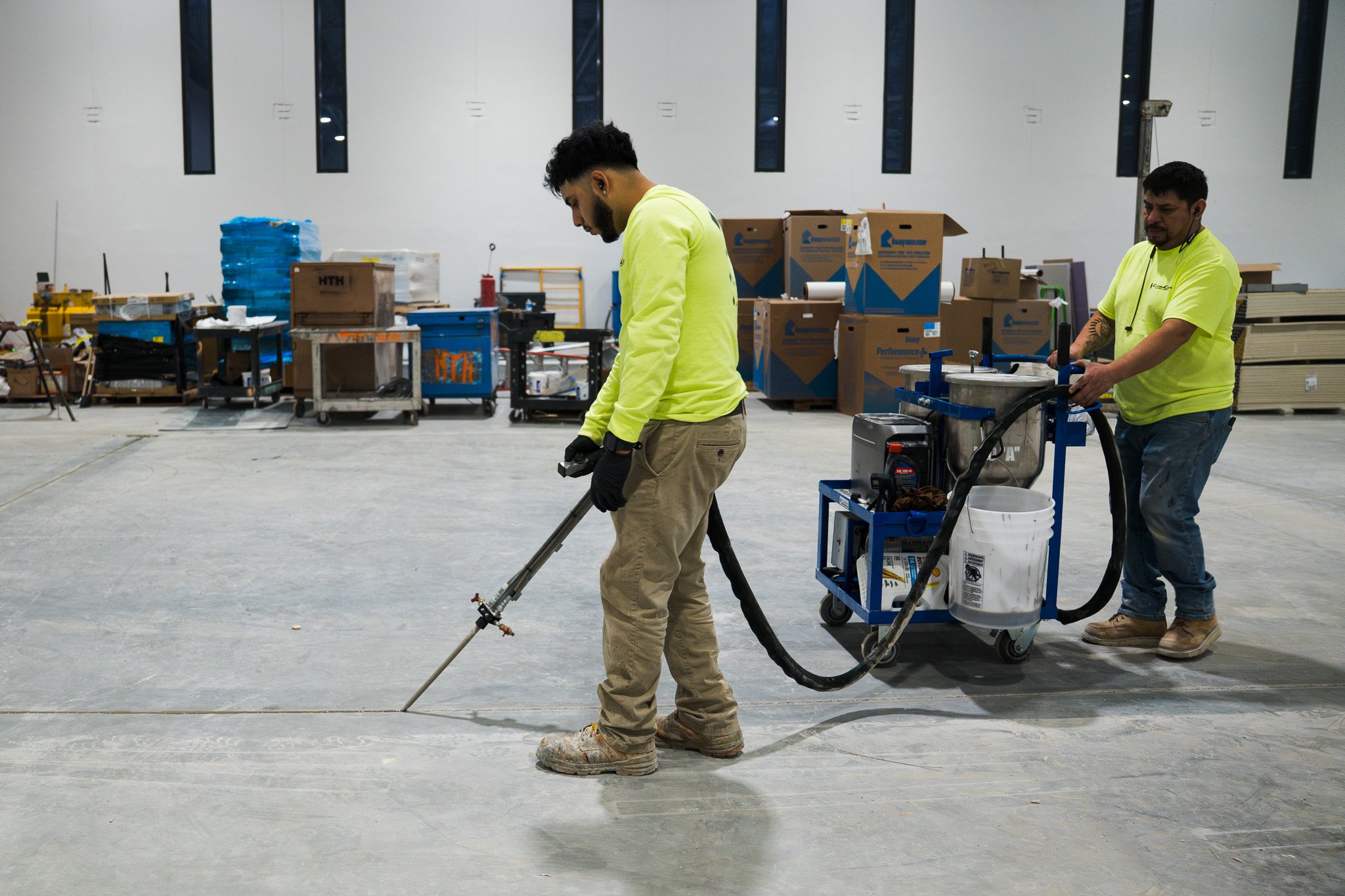
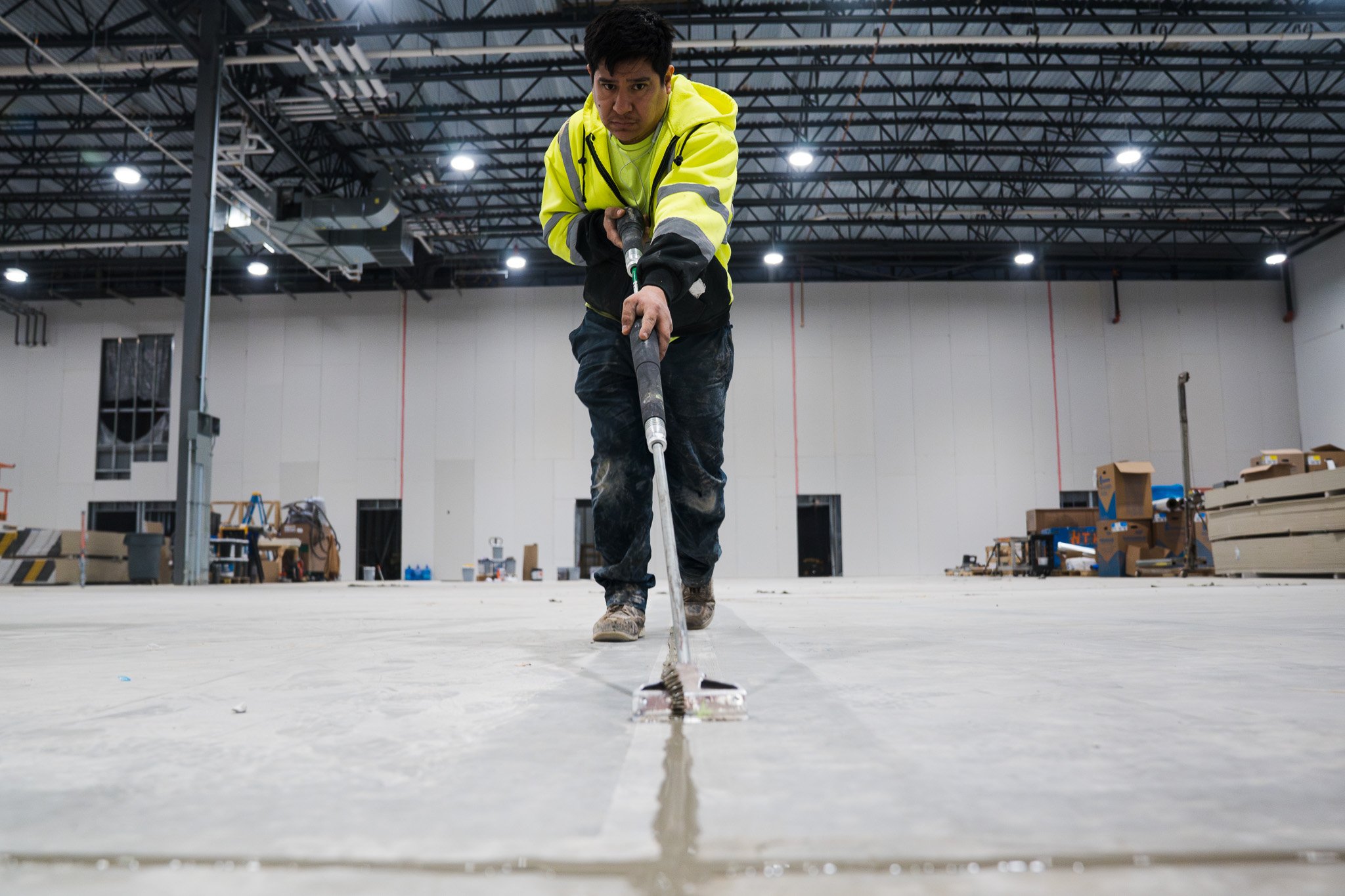
Repairs may involve cleaning and filling the joint, repairing spalled edges, or using specialized joint materials. If the joint is experiencing significant movement or structural problems, further evaluation may be needed before installing a repair.
The goal is to address the cause of the problem rather than simply covering the visible joint.
How Do Cold Joints Affect Concrete Coatings?
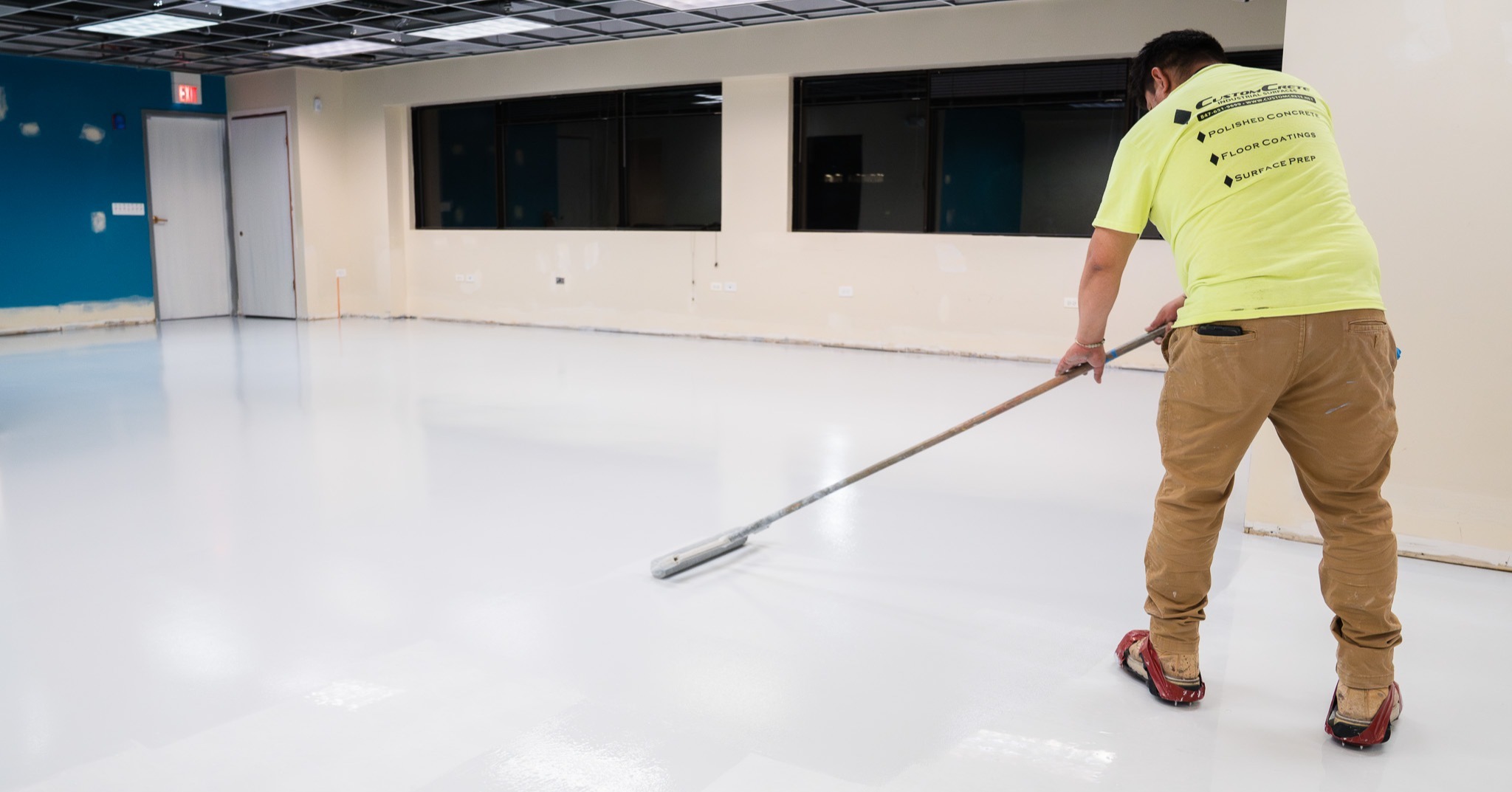
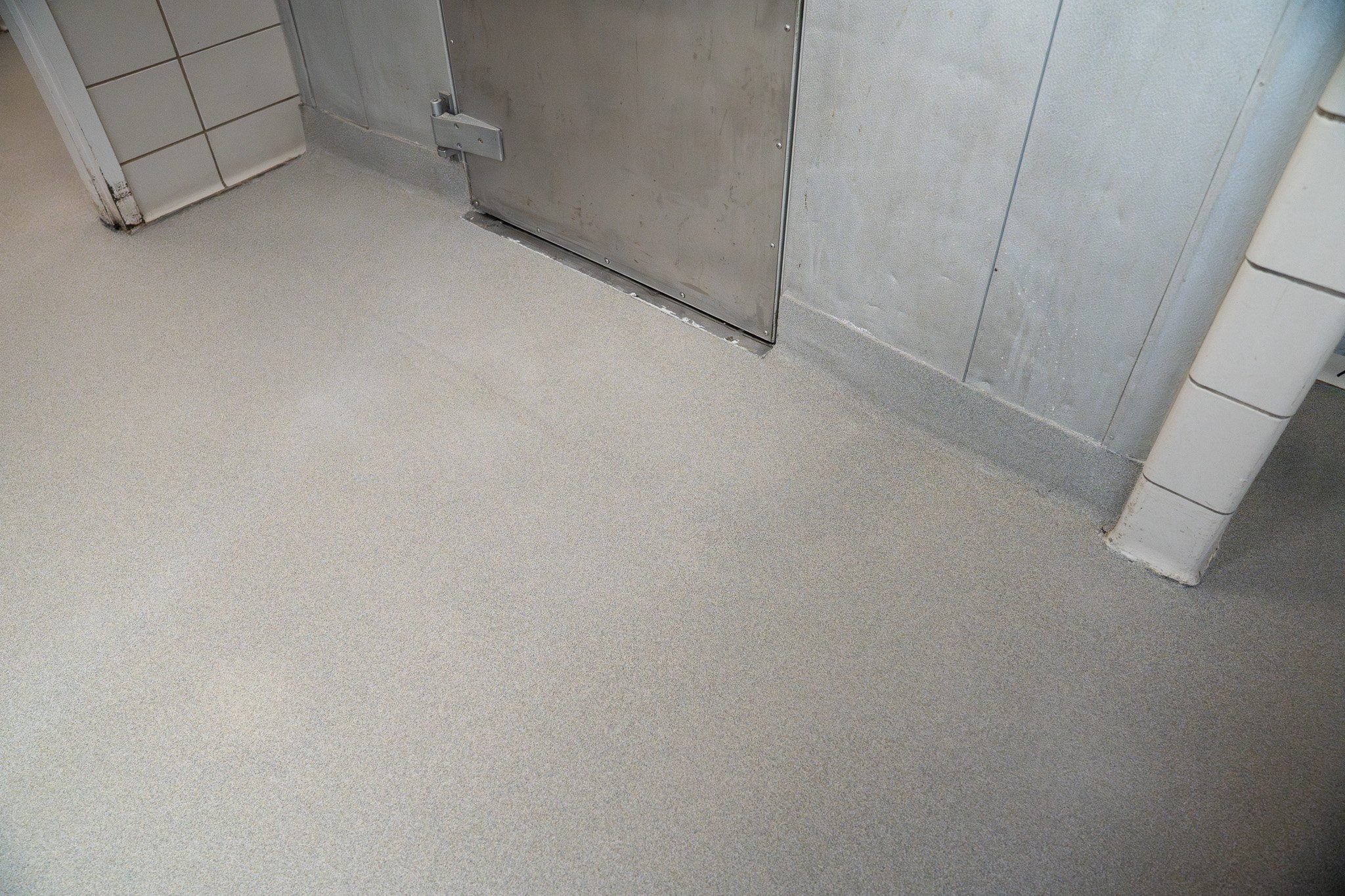
Cold joints should be evaluated before epoxy, urethane cement, or other concrete coatings are installed. Simply coating over an active joint does not prevent the concrete underneath from moving.
If movement occurs, the coating may crack along the joint. Proper preparation and joint treatment help reduce the risk of premature flooring failure.
Cold Joint vs. Control Joint: What's the Difference?
The main difference is why the joint exists.
A cold joint forms where separate concrete pours meet. A control joint is intentionally created to encourage shrinkage cracks to occur in a planned location. Expansion joints serve another purpose by allowing sections of concrete to move independently.
Understanding which type of joint you have is important because each may require a different repair or flooring approach.
Final Thoughts
A cold joint in concrete forms when fresh concrete meets concrete that has already begun to set. Cold joints are common and are not automatically a sign of failure, but damaged or moving joints should be evaluated before repairs or new flooring systems are installed.
For a closer look at other common concrete joints and how they function, read the next article: “Control Joint vs Expansion Joint.”

Topics:
.jpeg?width=1638&height=1020&name=CC109349%20(1).jpeg)
.jpg?width=6139&height=4093&name=CC100396%20(1).jpg)