
If your concrete floor has high spots, low areas, or noticeable changes in elevation, there are two common ways to correct it: grind down the high areas or use a self-leveling material to build up the low areas. The right approach for uneven concrete floors depends on how uneven the slab is, what is causing the problem, and what flooring will be installed afterward.
With nearly 20 years of experience and over 1 million square feet installed, CustomCrete has worked with commercial concrete slabs in a wide range of conditions. In this article, we'll compare concrete grinding and self-leveling so you can better understand which approach may make sense for your project.
Key Takeaways
- Concrete grinding removes high spots, while self-leveling materials primarily fill low areas and create a flatter surface.
- Minor unevenness may be corrected with grinding, while larger or widespread elevation differences may require self-leveling.
- Some projects require both methods to achieve the desired result.

How Does Concrete Grinding Fix Uneven Floors?
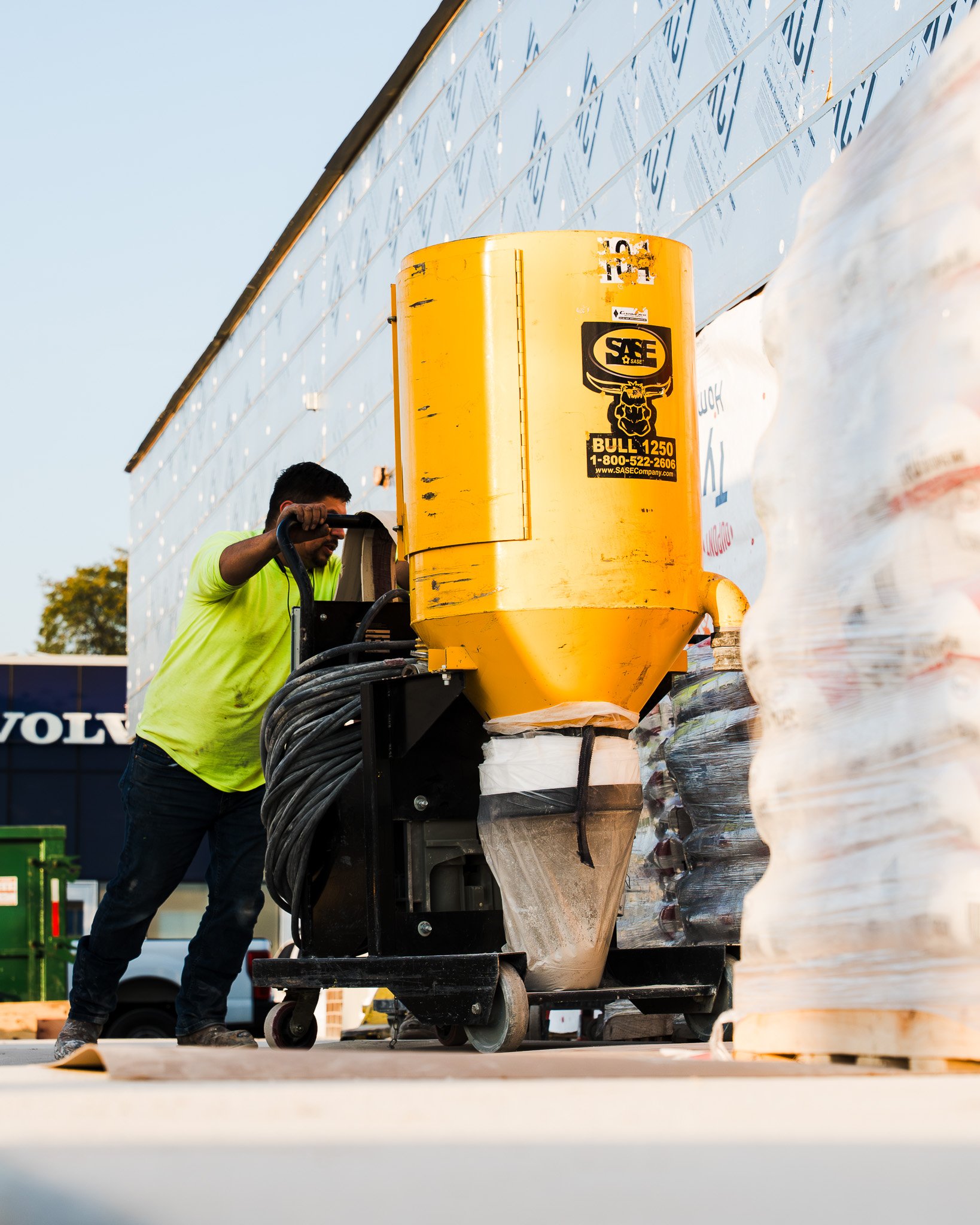
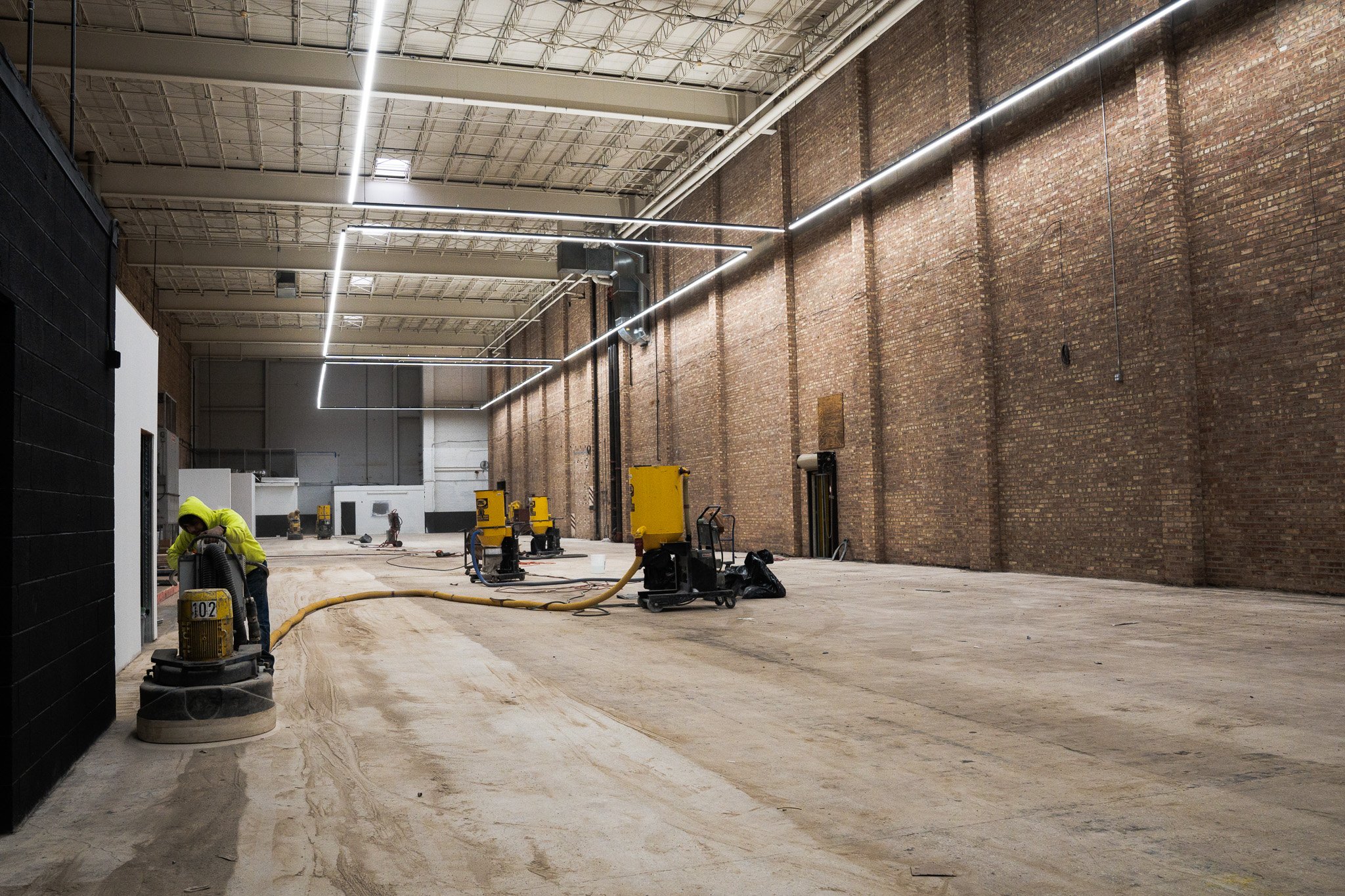
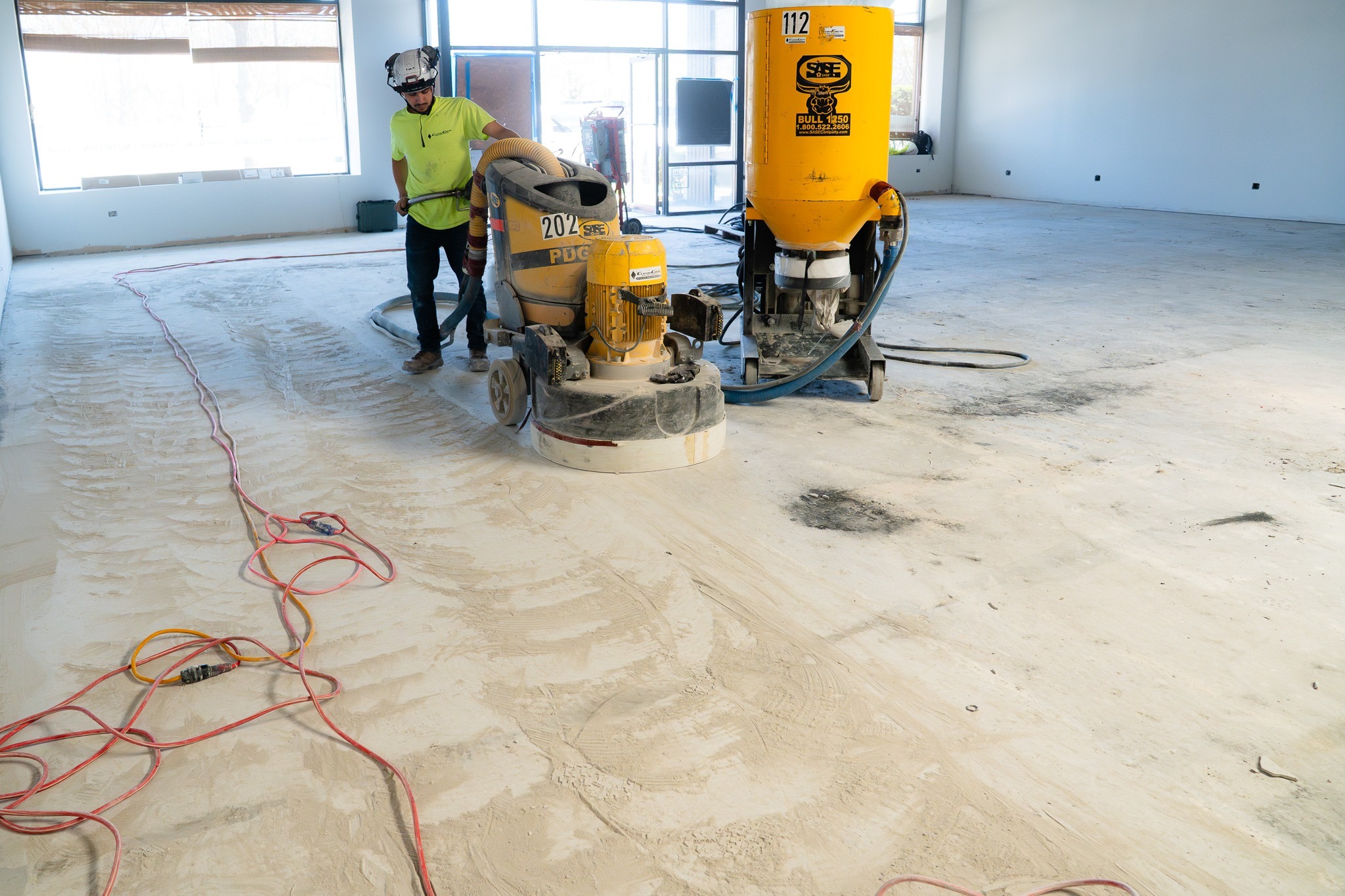
Concrete grinding uses diamond tooling and specialized equipment to mechanically remove material from the surface of the slab. When unevenness is caused by isolated high spots, grinding can lower those areas so they better match the surrounding floor.
Grinding can also serve another purpose. Many coating and flooring projects already require mechanical surface preparation to remove contaminants, old materials, or weak surface concrete and create the profile needed for the next flooring system.
However, grinding only removes concrete. It cannot raise a low area. If a slab has a significant dip or needs to meet a specific elevation, continuously grinding the surrounding concrete may remove more material than is practical.
The amount that can reasonably be removed also depends on the slab itself. Grinding too deeply can expose more aggregate, change the floor's appearance, or affect the final flooring plan.
How Does Self-Leveling Fix Uneven Concrete Floors?
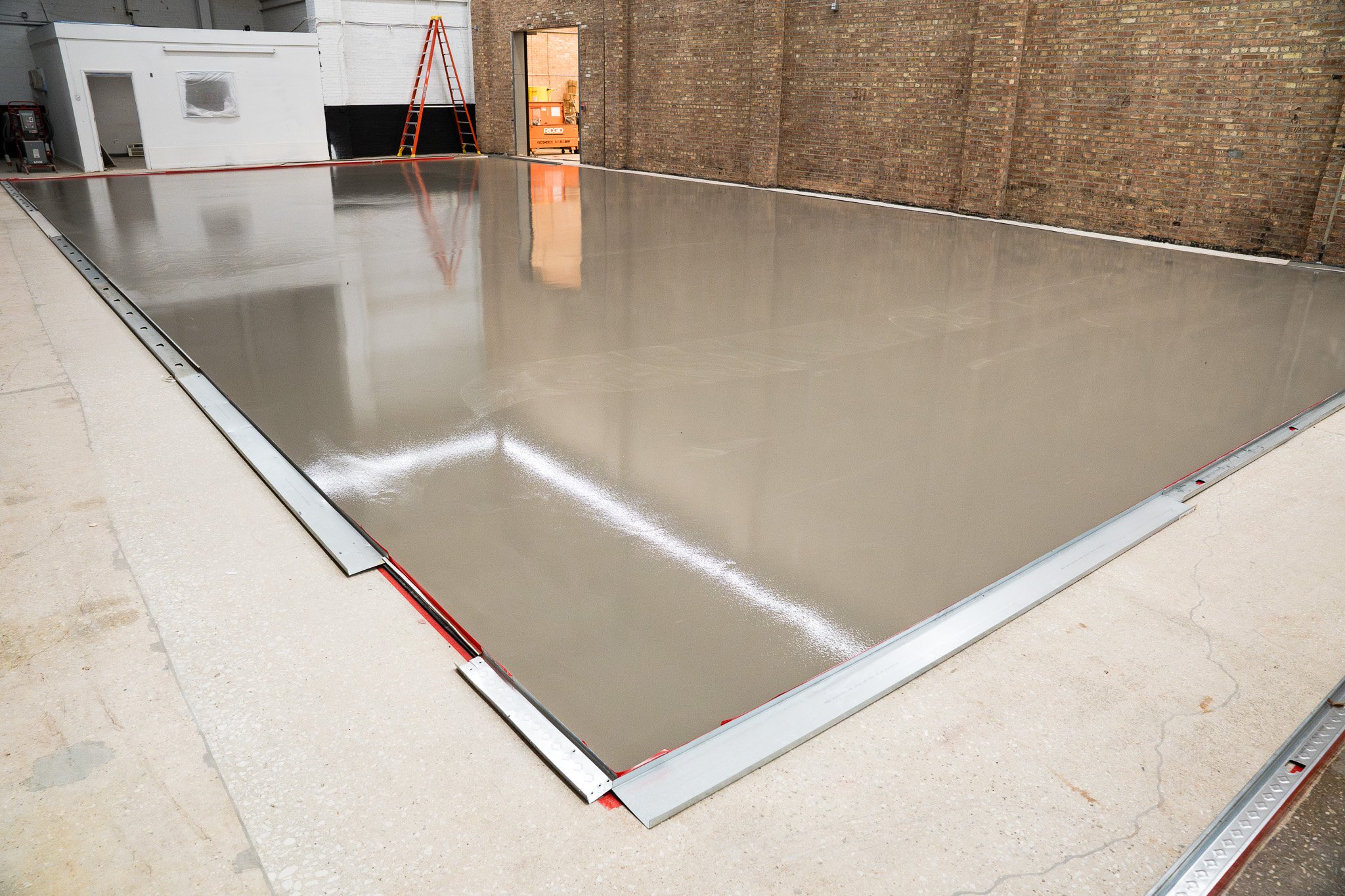
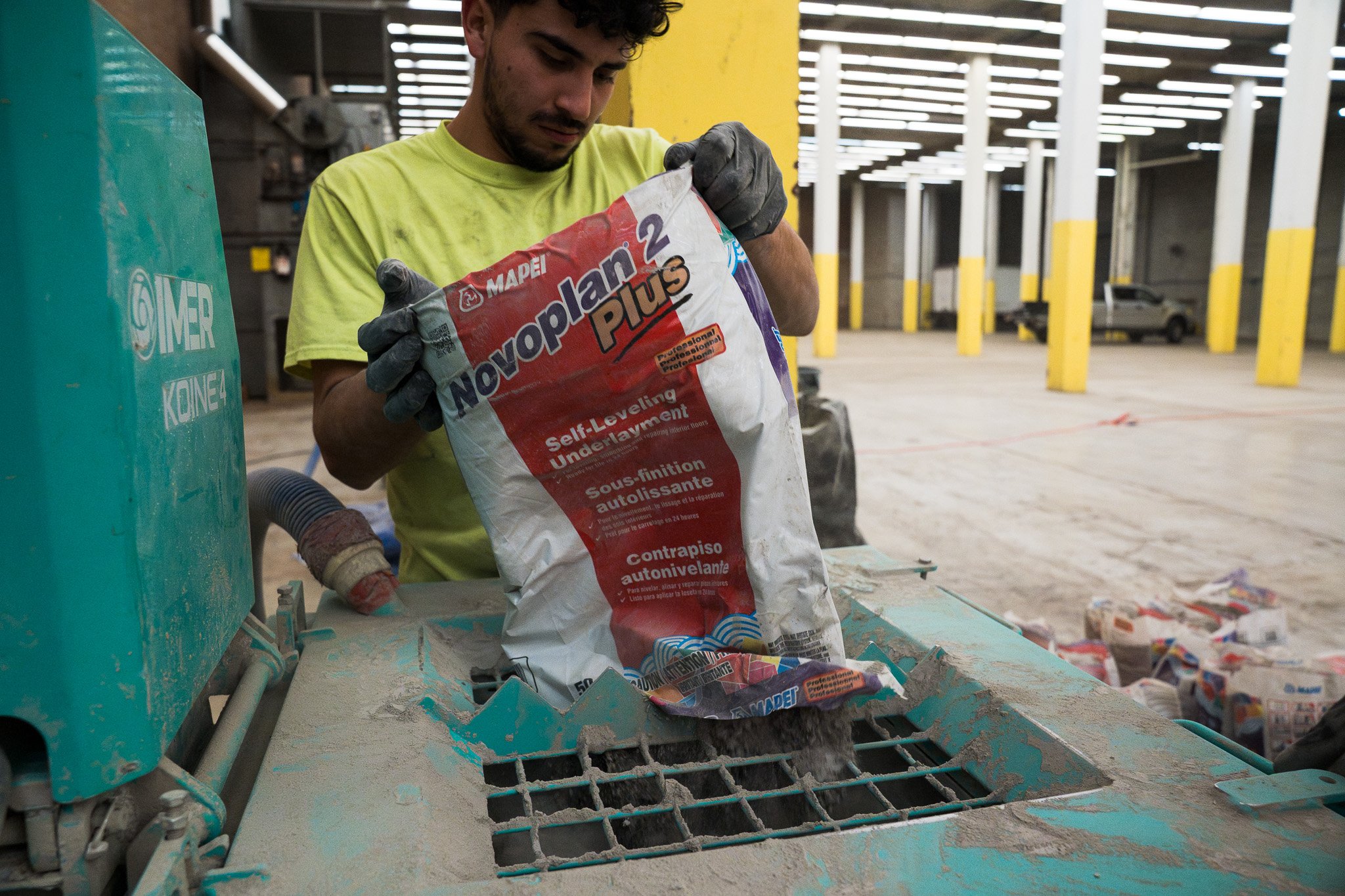
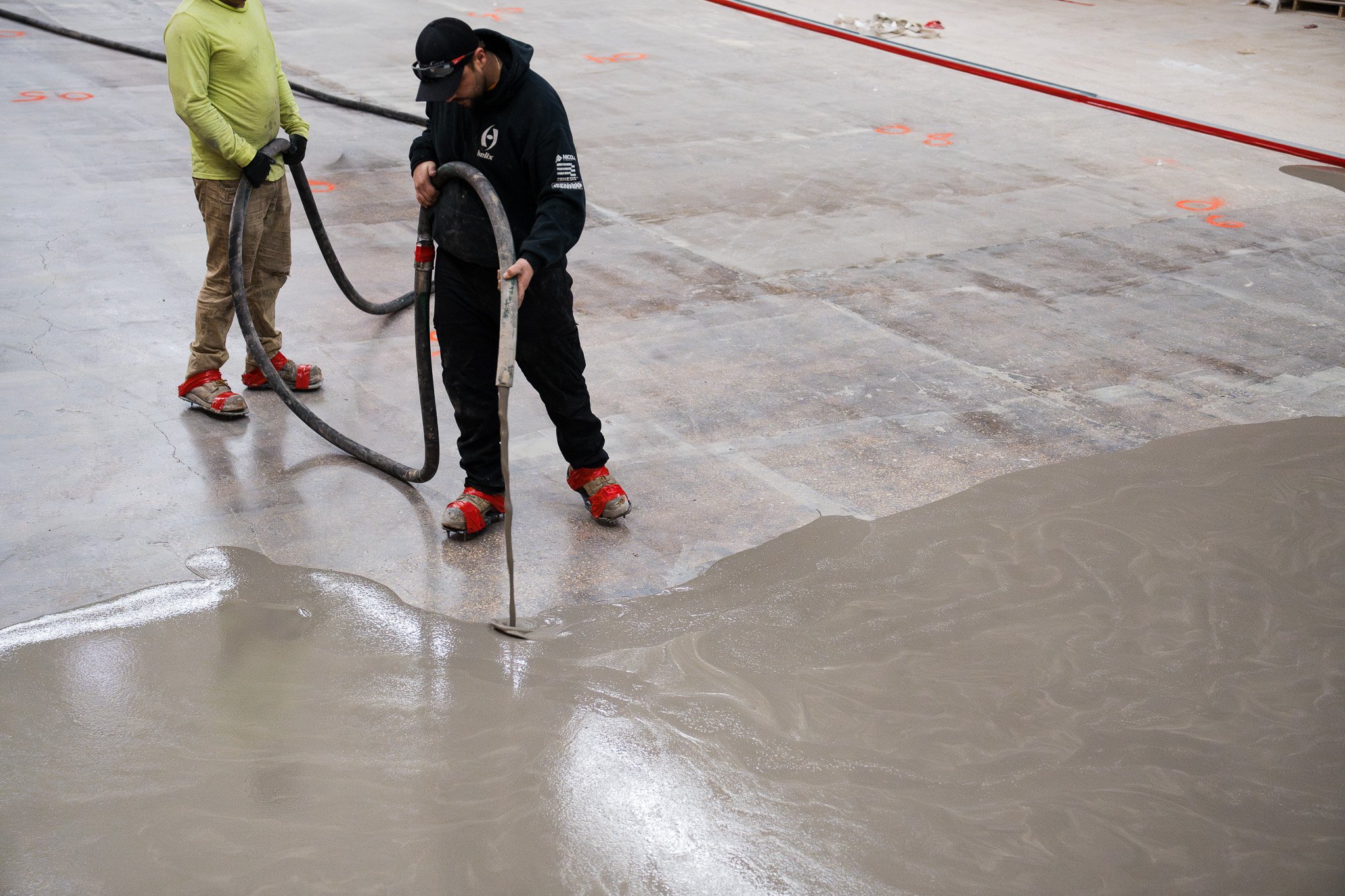
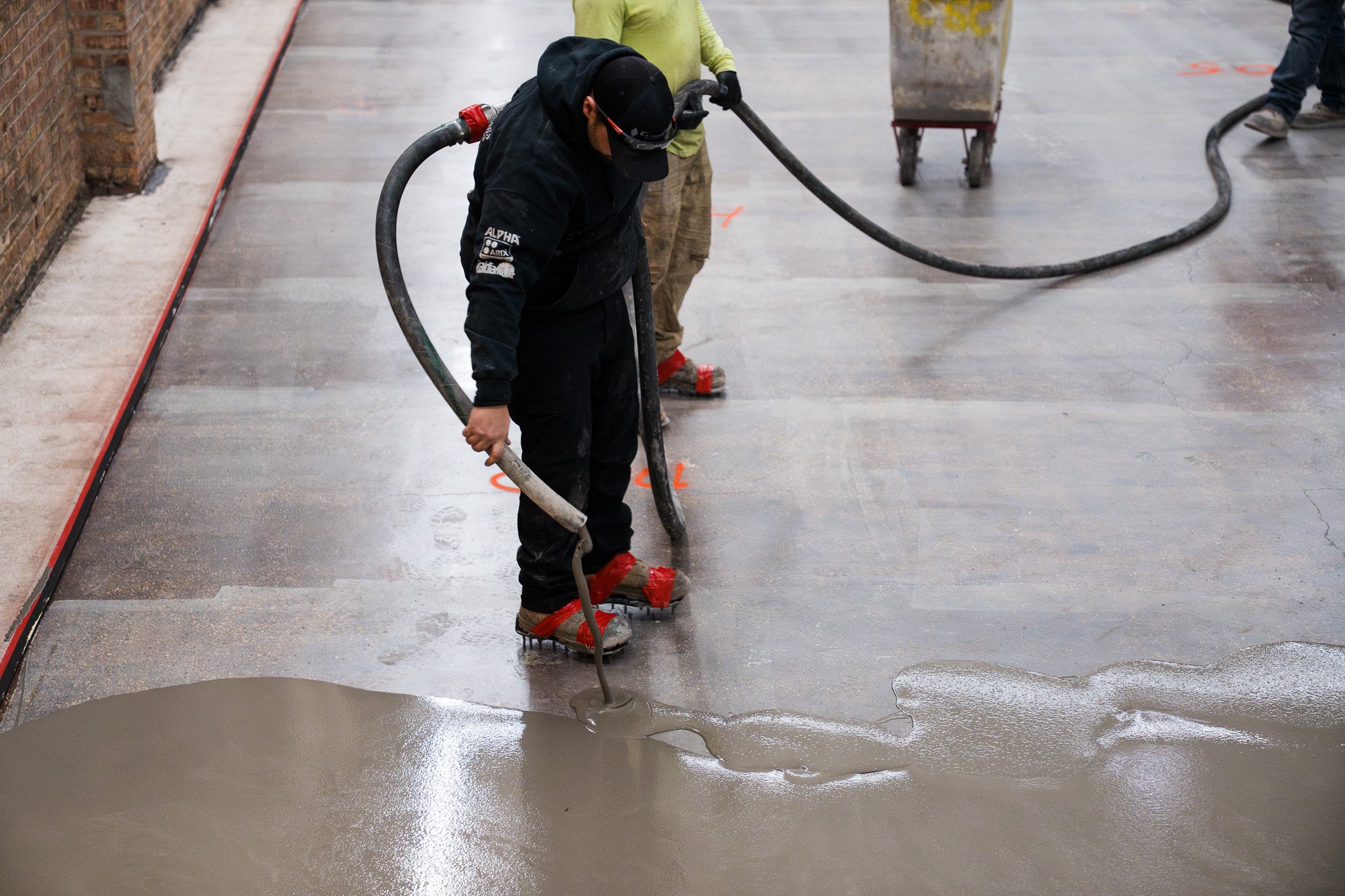
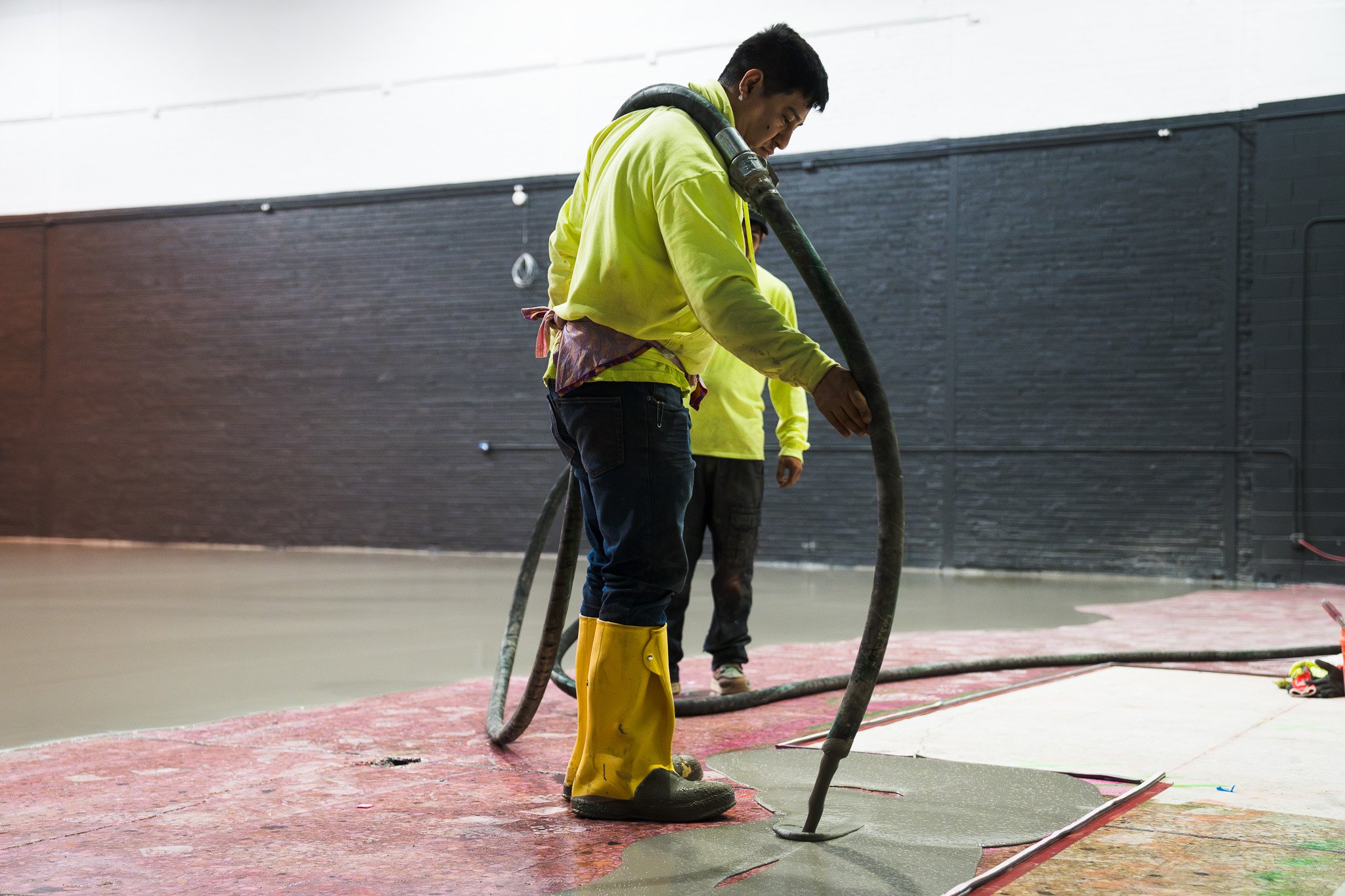
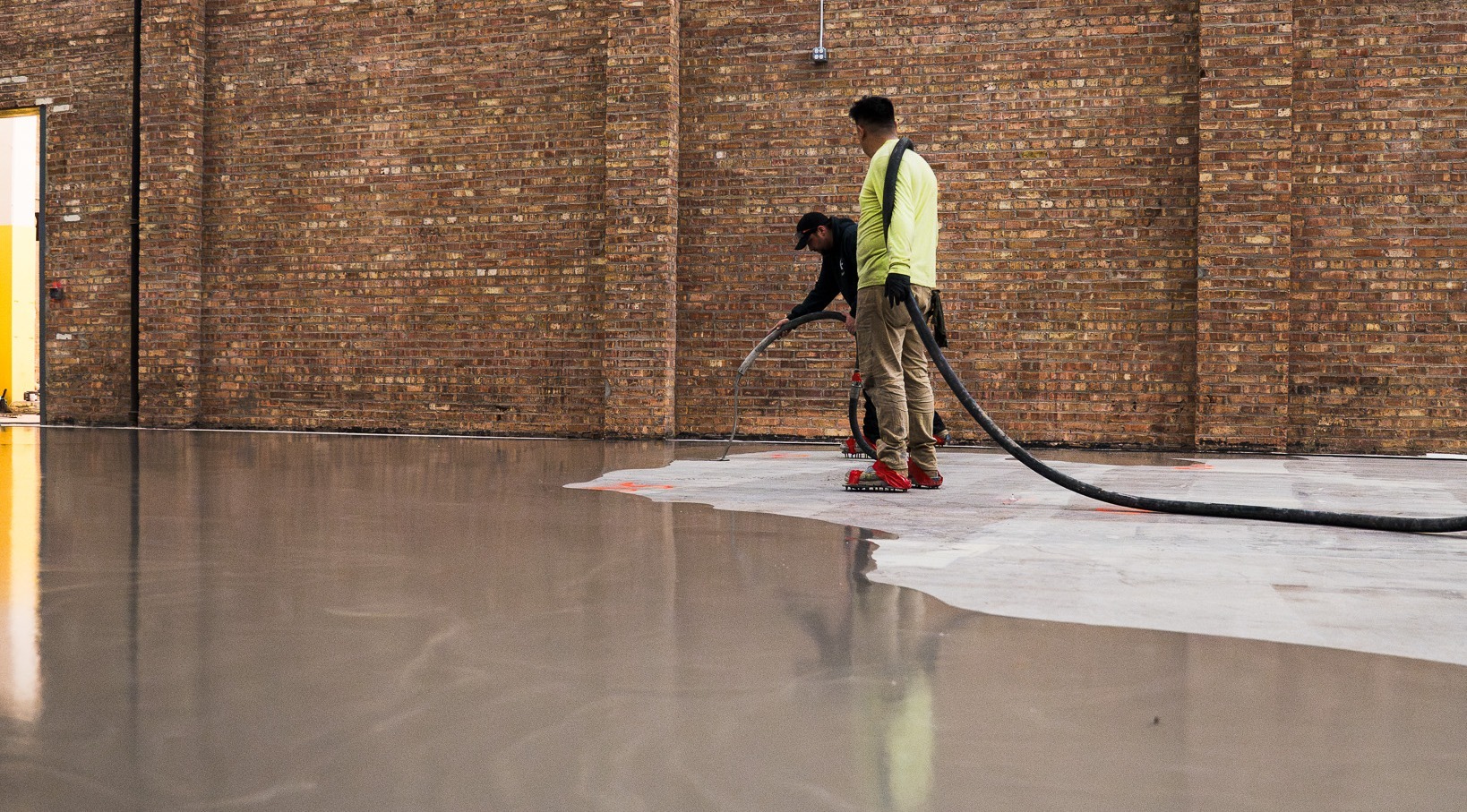
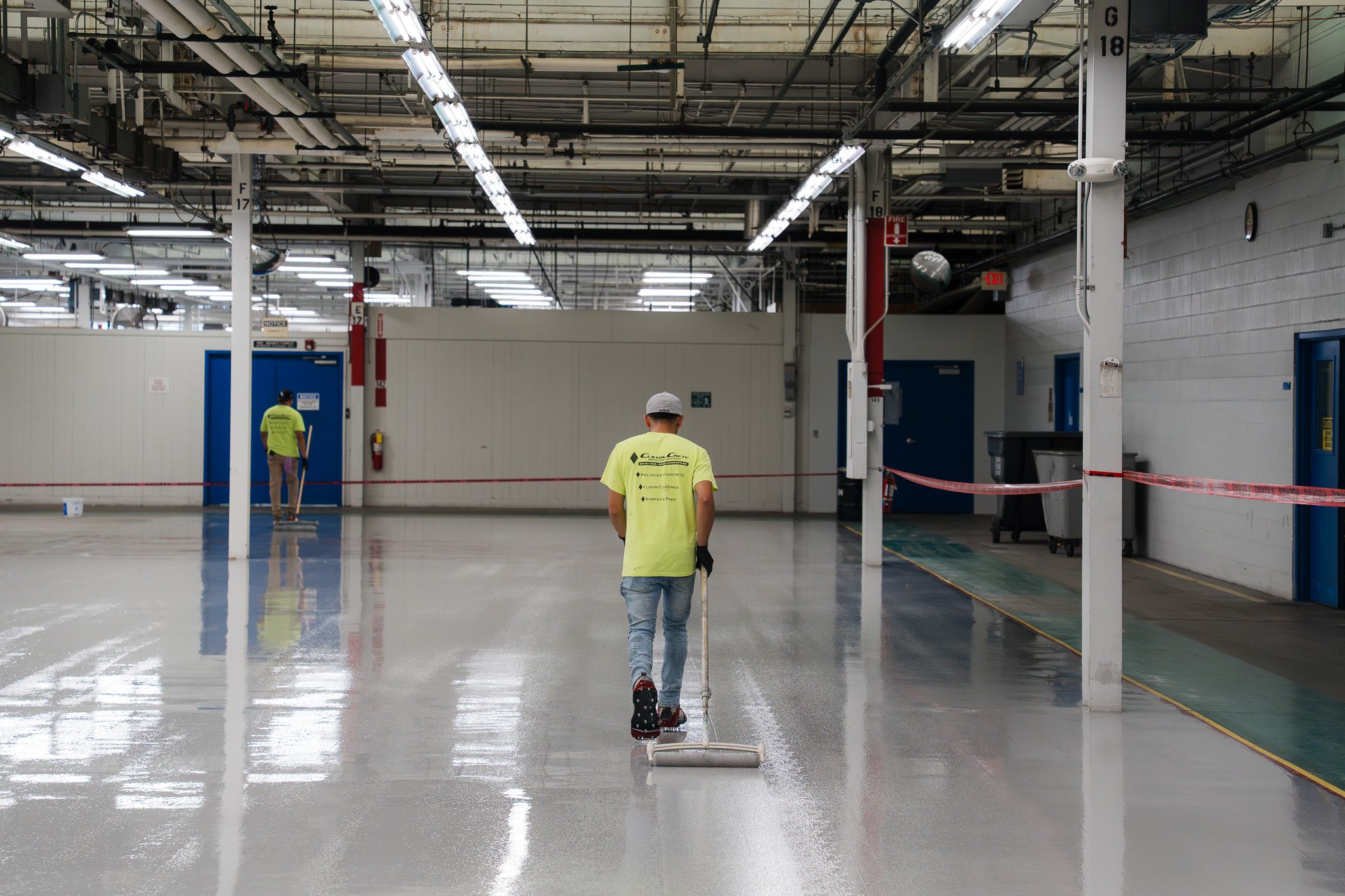
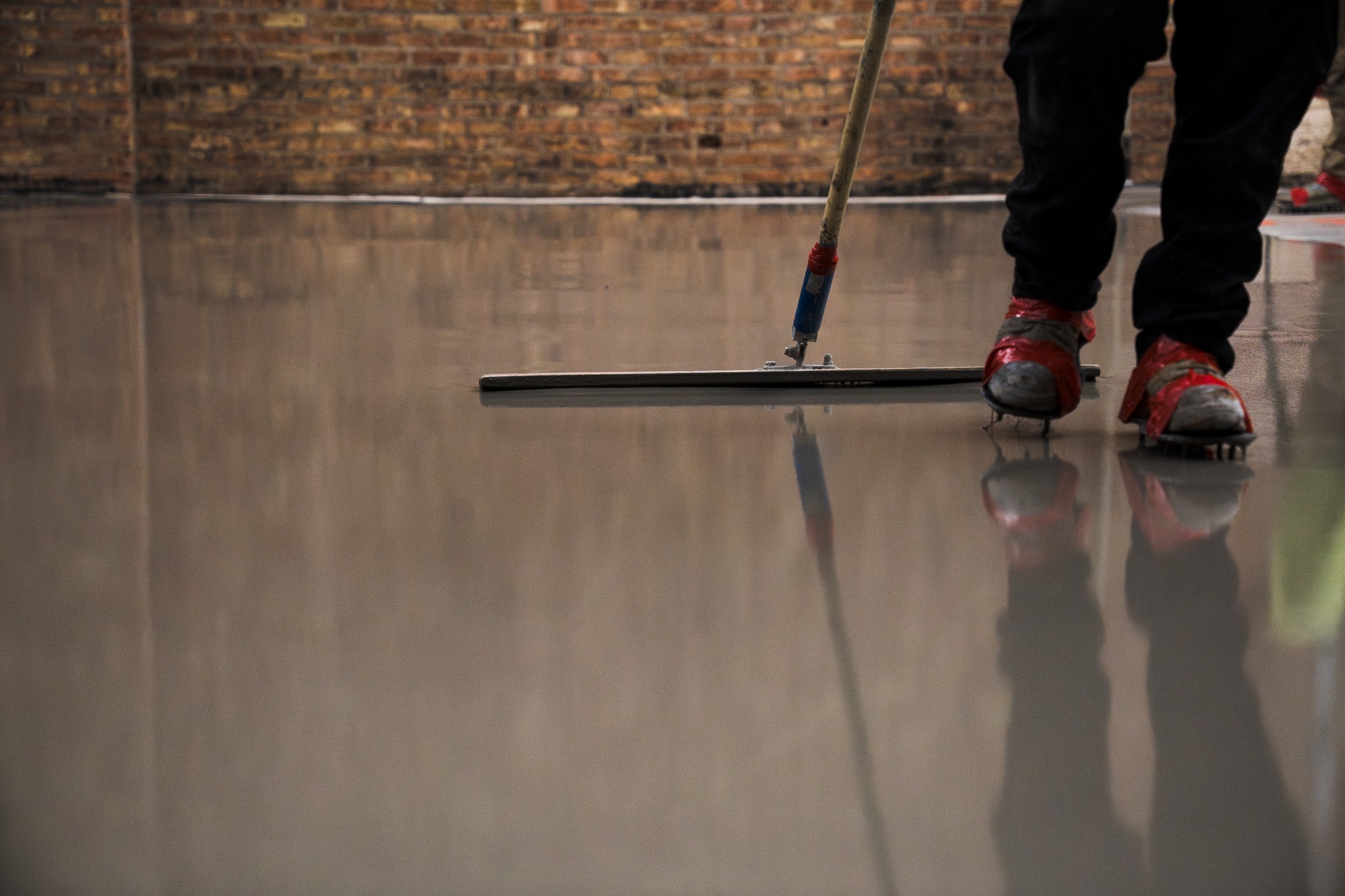
Self-leveling underlayment takes the opposite approach. Instead of removing high areas, a cementitious material is installed over the prepared concrete to fill low areas and create a flatter surface.
Despite its name, self-leveling isn't simply poured onto an existing floor and left to correct every problem on its own. The existing concrete typically needs to be mechanically prepared and properly primed according to the manufacturer's requirements. Cracks, joints, moisture conditions, and damaged areas also need to be evaluated before installation.
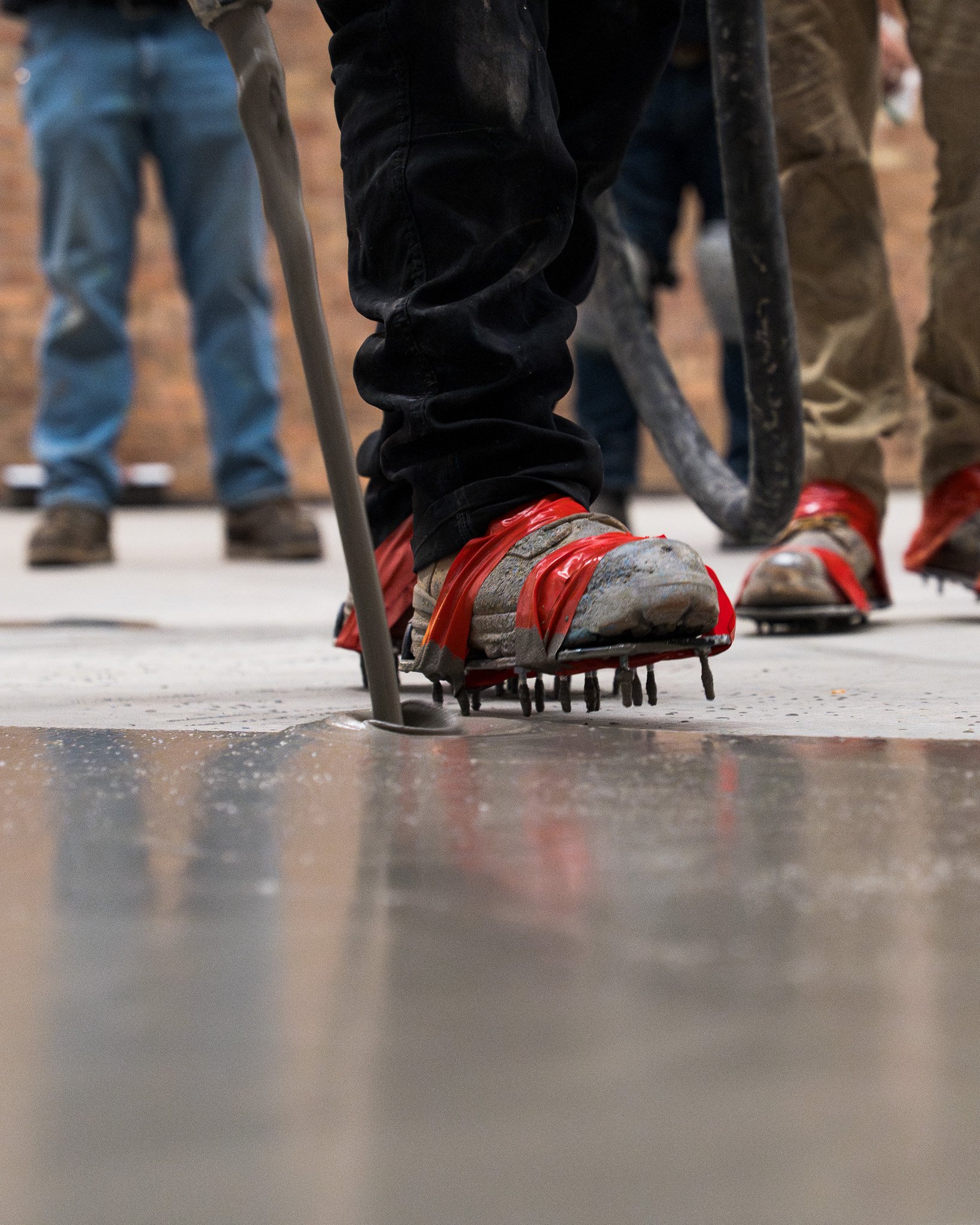
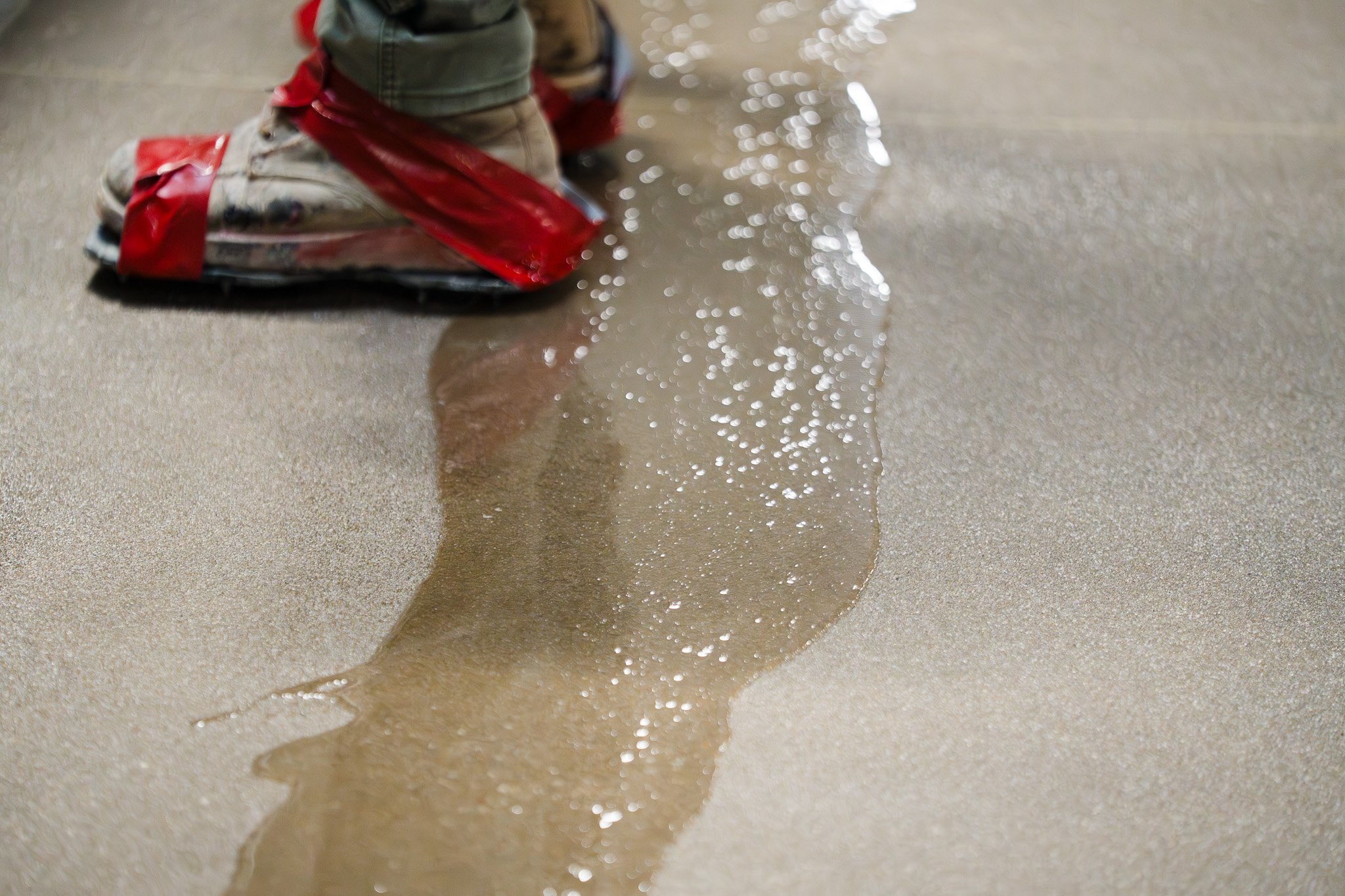
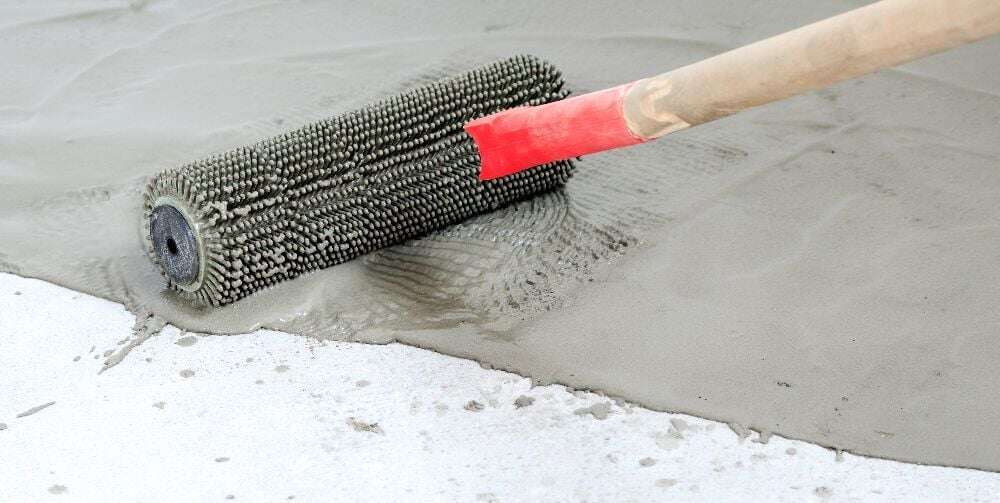
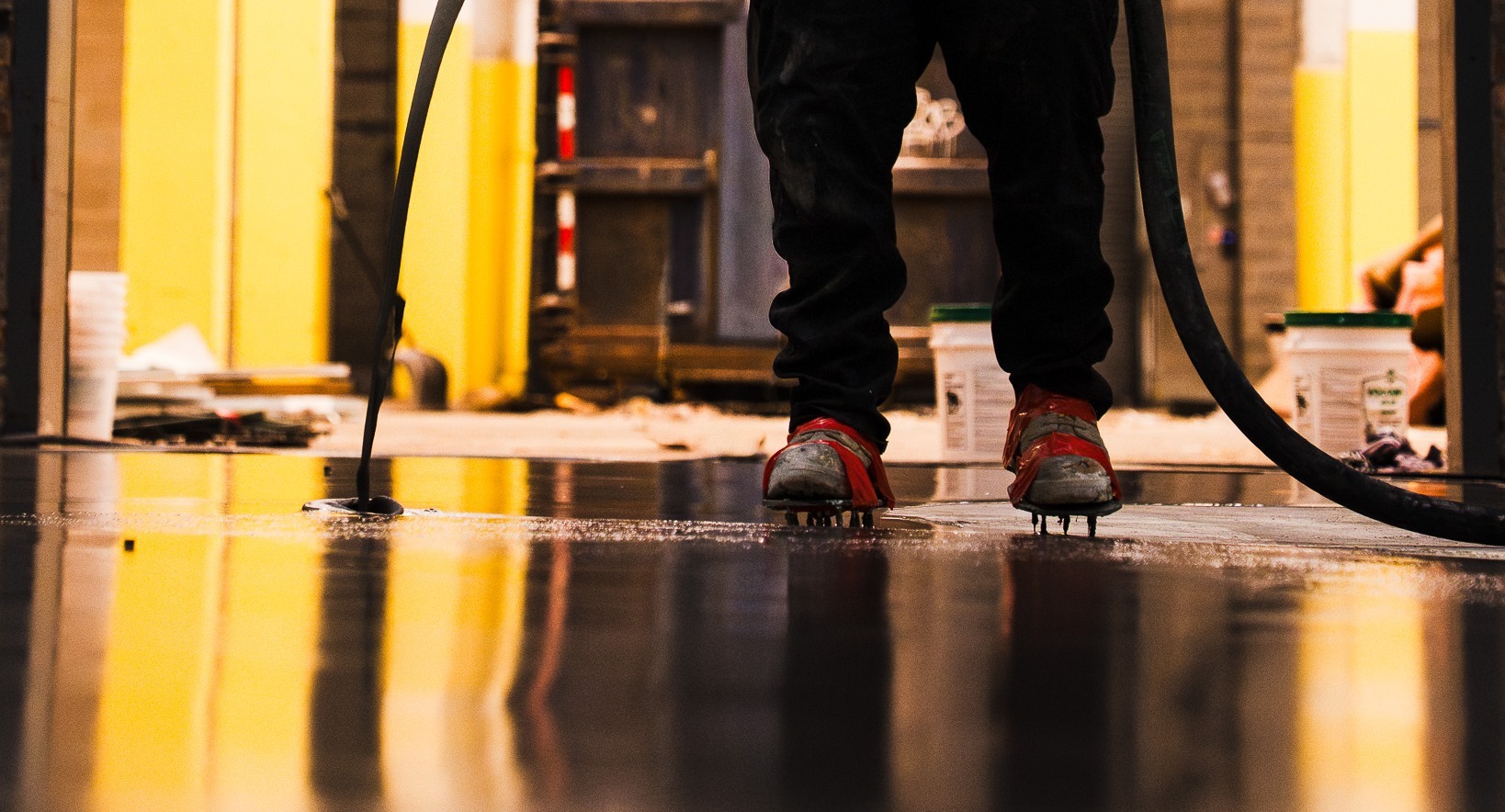
Once mixed and placed, the material flows across the prepared surface and is worked to the required depth and elevation. Depending on the product and project, it may be installed across an entire area or used strategically where elevation needs to be corrected.
Self-leveling is often considered when uneven concrete floors have widespread low spots or when a project needs a flatter substrate before another flooring material is installed.
Grinding vs. Self-Leveling: Which Is Better?
Neither method is automatically better. They solve different problems.
Grinding generally makes more sense when the primary issue is a high spot or relatively minor surface variation. It can be an efficient solution because material is removed only where necessary. It may also fit naturally into a project that already requires concrete grinding for surface preparation.
Self-leveling becomes more practical when there are significant low areas or elevation differences across a larger portion of the floor. Rather than removing large amounts of otherwise sound concrete, new material can be added where additional height is needed.
The intended finished floor matters too. Preparing a slab for tile, resilient flooring, epoxy, polished concrete, or another system may involve different flatness and surface requirements. A contractor needs to know what comes next before deciding how aggressively the existing slab should be corrected.
Can You Use Grinding and Self-Leveling Together?
Yes. In some cases, the best way to address an uneven slab is to use both.
A floor might have several high spots that are ground down before self-leveling material is installed over lower portions of the slab. Removing those peaks first can reduce the amount of leveling material required and help establish a better starting point.
Surface preparation may also require grinding before self-leveling regardless of whether high spots need correction. Self-leveling products need a properly prepared substrate and compatible primer to develop the intended bond.
Using both methods can add labor and material costs, but it may be more practical than trying to solve a complicated elevation problem with only one technique.
What Should Be Checked Before Fixing an Uneven Floor?
Before choosing grinding or self-leveling, the first step should be figuring out why the floor is uneven.
Some slabs simply have variations from their original placement and finishing. Other problems can develop from previous flooring removal, failed patching or leveling materials, concrete repairs, or changes made to the space over time.
More serious movement may point to an underlying slab or structural issue. Grinding or covering the floor with self-leveling material won't correct the cause of an actively moving or unstable slab.
Moisture should also be considered, particularly before installing moisture-sensitive underlayments or finished flooring systems. Product requirements vary, so the selected materials need to be compatible with the slab conditions and whatever flooring will be installed next.
How Much Does It Cost to Fix an Uneven Concrete Floor?
Cost depends heavily on the condition of the existing slab and the amount of correction required.
Grinding costs are influenced by the amount of concrete that needs to be removed, total square footage, access, equipment requirements, and whether existing flooring or coatings must first be removed.
Self-leveling costs depend heavily on depth. A small elevation correction requires considerably less material than raising a large area. Preparation, primer, repairs, square footage, desired elevation, and the specific self-leveling product also affect the total project cost.
This is why evaluating uneven concrete floors in person is usually necessary before determining the most practical method and developing an accurate project price.
Final Thoughts
Grinding and self-leveling approach uneven concrete from opposite directions: grinding removes high spots, while self-leveling builds up low areas. Minor or isolated high spots may only require grinding, while larger low areas may be better suited for self-leveling underlayment.
More complicated floors can require a combination of both.
Before deciding, consider the severity of the elevation changes, condition of the slab, moisture, intended finished flooring, and the reason the concrete became uneven in the first place.
If you're dealing with an uneven commercial or industrial concrete floor, request a quote from CustomCrete. The existing slab can be evaluated to determine whether grinding, self-leveling, or a combination of the two makes the most sense for your project.

Topics: