
Installing a high-performance industrial floor starts long before the first coating is applied. Whether you're considering epoxy, urethane cement, polished concrete, or a moisture mitigation system, the success of the project often depends on one critical step: concrete surface preparation.
Unfortunately, surface preparation is also one of the most overlooked aspects of flooring installation. Many floor failures that appear to be product issues are actually preparation issues. Coatings can peel, bubble, crack, or wear prematurely if the concrete beneath them isn't properly prepared.
With nearly 20 years of experience and over 1 million square feet installed, CustomCrete has seen firsthand how proper concrete surface preparation directly impacts floor performance, durability, and lifespan. This guide explains why preparation matters and the steps involved in creating a successful flooring installation.
Key Takeaways
- Concrete surface preparation is often the most important factor affecting flooring performance.
- Proper preparation improves adhesion, durability, and long-term system lifespan.
- Different flooring systems require different preparation methods and surface profiles.

What Is Concrete Surface Preparation?
Concrete surface preparation is the process of cleaning, repairing, and profiling a concrete slab before installing a flooring system.
The goal is to create a surface that allows the new material to properly bond with the concrete. Without proper preparation, even the highest-quality flooring products may fail prematurely.
Preparation often includes:
- Removing contaminants
- Repairing damage
- Creating the proper Concrete Surface Profile (CSP)
- Testing moisture conditions
- Cleaning the slab thoroughly
Each step helps ensure the flooring system performs as intended.
Why Surface Preparation Is So Important
Many industrial flooring failures can be traced back to poor preparation rather than product defects.
When concrete is not properly prepared, problems can include:
- Peeling coatings
- Delamination
- Bubbling
- Uneven finishes
- Premature wear
Proper concrete surface preparation creates a strong mechanical bond between the flooring system and the slab. This bond is what allows the floor to withstand traffic, impacts, cleaning procedures, and daily operational demands.
Simply put, the flooring system is only as good as the surface underneath it.
Step 1: Evaluate the Existing Concrete
Every project starts with understanding the condition of the existing slab.
Before any preparation begins, contractors typically evaluate:
- Cracks and joint conditions
- Existing coatings
- Surface contamination
- Moisture concerns
- Concrete strength and integrity
This evaluation helps determine which preparation methods will be needed and whether repairs must be completed before installation.
Older concrete often requires more extensive preparation than newer slabs.
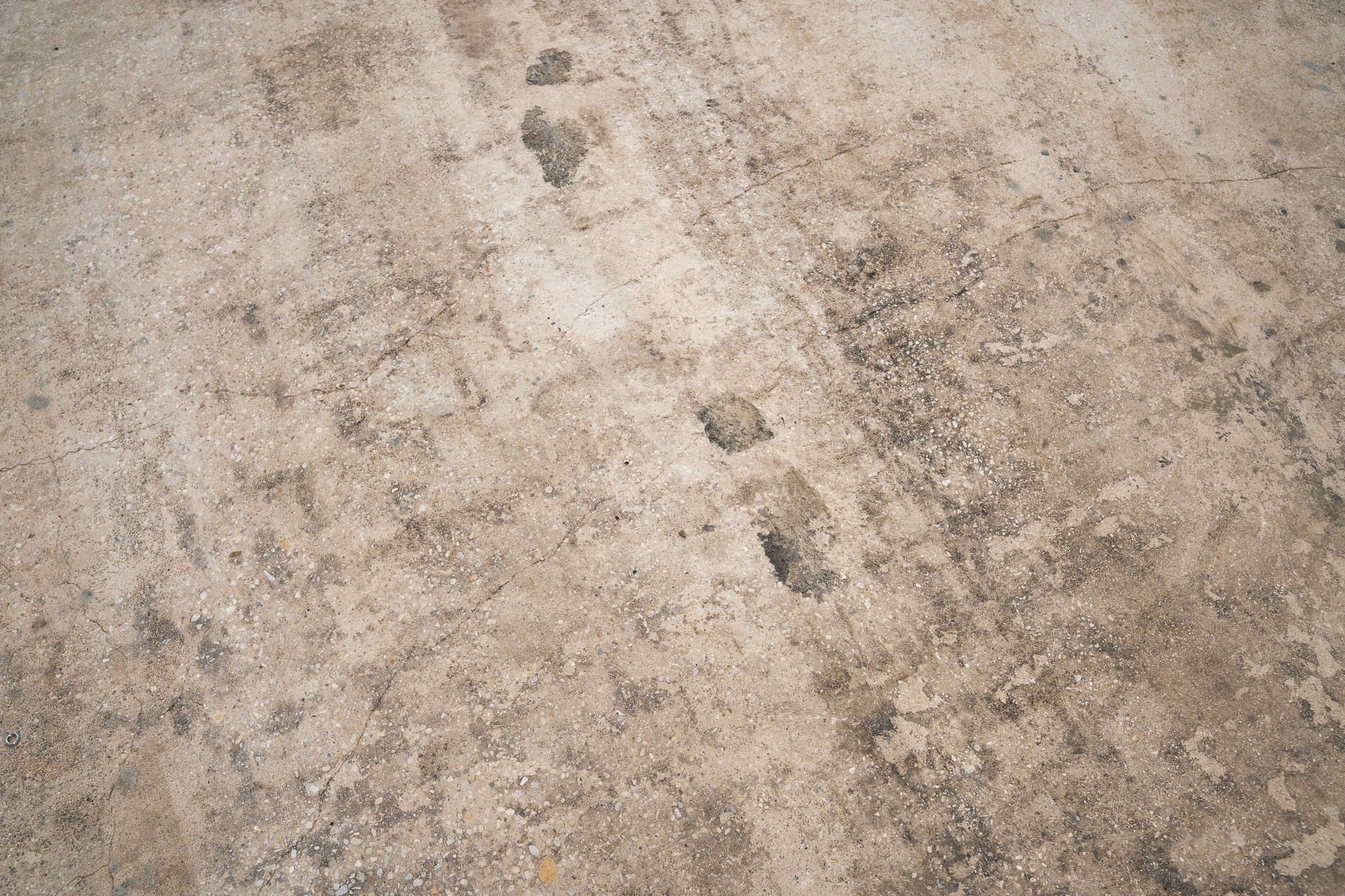
Step 2: Remove Existing Coatings and Contaminants
Contaminants can interfere with adhesion and create weak points within the flooring system.
Common contaminants include:
- Oil
- Grease
- Adhesives
- Paint
- Existing coatings
- Surface sealers
Mechanical removal is typically preferred because it physically removes contaminants rather than simply covering them.
This step is especially important in manufacturing facilities, automotive shops, and warehouses where contaminants may have penetrated the concrete over time.
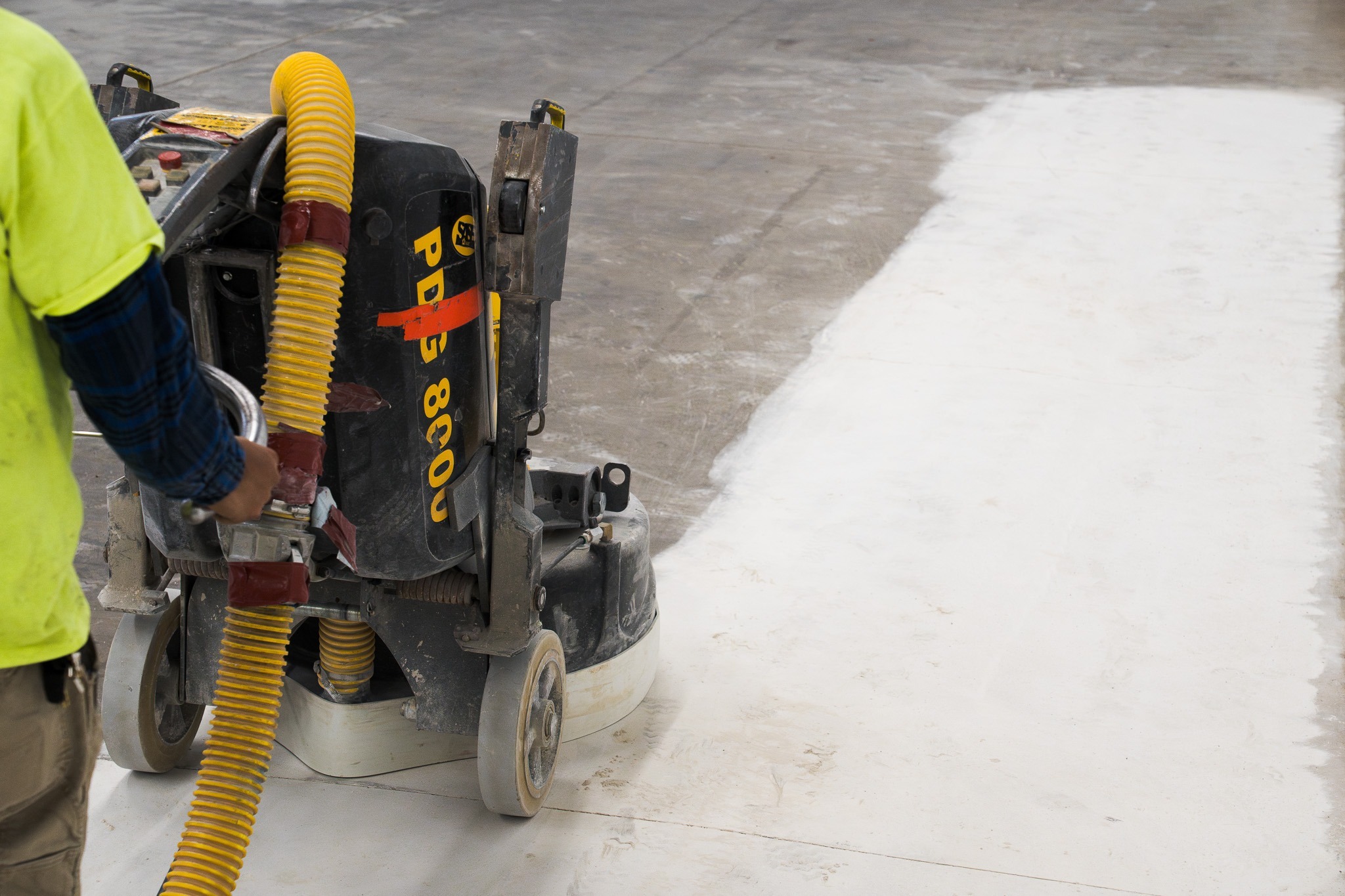
Step 3: Create the Proper Surface Profile
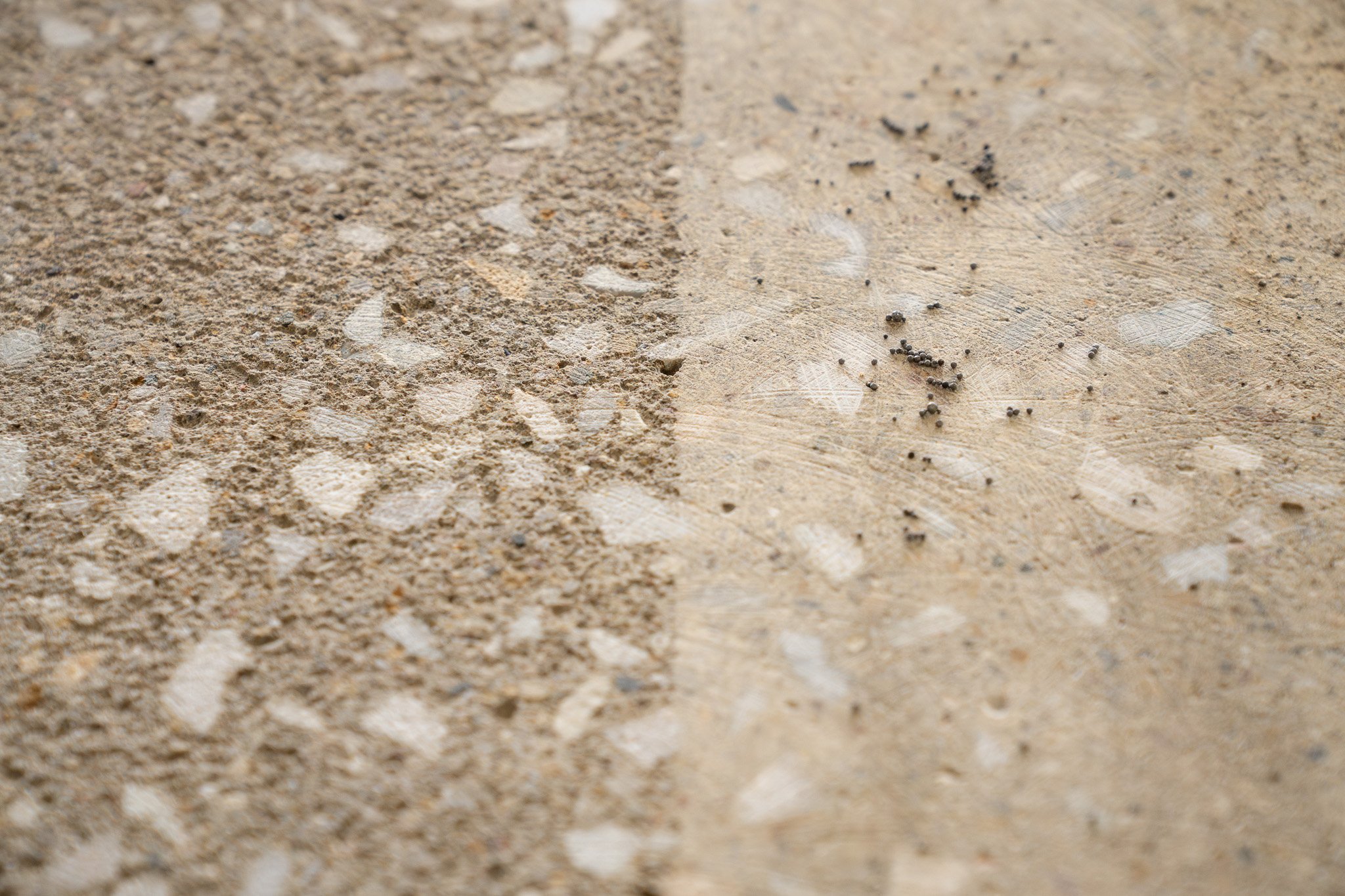
One of the most important parts of concrete surface preparation is creating the correct Concrete Surface Profile (CSP).
A CSP is the texture left on the concrete after preparation.
Different flooring systems require different profiles:
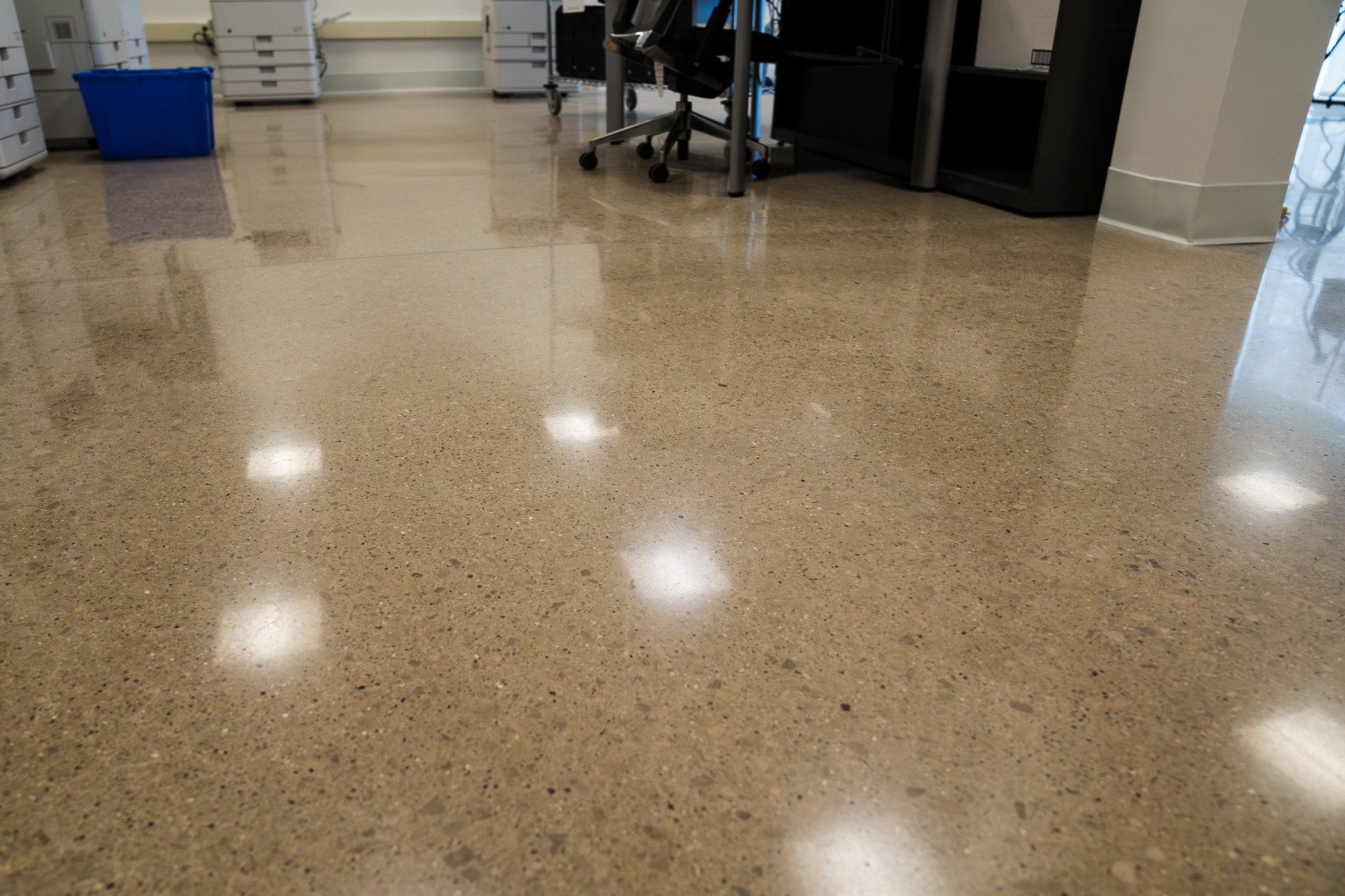
- Polished concrete may require extensive grinding and refinement.
- Epoxy coatings typically require a CSP 2 or CSP 3 profile.
- Urethane cement systems may require more aggressive preparation.
Creating the correct profile helps maximize adhesion and long-term performance.
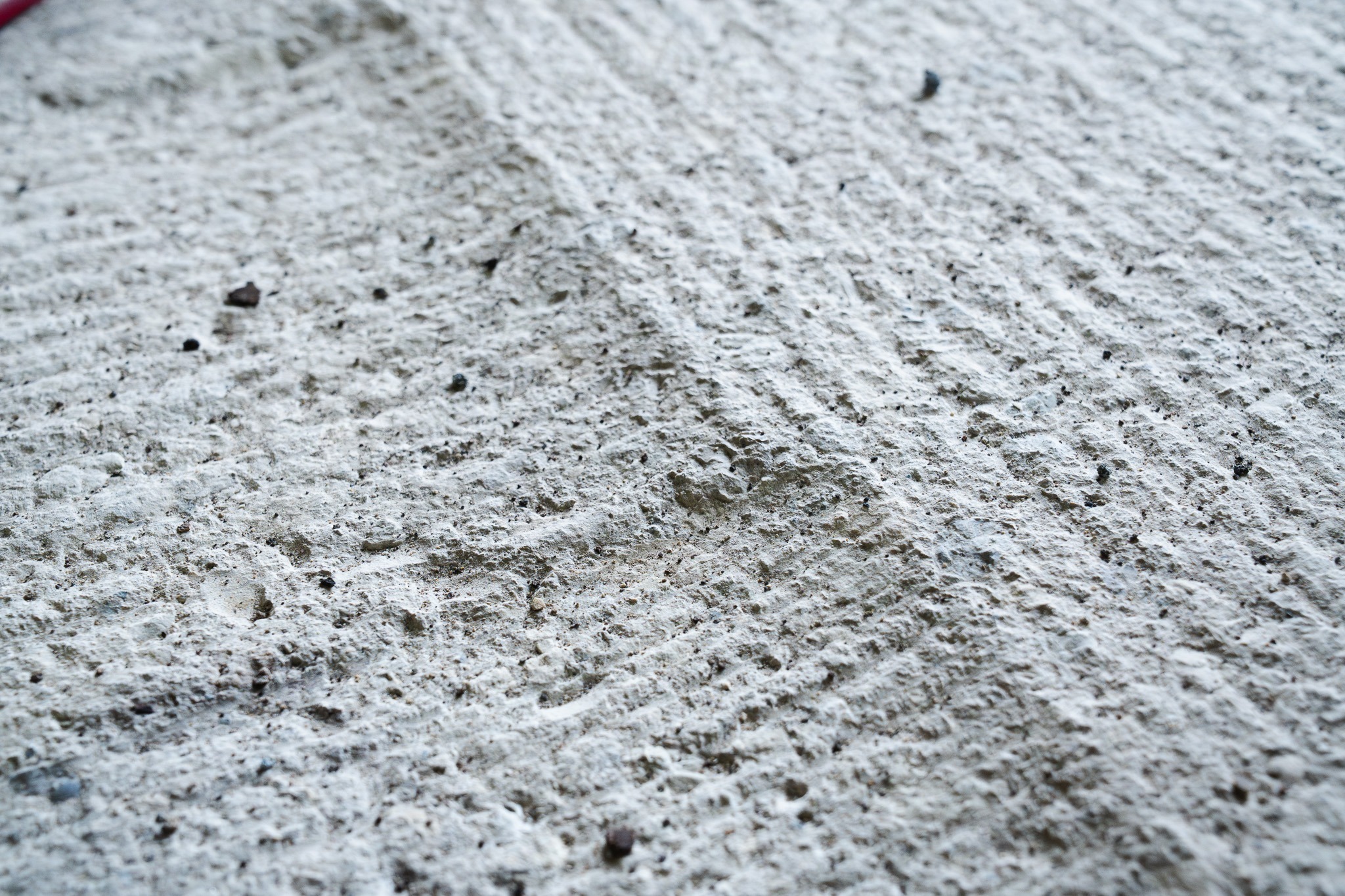
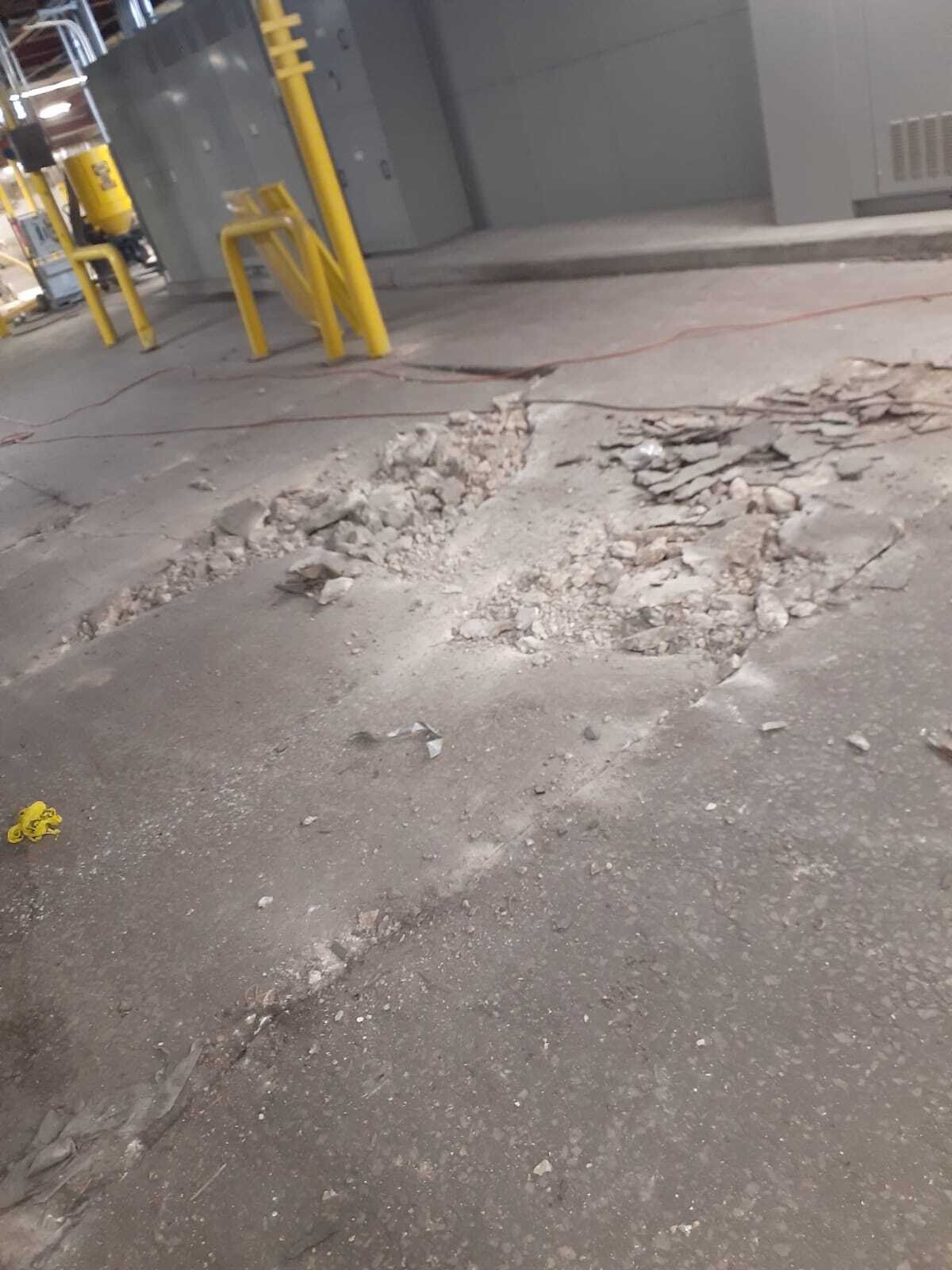
Step 4: Repair Cracks and Joints
Damaged concrete should be repaired before installing the flooring system.
Common repairs include:
- Crack filling
- Joint rebuilding
- Surface patching
- Spall repair
These repairs improve both the appearance and structural integrity of the finished floor.
Ignoring damaged areas can lead to future coating failures or visible defects after installation.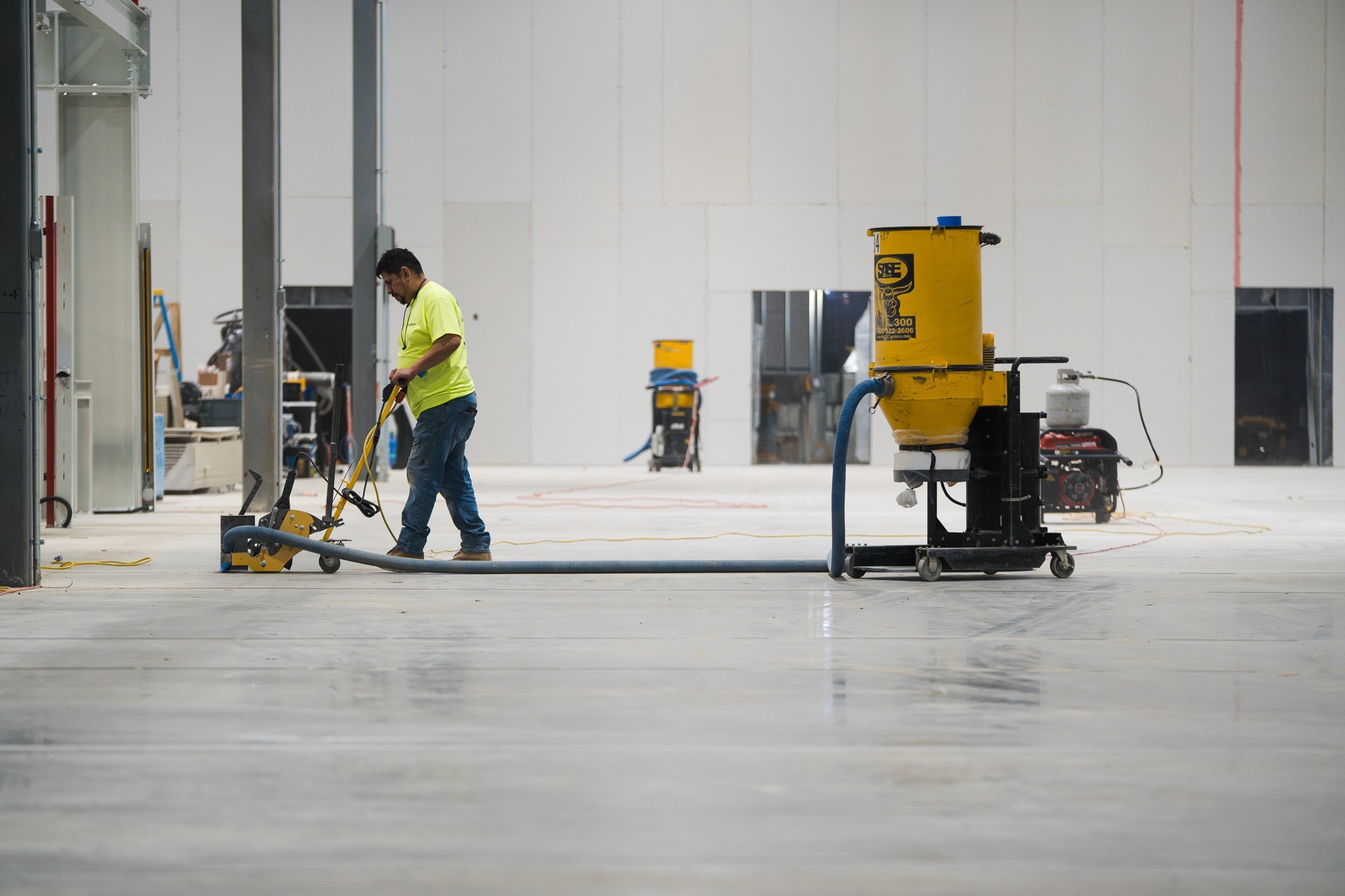
Step 5: Moisture Testing
Moisture is one of the leading causes of flooring failures.
Before installation, contractors often perform moisture testing using:
- Relative Humidity (RH) testing
- Calcium Chloride testing
- Surface moisture meters
These tests help determine whether moisture mitigation systems may be required.
Proper moisture evaluation is a critical part of successful concrete surface preparation, particularly for resinous flooring systems.
Common Surface Preparation Methods
Several preparation methods are commonly used depending on the project requirements.
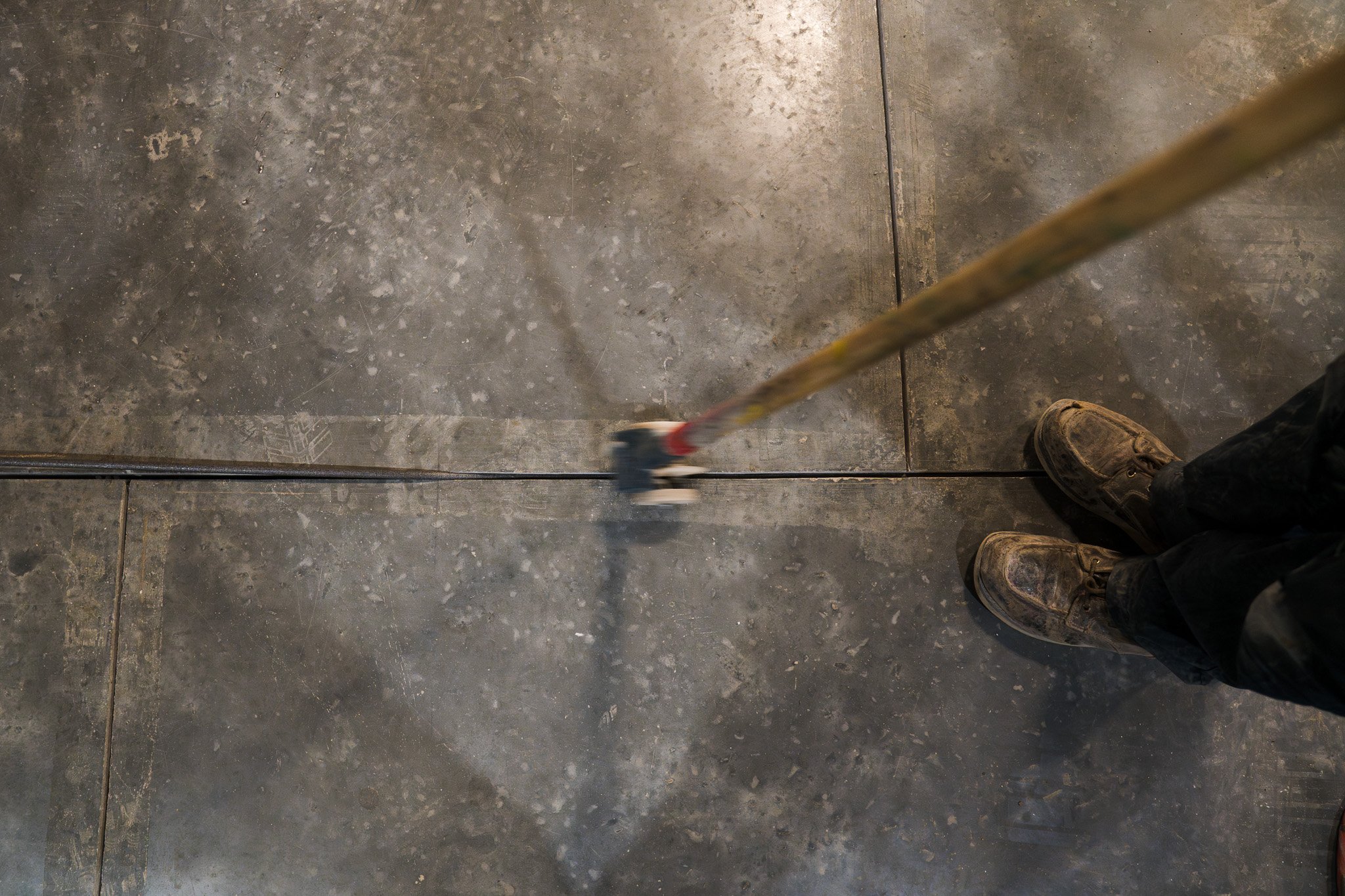
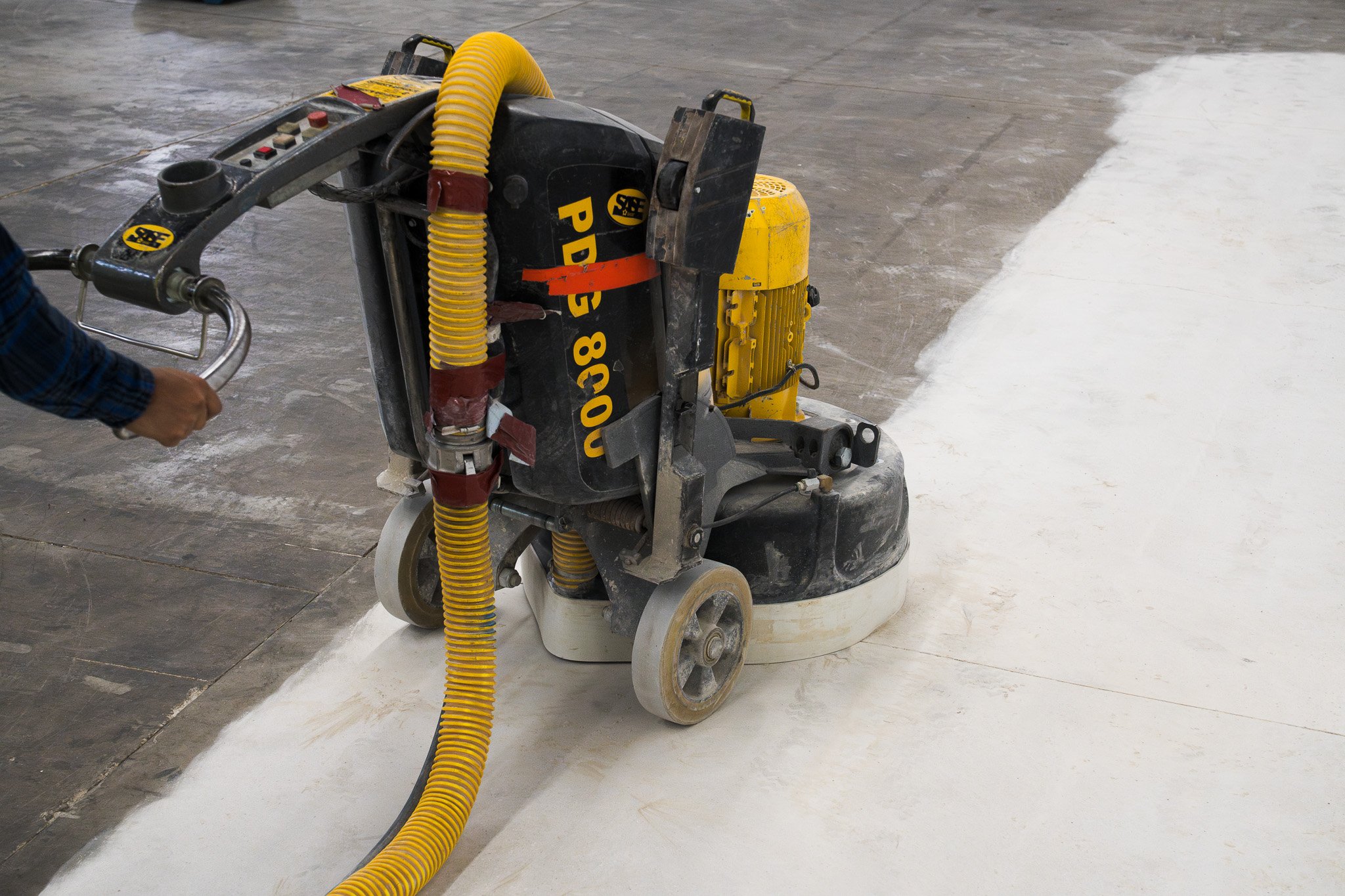
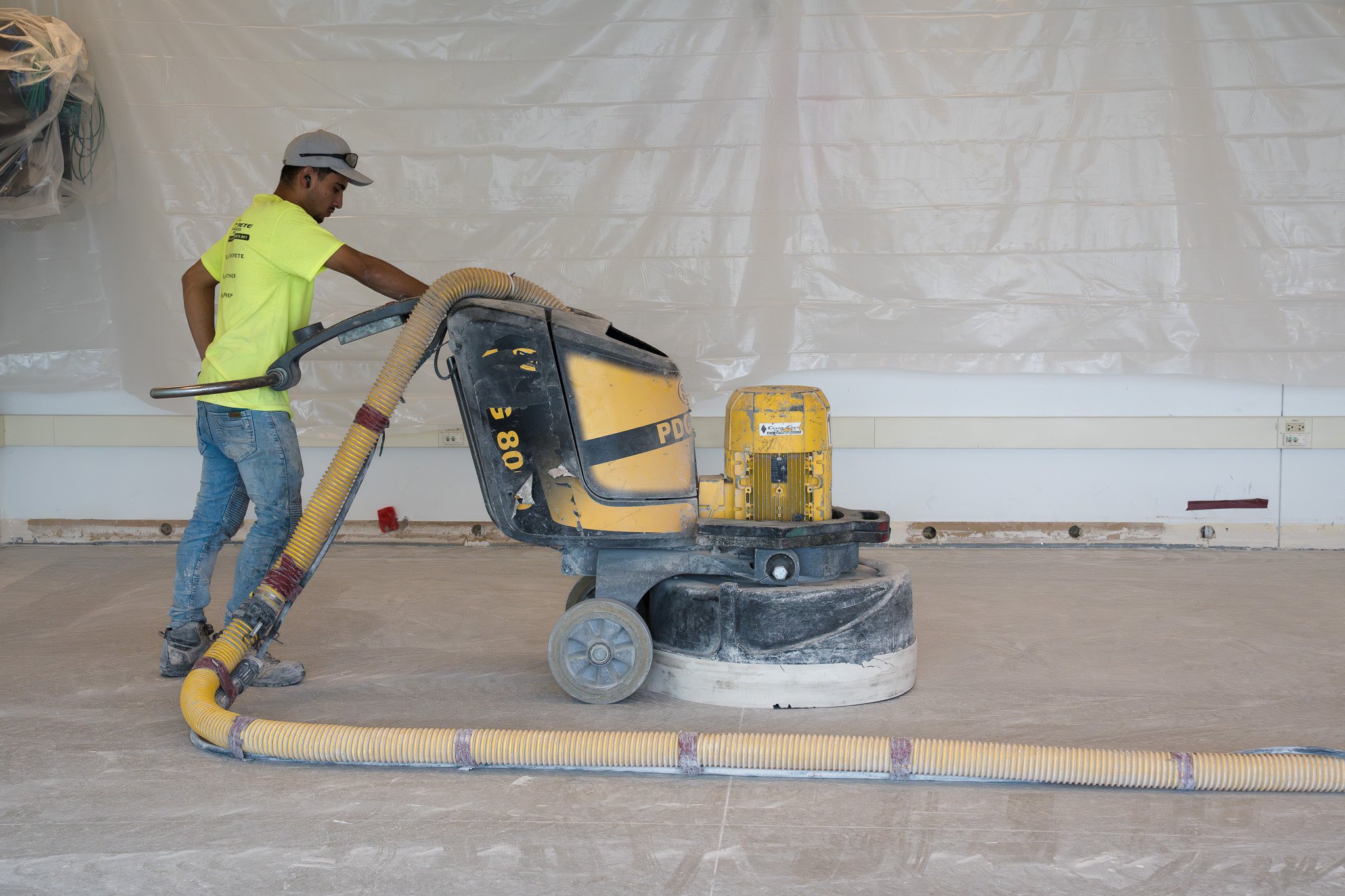
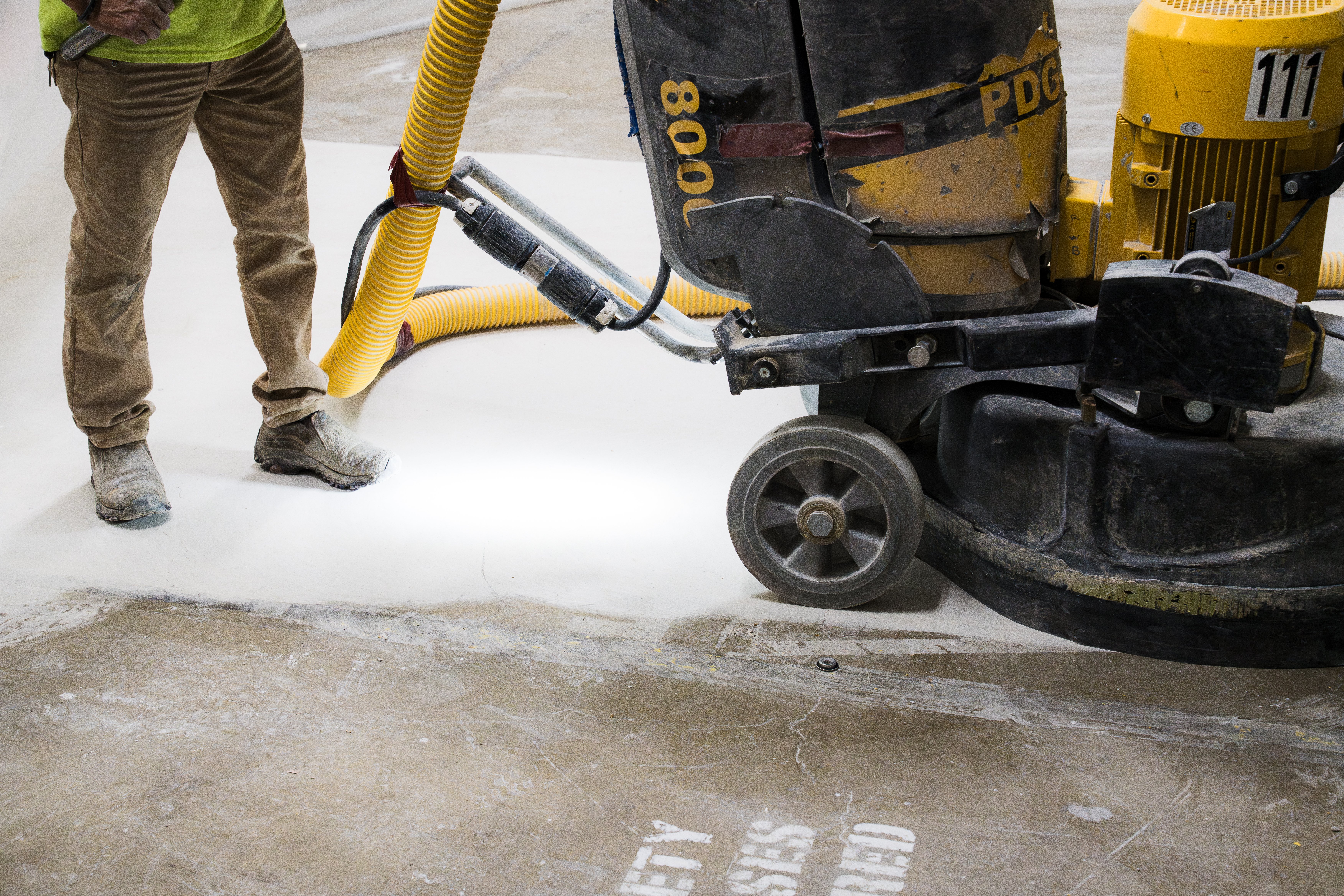
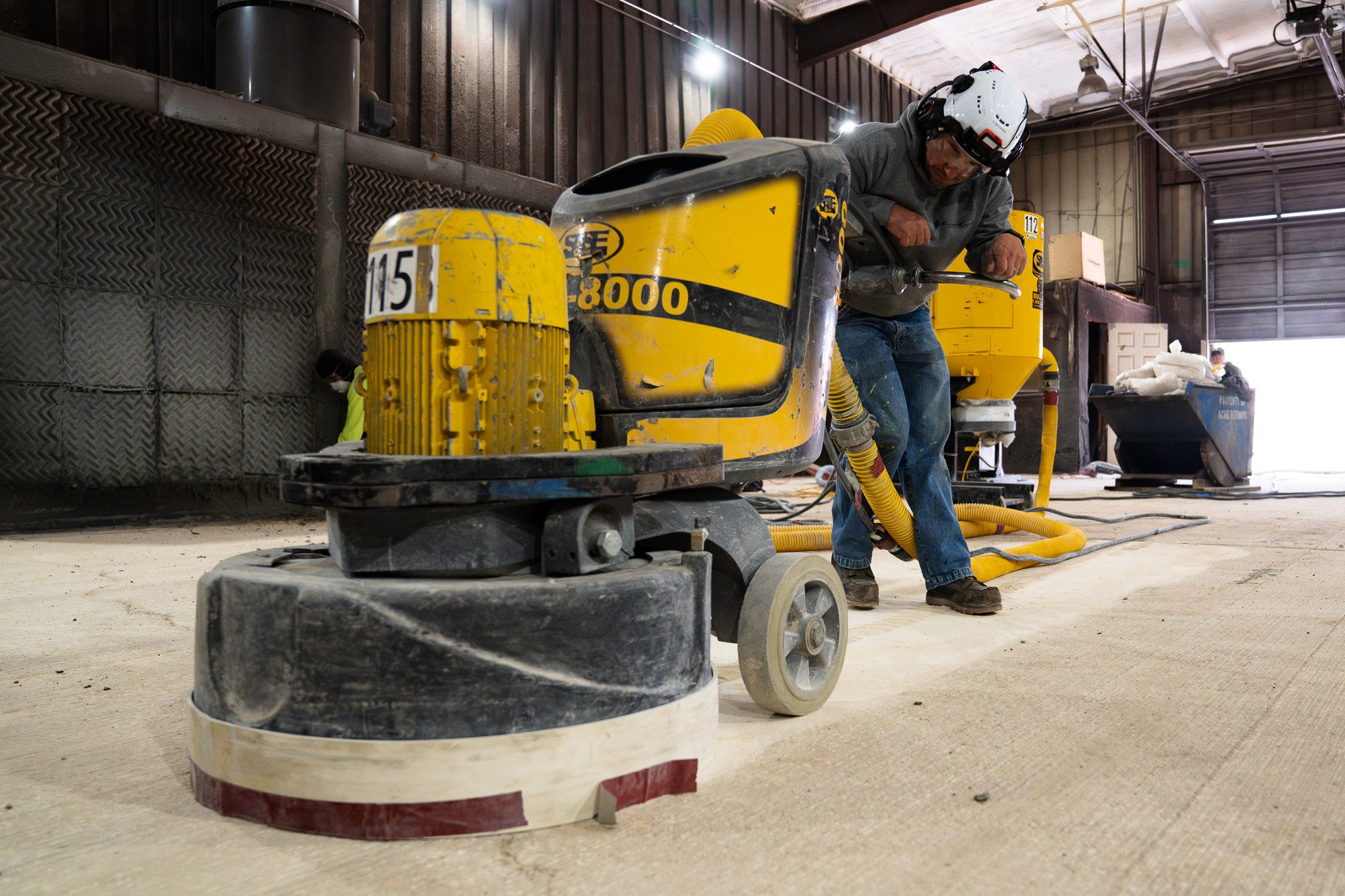
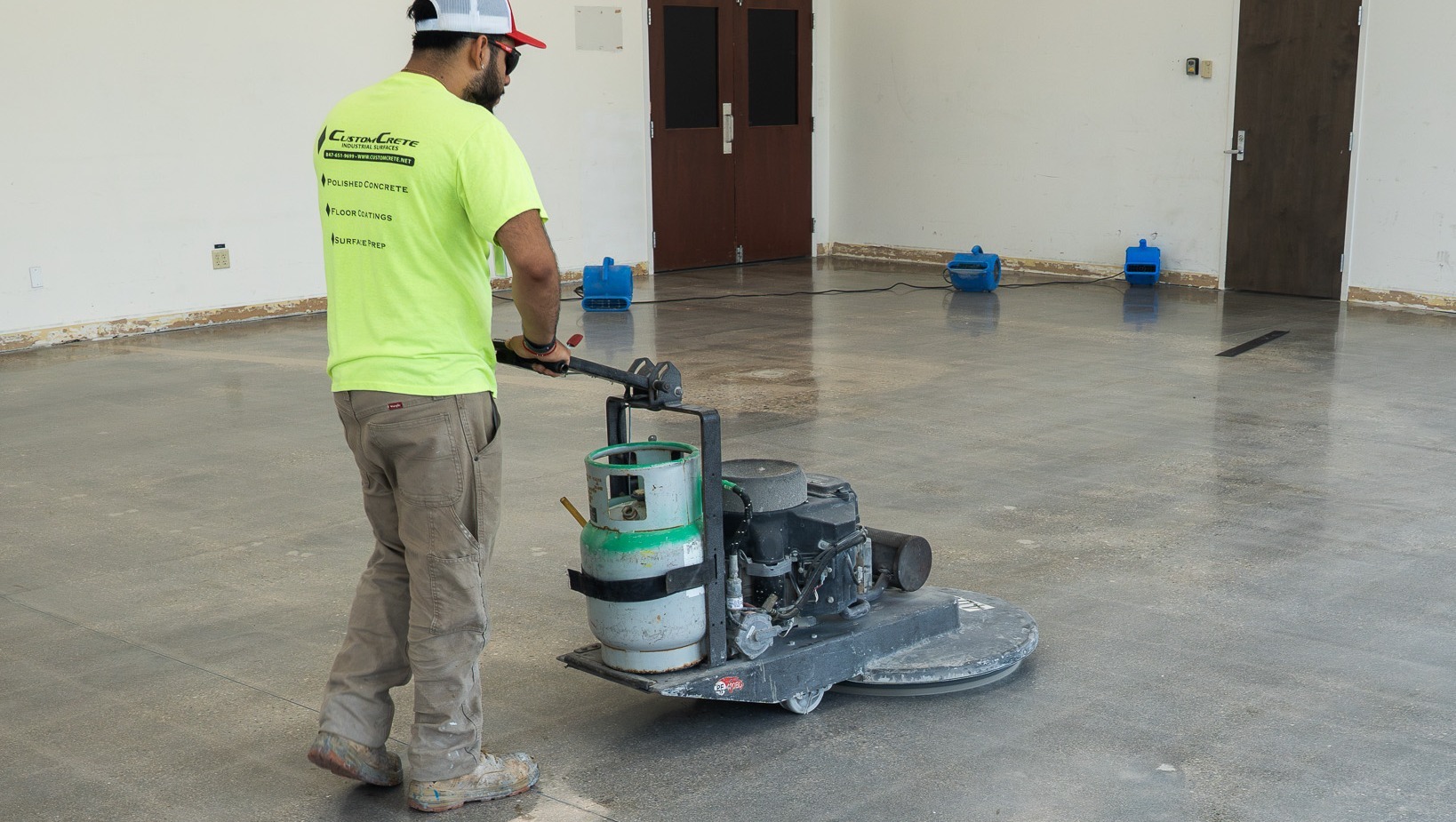
Grinding
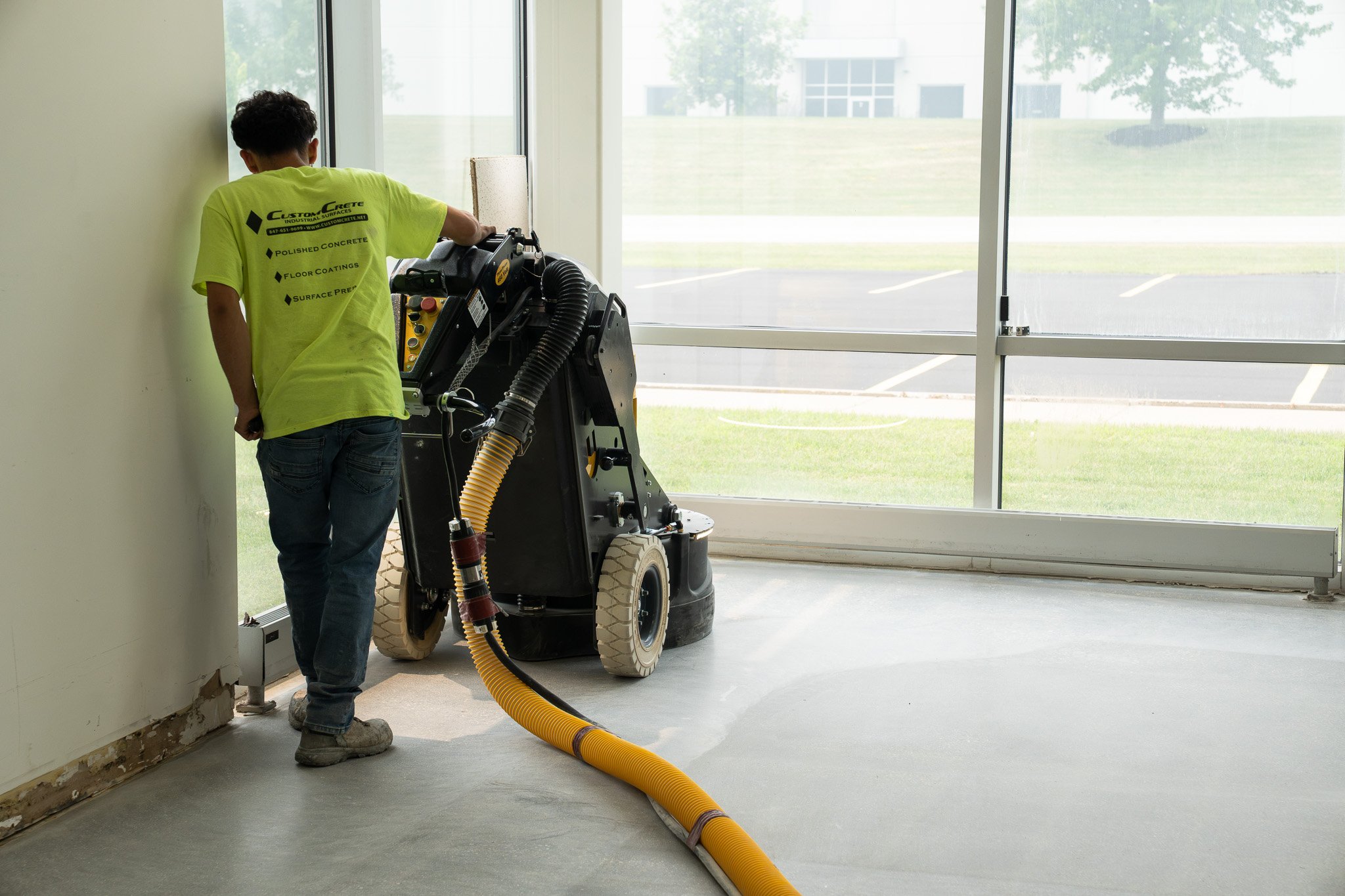
Mechanical grinding is one of the most common preparation methods. Diamond grinders remove contaminants, flatten surfaces, and create consistent surface profiles.
Grinding is often used for:
- Epoxy flooring
- Polished concrete
- Grind-and-seal systems
- Surface repairs
Shot Blasting
Shot blasting uses steel media to create a roughened concrete surface.
It is commonly used when:
- Aggressive profiles are needed
- Large open areas are being prepared
- Existing coatings must be removed
Scarifying
Scarifying is a more aggressive preparation method used for:
- Heavy coating removal
- Thick material removal
- Significant surface correction
The preparation method selected depends on the flooring system and the condition of the slab.
Why Dust Control Matters
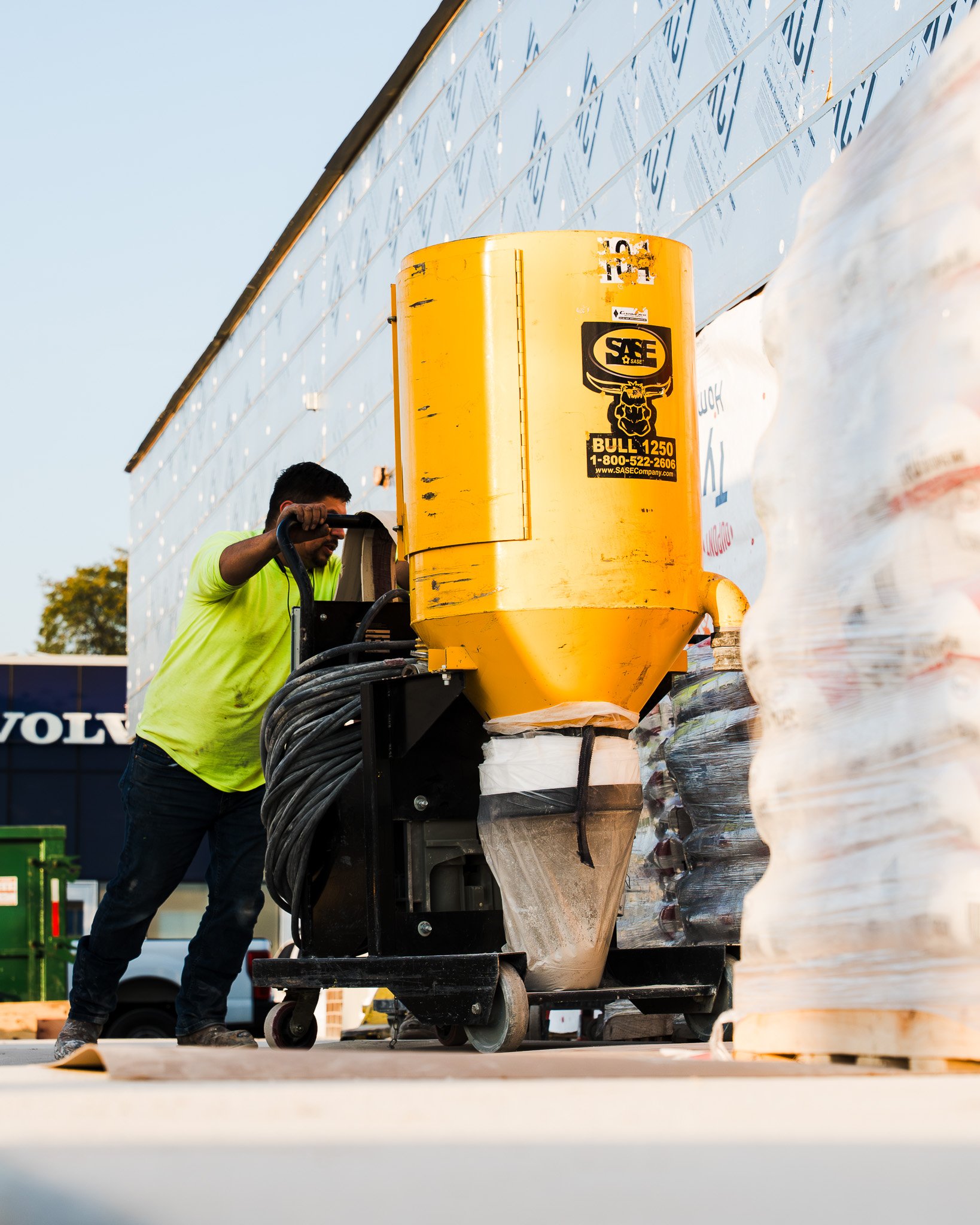
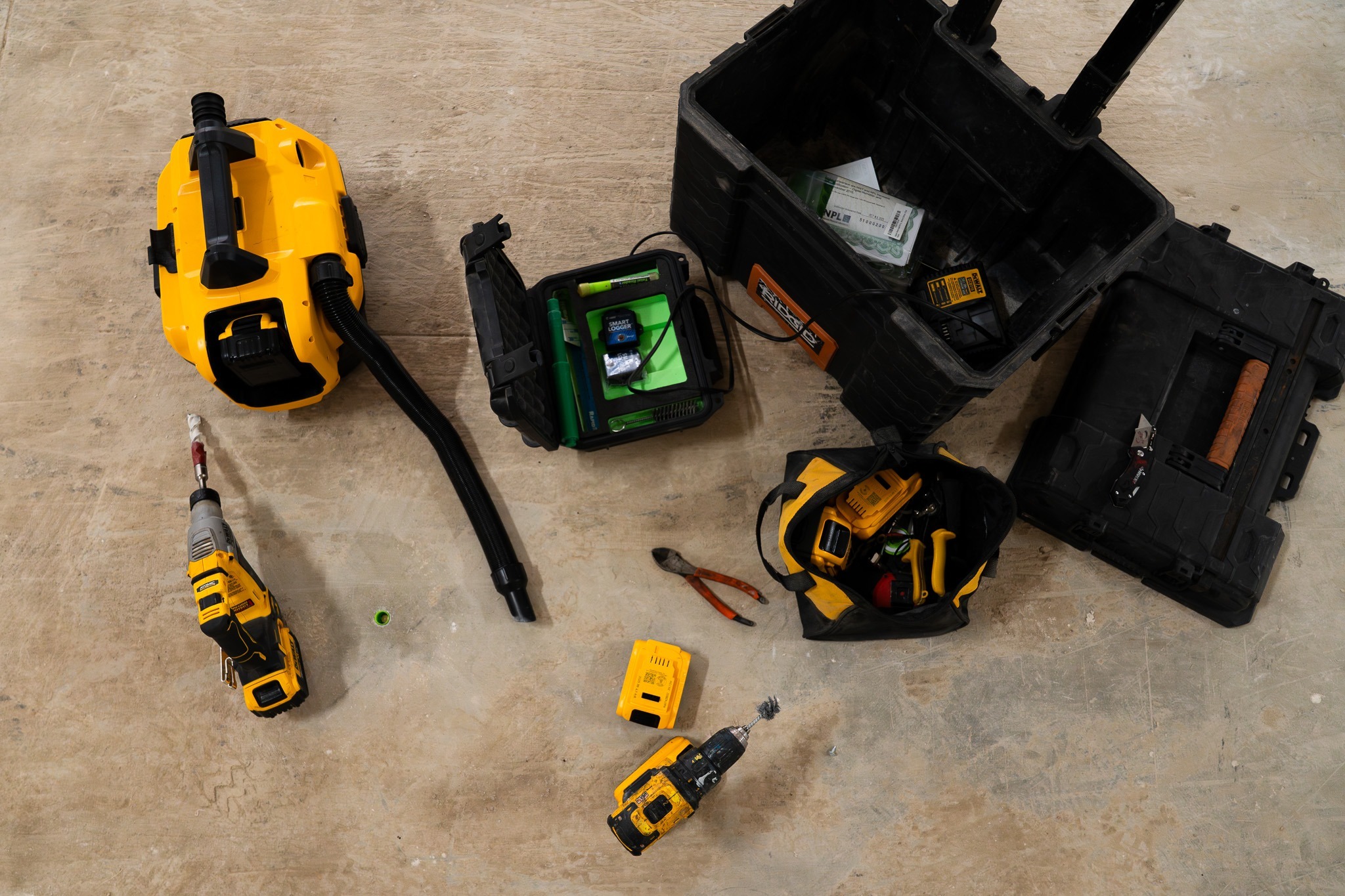
Modern concrete surface preparation often includes dust-control equipment to improve safety and cleanliness.
High-quality preparation typically utilizes:
- HEPA-filtered vacuums
- Dust shrouds
- Industrial extraction systems
Dust control helps:
- Improve air quality
- Maintain cleaner facilities
- Reduce disruption during installation
It is especially important in occupied facilities where production continues during portions of the project.
Choosing a Contractor That Understands Preparation
Not all flooring contractors approach preparation the same way.
Because preparation is time-consuming and equipment-intensive, some contractors may attempt to minimize it to reduce costs.
However, cutting corners during preparation often leads to:
- Shorter floor lifespan
- Higher maintenance costs
- Premature failures
When evaluating contractors, it is important to understand how they approach concrete surface preparation and what methods they plan to use.
Final Thoughts
Successful industrial flooring projects begin with proper concrete surface preparation. From evaluating slab conditions and repairing damage to creating the proper surface profile and managing moisture, every preparation step contributes to the long-term success of the flooring system.
While preparation is often the least visible part of a project, it is frequently the most important. Investing in proper preparation helps improve adhesion, extend floor lifespan, and reduce future maintenance costs.
To continue learning about preparation-related costs, read the next article: How Much Does It Cost To Prep Concrete?
Topics:
.jpg?width=6139&height=4093&name=CC100396%20(1).jpg)