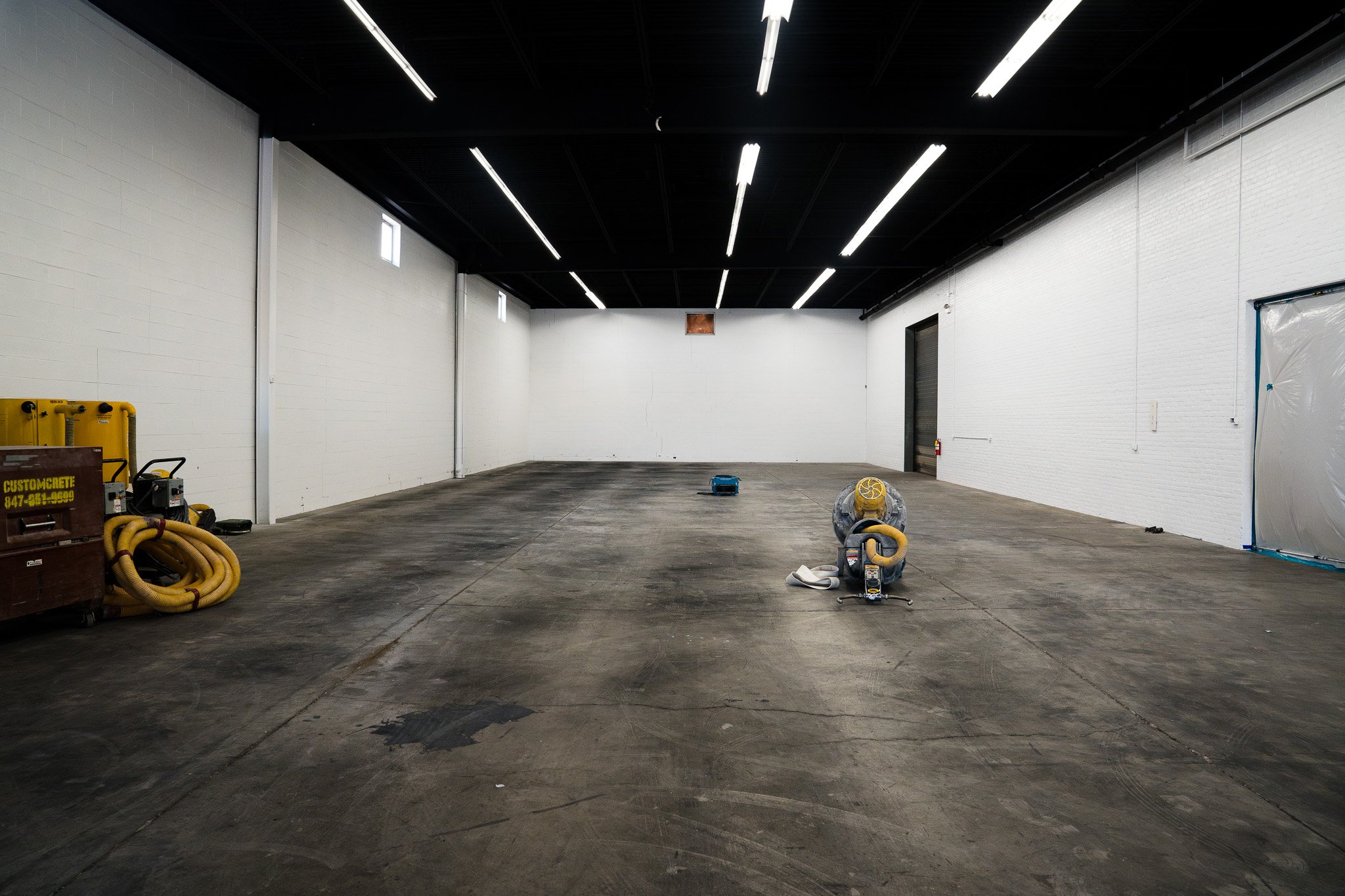

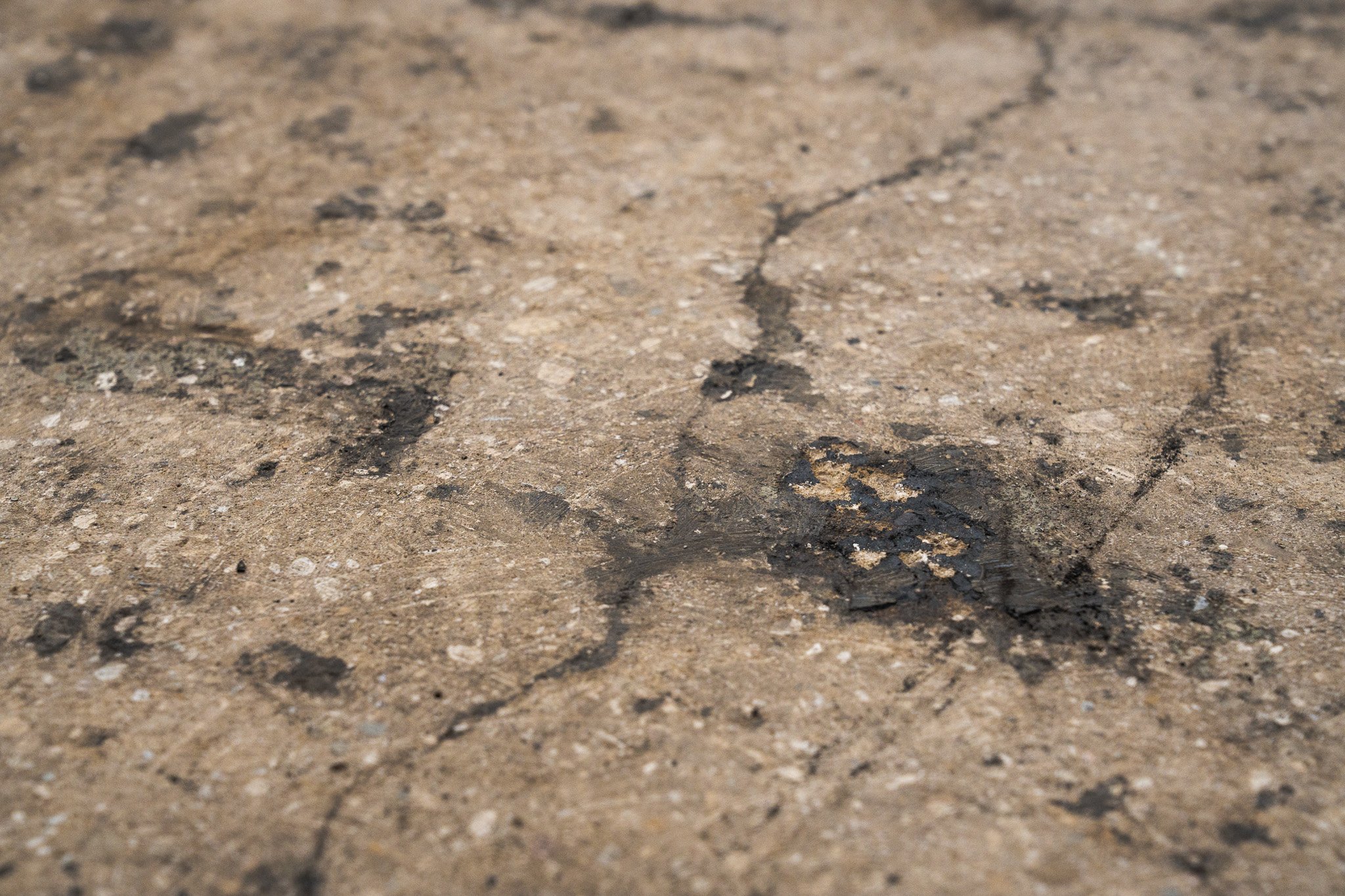
Not every concrete floor needs a full replacement or a deep self-leveling pour. In many cases, the slab is structurally sound but has minor surface issues—small pits, rough texture, or leftover adhesive residue. These imperfections can prevent coatings and other flooring systems from performing correctly.
That’s where a cement skim coat comes in. With nearly 20 years of experience and over 1 million square feet installed, CustomCrete has seen how skim coating can be a simple but highly effective step in preparing floors for long-term success.
This guide explains what a cement skim coat is, how it works, and the best situations where it makes the most impact.
Key Takeaways
- A cement skim coat is used to smooth minor surface imperfections—not to fix major leveling issues.
- It creates a uniform substrate that improves adhesion for coatings and flooring systems.
- Skim coating is a cost-effective prep step that can extend the life of the final floor.

What Is a Cement Skim Coat?
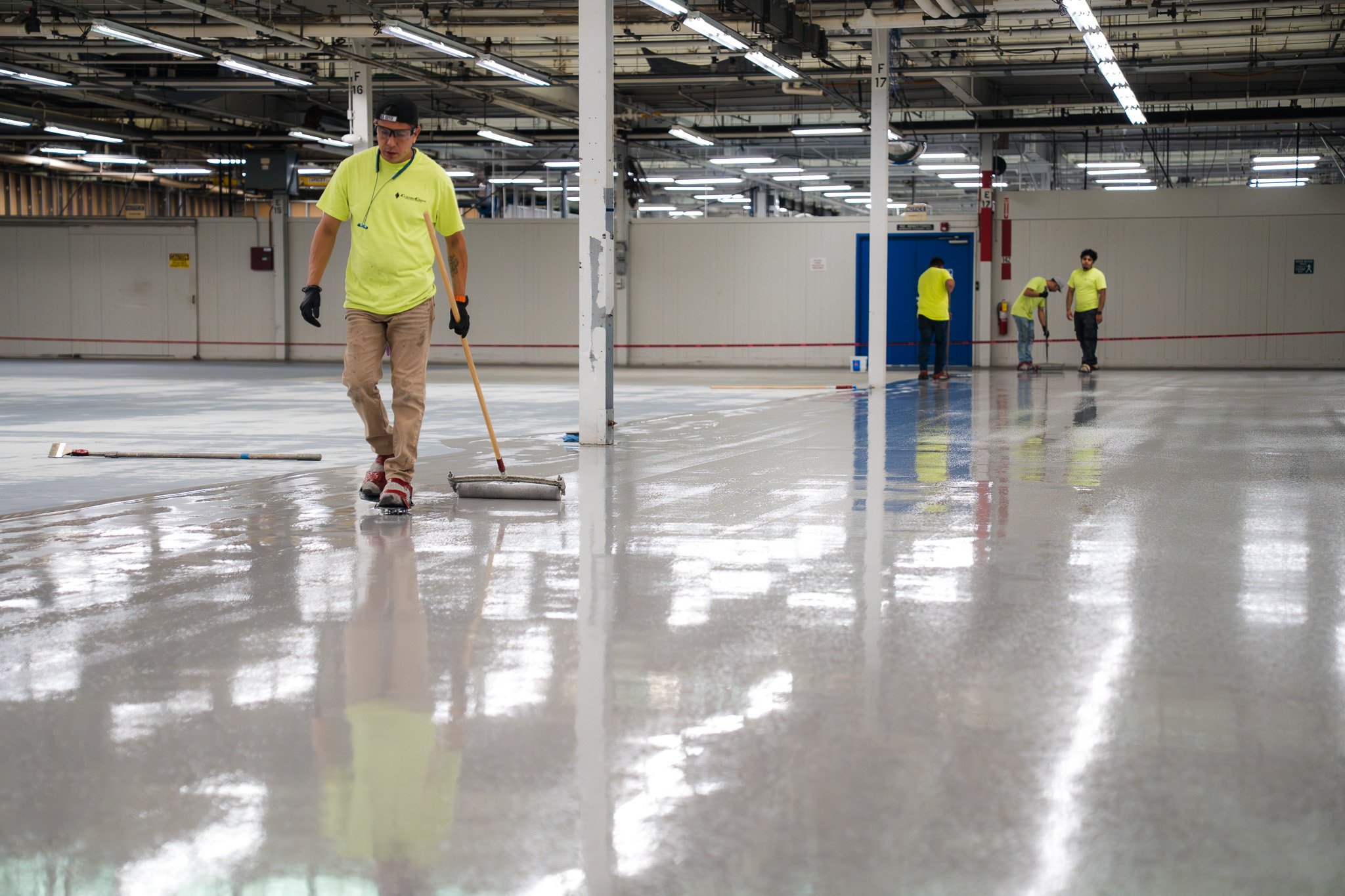
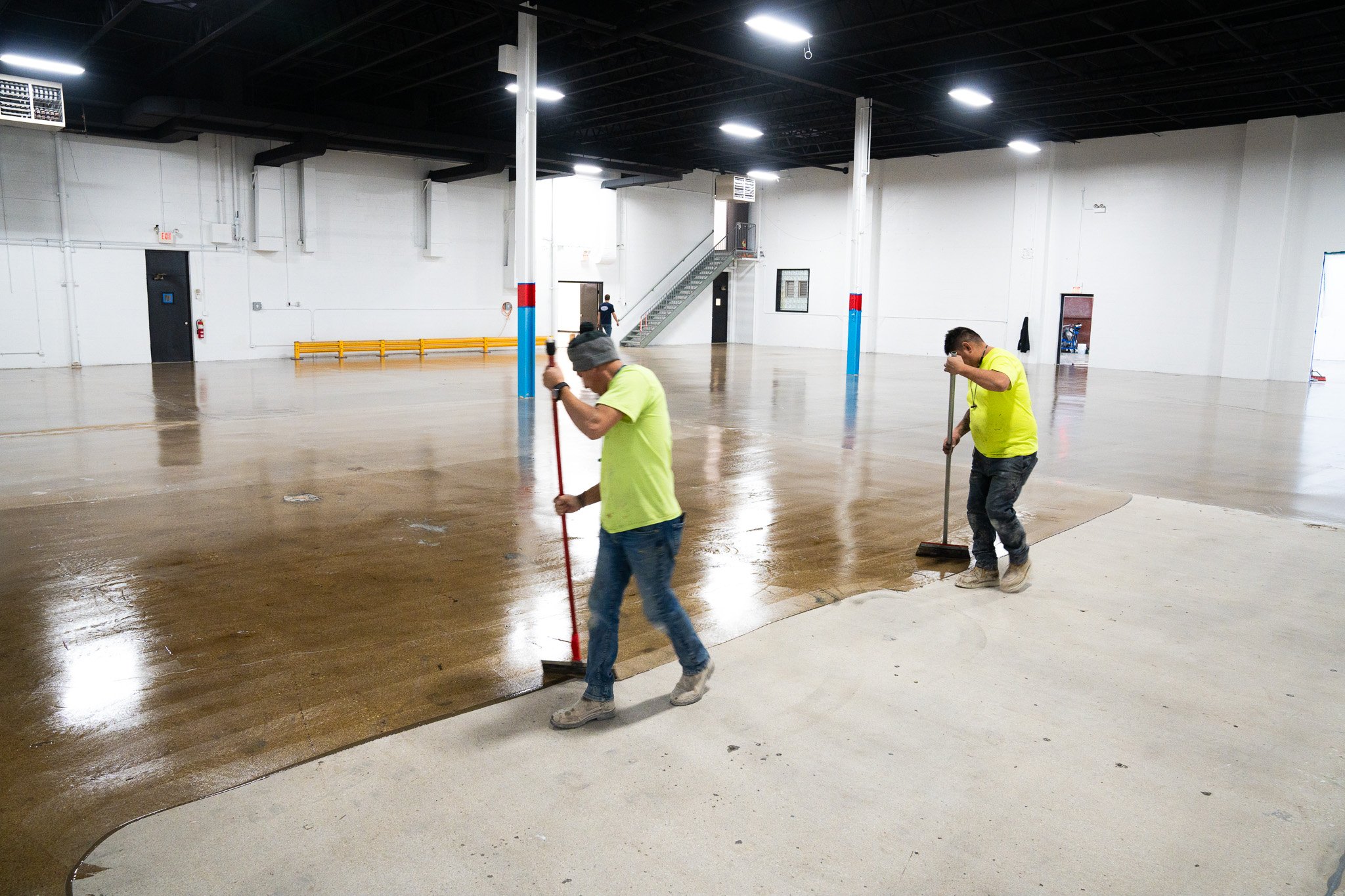
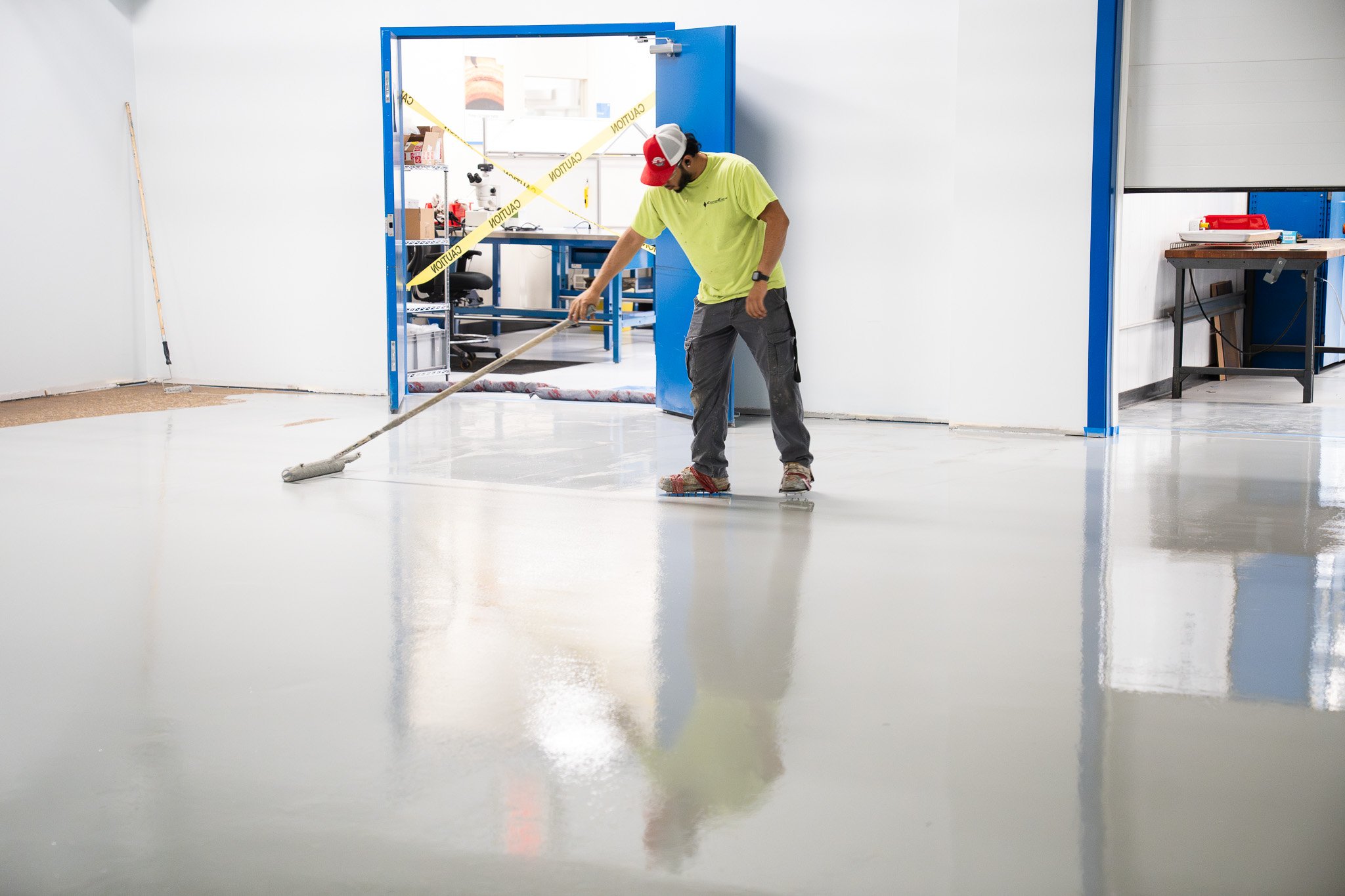
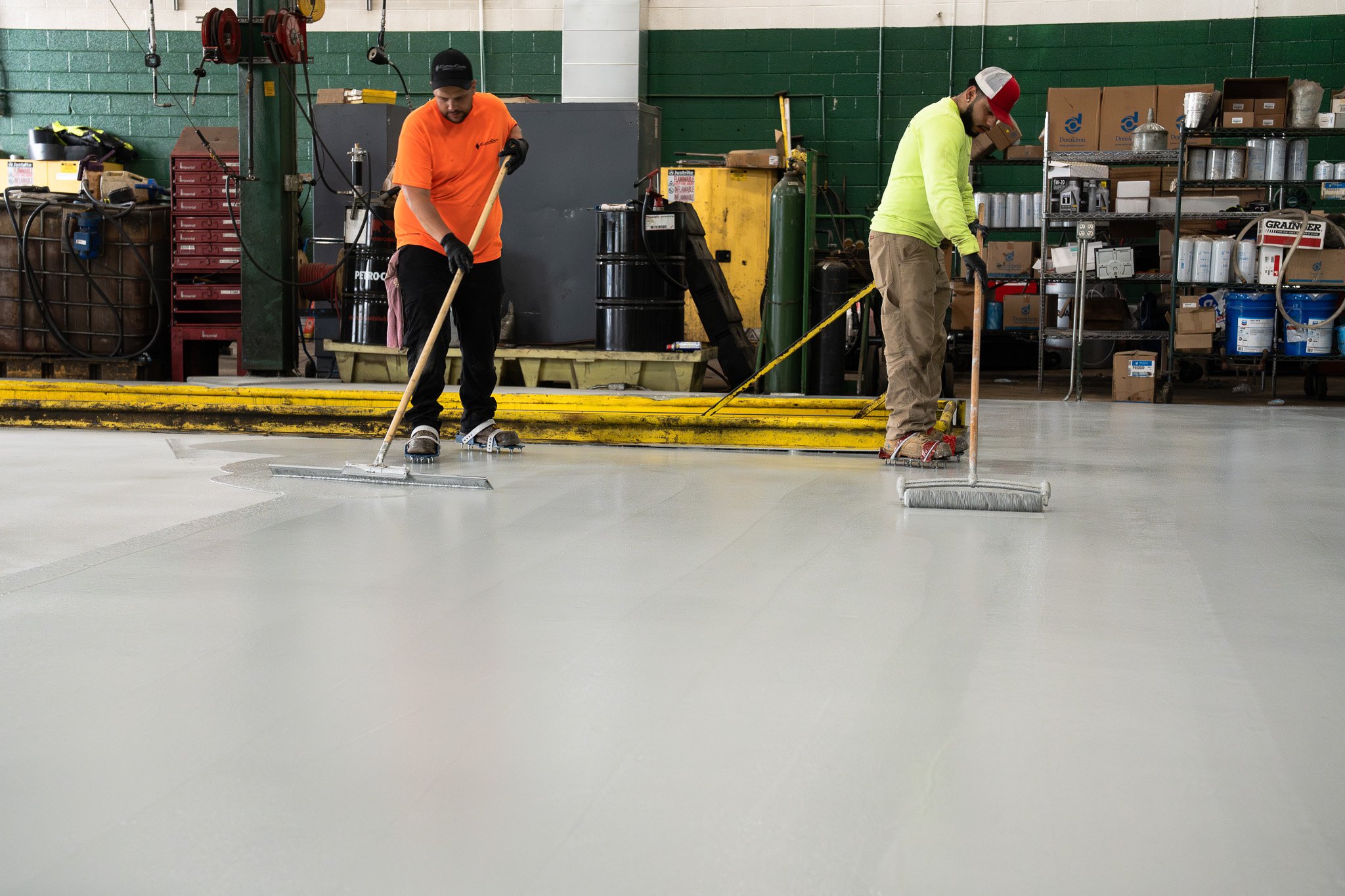
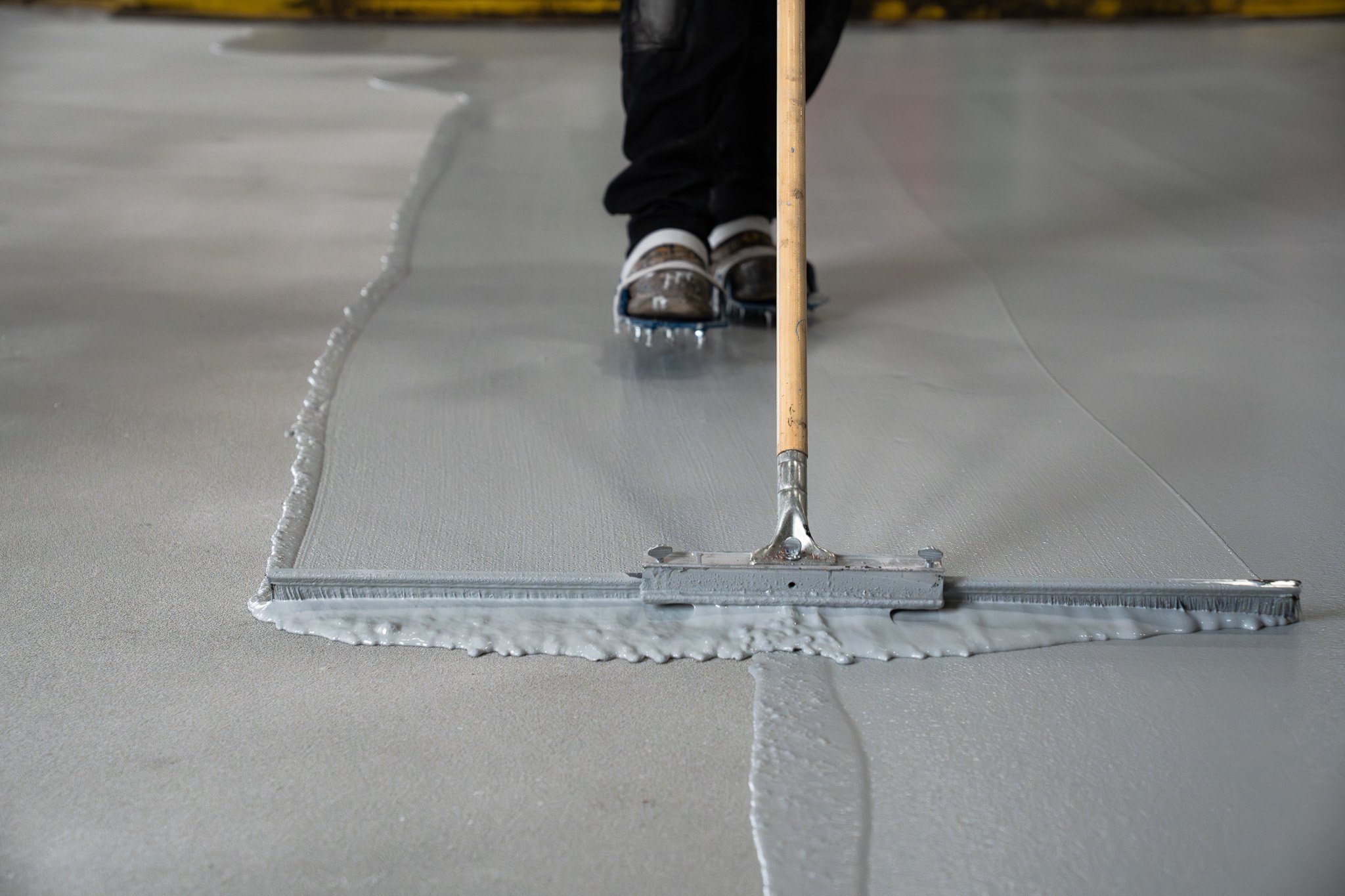
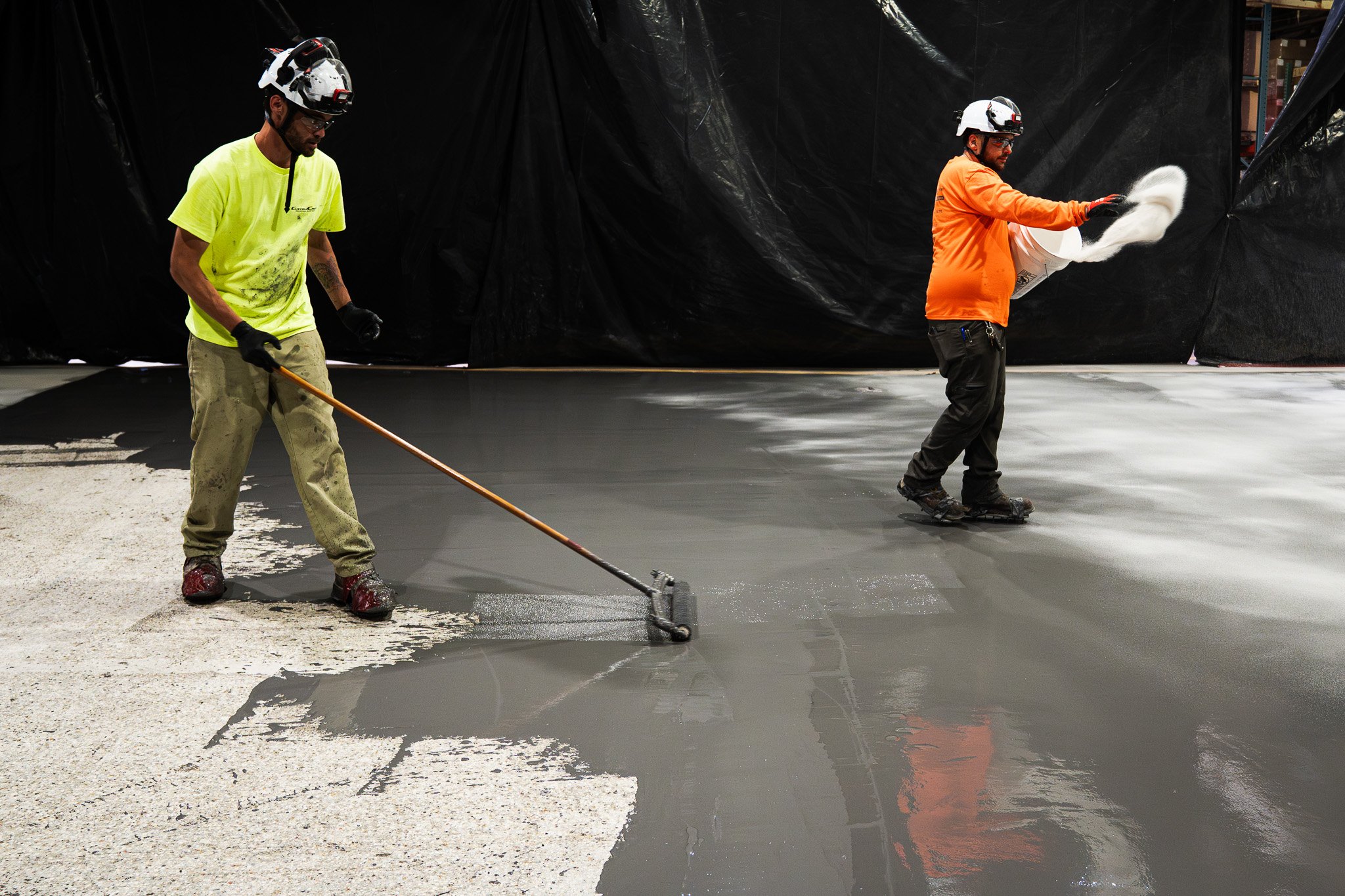
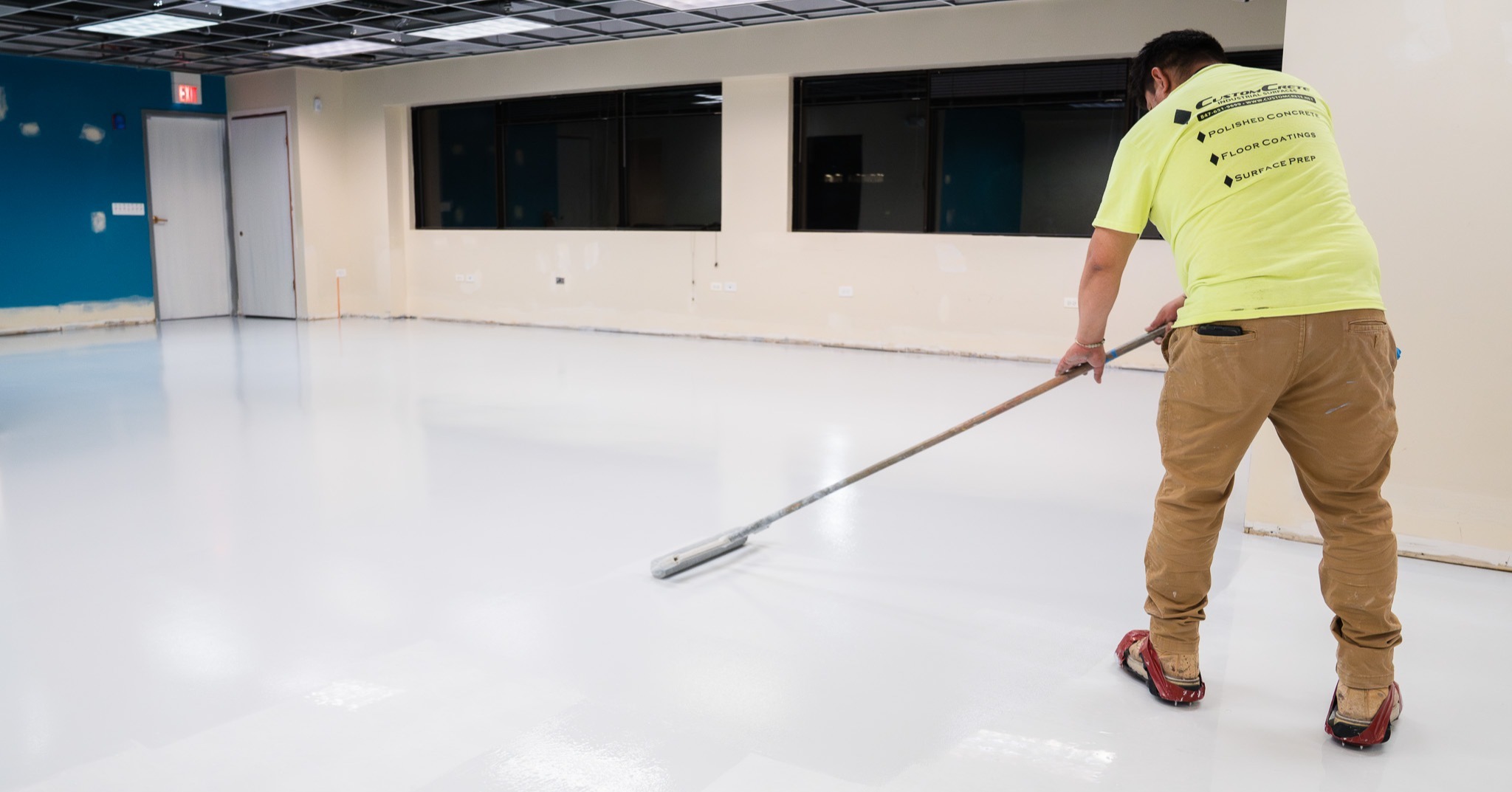
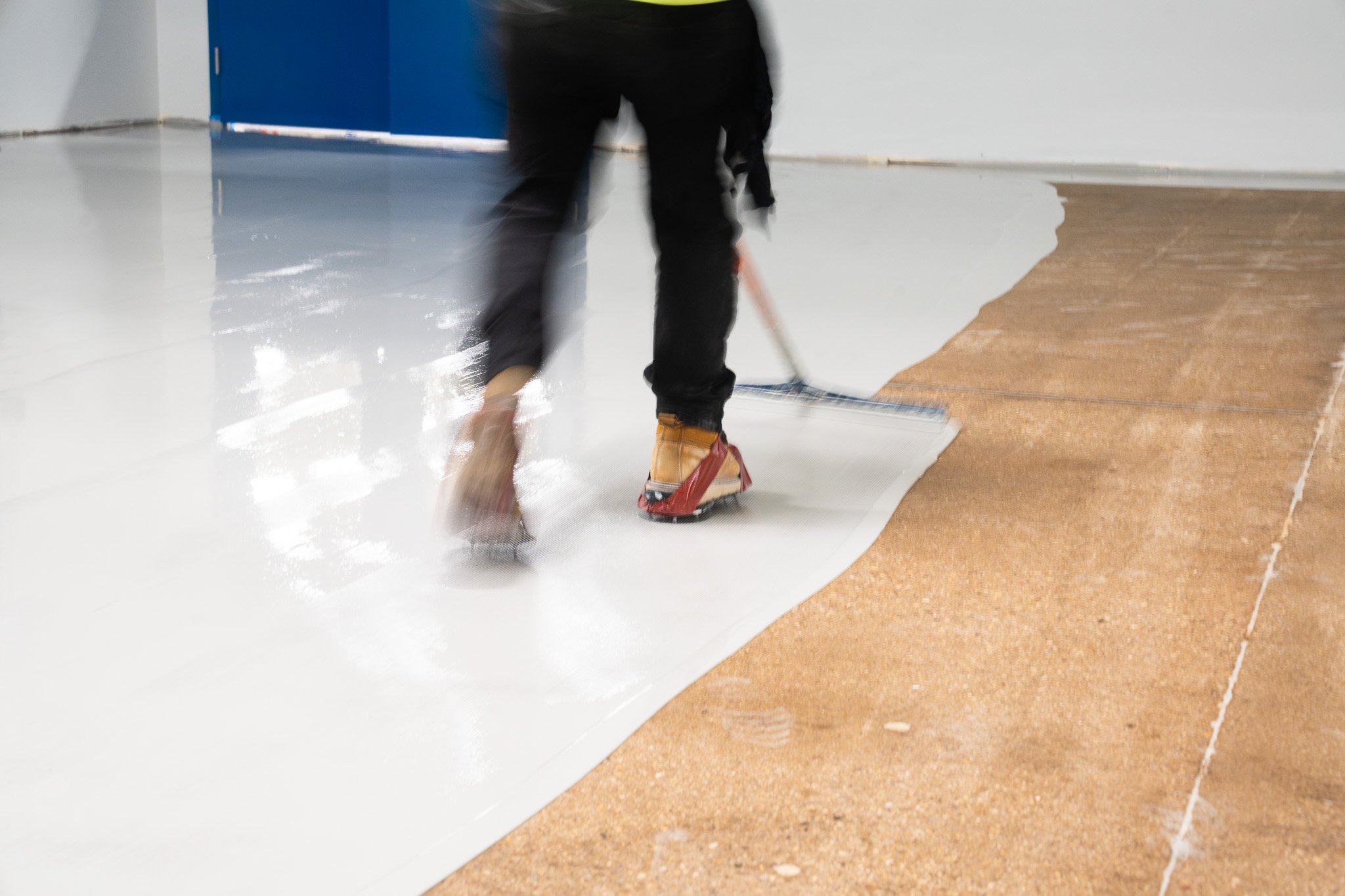
A cement skim coat is a thin layer of cement-based material applied over an existing concrete surface. Its purpose is to create a smooth, consistent substrate by filling in minor defects and imperfections.
Unlike self-leveling concrete, which is used to correct major unevenness, a skim coat is typically applied in very thin layers—just enough to refine the surface.
What It Does
- Fills small voids and surface pits
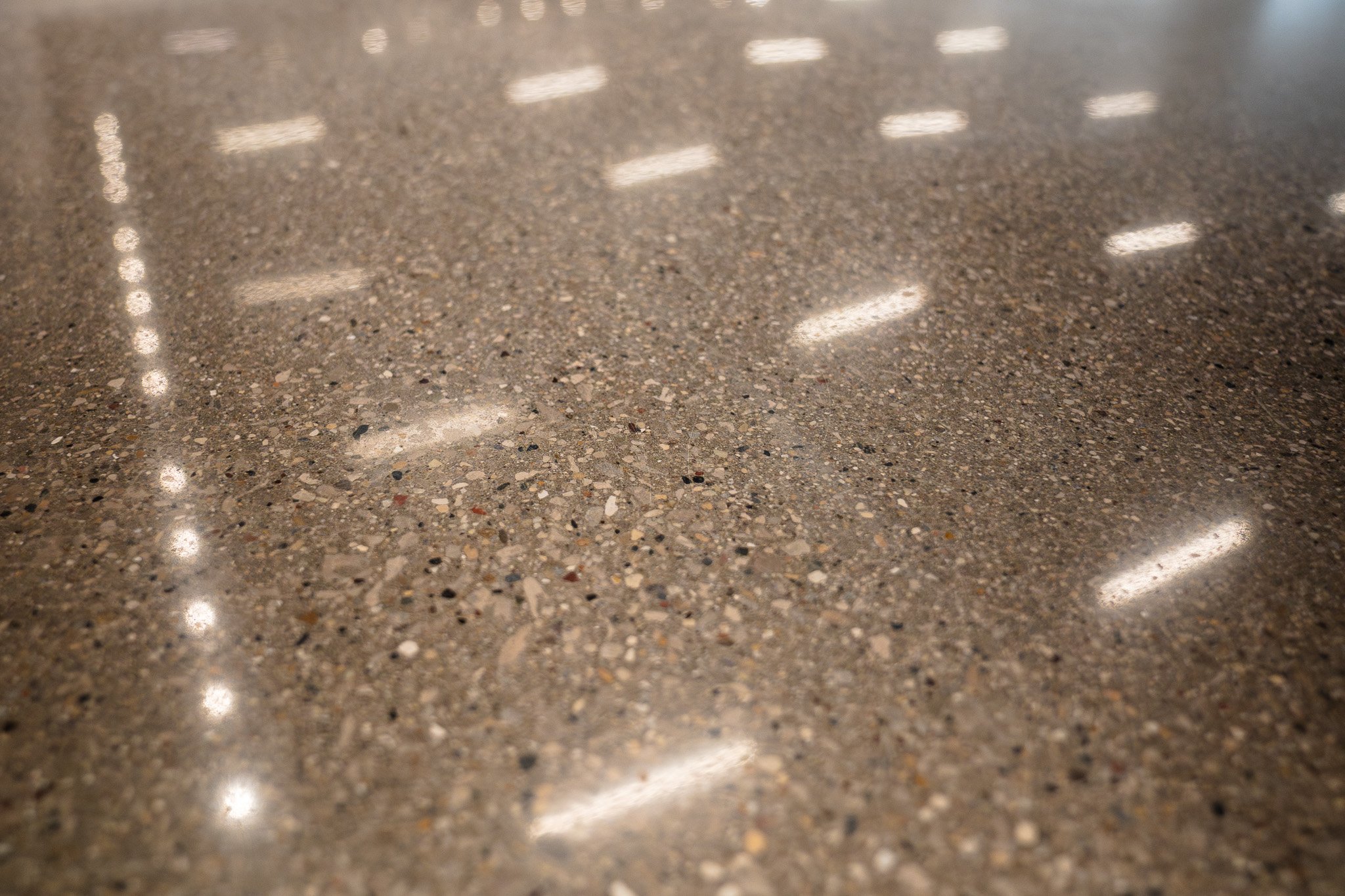
- Smooths rough or worn concrete
- Covers minor imperfections
- Creates a consistent base for coatings
This makes it a valuable step in many commercial and industrial flooring projects.
When Is a Cement Skim Coat Needed?
A cement skim coat is most useful when the concrete slab is structurally sound but not ready for a finish or coating.
Common conditions include:
- Light surface damage or wear
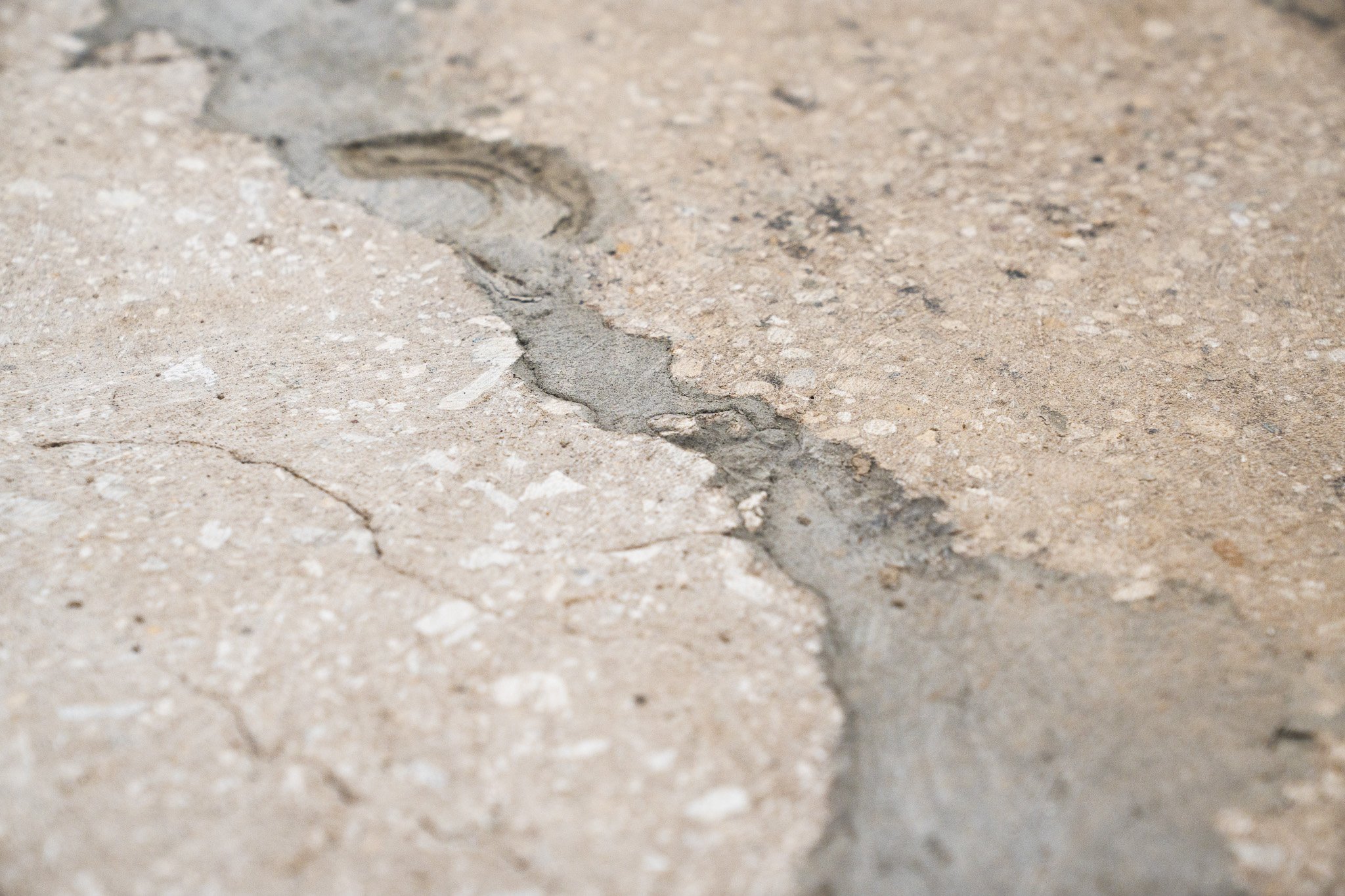
- Minor pitting or spalling
- Adhesive residue from previous flooring
- Uneven texture after grinding
- Small imperfections that could affect coating adhesion
In these cases, skim coating provides a simple way to prepare the surface without extensive repairs.
Best Uses for Cement Skim Coats
While not suitable for every situation, skim coats are highly effective in specific applications.
1. Smoothing After Surface Preparation
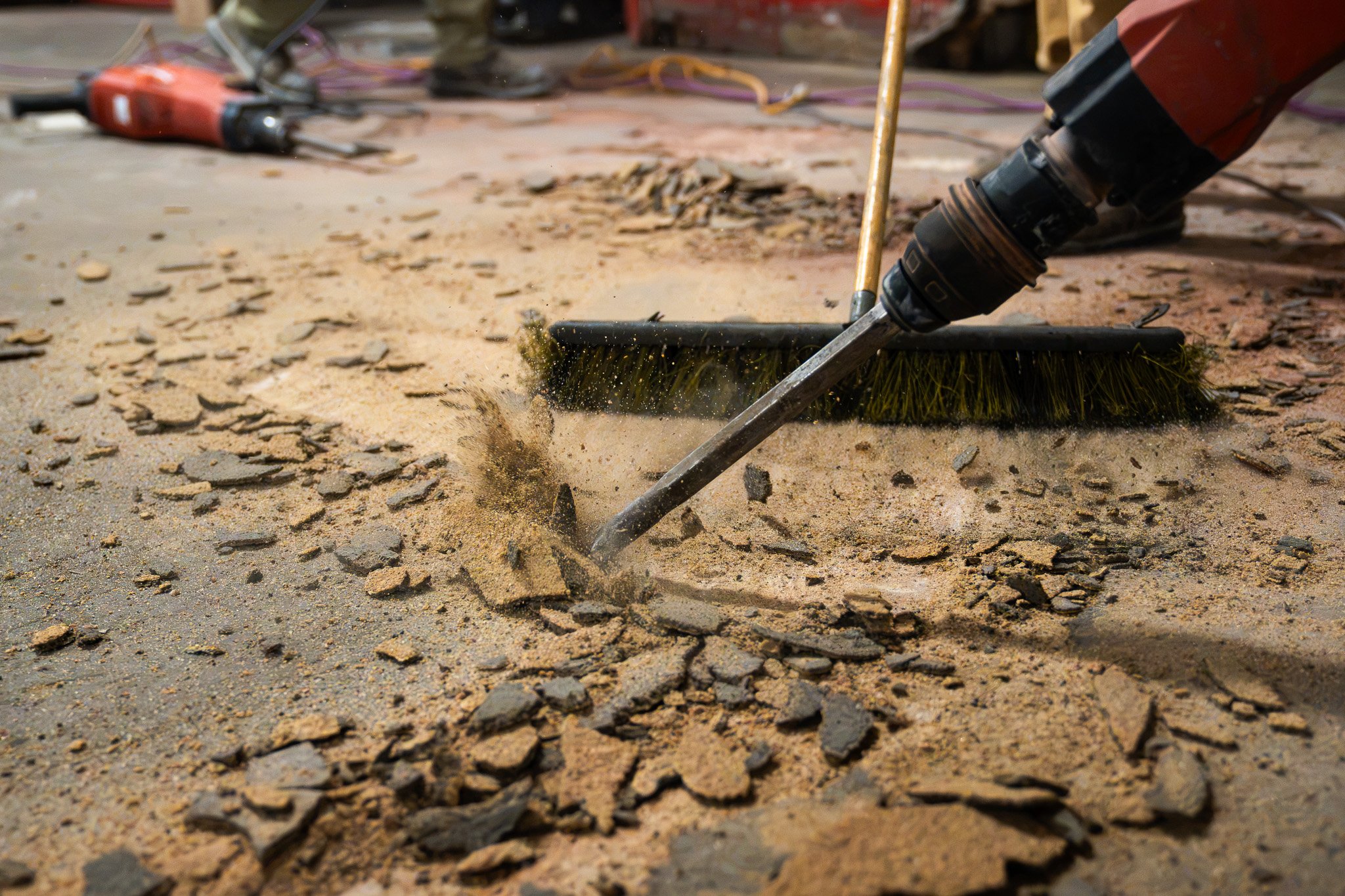
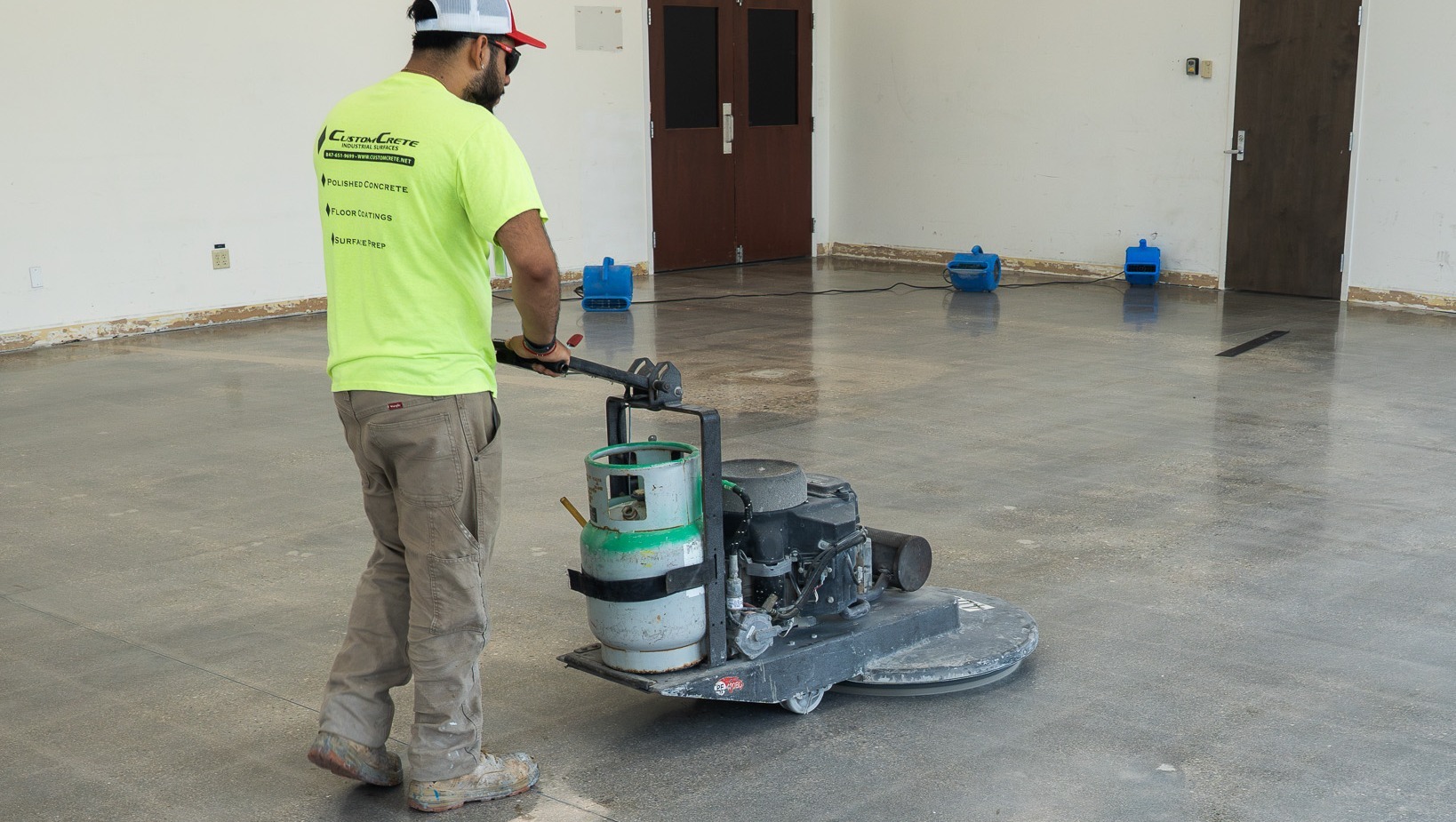
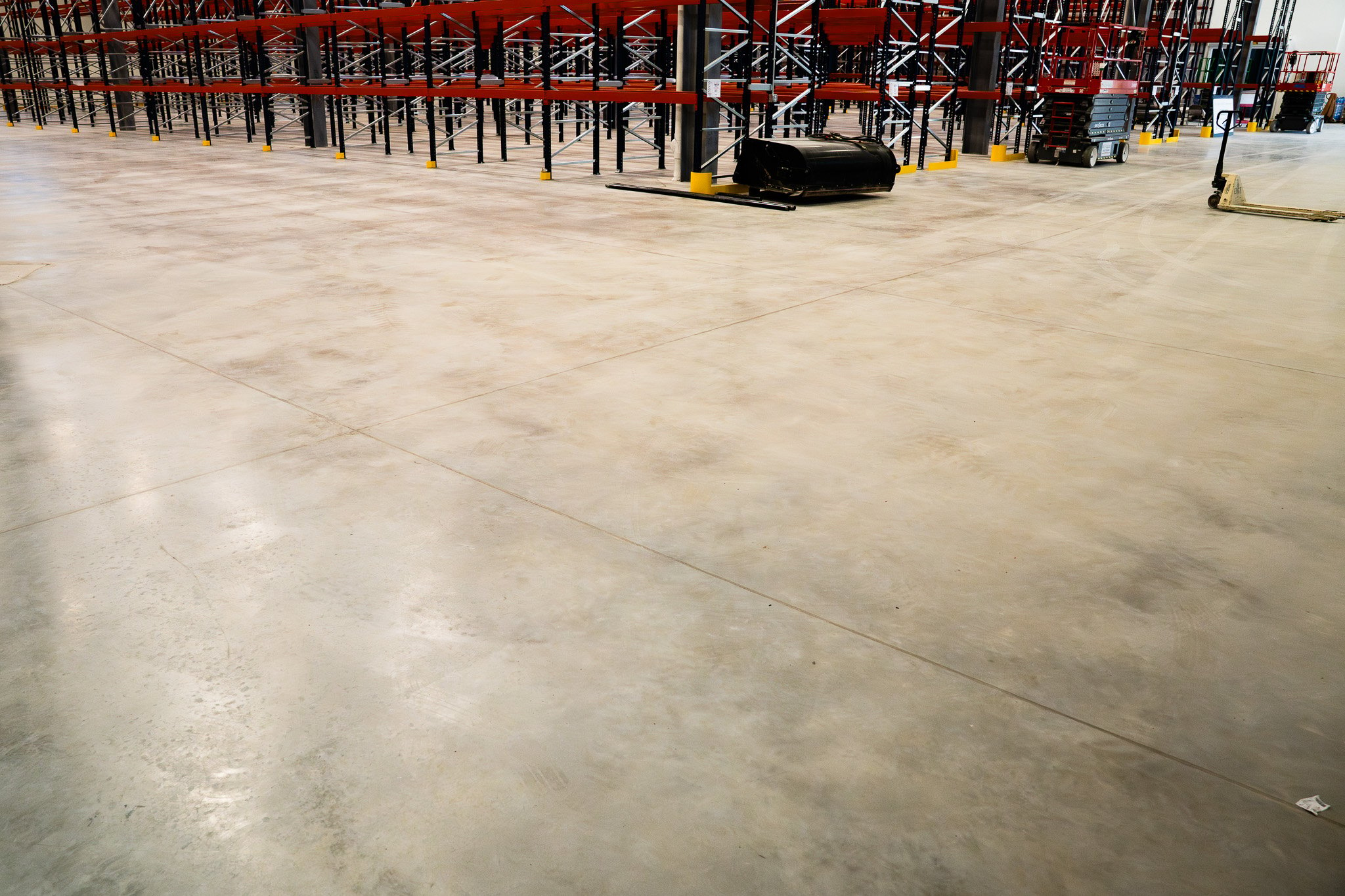
Mechanical grinding is often used to prepare concrete floors, but it can leave behind a rough or uneven texture.
Applying a cement skim coat after grinding helps:
- Even out the surface
- Fill in micro-pits
- Create a more refined substrate
This step is especially important for floors that require a clean, finished appearance.
2. Covering Minor Surface Damage
Concrete floors naturally wear over time. Small chips, pits, and surface imperfections can develop due to traffic and use.
A cement skim coat can restore the surface without the need for deeper repairs, making it a cost-effective solution for extending the life of the floor.
3. Creating a Uniform Appearance
In commercial spaces, appearance matters. Variations in the concrete surface can show through coatings or finishes.
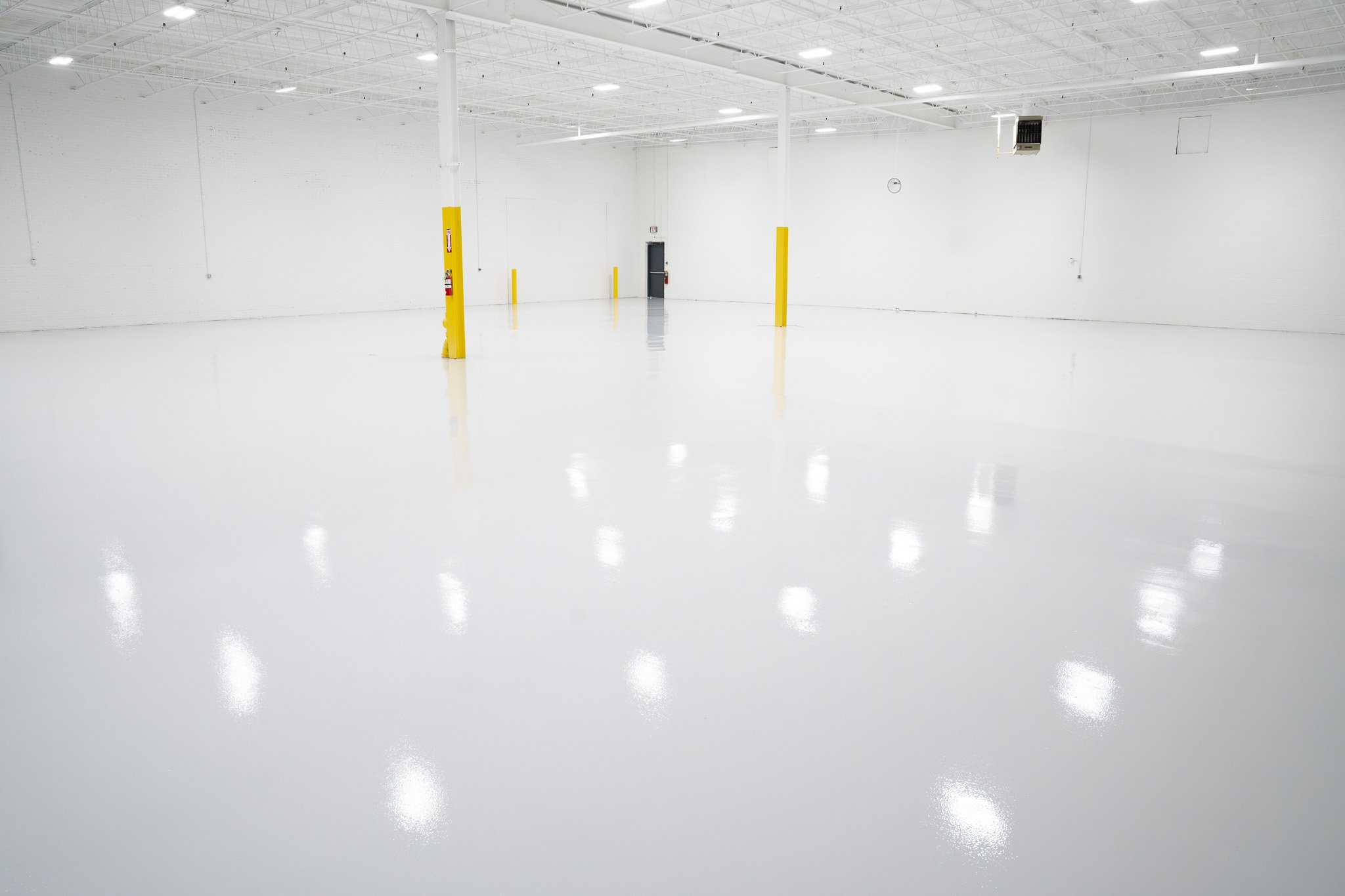
Skim coating helps create a consistent base, which results in a more uniform final appearance—especially important in retail, office, or showroom environments.
4. Prepping for Thin Flooring Systems
Some flooring systems require a smooth substrate to perform correctly.
A cement skim coat is often used before installing:
- Tile or VCT
- Decorative finishes
By creating a uniform surface, skim coating helps ensure these systems perform as intended.
When a Cement Skim Coat Is Not Enough
While useful, a cement skim coat is not designed for every situation.
It is not the right solution when:
- The floor has significant elevation differences
- There are structural cracks or major damage
- Deep repairs are required
- The slab is unstable
In these cases, self-leveling concrete or more extensive repairs may be needed.
Surface Preparation Still Comes First
Even though a skim coat is used for surface improvement, proper preparation is still required.
This typically includes:
- Mechanical grinding or cleaning
- Removing contaminants like oil or adhesives
- Repairing larger cracks or joints
- Ensuring the surface is stable
Without proper prep, the skim coat may not bond correctly.
Benefits of Using a Cement Skim Coat
Using a cement skim coat offers several advantages:
- Improves adhesion for coatings
- Enhances the final appearance of the floor
- Reduces the need for more expensive repairs
- Creates a smooth, consistent substrate
- Extends the life of the flooring system
For many projects, it is a simple step that makes a big difference.
Common Mistakes to Avoid
When using skim coats, avoid:
- Applying over unprepared or contaminated surfaces
- Using it to fix major leveling issues
- Skipping necessary repairs
- Applying too thick of a layer
Understanding the purpose of a skim coat helps ensure it is used correctly.
FAQ: Cement Skim Coats
How thick is a cement skim coat?
It is typically applied in very thin layers, just enough to smooth the surface.
Can a skim coat be used as a finished floor?
In most cases, it is used as a base for another flooring system.
Is a skim coat the same as self-leveling concrete?
No. A skim coat smooths the surface, while self-leveling concrete corrects uneven floors.
Final Thoughts
A cement skim coat is a simple but effective solution for improving concrete surfaces in commercial and industrial environments. It works best for smoothing minor imperfections, preparing floors for coatings, and creating a consistent substrate for final finishes.
While it is not a replacement for structural repairs or leveling systems, it plays an important role in ensuring flooring systems perform as expected.
If you’re evaluating your concrete floor and want to know if a skim coat is the right solution, request a quote with CustomCrete to get expert guidance based on your facility’s condition.
Topics:
.jpg?width=2048&height=1365&name=CC108559%20(1).jpg)
.png?width=11520&height=9216&name=Untitled%20design%20(56).png)
.jpg?width=2048&height=1365&name=CC102459%20(1).jpg)