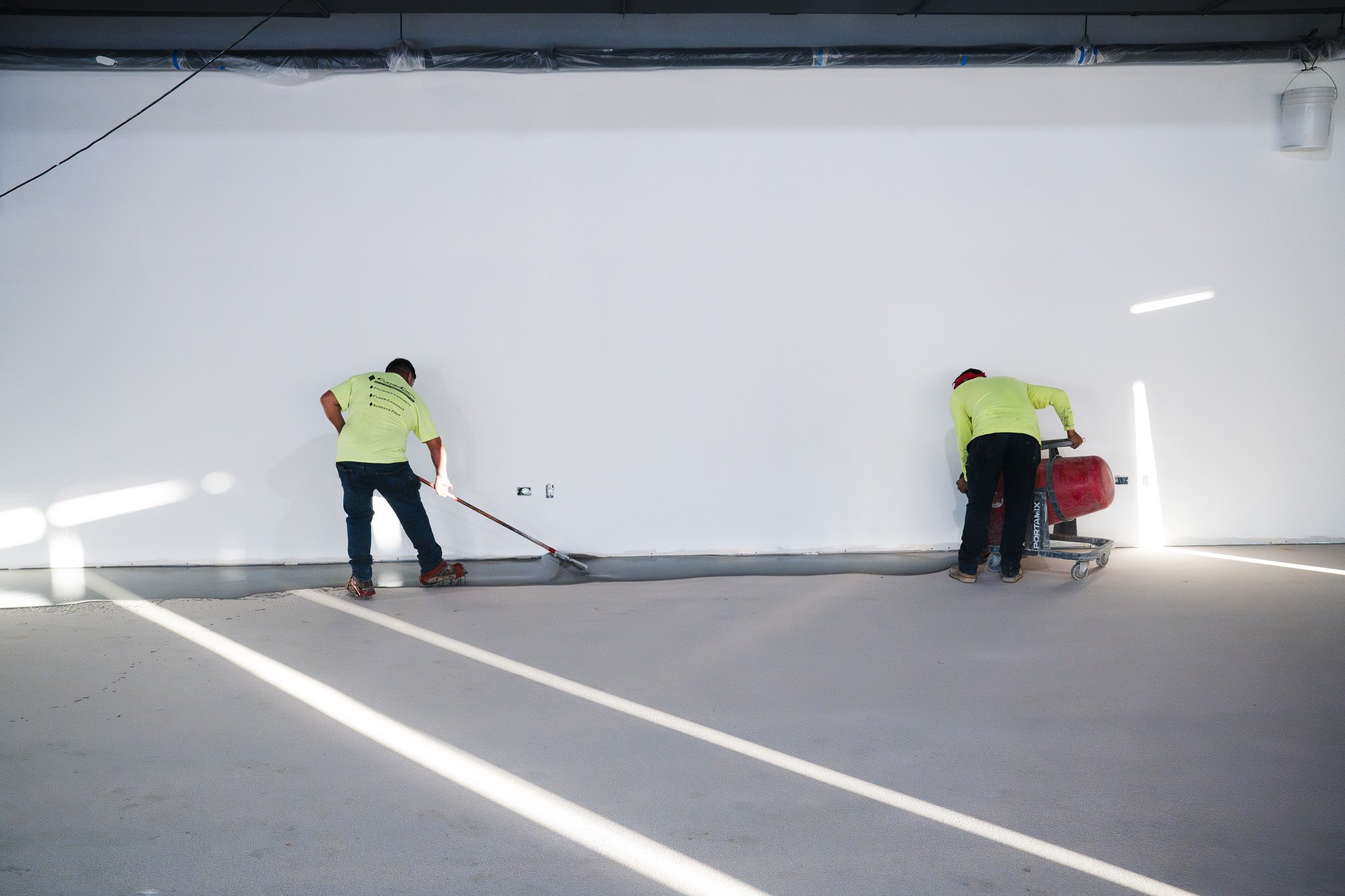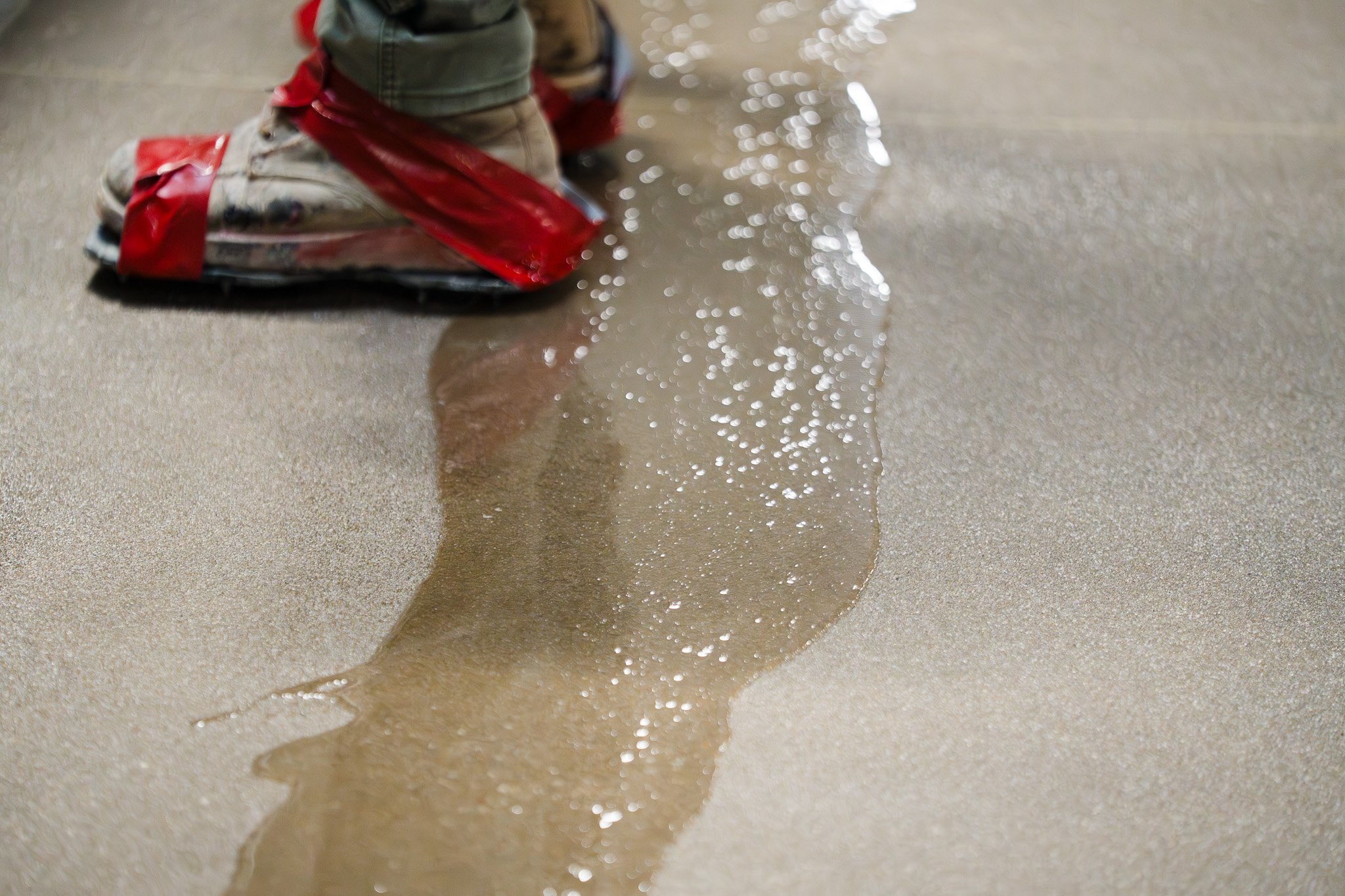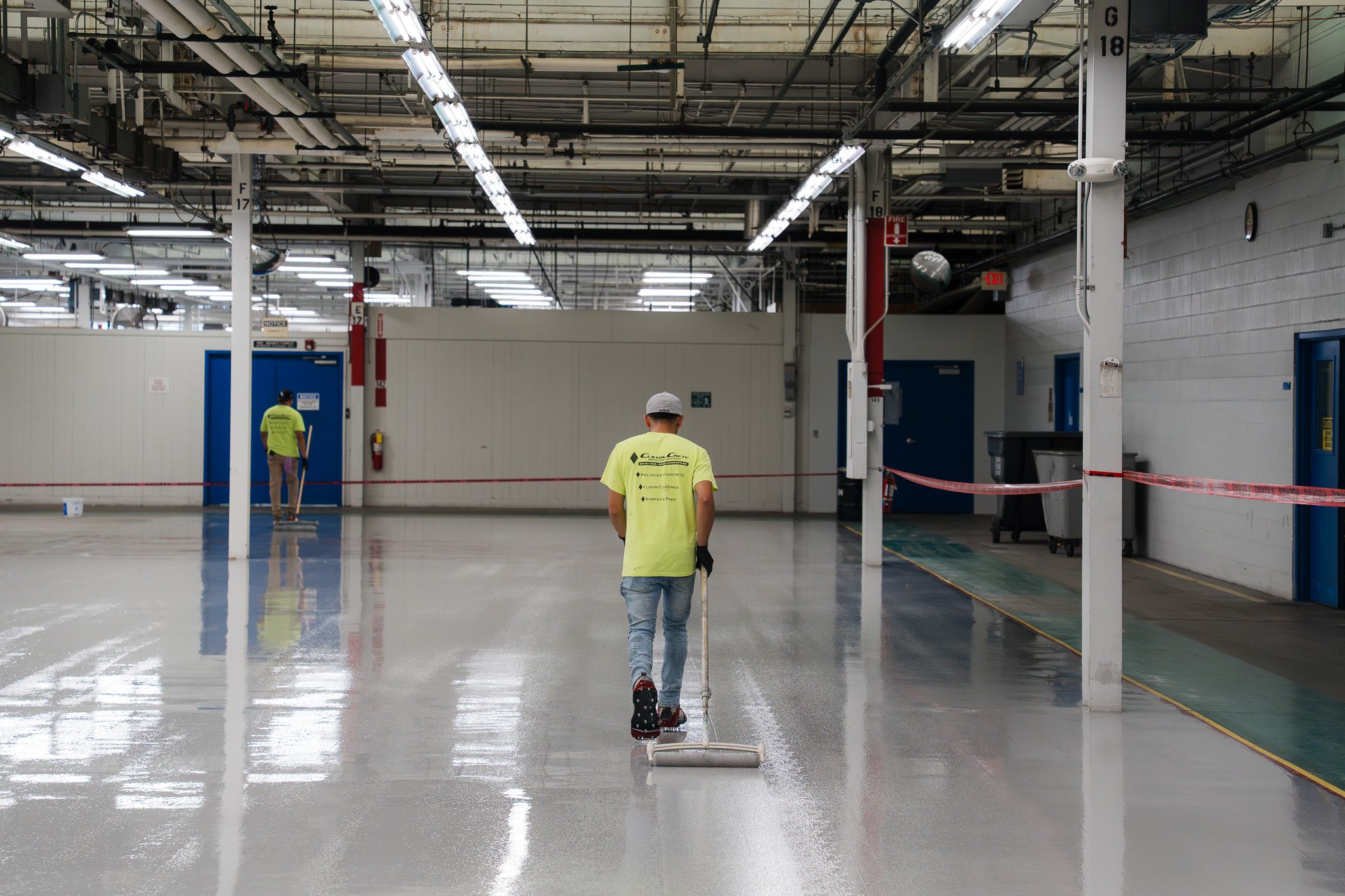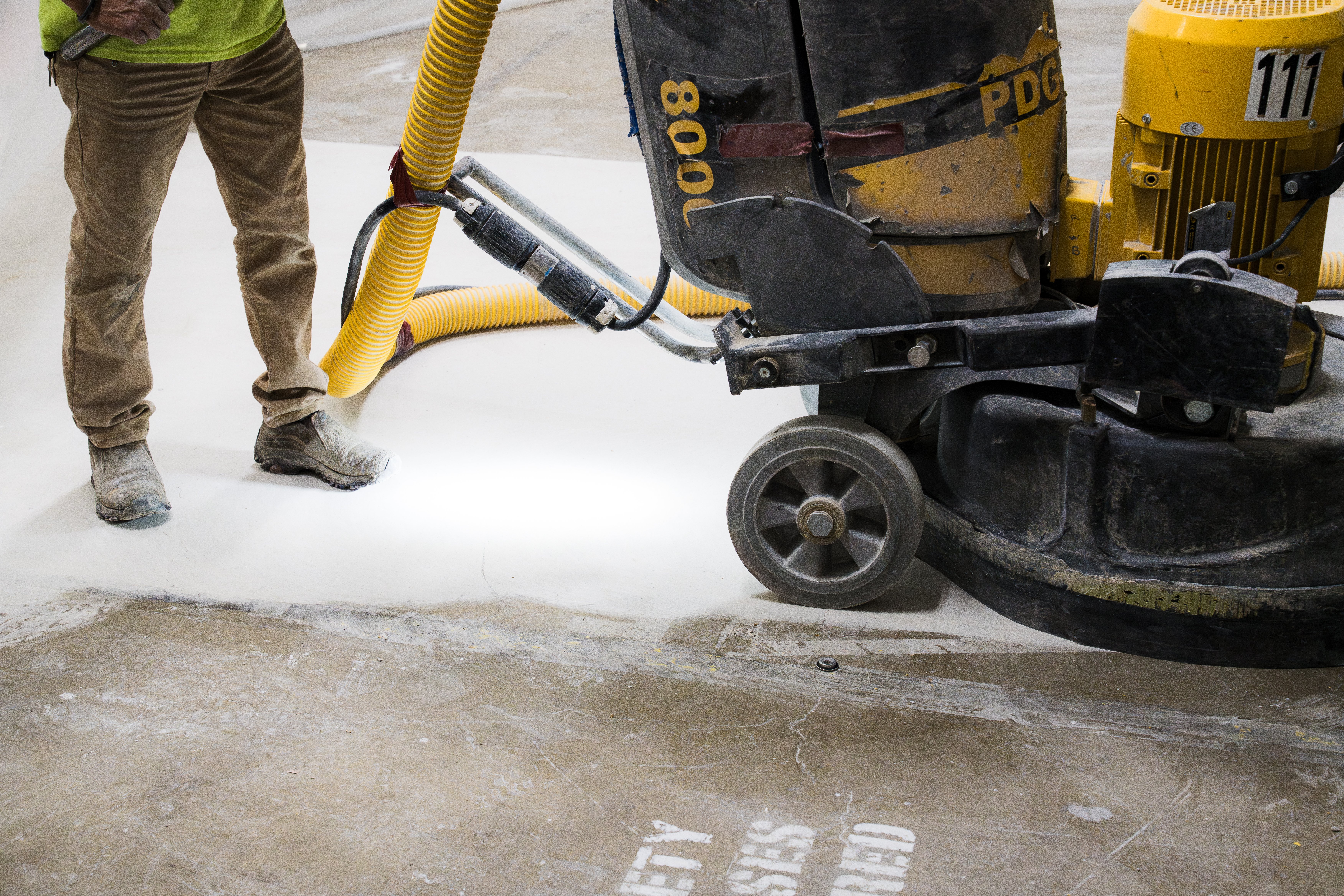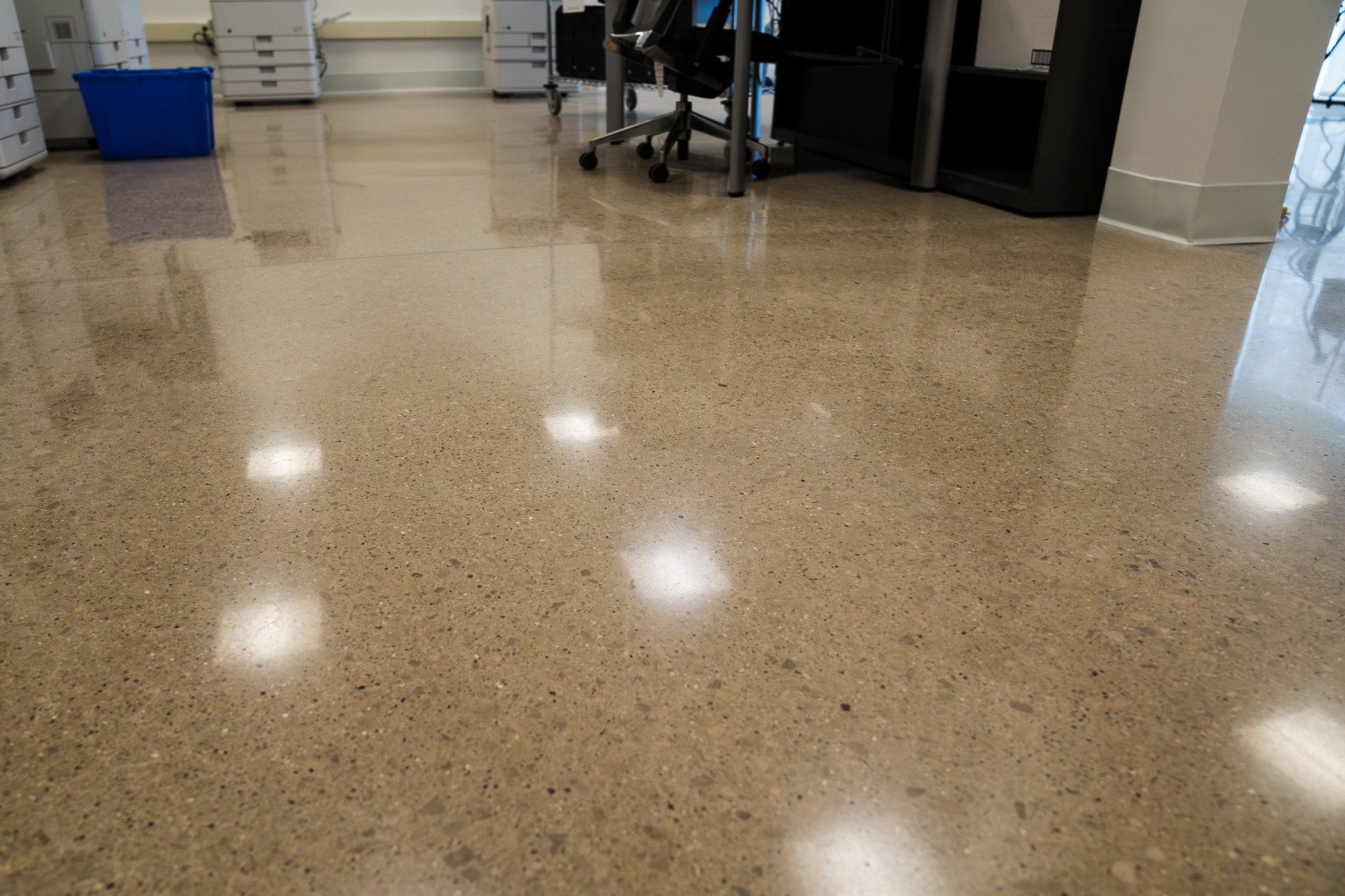

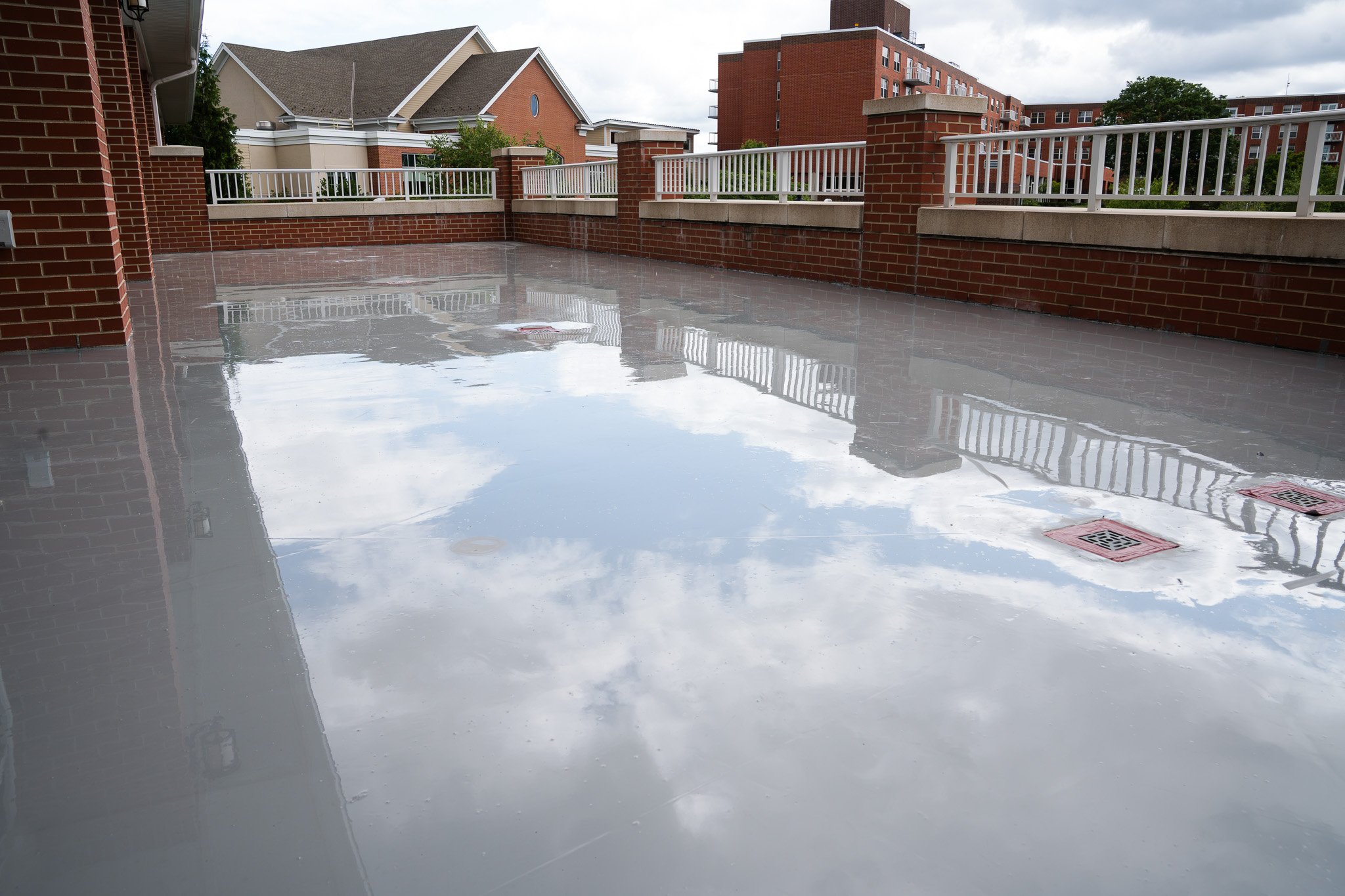
A membrane layer in a concrete coating system is an additional protective layer installed between the prepared concrete and other coating layers to provide specific performance benefits. Depending on the type of concrete coating membrane layer, it may help accommodate minor substrate movement, bridge certain cracks, provide waterproofing, or add another level of protection to the flooring system.
Not every commercial or industrial floor needs a membrane. Whether one is necessary depends on the condition of the concrete, the environment, and what the finished flooring system needs to withstand.

Where Does a Membrane Layer Go in a Flooring System?
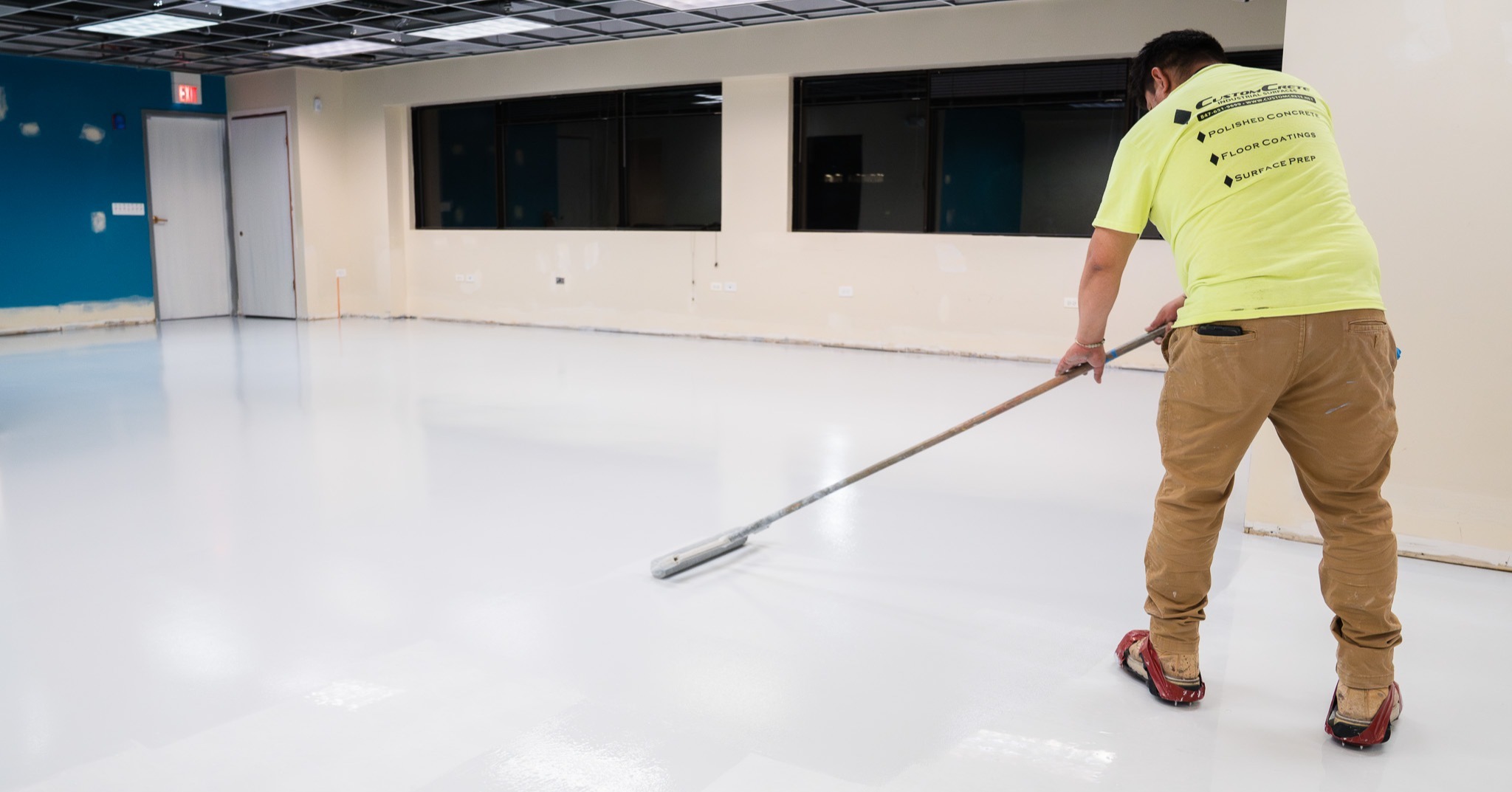
A membrane is typically installed as one layer within a multi-layer concrete coating system. The exact placement varies by product and system design, but a floor might include:
- Prepared concrete substrate
- Primer
- Membrane layer
- Epoxy or other body coat
- Decorative or functional broadcast
- Protective topcoat
The membrane works with the other layers rather than serving as the finished floor itself.
What Does a Concrete Coating Membrane Layer Do?
Different membranes are designed for different purposes. One of the most common reasons to use a membrane is to help a flooring system handle minor movement within the concrete substrate.
Depending on the product, a membrane may also provide:
- Crack isolation or crack-bridging properties
- Waterproofing
- Additional moisture protection
- Greater flexibility within the flooring system
- Protection in areas exposed to weather or water
It's important to understand that not every membrane provides all of these benefits. The membrane must be selected based on what the project actually requires.
Can a Membrane Prevent Concrete Cracks?
A membrane cannot guarantee that cracks in the concrete will never affect the finished floor.
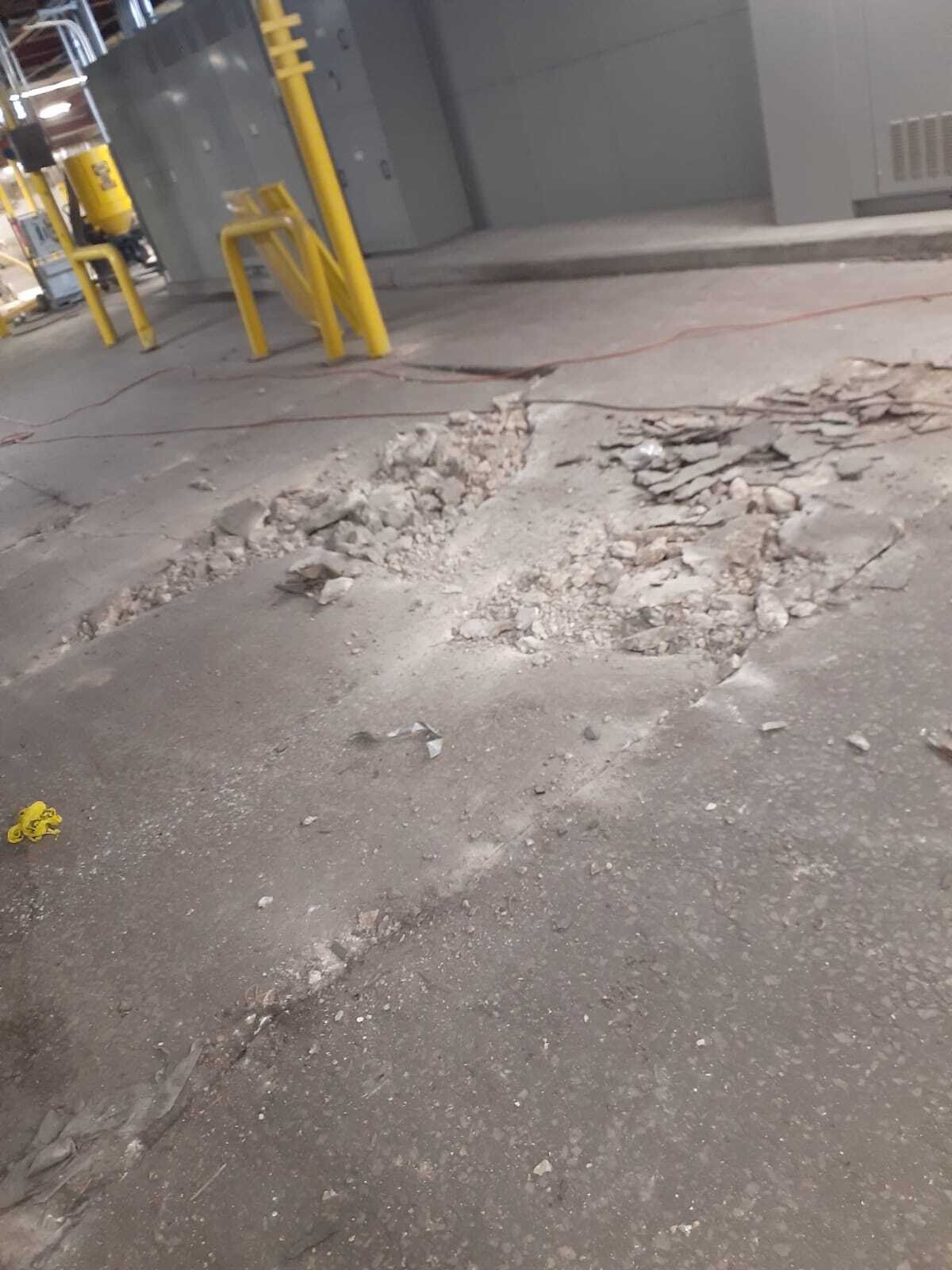
Some flexible or crack-isolation membranes are designed to accommodate minor movement and reduce the chance of certain cracks transferring through the coating. However, significant slab movement, structural cracks, or active joints may still affect the flooring system.
Existing cracks should be evaluated and properly repaired before deciding whether a membrane is appropriate.
Where Are Flooring Membranes Commonly Used?
A concrete coating membrane layer may be considered in environments such as:
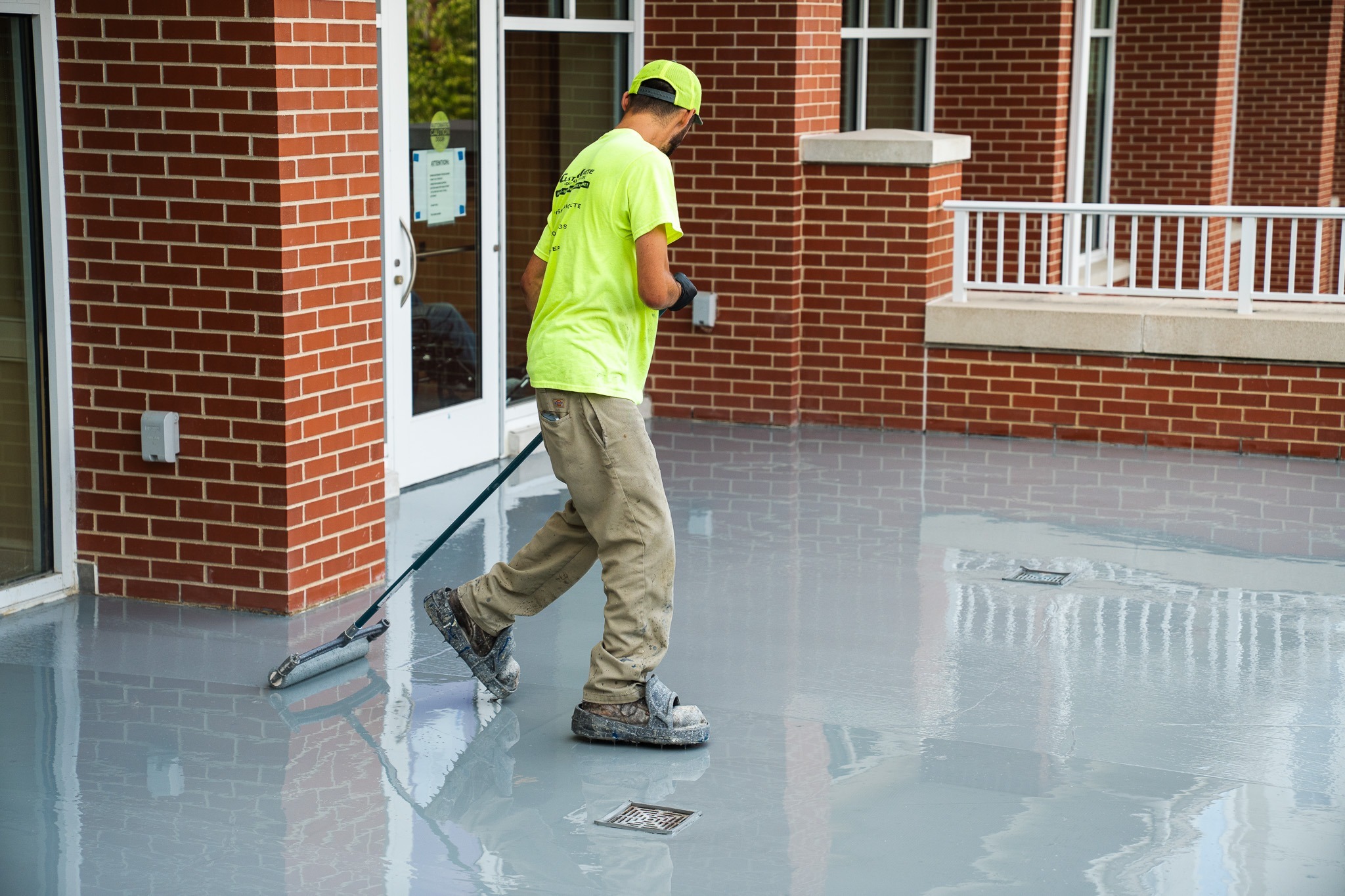
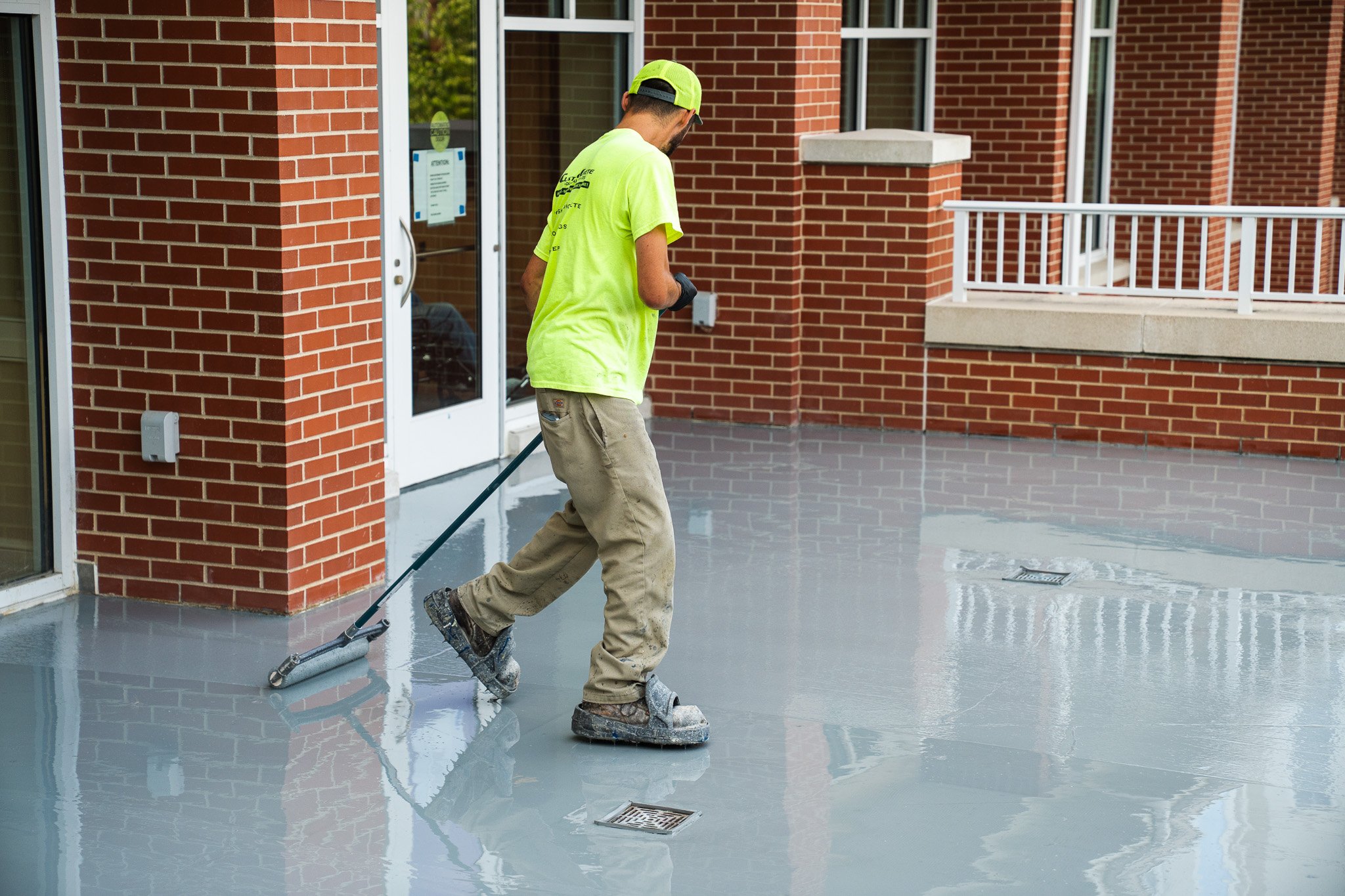
- Commercial balconies and exterior spaces
- Areas exposed to frequent water
- Floors with certain existing cracks
- Spaces requiring waterproofing
- Concrete substrates where minor movement is expected
A standard warehouse or commercial floor with a stable, dry slab may not need this additional layer.
Does Adding a Membrane Increase Flooring Cost?
Yes. A membrane adds material, labor, and installation time to a flooring system. That does not mean it should automatically be avoided—or automatically included.
If the conditions require a membrane, the additional upfront cost may help protect the rest of the flooring system. If the floor does not need one, adding it can simply increase project costs without providing a meaningful benefit.
Final Thoughts
A membrane layer is an optional component of some concrete coating systems that can provide crack isolation, flexibility, waterproofing, or additional protection depending on the product being used. The right approach depends on the concrete slab and the conditions the flooring system will face.
For a deeper look at when this additional layer makes sense, read the next article: “Why Some Commercial Flooring Systems Need a Membrane Layer.”
Topics:


.jpg?width=6139&height=4093&name=CC100396%20(1).jpg)