
Key Takeaways
- Polished concrete can last decades, but performance depends on traffic, maintenance, and installation quality.
- Proper cleaning and routine upkeep are essential to maintaining appearance and durability.
- The condition of the original slab has a direct impact on lifespan.
Polished concrete is often promoted as a long-lasting, low-maintenance flooring solution—and in many cases, it is. But how long does it actually last? The answer depends on more than just the material itself. Factors like traffic, maintenance, installation quality, and the condition of the original slab all play a role in how well a floor performs over time.
Many facility managers choose polished concrete expecting decades of performance, but without understanding what influences longevity, expectations can fall short. With nearly 20 years of experience and over 1 million square feet installed, CustomCrete has seen polished floors perform exceptionally well—and also seen where they fall short when key factors are overlooked.
This article breaks down the typical lifespan of polished concrete floors and what determines how long they will last.

How Long Does Polished Concrete Last?
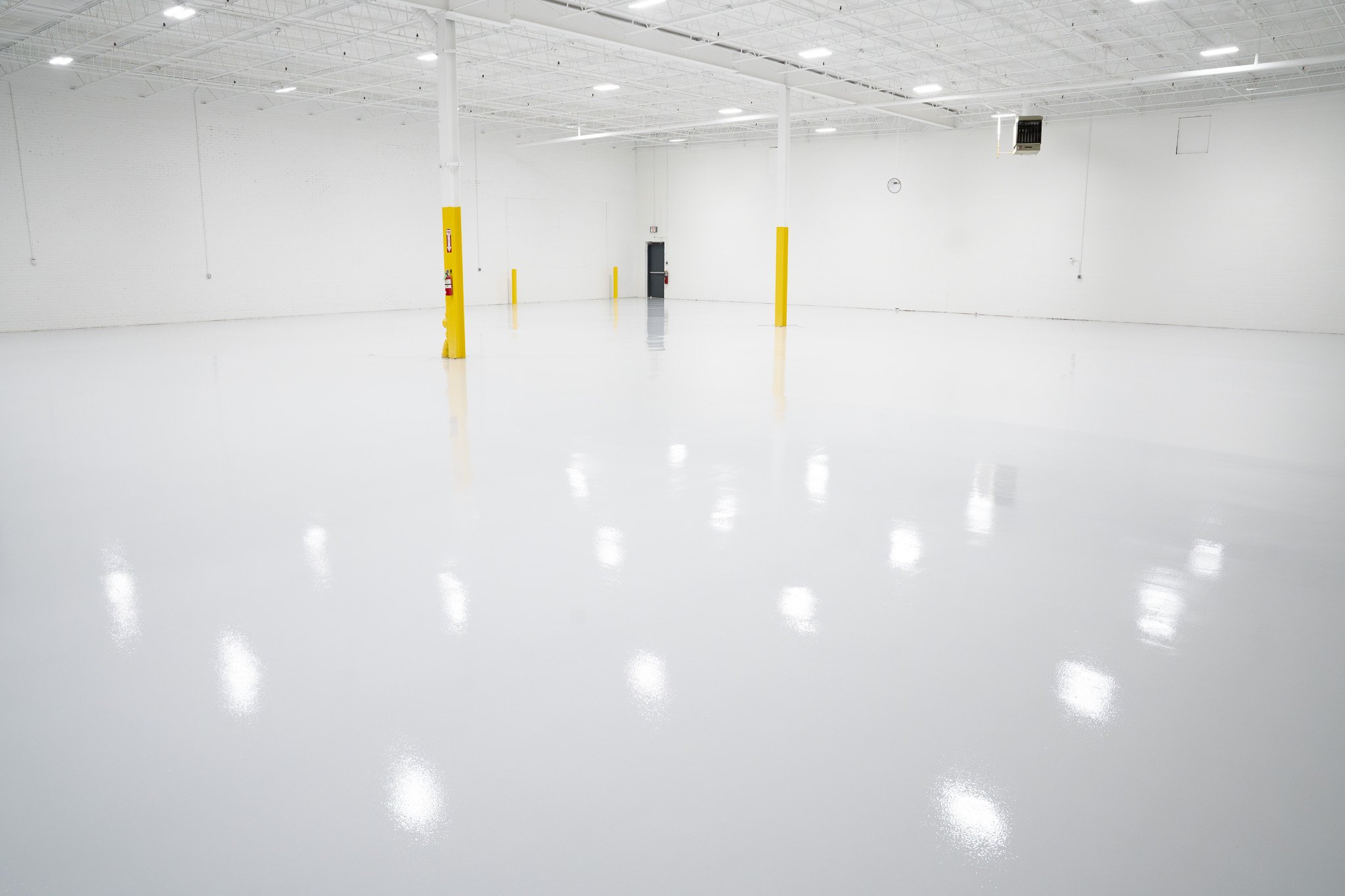
In general, a properly installed and maintained polished concrete floor can last 20 years or more. In some environments, it may last even longer without needing major repairs or replacement.
However, it’s important to understand that “lifespan” does not mean the floor will look the same for decades without maintenance. Over time, wear, traffic patterns, and environmental conditions will affect the appearance and performance of the surface.
The Factors that Affect Polished Concretes Longevity
The key to longevity is not just the polishing process—it’s how the floor is used and maintained after installation.
1. Traffic Levels
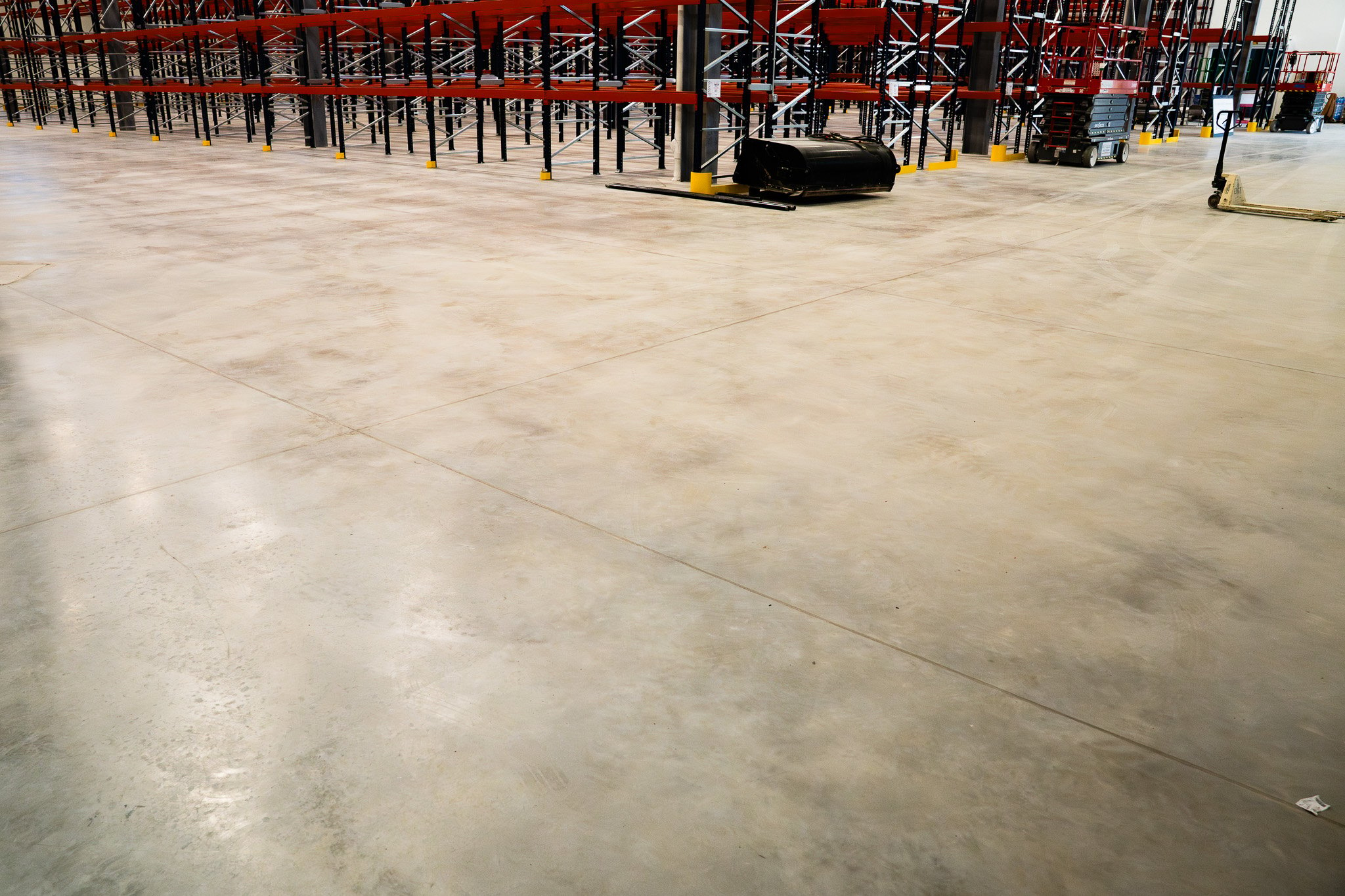
Traffic is one of the biggest influences on how long polished concrete performs at a high level. In lower-traffic environments like offices or light-use commercial spaces, polished concrete can maintain its appearance for many years with minimal wear. As traffic increases, especially in retail or showroom environments, the floor will begin to show more consistent wear patterns over time.
In heavy industrial settings such as warehouses or distribution centers, where forklifts and equipment are constantly in motion, the surface experiences much more stress. While polished concrete is durable, these high-traffic conditions can gradually wear down the finish, particularly in main travel paths. This doesn’t mean the floor fails, but it does mean maintenance becomes more important to preserve its appearance and performance.
2. Maintenance Routine
Polished concrete is often described as low maintenance, but that doesn’t mean it can be ignored. Regular cleaning is essential to preserving the floor’s finish and extending its lifespan. Dirt, dust, and debris act like abrasives over time, slowly dulling the surface if not removed consistently.
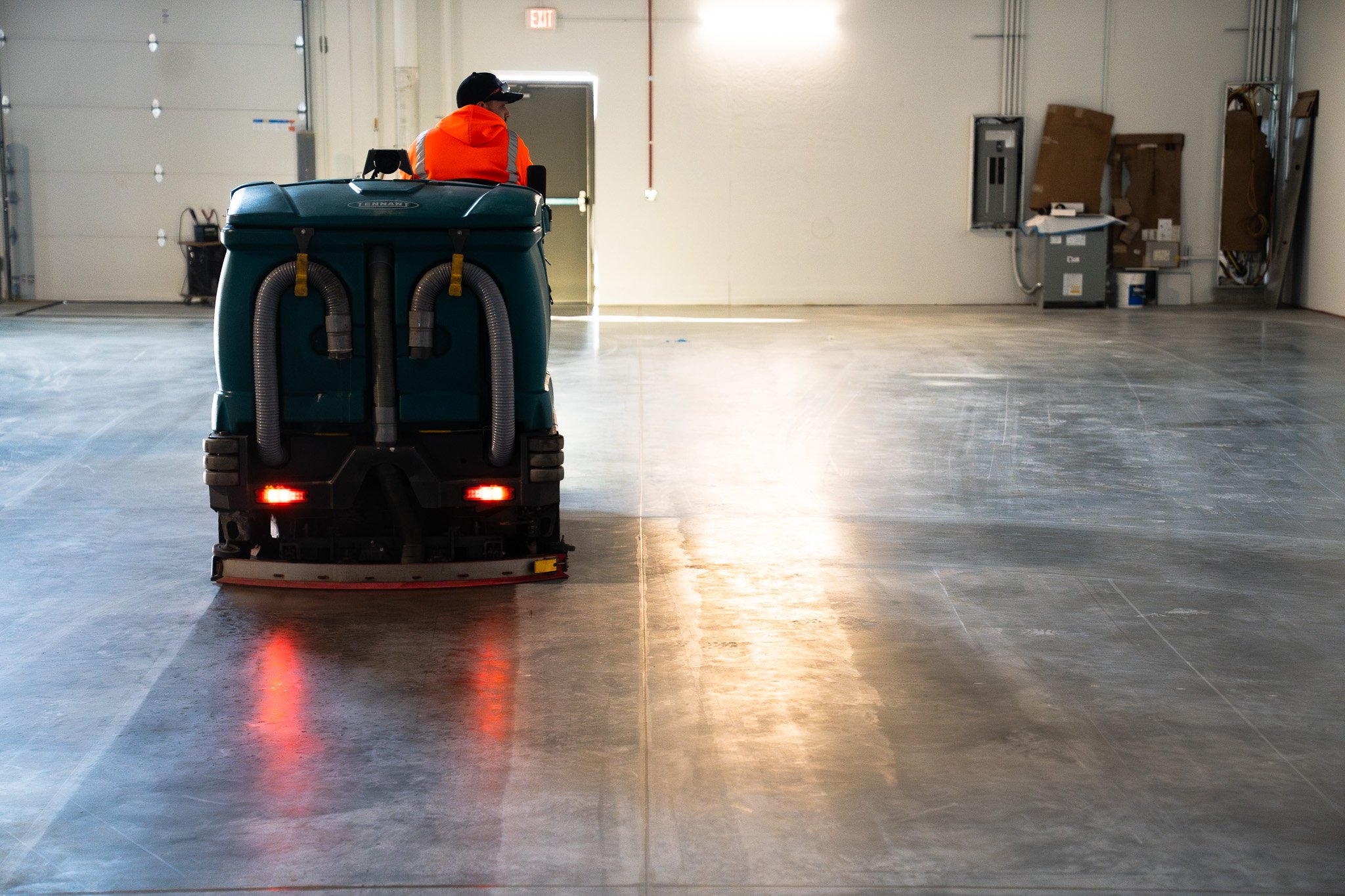
A proper maintenance routine typically includes cleaning with auto-scrubbers and neutral cleaning solutions, along with occasional burnishing to restore shine. In some cases, protective guards may need to be reapplied to maintain performance. Without this level of care, polished concrete can lose its reflectivity and become more susceptible to staining. Consistent upkeep is one of the most important factors in ensuring long-term durability.
3. Installation Quality
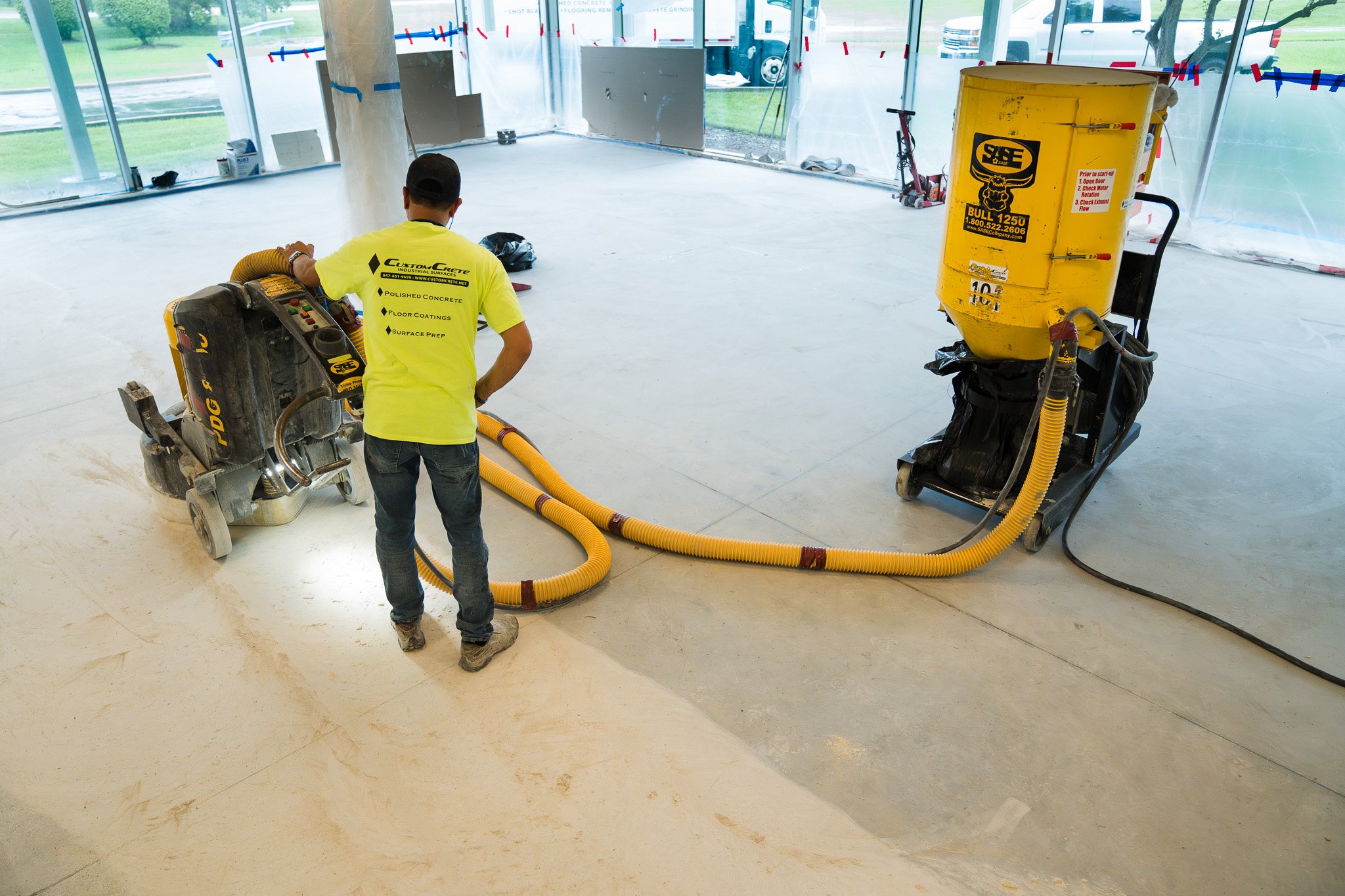
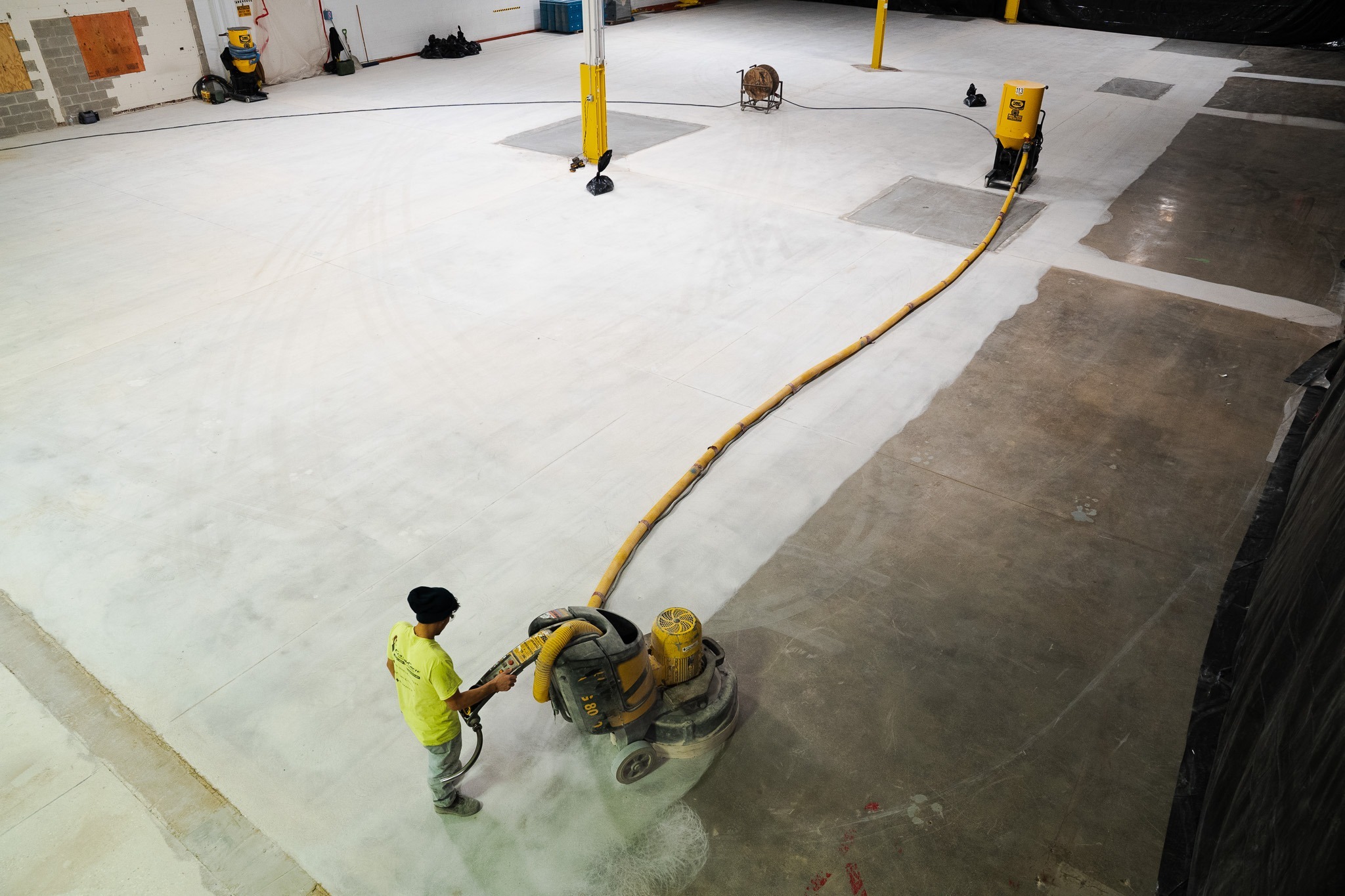
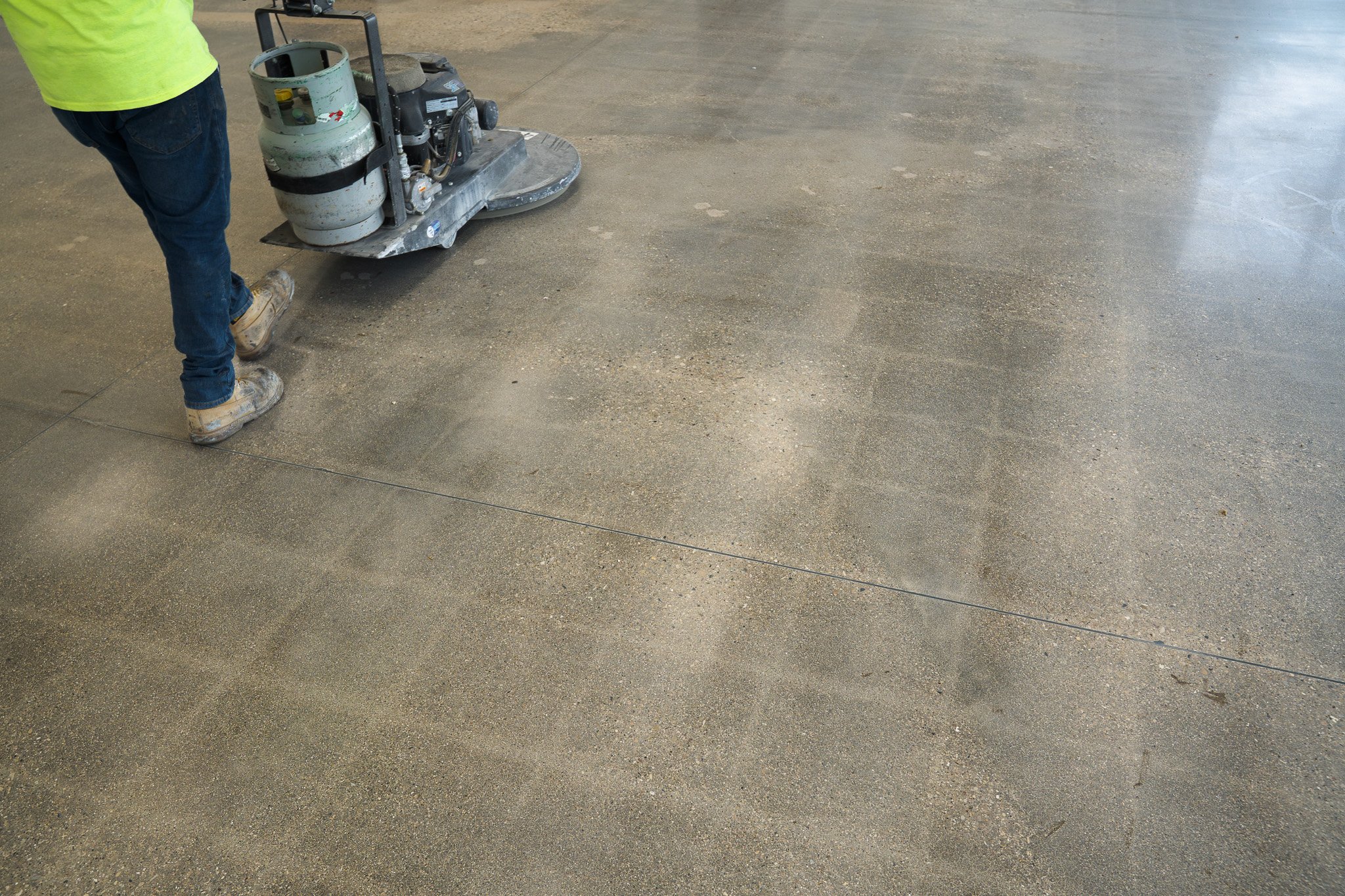
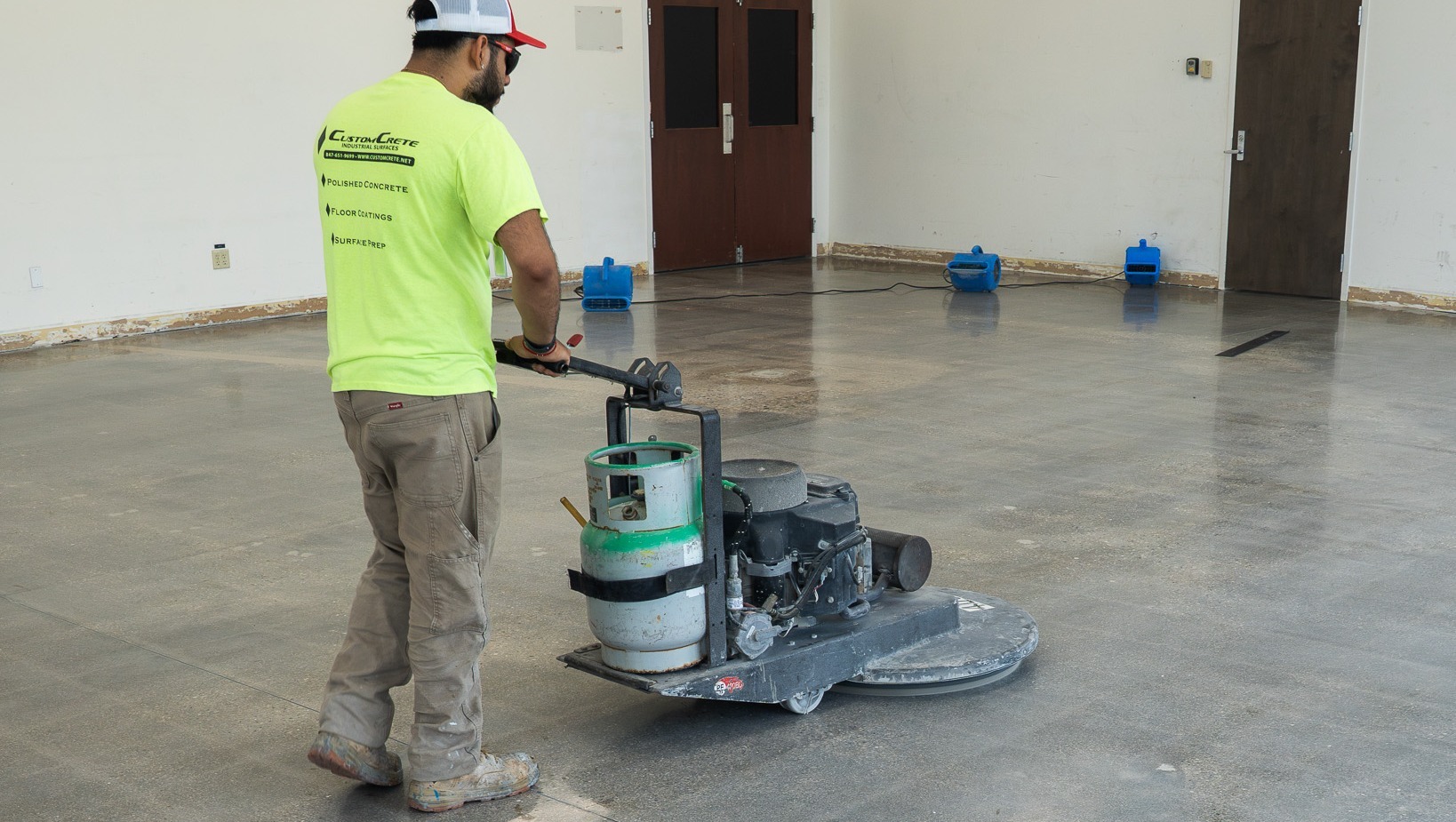
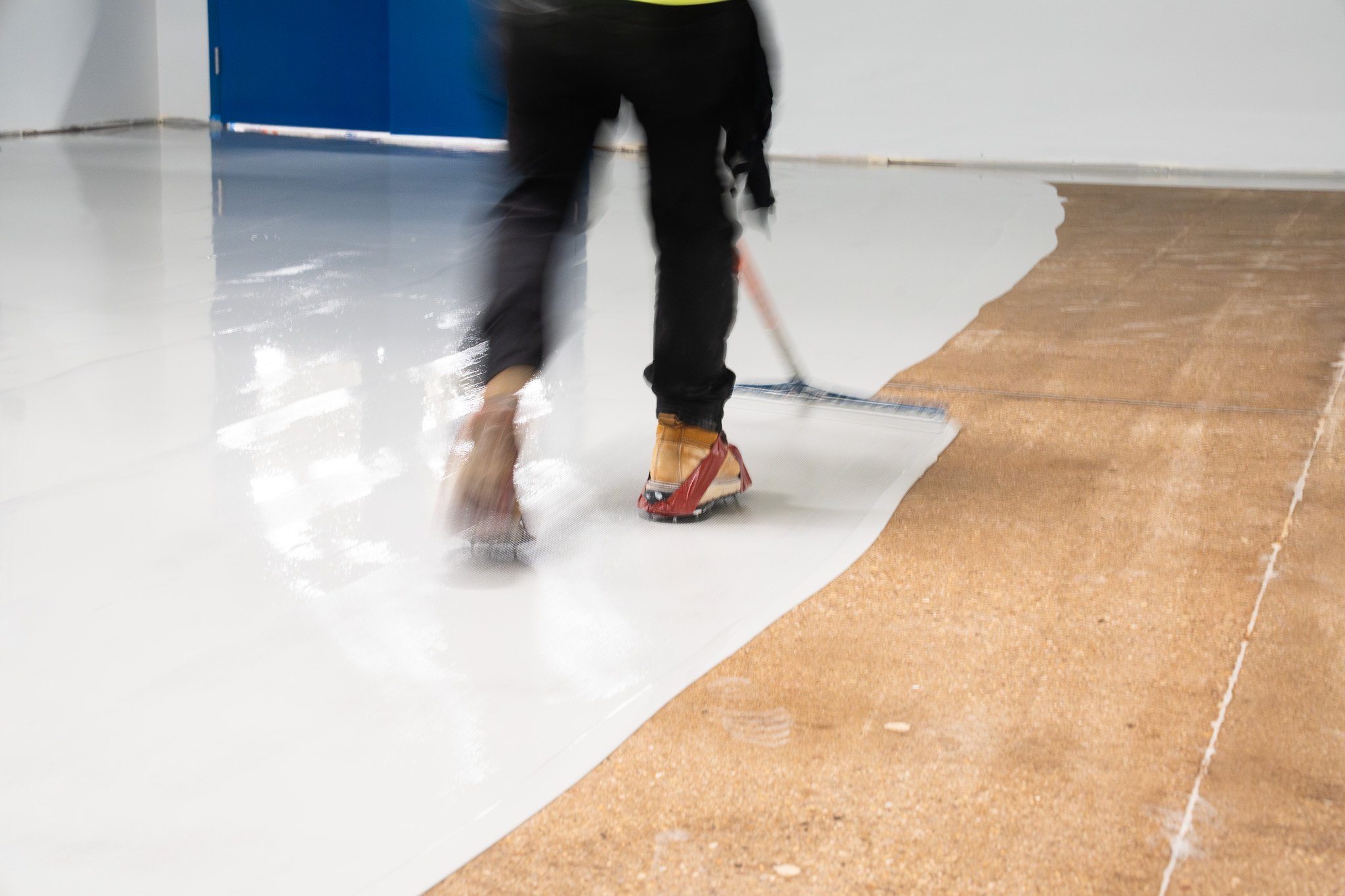
The quality of the installation has a direct impact on how long polished concrete will last. Not all polished concrete floors are created equal, and the process requires attention to detail at every stage. Proper surface preparation is critical to ensure the slab is ready for polishing, and the grinding sequence must be completed correctly to achieve the desired finish.
The use of densifiers is another important step, as they strengthen the concrete and help reduce dusting. If any part of the process is rushed or skipped, the floor may not perform as expected over time. A well-installed polished concrete system is more resistant to wear, easier to maintain, and better equipped to handle long-term use.
4. Condition of the Original Concrete
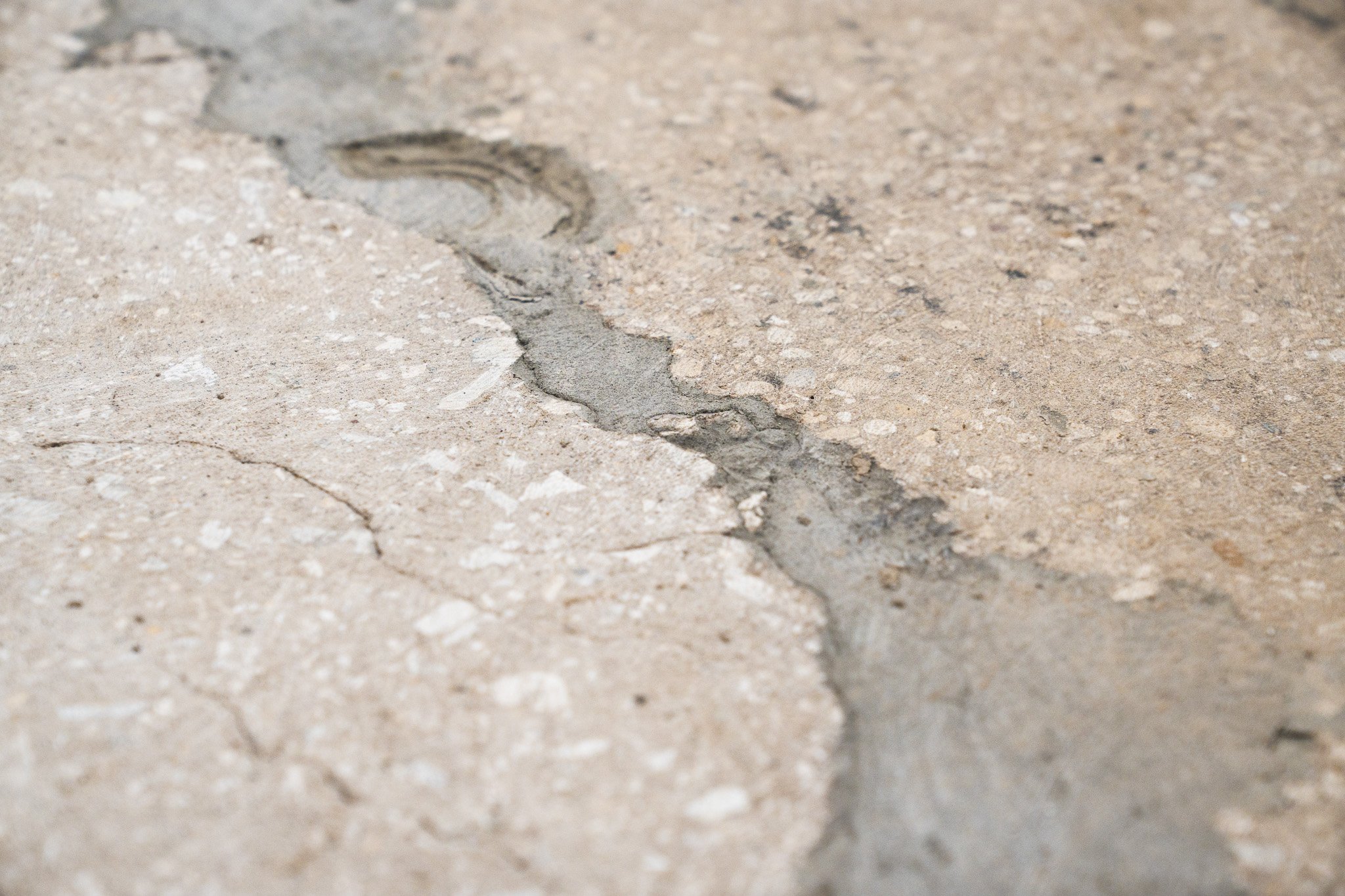
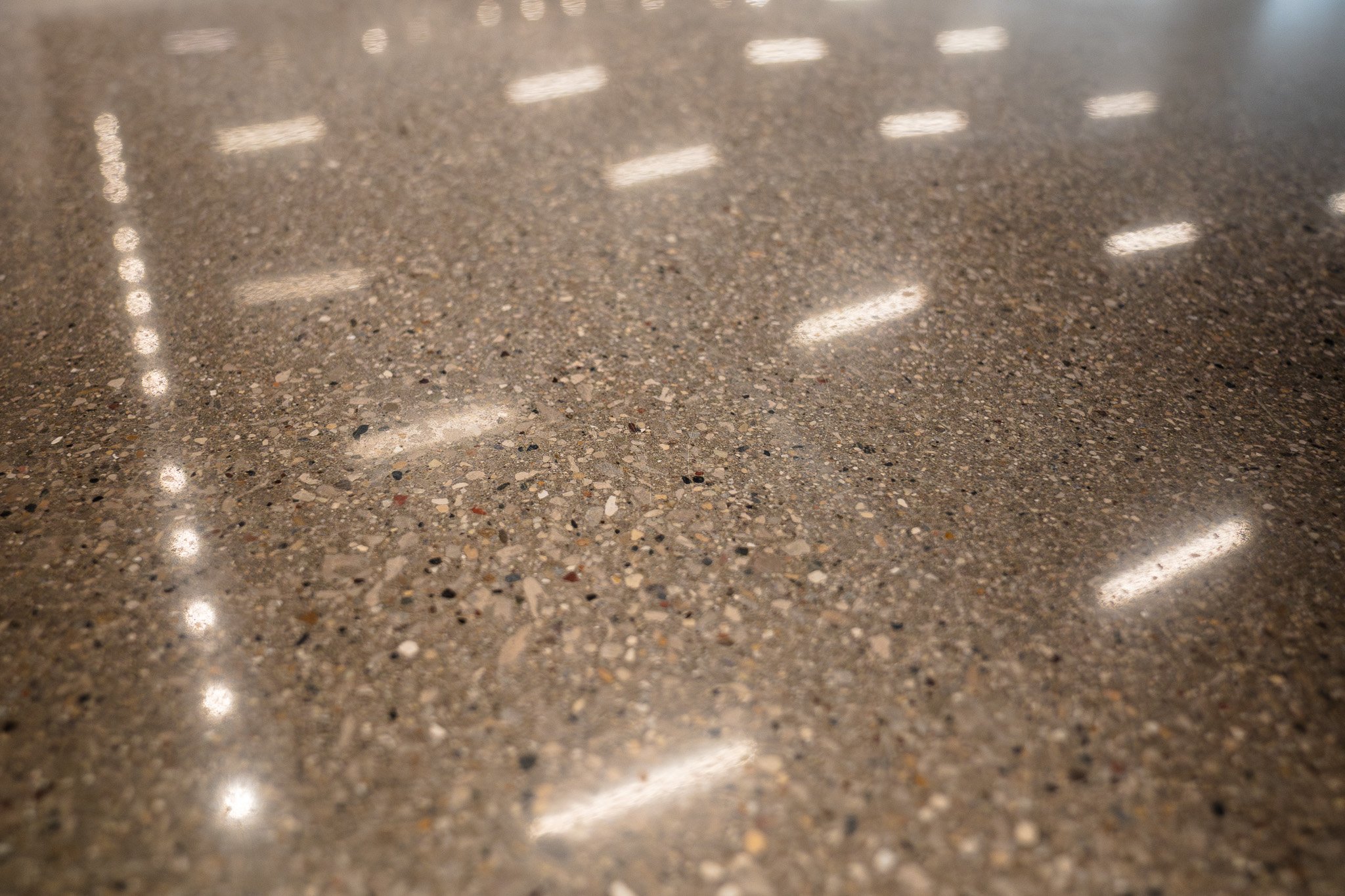
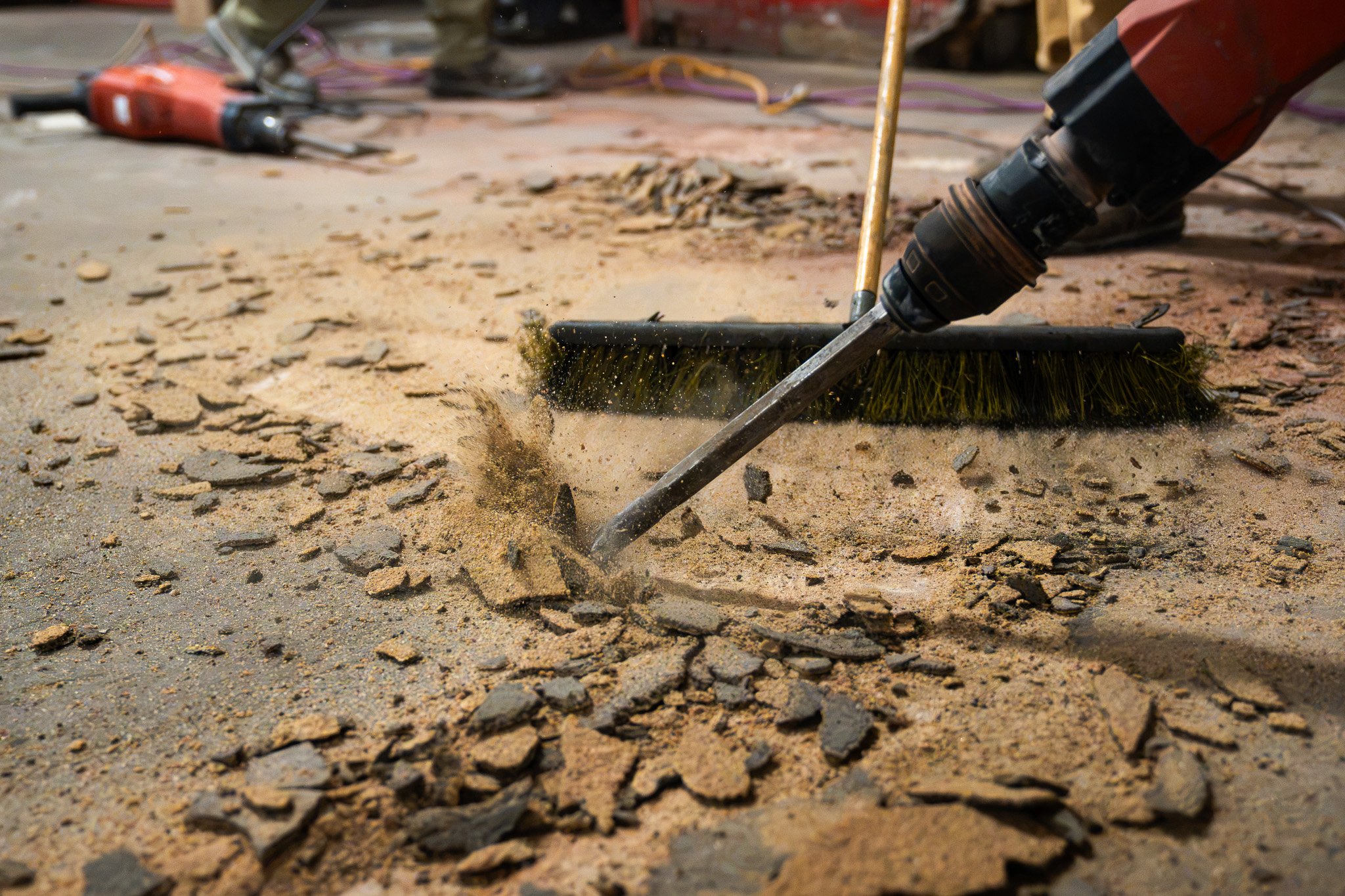
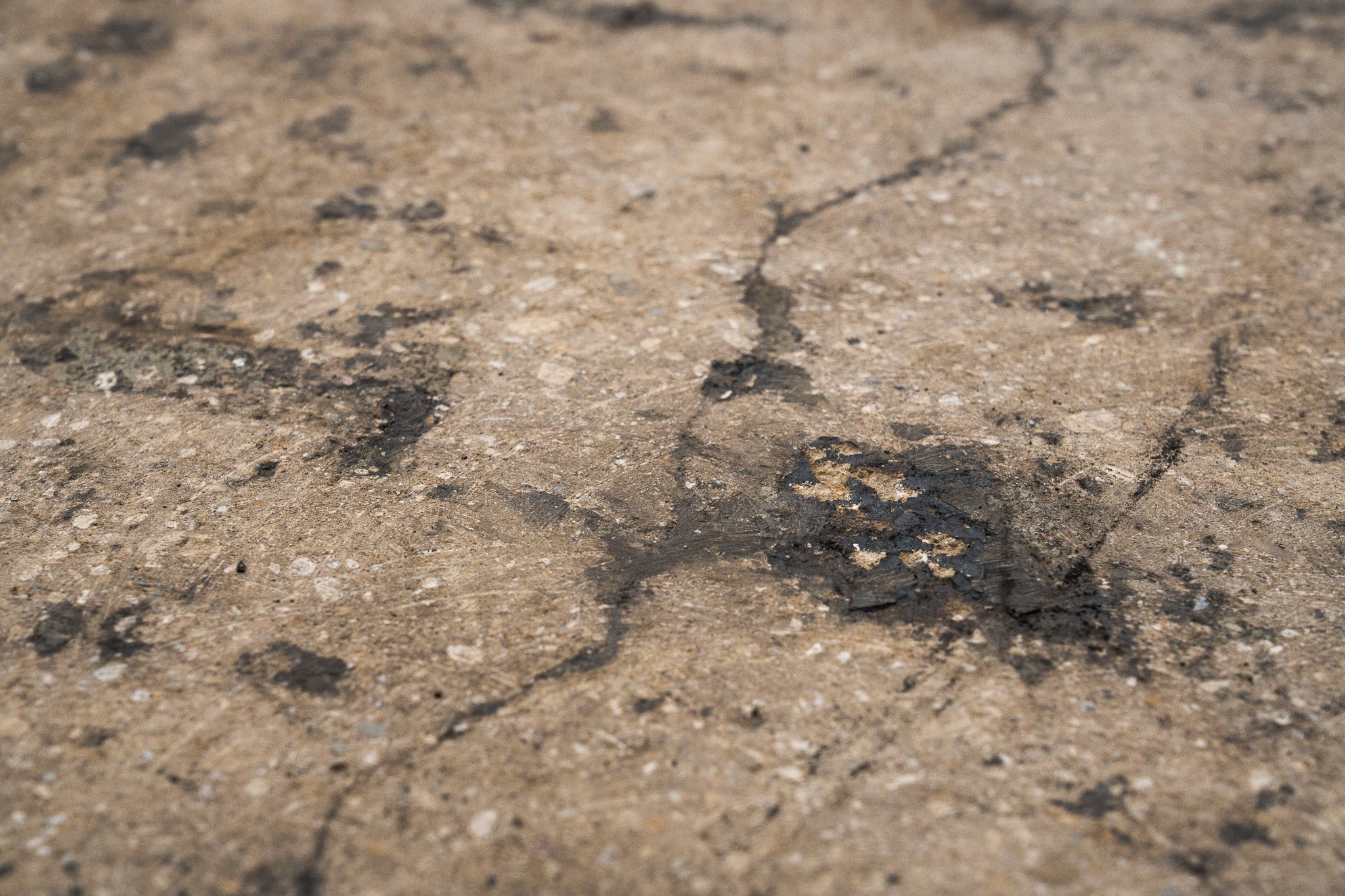
Polished concrete does not cover the slab—it enhances it. This means the condition of the original concrete plays a major role in the final result and overall lifespan. If the slab has cracks, surface damage, or inconsistencies, those characteristics will remain visible even after polishing.
Older or poorly finished slabs may also have weaker surfaces that affect durability. While repairs can improve the condition, they cannot completely change the nature of the concrete. This is why evaluating the slab before polishing is so important. The better the starting surface, the better the long-term performance of the polished floor.
5. Environmental Conditions
Environmental conditions also influence how polished concrete performs over time. Moisture is one of the most important factors, as excess moisture can lead to staining, discoloration, or other surface issues. Facilities with frequent washdowns or high humidity levels may see more wear if moisture is not properly managed.
Chemical exposure is another consideration. While polished concrete can handle general use, repeated exposure to oils, acids, or harsh cleaning agents can gradually affect the surface. Temperature changes can also play a role, especially in environments where conditions fluctuate frequently. Understanding the environment helps set realistic expectations and ensures the floor is properly maintained for long-term performance.
Signs a Polished Concrete Floor Needs Attention
Even long-lasting floors will eventually show signs of wear.
Common indicators include:
- Loss of shine or reflectivity
- Visible wear patterns in high-traffic areas
- Increased staining or discoloration
- Surface roughness or dullness
These signs don’t necessarily mean the floor needs replacement—often, maintenance or refinishing can restore performance.
Can Polished Concrete Be Restored?
Yes. One of the advantages of polished concrete is that it can often be restored rather than replaced.
Restoration may include:
- Re-polishing the surface
- Reapplying densifiers or guards
- Addressing minor surface damage
This ability to refresh the floor helps extend its overall lifespan and reduce long-term costs.
How to Maximize the Lifespan
To get the most out of your polished concrete floor:
- Implement a regular cleaning schedule
- Use appropriate cleaning equipment
- Address spills quickly
- Monitor high-traffic areas
- Schedule periodic maintenance
Taking these steps helps maintain both the appearance and durability of polished concrete.
FAQ: Polished Concrete Lifespan
How long does polished concrete last in warehouses?
It can last 20+ years, but heavy traffic may require more frequent maintenance.
Does polished concrete need to be replaced?
Not usually. Most floors can be restored through re-polishing.
Is polished concrete better than coatings?
It depends on the environment. Each option has its own advantages.

Final Thoughts
The lifespan of polished concrete depends on several key factors, including traffic levels, maintenance routines, installation quality, and the condition of the original slab. When these elements are properly managed, polished concrete can provide decades of reliable performance.
Understanding what influences longevity helps facility managers set realistic expectations and protect their investment over time.
To learn more about the cost side of polished concrete and how pricing is determined, read the next article: How Much Does Polished Concrete Really Cost? Breaking Down the Price Per Sq Ft.
Topics:
.jpg?width=2048&height=1365&name=CC108559%20(1).jpg)
.png?width=11520&height=9216&name=Untitled%20design%20(56).png)
.jpg?width=2048&height=1365&name=CC106221%20(1).jpg)
.jpg?width=2048&height=1365&name=CC102459%20(1).jpg)