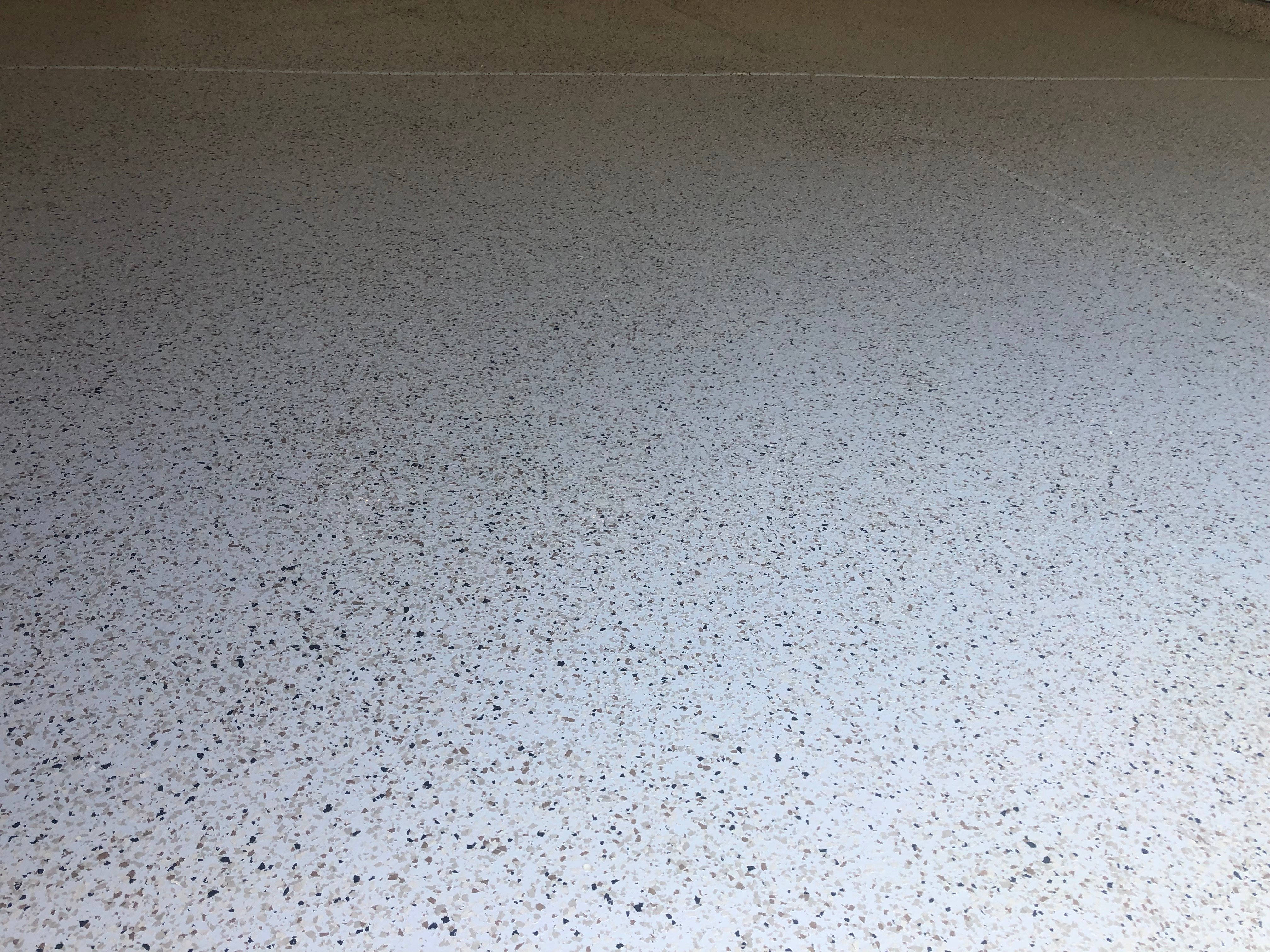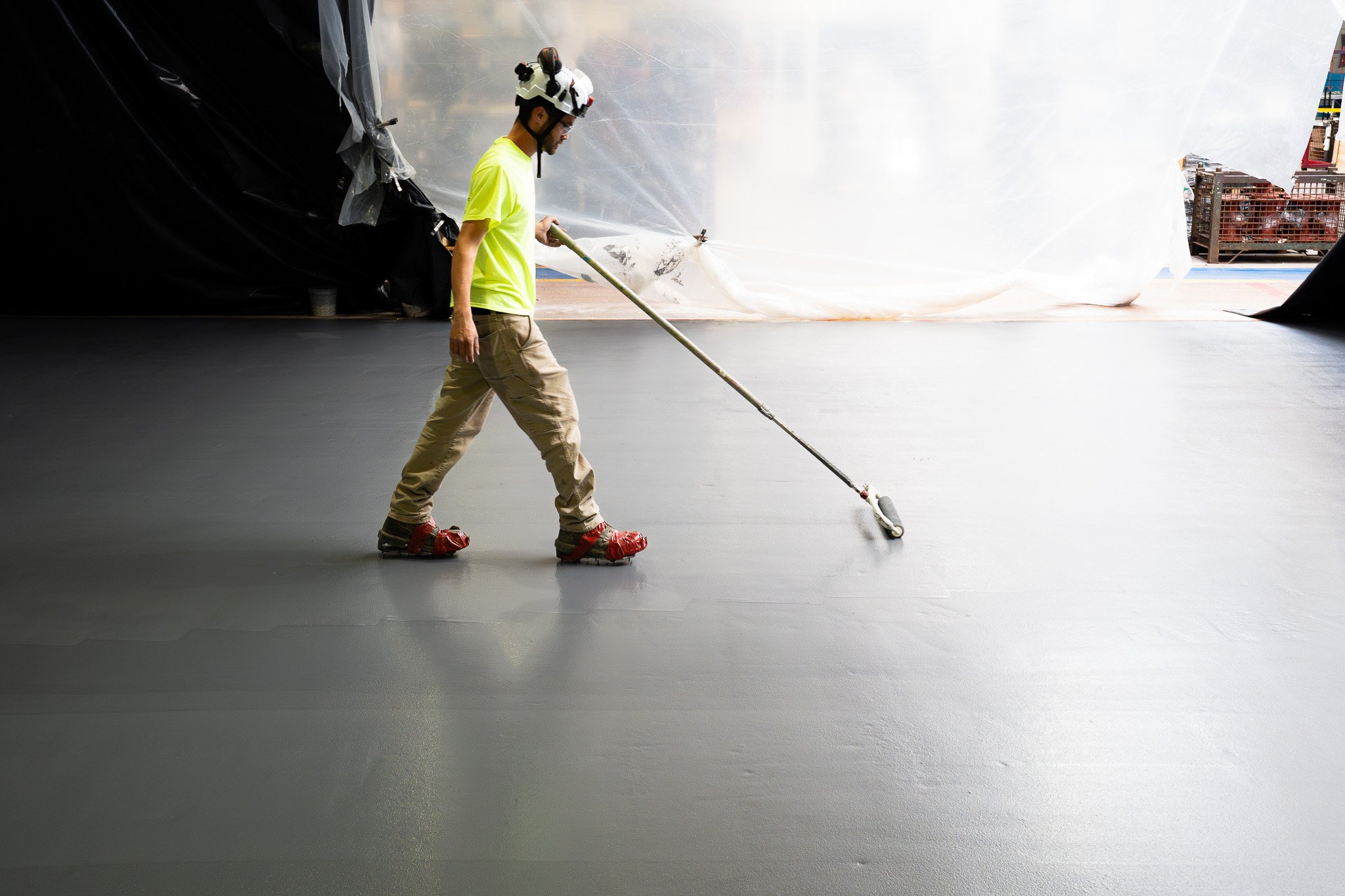

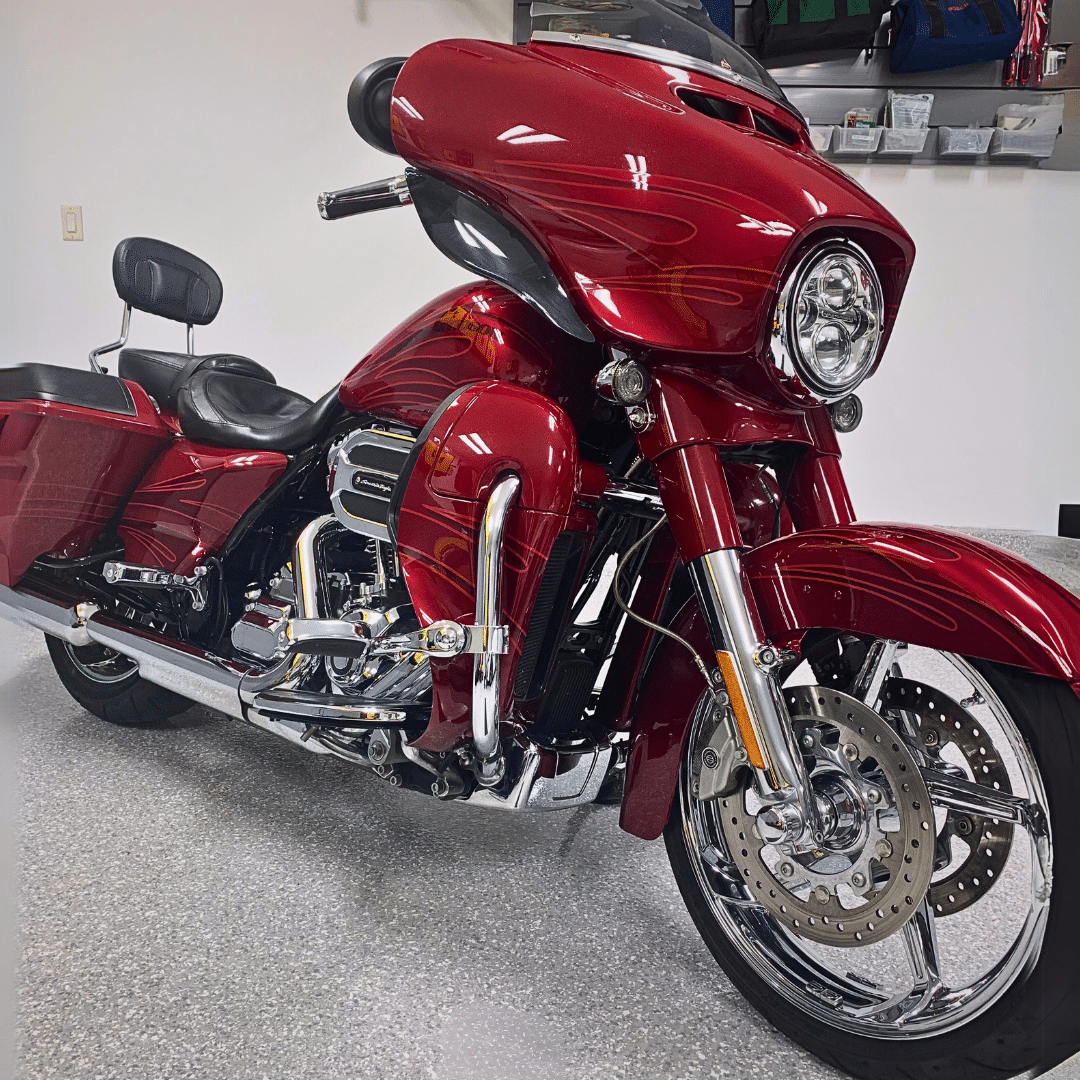
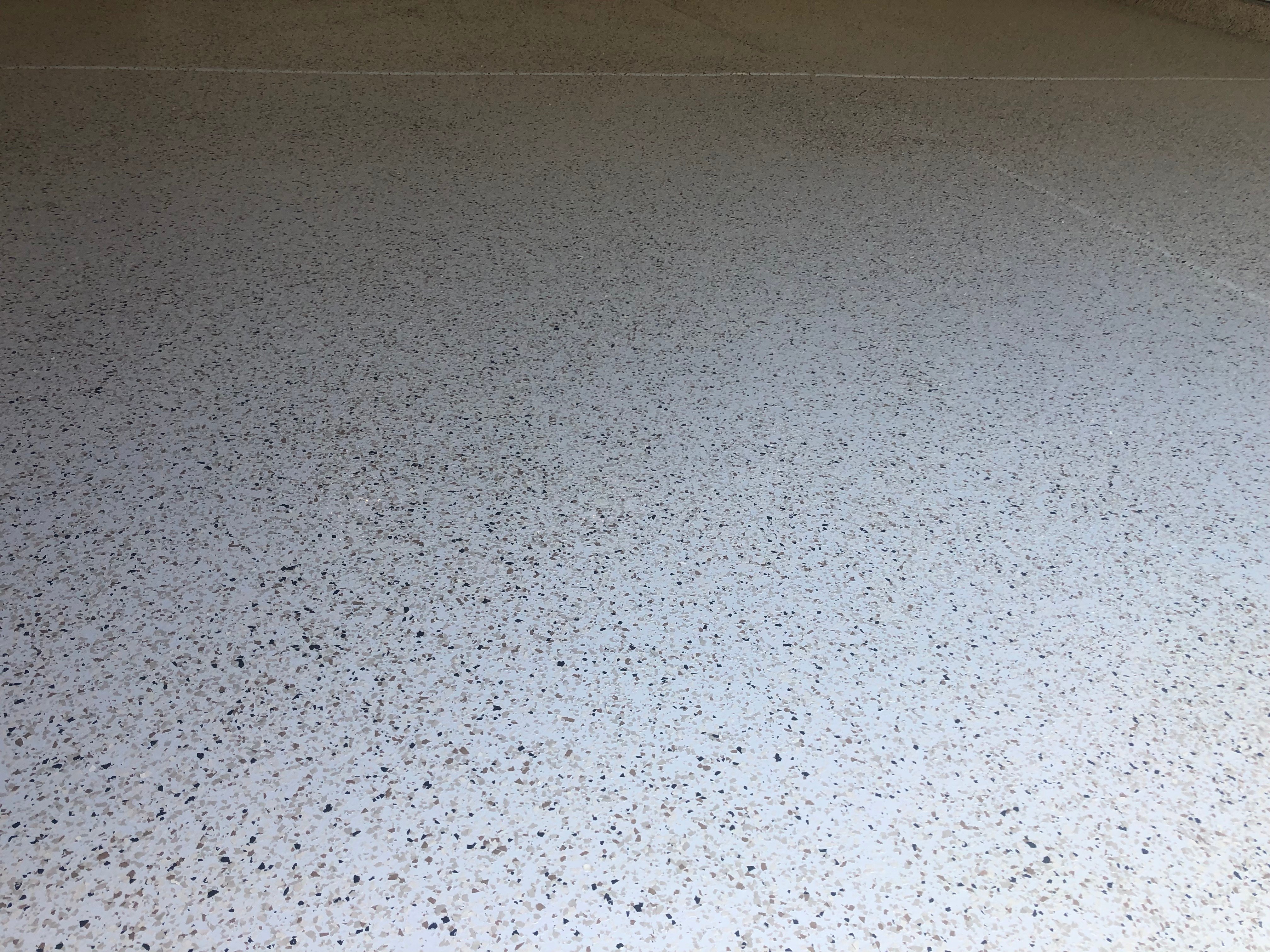
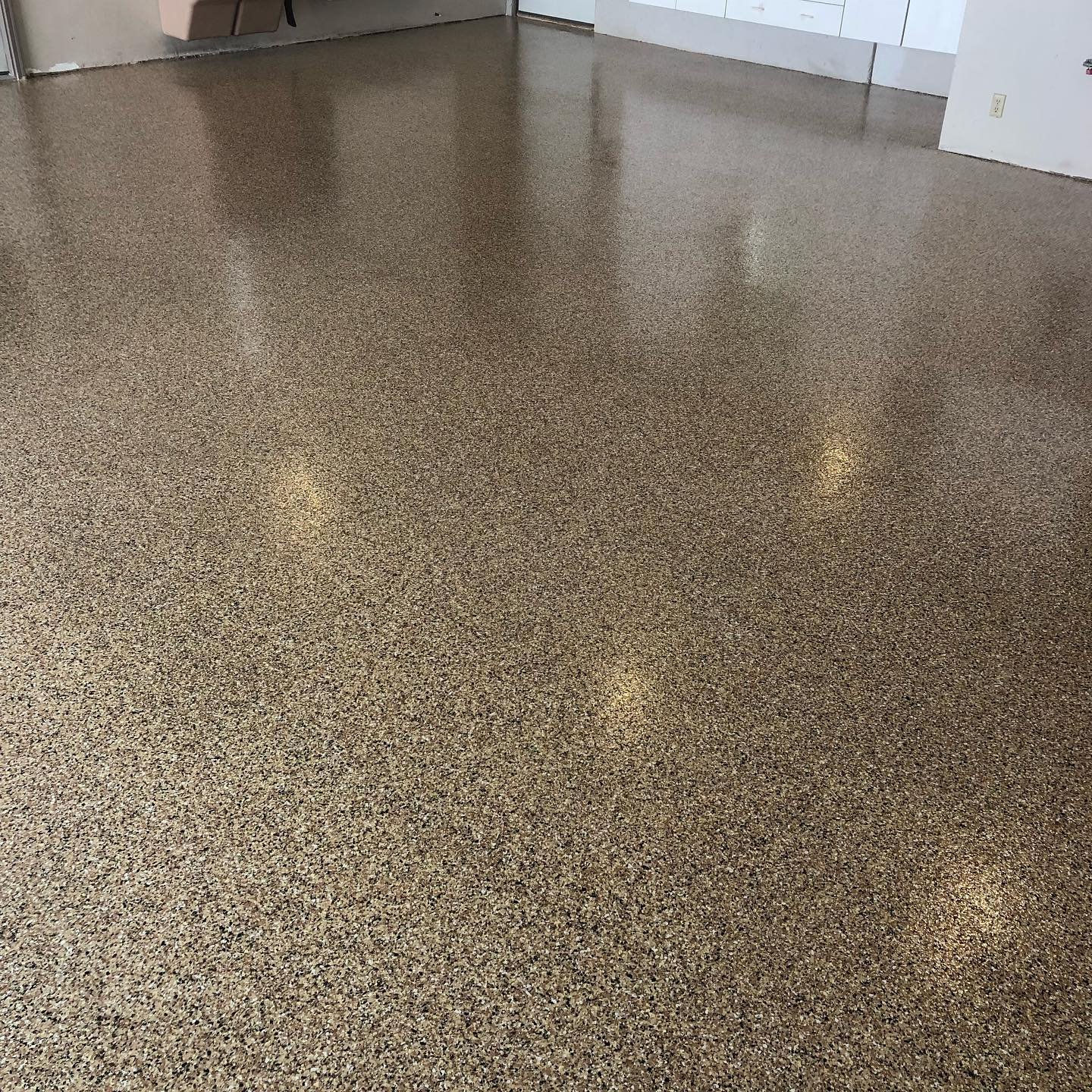
A flake garage flooring system is one of the most popular upgrades for residential garages because it improves appearance, durability, and cleanability while helping protect the underlying concrete. Decorative flake systems create a more finished look than bare concrete and are commonly used in garages, workshops, and residential storage spaces.
However, many homeowners are surprised to learn that pricing for flake flooring can vary significantly from one garage to another. The total cost depends on much more than square footage alone. Factors such as concrete condition, crack repairs, moisture issues, coating thickness, and topcoat selection all influence the final investment.
With nearly 20 years of experience and over 1 million square feet installed, CustomCrete understands how important it is for homeowners to understand what actually affects pricing before moving forward with a project.
This guide breaks down the major factors that influence the cost of flake garage flooring systems.
Key Takeaways
- Flake garage flooring pricing depends heavily on slab condition and preparation requirements.
- Crack repairs, moisture mitigation, and topcoat selection can significantly affect total cost.
- Higher-quality systems often cost more upfront but may provide better long-term durability and appearance retention.

What Is Flake Garage Flooring?
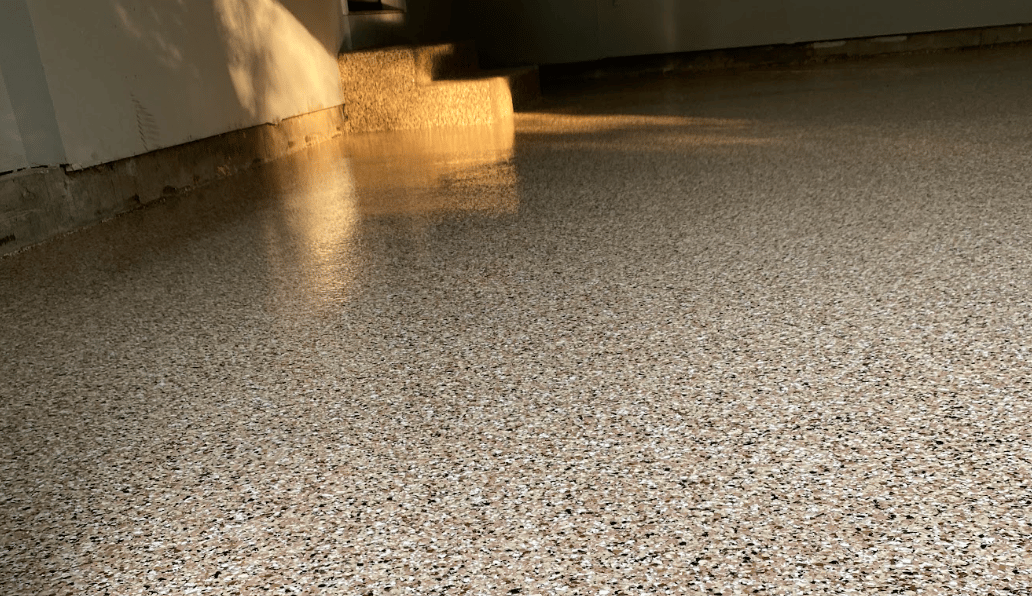
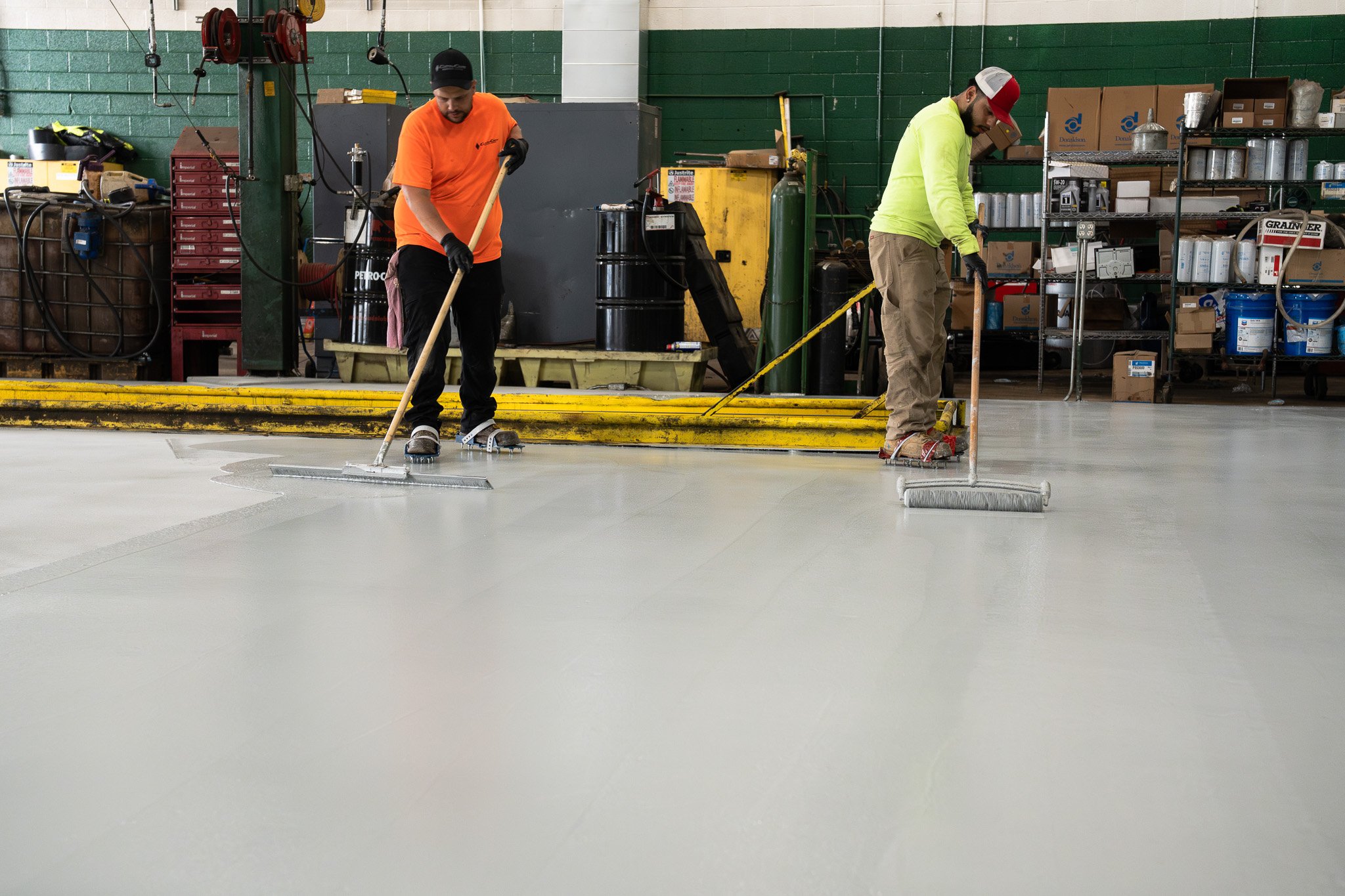
Flake garage flooring is a resinous flooring system that combines:
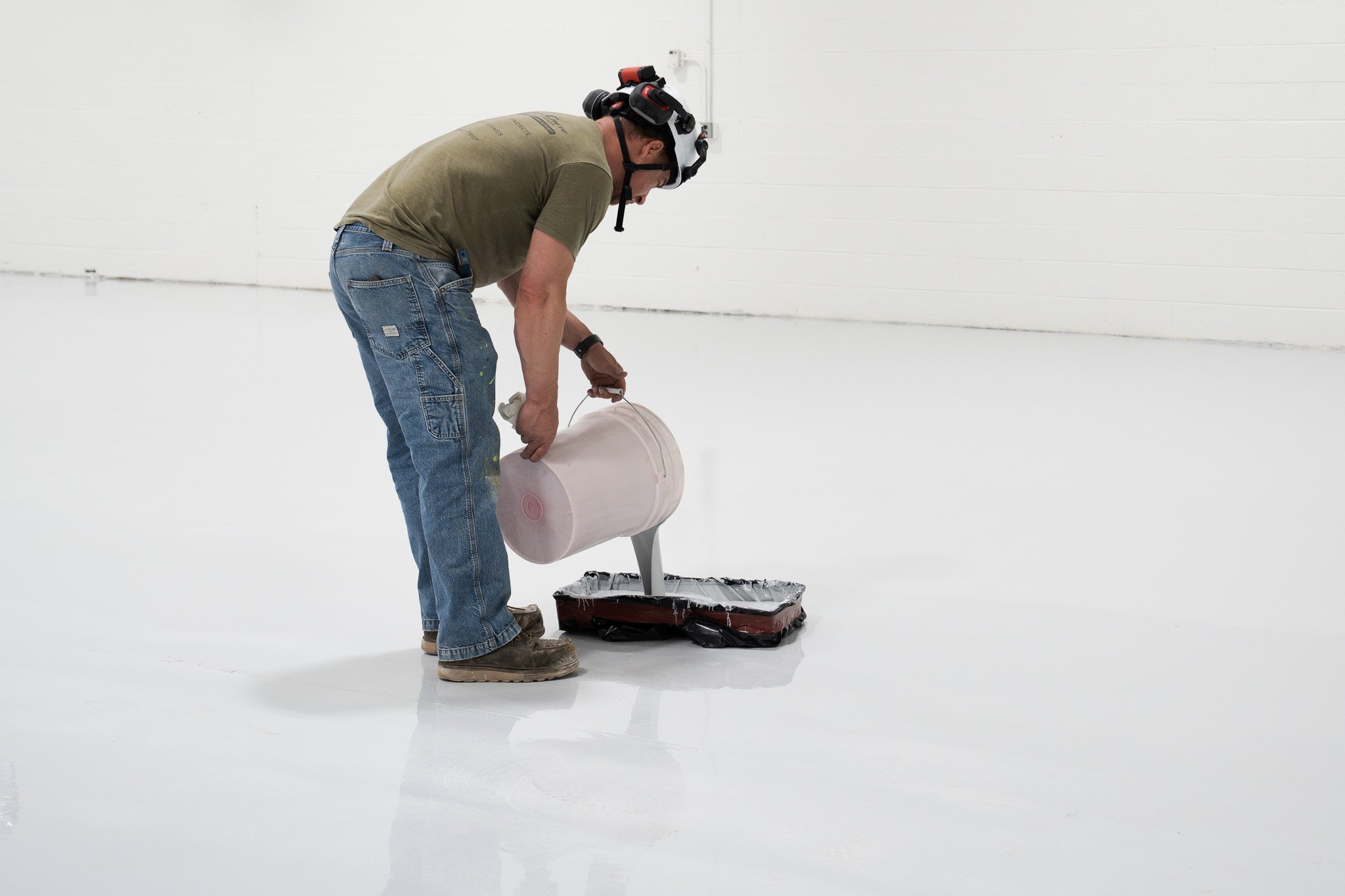
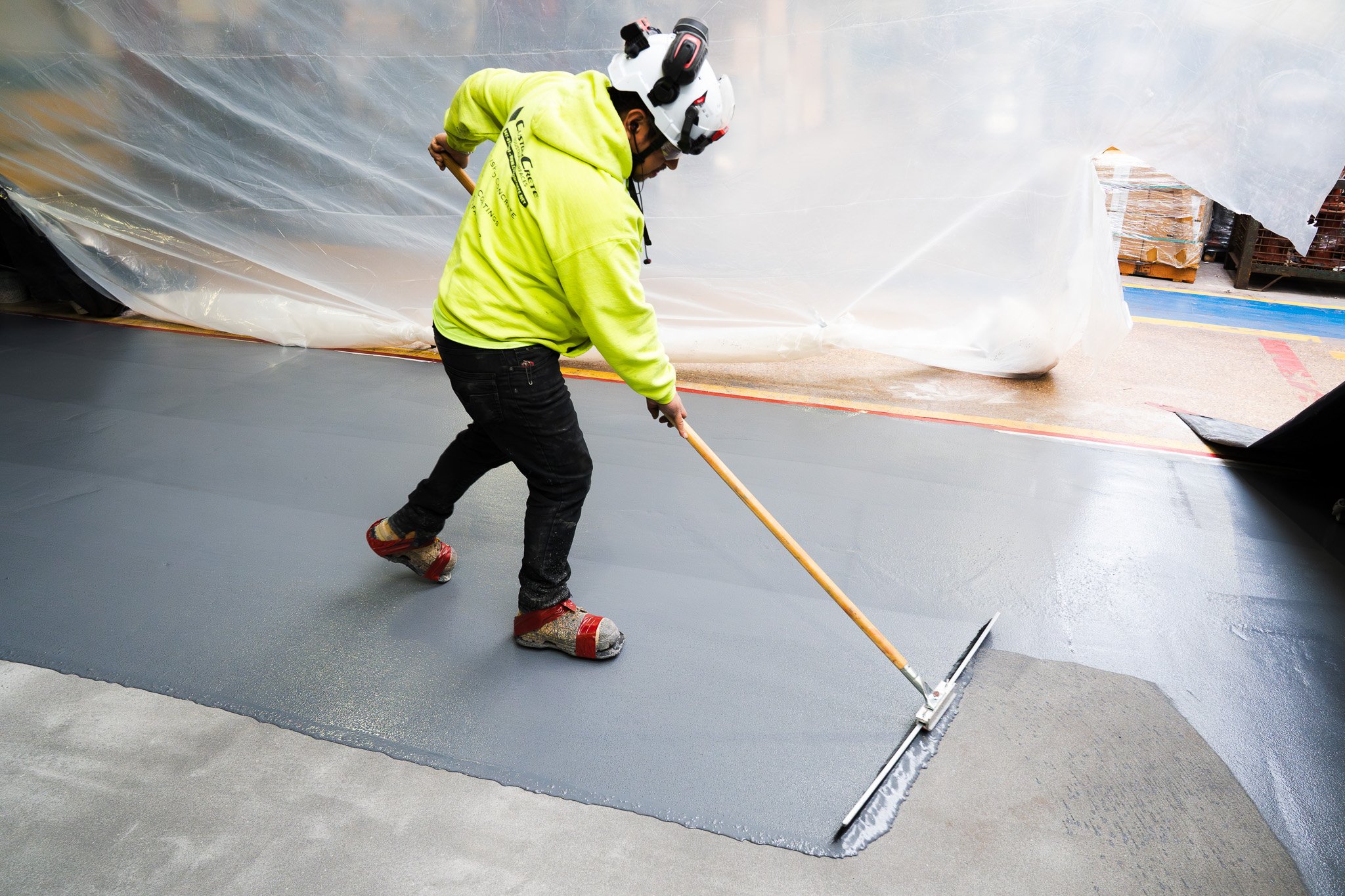
- An epoxy or polyaspartic basecoat
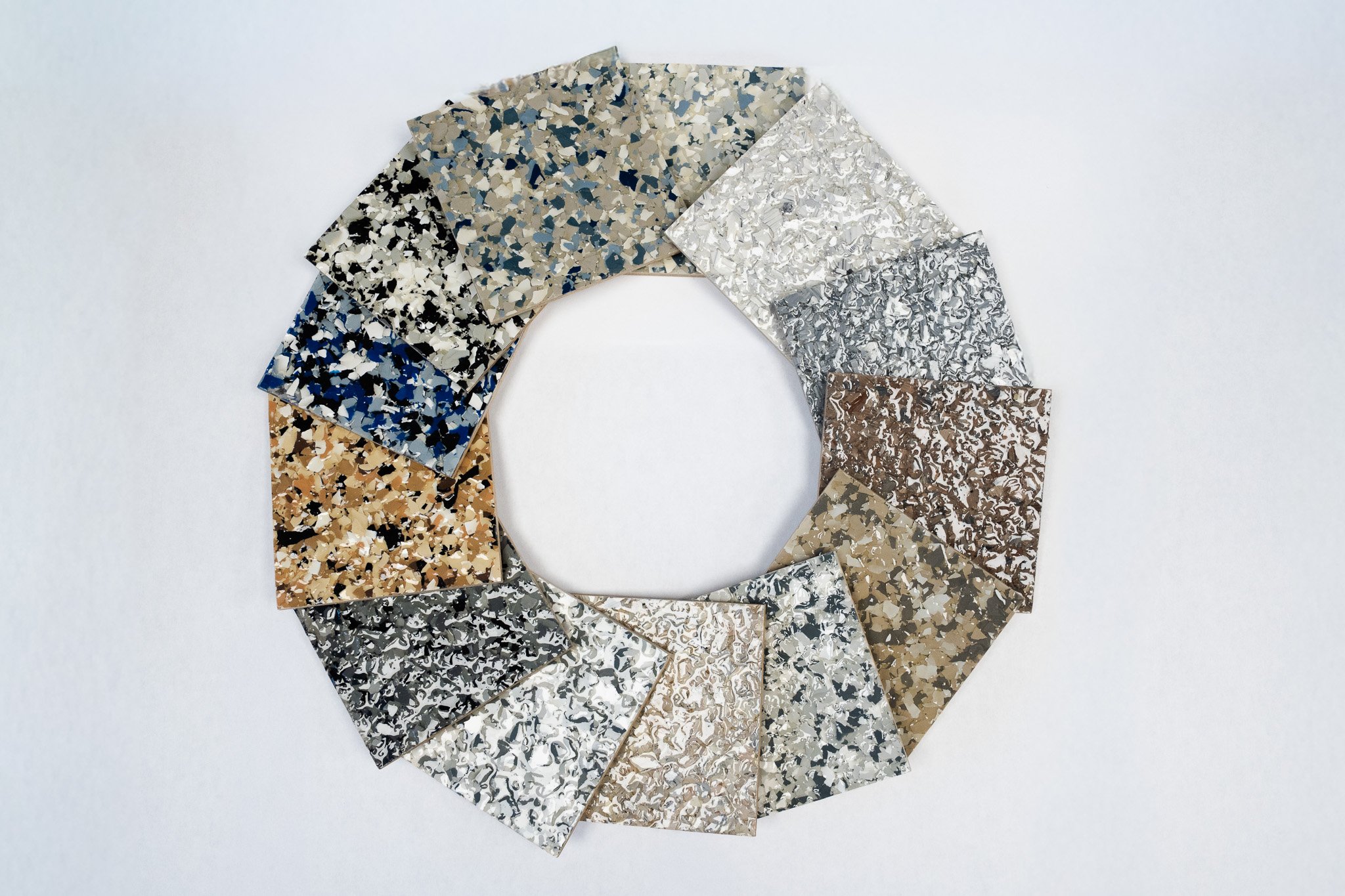
- Decorative vinyl flakes
- A protective clear topcoat
The flakes help create texture and visual variation while the topcoat protects the system from wear, chemicals, and daily use.
These systems are commonly installed in:
- Residential garages
- Workshops
- Home gyms
- Storage areas
Because the flooring is seamless and easier to clean than bare concrete, many homeowners view it as both a functional and aesthetic upgrade.
Average Flake Garage Flooring Costs
For many residential projects, flake garage flooring commonly ranges between approximately $5 to $12 per square foot, depending on the system design and preparation requirements.
- Typical range for a one-car garage: $1,500 - $1,800
- Typical range for a two-car garage: $3,500 - $4,000
- Typical range for a three-car garage: $5,000 - $6,000
However, the final price can increase depending on:
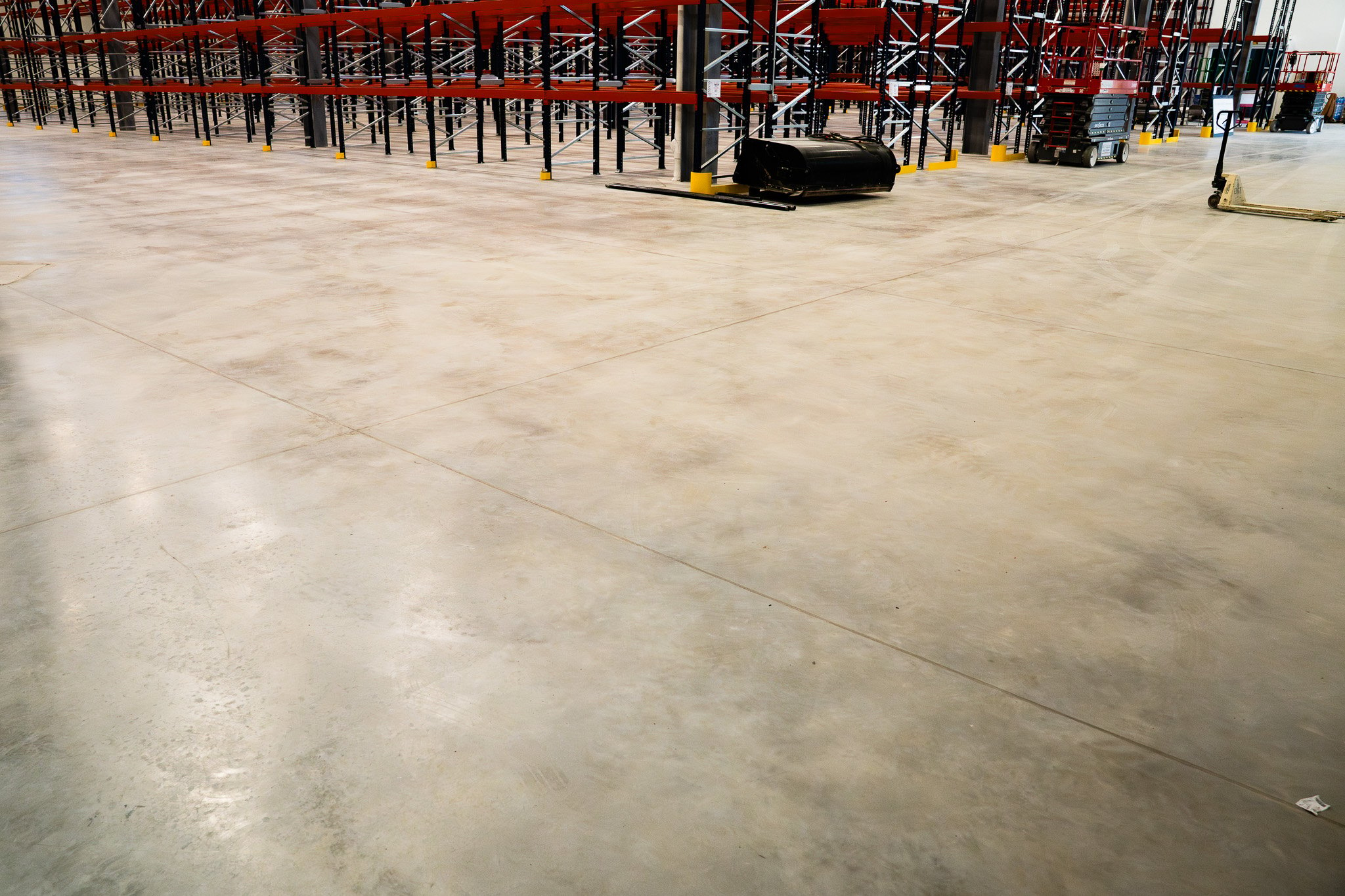
- Existing concrete condition
- Repair needs
- Moisture issues
- Coating thickness
- Topcoat selection
Every slab is different, which is why pricing can vary significantly between garages.
.jpg?width=2000&height=600&name=banner%20wedbsite%20(4).jpg)
Factor #1: Concrete Condition
One of the biggest pricing factors is the condition of the existing concrete.
If the slab has:
- Cracks
- Surface spalling
- Oil contamination
- Uneven areas
- Existing coatings or adhesives
additional preparation and repair work may be required before installation can begin.
Since flake systems follow the shape of the existing slab, damaged concrete must often be repaired first to improve both appearance and long-term performance.
The worse the slab condition, the higher the overall flake garage flooring cost is likely to be.
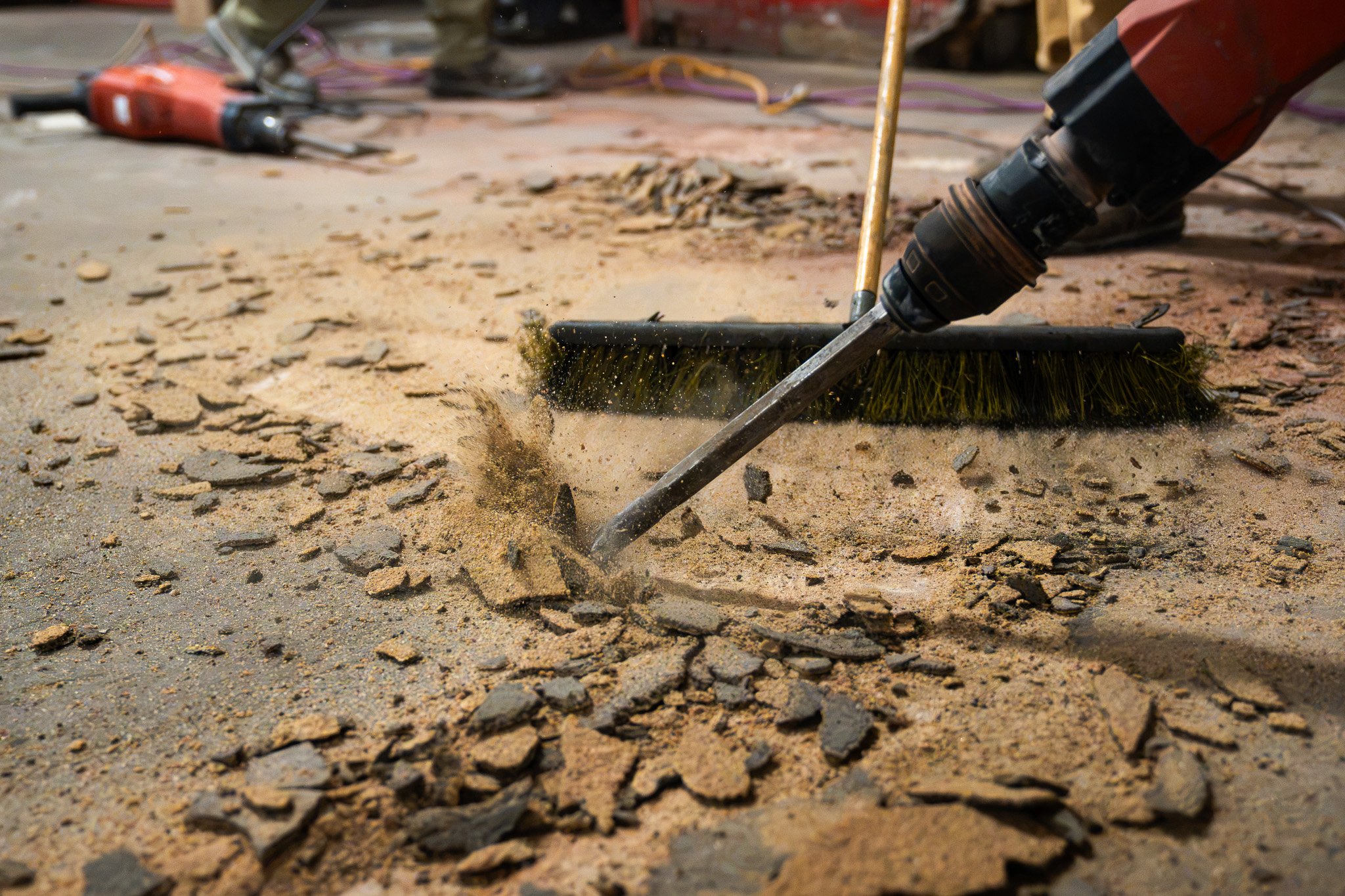
Factor #2: Surface Preparation
Surface preparation is one of the most important parts of the installation process.
Proper preparation often includes:
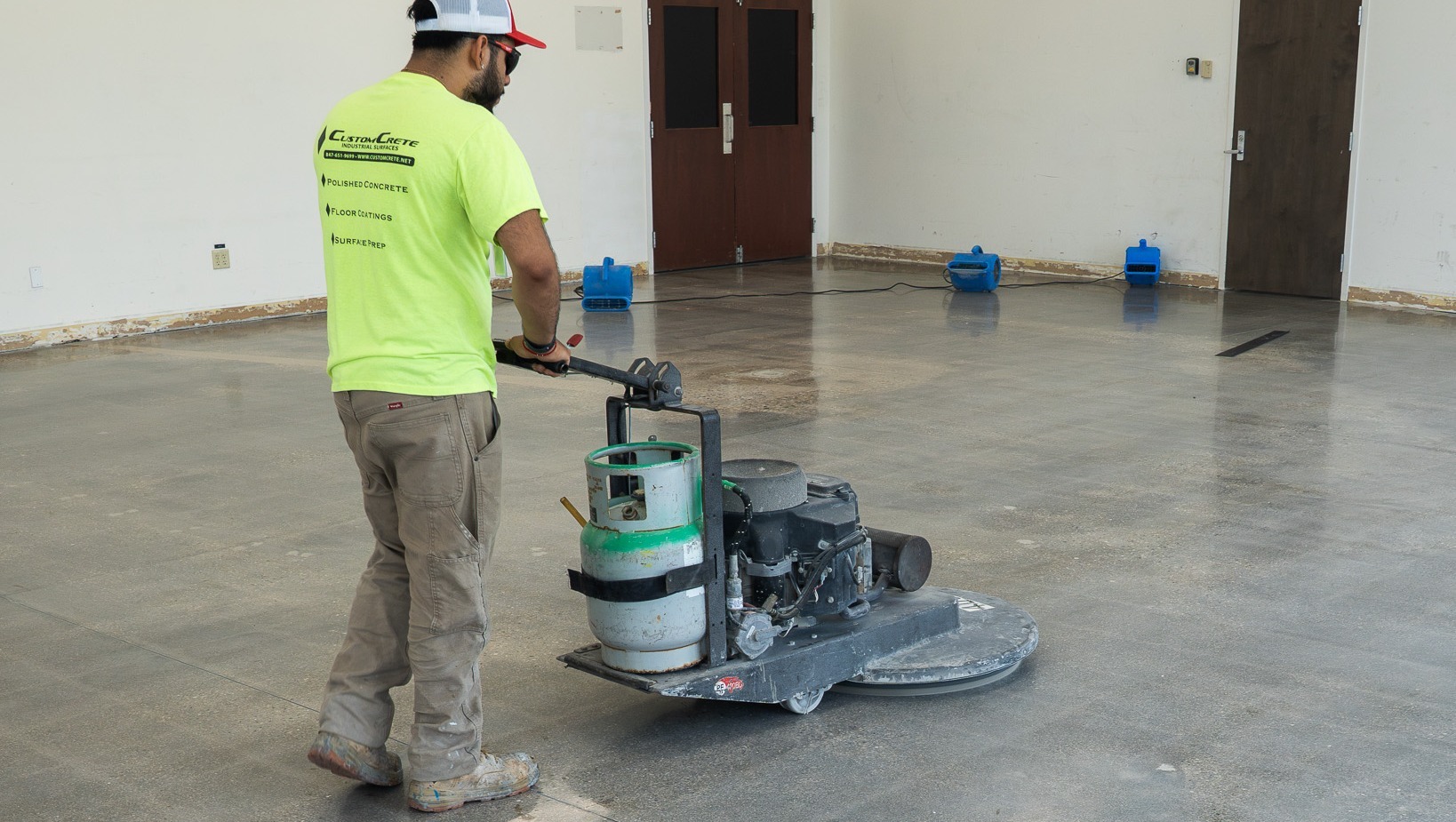
- Mechanical grinding
- Crack repair
- Coating removal
- Joint filling
- Cleaning and profiling the slab
Mechanical grinding helps create the correct surface profile for strong coating adhesion.
While preparation increases labor costs, it also plays a major role in preventing future peeling or delamination.
Skipping preparation to reduce upfront cost often leads to more expensive failures later.
Factor #3: Crack Repairs and Joint Work
Most garage slabs contain at least some cracking or joint movement.
Depending on the severity, repairs may include:
- Crack filling
- Surface patching
- Joint stabilization
- Epoxy or polyurea repair materials
These repairs improve the appearance of the finished floor while also helping reduce future coating movement or failure.
Extensive repair work can noticeably increase the overall cost of flake garage flooring systems.
Factor #4: Moisture Issues
Moisture vapor coming through the concrete is one of the leading causes of coating failure.
If moisture testing reveals elevated moisture levels, additional mitigation steps may be required before installation.
Moisture problems can contribute to:
- Bubbling coatings
- Delamination
- Peeling systems
While moisture mitigation increases upfront cost, it often prevents much larger repair costs later.
Factor #5: Coating Thickness
Not all flake systems are installed at the same thickness.
Thinner Systems
- Lower upfront cost
- Less material usage
- May wear faster under heavy use
Higher-Build Systems
- Greater durability
- Better impact resistance
- Improved long-term performance
Thicker systems generally cost more because they require additional material and labor.
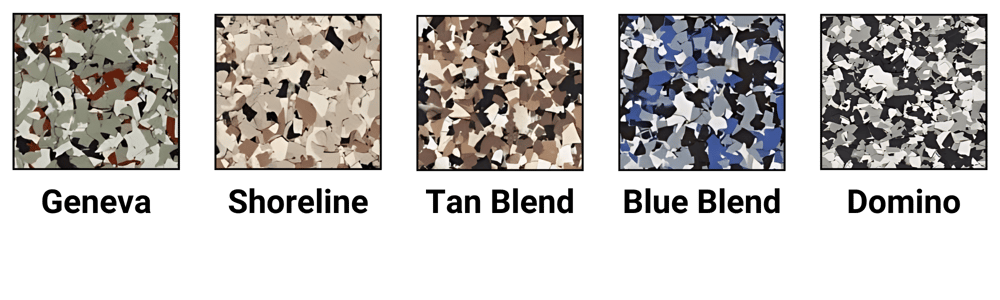
Factor #6: Flake Blend Selection
Decorative flake blends also influence pricing.
Some homeowners choose:
- Standard color blends
- Custom decorative blends
- Larger flake sizes
- Specialty finishes
More customized or decorative options may increase material costs.
However, flake selection also affects:
- Appearance
- Texture
- Ability to hide dirt and wear
The visual style of the floor is often one of the biggest reasons homeowners invest in flake garage flooring.
Factor #7: Topcoat Options
The topcoat is one of the most important parts of the system because it affects:
- UV resistance
- Chemical resistance
- Scratch resistance
- Long-term appearance retention
Common topcoat options include:
- Epoxy
- Polyaspartic
- Polyurethane
Higher-performance topcoats usually increase upfront pricing but may improve long-term durability and reduce discoloration over time.
Why Cheaper Systems Often Cost More Long Term
Low-cost garage coating systems may initially seem appealing, but they often cut corners on:
- Surface preparation
- Material thickness
- Moisture testing
- Topcoat quality
These shortcuts can lead to premature failures that require repairs or full replacement much sooner than expected.
Higher-quality systems generally provide better long-term value because they are designed to withstand daily wear more effectively.
FAQ: Flake Garage Flooring Costs
Why does flake garage flooring pricing vary so much?
Concrete condition, preparation requirements, repairs, and material selection all affect cost.
Does every garage need grinding?
Proper mechanical preparation is strongly recommended for long-term coating adhesion.
Are polyaspartic topcoats more expensive?
Usually yes, but they often provide better UV stability and faster cure times.
Final Thoughts
The true cost of flake garage flooring depends on much more than square footage alone. Concrete condition, crack repairs, moisture mitigation, coating thickness, flake blend selection, and topcoat quality all influence the final investment.
Understanding these variables helps homeowners make more informed decisions and avoid unrealistic expectations about garage flooring pricing.
If you’re considering a flake flooring system for your garage, request a quote with CustomCrete to evaluate your space and discuss the best options for your project.

Topics:

.jpg?width=2048&height=1365&name=CC108559%20(1).jpg)
.jpeg?width=1638&height=1020&name=CC109349%20(1).jpeg)
.png?width=11520&height=9216&name=Untitled%20design%20(56).png)